Thailand wants $80 billion in semiconductor investment by 2050 to build a domestic chip manufacturing sector, the Board of Investment announced on Thursday.
Under the national roadmap, officials aim to generate $150 billion in annual revenue. The plan targets 230,000 technical jobs over the next quarter-century.
Finance Minister Ekniti Nitithanprapas said the government will offer tax incentives, regulatory reforms, workforce training, infrastructure upgrades, and direct research funding to draw foreign chipmakers. The programme rolls out in stages. It starts with packaging and testing before advancing into wafer fabrication and integrated circuit design.
Targeting Three Priority Technologies
Bangkok designated photonics, power semiconductors, and sensors as priority subsectors. These categories feed into automotive electronics, industrial machinery, and artificial intelligence hardware. Thailand already maintains substantial export volume in these sectors.
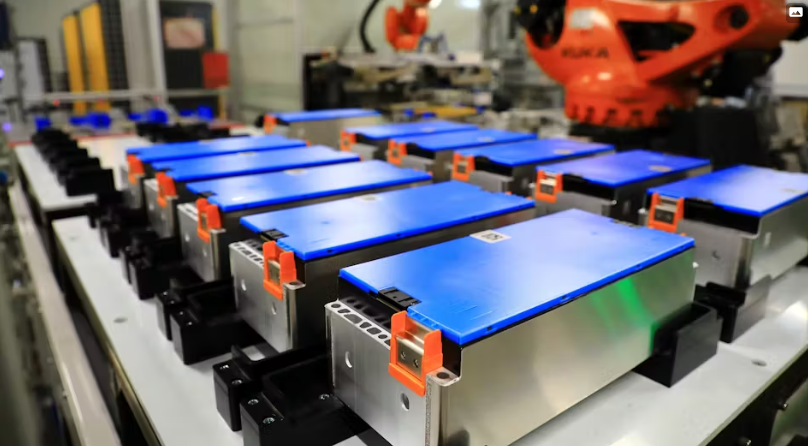
Local factories currently handle back-end assembly and testing, the lowest-margin link in the value chain. Moving upstream requires heavy capital expenditure. Industrial estates must now build cleanroom utilities from scratch.
Supply Chain Realities for Southeast Asian Electronics
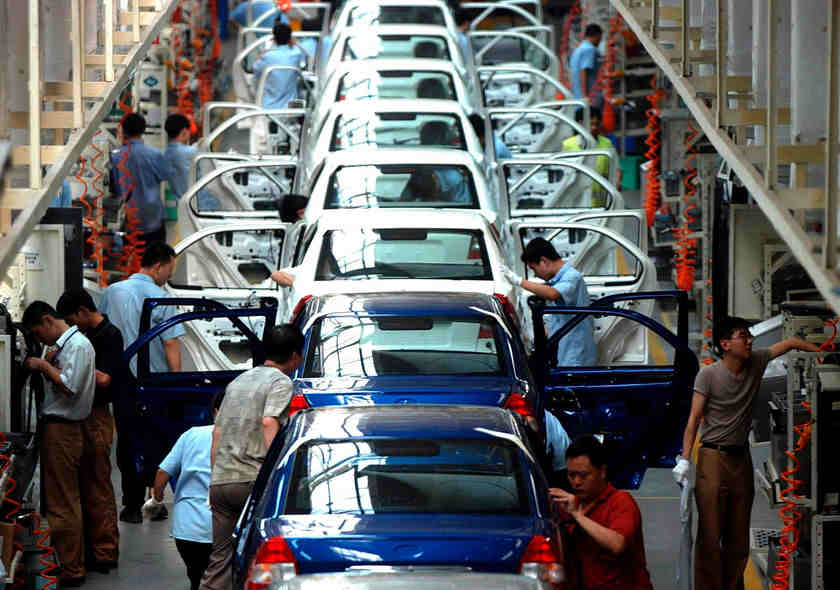
For regional manufacturers and automotive supply chains, the roadmap alters the sourcing map across Southeast Asia. Car assemblers in the Eastern Economic Corridor have spent two years dealing with supply bottlenecks for specialised power management chips. Domestic fabrication plants would reduce component lead times for electric vehicle assembly lines and consumer tech exporters operating across ASEAN.
Competition across the region is stiff. Malaysia holds an established lead in back-end packaging and advanced testing, while Singapore dominates regional wafer fabrication and Vietnam captures substantial front-end assembly investments. Thai officials bet that combining high tax breaks with domestic automotive demand will persuade global foundries to commit billions to local fabrication lines.
Geopolitical Alignments and Investment Realities
This policy push follows Prime Minister Anutin Charnvirakul’s July 2026 visit to China. Trade officials there discussed deepening bilateral industrial integration across electric vehicles and electronic hardware. Chinese state-backed industrial groups have expanded rapidly into Thai manufacturing estates, bringing price advantages and technical capacity while raising questions about supply chain concentration.
The Board of Investment briefly withdrew its initial strategy statement on Thursday morning. It reissued the text without alterations to its headline capital and employment targets. Planners had faced scrutiny over whether the state budget could sustain long-term research subsidies alongside multi-year corporate tax holidays.
The Timeline for Early Approvals
State agencies will draft specific tax concession packages and workforce development grants for review by the cabinet. Next quarter, the Board of Investment plans to publish detailed application guidelines for advanced packaging and power semiconductor projects, establishing threshold capital requirements for incoming investors.