Tag: automotive

  • Dongfeng Nissan Updates N7 Electric Sedan After China Sales Slump

    Dongfeng Nissan Updates N7 Electric Sedan After China Sales Slump

    Dongfeng Nissan will launch an updated version of its N7 electric sedan on September 22 in China. The refresh follows a steep drop in monthly deliveries.

    Retail volume for the battery-electric model slumped to 928 units in August 2026 from an all-time high of 10,148 units in August 2025. The figures come from China Passenger Car Association data compiled by industry monitors.

    Configuration Revisions Follow Sales Drop

    The joint venture between Nissan Motor and Dongfeng Motor plans to adjust equipment specifications across the lineup to regain showroom traction. Dealers aggressively cleared stock over the summer. Wholesale shipments dropped to 619 units in August 2026.

    Priced between 119,900 yuan ($17,760) and 158,900 yuan across nine variants, the original N7 debuted in late April 2025. That entry price matched Xpeng’s Mona M03 sedan. It was one of the sharpest pricing counteroffensives by a foreign joint venture brand in China.

    Local Software And Hardware Engineering

    Developed entirely by a domestic engineering team, the sedan is the first Dongfeng Nissan model to use the group’s proprietary Tianyan vehicle architecture. Its smart cockpit integrates artificial intelligence models including DeepSeek-R1. Driver assistance software comes from Chinese autonomous driving startup Momenta.

    Buyers can choose between two single-motor electric powertrains producing 160 kW or 200 kW. Driving range spans 510 kilometers to 635 kilometers under the China Light-Duty Vehicle Test Cycle standard.

    Pressure Mounts On Legacy Joint Ventures

    Joint venture automakers in China face shortening product life cycles and unforgiving price competition from domestic EV builders. Market shifts happen fast. A model that led its category twelve months ago can lose over ninety per cent of its volume once rivals offer faster chips and larger battery packs at the same price.

    For dealership networks and component suppliers, the collapse of N7 deliveries exposes the risk of relying on single-motor sedans in a crowded market. Automakers now refresh vehicle trims within 18 months to protect showroom footfall. That replaces the traditional four-year mid-cycle schedule.

    Broader N Series Rollout

    Dongfeng Nissan has built an entire sub-brand around the badge since the initial N7 release. The automaker rolled out the N6 plug-in hybrid sedan in December 2025 at an introductory price of 91,900 yuan to compete against BYD’s Qin L DM-i. It followed with the NX8 extended-range electric vehicle in April 2026, which collected 8,423 orders in its first 30 minutes on sale.

    Total production across the N series crossed 100,000 units in June 2026, roughly 14 months after the initial model hit the market.

    Regulatory filings in August cleared the NX7 plug-in hybrid SUV for market entry. The approval leaves Dongfeng Nissan with two new utility models scheduled to reach dealerships before year-end.
  • BYD Plans 4 European Plants to Support Sales Targets and Comply with EU Rules

    BYD Plans 4 European Plants to Support Sales Targets and Comply with EU Rules

    BYD plans to establish three vehicle assembly plants and one battery factory across Europe over the long term. The manufacturing footprint aims to support local sales targets and comply with European Union regulations.

    The company expects to decide on its second European assembly site by the end of this year. It favors acquiring and refurbishing an existing facility over building from scratch, with Spain and France among the leading candidates.

    Alfredo Altavilla, European adviser to BYD and a former Fiat Chrysler executive, outlined the plans in Turin late on Wednesday. The company is in talks with European automakers and governments to take over underutilized car factories.

    Choosing Between Spain, France and Italy

    Rome pitched for the project, but Italian facilities trail on operating economics, Altavilla confirmed.

    “Italy remains a plan B,” Altavilla said, noting that BYD is seeking the most competitive industrial conditions across the continent.

    Production work has already started at BYD’s first European passenger vehicle factory in Hungary. Adding two more assembly plants and a dedicated battery site will give it the scale to bypass steep trade barriers and comply with pending local-content mandates.

    Tariff Defenses and Regional Trade Rules

    Brussels has imposed definitive tariffs on Chinese battery electric vehicles. European Union authorities also want limits on Chinese hybrid imports. Localising the full supply chain from cells to finished cars removes tariff friction. It also qualifies BYD for national fleet purchase subsidies.

    Taking over distressed assembly capacity pits BYD directly against European legacy carmakers on labour and parts pricing. For Asian component suppliers and retail dealership groups, shifting from imports to regional production cuts lead times and secures steady parts availability across continental networks.

    Export Volumes Overtake Chinese Domestic Revenue

    This European manufacturing push follows a rapid rebalancing of BYD’s revenue base. Overseas revenue surpassed domestic Chinese income for the first time in the first half of the year. That shift provides relief against intense price competition at home.

    Export momentum accelerated through the summer. The company sold 1,162,260 vehicles outside China in the first eight months of the year, up 85.72 per cent from a year earlier. In August alone, overseas shipments hit a record 189,466 units, accounting for 43.03 per cent of total group volume.

    Expanding Luxury Retailing Across Europe

    BYD is also rolling out its premium sub-brand Denza across core luxury markets. The carmaker opened dedicated Denza showrooms in Turin and Paris this week to compete directly with German premium marques.

    Management raised its full-year 2026 international sales target to between 1.9 million and 2.0 million vehicles, according to Deutsche Bank research. It targets more than 2.5 million units in 2027. Site selection for the second European production facility will wrap up before the December deadline.

  • Renault and Geely Invest More in Brazil for New Electric Vehicle

    Renault and Geely Invest More in Brazil for New Electric Vehicle

    Renault and China’s Geely have increased their investment in Brazil this week to produce a new electric vehicle. The cash broadens their shared manufacturing footprint in Latin America.

    Fresh funds will upgrade local assembly lines. The push targets regional demand for affordable electric passenger models.

    Expanding the Sino-French Production Alliance

    This decision deepens an industrial alliance between the French automaker and the Hangzhou-based automotive group. The two partners already pool engineering, hybrid architectures, and powertrain tech across multiple global markets to cut development costs.

    Local assembly in Brazil lets Geely and Renault reduce exposure to import tariffs on finished Chinese electric vehicles. The hub also creates a launchpad for vehicle distribution across South American trade corridors.

    Competitive Pressures in Latin America

    Chinese electric vehicle makers are accelerating overseas factory commitments. They want to bypass regional trade barriers and counter slowing domestic growth. Rivals including BYD and Great Wall Motor have already bought manufacturing assets in Brazil to anchor regional supply chains.

    Asian component suppliers must now establish secondary delivery routes and local sub-assembly units within South America. The spending shifts component sourcing risk onto local networks. Still, it locks in vehicle platforms designed in China and Europe.

    Platform Strategy and Next Steps

    Geely and Renault have steadily integrated their powertrain and vehicle architecture operations over recent quarters, creating dedicated joint venture platforms for hybrid and pure electric models. The Brazilian project serves as an operational extension of that platform-sharing agreement.

    Factory tooling schedules and regional rollout timelines will determine when the first units leave the Brazilian assembly floor for regional dealerships.

  • Taiwan to Screen 47,000 Drivers Using Government Health Data

    Taiwan to Screen 47,000 Drivers Using Government Health Data

    Taiwan plans to allow road authorities to use health data to identify drivers who might no longer be medically fit to hold a license, affecting about 47,000 motorists.

    The proposed system would cover drivers with visual impairments, epilepsy, and moderate or severe dementia, the Ministry of Transportation and Communications said.

    Under the plan expected to take effect by the end of this year, road authorities will periodically obtain records from government agencies managing subsidies or insurance programs to cross-check against driver registries.

    How the Medical Cross-Checks Work

    Flagged drivers will receive notices requiring a fresh qualification assessment. Those who fail the evaluation must surrender their licenses immediately.

    Data transfers will follow strict minimization rules, according to the ministry. Road agencies may access only records explicitly tied to the three designated conditions.

    Currently, drivers with epilepsy can secure a permit only by submitting medical certification verifying they have remained seizure-free for at least two years. The new protocol closes the gap between renewal cycles by detecting diagnoses that happen after initial licensing.

    Operational Pressure on Transport Fleets

    For commercial transport operators, courier networks, and last-mile delivery services, automated screening increases compliance pressure. Fleet supervisors who rely on independent contractors or aging drivers must prepare for sudden license revocations when medical records trigger reviews.

    Fleet operators must shift from periodic manual checks to continuous monitoring. Companies facing labor shortages will need faster onboarding pipelines to replace workers sidelined by automatic state disqualifications.

    Legislative Backing and Implementation Timeline

    Revisions to the Road Traffic Management and Penalty Act passed in November last year provide legal backing. Those changes mandate qualification reviews whenever a motorist experiences physical or mental deterioration that impairs driving capability.

    Transport officials plan to launch the data-sharing network before the end of this year. Initial review notices will go out immediately after rollout.

  • BYD Unveils 44-Tonne ETT 44 Electric Truck with 651-kWh Battery

    BYD Unveils 44-Tonne ETT 44 Electric Truck with 651-kWh Battery

    BYD unveiled its 44-tonne ETT 44 electric tractor unit at Hanover’s IAA Transportation show in September 2026. The vehicle enters Europe’s heavy-duty truck market with a 651-kilowatt-hour battery.

    The flagship model delivers peak output of 1,000 horsepower. It claims a driving range of nearly 600 kilometres on a single charge.

    Built on a 4×2 tractor configuration, the ETT 44 uses BYD’s proprietary lithium iron phosphate Blade Battery chemistry. Standard drive power sits at 743 horsepower. The unladen tractor unit weighs between 10.95 and 11.14 tonnes depending on final equipment trim. The company includes a 10-year or 1.2 million-kilometre warranty on the battery pack.

    Megawatt Charging and Fleet Hardware

    Charging hardware is built for high-throughput commercial fleet depots. Using standard CCS2 connectors, the truck draws up to 420 kilowatts to charge from 20 per cent to 80 per cent in 60 minutes. Connecting via the Megawatt Charging System lifts input capacity above 1.5 megawatts. That cuts the charging window to 20 minutes and recovers roughly 400 kilometres of operating range.

    The heavy tractor heads an expanded commercial transport lineup. In Hanover, the Chinese manufacturer also introduced rigid 4×2 and 6×2 chassis models, including a 26-tonne swap-body platform and a hooklift variant. Together with the smaller E-Vali electric van, the range covers logistics weights from 3.5 tonnes to 44 tonnes.

    Rivalry in Long-Haul Logistics

    For European logistics operators and Asian export supply chains, fleet electrification is shifting from urban delivery vans into heavy regional freight. Chinese truckmakers are moving into the European heavy-vehicle market as legacy manufacturers defend their home turf. BYD faces established heavy-duty models from Volvo, Daimler Truck and MAN. Volvo claims up to 700 kilometres on its FH Aero Electric.

    Competition from Chinese heavy-vehicle peers is accelerating. Manufacturers including Sany, Sinotruk and Skyworth displayed competing heavy-duty electric tractor units at Hanover to secure European logistics contracts. BYD counters with in-house battery cell production and bundled ancillary services, packaging vehicles alongside proprietary charging hardware, stationary energy storage systems and fleet financing.

    Commercial Vehicle Expansion

    Overseas expansion began with municipal electric transit buses before expanding into light delivery vans across international markets. Moving into long-haul freight exposes the brand to stricter uptime demands. Commercial hauliers also require higher charging infrastructure support.

    BYD will now roll out commercial fleet trials across European logistics corridors. Initial customer deliveries and depot charging installations are scheduled to begin across core transport hubs.

  • Trump Says Chinese Automakers Can Build in US Despite 100% Tariffs

    Trump Says Chinese Automakers Can Build in US Despite 100% Tariffs

    Donald Trump has stated that his administration would not block Chinese automakers from building electric vehicles in the United States, even as imports face 100 per cent tariffs.

    Speaking in September 2026, Trump indicated that Chinese manufacturers could establish assembly plants in states such as Tennessee or Alabama, despite warnings from the domestic automotive sector that local Chinese production could threaten traditional US carmakers.

    While fully built electric cars from China remain virtually barred under the existing 100 per cent tariff wall, industry analysts note that manufacturers cannot easily replicate China’s integrated parts ecosystem and low-cost supply chain in the American South.

    Supply Chain Realities in the US Market

    RetailNews Asia notes that Chinese electric vehicle brands are directing capital toward markets with clearer regulatory frameworks. Automakers such as BYD and XPENG are opening assembly hubs and distribution networks across Southeast Asia, Europe, Australia, Latin America and Africa. Those regions offer established trade corridors, predictable import policies and faster adoption rates than the North American retail market.

    For Asian parts suppliers and battery vendors, building factories in North America brings heightened political exposure. Shifts in US federal policy make long-term factory payback calculations unreliable. Expanding in ASEAN, South America and Central Europe allows Chinese automotive groups to utilize their domestic supply networks while building local retail presence near high-demand consumer clusters.

    Regional Diversification Beyond North America

    American automotive retail conditions remain difficult for foreign pure-play electric vehicle brands. Charging network rollouts in the US lag behind China and Western Europe, while consumer demand for battery-electric passenger cars has softened relative to hybrid options. Chinese original equipment manufacturers achieve better factory utilization rates by serving emerging markets across Asia and South America, where entry-level city cars face minimal competition from legacy American brands.

    Legacy US car companies have used the 100 per cent import tariff to protect sales of high-margin petrol sport utility vehicles and pickup trucks. If Chinese manufacturers establish US assembly operations, domestic producers will face direct price pressure on their home turf. That outcome would force domestic brands to accelerate their own electric platform cost reductions or surrender market share in entry-level passenger car segments.

    Tariff Walls and Industrial Strategy

    Washington escalated tariffs on Chinese electric cars to 100 per cent to shelter domestic producers from lower-cost imports. That defensive trade posture accelerated the construction of Chinese automotive plants in Thailand, Brazil and Hungary rather than drawing assembly capital into North America.

    Chinese automotive executives are tracking whether the US federal government establishes formal foreign investment security rules for automotive production sites before submitting any state-level factory applications.

  • BYD Denza Launches All-Electric N8L SUV Priced from 299,800 Yuan

    BYD Denza Launches All-Electric N8L SUV Priced from 299,800 Yuan

    BYD rolled out the battery-electric version of its Denza N8L sport utility vehicle in China on Monday, pricing the large six-seater from 299,800 yuan ($44,280).

    The launch introduces a pure electric drivetrain to a flagship family model that previously sold only as a plug-in hybrid, undercutting the hybrid edition’s starting price by 20,000 yuan.

    Battery Power and Fast Charging Hardware

    Denza sells the new all-electric SUV in two configurations. The entry Flash Charging Prestige costs 299,800 yuan, while the higher-spec Flash Charging Flagship retails for 329,800 yuan. Both variants use an 800-volt electrical architecture paired with a 130.15-kilowatt-hour second-generation Blade Battery, delivering a driving range of up to 960 kilometres under China Light-Duty Vehicle Test Cycle standards.

    Propulsion comes from a single rear-mounted electric motor rated at 370 kilowatts, or 496 horsepower. At BYD flash charging stations, the system pushes battery state from 10 per cent to 70 per cent in five minutes, and reaches 97 per cent in nine minutes.

    Body measurements match the hybrid predecessor exactly. The chassis measures 5,200 millimetres in length, 1,999 millimetres in width and 1,820 millimetres in height, riding on a 3,075-millimetre wheelbase with a three-row, six-seat interior. Storage includes a 208-litre powered front trunk equipped with a drainage plug for wet gear. Standard driving hardware incorporates rear-wheel steering that trims the turning radius to 4.58 metres, dual-chamber air suspension, continuous damping control and a roof-mounted LiDAR unit running the God’s Eye 5.0 driver assistance package.

    Shifting Family Buyers Toward Pure Electrics

    By pricing the pure electric model below the plug-in hybrid version, Denza is rewriting the traditional price ladder in China’s premium three-row segment. Automakers historically charged heavy premiums for massive 130-kWh battery packs. BYD is using its vertical cell manufacturing scale to absorb those costs and squeeze rivals such as Li Auto and Nio, forcing competitors to defend margins across the 300,000-yuan family SUV bracket.

    The commercial success of the vehicle relies directly on BYD’s ability to maintain high charging speeds away from urban showrooms. A 960-kilometre nominal range eases highway anxiety, but deploying ultra-fast power cabinets across key highway arteries is what will convince combustion-engine owners to ditch petrol backups for family transport.

    Building Out the N8L Lineage

    Denza introduced the original N8L nameplate in October 2025 as a dedicated plug-in hybrid. The brand updated that hybrid in June with a 75.26-kWh second-generation Blade pack offering 430 kilometres of electric range and flash charging capability, priced at 319,800 yuan.

    BYD operated 10,000 flash charging stations across China as of late August and expects to reach 20,000 operational stations before the end of December.

  • GAC Signs Villarreal CF Sleeve Sponsorship to Back European Electric Vehicle Push

    GAC Signs Villarreal CF Sleeve Sponsorship to Back European Electric Vehicle Push

    Guangzhou Automobile Group signed an official automotive partnership with Spanish football club Villarreal CF on September 10, 2026, securing shirt sleeve branding across European competition.

    Under the agreement signed at the Estadio de la Cerámica, the Chinese automaker’s logo will appear on the left sleeve of Villarreal’s first-team shirts during domestic LaLiga fixtures and UEFA Champions League matches.

    Sleeve Sponsorship and EV Lineup

    GAC is tying the football partnership directly to the rollout of two battery-electric passenger models aimed at European drivers. The carmaker plans to feature the AION V, an electric sport utility vehicle tailored for family buyers, alongside the AION UT, a compact electric hatchback designed for urban commuting.

    Match-day activations, digital campaigns and fan events across Spain and broader tournament stops will give prospective buyers direct access to both vehicles. Placing the brand on a squad competing in continental club tournaments offers immediate television exposure across core Western European markets where Chinese automotive nameplates still struggle with consumer familiarity.

    The European Market Play

    Securing football inventory has become the standard playbook for Chinese electric vehicle manufacturers seeking rapid legitimacy in Europe. BYD took official tournament partner status for UEFA Euro 2024, and GAC is now deploying a similar sponsorship model at club level to bypass the slow, expensive grind of building retail recognition from scratch.

    For dealership groups and fleet buyers across Europe, the sponsorship signals that GAC is committing marketing capital rather than testing the waters with low-volume imports. The commercial risk sits in conversion: high-profile stadium exposure creates top-of-funnel awareness, but turning match viewers into EV buyers requires competitive financing packages, dense service networks and spare parts availability that Chinese brands must build on the ground.

    Expanding the Global Network

    The European push follows earlier sports marketing initiatives by GAC in Latin America and aligns with the company’s broader One GAC 2.0 strategy. That framework divides international expansion across target territories in Asia-Pacific, the Middle East, Africa, Europe, the CIS and Latin America through localized sales channels and aftersales operations.

    Attention now shifts to the commercial deployment of the AION V and AION UT across regional dealer networks, alongside the establishment of certified local repair centers before tournament group matches get underway.

  • Yutong Deploys 50 Electric Articulated Buses in Thessaloniki

    Yutong Deploys 50 Electric Articulated Buses in Thessaloniki

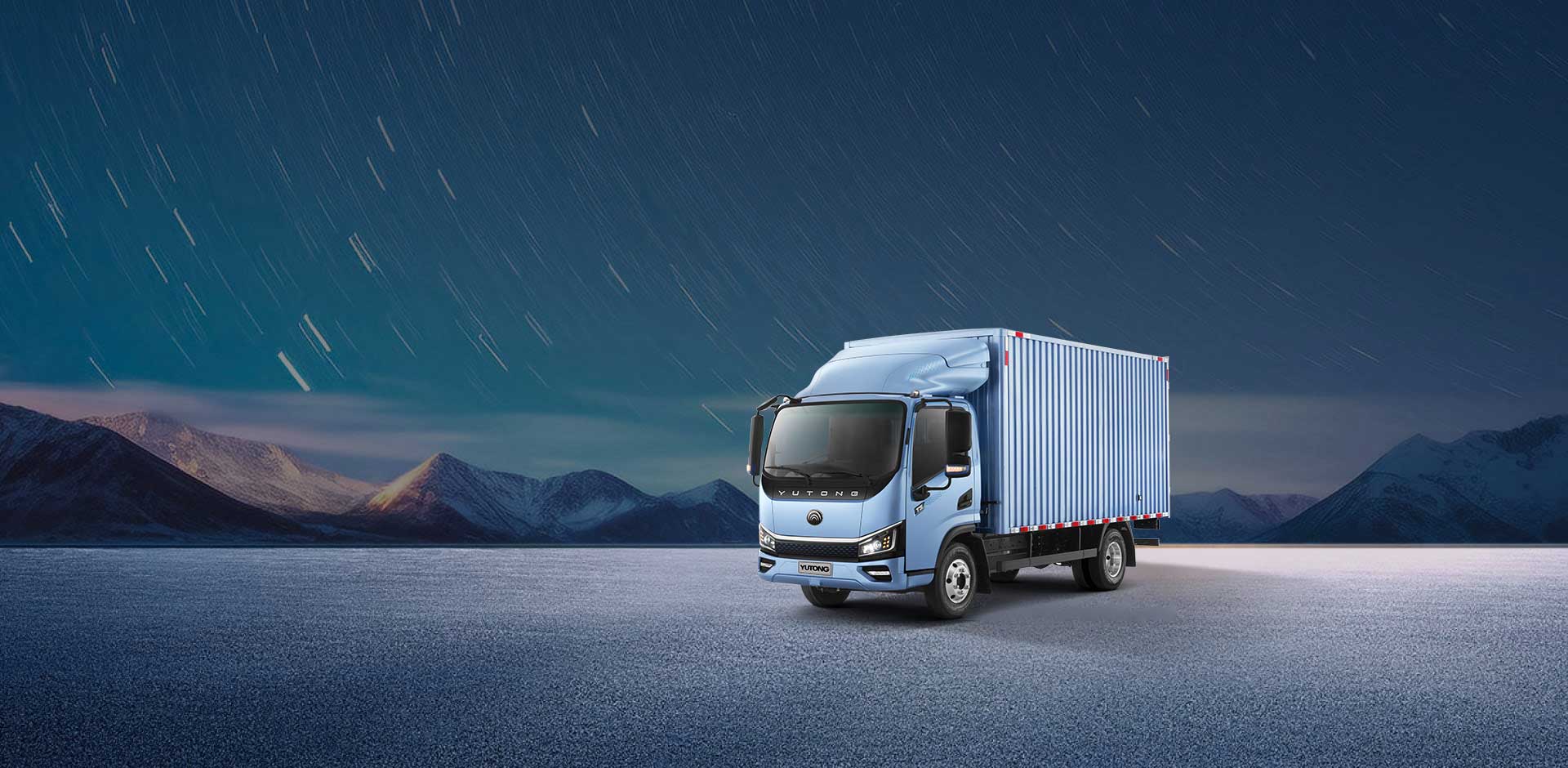
    Chinese commercial vehicle maker Yutong delivered 50 electric articulated buses to Thessaloniki, expanding the Greek city’s battery-powered transit fleet to roughly 160 vehicles. The 18-meter units entered commercial service across four municipal routes at the start of September.

    City transit agency OASTH hired 170 drivers to run the expanded schedule and increase trip frequencies across western Thessaloniki routes X1, 12, 27 and 32. Each vehicle carries up to 130 passengers and delivers an operating range of 300 kilometres on a single charge.

    Fleet Specifications and Route Coverage

    The buses feature air conditioning, ventilation units and tilt-and-turn passenger windows. Authorities did not release the exact model name, though the technical footprint points to Yutong’s U18 platform, which carries battery packs between 528 and 704 kilowatt-hours.

    Operating these articulated models across western routes targets heavy commuter corridors that link residential districts with commercial hubs. Deploying high-capacity zero-emission buses on fixed schedules allows municipal operators to cut fuel bills while meeting European urban emissions mandates.

    Chinese Bus Exports Push into Southern Europe

    For Chinese automotive exporters, fleet procurement contracts across Southern Europe provide steady volume outside domestic assembly markets. Yutong and its domestic competitors continue to win municipal tenders by bundling high battery capacities with prompt delivery timelines that European legacy coachbuilders struggle to match.

    The risk for Chinese suppliers sits in political scrutiny over European Union transit procurement and long-term depot maintenance. Winning tenders requires solid local aftersales partnerships, spare parts distribution hubs and dedicated charging support to avoid costly downtime for municipal operators.

    Expansion Following 2024 Joint Tender

    This deployment builds on an earlier procurement round in 2024, when transport authorities in Athens and Thessaloniki jointly bought 250 electric buses from Yutong. That delivery formed the core of Greece’s state-backed plan to replace ageing diesel fleets in its two largest metropolitan areas.

    OASTH plans to introduce additional routes and increase departure frequencies as the 170 newly recruited drivers complete route training during the winter timetable.

  • Voyah Opens Dream 9 MPV Pre-Sales in China from 429,900 Yuan

    Voyah Opens Dream 9 MPV Pre-Sales in China from 429,900 Yuan

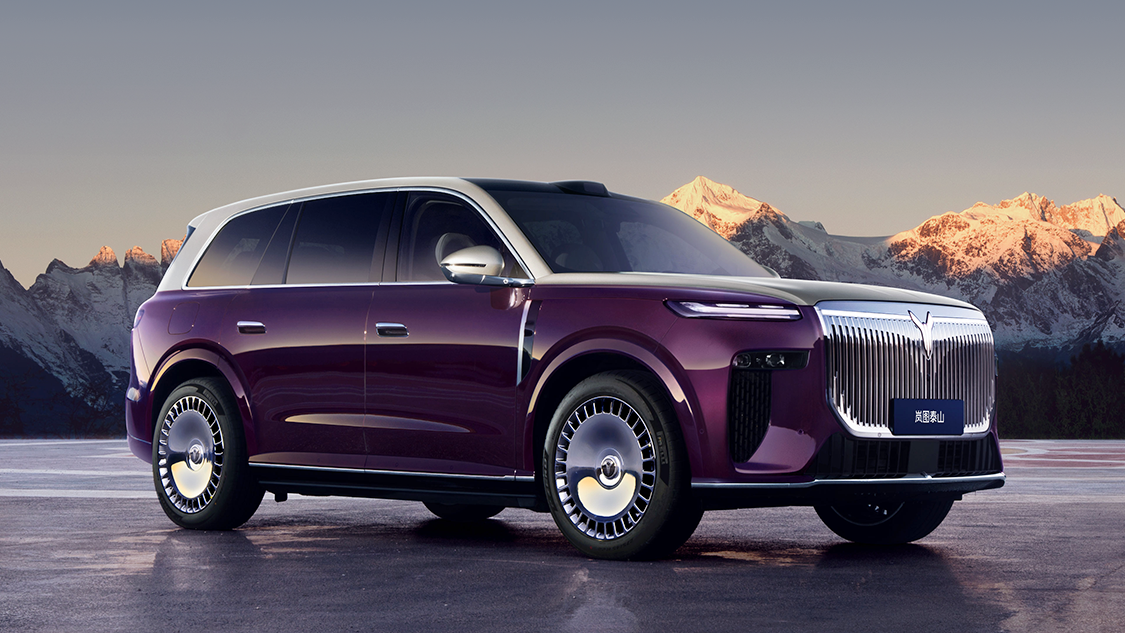
    Dongfeng Motor subsidiary Voyah opened pre-sales for its Dream 9 luxury multi-purpose vehicle in China on Saturday. The flagship model starts at 429,900 yuan ($63,420).

    Buyers can choose across three trim levels spanning five variants, topping out at 529,900 yuan. Introductory sweeteners total up to 50,000 yuan. Dealership display units have arrived across mainland cities for test drives ahead of initial customer handovers.

    Hardware and Huawei Cockpit Software

    Powertrain options divide into three plug-in hybrid (PHEV) variants and two battery electric (BEV) editions. All models sit on an 800-volt electrical architecture. They run Huawei’s Qiankun ADS 5 driver-assistance suite alongside HarmonySpace 6 smart-cabin software.

    Sensor hardware includes 37 units covering urban streets and expressways. Voyah fitted an 896-channel dual-optical-path main LiDAR on the roof and three solid-state LiDAR units around the body. The cabin operating system uses a multimodal large language model with hundreds of billions of parameters to handle voice and in-car controls.

    Electric models carry a 120-kWh battery pack, the largest capacity fitted to any production MPV in China. That battery pairs with a 175-kW front motor and a 300-kW rear unit. The PHEV combines a 1.5-litre turbocharged petrol engine with twin electric motors for 555 kW of total output. It draws power from a 65-kWh pack that charges from 20 per cent to 80 per cent in 12 minutes.

    Chassis Tuning and Interior Layout

    Chassis hardware relies on triple-chamber air suspension, dual-valve electronic dampers and rear-wheel steering that turns up to 10 degrees. A coordinated domain controller manages torque distribution, braking force and suspension damping in real time.

    The body measures 5,325 mm in length and 1,998 mm in width on a 3,200 mm wheelbase. Inside the three-row cabin, second-row captain chairs feature rotation, sideways sliding, zero-gravity reclining and mechanical massage functions. Outside, smart projection headlights beam navigation arrows directly onto the road surface.

    Margin Pressure Behind the Premium Push

    Chinese automakers are crowding into executive vans. Private buyers and corporate fleets still pay cash premiums that mass-market sedans no longer command. Voyah skipped a conventional theatrical launch, putting metal straight into showrooms to secure non-refundable deposits.

    That pricing puts the Dream 9 in direct competition with established luxury nameplates from Denza and Zeekr. Voyah needs higher transaction prices to stop cash erosion after a brutal price war across China compressed earnings throughout the year.

    Deliveries expanded in the first half of 2026. The brand handed over 76,264 vehicles for a 35.9 per cent gain, lifting revenue 42.4 per cent to 18.16 billion yuan. Profitability swung the other way. Gross margin contracted to 17.7 per cent, pushing Voyah to a net loss of 389 million yuan compared with a 460 million yuan profit a year earlier.

    Official delivery dates and the final retail schedule for the Dream 9 lineup have not been published.

  • Carsome Posts US$8.3 Million Quarterly EBITDA as Retail Shift Widens Margins

    Carsome Posts US$8.3 Million Quarterly EBITDA as Retail Shift Widens Margins

    Malaysian used-car platform Carsome posted an operating EBITDA of US$8.3 million for the second quarter of 2026. That is a 38 per cent increase from the same period a year earlier.

    Sales reached 35,903 vehicles during the three months ended June 30, up 11 per cent. That volume lifted gross profit 15 per cent to US$43.8 million. The result gave Carsome its tenth straight profitable quarter on an EBITDA basis. Consumer retail transactions and auto financing drove the gains.

    Retail and Financing Drive Margin Expansion

    Gross profit outpaced unit sales as the platform shifted volume toward retail buyers. Ancillary products helped widen margins. Financing packages, extended warranties and direct retail margins yield higher earnings per transaction than wholesale dealer auctions.

    Under a new agreement, Carsome will serve as the exclusive official trade-in partner for Suzuki Cars Malaysia. The pact channels structured inventory directly into its inspection network. It secures steady supply while carmakers use trade-in valuations to support new-vehicle sales as borrowing costs pinch consumer budgets.

    Other players across Southeast Asia show a similar pattern. Regional rivals Carro, based in Singapore, and Indonesia’s Moladin have also pivoted away from venture-funded volume acquisition. Both now target unit profitability, credit distribution and ancillary services.

    Showroom Additions in Malaysia and Jakarta

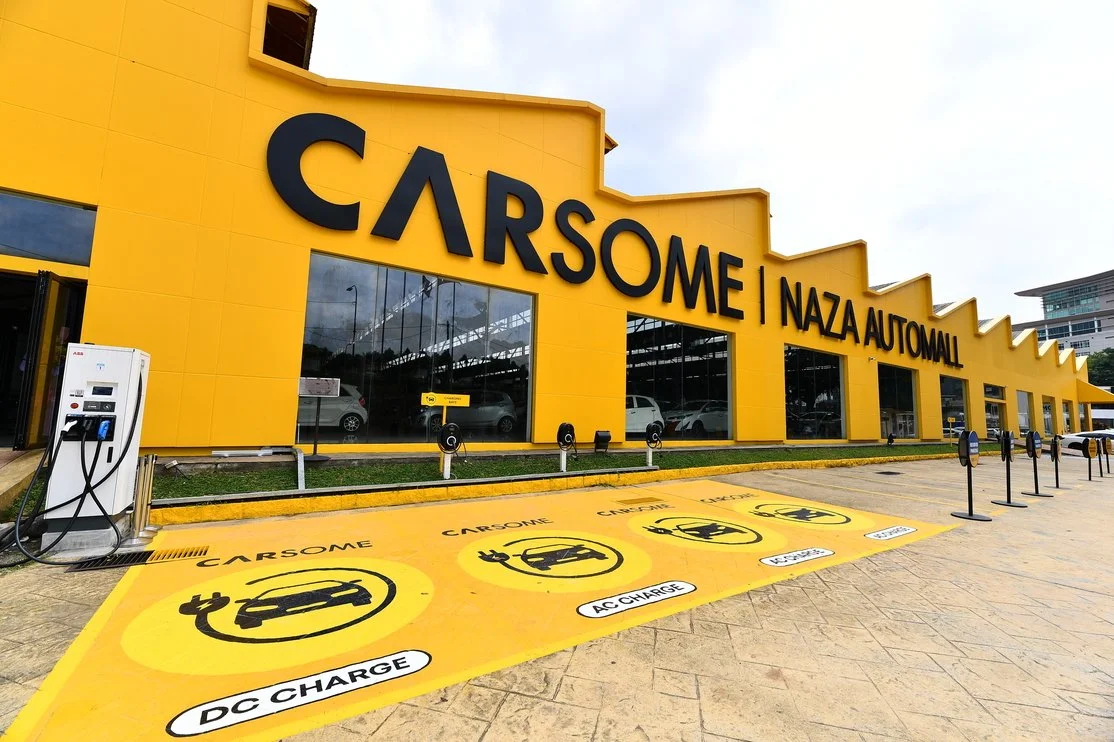
    Physical inspection hubs and retail centres led network growth during the quarter. In Malaysia, Carsome opened three locations in Sungai Petani, Bukit Tinggi in Klang, and Sungai Buloh. That took its domestic network to 55 inspection centres and showrooms.

    Across Indonesia, the company added four locations in Greater Jakarta, expanding its local footprint to 10 sites. Vehicle ownership in Indonesia trails Malaysia and Thailand. Even so, the market offers heavy transaction volume for operators able to resolve fragmented title transfers, vehicle vetting and buyer credit access.

    Looking ahead, management will focus the rest of the financial year on transaction growth, financing attachment rates and fixed-cost efficiency across its 65 combined retail locations.

  • Li Auto Launches Li L9 in UAE Starting at $87,100

    Li Auto Launches Li L9 in UAE Starting at $87,100

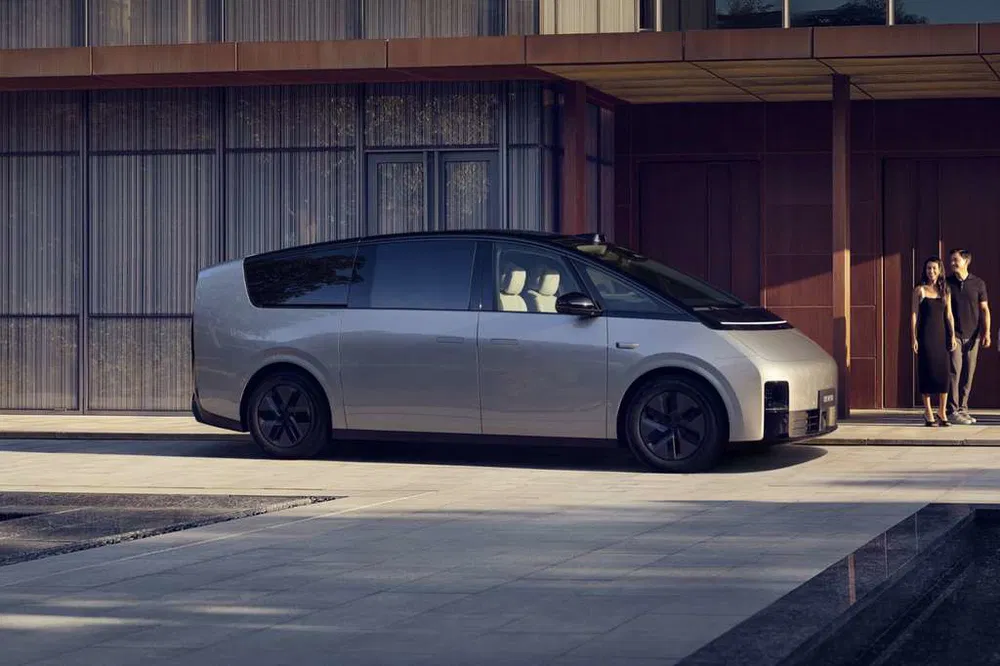
    Li Auto introduced its flagship L9 sport utility vehicle in the United Arab Emirates on Thursday, pricing the extended-range model from AED 319,900 ($87,100).

    The rollout gives the Chinese electric vehicle maker its first commercial sales operation in the Gulf, where it sells the SUV at a 28 percent premium over domestic retail prices.

    Local buyers can choose between two trims: the base Ultra and the AED 359,900 Livis edition. Both variants use a third-generation extended-range powertrain pairing a battery pack with a petrol generator, delivering 420 kilometres of battery-only range and 1,650 kilometres combined under China Light-Duty Test Cycle standards. The vehicles feature Qualcomm Snapdragon 8797 cockpit processors, steer-by-wire systems, and rear-wheel steering. On the higher-spec Livis, Li Auto includes an 800-volt active suspension alongside electromechanical brake-by-wire hardware.

    Dealership network and regional adaptation

    Engineers modified cabin thermal management and dust sealing to handle Gulf summer temperatures and desert driving. Digital interfaces include Arabic text support and localized navigation, with Arabic voice control scheduled for release by December. English voice interaction functions from launch.

    Sales run exclusively through Abu Dhabi-based conglomerate Al Fahim Group under an agreement signed in April. The partnership plans more than two showrooms and service centers across the country, starting with a downtown Dubai retail location opening in September. Buyers receive factory warranty coverage, certified servicing, and over-the-air software updates.

    Middle East expansion and production targets

    Chinese electric carmakers are pushing into the Middle East to broaden export revenue outside domestic price wars. Li Auto previously entered Kazakhstan and Uzbekistan, securing a local assembly contract with Kazakh group Allur. The company also signed a distribution agreement with Mohamed Yousuf Naghi Motors in Saudi Arabia in April, though sales dates for that market remain unannounced.

    Deliveries in China recovered in August to 37,679 units, up 32.07 percent year-on-year, but total volume for the first eight months fell 0.6 percent to 261,619 vehicles. The Beijing-based carmaker posted a second-quarter net loss of 1.7 billion yuan ($250.8 million) as revenue declined 15.1 percent to 25.7 billion yuan.

    Next on the company’s overseas calendar is an appearance at the 2026 Paris Motor Show, where it plans to display vehicles to European buyers for the first time.

  • Chinese Electric Vehicle Makers Prepare Canada Launch with Lower Cost Models

    Chinese Electric Vehicle Makers Prepare Canada Launch with Lower Cost Models

    Chinese electric vehicle manufacturers are preparing shipments to Canada, offering advanced vehicle technology at price points below established North American competitors.

    Domestic assembly plants across China have scaled output to supply overseas export corridors as international distribution plans advance.

    Export expansion into North America

    Production lines inside Chinese EV facilities are shifting capacity toward global specifications. Manufacturers have focused on software integration, high-voltage battery architecture, and cabin electronics to compete directly with legacy marques.

    Canada represents a key entry corridor in North America. Integrated local supply chains and battery manufacturing scale allow Chinese carmakers to price vehicles competitively even after international freight costs.

    Pricing pressure and regulatory hurdles

    Competitive pricing remains the primary lever for Chinese automakers entering developed automotive markets. By controlling component supply, cell manufacturing, and digital operating systems in-house, these plants maintain substantial production cost margins.

    Establishing certified retail networks and securing federal safety approvals in Ottawa remain the operational steps ahead of the first scheduled consumer deliveries.

  • Geely Prepares North American Push as Canadian Tariffs Drop to 6 per Cent

    Geely Prepares North American Push as Canadian Tariffs Drop to 6 per Cent

    Geely plans to enter North America under a Canadian trade arrangement permitting up to 49,000 Chinese electric vehicles annually at a reduced 6 per cent tariff. The agreement cuts duties from a previous 100 per cent rate, creating an entry point into the broader North American market.

    Assembly takes place at Geely’s factory in Ningbo, where production lines for its luxury electric marque Zeekr run at 99 per cent automation using artificial intelligence and robotic machinery. Zhao Chunlin, vice president of manufacturing and a former General Motors executive, oversees the plant. Zhao confirmed the group eventually aims to sell and manufacture Geely-branded vehicles in the United States.

    Exporting the Zeekr 9X

    The company is broadening its export operations across multiple regions this month. Geely begins shipments of its flagship Zeekr 9X hybrid SUV to dealerships across Europe and the Middle East. The vehicle achieves a range of 745 miles on a single charge and fueling cycle, includes automated self-parking software, and retails for approximately $70,000. That price tag is roughly half the cost of competing full-size luxury SUVs built by legacy American and European rivals.

    Automation on the Ningbo line

    High levels of factory automation allow Chinese automakers to sustain vehicle margins even when entering highly competitive export markets. Geely’s push into Canada and Europe mirrors similar export campaigns by domestic peers such as BYD and SAIC Motor, which have turned to foreign dealerships as price competition intensifies across mainland China.

    Initial shipments for Europe and the Middle East depart Chinese ports this month, while the first batch of Canadian vehicle imports will determine how quickly North American buyers adopt Chinese luxury electric models.

  • Singapore Quota Prices Cross S$105,000 Ahead of 2025 Diesel Registration Ban

    Singapore Quota Prices Cross S$105,000 Ahead of 2025 Diesel Registration Ban

    Singapore car buyers face quota premiums topping S$105,689 for large vehicles as the city prepares to halt new diesel car registrations in 2025. The policy mechanism keeps private passenger cars to 509,302 units across the island while public transport systems carry the bulk of daily commuter trips.

    Under the Vehicle Quota System managed by the Land Transport Authority, prospective owners must secure a 10-year Certificate of Entitlement before putting a car on the road. Auction prices in May 2024 stood above S$92,700 for Category A cars with engine output under 97 kilowatts and S$105,689 for larger Category B models. Commercial vehicle quotas cleared at S$72,001, while motorcycle permits reached S$9,311.

    Vehicle Quotas and Tax Structure

    Taxes push local retail prices far above global benchmarks. Buyers pay an Additional Registration Fee tiered between 100 per cent and 320 per cent of a vehicle’s open market value, driving total on-the-road costs to roughly five times the level seen in Western markets. The total motor vehicle population stood at 957,006 units in 2018, restrained by administrative caps in place since 1990.

    Fleet operators also face tight structural rules across ride-hailing and point-to-point services. Singapore counted 83,037 taxis and private hire vehicles as of March 2019, with flag-down taxi fares starting between S$3.20 and S$3.90 outside the Central Business District. Private hire vehicles operate exclusively through digital booking platforms.

    Transit Network and Fleet Targets

    Public transport carries the remainder of passenger volume across the territory. Four contracted operators, SBS Transit, SMRT Buses, Tower Transit Singapore and Go-Ahead Singapore, run more than 5,800 buses across 365 scheduled routes under a competitive tendering model that logged over 4.0 million daily trips in 2019.

    Across Southeast Asia, auto brands rely on high-volume passenger car growth in developing markets like Indonesia and Thailand, but Singapore functions purely as a high-margin proving ground for electrification and automated systems. Retailers and fleet managers now navigate a regulatory schedule that bars new diesel registrations starting in 2025, before a binding mandate requires all newly registered cars to run on cleaner energy models, including electric, hybrid or hydrogen fuel cells, by 2030.