Tag: automotive

  • Toyota and Honda Halt Thai Production as Floods Cause $38M in Losses

    Toyota and Honda Halt Thai Production as Floods Cause $38M in Losses

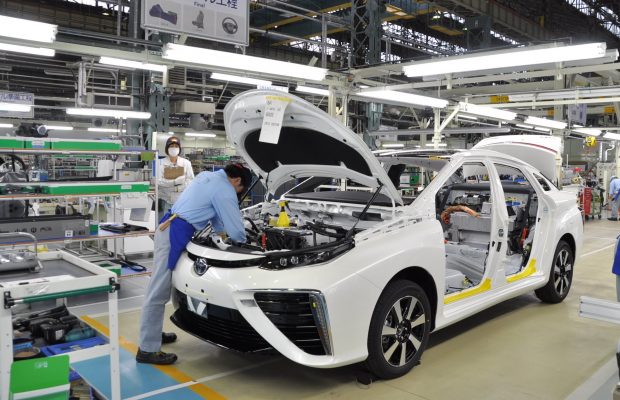
    Toyota Motor Thailand and Honda Automobile (Thailand) have temporarily suspended vehicle production at all their assembly plants in Thailand as severe flooding disrupts transport routes and parts deliveries.

    The disruption followed accumulated rainfall of more than 320mm in three days, leaving major transport corridors heavily flooded and preventing suppliers from reaching assembly lines.

    Honda Shuts Ayutthaya And Prachin Buri Lines

    Honda Automobile (Thailand) suspended vehicle production at its Prachin Buri and Ayutthaya plants from October 2 to 6 after suppliers in Chonburi and Rayong provinces were hit by flooding, cutting off component deliveries.

    Koji Iwanami, president and chief executive of Honda Automobile (Thailand), confirmed the target restart timetable while granting emergency leave to affected facility staff.

    “The company has temporarily suspended vehicle production at the Prachin Buri and Ayutthaya plants from Oct 2 to 6 because parts suppliers have been unable to deliver components required for vehicle production after being affected by flooding, particularly in Chonburi and Rayong provinces,” Iwanami said.

    Plant managers plan to introduce overtime shifts once lines restart to clear model order backlogs and recover lost output.

    Toyota Halts Four Thai Assembly Facilities

    Toyota Motor Thailand ceased work across its three primary manufacturing plants in Samut Prakan and Chachoengsao, alongside affiliate facility Toyota Auto Works. The company runs the Samrong facility in Samut Prakan together with the Ban Pho and Gateway plants in Chachoengsao.

    Submerged access routes broke the parts delivery cadences needed to support Toyota’s just-in-time production system. Plant managers are scouting alternate logistics bypasses and assessing inventory buffers to restart operations once floodwaters drain.

    Supply Chain Bottlenecks Expose Tight Logistics

    The manufacturing halts show how little inventory cushion exists in Southeast Asia’s primary automotive export hub. When arterial roads connecting the Eastern Economic Corridor’s parts cluster in Rayong and Chonburi get blocked, assembly lines outside Bangkok stall within hours regardless of plant floor safety.

    Car manufacturers in Thailand remain heavily exposed to single-route logistics risks. While suppliers upgraded localized drainage barriers after historic monsoon disasters in past cycles, external transport corridors between provinces remain vulnerable to acute flash flooding.

    Industrial Losses Mount Across Fifteen Provinces

    Federation of Thai Industries data show that flooding between September 24 and September 30 hit Bangkok and 14 surrounding provinces, affecting roughly 40 per cent of member operations in flooded districts. The group calculated preliminary losses of at least 1.018 billion baht ($38.7 million) across automotive assembly, parts suppliers, machinery damage, damaged vehicles and lost factory shifts.

    Industrial estates across Chonburi absorbed the bulk of direct supplier delays. Toyota and Honda are watching municipal drainage rates on key industrial arteries ahead of Honda’s scheduled production restart on October 7.

  • The Peninsula London Wraps Six Fleet Vehicles in Art Ahead of Frieze

    The Peninsula London Wraps Six Fleet Vehicles in Art Ahead of Frieze

    The Peninsula London transformed six fleet vehicles into moving art installations for October. The hotel partnered with Brooklyn artist Eden Kozokaro ahead of the Frieze London art fair.

    Custom vinyl wraps now cover two Rolls-Royce Phantom IIs and a Bentley Bentayga. The lineup also includes an electrified Austin Taxi, a BMW i7 and a London Electric Vehicle Company hybrid model.

    Custom wraps across six vehicle models

    Kozokaro, known professionally as Kozo, designed original scenes depicting British pastoral landscapes beneath an illustrated torn-paper exterior. The visuals simulate peeled pages of Peninsula stationery. Parklands, rivers, wooded hills and country estates show across the green coachwork.

    Detailing specialists at Topaz adapted the artwork to each model’s dimensions before applying the bespoke wraps. Preparation took three months. Work began with digital sketches aligned with the contours, doors and reflectors of each vehicle.

    “The collection brings past and present into conversation, creating unexpected juxtapositions that allow history and myth to feel alive again,” said Kozokaro.

    Extending a signature Hong Kong tradition

    Art consultancy Cart Department organized the collaboration between the hotel and the artist. Founder Larry Warsh linked the installation directly to the brand’s long record of bespoke luxury transport.

    The Peninsula brand built its identity around distinctive green vehicle fleets, starting at its Hong Kong flagship with record fleet purchases of Rolls-Royce Phantoms. Replicating that visual asset in London ties the newer European property to the operating playbook developed across Asian capitals.

    Connecting hospitality fleets with seasonal art traffic

    Vehicle fleets serve as prominent mobile advertising for luxury hoteliers during major cultural weeks when high-net-worth visitors arrive in concentration. Wrapping working guest transport turns routine airport runs and city transfers into visible brand statements without disrupting fleet operations.

    Operators rely on this mix of brand heritage and contemporary art patronage to capture international travelers during premium event weeks. Competing brands face higher marketing hurdles when attempting to stand out around major auctions and exhibitions in mature European markets.

    The rollout schedule for October

    All six wrapped vehicles will operate throughout London during the October art season, ferrying hotel guests and appearing outside exhibition venues across the city.

  • Nio Delivers 37,408 Vehicles in September to Meet Third-Quarter Guidance

    Nio Delivers 37,408 Vehicles in September to Meet Third-Quarter Guidance

    Nio delivered 37,408 electric vehicles in September, up 7.65 per cent from a year earlier. The result met its target for the third quarter.

    The Shanghai-headquartered carmaker finished the three months ended September 30 with 109,178 deliveries. That was a 25.39 per cent rise year on year. The total landed inside management’s projected band of 108,000 to 111,000 units.

    Quarterly volume beat the bottom of the guidance range by 1,178 cars and trailed the top end by 1,822. Deliveries climbed 1.41 per cent from the second quarter. In that previous period, the company handed over 107,658 vehicles and missed its own targets. Total volume across the group reached 300,301 units for the first nine months of the year, bringing cumulative shipments to 1,297,893 vehicles.

    Firefly Sets Monthly Record as Onvo Slides

    Performance split sharply across the company’s three marques. Firefly delivered 7,327 small electric cars in September. That was up 26.87 per cent year on year and 25.21 per cent month on month. It beat its previous monthly high of 7,084 units set in December 2025. Firefly added 1,475 deliveries compared with August, providing 93.83 per cent of the group’s monthly volume expansion.

    The mass-market Onvo brand moved the other way. It delivered 8,763 vehicles in September, sliding 42.52 per cent from a year earlier and dropping 0.53 per cent from August. The brand has now recorded two consecutive months of annual declines, hit by price competition in China’s mainstream family EV segment.

    Premium SUVs Anchor the Main Brand

    Deliveries for the core Nio premium badge reached 21,318 vehicles in September. That was a 55.29 per cent rise from a year earlier and a 0.68 per cent uptick from August. For the full third quarter, the main brand delivered 62,500 units, expanding 69.25 per cent year on year.

    Sport utility vehicles generated the bulk of those numbers. The third-generation ES8 crossed 150,000 cumulative deliveries on September 20, one year after its commercial release. Meanwhile, the flagship ES9 SUV reached 30,000 cumulative deliveries on September 23. It hit that mark 119 days after its May 28 launch. In August, the ES8 and ES9 together accounted for 17,480 units, representing 82.55 per cent of the core brand’s monthly sales.

    Diverging Brand Trajectories Reshape Sales Mix

    Running a three-brand strategy gives Nio coverage across price points. However, it also creates operational imbalances across assembly lines and dealer networks. Firefly provides entry-level volume. The premium Nio lineup secures higher revenue per vehicle. Onvo, designed to capture middle-income buyers, faces immediate pressure from domestic rivals cutting prices on mid-sized crossovers.

    RetailNews Asia views the core SUV lineup as the anchor for company gross margins while Onvo recalibrates. Maintaining showroom traffic across three brand banners requires heavy capital allocation for retail space and marketing. If Onvo fails to arrest its sales drop, lower dealership returns and factory utilisation will drag on profitability.

    Infrastructure Backing and Next Delivery Targets

    Nio entered the final quarter after adjusting its energy infrastructure business. On September 28, Geely agreed to take a 30 per cent stake in Nio Power. Geely is injecting 640 million yuan in cash alongside equity in battery swap operator Yiyi Power, standardising swap networks across commercial fleets and consumer vehicles.

    Attention now turns to the fourth-quarter production schedule. The group delivered 124,807 vehicles in the final three months of 2025. That sets a high seasonal bar. Meeting it requires Onvo to stabilise while Firefly and the premium SUV line maintain their delivery pace.

  • South Korea Retail Sales Fall 1.8% as Auto Output Plunges in August

    South Korea Retail Sales Fall 1.8% as Auto Output Plunges in August

    South Korean retail sales dropped 1.8 percent in August from the prior month, dragged down by sharp pullbacks in automobile deliveries and durable goods spending.

    Industrial production contracted 1.3 percent over the same period while facility investment tumbled 9.5 percent, marking the first simultaneous decline across all three economic measures since May.

    Data released by the Ministry of Data and Statistics showed mining and manufacturing output fell 4.8 percent, driven by a 24.8 percent slide in automotive production. The drop in vehicle manufacturing was the steepest single-month decline recorded since May 2020, when output collapsed 34.9 percent during early pandemic disruptions. Component suppliers absorbed direct hits, with rubber and plastic sector production dropping 11 percent as tire orders shrank.

    Auto production slide hits retail

    Auto assembly lines faced dual disruptions during the month from concentrated plant shutdowns and earlier labor actions. Assembly lines slowed after worker walkouts in July interrupted delivery schedules, while domestic automakers clustered annual plant maintenance and worker holidays into August rather than spreading them across two months.

    “In July, workers at some automakers staged strikes, which partly affected output in August. While summer vacations were previously spread across July and August, they were concentrated in August this year.”
    Lee Doo-won, Senior Statistics Official, Ministry of Data and Statistics

    The manufacturing shortfall moved straight through the supply chain into retail showrooms. Recreational vehicle shipments took the largest hit, leaving dealerships short on inventory and curbing consumer purchases of high-ticket items across the country.

    Durable goods lead consumer pullback

    Consumer spending across retail channels showed deep divergence by category. Durable goods sales, which include passenger cars and large household purchases, dropped 4.5 percent month on month. Non-durable goods, covering everyday consumer items such as cosmetics, fell 1.6 percent.

    Softlines provided limited relief against the wider consumer retreat. Sales of semi-durable goods, including apparel and footwear, rose 0.4 percent as seasonal autumn fashion collections entered stores. Total wholesale and retail trade output still finished down 0.7 percent for the month.

    Factory spending drops across sectors

    Capital expenditure among Korean businesses saw severe cutbacks led by fleet and transport orders. Facility investment dropped 9.5 percent in August, driven by a 32.8 percent contraction in transportation equipment procurement.

    General factory equipment investment showed modest resilience despite the broader slide. Machinery investment grew 1.6 percent, and machinery output rose 3.1 percent over the month, though the gains failed to offset the heavier drop across mobility hardware.

    Service sector provides isolated cushion

    Services output expanded 0.5 percent in August, preventing a steeper fall in headline gross output. Gains centered heavily in the information and communication sector, which expanded 4.7 percent to offset contractions in wholesale distribution channels.

    The August figures follow an uneven recovery cycle where strong technology and semiconductor demand masked softer domestic consumer sentiment. Automotive manufacturing normalization in September and third-quarter earnings from major carmakers will show whether the production slump was purely seasonal or reflects softer vehicle export orders.

  • Nissan Starts 3 Million Pound Autonomous Transit Trial in Cambridge

    Nissan Starts 3 Million Pound Autonomous Transit Trial in Cambridge

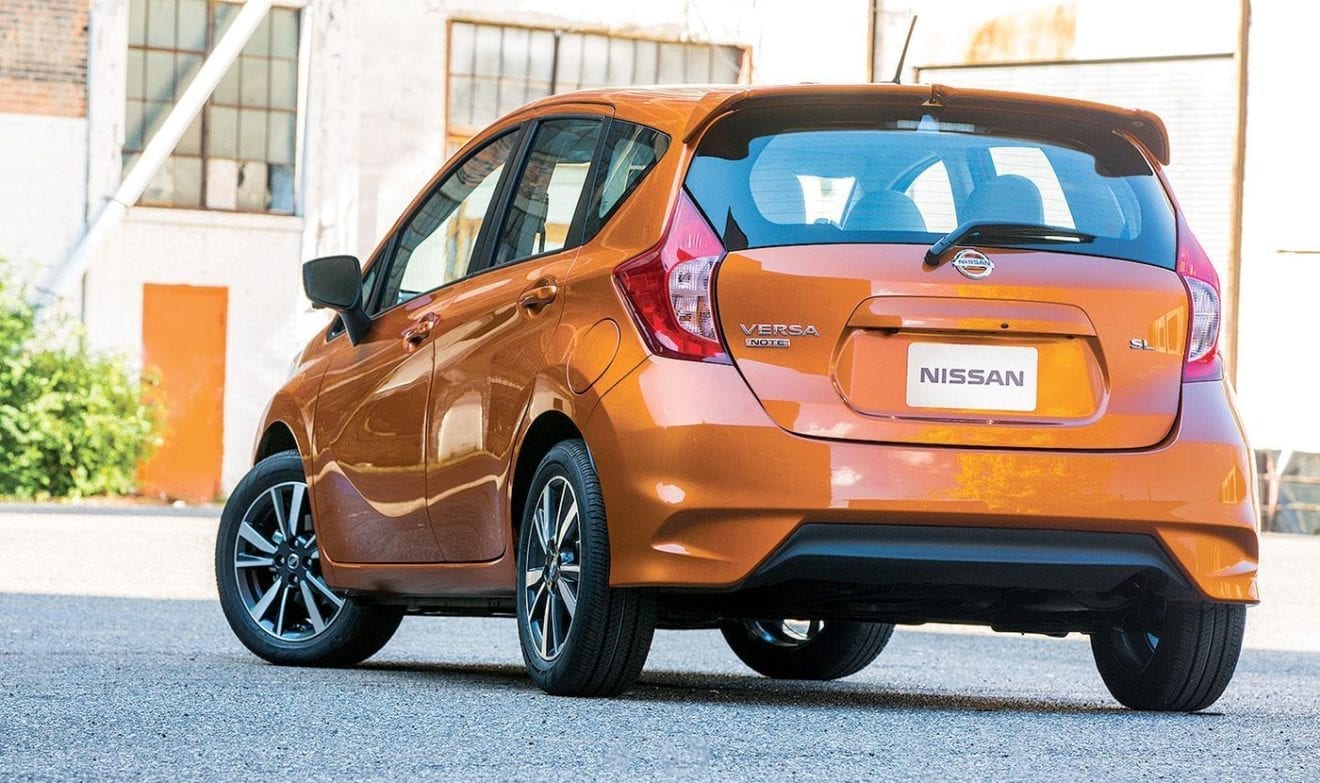
    Nissan started a 3 million pound autonomous mobility trial in Cambridge to test driverless passenger transport on regional UK road networks. Dubbed ADventure, the project uses modified Leaf electric hatchbacks. Researchers will study how automated transit fleets can serve commuters and non-drivers in suburban communities.

    Engineers from Nissan Technical Centre Europe in Cranfield lead the consortium alongside Warwick Manufacturing Group at the University of Warwick and transport education group PAVE UK. The UK Department for Business, Innovation, Science and Trade backs the project through its CAM Pathfinder programme in partnership with Zenzic and Innovate UK.

    How the Cambridge Fleet Operates

    Test operations rely on a specially equipped 2022 Nissan Leaf developed during earlier UK research. The trial targets three practical hurdles: integrating autonomous shuttles into existing municipal routes, evaluating passenger confidence, and validating sensor performance on narrow, mixed-traffic city streets.

    Local authorities will map specific routes across Cambridge. These include on-demand connections to medical appointments and transport hubs for residents who cannot drive. Researchers will track rider acceptance and safety data in real time to establish operating protocols that municipal transit authorities can replicate in other regional cities.

    Asian Automakers Export Autonomous Systems

    Japanese carmakers are shifting autonomous drive research out of closed proving grounds and into live commercial environments. The shift aims to defend market share against software deployments from Chinese and American competitors. Chinese operators such as Baidu and Pony.ai run commercial robotaxis across major mainland metros. By contrast, Japanese manufacturers have taken a government-partnered approach centered on public transit augmentation.

    For Asian automotive suppliers and fleet software developers, these European municipal trials serve as proving grounds for commercial export packages. Operational scalability remains the primary commercial risk. Fixed-route autonomous pods often struggle to generate sustainable operating margins once public research subsidies end, making fleet software integration costs the deciding factor for regional operators.

    Earlier Steps in Nissan Automated Road Testing

    Nissan led several UK automated driving programmes over the past decade before launching this Cambridge deployment. The company previously tested long-distance autonomous navigation under the HumanDrive project. It evaluated urban junction navigation in central London through ServCity, and trialled rural and residential road handling during the evolvAD programme.

    David Moss, senior vice president for research and development at Nissan AMIEO, said: “This project is an important step for autonomous mobility in the UK. With UK Government backing, it will take autonomous vehicle research beyond central London and into another city, helping us understand how these services can work for different communities and real-life journeys.”

    Public Demonstrations on City Streets

    Field data collected across the Cambridge trial will feed directly into safety validation frameworks developed by Warwick Manufacturing Group. Professor Siddartha Khastgir leads the academic safety team. His group is tasked with drafting operational safety standards for commercial deployment across Britain.

    Project partners will conclude the trial with public road demonstrations in Cambridge. Passenger-carrying Leaf vehicles will navigate live traffic without human driver intervention.

  • Xiaomi Enters China Range-Extended SUV Market with Sky Nomad from 209,900 Yuan

    Xiaomi Enters China Range-Extended SUV Market with Sky Nomad from 209,900 Yuan

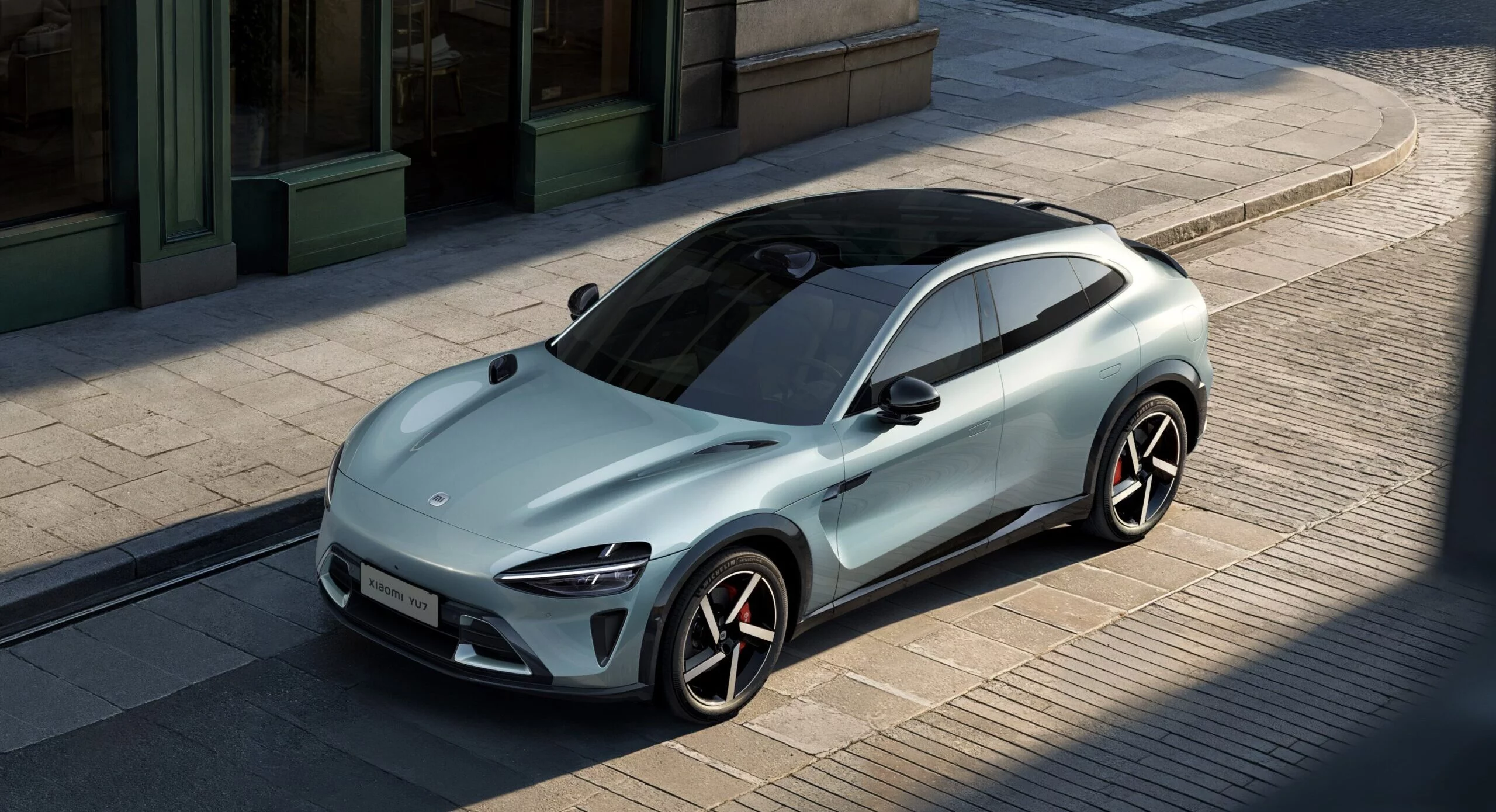
    Xiaomi launched its Sky Nomad sport utility vehicle series in China with a starting price of 209,900 yuan. It is the company’s first commercial entry into extended-range electric vehicles. The lineup adds hybrid powertrains to a catalogue previously limited to pure battery models.

    Four new sport utility variants give the Beijing-based company a way to eliminate highway range anxiety while keeping entry prices below 210,000 yuan. Deliveries will feed directly into Xiaomi’s target of shipping 550,000 vehicles during 2026.

    Four variants and camping hardware

    Pricing starts with the five-seater N70 Pro at 209,900 yuan, followed by the all-wheel-drive N70 Max at 239,900 yuan. Larger family buyers get the seven-seater N90 Max at 269,900 yuan. An outdoor-focused Explorer version tops the range at 299,900 yuan with a factory-fitted pop-up roof and folding beds.

    Every model pairs an electric drivetrain with a 1.5-litre turbocharged petrol engine. The engine acts purely as an onboard generator. The entry N70 Pro runs a 52 kilowatt-hour lithium iron phosphate battery and a 210 kilowatt front motor. That provides 351 kilometres of pure electric driving and 1,351 kilometres of total range under China Light-Duty Test Cycle standards.

    Higher grades adopt a 76 kilowatt-hour ternary pack and dual motors producing 310 kilowatts. That setup gives the N70 Max up to 505 kilometres of electric range and 1,461 kilometres overall. The larger 5.29-metre N90 Max delivers 464 kilometres on battery power and 1,705 kilometres combined.

    Dragonscale battery and fire replacement pledge

    Power packs across the lineup use Xiaomi’s Dragonscale architecture, developed jointly with Chinese battery manufacturers CALB and Sunwoda. The systems link to cloud-based monitoring and high-voltage cutoff switches. They charge the battery from 20 to 80 per cent in 18 minutes.

    Non-commercial first owners receive lifetime coverage against spontaneous battery combustion. Xiaomi attached the warranty commitment directly to the hardware. It offers a full vehicle replacement if a fire occurs due to a manufacturing defect.

    Compute hardware matches the pricing. All variants install Nvidia Drive Thor processors delivering 700 trillion operations per second, supported by roof-mounted LiDAR sensors. Qualcomm Snapdragon 8 Gen 3 chips run Xiaomi’s HyperOS cockpit software.

    Challenging domestic hybrid heavyweights

    Entering the range-extended market pits Xiaomi straight against Li Auto, Seres Group’s Aito brand, and BYD in China’s family vehicle segment. Pure electric SUVs still face consumer hesitation in northern provinces and lower-tier cities where charging networks thin out during holiday travel.

    Adding combustion generators solves regional infrastructure bottlenecks without redesigning the digital cabin experience. The primary operational risk shifts to supply chain margins. Carrying both high-voltage batteries and internal combustion engines compresses unit profitability unless factory volumes scale rapidly.

    Scaling beyond pure battery platforms

    The launch builds on Xiaomi’s initial automotive rollout, which started with the SU7 electric sedan and continued with the YU7 electric SUV. Those two models carried the brand past 800,000 cumulative deliveries since production began.

    Xiaomi delivered 216,322 vehicles during the first seven months of 2026, up 14.8 per cent from the same period a year earlier. Maintaining that pace requires the Sky Nomad series to capture family trade-ins throughout the fourth quarter, where the company must deliver roughly 333,000 additional units across all model lines to meet its 550,000 full-year target.

  • Japan Factory Output Drops 1.7% as Vehicle Assembly Halts

    Japan Factory Output Drops 1.7% as Vehicle Assembly Halts

    Japan’s factory output shrank 1.7 per cent in August from July. Severe weather and seismic disruptions hit automotive assembly lines, reversing expectations of a rebound.

    A Reuters poll had pointed to a 1.7 per cent expansion. Instead, output missed median forecasts and fell for a second straight month.

    Disruptions Hit Automotive Assembly

    Vehicle production slumped 6.8 per cent month on month, according to Ministry of Economy data. Plant operations halted after an earthquake and a typhoon disrupted domestic logistics and assembly schedules in August.

    General-purpose and business machinery output fell 6 per cent over the same period. Those steep drops in vehicles and machinery wiped out modest gains across other manufacturing categories.

    Pressure on Regional Supply Chains

    Automakers across Asia depend on precision components and sub-assemblies exported directly from Japan. When domestic plants halt, regional supply chains feel the shock within weeks. That pinches vehicle availability for dealerships across Southeast Asia and Australia.

    Production volatility in Japan complicates inventory planning for regional parts suppliers and downstream car retailers. Dealership networks running lean stock models face delayed order fulfilments whenever Japanese assembly hubs stall.

    Central Bank Rate Calculations

    This two-month slide lands at a delicate moment for central bank policymakers. Bank of Japan officials continue to review economic indicators before deciding whether to raise interest rates in the near term.

    Slowing factory output complicates that plan. Raising borrowing costs during an industrial slump risks cooling domestic capital investment and consumer spending.

    Forecasts Point to Autumn Rebound

    Repeated natural disasters tested the industrial base throughout the summer, extending a volatile run for domestic goods producers.

    Manufacturers surveyed by the Ministry of Economy expect seasonally adjusted production to rebound 3.2 per cent in September and expand 3.1 per cent in October.

  • BYD Builds Ten-Millionth Dynasty Vehicle as Da Han Sedan Nears Launch

    BYD Builds Ten-Millionth Dynasty Vehicle as Da Han Sedan Nears Launch

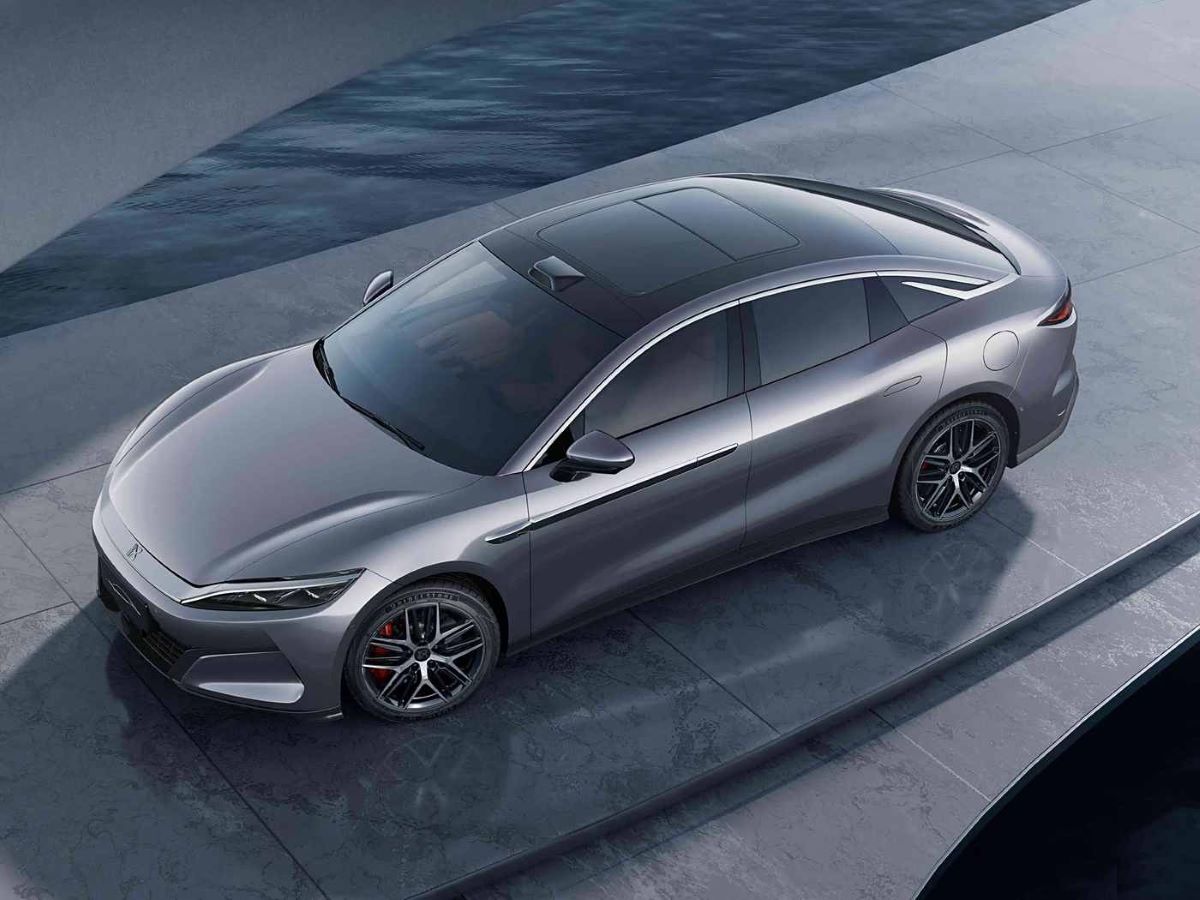
    BYD rolled its ten-millionth Dynasty series car off the assembly line in China on September 29. An upcoming Da Han flagship sedan logged the production record.

    Production of the lineup began nearly thirteen years ago with the Qin plug-in hybrid in December 2013. The final 1.14 million units took less than nine months to build.

    Lu Tian, general manager of the Dynasty sales division, announced the figure ahead of the sedan’s October 13 commercial launch. Presales opened August 21 at the Chengdu Auto Show. Three battery-electric variants are priced between 249,900 yuan and 299,900 yuan ($37,070 to $44,670).

    The five-seat vehicle measures 5,256 mm long with a 3,130 mm wheelbase. Both rear-wheel-drive editions claim 1,008 km of range under China light-duty vehicle test cycle standards. The all-wheel-drive trim offers 880 km. Dual-chamber air suspension, rear-wheel steering, flash charging and LiDAR-based driver assistance come standard across all versions.

    Mainstream Models Squeeze Upmarket Sales

    Sales for the domestic lineup have shifted downward into mass-market segments. The earlier Han sedan and Tang sport utility vehicle established BYD in the premium tier, but both nameplates have lost retail share.

    August retail deliveries for Dynasty reached 170,842 vehicles, up 13.88 per cent year on year. The Han family contributed 2,997 units and the Tang line delivered 12,340 units, making up roughly 9 per cent of the monthly total. Cheaper volume rested on the Yuan, Song and Qin families. Together they delivered 153,726 vehicles, or 89.8 per cent of August Dynasty sales.

    Export Strength Offsets Domestic Softness

    Adding higher-margin models like the Da Han helps hedge against price competition across China. Group new energy vehicle sales climbed 17.84 per cent to 440,293 units in August. Total deliveries across the first eight months fell 6.84 per cent to 2,668,015 vehicles.

    Foreign sales have offset slower domestic growth. Shipments outside China rose 134.6 per cent in August to 188,700 passenger cars, generating 43 per cent of group volume. First-half international revenue reached 181.27 billion yuan. That accounted for 52.57 per cent of total turnover, overtaking domestic sales receipts for the first time.

    Expanding the Upper Dynasty Portfolio

    The Da Han follows the June 17 rollout of the Da Tang SUV, which delivered its 10,000th unit on July 23. Both larger vehicles sit above the original Han and Tang lines to defend higher price tiers against domestic rivals.

    Year-to-date Dynasty deliveries reached 1,045,805 units through August, down 13.15 per cent from the same period in 2025. That contraction narrowed from 22.44 per cent in the first half of the year. Volume has now grown year on year for three straight months since June.

    Regulatory filings show BYD has registered a plug-in hybrid variant of the Da Han, though pre-orders currently cover only electric trims. Commercial pricing and delivery dates for the hybrid will follow after battery-electric handovers start on October 13.

  • Xpeng Consolidates 4 Product Lines into 2 to Cut R&D Costs

    Xpeng Consolidates 4 Product Lines into 2 to Cut R&D Costs

    Xpeng has consolidated its four product lines into two to focus research and development resources and reduce costs, media outlet 36Kr reported on Monday.

    The Chinese electric vehicle maker merged its I and F product lines into the G line, leaving only the G and D lines in place.

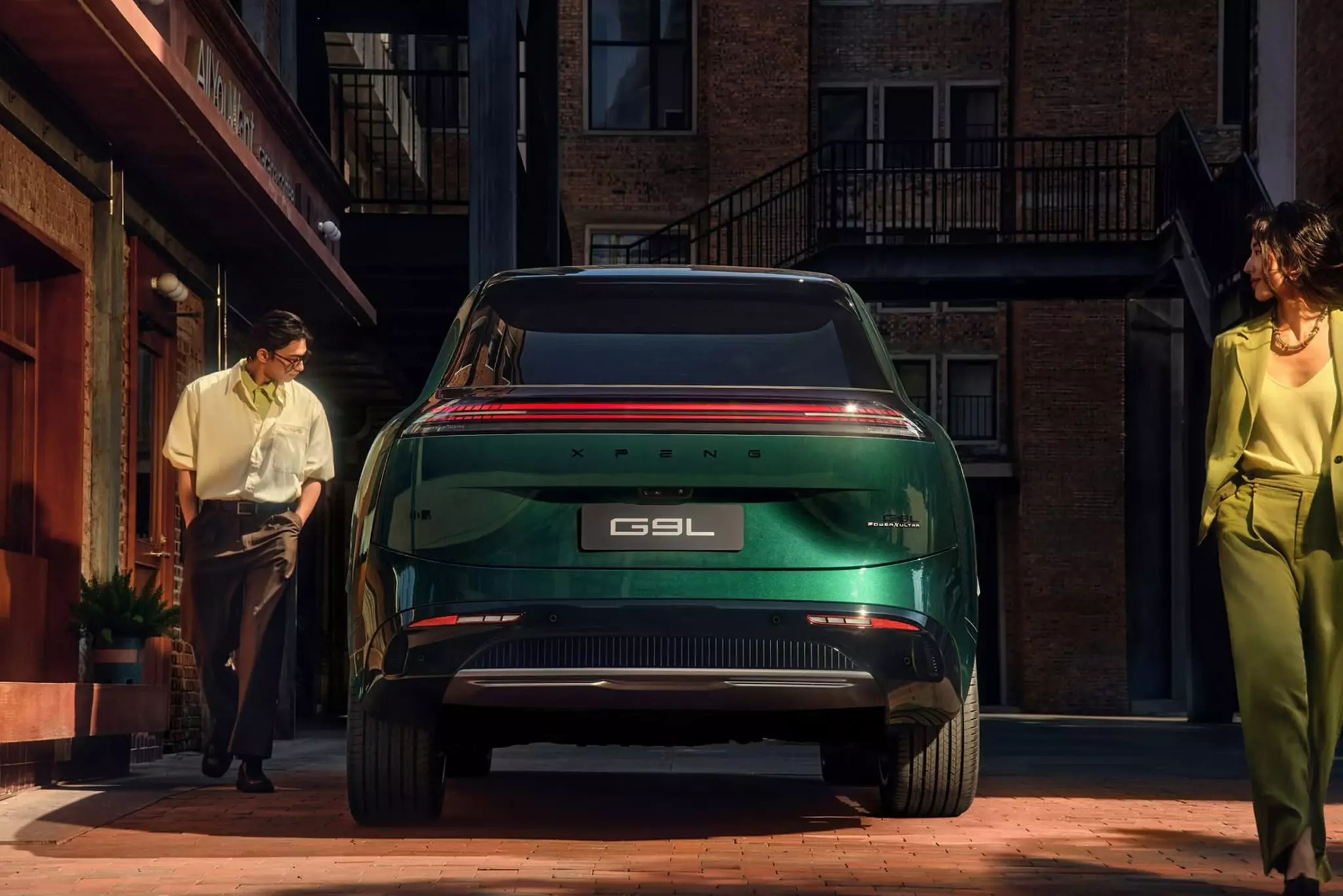
    Following the restructuring, the Mona series remains under the D line, while large SUVs including the GX and G9L and P-series sedans fall under the G line. The former head of the F line now oversees product definition for the G line, while the former head of the I line shifted to overseeing overseas affairs.

    Reining in Development Overlap

    Engineering teams previously built vehicles across separate tracks that competed for the same laboratory testing slots, supplier contracts, and software integration cycles. Merging the lines eliminates duplicate vehicle architectures and limits internal pricing clashes between sedans and crossovers that share identical wheelbases.

    For automotive component suppliers across the Pearl River Delta, fewer product lines mean consolidated purchase orders and standardized component tooling. Investors have pushed for tighter capital controls as Chinese electric vehicle makers face aggressive domestic price cutting and slowing volume gains across the mid-market bracket.

    R&D Outpaces Delivery Growth

    Development costs rose 32.1 per cent year on year to 2.91 billion yuan ($431.8 million) in the second quarter, driven by autonomous driving software, foundation AI models, and platform engineering. Vehicle deliveries in the same quarter stood at 103,295 units, up 0.1 per cent from the previous year.

    Second-quarter net loss widened to 1.34 billion yuan from 480 million yuan a year earlier, though it improved from the 1.78 billion yuan loss recorded in the first quarter. Vehicle gross margin reached 12.1 per cent, down from 14.3 per cent a year earlier due to production changeovers, while overall company gross margin stood at 20.7 per cent with support from technical service revenue.

    Model Cadence Across Two Tracks

    The restructuring aligns vehicle programs ahead of several fourth-quarter rollouts designed to lift monthly volumes. Xpeng introduced its G9L five-seat SUV on September 17 to complement its six-seat GX, targeting family buyers who previously looked at rival offerings from Li Auto and Nio.

    Volume pressure now rests heavily on the Mona product unit. Deliveries of the Mona M03 sedan began in July, while the Mona L05 crossover enters the Chinese market before the end of the year.

    Factory Commitments and Fourth-Quarter Targets

    Management is targeting monthly deliveries above 60,000 units in the fourth quarter, a 53 per cent jump from the 39,107 vehicles handed over to customers in August. Reaching that pace requires the Guangzhou and Zhaoqing assembly plants to operate near full capacity through December.

    Parallel investments in non-automotive hardware remain active. Xpeng commissioned its Iron humanoid robot manufacturing line earlier in September, targeting commercial deployment across its retail showrooms by the end of 2026 before starting customer deliveries in 2027.

  • BYD Pushes European Production as Sales Reach 4.27 Million Units

    BYD Pushes European Production as Sales Reach 4.27 Million Units

    BYD delivered 4.27 million new energy vehicles last year, expanding its European footprint. The surge steps up competitive pressure on German automakers across their core regional markets.

    Total sales for 2024 rose 41 percent over the previous year. That growth gives the Shenzhen-based automaker added scale as it builds its first European assembly facility.

    Bypassing Tariffs in Hungary

    Construction is underway on a passenger car plant in Szeged, Hungary. Vehicles assembled there will be built inside the European Union rather than shipped from Chinese ports.

    Local assembly lets the carmaker bypass additional tariffs the European Commission imposed on battery electric vehicles imported from China. The Commission determined in 2024 that Chinese state subsidies harmed European producers, introducing penalties to offset pricing differences.

    The Szeged plant will create thousands of local jobs and source components through regional supply chains, establishing a domestic European operating base.

    Pressure on German Brands

    German automotive groups face mounting headwinds across their volume and luxury segments. Volkswagen, BMW and Mercedes-Benz built their global market presence on engineering standards and brand prestige, supported by specialist badges including Audi and Porsche.

    Sluggish domestic economic growth, persistent inflation and supply chain friction now squeeze profit margins across German operations. Lower production costs and rapid development cycles from Chinese competitors directly challenge those legacy advantages.

    Pricing pressure in electric passenger cars leaves legacy European manufacturers with narrow operating margins. Chinese competitors produce battery packs and vehicle software internally, cutting component costs below what German supply networks currently deliver.

    Policy and Market Headwinds

    Trade barriers alone offer limited protection for European carmakers once overseas competitors start manufacturing inside the trade bloc. European manufacturers must match competitive vehicle prices while investing heavily in software architecture and battery chemistry.

    The European Commission outlined these structural vulnerabilities in its 2025 automotive action plan. The report warned that European automakers risk falling behind international rivals in battery development, vehicle software systems and autonomous driving platforms.

    Brussels now pairs import duties with domestic manufacturing incentives. Factory investments by Chinese firms inside the trade bloc weaken that intended barrier.

    Expansion from 2022 Entry

    BYD formally entered the European passenger car market in 2022 before committing capital to the Hungarian production site. Economists compare the broader shift to the manufacturing trade integration seen after China joined the World Trade Organization in December 2001.

    German automakers must now defend market share across both electric sedans and compact sport utility vehicles as local assembly begins. The decisive metric will be the production start date at the Szeged plant and the final retail pricing of its Hungary-built models.

  • US and China Agree to $30 Billion Tariff Relief as Chinese EVs Eye Entry

    US and China Agree to $30 Billion Tariff Relief as Chinese EVs Eye Entry

    Chinese electric vehicle makers plan to enter the United States market despite bilateral trade talks in Washington on Thursday and Friday concluding without a breakthrough agreement on automotive import access.

    High vehicle prices and sustained inflation in the American domestic market keep Chinese automakers focused on entry routes even after negotiators limited bilateral tariff relief to 30 billion dollars of non-sensitive goods for each country.

    Export Volumes Drive Overseas Push

    Automakers in China are accelerating their export strategies as domestic competition reaches a consolidation point. BYD set a target of 2 million overseas sales in 2026, building on vehicle sales momentum across Brazil and Europe.

    Rising vehicle retail prices and fuel expenses in North America provide commercial incentives for Chinese manufacturers. Smaller players are also gaining global scale, with Zhejiang-based Leapmotor surpassing the global sales volumes of legacy Japanese automakers Subaru and Mitsubishi Motors.

    Competitive Shift Across Asian Automakers

    For Asian automotive supply chains, the push toward Western markets represents a permanent structural realignment. Japanese carmakers are already altering production schedules and supplier networks to counter Chinese pricing and manufacturing speed.

    Suzuki plans to halve vehicle development cycles to match Chinese design timetables, while Honda committed nearly 2.5 billion dollars to construct a dedicated hybrid vehicle assembly plant in the United States. Traditional tier-one components suppliers in Japan face margin pressure as Toyota expands extended-range electric vehicle production using Chinese facilities and local supply bases.

    Bilateral Talks and Tariff Boundaries

    The latest diplomatic meetings in Washington between United States and Chinese leaders established selective tariff relief covering 30 billion dollars of goods on each side. The bilateral framework excluded automotive imports, leaving existing trade barriers and tech scrutiny in place.

    Commercial transport startups are testing alternative international regulatory pathways in parallel. Autonomous delivery developer Neolix launched robovan trials in Belgium to build European commercial logistics operations ahead of broader international rollouts.

    Manufacturing Targets to Watch

    Market attention turns to full-year delivery reports to verify whether BYD can hit its 2 million export vehicle threshold by December 2026.

  • Chinese Automakers Launch Five-Minute EV Fast Charging

    Chinese Automakers Launch Five-Minute EV Fast Charging

    Chinese electric vehicle makers have introduced ultrafast charging systems this week that replenish passenger car batteries in five minutes, cutting charging times to rival standard petrol pump stops.

    The engineering milestone targets range anxiety directly as automakers deploy high-voltage platforms across new production models to secure domestic market dominance.

    High Voltage Platforms Hit Dealerships

    Domestic manufacturers showed the updated charging architecture across production models, including the Geely Galaxy E8, at the Auto China exhibition in Beijing. The vehicle architecture relies on high-voltage electrical systems that handle higher current loads without overheating battery cells.

    Accelerated charging speeds require dedicated station hardware capable of delivering high power outputs safely. Automakers are pairing vehicle releases with dedicated charging infrastructure investments across tier-one cities in China to guarantee headline charging speeds for retail buyers.

    Infrastructure Demands and Grid Integration

    Deploying five-minute charging shifts operational pressure from vehicle powertrains to urban electrical distribution networks. Fleet operators, commercial landlords, and charging networks must install industrial-grade battery energy storage systems at stations to buffer the grid against sudden spikes in electrical demand.

    For retail and property operators hosting charging points, five-minute turnaround times dramatically increase station throughput and customer turnover. Shorter dwell times change how commercial landlords monetize driver visits, shifting retail strategy from long-stay amenities to high-frequency grab-and-go formats.

    Regional Competitive Pressure

    Legacy foreign automakers face renewed margin pressure across Asian markets as Chinese brands commercialize battery breakthroughs faster. European and Japanese competitors selling into China continue to rely on longer 15-to-30-minute fast-charging cycles on mainstream consumer lines.

    The technology gap threatens foreign brand equity in Southeast Asia and Latin America, where Chinese original equipment manufacturers are expanding retail dealership footprints. Buyers in export markets increasingly treat charging speed as a primary purchasing criterion alongside upfront sticker price.

    Manufacturing Milestones

    Chinese battery suppliers spent recent development cycles optimizing cell chemistry and thermal management systems to handle continuous high-current inputs. The commercialization of five-minute charging marks the transition of advanced silicon-carbon anodes and liquid-cooling designs from laboratory test benches to high-volume assembly lines.

    Vehicle brands are integrating these platforms across entry-level and premium product lines rather than restricting ultrafast charging to low-volume halo vehicles. The broader rollout lowers component unit costs across suppliers in the domestic supply chain.

    Commercial focus now turns to highway network operators as charging infrastructure providers work to deploy compatible multi-megawatt public dispensers along national transit corridors.

  • CharIN Tests 1,000 kW Megawatt Charging Systems at 2026 Testival

    CharIN Tests 1,000 kW Megawatt Charging Systems at 2026 Testival

    Global charging alliance CharIN stepped up interoperability testing for heavy-duty electric trucks and passenger vehicles as hardware communication failures continue to disrupt high-power charging deployments in 2026.

    Live trials using Phoenix Contact systems delivering up to 720 kW revealed persistent connection handshaking delays between vehicle software and chargers, proving that standardisation on paper has outpaced field implementation.

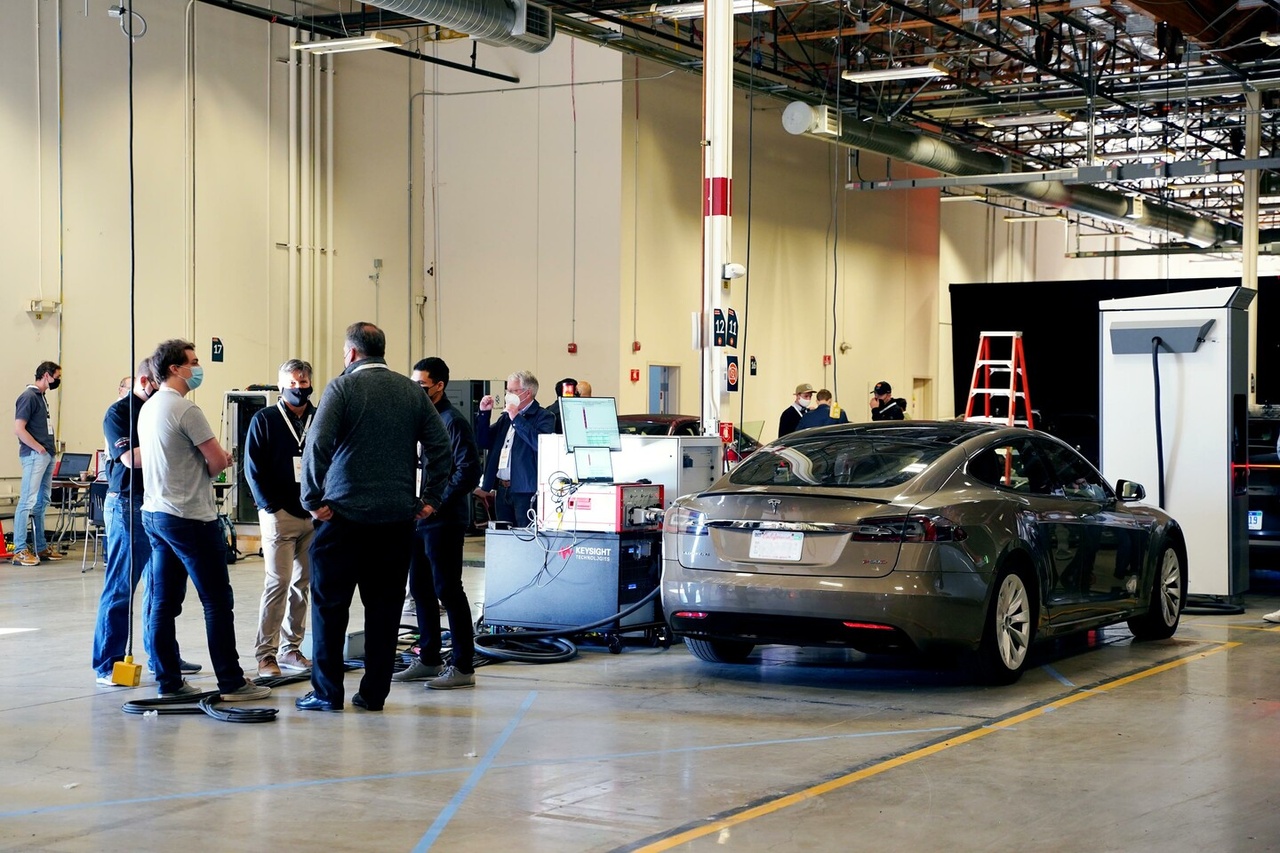
    The tests evaluated the Megawatt Charging System, known as MCS, alongside the second-generation ISO 15118-20 communication protocol. Commercial vehicle demonstrations verified throughput capacity of up to 1,000 kW on the Mercedes-Benz eActros 600, 750 kW on the MAN eTGX, and 700 kW on the Volvo FH Aero Electric. CharIN, which has coordinated MCS specifications across 120 member companies since 2018, confirmed that physical socket standards remain governed under IEC TS 63379 specifications.

    Protocols Advance Faster Than Hardware

    Software standardisation moved forward following the release of the ISO 15118-20 Amendment 1 update in July 2026. That revision incorporated MCS services, grid-tied alternating-current distributed energy resource applications, and updated TLS 1.3 cryptographic security protocols. Yet physical trials revealed ongoing mechanical locking and inlet alignment faults across multiple hardware vendors.

    Michael Keller, chief technology officer of CharIN, stated during the trials: “Without 100% interoperability, the customer has no guarantee of a successful charging process when they arrive at an unfamiliar charging station.”

    Vehicle-to-grid capabilities showed wider compliance variations during system trials. Out of 23 direct-current test systems evaluated for bidirectional energy flow, 13 handled European grid feedback specifications, while only seven out of 11 alternating-current systems functioned under simulated grid conditions. CharIN confirmed that automated energy management and bidirectional communication channels require extensive local certification before utility networks permit commercial power exports.

    Implications for Asian Logistics Hubs

    For fleet managers and warehouse operators across Asia-Pacific logistics corridors, the lack of plug-and-play uniformity introduces direct capital risk. Port operators and long-haul logistics fleets in markets like South Korea, China, and Australia cannot afford failed charging handshakes during tight freight turnaround windows. Purchasing megawatt-rated dispensers does not guarantee scheduled power delivery if proprietary truck control units reject public charger firmware.

    RetailNews Asia notes that retail distribution centers face secondary property planning bottlenecks alongside vehicle testing. Megawatt-level charging requires dedicated onsite battery buffering, dynamic load balancing, and restructured depot layouts to accommodate non-standard charging port positions. Operators building high-voltage freight hubs must design facilities around shifting cable lengths, cooling hardware, and transformer lead times rather than vehicle specifications alone.

    Grid Constraints Dictate Rollout Timelines

    Distribution network operators also struggle to process high-capacity grid hookups at the pace demanded by fleet operators. German electrical industry body ZVEI pointed out that local substation headroom and administrative approvals form the primary constraint on fast-charging hubs. In response, regulators such as the Federal Network Agency began publishing regional utility connection timelines to expose connection bottlenecks.

    Municipal public transport operators have already hit these limits during depot conversions. Local authorities in districts like Lippe reported that while over 50 percent of municipal bus fleets are now electrified, expanding depot connections requires balancing local rooftop solar arrays against uncoordinated central energy directives.

    Regional Testing Heads to South Korea

    Standardisation efforts previously focused primarily on light passenger vehicles before shifting toward megawatt-class haulage at trials in Arnhem earlier this year. Those earlier Dutch sessions validated basic bidirectional direct-current flows but left connector durability and automated communication handshakes unresolved for mass-production trucks.

    Testing now moves to the Korea Electrotechnology Research Institute in Ansan-si on October 12, 2026. Industry participants, including GridWiz, VertexCom Technology, and GENIS Korea, will test HomePlug GreenPHY validation workflows and ISO 15118-20 interfaces against Asia-Pacific grid codes.

  • Suzuki Aims to Halve Vehicle Development Time by 2030

    Suzuki Aims to Halve Vehicle Development Time by 2030

    Suzuki Motor will cut its new vehicle development time in half by around 2030 from fiscal 2020 levels, speeding up model rollouts across Asian markets.

    The Japanese carmaker is targeting a 30 per cent improvement in development efficiency alongside a 50 per cent boost to production efficiency over the same period.

    Faster turnaround for key markets

    Shrinking development cycles will allow the manufacturer to refresh its compact passenger car lineup faster. Shorter lead times reduce capital tied up in vehicle design programs while giving engineering teams quicker responses to shifting regional safety standards, emissions regulations, and consumer preferences.

    Automakers across the region face sharper competition from domestic and regional rivals capable of bringing new platforms to market on compressed schedules. By targeting a 30 per cent gain in engineering efficiency, Suzuki intends to defend its volume positions in key Asian passenger car segments without inflating research overhead.

    Expanding Indian manufacturing capacity

    India serves as the central pillar of the group’s manufacturing footprint and retail sales volume. Suzuki confirmed plans to expand its annual production capacity in the country to between 4 million and 4.99 million vehicles by the 2030 financial year or later.

    Scaling output in India to nearly 5 million units yearly requires severe factory floor optimization. The targeted 50 per cent increase in production efficiency is designed to extract higher unit volume from existing and planned assembly lines, controlling per-unit manufacturing costs as output scales.

    Operational shifts across assembly plants

    Reaching these targets requires overhaul across tooling, component sourcing, and plant automation. Improving assembly efficiency by half within the decade means standardizing modular architectures and trimming build hours per chassis across global sites.

    Suppliers in Suzuki’s tier-one network will need to align with tighter delivery cycles and faster part validation schedules. Compressing vehicle gestation from fiscal 2020 baselines transfers operational pressure directly down the supply chain, requiring parts vendors to validate components on shorter development tracks.

    Market response in Tokyo

    Shares in Suzuki Motor rose 0.9 per cent on Friday following the announcement in Tokyo. The benchmark Nikkei index finished the session 1.1 per cent higher.

    Investor attention now turns to the capital expenditure plan required to lift Indian capacity to the 4.99 million vehicle threshold by fiscal 2030.

  • Beijing Auto Show Sets March 2027 Dates for First Odd-Year Exhibition

    Beijing Auto Show Sets March 2027 Dates for First Odd-Year Exhibition

    Organizers have scheduled the next Beijing Auto Show for March 27 to April 5, 2027. The event introduces an odd-year specialized format focused on smart vehicle manufacturing.

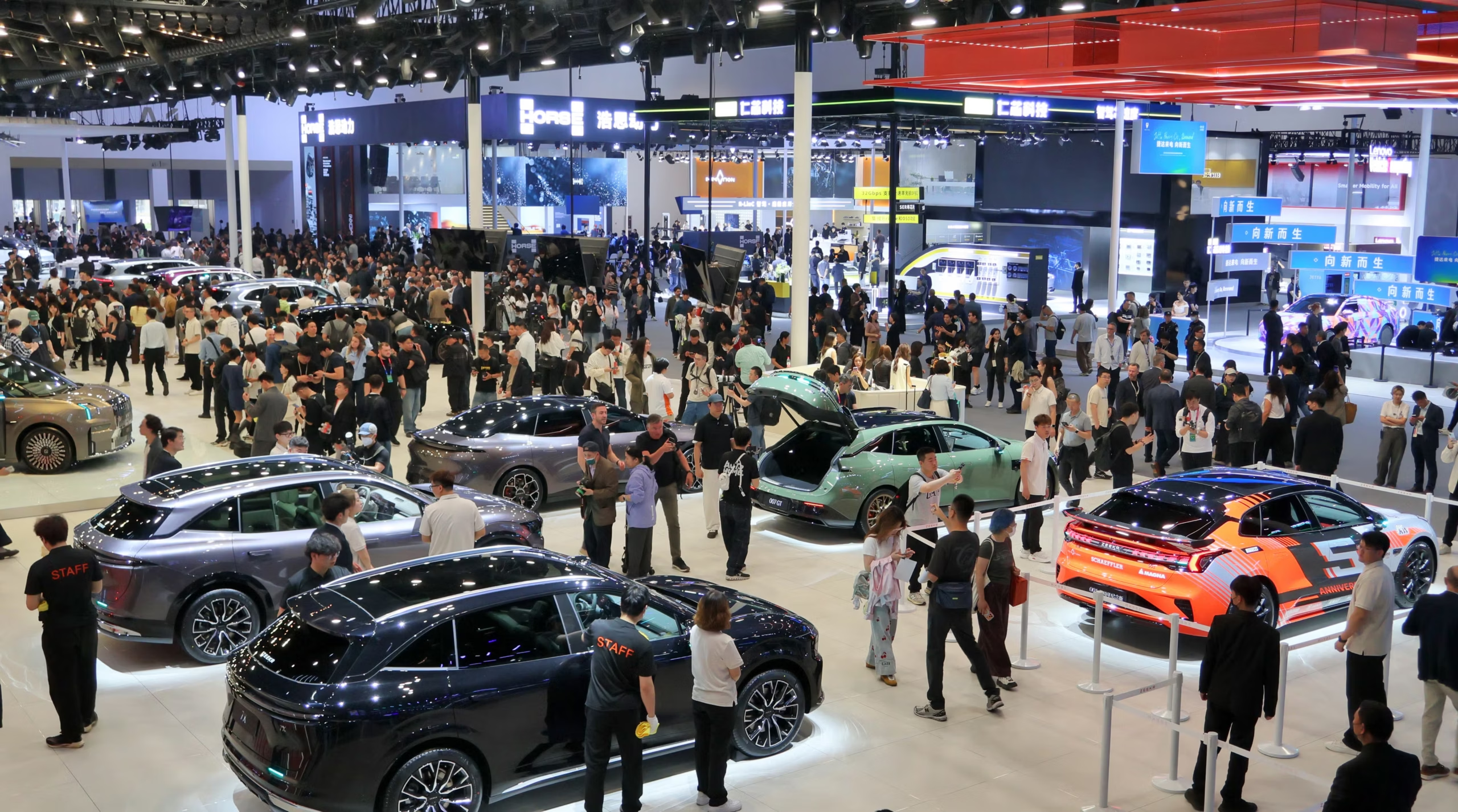
    The 10-day event follows a 2026 exhibition that drew 1.28 million visitors. That show filled 380,000 square meters of floor space in the capital.

    Officially named the 2027 Beijing International New-Quality Automotive and Future Smart Mobility Exhibition, the show will use two venues: the China International Exhibition Center Shunyi New Venue and the Capital International Exhibition Convention Center. Media days run on March 27 and 28. Trade days follow on March 29 and 30, before public entry opens from March 31 to April 5. A dedicated auto parts section will operate for four days from March 27 to March 30.

    Schedules and venue allocation

    This schedule runs the Beijing show in an odd-numbered year for the first time since its 1990 debut. It follows months of talks between the Shanghai Council for the Promotion of International Trade and the automotive branch of the China Council for the Promotion of International Trade. Both bodies agreed on September 7 to keep their alternating system for comprehensive vehicle exhibitions. Under that deal, full-scale passenger car shows stay in Beijing during even years and Shanghai during odd years.

    To avoid overlapping with Shanghai’s gathering, Beijing will operate as a specialized trade exhibition in 2027. Exhibits will concentrate on smart manufacturing, digital production lines, artificial intelligence software, smart mobility services, and industrial robotics alongside traditional new energy vehicles.

    Technology race drives exhibition demand

    Automakers in China face compressing model lifecycles and rapid tech shifts. These changes demand more frequent commercial exposure. More than 100 domestic passenger car brands compete inside mainland China, forcing manufacturers to shorten product refresh cycles to keep dealer inventories moving.

    Hardware advances have pushed vehicle launches beyond annual cycles. Domestic suppliers have speeded up the deployment of ultrafast charging technology. Manufacturers including Geely, BYD, and CATL are rolling out systems designed to complete battery charging within five minutes. Meanwhile, factory automation and AI integration have become core commercial selling points alongside vehicle range and chassis design.

    “The real challenge is whether the battery can accept that level of current quickly and repeatedly without overheating, excessive degradation or internal bottlenecks,” said Chris Liu, a Shanghai-based senior analyst at Omdia.

    Export focus and commercial matchmaking

    Organizers will also target export procurement on the show floor as domestic brands look overseas to offset slowing passenger vehicle deliveries at home. They plan to host dedicated matchmaking sessions between Chinese carmakers and foreign dealership groups, component distributors, and regional fleet operators.

    During the April 2026 Beijing show, brands presented 1,451 vehicles across more than 1,000 booths. That lineup included 181 product debuts and 71 concept cars. The 2027 edition aims to convert foot traffic into export supply agreements by prioritizing international procurement delegations.

    Shanghai prepares expanded 2027 floor plan

    Shanghai’s auto show will open less than three weeks after the Beijing event concludes. Its comprehensive exhibition runs from April 23 to May 2, 2027, at the National Exhibition and Convention Center. The event spans 400,000 square meters and includes a specialized area for embodied artificial intelligence.

    Car brands must now split capital expenditures and marketing budgets across two major events within a five-week window in northern and eastern China. Floor space allocations and overseas buyer registrations for the Shunyi exhibition halls will open in early 2027.