Tag: bangkok

  • Index Living Mall opens again in Indonesia

    Index Living Mall opens again in Indonesia

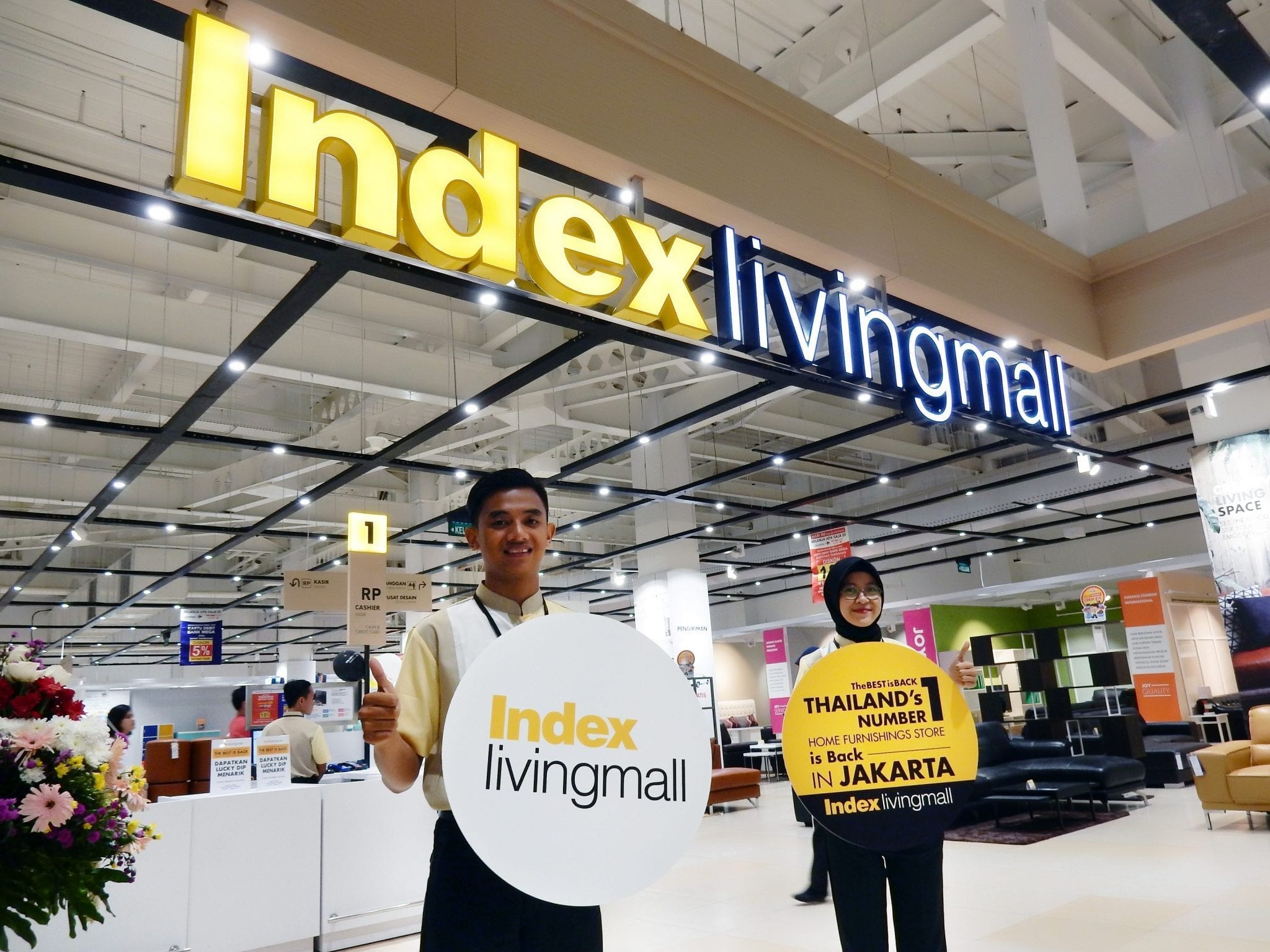
    Thai home furnishings retailer Index Living Mall Co Ltd has opened a new store under a partnership with Indonesian-based CT Corp in Jakarta.

    s in PT Retail’s Transmart Carrefour complex in the city’s CempakaPutih district. It covers 2,500 square metres of retail space.
    The company’s president and CEO Pisith Patamasatayasonthi said that the company expects to open as many as five to 10 stores next year and annually until 2020 in Indonesia.

    Shafie Shamsuddin, president director and CEO of PT Trans Retail Indonesia, said: “This strategic partnership is expected to provide added value for Indonesian consumers with more and more sophisticated choices of furniture products at Index Living Mall that are integrated in one area with Transmart Carrefour.

    “Surely this will provide a trend of positive and complementary consumer spending needs between Transmart Carrefour and Index Living Mall as well as we help to provide place and space for local products to partner with us.”

  • Hair cuts and dining in as Thai malls reopen after virus cases ease

    Hair cuts and dining in as Thai malls reopen after virus cases ease

    Thailand allowed shopping malls in the capital Bangkok to reopen on Wednesday and restaurants to operate at half capacity, after nearly three months of tough restrictions aimed at containing the country’s worst coronavirus outbreak.

    The move comes after infections numbers started falling in the middle of last month and with the government under pressure to ease lockdown measures due to the impact on the economy.

    “Thai citizens like me…will come back to normal life,” said Wanvipa Luepromchian, who was getting her hair cut in a salon in the Siam Paragon mall in Bangkok.

    The government in July started imposing strict measures including closing malls and prohibiting restaurant dining as the number of new infections surged due to the Delta variant.

    At its peak, authorities reported over 23,000 new cases in a single day in mid-August.

    On Wednesday, the health ministry reported 14,802 new cases and 252 additional deaths. Thailand has overall reported 1.2 million cases and 11,841 fatalities.

    “If you (the government) lockdown everything that’s so dangerous for the economy in Thailand,” Wanvipa said.

    Last week, the government also allowed some domestic flights to resume.

    Restaurants dining can also restart, but at half the capacity to allow for social distancing.

    “Customers need to get temperatures checked before entering and keep social distancing with only two people on one table, but if they are family, they can be seated together,” said restaurant manager Nichapha Jiwvaganont.

    While a nighttime curfew remains in place in Bangkok, the partial reopening will be supportive for Thailand’s struggling economy.

    A joint business group on Wednesday raised its 2021 economic forecast from between a 0.5% contraction to 1% growth from a contraction of 1.5% to 0% growth as curbs were relaxed.

  • AirAsia Thailand returns with 11 domestic routes from Sept 3

    AirAsia Thailand returns with 11 domestic routes from Sept 3

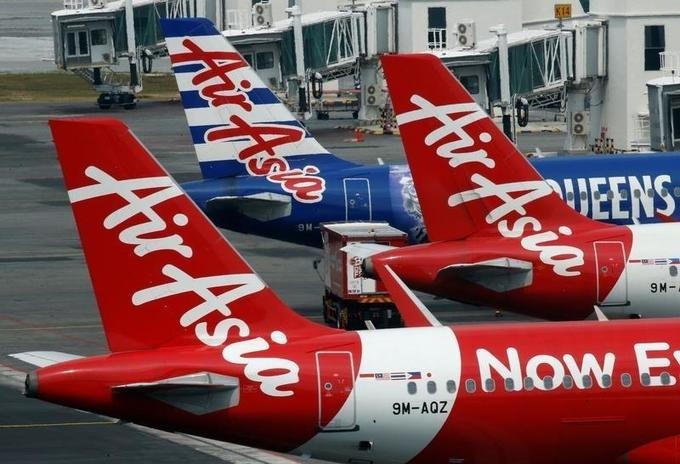
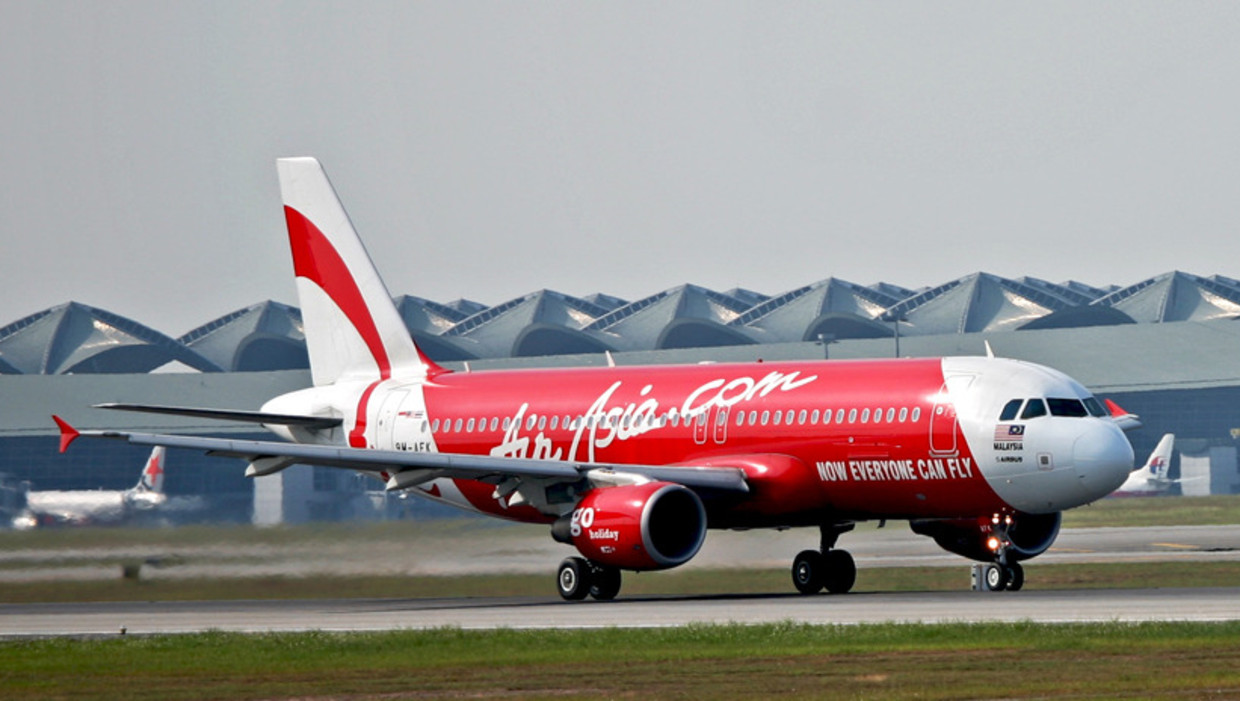
    AirAsia Thailand will return to the skies starting with domestic flights beginning Sept 3, 2021 following an announcement by the Civil Aviation Authority of Thailand allowing the operation of regulated flights.

    The reinstatement of flights by AirAsia Thailand will kickstart with 11 domestic routes from Don Mueang Airport to Chiang Mai, Phuket, Hat Yai, Nakhon Si Thammarat, Chiang Rai, Khon Kaen, Udon Thani, Ubon Ratchathani, Nakhon Panom, Roi Et and Narathiwat.

    AirAsia Thailand is offering a 30% discount on all seats for all flights including weekends and public holidays to celebrate the restart of its domestic operations. Book from Aug 28- Sept 5, 2021 and travel from Sept 3 Dec 31, 2021 at the airasia super app or visit airasia.com.

    All bookings come with an unlimited free flight change option while all flights will be operated under stringent adherence to health and safety protocols set by the government to ensure the comfort and safety of all guests.

    AirAsia Thailand Chief Executive Officer, Santisuk Klongchaiya, stated that while AirAsia Thailand hibernated all its flights throughout August in accordance with government announcements, it remained busy at work, preparing to return to service.

    All aircraft undergo regular maintenance during hibernation to ensure they are in top performance. The carrier has been working very closely with the Civil Aviation Authority of Thailand, Thai Airlines Association and other relevant public health agencies to ensure only the highest of safety and hygiene standards are in place when it resumes operations.

    From September 2021, guests will be required to meet Civil Aviation Authority of Thailand conditions in accordance with the criteria specified in the travel conditions of the destination provinces, such as to present the documents indicated of having complete cycle of vaccination and/or have documents showing results of testing for Covid-19 by RT-PCR or Antigen Test Kit (ATK), or are exempt from other measures in the destination province (such as having a document certifying that they have been naturally recovered from the infection for no more than 90 days, or have a document certifying that they have passed the quarantine requirement, or have documents for the implementation related to the country’s initiative Sandbox Project).

    Passengers are also mandated to declare their essential travel information via https://covid-19.in.th/ prior departure.

    The airline will also be maintaining stringent health and safety measures, including regular disinfection of all contact surfaces, limiting flights capacity to a maximum of 75% passengers on each flight, onboard food and beverage consumption is yet not allowed throughout the journey, and not more than 50 passengers allowed to be in the transfer bus each round to maintain social distancing and limiting contact.

    All AirAsia aircraft are equipped with hospital-grade HEPA filters that are able to filter out 99.99% of viral and bacterial particles in the air.

    The measures are including service personnel, that all staff on duties must be fully vaccinated against Covid-19 and be tested for Covid-19 according to the regulations. Pilots go through regular recurrent training and aircraft are well maintained.

    Flight and ground crew have been strictly trained to ensure the safety and wellbeing of guests at all times.

    In September 2021, AirAsia will begin its return to service with 11 routes before considering further flights.

    The flights are being introduced with a promotion of 30% off all seats on all flights, every day including weekdays and holidays. Bookings will come with unlimited flight change option that can be done conveniently through the Booking Management Menu or AVA Live Chat at no charge.

    Safety of staff and guests is always the top priority for AirAsia Group, which was one of the first airlines worldwide to achieve the top 7/7 rating for being Covid-19 safe by the aviation experts at Airlineratings.com.

    All of the airlines in the Group are IOSA accredited which is the global benchmark for upholding the highest safety standards at all times. Furthermore, the airline has used the downtime in flying to implement robust procedures and innovations to make flying even safer and more hygienic than ever.

  • Central Group takes control of Bangkok’s Mega Bangna parent

    Central Group takes control of Bangkok’s Mega Bangna parent

    When Vietnamese Prime Minister Nguyen Xuan Phuc visited Thailand in August, a red carpet was rolled out for him at Central Group’s Central Ladprao, a shopping complex in downtown Bangkok.

    The premier had been invited to attend the opening ceremony of a Vietnamese trade fair. He was greeted by members of Central Group’s founding Chirathivat family, including Chief Executive Tos Chirathivat, who reminded his guest that he wanted to invest more in Vietnam, the group’s biggest market outside Thailand.

    Tos introduced the premier to his youngest son, who had just graduated from a U.S. university and will join the family business in the group’s online operations.

    “He doesn’t know anything about retail,” Tos, laughing, said. “But the young generation, they know a lot about digital technology.”

    International expansion and e-commerce are two challenges that Tos, a grandson of group founder Tiang Chirathivat, has been tackling as the traditional retail business faces slowing growth.

    Like many other family businesses in Thailand, the Chirathivats are ethnic Chinese.

    Founder Tiang emigrated from Hainan Island to Bangkok in 1925. While many other Chinese immigrants chose to start businesses in the city’s Chinatown, he set up his first shop in the Thonburi district on the outskirts of Bangkok and across the Chao Phraya River from the city center.

    His shop was close to a large temple built by the royal family, so Tiang sold refreshments and provided a boat parking service for visitors.

    He moved across the Chao Phraya River to a location near the grand Oriental Hotel (now the Mandarin Oriental), where he opened a store with his eldest son, Samrit, in 1947. In 1956, the family opened Thailand’s first department store in Chinatown.

    Today, the 70-year-old group has become a dominant player in Thailand’s retail sector, with more than 60 department stores and shopping malls. It also operates hotels and restaurants, with a total of 5,000 outlets.

    In 2016, annual sales amounted to 332.7 billion baht ($9.98 billion), up 17% from a year earlier, confirming its status as the largest retailer in Thailand. Its closest rival is The Mall Group, which operates such major Bangkok shopping malls as Siam Paragon and Emporium, with estimated annual revenue of 50 billion baht. Central Group is also larger than other major regional peers, such as the retail operations of SM Investments in the Philippines.

    The Chirathivat family is the third-richest family in Thailand, with an estimated worth of $12.3 billion, according to Forbes.

    Central’s growth has been supported by an expanding economy, a rising middle class and demand for new goods and services. It built malls and stores in competitive locations offering a wide range of products. But Thailand’s population is starting to age at a more rapid rate than neighboring countries, while they are spending more abroad. This is causing domestic demand to stagnate as competition intensifies and becomes more diversified.

    “There are so many things that are happening now that affect department stores,” which account for about 40% of group revenue, Tos said in a recent interview. “The retail market is so much bigger than just department stores,” referring to various forms of retail operations from malls to discount stores and specialty stores.

    The 52-year-old Tos said it is “pretty simple” for him to grasp industry trends given his long experience in the family business. “I’m good at looking at the big picture, investing and expert at finding money.”

    Tos, the youngest of Samrit’s eight children, studied finance at Columbia University in New York and initially wanted to be an investment banker. He worked for a year at Citibank in Thailand. But he decided to return to the family business and launched a hypermarket chain, Big C, in 1994.

    He also oversaw an expansion into rural areas, which now account for around half of the group’s retail sales, although a similar venture in China proved less successful.

    Because of his largely successful track record in leading the group’s diversification, the board of directors strongly backed the appointment of Tos as chief executive in 2013, although he said he was reluctant to take up the post because he was already “personally satisfied” with retail. “He had outstanding talent and everyone in the family knew that,” one family member said.

    He has since then spearheaded an international expansion drive by buying several European department stores, including Italy’s La Rinascente and Germany’s KaDeWe, as well as the local arm of Big C in Vietnam. International operations now account for roughly 30% of group revenue.

    ONLINE AMBITIONS

    But Tos expresses less confidence about his ability to keep up with online operations, in contrast to his deep knowledge about traditional brick-and-mortar businesses.

    “Digital and e-commerce is the only unknown for me, but it is also the future,” he admitted. “I’m not sure in terms of execution and how to bring in growth. But you can see everywhere now that if it works, the value is incredible and crazy.”

    Pressure is mounting. Although Southeast Asia’s e-commerce market is still relatively small with no dominant player, like Alibaba Group Holding in China or Amazon in the West, the market is growing rapidly. Amazon recently entered Singapore, while Alibaba has invested in Lazada, the largest e-retailer in Southeast Asia, and is planning to build a large logistics center in Thailand.

    Tos has responded by bringing in outside experts to help. Last year, the group started recruiting non-family executives into top management posts that resulted in a team dominated by outsiders for the first time. The new team, which reports directly to Tos, is aimed at strengthening the group’s shift to online operations.

    Nicolo Galante, an Italian and former McKinsey consultant who has revamped online operations and created new marketing channels for European retailers, became the group’s chief operating officer. He is initiating reforms by adding online shopping channels for each retail business from department stores to sports specialty outlets and attracting talent to new posts, such as chief technology officer.

    “In the next two to three years, the picture of e-commerce in Thailand will change dramatically,” Galante said. Unlike Europe, where the traditional retailers found themselves far behind Amazon by the time they decided to shift online, the developing e-commerce market in Southeast Asia means that “we are not yet late,” he said. “We have the unique opportunity to write the history for ourselves. But it is going to happen very fast and very soon.”

    Former bankers have also joined the group to provide financial expertise essential for supporting e-commerce. Yol Phokasub, former head of Siam Commercial Bank, was appointed to the newly created post of president. Prasarn Trairatvorakul, a former Bank of Thailand governor, is serving as a senior advisor.

    “Central has been aggressively adopting experts and foreigners as executives under Tos,” said Natenapha Wailerdsak, a lecturer at Thammasat Business School. This is a positive move, she said, since relying heavily on insiders could “restrict the businesses from expanding beyond the abilities of its family members.”

    FAMILY DOMINANCE

    Nonetheless, Central is often seen as one of the most family-dominated conglomerates in Thailand compared with other groups, such as Charoen Pokphand Group, the agribusiness-to-retail-to-telecoms empire led by Dhanin Chearavanont.

    Family members fill all of Central’s 15-member board of directors and seven-seat executive committee. Most of its group companies are private, with a few exceptions like development unit Central Pattana.

    In contrast, most of CP’s major assets are listed and its management includes non-family executives who head core listed subsidiaries such as Charoen Pokphand Foods and 7-Eleven operator CP All.

    “My grandfather and father, we wanted all the family members to be in the company if they wished,” Tos said. “But CP, they say they don’t want family members in the group. They are more aggressive and want the best professional people to run the business.”

    Dhanin said in his autobiography last year that just before he became president of CP Group when he was 30, he asked his relatives, including his older sisters and the wives of his brothers, to leave the company and he replaced them with young professionals.

    He also forbade hiring the children of family members for CP core businesses. “Bringing a son on board could also jeopardize the company’s future,” Dhanin said. “Not only would the company lose valuable [outsider] executives [who feel they will not be able to get a promotion], it would have trouble ensuring a smooth transition from one leadership to the next.”

    The Chirathivats share “a different philosophy,” Tos said. The group has a “stricter” management selection process that requires at least 75% approval from the family-dominant board. “They must have a trust in you, think that you are capable and good for the family,” he explained.

    The extensive Chirathivat family provides plenty of potential candidates. Founder Tiang had 26 children with three wives that resulted in roughly 220 Chirathivat offspring, of which 51 are involved in the business.

    To keep the family bonds strong and avoid disputes, Samrit Chirathivat, the founder’s son who built the foundation of the retail business, insisted that the family should live together. He built a house in Bangkok’s central Sala Daeng district that housed nearly 50 Chirathivats across three generations.

    “We were brought up together and interacted with each other a lot,” said Suthiphand Chirathivat, another of the founder’s sons and a group executive. The children worked in the group’s shops as clerks during school holidays.

    Although the central Chirathivat residence is now old and too small to hold many family members, some of them still live together in three main compounds in Bangkok.

    Family members also keep in touch through an online messaging group. Every year on July 10, the anniversary of the founder’s death, the family gathers at a temple near where the group had its first shop.

    A family council headed by Suthichai Chirathivat, another son of the founder who was the group’s first CEO and current chairman of the board, discusses issues such as marriage, education and the family budget that is financed by income from unlisted group companies. “We provide funds for those that aren’t involved in the business, too,” said Suthiphand Chirathivat.

    Central Group has put in place a succession plan to avoid internal disputes, which includes family and outside candidates. “The more pressing challenge for the Central Group when it comes to top management is how to transform it from a tightly family-dominated group to a more open and professional one,” said Pavida Pananond, associate professor at Thammasat Business School. “They need to address the strategic need to become a more regional and global player in retail.”

    Tos certainly recognizes that. “The company is growing faster than our babies,” he said. “To keep growing, we will need outsiders to take care of the group.”

  • SHB sells consumer finance unit to Thai lender

    SHB sells consumer finance unit to Thai lender

    The Saigon-Hanoi Commercial Joint Stock Bank will sell a 50 percent stake in its consumer finance division, SHB Finance, to Thailand’s Bank of Ayudhya.

    Vietnam’s fifth-largest bank said in a statement it would sell the remaining 50 percent to Bank of Ayudhya after three years.

    Bank of Ayudhya said in a stock market filing that the deal is worth VND3.59 trillion ($157.75 million), adding: “The acquisition will enable the bank to capture growth outside of Thailand.”

    Japan’s Mitsubishi UFJ Financial Group holds a 76.9 percent stake in the lender, Thailand’s fifth-largest by assets.

    After more than three years since inception, SHB Finance has a presence in 46 provinces and cities and almost 300,000 borrowers.

    Another private lender, VPBank, sold a 49 percent stake in its consumer finance unit, FE Credit, in April to Japan’s Sumitomo Mitsui Finance Group for $1.4 billion.

    Other Vietnamese lenders like VietinBank and MSB are also looking to sell their consumer finance operations.

  • AirAsia Super App launches Bangkok food service as it expands across ASEAN

    AirAsia Super App launches Bangkok food service as it expands across ASEAN

    AirAsia Group’s digital arm has launched a food-delivery service in Thailand as it ramps up its non-airline business operations to mitigate falling demand for travel during the Covid crisis.

    AirAsia Digital operates Super App that has already been downloaded more than 50 million times and the company says it now has 75 million people using it across Singapore, Malaysia and Thailand.

    Last month, the company bought the Thai operations of Indonesian ride-hailing app Go-Jek which gave it instant market share in passenger transport and delivery services in the market.

    At that time, Air Asia CEO Tony Fernandes said the company had already created a complete digital economy ecosystem. “We have successfully established over 15 different non-airline products and lifestyle services on our digital e-commerce platform in Malaysia. Now it’s time to take it to the next level. In response to overwhelming regional demand, we are setting our sights on bringing our Super App offerings to all of our key markets, following the successful rollout in Thailand.”

    Other features of the app include digital motor vehicle insurance, financial services, travel, lifestyle and rewards, flight and accommodation bookings, beauty, health, and content services.

    With the Thai launch this month, the Super App is offering 30,000 free meals for 30 days for users in four parts of Bangkok: Din Daeng, Chatuchak, Lat Phrao, and Huai Khwang. Partners in that program include McDonald’s, Flash Coffee and Cafe Amazon.

    The app plans to expand service delivery across more areas of Bangkok during the coming weeks.

    “AirAsia food marks the beginning of our digital revolution in Thailand, and we are currently preparing for courier, grocery, ride-hailing and beauty services, which will be launched in coming weeks,” said Amanda Woo, AirAsia Super App CEO.

    “The Covid-19 pandemic has permanently reshaped our everyday lives, food delivery and take-outs have undeniably become an integral part of our consumption behaviour. The key goal of AirAsia Super App is to be the best value one-stop travel and lifestyle application for everyone and every need.

    “AirAsia Super App aims to rise as the e-commerce marketplace of choice for everyone in ASEAN, be it for travel, food delivery or logistics.”

  • Thai AirAsia suspends flights, cuts pay packets

    Thai AirAsia suspends flights, cuts pay packets

    Thai AirAsia (TAA) has suspended all flights this month and deferred paying its staff either wholly or partially until September.

    The airline, regarded as one of the most robust domestic carriers, has faced a financial crunch from consistently low passenger volumes since the Covid-19 pandemic began early last year. All domestic airlines including this one also suffer from a lack of cash flow.

    The airline stopped flying after the restrictions were launched last month. It says all flights will stay grounded for now after efforts to secure loans were in vain.

    Another factor in the decision to keep flights grounded is that the latest lockdown order includes travel restrictions. The wider aviation business in the country is also facing depleted liquidity and cash flow.

    TAA announced a deferment of the whole or part of the salaries of its employees as part of an effort to ease cost pressures.

    The July salaries for executives will be paid in September. Active employees at operational levels will be paid 50% of their July salaries this month and the rest in September. Inactive employees will receive 25% of their salaries in September as well.

    The TAA said it will temporarily cease operations this month and hopes the situation will turn around next month. Once the airline has secured a loan, operations will resume.

    Also, Thai Lion Air, another budget carrier, said it is looking to offer financial assistance to its staff after it suspended flights on July 21.

    Meanwhile, the International Air Transport Association (IATA) called on governments to take action to address the high cost of Covid-19 tests in many jurisdictions.

    It also urged flexibility in permitting the use of cost-effective antigen tests as an alternative to more expensive PCR tests.

    According to IATA’s most recent traveller survey, 86% of respondents are willing to get tested. But 70% also believe that the cost of testing is a barrier to travel, while 78% believe governments should bear the cost of mandatory testing.

    “The IATA supports Covid-19 testing as a pathway to reopen borders to international travel,” said IATA Director-General Willie Walsh.

    In addition to being reliable, testing needs to be easily accessible, affordable, and appropriate to the risk level. Too many governments, however, are falling short on some or all of these, he said.

  • Thailand’s Tookdee speeding up expansion plan

    Thailand’s Tookdee speeding up expansion plan

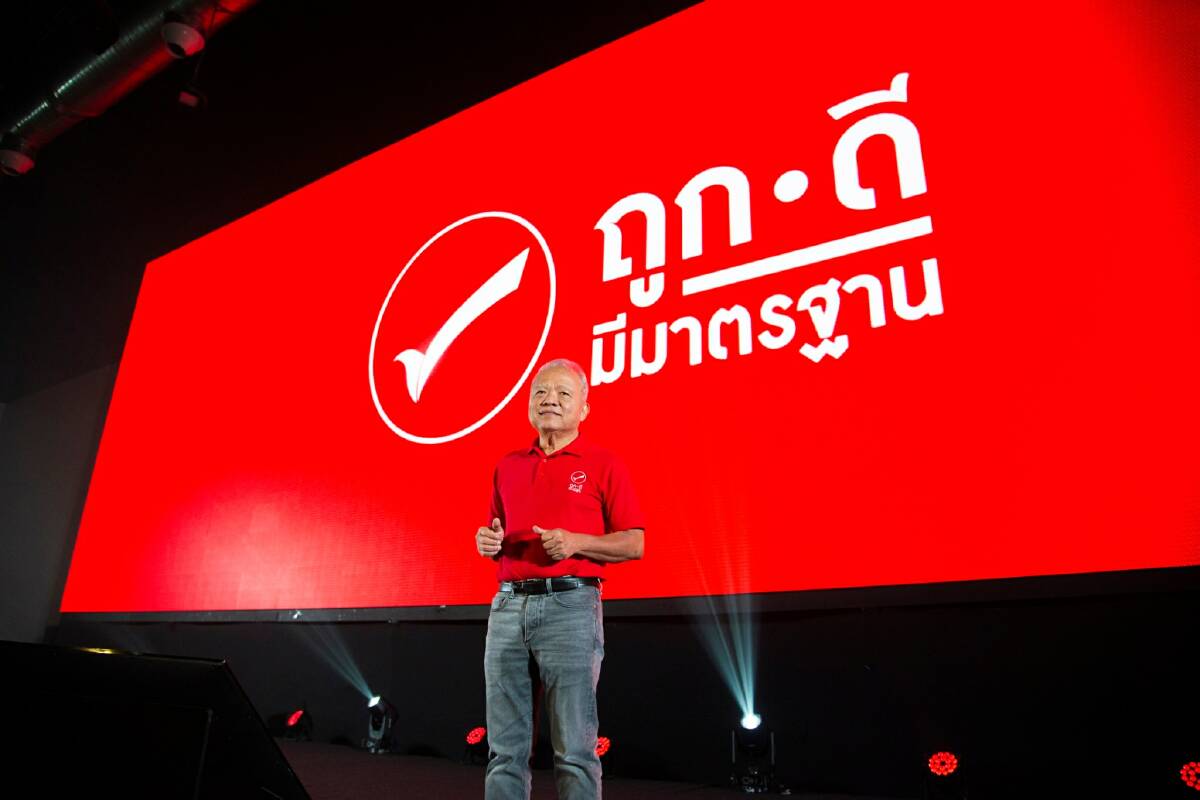
    Mr. Sathien Setthasit, Chairman of TD Tawandang, proprietor of TOOKDEE retail store, reveals that TOOKDEE brand aims to set new standard for convenience stores in local communities that are vital base of grassroots economy in Thailand. With elevated standard, knowledgeable operation and technology-based management, TOOKDEE is set to become the “community store by the community, for the community” that offers modern and friendly service to enhance living condition of the people in the communities.

    TOOKDEE’s business model allows for all benefit. Everyone can become part of the changing process to modernize local-style convenience stores and shake up the Thai retail industry, and ultimately create more business opportunity to local community businesses all over Thailand.

    Owners of local convenience stores and local business partners earn more income from sales. Local entrepreneurs have more distribution channels through TOOKDEE shops, while the consumers in the communities have access to good quality products at affordable prices. Most importantly, TOOKDEE shops created a lot of job opportunities and employment through its branch and warehouse expansion, encouraging purchase and creating economic flow from urban areas to rural communities that better and improve the lives of the local communities. TOOKDEE is another driving force for Thai economy to thrive and recover from the stalling economy caused by the COVID-19 pandemic that devastated the Thai economy, employment rate and citizens’ income. TOOKDEE is expected to elevate local trade and commerce and revitalize the country’s grassroots economy.

    Mr. Sathien states that the firm has developed the concept of TOOKDEE since 2019 with collaboration from convenience store entrepreneurs that contributed variety of products, equipment, know-how and technology to enhance the operation and beautify storefront. The company also works closely with various business partners to launch marketing activations and promotion advertisement at TOOKDEE stores to boost sales, strengthen local business, and create competitive edges to compete with big convenience store brands.

    TOOKDEE was first launched two years ago during the pilot period in Nakhon Pathom, Khon Kaen and Udon Thani, then on to the northern and central regions of Thailand. Immediately after the launch, the feedback was satisfactory. Income of local convenience stores went from 3,000-5,000 THB daily to more than 10,000 THB, allowing store owners to break through economic dead ends and build better lives for themselves. TOOKDEE is growing against the tide of economic trend that has been devasted by the COVID-19 pandemic thanks to the business model that caters specifically to the local demographic that allows TOOKDEE to thrive sustainably alongside business partners and store owners.

    TOOKDEE’s strengths include local ownership that best caters to the specific needs of the local demographic. TOOKDEE also carries local highlight products and indigenous goods of each locale to offer product diversity, boost sales and distinguish itself from other brands.

    Currently there are more than 1,000 TOOKDEE shops nationwide, with plans to expand to 8,000 shops in 2021 and 30,000 shops in 2022. Expansion will ensure accessibility even at the most remote villages, especially those that already have convenience or retail stores in place.

    To accommodate rapid expansion, TOOKDEE has established a provincial center to assist store owners in their new business venture, instill confidence and show readiness to accommodate local convenience store business in Thailand. The center allows potential store owners to immerse in TOOKDEE experience as buyer and seller, try out the equipment, browse through product selections, observe the interior design theme and test the POS system that will modernize and add efficiency to the operation. The center has dedicated TOOKDEE staff to assist and answer all questions to help store owner confidently land their first step in the TOOKDEE venture.

    TD Tawandang is offering business opportunity to store owners and interested partners all over Thailand to join TOOKDEE, the local community convenience store network, to modernize and raise the standard of the Thai retail industry to international level and better the lives of Thai communities.

  • Malaysia’s AirAsia to buy Gojek’s Thai business for $50 million in shares

    Malaysia’s AirAsia to buy Gojek’s Thai business for $50 million in shares

    Malaysian budget carrier AirAsia Group will buy Indonesian ride-hailing and payments firm Gojek’s business in Thailand in return for $50 million of shares in part of the airline’s digital business, the companies said on Wednesday.

    The deal will give Gojek a 4.76% stake in AirAsia SuperApp, valuing the division at around $1 billion, more than the pandemic-hit airline’s current market value of $868 million at a time when it has been looking to raise more capital.

    The agreement with the Indonesian startup unicorn comes just a week after AirAsia applied for a digital banking licence in Malaysia, signaling a shift in focus towards digital business as most of its fleet remains grounded amid coronavirus restrictions.

    “By taking on Gojek’s well-established Thai business, we’ll be able to turbocharge our ambitions in this space to become a leading Asean challenger super app,” AirAsia Chief Executive Tony Fernandes said in a statement.

    AirAsia SuperApp, a lifestyle platform for travel, e-commerce and financial services, is one of three companies under the AirAsia Digital group. The others are logistics venture Teleport and the BigPay fintech business.

    Gojek’s Thai business, which includes ride-hailing, food delivery and payments, is its smallest overseas operation and has a far smaller share of that market than food delivery market leader Grab.

    Gojek will focus on increasing investment in Vietnam and Singapore after the deal is completed, the statement said.

    Gojek’s Thai business was loss-making in 2019 and 2020, according to accounts provided with the deal announcement.

    Nikkei Asia earlier reported that AirAsia was in talks with Gojek to acquire its Thai business.

  • AirAsia readies for Sandbox opening

    AirAsia readies for Sandbox opening

    As the Thai government confirms the country will embark on a reopening phase beginning with a pilot “Sandbox project” in Phuket 1 July, airlines are planning to increase domestic flights.

    In a press statement released Tuesday, AirAsia says it is “set to paint the skies red again in support of the Phuket Tourism Sandbox programme that is also seen as the first step in welcoming international visitors to Thailand.

    Caption 1  Krid Pattanasan

    AirAsia Thailand head of government relations and secretary-general of the Airlines Association of Thailand Krid Pattanasan said: “Domestic travel will be the first to restart with the reopening of Phuket from 1 July 2021. Thai and foreign travellers who have been fully vaccinated against Covid-19 will be able to enter Phuket under strict government guidelines.

    “This initiative will soon be extended to other destinations including Chiang Mai, Krabi, Phang Nga, Pattaya and Hua Hin. AirAsia has been rigorously preparing for this much-awaited programme, and its staff are ready to welcome and facilitate guests, including by getting themselves vaccinated to ensure the safety, wellbeing and peace of mind for all guests.”

    By the end of June, over 80% of AirAsia’s staff will be fully vaccinated against Covid-19. The programme started with those who have direct contact with guests such as ground staff, cabin crew and pilots, but it is extending to those working as baggage handlers, technical crew and engineering staff are also ensured to receive the vaccine.

    In preparation to take to the skies again, AirAsia has lined up various attractive promotions to further stimulate travel. These promos will commence as soon as the government provides the green light for mass air travel to kick off.

    Caption 2 Lunchakorn Saengsiri

    Senior Cabin Crew Lunchakorn Saengsiri, as frontline staff in direct contact with guests, said receiving a full vaccination has provided great confidence when interacting with his co-workers, his family and AirAsia guests.

    He noted that despite the low frequency of flights currently, he and his colleagues have been maintaining safety and hygiene standards for every flight.  Close contact with passengers has been reduced to the minimum in accordance with state regulations, while the consumption of food and sale of goods in-flight has been completely restricted.

    Caption 3 Tapachcha Khanpimool

    For Senior Cabin Crew Tapachcha Khanpimool, most people have been adapting to the situation, and she expressed the belief that once vaccinations become widespread, air travel will quickly return especially the much anticipated domestic travel.

    “We are very excited to return to flying and have ensured that we are fully ready by protecting ourselves and staying up to date on the latest information  so that we can provide the best possible service to our guests.”

    Meanwhile, Ramp Agent Noppalit Budrath shared that despite everyone in his department having been fully vaccinated, it is crucial that the highest safety and hygiene measures continue to be observed. He said this is especially true as in the course of his duties delivering aircraft for service and to be present during landing and take-off, he would frequently come into contact with passengers.

    Caption 4 Noppalit Budrath

    AirAsia intends to increase its domestic service by 20 to 30% compared to the same period in 2020 and before the latest COVID-19 wave.

    It will fly Don Mueang-Phuket three times daily and Suvarnabhumi-Phuket once daily every Monday, Wednesday, Friday and Sunday.

  • Thailand Reins in Speculation in Digital Assets

    Thailand Reins in Speculation in Digital Assets

    The country’s finance regulator is banning licensed digital asset exchanges from trading meme coins, fan-based tokens, NFTs and social coins as part of its ongoing regulatory action against crypto trading.

    The Thai Securities and Exchange Commission (SEC) is prohibiting exchanges in the country from providing services related to utility tokens or cryptocurrencies to ensure customer protection and ward off attempts by anyone using digital assets to operate a grey business, the regulator announced on Friday.

    As a result, meme coins like Doge, which has attracted the interest of investors in the past year as its price surged by as much as 10,000 percent this year, will no longer be allowed to be traded in Thailand. The SEC said such coins have «No clear objective or substance or underlying, and whose price [runs] on social media trends.

    The move came amid reports that publicly listed mobile phone retailer Jay Mart was making plans to launch the country’s first non-fungible tokens (NFTs) linked to nine local stars and celebrities. However, Jay Mart said it would go ahead with the launch this week as planned, though the NFTs will be listed on foreign exchanges.

    NFTs have garnered increasing popularity in recent months, particularly as a way to sell and invest in digital artworks as verification of authenticity and ownership are stored on the blockchain.

  • Thailand Reins in Speculation in Digital Assets

    Thailand Reins in Speculation in Digital Assets

    The country’s finance regulator is banning licensed digital asset exchanges from trading meme coins, fan-based tokens, NFTs, and social coins as part of its ongoing regulatory action against crypto trading.

    The Thai Securities and Exchange Commission (SEC) is prohibiting exchanges in the country from providing services related to utility tokens or cryptocurrencies to ensure customer protection and ward off attempts by anyone using digital assets to operate a grey business, the regulator announced on Friday.

    As a result, meme coins like Doge, which has attracted the interest of investors in the past year as its price surged by as much as 10,000 percent this year, will no longer be allowed to be traded in Thailand. The SEC said such coins have «No clear objective or substance or underlying, and whose price runs on social media trends.

    According to «The Bangkok Post,» the move came amid reports that publicly listed mobile phone retailer Jay Mart was making plans to launch the country’s first non-fungible tokens (NFTs) linked to nine local stars and celebrities. However, Jay Mart said it would go ahead with the launch this week as planned, though the NFTs will be listed on foreign exchanges.

    NFTs have garnered increasing popularity in recent months, particularly as a way to sell and invest in digital artworks as verification of authenticity and ownership are stored on the blockchain

  • CP All to roll out 700 more 7-Eleven stores in Thailand

    CP All to roll out 700 more 7-Eleven stores in Thailand

    CP All Plc, the operator of 7-Eleven convenience stores, plans to spend 11.5-12 billion baht this year to expand its business.

    Kriengchai Boonboapichart, the company’s chief financial officer, said 4-4.1 billion baht of total spending is for investment in new projects, subsidiaries and distribution centres, 3.8-4 billion is slated for store expansion, 2.4-2.5 billion is for store renovations, and the remaining 1.3-1.4 billion is for fixed assets and IT systems.

    The company plans to open 700 new convenience stores this year, on par with last year.

    Some 155 new 7-Eleven stores were opened in the first quarter this year.

    “We will continue to open new stores, but with a more cautious approach. There are many uncertainties, so we will select locations that can build revenue and have real demand from customers,” Mr Kriengchai said.

    “Moreover, each location has to possess the capability to support our O2O [online-to-offline] retailing strategies.”

    CP All operated 12,587 branches of 7-Eleven at the end of the first quarter this year.

    Of the total, 6,771 stores belong to business partners and 5,816 stores were owned by CP All.

    Moreover, 85% of the stores were standalone with 15% located in PTT petrol stations.

    CP All reported total revenue of 547 billion baht in 2020, down 4.3% from the previous year, with a net profit of 16.1 billion, a decrease of 27.9%.

    In the first quarter this year, the company’s total revenue dropped by 8.5% year-on-year to 133 billion baht, with a net profit of 2.59 billion, a fall of 54%.

    The decrease in revenue was largely attributed to outbreaks of the pandemic, resulting in a slow recovery of domestic consumption, decreased consumer purchasing power and a lack of tourism.

    Footfall per store per day in the first quarter this year declined to 845, down from 949 in 2020 and a peak of 1,187 before the Covid-19 outbreak.

    The decrease is mainly a consequence of the first wave of the outbreak, followed by a new wave in late 2020.

    The government announced measures to control the pandemic, resulting in a decrease in economic activities.

    The slow recovery of the tourism industry and domestic consumption has also hurt prospects.

    Furthermore, customer lifestyles are shifting to shopping online.

    The company continues to implement O2O retail strategies, such as 7-Eleven Delivery, All Online and 24Shopping to satisfy customer demand.

    CP All aims to provide prompt access to various consumer products, including at 7-Eleven stores, with delivery and pick-up service at branches seeing a good response, said Mr Kriengchai.

  • Lazada’s president quits

    Lazada’s president quits

    Jessica Liu, president of Lazada Group, is leaving the South-East Asian online shopping unit of Alibaba Group Holding Ltd.

    She is departing Lazada to spend more time with her family, the company said, confirming an earlier report by Bloomberg News.

    Liu has been a key member of Lazada’s leadership team and also served as head of LazMall, the fast-growing marketplace for international and local brands within the Lazada platform.

    Earlier this year, she took on an additional role of chief executive officer of Thailand, becoming the company’s first female country head.

    “Under her leadership, Lazmall has grown to become one of the largest online virtual malls in South-East Asia, ” Lazada said in a statement.

    “We want to thank Jessica for this and her many other contributions, and wish her well as she takes some time off to focus on her family.”

    Lazada has gone through frequent management shuffles since it was acquired by Alibaba.

    The company appointed Chun Li as group CEO in July, and Lazada has since been investing in technology and logistics and recording triple-digit year-on-year order growth.

    Revenue from Alibaba’s international commerce retail business climbed 42% to US$5.26bil (RM21.74bil) in the fiscal year ended March 31, led by Lazada and Trendyol.

    Liu joined Lazada in 2020 from Alibaba, where she was general manager of Tmall Fashion and Luxury.

    Under her leadership, Tmall became China’s largest fashion business-to-consumer online platform.

    Nine-year-old Lazada operates in Indonesia, Malaysia, the Philippines, Singapore, Thailand and Vietnam.

  • Thai startup Pomelo to launch fashion tech platform Prism

    Thai startup Pomelo to launch fashion tech platform Prism

    JD-backed Thai fashion e-commerce startup Pomelo plans to boost revenue by offering its own technology in analytics and demand forecasting to other fashion brands in the region, its CEO David Jou says, amid slowing offline sales.

    The women’s fashion firm, which started as an online business in 2013, plans to launch its business-to-business (B2B) unit, Prism, next month to offer services like demand planning and logistics for other fashion and lifestyle brands.

    The plan comes as physical store sales and traffic have dropped.

    Store traffic in Thailand plummeted 71 percent in the first quarter of this year and about 20 percent in its other markets, said Jou in an interview with Reuters, adding that e-commerce was strong.

    Its B2B service has drawn brands like Levi’s as customers.

    The startup has raised a total of $83 million from investors including Thailand’s largest retailer Central Group and competes with companies like Japan’s Uniqlo.

    Retailers are accelerating digitization due to the pandemic, creating demand for the service, he said.

    Local brands, which already know their customers, can get support in product development, textile sourcing, and supply chain management, Jou said.

    Pomelo would continue to sell its own apparel brand and is planning to add 44 more physical stores on top of its 25 existing locations.

    The company is also experimenting with having customers try on clothes at home in a partnership with ride-hailer, Grab.