Tag: bank

  • Philippines charges bankers for ignoring cyberheist

    Philippines charges bankers for ignoring cyberheist

    The Philippines has filed charges against five officials of RCBC bank and a former treasurer who “wilfully ignored” suspicious activity that led to tens of millions of dollars vanishing after a heist on Bangladesh’s central bank.

    Unknown cybercriminals tried to steal nearly $1 billion from the Bangladesh Bank in February in what was one of the biggest bank heists ever.

    They succeeded in transferring some $81 million via an account at the New York Federal Reserve to four accounts in fake names at a branch of Rizal Commercial Banking Corp. in Manila. Most of the cash was quickly withdrawn and laundered through multiple channels.

    In a 97-page complaint to the justice ministry, the Anti-Money Laundering Council (AMLC) said that former RCBC Treasurer Raul Tan, three retail banking officials and two workers at the branch where cash was withdrawn were guilty of money laundering because they should have noticed something was wrong and intervened immediately.

    Only about $15 million has been recovered and returned to Bangladesh, with a further $2.7 million frozen. The rest of the funds changed hands several times and vanished in the Philippines’ casino industry.

    No arrests have been made despite investigations by the U.S. Federal Bureau of Investigation, Interpol, Bangladesh police and authorities in the Philippines.

    Tan resigned as the bank’s treasurer in April.

    The AMLC complaint, filed on Nov. 18, covers three retail banking workers and two customer relations officers at the its Jupiter branch in Makati City. The complaint was based on evidence gathered from the bank.

    “Tan was in a position to order enhanced due diligence based on the red flags,” it said.

    “Tan could have convened the anti-money laundering committee to act on these red flags,” the AMLC said, adding Tan “wilfully ignored them and failed to conduct thorough investigation,” as required by law and the bank’s regulations.

    Tan’s actions showed he had “knowledge that the funds transacted represented the proceeds of an unlawful activity,” it said.

    RCBC in a statement said its own probe had found no official from the head office involved in the transaction, which was initiated and carried out by the Jupiter branch.

    “We welcome the charges as an opportunity to conclusively prove that our executives acted properly and had no knowledge or participation in any money laundering,” CEO and President Gil Buenaventura said.

    One longtime RCBC client, casino owner and agent Kim Wong, had admitted during a Philippine Senate inquiry that he received millions of the loot from two Chinese gamblers but did not know it was stolen. He denies involvement in the heist and has returned $15 million of around $35 million he said he received.

  • BNI President Addresses Rush Money Issue

    BNI President Addresses Rush Money Issue

    Bank Negara Indonesia (BNI) president director Achmad Baiquni asked customers not to panic and get affected by solicitations to withdrawal money en masse. The so called rush-money rumor has been circulating on social media in recent days.

    According to Baiquni, the rumor is baseless and irrelevant, considering Indonesia’s banking fundamentals are normal and healthy.

    “Banking conditions are very good, so there should be no reason to worry,” Baiquni told.

    Baiquni firmly stated that banks’ performance continues to grow, both in terms of assets, loans, deposits and third party funds. Baiquni also urged people to ignore the call to withdraw their savings from banks.

    “Let’s not over-blow the issue—especially in social media. There is no need to worry,” Baiquni said.

    In terms of macroeconomics, Baiquni said the rupiah is stable while the Jakarta Composite Index is slowly gaining. “Last week’s correction was only a brief Trump effect.”

    Baiquni said BNI is asking customers to remain calm and not be provoked by the issue. “If there are customers who want more information about this matter and require an explanation, we are ready.”

    Earlier, the Police Headquarters’ Director of Special Economic Crimes Brig. Gen. Agung Setya said the solicitation is prone to prone risks of greater crimes that can harm the public.

  • HSBC Amanah Malaysia appoints new CEO

    HSBC Amanah Malaysia appoints new CEO

    Arsalaan (Oz) Ahmed has been appointed as the Chief Executive Officer for HSBC Amanah Malaysia Berhad. As the CEO of HSBC Amanah Malaysia Berhad, Oz Ahmed will be leading the Islamic banking businesses for Retail, Commercial and Wholesale Banking, and reporting to the CEO of HSBC Bank Malaysia Berhad, Mukhtar Hussain.

    Before joining HSBC Amanah, Oz was appointed as the Head of Capital Financing & Financial Institutions for Barwa Bank in Doha, Qatar, where he led the development of Islamic debt capital market and wholesale banking platform.

    With 15 years of experience, Oz has distinguished himself as a thought leader in Islamic  and ethical finance and an expert in Shariah-compliant retail, corporate and investment banking. He has held a number of senior management roles with international exposure in the United Kingdom, Middle East and Malaysia.

    Commenting on his appointment, Mukhtar Hussain, CEO of HSBC Bank Malaysia Berhad, said, “Oz brings a wealth of experience vital for the growth of our Amanah business in Malaysia. As Malaysia strengthens its role as the Islamic Finance hub of Asia, it is crucial that we aid the progress with the right leadership, innovation and world class Shariah compliant products and services.”

  • Bank Indonesia retains benchmark rate amid global uncertainty

    Bank Indonesia retains benchmark rate amid global uncertainty

    Bank Indonesia (BI) decided on Thursday to keep its seven-day reverse repo rate at 4.75 percent in response to global uncertainty following the outcome of the recent US presidential election.

    “BI is responding to the uncertainty in consideration of a stable condition in the domestic economy,” BI governor Agus Martowardojo said in a press conference at the central bank’s office in Jakarta on Thursday.

    Agus added that after the US election, which saw the victory of Republican candidate Donald Trump, global uncertainty as a result of the economic programs of the new government had made the rupiah volatile. A week after the Nov. 8 election, the rupiah depreciated 2.23 percent to Rp 13,340 per US dollar, but the year-to-date figure still shows that the currency appreciated by 2.97 percent.

    “We need to be careful with upcoming US policy, such as expansionary fiscal movement, trade protectionism and a Federal Reserve rate hike,” Agus said.

    Moreover, he added, the US economy had shown signs of recovery with better economic growth, decreasing unemployment and increasing inflation, which increase the odds of the Fed increasing its benchmark rate next month and put pressure on the world economy.

    A Fed rate hike would potentially lead to capital outflow from emerging economies, like Indonesia, as investors would likely move their money in search of better yields.

  • UOB Indonesia Projects 5.2% Growth in 2017

    UOB Indonesia Projects 5.2% Growth in 2017

    Bank UOB Indonesia projects Indonesia’s economy to grow next year despite the global slowdown. UOB Indonesia president director Kevin Lam said Indonesia’s economy will grow steadily at around 5.2 percent in 2017, up from this year’s 5.0 percent.

    Kevin is certain that the government will maintain the country’s growth momentum through various economic policy packages aimed at boosting investments. Several infrastructure projects that are currently underway are also expected to help achieve economic equality and income growth.

    “The projects also create jobs, thus contributing to household consumption,” he said in a press conference after the UOB Indonesia Economic Outlook 2017 event in Jakarta.

    Kevin said the government’s effort to attract investors by releasing policy packages—comprised of relaxations and deregulations—is working. According to the UOB Asian Enterprise Survey 2016, nearly a quarter of the respondents, which were Asian companies, chose Indonesia as a destination for their expansions in the next three to five years.

    Last week, Finance Minister Sri Mulyani Indrawati projected that Indonesia’s economy in the fourth quarter will reach 5.0-5.1 percent, “due to fiscal expansions.”

    The minister said state institutions will have plenty of expenditures ahead of the year-end, and the state’s spending figure will reach 96 percent of the target.

  • RHB expands e-Retail solution with MPOS

    RHB expands e-Retail solution with MPOS

    Malaysia’s RHB Bank has expanded its SME e-Retail Solution with the introduction of RHB Merchant Mobile Point of Sale (MPOS), which allows SME retailers to begin operating as quickly as seven days.

    SME e-Retail Solution offers Business Current Account for transactional needs, Reflex Online Cash Management system that enables low cost internet banking, cloud-based electronic point of sale (ePOS) system and remote access to back office analytics and CRM for better management for the proprietor.

    Other features include credit and debit card terminals to enable card transactions, customised SME insurance package specifically for retailers to protect their businesses, and business credit card to help SMEs with expenses and payment plans.

    Its latest offering Merchant MPOS is a wireless device that accepts all types of cards transactions, and is Chip & Pin enabled. Users can receive e-receipts via emails or notifications to their mobile phones.

    The MPOS is integrated to the merchant ePOS system to enable fast and convenient payment collection supporting bluetooth and Wi-Fi.

    Meanwhile RHB’s partnership with SAGE software Asia Pte Ltd will see the introduction of SAGE One cloud accounting software. This cloud solution will be synced to the ePOS terminal to enable automatic updates of transactions. SMEs will then have access to the real-time financial position of their businesses.

    “We are the first financial institution in Malaysia to offer a total connectivity solution for SMEs. The SME e-Retail Solution offers SME retailers a holistic solution for seamless connectivity. SMEs are able to achieve cost reduction and increase efficiency in their businesses,” said RHB Bank director of group business and transaction banking Datin Amy Ooi.

  • Mobile financial services booming in emerging markets

    Mobile financial services booming in emerging markets

    The total transaction value of mobile financial services in emerging markets will reach $500 billion in 2021, up from $198 billion in 2016, Juniper Research estimates.

    The estimates include revenue from domestic money transfers, deposits on loans, insurance products, and savings accounts.

    The research argues that by introducing insurance offerings, operators had the opportunity to substantially reduce churn levels.

    It cited the example of Telenor Suraksha life insurance scheme in India, which has seen nearly 50% of its 45 million user base sign up since its December 2015 launch.

    “The model underpinning the Surakhsa scheme – requiring consumers to top-up airtime on a monthly basis to receive the insurance cover – should be widely replicated. It enables operators to maintain average revenue levels within low-income, low-ARPU prepaid environments and allows consumers to reap the benefits of micro-insurance cover,” said Lauren Foye, research analyst, Juniper Research.

    However, the research cautioned that a key challenge would be tailoring financial service products to the needs of individual markets. It cited the case of several early implementations of mobile financial services in markets such as India, the Philippines and Nigeria achieving limited adoption where products were often ill-suited to their target audience.

    Opportunity in New Markets

    The research also highlighted the Asia-Pacific as a region which, while currently under-served due in part to the complexity of national regulations, has strong potential for future product launches.

    Whilst restrictions have been in place previously, largely due to cultural beliefs, Juniper found that attitudes are changing in under-served regions, with Indonesia acquiring its first ever microloans product Kashmi in 2017.

    Additionally, specialized products have been launched to address religious requirements, such as Achuwat in Pakistan which provides interest free loans to meet Sharia requirements.

  • OCBC Bank is first local bank to win top honours

    OCBC Bank is first local bank to win top honours

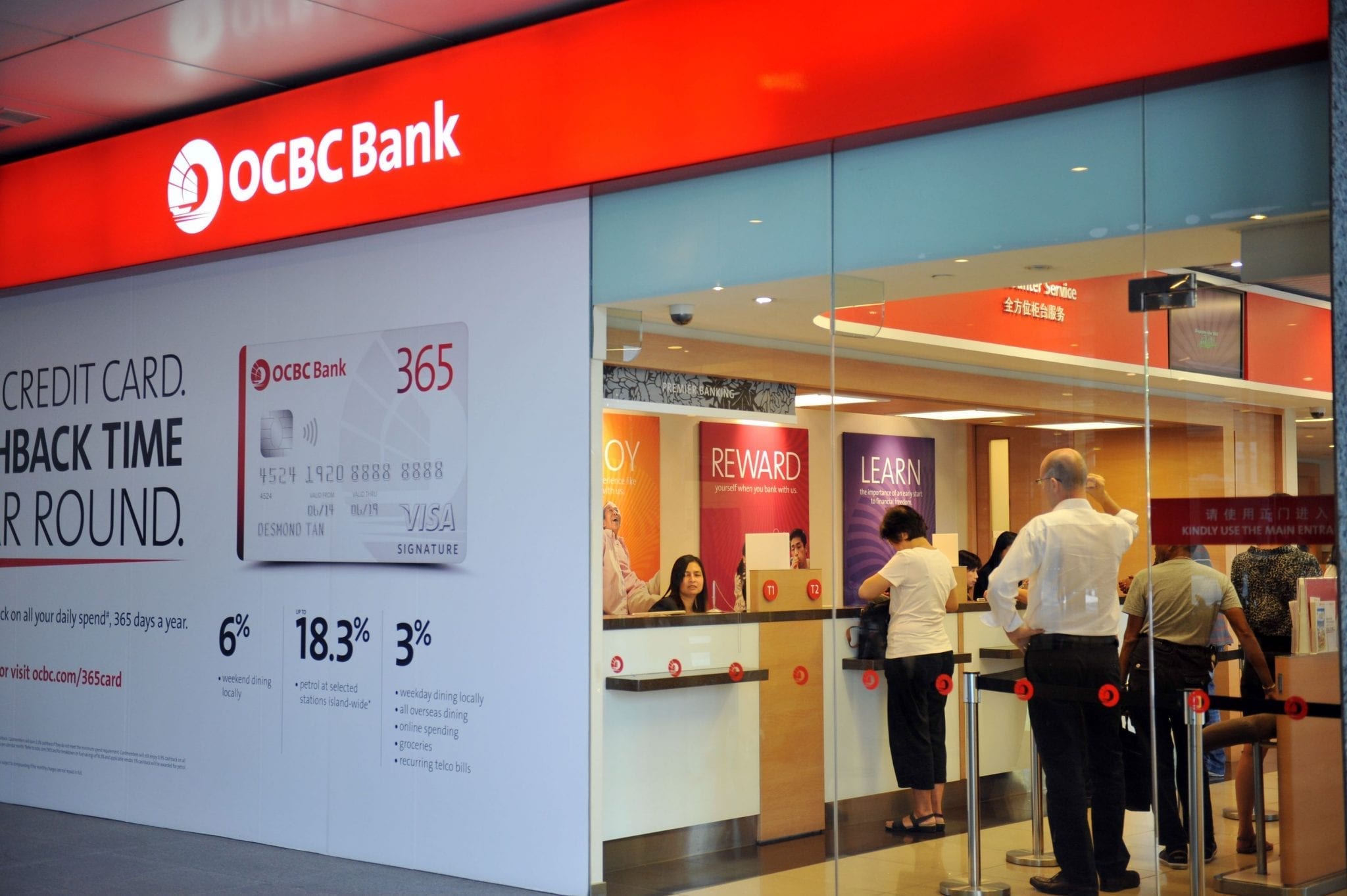
    OCBC Bank marked another milestone in its journey towards ever-greater performance and business excellence by earning the World Class Award – the highest award tier – at the 2016 Global Performance Excellence Awards (GPEA), under the “Large Service” organisation classification. The GPEA is administered by the Asia Pacific Quality Organisation (APQO), an autonomous, scientific and technical organisation that brings together professional quality organisations from countries in Asia and the Pacific, including Singapore. For 16 years now, it has given out the Global Performance Excellence Awards – which are the only internationally-recognised honours for performance and business excellence.

    To be even considered for an Award, stringent criteria must be met. An organisation must start by being a winner at its own country’s national quality awards. Then, within two years, it must be recommended as a candidate for the GPEA by that country’s national quality award organising committee. OCBC Bank qualified by first being conferred the prestigious Singapore Quality Award by SPRING Singapore in 2014, following rigorous assessment of OCBC Bank’s consumer financial services business, and then by being recommended by SPRING Singapore for the GPEA.

    The organisations are reviewed by an international team of experienced examiners who assign scores and summarise the results of their assessment. The results and recommendations are then submitted to an international ‘Jury of Judges’ who make the final decision on which Award category each organisation wins.

    Mr Dennis Tan, Executive Vice President and Head of OCBC Bank’s Consumer Financial Services Singapore, said: “This award is an honour for all of us at OCBC, and is testament to our commitment to high standards of service quality. This is a key milestone in our journey towards organisational excellence. Since we embarked on our Business Excellence journey in 2001, we have tightened and enhanced our processes to deliver customer-centric, useful, fast, friendly and simple service to customers. This has earned us local recognition, with our 2014 Singapore Quality Award win, but we have not stopped there. We have continued to pursue even greater heights of business excellence – and this has culminated in our earning the Global Performance Excellence Award. While the team is very encouraged by this, achieving recognition is never a means in itself. We continue to consistently and relentlessly deliver quality products and services to meet our customers’ needs. Chasing excellence is a constant journey, never a destination.” 

    Mr Harnek Singh, President of the APQO, said: “Singapore has established itself as a leading financial centre. OCBC was amongst the first banks to win Singapore’s pinnacle award – the Singapore Quality Award – recently. This speaks volumes about the visionary leadership and well-entrenched, effective systems and processes that steer OCBC’s business excellence journey. With technology and innovation being increasingly a key competitive advantage, OCBC has successfully leveraged on technology and innovation as an enabler to offer innovative customer-centric offerings, cut costs, respond to changing customer expectations and create the agility needed to capitalise on opportunities in the market. OCBC has successfully offered a slew of award-winning, innovative products and services.” 

    OCBC Bank’s strengths in performance and business excellence are underscored by a focus on customer centricity and a competency in mining customer data through analytics to deliver intelligent customer experiences. OCBC was the first bank in Singapore to offer banking facilities at branches on Sundays, developed the ground-breaking OCBC 360 account (a deposit account that rewards customers with higher interest rates for banking more with OCBC Bank) and grew its youth segment – FRANK by OCBC – through intensive data analytics and research on how youths behave and desire to be engaged.

    OCBC Bank is also a leader in banking digitalisation. Over the past three years, it has introduced numerous first-to-market innovations in digital and mobile banking in Singapore to meet customers’ needs. Many of the bank’s customer touch points have been digitalised: Voice biometrics has replaced traditional identity verification when customers call its Contact Centre, the OCBC Open Account app now enables customers to apply for the popular OCBC 360 Account via their mobile phones or tablets without ever visiting a branch, and OCBC OneTouch uses fingerprint recognition to give customers quick and easy access through their mobile devices to their account balances and transactions. OCBC Bank has also launched a mobile application – OCBC One Wealth – that is a one-stop wealth management app providing customers with convenient access to market information, investment ideas, personalised alerts about their existing investments and even the ability to directly purchase unit trusts using their mobile devices.

    Mr Patrick Lim, Director of Business and Service Excellence at SPRING Singapore said, “OCBC Bank’s Consumer Financial Services Division was awarded the Singapore Quality Award in 2014 for having developed innovative new banking products and customised channel delivery, enabling it to be among the top banks in the highly competitive financial sector. Its recent GPEA win highlights the bank’s dedication to achieving business excellence. Recognition at GPEA proves the bank’s ability to demonstrate outstanding management capabilities while delivering superior performance and results.”

  • Ant Financial announces global blueprint for digital financial inclusion

    Ant Financial announces global blueprint for digital financial inclusion

    Ant Financial Services Group (“Ant Financial”, or the “Company”), one of the world’s leading digital financial services providers, today announced its global blueprint for promoting digital financial inclusion, and a strategic agreement with Ascend Money, the leading fintech company in Thailand. Under the agreement Ant Financial will invest in Ascend Money, which aims to accelerate the growth of a leading mobile lifestyle and digital financial services platform in Thailand and support its growth in SE Asia.

    Together with Ant Financial, Ascend Money will grow its online and offline payment and financial services ecosystem and strengthen its trusted and convenient payment services for users and merchants. The deal represents Ant Financial’s first–ever investment in a Thailand–based company and demonstrates the Company’s confidence in the financial services sector in Southeast Asia. With this partnership Ant Financial, which also runs Alipay – the largest mobile lifestyle and payment app in China and beyond with over 450 million users – will provide Ascend Money with strategic and technical support for the growth of its business.

    Leveraging Ant Financial’s capabilities in payment, Big Data, risk control and cloud computing capabilities, the partnership with Ascend Money will build on synergies in digital financial services in order to offer Thai consumers comprehensive and equal access to financial services. Ascend Money is Ant Financial’s first partner in Southeast Asia and second globally after Paytm in India, as the Company aims to “bring small and beautiful changes to the world”.

    “Imagination, innovation and information are key to realizing Ant Financial’s goal of promoting equal access to financial services on a global platform,” Eric Jing, CEO of Ant Financial, said. “As we aim to provide services to over two billion users in ten years, we are building an open ecosystem with our global partners. The payment market in SE Asia has vast untapped potential and we are dedicated to contributing our share to bring a greater variety of convenient and reliable financial services to small and micro enterprises and individual consumers. Ascend Money, as a leader in Thailand, is best equipped to build an innovative financial ecosystem in the country.”

    “Ascend Money’s mission is to enable everyone access to innovative financial services, leading to better lives,” said Suphachai Chearavanont, Chairman of Ascend Group. “The shared vision of financial inclusion and company values in creating opportunity and sustainability have lead us to this partnership.”

    “It’s our life purpose to help the under–served, which include digital consumers and the under-banked,” Punnamas Vichitkulwongsa, CEO of Ascend Group, said. “Our goal is to provide innovative financial services to over one hundred million customers and SMEs in Thailand and Southeast Asia by 2020. Our partnership with Ant will help accelerate innovative financial services and platforms, enabling a strong financial services ecosystem.”

    Ascend Money is the leading fintech company in Thailand and Southeast Asia, operating under the TrueMoney brand for payments and Ascend Nano for lending. With its headquarters in Bangkok, Thailand, Ascend Money operates in six countries, including Thailand, Indonesia, the Philippines, Vietnam, Myanmar and Cambodia. Ascend Money targets two under–served groups, including digital consumers with its innovative mobile wallet application and the under–banked with its massive agent network. It currently provides payment services such as domestic and international remittance, bill payment, top up services, online and offline payments and payroll services. Future services will include lending, insurance and investment. 

    “Ant Financial is setting its footprint worldwide, not only to provide services for its Chinese users, but to promote equal access to financial services globally,” Douglas Feagin, Senior Vice President of Ant Financial, said. “Partnerships are vital for Ant Financial’s growth and we want to work alongside companies around the world who share our missions.”

    In early 2015 Ant Financial joined forces with Paytm, the world’s fourth largest e–wallet, to promote secured digital payment to local users in India.. Ant Financial’s innovative technologies in payment and risk control are now supporting a mobile lifestyle, ranging from online and offline payment, mobile top–up, utility bill payments and movie ticketing, of over 150 million Indian consumers. Meanwhile, Ant Financial is working with dozens of global payment partners, including Concardis, Ingenico, Wirecard and Zapper in Europe, First Data and Verifone in North America, Paysbuy and Counter Services in Southeast Asia, Recruit in Japan and KICC and ICB in Korea.

    Since late 2014, Alipay has worked closely with local merchants at popular destinations for Chinese visitors and tourists, including Korea, Hong Kong, Taiwan and Macau. In March 2015, Alipay was accepted at approximately 15,000 retailers in those countries and regions. By the end of September 2016, this network had expanded to over 80,000 retailers in 70 countries and regions, where restaurants, malls, duty free shops, amusement parks and O2O sharing platforms accept Alipay’s in–store and other offline payments. The network covers countries and regions including the US, UK, Germany, Australia, New Zealand, Thailand, Singapore, Malaysia, Vietnam, Hong Kong, Macau, Taiwan, Japan and Korea.

    During the Golden Week holiday in 2016 (October 1 to 7), transaction volume processed by Alipay at overseas destinations increased by four times compared to the same period last year. The countries and regions outside mainland China with the largest number of Alipay transactions are, in order, Korea, Thailand, Hong Kong, Japan and Germany.  
  • HSBC plans to inject $1 billion into Indonesia business

    HSBC plans to inject $1 billion into Indonesia business

    HSBC plans to inject $1 billion of additional capital into its combined Indonesian business with PT Bank Ekonomi Raharja, an official at the Indonesian financial regulator, Ariastiadi, said on Thursday.

    HSBC separately said it would integrate its Indonesian business with Bank Ekonomi, but a bank spokeswoman in Indonesia declined to comment on the planned capital injection.

    The move would help to resolve a long-running issue for HSBC in Indonesia, where the government has encouraged banks in the country to operate via a single locally incorporated entity.

    Since the 2008/09 global financial crisis, local regulators have encouraged banks in their jurisdictions to incorporate themselves locally in order to make them easier to police and to ring-fence them from external shocks.

    Before the integration, HSBC operated its own branch on top of having a controlling stake in Bank Ekonomi.

    HSBC last year offered to buy out the minority shareholders of Bank Ekonomi and delist the Indonesian lender from the Jakarta stock exchange.

    Under the integration process, all the assets and liabilities of HSBC Indonesia will be transferred to the combined entity, which will be called PT Bank HSBC Indonesia, said HSBC’s Indonesian legal consultant, Kemal Siregar.

    HSBC shares were down 1 percent in London by 0940 GMT, while the benchmark FTSE 100 index () remained flat.

  • OJK to Expand Banking Industry, Aims for Thailand

    OJK to Expand Banking Industry, Aims for Thailand

    Financial Services Authority (OJK) Chairman Muliaman D. Hadad said that the OJK is in the process of exploring the possibilities of expanding Indonesian banking industry overseas.

    “The most possible [cooperation] is with Thailand, because there have been two or three meetings,” Muliaman said.

    Muliaman said that similar cooperation will also be established with other countries. Muliaman explained that Thailand serves as an important stepping stone to establish cooperation with Cambodia, Vietnam, Laos, and Myanmar. “Why Thailand? Because Thailand has dominant business [partnership] with its neighbouring countries,” Muliaman added.

    Muliaman said that there are lots of possibilities for Indonesia to expand its financial industry to Thailand. Moreover, several of Indonesian business sectors have started to expand to Thailand, including property and trade.

    Aviliani, an economist from the Institute for Development of Economics and Finance (Indef) praised OJK’s plan to integrate the national banking industry with ASEAN. Aviliani said that the integration is important to allow Indonesian banks to open branch offices and conduct business activities in neighbouring countries. However, Aviliani asserted that the policy may not always favour the banking industry. “Banks will always reflect on market potential,” Aviliani said.

    Aviliani added that the potential for overseas banking market is not quite as large as the domestic market. “Opening [branch offices] overseas will be difficult if [banks] cannot profit. But when foreign banks expand to Indonesia they will reap benefits because [Indonesia] has a large market potential,” Aviliani said.

  • DBS debuts digital tokens in corporate m-payments

    DBS debuts digital tokens in corporate m-payments

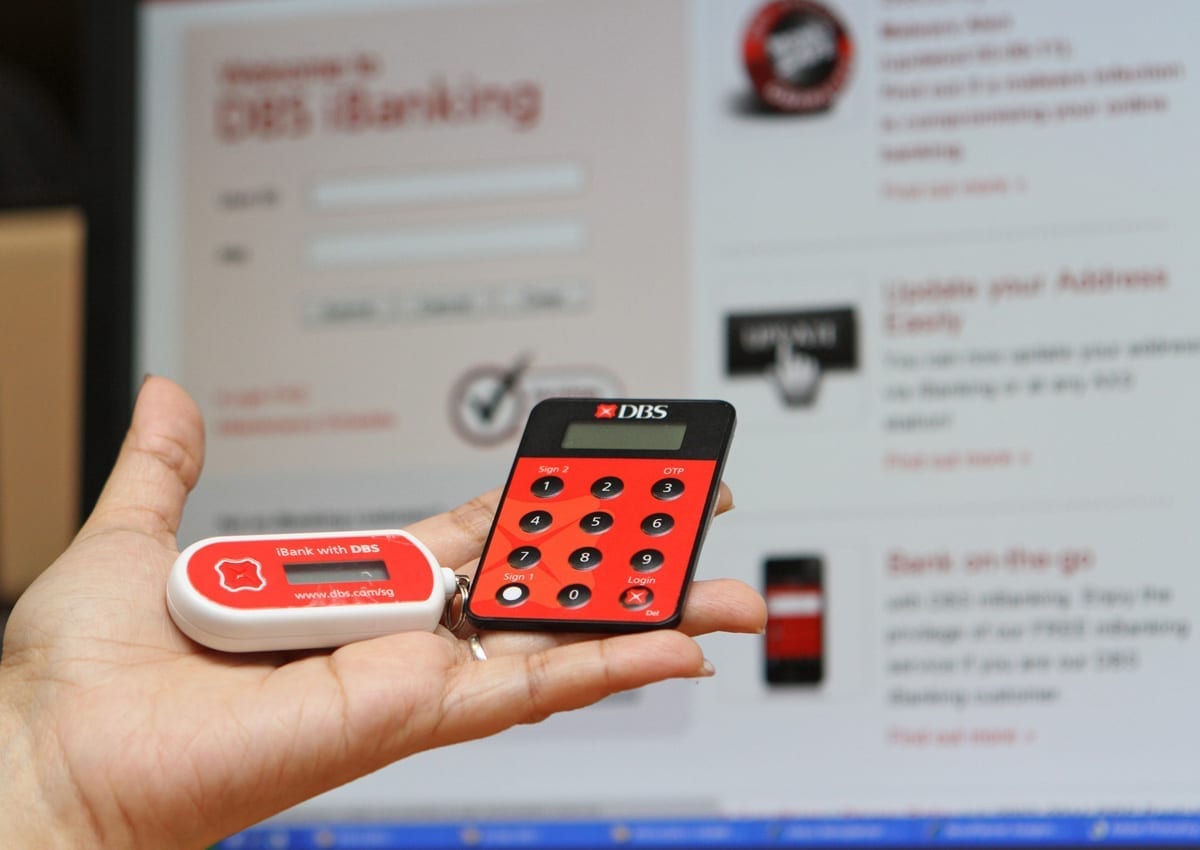
    DBS Bank has launched a new mobile banking feature that eliminates physical tokens for corporate transactions.

    The feature added to DBS IDEAL Mobile uses digital tokens to make banking on the go simpler and more convenient for corporate treasurers and small business owners.

    Available to both Apple and Android users, the bank claims to be the first Asian bank to offer this integrated service on one mobile platform.

    Currently, corporate treasurers often have to carry several security tokens to conduct their business banking, with some having up to six physical tokens with them at any one time.

    Specifically for iPhone users, the digital token utilises the user’s fingerprint to ensure identity confirmation and conduct secure online transactions. Android users will continue to key in their PIN to carry out transactions.

    This new service is available to over 140,000 DBS IDEAL and DBS IDEAL Mobile customers across 10 markets. Over 3 million transactions a month are conducted on DBS IDEAL.

    “As a bank that is shaping the future of banking, we want to provide an easy, more convenient and secure solution to our corporate customers. The new digital token feature on DBS IDEAL Mobile is a great example of how we are leveraging technology to help create a more intuitive and seamless banking experience for them,” DBS Bank head of global transaction services John Laurens said.

  • Mobile Banking Users in Indonesia Remains Low

    Mobile Banking Users in Indonesia Remains Low

    Research institute Microsave reported that only 0.73 percent of cellphone users in Indonesia have utilized online financial services.

    “The figure is lower than those of Malaysia with 5.79 percent and Cambodia with 2.73 percent,” Microsave Country Development Senior Manager Grace Retnowati said on Wednesday, October 12, 2016.

    Grace revealed that the number of SIM card users in Indonesia stands at almost 200 million. At least 20 percent of them are cellphone users.

    “Mobile device utilization for financial services remains low, although the Internet network coverage has reached 90 percent,” Grace added.

    In addition, Grace pointed out that only 36 percent of Indonesian people own bank accounts.

    “The awareness level for mobile banking services is only 0.3 percent,” Grace went on.

    According to Grace, the digital financial literacy is important for middle-class and low-income people.

    “The digital financial services are expected to boost the annual GDP by US$3.7 trillion in 2025 or six percent when compared to the conventional financial services,” Grace said.

    Grace suggested that payments made via smartphone would reduce the cost of financial services by 80 to 90 percent.

    “The cost efficiency will allow financial institutions to provide low-cost services,” Grace said.

  • BRI Syariah plans to conduct IPO

    BRI Syariah plans to conduct IPO

    PT Bank BRI Syariah, a sharia compliant subsidiary of state lender Bank Rakyat Indonesia, plans to conduct an initial public offering (IPO) of its shares in 2018 to boost alternative funding sources.

    “During the IPO we will float our shares worth Rp1 trillion to the stock exchange,” BRI Syariah President Director Moch. hadi Santoso said after a press conference here on Wednesday.

    The decision to turn the bank into a publicly listed company was taken to strengthen capital structure particularly at “Tier 1”, he said.

    The bank wants to strengthen its capital through various funding sources to expand its financing business. Moreover, the bank wants to expand its financing portfolio from retail and business segments to infrastructure financing, he said.

    “After the IPO, we will continue to expand our business. This year we have been engaged in infrastructure financing,” he said.

    Also this year, the bank has explored several commitments for infrastructure financing. But its amount is not yet significant to boost the business growth of PT Bank Rakyat Indonesia Ybks subsidiary,” he said.

    The BRI Syariah has set itself the target of boosting its financing growth at 13 percent year on year from to Rp18.8 trillion from Rp16.5 trillion at the end of this year.

  • Susi Promises Banking Access for Fishermen

    Susi Promises Banking Access for Fishermen

    Marine and Fisheries Affairs Minister Susi Pudjiastuti will facilitate fishermen or ship owners who owns ships with a capacity of less than 10 gross tonnage to have access to banking services. Minister Susi said that ship owners would only need came to the Marine and Fisheries Affairs Ministry office.

    “I will establish an outpost at the Ministry’s licensing office. We will meet [fishermen] with banking institutions,” Susi said on Wednesday, October 5, 2016.

    Susi promised to help fishermen to be able to access credit facilities to get funds to replace their trawls. Susi targeted fishermen to be able to get at least Rp 200 million loan. The Minister also offered to provide a debt restructuring program for fishermen.

    Susi hoped that ship owners will take the opportunity to replace their trawls and fish with more environmentally friendly method. The Minister added that she had recently managed to help a fisherman to get a fresh loan from the bank.

    Susi said that she had contacted two state-owned banks, Bank Rakyat Indonesia, and Bank BNI, to help with the program. The Minister also expected other banks to take part in the program, which is supported by the Financial Services Authority.

    In addition, the Marine and Fisheries Affairs Ministry had asked fishermen to re-measure their ships, while Minister Susi guaranteed that there will be no illegal levy in the process.