Tag: bank

  • Mandiri prepares syndicated loans of Rp4 trillion

    Mandiri prepares syndicated loans of Rp4 trillion

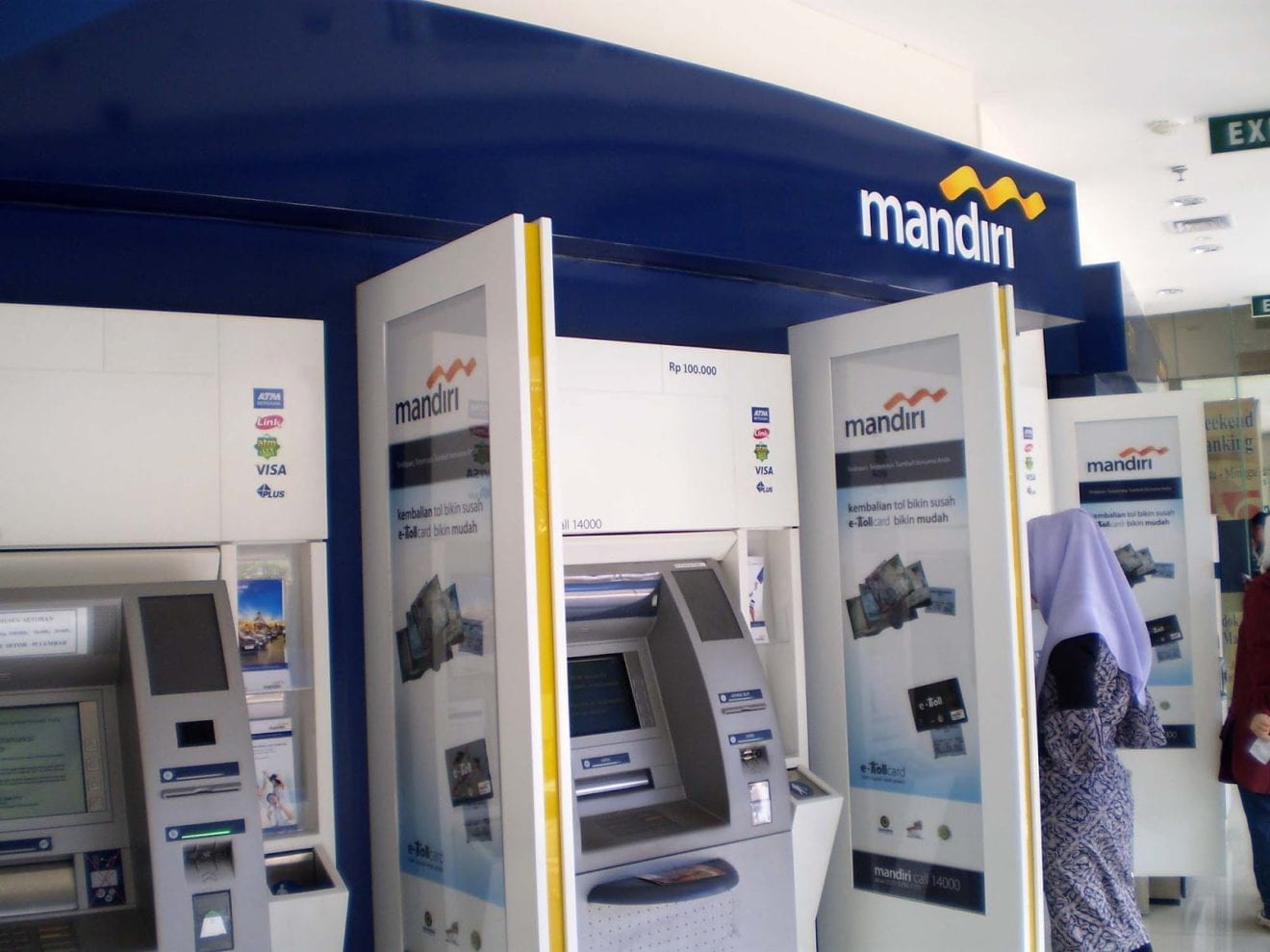
    State lender Bank Mandiri is preparing a syndicated loan of Rp4 trillion to build five airports in Indonesia in the fourth quarter of 2016, the banks corporate banking director, Royke Tumilaar, said.

    Bank Mandiri will lead the syndication of loans to state airport operator PT Angkasapura I which will develop the five airports, Royke stated here on Monday.

    “Syndicated loans worth Rp4 trillion will be extended for the purpose. The Kulonprogo airport in Yogyakarta will be among these five airports,” he added.

    The loans will be used to build new airports and expand the existing ones. The five airports include Ahmad Yani in Semarang, Syamsudin Noor in Banjarmasin and Kulonprogo in Yogyakarta. Also, the Terminal 3 at the Juanda Airport in Surabaya and Sultan Hasanuddin Airport in Makassar are to be developed with these loans.

    Other debtors that will be involved include Sarana Multi Infrastruktur (SMI), PT Bank Central Asia Tbk (BCA), PT Indonesia Infrastructure Finance (IIF) and PT Bank Rakyat Indonesia Tbk (BRI).

    Royke further syndicated loans will also be given in the fourth quarter of 2016 for the construction of toll roads in and around Jakarta.

    “We hope the process can be started in the fourth quarter of 2016, the construction of a new airport in Kulonprogo also begins by then,” he noted.

    Overall, the demand for loans to finance infrastructure development in the second semester of 2016 continued to increase, he noted.

    The state bank has also prepared loans worth Rs 20 trillion for the construction of power plants in the fourth quarter, he disclosed.

    As per the bank’s target, the credit extended to infrastructure development will grow 20 percent year on year by the end of this year.


  • BI Targets 11% Credit Growth

    BI Targets 11% Credit Growth

    Governor of central bank Bank Indonesia Agus Martowardojo said that BI is targeting bank credit growth by 11 percent next year.

    According to him, the target is expected to be reached due to the influx of fresh funds into financial institutions through the tax amnesty.

    “We consider that the tax amnesty will bring enough funds,” he said in Jakarta on Friday.

    The estimate, however, is lower than that of the original target of 12.7 percent.

    According to Agus, the change coincided with the approval of the 2017 economic growth target of 5.1 percent.

    Assumptions credit growth of 12.7 percent, he said, is met if the government and the House of Representatives agreed on economic growth target of 5.2 percent.

    The cause of the slow growth of credit is the weakening global economic growth, which is below 3.5 percent, he added.

  • Bank Indonesia to launch national payment gateway

    Bank Indonesia to launch national payment gateway

    Bank Indonesia will soon issue a new policy in payment system — “National Payment Gateway” (NPG) — to prevent outflow of fund in the “e-commerce” transactions that will help redress the countrys domestic trade balance .

    “Soon we will issue a policy of national payment gateway. All payment systems in the country from various providers will be connected in what we call inter-connectivity and inter-operability. Jut wait and see,” Deputy Governor of the central bank Perry Warjiyo said here on Friday .

    Perry said with the NPG all domestic transactions would be wrapped up in the country without the use of foreign payment system service.

    “This is important before we start cooperation with other countries that all transactions made in Indonesia could be settled in the country ,” Perry said.

    With the NPG we could increase domestic trade balance in each transaction made in Indonesia without relying on financial service of agency, he added.

    Perry said NPG also would support payment system in tourism industry, which the government actively develops as a potential foreign exchange earner.

    Bank Indonesia encourages the government to develop and modernize the countrys tourism industry to grow to become a new economic growth driver amid the slump that hits the export and mining sector which have lost their most of role as the economic backbone.

    Perry said the tourism industry could help accelerate the economic development in mid term.

  • Combo card will be tested in 40 cities

    Combo card will be tested in 40 cities

    The combo card that promotes non-cash social assistance will be tested in 40 cities until the end of 2016, Bank Indonesia (BI) has stated.

    If the trial goes off well, on January 1, 2017, the entire social assistance from the government can be channeled through the Family Welfare Card (KKS) Red and White combo device, Director of Elektronifikasi Program and Financial Inclusion of Bank Indonesia Pungky Purnomo Wibowo said Friday (September 2) night.

    “January 1, 2017, we apply all of the Family Hope Programs and the rice prosperous social assistance (Rastra). Further, the student aid program and the School Operational Assistance (BOS) will be around that time as well,” he said.

    The combo card can be used to avail the Rastra, and family expectations (PKH) aid, Pungky explained in the demonstration project or the pilot project.

    The combo card used in the “e-waroeng” (electronic shop and gotong royong/mutual help) are also agents of Financial Services Digital (LKD).

    The beneficiaries of social grants (bansos) bring the Cards Family Welfare (KKS) issued by the Bank to the new joint four, namely Bank Mandiri, Bank Rakyat Indonesia, Bank Negara, and Bank Tabungan Negara, and exchange it at “e-waroeng”.

    With the KKS, the public can receive Rastra basic foodstuffs such as rice, sugar, flour, and oil at subsidized prices.

    Furthermore, the combo cards can not only be used to get help in the LKD functions, but can also be used for transactions such as cash withdrawals or transfers, as well as saving money, such as bank function nirkantor (branchless banking), Pungky said.

    This combo card can make the distribution of social aid meet the rules of 6T – the right target, the right amount, the right price, right time, right quality, and right administration, Deputy Governor of BI Ronald Waas said on the occasion.

    The government budget for social protection in 2017 reached Rp158 trillion, the BI recorded. With that budget, social protection assistance would be effective and appropriate.

  • First JCB card in Myanmar Introduced by Ayeyarwady Bank

    First JCB card in Myanmar Introduced by Ayeyarwady Bank

    Ayeyarwady Bank (AYA Bank), a major commercial bank in the Republic of the Union of Myanmar (Myanmar), Myanmar Payment Union Public Co.,Ltd (MPU), and JCB International Co. Ltd. (JCBI), the international operations subsidiary of JCB Co., Ltd., today announced that AYA Bank has launched the first JCB credit and debit card as AYA Universal MPU-JCB Co-Brand cards in Myanmar. Myanmar is the 4th country in the Mekong region where JCB cards are issued, along with Thailand, Vietnam and Laos.

    The Universal AYA MPU-JCB Co-Brand Card combines the MPU brand and JCB brand. Cardmembers can use MPU’s nation-wide merchant network in Myanmar and JCB’s international merchant network with over 31 million locations globally.

    The card has 4 different kinds of product, Universal Platinum credit card, Universal Gold credit card, Universal Silver credit card, and Universal debit card. All the cardmembers can enjoy JCB privileges such as JCB Plaza, and special offers at selected merchants all over the world. JCB offers Platinum cardmembers exclusive JCB Platinum services, such as JCB Platinum airport lounge service, JCB Platinum Concierge Desk, and Special JCB Platinum Hotel Services.

    U Zaw Zaw, Founder and Chairman of AYA Bank commented, “The bank has always been committed to providing our customers higher quality service and experience. This co-brand arrangement will enable cardholders to have more flexible options for their payments in foreign countries. This is another milestone in Myanmar card payment market, to promote the country’s transition to a cashless economy.”

    Kimihisa Imada, Deputy President of JCB International said, “Myanmar is an important market for JCBI. With its growing economy and population, Myanmar has great potential for growth in the card payment market. With the start of JCB card issuing in Myanmar, cardmembers can have a new choice of payment and experience the convenience of shopping abroad with JCB’s worldwide merchant network.”

  • ‘Bilateral agreement will give players greater banking access’

    ‘Bilateral agreement will give players greater banking access’

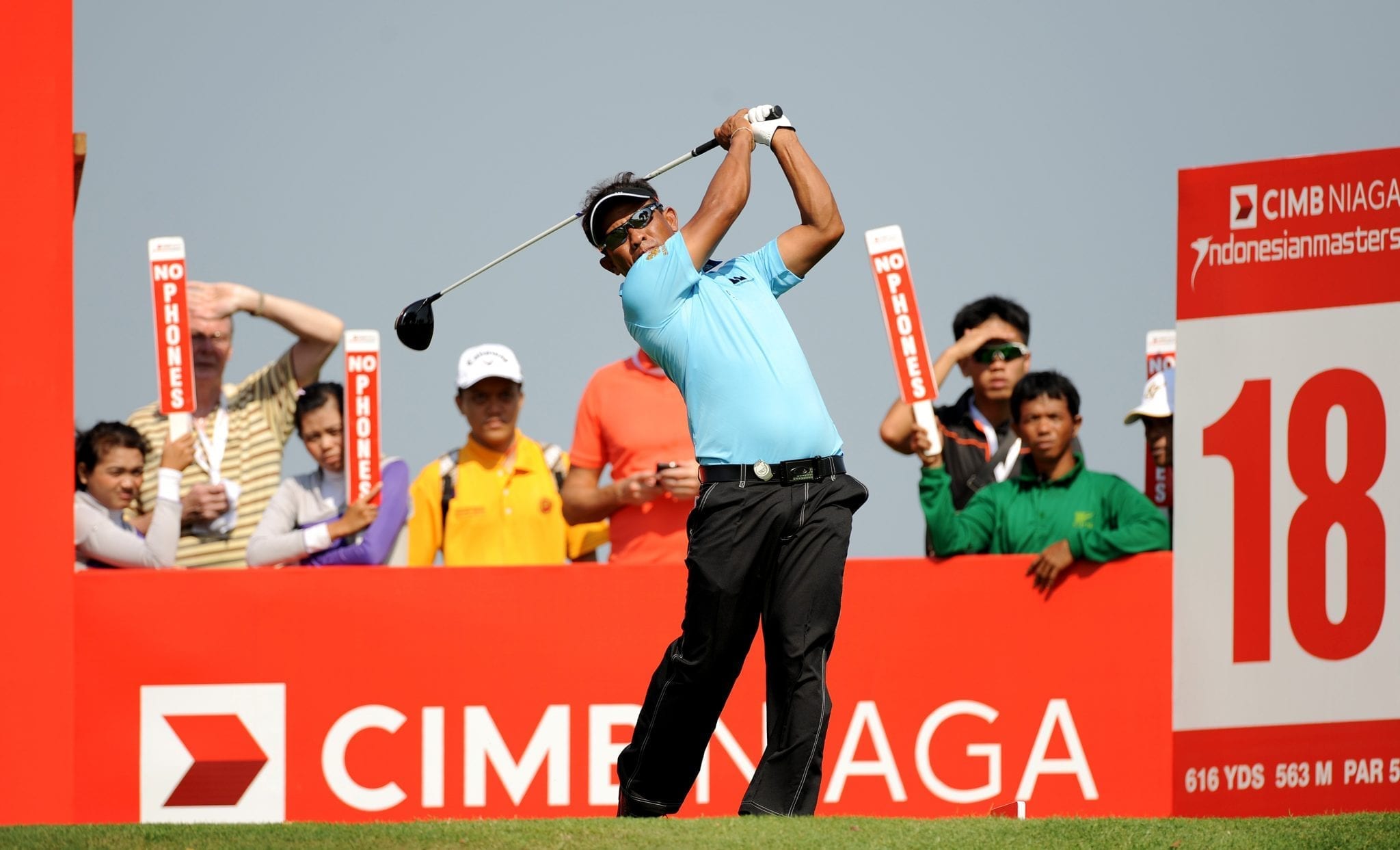
    Top Malaysian financial players with a presence in Indonesia lauded the bilateral agreement between Indonesia and Malaysia, saying it will pave the way for greater access to conventional and Islamic banking. CIMB Group chief executive officer Tengku Datuk Seri Zafrul Aziz said the agreement is positive for the banking industry of both countries. “It is an additional impetus for CIMB Group to expand its business in Indonesia, particularly in the Islamic and consumer segments, where there are a lot of growth opportunities, given Indonesia’s 260 million population.

    “We also view the agreement between Indonesia and Malaysia as an important step towards better Asean economic integration, paving the way for CIMB to continue delivering its universal banking proposition for customers in the region.” Bank Negara Malaysia and Otoritas Jasa Keuangan of Indonesia have signed the agreement which will provide more access and operational flexibility for Malaysian and Indonesian Qualified Asean Banks operating in the respective jurisdictions. The agreement permits the formation of three banking groups that meet stipulated criteria to be classified as one of the Qualified Asean Banks, which would be afforded equal treatment as local lenders.

    CIMB is eyeing further growth in its banking franchise. Its subsidiary, CIMB Niaga, is ranked as one of the top five banks in Indonesia by asset size, with a current customer base of 3.6 million. It recently posted strong first-half results. RHB Banking Group said a commercial banking presence in Indonesia remains a priority in its overseas expansion plan, adding that it will complement its existing business in the country. “From a merger and acquisition aspect, we will keep an opportunistic mind to ensure the right time, price and strategic fit into our overall group strategy to deliver better value to stakeholders,” said group chief strategy and transformation officer Christopher Loh. Islamic finance is a significant area of potential growth in the world’s most populous Muslim nation, he pointed out.

    “Malaysia, being at the forefront of Islamic finance, could provide expertise to grow this sector, which spells an opportunity for Indonesia as the government aims to deepen the country’s Islamic banking sector. ” RHB has about 14 branches across Indonesia dealing with securities and asset management business. Affin Hwang Capital banking analyst Loh Jia Ying said one more banking licence is available for Malaysian banks to expand into Indonesia, adding that it is also possible that the central bank of Indonesia may allow the Malaysian bank to acquire one of the Indonesian banks. On the impact of the agreement, he said it would be minimal in the near term for Maybank Indonesia, CIMB Niaga and the Indonesian banking sector.

    As for state-owned Bank Mandiri’s keen interest to expand in Malaysia, Loh said although the bank may have the advantage of familiarity for Indonesians here, its profitability may be limited if it focuses only on Indonesian workers, unless there is a significant change in their behavioural patterns. Bank Mandiri, the largest Indonesian bank by assets, currently has five remittance offices in Malaysia, and focuses on the revenue generated from Indonesians working here. It will also have to undertake significant work to generate more revenue from the Indonesian workers and will be limited by the smaller number of branches.

  • AXA, Alibaba, Ant Financial enter global partnership

    AXA, Alibaba, Ant Financial enter global partnership

    AXA, Alibaba and Ant Financial Services have agreed jointly explore opportunities to distribute AXA’s insurance products and services through Alibaba’s global e-commerce ecosystem.

    The deal is expected to benefit the businesses and consumers that transact via Alibaba’s marketplaces. The companies will work together to co-innovate and to develop value-added products and services to customers around the world and mutually support each other in developing and exploring new markets and segments.

    The first phase of the collaboration will see AXA develop various insurance products for users of AliExpress, Alibaba’s wholesale marketplaces and Ant Financial Services.

    AliExpress is a global retail marketplace targeted at consumers worldwide. AXA will develop and provide insurance products for AliExpress’ global customers, including extended warranties for repairs and/or damaged goods and enhanced online payment protection.

    On Alibaba’s wholesale marketplaces (Alibaba.com,1688.com), AXA will provide insurance products to small and medium businesses globally who are trading on these platforms.

    AXA will offer travel insurance products for Chinese travelers going overseas through Ant Financial Services, an Alibaba-affiliate.

    These insurance products and services will be developed by AXA’s local entities according to the customers’ local requirements.

    “Our collaboration with industry-leader AXA is a key part of Alibaba’s globalization strategy and our vision to enable small businesses and consumers alike to enjoy the convenience and benefits of e-commerce in a safe trading environment,” Alibaba Group president Michael Evans said.

    “As cross-border e-commerce grows rapidly, it is critical that we evolve our services and offerings to the businesses and consumers that conduct trade on our platforms. The collaboration between AXA and Alibaba will enable us to create new solutions and ultimately improve the overall customer experience.”

  • CIMB’s Indonesian unit posts big jump in profit

    CIMB’s Indonesian unit posts big jump in profit

    CIMB Group Holdings Bhd’s 97.9% owned Indonesia-based subsidiary PT Bank CIMB Niaga Tbk, boosted its unaudited consolidated net profit by 318.2% to 736 billion rupiah (RM228.4mil) for the six-month period ended June 30, 2016 (H1).

    The fifth largest bank in Indonesia by assets said in a statement that the higher net profit, which translated to earnings per share of 29.29 rupiah, was due to a 4.8% rise in net interest income (NII) to 5.81 trillion rupiah (RM1.81bil), a 24.1% jump in non-interest income to 1.46 trillion rupiah (RM453mil) and a 7.9% fall in provision expense.

    Its president director Tigor M. Siahaan said: “Despite the challenging environment, our H1 top line performance continued to improve. The 4.8% year-on-year (y-o-y) NII growth was recorded against a decline in interest expense, while non-interest income was 24.1% higher y-o-y due to better treasury and capital markets businesses.”

    He said CIMB Niaga maintained good control over its operating expenses which fell by 1.2% y-o-y.

    “In addition, the provisions for non-performing loans had gradually improved.”

    As the bank retained a conservative growth strategy, total gross loans were lower y-o-y at 175.34 trillion rupiah (RM54.41bil) as at June 30.

    Despite the slower overall growth in CIMB Niaga’s loans, selected business segments recorded encouraging performance.

    The personal and multipurpose loans business grew 9.2% y-o-y through the bank’s X-tra Dana product, while the credit card segment posted a 25.5% y-o-y growth to 7.18 trillion rupiah (RM2.23bil).

    As at end June 2016, the bank had issued over 2.1 million credit cards, an increase of 13.4% from a year earlier.

    To date, CIMB Niaga is the third largest credit card issuer in Indonesia, in addition to being the fifth largest bank with total assets of 239.38 trillion rupiah (RM74.33bil).

    Its current account savings account (CASA) grew 5.7% y-o-y to 93.21 trillion rupiah as at June 30, with the CASA ratio rising 457 basis points (bps) y-o-y to 51.99%.

    The loan to deposit ratio was higher at 96.54% at end-June 2016 compared to 95.81% in the same period last year.

    The Indonesian government has appointed CIMB Niaga as a perception bank assigned to accommodate funds repatriated by taxpayers who are participating in Indonesia’s tax amnesty programme.

    “With additional liquidity available through the programme, the national banking industry, CIMB Niaga included, will have greater capacity to disburse loans to various sectors,” Tigor said.

    CIMB Niaga’s capital adequacy ratio strengthened y-o-y to 17.62% as at June 30.

    “We will continue to selectively increase our assets with a key focus on cost management and asset quality.

    “We started 2016 on a more positive note and seen the potential of gradual improvement in the second half of the year, backed by numerous macroprudential government fiscal and monetary policies to stimulate sustainable economic growth,” added Tigor.

  • BNI reports healthy growth with profit up 79.9 percent

    BNI reports healthy growth with profit up 79.9 percent

    State lender PT. Bank Negara Indonesia Persero Tbk (BNI) reported a strong growth of 79.9 percent year-on-year in profit to Rp4.37 trillion in the second quarter of 2016 despite a decline in credit quality.

    President Director of the countrys fourth largest bank in assets Achmad Baiquni attributed the rise in profit to high growth in credits and fee based income, and efficiency in cost of fund.

    “Our cost of funds dropped to 3.1 percent from 3.2 percent,” Baiquni said here on Friday.

    BNI outstanding credit grew in two digit by 23.7 percent year on year (yoy) to Rp288.7 trillion.

    However, the non performing loan (NPL) of the bank also rose from 2.7 percent to 3 percent gross by the end of the first half of this year.

    He acknowledged the quality of credit assets became a problem shadowing the performance of the bank in the first six months of the year.

    Therefore, BNI has to increase its reserve funds from 138.8 percent in the second quarter 2015 to 142.8 percent in the same period in 2016.

    The increase in the credit of the publicly listed bank resulted in a rose in its net interest income to Rp13.91 trillion or an increase of 11.7 percent yoy.

    Its non interest income including fee based income grew 28.7 percent to Rp4.43 trillion.

    Baiquni said business credit disbursements sustained credit portfolio as high as 73 percent with annual growth of 25.6 percent to Rp260.7 trillion.

    Corporate credits accounted for 25.1 percent of its business credits.

    The bank also recorded a soaring growth of 331 percent or Rp7.3 trillion in low interest Peoples Business Credit (KUR) pushing up KUR contribution to outstanding credit to 19.9 percent from 5.6 percent earlier.

    Baiquni attributed the high growth to facility of guarantee and subsidy on interest offered by the government.

    “Speaking about target, we prefer the government to set target for us,” he said.

    The bank holds Rp391.4 trillion in third party funds or an increase of 19.6 percent yoy, dominated by cheap funds (current account saving account (CASA) making up 60.4 percent and deposits making up the rest, he said.

    With the outstanding credits and third party funds, BNI has assets valued at Rp539.1 trillion by the end of he second quarter of 2016.

  • Standard Chartered Bank Indonesia appoints new CEO

    Standard Chartered Bank Indonesia appoints new CEO

    UK-based financial giant Standard Chartered has appointed Rino “Donny” Donosepoetro as the new CEO of its Indonesian branch, replacing Shee Tse Koon, who is leaving to pursue another career.

    Donny’s new appointment will be effective as of Sept. 1 as it is subject to regulatory approval. He will report to Ajay Kanwal, Standard Chartered’s regional CEO for ASEAN and South Asia.

    Lea Kusumawijaya, chief financial officer at Standard Chartered Bank Indonesia, has been appointed as acting CEO with immediate effect.

    “Donny brings with him an extensive and diverse international experience in the operations of the bank’s different business sectors,” Kanwal said in a statement on Tuesday afternoon.

    He said Donny, who has a degree in international relations, had knowledge in the areas of audit and governance that would further strengthen the group’s businesses and franchises in Indonesia.

    In his 20-year career in the group, Donny has held a number of diverse roles across businesses in several markets including the United Arab Emirates, Indonesia, UK, Singapore and the Falkland Islands.

    As a CEO of Standard Chartered’s Indonesian branch, Donny will be responsible for developing and executing the company’s business strategy. He is also expected to build relationships with local clients as well as regulators and stakeholders, as well as improving bottom-line profitability and capital.

    Kanwal said the bank was fully committed to investing in Indonesia, with a focus on corporate and retail banking, which is “strategically important as it has been in the country for over 150 years.” The bank is also sharpening its focus on enhancing wealth management platforms and investing in commercial banking to cater the growing local medium businesses.

  • DBS Indonesia to boost wealth management services

    DBS Indonesia to boost wealth management services

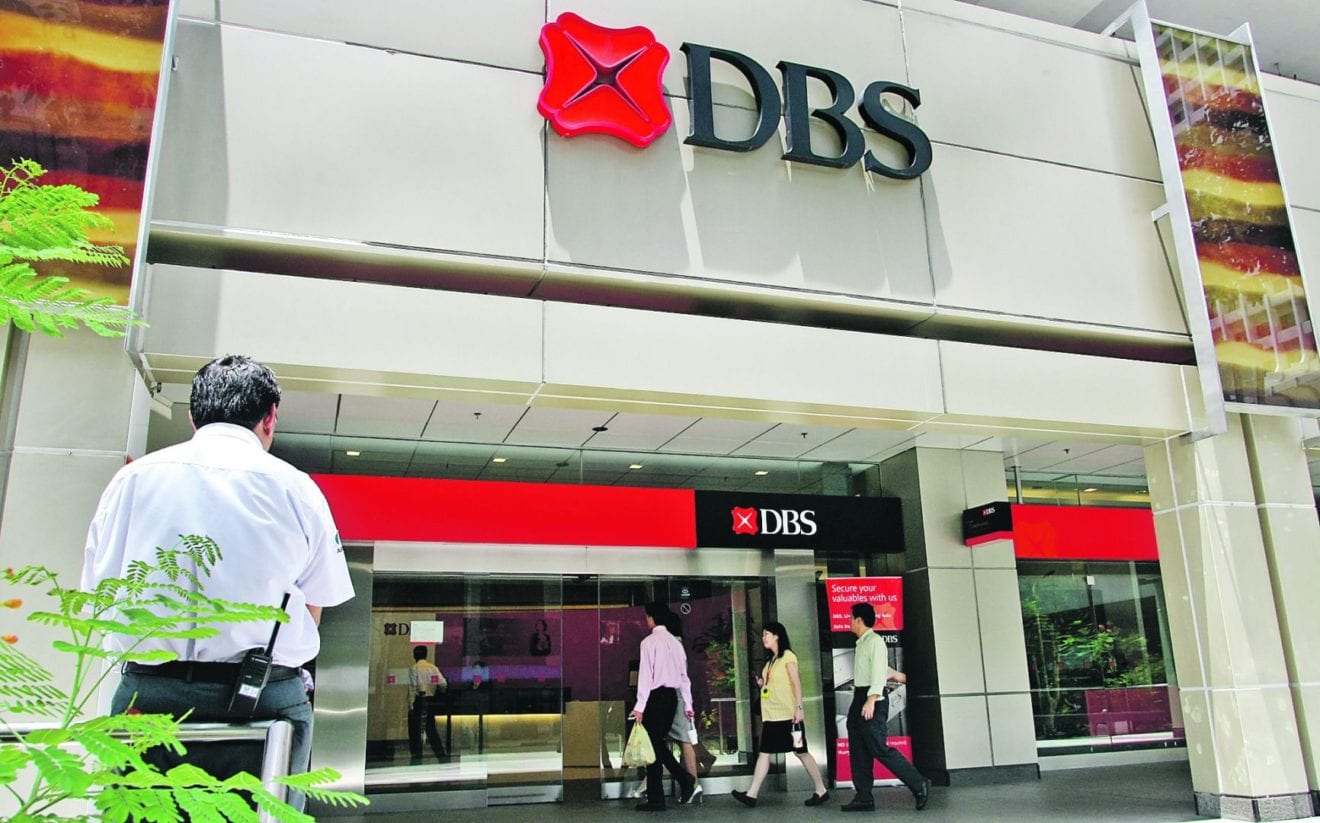
    Private lender Bank DBS Indonesia, a subsidiary of Singapore-based DBS Group Holdings, is seeking up to 38 percent growth in its consumer business revenue this year, primarily driven by the bank’s move to expand its wealth management services.

    DBS Indonesia’s consumer banking group director Wawan Salum said on Monday that wealth management had contributed 48 percent to the bank’s consumer banking revenue.

    “Indonesia, China and India are top priority markets for DBS,” he said in Jakarta.

    Wawan said the bank’s wealth management revenue was also boosted by the growing number of priority customers who had individual savings of more than Rp 500 million ( US$37,979 ).

    He further explained that DBS Indonesia was eyeing a 30 percent growth in its priority customers this year. To reach the target, he said, the bank would expand its digital product lines to respond to customer needs.

    Wawan said DBS Indonesia would also increase the relationship management skills of its officers so they could be more effective in their interactions with customers. “We will also use big data to understand the behaviors and needs of our customers,” he said.

  • BRI Goes Digital for Cashless Society Program

    BRI Goes Digital for Cashless Society Program

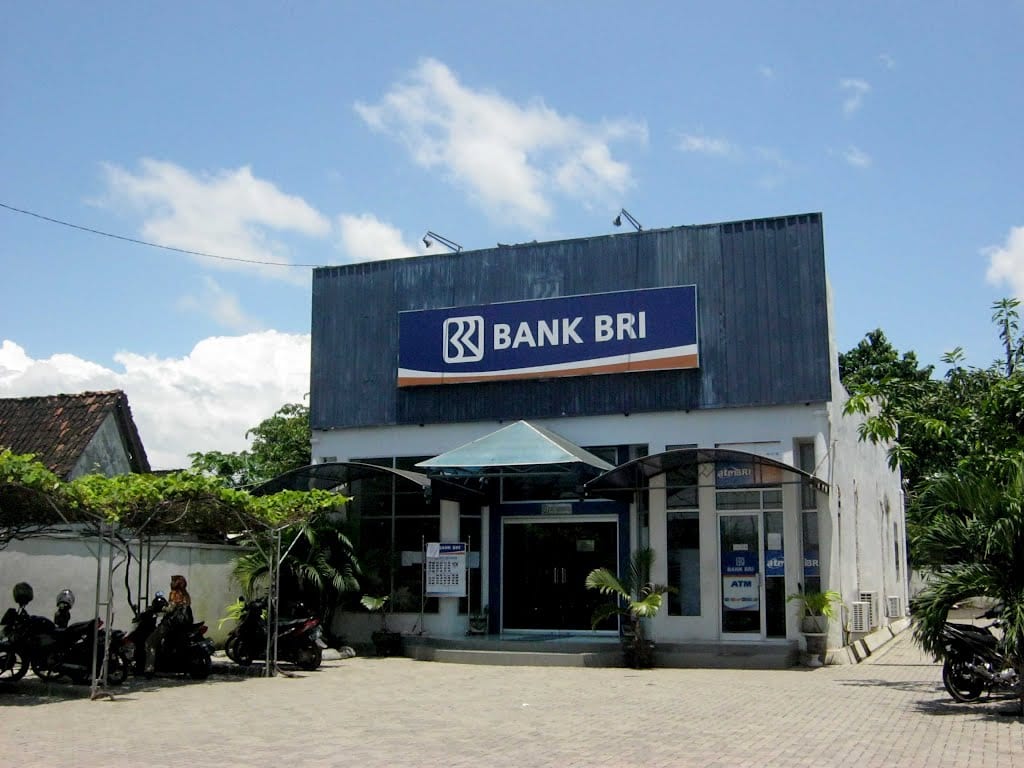
    Bank Rakyat Indonesia (BRI) has been revamping its digital banking services as part of its “cashless society” program and in support of the central bank’s Non-Cash Payment Movement (GNNT), a senior BRI official said last week.

    BRI Consumer Director Sis Apik Wijayanto said the top small-business lender intends to reduce cash to a minimum for every transaction.

    “This is the digital era, tech support is crucial. The goal is to improve payment efficiency and offer customers  the utmost convenience,” Sis said.

  • DBS introduces a mobile-only bank in India

    DBS introduces a mobile-only bank in India

    Singapore’s DBS Bank has launched what it says is India’s first mobile-only bank. Dubbed digibank, the mobile app functions as an entirely paperless, signatureless and branchless bank for India’s residents.

    The initiative aims to break away from conventional banking norms such as form filling and other cumbersome processes.

    Account-opening can be done easily and effortlessly at an extensive network of outlets run by DBS’ partners, including over 500 cafes across India. No paperwork will be involved and instead, customer authentication is done purely using the Aadhaar card, a biometrics-enabled ID which has been issued to over 1 billion Indians.

    Other digibank features include 24/7 customer service provided by a real-time, AI-driven virtual assistant, which understands natural language and is incorporated with the ability to anticipate and answer some 10,000 customer questions.

    This AI feature was made possible due to DBS’s partnership with US-based fintech Kasisto. The latter is a spin-off from SRI International which created the technology behind Apple’s Siri.

    In-built into digibank is a budget optimizer that helps customers do their budgeting, track expenses and analyze purchasing trends. The function is equipped to understand customer behavior and preferences, synthesize data, and provide recommendations.

    The budget optimizer also studies customers’ spending patterns and prompts them if they are overspending. Conversely, if a customer’s savings regularly exceed his or her expenditure, digibank will provide suggestions on how to make one’s money work harder.

    Dynamic inbuilt security, which is safer than OTP, is employed in digibank. Most bank customers are used to receiving One-Time Passwords (OTPs) via SMS, and then typing codes into pages to authorize their mobile banking transactions. digibank has an embedded soft token security, avoiding the need to wait for SMSs to arrive and providing even stronger security for transaction authorization.

    The new offering also gives account-holders earn 7% interest from the first rupee, one of the highest in the market with no minimum balance requirements. Customers receive a physical debit card which can be used across all Visa-enabled online and POS transactions, as well as overseas. Free cash withdrawals will be available at more than 200,000 ATMs nationwide.

    Said DBS CEO Piyush Gupta, “India’s banking system is at the cusp of massive change, and as a bank committed to shaping the future of banking, we are excited to roll out a revolutionary, mobile-only bank. With digital, we are able to create a completely different customer experience. What’s more, digibank’s efficiencies and lower costs enable us to pass on significant benefits to customers in the form of greater customer value.”

  • Maybank to grow Singapore retail SME loan portfolio by 40% this year

    Maybank to grow Singapore retail SME loan portfolio by 40% this year

    Maybank is planning to “aggressively expand” its retail small and medium enterprises (RSME) financing across Singapore and the region, it said on Monday.

    The bank will be lending money to more businesses with revenues of up to $20 million, termed “retail SMEs” because they have simpler financing needs akin to those of retail or consumer banking.

    The move follows the implementation of its RSME model in Malaysia, which has seen a compounded annual growth rate (CAGR) of more than 30 per cent in loans since it was fully rolled out in 2013.

    Maybank Singapore said it expects to grow its total RSME loan portfolio by 40 per cent this year.

    In the two years since the RSME business was officially launched here, SME loans have increased by more than 50 per cent and deposits have risen by almost 25 per cent, according to Mr Choong Wai Hong, head of community financial services (CFS) for Maybank Singapore.

    “Our RSME business was a newly created segment which we identified as having great potential in 2011,” said Mr Lim Hong Tat, chief executive of Maybank Singapore.

    Mr Lim added that Maybank will be focusing on building its RSME portfolio regionally as the formation of the Asean Economic Community has resulted in countries placing increasing emphasis on smaller firms. “Asean economies are powered by the SME segment, which generates about 50 per cent of employment and some 40 per cent of GDP on average,” he added.

    “The SME industry itself is growing by between 8 and 28 per cent CAGR in these markets and presents an untapped potential for growth.”

    Maybank has introduced its RSME model in Indonesia, the Philippines, Cambodia, Laos and Brunei.

    The bank also has online capabilities to help small business owners improve their productivity in areas such as payroll, collections and payments. Maybank intends to devise more innovative financing solutions to help business owners manage uncertainties around their cash flow.

    “As the only bank with a presence in all 10 Asean countries, we are well-poised to help more small businesses capitalise on new opportunities to grow their business locally and access new markets in the region,” Mr Choong said.

  • BNI, Indonesia’s Leading Bank, Adopts e-Learning to Improve Credit Performance

    BNI, Indonesia’s Leading Bank, Adopts e-Learning to Improve Credit Performance

    Omega Performance, a TwentyEighty company, and BNI, Indonesia’s fourth largest bank, teamed up to create a robust e-Learning platform to improve the bank’s quality of assets aimed at reducing its credit risk. By focusing on training and developing its loan officers, BNI has found a solution to reduce the percentage of its nonperforming loans (NPLs).

    Risk management is one of the top threats facing Indonesian banks in today’s economic climate. BNI had shown improvement year over year regarding its NPLs, but leaders of the bank wanted to do even better.

    BNI’s strategy to reduce the burden on its financial system was to manage its operational risks by investing in technology and its people through a systematic training system for its loan approval processes. The best way to do this was to supplement its in-house training model with an e-Learning platform from Omega Performance. Training employees using a technologically advanced platform ensures consistent learning opportunities are available to all credit officers and it encourages knowledge sharing within the bank.

    “A few years ago, I personally evaluated the content Omega Performance offered in terms of credit training, and I was highly impressed with the quality of the material,” said Putu B. Kresna, head of the organizational learning division at BNI. “After that experience, we have been successfully working together ever since.”

    Since it was established in 1946, BNI has grown and developed into a national bank with sustainable financial performance and millions of customers worldwide. The bank relies on its wide-ranging service network, comprising of 1,585 domestic outlets and nine overseas branches in Singapore, Hong Kong, Japan, Korea, the United Kingdom and the United States.

    In addition to seeing improvement on its NPLs, BNI senior managers saw instant results in the change in employee perception towards training. It’s clear that BNI employees are seeing great value in being trained by a partner that understands the banking credit culture like Omega Performance.

    Omega Performance has been able to get BNI’s most experienced credit officers to buy into the e-Learning platform. Using a blended approach that includes online self-study, facilitator-led interactive workshops, skills application labs and a Train-the-Trainer style of learning has laid a strong foundation for training at BNI. Omega Performance is providing training platforms to help BNI in consumer lending, business lending fundamentals, financial accountability for lenders, commercial loans to business and minimizing problem loans.

    “We are pleased that BNI has chosen Omega Performance as its trusted learning partner to help the bank make continuous improvements in its NPL ratio by using our blended credit training solutions,” said Gil Madrid, business development director at Omega Performance. “By elevating the competency and risk management skills of its bankers to international standards, BNI has taken an invaluable and progressive step to fulfill its vision of creating and sustaining a strong credit culture at the bank.”