Tag: bank

  • Standard Chartered to Exit Thai Retail Banking Next Year

    Standard Chartered to Exit Thai Retail Banking Next Year

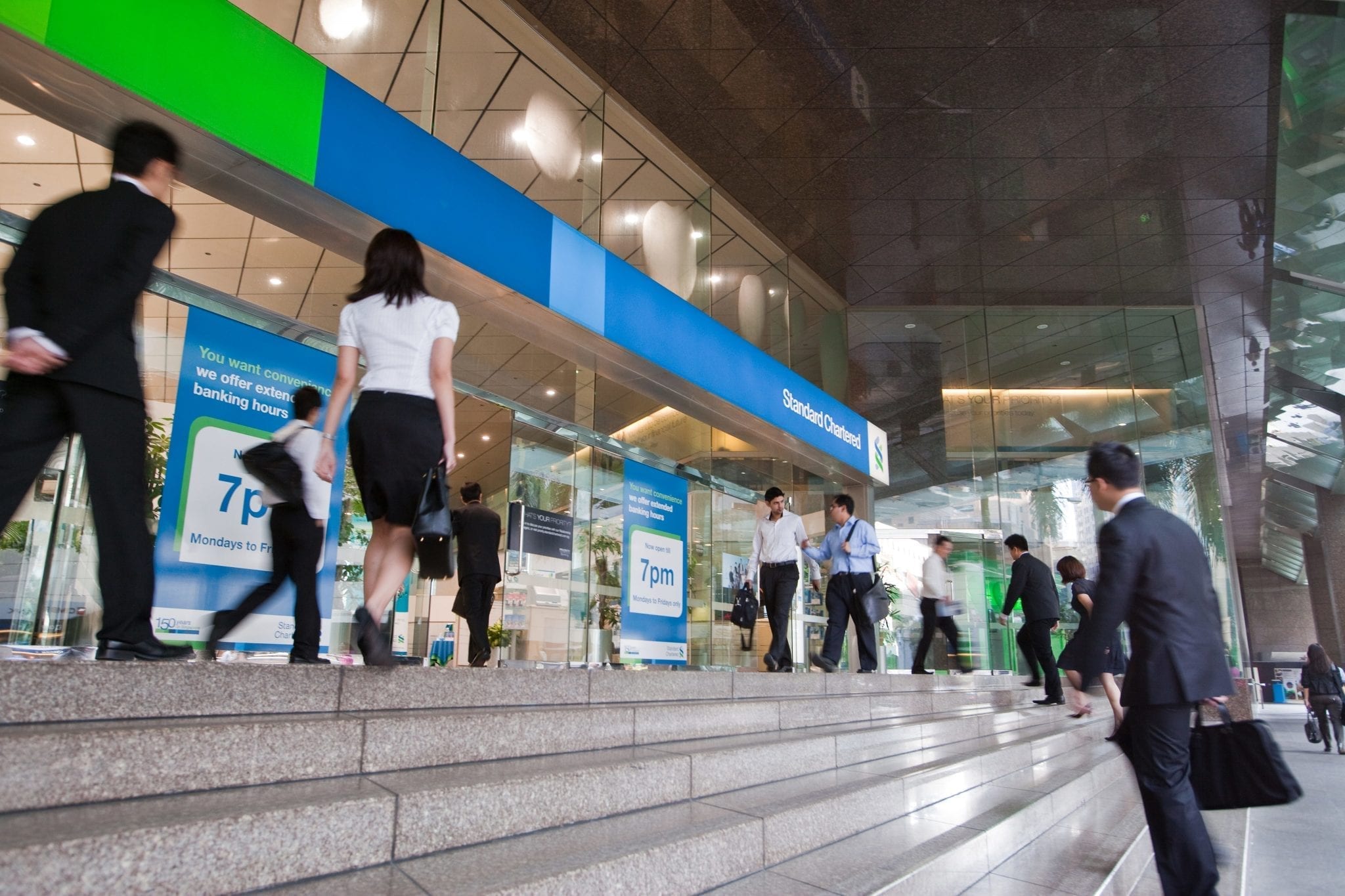
    Standard Chartered Plc plans to transfer its Thai retail-banking business to Thailand’s Tisco Financial Group Pcl next year, exiting an operation that the U.K. lender said lacked the scale to generate adequate returns.

    The net asset value is about 5.5 billion baht ($153 million), according to a stock exchange filing by Tisco on Thursday, which didn’t disclose a price for the deal. Tisco shares climbed to a record.

    Standard Chartered will continue to operate corporate, institutional and commercial banking businesses in Thailand, but the small size of the retail operation made it “increasingly difficult to achieve the returns that we aspire to,” the lender’s Thai head, Plakorn Wanglee, said in a press release.

    “It’s very tough to survive in Thailand’s retail-banking business for small players with very fierce competition,” Isara Ordeedolchest, an analyst at SCB Securities in Bangkok, said by phone. “The outlook for banks should improve significantly in 2017 as a consumption recovery and higher government spending will spur economic growth.”

    The Asia-focused Standard Chartered is targeting a turnaround after last year posting its first annual pretax loss since 1989. In a sign that the Thai operations were not a bright spot, the bank in February recorded a $126 million goodwill impairment on its business in the country.

    One unit of Tisco Financial, Tisco Bank Pcl, will take over operations including personal lending, mortgages and deposits, while another, All-Ways Co., will take over the credit-card business, the exchange filing said. The deal is subject to approvals.
  • India, Indonesia key areas of focus for DBS in 2017

    India, Indonesia key areas of focus for DBS in 2017

    India and Indonesia will be the Development Bank of Singapore’s “big” areas of focus for this year, its chief executive officer Piyush Gupta has said. “We also remain focused on building leading regional cash management, foreign exchange, debt markets and wealth management franchises,” Gupta said here.

    “So India and Indonesia will be our big areas of focus in 2017,” Gupta was quoted. DBS leads foreign banks with expansion plans in India.

    DBS’ wealth management business has quadrupled over the past six years, and now accounts for to 13 to 14 per cent of group revenue.

    “Over the next five years, we think it could get up to 20 per cent,” he said in a report on Singapore banks’ prospects during this year.

    “The world will have to grapple with massive consequences behind technological disruption on jobs displacement, both blue-collar and white-collar workers. My own bet is that you will find a lot more entrepreneurship, or what people call the gig economy,” he said.

    “It is likely that there will be a new wave of redistributive economics. Governments may prove inadequate to do this entirely under their own steam, and the private sector will have to play a meaningful role,” said Gupta.

    DBS’s top priorities for this year is to be prepared for volatility as markets will continue to be choppy.

    An increase in US dollar rates could also create negative impact, he added.”Step up the pace on transformation of the bank that is re-imagine banking, and be a 22,000-person start-up,” stressed Gupta. “The third priority is to continue our steady business expansion,” he said.

    But he also cautioned that uncertainties over US President-elect Donald Trump’s policies will be a headache for Asian strategies and could result in heightened market volatility in the short-term. At the same time, global growth is expected to remain subdued, said Gupta.

    “To navigate these uncertain times, we need to remain watchful and vigilant, as well as disciplined about costs and the risks we take,” he advises.

  • PPCBank set for more digital and retail growth in 2017

    PPCBank set for more digital and retail growth in 2017

    When new Korean shareholders boosted Phnom Penh Commercial Bank (PPCBank) with a $20 million capital increase this year, they had placed the commercial bank, then already among Cambodia’s largest, on a path primed for further growth and pioneering developments.

    As a result of Korean banking know-how and increased capital, PPCBank has been able to further its ambitions in the Cambodian market. Shin Chang Moo, President of PPCBank and an industry veteran with more than 30 years of finance experience in Korea and other countries, said, “The Korean financial industry has come a long way, from emerging to being developed. This gives us the honour of knowing what developments the Cambodian banking industry is facing now and in the future.”

    Understanding banking market evolutions, PPCBank, headed by Shin, has defined priorities for the bank’s business operations in Cambodia’s developing financial industry.To become a leading retail bank in Cambodia and Southeast Asia, PPCB will boost its retail business and focus on promoting digital banking and building up human resources, according to Shin.

    In a first step, the $20 million capital increase has enabled the bank to expand and diversify their loan portfolio with a strong focus on small and medium enterprises (SMEs) – the economic backbone of the economy, Shin said.

    To effectively reach retail customers with their new loan products, Shin said PPCBank was set to open more branches where clients were met with “strong consultations and more financing options through combined and customized products and services.”

    Other than increasing clientele and improving services for Cambodian customers face-to-face in new branches, PPCBank aims to put a strong focus on mobile and digital banking; adding convenience for customers through social network, providing top-up through mobile and transfers to non account holders.

    Lining out their digital and mobile payment strategy, the president explained PPCBank was promoting its “Open Banking System”.“To promote synergies and nationwide networks for the benefit of our customers we aim for collaborations with financial technology companies and utilize third party payment providers to expand banking services to even more people,” Shin explained, adding that he also plans to adapt to customers’ data analytics and integrate services with the third party to serve customers even better.

    Shin said speed, convenience and quality of service and attractive overseas remittance options, especially from Korea to Cambodia, were among other customer benefits.

    Looking to continue the path of success from 2016 into 2017, president Shin said that he and PPCBank’s staff are excited to further the mobile growth, offer even more products and services and improve business efficiency – all for the benefit of the customers.

    “The energy we put in won’t be to generate greater business profits but to give our banking service the love, confidence and trust from all customers we serve,” Shin said.

  • Bank Mandiri disburses Rp1.2 trillion for double-track railway

    Bank Mandiri disburses Rp1.2 trillion for double-track railway

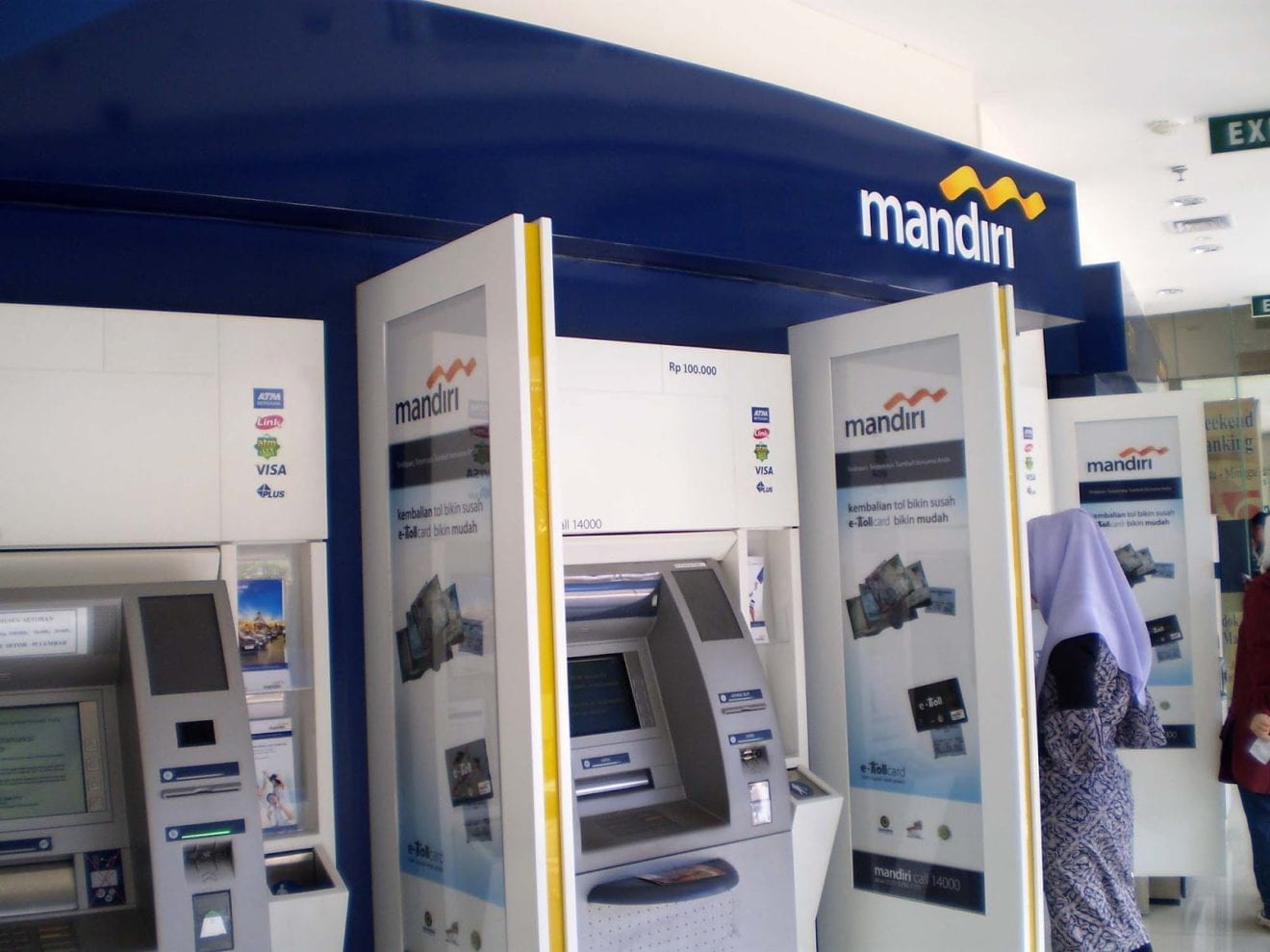
    State-owned Bank Mandiri has disbursed Rp1.2 trillion to state-owned railway firm PT KAI for the development of a double-track railway in South Sumatra.

    Senior Executive Vice President of Bank Mandiri Alexandra Askandar in the signing of the agreement with KAI on Tuesday said the special transaction loan has a term of 10 years.

    “The development of a double-track railway in South Sumatra will accelerate the delivery of coal to the coal-fired power plant in Suralaya,” he noted.

    The double-track railway line links the mining area of Bukit Asam in Tanjungenim Baru to Tarahan, Lampung.

    The special loan transaction agreement was signed by Askandar and KAI Finance Director Didiek Hartantyo.

    Askandar said the disbursement of the loan was a form of support for the development of strategic infrastructure projects nationwide, one of which is the transport sector.

    By October 2016, Bank Mandiri had provided Rp37.1 trillion to the transport sector. This is the largest financial commitment in the infrastructure segment which totalled Rp96.9 trillion, or an increase of 53 percent on an annual basis.

    Besides the railway sector, Mandiri has also provided financing for power plants amounting to Rp32.1 trillion.

    Infrastructure financing is included in the corporate loan segment. Mandiri disbursed corporate loans until the third quarter of 2016, amounting to Rp212.4 trillion, up 14.3 percent year on year.

  • President Jokowi wants Jakarta to become world sharia financial center

    President Jokowi wants Jakarta to become world sharia financial center

    President Joko Widodo (Jokowi) has said Jakarta should aim to become the global sharia financial center as Indonesia has the worlds largest Muslim population.

    “Ive ever conveyed (it) to chairman of the Financial Services Authority (OJK) that it is natural if we make Jakarta as the world sharia financial center,” Jokowi said, at a gathering of stakeholders related to the eight-year issuance of state sharia-based bonds at the state palace here on Friday.

    According to Jokowi, he had heard that an effort to make Jakarta as the world sharia financial center was being discussed by the OJK.

    “We have the potential and power, why we do not use (that), not only sharia financial services such as banks, insurance companies, I think many other things that can be developed, including sharia travel, and halal restaurants,” the president pointed out.

    The president stated that Indonesia should focus on its great market potential.

    “It will trigger economic growth in our country and eliminate issues that often appear such as rumors of 10 million to 20 million Chinese laborers coming into Indonesia, while actually it was only 21,000 of them,” he explained.

    On state sharia-based bonds for the national state budget, the president said that the essence of the budget is that it will be used for the welfare of the people, meaning to eradicate poverty, reduce unemployment, and social inequality.

    “Therefore, the government uses various ways to strengthen the state budget such as strengthening the tax base for instance through the tax amnesty, state sharia securities (SBSN) or the state bonds,” he disclosed.

    The president also declared that Indonesia should be proud that it is the issuer of the largest state bonds in US dollars.

    Up to November 2016, the issuance of SBSN in the international market reached US$10.15 billion with outstanding US$9.5 billion.

    “This means that we have huge potential and it plays an important role in the development and improvement of the welfare of the Indonesian people,” he cited.

    The president further said that Indonesia has a variety of sharia-based bonds (Sukuk), so there are many alternatives to invest.

    Jokowi also pointed out that in 2015 and 2016 as much as Rp20.8 trillion of Sukuk has been used to construct railway lines, including bridges that are beneficial for the people.

    “Then (the sukuk) is also to construct facilities of higher learning institutes and rehabilitate various buildings including those for preparation of Hajj Pilgrimage rituals” Jokowi added.

  • Four big banks support Bank Indonesia’s National Payment Gateway

    Four big banks support Bank Indonesia’s National Payment Gateway

    In order to support Bank Indonesia’s (BI) plan for an integrated payment system called National Payment Gateway (NPG), four banks inked an agreement on interoperability and interconnectivity of debit cards and electronic money on Wednesday.

    The agreement was signed by state-owned lender Bank Rakyat Indonesia (BRI), Bank Mandiri, Bank Negara Indonesia (BNI) and the country’s largest private lender Bank Central Asia (BCA) that act as acquirers and represent 75 percent of debit transactions in the country.

    Besides the four banks, three switching companies, namely Artajasa Pembayaran Elektronis, Rintis Sejahtera and Alto Network also support BI’s plan to implement NPG.

    “NPG is expected to solve problems and increase efficiency of Indonesia’s payment system nowadays. Currently, the payment system infrastructure is deemed inefficient due to limitation of interoperability and interconnectivity between principals,” BI executive director of communications Tirta Segara said in a press statement.

    NPG is a system that processes payment transactions electronically through a variety of instruments, such as ATM cards, electronic money and credit cards. With NPG, people are able to carry out non-cash transactions from any bank in the country, using any kind of instrument or channel.

  • Bank Indonesia releases new notes, coins

    Bank Indonesia releases new notes, coins

    Bank Indonesia released on Monday seven new banknotes and four coins bearing the pictures of 12 national heroes. The launch of the new notes and coins was attended by President Joko “Jokowi” Widodo and Bank Indonesia governor Agus Martowardojo in Jakarta, Antara news agency reported.

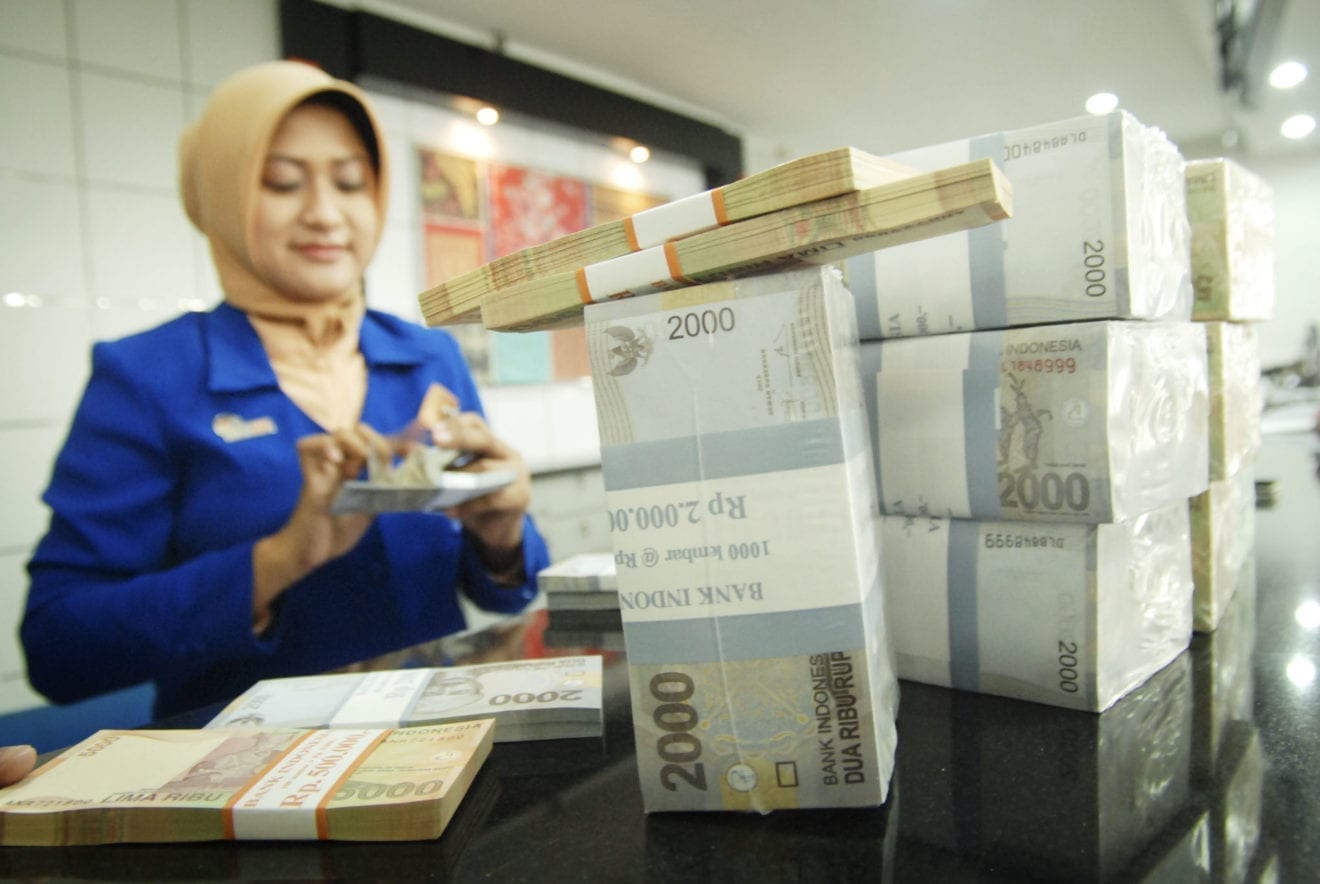
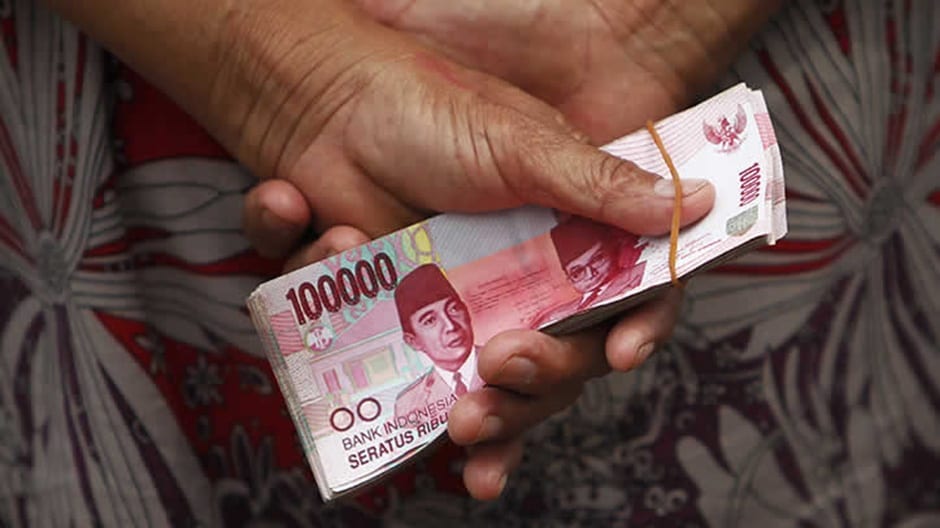
    The new notes are the Rp100,000, Rp50,000, Rp20,000, Rp10,000, Rp5,000, Rp2,000 and Rp1,000, while the new coins are Rp1,000, Rp500, Rp200, and Rp100.

    Indonesia’s founding fathers, Soekarno and Mohammad Hatta, will be featured on the Rp100,000 note, while Djuanda Kartawidjaja and Sam Ratulangi are on the Rp50,000 and Rp20,000 notes, respectively.

    Other national heroes featured are Frans Kaisepo, Idham Chalid, Mohammad Hoesni Thamrin, Tjut Meutia, I Gusti Ketut Pudja, TB Simatupang,  Tjiptomangunkusumo and Herman Johannes.

  • Bank Mandiri eyes more disabled employees

    Bank Mandiri eyes more disabled employees

    The family of Rezky Yami Putri, 27, born with an imperfect three-fingered left hand half the size of a normal hand, was skeptical when she landed a job at Indonesia’s largest lender Bank Mandiri.

    They thought she was deceived, because such an achievement would be too good to be true for someone with “my condition”, said Rezky, now a call center officer at the state-owned lender. Her family finally believed her job was legit when she received her first salary last year.

    “Even though it has been a year, it is still like a dream for me, a lengthy dream, which occurs while I am awake,” said the Jakarta resident, who has a bachelor’s degree in public health but has never worked in her field of study.

    “As someone with a disability, we are always underestimated but it turns out that we also can make money for ourselves and for our parents, even though it is not that much,” she added.

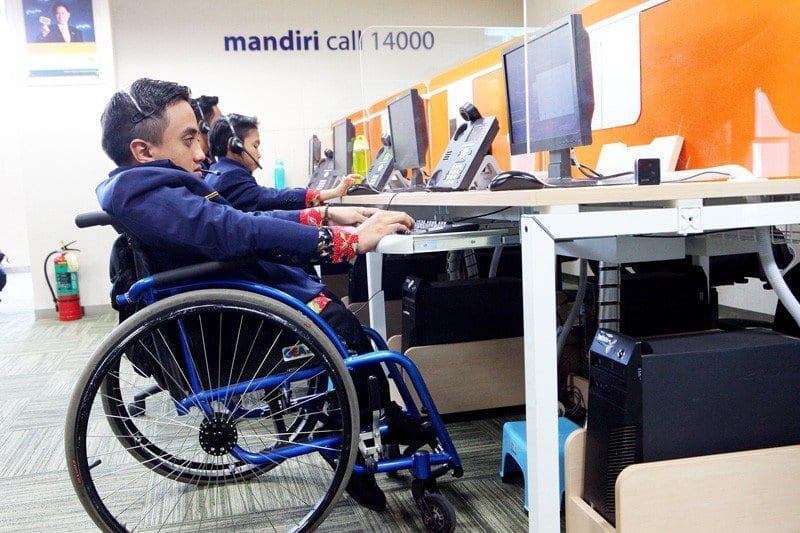
    Rezky is among 41 disabled workers employed by Bank Mandiri, which is among over 100 state-owned enterprises in Indonesia, which, following a 2016 law on people with disabilities, are required to have disabled people account for at least 2 percent of their staff.

    “Our target is to hire 120 people and we’ll keep recruiting depending on the availability of the applicants,” Bank Mandiri human capital engagement senior vice president Aminarti Widiati said. The lender started recruiting disabled employees last year.

    Bank Mandiri, which has five branch offices in Jakarta and Semarang, Central Java, employing disabled people currently has a total of 38,376 employees nationwide with 2,505 branch offices spread across the country.

    Disabled people in the lender work on three-year contracts and are reviewed each year. They also have the chance to become permanent employees, Aminarti said.

    Tri Handayani, diagnosed mute when she was only 10 months old, was eager to advance at Bank Mandiri. The back-office worker used to work at a supermarket, checking and replacing price tags on products.

    “This new job makes me feel more enthusiastic about working and being more successful in the future,” said Tri, who graduated
    with a computerized accounting degree.

    To communicate, the 27-year-old tries to speak as much as she can or writes the sentences down if they are too complicated. She is able to understand her interlocutors by reading their lips.

    Her colleague Kuntum Mukminin, 24, who is also deaf-mute, works at the same division at Bank Mandiri in the back office.

    “I might be deaf but I work hard and keep improving myself. I have to do my best to be a success,” said Kuntum, a high school graduate who used to work at a supermarket bakery.

    The Social Affairs Ministry has pledged to oversee the implementation of the 2016 law that requires disabled people account for at least 2 percent of state firms’ staff. There are around 6 million disabled people in Indonesia, according to 2012 ministry data.

    “However, we won’t impose sanctions on companies that cannot meet the minimum requirement because we know that sometimes it cannot be fulfilled because of a lack of competency,” the ministry’s director of social rehabilitation Bambang Sugeng said.

  • JCB International and CIMB Bank Singapore with Wirecard

    JCB International and CIMB Bank Singapore with Wirecard

    JCB, the international operations subsidiary of JCB, CIMB Bank Singapore (“CIMB”), and Wirecard AG (“Wirecard”) are pleased to announce their signing of a License Agreement to begin JCB merchant acquiring services in Singapore. Through the partnership, JCB card acceptance facilities will be available at CIMB merchants.

    With its ASEAN footprint firmly in place, CIMB is a befitting partner with JCBI on both the local and regional front. Having established similar collaborations in Malaysia and Indonesia, this new License Agreement extends the collaboration into other parts of Southeast Asia and enhances cooperation in the region.

    Tourism is a key contributor to the Singapore economy and the country is a popular destination for regional JCB cardmembers. This new merchant acquisition partnership with CIMB will bolster the JCB card acceptance network in the market and promote new merchants to JCBI’s rapidly expanding cardmember base from Asia during their stay in Singapore.

    Vincent Ling, Managing Director of JCB International Asia Pacific Pte Ltd., commented, “As Singapore continues to be a key tourist destination for Asians including Japanese, Korean, and Chinese, a stronger JCB card acceptance will bring about enhanced convenience to JCB cardmembers. JCBI is pleased to collaborate with CIMB Bank Singapore and we look forward to working closely together to serve our cardmembers, merchants and business partners better.”

    Mak Lye Mun, CEO of CIMB Bank Singapore and Country Head of CIMB Group Singapore said, “As a leading bank in ASEAN, CIMB Bank is proud to expand our payment acceptance offering with JCBI in Singapore. This partnership unlocks opportunities for our merchant acquiring business and I’m confident it will benefit both merchants and JCB cardmembers through greater card acceptance and increased payment options.”

    CIMB Bank Singapore’s one-stop merchant solution is in partnership with Wirecard, a global leader in electronic payment and mPOS technology and infrastructure. Wirecard has been providing an integrated payment platform that supports eCommerce, mCommerce, mobile and traditional Point-of-Sale, to facilitate merchants’ real-time tracking of transactions across multiple sales channels as part of the partnership. Mr Jeffry Ho, Managing Director of Wirecard Singapore, Malaysia, Hong Kong and Australia A&I added, “We are delighted with another milestone of our partnership with CIMB Bank. We believe that the CIMB-JCB initiative will certainly provide a better payment experience for both merchants and JCB cardmembers in Singapore.”

  • KB duplicates its success in global markets

    KB duplicates its success in global markets

    KB Kookmin Bank, one of the country’s leading lenders, is striving to duplicate its notable success here in the global market through briskly tapping into lucrative businesses across the world.

    Such efforts have started to bear fruit and the most recent example is its work of jointly arranging a 750 billion won ($660 million) project financing deal for a power plant in the United States.

    Earlier this month, the Seoul-based lender said that it joined forces with global banks Mitsubishi and ING Bank to finance the 790 megawatt gas-fired power plant construction.

    They attracted investors who purchased senior debt worth $660 million and of that amount, KB Kookmin arranged $200 million that is composed of a direct investment of $50 million and $150 million from other Korean firms.

    In overseas project financing in which Korean constructors are not directly involved, domestic financial firms have played limited roles. But the recent feats showcase KB’s capacity, according to experts.

    In retail banking, KB Kookmin has also been a pioneer in making a foray into offshore markets. As of the end of last year, it had 12 subsidiaries, branches and offices outside the country.

    One of its latest initiatives in the overseas retail market took place in Cambodia where KB Kookmin opened a mobile-oriented bank, Liiv KB Cambodia, this September.

    The digital bank offers various services such as account transfers, cross-border remittances and mobile payment services as well as various non-banking features like letting people top up their handsets.

    A KB Kookmin official said that the new-concept bank has been accepted well and for further growth momentum, it plans to enable its customers to withdraw money at automatic teller machines by forming business alliances with Cambodia’s top-tier banks.

    Observers point out that many successful firms tend to forget about management principles such as putting existing customers first and respecting business ethics but KB Kookmin appears to be different.

    Its CEO Yoon Jong-kyoo has stressed globalization to secure new cash cows for the lender, but at the same time he reiterates that the bank should stick to principles.

    “In an effort to become the most respected bank in the nation and to solidify its role as the leader of the Korean financial services industry, KB Kookmin Bank is committed to paying close attention to every one of our customers while providing the best customer-oriented services,” Yoon said.

    “Upholding high moral standards and work ethics as bankers, KB Kookmin Bank’s entire staff and management will keep striving to fulfill our responsibilities to our customers and society, making it the most dependable and socially responsible bank.”

  • Co-Operative Bank to issue JCB Debit Card in Myanmar

    Co-Operative Bank to issue JCB Debit Card in Myanmar

    Co-Operative Bank (CB Bank), a major commercial bank in the Republic of the Union of Myanmar (Myanmar), Myanmar Payment Union Public Co.,Ltd (MPU), and JCB International Co. Ltd. (JCBI), the international operations subsidiary of JCB Co., Ltd., today announced that CB Bank will start to issue JCB debit card in December 2016.

    The CB MPU-JCB Co-Brand Card combines the MPU brand and JCB brand. Cardmembers can use MPU’s nation-wide merchant network in Myanmar and JCB’s international merchant network with over 31 million locations globally.

    The Card offers 3 different card types, Platinum debit card, Gold debit card, Standard debit card. All the cardmembers can enjoy JCB privileges such as JCB Plaza, staffed service counters for JCB cardmembers located around the world. Also cash back and discounts at selected CB merchants will be offered to Platinum and Gold CB MPU-JCB Co-Brand Cardmembers. JCB offers Platinum cardmembers exclusive JCB Platinum services, such as JCB Platinum airport lounge service, JCB Platinum Concierge Desk, and Special JCB Platinum Hotel Services.

    Kimihisa Imada, Deputy President of JCB International said, “I am delighted to have a partnership with CB Bank as the second JCB card issuer in Myanmar. JCBI entered into the market in 2012, and we have been committed to providing support to the expansion of the Myanmar payment market in cooperation with MPU. I am confident that the issuance of CB MPU/JCB Co-badged Card will grow the market even further and will contribute to the financial inclusion.”

    U Kyaw Lynn, Executive Vice Chairman & CEO of CB Bank commented, “On behalf of Co-operative bank, I am very pleased to announce that we are issuing CB-JCB debit card. This partnership between CB and JCB will strengthen ties between our business and our countries. Our customers here in Myanmar can enjoy all the benefits developed by CB and JCB when using in Myanmar and using in oversea countries.”

  • Bank Mandiri Partners with LINE for E-transactions

    Bank Mandiri Partners with LINE for E-transactions

    State-owned lender Bank Mandiri has joined hands with chat app operator LINE Indonesia to integrate its Mandiri e-cash product with LINE pay service. The partnership is aimed at facilitating LINE users in carrying out electronic transactions.

    “E-cash transfer can now be done as easy as sending a text in chat app LINE,” Director for Banking & Technology Bank Mandiri Rico U. Frans said in a written statement on Monday.

    Rico claimed that the service can be enjoyed by both Mandiri customers and non-customers. For Mandiri e-case users, the service can be accessed by integrating their Mandiri e-cash number with LINE Pay. Whereas those who do not have Mandiri e-cash, may create an account in LINE Pay menu.

    “The collaboration is based on shared market target, i.e. youth with digital lifestyle,” he said. LINE Pay e-cash would enable Bank Mandiri to provide easy service to over 90 million LINE users in Indonesia.

    Meanwhile, LINE Indonesia Managing Director Ongki Kurniawan said that the cooperation will help develop financial technology and a cashless society. As well as to help unbanked users to be able to carry out transactions.

    LINE Pay e-cash, Ongki said, is the easiest way to open a bank account. People can download LINE app in Google Play Store and Apple Store and register their phone number in LINE Pay e-cash account to do bank transactions.

    “It can be used to buy phone credit, electricity tokens, bank transfers, as well as online and offline shopping as easy as chatting on LINE,” he said.

  • Thai Kasikornbank, IBM join forces on blockchain network

    Thai Kasikornbank, IBM join forces on blockchain network

    Thailand’s Kasikornbank Pcl has joined with the Thai unit of International Business Machines Corp to develop blockchain services in a bid to save costs and speed up transaction process, the companies said on Thursday.

    Kasikornbank will be the first Thai bank to apply the blockchain technology and aims to start the services in the first half of 2017, Somkid Jiranuntarat, vice chairman of Kasikornbank’s technology group, told reporters.

    Kasikornbank is also in talks with other Thai banks to share the blockchain network, he said.

    Blockchain is a web-based transaction-processing and settlement system whose efficiency banks say could slash costs. It creates a “golden record” of any given set of data that is automatically replicated for all parties in a secure network, eliminating any need for third-party verification.

    Financial services companies around the world have been focusing on developing blockchain technology, with advocates saying it has the potential to save billions of dollars in costs and speed up transaction times.

    The technology will be used to certify original documents by using IBM’s Hyperledger infrastructure. At the initial stage, a system called OriginCert API is used to certify letters of guarantee (LG), which helps simplify and speed up the LG issuance process for customers, according to a joint statement.

    Kasikornbank, Thailand’s fourth-largest lender by assets, is the leader in digital banking with a market share of almost 40 percent. It aimed to spend 5 billion baht ($143 million) to develop information technology, it said in April.

  • Singapore’s Central Bank to Test Blockchain-Backed Digital Currency

    Singapore’s Central Bank to Test Blockchain-Backed Digital Currency

    The Monetary Authority of Singapore (MAS) will soon test how it could issue digital currency using a v-based interbank payment system.

    The planned proof-of-concept will be supported by blockchain consortium R3CEV, as well as eight banks and an unnamed local stock exchange. The Development Bank of Singapore, HSBC, Bank of America, JPMorgan, Credit Suisse and Bank of Tokyo-Mitsubishi are all said to be participating.

    In a speech on Wednesday, MAS managing director Ravi Menon said the test could come to include other central banks. Further, he credited the bank’s desire to remove cost and friction from traditional bank transactions as the motivation for the effort.

    Menon said:

    “Today, banks have to go through correspondent banks to intermediate these payments. It takes time and adds to cost. This project marks the first step in MAS’s exploration of ways to harness the potential of central bank-issued digital currency.”

    The trial would find banks depositing cash as collateral with MAS, which would then issue a digital currency to participants. The digital currency could then be exchanged among participants in the system and later redeemed for cash.

    The forthcoming trial bears similarities to a previously announced effort from UBS, Deutsche Bank, Banco Santander and startup Clearmatics in August.

    Called Utility Settlement Coin, the project envisioned how a central bank could issue digital currency that could then be redeemed for cash held by a central bank.