
Ms.Saranya Pipoppinyo (right), Vice President Marketing of AEON Thana Sinsap (Thailand) Public Company Limited, awarded a gold bar, valued at 1 million baht, to Ms. Jirarat Khunthong, a lucky winner from Trang province, as part of “Win Gold Worth THB1 Million with AEON”. The campaign was eligible for AEON Your Cash customers who withdrew cash or transferred Your Cash loan at least 1,000 baht from 1 January – 28 February 2017.
Tag: bank
-
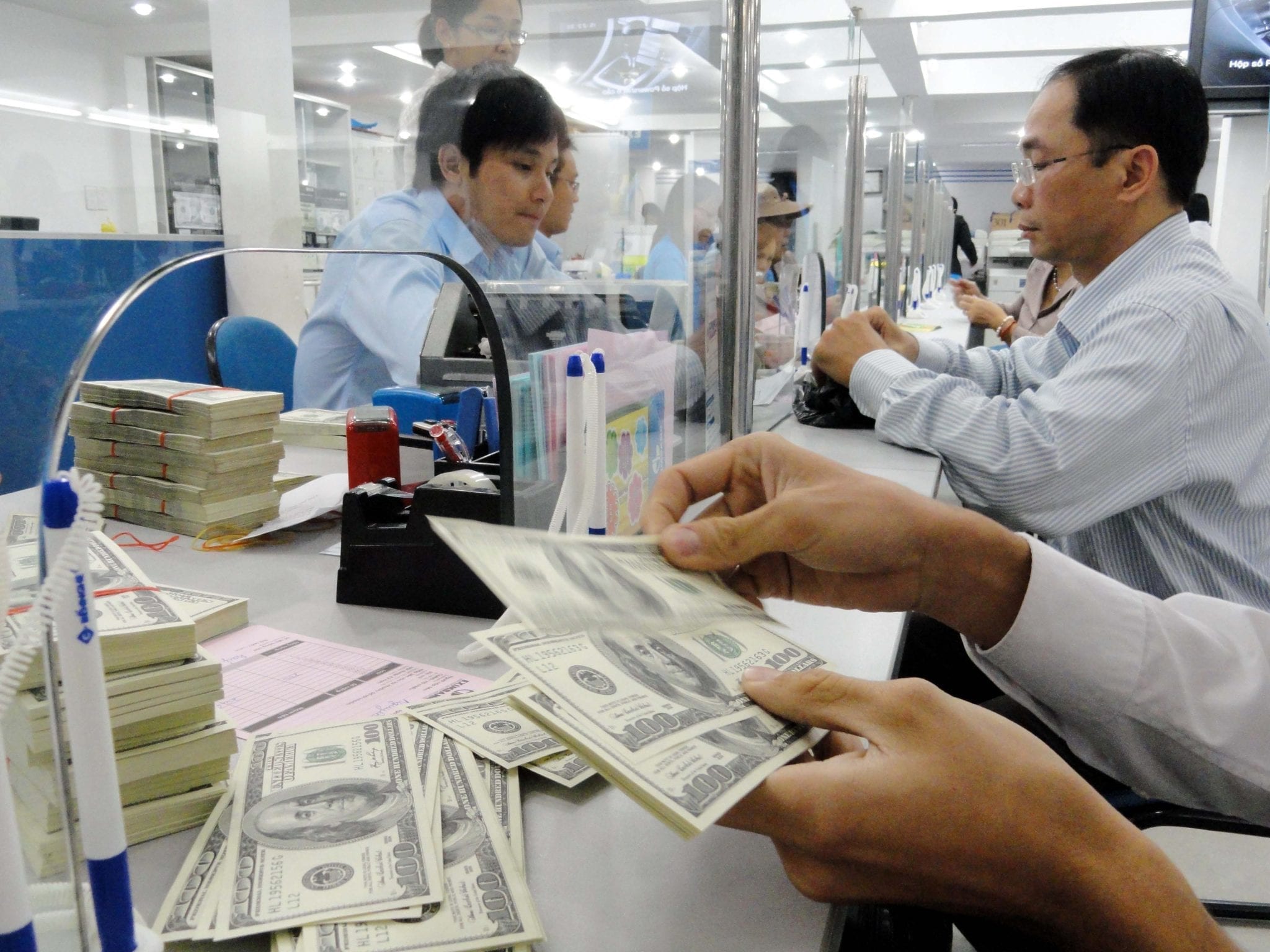
Vietnam’s bank seeks $700 mln via stake sale to foreign investor
Saigon Commercial Bank expects further talks with two potential investors from China and Indonesia as it plans to sell more than half of the bank at par value. Saigon Joint Stock Commercial Bank, Vietnam’s fifth largest by assets, is in talks to draw an investment of at least $700 million by selling a controlling stake to a foreign investor.
As the first Vietnamese bank granted government approval to seek such foreign investment, the lender plans to sell more than half of the bank at par value through the issuance of new shares, Chief Executive Officer Vo Tan Hoang Van was quoted as saying.
“We’re really looking for a partner who would not only put money into the bank but also has the same vision about this market,” Van told Bloomberg. “”More importantly, they need to help our clients to complete their real estate projects so that we can solve the bad debt issue in a shorter time.”
Saigon Commercial Bank slashed its bad debt ratio to 0.68 percent by the end of last year from 7.25 percent in 2012, the lender said at its April 18 shareholders’ meeting.
Van said the bank has been in talks with banks, equity funds and insurance companies from China, Indonesia, Norway, and Taiwan over the stake sale. It expects intensifying negotiations with two potential investors from China and Indonesia.
The bank plans to submit its stake sale plan to the central bank for approval early next year and close the deal in mid-2018, he said.
The Vietnamese government currently sets a 30-percent cap on total foreign ownership in banks.
Prime Minister Nguyen Xuan Phuc told in January that he plans to raise the cap in banks to accelerate restructuring Vietnam’s banking system.
The government established the Vietnam Asset Management Company in 2013 to deal with bad bank loans, mostly incurred due to a slowdown in the country’s real estate market in the early 2010s.
State Bank of Vietnam’s data showed the bad debt ratio was cut to 2.46 percent of total loans in November last year, from 17.2 percent in September 2012.
-
ANZ sells retail business in Vietnam to South Korea’s Shinhan
The Australian bank said it will focus on its institutional banking, its biggest business in the region. Australian lender ANZ has announced to sell its retail business in Vietnam to South Korea’s Shinhan to focus resources on institutional banking.
The bank has entered an agreement to transfer all eight branches, including retail staff in Hanoi and Ho Chi Minh City, to Shinhan Bank Vietnam, part of the Seoul-based Shinhan Financial Group, Farhan Faruqui, ANZ international group executive, said in a statement on Friday.
Faruqui said the sale will allow the bank to focus resources on institutional banking, its “largest business in Asia.”
“We will be maintaining our presence through our institutional bank in Vietnam which will continue to support our corporate clients in the Greater Mekong Region,” he said.
ANZ’s institutional bank has a presence in 15 different markets in Asia and was ranked as one of the top four corporate banks in the region by market intelligence provider Greenwich Associates in 2016.
ANZ’s retail business serves 125,000 customers in Vietnam, and includes $241.2 million in lending assets and $603 million in deposits. The Southeast Asian country’s economy has one the world’s fastest growing rates.
ANZ said the transfer is subject to regulatory approval and expected to complete by year end.
Rumors about the sale have been circulating since late last year after the bank sold its wealth management and retail business in Singapore, Hong Kong and three other Asian markets to Singaporean DBS for nearly $80 million above book value.
Vietnam’s credit growth this year is targeted at 18 percent to facilitate the country’s annual economic expansion of 6.7 percent, the central bank has said. Last year the economy grew 6.21 percent from 2015, the slowest in two years, even though the banking sector posted an annual credit growth of 18.39 percent.
-
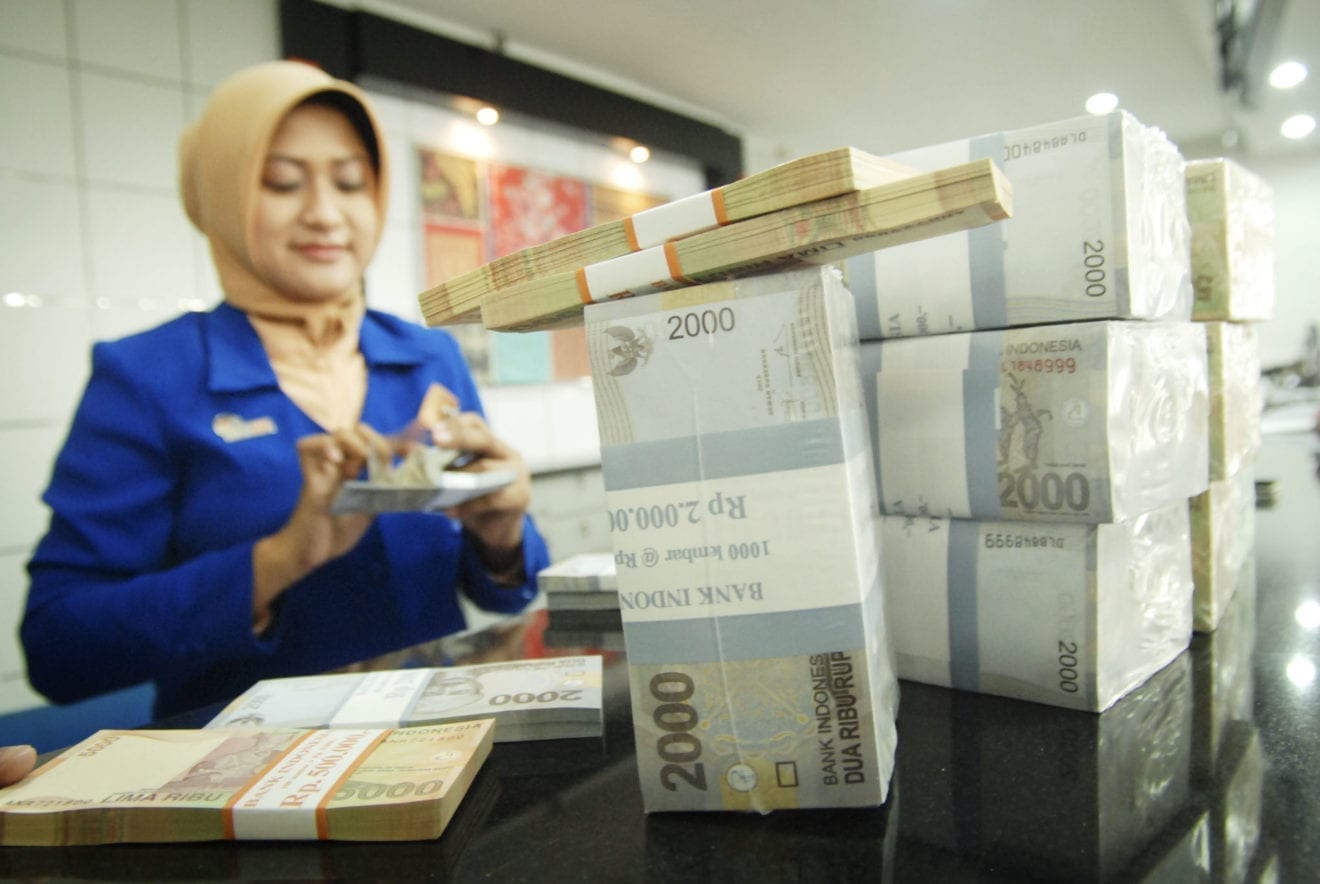
Bank Indonesia’s top woman fights CPI with more than rates
Rosmaya Hadi enlisted the help of 2,000 religious leaders to fight inflation when she ran Indonesia’s central bank in West Java region. In the world’s largest Muslim country, Hadi got them to spread a message of moderation in mosques on the eve of the Eid al-Fitr festival last year, when Indonesians usually step up spending on food and gift-giving to mark the end of the month of fasting. “Don’t shop excessively, don’t buy things at any price, it is good to haggle” they preached, she said.
“People may not listen if it’s the central bank speaking, so we had to find new approaches and rely on local leaders and the local wisdom,” Hadi said in her first interview since taking office in January as deputy governor at Bank Indonesia and the highest-ranking female official.
Hadi, 57, plans to use that same bottom-up approach in her new role. The career central banker who rose through the regional ranks is keenly aware that controlling inflation in the country of 250 million people dotted across more than 900 islands takes more than just setting interest rates.
“Often we form a clear policy in Jakarta but the implementation in the regions is less clear, so this needs to change,” Hadi said at her office in the capital, overlooking the iconic National Monument tower.
Making policy more effective has been a theme under Bank Indonesia Governor Agus Martowardojo. The bank overhauled its framework last year, adopting a new benchmark rate that would transmit adjustments more quickly to the economy.
Regional Expertise
While there’s been some success, banks haven’t passed on the full effect of last year’s 150 basis points of reduction in the benchmark: lending rates have fallen 112 basis points in the year through January, holding back credit growth at 7.9 percent last year — the slowest pace since the Asian financial crisis in 1999 — and capping economic growth at 5 percent.
Hadi’s promotion brings more regional expertise to policy-making in a country where inflation varies widely across provinces. In Papua, consumer prices fell 0.77 percent in February from a month earlier after Freeport-McMoRan Inc. halted production at the world’s second-largest copper mine following a dispute with the government; in Manado, North Sulawesi, the monthly inflation rate was 1.16 percent due to the rising cost of tomatoes, a key ingredient in the local cuisine.
For the country as a whole, consumer prices rose 0.23 percent in February and declined 0.02 percent in March.
“Bank Indonesia’s policy will now be more focused as earlier it only considered the national aggregate,” David Sumual, chief economist at PT Bank Central Asia, said by phone on Hadi’s appointment. “Jakarta and West Java may have the strongest economies, but it’s possible that smaller regions can possess systemic risk.”
The only board member who wasn’t educated at an overseas university, Hadi holds a law degree from Universitas Padjajaran in Bandung, West Java, and completed a master’s in social and political studies at the University of Indonesia.
She is the first deputy governor elected from a pool of regional heads, busting a myth that being sent to work at offices outside of Jakarta was to hit the glass ceiling, she said. She began her career at the central bank in 1985, and has held various roles including as head of the payment systems department, deputy director for internal finances and running the rupiah transactions office.
‘Different Perspective’
In her new role, she has pledged to ensure the bank does more to boost women’s participation in the economy. Like other Southeast Asian central banks, women are generally well-represented in senior positions compared to developed-world peers, such as the Reserve Bank of Australia and the U.S. Federal Reserve, but more can be done, she said.
“When you say having more women leaders is important because of the different perspective we bring, I am the case in point,” she said.
Bank Indonesia has had two women on the board previously: Siti Fadrijah was appointed deputy governor in 2005 and Miranda Goeltom held the role from 1997 before being named senior deputy governor in 2004. Both were named suspects in separate corruption cases. Fadrijah died in 2015 before she was given a verdict, while Goeltom served a three-year sentence that ended two years ago.
Cabinet Ministers
Women account for about 30 percent of the total workforce at Bank Indonesia and occupy 10 of the 33 executive director roles, the top spot below the board of governors, Hadi said.
Still, the labor participation of females in the wider economy lags: it was 51 percent in 2014, equal to countries in the Organisation for Economic Co-operation and Development, but lower than the 61 percent in East Asia and the Pacific, according to World Bank data. The economic gender gap cost the country more than 16 percent of its gross domestic product last year alone, the International Monetary Fund estimated.
“Some women have this mental block that keeps them from going full tilt, telling themselves to follow the husband or settling for good enough,” Hadi said. “But we’ve had a woman as president and we have women ministers, so the doors are open. Now it’s up to us to make the most of the opportunity.”
Nine of Indonesia’s 34 cabinet ministers are women, including Finance Minister Sri Mulyani Indrawati, State-Owned Enterprises Minister Rini Soemarno and Fisheries Minister Susi Pudjiastuti. Megawati Soekarnoputri, who chairs the Indonesian Democratic Party of Struggle that backs current President Joko Widodo, was the country’s first female president in 2001.
Bank Indonesia hasn’t yet had a woman at the helm. “It could be anybody,” Hadi said, laughing, when asked if she could be that person.
-
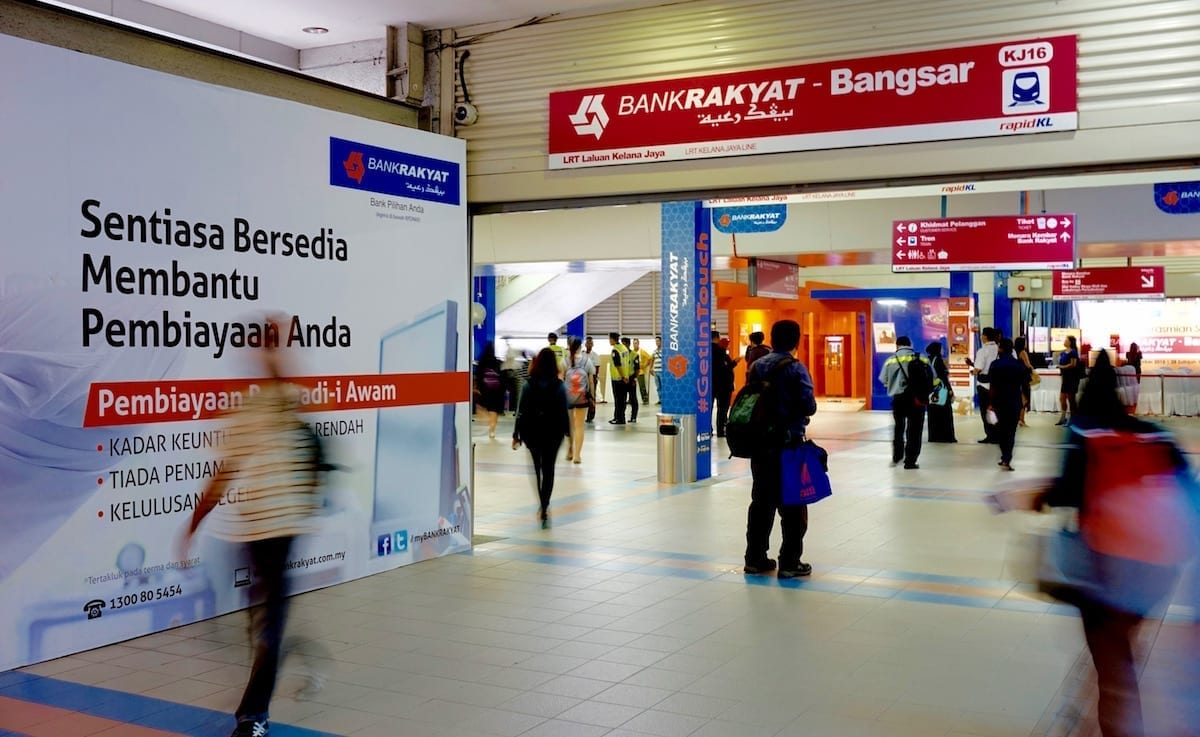
Bank Rakyat appoints new MD and president
Former Affin Bank group CEO and managing director Datuk Zulkiflee Abbas Abdul Hamid has been appointed Bank Rakyat’s managing director and president effective since yesterday.
Zulkiflee, who has also served on the board of directors of Maybank Islamic, held the role of group CEO and managing director of Affin Bank from 2009 to 2015.
On his plans for Bank Rakyat, Zulklifee said:“Give me a chance to explore what is available in Bank Rakyat. I might be able to provide a more comprehensive action plan after that as I have just begun my role as managing director and president of Bank Rakyat
“I have large shoes to fill, but it is not an impossible task. With the team that I have, I should be able to come up with something soon,” he said.
Zulkiflee has served on a number of industry committees, including as council member of the Association of Banks Malaysia as well as chairman of the audit committee of Malaysian Electronic Payment System or MEPS.
He holds a Master in Business Administration and a Bachelor of Science in Marketing, both from Southern Illinois University, in the United States.
Zulkiflee has served as advisory council member of the Insaniah Global Centre for Islamic Banking and Finance, member of the board of trustees of Yayasan Budiman UiTM, as well as treasurer of Tabung Pendidikan 1 Bilion.
Bank Rakyat chairman Tan Sri Shukry Mohd Salleh said that the bank is looking forward to capitalising on Zulkiflee’s vast experience in the field of credit management, enterprise banking and corporate banking to grow the bank as an Islamic cooperative bank.
Meanwhile, Bank Rakyat chief retail banking officer Mohd Shahril Isa has clarified that Bank Rakyat’s memorandum of understanding (MoU) signed with Bank Rakyat Indonesia (BRI) in February was only for the expansion of its remittance services.
“The MoU is for cooperation works, not a merger.
“We are not going to open a new business in Indonesia.
“Instead, we are only expanding our remittance services to Indonesia by using BRI as our platform as BRI has a large network covering all the islands there,” said Shahril.
Bank Rakyat’s remittance services in Indonesia will begin in the second or third quarter of the year.
-
Law to allow bank bankruptcy
The State Bank of Việt Nam (SBV) is drafting a law on supporting credit institutions to restructure and resolve bad debt in an effort to quicken the process.
The incomplete legal framework for handling poorly-performing banks and bad debts is hindering the restructuring of credit institutions, according to SBV.
The central bank in a note pointed out that it currently does not have adequate jurisdiction to handle weak banks, and there is a shortage of mechanisms and resources for handling bad debts and mortgaged assets, which increase risks to the system and the whole economy.
The first draft version of the law, which SBV recently published for comments, provides mechanisms for the first time for weak banks to file for bankruptcy. The idea of allowing weak banks to go bust was not new but was included in a legal document for the first time.
Allowing bankruptcy was necessary when the restructuring of the banking system must be hastened and improved in term of quality, according to Bảo Việt Securities.
Statistics show that as of the end of 2016, bad debt ratio was controlled at below 3 per cent, but the central bank warned that it could amount to 8.86 per cent if bad debts managed by the Việt Nam Asset Management Company (VAMC) and loans which could potentially turn into non-performing were included.
The safety of the credit institution system in Việt Nam remains low compared to other countries in the region, while the burden of supplying capital for the economy was increasingly heavy, making the system vulnerable to shocks, the central bank said.
The ratio of credit to GDP increased in 2012-15 from 95.2 per cent to 111.1 per cent, high compared to Indonesia (36.5 per cent), the Phillippines (39.1 per cent), Brazil (67.1 per cent) and India (51.6 per cent).
“If the legal framework is not improved, it will be impossible to promote banking capital, which will affect GDP growth,” the central bank said in the note. “It is necessary to have a separate law to enhance the restructuring in the next five years towards efficiency.”
Let weak banks fall?
Lawyer Bùi Quang Tín from the Banking University of HCM City said bank bankruptcy is new to Việt Nam and the process would need a carefully-prepared roadmap.
Last year, Deputy Prime Minister Vương Đình Huệ said that Việt Nam should bravely pilot allowing a bank to go bankrupt, but the bankruptcy must ensure rights of depositors and not cause a domino effect.
According to Nguyễn Văn Hưng, the SBV’s Deputy Chief Inspector, 2017 would be the year to handle weak banks thoroughly in order to resolve cross ownership among credit institutions.
SBV planned to handle five weak banks this year, including three banks bought at zero đồng – Việt Nam Construction Bank, OceanBank and GPBank.
The central bank would also consider letting some poorly-performing financial companies and credit funds go bankrupt, as a warning for the whole system.
Six-year credit high
Banking credit grew 2.81 per cent in the first quarter of 2017 over the same period last year, a six-year high, according to the General Statistics Office (GSO).
Credit growth in Q1 was higher than deposit growth of 2.43 per cent, reflecting the improved capital absorption capacity of businesses.
Deposit rates were stable at 4.5-5.4 per cent per year for deposits of 1-6 months, 5.4-6.5 per cent for 6-12 months and 6.4-7.2 per cent for 12 months and up.
Lending rates were at 6-7 per cent for prioritised sectors and 6.8-9 per cent for short-term loans and 9.3-11 per cent for medium and long-term loans.
Read more at https://vietnamnews.vn/economy/373862/law-to-allow-bank-bakruptcy.html#EqFj3ehlSdUGJYzy.99 -
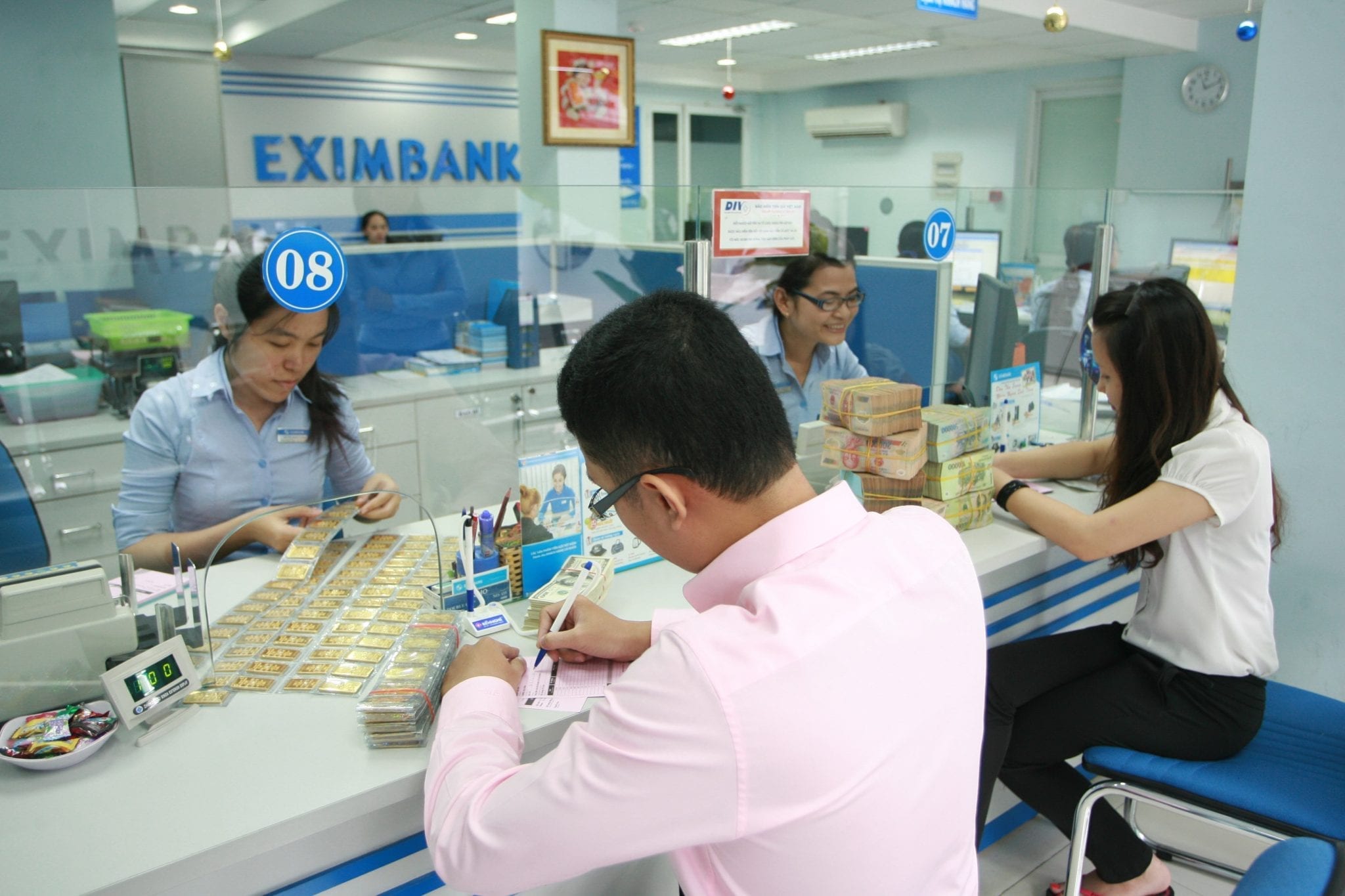
Some banks in Vietnam enter new rate race
VPBank announced it has offered a rate of 9.2 per cent per year for five-year certificates of deposit. VietA Bank has also listed a high rate of 8.2 per cent per year for certificates of deposit with tenure of just six to 18 months.
The rate at Sacombank is also at 8.2 per cent per year; however, it is applicable for certificates of deposit with tenure of 5-7 years.
The rate is much higher than the average deposit interest rates offered by other commercial banks. Currently, State-owned commercial banks offer a rate of 6.5-6.8 per cent per year for long-term deposits, while it is 7-7.5 per cent at large-sized joint stock commercial banks and 8-8.2 per cent at small-sized banks.
Analysts attribute the hike to factors such as the need for medium- and long-term funds to grow lending this year.
Many experts anticipated the scenario and warned there would be rising demand for long- and medium-term funding after they saw the economy clearly recovering and the Government signing a series of bilateral and multilateral trade agreements, which is likely to increase businesses’ demand for funds.
Another reason is that 80-90 per cent of deposits currently are short-term while demand for long- and medium-term loans is growing rapidly.
State Bank of Viet Nam (SBV)’s HCM City branch reported that last year the ratio between short-term and long- and medium-term loans was 44:56 per cent. It is normally 50:50.
In addition, SBV’s amendments to Circular 36/2014/TT-NHNN reducing the ratio of short-term deposits that can be used for medium- and long-term loans from the current 60 per cent to 40 per cent has caused deposit interest rates to rise.
Besides this, the risk weight for loans to the real estate sector has also been raised to 250 per cent from 150 per cent since 2017.
As a result, banks have been forced to hike interest rates on long-term deposits so that they have enough funds to provide long- and medium-term loans.
Expert Bui Quang Tin said the interest rate hike would put pressure on the central bank’s monetary management this year, especially when the central bank has to meet the three targets of controlling inflation, keeping foreign exchange rate and interest rate stable.
Tin was also concerned it would be hard for lending interest rate, especially medium and long term, to be steady in the wake of the deposit rate hike. Both lending and deposit rate would rise by roughly 0.5-1.5 per cent per year this year, he forecast.
-

CIMB bags ‘Best Retail Bank in Malaysia’ award
CIMB Bank Bhd has won “Best Retail Bank in Malaysia” at the International Excellence in Retail Financial Services Awards Programme 2017 conferred by The Asian Banker.
CIMB’s Enhanced Virtual Assistant (EVA), the first chat-bot banking application in Asean, also won “Internet Banking Product of the Year” recently at a ceremony held in Tokyo.
CIMB group consumer banking chief executive officer Samir Gupta said the best retail bank award was reflective of its continuous efforts to deliver great customer experience, in line with today’s consumer expectations and also preference for online and mobile banking.
“This, coupled with CIMB’s strong Asean network, contributes to a seamless banking experience for over 12 million of our retail customers,” he said in a statement yesterday.
CIMB EVA, on the converse, is the epitome of banking made simpler, more secure and more convenient, he said.
“Customers can easily check their current or savings account balances, pay bills and perform mobile top-up through chat,” he said.
The Asian Banker’s International Excellence in Retail Financial Services Awards Programme is the most rigorous, prestigious and transparent awards programme for consumer banking in Asia-Pacific, Central Asia, West Asia and Africa.
-

Techcom trust debuts on HOSE
Techcom Việt Nam Real Estate Investment Trust (TCREIT) made debut on the HCM Stock Exchange (HOSE) yesterday under the code FUCVREIT at a par value of VNĐ10,000 (44 US cents) per fund certificate.
Five million FUCVREIT fund certificates were floated on the southern bourse, without a specific due term for the fund’s being traded. Changes in the due term will be
decided by investors’ resolutions.HOSE said in a statement that this was also the first domestic-invested fund in Việt Nam’s securities market. The trust fund was founded by the Techcom Capital Co Ltd (TCC), an investment arm of Techcombank.
Ending the first session, its price closed at VNĐ12,000 apiece with 8,330 fund certificates exchanged.
The investment trust was founded as a closed-end fund with initial capital of VNĐ50 billion (US$2.22 million). The fund expects to increase its capital in the future to meet
investors’ demands when targeting potential real-estate projects.By making investments in Techcom Capital’s property investment trust, domestic and overseas investors can indirectly own part of potential real-estate projects and receive
constant earnings from those projects without spending money on direct investments in the projects.In addition, with the fund’s trading on HOSE, investors can buy and sell fund certificates more easily, compared to trading in a real-estate project.
A REIT fund is founded by investors’ capital when they purchase fund certificates and authorise the fund management board to supervise their shares. A real estate
investment fund often spends most of its net asset value (NAV) investing in real-estate projects and real-estate companies.The domestic real estate investment fund has a long-term investment strategy focusing on property projects, such as office buildings, hotels, resorts and shopping centres,
which generate constant earnings for the fund from leasing and business activities.The fund will also consider making investments in projects, such as apartment buildings and housing, which are developed by reputable institutional developers and have high
possibilities of price increases, to benefit from selling products in those projects.In Việt Nam, there are some foreign-invested real-estate investment trusts, such as Vinaland by the VinaCapital, VPF by the Dragon Capital and VPH by the Saigon Asset Management. These funds mobilise capital from overseas investors to purchase stakes in Việt Nam’s real-estate projects and property stocks, after which the funds will be
listed on overseas stock exchanges.According to current regulations, of the total NAV, a REIT must spend at least 65 per cent investing in real-estate projects and property stocks and, at most, 35 per cent investing in other types of assets, such as deposits, bonds and securities.
When the fund seeks capital via an initial public offering (IPO) and/or increases its capital, investors can purchase more fund certificates by making payments in cash or
they can contribute their stakes in real-estate projects to receive the amount of certificates that are of equal value to the stakes in property projects.This could become a new tool to help investors offload their stakes from real-estate projects by selling their fund certificates, if the projects have low trading liquidity in the property market.
-

Standard Chartered Looks at Strategic Options for its Indonesia Business
Standard Chartered said its troubled principal finance unit toted up a $650 million loss last year, weighing on the bank’s efforts to improve returns. Standard Chartered’s net loss for 2016 narrowed to $478 million from $2.36 billion in 2015, but revenue and profit figures fell short of analysts’ expectations and the stock fell 5%.The emerging-markets focused bank said it sharply marked down its private equity stakes in companies in Africa, Asia and India, as it prepares to exit from the principal finance business in the next couple of years. It said its risk committee reviewed processes and controls in the unit last year, amid the losses and probes by U.S. and other authorities into alleged bribery at a portfolio company, power plant builder Maxpower Group Pte. Ltd.
Standard Chartered said the unit will be stripped out of its underlying results going forward, with any gains or losses treated as restructuring costs. The principal finance unit manages around $5 billion for Standard Chartered and external investors. The bank’s exposure is around $2 billion.
Standard Chartered’s smaller full-year loss was the result of a near-halving in bad loans across its businesses. But revenue dropped by 11% to $13.8 billion from $15.4 billion. Standard Chartered blamed the fall on a range of factors including negative revenue in principal finance, dollar strength against emerging market currencies and lower client activity.
Fourth-quarter revenue was $3.53 billion, up from $3.26 billion in the fourth quarter of 2015. The bank said significant further improvement is needed.
Chief Executive Bill Winters said the bank is on a stronger foundation after cutting costs and selling around a dozen businesses since he started as CEO in June 2015. He said the bank will look at strategic options this year for its Indonesia business, currently run through two banks.
Standard Chartered operates under its own name in the country and holds a 44.6% stake in PT Bank Permata. Mr. Winters said the bank is fully committed to Indonesia but wants to operate through a single entity there.
He said shifts in global trade and potential U.S. protectionist policies posed a threat to the bank, but also opportunity as trade flows realign. “If the U.S. for whatever reasons or through whatever political process makes itself a less desirable trading partner, there are other countries that will want to fill that gap,” Mr. Winters told reporters.
-
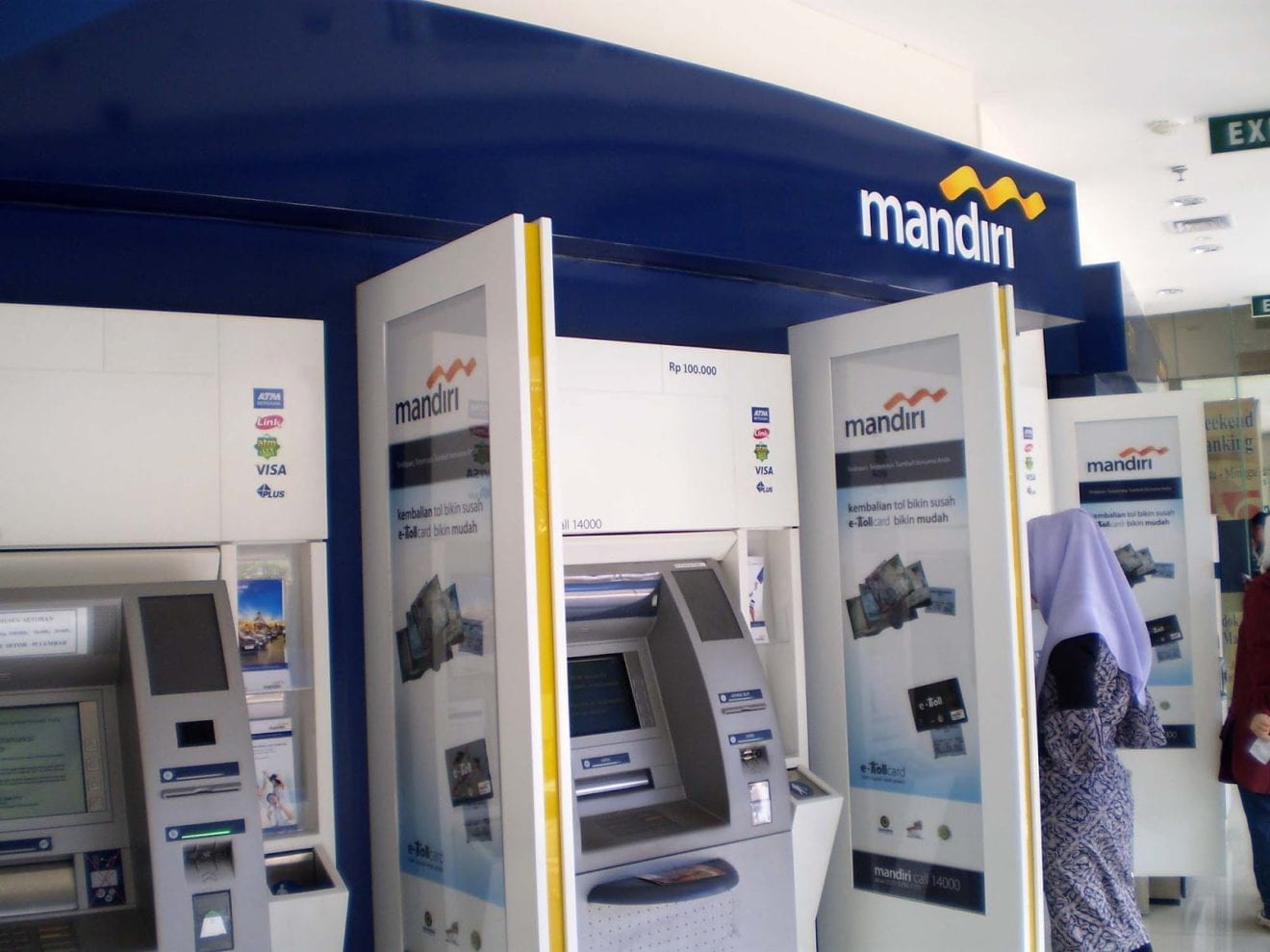
Bank Mandiri`s net profit falls by 32.1 percent
State lender Bank Mandiri saw its net profit plunging by up to 32.1 percent to Rp13.8 trillion in 2016 from Rp20.3 trillion in 2015. The net profit fell, as the bank set aside its operating income to raise its provisions for loan loss coverage, following the rising ratio of non-performing loans (NPLs) to total gross loans, Bank Mandiri President Director Kartika Wirjoatmodjo said in a press briefing here on Tuesday.
The provisions for loan loss coverage ratio against NPLs rose to 125 percent, as the ratio of NPLs to total gross loans increased by 1.4 percent to 4 percent in 2016 from 2.6 percent in 2015, he added.
“We put much of the income into the provisions. Before we put it in the provisions, our pre-provision operational profit (PPOP) stood at Rp43.3 trillion,” he stated.
With the NPLs rising 4 percent, Bank Mandiri has set aside Rp24.6 trillion of its funds for loan loss provisions, he noted.
After all, the bank recorded positive growth for all of last year, he remarked.
In 2016, the bank channeled credits worth Rp662 trillion, up 11.2 percent from a year earlier, while third-party fund placement in the bank reached Rp762.5 trillion, up 12.7 percent from the previous year.
-

Vietnam banks to slam doors on home-based business owners
Home-based businesses will soon find it, not just increasingly difficult, but impossible to find a bank loan. The central bank has tightened lending criteria for household and other unregistered businesses, meaning they will not be eligible for bank loans.
With the change coming into effect from March 15, a housewife who wants to earn some extra money by selling handmade soap will have to apply for a consumer loan rather than a commercial loan from the bank.
A consumer loan is more expensive than a business loan, which will later reflect in the costs of operating her business, limiting revenue growth and profitability.
Vietnam currently has 5 million unregistered home-based businesses, said Vu Tien Loc, chairman of the Vietnam Chamber of Commerce and Industry (VCCI). However, the country plans to relax the business environment so that by 2020 it will have one million private businesses, most of which will be home-based businesses that have converted to legal entities.
Loc said because some regulatory requirements, mostly involving administrative procedures and tax policies, are expensive and time-consuming, the vast majority of local businesses choose to remain as home-based micro businesses.
Also according to the VCCI, about 70 percent of small business owners, including home-based ones, that apply for a bank loan get rejected, even though they are critical to job creation in Vietnam, employing 52 percent of the private sector workforce.
-

KBank unveils capital branch
Kasikornbank (KBank), one of the largest banks in Thailand, officially unveiled its first branch in Phnom Penh with the aim of offering financial services to local businesses as well as corporate and retail customers.
KBank entered the Cambodian financial market in November and initially, the branch’s objective was to facilitate Thai businesses in Cambodia in the area of corporate finance and fund mobilization for investment in infrastructure projects towards the production of garments and processed food.
KBank services are available in Thai baht, US dollars and Cambodian riel for bilateral trade activities and other transaction services.
KBank president Predee Daochai said the bank’s first injection of investment capital into Cambodia was $50 million and it will increase, based on bank performance and demand.
Mr. Predee said recently that KBank’s loan portfolio was $2 million with a small amount of deposits. However, the bank expects to expand its loan portfolio to about 1.5 billion baht ($43 million) to corporate customers, local businesses and retail customers, both Thai and Cambodian, in the next three to five years.
“We have to grow in terms of loans and deposits. Our loan portfolio is $2 million, but we have targeted that within the next three to five years, it should rise to two billion baht [$57 million] and we aim to have 800 million baht [$22.8 million] in deposits,” he said.
“We can grow faster than that because there are many big Thai customers here since they came here many years ago. Most of them use our services in Bangkok so they are pleased to use our services here.”
Mr. Predee said that KBank is not only looking to serve the financial sector in Cambodia, but also wants to help boost investment and trade between Cambodia and Thailand.
He said if the first branch performs well, the bank will look to open a second branch in the country.
Nattavudh Photisaro, Thai ambassador to Cambodia, said that KBank opened its representative office in Cambodia in February 2015, and had a soft opening of its Phnom Penh branch in November.
He added that although KBank just officially unveiled its branch, it was no stranger to the Thai embassy in Phnom Penh as the bank had worked closely and has strong ties with the Thai diplomatic staff in Cambodia for the past couple years.
“With KBank, Thailand has a total of four banks in Cambodia including Bangkok Bank, Krungthai Bank and Cambodian Commercial Bank. Now KBank has brought another Thai business to Cambodia,” he said.
Mr. Nattavudh added that bilateral trade between Thailand and Cambodia reached $5.6 billion last year. He said several Thai companies have expanded their operations in Cambodia and more will follow.
“I have always encouraged Thai businesses here to operate on three principles: mutual trust, mutual respect and mutual benefit. I think that Kasikornbank has taken these principles to implement here,” he said.
-
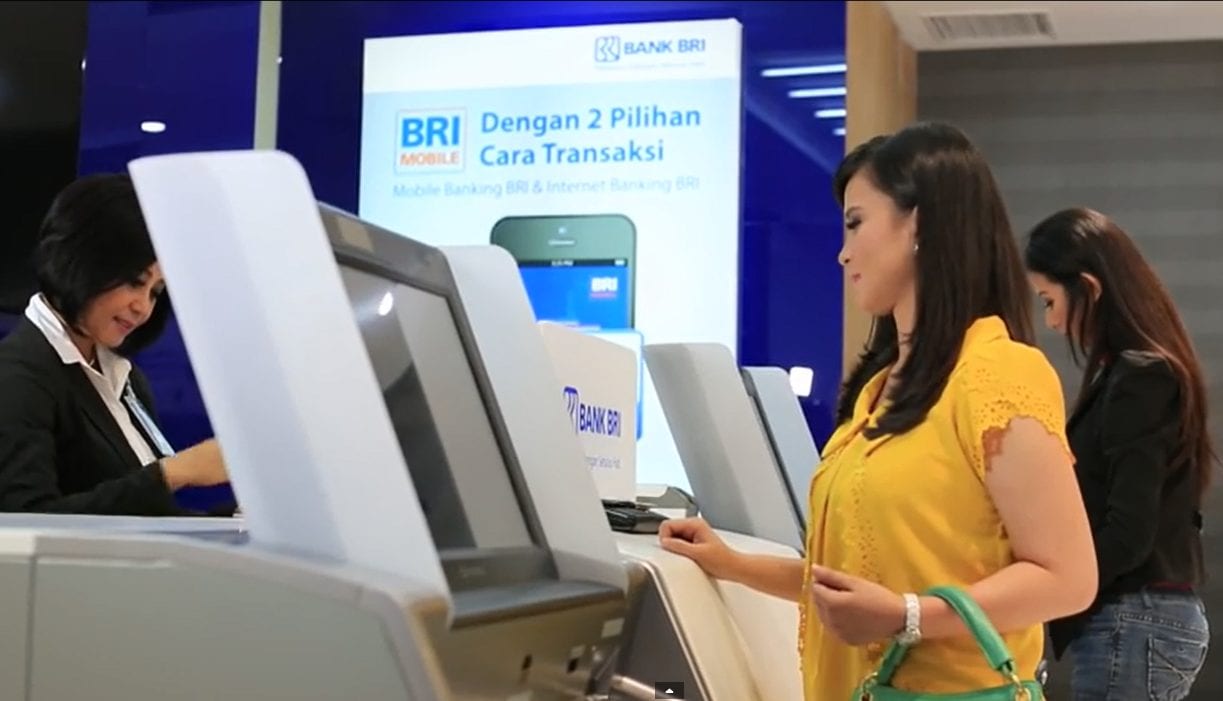
BRI posts net profit of Rp25.8 trillion
State-owned lender Bank Rakyat Indonesia (BRI) last year posted a net profit of Rp25.8 trillion, up 2.18 percent from a year earlier.
The profit growth was attributable to the banks prudential efforts as indicated by a rise in the ratio of reserves to non-performing loans to 170.53 percent in 2016 from 151 percent in 2015.
The 2016 income was mostly contributed by fee-based income which grew 25.2 percent to Rp9.2 trillion, BRI President Director Asmawi Syam said in a press conference here on Tuesday.
Meanwhile, net interest income increased 16.2 percent to Rp65.7 trillion, he added.
“The interest income was fueled by credit growth which reached 13.8 percent or Rp635.3 trillion,” he said.
BRI Vice President Director Sunarso said the banks net profit grew only 2.18 percent as it adopted prudential principles amidst economic downturn and an upward trend of the banking industrys non-performing loans.
“The profit did not fall short of target. It continued to grow positively,” he said.
By adopting the prudential principles, the bank managed to keep down its non-performing loan ratio in 2016 to 2.03 percent from 2.02 percent (gross), while its reserve ratio rose to 170 percent from 151.5 percent.
He said the banks loan-to-deposit (LDR) ratio reached 87.7 percent and its capital adequacy ratio (CAR) stood at 22.9 percent.
-

Vietnam’s bank CEOs receive sky-high salaries
Meanwhile, the managers at VP Bank receive twice as much as Vietcombank’s managers, about VND3.6 billion if the bank can fulfill the business plan. At ACB, the average level for key personnel is VND530 million a year.
Vietnamese banks are more generous, accepting to pay billions of dong a year to their key personnel.
VP Bank is believed to lead the banks in pay to members of the board of directors and supervisory board. Shareholders agreed to pay one percent of pretax profit, or VND32 billion to the members if the bank can make the pretax profit of VND3.2 trillion in 2016.
There are nine members on the boards, which means that if the business plan can be fulfilled, each of the members can receive VND3.6 billion a year.
Techcombank also promises attractive awards to the managers. Its shareholders approved the pay of VND29.54 billion in 2016 to the board of directors and supervisory board. With 11 members, each of them expects to receive VND2.6 billion this year.
With satisfactory business result, Vietcombank’s shareholders approved the pay of VND1.9 billion for every member of the boards in 2015.
The bank has consulted with shareholders about the pay equivalent to 0.35 percent of post-tax profit to the members of the boards in 2016, while the bank plans the pretax profit of VND7.5 trillion. This means that if the business plan is fulfilled, the pay would be VND2.3 billion.
Meanwhile, Maritime Bank plans a little bit lower pay for the members of the boards, at VND16 billion. Every of nine members expects to get VND1.7 billion in 2016.
Orient Bank plans a relatively modest pay to its key personnel with the budget of VND8.2 billion only for the members of the board. However, the figure is still higher by VND1.2 billion than the last year.
Nam A Bank plans to pay VND18 billion to 18 members of the boards in 2016, the level which some shareholders think is too high icompared with the dividend of 5 percent paid to shareholders in 2015.
Banking is the business field which offers high pay to staff.
A report of Navigos Search showed that the two positions which received the highest pay in the first three months of the year were the senior executive of a joint stock bank and a service company. Each of them got over VND200 million a month.
The following positions were ones in the fields of healthcare, service, trade and bank.
Meanwhile, the managers of state-owned conglomerates, keep complaining that the pay is unreasonably low which cannot reflect the effective business performance of the enterprises.