Tag: bank

  • South Korea’s Kookmin Bank licensed to open Vietnam branch

    South Korea’s Kookmin Bank licensed to open Vietnam branch

    The State Bank of Vietnam has licensed South Korea’s Kookmin Bank to open a branch in Hanoi, the government said on Tuesday. The branch has a chartered capital of $35 million and the contract runs for 99 years, the government said in a statement.

    South Korea is the largest source of foreign direct investment in Vietnam and the Southeast Asian country’s second largest trading partner.

  • CIMB Group Q3 net profit up 4.2%

    CIMB Group Q3 net profit up 4.2%

    CIMB Group Holdings Bhd posted 4.2% higher net profit for the third quarter ended Sept 30, 2018 of RM1.18 billion, compared with RM1.13 billion for the same quarter in 2017 with contribution from all segments except wholesale banking. This was despite group revenue coming in 6.4% lower at RM4.14 billion, compared with RM4.42 billion.

    CIMB Group said the decline in operating in the quarter under review, was attributed to declines in non-interest income and net interest income of 17.0% and 1.6%, respectively.

    Consumer Banking profit before tax (PBT) grew 3.9% year-on-year (Y-o-Y) from better cost management. Regional Commercial Banking PBT rose 450.0% Y-o-Y from the reduction in provisions. Wholesale Banking PBT was 41.7% lower Y-o-Y across all wholesale segments given the weaker capital markets. Group Asset Management and Investments (Gami) PBT was 542.9% higher Y-o-Y from improvement in private markets, while Group Funding for the third quarter ended Sept 30, 2018 PBT was flat Y-o-Y.

    “As 2018 draws to a close, we remain on track to meet our key T18 targets. However, we remain cautious amidst weaker regional economies and global trade tensions. Against this backdrop, we will continue to control asset quality and cost across all businesses and geographies, while we finalise our next mid-term plan to propel CIMB onto a stronger growth trajectory,” said Group Chief Executive Tengku Datuk Seri Zafrul Aziz.

    Net profit for the nine month period was 30.8% higher at RM4.47 billion, compared with RM3.41 billion for the period ended Sept 30, 2017.

    Revenue for the period was also higher at RM13.31 billion, compared with RM13.11 billion.

  • Hana Bank reveals Vietnam expansion plan

    Hana Bank reveals Vietnam expansion plan

    South Korean banks are setting themselves up to score big in Vietnam as foreign ownership limits would be loosened. South Korea’s second-largest lender by assets, KEB Hana Bank, is interested in buying a 17.65 percent stake in the Bank for Investment and Development of Vietnam (BIDV), a source said. BIDV is currently the second-largest state-owned lender in Vietnam by assets. 95.28 percent of its equity belongs to the country’s central bank, the State Bank of Vietnam (SBV).

    The SBV has “proposed to sell” the stake to KEB Hana for 30 billion won ($26.6 million), said the source, who requested anonymity.

    Last year, Shinhan Bank, a commercial banking unit under Seoul-based Shinhan Financial Group, acquired ANZ Vietnam’s retail unit, bringing along the Australian bank’s 95,000 credit card customers.

    Shinhan Bank has recently become the largest foreign bank in Vietnam with $3.3 billion in assets, surpassing HSBC.

    Vietnam presented a draft securities law in Hanoi earlier this month that would remove the current 49 percent foreign ownership cap in many sectors, allowing majority or even 100 percent ownership of a company.

    Although the limit for banks remains at 30 percent, government economic advisor Can Van Luc said at the draft presentation forum on November 7 that authorities would consider raising this limit for banks on a case-by-case basis, Reuters reported.

    Analysts say Vietnam’s growth potential and deregulation plans make it an attractive market for South Korean banks.

    “Vietnam is the most desirable market among emerging countries,” said Seo Young-soo, an analyst at Kiwoom Securities.

    “It has more advanced urbanization, and its market is more concentrated compared to Indonesia. Its government-driven economic development model is also familiar to South Korean banks, which have grown under the same strategy,” Seo said.

    Data from the Seoul-based regulator Financial Supervisory Service (FSS) show that total assets held by South Korean banks in Vietnam increased 18.9 percent last year to $5.7 billion.

    This ratio is higher than that of foreign lenders overall, whose combined total assets increased 12.9 percent to $42 billion during the same period, FSS said. South Korean lenders’ combined net profit in Vietnam also jumped 28.9 percent last year to $61 million.

    Vietnam has nine wholly-owned foreign banks, four state-owned banks and 31 domestic joint-stock banks.

  • Public Bank launches all-in-one digital payment platform

    Public Bank launches all-in-one digital payment platform

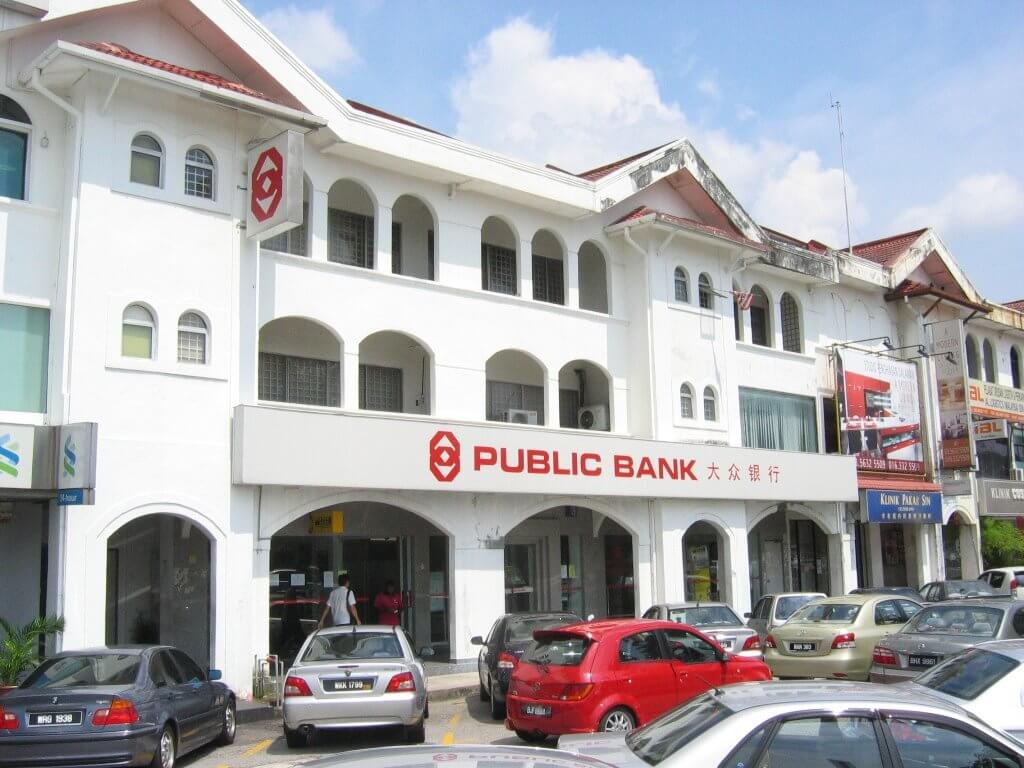
    Public Bank Bhd, in partnership with Revenue Group Bhd, today launched the all-in-one digital payment terminals. This all-in-one digital payment terminal has been piloted at selected merchant outlets of Public Bank and will be made available tomorrow.

    Public Bank managing director and CEO Tan Sri Tay Ah Lek said the first all-in-one digital payment terminal in Malaysia, developed by Revenue, will simplify the payment acceptance process as it will enable the physical retail merchants to accept both card payments and mobile wallet payments in a single digital payment terminal thus providing convenience to them.

    As at end September 2018, Public Bank has more than 60,000 electronic data capture terminals nationwide.

    Tay said it will continue with its strategy of increasing its merchant base and adding on more new acceptance services.

  • Vietcombank gains preliminary agreements to open US office

    Vietcombank gains preliminary agreements to open US office

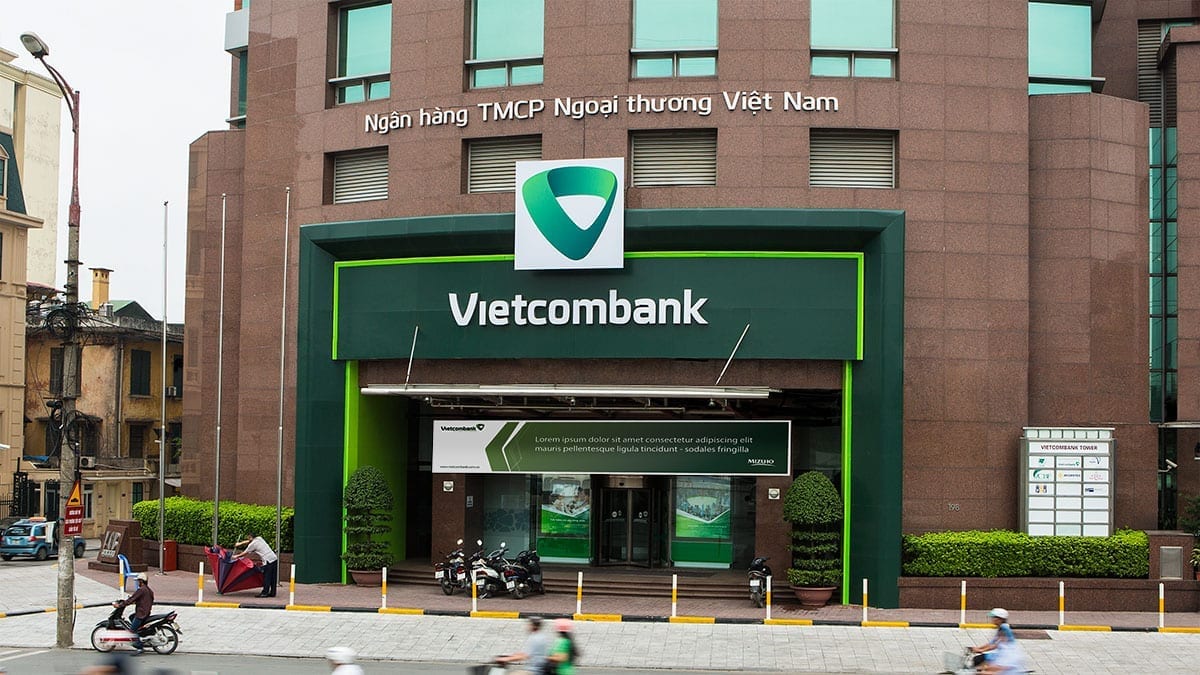
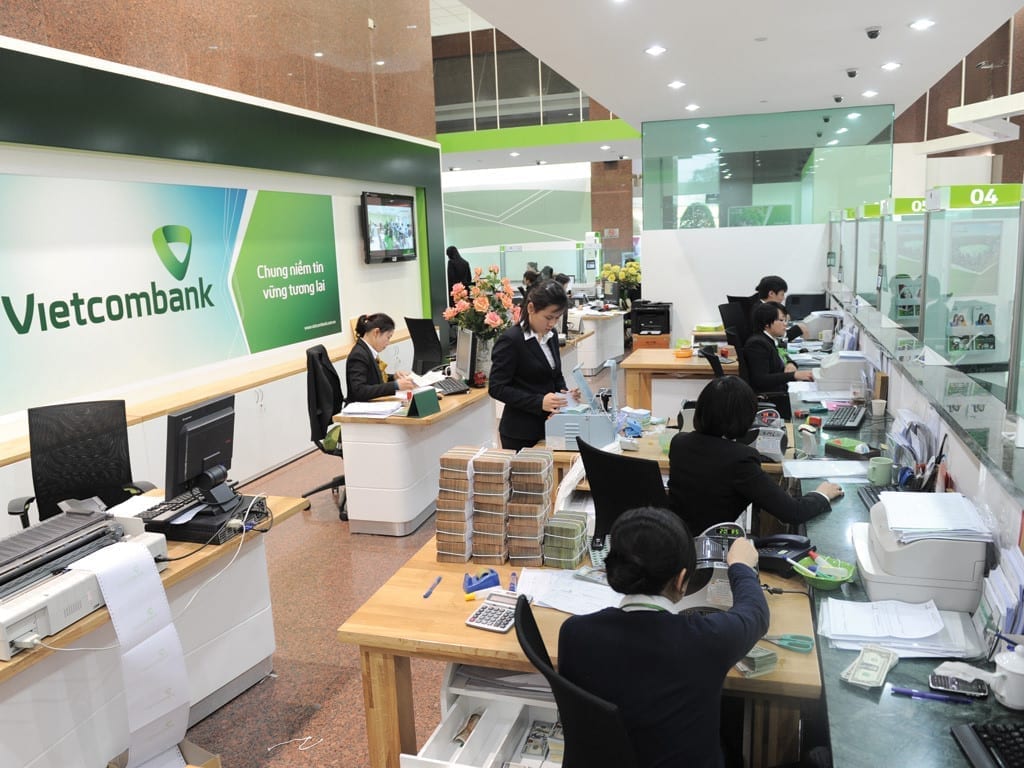
    Vietcombank VCB.HM has made a significant step in becoming the first Vietnamese bank to open a representative office in the U.S. The move by Vietnam’s biggest bank by market value comes as diplomatic ties between Vietnam and the U.S. are on the rise and is part of a push to expand internationally as it aims for a place among the world’s top 300 banking and financial groups.

    Vietcombank has obtained approval from the U.S. Federal Reserve and an agreement in principle from the New York State Department of Financial Services to open a representative office in New York City, it said on its website.

    The State Bank of Vietnam, the country’s central bank, owns 77 percent of Vietcombank. Japan’s Mizuho Bank [MZFGAE.UL] is the second biggest investor with a 15 percent stake.

    “As Vietnam becomes more attractive to U.S. investors, Vietcombank’s representative office … will be an extended arm for Vietcombank in the U.S. to support business development in this very potential market,” it said, adding that it aims to obtain a license and open a New York office as soon as possible.

    The representative office would liaise with prospective clients and banks in the U.S. and engage in other non-transactional activities such as analysis of the banking and financial services market.

    The U.S. is now one of Vietnam’s top trading partners and is expected by some analysts to benefit from the continuing U.S.-China trade conflict, offering an alternative investment and trade destination.

  • Vietnamese banks register more than robust profit growth

    Vietnamese banks register more than robust profit growth

    Commercial banks in Vietnam have posted impressive growth, with profits doubling or even tripling over last year’s first nine months. The Bank for Foreign Trade of Vietnam (Vietcombank) has announced profit before tax (PBT) of VND 11.68 trillion ($502.16 million) in the first nine months, a 47 percent increase compared to the same period last year.

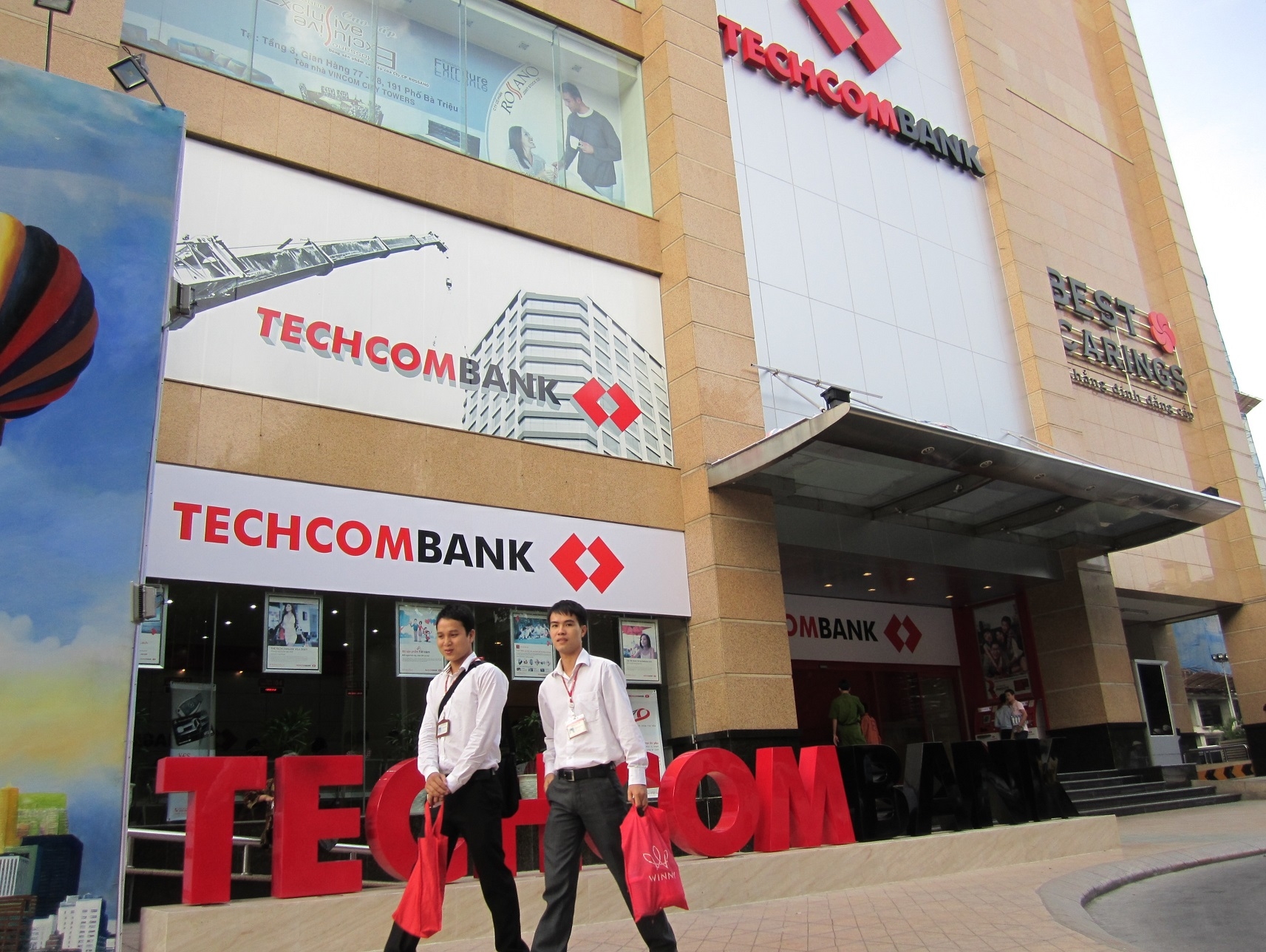
    In the private banking sector, the current profit leader is Techcombank, which reported a 9 month PBT of VND7.77 trillion ($334.2 million), an increase of 61 percent over the same period last year. Nearly all business lines at Techcombank saw positive growth.

    Pre-tax profit of lender ACB hit a record VND4.8 trillion ($206.3 million) in the 9-month period, 2.4 times higher than the same period last year.

    The highest growth rate of the period went to Vietnam International Commercial Joint Stock Bank (VIB), with its profit before tax of VND1.72 trillion ($73.9 million), marking an increase of 176 percent over the same period last year.

    Banks relied heavily on interest income to achieve these profits. For example, VPBank granted loans worth VND 211.09 trillion ($9.08 billion), up by 17 percent over the same period last year, and corresponding figures for Vietcombank were up 15 percent to VND 616.41 trillion ($26.5 billion).

    In addition, the banks have also gained positive results from the fee-for-services approach.

    According to banking experts, with strong credit growth at the beginning of the year and the economy forecast to remain stable, bank profitability is set to continue rising sharply towards the end of the year.

    In the last months of the year, many banks’ credit facilities have been running low, but this is balanced by rising interest rates that boost their net income.

    HSBC Vietnam CEO Pham Hong Hai said that profitability of the sector will peak in 2018 and gradually fall later. The central bank may not want to maintain such high credit growth in the near future, and could work to bring it down, he explained.

    The country’s banking sector posted an estimated 18.17 percent loan growth in 2017, according to the Ministry of Finance. It has targeted growth of 17 percent this year.

    Hai said that from 2019 onwards, bad debt may re-emerge as a problem for banks after the recent credit growth and the instability of the global financial markets. Therefore, banking profits will most likely see a downward trend next year.

    State Bank of Vietnam Governor Le Minh Hung said recently that bad debts and potential bad debts amounted to 8.61 percent of total credit by the end of September.

  • Citi Hires UBS Banker For Taiwan

    Citi Hires UBS Banker For Taiwan

    Citi Private Bank appointed Sally Yeh as global market manager for Taiwan, who joins immediately. She joins the American bank from UBS, where she most recently led a team of offshore bankers working with entrepreneurs from Taiwan.

    She will be responsible for growing Citi’s with ultra-high net worth individuals from Taiwan and manages teams based in both Hong Kong and Singapore. Yeh, who is based in Hong Kong, reports to Rudolf Hitsch, Citi’s head of north Asia.

    Veteran Banker

    Yeh brings with her over 20 years of experience in various financial fields focused on the needs of business owners and investors from Taiwan.

    She started her career in Taiwan in asset management, before moving on to work in investment banking for eight years. In 2009, she joined UBS as a private banker  in Hong Kong for the ultra-high net worth segment.

  • Vietcombank files for private issue of 360 million shares

    Vietcombank files for private issue of 360 million shares

    The commission (SSC) said the country’s third largest bank by assets proposes to make a private issue of 360 million shares, equivalent to 10 percent of its charter capital. The lender plans to sell nearly 54 million shares to its strategic partner, Japan’s Mizuho Bank, to ensure it retains its 15 percent stake post dilution. It will sell the remaining 306 million shares, or 7.73 percent of its charter capital, to other undisclosed investors. The bank has not disclosed the issue price either. Its shares closed at VND58,000 ($2.5) Friday on the HCMC market.

    The State Bank of Vietnam recently gave Vietcombank approval to increase its charter capital by 10 percent to VND39.58 trillion ($1.69 billion).

    The lender has also received approval from its shareholders to make the private placement. Vietcombank and other top lenders, including BIDV and Vietinbank, have been struggling to increase their capital to meet international capital adequacy norms.

    The second Basel Accords, or Basel II, prescribe minimum capital adequacy of 8 percent of risk-weighted assets for all financial institutions to cover operational risks. In 2016 Vietcombank signed a deal with Singapore sovereign wealth fund GIC Private Limited to sell a 7.73 percent stake. The deal has yet to be consummated, with the bank’s chairman, Nghiem Xuan Thanh, saying they have been unable to agree on a price.

    As a state-owned bank, Vietcombank’s issue of new shares must not be at a price lower than their current market price or a minimum value set by the government.

    However, the price offered by GIC did not meet this requirement.

    If the private issuance of VND3.6 trillion ($156.5 million) is successful, Vietcombank will have the highest chartered capital in the industry of nearly VND40 trillion ($1.74 billion).

  • HSBC Appoints New Chairman for Singapore

    HSBC Appoints New Chairman for Singapore

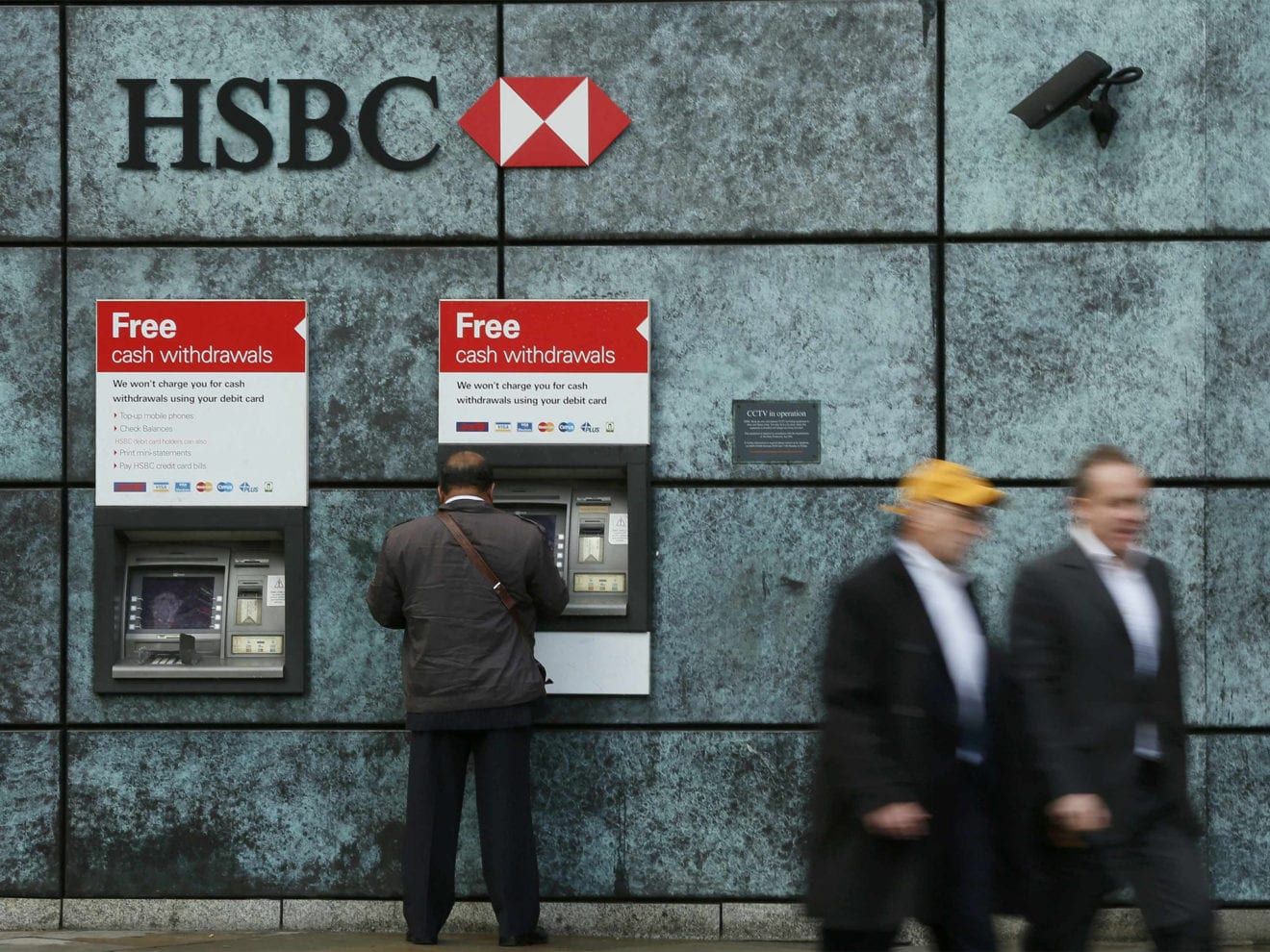
    HSBC Singapore appointed Mukhtar Hussain as chairman effective this week, the company said in a statement. The local subsidiary of HSBC  includes the retail banking and wealth management business in the city-state. It was formed when the bank incorporated its retail operations in May 2016.

    «Mukhtar’s presence, experience and counsel will go a long way to support our three-year growth plans – not just for retail banking – but across all of our business lines,» said Tony Cripps, chief executive officer of HSBC Singapore.

    Regional Knowledge

    On the consumer banking side, HSBC will tap on Mukhtar’s regional knowledge to provide oversight of the bank’s strategy to capture the personal wealth that is flowing from Asean markets into Singapore.

    «On the institutional side, his role in spearheading HSBC’s regional activity in support of BRI will be invaluable in advising Singapore on how it can further position itself as a strategic partner of this multi-decade investment programme,» said Cripps.

  • UOB Launches Southeast Asia eLab

    UOB Launches Southeast Asia eLab

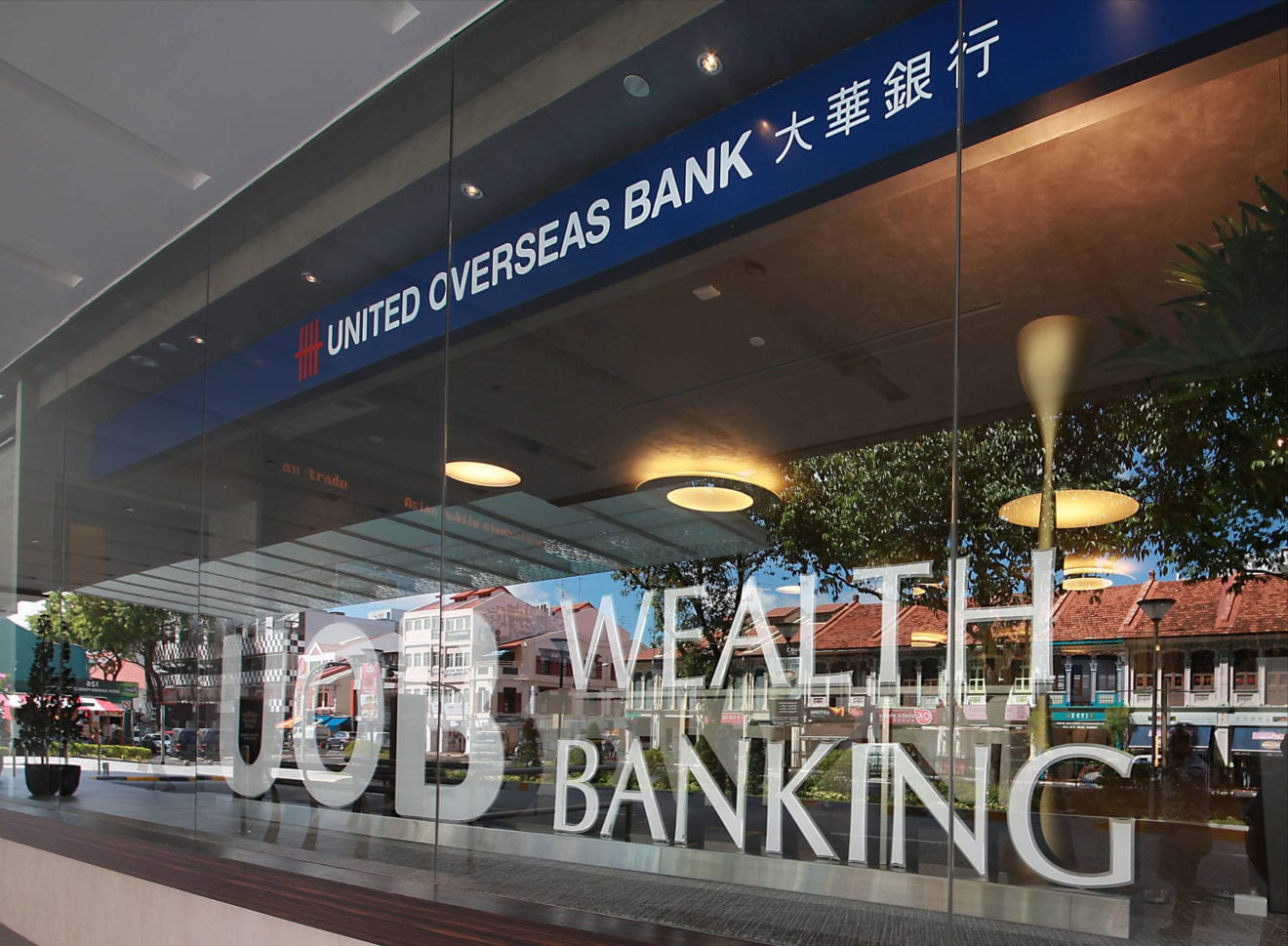
    UOB launches its pan-regional Engagement Lab (eLab) on Thursday, making it the first dedicated unit set up by a Southeast Asian bank that focuses on using the latest technology and behavioural insights to deepen customer engagement.

    «We believe that designing a simple and easy-to-navigate app interface to create an intuitive user experience is just the beginning. We want to build on this and to ensure that every touchpoint – from the on-boarding process to day-to-day banking – at the Digital Bank is relevant to our customers and resonates deeply with their lifestyle needs and priorities,» said Dennis Khoo, head of digital bank at UOB in a press statement.

    eLabs Serves Southeast Asian clients 

    The Bank will set up eLabs across its network of ASEAN countries such as Indonesia, Malaysia, Singapore, Thailand and Vietnam. UOB’s Digital Bank, set to launch in the next few months, has been modelled such that digital interactions with the customers are designed to deepen client relationships.

    Through the eLab, the Bank will use the insights drawn to design, to test and to trial ways to encourage customers to save and spend more wisely. Given ASEAN’s cultural and linguistic diversity, these conversations will be in the customers’ own mother tongue.

    Digital Capabilities

    In August, the bank had announced plans to introduce a Digital Bank for Asean customers that will use a data-centric business model to understand individual customer banking needs and habits through their digital interactions with the bank.

    «We will use next-generation digital capabilities to anticipate our customers’ needs and to prompt them to make better financial decisions to achieve their goals. This will be done through meaningful real-time digital conversations that guide customers to better financial choices,» Khoo said.

    UOB Accelerates Hiring For Digital Bank

    The Bank aims to increase its Digital Bank team by 50 per cent in the next 12 months. Of these new hires, a quarter will join the eLab. Other roles include those in areas such as user experience and user interface design, behavioural science and research, data analytics and design thinking.

    This helps to accelerate the Digital Bank’s initiatives in the region, it said. The new hires will join the 120-people strong team already working on the roll-out of UOB’s digital bank across ASEAN.

    In addition, it is looking to hire software engineers and architects to develop solutions such as in-house application programming interfaces (APIs) which tap UOB’s secure IT architecture to drive real-time data analytics.

  • DBS Extends Support for Social Enterprises

    DBS Extends Support for Social Enterprises

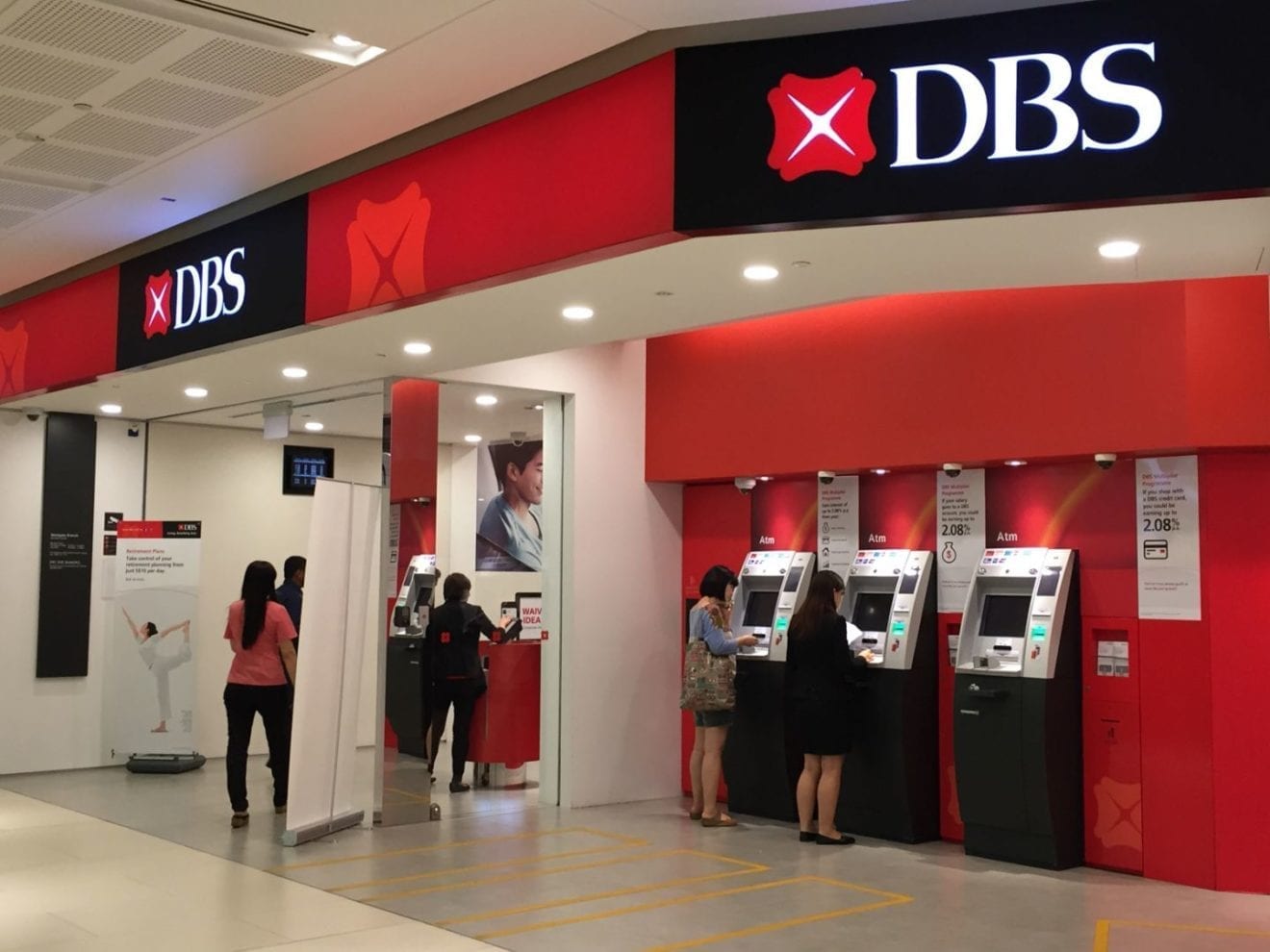
    DBS said it is extending support for social enterprises via its Social Enterprise(SE) Support Programme on Tuesday specifically addressing their top three priorities. These include: improving their business model to achieve financial sustainability; sourcing for funding and; customer acquisition.

    «Social enterprises have big ambitions to make a positive impact in their community, and very often they struggle with limited resources. We want to support these social enterprises in their journey to create greater social impact,» said Joyce Tee, DBS’ group head of SME banking.

    Started A Decade Ago

    DBS pioneered the social enterprise banking package 10 years ago, but more than half of the social enterprises surveyed by the Singapore Centre for Social Enterprise said they lacked access to financial support.

    As such, DBS will continue to provide SEs access to virtually free banking services through its DBS Social Enterprise Package. With this package, SEs can open an account with a zero-minimum balance and enjoy unsecured loans at preferential rates.

    Three pillars

    The DBS Social Enterprise Support Programme has three pillars – mentoring, training and financing. Under the program, SEs will also receive a relationship managed account traditionally reserved for larger corporate customers. The programme will jointly be administered by the DBS SME Banking team and the DBS Foundation.

    To start, DBS will mentor the 12 social enterprises DBS Foundation awarded in its 2018 Social Enterprise Grant Programme. Over 28 senior SME relationship managers have committed at least of 8 hours a month to mentor social enterprises in their specialised industries. These industries include retail, F&B and healthcare.

  • Vietnamese banks sound alarm over cybercrime

    Vietnamese banks sound alarm over cybercrime

    Many banks in Vietnam have reported about customers losing information about their accounts to criminals through phishing attacks and other methods.

    In a recent statement Techcombank said it had detected many cases of fraud and misappropriation of money by faking Western Union transactions.

    The criminals would send victims fake Techcombank messages claiming they had received money through Western Union, and tell them to go to a fake Techcombank website and log in to confirm the transaction, resulting in their account information being stolen.

    Maritime Bank has issued a statement cautioning customers about frauds in which criminals contact them through phone calls, text messages, social networks, and emails pretending to be the bank’s employees. They then ask the victims to provide their account information in return for money, promotions or prizes.

    Other major banks such as VPBank and Vietcombank have also issued similar statements cautioning customers against revealing their OTP codes to anyone, including the banks themselves, under any circumstances.

    They are also told to closely monitor their accounts to detect any abnormal activity, and report immediately to the bank if they receive suspicious calls or text messages.

    According to global statistics recently released by cybersecurity firm Kaspersky Lab, nearly 36 percent of cyberattacks in the second quarter of 2018 were targeted at financial services, including over 21 percent targeting banks and 8.17 percent targeting online shops.

    Financial experts have warned that Vietnam has become a hotbed of cybercrime, with criminals becoming increasingly sophisticated while banks still using old, insecure technologies and their customers lacking awareness of how or why to protect account information.

    To counter the increase in cybercrime, the government has issued a decree requiring banks to secure their customers’ information and not to provide such information to any third party without written consent from customers.

  • Slower earnings growth for Malaysia’s banking sector this year

    Slower earnings growth for Malaysia’s banking sector this year

    AmResearch expects the banking sector’s core earnings growth to come in lower at 5.8% this year from the earlier projection of 7.6% in anticipation of slower economic growth.

    The Q2 core earnings fell marginally by 0.4% quarter-on-quarter after excluding CIMB’s one-off gain of RM928 million from the partial disposal of CIMB-Principal Asset Management and CIMB-Principal Islamic Asset Management and an additional gain of RM11 million from the sale of a 50% stake in CIMB Securities International as well as adding back Hong Leong Bank’s one-off loss of RM27 million from the dilution of stake in its associate Bank of Chengdu.

    However, first-half earnings registered a commendable 10.3% growth.

    For 2019, the research house foresees the sector’s earnings to grow 6.2% in 2019, with the inclusion of BIMB’s expected improvement in profits.

    AmResearch also expects a better loan growth in the second half of the year with consumer loans gaining traction in the third quarter as consumer spending rises with the tax holiday, while business loans are expected to improve judging from better momentum for domestic non-household loans in the recent months.

    “We retain our loan growth assumption of 5% for 2018 with a slight downside bias based on a GDP growth of 4.8-5% for the year.”

    The banking sector’s average net interest margin (NIM) fell 6 basis points qoq to 2.3% in Q2 after an Overnight Policy Rate (OPR) hike of 25 basis points in January 2018.

    “The decline of the NIM in the second quarter was due to the upward repricing of deposit rates after the OPR increase in Q1 and higher funding cost from deposit competition moving close to the adoption of the net stable funding ratio. We expect pressure to remain on funding cost in the near term due to deposits’ competition.”

    Nevertheless, AmResearch expects NIM for the second half to be either flat or slightly compressed compared with the first half as the deposit repricing from the earlier OPR hike has already largely worked its way through banks’ funding cost.

    Despite an uptick in the gross impaired loan ratio for the banking sector in Q2, it said the sector’s asset quality is expected to remain stable in the second half.

  • Public Bank Malaysia Q2 earnings up 4.8%

    Public Bank Malaysia Q2 earnings up 4.8%

    Public Bank Bhd’s net profit for the second quarter ended June 30, 2018 rose 4.8% to RM1.40 billion from RM1.33 billion a year ago mainly due to higher net interest income, higher income from Islamic banking business, lower loan impairment allowance and higher net fee and commission income.

    Its revenue jumped 5.2% to RM5.44 billion compared with RM5.17 billion in the previous year’s corresponding quarter.

    For the six months period, the bank’s net profit increased by 8.6% to RM2.80 billion from RM2.58 billion a year ago, mainly due to higher net interest income, higher net fee and commission income and higher income from Islamic banking business.

    Its revenue jumped 5.8% to RM10.79 billion compared with RM10.20 billion in the previous year’s corresponding period.

    Public Bank founder and chairman Tan Sri Dr Teh Hong Piow said the higher profit for the period was largely driven by growth in its loan and deposit business, with further impetus from a 4.9% growth in non-interest income.

    “Sustained business strength continued to place the group in a strong competitive position, with its net return on equity standing at 15.0%. Similarly, the group’s cost-to-income ratio of 33.1% and gross impaired loans ratio of 0.5% remained the best in the domestic banking industry,” Teh said.

    The board of directors declared a first interim dividend of 32 sen per share, which will be paid on Sept 19, 2018, resulting in a total dividend payout of RM1.24 billion.

    “The Public Bank group will continue to ride on the growing economy to strengthen its banking business along its organic growth strategy. The group’s resilient fundamentals, consistent financial performance, agility to market changes and strong customer service culture will continue to be the essential qualities in driving the sustainability of the group’s business, for the interests of all its stakeholders,” Teh said.

  • Bank Cards are the New King in Australia

    Bank Cards are the New King in Australia

    Australian consumers are accelerating their shift towards digital payments and away from cash and cheques, with new figures showing paying by card has surged while people make fewer trips to the ATM for cash.

    Consumers made more than 8.3 billion card payments in 2017 – equal to a rate of almost 23 million transactions a day, according to a report from electronic payments industry group AusPayNet.

    The bulk of those card payments – 5.6 billion – were made on debit cards, AusPayNet said, with credits tending to be used on more expensive purchases but still showing an increase in volume and value.

    At the same time the number of cheques used fell almost 20 per cent to 89.7 million for the year, and the number of ATM withdrawals made fell 5.9 per cent to 610.1 million.

    AusPayNet CEO Leila Fourie said the high uptake of technology and internet use in Australia, where almost 90 per cent of the population own a smartphone, was behind the increase in new ways of conducting transactions.

    “This is driving uptake in digital payments and laying down a powerful base for the next wave of payments innovation,” she said.

    AusPayNet said more 60 per cent of consumers with a smartphone used their device to make payments.

    Among the technological shifts aiding the uptake of digital payments is the New Payments Platform launched in February – a digital and near-real-time payments system allowing instant peer-to-peer payments.

    AusPayNet also found Australia has a relatively high number of EFTPOS terminals and low number of ATMs compared to other countries.

    Australia has 39,337 EFTPOS terminals per million inhabitants and 1,355 ATMs, while Canada has 38,892 EFTPOS terminals and 1,888 ATMS, the report said.

    Australia ranked above Canada, Italy, Singapore and the UK on EFTPOS point concentration, while it lagged Korea, Canada, Belgium and Russia on the ATM count.