Tag: bank

  • Vietnam bank loans up 6.16 pct in 5 months

    Vietnam bank loans up 6.16 pct in 5 months

    Bad debts accounted for 2.18 percent of total lending at the end of the first quarter of 2017.

    Vietnamese banks’ total loans at the end of May were 6.16 percent larger than at the end of 2017, the State Bank of Vietnam said on Monday.

    Bad debts accounted for 2.18 percent of total lending at the end of the first quarter, it said in a statement.

    Vietnam aims to keep toxic debts ratio under 3 percent of total loans, while the central bank has said it targets credit growth at 17 percent this year.

  • Vietnam’s HDBank to absorb PGBank

    Vietnam’s HDBank to absorb PGBank

    Each share of PGBank will be converted into 0.621 HDBank share. Vietnam’s Ho Chi Minh City Development Joint Stock Bank, better known as HDBank, said its shareholders approved on Saturday a plan to merge with the unlisted Petrolimex Group Commercial Joint Stock Bank as it seeks to expand operations in the country.

    The merger is scheduled to take place by August this year, the bank said in a statement.

    Each share of Petrolimex Group Commercial Joint Stock Bank, or PGBank, will be converted into 0.621 HDBank share, it said, adding that HDBank will issue 300 million new shares for the conversion.

    The merger will enable HDBank to expand its client base, including with Vietnam National Petroleum Group, which holds a 40 percent stake in PGBank and a share of around 50 percent of Vietnam’s retail-transport fuel market.

    The shareholders also approved a pretax profit target of VND3.92 trillion ($172.15 million) for this year, a 62.2 percent increase from last year.

    HDBank, a retail bank whose vice chairwoman is Nguyen Thi Phuong Thao, the billionaire founder and chairwoman of Vietjet Aviation, is targeting to grow total assets to VND242.87 trillion by the end of this year, up 28.3 percent from end-2017.

    HDBank, which listed its shares on the Ho Chi Minh Stock Exchange in January following a $300 million IPO in November, reported pretax profit of 1.045 trillion dong in the first quarter this year, up 170 percent from a year earlier. ($1 = 22,771 dong)

  • CIMB Bank’s digital push

    CIMB Bank’s digital push

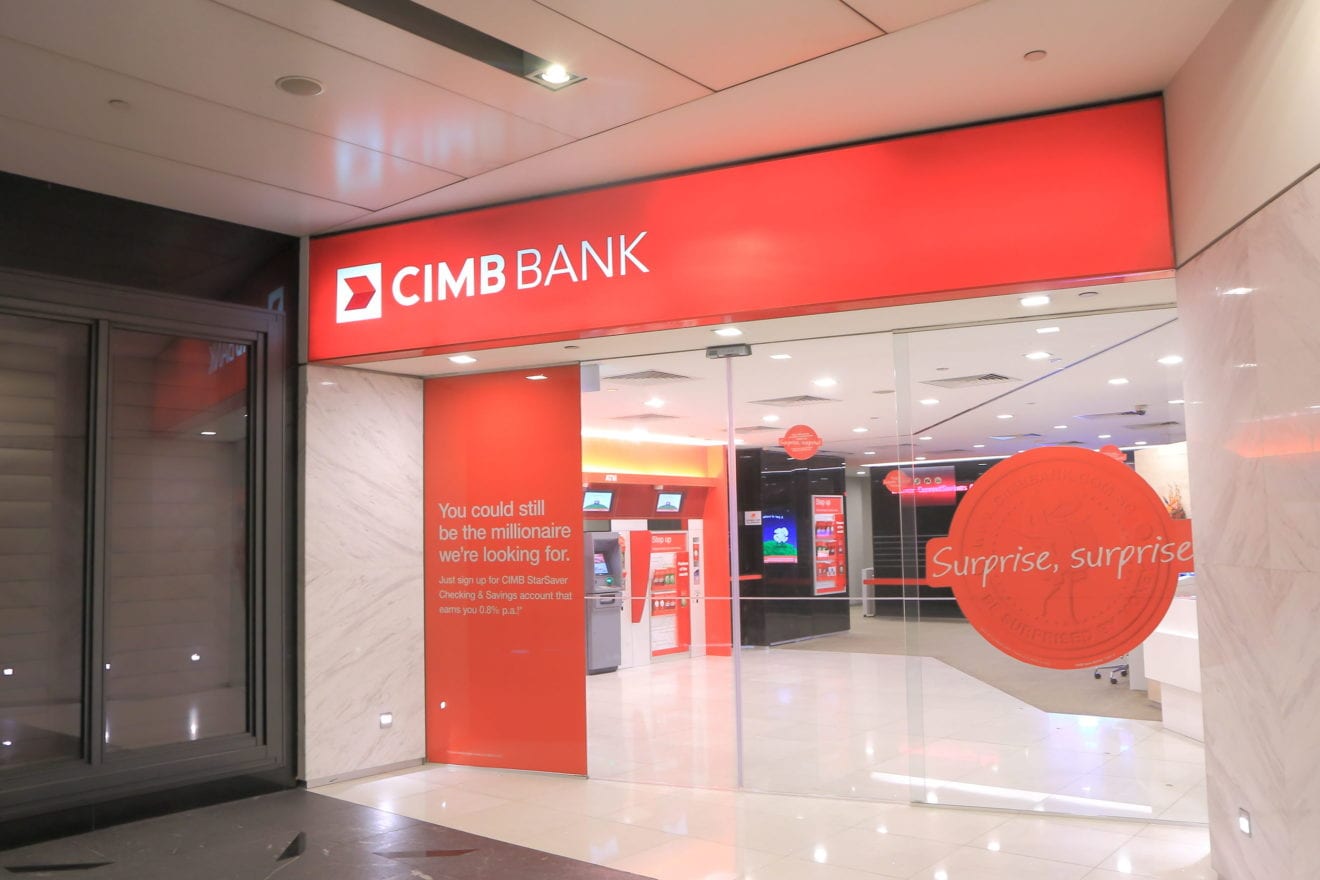
    CIMB Bank is ready to disrupt itself and will bank on data as one of the main thrusts in becoming a regional digital banking group at a time when disruptions are fast taking place in the financial services sector.

    On the whole, the group’s digital sales revenue has grown at a rapid phase from financial year 2016 (FY16) to FY17. In Malaysia it grew about 134%, in Indonesia by 200%, in Thailand and in Singapore by more than 1,000% and 464% respectively from FY16 to FY17.

    CIMB Bank Bhd CEO for group consumer banking Samir Gupta says digital sales enablement is the first phase of CIMB’s digital ambitions. Customers are moving away from over-the-counter service to digital transactions, resulting in a close to 35% drop in CIMB’s over-the-counter transactions to 2.9 million in March this year from 4.4 million in September 2016.

    Currently, more than 95% of customers’ transactions are performed via digital or self-service platforms.

    Samir adds that there had been a 27% drop in over-the-counter transactions in the last six months alone – while existing staff are being reskilled and retrained to take on more productive tasks – reinforcing the banking group’s strength and commitment to digital transactions.

    Moving forward, big data will define CIMB’s retail banking as part of the bank’s transformation into a digital banking group in South-East Asia.

    “The usage of data will build, reshape and strengthen the bank’s digital initiatives.

    “Amid the disruptions from fintech, CIMB has made a firm commitment to disrupt itself as this will help us to reach and meet consumers’ demanding needs promptly.

    “Rather than just look at existing competition, the bigger challenge is how fast we can meet consumers’ needs at a fraction of the cost. Big data will allow us to have a full view of customers’ needs and enable us to facilitate faster transactions,’’ he says during an interview.

    CIMB has launched the first big data platform in the country, using open source software and supported by a data science centre of excellence.

    There are plans underway to beef up the group’s big data initiative by hiring a significant number of data scientists and data engineers over the next two years.

    “As almost 90% of global data is unstructured, there is great demand for data scientists and data engineers who has the expertise to combine both data – structured and unstructured – to help banks to have a full view of customers’ needs,’’ he adds.

    Apart from this, the bank will also launch by next month what it terms as a “rules engine” as part of its big data push. This involves the bank’s ability to listen and react to customers’ needs instantaneously in real time.

    Big data initiatives

    The big data initiatives will be carried out at the bank’s operations in Malaysia and other regional markets. CIMB will be launching its digital “challenger” bank in Vietnam in June and in Philippines by November this year. Digital challenger bank refers to a full-fledged digital bank which challenges the traditional way of doing business.

    Commenting on the scope and market of these two countries, Samir says: “They have a combined population of over 200 million and the market is huge and offers great potential.

    “We are moving away from the traditional brick-and-mortar branch model in Vietnam and Philippines. For these markets, CIMB will be bringing totally new systems to support the full-fledged digital proposition which will be led and driven from a customer’s journey view point. We will also be replicating the challenger bank concept in Thailand by year-end.”

    Meanwhile, CIMB Bank recently added new features to its first-in-Asean, innovative and award-winning mobile chat-banking app, CIMB Enhanced Virtual Assistant (EVA), to include Spend Analyser and natural language conversational capabilities.

    With CIMB EVA’s Spend Analyser, customers are able to manage their accounts better and make smarter financial decisions via single-tap spending insights for utilities, petrol, entertainment, dining and travel made on their CIMB debit, credit, and prepaid cards.

    In addition, CIMB EVA’s chat capabilities have been enhanced to cater to a wider range of chat-based transactions, enabling customers to chat with EVA based on words in natural conversations.

    On CIMB’s strategic regional partnership with Japan’s number one insurer, Sompo, Samir comments that “this partnership in our markets in Malaysia, Indonesia, and Singapore not only allows us to optimise regional synergies and operational efficiencies, but also leverage on both parties’ digital capabilities to spur innovation and bring to market products that address customers’ protection needs instantaneously, such as the Travel Care EVA to be launched soon.”

    Soon, CIMB Bank will also be launching its personalized life stage-based holistic financial solutions – based on its F.I.R.S.T. proposition, which stands for finance, insure, returns (investment), save and transact – as part of its initiative to leverage on big data and encourage customer stickiness.

    Thanks to its push towards digital, CIMB Bank was recently awarded, for the second year in a row, the Best Retail Bank in Malaysia, and was also declared winner for The Best Productivity, Efficiency and Automation Initiative, Application or Programme by the prestigious Asian Banker’s Retail Financial Awards 2018.

    CIMB Bank is also the first bank in Malaysia to receive Bank Negara’s regulatory sandbox approval for electronic-know your customer (E-KYC), a paperless and electronic method of verifying the identity of customers, which is set to be a feasible alternative to existing face-to-face verification requirement in today’s traditional banking.

  • Clean-up makes Vietnam banks attractive to foreign investors

    Clean-up makes Vietnam banks attractive to foreign investors

    Since last year there has been a churn in the banking sector with some foreign investors selling their stakes in local banks and others buying in.

    France’s BNP Paribas, HSBC and Australia’s Commonwealth Bank have been among those pulling out.

    ANZ sold its retail banking division to Korea’s Shinhan Bank and Standard Chartered Bank sold its entire 8.75 per cent stake in Asia Commercial Bank.

    Analysts said foreign banks are merely pulling out to invest in more profitable markets.

    Some pointed out that Asian banks which enter Việt Nam seem to be more successful than their western counterparts. They attributed this to their better understanding of the local market and business culture.

    But even in the case of western funds, the flow is not one-way: Just this month Việt Nam Technological and Commercial Joint Stock Bank (Techcombank) revealed it is selling stakes worth over US$370 million to US private equity firm Warburg Pincus.

    In December Hồ Chí Minh Development Joint Stock Commercial Bank (HDBank) had sold stakes to more than 76 foreign investors before listing.

    The investors include some familiar names like VinaCapital, Dragon Capital, Deutsche Bank AG, JPMorgan Vietnam Opportunities Fund and financial institutions like CAM Bank (Japan), RWC Frontier Markets Opportunity Master Fund (UK), Macquarie Bank (Australia), and Charlemagne (UK).

    HDBank’s partner in the consumer finance division, Credit Saison (Japan), also bought a stake.

    In all investors paid $300 million for a 21.5 per cent stake in HDBank.

    Finnish independent fund management company PYN Fund Management recently completed acquisition of a 4.99 per cent stake in Tiền Phong Commercial Joint Stock Bank (TPBank) for $40 million, marking its largest investment yet in Việt Nam.

    With a total portfolio value of 417 million euros, PYN is now the third largest foreign investment fund in Việt Nam.

    South-Korean based Hana Financial Group has acquired a stake in the Bank for Investment and Development of Vietnam (BIDV).

    The banking sector is at an historic point now, with a cleaning up of books well under way. The real estate market is booming, meaning banks’ bad debts are being settled increasingly and their revenues are increasing.

    But for analysts the most important factor is that the Government is forcing banks to meet Basel II standards.

    They said foreign investors recognise the potential of Việt Nam’s financial market, especially on mobile platforms, since the country has 53 million mobile subscribers and 40 million users.

    The Government is making policy changes that would help the industry overcome its limitations in technology, capital and management, making foreign investors feel secure.

    While foreign investors would like to woo Vietnamese banks, they are hamstrung by the fact that most of the latter have reached or are close to reaching foreign ownership caps.

    Vietnamese law allows maximum ownership of a bank by a single foreign investor of 20 per cent and combined ownership by foreign entities of 30 per cent.

    Based on these numbers, only a few banks remain below the threshold, most of them still in the process of restructuring, including SCB, BacA Bank, VietABank, and Sacombank.

    Many lenders have suggested that the State Bank of Việt Nam should increase the foreign ownership caps to 35-40 per cent in case of State-owned banks and 49-51 per cent in case of private banks.

    Foreign investors want the ratio to be increased to 50 per cent or even 65 per cent.

    Traditional grocers lose out to modern retail

    Hai Hương, 66, owns a small grocery store in an alley off Huỳnh Đình Hai Street in HCM City’s Bình Thạnh District. The shop has helped her run her family for the last 20-odd years.

    But now she plans to close it following a terminal slump and bad losses in recent times.

    “Business has dropped day after day,” she said.

    Most of her once-regular customers have switched to convenience stores or mini supermarkets, which are mushrooming in that area.

    But she admitted their choice was easy to understand because the modern retail stores have a huge range of products, a majority of them of high quality, and routinely offer promotions.

    “I cannot compete with them,” she said.

    Thousands of these so-called mom and pop shops in cities and towns around the country face a similar fate as modern retail shops spring up everywhere.

    According to a recent survey by the Việt Nam High Quality Goods Association, traditional grocery shops’ share of business has gone down from 17 per cent in 2011 to 9 per cent now.

    From just two supermarkets in HCM City in the late 1990s growth has been dizzying and now there are thousands of modern stores of all types around the country. By 2015 there were round 2,000 convenience stores and mini supermarkets.

    Vinmart+ for instance entered the retail business only three years ago but has already become the biggest convenience store chain in the country with 1,000 outlets.

    According to IDG research Việt Nam’s convenience store market is expected to grow at 37.4 per cent annually, the highest rate in Asia.

    A recent report by Kantar Worldpanel said the modern retail channel is growing at 15 per cent, a much higher rate than traditional channels like wet markets and grocery shops.

    Experts said the reasons for the strong growth of the modern retail sector can in fact be linked to the limitations of pop and mom stores.

    Most of the latter are small, measuring under 20 square metres on average, meaning the area for displaying goods is limited, a major factor in shopping.

    Many of the products sold at these traditional stores do not have clear information with regard to product origin, expiry date, quality and usage instructions.

    Việt Nam’s strong economic growth, a rapidly growing middle class with higher disposable incomes, frenetic urbanisation and increasing concern about hygiene and food safety are major factors fuelling the rapid growth of modern retail.

    The country also has a growing number of sophisticated consumers, especially young urban consumers, and middle-class shoppers who have little time to shop daily for food.

    It also has a large number of women in the workforce with rising disposable incomes, who buy higher value consumer items for their children and families.

    Products sold at modern retail stores are perceived as safer than those sold in wet markets and traditional grocery shops.

    Food safety and hygiene have an increasingly important influence over consumers’ food purchasing decisions. As a result, many are willing to pay a premium for perceived quality, nutrition and hygiene in their food and drinks.

    The US’s A.T. Kearney says 24-hour convenience stores and mini supermarkets are now the most favoured shopping outlets among Vietnamese consumers.

    There is a dizzying range of chains now — Circle K, B’s mart, Family Mart, MiniStop, Shop&Go and 7-Eleven owned by foreigners and CoopFood, Co.op Smile, SatraFoods, Vinmart+, Hapro and Vissan owned by Vietnamese companies — with all of them having a presence all over the nation.

    The rapid development of the modern retail channel is also thanks to Government policies, which are always favourable to it.

    For instance, according to the Ministry of Industry and Trade’s Circular No.08/2013, in case of setting up a retail establishment of  foreign retailers with area of less than 500 square meters in area planned for goods trading activities by central-affiliated cities and provinces and already finished construction of infrastructure, it is not required to perform provision on checking the economic demand.
     

  • Asset quality, profitability of Vietnam banks improved: Moody’s

    Asset quality, profitability of Vietnam banks improved: Moody’s

    The asset quality and profitability of 14 Vietnamese banks rated by Moody’s improved moderately year-over-year, driven by robust macroeconomic conditions and growth in core income, Moody’s Investors Service said on Tuesday.

    However, the banks’ capitalisation deteriorated because of rapid asset growth and cash dividends, Moody’s said in the “Banks – Vietnam: 2017 results show widening divergence in asset quality and profitability performance” report, adding that the banks’ funding profiles weakened mildly, as they increased their reliance on market-sensitive liabilities — mainly borrowings from other banks — to fund loan growth with cheap short-term funding sources.

    “In 2018, we expect the banks will continue to improve their asset quality and profitability, while capitalisation will weaken,” said Eugene Tarzimanov, a vice president and senior credit officer at Moody’s.

    “However, the credit profiles of banks with stronger capital buffers and lower asset risks will be further distanced from the other banks,” said Rebaca Tan, a Moody’s analyst.

    On asset quality in particular, Moody’s said that the improvement in 2017 versus 2016 was helped by problem asset recoveries and write-offs, as well as credit growth. The asset weighted-average problem loans ratio at the 14 rated banks fell to 5.7 per cent at the end of 2017 from 6.7 per cent the year before.

    Notably, four banks fully wrote off the bonds of Việt Nam Asset Management Company that they had received in exchange for problem assets, and Moody’s expects more such write-offs in 2018.

    The problem loan coverage ratios also improved, although they are still at levels which are weak by international standards.

    Moody’s said the banks’ asset quality will improve further in 2018, due to recoveries, but rapid credit growth could mask asset risks.

    With profitability, Moody’s points out that the banks’ asset weighted-average return on assets rose to 0.9 per cent in 2017 from 0.7 per cent in 2016. Profitability will continue to improve in 2018, on the back of the same factors that drove up profitability in the prior year; in particular, robust macroeconomic conditions and growth in core income.

    As for capitalisation, the asset weighted-average ratio of tangible common equity to total assets for the banks slipped to 5.5 per cent in 2017 from 5.7 per cent in 2016, pressured by declines at Government-owned banks in particular.

    Nevertheless, some banks, such as Vietnam Prosperity JSC Bank (B2 stable, b3), Vietnam Technological and Commercial Joint Stock Bank (B2 stable, b2), and HCM City Development JSC Bank (B2 stable, b3), strengthened their capital bases through the sale of new shares.

    Moody’s expects that more Vietnamese banks will increase capital by issuing new shares in 2018. However, the overall capitalisation levels will remain under pressure over the next 12 months from credit growth and dividend payments.

    Moody’s explains that in terms of funding, the banks’ funding profiles weakened moderately, as seen by the system-wide asset weighted-average loans-to-deposits climbing to 86 per cent in 2017 from 85 per cent in 2016. This trend could continue in 2018, because loan growth remains rapid.

    Read more at https://vietnamnews.vn/economy/423887/asset-quality-profitability-of-vietnam-banks-improved-moodys.html#a6iJMG6IBeduJdR1.99

  • RHB Bank’s five-year roadmap to strengthen presence in Malaysia

    RHB Bank’s five-year roadmap to strengthen presence in Malaysia

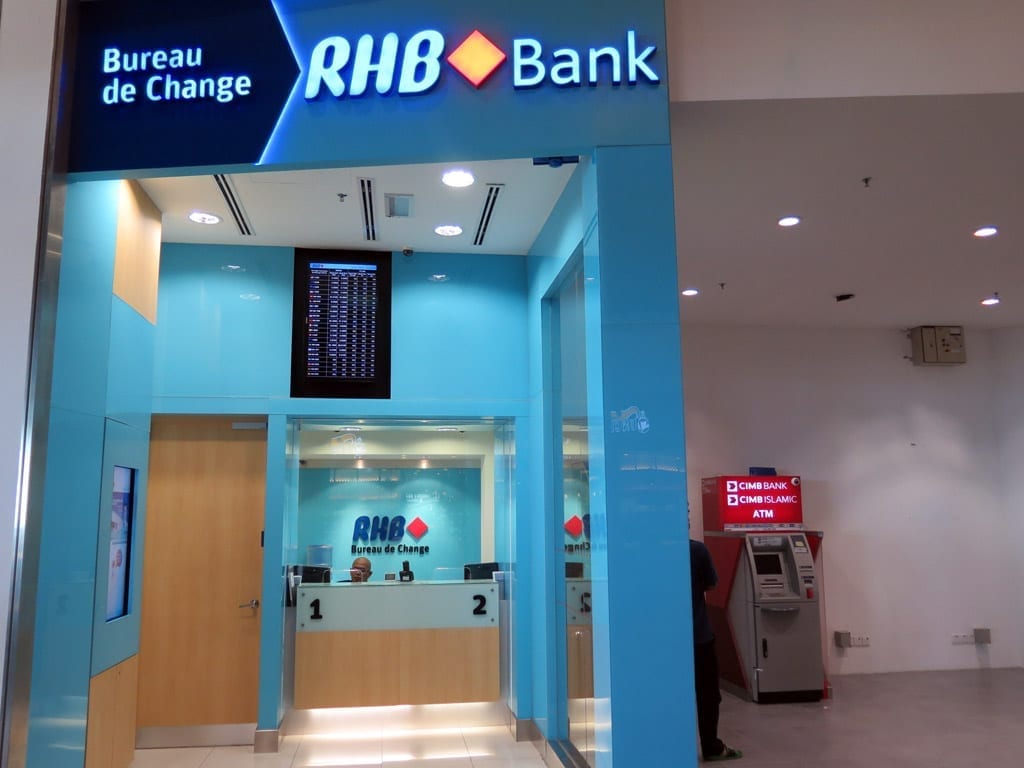
    RHB Bank Bhd, which registered a 16% net profit growth to RM1.95bil for the financial year ended Dec 31, 2017 (FY17), has outlined its strategies in a new five-year plan, FIT22.

    The roadmap entails the bank’s priorities to strengthen its presence in Malaysia and win in targeted segments, as well as to focus on its niche and strength in its overseas operations while exploring partnerships.

    Speaking at a media briefing held in conjunction with the bank’s FY17 results briefing, RHB group managing director Datuk Khairussaleh Ramli said digital enablement would be a core priority within FIT22, following the conclusion of the IGNITE 17 transformation programme last year.

    RHB intends to spend over RM200mil over the next three to five years on digital capabilities and technological investments. “We are now focusing on building scale through an agile way of doing things and believe that we still have room to grow in Malaysia to be able to gain market share and improve profitability,” he said, adding that RHB was now the fourth-largest bank in Malaysia in terms of assets.

    The core component of FIT22 will be the small and medium enterprise (SME) and retail segments to drive growth, as well as to build a connected ecosystem.

    Khairussaleh said that the retail and SME segments were expected to constitute an estimated 75% of RHB’s domestic loan portfolio from the current 69%, while the affluent customer segment will make up 25% of RHB’s retail business by 2022, from the current 18%.

    In addition, RHB aims to boost its return on equity to 11.5%, be the number three bank for SMEs as well as maintain a top-three position for investment banking.

    “We are already number one in the mid-cap segment, so if we can build our ecosystem around this segment, some day the mid-caps will grow to become large-caps for us.

    “That is something that we think can differentiate ourselves from the other banks as well,” Khairussaleh explained.

    Todate, RHB has established relationships with some 57% of mid-cap companies, of which one-third have a lending relationship with the bank.

    Meanwhile, RHB’s 2018 key performance indicator is to achieve an ROE of between 9% and 10%, a loan growth of 6%, as well as a cost-to-income ratio of below 50%.

    On mergers and acquisitions (M&As), Khairussaleh said the bank does not intend to look for any M&As overseas, and will instead focus on expanding its product portfolio across its overseas market.

    Noting RHB’s lacklustre performance in Singapore, Khairussaleh said the bank intends to move towards more secured lending and build a new private wealth business in the republic, targeting mid-tier customers with assets under management of S$1mil to S$2mil.

    In 2018, the Malaysian banking sector is expected to see a recovery in loan growth, primarily from stronger business loans, while capital market activities are also expected to pick up, which would help support the non-interest income of banks.

    RHB’s improved performance in FY17 was largely driven by higher net funding income, lower loan loss impairment and lower impairment losses on other assets.

    However, this was partially offset by higher overheads and lower non-fund-based income.

    The bank has announced a dividend of 10 sen per share, bringing its total dividend per share for FY17 to 15 sen, representing a 30.8% payout ratio.

  • Kasikorn enhances the role of Thai-Myanmar Border Trade Business Center

    Kasikorn enhances the role of Thai-Myanmar Border Trade Business Center

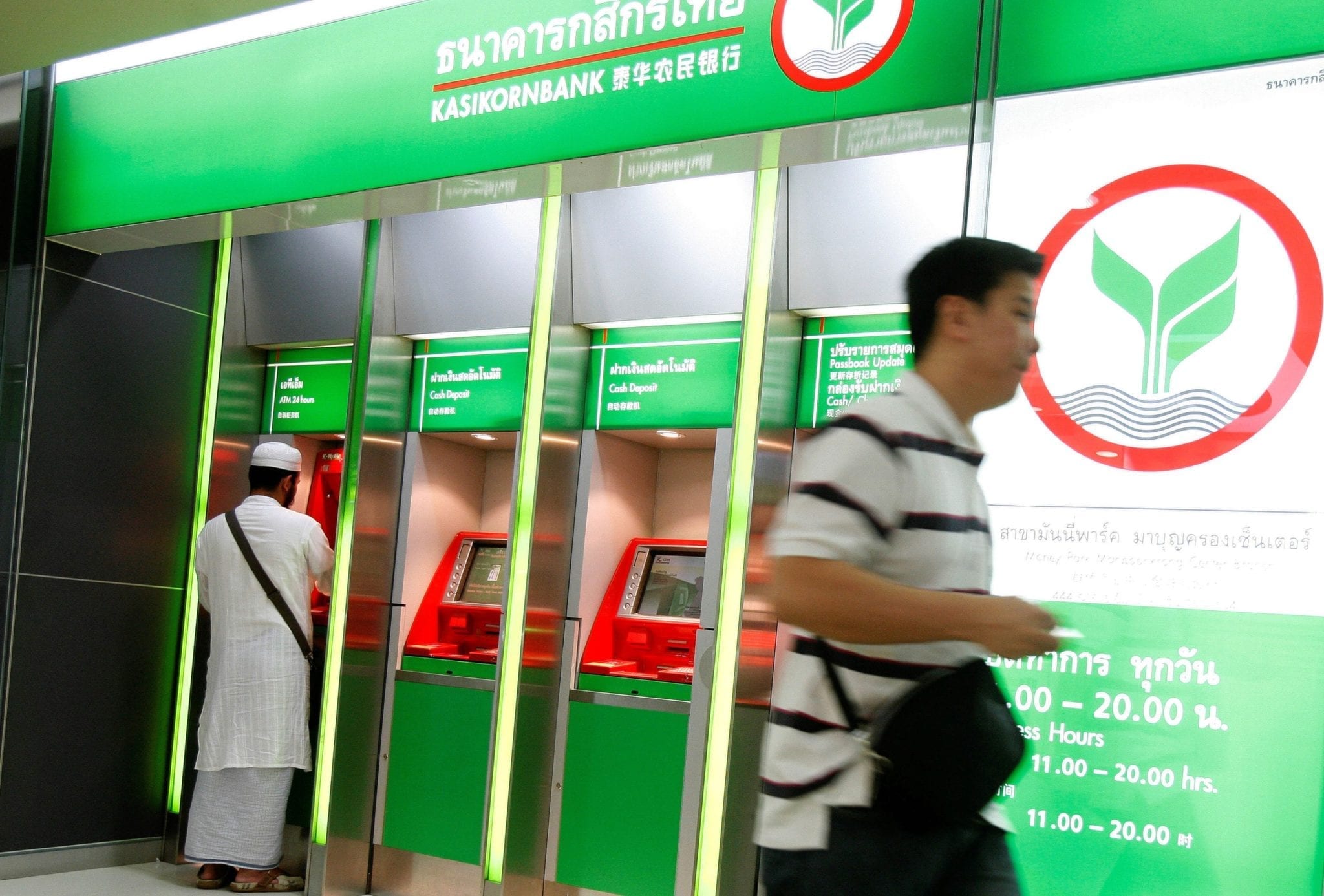
    Kasikorn Bank (KBank) teams up with Kanbawza Bank (KBZ Bank), Myanmar’s largest bank, to implement a staff exchange program of Mae Sot-Myawaddy, aimed at boosting Thailand-Myanmar border businesses. Focus is made on import-export settlements via banking system and promotion of cross-border funds transfer via Mae Sot Border Trade Business Center, which is aimed to increase to about THB200 million.

    Mr. Kittichart Potithat, First Vice President for World Business Strategy and Marketing Management Department, KBank, said the bank has always placed importance on Myanmar market, given a large volume of border trade with Thailand. With an aim to facilitate investors and business operators in the border areas, KBank’s Border Trade Business Center was set up in Mae Sot, Tak. To date, the center has granted credits of more than THB150 million to businesses in Mae Sot for investment in Myanmar, completed 10 successful cases of business matching and organized various seminars to share knowledge on trade and investment, in order to promote trade and financial transactions between the two countries.

    Recently, KBank expanded the cooperation with KBZ Bank by sending KBank’s staff to work at Myawaddy branch of KBZ Bank and in turn accepted KBZ Bank’s staff to work at Mae Sot branch of KBank for one year. This cooperation should enable KBank to gain in-depth expertise about business operational format and banking regulations in Myanmar, as  well as consumer insight in using financial services of Myanmar consumers. Moreover, KBank staff under this staff exchange program can help advise Myanmar entrepreneurs on how to conduct financial transactions in Thailand, thus allowing both Thai and Myanmar entrepreneurs to conduct border trade transactions more smoothly.

    It has been found that Thai SMEs still need help to understand more about Myanmar’s banking system and reliable channels in seeking business partners in Myanmar, while Myanmar SMEs want to use financial products and services of Thai banks, but have been limited by communications barriers. Therefore, it is hoped that this cooperation will help enhance knowledge and understanding about financial and border trade transactions between the two countries. In 2018, KBank will offer financial facility to support border trade as always, focusing on cross-border money transfer service. KBank will also place a greater emphasis on cross-border funds transfer to promote import-export settlements via regulated banking system because nearly 100 percent of such transactions now are settled through non-regulated system. KBank is targeting an increase in Thai cross-border funds transfer transactions to Myanmar via KBank’s Border Trade Business Center at Mae Sot branch to about THB200 million in 2018.

    In addition to cross-border trade, KBank has always placed emphasis on businesses in Myanmar. KBank and KBZ Bank have also jointly developed cross-border payment services, namely funds transfer in local currency and Myanmar Worker Remittance service to enable Myanmar workers in Thailand holding KBZ Bank account to transfer money back to Myanmar more conveniently by simply scanning the barcode of their Myanmar Remit Card at KBank ATM machines.

    Moreover, KBank teams up with the Union of Myanmar Federation of Chambers of Commerce and Industry (UMFCCI) to host the annual “SME Capacity Building Program” seminar to enhance the capacity of SME entrepreneurs in Myanmar. The seminar is aimed at equipping them with knowledge about business operations and internal work processes to prepare for their business expansion, as well as preparation of financial statements in compliance with international standards for use in loan application. Since 2016, the seminar has been held in six main cities including Yangon, Myawaddy, Bago, Mawlamyine, Myeik and Taunggyi.  So far, over 600 Myanmar entrepreneurs have participated in the seminar. This year, the activity will also be held to fortify Myanmar entrepreneurs amid flourishing cross-border business and investment.

  • Fees, retail services to be banks’ main income

    Fees, retail services to be banks’ main income

    Commercial banks are expecting the revenue from fees and retail banking services to become their main income sources this year, as a result of rising market demands.

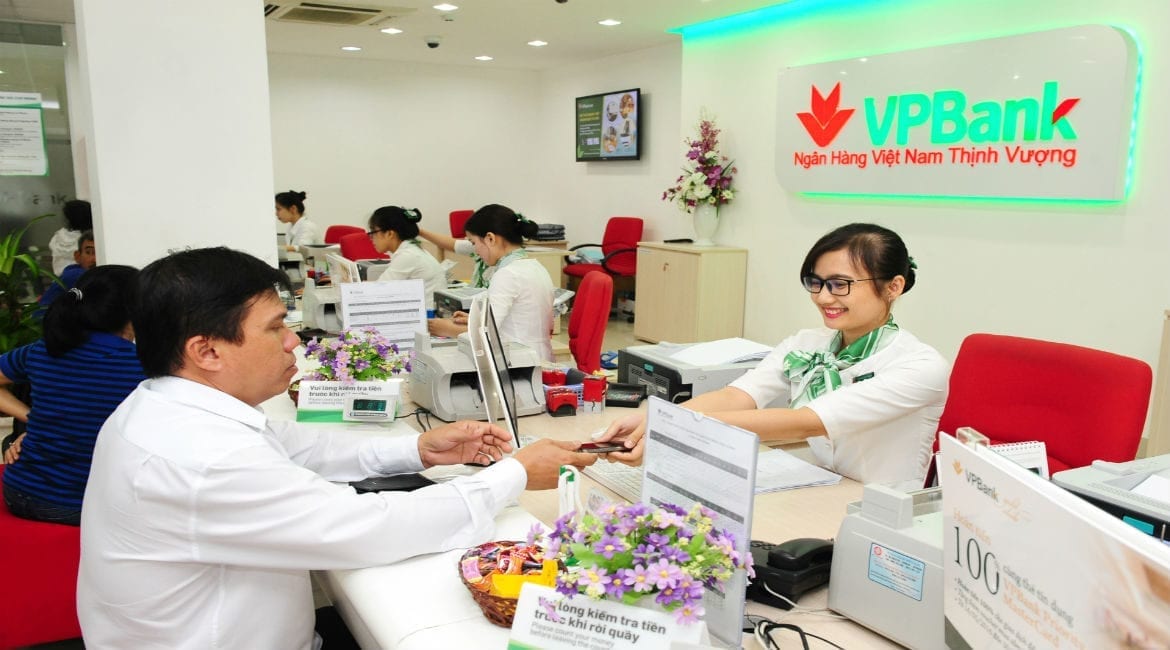
    According to Nguyễn Đức Vinh, general director of VP Bank, after years of investing in the financial company FE Credit, his bank was expecting to receive a large profit from the company in 2018.

    FE Credit started to gain profits from the retail banking segment in 2016, and the profit improved continuously last year. VP Bank’s financial reports showed that the bank’s profits last year hit a record high of more than VNĐ6.43 trillion (US$283.25 million), of which FE Credit made up some 51 per cent.

    Vietcombank also expects to better exploit the potential retail banking segment this year, as it recruited Thomas William Tobin, a Canadian foreign senior expert in retail banking, last year, to be its retail banking director. It was the first time the State-owned bank appointed a foreigner in its management board, showing its priority for the retail banking segment.

    Vietcombank’s chairman Nghiêm Xuân Thành hoped that the expert, who has expertise in global and Vietnamese finance, will help the bank make a leap in the retail banking segment.

    Vietcombank is targeting to become the country’s leading bank in retail segment in 2020, Thành said.

    According to Nguyễn Đình Tùng, general director of the Orient Commercial Joint Stock Bank, his bank is expected to earn a pre-tax profit of more than VNĐ1 trillion in 2018, thanks to specific strategies in the sales of financial products, especially in non-credit services.

    Some other banks have also planned to better exploit the potential business segment in 2018 through mergers and acquisitions last year. Typically, Shinhan Bank Vietnam acquired ANZ’s retail banking services or the Vietnam International Bank (VIB) acquired the HCM City’s branch of Commonwealth Bank of Australia.

    According to experts, banks are investing significantly in retail banking services, instead of only focusing on corporate lending in the hope of gaining higher profits from the potential segment this year.

    With more than 93 million people and sharply increasing consumption, Việt Nam is considered a hot destination for the retail banking segment, which is why banks have strategically planned to boost the segment.

    In fact, the in-cash habit of Vietnamese people is no longer an obstacle to the development of card network and non-credit services. Thus, several banks are aiming to give their customers a variety of non-traditional credit services, such as savings and transactional accounts, mortgages, personal loans, debit and credit cards.

    Notably from the beginning of this year, many banks have considerably improved the quality of their retail banking services to enhance competitiveness in the market. They are also focussing on other aspects such as marketing, technology and human resources to attract more individual customers to non-credit services.

    The move was decided after the retail banking segment contributed to a large amount of the total profits of many banks last year. BIDV and MB Bank, for example, gained high profits last year, thanks to a 34 per cent to 35 per cent rise in retail banking services.

    Nguyễn Thanh Nhung, general director of VietBank, said retail banking services would be a key to making a sustained and stable profit for the banking sector this year. The development of non-credit services contributes to diversifying bank’s services, thereby bringing more customers. This type of service will also disperse risks and create higher profits for commercial banks, said Nhung.

    According to Trần Du Lịch, a member of the National Financial and Monetary Policy Advisory Council, banks currently not only gain profits from lending but also from retail banking services, so the move to invest in retail services is inevitable in the future.

    Based on the results gained, leaders of commercial banks said they would continually apply this business strategy, with a focus on retail banking services next time.


  • SWIFT revolutionises Australian banking with real-time payments

    SWIFT revolutionises Australian banking with real-time payments

    SWIFT welcomes the public launch of the New Payments Platform (NPP) in Australia, which is set to revolutionise the way payments are made domestically. SWIFT has helped to design, build and deliver the NPP and will play a key role in operating the infrastructure for the NPP.

    The NPP’s paradigm-shifting financial architecture has been designed and constructed to fundamentally improve how consumers, businesses and governments transact with one another. The key features of the NPP include:

    • 24/7 instant payments and real-time line-by-line settlement via the Reserve Bank of Australia
    • PayID, new and easy way to link a financial account with an easy-to-remember identifier such as a mobile phone number, email address or ABN for businesses
    • Open access infrastructure that truly empowers innovation through competition
    • Overlay services framework that will provide new value services to Australian consumers, businesses and government

    Alain Raes, Chief Executive of EMEA & APAC, SWIFT, said the rollout of the NPP and the enablement of real time payments is the most significant development in the Australian payments industry in decades, and could have a more revolutionary impact on the economy than any previous payments system innovation.

    “SWIFT has supported the evolution of payments systems around the world for more than 40 years and is delighted to have played an important role in the creation and roll out of real-time payments in Australia. The smooth delivery of the project is a measure of the great partnership that SWIFT and the Australian industry have developed throughout the collaboration,” said Mr Raes. “The NPP has also showcased the expertise and innovative approach of SWIFT’s global payments team and the value that we can deliver to other markets, including the European Union as it moves towards the goal of a harmonised instant payments service within the Eurozone.”

    NPPA CEO, Adrian Lovney said: “SWIFT, an international leader in the provision of secure financial services, has worked tirelessly to help design, build and deliver this world class system.”

    NPP is a key component within SWIFT’s broader global instant payments strategy, which also includes the provision of an instant payments messaging service for the euro area. Launching in November 2018, to coincide with the launch of TARGET Instant Payment Settlement (TIPS), the euro real-time payments service commissioned by the Eurosystem, SWIFT’s new messaging service will allow instant payments to be made in euros across Europe through both TIPS and EBA CLEARING’s RT-1 instant payments system.

    In the context of the Eurosystem’s 2020 vision, which envisages access to TARGET2, TARGET2 for Securities and TIPS through the Eurosystem Single Market Infrastructure Gateway (ESMIG), SWIFT’s instant payments strategy is committed to the future agenda of the Eurosystem, supporting customers as they move to meet this vision.

    The same SWIFT solution will provide customers with a single gateway to connect seamlessly to other instant payment systems in Europe and elsewhere.

    SWIFT, which currently connects 85 of the 149 High Value Payments systems in the world, including CHAPS in the UK, TARGET2 in Europe and the SWIFT India Domestic Services, also offers gateways to instant payments platforms in Hong Kong and in the US.

  • Bad loans rise at Philippines’ big banks in October

    Bad loans rise at Philippines’ big banks in October

    Bad loans on the books of the country’s biggest banks rose further in October, latest central bank data showed, amid the industry’s rising total lending portfolio.

    Data from the Bangko Sentral ng Pilipinas (BSP) showed gross non-performing loans of universal and commercial banks amounted to P107.69 billion in October this year – which was P9.27 billion higher than the P98.42 billion recorded in the same month in 2016.

    Non-performing loans are left unpaid by borrowers for at least 30 days past the due date. These are seen as risky assets due to higher risk of default.

    Amid the uptick in bad loans, BSP said the rate remains manageable across economic sectors, such as financial and insurance activities, real estate, manufacturing, wholesale and retail trade, as well as electricity, gas, steam and air-conditioning supply.

    The rise in bad loans happened as total loan portfolio of big banks grew at a faster rate of 17% to P7.36 trillion in October, from P6.29 trillion in the same month last year.

    This translated to a lower gross non-performing loan ratio of 1.46% in October, from a year-ago level of 1.56%, BSP data showed.

    The central bank said latest figures indicate the continued adherence to high credit underwriting standards of local big banks.

    Aside from trying to keep bad loan levels low, BSP said big banks continued to earmark sizeable reserves for potential credit losses, which was at P144.94 billion or 1.97% of total portfolio in October this year. This is compared to last year’s P133.05 billion or 2.11% of the total lending portfolio.

    Latest data from the BSP showed the industry’s credit growth eased to 19.9% in October, from 21.1% in September after increasing for 4 consecutive months – which some economists and credit rating agencies see as a possible sign of an overheating economy.

    Loans for production activities are up 18.7% to P6.01 trillion in October, from P5.06 trillion in the same month in 2016, accounting for 88.3% of loans given out by the banks.

    Meanwhile, credit to the real estate sector accounted for 17.2% of the total loan portfolio at P1.17 trillion, followed by credit to wholesale and retail trade and repair of motor vehicles at 13.6%, worth P924.56 billion.

    This was followed by manufacturing sector loans (12.8% of loan portfolio, worth P873.64 billion), and credit to electricity, gas, steam and airconditioning supply sector (12.1% share, P821.87 billion).

    The country’s gross domestic product gowth climbed to 6.9% in the 3rd quarter, from the revised 6.7% in the 2nd quarter of 2017. This brought the average economic growth in the 1st 9 months of 2017 to 6.7%.

    The Philippines has posted positive economic growth for 75 straight quarters since the Asian Financial Crisis.

  • Why Has Bitcoin’s Price Gone Up So Fast ?

    Why Has Bitcoin’s Price Gone Up So Fast ?

    Bitcoin has been in a bull market like few the world has ever seen. At the beginning of the year, the price of a Bitcoin was below $1,000. It hit $5,000 in October, then doubled by late November. And on Thursday, less than two weeks later, the price of a single Bitcoin rose above $20,000 on some exchanges, according to Coinmarketcap.

    The latest price spike has been credited to signs that Wall Street companies plan on bringing their financial heft into the market.

    At the current cost, the value of all Bitcoin in circulation is about $300 billion. To get a sense of how big that is, all the shares of Goldman Sachs are worth about $90 billion.

    The gains have been driven by several other factors — perhaps the most important being the irrational mentality that can take over in speculative bubbles.

    But most people buying Bitcoin are doing so in the belief that others will want it even more in the future. The gains, though, have many people, even Bitcoin believers, anticipating a big crash.

    Currently, the average price of one Bitcoin is about $15.435, according to Blockchain.info, a news and data site.

    Bitcoin used to be all about libertarians and black-market trade. Are those still driving the price?

    The fringe communities that drove Bitcoin in its early years are playing a much less important role in the current rally.

    Many investors have said the most important factor driving the current enthusiasm is the entry of hedge funds and other institutional investors.

    The path for large investors has been smoothed by the Chicago Mercantile Exchange and Chicago Board Options Exchange, which have been racing to roll out Bitcoin futures contracts. Most banks are already signed up with these exchanges and consequently can immediately begin trading the contracts. The options exchange has said it plans to start trading on Sunday.

    It is still unclear how the arrival of Bitcoin futures will influence the demand for the digital tokens.

    With a futures contract, banks can bet on the price of Bitcoin without holding the underlying Bitcoins. This is expected to bring many new players into the market who don’t want to deal with the complications of holding Bitcoins.

    But the futures contract will also allow investors to short Bitcoin, or bet on the price’s going down, which has been hard to do until now. Some analysts think this could put downward pressure on the price. Other market participants have worried that Bitcoin futures could spread the risks of Bitcoin into the rest of the financial system.

    People still use Bitcoin and other virtual currencies to make ransom payments and buy illegal goods online, including synthetic opioids. But that activity has been on the wane since the authorities shut down some of the largest online black markets this year.

    What role are smaller investors playing in the virtual currency markets?

    Individual investors have been just as active as large investors. Nowhere has the phenomenon of ordinary people buying virtual currencies been more visible than in South Korea, where several exchanges have storefronts to help new customers. This is all the more remarkable because just a year ago, Koreans showed almost no interest in these markets.

    Small Japanese investors have also been investing in Bitcoin. They have been encouraged by laws passed this year that essentially legalized Bitcoin and allowed Bitcoin exchanges to get regulatory licenses.

    Most small-time investors have gone to the San Francisco company Coinbase, which provides a Bitcoin brokerage service, similar to Charles Schwab, as well as an exchange for larger investors. Coinbase now has more account holders than Schwab, and it has struggled to keep up with the growth.

    China used to be the most active country for Bitcoin trading and mining, but the authorities there have cracked down this year.

    What are the dangers of getting into this market?

    Many of the largest exchanges, including in South Korea, are essentially unregulated. The lack of oversight means that no one is checking that the exchanges are properly securing their customers’ money or that large players are not able to manipulate the price. One of the largest exchanges in the world, Bitfinex, has been hacked numerous times and provides little transparency about where it is keeping its money.

    Even regulated exchanges, like Coinbase in the United States, have not been battle tested like larger financial institutions, and their operations have gone down at key moments.

    Once people buy Bitcoin or other virtual currencies, they are often targeted by hackers who have become experts at penetrating Bitcoin accounts.Bitcoin “wallets” are vulnerable to new kinds of attacks that are not a problem for ordinary financial accounts.

    Most important, in contrast to money in a bank account, when a Bitcoin is gone there is essentially no way to get it back and no insurance covering its loss.

    Are more people using Bitcoin to pay for things?

    When Bitcoin was released in 2009, it was described as a new kind of electronic cash.

    Recently, though, many programmers working on Bitcoin have said the system in its current form is not a particularly good way to pay for things.They argue that it is best designed to serve as a sort of scarce commodity, like digital gold, allowing people to keep their money outside the control of governments and companies.

    Many people who want to use virtual currencies for online payments are looking to Bitcoin competitors, like Bitcoin Cash and Monero.

    What role are the other virtual currencies playing in this frenzy?

    Earlier this year, bullish sentiment was focused on Ethereum, a virtual currency network that is more adaptable than Bitcoin. The price of Ether, the virtual currency on the Ethereum network, has continued to rise in recent months, but not as fast as Bitcoin.

    Many investors were also putting their money into custom virtual currencies released by entrepreneurs in so-called initial coin offerings. These new virtual currencies have generally been designed to serve as the internal payment mechanisms on new software the entrepreneurs are building.

    This fall, though, regulators have signaled that they are planning to crack down on coin offerings.

    Where did virtual currencies come from, and how do they work?

    The Bitcoin software was released in early 2009 by a mysterious creator who went by the name of Satoshi Nakamoto. The search is still on for the true identity of Satoshi.

    The software released by Satoshi set out the basic rules for Bitcoin and the computer network on which it lives. Unlike other forms of money, which are controlled by governments and financial institutions, Bitcoin operates on a decentralized network of computers that no one institution controls.

  • Thailand’s Kasikorn Bank eyes B&R business boost

    Thailand’s Kasikorn Bank eyes B&R business boost

    Thailand’s Kasikorn Bank is setting up its China headquarters in Shenzhen, southern Guangdong province, to further strengthen its presence in the country and seize growing business opportunities brought about by the Belt and Road Initiative.

    The China headquarters is an important step for Kasikorn Bank to expand its business in the Chinese market, said Banthoon Lamsam, chairman and chief executive officer of the bank.

    Besides traditional financial business, the Thai bank will work with Chinese financial technology enterprises to build a digital banking platform to promote digital payments and set up a regional settlement center to carry out cross-border settlement of foreign currency in the Association of Southeast Asian Nations plus China, Japan and South Korea.

    It will also provide investment consultancy services for enterprises in the region.

    “The Chinese and Thai governments are making active efforts to synergize the Belt and Road Initiative and Thailand’s 4.0 strategy, especially between China’s pan-Pearl River Delta region and Thailand’s Eastern Economic Corridor. That will bring unprecedented opportunities for cross-border financial services,” Banthoon said.

    The bank will further integrate its resources in China, Thailand, ASEAN and Asia to offer more services to Chinese, Thai and ASEAN enterprises in order to promote cross-border trade and investment in the region, he said.

    Ai Xuefeng, deputy mayor of Shenzhen, said finance is one of the pillar industries of Shenzhen and the local government has introduced a number of policies to support the development of its finance industry, hoping to attract more foreign financial institutions to set up office in the city.

    “With the implementation of the Belt and Road Initiative, more and more Shenzhen enterprises are entering Thailand and, more broadly, ASEAN markets. They need support from local financial institutions,” Ai said.

    “As the only ASEAN bank with its China headquarters in Shenzhen, Kasikorn Bank will play an important role in supporting Shenzhen enterprises to go global and facilitate Thai and ASEAN enterprises to do business in Shenzhen.”

    Founded in 1945, Kasikorn Bank is one of the four commercial banks in Thailand.

  • Permata Bank adopts voice biometric authentication

    Permata Bank adopts voice biometric authentication

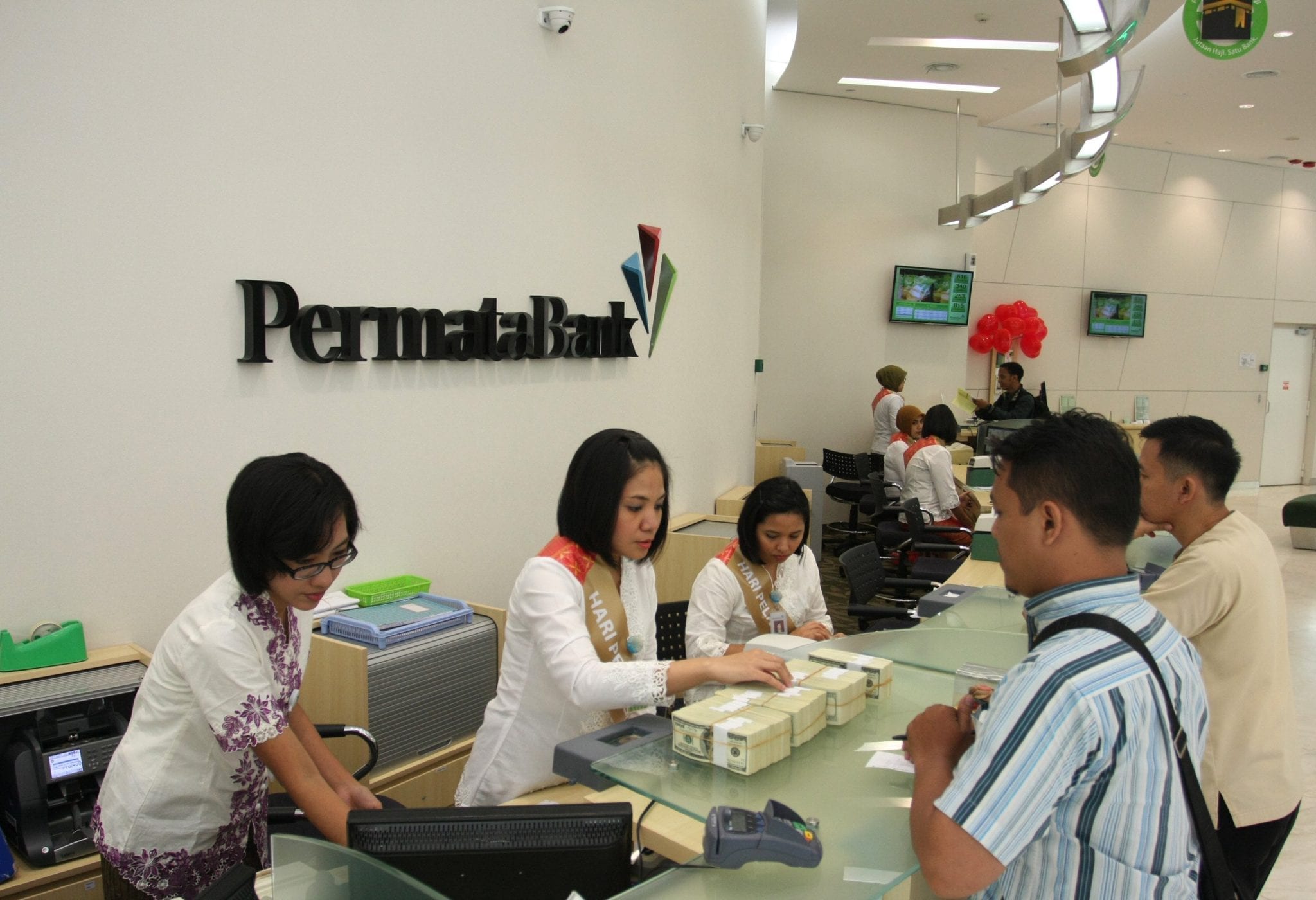
    Permata Bank has become the first domestic bank in Indonesia to introduce voice biometrics as part of its customer authentication protocol, using technology from customer experience company NICE.

    NICE Real-Time Authentication (RTA), together with its process automation solution, will allow the financial institution to conduct secure and seamless voice authentication, improving customer service.

    Permata Bank is a veteran NICE customer, already benefiting from its Quality and Workforce Management solutions, as well as real-time back office applications. More recently, the bank sought new ways to improve fraud prevention and increase the efficiency of its contact center, turning to NICE to address these challenges.

    NICE’s Real-Time Authentication (RTA) solution creates and utilizes one voice print for each caller to deliver quick and efficient customer service across all voice channels, with no customer effort required.

    Authentication takes place within the first few seconds of the call, and customers’ issues are resolved during the natural flow of conversation. This automated, rapid and transparent process will help Permata Bank deliver better service while improving the accuracy of its fraud prevention program.

    “Permata Bank’s introduction of voice biometrics in the local banking industry positions us as a leader in financial services innovation throughout Indonesia,” Permata Bank director of consumer banking Bianto Surodjo said.

    “This is largely thanks to NICE’s unique Fluent engine capability, which provides omnichannel authentication with a single voiceprint, which is a major advantage over competing solutions in the market.”

  • Bank Mandiri to expand in Malaysia as first ‘ASEAN bank’

    Bank Mandiri to expand in Malaysia as first ‘ASEAN bank’

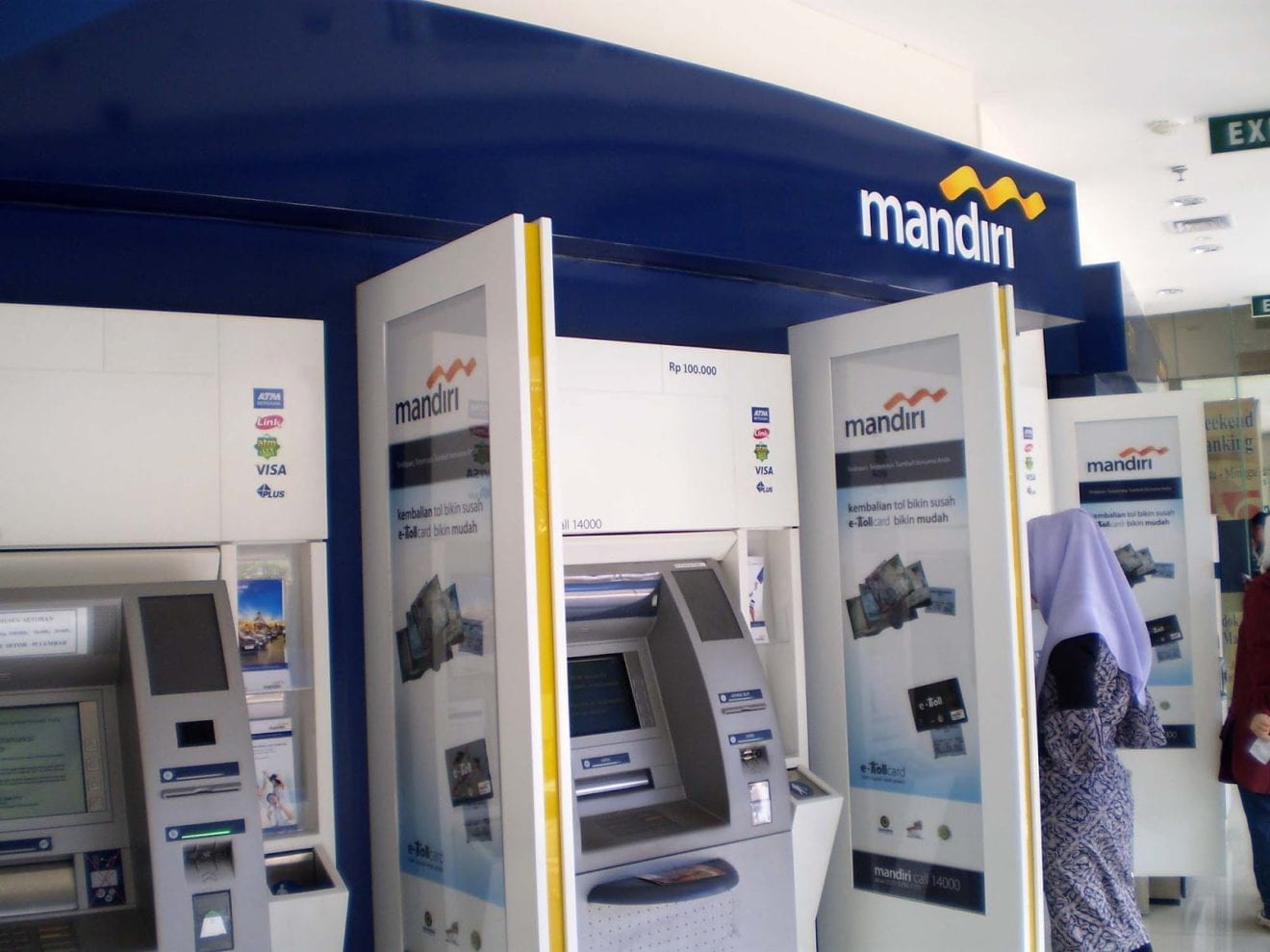
    Bank Mandiri will expand operations in Malaysia by using its newly awarded status as a cross-regional lender, Indonesia’s largest state-owned bank said Thursday.

    Mandiri said it is the first bank in the region to be designated a qualified ASEAN bank — a concept developed by Association of Southeast Asian Nations members as part of an effort to create an open, integrated financial market providing services to companies investing and trading in the region.

    To obtain QAB status, banks must meet certain conditions, such as in capital adequacy, and pass screening under bilateral agreements between monetary authorities. Indonesia and Malaysia agreed in 2016 to grant QAB status to three banks from each other’s countries.

    Such Malaysian banks as CIMB Group Holdings and Malayan Banking already have major operations in Indonesia, while Indonesian banks have been seeking opportunities to grow outside the home market. “We highly appreciate the Malaysian banking authorities that support the presence of banks from Indonesia,” said Muliaman Hadad, chairman of Indonesia’s Financial Services Authority. “Indonesia has also treated Malaysian banks as their own. This is a step forward that can strengthen relations between Indonesia and Malaysia.”

    Malaysia will become the first overseas market for Mandiri to operate a full-fledged banking business in, the lender said. It plans to invest 300 million ringgit ($70 million) to upgrade a remittance office in Kuala Lumpur to a full branch and roll out wholesale and retail banking services.

    Mandiri is also exploring expansion into Myanmar and the Philippines, it said in a news release.

  • BI predicts surplus of balance of payment in 2017

    BI predicts surplus of balance of payment in 2017

    Indonesias balance of payment will still enjoy a surplus this year but it will decline to US$3-4 billion from US$12 billion last year, Bank Indonesia Governor Agus Martowardojo has predicted.

    The drop will be the result of declining capital and financial account, along with the conclusion of the tax amnesty program on March 31, 2017, reducing the inflow of repatriation fund to the financial market, he said here on Monday night.

    “Last year we saw the boost came from the tax amnesty program which has an impact on capital account,” he said.

    The projected surplus of the balance of payment at the end of this year will remain the same as the surplus of the balance of payment in the January-March 2017 period which was mostly fueled by capital and financial account at US$7.9 billion, he said.

    The balance of payment reflects transactions between the Indonesian population and foreign nationals. The balance of payment includes current account (including goods, services and income) and capital and financial account.

    Agus said the declining surplus of the balance of payment is also caused by a deficit of the countrys current account which is projected to reach 1.8-1.9 percent of the national gross domestic product (GDP). The figure is the same as the deficit of the current account in 2016.

    Despite the deficit, the current account is still under control. The improving export performance this year is expected to help improve the current account, he said.

    In the first quarter of 2017, the current account saw a deficit of US$2.4 billion, accounting for 1 percent of the GDP. The rising deficit of the current account was mostly fueled by the rising deficit of trade balance from oil and gas which reached US$2.1 billion and primary income which saw a deficit of US$7.4 billion.