Tag: Banking

  • HSBC Appoints Singapore Head of Securities Services

    HSBC Appoints Singapore Head of Securities Services

    The bank has named a longstanding executive as its head of securities services in Singapore, as part of its strategy to capitalize on Singapore’s position as a global-Asia Pacific fund gateway for institutional wealth.

    Noor Adhami, currently based in the United Arab Emirates as HSBC’s regional head of global liquidity and cash management and securities services, MENA and Turkey, will take on the new role from 1 February 2021, the bank announced on Tuesday in a statement.

    Adhami joined HSBC in 2004 and has held a variety of roles in Jordan and Dubai. In her new role, she will report to Brian Godins, Asia Pacific head of securities services and Gavin Powell, Singapore head of markets and securities services.

    Singapore is increasingly becoming a prime international wealth and investment center, Powell said, noting that Adhami’s experience will deepen the bank’s expertise in the Republic and enable it to better support its clients.

    HSBC has been progressively building out its wholesale banking capabilities in Singapore, which includes the launch of a new coverage division focusing on mid-sized non-bank financial institutions.

    In the past year, the securities services division has also launched Asia’s first digital bond issuance alongside Singapore Exchange and Temasek. It was also part of the first interest rate swap trade by an overseas institutional investor through the central counterparty clearing model in the China Interbank Market, and was a securities services provider for the first ETF launched under the Singapore Variable Capital Company structure.

  • Standard Chartered Receives Enhanced Privileges in Singapore

    Standard Chartered Receives Enhanced Privileges in Singapore

    The recognition comes on the back of the U.K.-Singapore Free Trade Agreement, signed on Thursday.

    The Monetary Authority of Singapore (MAS) has granted Standard Chartered Bank (Singapore) enhanced Significantly Rooted Foreign Bank (SRFB) privileges, in recognition of the significantly higher degree of rootedness that exceeds the SRFB baseline criteria.

    As part of the U.K.-Singapore FTA, Standard Chartered will be entitled to additional customer service locations on top of the 50 it is entitled to as an SRFB.

    The enhanced SRFB privileges also give Standard Chartered the opportunity to secure an additional full bank license to establish a subsidiary to operate new or alternative business models such as a digital-led bank with ecosystem partners, which it has been planning as part of a joint venture with National Trade Union Congress (NTUC) Enterprise.

    Standard Chartered’s roots in Singapore trace back over 160 years when it set up its first branch in 1859 under its former name, Chartered Bank of India, Australia and China.

    Singapore is now the group’s operational hub, housing global businesses, technology and operations, and many of the bank’s leadership teams. The country is also home to SC Ventures, the bank’s innovation, ventures and fintech investments unit. The bank also plans to grow its international wealth business in Singapore and has invested S$8 million to train and upskill its workforce in the city-state.

    We have invested and grown in Singapore to be the global business and operations hub that we are today, and we look forward to playing our part in developing the country’s banking landscape, Bill Winters, Standard Chartered group chief executive, said in a statement.

  • HSBC Co-Head of Advisory and Investment Banking Exits

    HSBC Co-Head of Advisory and Investment Banking Exits

    HSBC’s co-head of advisory and investment banking coves has left the bank to pursue a senior role outside of the industry after joining two years ago.

    Peter Enns has left HSBC, after relocating to Asia from London last year where he was last the global head of financial institutions group for the bank.

    Prior to joining HSBC, Enns spent 21 years with Goldman Sachs in various roles including as the head of its Canada business.

    Enns leaves both business areas in stronger franchise positions, with improved financial performance, said Greg Guyett, co-CEO of global banking and markets in the memo. I would like to thank Peter for his contributions to HSBC.

    According to the bank, a search will be launched to replace Enns whose responsibilities in the meantime will be assumed by Adam Bashaw, the other global co-head of advisory and investment banking coverage.

    Separately, the bank is also strengthening its Asia business with the relocation of its global head of fixed income research Steven Major from London to Hong Kong.

  • UBS Private Bank Shuffles Top Executives

    UBS Private Bank Shuffles Top Executives

    The operating chief of UBS’ flagship wealth unit is leaving the job. His replacements will split oversight of the U.S. and rest of the world.

    Reto Wangler, operating chief to private bank co-heads Iqbal Khan and Tom Naratil, is leaving for a roughly year-long sabbatical from UBS, from February 1, according to a memo.

    He returns to the Swiss bank in a new role next year, the memo said. Wangler advanced to the job in 2018 through a mega-merger of its U.S.-based brokerage and wider, international private bank for the wealthy. A spokesman for UBS didn’t immediately respond to a request for comment.

    He will be replaced by Kate Newcomb as well as Wiwi Gutmannsbauer at the $2.6 trillion unit, effective February 1, according to the memo. Newcomb, who currently oversees operations at the U.S. wealth unit, will continue to do so.

    Meanwhile, Gutmannsbauer, who UBS seconded to Asia nearly three years ago to oversee operations for its regional wealth activities, will take on Switzerland and international. Gutmannsbauer will relocate to Zurich from Singapore in the second quarter of 2020.

    Both he and Newcomb have spent much of their career in operations: she began at Paine Webber, a predecessor brokerage, as an accountant in 1984 and moved to operations just before the financial crisis.

    Gutmannsbauer has held various operations roles in the private bank. With their successful track records, they are ideally suited to further strengthen our digital capabilities and front-to-back efficiency, private bank co-heads Khan and Naratil wrote in the memo to staff.

  • HSBC Securities Services Joins BlackRock’s Provider Network

    HSBC Securities Services Joins BlackRock’s Provider Network

    The move allows asset managers and asset owners to connect seamlessly with HSBC through a single platform.

    HSBC on Tuesday announced that it will offer access to its Securities Services’ products via «Aladdin» – a Blackrock-run platform that helps assets managers check risk in their portfolios, trade, manage data management, and other operational tasks, from the first half of 2021, starting in Hong Kong and Singapore.

    Aladdin – or asset, liability, debt, and derivatives investment network – was conceived by the New York-based firm in the late 1990s as an internal tool. Today, it is one of Blackrock’s most powerful tech tools that it sells to smaller rivals, in a bid to stave off pressure on its active management fund arm from cheaper index funds.

    Sebastien Danloy, HSBC Securities Services’ global head of asset owners and managers, said joining the network adds to HSBC’s capabilities to connect to its clients’ front-office platforms and to offer front-to-back solutions in an open architecture environment to the asset management community.

    Integrating HSBC’s middle office, custody, and fund administration services with Aladdin will help clients access real-time data, streamline their workflows, reduce their manual processes and improve their operational efficiencies, the bank said in the announcement.

    HSBC currently administers $500 billion in assets for 20 global asset managers who already use Aladdin.

  • UBS CEO Ralph Hamers’ Fintech Trends for 2021

    UBS CEO Ralph Hamers’ Fintech Trends for 2021

    The Singapore Fintech Festival is currently discussing the hot new trends for the fintech business in 2021. UBS Chief Executive stayed in Switzerland, but he can be trusted to know where things are heading.

    Ralph Hamers – Mister Fintech among the banking CEOs – has been in charge of Switzerland’s largest bank, UBS, for about a month. He didn’t fly out to attend the Singapore Fintech Festival in person.

    Instead, he took part at an event hosted by Switzerland Global Enterprise, which on Monday had launched the information platform finance.swiss at an event billed as World Fintech Festival in Switzerland.

    He used his time to present an overview of the big trends in fintech in the coming year.

    1. Neobanking: Source of a New Business Model?

    As a CEO of a traditional bank, Hamers maintains the view that neobanks such as Revolut, Monzo, or N26 have no business model to speak of. Neobanks may be digital and mobile, but their sole characteristic from a business point of view is growth. But that’s hardly a business model to speak of.

    Hamers believes that the so-called Freemium-Model, which entails a basic free-of-charge service, won’t suffice to run a successful business. To be true, neobanks have so far defined themselves by the number of clients won as well as the number of financing rounds completed. But one day, investors will want to get a return on their investment. Hamers says time will tell how the new banks will manage to earn money.

    2. Robo-Adviser: Whereto Henceforth?

    Robo advisory seems doomed in Switzerland. They only work in connection with personal advice from a bank in a kind-of hybrid model. Hamers believes that robo advisers and algorithms have proven their ability to deliver good results. But only few people actually want to entrust their money to a robot. Therefore, the raison-d’être of robo advisers gets lost – namely the leveraging and the ensuing benefit of scale.

    To get clients to trust the robot advisory system, advisers have started offering personal consultancy services. The problem of how to scale the business remains though, Hamers says. He believes that efforts will be made to address the problem in 2021.

    3. Tokenisation: Huge Potential?

    UBS CEO Hamers pronounced himself a great supporter of tokenization and digitization of assets. He may have been obliged to say so given that the event was hosted by SIX CEO Jos Dijsselhof and Chairman Thomas Wellauer at the Convention Point. The digital exchange SDX aims to become the first regulated exchange for tokens and digital assets.

    Tokenization is a fintech trend with huge potential, Hamers said. UBS has been working on such projects for some two years. He believes that there is work to be done still to free the full potential of tokenization.

    4. Green Fintech: Two Trends Merged

    Green fintech – a no-brainer according to Hamers: fintech and sustainable investing are trends and combining the two is simply perfect. In Switzerland, green fintech is a trendsetter and has become a founding principle for the financial market strategy. In November, the government launched the green fintech network that brings to one table business, associations, risk capital, universities, consultancies, and law firms.

    One great example of what green fintech is able to is the application provided by Yova, where clients can engage in impact investing. Zurich-based Globalance Bank helps clients understand the ins and outs of green investing by displaying the emissions and energy use of a portfolio.

    5. Open Banking: Perfecting a Symbiotic Existence?

    Not a new trend, but one that might prove disruptive, according to Hamers: open banking. If banks don’t open their business to a third party, they risk disintermediation, the destruction of supply chains. If banks however choose to open their business, they can retain client access, even if the best offering for a specific service no longer is its own one. UBS is moving toward open banking, as was shown by its announcement on Monday that it will cooperate with finance platform Financescout24.

    Open banking is creating a win-win situation, says Hamers: fintech that lacks the resources to build their own customer base, receive access to an established market. And the banks get access to technology and digital services they couldn’t develop themselves.

    6. E-Identity: Key Behind It All

    The e-identity is a hotly disputed political issue, and not a trend. On March 7, 2021, Swiss voters will decide on the legal framework for a state-approved electronic identity. The contentious issue is the separation of powers between state and economy. Only the approval of a signature will remain a state prerogative, while private firms can launch an e-ID.

    Hamers understands the issue of data protection and demanded an international framework agreement on the protection of personal data when still at ING. But he equally firm in his belief that no digital economy can survive without an e-identity. It is the key to success behind any fintech trend, he said in Zurich.

    He may have read up on the fine print of Swiss direct democracy because if the electronic identity fails, many a fintech trend will founder. It would tend to take another two to three years before Switzerland will count on an E-ID. And that’s a long time in the digital economy.

  • Goldman Sachs MENA Head Retires

    Goldman Sachs MENA Head Retires

    Wassim Younan will retire from his position after nearly three decades with the bank and seeing its Middle Eastern expansion up close.

    Younan, 58, will retire by year-end, according to a report, and his role thereafter will be replaced by co-chief executive officers Fadi Abuali and Zaid Khaldi. The two will continue to retain their existing responsibilities in asset management and investment banking, respectively.

    Khaldi will relocate to Dubai and Abuali will stay based in London and split time with the bank’s MENA offices.

    Younan’s time with Goldman Sachs saw its expansion in the region since 2006 which included various milestones including the establishment of offices in Dubai, Doha and Riyadh as well as the achievement of key deals such as Saudi Aramco’s record $29.3 billion IPO earlier this year.

  • Vietcombank set for lower profit as lending slows

    Vietcombank set for lower profit as lending slows

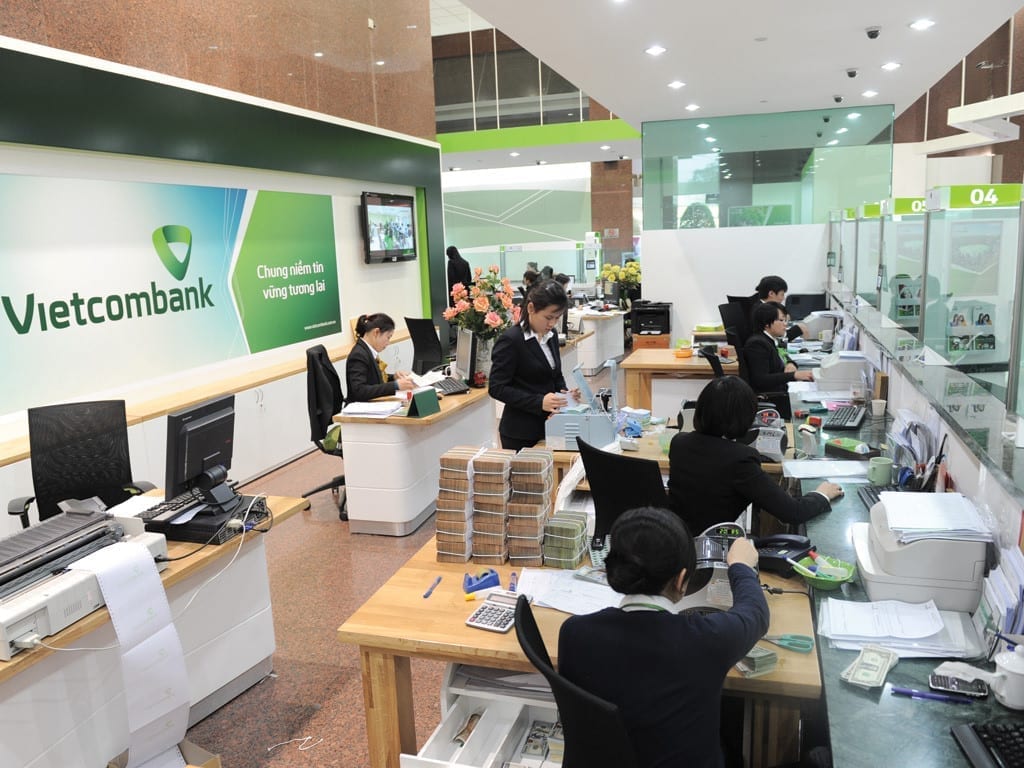
    Vietcombank’s profits are set to decline for the first time since 2013 due to slower credit growth amid the Covid-19 pandemic, a brokerage forecast.

    The country’s most profitable lender’s pre-tax profit could fall by 1.6 percent to VND22.75 trillion ($984 billion) this year after credit growth in the first nine months virtually halved year-on-year to 6.5 percent, RongViet Securities Corporation (VDSC) in Ho Chi Minh City said in a note.

    Provision for bad debts in the period rose 25 percent to VND6 trillion as companies suspended business.

    Its investment in securities resulted in a loss of VND14.5 billion as against a profit of VND116.5 billion last year.

    RongViet forecast 16 percent growth in pre-tax profit next year at VND26.37 trillion if the pandemic is under control by then.

    The bank signed an exclusive bancassurance deal with insurance firm FWD, which will give it $400 million in prepaid fees for the next five years.

    That will help increase the bank’s top line this quarter by 23 percent year-on-year, the brokerage said.

  • StanChart Explores Second Digital-Only Bank

    StanChart Explores Second Digital-Only Bank

    Standard Chartered said that it was considering another digital-only bank based in Singapore – similar to MOX in Hong Kong – after receiving recognition by local regulators to receive preferential treatment as a foreign lender earlier this year.

    Standard Chartered could acquire an additional Singapore banking license under the Significantly Rooted Foreign Bank (SRFB), according to a report, in a move that would mirror its Hong Kong digital-only bank, Mox.

    We are naturally interested in qualifying for the recently-announced enhanced SRFB framework to further deepen our presence here, according to a spokesperson for the bank.

    This will give us the option to explore an additional banking license. Under this construct, we would look to leverage on the technology and experience gained from MOX, our digital bank in Hong Kong, to operate a similar platform in Singapore together with a strong ecosystem partner.

    Standard Chartered was the first foreign bank to be named an SFRB in August this year and the new status gives it significant advantages such as the ability to set up a digital-only unit, lower amounts in paid-up capital and a greater number of places of businesses (POBs) allowed (from 25 to 50), of which 35 may be branches.

    We have a very robust record in digitalization and digital banking, and we will continue to invest and explore the best digital model for our clients in Singapore, the spokesperson said.

    Earlier this year, reports claimed that the bank was already considering the launch of another digital-only bank through a joint venture with the National Trade Union Congress (NTUC) Enterprise. The latest comments about the plans were made on the same day that the city-state announced the four winners of the much anticipated digital banking license race.

  • HSBC Private Banking identifies key business solutions for female entrepreneurs in Hong Kong Thriving during Covid-19

    HSBC Private Banking identifies key business solutions for female entrepreneurs in Hong Kong Thriving during Covid-19

    HSBC Private Banking gave a boost of confidence to female entrepreneurs in Hong Kong during the Covid-19 pandemic, as the week-long digital summit FoundHER, held in partnership with AllBright, concluded successfully. The summit, which gathered successful female founders and investors in town, sought to unite and build a strong business network that enables entrepreneurial success.

    The Hong Kong series was convened between 16 and 19 November to tackle challenges female entrepreneurs encounter during times of adversity. The event was tailored to provide practical and timely advice on making a successful virtual pitch; insights from experienced angel investors, business leaders and wealth management experts on new investment opportunities; and real-time consultations on business pitches.

    While investors are more stringent in their assessment of a firm’s business model and medium term growth potential during the Covid-19 pandemic, Fan Cheuk Wan, Managing Director and Chief Market Strategist for Asia, HSBC Private Banking, said, “We observe equally strong interests shared by private investors who are looking for innovative, sustainable investment solutions and business opportunities that will emerge robustly after the pandemic.” She added, “Female founders, especially those at early-stage startups, should stay highly adaptive and responsive to the rapidly changing world. By staying on top of the latest global and industry trends, they can build more robust and resilient businesses. Sustainable business models for startups can be more successful in convincing investors during fundraising, despite external challenges and a lack of track record.”

    Echoing these views is Veronica Chou, a well-known female investor, and founder of Everybody and Everyone, a sustainable and eco-innovative womenswear brand. Chou shared that constant communication and risk aversion are keys for her brand’s success. She said “The one thing we all need to do more of is to connect and learn from other industries and even competitors.” She stressed the importance of collaborating with the industry, communities and society at large, to address the growing need for more sustainable and innovative business practices following the global pandemic. Heeding these calls in advance would help protect one’s business, especially during challenging times.

    The FoundHER series has proven to be a meaningful and purposeful networking event at a time where the pandemic has severely hit growth plans of female founders across the city. HSBC Private Banking takes an active and functional role in enabling access to experts who can guide and support entrepreneurs, to help them grow their business and connect them to a variety of opportunities within its network.

    Cynthia Lee, Regional Head of Wealth Planning & Advisory, Asia Pacific , said, “We are well-placed to push forward our efforts in supporting Hong Kong’s female entrepreneurs, as we partner with AllBright for the second consecutive year. The digital summit underscores the value and power of networking, to constantly bring in fresh ideas and lessons from sustainable and successful business models. We believe the programme will prepare female founders and enable them to thrive when new investment opportunities arise from the post-pandemic global recovery.”


    Debbie Wosskow OBE, co-founder of AllBright said, “What we are doing with HSBC Private Banking is pivotal to create a format where every woman can pitch the investors skillfully and confidently. While many firms found it hard to navigate their business during the pandemic, FoundHERoffers female founders abundant toolkits and industry insights from the global women community.”


  • Citi Digital-Only Offering Targets 200,000 New Clients in Hong Kong

    Citi Digital-Only Offering Targets 200,000 New Clients in Hong Kong

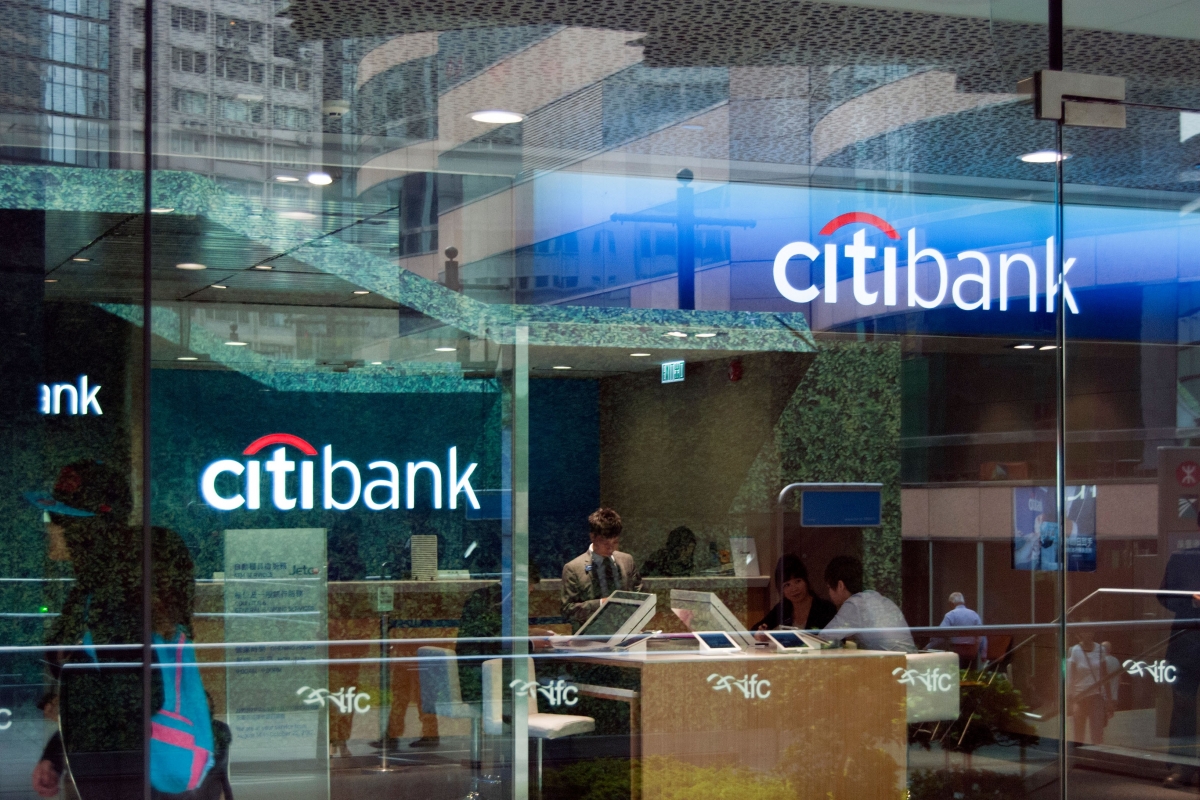
    Citi will look to realize the promises of financial inclusion with its new digital-only proposition in Hong Kong which can be accessed with as little as HK$1.

    And at HK$100, users can even find tailor-made fund portfolios based on investor needs, according to a statement from the bank.

    In addition to the low threshold, users can also earn as much as 1.8 percent on the deposit rate from the platform.

    Entitled Citi Plus, the platform will be first rolled out in Hong Kong before entering other markets in the Asia Pacific region.

    According to the bank, it will seek to add up to 200,000 clients over the next few years with a target of doubling its base within the next 24 months.

    Nowadays, young consumers have endless desires and expectations for digital living, and digital experience on wealth management is becoming part of their daily lives, said Lawrence Lam, consumer business manager at Citibank Hong Kong.

    Citibank has been committed to offering excellent services to best meet client needs. The launch of Citi Plus now is a testament to our customer-centric core principle.

  • UBS Poised for Swiss C-Suite Shake-Up

    UBS Poised for Swiss C-Suite Shake-Up

    UBS is reportedly preparing to retire one of its oldest top executives. The move paves the way for the Swiss bank’s highest-ranking female banker to take on a key business unit.

    The Zurich-based wealth manager is preparing to move Sabine Keller-Busse into the job of running its domestic arm, according to Manager Magazin. The German outlet didn’t cite sourcing for the move, nor provide any detail on when such a move could take place. A spokeswoman for UBS declined to comment.

    At the Swiss bank, where Ralph Hamers took over as CEO five weeks ago, she would replace Axel Lehmann, who has been in the top Swiss job for the last two years. The 61-year-old banker, the third person to oversee UBS’ home turf in five years, is among the oldest top executives at the Swiss bank.

    UBS, where the retirement age is 65 for men, doesn’t have a formal cut-off date for its top executives, but it isn’t much of a stretch to posit that Hamers will rejuvenate and diversify the body. The most likely time to do so would be when he hits 100 days in the job, in the spring of next year.

    The German outlet’s reporting is especially noteworthy because it was spot-on about the exit of Martin Blessing, the ex-CEO of Commerzbank, last year. The outlet’s reporting sparked an immediate, fierce rebuttal from CEO Sergio Ermotti at the time.

    The 55-year-old former McKinsey consultant earned plaudits for fast-tracking UBS’ work-from-home arrangements when the pandemic hit. At UBS, she has mainly overseen so-called corporate functions like human resources since 2010.

    She joined top management four years ago, was promoted to operating chief in the same shuffle that elevated Lehmann to the top Swiss job, and last year added UBS’ business in Europe, the Middle East, and Africa to her remit. Keller-Busse, who ran Credit Suisse’s business with private clients in Zurich from 2008 until joining UBS in 2010, was previously touted as a candidate for the top UBS job.

  • Singapore Beefs Up Wealth Management Talent Pipeline

    Singapore Beefs Up Wealth Management Talent Pipeline

    The Private Banking Industry Group launches a talent development initiative aimed at undergraduate students in Singapore.

    The Private Banking Industry Group (PBIG) in Singapore will look to «enhance the employability and job readiness of students entering the workforce» by offering 200 undergraduate traineeship positions over the next three years, according to a statement.

    Training will be related to in-demand roles such as relationship managers, product managers, data analysts, business risk managers and cybersecurity analysts.

    The PBIG is made up of industry leaders in the city-state, including 14 banks, and is currently co-chaired by the Monetary Authority of Singapore (MAS) and UBS.

    Candidates will be selected from a relevant program, of which 30 percent of the duration will be dedicated to the traineeship.

    The longer traineeship period will allow banks to develop more meaningful structured on-the-job training to complement the academic courses taken by the trainees, allowing them to be better equipped for full-time roles upon graduation, and stand a better chance to pursue a career in the wealth management sector, the statement said.

    Supporting financial institutions will benefit from a scheme that will fund 80 percent of the internship stipend, capped at $1,000 ($750) per month, for each trainee.

    The initiative, entitled Build, Encourage, Nurture (BEN), is being driven in response to both the growth and diversity in demand for talent within the financial services.

    The initiative will provide a sustainable pipeline of job-ready talent to Singapore’s private banking industry, which is essential for the sector’s growth, said Gillian Tan, an assistant managing director at MAS.

    We believe that to stay competitive in an ever-changing and disruptive future, it is critical for the industry to develop and nurture a workforce of the future with the right sustainable skills that can further enhance the financial industry and Singapore’s role as a key global financial center, added August Hatecke, APAC co-head of wealth management at UBS.

  • Singapore Banks Unite to Boost Commodity Financing Standards

    Singapore Banks Unite to Boost Commodity Financing Standards

    The ABS Code of Best Practices for Commodity Financing, launched with the support of the Monetary Authority of Singapore (MAS), Enterprise Singapore (ESG) and Accounting and Corporate Regulatory Authority (ACRA), is the industry’s first set of commodity financing best practices.

    The Association of Banks in Singapore (ABS) has launched a set of best practices to ensure a more robust and disciplined financing approach to support the growth of Singapore’s commodity trading sector, it announced on Monday.

    Developed with feedback from a diverse range of commodity trading companies and an industry working group of 28 banks, the Code lays out key principles governing prudent commodity trade financing practices, providing a benchmark for banks’ lending standards in the sector to help enhance the resilience, relevance and competitiveness of Singapore as a global commodity trading hub.

    The Code is designed to provide broad guidance to banks, which are expected to ensure that appropriate policies and procedures, as well as controls, are in place to observe the principles in the Code in a risk proportionate manner, ABS said

    Samuel Tsien, chairman of ABS and Group CEO of OCBC, said the Code is «an important step to strengthen Singapore’s stature as a global commodity trading hub.»

    The Code is a step in the right direction to boost corporate transparency and enhance the trust between the banks and commodity trading companies. This will help to promote accountability and uphold the integrity of the commodity trading sector, Andy Sim, ACRA’s assistant chief executive, legal services and compliance, said in the announcement.

    Singapore’s oil trading sector has come under the spotlight since the commodity’s plunge earlier this year as a result of the Covid-19 pandemic, with several trading firms having trouble repaying their debts. Numerous banks including HSBC, DBS, OCBC, Societe Generale and ABN AMRO, were owed a total of $3.8 billion by oil trader Hin Leong, while Zenrock owes at least six banks a total of $166.1 million and has outstanding balances of $449 million

  • DBS Ramps Up Support for Social Enterprises

    DBS Ramps Up Support for Social Enterprises

    The bank disbursed S$7 million ($5.23 million) in loans to social enterprises so far this year, up fourfold from 2019.

    Much of this support has gone towards creating and preserving livelihoods, with many of the SEs using the funds to create and retain jobs that hire people from disadvantaged communities, DBS said in a statement on Thursday.

    DBS said that access to working capital was an immediate priority for many SEs when the pandemic emerged, but many of them faced challenges in getting loans as they typically lacked a borrowing history with banks or relevant credit profiles.

    The bank rolled out its SE Digital Business Loan in May this year, which covers working capital needs at preferential rates. The bank also offers the Social Enterprise Business Loan which provides unsecured loans at a preferential interest rate, and the Temporary Bridging Loan, which provides short-term relief assistance.

    In addition, DBS Foundation awarded S$2 million in grants to social enterprises (SEs) to support the deployment of social innovations. The funding includes S$1.4 million given to 13 SEs in six of the bank’s key markets (Singapore, China, Hong Kong, India, Indonesia and Taiwan) in the 2020 cycle of its DBS Foundation Social Enterprise Grant Program.

    Two were from Singapore: Ento Industries – a biotech focused on reducing food waste, and Zigway, a ASEAN-focused fintech that makes bulk buying affordable for low-income families through a monthly subscription model.

    Recipients were chosen from a record 820 applications across Asia, based on social impact, innovation, as well as the sustainability and scalability of their business models. They were also required to demonstrate a path to achieving key business and social impact milestones.

    DBS noted the increasing recognition for the role SEs play in society.

    In the world we’re living in today, companies must not only think about delivering value to shareholders, but also consider the interests of the communities they serve. This has really come to the fore amidst Covid-19, which has sparked unprecedented social and economic challenges – yet, these very issues have also heightened opportunities for social enterprises to make a difference, and helped to cement the importance of their role in society, Karen Ngui, Board Member of DBS Foundation, said in the statement.