Tag: Banking

  • DBS and Keppel to Collaborate Under MOU

    DBS and Keppel to Collaborate Under MOU

    Under the memorandum of understanding (MOU), the two sides will collaborate on a range of initiatives that harness digital technologies to better serve customers and suppliers.

    DBS Bank and Keppel Technology & Innovation have agreed to work together on digital technologies to create more opportunities and efficiencies for both companies, according to an announcement on Tuesday.

    Three areas are covered under the MOU: exploring synergies between Keppel Group’s consumer businesses like M1, Keppel Electric and City Gas, and DBS’ consumer marketplace platforms; developing 5G-enabled digital banking solutions, and developing digital tools and platforms to provide bundled services from both M1 and DBS to large corporates and small-to-medium enterprises (SMEs); and providing digital supply chain financing solutions to Keppel Group’s supplier ecosystem.

    The initiatives will be rolled out over the rest of the year, the announcement said.

    The value of knowledge grows when it is shared. Our collaboration with Keppel’s ecosystem of businesses exemplifies this by demonstrating how the cross-pollination of expertise and networks from different industries can help Singapore seize new opportunities here and in the global marketplace, Tan Su Shan, DBS group head of institutional banking, said about the partnership.

  • UBS Mulls VR-Based WFH Traders

    UBS Mulls VR-Based WFH Traders

    UBS is reportedly exploring the option for traders to work from home through simulated experiences via virtual reality headsets.

    The bank is experimenting with creating a trading floor simulation for its London-based staff, according to a report, using Microsoft’s HoloLenses.

    If people really can’t come to the office, can we create a virtual presence?» said Beatriz Martin, head of U.K. at the bank. «We are thinking about experimenting with the tools that are out there.

    The HoloLenses are a head-mounted unit that uses multiple censors, advanced optics and holographic processing that display information and images that can blend in with the real world.

    UBS’s work-from-home efforts extend beyond just its trading operations or the European region. The Swiss bank has already launched a «UBS Workspace» platform which allows employees to have mobile-based access to any files or the information in the exact same format at any time and place.

    Within Asia, 90 percent of employees are able to work from home via «UBS Workspace» with three-quarters of all staff across wealth management and investment banking already being enabled by the platform.

  • Barclays APAC Head of FX Trading Departs

    Barclays APAC Head of FX Trading Departs

    Barclays’ head foreign exchange trading in Asia Pacific will reportedly exit just 18 months after joining the British bank.

    Pritpal Gill, head of G10 FX and FX options trading in the region, has been let go by Barclays, according to a report citing unnamed sources, after joining its Singapore offices less than two years ago in January 2019.

    Prior to joining Barclays, Gill ran a family office and also worked with Citigroup.

    Gill’s exit is part of Barclay’s broader efforts to reduce costs by cutting 100 senior jobs mostly from its corporate and investment banking unit.

    Previous senior exits include Jonathan Kitei, Americas head of securitized product sales, and Anindya Das Gupta, India head of trading.

  • UOB’s Private Equity Arm Achieves Impact Milestone

    UOB’s Private Equity Arm Achieves Impact Milestone

    The firm has also obtained verification from Ernst & Young for its Asia Impact Investment Fund’s alignment with the World Bank’s impact investing principles.

    UOB Venture Management (UOBVM) has issued its disclosure statement on the Operating Principles for Impact Management, becoming the first signatory of the Impact Principles in Southeast Asia to do so, the bank announced in a statement on Tuesday.

    UOBVM’s disclosure statement demonstrates how it upholds the Impact Principles through its impact investing strategy and approach, in particular for its Asia Impact Investment Fund (AIIF), ensuring that impact considerations are purposefully integrated into key stages of the investment process.

    Launched in 2015 together with Credit Suisse, the $55-million fund invests in high-growth companies from the education, healthcare, and agriculture sectors in Southeast Asia and China. It also focuses on investments that will help to improve financial inclusion, affordable housing, sanitation, clean energy, and water for the region’s low-income communities.

    The Impact Principles provide a clear market standard for investors looking to achieve social, economic or environmental impact alongside financial returns. With this disclosure statement and independent verification, UOBVM enters a new era of transparency for the benefit of impact investors, Nicolas Marquier, Singapore country manager of IFC, said.

    UOB has also opened its second impact fund for subscriptions. The fund has a target fund size range of $100 million and is expected to make equity investments of about $1 million to $15 million each, the announcement said.

    The need for impact investments is even more pressing now with the COVID-19 pandemic disproportionately impacting low-income communities in Asia and pushing more people below the poverty line, Seah Kian Wee, chief executive officer of UOBVM, said.

  • Citi Promotes APAC Head of Private Banking Ops

    Citi Promotes APAC Head of Private Banking Ops

    Citi has promoted its private banking head of operations and technology in Asia Pacific to an even larger role covering the same area for the broader group.

    Stacey N. Lacy has been named as APAC head of operations and technology for Citi, effective immediately, according to a statement from the bank. In her new Singapore-based role, Lacy reports to Mike Whitaker, Citi’s global head of enterprise infrastructure, operations, and technology as well as Peter Babej, APAC chief executive.

    Her responsibilities include «delivery of client-focused initiatives, operations, and technology and shared services deployment» for the bank across the institutional clients’ group and global consumer banking businesses in the region.

    Citi’s shared service centers in the region are located in India, Singapore, Malaysia, and China.

    Lacy joined Citi in Hong Kong as a global consumer bank management associate over 23 years ago in 1996 and has since then has taken on various ops and tech roles within the bank. She was previously Citi’s ASEAN head of ops and tech for four years and China head of ops and tech and shared services for another four years.

    In her most recent role as Citi Private Bank’s head of ops and tech, she as credited with «expanding the business’ transaction capabilities, driving digital adoption by clients and revamping key operations processes and products».

    Banking accomplishments aside, the statement also highlighted Lacy’s role as a «champion» for diversity and inclusion initiatives such as active mentorship and development of global female talent internally.

  • StanChart Fined for 2007 Takeover Blunder in India

    StanChart Fined for 2007 Takeover Blunder in India

    India’s regulator fined Standard Chartered one billion rupees over violation of foreign exchange rules during a takeover of a local bank in 2007. India’s anti-money laundering agency slapped one of the country’s largest fines on a foreign bank in history following an 8-year probe that found it in violation of the foreign exchange management act which monitors offshore financial transactions.

    According to a report citing an order from India’s enforcement agency, Standard Chartered – the country’s largest foreign bank by branches – acted as a dealmaker and custodian for the transferal of Tamilnad Mercantile Bank (TMB) shares to a group of overseas investors 13 years ago without seeking permission from the local central bank.

    Senior officials at Standard Chartered saw an investment in TMB shares as an opportunity that might ripen into eventually larger ownership for the bank,» Sushil Kumar, the enforcement agency’s special director, said in the order.

    46,862 shares were transferred to foreign investors including GHI, Swiss Re Investors, FI Investments, Cuna Group and Sub-Continental Equities, an affiliate of Standard Chartered in April 2008. The transfers were made through escrow accounts with Standard Chartered, which acted as both a transaction agent and a lender to one of the investors on the deal.

    Standard Chartered through its affiliate Subcontinental was a proposed and eventually an actual investor in TMB shares to be purchased through the escrow agreement arrangements, Kumar added.

    Separately, TMB was fined almost 170 million rupees ($2.3 million) for similar charges.

  • Digitalization of Asian Private Banking in Numbers

    Digitalization of Asian Private Banking in Numbers

    Even private banking in Asia – awash with not only the usual posh amenities but also various other characteristics that make it uniquely more high-touch – was not immune digital disruption during the pandemic.

    Within the banking sector, private banking has often been named as one of the segments most immune to digital disruption due to several common factors: larger account sizes and transaction sums that justify human resource costs; complex products and sensitive issues that are difficult to discuss while not in-person; and an older and traditionally less tech-savvy client demographic.

    This is even more amplified in Asia due to a hands-on investor culture coupled with a high share of active trading, leading to more need for manual interaction with clients. But increased market volatility and unprecedented geopolitical uncertainty, amidst an ongoing pandemic, has created an impetus for engagement regardless of method.

    We have met all our clients in their living room over the last six months, which was the first time ever, said Lombard Odier’s Asia chief executive, Vincent Magnenat, in a recent online conference. And guess what? We could have done this before Covid. We needed something like Covid to realize that we don’t need to take a flight to engage with our clients and partners.

    Many of the digital tools and capabilities being showcased during the pandemic, such as secure instant messaging or interactive virtual events, were already available to clients before the outbreak. But against the backdrop of restricted physical access, greater uncertainty and a digital option, a new factor has emerged: self-motivation.

    In the past if you wanted to share your view on macro or on markets, you basically had two ways: set up a large client event or distribute research documents and have bankers follow-up, said Omar Shokur, Asia chief executive of Indosuez Wealth Management in a previous interview. But during this crisis, we have seen bankers and clients becoming more receptive to interaction through new channels like virtual events, not to mention a much faster time to market.

  • Mastercard and Asian Development Bank build multi-stakeholder alliance to digitalize supply chains

    Mastercard and Asian Development Bank build multi-stakeholder alliance to digitalize supply chains

    Mastercard and its partners N-Frnds, SGeBIZ and Finastra have formed an alliance with the support of the Asian Development Bank (ADB) to create technology solutions to drive greater digital efficiency across the retail supply chain in Asia and increase wholesalers’ access to credit.

    “These unprecedented times underscore the importance of building an inclusive, sustainable digital economy, including through the application of technology to digitize trade, which can make it easier for small and medium-sized businesses to participate in global supply chains,” commented Michael Froman, Vice-Chairman and President, Strategic Growth for Mastercard. “Innovative partnerships like this one can support the agility and resilience of supply chains, accelerating access to finance and improving efficiency.”

    The global pandemic and accompanying economic impact have severely disrupted supply chains and trade networks, particularly for small and medium enterprises (SMEs) that account for 90% of all global businesses, employ about half of all workers and deliver more than half of GDP.

    The pandemic has also reduced control over cash flow and access to credit by SMEs. Even before COVID-19, the ADB estimated there was a $1.5 trillion funding gap in 2018, with smaller businesses most impacted. The International Chamber of Commerce estimates a potential $2 trillion to $5 trillion shortfall in trade financing through 2021 if demand returns to the global economy.

    As a result, it is vital for the public and private sectors to come together to enable a faster and more efficient shift towards digitalization for SMEs across global supply chains, trade and access to financing. Mastercard, in line with its broader commitment to bring 1 billion individuals and 50 million micro and small businesses into the digital economy, has responded by developing a collaborative market-leading solution with SGeBIZ, Finastra and N-Frnds. The program will start in Indonesia with 500 retailers and aims to build to 5,000 retailers by the end of Q1 2021.

    “COVID-19 has had an adverse impact on the global supply chain and these collaborative solutions are critical to ensuring grocery stores stay stocked, pharmacies have access to medicines and people can buy the daily goods they need,” said Safdar Khan, Divisional President, SEA Emerging Markets Mastercard. “Mastercard is proud to work with like-minded partners to integrate digital payments with the flow of commerce to deliver solutions for SMEs that help them navigate today’s environment and thrive in the future.”

    “ADB has been working closely with the Government of Indonesia in its efforts to alleviate the impact of the coronavirus disease (COVID-19) pandemic, including through the $1.5 billion financing approved in April 2020. Our partnership with Mastercard and its alliance partners in the pilot digital supply chain project will provide critical access to finance to affected MSMEs and immediate assistance to keep the food and essential goods supply chain running,” said Ahmed Saeed, Vice President for East Asia, Southeast Asia and the Pacific, Asian Development Bank.

    The results of the alliance are a technology solution that provides two key benefits:

    1. Wholesaler access to credit: Mastercard will leverage supply chain data from N-Frnds, SGeBIZ’s digital procure-2-pay platform and other sources to partner with Finastra and its Trade Bank customers to automate access to working capital finance.

    The collaboration will increase the digital data available to assess creditworthiness and create new models to evaluate it. Access to the resulting lines of credit will enable wholesalers to react more quickly to upcoming promotions, increase their inventory levels and build their businesses.

    “One of the most fundamental problems for SMEs and micro-businesses across Asia is access to finance,” said Simon Paris, CEO, Finastra. “Without credit, financially excluded businesses become caught in cycles that restrict their capacity to grow and leave them underprepared for the effects of market disruption. Technology is the enabler to tackle financial inclusion challenges. As part of this collaboration, we are able to drive change to bring positive outcomes, through digital transformation and innovative new lending pathways.”

    1. Fully digitalized marketing campaigns: Through integrating digital payments and supply chain data with promotions, FMCG trade spend can be allocated more efficiently with better visibility and inclusion of SME retailers.

    The alliance will leverage N-Frnds’ mobile solution – which optimizes logistics and operations by connecting FMCG companies with wholesalers for placing orders, coordinating deliveries and monitoring inventory levels – to better communicate upcoming promotional efforts between suppliers and wholesalers.

    “We are excited to join N-Frnds, our strategic partner for the last mile in this new initiative to digitalize and streamline trade financing and promotions in traditional markets. We believe that this new collaboration will enable us to lead the transformation of value chains in Indonesia, both by extending credit and ensuring that our promotional spend is significantly more effective and enjoyed by the four million grocery stores in Indonesia,” says Kadir Gunduz, President Director, Coca-Cola Amatil Indonesia.

  • Net New Money Surges at DBS Private Bank

    Net New Money Surges at DBS Private Bank

    DBS’s private banking arm saw net new money inflows surge in the first half of 2020 driven by a diversified range of client segments.

    Net new money inflows surged by 170 percent in the first half for DBS Private Bank which saw assets under management (AUM) climb 9 percent in the same period, according to a report.

    Our business has really gone up to higher than pre-Covid times, said Joseph Poon, group head of the private bank, noting that it was on course to register 7-8 percent AUM growth this year. The rebound has been very strong. We hope we’ll see this growth maintained all the way to the end of the year.

    Although DBS does not break down absolute figures, its private banking business is part of its broader wealth management unit which saw AUMs rise 7 percent year-on-year to S$251 billion ($184 billion).

    The bank has benefited from its traditional markets in the ASEAN or Greater China region and is eyeing further expansion specifically in the Philippines and Thailand where wealthy families are keen on diversification. In the latter market, Poon noted that the bank was on track to double AUM to reach $5.86 billion by 2023.

    Outside of Asia, DBS Private Bank also saw inflows from western markets, especially from family offices looking to establish a presence in Singapore.

    European and U.S. family offices see Singapore as a lighthouse from which they can see the rest of Asia, whether for financial market investments or actual businesses they may want to invest in or partner with, Poon said.

    On investments, the bank is currently advising clients take a barbell approach to focus on growth and income. The «DBS CIO Barbell Portfolio» strategy covers over 50 securities and the bank is also offering a structured note tracking its performance which has delivered net returns of 11 percent, outperforming its benchmark by around 6 percent.

    Also gaining traction at DBS is sustainable investing where the bank has adopted MSCI ESG ratings for the portfolios of its wealth management clients. The bank also created a structured product to provide exposure to the theme and the ESG MSCI Asia Outperformance Note has generated an average alpha of 12.2 percent since its inception in 2018.

    And should Asian investors seek to add exposure to such themes, ample cash holdings await them as DBS saw clients boost allocations to 40 percent during the crisis, up from the traditional 30 percent allocation.

    According to Poon, clients are increasingly cash allocations not only in anticipation of distressed asset opportunities but also to boost liquidity in case of urgent business needs, especially given the high share of entrepreneurs amongst the region’s high net worth individuals.

  • How to Trade Online

    How to Trade Online

    Learn to Trade Online- It’s an Intricate Affair

    Trading online may not be as easy as you think. Also, it is riskier than many perceive it to be, especially if you are involved in guess work, and haven’t done your homework. Many of us have capitalized on online money making opportunities, leaving no stone unturned. For those who are net savvy or perhaps just more entrepreneurial, taking a step into trading online requires sound trading skills. You may be privy to some of this information, or be using a renowned company for the same. Either way, it is not a trade for the weak at heart as there will be grave losses without informed decisions.

    Take Courses on Online Trading 

    Before we get to the nitty-gritty on how to trade online and go about perfecting this art (if at all that’s possible), let’s examine the options available to you

    Foreign Exchange Trading

    This is the first type of trading amateurs look at to make a buck. If you are not familiar with online trading at all, this may be the perfect starting point for you. It involves buying and selling popularly used and traded currencies. Making a profit is easy once you learn when to buy and/or sell

    Trading in Shares

    This is what you ordinarily come across when you catch a glimpse of NYSE or NASDAQ on CNN. It is buying and selling of company shares and usually attracts the richest investors. Take ample time to learn this trade prior to considering putting any money in

    Traders Buy and Sell Shares on the Stock Exchange

    Binaries

    Are you a gambler by any chance?  Ever placed an all-or-nothing bet? It’s basically going all out and expecting to either win, or end up broke. Based on predictions of how a certain event will pan-out, it is quite simple and only requires some insight, or instincts regarding an event.

    How Can One Prepare for Online Trading?

    Financial (market) literacy

    For starters, you will not be gambling a few pennies to the dollar, nor will you be gauging weak odds for marginal profit-making. This form of trading revolves around buying and selling financial securities. That being the case, you need to invest A LOT into learning about commodities, equities and currency indices. You may need to read on more than you planned to- it is essential because trading transcends different market sectors and may require knowledge from your college diploma. Read literature on how to win on Wall Street, analyzing financial markets, and of course, how trading online can help you earn a living. 

    Many of these learnings can be achieved for pennies on the dollar (unlike trading online). You should make use of online shows and television programs oriented toward financial markets. Yahoo Finance, CBS Market Watch and the like all cater for novice, as well as professional traders. For those seeking top notch insight from the comfort of their living rooms, Bloomberg and The Wall Street Journal will not disappoint.

     Market Literacy is Important

    Seminars on Trading

    Find professionals, no matter how much they cost, to guide you along the way. Most people (unfortunately) take their first trading steps with money allotted for something else. This, by the way, is not recommended nor endorsed by any of us. However, seeing as we have no control over which funds are spent for this endeavor, we can only recommend that you find specialists in the same. Also, while in the process of attending seminars, it would be beneficial to find a mentor- specifically, someone who has worlds of experience trading. They should also be trading in the field YOU want to participate in, otherwise their insight may be superficial.

    Practice makes perfect

    There are online games that get you heading in the right direction. These simulations may allow you to play with a little bit of cash, which is a great way to ensure you are not spending thriftily and losing embarrassingly. This paper trading removes the psychological effect of losing money. Once you move on to trading with your own cash, the emotions will kick in, but it helps a great deal if you have some foresight as to what may/ may not happen.

    To finalize your lessons and find your footing in the trading world, use credible and renowned firms to engage with. Forums can help you find the right ones, or if you have a mentor, they will undoubtedly link to one- or two worth checking out. If you are up for it, and your trading game is witnessing growth, take on a diverse portfolio. The more options you have to trade with, the more you can spread your risk and reduce your losses. 


  • DBS to Form Securities Joint Venture in China

    DBS to Form Securities Joint Venture in China

    The firm joins a string of international banks that have registered with Chinese authorities to set up onshore brokerages after the financial market supervisor loosened the rules on foreign access to financial markets.

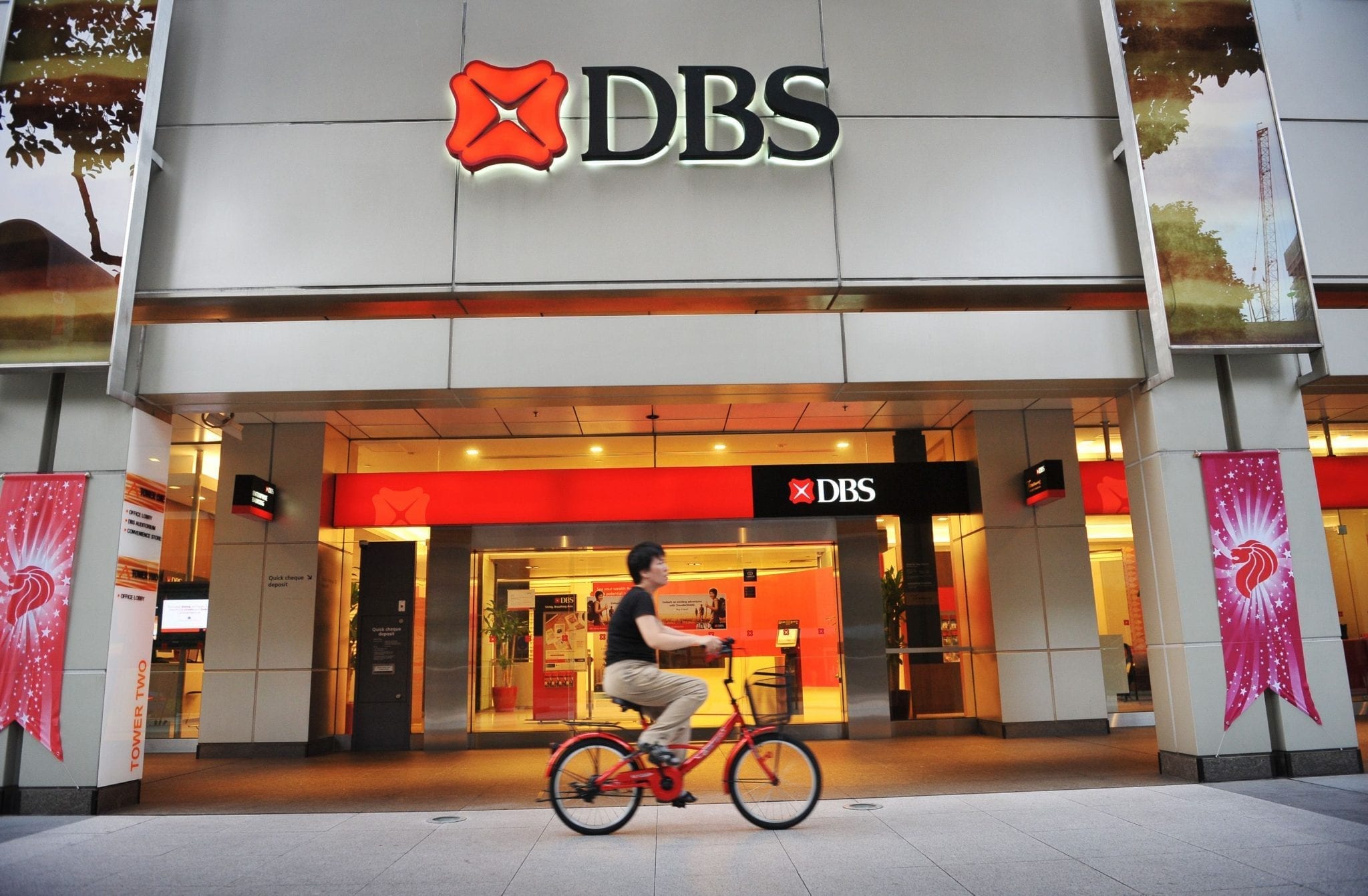
    DBS Bank has received approval to establish a securities brokerage joint venture in China, which will provide brokerage, securities investment consulting, securities underwriting and sponsorship, as well as proprietary trading, the bank announced on Wednesday in a statement.

    The bank had been in discussions to set up a securities firm in China together with a local partner as far back as 2018.

    DBS Securities (China) will be 51 percent owned by DBS Bank, 24.67 percent by Donghao Lansheng Investment Management, 13.33 percent by Shanghai Huangpu Investment Holdings, 6.5 percent by Shanghai Huiyang Asset Management, and 4.5 percent by Shanghai Huangpu Guidance Fund Equity Investment.

    DBS chief executive Piyush Gupta called it a key milestone for the bank, and said it would «make available the best of DBS’ capabilities and offerings, and provide customers in China with a full range of onshore and offshore financial services.»

    The establishment of DBS Securities will further support the long-term sustainable development of DBS Group in China and meet the changing needs of customers in multiple aspects, Neil Ge, China head of DBS Group said.

  • DBS Issues First SORA-Based Loan for Agribusiness Industry

    DBS Issues First SORA-Based Loan for Agribusiness Industry

    This is the industry’s first SORA loan coupled with an interest rate swap, which provides certainty of interest rates.

    DBS has issued a $200 million ($146.4 million) loan to agribusiness group Wilmar International –  the agribusiness industry’s first corporate loan agreement pegged to the Singapore Overnight Rate Average (SORA), the bank announced on Thursday.

    The loan facility’s interest rate, which references SORA, comprises a compounded daily SORA rate calculated in arrears and an applicable margin.

    Charles Loo, Wilmar chief financial officer, said the loan will put the company in good stead to ride the wave of interest rate reforms and drive better understanding and greater adoption of risk-free rates in general, which is more stable and robust.

    SORA is a transaction-based interest rate benchmark underpinned by the SGD overnight interbank funding market. To determine the interest rate of a SORA-based loan facility, the daily SORA rates are compounded in arrears and the interest rate is determined by the end of the relevant interest period.

    Singapore plans to shift away from the SGD Singapore Interbank Offered Rates (SIBOR) in three to four years and adopt SORA as the new interest rate benchmark for the Singapore Dollar cash and derivatives market, saying this will bring more transparent loan market pricing for borrowers and more efficient risk management for lenders.

    The SORA IRS demonstrates DBS’ commitment to increase liquidity in SORA-derivatives, Andrew Ng, DBS group head, Treasury & Markets, said. This will allow clients like Wilmar to continue to hedge their loan exposures and facilitate a smoother transition into the new benchmark.

  • Deutsche Bank Names Vietnam Country Chief

    Deutsche Bank Names Vietnam Country Chief

    He joins from Maritime Bank, a Vietnamese bank where he was CEO for four years before taking up its deputy chairman position earlier this year.

    Deutsche Bank has appointed seasoned banker Huynh Buu Quang to lead the bank’s expansion of its franchise in Vietnam, pending State Bank of Vietnam approval.

    As chief country officer Vietnam, Huang will be based in Ho Chi Minh City. He brings more than 25 years of experience in corporate banking, and has held local and regional leadership roles in Vietnam, Singapore, Hong Kong and Indonesia, across multiple banking functions spanning trade finance and credit risk management.

    Alexander von zur Muehlen, Deutsche Bank’s Asia Pacific CEO called Vietnam «a key growth market» for the bank in ASEAN, in a statement announcing the move.

    Deutsche Bank has operated in the country since 1992. Since 2017, the bank has raised more than $1 billion in debt, loan and equity capital annually for Vietnamese corporates.

    Earlier this year, Deutsche Bank announced that it would increase its investment in Vietnam, with the recently ratified EU-Vietnam Free Trade Agreement expected to boost trade flows.

  • DBS Finances Floating Solar Farm

    DBS Finances Floating Solar Farm

    The bank is the sole financier for one of the world’s largest inland floating solar photovoltaic systems to date. DBS Bank has provided a $40 million loan facility to Sembcorp Industries to build a 60 megawatt-peak (MWp) floating solar photovoltaic (PV) system on Tengeh Reservoir in Tuas, Singapore, the bank announced on Thursday.

    The reservoir, scheduled to begin full commercial operations in 2021, covers an area of around 32 hectares and will generate enough energy to power about 16,000 four-room HDB flats, offsetting about 32 kilotons of carbon emissions annually, which equivalent to taking approximately 7,000 cars off the roads.

    As part of its transition to a low-carbon economy, Singapore aims to achieve a solar target of at least 2 gigawatt-peak (GWp) by 2030. With this project, Sembcorp will be one of the largest renewable energy players in Singapore with approximately 240 MWp of solar capacity in the country.

    Enabling renewable energy financing is at the core of DBS’ agenda and is one of the key tenets of our sustainability strategy, Lim Wee Seng, DBS Bank’s head of Energy, Chemicals, and Infrastructure, said about the investment.

    DBS seeks to differentiate itself in renewables financing – capturing financial advisory opportunities so we shape and influence early, Lim said.

    The bank was previously an advisor for Taiwan’s largest floating solar project and also Taiwan’s largest ground-mounted solar project, and earlier this year garnered four new advisory mandates across solar, wind and geothermal assets in Indonesia, Taiwan and Vietnam.

  • DBS to Train Staff in AI and Machine Learning

    DBS to Train Staff in AI and Machine Learning

    The bank hopes to equip its employees with skills in these areas, under a partnership with cloud services provider Amazon Web Services (AWS).

    DBS Bank will accelerate the use of artificial intelligence (AI) and machine learning (ML) across its business by training its staff in these skills with the launch of the AWS DeepRacer League, the bank announced on Tuesday.

    As part of the program, DBS staff will learn the basics of AI and ML through hands-on online tutorials and will use their knowledge in programming an autonomous model race car to compete in a virtual racing environment. The bank hopes to train some 3,000 employees, including its senior leadership, by the end of the year. The league is the largest among Asian-headquartered enterprises and one of the first in the world to be organized at scale by a financial institution, the announcement said.

    Employees are also encouraged to develop their talent beyond the bank’s league and compete globally – the bank said six of its employees have already qualified for the AWS DeepRacer Championship Cup to be held in Las Vegas later this year.

    We have never believed in limiting digital expertise to a small team. Instead, we passionately believe in democratizing technology skillsets among all employees, so that they can run alongside the company as we advance on our digital transformation together, Paul Cobban, DBS chief data and transformation officer, said.

    DBS said it is preparing for the next stage of its digital transformation efforts and has been leveraging AI and ML in areas such as advanced credit risk management, and to provide accurate self-service digital options to its retail customers based on their digital footprint.