Tag: Banking

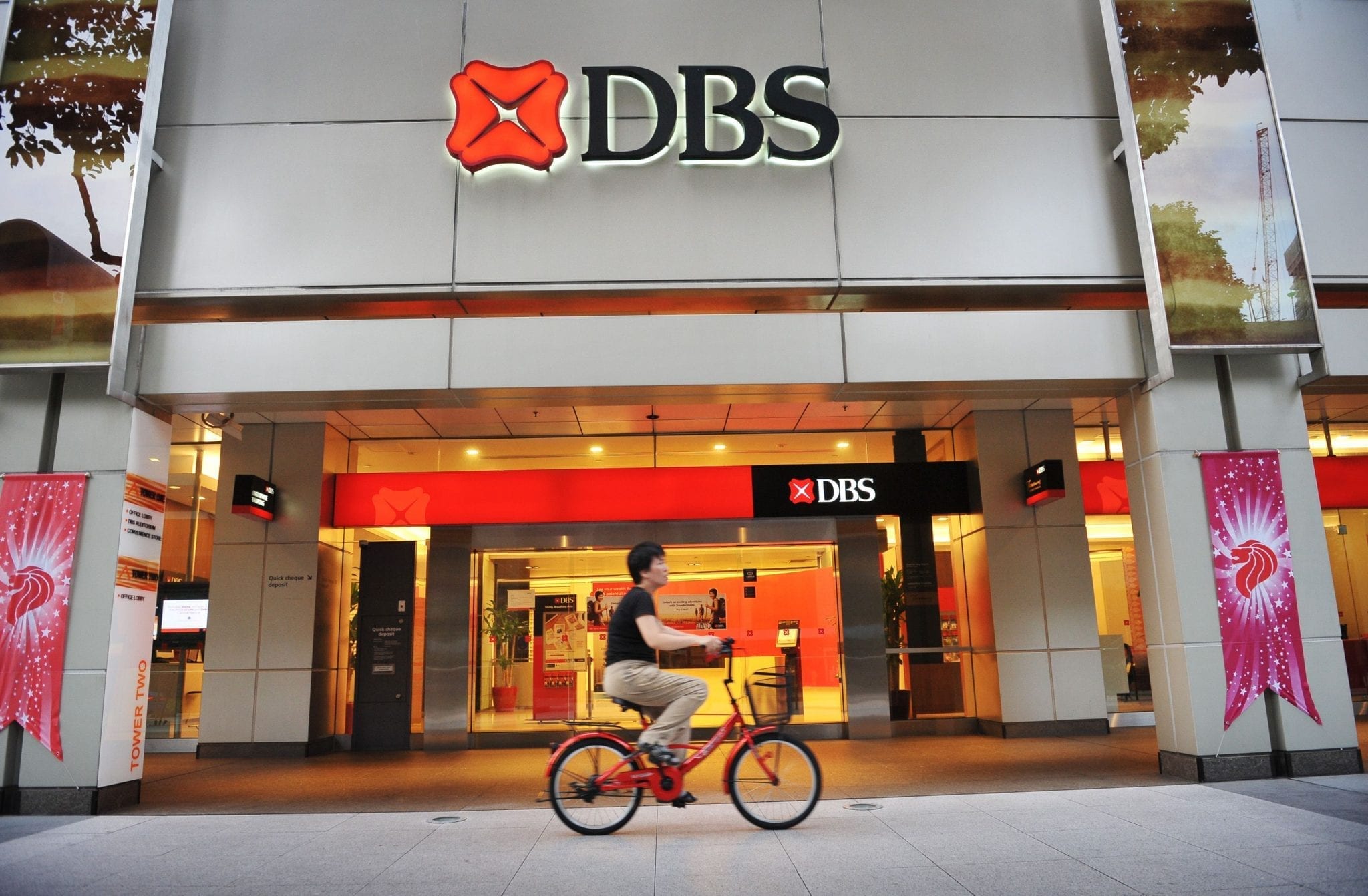
  • DBS Rolls Out Customer Center of the Future

    DBS Rolls Out Customer Center of the Future

    DBS has retrained its customer center employees to take on new roles as customers become more digitally savvy. Voice biometrics specialists, live chat agents, and customer experience designers are among the 13 new job roles that DBS Bank has introduced in recent years as it creates the customer center of the future, the bank said in a media statement on Thursday.

    As it creates the customer center of the future, the bank has upskilled and retrained over 500 customer center employees and eliminated common customer pain points such as long waiting times. «By investing in our people, we have been able to transform from a labor-intensive department with a high turnover rate to one that is technology-enabled where employees are more fulfilled and armed with future-forward skills,» said Geeta Sreeraman, DBS’ Head of Customer Centre, Singapore.

    Customer centers are traditionally labor-intensive departments. At DBS Singapore, its customer center processes over four million inbound customers’ calls every year. But with new digital initiatives and new roles created, call volumes have dropped 12 percent over the last year. Over the next three years, the bank predicts call volumes will drop by a further 20 percent.

    As customers become more digitally-savvy, DBS has expanded its service channels online and on social media to serve its customers. DBS’ customer center has also incorporated technologies such as voice biometrics, chatbots, and data analytics so that callers can experience shorter call waiting times and opt to resolve their banking queries independently via the bank’s website, on their mobile banking app or through the bank’s Facebook or Twitter channels.

    In 2017, DBS committed to investing S$20 million over five years to equip employees with digital skills to become a future-ready workforce. Since then, the bank has rolled out a company-led Professional Conversion Programme (PCP), an AI-based learning tool available 24/7 and scholarships that encourage peer-to-peer learning.

    The new roles in DBS’ Customer Center are:

    1. Social media relations manager
    2. ‘Live’ chat agent
    3. Customer experience designer
    4. Demand manager
    5. Mobile app developer
    6. Business intelligence lead
    7. Content creator
    8. Knowledge platform designer
    9. Voice biometrics specialist
    10. Natural language processing engineer
    11. Scrum master
    12. Digital evangelist
    13. VTM manager
  • Singapore May Allow Virtual Banks

    Singapore May Allow Virtual Banks

    Singapore may permit virtual banks to operate in the city-state, following in the footsteps of Hong Kong, said DBS chief executive.

    If virtual banking licenses were handed out in Singapore, it would step up the competitive pressures faced by incumbent lenders. However, those who have upgraded their digital capabilities should not fear this new form of competition, said DBS chief executive Piyush Gupta.

    To my mind, that’s just basically giving a few more banking licenses, said Gupta, who was speaking in an interview with Bloomberg. Virtual banks could typically generate $100 income at 25 to 30 percent of operating costs, according to experts. In comparison, DBS’s cost-to-income ratio stood at 44 percent last year.

    In the interview, Gupta does not see a problem with having virtual banking licenses in Singapore unless these virtual banks are allowed to operate on more lenient terms than incumbents, such as lower capital requirements held.

    The real challenge is if the regulators create an unlevel playing field, and let the new bank licensees come in and do banking on different terms, he said. However, he felt that most regulators don’t seem to be inclined to do that.

  • Paperless Trade Financing an Inevitability

    Paperless Trade Financing an Inevitability

    The paper-filled world of trade financing is ripe for reform as the expertise of forgers in faking documents used by banks is forcing the industry to digitalize.

    Trade financing is being forced into the digital age because of the scale and expertise of forgery, said Ng Chuey Peng, Oversea-Chinese Banking Corp’s (OCBC) managing director, and head of global commodities finance, in an interview with Bloomberg.

    The widespread use of paper in trade financing – to establish the existence, ownership, and provenance of goods – stands in contrast to the high-tech world of finance, but is critical for banks to issue loans for trades. Digitalization and high levels of security can improve efficiency and help reduce fraud in trade finance by removing paper documents that are often manipulated.

    Ng said that OCBC is currently working on projects «that leverage technology in order to reduce the use of paper in commodities trade finance,» without providing further details.

    OCBC started its trade finance unit in 2014. Since then, it has tripled its number of trade financing customers, Ng said, Bloomberg reported. She added that the bank will soon add a Hong Kong and U.S.-based team for this business.

  • Moody’s backs Vietnam’s strict proposal on unsecured consumer lending

    Moody’s backs Vietnam’s strict proposal on unsecured consumer lending

    The State Bank of Vietnam has proposed changes to regulations on personal unsecured lending by consumer finance companies. The proposed changes include limiting unsecured personal loans in cash to existing customers with good credit and no overdue debt; and limiting the maximum amount of such cash loans to 30 percent of total loans.

    The central bank has not specified when it intends to carry out the new regulations.

    According to Moody’s, the proposal is credit positive for Vietnamese finance companies because the stricter regulations will help alleviate asset quality pressure by curbing excessive growth in the riskier consumer-loan segment, which will lead to stronger risk-adjusted returns and will support internal capital generation in the future.

    The rating agency also said that the bottom-line profitability of finance companies was expected to decrease in 2019 as companies adjust to the new rules.

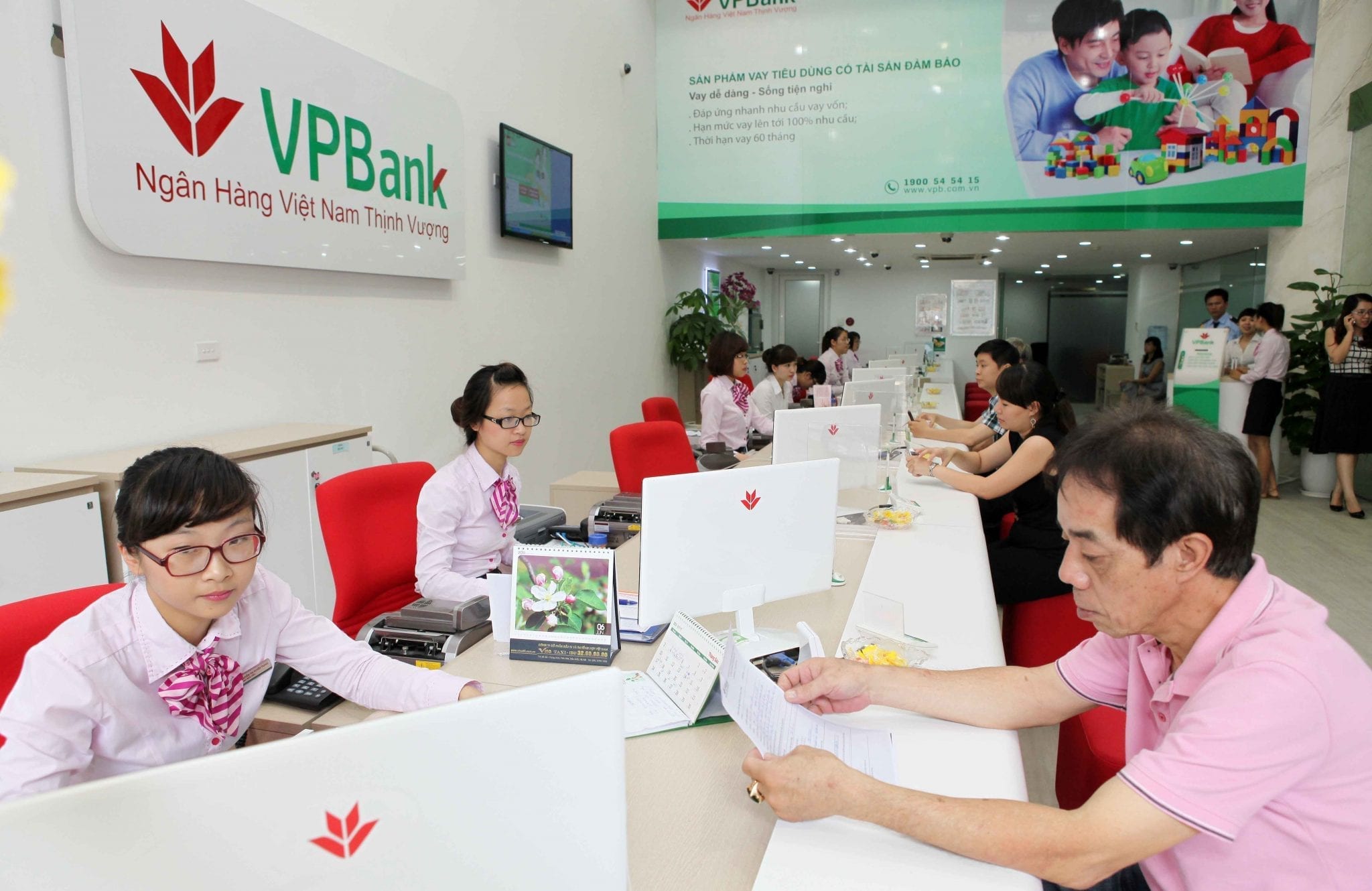
    VPBank Finance Co Ltd (FE Credit) has the highest proportion of personal loans in its loan portfolio among the three largest finance companies by total loans in Viet Nam. The other two companies are Home Credit Vietnam Finance Co Ltd (Home Credit) and HD Saison Finance Co Ltd

    All three companies will need to make adjustments to their businesses by focusing on lower-yield products such as consumer durables and motor vehicle loans. Moody’s expects that FE Credit will need to make the most significant adjustments to comply with stricter regulations because of the higher amount of personal loans on its books.

    The three companies are also market leaders in other consumer finance segments in Viet Nam and will have to make fewer adjustments to their business practices than smaller finance companies as a result of the new regulations.

    These smaller companies have been more reliant on personal loans for business growth and will have greater pressure on their revenue than the top three companies.

    Revenue growth of finance companies remains supported by strong consumer demand for credit, while credit costs will be contained by the tighter lending requirement. Both factors will drive stronger risk-adjusted returns for finance companies, according to Moody’s.

    Vietnam’s consumer finance industry grew at a compound annual rate of 41 percent between 2013 and 2017 on the back of higher personal income and greater penetration of services.

    Moody’s expects growth in personal loans to slow significantly when the new regulations come into effect, after far exceeding growth over the past three years for other less-risky consumer loans, such as those for the purchase of motorcycles and durables.

    The demand for consumer finance is strong and supported by the buoyant Vietnamese economy.

    Now, finance companies constrained from extending new personal unsecured loans because of the new regulations will focus on growing other product segments and will benefit from increased diversification in their lending portfolios and more emphasis on lower-risk products.

  • ICBC Singapore Issues Bank’s First Green Bond

    ICBC Singapore Issues Bank’s First Green Bond

    State-owned bank offers green Silk Road bond in three currencies one week after a similar exercise by rival Bank of China. Acting through its Singapore branch, the Industrial and Commercial Bank of China (ICBC), the world’s biggest bank by assets, has issued its first green bond offering in three currencies totalling $2.2 billion equivalent, Reuters reported on Wednesday.

    The U.S. dollar-denominated tranche includes $900 million three-year floating rate notes priced at three-month Libor plus 72 basis points and $600 million five-year floating rate notes priced at three-month Libor plus 83 basis points. They received over $2.4 billion and $1.5 billion in orders respectively, with Asia buying 92 percent of the deal and the rest coming from EMEA in both cases, according to Reuters.

    The 1 billion yuan ($149 million) three-year tranche was priced at 3.3 percent. The 500 million euro tranche received over 1.8 billion euros in orders.

    DBS Bank was the only Singapore bank among the issue’s joint global coordinators, which also include ICBC, Credit Agricole, HSBC and Standard Chartered Bank. DBS was also the joint book runner and joint lead manager of the issue. There were 22 underwriters for the bond issue, which intends to support green projects under China’s Belt and Road Initiative.

    According to Clifford Lee, DBS Bank head of fixed income, said that ICBC Singapore’s successful issuance of its first green bond is underpinned by its commitment to financing sustainable development along the Belt and Road, «The Business Times» reported.

    A week before, Bank of China raised $3.8 billion equivalent across five currencies and eight tranches from its fifth Silk Road bond offering.

  • UBS Quarterly Profit Down Drastically

    UBS Quarterly Profit Down Drastically

    The Zurich-based bank’s net profit for the first quarter dropped to $1.1 billion Swiss francs from $1.6 billion a year ago, it said in a statement on Thursday. A 6.5 percent cut in spending wasn’t enough to offset UBS’ 16 percent tumble in revenue. Last year’s quarter also included an 241 million franc pension credit.

    The result follows a warning last month from CEO Sergio Ermotti that the first quarter – traditionally the strongest in banking – was the toughest in years. Crosstown rival Credit Suisse on Wednesday posted an 8 percent hike in profits for the same period, following an eventful three-year restructuring.

    Profit before tax at UBS’ flagship private bank slid nearly 22 percent: fees dropped because the bank managed fewer assets and commissions fell because clients stopped trading, particularly in Asia. «The first quarter of 2019 was characterized by challenging market conditions, which improved towards the end of the quarter and into April», CEO Ermotti said.

    Nevertheless, clients brought $22.3 billion in fresh assets to the wealth arm, which translates to a healthy 4 percent rate of growth. The bulk came from Asia, where UBS has banked heavily on China as the region’s biggest and fastest-growing wealth market.

    Meanwhile, profits at UBS’ investment bank plummeted by nearly two-thirds, where foreign exchange trading was the only bright spot. A downturn in Europe and the Middle East as well as Asia hit stock and bond trading and advising on deals. The unit eked out a meager 7 percent return on equity in the quarter.

    UBS said it is on track with measures such as stretching out technology projects, slowing hiring, reducing contractors, and pruning travel and entertainment costs – a bid to cut another 300 million francs in spending. «Benefits from these measures should come in the second half of the year, supporting our attractive capital return plan for the year», UBS said.

    Ermotti was more measured than Thiam’s buoyancy in his outlook, saying UBS expected global growth has slowed, but that UBS stands to gain because it is so regionally and operationally diversified. UBS’ rising asset base will bolster recurring income at its private bank and asset management units, the bank said.

  • Standard Chartered Provides Instant Loans

    Standard Chartered Provides Instant Loans

    Our clients are highly engaged digitally. We have seen a 33 percent quarter-on-quarter growth in new mobile active clients, as our clients look to do most of their banking activities digitally, from application to activation to service requests and payments,» said Natalia Goh, Head of Credit Cards and Personal Loans, Standard Chartered Bank Singapore, in a press release on Tuesday.

    Since last year, the bank has seen twice the number of digital service requests from clients, such as card activation, replacement, and renewal requests, as well as reporting of lost cards.

    In addition, we see that our clients are increasingly comfortable with digital payments, with the number of mobile wallet transactions growing more than 80 percent in the past year. With this shift towards an increasingly digital lifestyle, we believe that our instant digital credit card and loan disbursement capabilities will greatly enhance the overall client experience,» Goh added.

    The new capability is powered by the bank’s real-time onboarding platform, which leverages on MyInfo, Singapore’s national database, to help new clients save a significant amount of time usually needed on lengthy form-filling. For clients who do not currently have a credit card or bank account with the Bank, MyInfo will help to pre-populate most of the information in the application form. Clients who hold existing credit card(s) with the bank will have a simpler and shorter form to complete.

  • Singapore Banks’ FX Volumes Pushed Up

    Singapore Banks’ FX Volumes Pushed Up

    Singapore banks will enjoy increased FX volumes going forward as the country grows as a foreign exchange (FX hub), banking heads said.

    «Singapore is fast evolving into a natural hub for FX in Asia with the many initiatives to promote FX trading in the region, coupled with regulatory support to encourage key market participants to set up their pricing and matching engines in Singapore,» said Lim Wee Kian, DBS managing director, head of FX.

    «FX trading activities and volumes in Singapore have increased over the past few years due to several reasons including the strong economic growth of Asia and a larger share of global investment flows into the region,» said Jose Luis Yepez, Citi head of FX and local markets, Asia-Pacific, Singapore.

    Plus, there is significant growth in the wealth management industry in the region, added Yepez. Despite the slight decline in assets under management (AUM) from $1.69 trillion to $1.63 trillion last year, Asia’s private banks have enjoyed a 6.9 percent compounded annual growth rate over the last five years, according to data from the Asian Private Banker.

    Last year, DBS Bank reported that its consumer banking/ wealth management income rose 21 percent to S$ 5.65 billion from increases in all product categories, despite a dip in the segment’s income during the fourth quarter last year. In the FX spot space, Southeast Asia’s largest bank saw strong growth, with spot volumes for 2016, 2017 and 2018 growing by 20 percent, 28 percent and 45 percent, year-on-year,  respectively, said Lim.

    «Digitisation of DBS’ FX transactions was a key driver of the strong growth in FX volumes, which started from a lower base, coupled with the strong traction from all remittance corridors of our consumer banking group and wealth management business,»  said Lim.

  • Indonesian Fintech Launches First Debt Services in Malaysia

    Indonesian Fintech Launches First Debt Services in Malaysia

    A fintech specialized in solving debt problems of consumers and business owners has launched its services in Malaysia, a country whose total overdue consumer loans is second highest in Southeast Asia.

    Indonesian Fintech amalan International announced on Wednesday that it has started operations in Malaysia, expanding its footprints in Indonesia and Singapore. In Malaysia, the total balance of overdue or almost overdue consumer loans is estimated to be $15 billion, the second highest in Southeast Asia.

    «In many cases, amalan is able to reduce the outstanding balance and/or the monthly installments by 50 to 90 percent in Indonesia – this would be also our target for our Malaysian clients. We want to offer a fresh start to our clients so that they can build a better financial future,» says amalan’s founder and CEO, Arne Hartmann in a statement to the media.

    amalan says that its key differentiator lies in working for borrowers to find the best solution with their lenders. As a social enterprise, amalan does not ask for upfront fees and instead uses a success fee model where the borrower only needs to pay after a restructuring plan has been agreed. The amount of the success fee is based on the savings generated through the restructuring.

    So far, the fintech said it has restructured more than 1,000 loans with all major banks in Indonesia and saved its clients more than $800,000 in the process.

    For each borrower, a restructuring plan is generated that takes into account all of the borrower’s loans to then reduce the debt balance and the monthly installments to an affordable level. These debt management programs use proprietary data and technology to get the borrowers out of debt faster, paying less.

    amlan Indonesia was selected as one of the 30 best start-ups in MaGIC (Malaysian Global Innovation & Creativity Center), a business accelerator program of the Malaysian government.

  • UBS Signs for New Office Lease in Singapore

    UBS Signs for New Office Lease in Singapore

    UBS will move to 9 Penang Road, where the firm will take up all eight floors of office space at the redeveloped Park Mall building.

    UBS Singapore has signed a lease to take up all the office space of the redeveloped Park Mall building at 9 Penang Road, developer SingHaiyi Group and its joint venture (JV) partners Suntec Reit and Haiyi Holdings announced on Wednesday in a press release.

    The firm, which was mulling over a move to consolidate its One Raffles Quay and Suntec City offices in Singapore, will occupy 381,000 square feet of office space across two towers and eight floors at the development, which is expected to be completed by the end of the year. UBS will relocate there in the second half of 2020.

    The 10-storey grade A office building located at the gateway to the Orchard Road shopping belt and close to the Civic District and CBD will house the firm’s 4,000 Singapore employees, as well as its UBS University, which provides training and development programmes for employees across the region.

    «The move will allow us to bring employees currently working at One Raffles Quay and Suntec City under one roof to enhance collaboration, as well as offer new capacity for future growth in Asia Pacific,» August Hatecke, country head of UBS Singapore, said in the press release.

  • Techcombank targets US$504.3 million in pre-tax profit

    Techcombank targets US$504.3 million in pre-tax profit

    Techcombank has targeted a pre-tax profit of more than VNĐ11.7 trillion (US$504.3 million) in 2019, representing a 10 per cent year-on-year increase.

    The target was approved at its annual shareholders’ meeting held in Hà Nội last week.

    It also planned to increase its total assets by 17 per cent to VNĐ375.8 trillion this year while holding outstanding loans at VNĐ245.4 trillion, up 32 per cent from last year. Its bad debts would be limited to less than 2.5 per cent in 2019.

    In 2018, Techcombank achieved high business results. Its pre-tax profit was up 32.7 per cent from the previous year at more than VNĐ10.6 trillion.

    These helped the bank achieve return on average assets (ROAA) of 2.9 per cent and return on average equity (RAE) of 21.5 per cent.

    Nguyễn Lê Quốc Anh, Techcombank’s CEO, said the two criteria had not only been among the highest among banks in Việt Nam but also surpassed big scale banks in India and Thailand.

    In addition, Techcombank successfully mobilised capital to raise its capital adequacy ratio (CAR) to 14.3 per cent, much higher than the level stipulated by the State Bank of Vietnam as well as the minimum level according to Basel II.

    Techcombank was among the few commercial banks last year which were assigned higher credit growth limits of 18 per cent with priority given to those who met Basel II’s capital safety and risk management standards ahead of schedule.

    “The bank plans to grow revenue by 20-30 per cent a year and retain 20 per cent of profit. In order to increase revenue, instead of growing debt balance, the bank would focus on raising fees (expected to account for 50 per cent of the total revenue),” Anh said.

    He added that Techcombank always focused on controlling credit growth from the central bank to ensure sustainable growth of the economy.

    Anh said Techcombank was among the banks to have successfully resolved bad debt. All of its debts were sold to VAMC and totally resolved two years ago. It had also well controlled credit quality by its strict risk warning and management system.

    With its profits listed in the top three banks in the country’s banking system in 2018, Techcombank’s shareholders agreed to continue to retain earnings to invest in creating growth momentum in the future.
    Hồ Hùng Anh, the bank’s chairman, said the bank wanted to retain profit to strengthen its equity and ensure the requirements of the central bank and Basel II are met.

    At the meeting, shareholders also approved a plan to issue 10 million shares under the Employee Stock Ownership Plan (ESOP) programme at a price of VNĐ10,000 to increase its charter capital to more than VNĐ35 trillion.
    The bank said it would focus on growth contributed by service fees thank to implementing a modern banking transaction system for corporate customers and improving their experiences through online payments and life insurance products.

    In addition, it would develop new solutions in house lending, car lending, credit and payments to meet increasing demands of customers.

    Anh added the bank would start construction of two new buildings on Lý Thường Kiệt Street (Hà Nội) and Lê Duẩn (HCM City) this year. The two buildings are expected to become operational in 2021.

    Hồ Hùng Anh was re-elected to the position of chairman of Techcombank’s board of directors for the third consecutive term.

    Other members include Nguyễn Đăng Quang, Nguyễn Thiều Quang Nguyễn Cảnh Sơn, Đỗ Tuấn Anh, Lee Boon Huat, Saurabh Narayan Agarwal and Nguyễn Nhân Nghĩa.

    The new management board would continue to implement its customer-centric strategy, invest in technology to develop a digital foundation and big data while improving risk management to reach high ratings with prestigious ratings organisations.

  • UOB Partners Local E-commerce Platform To Mine Opportunities

    UOB Partners Local E-commerce Platform To Mine Opportunities

    United Overseas Bank has partnered with a popular e-commerce platform to build ecosystem partnerships. This follows a string of partnerships announced with other high profile online platforms.  United Overseas Bank (UOB) announced a regional alliance with local e-commerce platform Qoo10 on Monday, complementing the bank’s efforts to help small businesses seize opportunities in the digital economy. Qoo10, with more than three million buyers, is the top e-commerce platform in Singapore.

    «Our alliance with Qoo10 enables us to extend our touchpoints to provide small businesses with the financing they need directly on the e-commerce site, helping them to take advantage of opportunities quickly as they arise,» said Lawrence Loh, Head of Group Business Banking at UOB.

    In January this year, Qoo10 launched QuuBe, a blockchain-based e-commerce platform which already has more than two million products on the marketplace. Through the alliance, Qoo10 will be able to tap UOB’s holistic suite of financial solutions to help consumers and merchants buy and sell products more easily on both the Qoo10 and QuuBe platforms.

    «Partnering established and trusted allies such as UOB enables us to empower our merchants and customers with readily accessible solutions that provide greater financial flexibility in running a business or making purchases,» says Ku Young Bae, CEO of Qoo10.

  • Investor Groups Attack UBS

    Investor Groups Attack UBS

    UBS faces pressure from shareholders ahead of an investor meeting next month. The opposition centers around a nearly $12 million windfall for CEO Sergio Ermotti and a prolonged French legal tussle.

    UBS’ investor meeting on May 2 promises to be a heated one: U.S. investor group ISS is recommending shareholders deny UBS’ management and board for 2018 a so-called dispensation, which is a peculiarity of Swiss securities law which exempts managers from liability for their actions.
    The move adds to opposition to UBS’ pay practices from Glass Lewis, which last week said it will oppose the Swiss bank’s compensation report. Geneva-based Ethos views the 73.3 million Swiss franc ($73.1 million) bonus pool for UBS’ top 13 executives as inappropriate given the poor performance of the Swiss bank’s stock last year.

    CEO Sergio Ermotti is taking home 11.9 million francs in so-called realized compensation after contingent capital instruments that UBS gave him in 2012 matured. At the helm since 2011, Ermotti is Europe’s best-paid banking CEO. His bonus for 2018 is 4.5 times his salary (the metric is capped at 5 times his yearly salary). In contrast to Glass Lewis and Ethos, ISS said UBS’ pay practices by and large reflect those of the wider financial industry.

    The wealth manager has justified the pay with the fact that UBS’ net profit rose 12 percent on the year, its capital is solid, and it bought back 750 million francs worth of its own shares last year. Ethos criticized that shareholders suffered a nearly one-third drop in the value of their shares during that time.

    From 2016 until last year, shareholders sucked up a more than 28 percent tumble, far more dramatic than the 1.8 percent fall in the wider banking sector, Ethos said. «Ethos believes that UBS must introduce a performance target taking into account the relative performance of the bank’s share price», said the group, which holds sway with many of Switzerland’s weighty pension fund voters.

    The «nay» from ISS on releasing board and management for 2018 is purely pre-emptive, the shareholder advocate said – it is the first time since the financial crisis that shareholders have mounted opposition against top executives.

    ISS issued the recommendation in view of UBS’ long-running French criminal troubles, where the bank was recently hit with a 4.5 billion euro ($5 billion) fine (the bank shredded the decision and faces at least another two years of appeals process). The shareholder group said the move would simplify any potential legal steps against members of the C-suite later. Ermotti and chief lawyer Markus Diethelm are the architects of a pugnacious legal strategy in France.

  • Citibank Singapore to Instantly Approve Debt Consolidation Plan

    Citibank Singapore to Instantly Approve Debt Consolidation Plan

    Citibank Singapore announced that it is the first bank in Singapore to introduce instant in-principle approval for debt consolidation plans. Customers applying online for Citibank Singapore’s debt consolidation plan will receive an immediate indication of their application status, as the bank is the first in Singapore to offer eligible customers instant in-principle approval.

    «The ability to grant instant in-principle approval resolves a key customer pain point by giving customers a better sense of their application’s eventual outcome, even before they go through the effort of gathering their financial documents and sending them to the bank,» said Vikas Kumar, Head of Cards and Personal Loans at Citibank Singapore, in a media statement.

    This new capability, which will be launched on Tuesday, enhances convenience for prospective customers who previously had to wait for up to three days for a decision after the bank receives their applications through email or post.

    Upon receiving a debt consolidation application, the bank will access the customer’s credit report through its API integration with Credit Bureau Singapore. The customer’s credit situation is assessed through a fully automated process, enabling the bank to grant instant in-principle approval for eligible individuals.

    Customers can then submit their supporting documents – which are required by industry regulations – consisting of their various credit statements from different financial institutions, income records, and proofs of identification. The bank will also proactively reach out to customers should they need assistance after receiving their in-principle approval.

    Debt consolidation plans were introduced by Singapore’s financial institutions in January 2017 to help borrowers reduce their debt over time. Debt consolidation plans consolidate a borrower’s existing unsecured credit balances across various institutions under a single entity and offer effective interest rates that are lower than card and credit line rates.

    Customers on debt consolidation plans will have lower monthly repayments as compared to the total individual payments a customer incurs, and the benefit of making repayments to a single bank. Customers of Citibank Singapore can choose a loan tenure of up to seven years and will receive a credit card with a limit of one month’s income.

  • Credit growth limited at 15% for best banks in 2019

    Credit growth limited at 15% for best banks in 2019

    HÀ NỘI The State Bank of Vietnam (SBV) has assigned a credit growth limit to each commercial bank in 2019, with priority given to those who met Basel II’s capital safety and risk management standards ahead of schedule.

    According to the current regulation, the SBV sets a credit growth limit for the entire year for each bank – depending on its health – to ensure the credit growth target of the entire banking system during the year (14 per cent for 2019).

    This year, the highest credit growth limit of 15 per cent was assigned to the group of banks which met the Basel II’s standards earlier than the SBV’s deadline of 2020. The remaining banks, meanwhile, were allocated a lower rate of below 12 per cent.

    Last year, most banks were assigned higher credit growth limits, ranging from 14 per cent to 16 per cent.

    The credit growth target of the entire banking system and of each bank has tended to slow in the past two years. Experts attributed the slowdown to the SBV’s policy changes. Previously, due to the underdevelopment of the local stock market, banks, which should act only as intermediaries in the monetary market, had to function to fund medium- and long-term capital for the economy.

    However, the SBV has tried to gradually change the role of banks so as to make them fund only short-term capital for the economy through the provision of working capital loans for businesses and households.

    To make the change, the SBV required banks to lower the ratio of short-term funds for medium and long-term loans from 45 per cent in 2018 to 40 per cent since early this year.

    Experts have also agreed with the credit growth slowdown, saying it was necessary to improve banks’ credit quality and risk management.

    Nguyễn Xuân Thành from Fulbright University Vietnam said currently, the pressure on credit growth to support economic growth was not so high, so the allocation of a credit limit to each bank depending on its health was reasonable. Accordingly, banks should only boost credit in case of good control of risks, in order to ensure sustainable growth.

    To offset the revenue reduction from lending activities, banks said they plan to increase profits through cutting operating costs and promoting digital services.

    Đỗ Minh Phú, chairman of TPBank, said digital banking would play a major role in reducing operating costs and increasing the cost-to-income ratio (CIR) efficiency, contributing to improving the bank’s profits this year.

    Phú said the biggest costs in banking operations were the costs of network investment and development, along with the costs for personnel, which could be solved by the application of digital banking. Attracting customers to non-credit services and service fee collection was also becoming a trend.

    Sharing the same view, Nghiêm Xuân Thành, chairman of Vietcombank, said that 2019 would be the year of digital banking for Vietcombank. In the past three years, the bank had focused on investment and implementation of a new core banking system to boost service development and shift the revenue structure instead of relying heavily on credit.

    Developing digital banking combined with retail banking in a potential market of 95 million with a high percentage of young people means commercial banks were quickly accumulating a customer base and large payment needs, Thành said.

    The focus on digital banking combined with retail banking has also helped some banks, like Vietcombank, Techcombank and HDBank, increase their number of individual customers rapidly in recent years, which has also contributed to raising the banks’ current account savings accounts (CASA) significantly.

    Reports showed some banks last year raised CASA to 28-30 per cent in the total structure of deposits. The large proportion of low-interest rate deposits has helped banks reduce mobilisation and operating costs, increasing profits and improving marginal interest in lending.