Retail News CRM

Tag: banks

  • Singapore’s Top Banks Hit Record Highs as DBS, OCBC and UOB Ascend Together

    Singapore’s Top Banks Hit Record Highs as DBS, OCBC and UOB Ascend Together

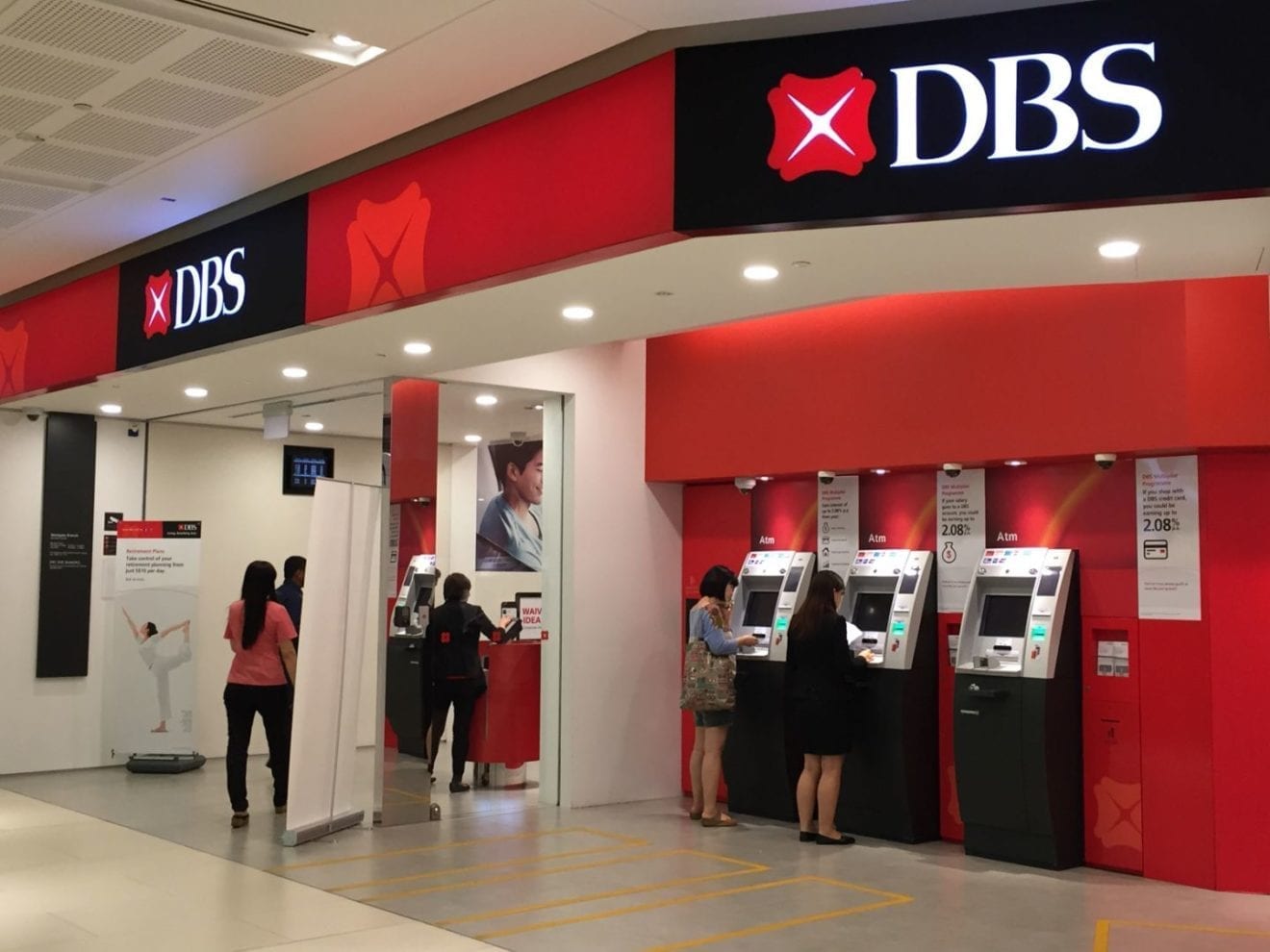
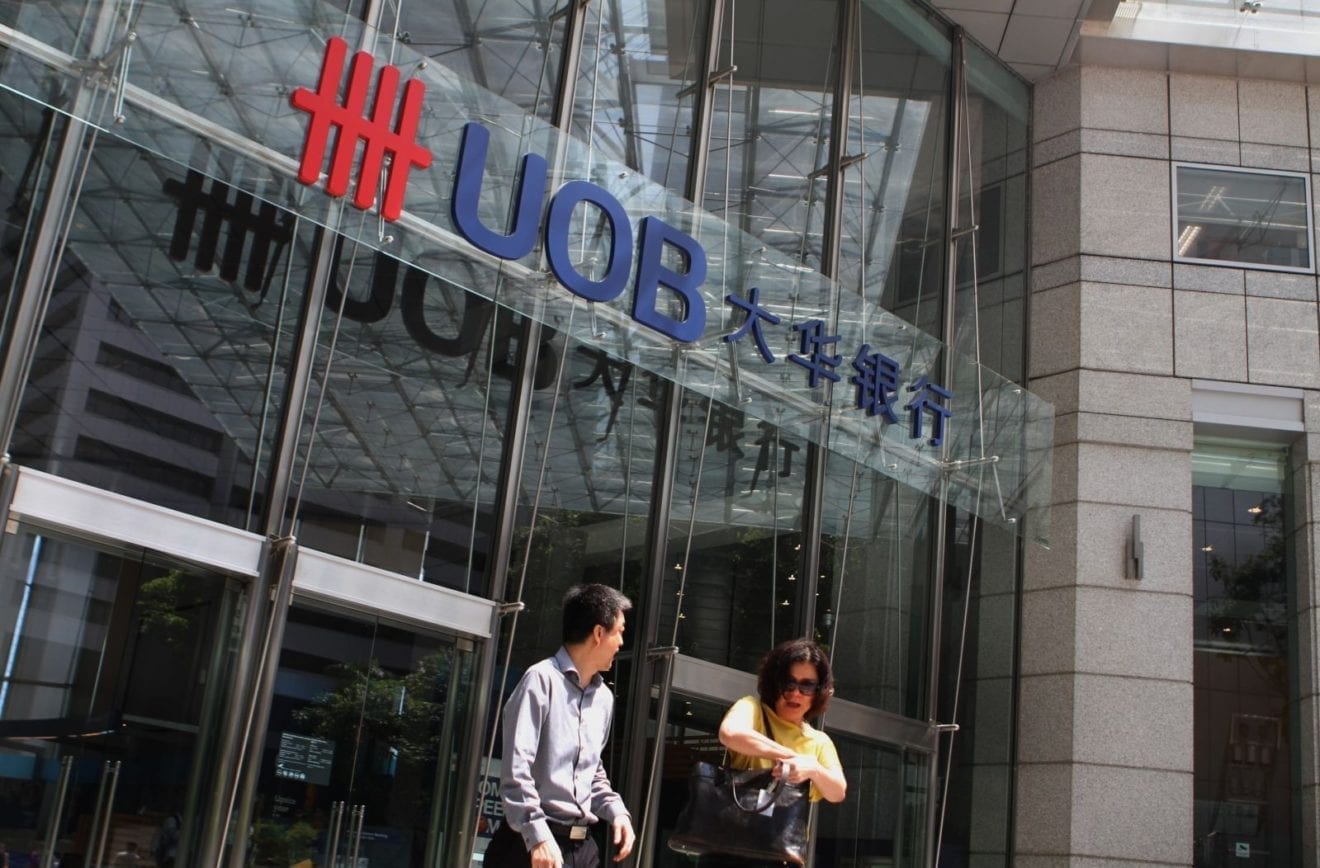
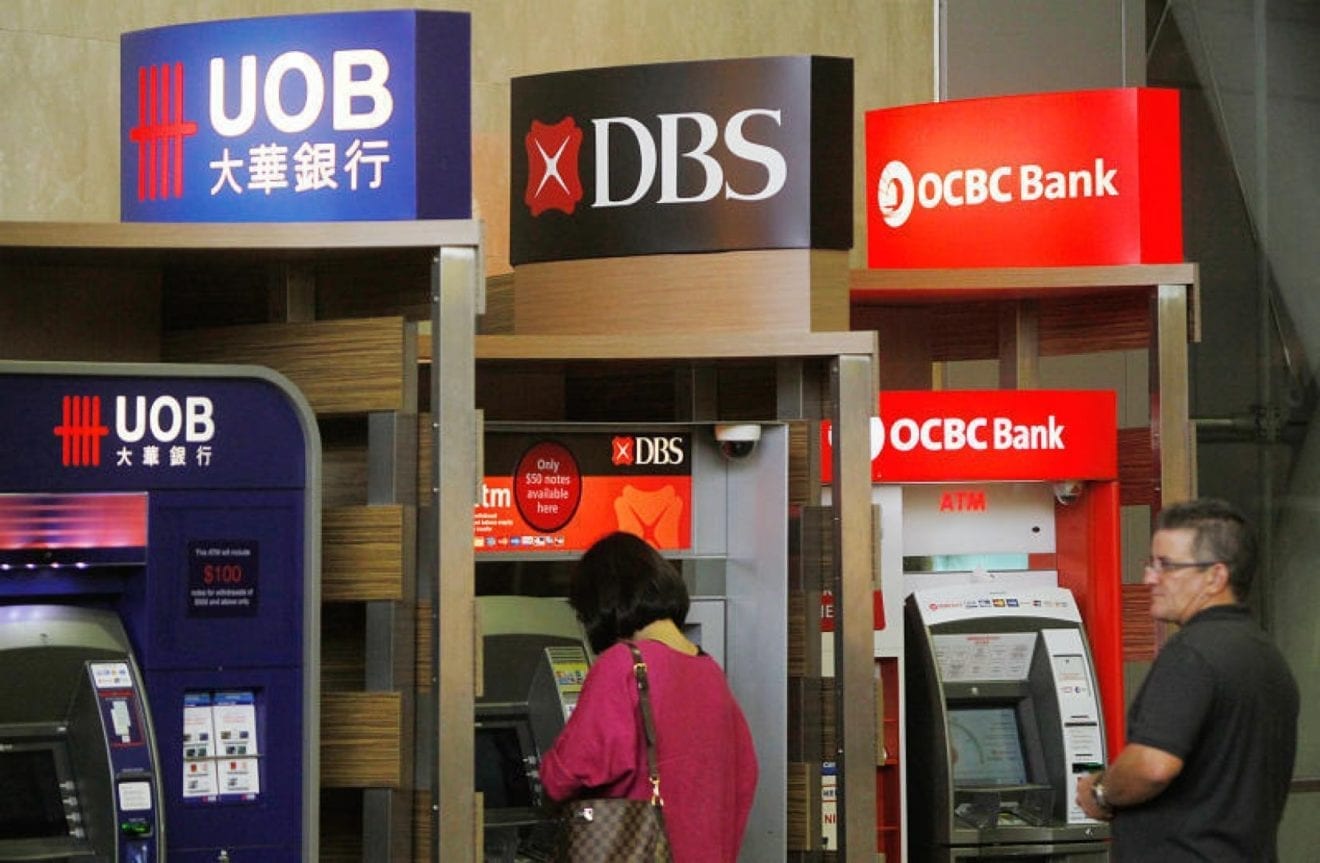
    In the latest trading session, Singapore’s three major banks, DBS, OCBC, and UOB, all witnessed record high closures. Spearheading gains on the Straits Times Index, OCBC saw a 3.3% rise, closing at S$26.34 (US$20.39). UOB climbed 2.9% to S$41.69, and DBS increased by 2.6%, closing at S$68.64.

    Bank Ratings Solidify Their Stance

    DBS was singled out as a preferred local bank in a recent research note by Citi. The choice was based on the bank’s strong dividend per share visibility and its position as a distinguished Asia wealth proxy. OCBC received a “buy” rating, with Citi concurring that the bank should continue its growth and lessen the return on equity gap with DBS.

    Contrarily, UOB maintained a “neutral” rating. The bank’s wealth and loan-growth trajectories reportedly trail those of its peers, while its earnings forecasts align strictly with market expectations.

    The Straits Times Index ended Tuesday with a 1.57% increase, closing at 5,342.240.

    Record Highs Continue to Rise

    On Wednesday, UOB reached a fifth consecutive record intraday high, increasing by 4.65% to S$43.63 by midday, after touching S$43.79 earlier in the session. DBS and OCBC also experienced growth, with DBS rising 1.5% to S$69.67 and OCBC climbing 2.9% to S$27.10.

    Investment bank Macquarie Capital upgraded DBS and UOB from “neutral” to “outperform.” The target price for DBS was raised from S$52.38 to S$70.86, and UOB’s target price increased from S$36.78 to S$45.16. Macquarie Capital also retained its “outperform” rating on OCBC, boosting its target price from S$24.25 to S$27.76.

    Jayden Vantarakis, head of Asean equity research at Macquarie Capital, suggested that further re-rating is still possible, supported by an improved sector outlook where both net interest income and non-interest income can grow simultaneously, whilst the Singapore dollar remains a preferred currency amidst broad U.S. dollar strength.

    Questions & Answers

    What led to the record high closures of Singapore’s three major banks?
    Dividend per share visibility and Asia wealth proxy positioning were among the reasons for the banks’ record high closures. Also, they are expected to maintain growth, and the Singapore dollar remains strong amidst broad U.S. dollar strength.

    How did Citi rate the three major banks?
    Citi gave DBS a preferred local bank pick with a “buy” rating. OCBC also received a “buy” rating, while UOB retained a “neutral” rating.

    What is the potential for further re-rating according to Macquarie Capital?
    Macquarie Capital suggests that further re-rating is still possible, supported by an improved sector outlook where net interest income and non-interest income are expected to grow simultaneously.

  • Citi Banks on Vietnam’s Potential for Expanding Social Finance Sector

    Citi Banks on Vietnam’s Potential for Expanding Social Finance Sector

    Jorge Rubio Nava, Global Head of Citi Social Finance, recently outlined Citi’s global role in social finance and the prospects for growth in Vietnam and throughout Asia.

    Citi’s Impact in Social Finance

    Since its establishment in 2005, Citi Social Finance has been primarily focused on microfinance, later branching out to finance that enhances access to crucial services for overlooked communities. The venture has successfully mobilized over US$19.7 billion, positively impacting 22.7 million low-income and underserved families, including 12.3 million women in over 50 emerging markets.

    In 2021, the bank introduced its Global Social Finance Framework and, three years later, issued a $3 billion Social Finance Bond. Social finance’s goal is not just to provide funds but also to assure that these funds reach communities where they can foster inclusive economic development.

    Citi defines social finance as supporting projects that enhance access to vital services for underserved populations. This includes affordable infrastructure, housing, economic inclusion, education, food security, and healthcare. Each transaction under this umbrella is scrutinized against pre-set criteria and anticipated social outcomes, with the bank having developed internal guidelines for eligibility, financing structures, and impact measurement.

    Opportunities in Vietnam

    In Vietnam, Citi recently finalized two social trade finance transactions with BIDV and MB. These deals spotlight the significant opportunities in the country, where micro, small, and medium-sized enterprises (MSMEs) contribute more than 45% to GDP and over 60% to employment.

    Citi provided over $100 million in social trade advance facilities to BIDV and MB, intended to bolster the banks’ lending to MSMEs for working capital and income-generating activities. This contributes to business expansion and job creation. These transactions also showcased how social finance can be amplified through collaborations with local financial institutions.

    In addition to their banking partnerships, Citi is also engaging with corporate clients, such as a Vietnamese coffee company. Through a financing arrangement, they are supporting the company’s working capital while also helping expand market access for smallholder coffee farmers via its supply chain.

    Questions & Answers

    What was the purpose of Jorge Rubio Nava’s recent trip to Vietnam?
    The purpose of the visit was to engage with corporate clients and financial institutions to explore how social finance can aid in business growth.

    What is required for social finance to develop further in Vietnam and Asia?
    Continued client demand, transparency in the use of proceeds, measurable outcomes, consistent reporting, and scalability are crucial for the growth of social finance in the region.

    Does Citi plan to continue expanding its social finance activities in Vietnam and other parts of Asia?
    Yes, Citi intends to keep growing its social finance activities in Vietnam and Asia by partnering with clients to develop financing solutions that merge commercial viability with measurable social impact.

  • DBS Leads Singapore Banks in $1B Synthetic Securitization Deal: Unveiling a New Era of Corporate Lending

    DBS Leads Singapore Banks in $1B Synthetic Securitization Deal: Unveiling a New Era of Corporate Lending

    DBS Group, the largest bank in Southeast Asia in terms of assets, recently completed a pioneering synthetic securitization transaction. This transaction, which is tied to a corporate loan portfolio worth $1 billion, marks the first of its kind to be carried out by a Singaporean bank.

    A New Approach to Risk Management

    The transaction, known in the financial sector as a significant risk transfer transaction, provides an opportunity for investors to shoulder a portion of the loan portfolio’s credit risk. This was confirmed in a statement released by DBS on Tuesday. DBS retains and services the loans, but this new approach reduces the amount of regulatory capital that the bank is required to hold against them.

    This innovative transaction is expected to assist DBS in managing its capital more efficiently. It is also intended to bolster client financing as the bank continues to grow its presence across Southeast Asia.

    According to DBS, the deal also sets a precedent for future transactions of a similar nature. The bank plans to selectively undertake more such transactions in the future.

    Maintaining a Robust Balance Sheet

    Philip Fernandez, the Group Corporate Treasurer at DBS, expressed that this new approach would facilitate the bank in maintaining a strong balance sheet while simultaneously pursuing growth opportunities. DBS also confirmed that its capital ratios are comfortably exceeding regulatory requirements.

    Questions & Answers

    What is a synthetic securitization transaction?
    A synthetic securitization transaction, also known as a significant risk transfer transaction, allows investors to assume part of the credit risk of a loan portfolio.

    How does this transaction benefit DBS?
    The transaction assists the bank in managing capital more efficiently, supports more client financing, and reduces the regulatory capital DBS must hold against the loans.

    What does this transaction mean for the future of DBS?
    The successful completion of this transaction paves the way for DBS to selectively perform more of these transactions in the future. It also indicates the bank’s commitment to maintaining a strong balance sheet while seeking out growth opportunities.

  • Singapore Boosts Gold Market Role: Invites Foreign Central Banks for Secure Gold Storage Services

    Singapore Boosts Gold Market Role: Invites Foreign Central Banks for Secure Gold Storage Services

    Beginning in October, Singapore will permit foreign central banks and sovereign entities to store their gold reserves within its borders. This move is aimed at reinforcing Singapore’s standing as a regional hub for gold trading and storage. The city-state’s commercial vaulting capacity currently surpasses 2,000 tonnes. This capacity is utilized by a diverse array of market participants including bullion banks, institutional investors, and high-net-worth individuals, as expressed by Deputy Prime Minister Gan Kim Yong on a recent Monday forum.

    Strengthening the Gold Market

    In addition to providing secure storage, Singapore will cater to foreign central banks and sovereign entities desiring to actively manage their gold holdings. The Monetary Authority of Singapore plans to offer gold accounts to a select group of bullion banks based in Singapore. This initiative will enhance their capability to deliver gold-related services and liquidity to these entities.

    Deputy Prime Minister Yong believes that this move will enhance Singapore’s reputation as a safe and reliable jurisdiction where reserve assets can be securely held and actively managed. The city-state will also be able to connect these assets to wider market liquidity during Asian trading hours, further reinforcing its regional dominance.

    Gold Market Innovations

    Several innovative measures have also been announced to strengthen Singapore’s role in the global gold market. One significant measure includes the establishment of an over-the-counter gold clearing system by the Singapore Exchange by the end of 2026. Interbank trading is anticipated to grow from 2027 onwards.

    This revolutionary system aims to enhance trade processing, boost transparency, and support more efficient clearing and settlement. According to Yong, this will instill greater confidence in market participants to transact in Singapore. The new system will accommodate both large bars and kilobars, enabling standardized settlement during Asian trading hours.

    Large bars refer to 400-troy-ounce gold bars or approximately 12.4 kilograms, which are standard for institutional trading and settlement in London. Kilobars, on the other hand, are 1-kilogram bars that are popular in Asian markets and are accepted for delivery in Comex gold futures contracts in the U.S.

    DBS, Deutsche Bank, ICBC Standard Bank, JPMorgan, OCBC, and UOB have been reported as the six banks that will join as clearing members and contribute to the development of Singapore’s gold market.

    Questions & Answers

    What will Singapore allow from October?
    Starting from October, Singapore will allow foreign central banks and sovereign entities to store their gold reserves in the country.

    What benefits will the proposed gold clearing system bring to Singapore’s gold market?
    The proposed over-the-counter gold clearing system will streamline trade processing, enhance transparency, and support more efficient clearing and settlement, thereby bolstering market participant confidence to transact in Singapore.

    Which banks will be joining as clearing members to develop Singapore’s gold market?
    DBS, Deutsche Bank, ICBC Standard Bank, JPMorgan, OCBC, and UOB are set to join as clearing members to help develop Singapore’s gold market.

  • UOB CEO Faces 20% Salary Slash as Bank’s Profits Plummet

    UOB CEO Faces 20% Salary Slash as Bank’s Profits Plummet

    The Chief Executive Officer of Singapore’s UOB, Wee Ee Cheong, experienced a decrease in his total remuneration in a year that also witnessed a fall in the company’s profit. This comes as per the bank’s annual report, which highlighted his reduced earnings.

    Details of the Remuneration Package

    The CEO’s total compensation in 2025 amounted to S$12 million (equivalent to $9.4 million), indicating a downward trend of 20 percent on a yearly basis. The components of this remuneration package include a base salary of S$1.4 million, bonuses totaling S$10.6 million, and additional benefits worth S$42,629. It is noteworthy that 60 percent of the variable pay will be deferred and vested over the ensuing three years.

    A Reflection of the Company’s Performance

    The decrease in the CEO’s pay goes hand in hand with UOB’s overall performance. The bank recorded a 23 percent slump in its net profit in 2025, ending the year with a total of S$4.7 billion. This decrease in profit has been reflected in the reduced pay packet of the bank’s top executive.

    Questions & Answers

    What was the total compensation of UOB’s CEO in 2025?
    The total compensation of UOB’s CEO in 2025 was S$12 million, which translates to $9.4 million.

    What components made up the CEO’s remuneration package?
    The CEO’s remuneration package was made up of a base salary of S$1.4 million, bonuses amounting to S$10.6 million, and benefits worth S$42,629.

    How did UOB’s performance in 2025 relate to the CEO’s pay?
    UOB’s performance in 2025, which saw a 23 percent decrease in net profit, was reflected in the CEO’s reduced pay.

  • Ida Liu, Ex-Citi Veteran, Takes Reigns as HSBC Private Bank’s Global CEO: A New Era of Cross-Border Wealth Management

    Ida Liu, Ex-Citi Veteran, Takes Reigns as HSBC Private Bank’s Global CEO: A New Era of Cross-Border Wealth Management

    Former Citi veteran, Ida Liu, has been announced as the new Global CEO of HSBC Private Bank, effective from January 5, 2026. This strategic move aims to enhance the bank’s leadership among ultra-high net worth clients, bolster cross-border connectivity in primary wealth corridors, and spur the global growth of the private banking sector.

    Ida Liu will report to Barry O’Byrne, the CEO of HSBC International Wealth and Premier Banking, in her new role. With 25 years of diverse professional experience, Liu brings a wealth of knowledge to her new position. Her career spans 18 years at Citi, where she most recently served as the global head of Citi Private Bank. Liu has also made a mark outside of the financial sector, previously holding an executive role at the fashion brand, Vivienne Tam.

    Barry O’Byrne expressed his enthusiasm about Liu joining the HSBC team. He praised her profound expertise in strategic wealth advisory, operational transformation, and business growth. Moreover, he lauded her consistent track record of producing results.

    O’Byrne stated, “Ida Liu’s appointment reflects our ambition to further strengthen the Private Bank as the partner of choice for the world’s most sophisticated entrepreneurs and families.” He expressed confidence that her deep expertise and consistent performance would be instrumental in achieving this goal.

    Questions & Answers

    Who is the new Global CEO of HSBC Private Bank?
    Ida Liu, a former veteran of Citi, has been announced as the new Global CEO of HSBC Private Bank.

    When will Ida Liu assume her new role?
    Ida Liu will take over as the Global CEO of HSBC Private Bank from January 5, 2026.

    What are the key responsibilities Ida Liu will undertake in her new role?
    As the Global CEO, Liu will focus on enhancing the bank’s leadership among ultra-high net worth clients, bolstering cross-border connectivity in primary wealth corridors, and accelerating the global growth of the private banking sector.

  • Vietnam Stocks Soar to Six-Week High: A Remarkable Upsurge on the VN-Index

    Vietnam Stocks Soar to Six-Week High: A Remarkable Upsurge on the VN-Index

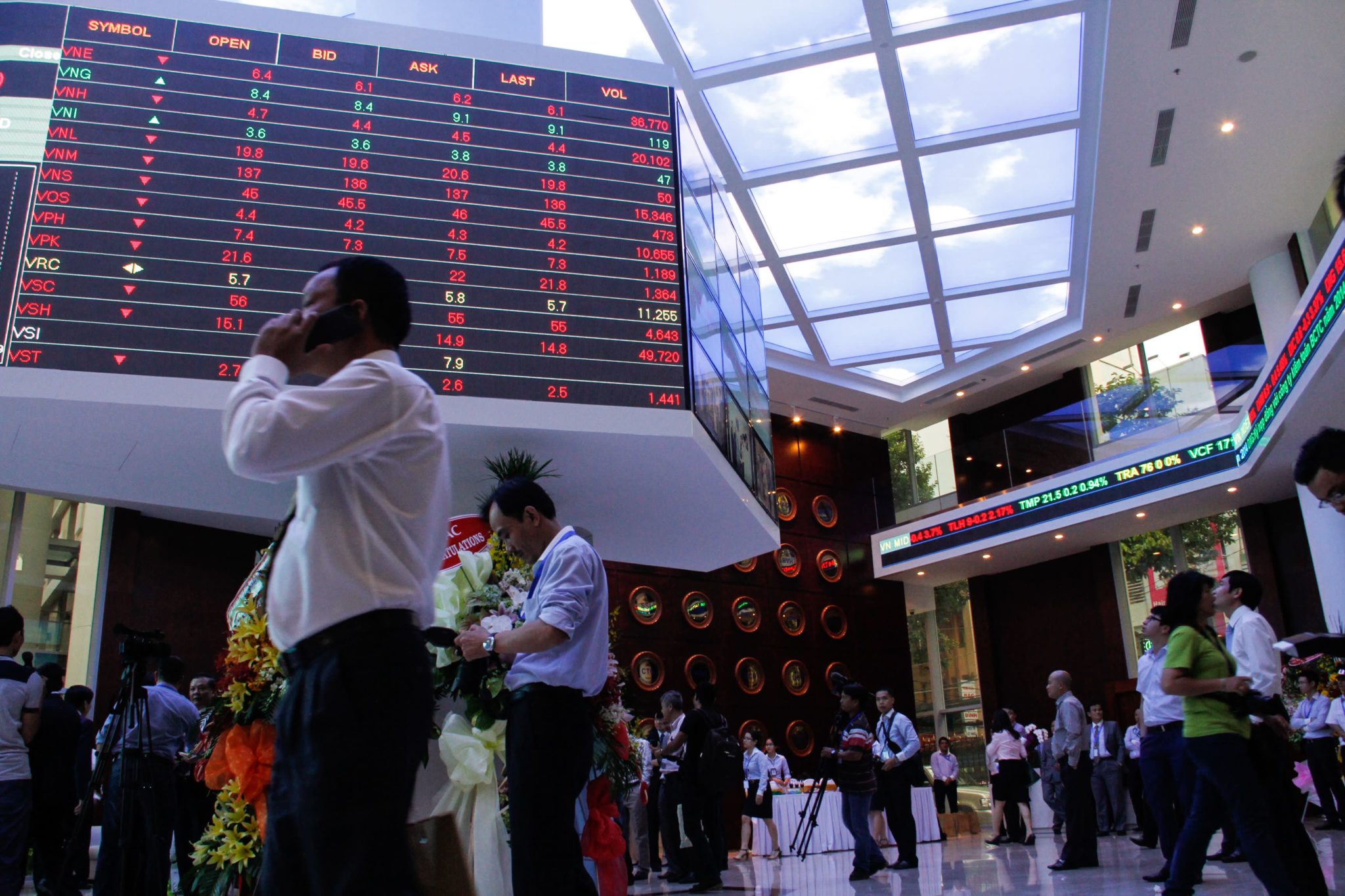
    On Tuesday, the VN-Index, Vietnam’s benchmark index, rose by 0.9% to reach 1,717.06 points. This marked the highest level it had reached since October 17. The index ended the day 15 points higher, with a total increase of over 56 points across the previous five sessions.

    Growth in Trading

    The Ho Chi Minh Stock Exchange, where the index is located, experienced a 6.4% increase in trading. The trade value came to VND22.39 trillion, equivalent to US$849 million.

    Significant Stock Movements

    The VN30 basket comprises the 30 largest capped stocks, of which 20 saw an increase in their share prices. Leading the pack was Sabeco’s SAB and Vietjet’s VJC, both of which saw a significant 6.9% increase in their share prices. They were closely followed by the Vietnam Rubber Group’s GVR, which saw an increase of 3.9%, and Techcombank’s TCB, which experienced a 3% hike in its share price.

    On the other hand, five blue-chip stocks experienced a drop, with VPBank’s VPB seeing the most significant decline of 1.4%.

    Foreign Investment

    In terms of foreign investment, investors were net buyers, with VND637 billion invested predominantly in Vietjet’s VJC and Vingroup’s VIC.

    Other Indices

    Other exchanges also saw a rise in their indices. The HNX-Index on the Hanoi Stock Exchange, famous for mid and small-cap stocks, saw an increase of 0.37%. Meanwhile, the UPCoM-Index for the Unlisted Public Companies Market experienced an increase of 0.47%.

    Questions & Answers

    What was the highest point reached by the VN-Index on Tuesday?
    The VN-Index reached its highest point since October 17 on Tuesday, concluding at 1,717.06 points.

    Which stocks led the increase in the VN30 basket?
    The stocks that led the increase in the VN30 basket were Sabeco’s SAB and Vietjet’s VJC, each experiencing a 6.9% rise in share price.

    What was the trend among foreign investors?
    Foreign investors were predominantly net buyers, notably investing in Vietjet’s VJC and Vingroup’s VIC.

  • Over 370,000 Singapore Bank Customers Embrace Innovative Money Lock Feature for Enhanced Security

    Over 370,000 Singapore Bank Customers Embrace Innovative Money Lock Feature for Enhanced Security

    In a striking demonstration of caution, over 370,000 bank customers in Singapore have embraced the innovative Money Lock feature, collectively safeguarding more than $30 billion from potential scams as of June 30. This initiative, highlighted in the Singapore Police Force’s Mid-Year Scam and Cybercrime Brief 2025, marks a significant shift in how consumers approach digital banking security.

    A New Guard Against Cybercrime

    Launched in December 2024 by the Monetary Authority of Singapore (MAS) and the Infocomm Media Development Authority (IMDA), the Shared Responsibility Framework (SRF) seeks to bolster accountability among financial institutions and telecommunications companies. Under this framework, these entities are now directly liable for losses incurred from phishing scams—an essential move in the ongoing battle against digital fraud.

    Enhanced Security Measures on the Horizon

    Recent developments show that the SRF is not just a paper tiger; it comes with actionable measures. As of June 16, 2025, banks have implemented a novel fraud surveillance duty to monitor suspicious transactions more closely, specifically targeting rapid withdrawals from customer accounts. Expect to see major retailers buttressing security further by instituting cooling-off periods for high-risk banking activities, like adjusting transaction limits or altering personal information—steps designed to give users a moment to reconsider potentially risky decisions.

    Brace for Friction: Security Takes Center Stage

    Looking to the future, MAS is partnering with banks to roll out a Fast IDentity Online (FIDO)-compliant hardware token. This device, which customers must insert into their devices for high-value online transactions, may introduce added friction, but the police emphasize that ensuring customer safety is paramount, even if it momentarily complicates legitimate transactions. After all, in a world rife with digital threats, a little inconvenience can go a long way in preserving one’s finances.

    As the financial landscape continues to evolve, authorities remain steadfast in encouraging customers to utilize the Money Lock service, which offers an extra layer of security against potential breaches in their digital banking capabilities. “Banks will continue to champion this service as a crucial tool to limit possible losses for customers whose accounts might be compromised,” a police spokesperson noted.

    Questions & Answers

    What is the Money Lock feature and how does it help consumers?
    The Money Lock feature allows customers to secure a portion of their funds, preventing digital withdrawals and thereby shielding them from potential scams.

    What significant policy was rolled out alongside the Money Lock feature?
    The Shared Responsibility Framework (SRF) was implemented to enhance accountability among banks and telecom firms regarding losses from phishing scams.

    What proactive measures are banks taking to address fraud risk?
    Banks are introducing cooling-off periods for risky transactions and are collaborating with MAS to implement hardware tokens that provide an additional layer of security for high-value transactions.

  • Hong Kong Banks Encouraged to Streamline Hiring Processes to Attract Premier Talent

    Hong Kong Banks Encouraged to Streamline Hiring Processes to Attract Premier Talent

    Banks operating in Hong Kong are urged to rethink their hiring practices if they aspire to attract and retain the best talent, according to insights from recruitment specialists. A recent survey by Asian Banking & Finance revealed that hiring rose by 2.5% across 15 lenders, yet experts caution that more streamlined application processes and relaxed language requirements are crucial in a competitive market.

    Selectivity and Delays Hamper Talent Acquisition

    The hiring landscape has become increasingly selective and convoluted, which is dissuading potential candidates. Robert Sheffield, managing director for China and Hong Kong at Ireland-based recruitment firm Morgan McKinley, remarked that the prolonged hiring timelines are pushing top-tier candidates toward competitors who offer a more efficient process. “We’re seeing a number of those top candidates take opportunities that come with a faster onboarding experience,” he stated in a recent Zoom session.

    Amid an array of hurdles, applicants often face cognitive and personality assessments, alongside an exhaustive need for detailed references. On top of that, hiring managers are scrutinizing soft skills and emotional intelligence to gauge cultural fit, leading to additional rounds of interviews involving compliance and risk departments.

    Regulatory Pressures Add Complexity

    These lengthy procedures are exacerbated by a growing burden of regulatory compliance, especially over the past two years. Sheffield emphasized, “Banks are under an enormous amount of pressure to ensure compliance, with increasingly complex regulations on anti-money laundering, artificial intelligence, KYC protocols, and data privacy.” Consequently, banks are ramping up hiring in areas like KYC, asset liability, and regulatory risk management which encompasses credit, market, operational risks, and tech roles.

    Shifting Employee Mindsets

    The job market is not the only arena experiencing caution; candidates themselves are becoming more selective. Elaine Chu, senior manager of financial services at Robert Walters Hong Kong, highlighted that prospective employees are now placing a premium not just on salary but also on job stability. “Candidates have grown more reserved,” she noted, especially as pay increments have noticeably shrunk.

    In a surprising twist, banks may need to rethink their Mandarin requirements, with Sheffield pointing out that a vast majority of roles primarily necessitate English proficiency. “For many positions, this requirement has made the hiring process unnecessarily prolonged—three or four times longer than what it needs to be,” he explained. Considering that about 70% of Hong Kong’s talent pool hails from Mainland China, flexibility in requirements could tap into broader talent resources.

    Adapting to Change

    Rather than cutting back, most of Hong Kong’s banks are opting to adjust their hiring strategies. Chu noted, “For many institutions, there’s a shift in seniority; if a vice president departs, they might now hire an assistant vice president, or similarly, opt to onboard an associate.” Moreover, there’s a notable increase in internal applicants stepping up to fill gaps.

    Last year, banks collectively hired more employees than they let go, with the latest ranking survey indicating a 2.5% increase in their workforce to a total of 70,611. This growth eclipses the previous year’s 0.16% rise among the same group of banks, excluding Standard Chartered Bank, which did not participate in the latest study.

    Smallest lender Tai Sang Bank and homegrown Hang Seng Bank achieved remarkable growth, with their headcounts increasing by 40% and 19%, respectively. While Hang Seng Bank bolstered its workforce by over 1,300 employees, Tai Sang welcomed 14 new faces, bringing its total to 49.

    The Asia-Pacific division of HSBC Holdings Plc remains the largest player in Hong Kong’s banking sector, employing around 20,000 staff members, a figure unchanged from last year. Five other lenders—Bank of China (Hong Kong), Shanghai Commercial Bank, Chong Hing Bank, CMB Wing Lung Bank, and Public Bank (Hong Kong)—also reported a hiring surge.

    Navigating the IPO Landscape

    Despite the general caution in hiring, there’s a noticeable uptick in demand for roles related to initial public offerings (IPOs) amidst a resurgence in listings. Chen shared that contract hiring is becoming prevalent across various sectors, although pay raises are lagging, generally hovering around 10% to 15%. This is a far cry from the historic 20% increases during a robust market.

    Sheffield pointed out that while the hiring pace for investment bankers is slow due to subdued global deal volumes, demand for elite deal-makers remains. “There will be aggressive hiring spurts on occasion, but these will become less common,” he remarked.

    Reflecting on the IPO landscape, it is fascinating to note that Hong Kong’s projected IPO proceeds for the first half are expected to soar over eightfold to $108.7 billion (US$14 billion) compared to last year. This remarkable growth positions the region as the world leader, bolstered by Mainland Chinese firms seeking growth opportunities through dual listings, according to data from Ernst & Young Global Ltd.

    Questions & Answers

    What factors are influencing banks’ hiring practices in Hong Kong?
    Recruitment experts indicate that banks need to simplify their application processes and relax language requirements, particularly eliminating unnecessary Mandarin mandates for specific roles to attract top talent effectively.

    How are candidates responding to the current job market?
    Candidates are becoming increasingly discerning, factoring in job stability alongside potential salaries, and exhibiting more caution than in previous years, particularly since pay increases have diminished.

    Which banks are leading the hiring trends in Hong Kong?
    Tai Sang Bank and Hang Seng Bank reported the fastest hiring growth at 40% and 19%, respectively, while HSBC remains the largest employer in the sector, maintaining a stable workforce of about 20,000 staff.
  • Cambodian Banks Struggle Amid Real Estate Challenges and Sluggish Tourism Recovery

    Cambodian Banks Struggle Amid Real Estate Challenges and Sluggish Tourism Recovery

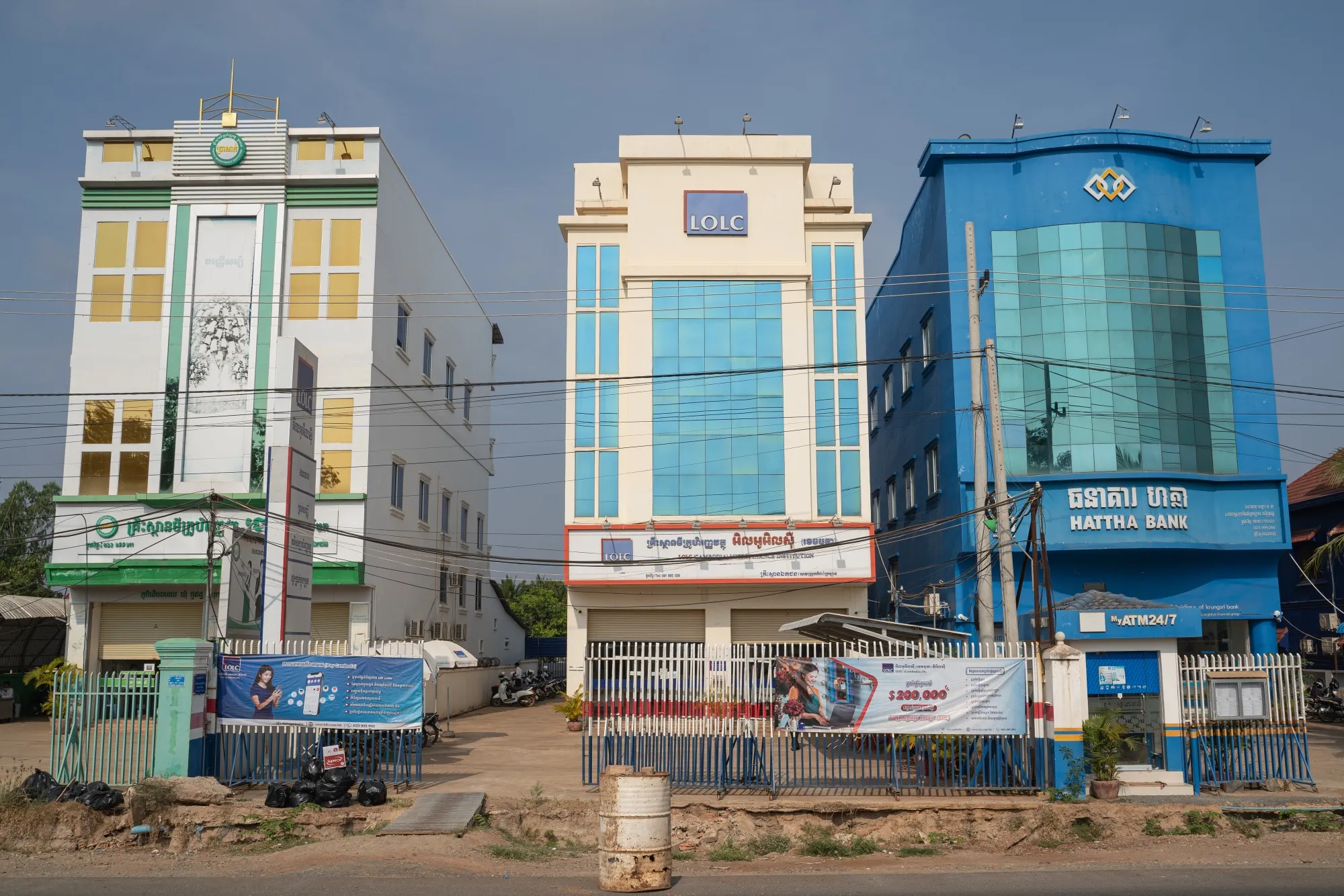
    Cambodia’s banking sector faces a challenging landscape as non-performing loans (NPLs) are projected to surge to between 9.5% and 10% of outstanding loans by 2026. S&P Global Ratings highlights a sluggish recovery in tourism and ongoing pressures in the real estate market as major contributors to this downturn.

    Struggling Profitability Amid Growing NPLs

    As NPLs climb, banks will be required to increase their provisioning levels, keeping profitability grim, according to Ruchika Malhotra, a primary credit analyst at S&P Global Ratings. She estimates that profitability will stagnate at around 0.3% in 2025 and 2026—just a slight improvement over an already dismal 2024. It’s a bit like trying to put a shiny coat of paint on a rickety old house; the underlying issues are hard to miss.

    External Pressures Complicate Recovery

    Additionally, the banking sector is grappling with the fallout of tariffs and significant exposure to the construction and real estate industries, which have been under severe stress. “Cambodia’s sizeable manufacturing exports to the U.S.—accounting for one-third of total exports—could face steep tariff hikes. This uncertainty inevitably casts a shadow on the economy,” Malhotra explained.

    A Stubborn Property Market

    Malhotra anticipates continued pressure on property prices and sales, attributing this to a persistent mismatch between supply and demand. With banks heavily invested in the construction and real estate sector—representing one-fifth of their total loans—banks could find themselves in a precarious position. “The absence of swift court settlement processes means banks may be left with substantial real estate collateral after foreclosures, which constitutes a considerable portion of their loan collateral,” she noted.

    Regulatory Relief on the Horizon?

    Given the dismal profit margins, regulatory bodies may be inclined to extend support measures. Malhotra suggests that this could involve prolonging the current restructuring schemes for distressed borrowers, especially if NPL levels continue to rise. The central bank might even consider delaying the normalization of prudential measures to provide banks with a much-needed lifeline.

    Questions & Answers

    What are the predicted levels of non-performing loans in Cambodia’s banking sector by 2026?
    Non-performing loans are expected to rise to between 9.5% and 10% of outstanding loans by 2026, according to S&P Global Ratings.

    How is the Cambodian banking sector’s profitability projected to change over the next few years?
    Profits are expected to remain bleak, with estimates at only 0.3% in 2025 and 2026, indicating a minor improvement over 2024.

    What measures might regulators consider in response to the rising non-performing loans?
    Regulators may extend restructuring schemes for distressed borrowers and delay the implementation of new prudential measures to help banks manage their challenges.

  • India’s Banks Thrive Amid Infrastructure Boost and Rising Demand

    India’s Banks Thrive Amid Infrastructure Boost and Rising Demand

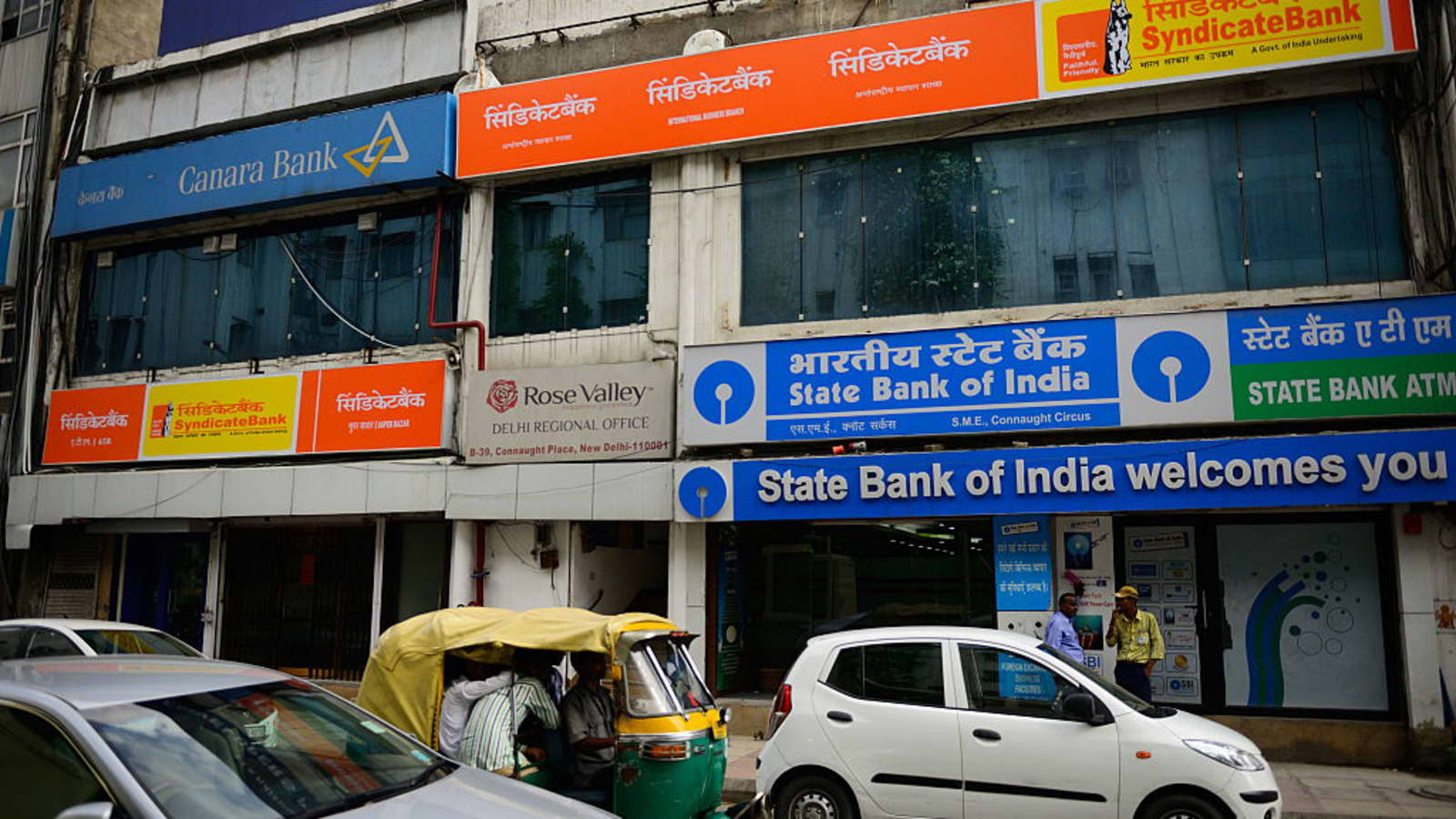
    Weak loans in India’s banking sector are projected to climb to 3.1% by March 2026, a trend that S&P Global Ratings attributes to both ongoing economic pressures and specific vulnerabilities within certain retail lending segments. Nonetheless, the overall outlook for India’s financial institutions remains optimistic, buoyed by substantial infrastructure investments and a steady rise in private consumption.

    Economic Outlook Despite Challenges

    According to Deepali V Seth Chhabria, a primary credit analyst at S&P Global Ratings, India is well-positioned to navigate upcoming challenges in the global market. The country’s limited exposure to U.S. trade significantly lessens potential tariff risks, a point that instills confidence in the financial landscape over the next few years. However, areas such as steel and chemicals may face setbacks if trade relations deteriorate, as highlighted in S&P’s midyear outlook for 2025.

    Retail Loans Show Signs of Stress

    While the banking sector may face headwinds, Seth Chhabria notes that certain segments, particularly unsecured loans and microfinance, are under pressure. She highlights that the quality of underwriting for secured retail loans remains robust, keeping delinquencies in a manageable range. The anticipated rise in weak loans is largely a reflection of these vulnerable areas.

    Mitigating Risks with Stronger Regulations

    In response to these challenges, tightening regulations and enhanced underwriting standards in microfinance are expected to help stabilize asset quality. “India’s sound growth prospects, alongside decreasing interest rates, will also play a crucial role in supporting the banks’ asset quality,” Seth Chhabria stated, shedding light on the financial system’s resilience.

    Proactive Measures for the Future

    To further bolster stability, strengthening internal controls and risk management practices in sectors like unsecured personal loans is essential. Addressing the risks associated with low-income borrowers will be pivotal, especially as the growth of household leverage continues to slow. Seth Chhabria predicts that non-performing loans (NPLs) will likely peak in fiscal 2026, presenting both a challenge and an opportunity for lenders to recalibrate their approaches.

    Questions & Answers

    What are the projected weak loan rates for India’s banking sector by March 2026?
    Weak loans are expected to reach 3.1% in March 2026, reflecting pressures in specific retail segments.

    Which sectors might be impacted by potential trade reductions?
    Sectors such as steel and chemicals could face significant challenges if trade relations deteriorate.

    What strategies are being implemented to mitigate risks in unsecured loans?
    Strengthened regulations and improved risk management practices are key strategies to address the accumulation of risks in unsecured personal and microfinance loans.

  • South Korean Banks See Growth in Deposits and Household Loans in June

    South Korean Banks See Growth in Deposits and Household Loans in June

    In a striking shift within South Korea’s banking landscape, deposits and household loans surged in June 2025, surpassing previous month’s figures, according to the latest data released by the Bank of Korea (BOK). This trend reflects an increasing consumer confidence amid dynamic housing market activities.

    Deposits Take the Lead

    June saw South Korean banks enjoy a robust increase in transferable deposits, which rose by $19.88 billion (KRW 27.3 trillion). This marks a notable jump from the $14.7 billion (KRW 20.2 trillion) expansion observed in May. Such a significant uptick suggests that households are not just saving — they are preparing for something big.

    Household Lending on the Rise

    When it comes to lending, banks extended an additional $4.5 billion (KRW 6.2 trillion) to the household sector in June, continuing from a healthy increase of $3.78 billion (KRW 5.2 trillion) in the prior month. This momentum indicates a thriving demand for loans, particularly in the mortgage market, which has been buoyed by a recent wave of housing transactions.

    Corporate Lending Struggles

    Yet, not all areas of the banking sector are flourishing. In a somewhat ironic twist, corporate lending took a downturn, with banks issuing $2.62 billion (KRW 3.6 trillion) less in loans to businesses. While large corporations faced a setback, small and medium enterprises (SMEs) managed to hold their ground with a slight increase in funding.

    Asset Management Funds Take a Hit

    Adding to the mixed signals, funds managed by asset management companies experienced a decline of $946 million (KRW 1.3 trillion). This drop underscores a cautious outlook among investors, perhaps reflecting a general uncertainty in market conditions.

    As South Korean banks navigate this uneven landscape, the growing consumer deposits and household loans inject a sense of optimism, even as corporate sectors reel from decreased lending. In this balancing act, only time will tell how these trends evolve.

    Questions & Answers

    What drove the significant increase in household loans in June 2025?
    The increase in household loans can be attributed to the rising demand for mortgages amidst an uptick in housing transactions across the market.

    How did corporate lending perform in June 2025?
    Corporate lending saw a decline of $2.62 billion (KRW 3.6 trillion), indicating challenges within the business sector, particularly for large corporations.

    What does the decline in asset management funds suggest?
    The reduction of $946 million (KRW 1.3 trillion) in asset management company funds may point to a cautious investment sentiment among consumers, reflecting broader market uncertainties.

  • Malaysia’s Banks Report 5.3% Loan Growth in May, Driven by Construction Sector Surge

    Malaysia’s Banks Report 5.3% Loan Growth in May, Driven by Construction Sector Surge

    The retail landscape in Asia is witnessing a striking transformation as digital shopping experiences increasingly complement traditional brick-and-mortar stores. Consumers are embracing a fusion of online convenience and in-store engagement, creating a unique shopping atmosphere that retailers must navigate. The latest insights reveal a dynamic shift toward omnichannel strategies, illustrating how brands are innovating to meet evolving consumer needs.

    A Surge in Omnichannel Shopping

    In recent months, surveys indicate that 70% of consumers across major Asian markets prefer a blend of online and in-store shopping. This trend reflects a desire for the tactile experience of physical stores along with the efficiency of digital transactions. While retailers once focused on building standalone online platforms, the game has shifted. Brands are now racing to create seamless shopping experiences that engage consumers at multiple touchpoints — whether through mobile apps, social media, or classic storefronts.

    Consumer Preferences are Shifting

    Surprisingly, a recent study found that 58% of millennials are likely to make impulse purchases driven by social media ads. Brands like Shopee and Lazada are capitalizing on this trend by integrating social commerce features into their platforms, transforming how products are showcased and sold. The playfulness of an Instagram story can lead to a purchase just as easily as a walk through a retail aisle.

    Retailers Embrace AI and Personalization

    Amid this transformative environment, artificial intelligence is emerging as a vital tool for personalization. Retailers are harnessing AI algorithms to analyze consumer behavior and tailor shopping experiences that resonate with individual preferences. The results are impressive, with brands reporting up to 30% increases in conversion rates when leveraging AI-driven personalization strategies. As one industry insider noted, “When your shopping experience feels like it was designed just for you, how can you resist?”

    The Role of Sustainability in Consumer Choices

    Moreover, sustainability is becoming a pivotal factor in consumer purchasing decisions. A staggering 65% of shoppers in Asia now prioritize buying from brands that demonstrate strong environmental commitments. Eco-conscious initiatives, such as sustainable packaging and ethical sourcing, are more than just buzzwords; they are becoming essential components of a brand’s identity in today’s market. Retail giants are not just selling products; they’re selling values, and consumers are taking note.

    Looking Ahead: Challenges and Opportunities

    As the retail sector continues to evolve, challenges persist. Supply chain disruptions and shifting regulatory landscapes test the resilience of even the most established brands. Yet, with every challenge comes an opportunity. Retailers that adapt to these changing dynamics—through enhanced technology integration, innovative customer engagement strategies, and a commitment to sustainability—are poised to thrive in the new era of retail.

    Questions & Answers

    What percentage of consumers in Asia prefers a combination of online and in-store shopping?
    Seventy percent of consumers across major Asian markets prefer a blend of both online and in-store shopping, reflecting the increasing demand for omnichannel experiences.

    How is social media influencing shopping habits in Asia?
    A study showed that 58% of millennials are likely to make impulse purchases due to social media ads, driving retailers to integrate social commerce features into their platforms.

    What role does sustainability play in consumer purchasing decisions?
    Approximately 65% of shoppers in Asia prioritize buying from environmentally conscious brands, making sustainability a critical factor in brand loyalty and purchasing behavior.

  • Report: Thailand’s Emerging Virtual Banks Face Steep Challenges Against Established Players

    Report: Thailand’s Emerging Virtual Banks Face Steep Challenges Against Established Players

    Despite the buzz surrounding the rise of virtual banks, Thailand’s existing financial institutions appear to retain a safe buffer against potential disruption, at least in the near term. Moody’s Ratings recently indicated that the new entrants, set to launch in 2026, will navigate a landscape defined by regulatory restrictions that could curtail their growth over the next three to five years.

    Regulatory Framework Shapes Future Operations

    The Bank of Thailand’s (BOT) licensing framework will require these virtual banks to gradually increase their capital from THB5 billion ($153 million) to at least THB10 billion ($306 million) during their formative years. This regulatory structure aims to foster stability in the financial sector as these banks target segments that traditional institutions often overlook.

    Filling the Gaps in Financial Services

    These digital newcomers will primarily focus on lending to underserved populations, including lower-income retail clients, self-employed individuals, and small businesses. By catering to these niche customer groups, they may actually act as a shield for incumbent banks, delaying any immediate threats and allowing these traditional players time to adapt.

    Meet the New Players in Thailand’s Banking Scene

    Thailand’s Ministry of Finance has officially green-lighted three applicants to establish virtual banks, following rigorous evaluations alongside the BOT. The selected players include ACM Holding Company, part of the Charoen Pokphand Group, a consortium of Krung Thai Bank, PTT Oil, and Advanced Info Service, and another consortium including SCB X, KakaoBank, and WeTechnology, backed by WeBank.

    Leveraging Partnerships for Competitive Edge

    What these virtual banks lack in physical branches, they more than make up for in strategic partnerships. As Moody’s points out, the SCBX consortium stands to gain significantly from the operational experiences of KakaoBank and WeBank in South Korea and China, respectively. Simultaneously, the KTB consortium could leverage the market dominance of AIS and PTT Oil, major players in telecommunications and energy.

    A Competitive Arena Awaits

    Competition in this space is expected to be fierce, with incumbent banks not resting on their laurels. Many have stepped up their digital offerings, diversifying into areas like micro-financing and wealth management, though these segments currently contribute modestly to their overall revenue. “It’s not just about getting on the digital bandwagon; it’s about driving the innovation that sets new entrants apart,” Moody’s asserted.

    Challenges on the Horizon

    The launch of PromptPay, Thailand’s real-time retail payment system, has already transformed the speed of fund transfers and payments, adding further pressure on these new virtual banks to innovate. Compounding the challenge is Thailand’s high household debt and stagnant economic growth, a tougher landscape compared to the more favorable conditions faced by virtual banks in other Southeast Asian markets.

    As Thailand readies for an evolution in its banking system, both incumbents and new players will need to navigate a rapidly shifting terrain filled with opportunities and obstacles alike. One thing is certain: the quest for customer loyalty is about to get more exciting.

    Questions & Answers

    What regulatory hurdles will virtual banks face in Thailand?
    Virtual banks in Thailand will be required to increase their capital from THB5 billion to at least THB10 billion and will operate under certain restrictions for 3-5 years.

    Who are the major players in the new virtual banking landscape?
    The three approved virtual banks are ACM Holding Company (part of CP Group), a consortium including Krung Thai Bank and PTT Oil, and another consortium featuring SCB X, KakaoBank, and WeTechnology.

    How will existing banks respond to the rise of virtual banks?
    Incumbent banks are enhancing their digital offerings and expanding into micro-financing and wealth management to maintain their competitive edge against new entrants.

  • Malaysia’s Digital Banks Struggle with Slower Loan Growth Amid Rising Costs

    Malaysia’s Digital Banks Struggle with Slower Loan Growth Amid Rising Costs

    Malaysia’s digital banking landscape is shifting, as the nation’s new players in the sector are reassessing their approaches to deposit gathering amidst challenges in lending growth, which has turned out to be more costly and sluggish than initially projected, according to a recent report from UOB Kay Hian (UOBKH).

    Digital Banks Adjust Strategies Amid Slower Growth

    As of now, three of the five licensed digital banks in the country—GXBank, Boost Bank, and AEON Bank—are operational, while Ryt Bank and KAF Digital Bank are still in the pilot phase. The slow scaling of lending activities has been a significant hurdle for these digital lenders. Their target market consists largely of underserved and unbanked Malaysians, who present unique operational and credit risks.

    UOBKH analyst Keith Wee Teck Keong highlighted the complications: “Many in this segment may lack the digital literacy to engage fully with app-based platforms, while their credit profiles may raise asset quality concerns,” he stated in a report dated June 24, 2025.

    The Ripple Effect on Deposits

    In light of these lending challenges, digital banks are likely to pull back on their deposit-gathering efforts. Wee pointed out that taking an overly aggressive stance in collecting deposits without a corresponding growth in lending could lead to negative carry. This scenario would see expensive deposits funneled into low-yielding money market instruments, squeezing profit margins.

    For conventional banks, this situation may present a silver lining, as the reduction in deposit competition could ease pressure within the broader banking ecosystem. Currently, none of the digital banks have reached profitability, and Wee notes that those that have begun operations estimate it could take over three years on average to reach breakeven.

    The Leaders of the New Wave

    Among the newcomers, GXBank Bhd stands out, boasting both the highest assets and customer deposits. As of September 2024, the bank reported total assets of MYR2.4 billion and deposits totaling MYR2.2 billion. EAON Bank trails with MYR711 million in assets and MYR339 million in deposits reported in November 2024, while Boost Bank has MYR819 million in assets and MYR573 million in deposits as of March 2025.

    Although these figures are promising, Wee cautions that the combined asset base of these three operational digital banks remains modest, representing less than 1% of Malaysia’s total banking sector assets, which were pegged at RM3.7 trillion as of late April 2025.

    Even under the regulatory cap of MYR3 billion per digital bank for their first 3-5 years, the cumulative MYR15 billion ceiling reflects just 0.4% of the industry’s total assets, leaving plenty of room for growth and opportunity for these nascent financial institutions.

    Questions & Answers

    What challenges are Malaysian digital banks facing?
    Digital banks in Malaysia are encountering significant hurdles in scaling their lending activities due to targeting underserved segments that often lack digital literacy and have questionable credit profiles.

    How have digital banks responded to lending growth challenges?
    In response to the costlier and slower growth in lending, digital banks are expected to temper their deposit-gathering strategies to avoid negative carry and maintain healthier profit margins.

    Which digital bank currently leads the market in assets and deposits?
    GXBank Bhd leads among operational digital banks in Malaysia, with total assets of MYR2.4 billion and deposits of MYR2.2 billion as of September 2024, showcasing a considerable market presence.