Tag: Brands

  • Unlocking Sustainable Growth in Southeast Asia: The Power of Multi-Channel Logistics for Brands

    Unlocking Sustainable Growth in Southeast Asia: The Power of Multi-Channel Logistics for Brands

    The e-commerce sector in Southeast Asia is witnessing significant growth, with its Gross Merchandise Value (GMV) projected to reach around US$350 billion by 2030 and escalate to US$630 billion by 2035.

    For businesses aiming to tap into this growth, achieving success is no longer merely about attracting customers. It is equally critical to ensure a consistent customer experience, regardless of where the consumers decide to make their purchases. This applies to all sales channels, whether consumers purchase through online marketplaces, direct-to-consumer websites, social commerce platforms, or physical stores. They anticipate a seamless shopping experience, speedy and dependable delivery. This demonstrates that logistics isn’t just a back-end operation anymore; instead, it significantly influences the customer’s buying experience and impacts their perception and interaction with a brand, both online and offline.

    To cater to these expectations, logistics providers are rethinking the traditional fulfillment styles centered around specific platforms. They are investing in more comprehensive solutions that can meet customers’ expectations on a larger scale.

    Challenges in Managing Multi-Channel Operations in a Diverse Region

    In Southeast Asia, brands are broadening their omnichannel presence. The region’s diverse market landscape poses unique operational challenges. Brands need to handle different consumer expectations, various levels of infrastructure maturity, unique regulatory environments, and diverse operational requirements across multiple markets.

    Brands also must manage inventory across various sales channels and logistics providers. Separate warehousing arrangements, fragmented stock pools, and disconnected fulfillment systems can directly impact the customer experience, leading to delayed deliveries, inaccurate stock information, and inconsistent service across channels. These gaps can lead to increased costs, reduced stock visibility, and complicate demand planning.

    A Streamlined Approach to Scaling through a Unified Fulfillment Infrastructure

    Lazada Logistics acknowledged the growing need for more integrated fulfillment solutions and introduced its Multi-Channel Logistics (MCL) offering. The MCL enables brands to streamline fulfillment operations across channels through a single logistics network.

    The MCL is available across several countries in Southeast Asia, including Singapore, Thailand, Vietnam, Indonesia, the Philippines, and Malaysia. It combines Lazada Logistics’ proprietary regional infrastructure with an extensive third-party logistics network to provide comprehensive inventory management, warehousing, and fulfillment services on a larger scale. This allows brands to rapidly respond to fluctuating consumer demand while maintaining consistent service standards across the region.

    Thanks to MCL, brands can optimize logistics costs without compromising service quality, allowing them to concentrate resources on customer acquisition, product development, and market expansion. With a simplified fulfillment structure and more efficient inventory utilization, businesses can strike a balance between cost management and customer experience objectives.

    Questions & Answers

    How is the e-commerce market in Southeast Asia growing?
    The e-commerce sector in Southeast Asia is expanding significantly, with its Gross Merchandise Value (GMV) projected to hit around US$350 billion by 2030 and increase to US$630 billion by 2035.

    What challenges do brands face in managing multi-channel operations?
    Brands must deal with various consumer expectations, different levels of infrastructure maturity, unique regulatory environments, and diverse operational requirements across multiple markets. Additionally, they need to handle inventory across various sales channels and logistics providers.

    How does Lazada Logistics’ Multi-Channel Logistics (MCL) help brands?
    The MCL offering by Lazada Logistics enables brands to consolidate fulfillment operations across channels through a single logistics network. It helps brands optimize logistics costs without compromising service quality, allowing them to concentrate resources on customer acquisition, product development, and market expansion.

  • Golden Goose Leaps Forward: Chinese and Singaporean Investments Fuel Luxury Brands Global Expansion

    Golden Goose Leaps Forward: Chinese and Singaporean Investments Fuel Luxury Brands Global Expansion

    Italian luxury brand, Golden Goose, has recently gone through a significant change in ownership. A majority stake in the company is now held by Chinese private equity firm HSG, while Singapore’s investment firm, Temasek, has also joined as a minority shareholder. This move followed the necessary regulatory approvals, and while the financial specifics remain undisclosed, existing investor Permira has retained a minority stake.

    A New Chapter for Golden Goose

    The revamped ownership structure is poised to support the next phase of Golden Goose’s worldwide expansion, faithfully retaining the company’s focus on Italian craftsmanship and its direct-to-consumer retail model. Silvio Campara will maintain his position as CEO, managing the company in association with the existing management team. Effective immediately, former Gucci CEO, Marco Bizzarri has been appointed as the non-executive chairman of the company.

    Campara expressed his confidence in the new investors, stating that their vast experience in scaling international luxury brands and driving innovation will propel Golden Goose in achieving its global aspirations. He is anticipating benefiting from their expertise as they advance towards realizing their international ambitions and introducing Golden Goose to more “Dreamers” around the world.

    Campara added, “This investment is a testament to our unique model and the global appeal of our brand. It will aid us in unlocking Golden Goose’s full potential, establishing it as a leading Next Gen luxury brand.”

    Golden Goose’s Expansion over the Years

    Golden Goose has witnessed remarkable growth under the ownership of Permira, with its global retail presence now spanning 232 stores across Asia-Pacific, Europe, and the Americas. The brand has also boosted its direct-to-consumer business and invested in experiential retail concepts, including its signature in-store co-creation services, as it continues to expand its international presence.

    Questions & Answers

    What is the new ownership structure of Golden Goose?
    The luxury brand Golden Goose is now primarily owned by the Chinese private equity firm HSG, with Temasek, a Singaporean investment firm, and Permira as minority shareholders.

    Who will lead Golden Goose under the new ownership?
    Silvio Campara will continue to serve as CEO of Golden Goose, working alongside the existing management team. Marco Bizzarri, former Gucci CEO, has been appointed as the non-executive chairman.

    What are the future expansion plans of Golden Goose?
    Under the new ownership, Golden Goose plans to further expand its worldwide presence while maintaining its focus on Italian craftsmanship and its direct-to-consumer retail model. The company also plans to leverage the experience of its new investors to scale the brand and drive innovation.

  • Barbara Werschine Takes the Helm at Lanvin: A Luxury Brands New Era Begins

    Barbara Werschine Takes the Helm at Lanvin: A Luxury Brands New Era Begins

    Lanvin Group has announced the appointment of Barbara Werschine as the new Chief Executive Officer (CEO) of Lanvin. This strategic decision is part of the luxury fashion group’s initiative to bolster Lanvin’s global standing and promote growth.

    Barbara Werschine Heading Lanvin’s Strategic Direction

    Werschine will take charge of Lanvin’s strategic guidance, steering its international growth and enhancing the brand’s status in the global luxury marketplace. With over two decades of experience in the luxury industry, Werschine has previously occupied high-ranking positions at several renowned fashion establishments.

    She transitions to Lanvin from her prior role as CEO of Eric Bompard, a French cashmere specialist brand. During her tenure there, she streamlined the brand’s modernization efforts while also enhancing its financial performance. Earlier in her career, Werschine was a part of the executive committee at Hermes, as director of leather goods collections. Her professional journey also includes leadership and product development roles at Celine, Louis Vuitton, and Zadig & Voltaire.

    Building on Heritage and Driving Growth

    Lanvin Group’s decision to appoint Werschine reflects its aspiration to capitalize on the house’s legacy while implementing a contemporary growth strategy and expediting its international expansion. With headquarters in Shanghai and Milan, Lanvin Group controls a range of luxury brands, including Lanvin, Wolford, Sergio Rossi, and St John Knits.

    The executive shift comes amid the group’s navigation of a challenging luxury market. Lanvin Group registered a revenue of €240.5 million (US$277.4 million) from continuing operations for FY25, marking a 17.6% decrease year-on-year. The group attributed this downturn to reduced consumer demand and continued instability in primary markets.

    The group earlier this year strategically divested the Italian luxury menswear brand Caruso. This was a step towards streamlining focus on its core brands and enhancing operational efficiency in the face of persistent instability in the global luxury sector.

    Questions & Answers

    Who is the new CEO of Lanvin?
    Barbara Werschine has been appointed as the new CEO of Lanvin.

    What are the responsibilities of Barbara Werschine in her new role?
    Werschine will be in charge of Lanvin’s strategic direction, leading its international expansion and efforts to enhance the brand’s presence in the global luxury market.

    Why did Lanvin Group’s revenue decrease in FY25?
    The decrease in revenue was due to weaker consumer demand and ongoing market volatility.

  • Revamping Chanel: How Matthieu Blazys Unique Twist on Classics Fuels Brands Return to Growth

    Revamping Chanel: How Matthieu Blazys Unique Twist on Classics Fuels Brands Return to Growth

    The iconic Parisian fashion brand, Chanel, has seen an influx of new customers drawn to the reimagined versions of classic items by creative director Matthieu Blazy. The reinvented versions of the brand’s staple bags, shoes, and jackets have sparked a demand that exceeds supply, propelling the brand towards renewed growth.

    Revenue Growth and Increased Demand

    Chanel, a privately-held company, announced a 2% increase in revenue to $19.3 billion in 2025, marking a bounce back from a 4.3% decline in 2024. This period saw even premium fashion brands grappling with the bounds of demand following significant price hikes during a post-pandemic luxury resurgence.

    Blazy, who replaced Virginie Viard last year, has breathed new life into the brand with innovative designs like the relaxed leather “maxi flapbag” retailing at $8500, and bright, fringed renditions of the classic Chanel tweed jacket.

    Chanel’s CEO, Leena Nair, noted a creative momentum across all their business activities in 2025 and attributed the sales rebound to the investments made the previous year. The company also reported an increase in operating profit by 5% to reach $4.7 billion, although this fell short of its figures between 2021 and 2023.

    When Blazy’s debut collection hit stores in March, it sparked a buying frenzy for new handbags, two-tone pumps in mint green and black sold at $1450, and multicoloured tweed jackets. Simon Longland, Director of Fashion Buying at the prestigious Harrods in London, described the recruitment of new clients – those who had never previously bought Chanel – as phenomenal.

    Regional Growth and Future Plans

    Despite slower growth than Hermès and a slight decline compared to LVMH’s fashion and leather goods division, Chanel still saw a significant surge in sales in the US market, with a 7.2% increase in the Americas region. However, sales in Asia-Pacific, Chanel’s largest region by sales, declined slightly by 0.8%, while Europe saw a growth of 2.5%.

    In 2025, Chanel increased prices by 3% overall and 2% for fashion products, with similar hikes planned for this year. CFO Philippe Blondiaux reported that Chanel’s business in the Middle East, accounting for about 4% of revenue, remained resilient despite the war in Iran.

    After opening 41 stores in 2025, the brand intends to open an additional 30 stores this year, including nine fashion boutiques, with new locations in Boca Raton, Florida, as well as Palo Alto and San Diego in California.

    Questions & Answers

    What contributed to Chanel’s revenue growth in 2025?
    Chanel’s increased revenue in 2025 can largely be attributed to the innovative designs of new creative director Matthieu Blazy, which led to a surge in demand for the brand’s products.

    How did Chanel fare compared to other luxury brands in 2025?
    Though Chanel experienced slower growth than Hermès, it outperformed LVMH’s fashion and leather goods division and saw strong sales growth in the Americas region.

    What are Chanel’s plans for 2026?
    Chanel plans to continue expanding by opening 30 more stores, including nine fashion boutiques, in locations such as Boca Raton, Florida, Palo Alto, and San Diego, California. The brand also intends to increase prices by a similar rate as in the previous year.

  • Konvy Bags $15M from Cool Japan Fund to Boost Japanese Beauty Brands in Southeast Asia

    Konvy Bags $15M from Cool Japan Fund to Boost Japanese Beauty Brands in Southeast Asia

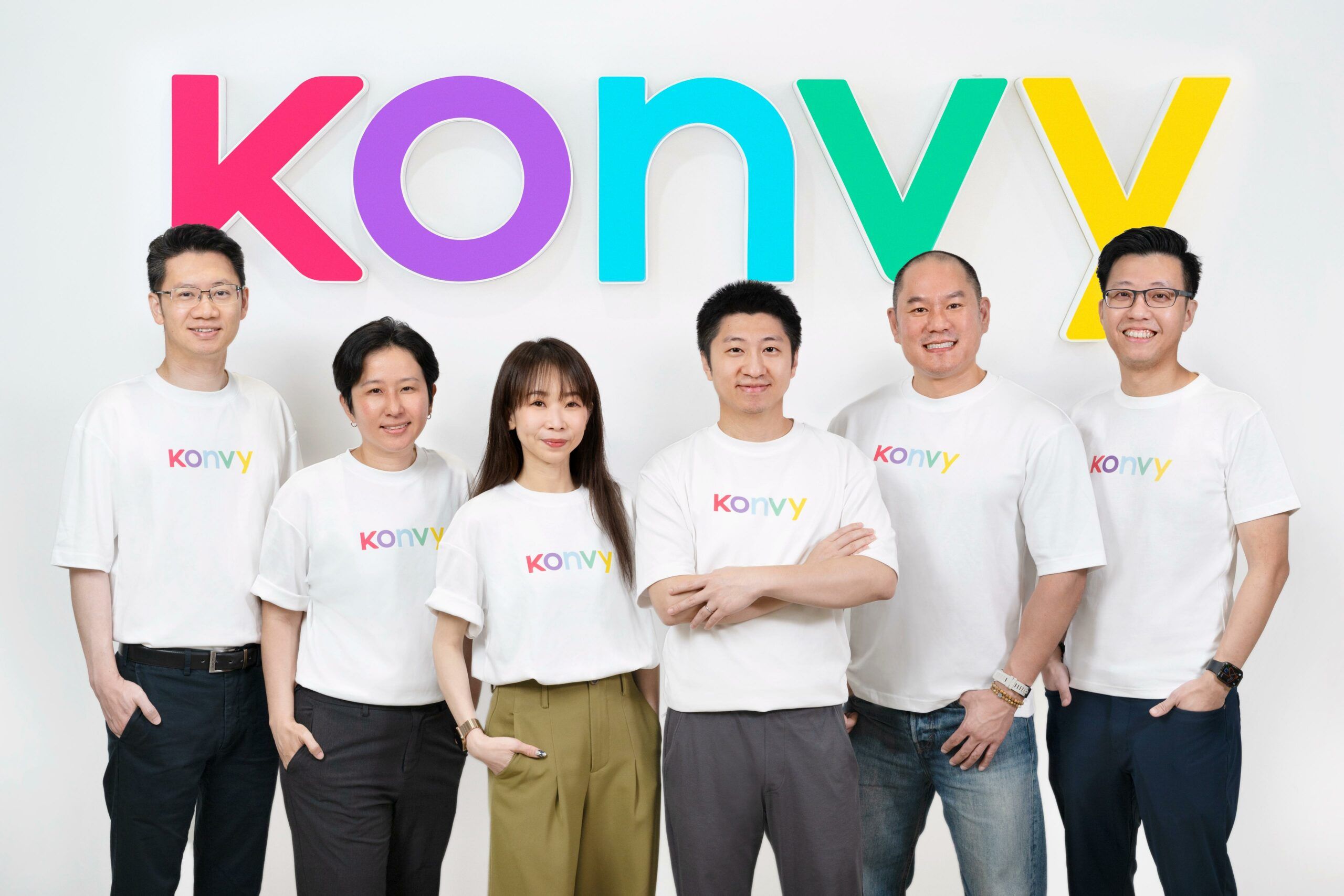
    Konvy, a renowned Thai retailer specializing in beauty and healthcare products, recently received a $15 million investment from Japan’s Cool Japan Fund (CJF). This strategic partnership aims to stimulate demand for Japanese beauty and healthcare brands across Southeast Asia.

    The Strategic Investment

    CJF’s investment into Konvy is intended to leverage the retailer’s robust multi-channel network and digital marketing prowess for the promotion of Japanese-brand products within the healthcare and beauty sectors in overseas markets. The main goal is to amplify the international appeal and consumption of these products, thereby cementing Japan’s position in these markets.

    Konvy, established in 2011, has rapidly developed into a frontrunner in Thailand’s beauty e-commerce scene. Its expansive product range boasts over 20,000 items from more than 1000 brands, spanning categories such as skincare, cosmetics, fragrances, and beauty accessories.

    Konvy’s Multi-Channel Retail Network

    Konvy’s retail operation utilizes a multi-faceted approach, leveraging both online and offline channels. The retailer operates its proprietary e-commerce platform and collaborates with prominent online marketplaces like Shopee and Lazada. It has also adopted social commerce, marking its presence on platforms like TikTok Shop.

    Further, Konvy has successfully expanded its brick-and-mortar footprint, with 16 stores in Thailand and one in the Philippines. The company also collaborates with retail partners such as Watsons to strengthen its offline presence. Apart from Thailand and the Philippines, Konvy operates in Malaysia as well.

    This recent investment signifies a continuation of Konvy’s previous partnership with Japanese companies under the Japan External Trade Organization’s Japan Mall Project that took place between 2022 and 2023. This project aimed at promoting Japanese products in overseas markets.

    Questions & Answers

    What is the purpose of the Cool Japan Fund’s investment in Konvy?
    The investment aims to increase the global demand for Japanese-brand products in the healthcare and beauty sectors, leveraging Konvy’s multi-channel retail network and digital marketing capabilities.

    What categories of products does Konvy offer?
    Konvy offers a wide range of products spanning categories such as skincare, cosmetics, fragrances, and beauty accessories.

    Where does Konvy operate?
    Konvy operates in Thailand, the Philippines, and Malaysia, both through its online platforms and physical retail stores.

  • Kering’s Revenue on the Upswing: Luxury Brand’s Road to Recovery Gains Momentum

    Kering’s Revenue on the Upswing: Luxury Brand’s Road to Recovery Gains Momentum

    Kering, the luxury conglomerate that owns brands such as Gucci and Balenciaga, has noted a sequential improvement in its revenue for the first quarter, indicating that the company’s recovery is gaining momentum.

    Quarterly Revenue Trends

    The company reported a revenue of €3.568 billion (US$4.2 billion) for the quarter that concluded on March 31. This figure represents a 6% decline year-on-year on a reported basis, but remained steady on a comparable basis.

    The fashion and leather goods segment, however, witnessed a 9% reduction in sales as per reports, and a 3% drop on a comparable basis. Brands like Saint Laurent, Bottega Veneta, Balenciaga, and Brioni showcased year-on-year growth during the quarter, with North America emerging as a significant influencer of this positive trend.

    Brand Performance

    Gucci, one of Kering’s prime assets, saw a 14% dip in revenue on a reported basis, and an 8% decrease on a comparable basis. Despite a promising 8% increase in North America, declining trends in Asia-Pacific (Apac) and Western Europe overshadowed its performance.

    On the other hand, Kering’s jewelry section reported a 14% increase in sales on a reported basis and a 22% surge on a comparable basis. This rise was attributed to strong performance across key regions, with Japan and Apac leading the demand.

    Kering Eyewear also experienced growth, with a 3% increase in sales on a reported basis and a 7% increase on a comparable basis.

    CEO’s Statement

    Kering’s CEO, Luca de Meo, highlighted that the stabilizing revenue signals an essential first step towards the group’s recovery. He further added, “Nearly all our Houses delivered growth during the quarter, with a particularly strong contribution from jewelry. Gucci remains our top priority. A comprehensive turnaround is underway, with decisive actions across client, distribution, and, above all, the offer.”

    Attention to Conflict Zones

    The luxury group acknowledged the ongoing conflict in the Middle East as an area of ‘heightened attention.’ The region, with around 1100 employees and 79 stores, accounts for approximately 5% of total retail revenue. The first quarter saw an 11% decline in retail revenue in the region, following growth in the initial two months. Despite temporary disruptions in some areas, the entire retail network is currently operational, as per the company’s statement.

    Questions & Answers

    What was the overall revenue of Kering for the first quarter?
    The overall revenue for the first quarter was €3.568 billion (US$4.2 billion).

    Which brand under Kering saw significant growth in this quarter?
    The brands Saint Laurent, Bottega Veneta, Balenciaga, and Brioni reported year-on-year growth in the quarter.

    How has the conflict in the Middle East affected Kering’s retail revenue in the region?
    There was an 11% decline in retail revenue in the Middle East in the first quarter.

  • Inditex, Zara’s Parent Company, Reports Stellar Sales Boost Across All Brands in Annual Profit Surge

    Inditex, Zara’s Parent Company, Reports Stellar Sales Boost Across All Brands in Annual Profit Surge

    Inditex, the parent company of Zara, has seen considerable increases in its gross and net profits, fueled by robust sales across all its brands.

    The company’s total net revenue for the fiscal year ending January 31, 2025, climbed 3.2 per cent to €39.9 billion (US$46 billion). Taking into account the currency exchange, sales experienced a 7 per cent rise. Over the past three years, Inditex’s sales have surged by 22 per cent, with a concurrent decrease in the number of retail outlets by 6 per cent. This demonstrates the firm’s constant growth despite a decrease in physical retail presence.

    All brands within the Inditex group enjoyed sales growth throughout the fiscal year. The primary Zara enterprise, inclusive of Zara, Zara Home, and Lefties brands, saw a 1 per cent sales increase, reaching €28 billion.

    Profitable Performance By Other Brands

    Among other Inditex brands, Oysho topped the growth chart with a 15 per cent surge, closely trailed by Stradivarius and Bershka, each boasting over a 12 per cent rise. Additionally, Pull&Bear and Massimo Dutti each reported growth rates of 3.1 per cent and 3 per cent respectively.

    Inditex’s gross profit saw a 3.9 per cent increase to €23.2 billion, while the gross margin improved by 42 bps, bringing it to 58.3 per cent. Net income for the same period rose by 6 per cent to €6.2 billion.

    CEO of Inditex, Óscar García Maceiras, praised the company’s teams for their ability to maintain the trust of their customers across their eight commercial formats. He emphasized the importance of connecting with customers, understanding their needs, and providing top-tier products and services in driving long-term growth expectations.

    Positive Outlook

    At the conclusion of FY2025, Inditex managed 5460 stores across 214 markets. The company has continued to perform well into the new fiscal year, recording a 9 per cent increase in store and online sales between February 1 and March 8, after adjusting for the constant currency.

    Questions & Answers

    What was Inditex’s total net revenue for FY25?
    Inditex’s total net revenue for FY25 was €39.9 billion (US$46 billion).

    Which brand under Inditex reported the highest sales growth?
    Oysho, an Inditex brand, reported the highest sales growth with a 15 per cent increase.

    What was the net income for Inditex for the fiscal year ending January 31, 2025?
    Inditex’s net income for the fiscal year ending January 31, 2025, increased 6 per cent to €6.2 billion.

  • US Bourbon Brands Joseph Magnus & Fox & Oden Make Australian Splash: Unveiling Four Exceptional Expressions

    US Bourbon Brands Joseph Magnus & Fox & Oden Make Australian Splash: Unveiling Four Exceptional Expressions

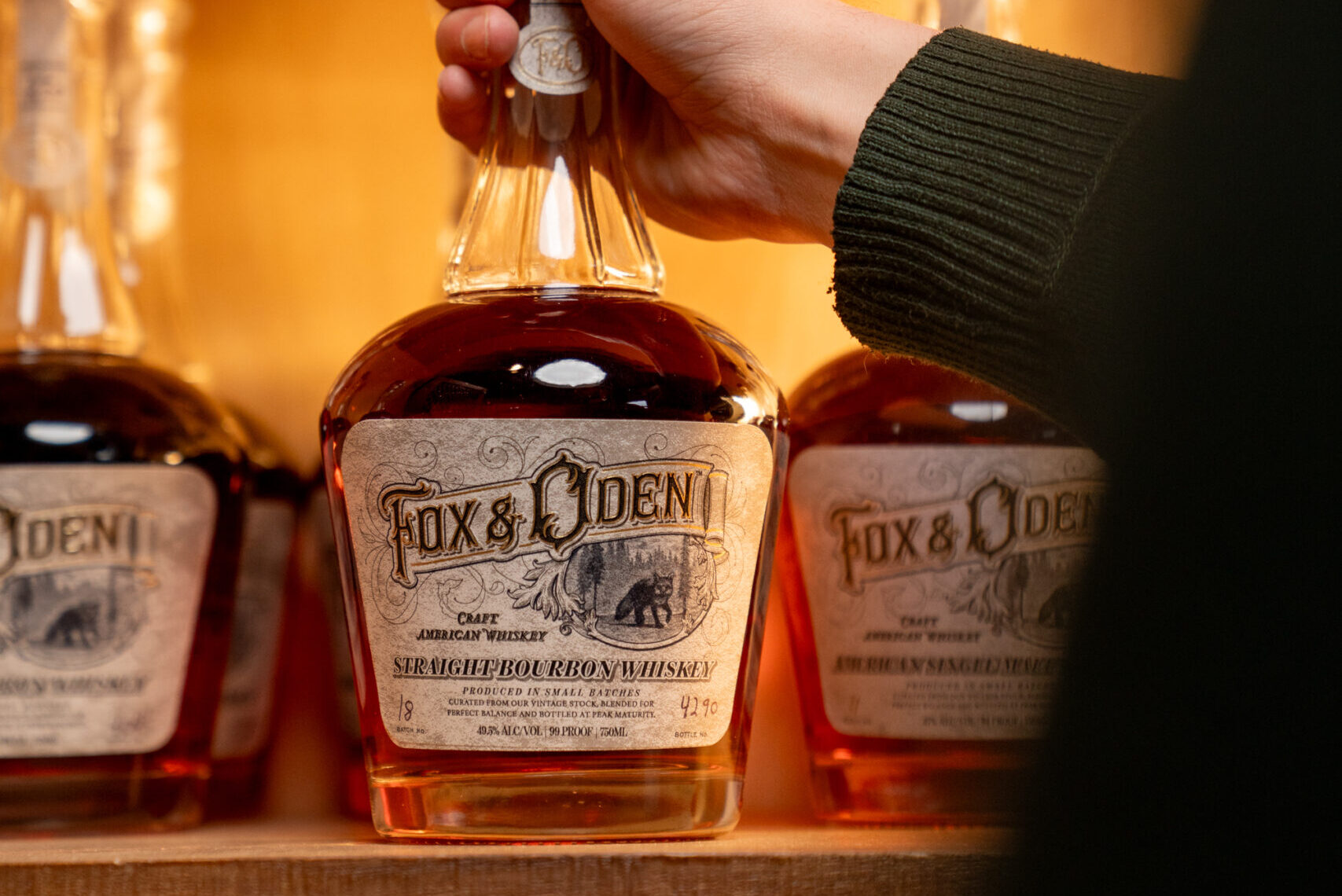
    CraftCo Brands, a renowned American spirits company, has announced plans to bring its prestigious bourbon labels, Joseph Magnus & Co and Fox & Oden, to Australian markets. The venture will be realized through an exclusive distribution deal with Honey Barrel.

    The first batch set to grace Australian shores includes four distinctive expressions: Joseph Magnus Cigar Blend Bourbon, Murray Hill Club Bourbon, Jos A Magnus Bourbon, and Fox & Oden Double Oak Bourbon.

    Strategic Entry into Australian Market

    Ali Anderson, the CEO of CraftCo Brands, revealed that the move into Australia is a calculated strategy, given the country’s deep-rooted whiskey knowledge and high standards. He stated that the entrance into the Australian market is far from casual, considering the heightened expectations and sophisticated whiskey knowledge present.

    The CEO further emphasized that Joseph Magnus and Fox & Oden are designed on a foundation of blending precision combined with expert finishing. He expressed his belief that the Australian consumers will highly appreciate this level of craftsmanship.

    Distinctive Flavors and Expert Craftsmanship

    CraftCo has an impressive reputation for its Joseph Magnus range, particularly for its blending and cask-finishing techniques. On the other hand, Fox & Oden Double Oak stands out for its intricate barrel selection process and secondary maturation, which significantly contributes to the development of its unique flavor profile.

    Honey Barrel’s Kia Rasteh and Jack Carter expressed their confidence in the brands and their anticipation for the collaborative endeavor with the CraftCo team. They disclosed their long-standing admiration for the brands and their reputation for crafting memorable, high-quality whiskeys through expert blending and finishing.

    The duo also acknowledged Australia’s world-class bar and whiskey culture, expressing their certainty that these expressions will secure their spot on top-tier back bars and retail shelves.

    Availability

    Starting this month, Joseph Magnus & Co and Fox & Oden will be readily available through select premium retailers and on-premise venues nationwide.

    Questions & Answers

    What is the strategy behind CraftCo Brands’ entry into the Australian market?

    CraftCo Brands views Australia as a strategic market due to its deep whiskey knowledge and high standards. The company believes the Australian consumers will appreciate the high level of craftsmanship in their products.

    What are the distinctive characteristics of the Joseph Magnus and Fox & Oden brands?

    Joseph Magnus is known for its expert blending and cask-finishing techniques while Fox & Oden Double Oak is renowned for its intricate barrel selection process and secondary maturation, contributing to its unique flavor profile.

    Where will Joseph Magnus & Co and Fox & Oden be available in Australia?

    Beginning this month, these brands will be available at select premium retailers and on-premise venues nationwide in Australia.

  • CJ Olive Young & Sephora Join Forces to Propel K-Beauty Brands Globally: A Strategic Expansion in Key Markets

    CJ Olive Young & Sephora Join Forces to Propel K-Beauty Brands Globally: A Strategic Expansion in Key Markets

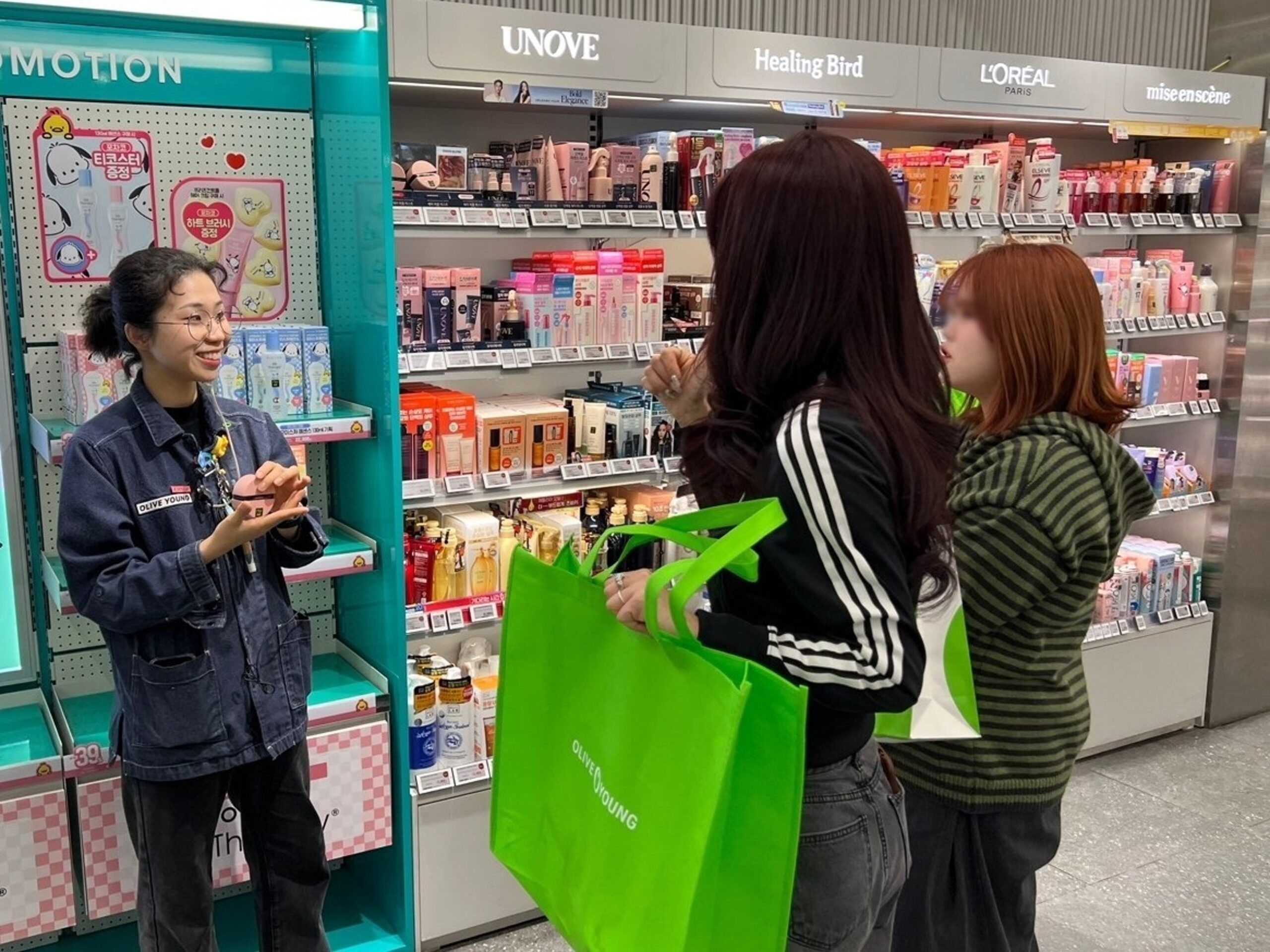
    CJ Olive Young, a leading beauty retailer in South Korea, has embarked on a significant global partnership with Sephora, an entity of LVMH, to broaden the international presence of Korean beauty brands. Their strategy primarily revolves around leveraging existing retail networks.

    The Launch of K-beauty Zones

    As part of the partnership agreement, Olive Young will curate dedicated Korean beauty (K-beauty) sections on Sephora’s online platforms and within select physical outlets. These areas are set to be launched in the latter half of the current year.

    Initial Rollouts and Future Expansion

    The initial phase of the rollout is anticipated in Singapore, Malaysia, Thailand, Hong Kong, the United States, and Canada. This will then be followed by an expansion into additional markets in the subsequent year, including the United Kingdom, Australia, and the Middle East.

    Strategic Collaboration

    Youngah Lee, Chief Strategy Officer at CJ Olive Young, highlighted the global fascination with K-beauty as a driving force behind the partnership. Lee emphasized that this collaboration is a significant step towards enhancing the international presence of Korean beauty brands in key global markets.

    Olive Young’s Global Aspirations

    This partnership aligns with Olive Young’s larger international ambitions. The company also recently announced its intention to open its first standalone store in Los Angeles, United States, later this year as part of its expansion strategy.

    Questions & Answers

    What is the goal of the partnership between CJ Olive Young and Sephora?
    The partnership aims to expand the international presence of Korean beauty brands by leveraging Sephora’s established retail networks.

    When and where will the initial rollouts of the K-beauty zones take place?
    The initial rollout of the K-beauty zones on Sephora’s online platforms and selected physical stores is planned for the second half of this year in Singapore, Malaysia, Thailand, Hong Kong, the US, and Canada.

    What are Olive Young’s broader international plans?
    Apart from the partnership with Sephora, Olive Young has also announced plans to open its first standalone store in Los Angeles, USA, sometime this year.

  • L’Oréal Boosts Chinese Presence with Second Investment in Domestic Beauty Brands

    L’Oréal Boosts Chinese Presence with Second Investment in Domestic Beauty Brands

    French cosmetics giant, L’Oréal, has announced its minority stake acquisition in Chinese skincare brand, Lan, signifying its second investment in China within recent months. This investment comes at a time when local brands in China are experiencing significant growth.

    L’Oréal has chosen not to disclose the size or cost of the stake. However, Vincent Boinay, L’Oréal North Asia president and China CEO, emphasizes the importance of China in the company’s global strategy. Boinay affirms the company’s faith in China as a key player in the future of the industry.

    “This investment demonstrates our belief that investing in China equates to investing in the future. We intend to continue to nurture the Chinese market and collaborate with additional Chinese brands to create a prosperous future. Our aim is to meet the expectations of discerning Chinese consumers,” stated Boinay.

    This investment in Lan follows L’Oréal’s recent acquisition of a 6.67 per cent stake in Chando – a transaction that cost the company 442 million yuan (US$62 million), according to last month’s prospectus for the Shanghai-based company’s Hong Kong IPO.

    China’s Growing Domestic Market

    International brands have encountered challenges in China’s beauty and personal care market. This $75 billion industry has seen a growing proportion of domestic market share, known as C-Beauty, shift to local brands in recent years. This has taken place amid a backdrop of slowing overall growth, attributed to a long-standing property crisis and broad concerns over job stability.

    Investing in popular domestic brands could serve as a shortcut for L’Oréal to capitalize on the momentum of C-beauty, according to Ben Cavender, MD at Shanghai-based China Market Research Group.

    “L’Oréal, along with other international brands, are facing considerable pressure from domestic brands, which are launching new products at a faster rate and often exhibit more aggressiveness in marketing new skincare ingredients, concepts, and routines,” Cavender said.

    Last month, L’Oréal CEO, Nicolas Hieronimus revealed that the group’s China business experienced a quarterly growth of around 3 per cent, marking its first increase in two years.

    Competing with Local Brands

    Consultancy data obtained from Frost & Sullivan indicates that Chando Group ranks as China’s third-largest home-grown beauty player in retail sales, following Proya and Chicmas. Both Chando and Lan emphasize natural, clean ingredients as their unique selling points.

    Yang Hu, Apac insight manager at Euromonitor International, suggests that Chando’s stronghold in the mass-market price range (mainly retailing between 49-390 yuan) and its accessibility in China’s smaller cities could offer resources to aid L’Oréal’s recovery in the country, without directly competing with the group’s central brands.

    Questions & Answers

    Why is L’Oréal investing in Chinese brands?
    L’Oréal is investing in Chinese brands to capitalize on the rapidly growing domestic market, which could provide a platform for their expansion and recovery in China.

    What challenges are international brands facing in China’s beauty market?
    International brands are facing pressure from domestic brands, which are launching new products more rapidly and executing more aggressive marketing strategies for new skincare ingredients, concepts, and routines.

    How is L’Oréal’s investment in Chando aiding their position in the Chinese market?
    Chando’s stronghold in the mass-market price range and its accessibility in China’s smaller cities could offer resources to aid L’Oréal’s recovery in the country, without directly competing with the group’s central brands.

  • Yum Brands Eyeing Potential Pizza Hut Sell-Off Amid Underperformance

    Yum Brands Eyeing Potential Pizza Hut Sell-Off Amid Underperformance

    Yum Brands, the parent company of Pizza Hut, is currently exploring strategic alternatives for its pizza arm, which may include a potential sale. This move comes as Pizza Hut’s performance has been an underwhelming aspect of the business, failing to match the success of other sectors within the company.

    Strategic Review Initiated

    On Tuesday, Yum Brands disclosed that the company had commenced a formal evaluation of strategic alternatives for Pizza Hut. The purpose of this review is to unlock the brand’s full potential and optimise the value for the company’s stakeholders.

    In a statement, Christopher Turner, Yum Brands’ CEO, noted the Pizza Hut team has been diligently tackling business and category-specific challenges. However, the brand’s performance suggests that further action is required to unlock its full value. He further hinted that these goals might be more effectively achieved if Pizza Hut was not under the Yum Brands umbrella.

    A New Approach

    Turner stated that a new approach, which could potentially involve selling the business, may allow Pizza Hut to realise its full potential. However, he did not elaborate on what other approaches might be under consideration.

    Yum Brands has noted that no specific timeline has been set for the completion of this strategic review. Likewise, the company has not guaranteed that this process will result in a transaction.

    For guidance on this strategic review, Yum Brands has engaged the services of Goldman Sachs and Barclays as their financial advisors.

    Questions & Answers

    Why is Yum Brands considering selling Pizza Hut?
    The company is exploring different strategic options for Pizza Hut, including a potential sale, to maximise the brand’s potential and the value for the company’s shareholders.

    What is the timeline for this strategic review?
    Yum Brands has not set a specific deadline for the completion of the review.

    Has Yum Brands guaranteed that this review will result in a transaction?
    No, the company has stated that there is no assurance that the review process will lead to a transaction.

  • Kraft Heinz Q3: Dipping Sales, Savory Split in 2026 & the Crunch for Iconic Brands

    Kraft Heinz Q3: Dipping Sales, Savory Split in 2026 & the Crunch for Iconic Brands

    Food industry behemoth Kraft Heinz reported a disappointing third quarter with lower than anticipated results. The company attributes the underperformance to persistent cost pressures and diminishing consumer demand, which have compelled a downward revision of its forecast for fiscal year 2025.

    Kraft Heinz, the name behind iconic products like Heinz Ketchup and Kraft Mac & Cheese, recorded global net sales of US$6.24 billion. This represents a decline of 2.3% from the corresponding quarter in the previous year, with organic sales dipping by 2.5%.

    The company’s adjusted operating income fell by 16.9% to US$1.1 billion, marking a significant decrease of nearly 19% from the same period last year.

    CEO’s Statement

    According to Kraft Heinz’s CEO, Carlos Abrams-Rivera, the company’s third quarter performance reflects a slight improvement in their top-line performance compared to the first half of the year.

    Despite this, North America, the company’s largest market, continues to experience challenges as customers scale back on their spending on pantry essentials.

    In this region, the net sales declined by 3.8%, a consequence of a 4.2-point decrease in volume and mix. Contrarily, net sales in international developed markets saw an increase of 1.6%, and emerging markets, including those in Western and Eastern parts, as well as Asia, experienced growth of 3.8%.

    Challenges and Market Positioning

    Daniel Binns, Global CEO of brand consultancy firm Elmwood, highlighted the company’s struggle with volume declines across its famous brands. According to him, the prime challenge lies in maintaining a premium positioning while staying relevant to shifting consumer needs.

    Binns emphasized that legacy brands need to assert their value in visible and relevant ways, be it through innovation, revitalized storytelling, or superior consumer experiences.

    “I believe consumers need to perceive brands as ‘meaningfully different’ to accept premium pricing. Simply being ‘reassuringly expensive’ no longer suffices,” Binns asserted.

    Future Plans

    Going forward, Kraft Heinz confirmed its plan to divide into two publicly traded companies during the latter half of the next year.

    The first entity, Global Taste Elevation Co, will encompass Heinz, Philadelphia, and Kraft Mac & Cheese. The second, North American Grocery Co, will include a curated portfolio of North American staples with three billion-dollar brands – Oscar Mayer, Kraft Singles, and Lunchables.

    Abrams-Rivera expressed confidence that this separation would allow each business to better concentrate resources, improve execution, reduce complexity, and foster further efficiencies.

    Binns advanced the view that Kraft Heinz’s planned division could enable the portfolios to follow distinct strategies. The core challenge, however, is that heritage brands must evolve thoughtfully, engaging consumers while maintaining their price premium through real benefits and authentic differentiation rather than merely relying on nostalgia.

    Questions & Answers

    What were the Q3 results for Kraft Heinz?
    The company reported lower than expected results, with global net sales of US$6.24 billion, marking a decline of 2.3% from the same period last year.

    What is Kraft Heinz’s plan for the future?
    Kraft Heinz plans to split into two publicly traded companies during the second half of the coming year.

    What challenges does Kraft Heinz face?
    The key challenge for Kraft Heinz is to maintain the premium positioning of their heritage brands while staying relevant to shifting consumer needs. This involves portraying their brands as ‘meaningfully different’ to justify premium pricing.

  • Boyu Capital Poised to Secure $4 Billion Stake in Starbucks China, Boosting Brand’s Asian Market Footprint

    Boyu Capital Poised to Secure $4 Billion Stake in Starbucks China, Boosting Brand’s Asian Market Footprint

    Boyu Capital, a private equity firm from China, is leading the race to acquire a majority stake in Starbucks’ China operations, a deal that could potentially value the unit at over US$4 billion.

    Boyu Capital remains in the bid after the final contender, Carlyle Group, chose to withdraw. Key partners from both companies travelled to the U.S. to engage in final discussions with the Seattle-based coffee chain.

    Starbucks’ Stake in China

    After the sale is finalized, it’s expected that Starbucks will retain a substantial minority stake in its China operations. The company expressed that it has received strong interest from numerous high-quality partners, all of whom have faith in the long-term growth potential for Starbucks in China.

    The company is currently assessing bids from five contenders, though it declined to comment further. Starbucks China was valued at roughly $4 billion by the bidders who submitted binding offers, which is approximately ten times its core earnings.

    Starbucks’ Future Plans

    Starbucks CEO, Brian Niccol, previously indicated that the anticipated valuation of the China business would exceed $10 billion, factoring in the upfront investment from a potential partner, Starbucks’ retained stake in the China business, and future royalty payments.

    There is also the possibility of other parties, such as internet companies, joining the discussions as limited partners to assist in funding the deal.

    Competition and Sales

    Starbucks’ decision to divest in China comes amidst fierce competition from local coffee chains that have gained market share by offering less expensive products during an economic slowdown that has altered consumer behavior.

    In response to these challenges, Starbucks has implemented strategies such as lowering prices for selected non-coffee beverages in China and increasing the introduction of new, localized products.

    Sales in comparable stores in China increased by 2% in the quarter that ended on June 29, following a quarter with no growth. Starbucks’ earnings for the fourth quarter and the 2025 fiscal year will be reported on October 29.

    Questions & Answers

    Who is the frontrunner to buy a controlling stake in Starbucks’ China business?
    Boyu Capital, a private equity firm from China, is leading the race to acquire a controlling stake in Starbucks’ China operations.

    What is the potential value of Starbucks’ China unit?
    The deal to acquire the majority stake in Starbucks’ China operations could potentially value the unit at over US$4 billion.

    What strategies has Starbucks implemented in response to increasing competition in China?
    Starbucks has lowered prices for selected non-coffee beverages in China and increased the introduction of new, localized products to counter the competition.

  • South Korean Beauty Brands Leverage Immersive Experiences For Enhanced Customer Engagement

    South Korean Beauty Brands Leverage Immersive Experiences For Enhanced Customer Engagement

    As the beauty industry becomes more competitive, leading South Korean beauty brands are transforming their stores into immersive spaces. These spaces offer customers an opportunity to trial products and gain a deeper understanding of the brand’s ethos.

    Space Dosan: A Unique Testing Ground

    APR Co, a significant player in the beauty industry, operates ‘Space Dosan’ in Seoul’s Sinsa-dong. Here, customers can try the Medicube skincare range and experiment with the brand’s beauty device – Age-R. Trying creams or perfumes can be straightforward, but the opportunity to test electronic skincare appliances, which call for time and careful instruction, has garnered special interest. Staff members are present to help customers with product applications and device usage. This service was so well-received in the store’s initial phase that appointments had to be made by reservation. According to an APR official, some international visitors said they visited specifically to see and try the products personally. “Offering a direct, in-person experience is becoming crucial to expressing a brand’s complete value,” they said.

    Sulwhasoo: Storytelling and Ginseng Classes

    Amorepacific’s Sulwhasoo brand is placing a focus on experiences that tell a story and reflect its heritage. The brand’s Bukchon Sulwhasoo House in central Seoul hosts the popular ‘Ginseng Class.’ This hands-on workshop underscores six decades of ginseng research. Here, participants can make tailored ginseng-scented sachets and bath soaks using Sulwhasoo’s signature ‘Beauty Saponin’ and ‘Jaumdan’ ingredients. Since the reservations opened in July, more than 1,800 people have signed up in just a few days. The sessions continue to sell out within an hour each month, and a modest participation fee was introduced this month. The program, which will soon be available to foreign tourists, aims to increase awareness of the cultural and cosmetic importance of ginseng.

    The History of Whoo: Beauty Classes

    LG Household & Health Care is another beauty industry stalwart providing beauty classes for its product line, The History of Whoo. These classes are offered to department store VIP clients, who have achieved a specific spending level at luxury stores like Lotte and Shinsegae. Each session, with around ten participants, includes traditional experiences such as crafting a royal pouch and enjoying private catering. Since January, approximately 900 customers have participated. An LG H&H representative said, “These classes allow VIPs to connect with our brand identity as a ‘royal dermatology’ cosmetics line.” Meanwhile, LG H&H plans to expand such offline experiences to provide a distinct, premium interaction that reinforces The History of Whoo’s prestige.

    This trend in South Korea’s beauty sector mirrors a broader transition: the sale of not just products but sensory experiences that connect brand identity, tradition, and technology. This strategy is seen as critical in maintaining customer loyalty in an increasingly crowded global market.

    Questions & Answers

    What are the unique experiences Korean beauty brands are providing?
    Korean beauty brands are offering unique experiences that combine product trials with brand storytelling. Examples include the trial of skincare devices at Space Dosan, the ginseng classes provided by Sulwhasoo, and The History of Whoo beauty classes catered to VIP clients.

    What is the purpose of these experiences?
    These experiences aim to create a direct, offline connection between the customer and the brand. They allow customers to understand and appreciate the brand’s complete value, heritage, and identity.

    How are these experiences impacting customer engagement and loyalty?
    These immersive experiences are helping brands stand out in a crowded market and are seen as key to retaining customer loyalty. They provide a unique, sensory encounter that allows customers to connect more deeply with the brand.

  • South Korea’s Retail Industry Expands Private Label Business Beyond Food And Household Items

    South Korea’s Retail Industry Expands Private Label Business Beyond Food And Household Items

    South Korea’s retail industry is swiftly growing its private label (PB) business by extending beyond food and household items to include clothing, innovative digital platforms, and even international markets. This expansion comes as firms ranging from convenience stores and hypermarkets to e-commerce businesses vie to fortify their brand identities and profitability.

    Private Label Sales on the Rise

    BGF Retail, the parent company of the CU convenience store chain, reported noteworthy growth in PB sales. The years 2023 and 2024 saw increases of 17.6 percent and 21.8 percent, respectively, followed by an additional 19.1 percent surge during the first nine months of 2025.

    GS25, another retail chain, offers around 800 PB items via the YouUs line, which now make up nearly 30 percent of total sales. Their affordable Real Price range saw a significant year-on-year increase of 125 percent.

    Leading supermarkets are also jumping on the bandwagon. Approximately 8 percent of Emart’s sales and 10 percent of Lotte Mart’s sales come from private-label goods. Emart boasts well-known PB labels such as No Brand, Peacock, 5K Price, and Days, while Lotte Mart promotes Today’s Good and Cookit.

    Online retailers aren’t left behind either. Kurly, for example, reported a year-on-year increase of over 10 percent in sales of its flagship PB lines, echoing the growing consumer demand for retailer-exclusive products.

    Expanding Across Platforms and Borders

    The once rigid boundaries between retailers are now blurring as PB products start to appear across rival platforms. Even Coupang, an e-commerce platform, sells Lotte Mart’s Today’s Good and Homeplus’s Simplus brands, while Emart’s Peacock products can be found on Kurly’s online marketplace.

    Convenience chains are also making their mark on the global stage. GS25 exports PB products to 33 countries, including the United States, Australia, Japan, and China. CU also sells its own-label items in more than 20 countries, through outlets such as Japan’s Don Quijote stores.

    Earlier this year, BGF Retail forged a partnership with China’s Ningxing Youbei, a prominent importer and distributor. The partnership’s goal is to introduce CU-branded sections on Chinese e-commerce platforms and operate pop-up stores that showcase its products.

    In addition, 7-Eleven Korea ventured into the clothing sector in April, launching its own line of socks, underwear, and T-shirts, and recently, knitwear.

    A spokesperson from the retail industry emphasizes that selling robust PB products via external channels provides both marketing and revenue advantages. The more positive experiences that customers have with a retailer’s PB products, the more likely they are to become loyal to that retailer’s own platform.

    The Challenges and Risks of Brand Identity

    Despite the success of the PB trend, it has stirred concerns about potential conflict with national brands. For instance, Coupang was previously accused of allegedly manipulating search rankings to favor its own PB products.

    Experts also caution that expanding PB lines too broadly across platforms could blur brand identity and complicate logistics and inventory management, thereby undermining the very benefits that PB lines are intended to provide.

    Kurly, which previously sold select CU PB products, reverted to an in-house-only model. A spokesperson stated that the company is more interested in preserving brand integrity than achieving broader exposure, and has no plans to offer its PB products on external platforms.

    Questions & Answers

    What is the trend of private label sales growth in South Korea’s retail industry?
    The trend shows consistent growth, with companies like BGF Retail reporting significant year-on-year increases in private label sales.

    How is the expansion of private labels affecting the retail industry?
    The expansion is blurring boundaries between retailers, causing them to compete on multiple platforms. It’s also leading retailers to venture into new markets like clothing and international sales.

    What are the potential risks associated with the expansion of private label lines?
    Potential risks include conflicts with national brands, the blurring of brand identity, and complications with logistics and inventory management.