Tag: Brands

  • Yum Brands Eyeing Potential Pizza Hut Sell-Off Amid Underperformance

    Yum Brands Eyeing Potential Pizza Hut Sell-Off Amid Underperformance

    Yum Brands, the parent company of Pizza Hut, is currently exploring strategic alternatives for its pizza arm, which may include a potential sale. This move comes as Pizza Hut’s performance has been an underwhelming aspect of the business, failing to match the success of other sectors within the company.

    Strategic Review Initiated

    On Tuesday, Yum Brands disclosed that the company had commenced a formal evaluation of strategic alternatives for Pizza Hut. The purpose of this review is to unlock the brand’s full potential and optimise the value for the company’s stakeholders.

    In a statement, Christopher Turner, Yum Brands’ CEO, noted the Pizza Hut team has been diligently tackling business and category-specific challenges. However, the brand’s performance suggests that further action is required to unlock its full value. He further hinted that these goals might be more effectively achieved if Pizza Hut was not under the Yum Brands umbrella.

    A New Approach

    Turner stated that a new approach, which could potentially involve selling the business, may allow Pizza Hut to realise its full potential. However, he did not elaborate on what other approaches might be under consideration.

    Yum Brands has noted that no specific timeline has been set for the completion of this strategic review. Likewise, the company has not guaranteed that this process will result in a transaction.

    For guidance on this strategic review, Yum Brands has engaged the services of Goldman Sachs and Barclays as their financial advisors.

    Questions & Answers

    Why is Yum Brands considering selling Pizza Hut?
    The company is exploring different strategic options for Pizza Hut, including a potential sale, to maximise the brand’s potential and the value for the company’s shareholders.

    What is the timeline for this strategic review?
    Yum Brands has not set a specific deadline for the completion of the review.

    Has Yum Brands guaranteed that this review will result in a transaction?
    No, the company has stated that there is no assurance that the review process will lead to a transaction.

  • Kraft Heinz Q3: Dipping Sales, Savory Split in 2026 & the Crunch for Iconic Brands

    Kraft Heinz Q3: Dipping Sales, Savory Split in 2026 & the Crunch for Iconic Brands

    Food industry behemoth Kraft Heinz reported a disappointing third quarter with lower than anticipated results. The company attributes the underperformance to persistent cost pressures and diminishing consumer demand, which have compelled a downward revision of its forecast for fiscal year 2025.

    Kraft Heinz, the name behind iconic products like Heinz Ketchup and Kraft Mac & Cheese, recorded global net sales of US$6.24 billion. This represents a decline of 2.3% from the corresponding quarter in the previous year, with organic sales dipping by 2.5%.

    The company’s adjusted operating income fell by 16.9% to US$1.1 billion, marking a significant decrease of nearly 19% from the same period last year.

    CEO’s Statement

    According to Kraft Heinz’s CEO, Carlos Abrams-Rivera, the company’s third quarter performance reflects a slight improvement in their top-line performance compared to the first half of the year.

    Despite this, North America, the company’s largest market, continues to experience challenges as customers scale back on their spending on pantry essentials.

    In this region, the net sales declined by 3.8%, a consequence of a 4.2-point decrease in volume and mix. Contrarily, net sales in international developed markets saw an increase of 1.6%, and emerging markets, including those in Western and Eastern parts, as well as Asia, experienced growth of 3.8%.

    Challenges and Market Positioning

    Daniel Binns, Global CEO of brand consultancy firm Elmwood, highlighted the company’s struggle with volume declines across its famous brands. According to him, the prime challenge lies in maintaining a premium positioning while staying relevant to shifting consumer needs.

    Binns emphasized that legacy brands need to assert their value in visible and relevant ways, be it through innovation, revitalized storytelling, or superior consumer experiences.

    “I believe consumers need to perceive brands as ‘meaningfully different’ to accept premium pricing. Simply being ‘reassuringly expensive’ no longer suffices,” Binns asserted.

    Future Plans

    Going forward, Kraft Heinz confirmed its plan to divide into two publicly traded companies during the latter half of the next year.

    The first entity, Global Taste Elevation Co, will encompass Heinz, Philadelphia, and Kraft Mac & Cheese. The second, North American Grocery Co, will include a curated portfolio of North American staples with three billion-dollar brands – Oscar Mayer, Kraft Singles, and Lunchables.

    Abrams-Rivera expressed confidence that this separation would allow each business to better concentrate resources, improve execution, reduce complexity, and foster further efficiencies.

    Binns advanced the view that Kraft Heinz’s planned division could enable the portfolios to follow distinct strategies. The core challenge, however, is that heritage brands must evolve thoughtfully, engaging consumers while maintaining their price premium through real benefits and authentic differentiation rather than merely relying on nostalgia.

    Questions & Answers

    What were the Q3 results for Kraft Heinz?
    The company reported lower than expected results, with global net sales of US$6.24 billion, marking a decline of 2.3% from the same period last year.

    What is Kraft Heinz’s plan for the future?
    Kraft Heinz plans to split into two publicly traded companies during the second half of the coming year.

    What challenges does Kraft Heinz face?
    The key challenge for Kraft Heinz is to maintain the premium positioning of their heritage brands while staying relevant to shifting consumer needs. This involves portraying their brands as ‘meaningfully different’ to justify premium pricing.

  • Boyu Capital Poised to Secure $4 Billion Stake in Starbucks China, Boosting Brand’s Asian Market Footprint

    Boyu Capital Poised to Secure $4 Billion Stake in Starbucks China, Boosting Brand’s Asian Market Footprint

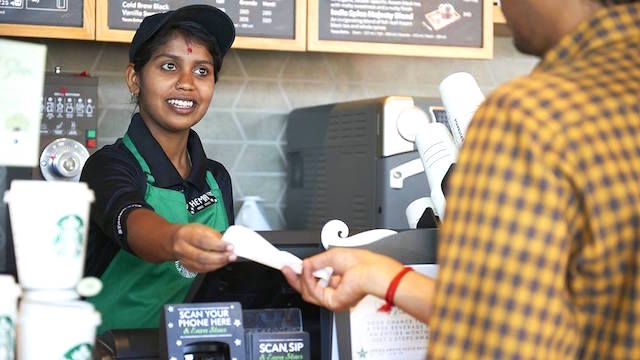
    Boyu Capital, a private equity firm from China, is leading the race to acquire a majority stake in Starbucks’ China operations, a deal that could potentially value the unit at over US$4 billion.

    Boyu Capital remains in the bid after the final contender, Carlyle Group, chose to withdraw. Key partners from both companies travelled to the U.S. to engage in final discussions with the Seattle-based coffee chain.

    Starbucks’ Stake in China

    After the sale is finalized, it’s expected that Starbucks will retain a substantial minority stake in its China operations. The company expressed that it has received strong interest from numerous high-quality partners, all of whom have faith in the long-term growth potential for Starbucks in China.

    The company is currently assessing bids from five contenders, though it declined to comment further. Starbucks China was valued at roughly $4 billion by the bidders who submitted binding offers, which is approximately ten times its core earnings.

    Starbucks’ Future Plans

    Starbucks CEO, Brian Niccol, previously indicated that the anticipated valuation of the China business would exceed $10 billion, factoring in the upfront investment from a potential partner, Starbucks’ retained stake in the China business, and future royalty payments.

    There is also the possibility of other parties, such as internet companies, joining the discussions as limited partners to assist in funding the deal.

    Competition and Sales

    Starbucks’ decision to divest in China comes amidst fierce competition from local coffee chains that have gained market share by offering less expensive products during an economic slowdown that has altered consumer behavior.

    In response to these challenges, Starbucks has implemented strategies such as lowering prices for selected non-coffee beverages in China and increasing the introduction of new, localized products.

    Sales in comparable stores in China increased by 2% in the quarter that ended on June 29, following a quarter with no growth. Starbucks’ earnings for the fourth quarter and the 2025 fiscal year will be reported on October 29.

    Questions & Answers

    Who is the frontrunner to buy a controlling stake in Starbucks’ China business?
    Boyu Capital, a private equity firm from China, is leading the race to acquire a controlling stake in Starbucks’ China operations.

    What is the potential value of Starbucks’ China unit?
    The deal to acquire the majority stake in Starbucks’ China operations could potentially value the unit at over US$4 billion.

    What strategies has Starbucks implemented in response to increasing competition in China?
    Starbucks has lowered prices for selected non-coffee beverages in China and increased the introduction of new, localized products to counter the competition.

  • South Korean Beauty Brands Leverage Immersive Experiences For Enhanced Customer Engagement

    South Korean Beauty Brands Leverage Immersive Experiences For Enhanced Customer Engagement

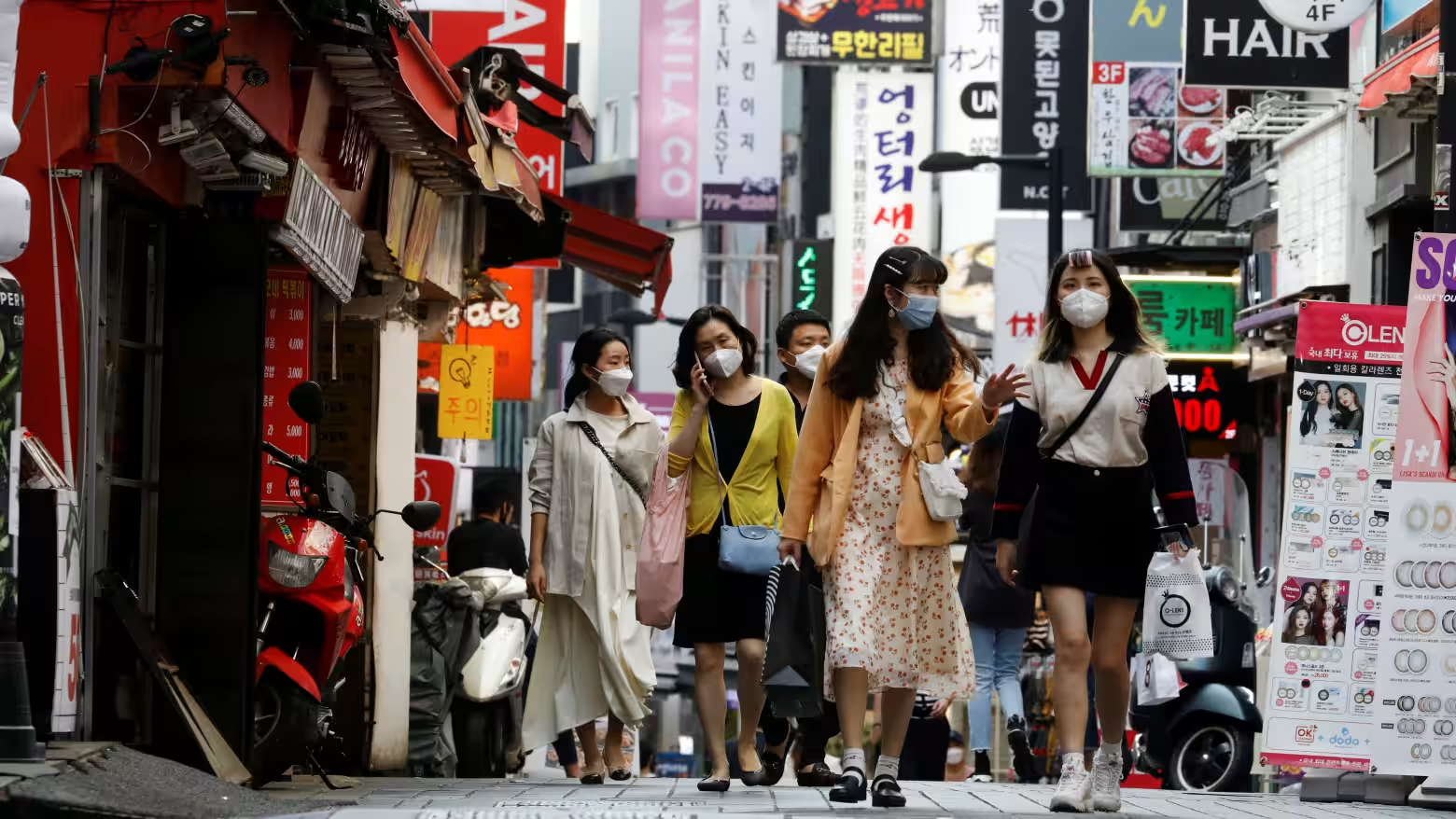
    As the beauty industry becomes more competitive, leading South Korean beauty brands are transforming their stores into immersive spaces. These spaces offer customers an opportunity to trial products and gain a deeper understanding of the brand’s ethos.

    Space Dosan: A Unique Testing Ground

    APR Co, a significant player in the beauty industry, operates ‘Space Dosan’ in Seoul’s Sinsa-dong. Here, customers can try the Medicube skincare range and experiment with the brand’s beauty device – Age-R. Trying creams or perfumes can be straightforward, but the opportunity to test electronic skincare appliances, which call for time and careful instruction, has garnered special interest. Staff members are present to help customers with product applications and device usage. This service was so well-received in the store’s initial phase that appointments had to be made by reservation. According to an APR official, some international visitors said they visited specifically to see and try the products personally. “Offering a direct, in-person experience is becoming crucial to expressing a brand’s complete value,” they said.

    Sulwhasoo: Storytelling and Ginseng Classes

    Amorepacific’s Sulwhasoo brand is placing a focus on experiences that tell a story and reflect its heritage. The brand’s Bukchon Sulwhasoo House in central Seoul hosts the popular ‘Ginseng Class.’ This hands-on workshop underscores six decades of ginseng research. Here, participants can make tailored ginseng-scented sachets and bath soaks using Sulwhasoo’s signature ‘Beauty Saponin’ and ‘Jaumdan’ ingredients. Since the reservations opened in July, more than 1,800 people have signed up in just a few days. The sessions continue to sell out within an hour each month, and a modest participation fee was introduced this month. The program, which will soon be available to foreign tourists, aims to increase awareness of the cultural and cosmetic importance of ginseng.

    The History of Whoo: Beauty Classes

    LG Household & Health Care is another beauty industry stalwart providing beauty classes for its product line, The History of Whoo. These classes are offered to department store VIP clients, who have achieved a specific spending level at luxury stores like Lotte and Shinsegae. Each session, with around ten participants, includes traditional experiences such as crafting a royal pouch and enjoying private catering. Since January, approximately 900 customers have participated. An LG H&H representative said, “These classes allow VIPs to connect with our brand identity as a ‘royal dermatology’ cosmetics line.” Meanwhile, LG H&H plans to expand such offline experiences to provide a distinct, premium interaction that reinforces The History of Whoo’s prestige.

    This trend in South Korea’s beauty sector mirrors a broader transition: the sale of not just products but sensory experiences that connect brand identity, tradition, and technology. This strategy is seen as critical in maintaining customer loyalty in an increasingly crowded global market.

    Questions & Answers

    What are the unique experiences Korean beauty brands are providing?
    Korean beauty brands are offering unique experiences that combine product trials with brand storytelling. Examples include the trial of skincare devices at Space Dosan, the ginseng classes provided by Sulwhasoo, and The History of Whoo beauty classes catered to VIP clients.

    What is the purpose of these experiences?
    These experiences aim to create a direct, offline connection between the customer and the brand. They allow customers to understand and appreciate the brand’s complete value, heritage, and identity.

    How are these experiences impacting customer engagement and loyalty?
    These immersive experiences are helping brands stand out in a crowded market and are seen as key to retaining customer loyalty. They provide a unique, sensory encounter that allows customers to connect more deeply with the brand.

  • South Korea’s Retail Industry Expands Private Label Business Beyond Food And Household Items

    South Korea’s Retail Industry Expands Private Label Business Beyond Food And Household Items

    South Korea’s retail industry is swiftly growing its private label (PB) business by extending beyond food and household items to include clothing, innovative digital platforms, and even international markets. This expansion comes as firms ranging from convenience stores and hypermarkets to e-commerce businesses vie to fortify their brand identities and profitability.

    Private Label Sales on the Rise

    BGF Retail, the parent company of the CU convenience store chain, reported noteworthy growth in PB sales. The years 2023 and 2024 saw increases of 17.6 percent and 21.8 percent, respectively, followed by an additional 19.1 percent surge during the first nine months of 2025.

    GS25, another retail chain, offers around 800 PB items via the YouUs line, which now make up nearly 30 percent of total sales. Their affordable Real Price range saw a significant year-on-year increase of 125 percent.

    Leading supermarkets are also jumping on the bandwagon. Approximately 8 percent of Emart’s sales and 10 percent of Lotte Mart’s sales come from private-label goods. Emart boasts well-known PB labels such as No Brand, Peacock, 5K Price, and Days, while Lotte Mart promotes Today’s Good and Cookit.

    Online retailers aren’t left behind either. Kurly, for example, reported a year-on-year increase of over 10 percent in sales of its flagship PB lines, echoing the growing consumer demand for retailer-exclusive products.

    Expanding Across Platforms and Borders

    The once rigid boundaries between retailers are now blurring as PB products start to appear across rival platforms. Even Coupang, an e-commerce platform, sells Lotte Mart’s Today’s Good and Homeplus’s Simplus brands, while Emart’s Peacock products can be found on Kurly’s online marketplace.

    Convenience chains are also making their mark on the global stage. GS25 exports PB products to 33 countries, including the United States, Australia, Japan, and China. CU also sells its own-label items in more than 20 countries, through outlets such as Japan’s Don Quijote stores.

    Earlier this year, BGF Retail forged a partnership with China’s Ningxing Youbei, a prominent importer and distributor. The partnership’s goal is to introduce CU-branded sections on Chinese e-commerce platforms and operate pop-up stores that showcase its products.

    In addition, 7-Eleven Korea ventured into the clothing sector in April, launching its own line of socks, underwear, and T-shirts, and recently, knitwear.

    A spokesperson from the retail industry emphasizes that selling robust PB products via external channels provides both marketing and revenue advantages. The more positive experiences that customers have with a retailer’s PB products, the more likely they are to become loyal to that retailer’s own platform.

    The Challenges and Risks of Brand Identity

    Despite the success of the PB trend, it has stirred concerns about potential conflict with national brands. For instance, Coupang was previously accused of allegedly manipulating search rankings to favor its own PB products.

    Experts also caution that expanding PB lines too broadly across platforms could blur brand identity and complicate logistics and inventory management, thereby undermining the very benefits that PB lines are intended to provide.

    Kurly, which previously sold select CU PB products, reverted to an in-house-only model. A spokesperson stated that the company is more interested in preserving brand integrity than achieving broader exposure, and has no plans to offer its PB products on external platforms.

    Questions & Answers

    What is the trend of private label sales growth in South Korea’s retail industry?
    The trend shows consistent growth, with companies like BGF Retail reporting significant year-on-year increases in private label sales.

    How is the expansion of private labels affecting the retail industry?
    The expansion is blurring boundaries between retailers, causing them to compete on multiple platforms. It’s also leading retailers to venture into new markets like clothing and international sales.

    What are the potential risks associated with the expansion of private label lines?
    Potential risks include conflicts with national brands, the blurring of brand identity, and complications with logistics and inventory management.

  • First Brands’ Bankruptcy Exposes $500 Million UBS Exposure: Unsecured Creditors Unearthed Amid Complex Financing Structure

    First Brands’ Bankruptcy Exposes $500 Million UBS Exposure: Unsecured Creditors Unearthed Amid Complex Financing Structure

    On September 29, 2025, First Brands Group, a formerly profitable manufacturer and distributor of automotive aftermarket parts, filed for Chapter 11 protection in the U.S. Bankruptcy Court for the Southern District of Texas. The company reported over $10 billion in liabilities against an annual revenue of approximately $3.5 billion.

    A Shift in Financial Structure

    First Brands Group, once a standard parts supplier, progressively developed into a complex system of layered financing and circular cash flows. This intricate evolution involved multiple originators factoring receivables, inventory collateral purportedly mixed or pledged to several lenders, and substantial payables securitized off the balance sheet. As liquidity evaporated, the company’s creditors grappled with identifying legitimate collateral.

    UBS Hedge Fund Solutions and UBS O’Connor Funds

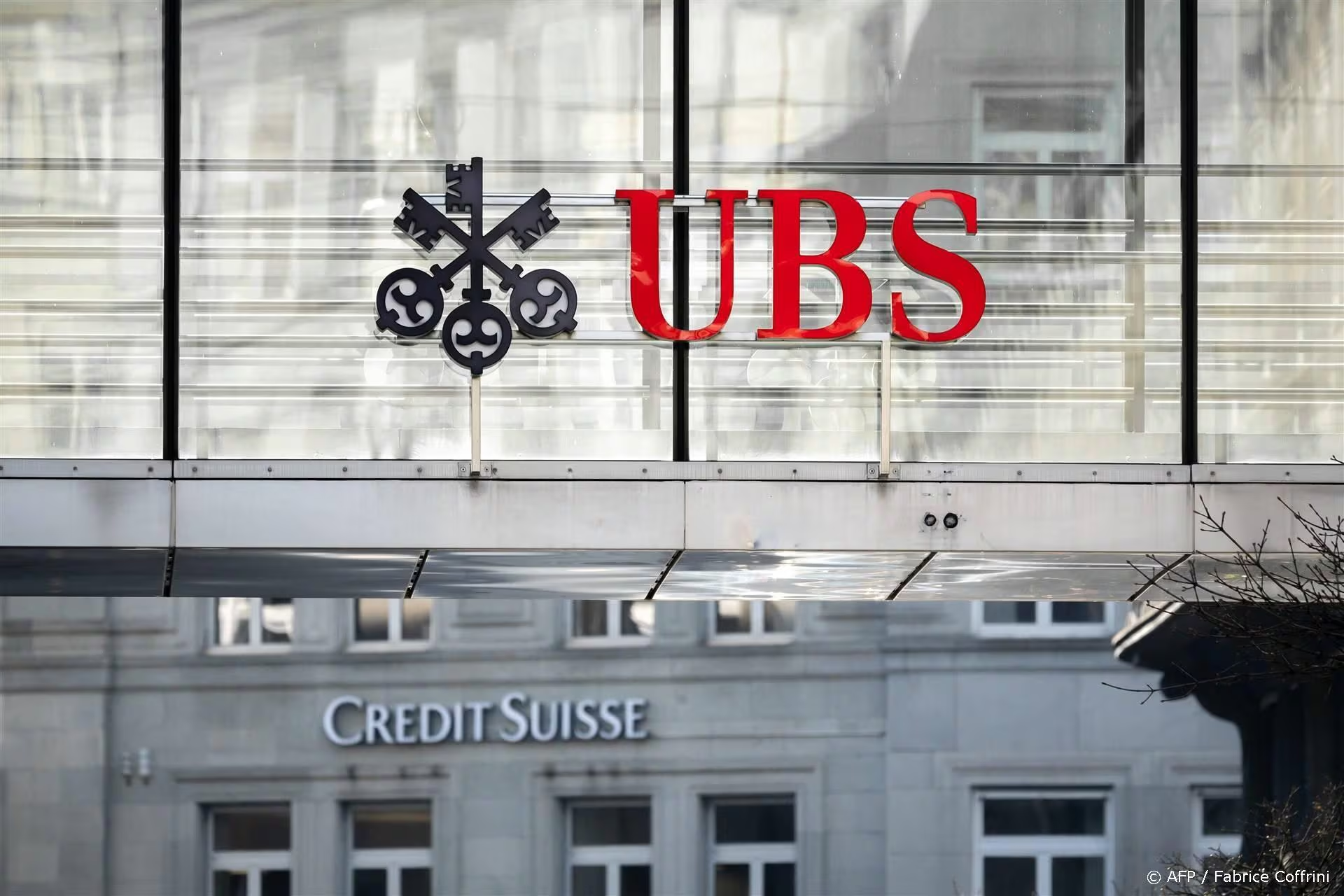
    In the midst of this financial turmoil, the UBS Hedge Fund Solutions platform and UBS O’Connor funds surfaced as First Brands’ most substantial unsecured financial creditors. The two entities held a total of $349.8 million in supply-chain-finance claims and additional secured exposures, pushing the total beyond $500 million. No other major bank was identified in the list of unsecured creditors. However, indirect involvement through the financing of working-capital originators or conduits might still transpire as the bankruptcy proceedings continue.

    Potential Misunderstood Risks

    UBS’s involvement in the case was unexpected, casting an unfavorable spotlight on the small player in U.S. corporate finance. Even though the immediate impact on shareholders seems minimal, the situation recalls earlier controversies. UBS could once again face accusations of endorsing products with poorly understood risks and unreliable marketing strategies.

    In 2023, UBS Asset Management marketed a strategy to professional investors promising double-digit returns, using a presentation titled “UBS Working Capital Finance Strategy.” The presentation featured a North American auto-parts manufacturer with a 35 percent EBITDA margin and over $2.8 billion in revenue. The company was described as participating in an uncommitted supply-chain-finance program that started in August 2019, with a 17 percent fixed yield, a 60-day tenor, and a B2/B corporate rating.

    Alarming Economic Implications

    The economic implications of such a strategy were alarming. No financially stable industrial company would willingly surrender 17 percent of its margin merely to lessen supplier payments for two months. In the case of First Brands, their aggressive, debt-fueled acquisition strategy left the balance sheet perpetually low on cash. For credit investors, this pricing should have been viewed as a red flag rather than a lucrative opportunity, highlighting the dangers of adverse selection.

    Questions & Answers

    Q: What led to First Brands Group’s financial instability?
    A: An aggressive, debt-fueled acquisition strategy left First Brands’ balance sheet perpetually short of cash, leading to its financial instability.

    Q: Who were First Brands’ largest unsecured financial creditors?
    A: UBS Hedge Fund Solutions platform and UBS O’Connor funds emerged as First Brands’ largest unsecured financial creditors.

    Q: What could be the potential repercussions for UBS?
    A: UBS could face accusations of endorsing products with poorly understood risks and unreliable marketing strategies, similar to past controversies.

  • Walmart To Eliminate Synthetic Dyes From Food Brands By 2027 Amid Health Initiative

    Walmart To Eliminate Synthetic Dyes From Food Brands By 2027 Amid Health Initiative

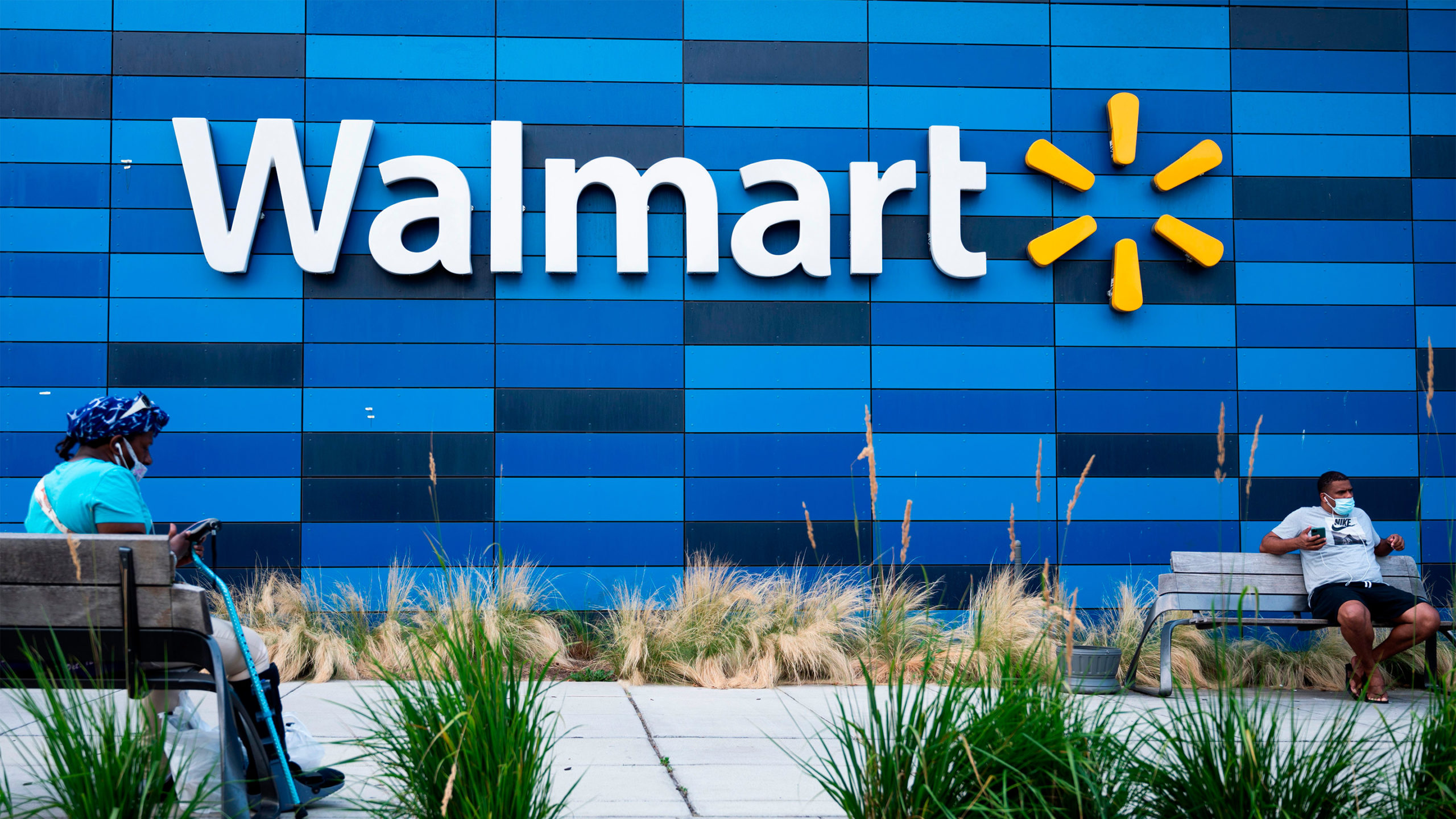
    In a move towards healthier food options, Walmart announced on Wednesday its plans to eliminate synthetic dyes from all its private-label food products in the United States. Products under its Great Value and bettergoods brands will be free of these dyes by January 2027, with this change aligning with efforts from other major corporations.

    Industry Trends Towards Healthier Options

    In response to the Trump administration’s “Make America Healthy Again” initiative, several renowned packaged food producers, including PepsiCo, Campbell’s, and Conagra Brands, have already declared similar intentions. According to Health Secretary Robert F Kennedy Jr., the move is aimed at curbing the adverse effects of ultra-processed food and chemical additives, which have been linked to various health issues such as childhood obesity, diabetes, cancer, mental health disorders, allergies, and neurodevelopmental conditions like autism.

    More Than Just Dyes

    Walmart, recognized as the world’s largest retailer in terms of sales, also intends to ban over 30 other ingredients. These include preservatives, artificial sweeteners, and fat substitutes from its private-label product range.

    “Our consumers have clearly expressed a preference for products made from simpler, more recognizable ingredients, and we are taking their feedback seriously,” said John Furner, President of Walmart US.

    The corporation manages six in-house food brands that enjoy considerable popularity among cost-conscious American consumers. Walmart reported that currently, 90% of its private-brand foods are already free from synthetic dyes.

    A Natural Substitution

    The company plans to replace artificial coloring with natural alternatives such as beetroot, turmeric, black carrots, spinach, and hibiscus. Despite the challenges in substituting blues and greens, Walmart remains committed to this health-conscious transition, a company representative explained.

    Specific changes include replacing yellow #6 and red #40 dyes in their “Great Value” brand gelatin products with Beta Carotene to achieve an orange color. For a cherry hue, the previously used red #40 and blue #1 dyes will be substituted with a blend of carrot, radish, hibiscus, blueberry, and spirulina.

    Impact on the Market

    Brian Ronholm, Director of Food Policy at the non-profit Consumer Reports, believes that as the leading grocer in the US, Walmart’s decision will significantly influence the market and enhance the safety of the food purchased by many Americans.

    The move extends beyond Walmart, as the Walmart-owned warehouse club chain Sam’s Club announced in June. They committed to remove artificial colors and aspartame from its Member’s Mark brand by the end of this year.

    Questions & Answers

    What is Walmart’s timeline for removing synthetic dyes from its private-label foods?
    Walmart plans to remove synthetic dyes from all its private-label foods in the US by January 2027.

    Why is Walmart removing synthetic dyes and other ingredients from its food products?
    The move is in response to consumer demand for products made with simpler, more familiar ingredients. It also aligns with a wider industry trend towards healthier food options, in line with the “Make America Healthy Again” initiative.

    What natural alternatives is Walmart using to replace synthetic dyes?
    Walmart plans to replace synthetic dyes with natural alternatives like beetroot, turmeric, black carrots, spinach, hibiscus, carrot, radish, blueberry, and spirulina. For example, Beta Carotene will replace yellow #6 and red #40 dyes in their gelatin products.

  • Samsung Strengthens Global Audio Dominance With Strategic Acquisition Of Prominent Audiophile Brands

    Samsung Strengthens Global Audio Dominance With Strategic Acquisition Of Prominent Audiophile Brands

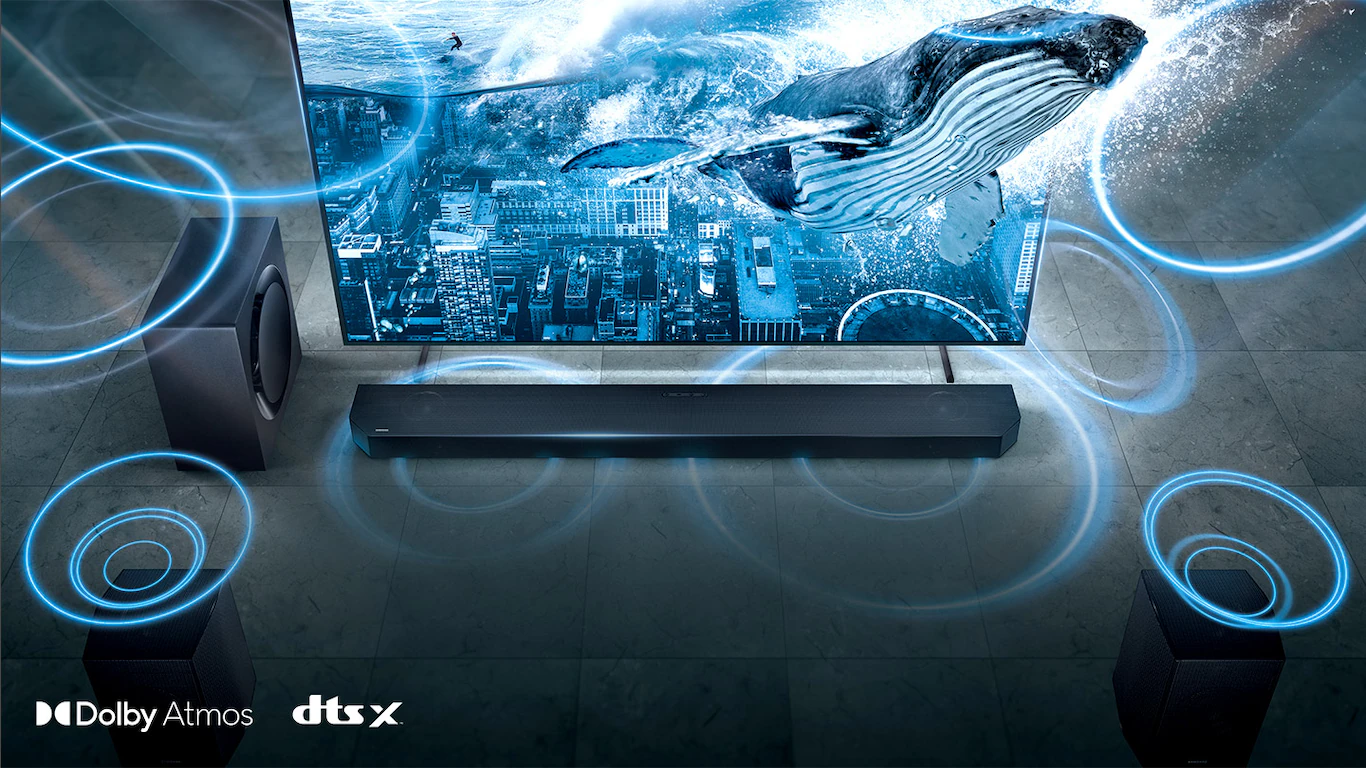
    Samsung, through its subsidiary Harman, has further solidified its standing in the global audio market following the acquisition of a number of prominent audiophile brands. This move builds on the Korean corporation’s already robust audio portfolio, which was boosted by an $8 billion deal to acquire Harman in 2016.

    Notable Acquisitions

    Samsung has significantly deepened its footing in the global audio industry by acquiring a host of legendary brands, including Bowers & Wilkins, Denon, Marantz, Polk, and others. These brands were acquired when Harman purchased Sound United, previously the consumer audio wing of Masimo. This move follows a significant legal payout by Masimo to Apple, amounting to $250.

    The acquisition, valued at $350 million and initially announced in May, is set to further enhance Samsung’s already impressive audio brand offerings. Prior to this deal, Samsung, via Harman, owned such popular brands as Harman Kardon, JBL, and AKG. The purchase of Sound United is referred to as a “strategic milestone” by Harman.

    Impacts on Samsung’s Products Line

    While the acquisition of Sound United is undoubtedly significant, it is unlikely to bear immediate changes in Samsung’s product line. For instance, consumers shouldn’t expect to find a Bowers & Wilkins speaker or headphones included with the Galaxy S26. Sound United will continue to function as a standalone business within Harman’s lifestyle division. The intent behind this arrangement is to allow each audio brand to maintain its distinct identity.

    Despite the preservation of individual brand identities, the newly acquired brands will have access to Harman’s resources to facilitate growth and expansion. Concurrently, Harman anticipates leveraging the expertise and talent that will be introduced via Sound United. This approach mirrors Samsung’s strategy with Harman, which operates autonomously.

    The Preference for Convenience Over High Fidelity

    While there is potential for Samsung to enhance its phone audio capabilities and dive deeper into mobile hi-fi, the overall market trend leans towards convenience. The majority of consumers prefer the comfort and ease of listening to compressed audio from streaming services via Bluetooth. This trend, which appears to have overcome the demand for high fidelity audio, is unlikely to change in the foreseeable future.

    Questions & Answers

    What brands did Samsung recently acquire?
    Samsung’s subsidiary, Harman, recently acquired several prominent audio brands, including Bowers & Wilkins, Denon, Marantz, Polk, and others through the purchase of Sound United.

    What impact will this acquisition have on Samsung’s product line?
    The acquisition is not expected to bring immediate changes to Samsung’s product line. Sound United will operate as a separate business under Harman’s lifestyle division, and each audio brand will retain its unique identity.

    What is the current trend in the audio market?
    The current trend in the audio market leans towards convenience, with most consumers preferring to listen to compressed audio from streaming services via Bluetooth. This trend seems to have overtaken the demand for high fidelity audio.

  • Guess Inc. To Go Private In $1.4b Deal With Authentic Brands And Marciano Founders

    Guess Inc. To Go Private In $1.4b Deal With Authentic Brands And Marciano Founders

    Guess, a renowned fashion and lifestyle brand, is preparing to transition into a privately-held company following a US$1.4 billion pact with Authentic Brands Group, major shareholders, and co-founders Maurice and Paul Marciano, Nicolai Marciano, as well as CEO Carlos Alberini.

    Details of the Agreement

    According to the terms of this agreement, Authentic Brands Group is slated to acquire the majority stake, 51%, of Guess’s intellectual property. Meanwhile, the Marciano family and their affiliated entities will retain a minority stake of 49%.

    Despite the shift in ownership, Guess’s management team will continue to operate the business and retain full ownership of the operating company. Shareholders who are not part of the founding group are set to receive a cash payment of $16.75 per share.

    The Future of Guess

    Jamie Salter, the founder, chairman, and CEO of Authentic Brands, expressed his excitement and optimism about the impending partnership with the Marcianos. He acknowledged Guess as a dominant brand that has significantly influenced style and culture for over four decades. Salter is eager to collaborate with the Marciano family as Guess embarks on this new phase, building upon its enduring legacy.

    Questions & Answers

    What will be the distribution of Guess’s intellectual property ownership following the deal?
    Following the agreement, Authentic Brands Group will own 51% of Guess’s intellectual property, while the Marciano family and their affiliated entities will retain a 49% stake.

    What will happen to shareholders who are not part of the founding group?
    Shareholders who are not part of the founding group will receive a cash payment of $16.75 per share as a result of the agreement.

    Who will continue to manage Guess after the deal?
    Despite the change in ownership, Guess’s current management team will continue to run the business, maintaining full ownership of the operating company.

  • Real Pet Food Pledges $1.3m For Safety Upgrades After Epa Directive Following Acid Spill Incident

    Real Pet Food Pledges $1.3m For Safety Upgrades After Epa Directive Following Acid Spill Incident

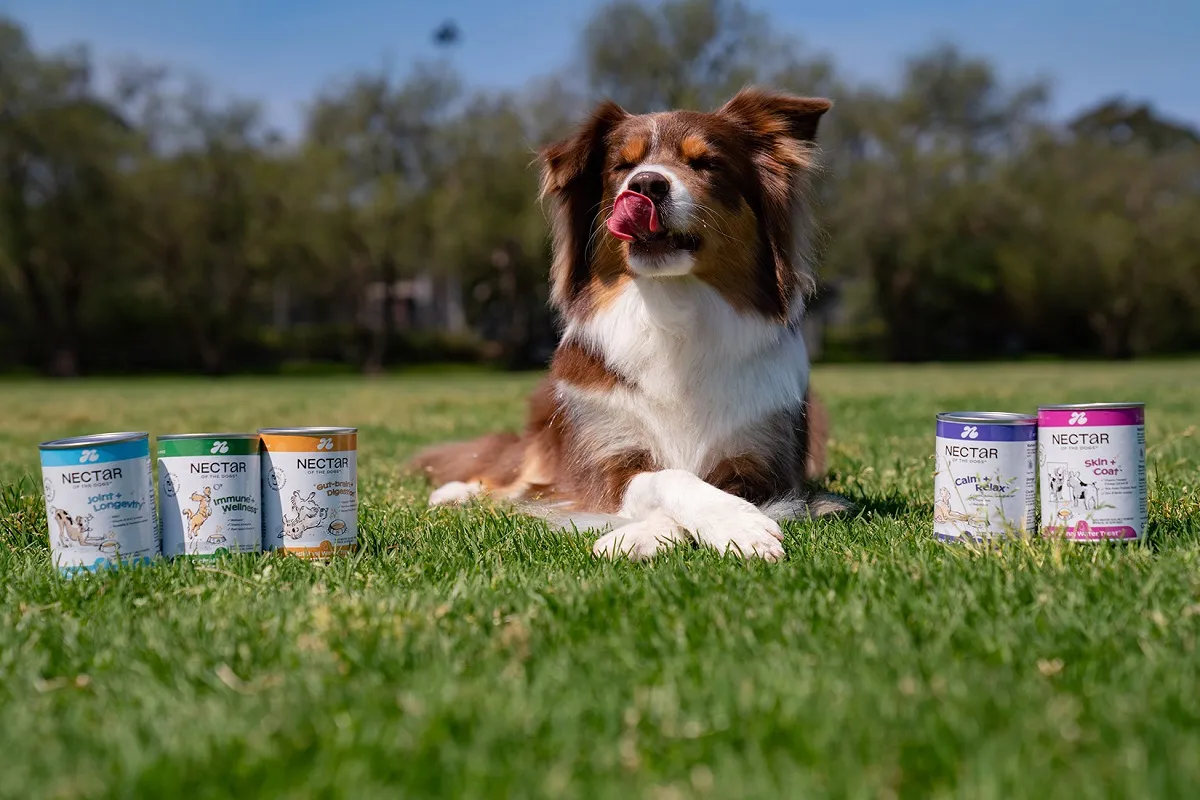
    Real Pet Food, also recognised as Australian Pet Brands, is set to expend over $1.3 million on safety improvements and equipment upgrades. This decision comes following a directive from the NSW Environment Protection Authority (EPA) after a phosphoric acid leakage incident at the company’s Dubbo location.

    Details of the Incident

    A defective valve is reportedly to blame for the spillage of around 300 litres of phosphoric acid within the production tower of the facility. The acid, a chemical agent used to extend the shelf-life of pet food, spread across several levels of the building. Emergency Hazmat crews were deployed to manage the clean-up operation.

    Company’s Response and Legal Obligations

    In response to the incident, the EPA accepted a legally binding Enforceable Undertaking (EU) from the company. As per this agreement, Real Pet Food is required to disburse over $1.38 million to implement preventive measures against such incidents in the future. Jason Gordon, EPA’s executive director of regulatory operations, emphasised the gravity of the incident, stating that while no environmental harm transpired, the risk potential was significant.

    Enforced Changes

    The impending changes, according to Gordon, will not only enhance safety for the site’s workers but also augment environmental protection by improving how chemicals are stored, monitored, and managed. The company is expected to move its acid dosing system from the top to the ground floor and automate previously manual systems, such as dosing products’ valve controls and holding tanks. Furthermore, it is required to bolster spill containment measures and enhance its training and inspection procedures.

    In addition, as part of its agreement with the EPA, the company will donate $75,000 to the Wambangalang Environmental Education Centre. The funds will be used to carry out repairs and improvements to the centre’s model wetland teaching space.

    Questions & Answers

    What are the changes that Real Pet Food needs to implement as per the agreement?
    The company is required to relocate its acid dosing system from the top to the ground floor, automate manual systems, strengthen spill containment measures and improve training and inspection procedures.

    What was the reason behind the phosphoric acid spill at the facility?
    A faulty valve was identified as the cause of the leakage of approximately 300 litres of phosphoric acid within the facility’s production tower.

    What will be the use of the $75,000 that the company will pay to the Wambangalang Environmental Education Centre?
    The funds will be utilised for repairs and enhancements to the centre’s model wetland teaching space.

  • Indian lingerie Clovia eyes international expansion over 5 years

    Indian lingerie Clovia eyes international expansion over 5 years

    Founder and Director, Neha Kant, says that apart from the 10 EBOs in Delhi, the brand has 2 EBOs in Gujarat and 1 in West Bengal. The average size of a Clovia store is between 275 and 400 sq. ft. “Aside from this, we are also present in 50+ shop-in-shops in these three states in India.” “We have also introduced a new distribution model – Clovia Partnership Program. Under this program, we invite women around the country to educate other women about sizing and fits and run their enterprise by selling Clovia products from the comfort of their home. At present, we have around 3,000 members on board,” she adds.

    Operating Model

    The lingerie brand sells through direct sales channels including exclusive brand e-store, partner websites like Myntra, Jabong, Flipkart and Amazon among others and also through offline retail outlets.

    “As a brand we want to be present at every customer touch point and offline was a natural progression for us. The intent was to make product touch-points that can be brand builders and self-sustaining at the same time. While online continues to grow profitably, offline helped us capture a completely complementary user base, while continuing to build the brand,” asserts Kant.
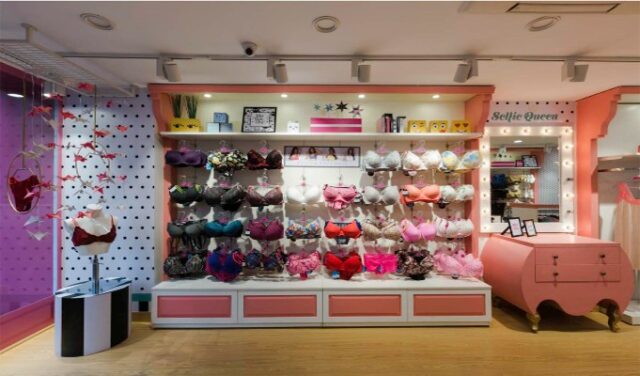
    “Our Noida office is also the central design hub. Designs and raw materials are shipped out to exclusive third party manufacturing units which have been incubated by us and work exclusively with us. Our skillful use of technology helps us ensure the industry’s most efficient mind-to-market and extremely tight inventory management. On the online front, we’ve innovated to deliver some of the best sales conversion rates. These innovations have ensured the company is operationally profitable since inception,” she adds.

    TG & Product Portfolio

    The brand’s target audience includes working women between the ages of 25-35 years and young girls aged between 18 to 24 who are either in college or have just entered the workforce.

    The brand designs, manufactures and sells premium fashion lingerie, innerwear, nightwear and shapewear. Tier II and III contribute to over 60 percent of Clovia’s orders.

    “Clovia has redefined the lingerie market by going beyond standard fits, colours and sizes. We offer customers a wide variety of choices in ‘everyday essentials’, along with ‘fashion solutions’ keeping up with customer’s evolving wardrobes,” says Kant.

    “As a brand which lives on feedback, and iterates its entire portfolio basis that, we are focused on a few major categories for now and have been slowly expanding our category focus. Clovia, started predominantly as a ‘bra & brief’ brand which extended into nightwear, shapewear and loungewear with time and demand. Within the categories, we’ve identified a lot of verticals for example: in bras, we have ranges for beginners and nursing mothers, as well as sizes till 44F. We launch 200+ new options including colours and prints per month across women’s bras, briefs, nightwear, shapewear, lounge wear, resort wear, swim wear, leisure wear and active wear categories,” she explains.

    The brand, which produces all its products in India, offers 2,000+ plus styles across categories.

    Supply Chain & Production Capacity

    Clovia is a full stack lingerie brand that controls every part of its supply chain from mind-to-wardrobe.

    “We procure raw material, design in-house, manufacture in third-party facilities working exclusively for us, ensure our own 4-level quality control and sell through a host of direct sale channels. Every product we create is first made in small quantities, monitored via state-of-the-art backend technology, which predicts future sales (based on sales patterns and customer feedback) and recommends what further quantities should be produced,” states Kant.

    At the moment, the brand is manufacturing almost a million units per month and ship close to 2 million units in a quarter.

    “We deliver pan India across 970 cities and to over 13,000 pin codes,” she says, adding, “Clovia has an established operating infrastructure with a 30,000 sq. ft. capacity warehouse and a wide distribution network with logistic partners pan India.”

    A Technology Forward Company

    Clovia uses smart technology and big data analytics for smart management of inventory ensuring that they have a highly consumer-relevant range all times with high sell-through rates resulting in industry best inventory holding.

    “We have set up a unique distribution system (both online and offline) which is based on direct interaction with customers, getting their direct feedback and using the same in planning the next product range. Big data played a big role here and this led to an extremely strong connect with our customers, leading to creation of a brand on the back of experience and not pure-play marketing,” she says.

    “We use smart technology and big data analytics to plan consumptions and purchase patterns. We stock the maximum number of SKUs in the industry with minimum inventory holding. Also, using technology for geographical understanding of tastes, we’re bringing structure to a traditionally unorganised market,” she further states.

    Future Plans

    The lingerie brand is expanding both in the online and the offline space with equal vigour. The brand is putting in the effort to understand audiences and nuances of each channel to ensure a true Omnichannel experience for customers and sellers. This is the key focus for Clovia over the next five to six quarters.

    “We have been operationally profitable,” she says.

    The brand currently generates around 15 percent of its revenue from offline channels and expects the revenue to witness a 50 percent growth in the current financial year.

    “Clovia gets over 55 percent of its total online sales through its own website which will maintain its share. The rest comes from online marketplaces such as Amazon,” Kant concludes.
  • LOEWE’s 4th store in Korea opens

    LOEWE’s 4th store in Korea opens

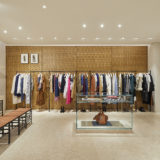
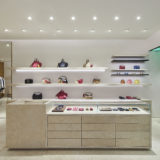
    Spanish brands LOEWE opened a women’s store on the second floor of the Hyundai Department Store. LOEWE is a Spanish leather brand with over 170 years of history and is now attracting the attention of global fashion people, led by designer Jonathan Anderson.

    According to LOEWE, the store is the 4th one to open in Korea, and Loewe plans on developing women’s bags, clothing, accessories and eye-wear in its newly opened store. In addition, the brand will present exclusive products for Hyundai Department Store in commemoration of the store opening.

    The concept of this store is known as ‘Casa Loewe’, designed by Brand Creative Director Jonathan Anderson, using materials such as Spanish limestone, walnut wood and concrete to feature strong mood.

    Eye-catching furniture exclusive to the store are displayed around the space. The brand had a specially-made carpet to show the LOEWE DNA “craftsmanship”.

    With the upcoming holiday season, LOEWE plans on releasing its “Mackintosh” capsule collection. Some items of the collection are exclusive to the Hyundai department store.

    While the newly opened store is one for women, LOEWE opened the men’s store in Galleria department store last October.

    View gallery below for pictures (5 images) :

  • Nike’s Olympics ad featuring athlete licking table tennis triggers controversy among Chinese netizens

    Nike’s Olympics ad featuring athlete licking table tennis triggers controversy among Chinese netizens

    Nike’s new ad for the 2024 Paris Olympics, featuring an Asian table tennis player licking her paddle, has sparked controversy among Chinese social media users.

    Though the nationality of the table tennis player has not been specified, many Chinese social media users have implied that the scene targeted China, as table tennis is the country’s national sport. They complained that the video, uploaded to Nike’s social media accounts on July 19 , was “smearing the image of the Chinese people.”

    “What’s the purpose of making this action? It’s disrespectful, incomprehensible and unacceptable,” one netizen wrote.

    The Global Times reported that by Tuesday, the hashtag “Nike promotional video licking table tennis paddle” had already garnered 81 million views on Weibo.

    Others suggest that the inclusion of the scene might have been a deliberate attempt to provoke and stir controversy, and comments expressing how they no longer buy Nike products racked up thousands of likes.

    One netizen commented: “Only people with dirty thoughts would think it’s a bad action. Licking the paddle obviously was to raise their fighting spirit and provoke the competitor.”

    The South China Morning Post reported that in response to the video, a Weibo user expressed confusion and criticism, asking: “What does licking a table tennis paddle even mean? What was the person who made this commercial even thinking, that the paddle is clean and sweet, like a lollipop?”

    It is reported that Nike’s customer service in China stated that it “will reflect the concerns to supervisors.”

    China will be represented by 405 athletes at the Paris Games starting on Friday.

  • Pattern Releases Powerful New Functionality to Optimise Marketplace Traffic, Drive Sales for Australian Brands

    Pattern Releases Powerful New Functionality to Optimise Marketplace Traffic, Drive Sales for Australian Brands

    Global ecommerce and marketplace accelerator Pattern, has today announced the release of new functionality in its ecommerce acceleration platform in Australia, to help brands organically rank their products in the top positions on leading marketplaces like Amazon, dramatically reducing their reliance on advertising spend.

    Integrated within Pattern’s ecommerce tech suite, Destiny evaluates competition, pinpoints winning keywords, and harnesses AI-driven advertising to divert traffic directly to a brand’s product listings. Brands gain an edge in the digital retail landscape, ensuring their advertising dollars are always invested in growth.

    Dan Richardson, Director of Sales, JPAC for Pattern, commented, “The ecommerce landscape is like a vast digital shelf. Every brand aspires to be at the forefront, especially in the ‘top three listings’ where 60% of all clicks occur and buyer traffic can be concentrated. Destiny is our innovative approach to help brands secure that prime position and drive sales in a crowded and highly competitive online retail environment.”

    Destiny’s power lies in its data-centric approach. The platform has accumulated over 200 trillion data points, taking upwards of 3 million keywords from Amazon. This rich dataset translates into precise predictions about brand performances, solidifying brands’ organic visibility strategies while simultaneously decreasing their dependence on advertising. Intricate algorithms assign ‘winnability scores’ to keywords, ensuring brands know precisely how to position themselves for organic success.

    “In challenging economic times when brands face a higher barrier to sale due to cost-of-living pressures, pumping excessive amounts of advertising dollars into ecommerce and marketplace activity is not sustainable,” explains Richardson. “Destiny allows brands to reduce their reliance on advertising, while still achieving organic visibility. At Pattern, our goal is to help brands use advertising to eventually reduce their dependence on it. It’s all about achieving a balance for sustained success and ensuring that your promotional expenditure actually works for you.”

    Australian brands have an enormous opportunity for growing sales through marketplaces with Pattern’s ‘Marketplace Consumer Trends Report – 2023, revealing that 92% of consumers planned to shop on marketplaces like eBay and Catch in the year ahead and 84% of people expected to spend more or the same on Amazon.

    To help brands standout in a marketplace environment and attract buyer attention, Destiny evaluates over 26 million unique products to create a bespoke competitive landscape. It prioritises sustained organic visibility over sheer spending, intelligently reallocating budgets to guarantee top rankings and drive long-term ecommerce success.

    “Destiny is all about smart targeting. It shifts bids, tests keywords, and intelligently drives traffic, ensuring brands receive the highest possible return on their investment. We’ve witnessed its potential, with some brands experiencing unprecedented ecommerce growth. Now, we’re excited to bring this innovation to Australia.”

    About Pattern Inc

    Pattern is the category leader in global ecommerce and marketplace acceleration. Since 2013, Pattern has profitably grown to more than 1,400 employees operating from 24 global locations – including Melbourne, Sydney and the Gold Coast – to help leading brands achieve accelerated growth on D2C websites and global ecommerce marketplaces. As well as being one of the largest Amazon sellers in the world, we are also present on Tmall, JD.com, eBay and other ecommerce marketplaces. We act as the authorised Amazon seller to more than 200 brands globally, buying their stock to sell on the marketplace and taking care of every aspect of their Amazon presence. For more information, visit https://au.pattern.com/

  • Coffee chains brace for impact as inflation creeps in

    Coffee chains brace for impact as inflation creeps in

    Highlands Coffee, one of the largest coffee chains in Vietnam, earlier this month hiked its prices by 10-15 percent. It said that the increase served to maintain product quality amid market fluctuations.

    Hoang Viet, CEO of Laha Cafe, said that coffee chains are seeing costs of coffee surging by 25 percent and rents by 10-20 percent.

    “Some ingredients are seeing costs rising 20-30 percent. Without a price increase, coffee shops cannot survive.”

    Beverage chains are starting to feel the burden of inflation on their business as surging commodity prices eat into their profit and threaten to bring losses.

    Gasoline prices in Vietnam rose by nearly 52 percent between the first half of this and last year.

    The Young Cafe has recorded an input increase of between 10-30 percent, mostly because of rising transportation costs.

    “Coffee chains often maintain their prices for one or two months before hiking them up,” said founder Nguyen Vo Trung Quan.

    But major chains like Starbucks, Phuc Long, The Coffee House and Chuk Coffee & Tea have not announced plans to raise prices, with the latter even affirming that there will not be a price hike in at least the next several months.

    Vietnam’s food, beverage and accommodation industry is just now recovering from Covid-19 impacts.

    It recorded the first growth in the second quarter this year (25.92 percent) after three consecutive quarters of decline.

    The rising demand for beverages amid high heat could be partly responsible for the growth.

    Delivery app GoFood saw orders in the second quarter surging 42 percent year-on-year, while ShopeeFood said it had received a rise in orders in May and June but did not reveal specific figures.

    This surge in demand makes F&B companies reluctant in hiking up prices as this could hamper growth.

    A media representative of The Coffee House said that it has recently launched new products that broke pre-pandemic revenue records.

    “Our number of outlets have returned to the pre-pandemic level of 154 and it is set to grow fast.”

    Some other chains, like The Running Bean, have removed some items from their menu as prices of ingredients have surged.

    But eventually, a price hike is unavoidable in the industry.

    Viet said that Laha Cafe is working on new products with higher profit margins and is looking for new locations further away from central business districts to reduce costs.

    “But we are also considering raising prices of some products, otherwise we cannot keep the business running.”

    Quan has moved a location of The Young Cafe from the central District 1 to District 10 to cut costs, and if input costs rise by 50 percent, he will hike menu prices.

    “If inflation persists, sooner or later all shops will hike prices.”

    Lender HSBC forecasts that Vietnam’s inflation could hit 3.5 percent this year, but in the last quarter alone it could be 5.6 percent.