Retail News CRM

Tag: Brands

  • Millionaires are showing off their money in a new way

    Millionaires are showing off their money in a new way

    The definition of luxury is evolving, and the change applies to not only what people are spending money on, but how they’re doing it. “In the last few years, we have seen the crystallization of two luxury worlds: one which focuses on an encyclopedic choice of luxury products available at a click; another which is doubling down on the experience mantra,” the global ultra-high-net-worth intelligence firm Wealth-X said in its 2019 handbook, which examines the spending habits and preferences of people whose net worth is between $1 million and $30 million.

    That shift coincides with an era in which people are choosing to display their wealth differently than previous generations did.

    This is an era where brands like Goyard— a two-century-old Parisian company that eschews any type of advertising but represents the pinnacle of luxury for the world’s elite — and investments like education, security, and privacy are the chosen trappings of the world’s wealthiest people.

    Still, luxury fashion is booming, and it partially has to do with how it is consumed.

    Technology has left nearly no industry unchanged, and luxury is no exception.

    “Mass-market principles have worked their way into luxury and are disrupting the market,” Mike Phillips, Wealth-X’s vice president of marketing and communications said. “Now you can be selling something — and there might be only one made — but it’s on an app.”

    Whereas previously the ultimate luxury shopping experience might have included shutting down an entire store for a top spender, that person now has access to the same goods with the increased convenience of an app.

    Phillips said apps and sites like Net-a-Porter, Farfetch, and Moda Operandi that sell designer clothes, shoes, and accessories had capitalized on this trend as a new generation of wealthy shoppers emerges.

    “When it comes to wealthy millennials or Gen Xers, there are still instances where they are seeking an immersive brand experience at a brick-and-mortar store,” Phillips said, “but at other times they may want to avoid that more traditional pomp and circumstance and opt for the ‘Seamless’ option.”

    “Younger generations are less likely to be staunch loyalists to a single brand when compared to their parents and grandparents,” Phillips said. “They’re more likely to try something new if it speaks to their personal values and passions.”

    In this way, experiences may not be outright replacing the role of brands in wealthy people’s lives, but they are augmenting the significance of and consideration that goes into buying a particular brand.

    “More and more,” Phillips said, “the wealthy are evaluating a brand in terms of: What mission does this brand represent? How does it contribute to the greater good … If I choose to purchase this product, what does that say about me and my values?”

    And entire industries are developing or adjusting services to cater to this customer interest too. Wellness is increasingly regarded as a modern embodiment of luxury, and accordingly, an array of spas and studios offering treatments like cryofacials, weeklong retreats, and vitamin IV drips are delivering those experiences.

    Exclusivity and personalization also play important roles in the way luxury experiences are marketed. Customers do not want just any experience — they want a unique one tailored to them.

    Both of those preferences can clearly be seen in the hospitality industry, where high-end hotels are remembering their guests and tweaking their experiences with personalized touches. Other hotels, meanwhile, are fulfilling guests’ appetites for exclusivity by making their most luxurious or expensive rooms “invisible” and available only to well-connected clients who heard about the room by word of mouth.
  • Guess announces new CEO

    Guess announces new CEO

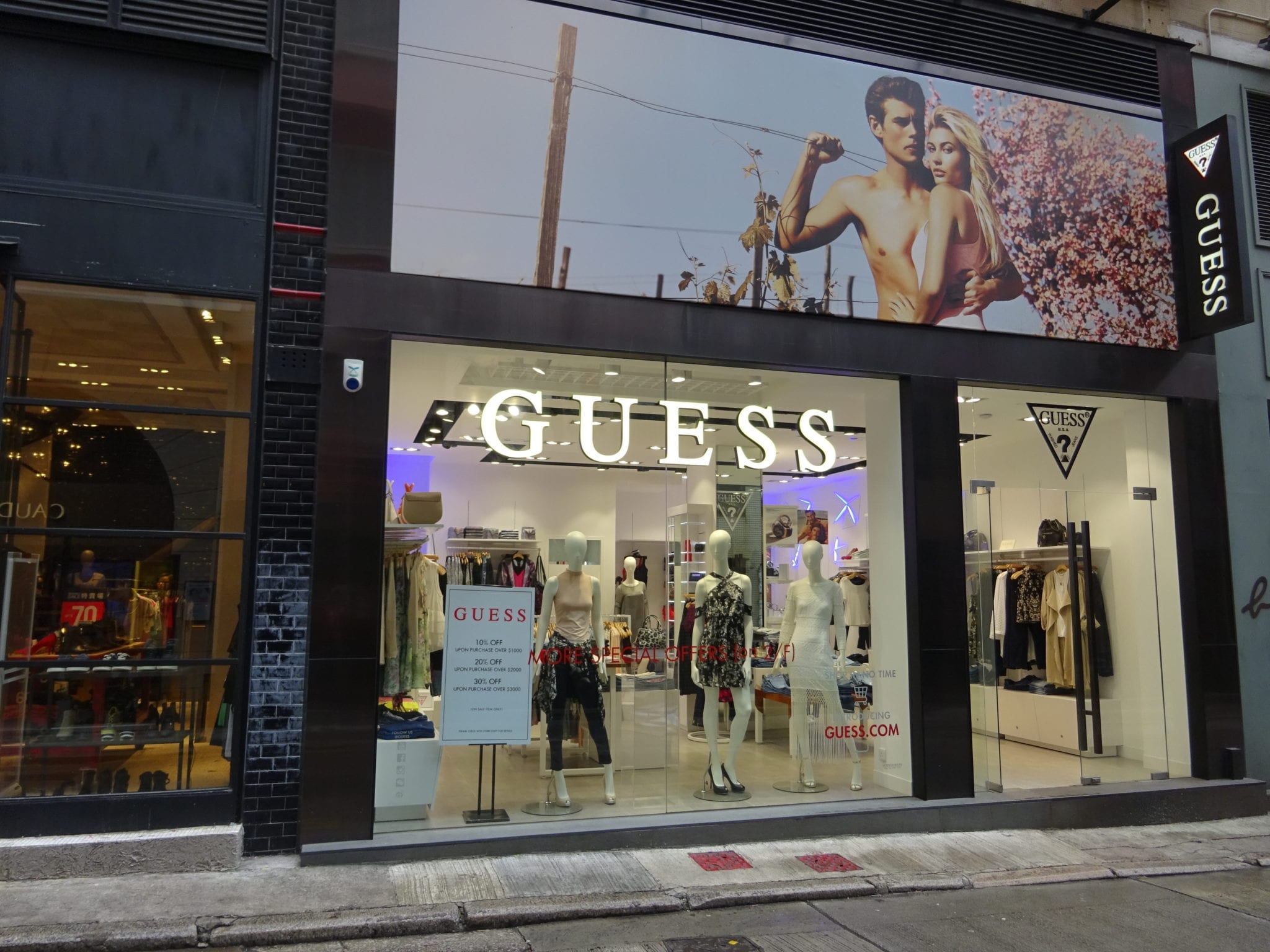
    Iconic American fashion brand Guess Inc. announced that its chief executive officer and director, Victor Herrero, is leaving the company effective February 2, 2019. Carlos Alberini, who served as Guess’s president and chief operating officer more than ten years ago, will replace Herrero.

    “On behalf of the Board of Directors, I want to thank Victor for his contributions during his tenure and wish him well in his endeavors,” said Maurice Marciano, chairman of the board.

    Alberini has been appointed as the new CEO and a Director of the company, “effective upon his separation from his current employer,” said Guess in a press release detailing the new hire on January 28.

    Alberini served as COO for the Californian company from 2000 to 2010. He was co-CEO of Restoration Hardware until 2014, and a director on the board of Restoration Hardware from 2010 until present.

    More recently, Alberini has been the Chairman and CEO of Lucky Brand, a role he took on from 2014.

    “I am very excited to have Carlos coming back as CEO at Guess. He was instrumental in building the international business in Europe and Asia during his 10-year tenure with the company,” said Maurice Marciano.

    The company also announced that Marciano has agreed to remain as Chief Creative Officer. His employment will be “at will”, according to Guess.
    During the transition, Marciano will be acting as interim Chief Executive Officer.

    In 2017-2018 financial year, Guess witnessed a steady growth track in Asia, notably in China.

    In March last year, the brand said it planned to open 60 stores in Asia, after also opening its first subsidiary in Singapore.

    In same financial year, the group said it improved its gross margin in Asia by 470 base points, with sales up 40 percent.

  • Virgil Abloh’s Off-White launches the Simpsons collection

    Virgil Abloh’s Off-White launches the Simpsons collection

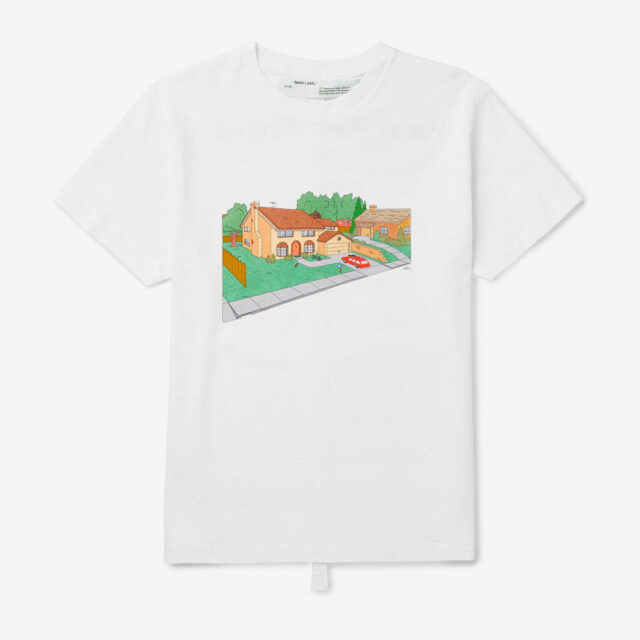
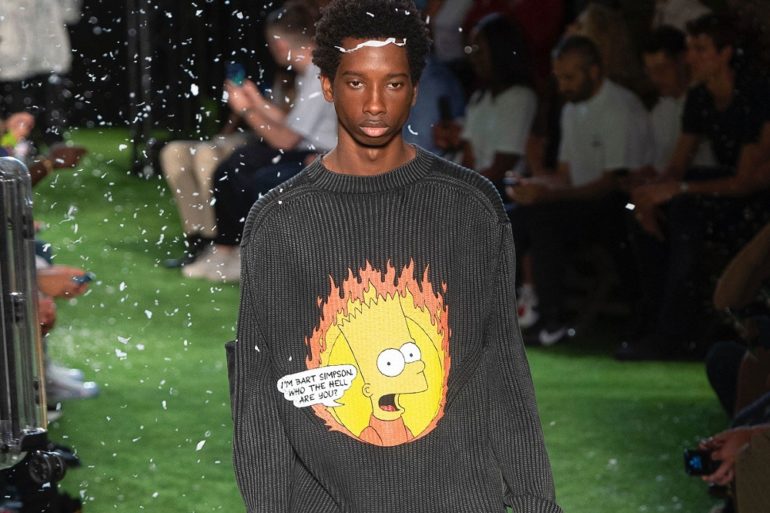
    Virgil Abloh‘s Off-White™ debuted its eagerly-anticipated Spring/Summer 2019 collection at Paris Fashion Week, and devotees will not be disappointed. First seen in our exclusive look backstage, the new collection offered goods both playful and earnest, with references to artist Dondi White and The Simpsons. The Simpsons House T-Shirt highlights 742 Evergreen Terrace in Springfield, USA prominently on the front of the shirt via a vibrant print. The back of the 100 percent cotton T-shirt is emblazoned with the ethos of Off-White™ along with the word “ARCHITECTURE.”

    Featured in unison, the front and back of the piece reference both Virgil’s unique approach to design and obsession with architecture. Priced at $350 USD, the Off-White™ The Simpsons House T-Shirt is available now at MR PORTER.


    For more contemporary fashion, RHUDE draws from an array of influences for FW19.

  • Uniqlo opens Manchester flagship, expands beyond London

    Uniqlo opens Manchester flagship, expands beyond London

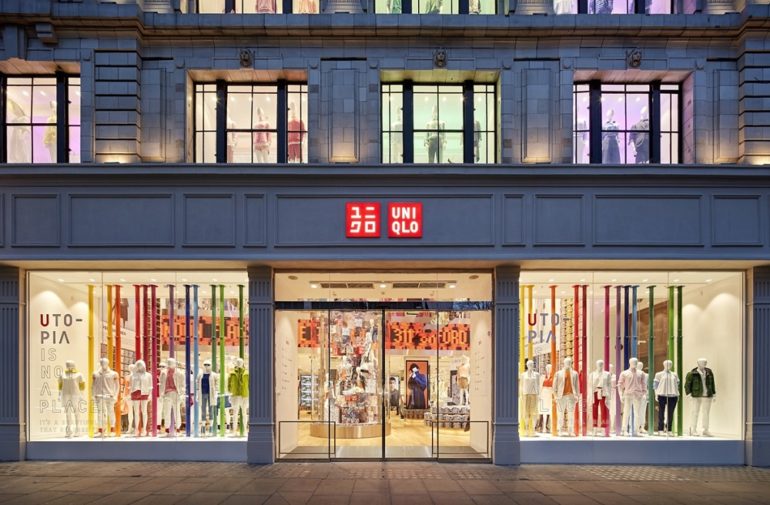
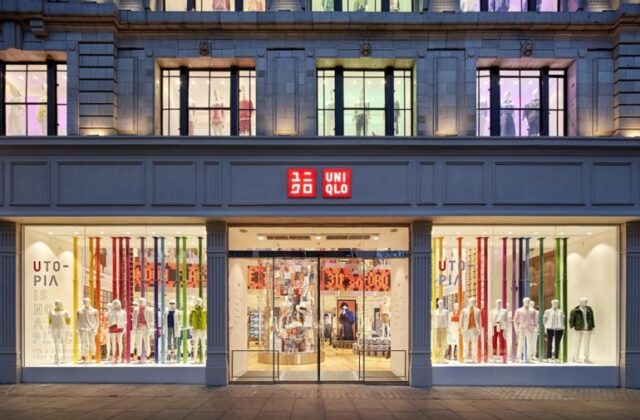
    Japanese retail chain Uniqlo is expanding its store network internationally, announcing the opening of its latest store in the UK. Opening in the city of Manchester, Uniqlo is returning the British city after leaving Manchester back in 2004, not long after it entered the UK market. Uniqlo revealed the news this week on its Instagram: “Uniqlo Manchester – opening spring 2019. Tokyo heads up North. Register for updates on our Manchester store opening at the link in bio.”

    The post also gave location details, revealing the store is slated for Manchester Arnadale at 57 Market Street. The address is the former-space of closed down UK retail chain BHS, which shuttered on Market Street in August 2016, after 35 years of service on the city’s main shopping strip.

    The new store will occupy a 22,690 square feet and will sell Uniqlo’s full range of core items for men, women and kids, as well as jeans and t-shirts.

    The retailer said that the expansion north of London was an important step in its UK growth.

    “The launch of Uniqlo in Manchester represents another major milestone for us in the UK, as we continue to expand our presence in this important market for the company worldwide,” Uniqlo chief executive Taku Morikawa said.

    “We are very excited to be able to offer Uniqlo LifeWear to the people of Manchester and surrounding areas for the first time and show how our high quality, comfortable and functional clothing can help improve their everyday lives.”

    It is hoped that Uniqlo Manchester will fair better than BHS, and in turn compete strongly with fellow fast-fashion brands Primark and H&M, which are currently set up in the millennial-heavy city.

    Uniqlo first launched 20 stores in the UK, but then closed 15 sites outside of London three years later, including two in Manchester.

    It currently operates nine stores across London, one in Kent at Bluewater shopping centre and another in Oxford at Westgate.

    In its most recent earnings update, Uniqlo Europe said that in the year up to August 31, 2018, profits rose from €673,000 to €6.3million on a turnover of €533million, up from €410million.

  • Cle de Peau Beaute debuts in Thailand

    Cle de Peau Beaute debuts in Thailand

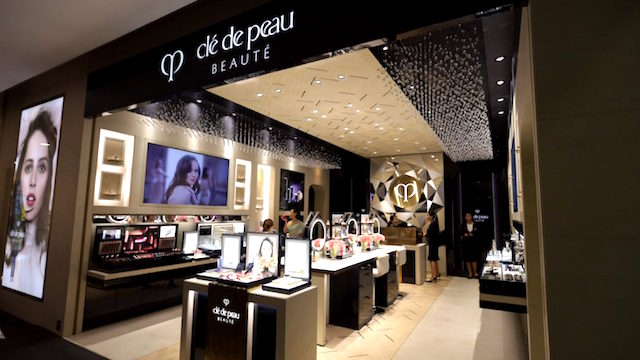
    Japanese luxury skincare brand Cle de Peau Beaute has opened its first location in Thailand. Launching in the Helix building, Emquartier, the new store expects to cater to the brand’s cult following in the market. The venue is designed to reflect the luxurious lifestyle of modern women, with a ‘Radiance Wall’ illuminating the entire retail space and a gallery with storied details of selected products.

    The launch is being marked with the announcement of the brand’s new influencer, actress, artist and director Manasnan Panlertwongskul, and the unveiling of its latest lipstick.

  • Kendall Jenner signed agreement with Penshoppe

    Kendall Jenner signed agreement with Penshoppe

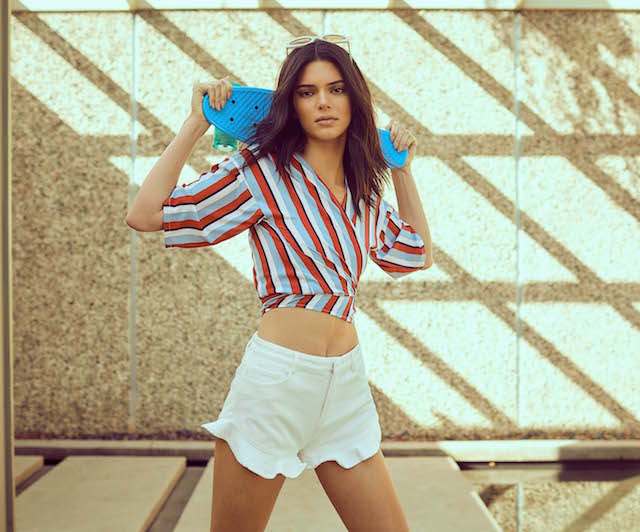
    Global fashion retail brand Penshoppe has unveiled the latest addition to its roster of international ambassadors – 23-year-old world’s highest-paid supermodel and one of the most followed celebrities on social media, Kendall Jenner. The model initially appeared on Penshoppe’s DenimLab campaign in 2015, and is now headlining the brand’s Spring Summer 2019 Campaign with Zayn Malik, Paris Jackson, Nam Joo Hyuk and Sandara Park.

    “As we move from strength to strength, we couldn’t think of a better addition to our growing list of global ambassadors”, said Golden ABC’s VP for brand management Jeff Bascon. “It’s good to have you back, Kendall!”


    Penshoppe has more than 400 locations across Bahrain, Cambodia, Indonesia, Saudi Arabia, Myanmar, Thailand, Vietnam and the Philippines. The brand is available online in Singapore, Malaysia, Hong Kong, Taiwan and Indonesia.

  • More about Japanese label HYKE

    More about Japanese label HYKE

    HYKE enjoys a massive following in its native Japan, slowly developed since its inception in 2013. Over the past six years the label, led by married designers Yukiko Ode and Hideaki Yoshihara, has cultivated a horde of Japanese devotees attracted to HYKE’s neutral color palettes, tweaked militaria and effortless elegance. This following has garnered stockists that include some of the nation’s largest department stores, like Isetan, UNITED ARROWS and the Japanese branch of Barneys New York.

    Despite the independent brand’s commercial and critical success in Japan, HYKE remained an obscurity to even the most fashion-savvy shoppers outside of Asia. That was until the brand’s collections with The North Face received such international acclaim that the partners created a dedicated Instagram page and website exclusively for the ongoing collaboration.

    Behind the covetable technical collaborations, however, the underappreciated Japanese label has quietly advanced its singular vision with a laser focus.

    In 1997, Ode and Yoshihara launched a vintage clothing store, dubbed “bowls.” “We would go buy only the best clothes overseas and then put our favorite items on display in the shop,” the designers told the Woolmark Company in August 2016. “When we found clothes we liked, we didn’t want to sell them to anyone else. We decided that we would instead make clothing that contained the essence of what we liked, and that’s how our first brand, green, started.”

    Veterans of two different Japanese fashion schools, Ode and Yoshihara spent time as a stylist and patternmaker, respectively, before opening the store and launching green a year later.

    Guided by the philosophy of beauty through functionality, green offered simple yet thoughtfully-crafted, vintage-inspired womenswear in an era that was not known for understated clothing. Though minimalist fashion is de rigueur now, early 2000s style was rife with loud party dresses, flashy logos and gold accents.

    Thus, green’s fur-trimmed parkas, relaxed denim and muted trench coats seem even more prescient when reexamined 20 years later. A growing demand encouraged Ode and Yoshihara to introduce a brief men’s offering alongside the more expansive womenswear line, eventually taking green to the runway for the label’s final season, Spring/Summer 2009.

    Following green’s tenth anniversary, Ode and Yoshihara shuttered the label in October 2009; by then green had ballooned from a small side project to one of Japan’s pre-eminent womenswear brands. The couple retreated from fashion altogether, taking several years off to reformat their approach to design and raise their two children. In doing so, the duo shifted bowls from a vintage boutique to a management company before debuting their new flagship label, HYKE, in 2013.

    HYKE thrived almost immediately, thanks to its appreciably clean, minimalistic designs and the accumulated green fanbase. Ode and Yoshihara aim “to evolve fashion history by our heartstrings,” recreating militaristic garments with custom fabrics. Though some clothes sport playful fringe or deep pleats, the basis of each collection remains the same: the couple sources key vintage pieces for inspiration — be it a classic M65 jacket or fishtail parka — deconstructs the garments to study patterns, threads and craftsmanship, before piecing them back together via contemporary pattern-making. Using simple, versatile colors and unparalleled craft, HYKE’s consistently wearable offerings prove reliably popular. This consistent demand encouraged both Mackintosh and adidas Originals to join forces with HYKE in 2014.

    The one-off Mackintosh collaboration yielded a workmanlike approach to reimagining the British heritage brand’s signature outerwear, with HYKE serving up four muted, militaristic iterations of three classic coats for both men and women. Meanwhile, the adidas Originals partnership continued until Fall/Winter 2016, with each season gradually expanding HYKE’s design ethos. A quick comparison of the first drop — minimalist Trefoil hoodies, army green pullovers and velcro-strapped adilette runners — to the final release — monochrome Seeulaters, faux croc skin adidas clutch bags, sporty capes and occasional snakeskin patterns — makes the evolution all the more dramatic. The success of these lines, as well as the continuing growth of the main line, helped Ode and Yoshihara win the 35th Mainichi Fashion Grand Prix in 2017.

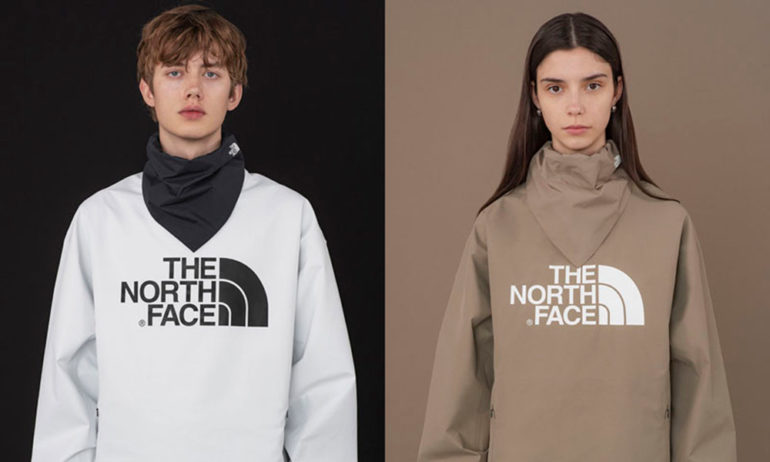
    Both the Mackintosh and adidas collaborations received global releases, but the reception was muted in comparison to HYKE’s headline-stealing collaboration with The North Face. The collection debuted during HYKE’s Spring/Summer 2018 runway, immediately establishing an ideal marriage of HYKE’s minimalist taste with The North Face’s utilitarian gear, informed by the Japanese label’s desire to combine “the functionality of outdoor sports wear with the sensitivity of HYKE.”

    HYKE’s preferred army green, black and white color palette returned for the collection, along with playful snakeskin patterns and signature garments, like the cropped Bolero Jacket and solid-color pullovers. With each collaborative release since that first joint effort, the duo have introduced small expansions to keep the line fresh — oversized pullovers, sock-like sneakers and even menswear — while retaining much of the same elements from past drops. However, The North Face Japan’s complicated licensing prevents the collection from seeing worldwide release, despite the overwhelmingly positive international reception and the recent addition of menswear to the line.

    To make a complex issue very simple: America’s The North Face is a different company from Japan’s The North Face. In 1978, outdoors company Goldwin began distributing The North Face in its native Japan, eventually purchasing the exclusive Japanese (and partial Asian) TNF license from the American branch. This exclusive license still remains in Goldwin’s possession; thus, American The North Face products can’t sold in Japan and Goldwin’s The North Face goods can’t be sold outside of the island nation. Since HYKE x The North Face is produced by Goldwin, that means that distribution will likely never expand beyond Asia, unless the Japanese The North Face strikes a deal with its American counterpart, as Goldwin recently did with THE NORTH FACE PURPLE LABEL.

    Regardless of legal qualms, HYKE maintains a massive following in its native Japan, with a developing influence throughout Asia as Korean and Chinese retailers take note of the brand’s adaptable designs. And more The North Face collections will only aid HYKE in increasing its global presence. Although the license quagmire will keep those collaborations from being sold overseas, HYKE could potentially bring its in-house creations abroad. If savvy Western retailers snap up the Japanese brand’s minimalist wares, it may open the floodgates for future expansion — possibly even bending the rules for The North Face.

    After six years back in fashion, Ode and Yoshihara remain unflinching in their dedication to realize the identity they established with the launch of HYKE. With no desire to cut corners (or prices) on its detail-oriented Japanese expertise, the designers are in no hurry to broaden its global footprint, or even create a proper menswear offering. Next up for the brand? Perhaps HYKE will finally open a Japanese flagship store, a hard-won focal point in service of clientele who appreciate the label’s unwavering commitment to independence.

    HYKE x The North Face Spring/Summer 2019 drops February 6 exclusively at The North Face Futakotamagawa and Isetan Shinjuku before hitting other Japanese TNF outposts on February 16.

  • Luxury goes local as Chinese shoppers gravitate towards home-grown brands

    Luxury goes local as Chinese shoppers gravitate towards home-grown brands

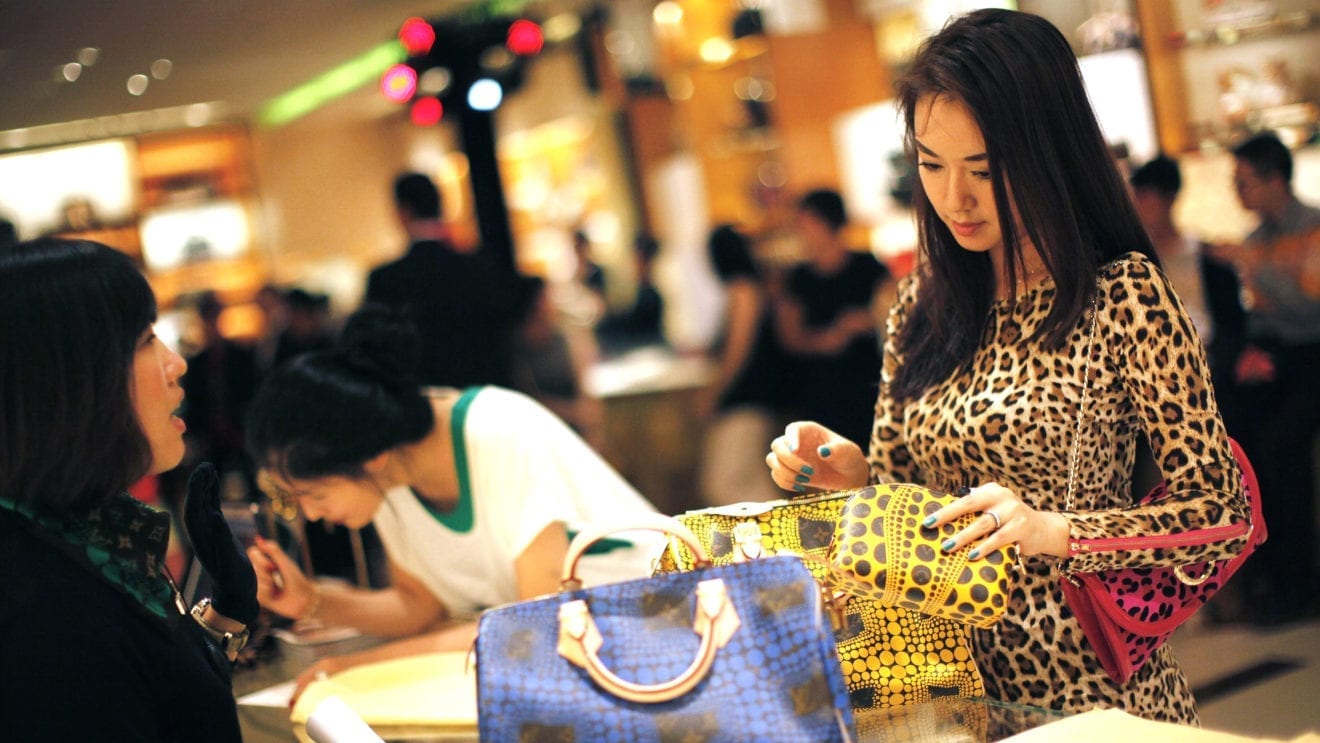
    Affluent Chinese consumers have for years shown a preference for global, well-known brands and labels. But with growing sophistication in tastes and a penchant for unique styles, the well-heeled are now increasingly gravitating towards high-end Chinese designers.

    “While global forces will continue to impact China’s luxury market, domestically there’s this whole new wave [of Chinese designers] that is coming through and is transforming the market,” said Simon Tye, executive director of Hong Kong-based market research company Consumer Search Group (CSG).

    In a report released last month along with US and China-based public relations company Ruder Finn Group, CSG found that 74 per cent of affluent Chinese consumers are aware of at least one Chinese designer, and 45 per cent intend to buy more Chinese designs over the next 12 months.

    According to report, titled “The 2019 China Luxury Forecast”, a shift in purchasing attitude from buying to “show-off to outsiders” to a “reflection of personal taste” is evident in 76 per cent of Chinese consumers. These respondents said they buy luxury items that reflect personal taste, up by about 30 per cent since 2012, according to the report.
    According to Mintel China, another market research company, niche luxury brands are particularly popular among women between the ages of 20 and 24, who are single and have a postgraduate or higher degree.

    Karen Zhang, 24, a banking professional from Beijing, said: “I still like my Gucci and Dior bags, but nowadays I like to explore luxury brands that have interesting stories and doesn’t shout extravagance. I also like to buy products by Chinese brands that have a unique twist.”

    The growing interest in Chinese designers is illustrated by a fivefold increase in the number of such brands featured by Hong Kong-headquartered luxury goods store chain Lane Crawford in recent years, according to strategy consultancy OC&C. Comme Moi, a brand founded by Chinese model Lu Yan, is among the fastest growing brands in Lane Crawford stores in China.

    JNBY, regarded as the most commercially successful Chinese designer brand, has more than 1,500 stores worldwide. Angel Chen, known for her colourful approach to fashion and fusion of eastern and western aesthetics, is stocked internationally by 30 retailers, including Lane Crawford, Luisa Via Roma, H. Lorenzo and Dong Liang. She is part of the “new wave” making an impact locally and globally, according to CSG.

    Unlike traditional brands, which spend on large-scale marketing and advertising campaigns, these new brands rely more on their unique designs and the power of celebrities and “key opinion leaders” for publicity.

    “For instance, Chictopia, founded by a local designer, Christine Lau, offers innovative and high-quality products with a clear story theme for each season,” said Veronica Wang, associate partner at OC&C. “The brand is followed by a group of top local celebrities, such as Fan Bingbing and Angelababy, which helps to establish awareness among the young generation.”

    The brand launched an official website in 2016, which provides an online sales channel and allows for the sharing of the brand’s latest collections through WeChat.

    Wilson Li, 28, a Chinese designer, said: “This is a very interesting time [for Chinese designers] right now. Around 20 years ago, Chinese clothing companies produced items that were extremely cheap, and they didn’t care much about quality. But this isn’t the case any more.”

    Li said the US-China trade war was pushing the market to improve its offering: “The only way for Chinese designers and companies to break out is to improve their standards.”

    Li, founder and head designer at Wilson PK, is known for his innovative fabrics and creative knitwear. He said a growing number of Chinese companies had been investing more in research and development as well as quality control over the past 10 years, with the aim of shaking off the image being of “cheap”.

    His brand, which has been around for five years, can count celebrities such as American singer Lady Gaga and British musician Lianne la Havas as its fans.

    “For custom fashion pieces, which are priced between US$960-US$3,830, we usually reach our target consumers through our online look book and stylists,” said Li. “Mass market customers can shop the ready-to-wear collection on our website, with prices starting from US$50.”

    Li, a fashion design graduate of Central Saint Martins Art and Design College, added: “Nowadays, Chinese consumers don’t just want luxury, they want the stories that come with it.”

    Industry experts say it is important for niche luxury brands to maintain a sense of exclusivity and rarity through storytelling. Scarlett Zhao, associate research analyst at Mintel China, said: “Niche brand lovers tend to be better informed and are willing to pay more for a brand’s unique meaning.”

    According to these experts, the biggest competitive edge Chinese designers have is their understanding of local preferences. And according to Wilson PK’s LI, while it is too early for local designers to be considered as rivals to established global fashion houses, there are more opportunities for Chinese brands in the current market.

    “Let’s be honest, calling it a competition would be too difficult. But as a Chinese designer, I definitely want to liberate my own culture,” he said.

  • Time for China’s smartphone brands to bloom

    Time for China’s smartphone brands to bloom

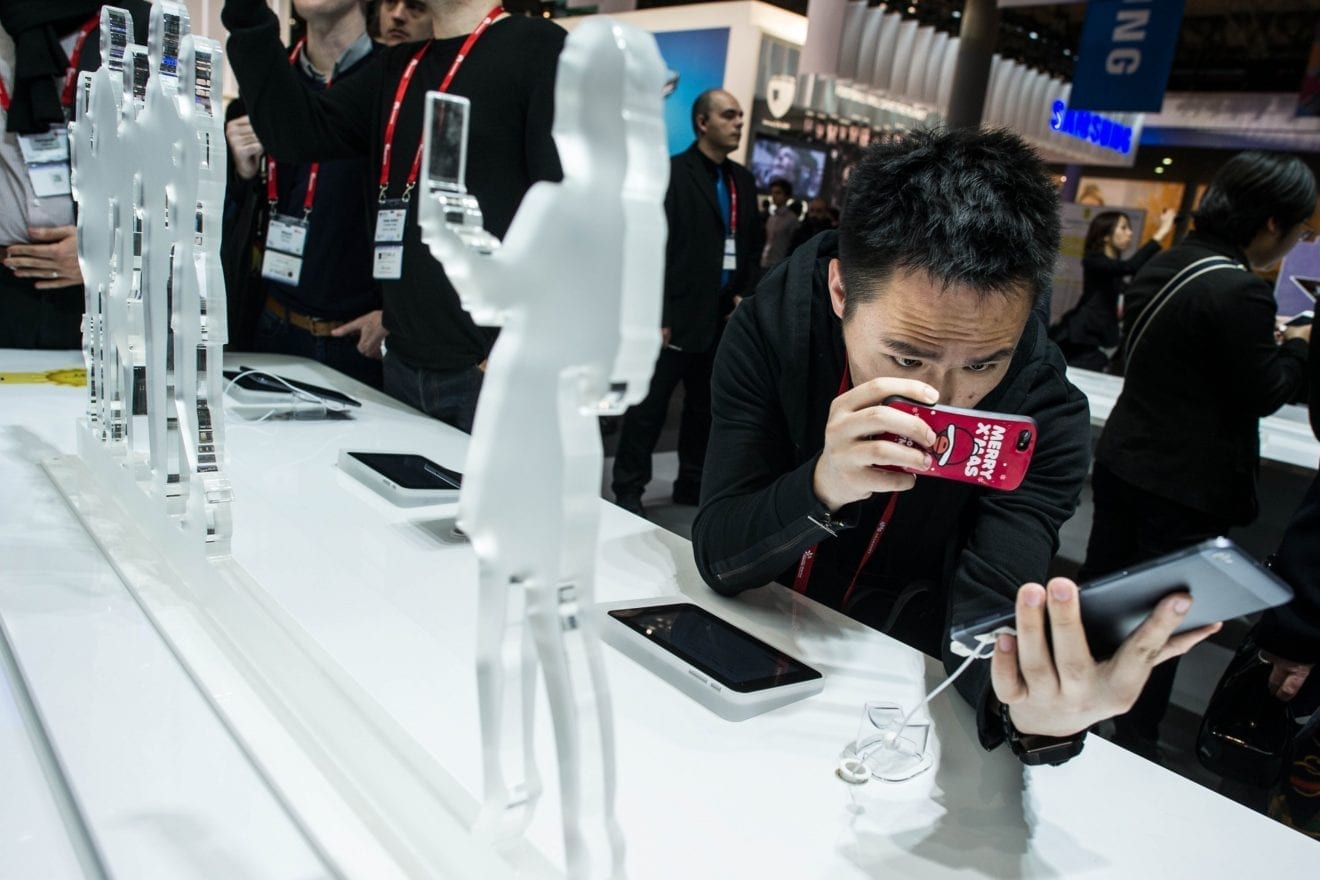
    Like many urban Chinese consumers, Shenzhen civil servant Gao Jian has had a long-held belief that the quality of domestic smartphone brands paled in comparison with foreign brands, especially Apple. But in December, Gao joined the growing number of mainland consumers who have made the switch from Apple’s iPhone to a premium Android smartphone from a major Chinese brand. He bought a Mate 20 Pro, the flagship model from the country’s largest smartphone supplier Huawei Technologies.

    “Its design and cameras are better than what I expected,” Gao said. “Also, iPhones have become increasingly unaffordable.”

    His experience reflects the broader success of the Chinese mobile phone industry in smashing people’s perception that domestic suppliers are only good for inexpensive, low-quality products.

    That stereotype has beset many Chinese brands in the home appliances, consumer electronics, personal computer, car and mobile phone markets, where products from more established brands in the US, Japan or Europe were preferred by mainland consumers for many years.

    But brands like Haier Group Corp, Lenovo Group and, more recently, Huawei, have expanded their operations, increased research and development, and made advanced products to change that impression around the world.

    China is now home to some of the most successful smartphone brands, which rival the likes of Samsung Electronics, Apple and LG Electronics.

    Shenzhen-based Huawei, the top global supplier of telecommunications network equipment, was ranked the world’s second biggest smartphone vendor – behind Samsung and ahead of Apple – for the second consecutive quarter in the three months ended September 30, according to research firm IDC. Xiaomi Corp and Oppo took the No 4 and 5 spots in the same quarter.

    The emergence of Chinese smartphone brands on the global stage has mirrored the rising competitiveness of the country’s telecoms network equipment suppliers, which have won market share with value-for-money offerings as well as on heavy investments in research and development.

    The gains have also sparked increasing pushback by the US, which is persuading its allies to boycott Chinese telecoms gear suppliers such as Huawei on grounds of national security.

    With the world’s biggest internet population and smartphone market, China had as many as 300 domestic mobile phone companies about three years ago. Cutthroat competition reduced that number to about 200 last year, as Chinese consumers bought fewer smartphones and the economy grew at a slower pace.

  • From Gucci to Dolce & Gabbana: racism in fashion continues?

    From Gucci to Dolce & Gabbana: racism in fashion continues?

    Luxury fashion is all about breaking codes, creating a new, irresistible message that captivates consumers. But some of the globe’s top brands have raised eyebrows with designs that have seemingly racist undertones. The latest instance of that was Italian fashion designer Gucci, which produced a black wool balaclava jumper with an oversized collar that pulls over the chin and nose. It includes a slit where the mouth is, ringed with what look like giant red lips.

    Its similarity to blackface prompted an instant backlash from the public and forced the company to apologise publicly on Wednesday.

    Gucci also withdrew the offending garment from sale on websites and stores. It said the incident would be “a powerful learning moment for the Gucci team and beyond”.

    But the question persists: how can fashion houses that thrive on detail miss such critical social cues?

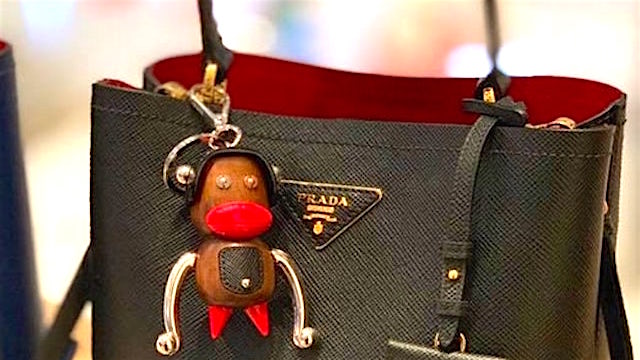
    Prada similarly withdrew a monkey bag charm that recalled blackface in December, saying it “abhors racist imagery.” And Dolce & Gabbana issued a video apology after one of the designers made insulting remarks about Chinese people in a private chat discussing the questionable depiction of a Chinese model in a campaign.

    “Luxury brands used to be able to get away with provocative and eccentric ads that push the boundaries of our society and culture in the name of being creative and cutting edge,” says Qing Wang, a professor of marketing at Warwick Business School in the United Kingdom.

    “However, a long list of recent incidents have caused public outrage, suggesting that era is now gone, or that luxury brands have lost touch with public sentiment. What used to be considered ‘creativity’ has now turned into ‘bad taste’ or even ‘racist’.

    He cited other fashion fails that evoked stereotypes, including Dolce & Gabbana’s “slave sandal” in its spring-summer 2016 collection and a recent Burberry campaign for the Chinese New Year that was compared to Asian horror films.

    While many of these incidents have caused immediate social media backlashes, the longer-term impact will take time to measure, and will depend on the brands’ reaction and future sensitivity.

    Dolce & Gabbana was forced to cancel its Shanghai runway show after the insulting remarks were publicised, top Asian influencers backed out of campaigns and Chinese websites dropped their line – a warning sign from a region that holds great sway in global luxury sales.

    The blackface images have particular resonance in the United States, where the governor of Virginia and his attorney general have been caught up in a scandal over blackface incidents from their college days in the 1980s. The offensive depictions are reminiscent of travelling entertainers from the 19th century, who would paint their faces black to portray African characters in a ridiculous and mocking fashion, spreading racial stereotypes along the way.

    Italian sociologist Michele Sorice at Rome’s Luiss university says that the evocation of blackface by Italian fashion houses signals “a mixture of good faith, and ignorance”. He notes that Italian society still isn’t fully aware of the racial charge in some words and images.

    “I imagine that they don’t truly think they are racist,” Sorice says. “I think they didn’t have the instruments to understand that these images are archetypes that were used to contrast the concept of blackness and make them ridiculous. I think that many simply don’t know. It is a cultural issue.”

    Paolo Cillo, a marketing professor at Milan’s Bocconi University, says the designer’s intent may have been taken out of context and amplified, and she credits Gucci with acting swiftly to quell the controversy.

    “I wouldn’t stigmatise fashion,” Cillo says, comparing the fashion designer process to artistic pursuits like filmmaking, painting or music. “There are artists in the world of culture that did more outrageous things and no one ever said a thing. There is a perception that fashion is ephemeral, or commercial. But from my point of view, it is not. It reflects the times, like all other artistic forms.”

    While the fashion world has been at the forefront of addressing sexual norms – Gucci has been redefining genderless dress codes under Alessandro Michele – it has lagged behind other industries in taking on social issues such as racial tolerance, climate change or women’s empowerment, according to Larry Chiagouris, a marketing professor at Pace University, US.

    “It is not clear why this is,” Chiagouris says, “but the evidence clearly points to the fashion industry’s need … to catch up with the rest of the world.”

  • Luxury brands open stores in Ambience Mall India

    Luxury brands open stores in Ambience Mall India

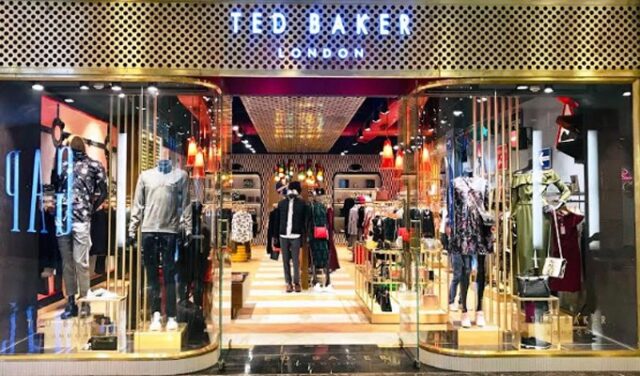
    Ambience Mall, Gurgaon, with some of the biggest food and fashion brands such as H&M, Gap, Zara, Marks & Spencers, Kiko Milano, Luxe Bridge, Iconic, Da Milano, Jack & Jones, Cover Story, Ritu Kumar etc, is the perfect destination for shoppers of all age groups. To augment its standing as the numero uno, two more luxury brands Ted Baker and Hackett London have opened their stores in the mall recently.

    British clothing and accessories brand Ted Baker known for designer apparel and signature tailoring opened its latest store at the Ambience Mall, Gurgaon. The store is equipped with glamorous interiors and tons of charm. The brightly-lit store will house their wide range of both menswear and womenswear. Ted Baker is a mainstay for every stylish wardrobe with a collection of bright dresses, tops, menswear, luxe accessories and add-ons.

    Located adjacent to the Ted Baker store, Hackett London is a multi-channel British menswear retailer, specialising in vintage clothing for men. As the official couturier for the British Army Polo team, the Henley Royal Regatta, the BAFTA awards and Aston Martin Racing, Hackett London is steeped in Britain’s rich sartorial heritage. With a wide repertoire of fine casual and formal clothing the store is a niche addition to the malls offering.

    Speaking on the store launch, Arjun Gehlot, Director, Ambience Malls, said, “We are delighted to have some of the best international fashion luxury brands Ted Baker and Hackett London in our mall. This is part of our commitment to offer International and Domestic premium quality brands to our customers under one roof. We will continue to bring best quality brands in the future as well.”

    The Ambience mall with the best offers in shopping, entertainment and culinary offering under its roof is the definitive favorite of shoppers looking for premium international and domestic brands. With an eclectic mix of top international and Indian clothing brands to cater to all age groups, wide array of entertainment options and unique decorative concepts that is constantly refreshed in-tune with changing seasons and festivities, the Ambience Mall, Gurgaon has indeed cemented its place as the perfect destination for shopping enthusiasts and thrill seekers in Delhi-NCR.

  • Ralph Lauren continues momentum in Asia

    Ralph Lauren continues momentum in Asia

    Premium lifestyle brand Ralph Lauren increased gross profit across its third quarter period by 6 per cent to  $1.46 billion (US$1.05 billion), compared to $1.37 billion (US$996 million) the year prior. The growth was driven by a 90 bps increase in gross margin to 61.6 per cent, as a result of reduced promotional activity and improved pricing.

    “Solid execution on our key initiatives, especially during the important holiday period, delivered better-than-expected results for the third quarter as we drove higher average unit retail and continued to improve quality of sales overall,” Ralph Lauren president and chief executive Patrice Louvet said.

    “These results give us confidence that our strategic investments in brand-building, product, digital, and global expansion are on the right track, while the strength of our balance sheet will continue to be a competitive advantage as we manage through an increasingly volatile global environment.”

    The business saw momentum in Asia continue, with 11 per cent revenue growth to $379.65 million (US$275 million) led by 19 per cent constant currency growth in Greater China, and strength across Japan, South Korea and Australia.

    North American sales increased by 3 per cent to $1.25 billion (US$909 million), and enjoyed flat comparable bricks-and-mortar sales and a 21 per cent increase in digital sales for the region.

    Global revenue for the brand’s digital offering improved 20 per cent over the last year, with growth in the brand’s directly-operated digital flagships exceeding expectations.

    Net income for the period grew to $165.67 million (US$120 million), or $2.04 per diluted share (US$1.48).

    Looking toward the final quarter of fiscal 2019, Ralph Lauren expects net revenue to drop slightly due to a planned reduction in off-price sales, though predicts net revenue for the fiscal year will be up slightly, though didn’t provide concrete figures.

  • Will Condé Nast’s paywall work?

    Will Condé Nast’s paywall work?

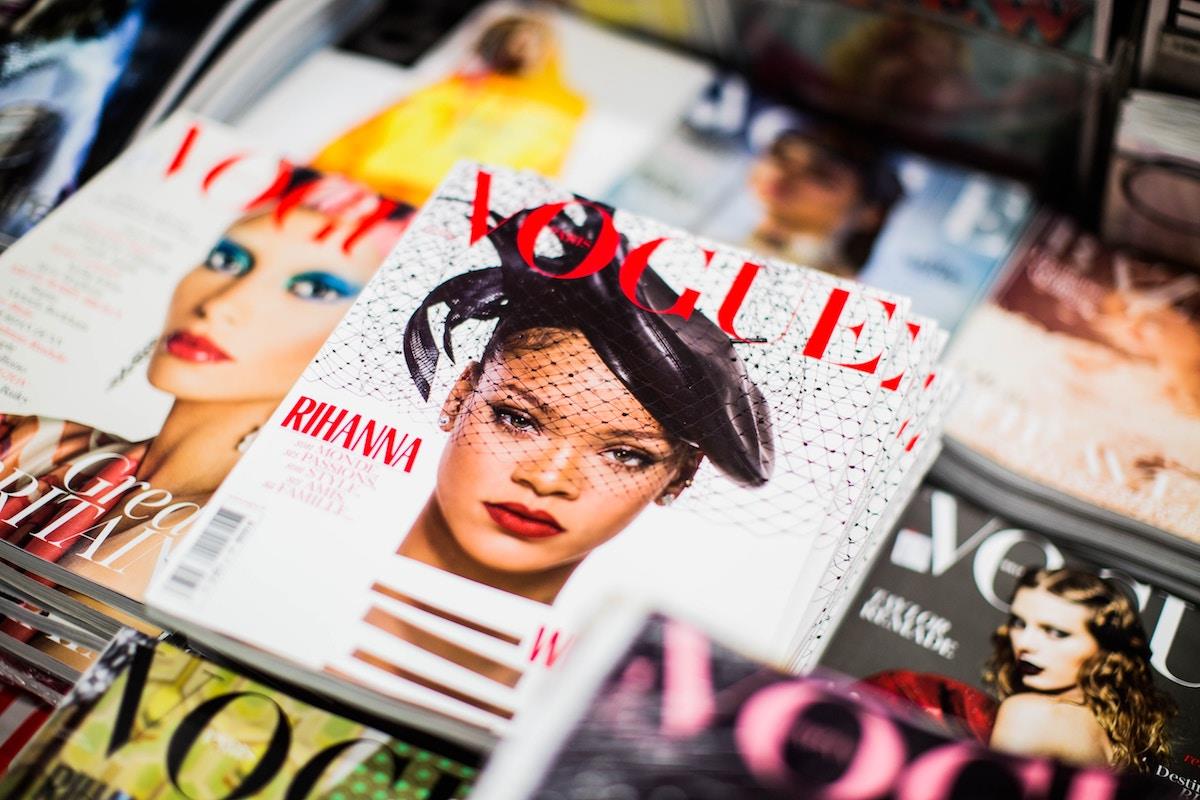
    Earlier this week, legacy publisher Condé Nast announced sweeping plans to implement digital paywalls across its titles in the United States, including Glamour, Vogue and GQ. Currently, The New Yorker, Wired, and Vanity Fair have metered paywalls, with The New Yorker’s paywall driving $115 million in subscription revenue in 2018, up 69 percent from 2015, according to a report in the Wall Street Journal.

    With annual subscriptions to The New Yorker ranging from $89.99 for a digital-only subscription to $119.99 for a digital and print subscription, this implies more than 1 million paying subscribers who drive almost enough revenue to cover the reported $120 million that Condé Nast is said to have lost in 2017, faced with a rapid and sustained decline in advertising revenue. No wonder the company is taking a closer look at digital subscriptions to secure its future.

    Condé Nast is not alone. Paywalls are the latest trend among publishers looking fill the hole left by advertisers, which are spending more of their marketing budgets on creating their own content as well as advertising on digital platforms like Facebook, Google and Instagram where consumers spend huge amounts of time and they can micro-target the audiences they want to reach.

    In addition to selling access to articles, there are no doubt interesting opportunities for Condé Nast to turn some of its content into paid services. For instance, Bon Appétit might leverage its bank of recipes to create an indispensable cooking resource; the NYTimes Cooking App, for which users can pay $5 a month or $40 a year to access, has been a hit for the paper of record and has amassed more than 120,000 subscribers.

    The Vogue Runway archive of reviews and images from fashion shows is an essential research tool, used by stylists and other fashion industry executives who may be willing to pay a fee to access it.

    But not every Condé Nast title has very high-quality content like The New Yorker or a must-use product opportunity. Indeed, for a paywall to work, a publication needs to have must-use products, must-read stories or must-follow writers — and ideally a combination of all three. Trade and business publications often have these attributes, and they also have a leg up because consumers can write off those subscriptions as a business expense.

    In a recent podcast, Condé Nast International president Wolfgang Blau spoke to Digiday about the opportunity in B2B subscriptions as well as “that whole ecosystem of conference and consulting and everything you can build around that.”

    “The borders are really blurry between B2B and B2C,” he added. “I’d say most of our conferences for instance are B2B, most of our current thinking goes more towards B2B, most of our editorial products — if not all — are B2C. They’re being sold as B2C while now the Vogues have a high share of B2B readers and in print it’s learnt behaviour to know which story is B2B or B2C. Digitally we want to untangle that a little bit over the course of this year.”

    Perhaps Blau was referring to the imminent launch of Vogue Business, a new title that the company says will fill “the gap in the market for industry decision-makers, from start-ups to CEOs,” according to a press release, which will be issued next week. Vogue certainly has a sizable following within the fashion industry, but the decision to use the consumer facing brand for a B2B title is curious and raises plenty of questions when it comes to the traditional influence held by Vogue advertisers and the real ability to do independent reporting.

    Then, there is the slew of publications in the Condé Nast portfolio such as Glamour, Self and Teen Vogue, which are fundamentally consumer propositions and will also have to compete with primary news sources like The New York Times and The Washington Post for share of wallet, as well as subscriptions to other consumer services, like Netflix, in a market where people spend only a small fraction of their total media-technology consumption time on publisher websites.

    It is likely that these other Condé Nast subscriptions will cost nowhere near the price of a subscription to The New Yorker — which will soon charge $149 per year for a print and digital subscription — and will be more in line with Vanity Fair and Wired which currently charge $30 per year for a print and digital and will soon bump up their prices to $49 per year.

    The fundamental question is: how many people will pay? Condé Nast will need to convert a good portion of casual web browsers into paying readers, while retaining what’s left of its print subscribers. It has already started to reduce its print issues for publications like Allure, W and Bon Appétit, and cut them altogether for Glamour and Self.

    Magazine subscription figures were inflated for years, based on heavy consumer promotions which were used to acquire readers, similar to paid traffic acquisition online. (The department within Condé Nast long responsible for upping circulation was called “Consumer Marketing.”) The company could use equivalent tactics to up subscription numbers online, but to make the subscription model work it will also need to retain users to make paid acquisition tactics worthwhile over the long term.

    But again, none of this gets to the core issue, which is that these businesses may never be as big as they once were. We no longer live in a culture where the likes of Vogue are singular bibles in their verticals and today’s consumers have a vast universe of media and technology platforms competing for what is ultimately a finite amount of attention.

    For Condé Nast to make online subscription models work, they will have to construct entirely different businesses focused on delivering true excellence and value to their readers — not just pleasing their advertisers. Whether Condé Nast can pull off the pivot remains to be seen.

  • Avery Baker resigns from Tommy Hilfiger

    Avery Baker resigns from Tommy Hilfiger

    Tommy Hilfiger will jettison the chief brand officer role following the departure of incumbent Avery Baker in June, the fashion label has confirmed. Baker has announced plans to step down from the job in June. The marketer will then rejoin the company on a consulting basis, primarily as part of a new brand advisory board staffed by external advisors and chief executive officer Daniel Grieder.

    Baker’s C-suite brand responsibilities will be divided among other senior members of staff. She is currently responsible for global marketing, communications, brand strategy, creative direction for product design, global licensing and creative services.

    The marketer joined the PVH-owned company in 1998. She landed the chief marketing officer title in 2011 after a stint as executive vice-president of global communications and marketing.

    She was named chief brand officer in 2014.

  • Louis Vuitton celebrates the launch of Virgil Abloh’s SS19 collection

    Louis Vuitton celebrates the launch of Virgil Abloh’s SS19 collection

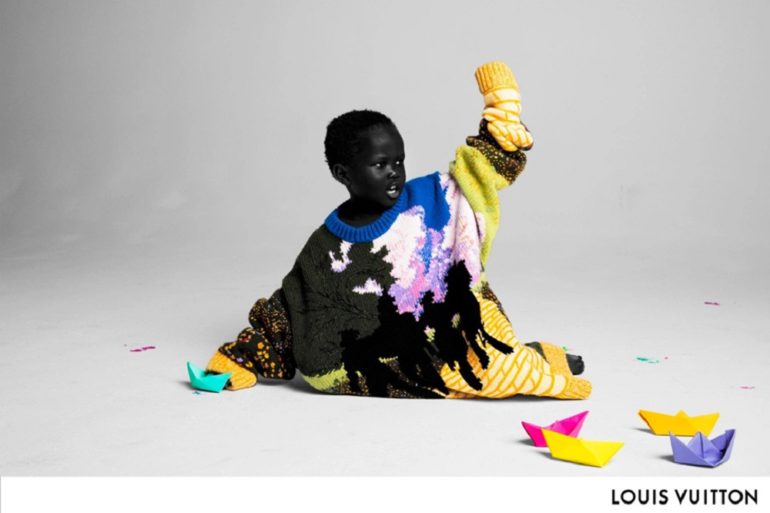
    For those that have been patiently waiting to get their hands on Virgil Abloh‘s debut Louis Vuitton collection, the highly anticipated Spring/Summer 2019 offerings are now available online. The online release comes shortly after Virgil opened up an exclusive pop-up at Chrome Hearts’ New York City flagship.

    The Yellow Brick Road Hand-Knitted Crewneck, Poppies Dorothy Graphic Windbreaker and colorful Calfskin Cut Away Vest serve as notable garments from the collection. Standout carrying options include the iridescent take on the classic Keepall Bandouliere 50, Soft Trunk Messenger Bag, Mini Polochon Messenger Bag and a host of holster-style utility pouches. Rounding things up is Virgil’s take on LV’s iconic Millionaire Sunglasses, early Jordan Brand model-inspired LV Trainer Sneakers, and the LV Creeper Ankle Boot Timberland homage.

    Check out some of the items above and head over to louisvuitton.com now to shop Louis Vuitton’s SS19 collection.

    In case you missed it, Virgil Abloh recently launched a comprehensive archive of his work.