Retail News CRM

Tag: Brands

  • Record results for LVMH in 2018

    Record results for LVMH in 2018

    The world’s largest luxury retailer LVMH shrugged off broader market pessimism overnight reporting record revenue of €46.8 billion last year, up 10 per cent over 2017. Excluding the closure of the unprofitable Hong Kong airport duty-free business in December 2017, the group’s organic growth was 12 per cent. Every business division delivered what the company described as “excellent performances”.

    Group profit rose a staggering 21 per cent to €10 billion with operating margin reaching 21.4 per cent, an increase of 1.9 percentage points.

    “LVMH had another record year, both in terms of revenue and results,” said chairman and CEO Bernard Arnault. “The desirability of our brands, the creativity and quality of our products, the unique experience offered to our customers, and the talent and the commitment of our teams are the group’s strengths and have once again made the difference.”

    Arnault said this year the company would continue to innovate and target investments combining tradition and modernity.

    “In an environment that remains uncertain, we can count on the appeal of our brands and the agility of our teams to strengthen, once again, our leadership in the universe of high-quality products.”

    The company’s flagship Louis Vuitton business was a standout for the group, contributing much of the 15 per cent organic sales growth of the fashion and leather goods business division where profit from recurring operations was up 21 per cent.

    “Christian Dior had an excellent first full year within LVMH thanks to the creativity of Maria Grazia Chiuri for the women’s collections and to the arrival of Kim Jones, the new artistic director of Dior Homme,” the company said in its earnings statement.

    “Fendi and Loro Piana continued to assert their know-how throughout their collections. Celine entered a new and ambitious stage of its development with the arrival of Hedi Slimane as artistic, creative and image director of the brand.”

    Givenchy, Loewe and Kenzo “progressed well” while the other brands, Berluti and Rimowa continued to gain momentum.

    Watches and jewellery profit soars

    LVMH’s watches and jewellery business recorded organic revenue growth of 12 per cent – and a stunning 37 per cent increase in profit from recurring operations.

    “Bulgari performed very well and gained market share. Its iconic jewellery and watchmaking lines Serpenti, Diva’s Dream, B.Zero1, Lvcea and Octo grew strongly.”

    Chaumet’s growth was driven by the success of the Liens and Joséphine collections, particularly in Asia.

    In the watchmaking sector, Tag Heuer continued to expand its range and Hublot enjoyed strong growth, partly due to high visibility as the FIFA World Cup official timekeeper.

    DFS returns to profit

    A return to profitability for the travel-retail business DFS after it exited its Hong Kong airport concessions at the end of 2017 was a highlight of LVMH’s ‘selective retailing’ business unit last year. The business group achieved a 12 per cent improvement in organic revenue growth (excluding the airport business from the 2017 base comparison) and a 29 per cent improvement in profit.

    “DFS progressed strongly thanks to a particularly good performance in Hong Kong and Macau. The recently opened Gallerias in Cambodia and Italy also grew rapidly,” said LVMH.

    Sephora enjoyed unspecified growth in sales and market share, with strong online sales growth in Asia and North America. About 100 new stores opened worldwide, including the new Nanjing Road store in Shanghai and the first Sephora-branded stores in Russia.

    Scents of success

    The perfumes and cosmetics business division achieved organic revenue growth of 14 per cent, driven by the performance of its flagship brands, with profit from recurring operations up 13 per cent.

    “Parfums Christian Dior experienced remarkable growth and increased its market share in all regions of the world. The launch of its new perfume Joy and the exceptional worldwide success of Sauvage and the other iconic perfumes J’adore and Miss Dior are behind the strong growth of the Maison,” said LVMH.

    “Makeup and skincare also grew rapidly. Guerlain progressed well, driven in particular by the success of Abeille Royale in skincare and Rouge G in makeup. Benefit strengthened its leading position in the eyebrow segment and Parfums Givenchy accelerated its performance, thanks in particular to makeup and its new perfume L’interdit. Fresh and Fenty Beauty by Rihanna continued their exceptional growth.”

    Strong spirits

    The wines and spirits business group achieved organic revenue growth of 5 per cent and profit from recurring operations also increased by 5 per cent.

    “The business group reaffirmed its leadership position by pursuing its value strategy and balanced geographic development.”

    The Hennessy business enjoyed “strong momentum” in Mainland China, LVMH said.

  • Burberry sales saved by Mainland China

    Burberry sales saved by Mainland China

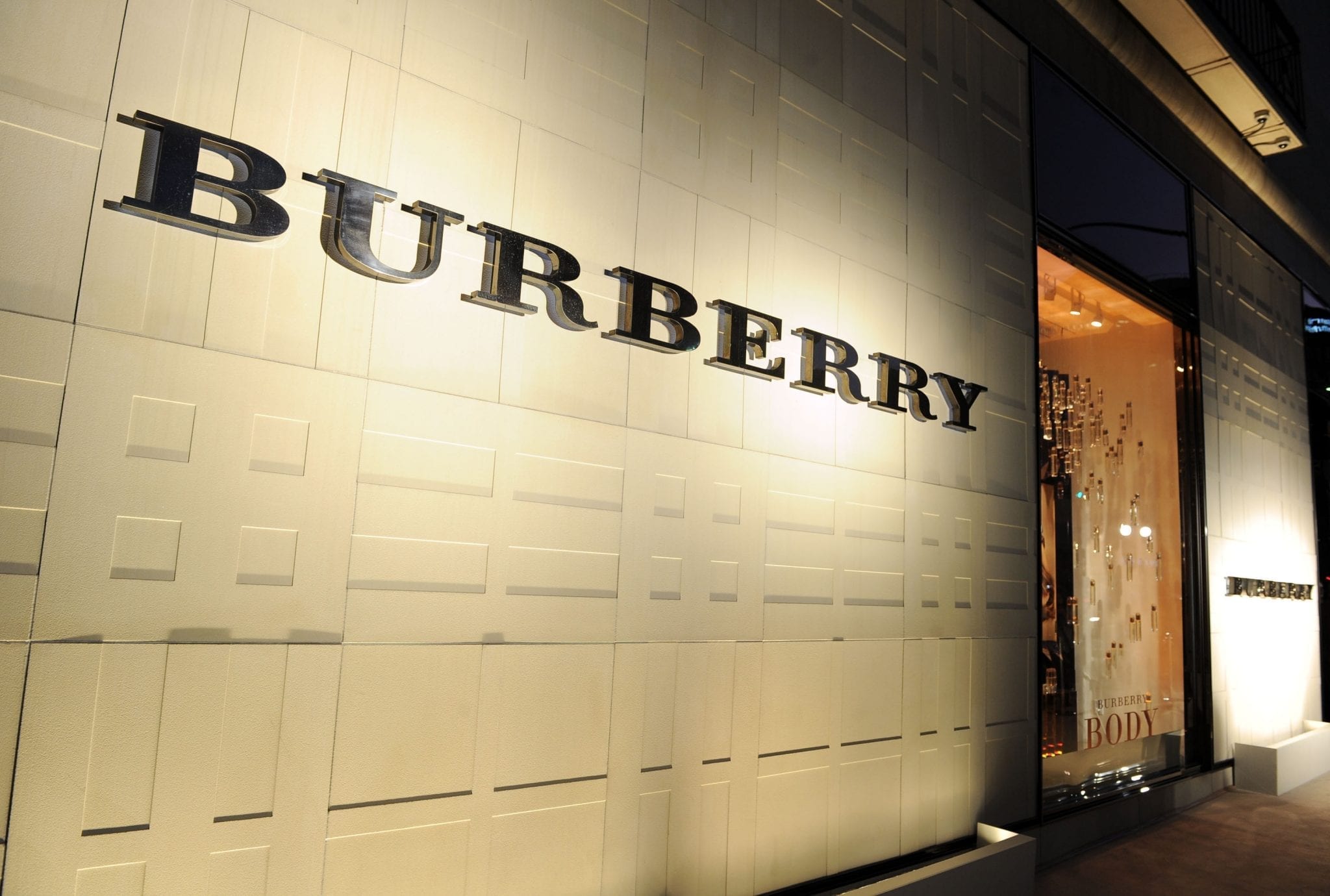
    A mid-single-digit rise in Burberry sales in Mainland China in the third quarter helped produce a solid result for the luxury fashion retailer. The strong China performance helped mitigate reduced footfall in the Americas and a subdued European market where tourist spending showed only a small improvement. Global same-store sales rose just 1 per cent.

    However, CEO Marco Gobbetti said the company was buoyed by improvements and ongoing customer excitement ahead of new product delivery – the launch of new creative director Tisci Riccardo’s first runway collection which will hit stores next month.

    “I am pleased with our progress in the quarter as we continued to build brand heat around our new creative vision and shift consumer perception of Burberry. Excitement is growing ahead of next month’s launch of Riccardo’s debut collection,” said Gobbetti.

    “We will continue to manage the business dynamically as we reposition the brand. We confirm our outlook for the full year.”

    He said the company was seeing a continued shift in consumer perceptions of the brand, driving increases in digital engagement and drawing endorsements from key influencers. Increased Burberry sales can only follow.

  • Vietnam’s first casino for locals opens on three-year trial basis

    Vietnam’s first casino for locals opens on three-year trial basis

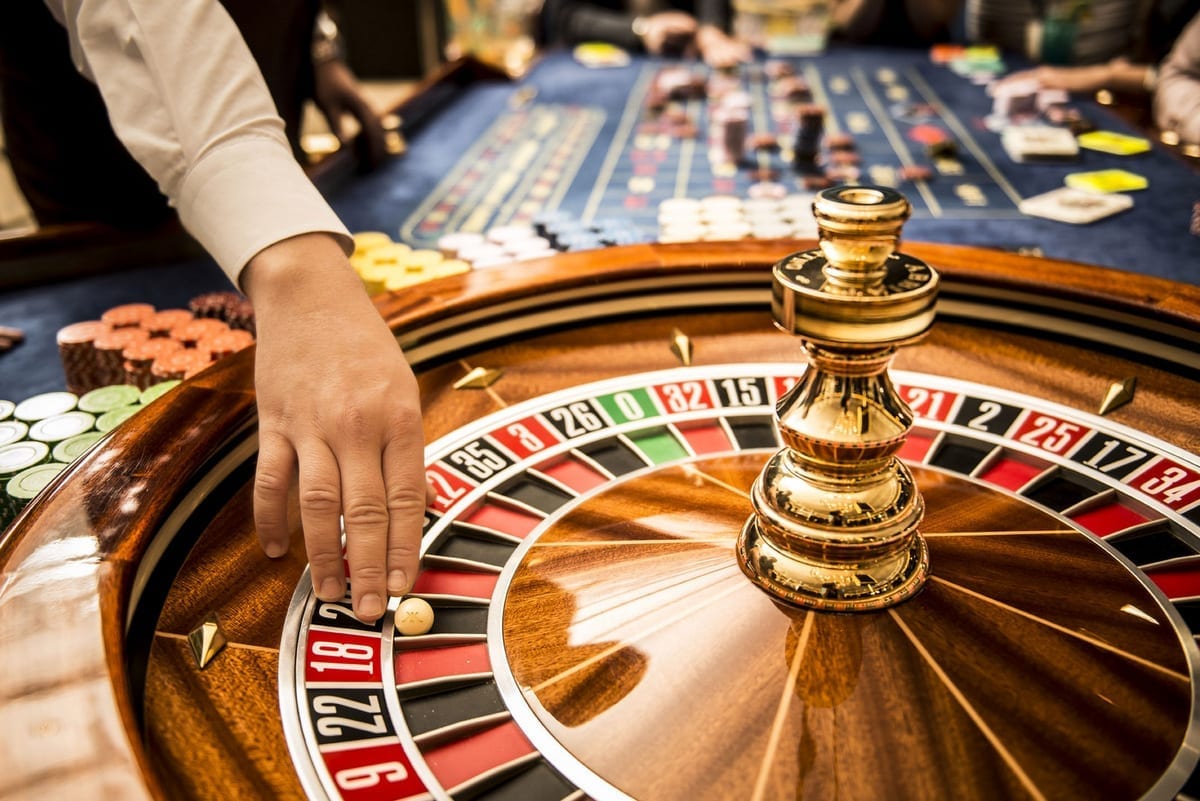
    The first casino in Vietnam that allows locals to gamble has opened in Phu Quoc Island off the country’s southern coast. The Corona Resort and Casino is part of an ecotourism and amusement complex built by Phu Quoc Tourism Investment and Development JSC at a cost of VND50 trillion ($2.15 billion). The casino will remain open 24 hours a day during a three-year pilot, and Vietnamese who want to gamble must be over 21, earn a minimum of VND10 million ($430) a month and have no criminal record or objections from family.

    The entry fee is VND1 million ($43) for 24 hours or VND25 million ($1,000) a month (with a maximum play time of 720 hours). Three months ago the government approved the three-year trial period allowing Vietnamese to enter the casino.

    Vietnam, which treats gambling as a “social evil”, has hitherto prohibited locals from gambling in the seven casinos around the country. Only foreign passport holders can enter them.

    Vietnam’s per capita income was around $2,500 last year.

    One of Vietnam’s biggest real estate developers Sungroup is currently building another casino in Van Don in northern Quang Ninh Province, home of popular Ha Long Bay.

    Phu Quoc, Vietnam’s largest island, is one of the top holiday destinations in the country.

  • Calvin Klein seeking a New Creative Lead

    Calvin Klein seeking a New Creative Lead

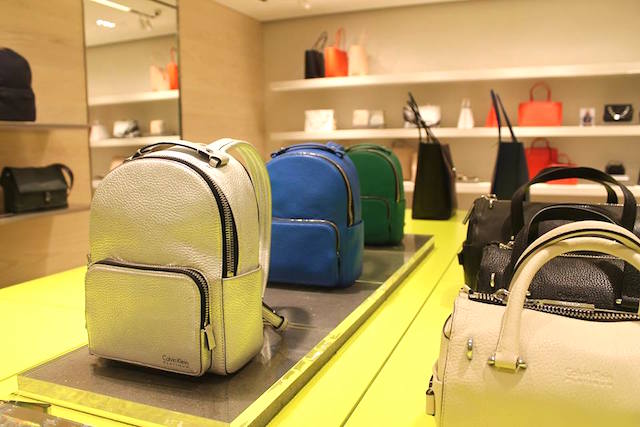
    Less than a month after announcing the departure of Raf Simons, Calvin Klein is looking for a new creative lead, said a person with knowledge of the business. Chief executive officer Steve Shiffman said in a separate statement on Thursday that the brand will close its 654 Madison Avenue flagship store, which Simons renovated in 2017, relaunch its ready-to-wear line and consolidate some teams in North America.

    Shiffman said the brand will relaunch the 205W39NYC ready-to-wear line under a different name and a new creative direction. He kept the details vague, stating that the business will be “designed to evolve the traditional luxury fashion model by connecting with a diverse range of communities, offering an unexpected mix of influences and moving at an accelerated pace.”

    Some had speculated after Simons’ departure that Calvin Klein would not hire another creative face of the company, but instead take a collaboration approach similar to Moncler‘s recent strategy. But the search for a new design lead indicates otherwise.

    The source with knowledge of the business also said that several of Simons’ longtime collaborators have exited the business, specifically Pieter Mulier, creative director, and Matthieu Blazy, the design director of women’s ready-to-wear. Michelle Kessler-Sanders, president of the 205W39NYC business, will stay on in an executive position.

    Shiffman’s statement also announced the formation of a new consumer marketing division focused on consumer engagement and shopper experience. According to the source, this department is led by chief marketing officer Marie Gulin-Merle.

    Calvin Klein in North America will see further changes: Shiffman said the brand will consolidate the men’s sportswear and the Jeans businesses, and also integrate the retail and e-commerce teams.

    “Our industry is witnessing a historic transformation in consumer behavior which presents a significant growth opportunity as we look to grow the brand to $12 billion in global retail sales over the next few years,” said Shiffman.

  • Rihanna to launch a fashion house with LVMH

    Rihanna to launch a fashion house with LVMH

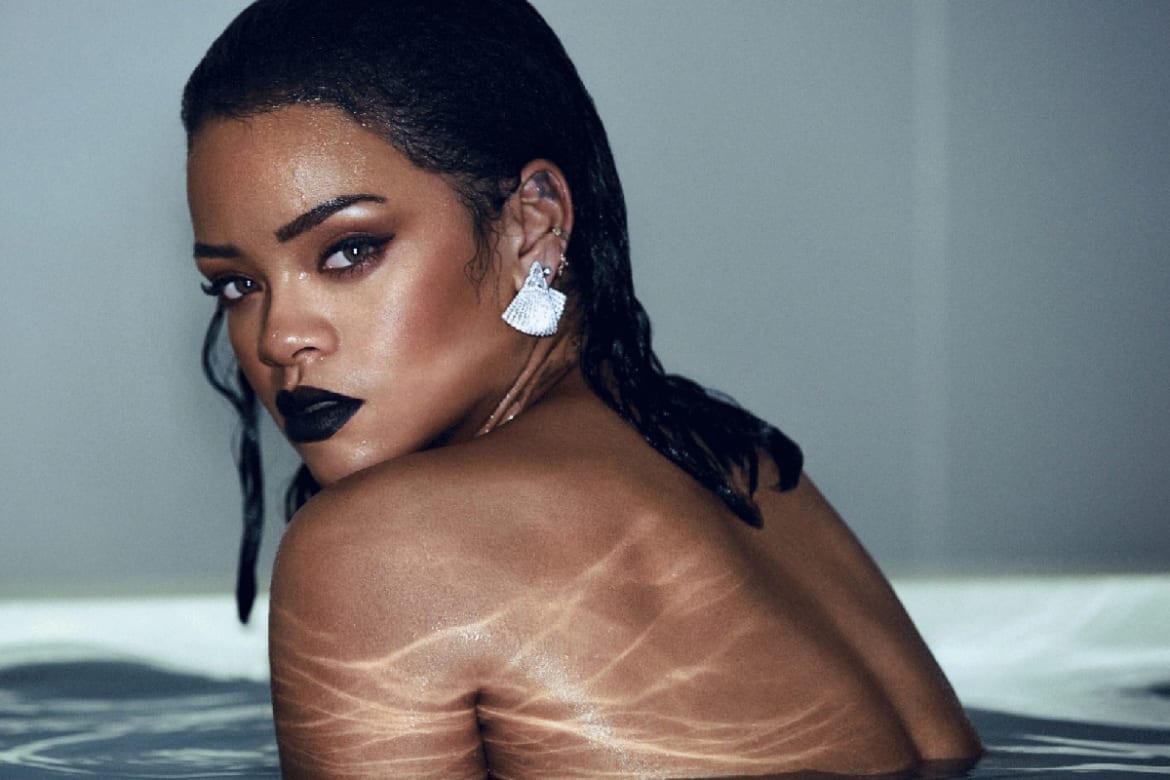
    WWD reported that, according to multiple sources, the Rihanna is working with French luxury conglomerate LVMH to launch a luxury house under her name. It would be the first time LVMH has launched a brand new label since Christian Lacroix in 1987. No word on an official launch date, but perhaps that is why Rihanna is suing her father now over the ‘Fenty’ name as he could be holding up proceedings with LVMH.

    The pairing makes sense. In 2015, Rihanna appeared in Christian Dior’s “Secret Garden IV” ad shot at Versailles, the first Black woman to front a campaign for the French fashion house. She also created a line of Dior sunglasses in 2016.

    What is more, she launched Fenty Beauty by Rihanna under the Kendo, LVMH’s incubator to produce products that ultimately end up in Sephora, or in this case, change the way beauty products are marketed.

    WWD reported that Fenty Beauty made close to $100 in a matter of weeks — a great sign for Rihanna’s impending luxury offering.

    Sources tell WWD Rihanna is a “hands-on type” who is very involved in the range’s product development (she was reportedly said to be the same way while creating for Puma and Savage x Fenty).

    It is believed LVMH started forming a team six months ago, handpicking employees from Louis Vuitton and Celine to work on the fashion house’s ready-to-wear, leather goods and accessories. And hold on to your Fenty x Savage hats here, the line is to be released in tandem with her ninth album expected to drop later this year.

    We already cannot wait to be fresh off of Rihanna’s runway.

  • How to be a successful KOL in China?

    How to be a successful KOL in China?

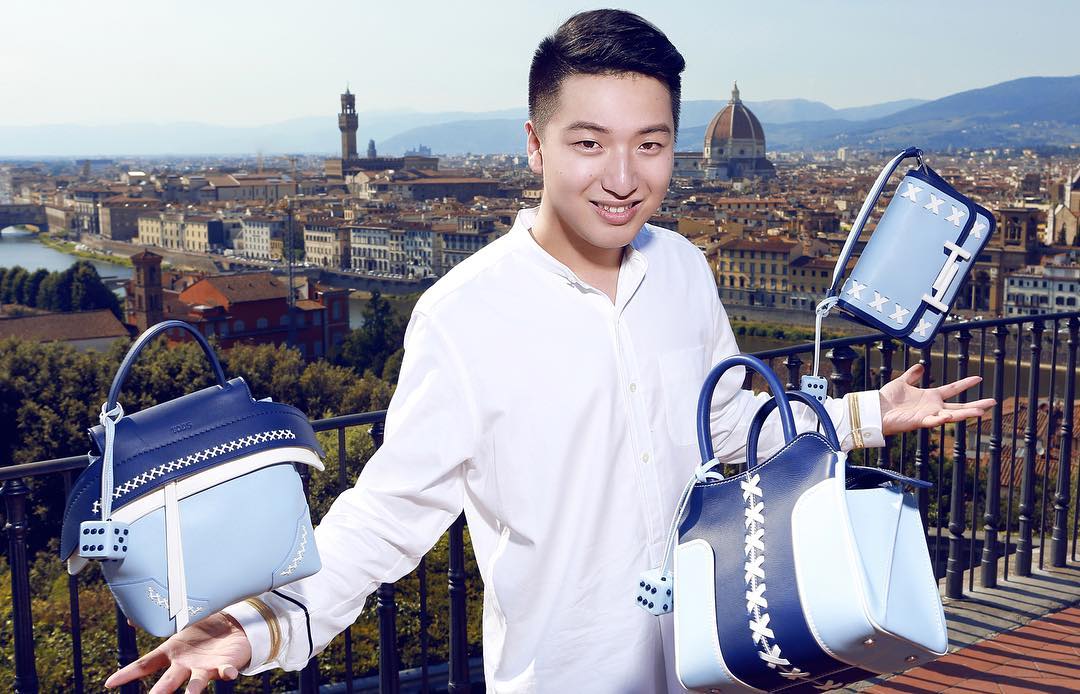
    Why luxury brands willing to expand in China seems to never get enough of  so-called KOLs (key opinion leaders) Tao Liang, nickname “Mr bags”, is a graduate of the University of Southern California and Columbia University. Although he is only 26-year-old, he has already become one of the most successful digital influencers in China, in terms of the ability to drive sales.

    People call him Mr Bags because Liang has an unapologetic love for handbags. So, he has worked on capsule collections with different luxury brands such as Givenchy, Longchamp and Montblanc, boasting a huge following on WeChat and Weibo, which are two of the largest social media networks in China. And he also knows how to sell them to his over 3.5 million readers on China’s biggest social media platform Weibo and more than 850,000 followers on WeChat, a microblogging messaging app.

    In just six minutes, Liang helped Tod’s sell 3.24 million RMB worth of handbags on his new Mini Program shop within WeChat, called “Baoshop.” The second collaboration between the Beijing-based fashion blogger and Tod’s, 500 pieces of the limited-edition “Wave” backpacks were created — double the amount from last year’s capsule collection.

    But how did Liang become a sort of “bag whisperer”? He says that when he was studying in the universities in Los Angeles and New York, he fell in love with luxury bags and loved going on shopping sprees with his friends. It didn’t take long for him to realize that he could turn his passion for handbags into a full-time job but even after he started getting some traction while still in the US, his parents were not entirely happy with his career choice. “Only after I started working with big brands and celebrities like Fan Bingbing they thought that perhaps this was a real business,” he says.

    One issue that often comes up with KOLs is authenticity. When you work with different brands, how do you maintain your integrity without alienating your fans, who trust your opinions to be genuine and unbiased? “This is key for me and I really try our best to maintain that,” says Liang. “One of my advantages is that until not long ago I was based in the US so I wasn’t exposed to all the brand partnerships and advertising that the KOLs were doing in China so my content was 100 per cent pure editorial, but then I started working with brands and get first hand information while also giving my followers the right information and guidance.”

    So how does Mr Bags, a young man with an innate fashion sense and an encyclopedic knowledge of handbags, guide his followers and win their trust? He only works with brands that his fans “naturally love” and turns down offers all the time. Liang’s fan base is mostly female, and he feels that being a man is not a hindrance. On the contrary, by virtue of being a guy, he is able to provide useful and unbiased advice.

    “My name is Mr Bags and lots of people find this name interesting but also confusing because generally bags are for women,” he says. “Normally when girls shop for a bag they don’t think too much and buy it right away, on impulse, so I help them think more rationally. For example, I categorize all the bags and tell them which ones are the classic pieces and the ones that have more staying power and the most iconic ones so I provide some logic behind their purchases. I think that as a guy I’m more objective and I can give them useful tips. I tell them that if you buy a bag that you can use in your life and enjoy it then you feel that your money is well spent and worth it.”

    Liang believes that his editorial work must come first.“Many people think that KOLs just have fancy lives and go everywhere for fun but in China we have so many channels, like WeChat and Weibo, so it’s really a lot,” he says. “I was just updating my channels on the way here. Editorial content is more important for me; 60 per cent of what we do is still editorial.”

    Achieving the right balance between authentic content and remunerative ad-driven projects is the key factor for being a successful KOL, something that is not always as easy as it seems but Liang has already mastered so far.

  • Jack Wills bags cash injection to save the business

    Jack Wills bags cash injection to save the business

    Creditors of fashion label Jack Wills under HSBC have ordered an assessment of the firm’s finances, according to a report. The news comes just weeks after Jack Wills achieved new investment of £10 million (US$12.8 million), followed by speculation that the company may soon need further financial help – prompting the appointment of advisers from auditing firm EY.

    The new investment reportedly comes from an unnamed wealthy Italian family, which has previously invested in Jack Wills’ majority shareholder, BlueGem Capital Partners. BlueGem itself is thought to have provided a similar injection of cash. The identity of the investor is likely to be revealed following reports expected to be filed at Companies House.

    Brand co-founder Peter Williams was ejected from the firm’s board last year, with new executives brought in to effect a turnaround.

    Jack Wills operates more than 90 stores worldwide, including five stores in Hong Kong and two in Singapore.

  • Richemont Group sales soars after YNAP acquisitions

    Richemont Group sales soars after YNAP acquisitions

    Richemont Group sales soared 24 per cent in December quarter, to €3.915 billion. It was largely down to the inclusion of online acquisitions Yoox-Net-A-Porter (YNAP) and Watchfinder, which were consolidated into the group’s accounts on May 1 and June 1, respectively. But even excluding that, the sales growth was still strong at 5 per cent by constant exchange rates.

    By region, European sales accelerated at twice the rate of Asia, up 35 per cent at constant exchange rates, with Asia Pacific – still the company’s largest single geographic market – up by 17 per cent.

    Sales in Europe reached €1.147 billion in the quarter, and in Asia €1.389 billion. Sales in the Americas surged 41 per cent to €801 million and in Japan by 14 per cent to €344 million.

    The only market where Richemont failed to perform was the Middle East and Africa, where sales slipped 3 per cent to €234 million.

    The company’s largest category, jewellery maisons, recorded 8 per cent growth to €1.985 billion, while Richemont said YNAP posted double-digit growth across all regions and solid performances across all its categories. Watchfinder’s sales expanded “more moderately”.

    Excluding the new online business unit, Richemont Group sales grew in all regions, with the exception of the Middle East and Europe. During the latter part of the quarter, sales in Europe were affected by social unrest in France which impacted tourism and led to store closures for six consecutive Saturdays. The disposal of Lancel in June also impacted the year-on-year comparison.

    A 10 per cent increase in sales in Asia Pacific reflected double-digit sales growth in Mainland China and good increases in other main markets. Sales growth in Hong Kong slowed, primarily due to the strength of the Hong Kong dollar versus the renminbi that resulted in lower tourist spending.

    In Japan, a 7 per cent expansion in sales was fuelled by continued domestic and tourist spending as well as the impact of newly opened directly operated boutiques.

    Sales in the Americas rose by 9 per cent, primarily driven by the jewellery maisons.

    Of Richemont’s many brands, Cartier and Van Cleef & Arpels led the way, increasing sales by 8 per cent, driven by jewellery and watches.

    Richemont operates in four business areas: jewellery maisons, being Cartier and Van Cleef & Arpels; specialist watchmakers, being A. Lange & Sohne, Baume & Mercier, IWC Schaffhausen, Jaeger-LeCoultre, Officine Panerai, Piaget, Roger Dubuis and Vacheron Constantin; online distributors, being YNAP and Watchfinder; and other businesses, including Alfred Dunhill, Azzedine Alaïa, Chloe, Montblanc and Peter Millar.

  • Vietnam’s top five brands increase value by $2.3 billion

    Vietnam’s top five brands increase value by $2.3 billion

    Vietnam’s five most valuable brands were worth a combined $8.1 billion in 2018, up $2.3 billion or 39 percent against 2017, Brand Finance estimated. The most valuable brand was military-owned mobile network Viettel at $2.8 billion last year, up 9 percent from $2.57 billion 2017, said the UK brand valuation company. The 47th most valuable telecom brand in the world has operations in Laos, Cambodia, Haiti, Mozambique and Peru.

    In second place was Vinamilk, the country’s largest dairy company by far, which was worth $1.9 billion, up 39 percent. State-owned Vietnam Posts and Telecommunications Group (VNPT) was in third place after increasing its brand value by 84 percent to $1.34 billion.

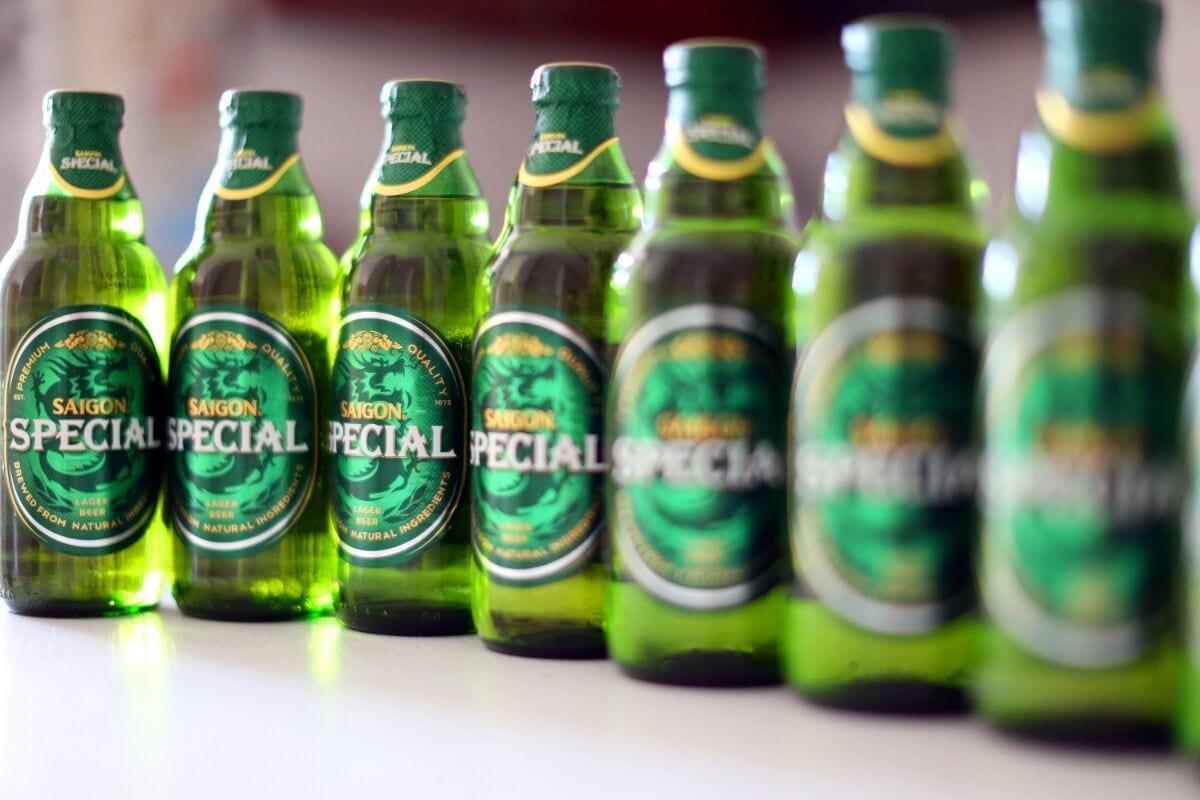
    In fourth and fifth places were Vinhomes, the real estate subsidiary of Vietnam’s largest private conglomerate Vingroup, and Sabeco, Vietnam’s biggest brewer, at $1.18 billion and $950 million respectively.

    Samir Dixit, CEO, Asia-Pacific of Brand Finance, said: “Branding is the most critical asset of every business. It is difficult to predict the performance and behavior of customers, but the only thing that remains a constant is the brand.”

    Brand Finance’s valuation criteria uses several metrics. The value accorded to each brand is a summary of its financial strength. Each brand also gets a brand rating, which indicates its strength, risk and future potential relative to its competitors.

  • Burberry and Louis Vuitton lose counterfeiting appeal in Singapore

    Burberry and Louis Vuitton lose counterfeiting appeal in Singapore

    Burberry and Louis Vuitton have lost their appeal in a trademark dispute against local transport company Megastar Shipping. The luxury brands alleged that Megastar Shipping had handled counterfeit goods in Singapore that were headed for Indonesia, citing the Trade Marks Act that states a trademark is infringed by any person found to import or export goods using that mark without the proprietor’s consent.

    The upper division of the Singapore Supreme Court found this week that Megastar was not the importer of counterfeit goods shipped from China that were seized in March 2013, and was only intended to handle the goods in transit to their final destination in Indonesia. Megastar Shipping had been listed on seaway bills and arrival notices as the consignee of the goods.

    The appeals court ruled that the protection of IP rights had to be balanced against extending liability for infringement to “honest commercial persons who happened to be tangentially involved” in the shipping of counterfeit goods.

  • Design Orchard mall to open end of the month

    Design Orchard mall to open end of the month

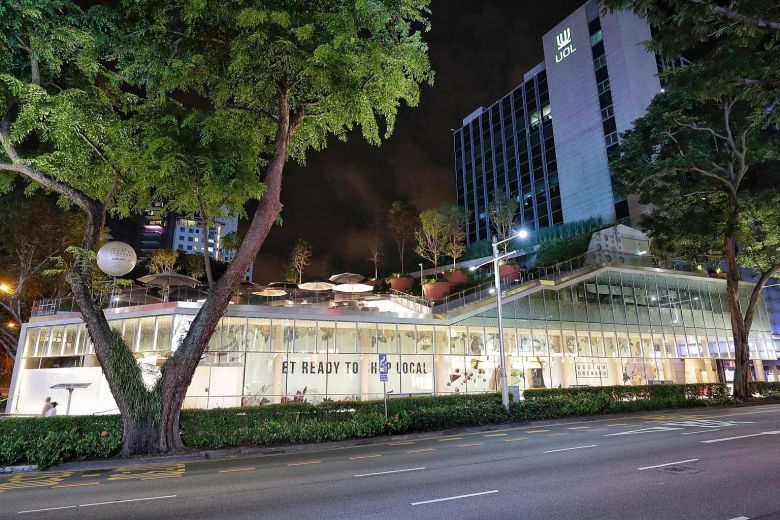
    Design Orchard mall is set to open on January 25 hosting 61 homegrown labels. The new Orchard Road mall, a joint venture between the Singapore Tourism Board (STB), JTC Corporation and Enterprise Singapore, is conceived of as a home and exhibition space for local design work. It features a 9000sqft first-floor retail showcase, second floor incubation spaces, and a rooftop events area. The first level is currently leased to local retailer Naiise.

    Featured supports for local designers include co-working spaces provided by Taff – equipped with professional sewing equipment, a fabric library and collaboration and networking opportunities with industry players – and a mentorship program from Naiise covering marketing and merchandising.

    “Singapore is home to many global brands,” explained STB’s director of retail and dining Ranita Sundra, of the rational behind Design Orchard mall.

    “As these brands become more ubiquitous, we noticed that more people are drawn to local products with a Singapore story. Design Orchard is thus an exciting opportunity for us to profile the best of Singapore talent under one roof.”

    “We hope that it will inspire local talents to join the community, where they can develop and grow their brands with access to mentors, programmes and facilities in a vibrant space along Orchard Road,” added director of products at JTC Wee Pei Yean.

  • Pooey Puitton toy purse makers file lawsuit against Louis Vuitton

    Pooey Puitton toy purse makers file lawsuit against Louis Vuitton

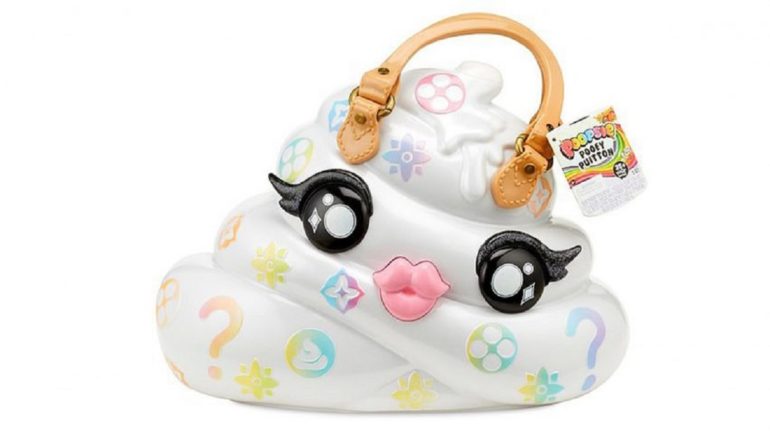
    Toy company MGA Entertainment has preemptively sued Louis Vuitton in an attempt to prevent the fashion house from taking actions that might impact sales of its slime-filled children’s purse Pooey Puitton. Filed 28 December 2018 in Los Angeles federal court, the lawsuit aims to prevent any potential claims of trademark infringement that Louis Vuitton might have against the plastic, poop-shaped purse.

    Instead, it asserts that the product is a “protected parody” of Louis Vuitton’s luxury handbags.

    The Pooey Puitton plastic purse takes the shape of a poop emoji with a handle and sparkly eyes. It is printed with a colourful, printed monogram, similar to the floral trademark pattern found on Louis Vuitton products, particularly the Spring/Summer 2003 collaboration with Japanese artist Takashi Murakami.

    Intended as a children’s toy, the purse is designed to store “unicorn poop”, a glittery toy slime.

    The children’s toy manufacturer launched the lawsuit in response to a claim that Pooey Puitton’s name and image violates the fashion label’s intellectual property rights.

    But MGA Entertainment asserted that “no reasonable consumer would mistake the Pooey product for a Louis Vuitton handbag”, citing the difference in material, price, marketing and stockists.

    According to the toy giant, the product is actually a parody of the luxury fashion brand, “designed to mock, criticise, and make fun of the wealth and celebrity” associated with Louis Vuitton products.

    “The use of the Pooey name and Pooey product in association with a product line of magical unicorn poop is intended to criticise or comment upon the rich and famous, the Louis Vuitton name, the ‘LV’ marks, and on their conspicuous consumption,” the statement reads.

    The interlocking “L” and “V” floral monogram pattern was designed by Louis Vuitton’s son, Georges Vuitton, in 1896.

    This is not the first time that MGA Entertainment has found itself in legal battles. The brand was famously sued by Barbie-manufacturer Mattel for allegedly stealing the idea behind its Bratz doll franchise.

    Elsewhere, Virgil Abloh – who was appointed artistic director of menswear for Louis Vuitton in March 2018 – unveiled his polychromatic menswear collection for the brand during Paris fashion week.

  • Retail trends to look forward to in 2019

    Retail trends to look forward to in 2019

    Retail industry in India is undoubtingly one of the fastest growing retail industry in the world. It is the largest among all industries accounting to 10 percent of the country GDP and employs around 8 percent of the workforce. The retail industry is an experiential motley that is currently going through a robust transformation. Be it employing new technologies or exploring new store formats, revamping business strategies or creating personal experiences; retailers are indeed getting ready for the future by looking beyond conventional retail and evolving along with their modern consumers.

    India is also expected to become the world’s fastest growing e-commerce market, driven by robust investment in the sector and rapid increase in the number of Internet users.

    As the opportunities are immense, let’s take a look what retail trends the stalwarts think will rule in 2019:

    – Customization – The need for customized products and services is increasing thereby pushing the demand for personalized goods and services. With a pragmatic approach, the interface between companies, brands and customers will improve. Social media conversation tracing is going to be trending in 2019, which is a ground-breaking path to the future of handling customer behavior for tailor-made solutions. Also, studies reveal customers come down in favor of personalization — up to a point. They enjoy seeing products and deals personally relevant to them.

    – Brand Experience – It’s not just about selling the products to the customers but also providing them with the best experience too. Most retailers recognize this shift, but the majority struggle with strategies to transform their organization to deliver on consumers’ increasingly demanding expectations. Emerging online brands naturally seek to disrupt traditional ways of doing business and developed digital-first models that have created better experiences.

    On the other hand, established retail brands are burdened with legacy systems that are not optimized for today’s environment. The core – people, service, and experience – are strength to maintain and to satisfy today’s consumer they must integrate the flow of information and resources across the networks of employees, stores and partners.

    Hence, experiences will make a compelling occurance that consumers will always remember and be more than happy to share with one another.

    – Customer Retention – Customer retention is often far more effective and profitable than customer acquisition. An individual shopper want personal recognition. While loyalty programs offer rewards to existing customers the challenge is the acquisition of new customers. Innovation in content is the key to retaining and acquiring customers.

    – Retailers that step up their social media strategies will thrive – The rise of Instagram Stories, Facebook Live and messenger apps will fundamentally change how retailers interact with consumers online. Simply posting photos or updates on a brand’s social media handles won’t work anymore. Retailers will need to up their social media game and use social networks and apps to tell stories and engage with fans in real time.

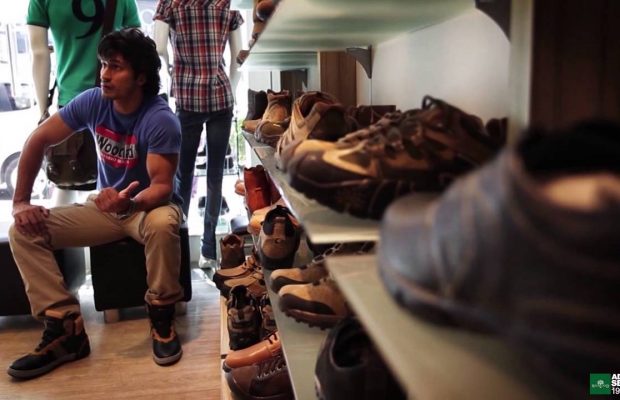
    – Display – Retail displays is a strategic aspect of the business that can help attract customers, retain their interest, and increase sales. Visual merchandising helps to set a brand apart from competition by creating attractive and fascinating windows that can pull the consumer in to the store. Effective retail displays attract potential customers to the store. When designing displays, choose engaging colours, unique décor and stock arrangements to appeal both the head and the heart of customers.
    Once the brand has attracted potential customers, the brand can Improve chances of making a sale by doing research to see what works in other retail spaces, and keeping an eye on how customer traffic flows through the store.


  • Miu Miu Siam Paragon boutique reopened

    Miu Miu Siam Paragon boutique reopened

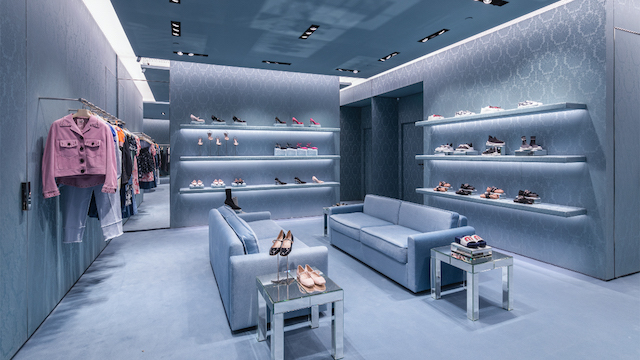
    Italian fashion brand Miu Miu is reopening its Siam Paragon boutique as the first Thai location to introduce its new concept store. The new 140sqm outlet strengthens the brand’s presence in Bangkok with a refreshed interior design and new collections of its signature accessories, bag, shoe and ready-to-wear collections.

    Among Miu Miu’s current offerings are evening dresses enhanced by Swarovski crystals and garments featuring 60’s-inspired elements.

  • HK customs seized counterfeit cosmetics

    HK customs seized counterfeit cosmetics

    Hong Kong Customs has seized more than 1300 items of suspected counterfeit cosmetics after raids on three sites this week. In an anti-counterfeiting operation conducted with the assistance of the trademark owners, customs officers took enforcement action at four dispensaries, five medicine stores and a warehouse. The raids took place in Tsim Sha Tsui, Mong Kok and Sheung Shui.

    The suspected counterfeit cosmetics and skin care products have an estimated market value of about $73,000 and included soothing gel, eyebrow pencils and face powder.

    Eight men and five women were arrested, including seven shop owners and six salespersons, aged from 19 to 60. They have all been released on bail as investigations continue.

    In a statement, Hong Kong Customs said it has been carrying out stringent enforcement against the sale of infringing goods and will continue to step up patrols and enforcement actions against infringing activities during the Christmas season.

    “Customs reminds consumers to procure goods at reputable shops and to check with the trademark owners or their authorised agents if the authenticity of a product is in doubt.”

    Retailers were warned to be cautious and prudent in merchandising since the sale of counterfeit goods is a serious crime and offenders are liable to criminal liability.

    Under the Trade Descriptions Ordinance, any person who sells or possesses for sale any goods with a forged trademark commits an offence. The maximum penalty upon conviction is a fine of $500,000 and imprisonment for five years.