Tag: Brands

  • “The Marc Jacobs” is launched

    “The Marc Jacobs” is launched

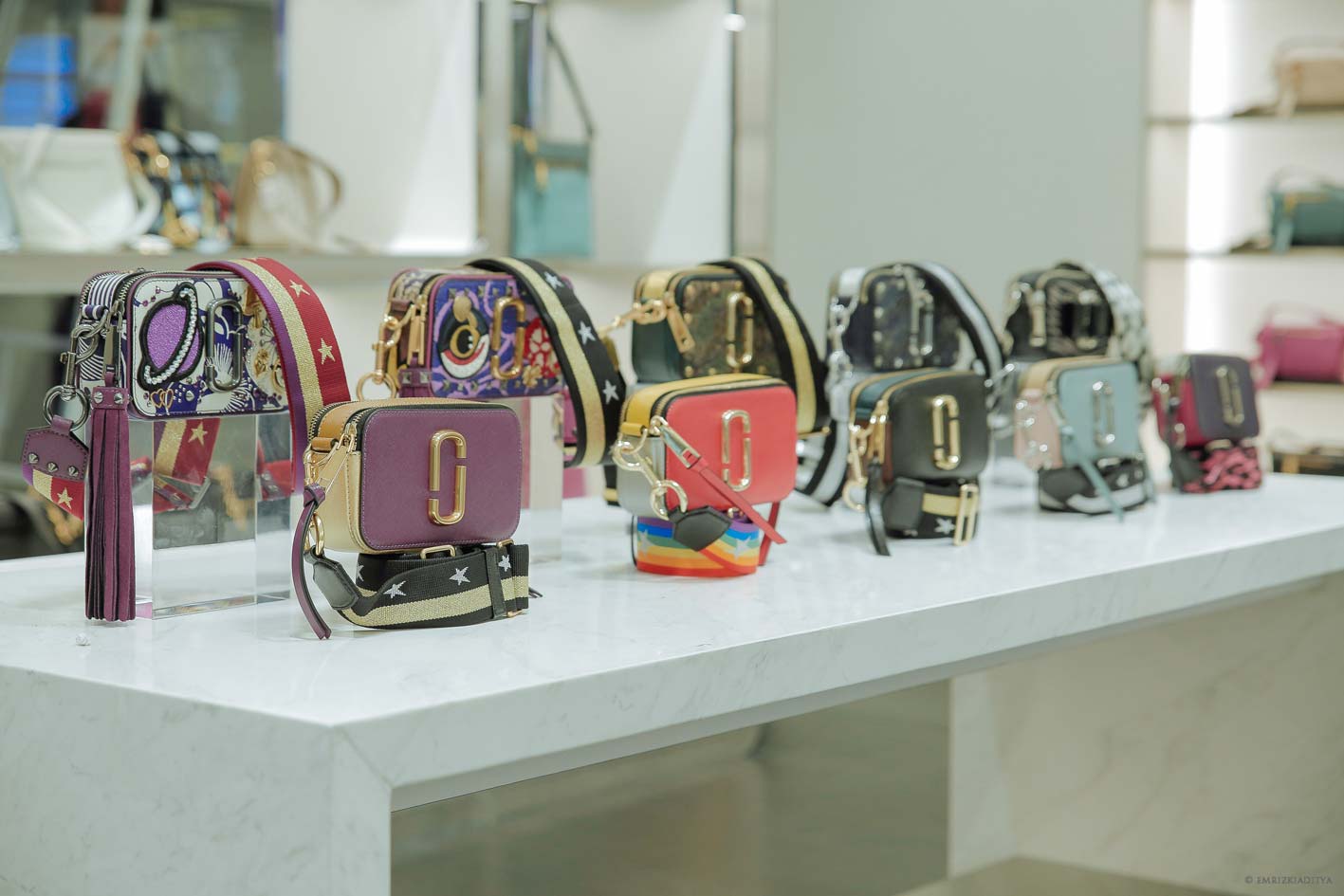
    A new era of Marc Jacobs is coming. Marc Jacobs is launching a new affordably priced label called “The Marc Jacobs.” The line will be introduced for pre-fall 2019. According to WWD, which saw an image from the line’s new look book, The Marc Jacobs will feature such items as colourful rugby sweaters, corduroy pants, and accessories.

    The designer also hired Russian stylist Lotta Volkova to style the look book, which was shot by Hugo Scott.

    While not much else is currently known about the new “democratically priced” label, a spokesperson for the brand did tell WWD that more images would be published in May – and that the line is part of a collection that also includes a “Runway” component.

    On Instagram, Jacobs acknowledged the existence of the new collection, writing that the image of the line was leaked.

    “Consider it a taste of things to come,” he wrote, before referring to the collections as “fantastic and fresh.”

    Although there has been no confirmation, The Marc Jacobs may resemble the former lower-priced Marc by Marc Jacobs label – which was discontinued in 2015.

    The announcement of the new brand comes after increasing speculation that the designer would leave his namesake brand amidst declining sales.

    In the beginning of the year, it was announced by Business of Fashion that the LVMH-owned company Jacobs would close its London store, as well as other European brick-and-mortar locations.

    This year the designer also announced the re-release of the Redux Grunge collection, a collection of 1993 looks that got him fired from Perry Ellis, and a collaboration with Dr Martens to create a range of limited-edition boots.

  • India Ancestry opens first store in Kolkata

    India Ancestry opens first store in Kolkata

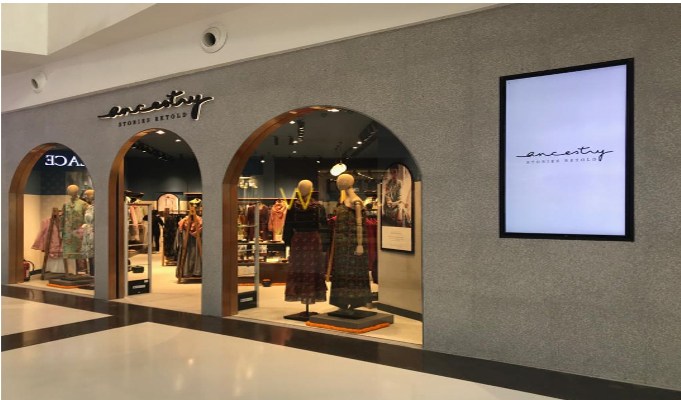
    The newest brand from Future Style Lab, Ancestry, which launched its maiden store in the capital city in May, has recently opened its first store in Kolkata, South City Mall. The brand, which presents a contemporary take on traditional Indian fashion and lifestyle, has earned many accolades in India’s fashion circles already and seems all geared up to woo Kolkatites too.

    Ancestry is inspired by the evolving face of the new age Indian who is self-assured, professionally competent and curious to discover new paths. The brand’s offering, encompassing women’s apparel & accessories, home furnishings, and other lifestyle products, is constantly evolving and is in line with international trends, and yet interestingly rooted in Indian heritage and crafts.

    With pricing that is perfectly suited to any urban Indian’s pockets, Ancestry’s unique collection of dresses, tops, and tunics are created completely using natural fabrics, thereby offering an unmatched quality and fashion sensibilities in that price range. This is one of the key reasons why the brand’s products have nearly flown off the shelves at its current stores in Delhi and Mumbai.

    For the new store launch, Manjula Tiwari, CEO at Future Style Lab, the parent company of Ancestry, said, “Ancestry provides an unparalleled, modern-day experience of old-style Indian artistries, and we’re sure that the brand’s offering will find much love and appreciation with our consumers in Kolkata. We’re truly excited about launching this store, and are thankful to South City Mall for providing us with an impeccable space and opportunity, right in the heart of Kolkata.”

    Ancestry’s tagline #StoriesRetold, perfectly sums up its ethos, for every line of products the brand comes up with tells the story of a particular craft or tradition, but in a way that is suited to the new-age lifestyle.

  • Samsonite to support global fight against plastic bottles

    Samsonite to support global fight against plastic bottles

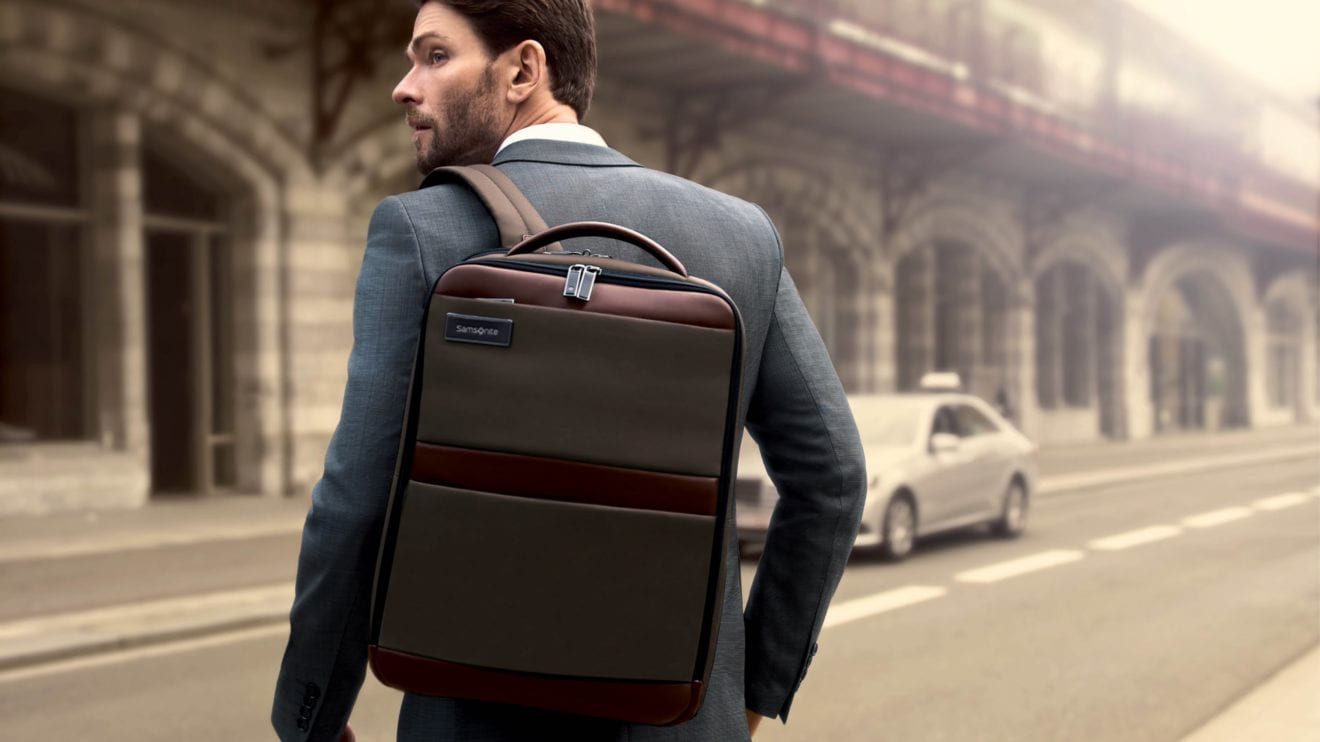
    Samsonite has launched an eco luggage collection for Asia made of Recyclex, a material comprising 100 per cent post-consumer recycled plastic (PET) bottles. As part of its public-facing environmental program, Samsonite has been working with one of its suppliers to create sustainable materials suitable for travel and lifestyle products. The company claims its new innovation Recyclex is as durable and reliable as Samsonite’s polyester fabric made from virgin materials, with the added benefit of reducing plastic waste.

    Subrata Dutta, president of Samsonite Asia Pacific said sustainability is a priority that runs through Samsonite’s products.

    “We recognise that travellers are increasingly aware of environmental protection and looking for ways to reduce their environmental footprint … We expect to generate stronger awareness of environmental protection in the market, and will continue to seek opportunities to maximise the use of recycled and recyclable materials in our products and packaging.”

    The products consumed more than 400,000 recycled plastic bottles in Asia. On some items, cork serves as an alternative for the polyurethane trim on the carry handles, logo, ID tag and back protection.

    Over the next two years, Samsonite will launch at least 30 product lines worldwide made from recycled materials such as rPET and recycled polypropylene.

  • Lazada to tackle counterfeit Korean products more seriously

    Lazada to tackle counterfeit Korean products more seriously

    Lazada has pledged to remove any counterfeit South Korean goods from its platform in a Memorandum of Understanding signed with the Korea Intellectual Property Protection Agency (KOIPA). It is reportedly the first time a Southeast Asian e-commerce company has reached an agreement with the Korean IP regulator and reflects the growing popularity of Korean beauty and fashion products online across Asia.

    Korean brands online and considered at risk from counterfeit products include Etude House, Innisfree, Laneige, Mamonde and 3CE.

    “The combined followers for [those brands’] Lazada flagship stores are more than 200,000,” Gladys Chun, general counsel and head of government affairs at Lazada Group said.

    “Laneige, Mamonde, Innisfree and 3CE were top search terms in Malaysia, Singapore, Thailand, and Vietnam during the recent Lazada 11.11 Shopping Festival.”

    Lazada has undertaken to remove any counterfeit goods from sale on its platform when alerted by brand owners, once it has confirmed authenticity. Sellers caught trying to sell copy goods on its site face blacklisting.

    “Such measures to curb illicit trading of goods on Lazada are aimed at boosting the confidence and preserving the trust of shoppers on our platform,” Chun said.

    “At Lazada, we respect and collaborate with rights holders in safeguarding their IP through a combination of proactive and reactive measures. It is incumbent on us to create that trusted space for shoppers and brands, giving them the peace-of-mind that we will always be acting in their best interests.”

  • Esprit appointed new chief product and brand officer

    Esprit appointed new chief product and brand officer

    Struggling fashion retailer Esprit has tapped a former Burberry and Tommy Hilfiger executive to become its chief product and brand officer. Mia Ouakim will take up the new role – a crucial post in the brand’s turnaround plan – in February, reporting to the group CEO.  She will be responsible for managing the product creation and design of all product divisions, as well as the consistent execution of the brand strategy across all product divisions and consumer touch points, according to Esprit in a stock exchange filing.

    Ouakim’s experience spans corporate strategy, product design, merchandising, planning and development, brand and communication, and distribution gained from luxury and premium fashion brands. Her most recent role was senior VP of Tommy Hilfiger menswear and tailored, overseeing the brand’s menswear division globally. Prior to that, she served as VP at Tommy Jeans, formerly known as Hilfiger Denim (Women & Men) between 2014 and

    2017 where she had full business responsibility of the denim division globally.

    Before joining Tommy Hilfiger, Ouakim held various roles with Burberry, working in product, merchandising and design roles for childrenswear between 2006 and 2014. Before that, she was with Children Worldwide Fashion in the UK, responsible for brand, communication and public relations of various luxury and premium brands, including Burberry, Timberland, Kenzo, Nike, Elle and DKNY childrenswear.

  • Innisfree lands in the Philippines

    Innisfree lands in the Philippines

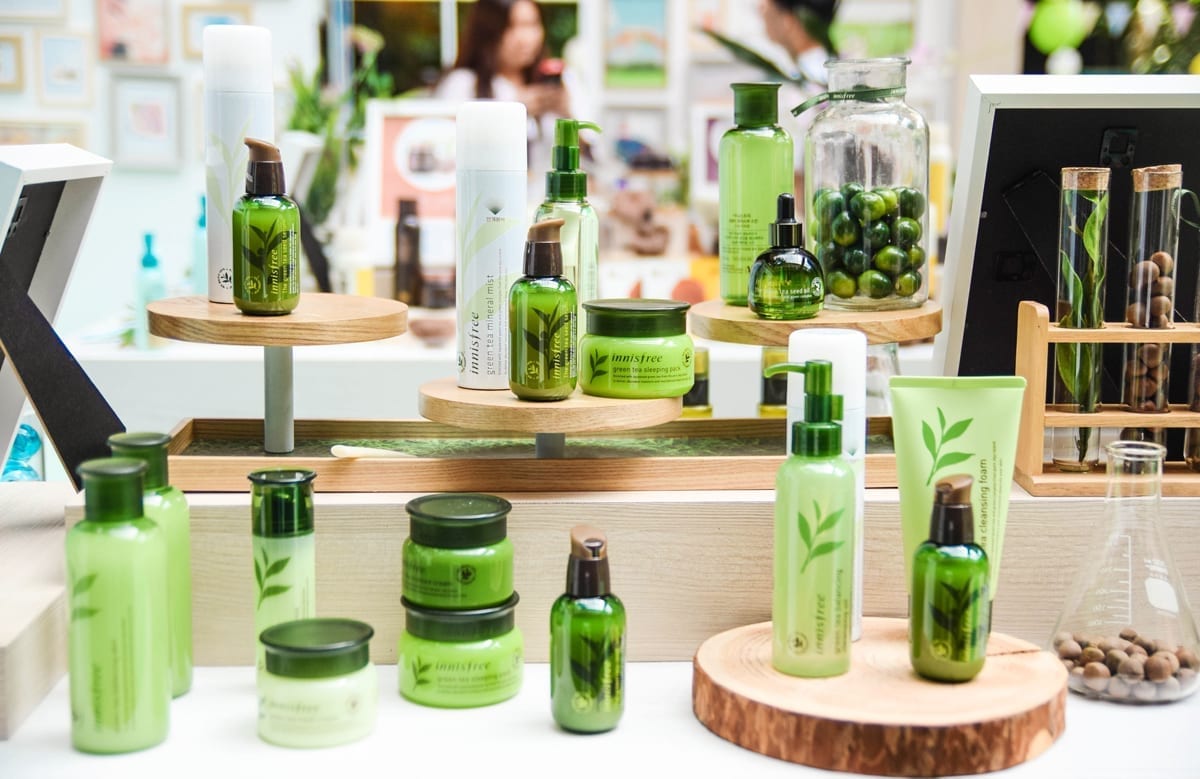
    Innisfree Corp., budget cosmetics manufacturer under South Korea’s beauty powerhouse Amorepacific Group opened its first store in the Philippines with hopes to expand its presence in the bourgeoning Southeast Asian market. According to the company, the 148-square-meter store opened at SM Mall of Asia, the largest shopping mall in Manila.

    The naturalism-oriented brand plans to introduce skin-care products made of natural ingredients from Jeju Island such as green tea and volcanic pine mushroom and their effectiveness to consumers in the Philippines to satisfy beauty demand and experience.

    The Philippines is considered a potential market due to the high ratio of young people in their 20s and 30s interested in hallyu, or Korean wave, and Korean beauty.

    An unnamed official from Innisfree said that the company will introduce not only its flagship beauty items but also pore- and oil-treatment mask and powder products tailored for humid and hot climate. The official added that the company will also pursue its environmentally-friendly green life campaign in the Southeast Asian country.

    Innisfree, meanwhile, manages 655 outlets overseas including the latest store in the Philippines.

    The skin-care brand, which opened its first overseas store in China in 2012, has outlets in Hong Kong, Taiwan, Singapore, India, Thailand, the United States, and Japan.

    Innisfree also plans to open stores at three major shopping malls in Metropolitan Manila next year and launch online channel

  • Alcis Sports opens its two new stores in India

    Alcis Sports opens its two new stores in India

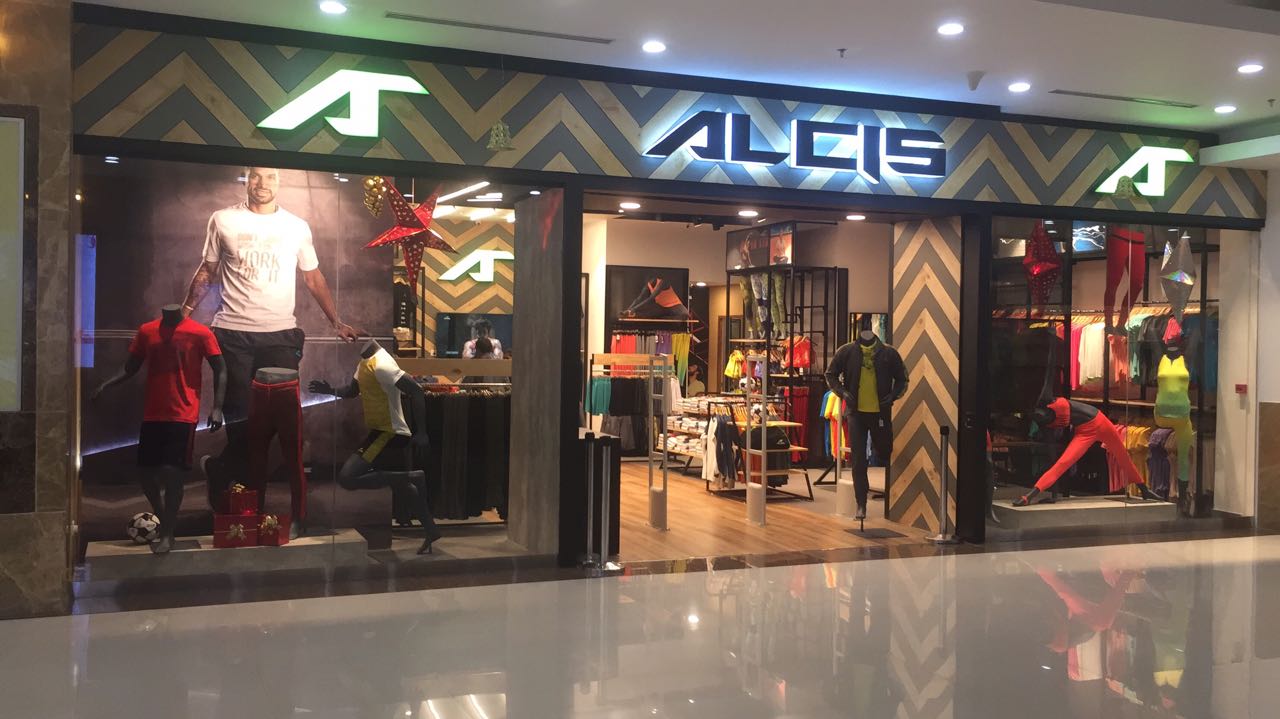
    Alcis Sports, a cutting-edge Indian performance wear brand, unveiled two new stores in Bagru in Rajasthan and Kurukshetra in Haryana. With these two new additions, Alcis Sport has now 11 exclusive brand outlets (EBOs) in India, and aims to have 15 by the year-end and 30-40 stores by 2019.

    Bagru and Kurukshetra get firsthand experience of a premium performance wear at an affordable price. Alcis Sports is a homegrown affordable Indian sportswear brand which is at par with international brands in terms of quality and also in sync with Indian sensibilities.

    The stores house Alcis Sports’ range spanning not only athleisure range but specific clothing for running, training, yoga, football, cricket and racquet sports. Alcis Sports is a home-grown, premium cutting-edge performance wear apparel brand, formed to tap into the emerging sportswear segment in the country.

    Roshan Baid, Managing Director, Alcis Sports said, “We are elated at the response of customers in both the outlets especially in Bagru. Touching Rs 1 lakh in sales in just two days in a new locality without much advertisement shows the awareness, acceptance and trust about the brand. We are committed to our customers in terms of international quality and affordable price without any compromise in our products.”

    Alcis is present at large format stores such as Shoppers Stop, Lifestyle, Globus, Central, Sports Station, Walmart, RS Brothers, Sarvanas, Pothys, JC Brothers and M&M and online retail channels such as Myntra, Jabong, Amazon, Flipkart, TataCliq, Ajio, etc. Besides, being present in over 700 multi-brand stores across the country, Alcis Sports is aggressively looking to open exclusive stores through franchise across the country. Alcis plans to open up about 15 exclusive brand stores, covering all the major cities of India, within this year.

    Alcis Sports has tie-ups with leading sports entities such as the hugely popular Pro Kabaddi League (Haryana Steelers and all match referees), among others. The company has secured an investment from Singapore based Venture Capital firm RB Investments, which has a strong portfolio of startups in India, including The Beer Cafe, Swiggy, Bluestone.com, Fab hotels, Faasos and PropTiger to name a few. Alcis Sports has also appointed celebrated Indian cricketer Shikhar Dhawan as the brand ambassador.

    Alcis Sports is a performance wear brand launched by the promoters of Paragon Apparels Pvt. Ltd., the largest manufacturer and exporter of sportswear in India. Alcis prides itself for being the first Indian brand to have the capability and production ability to manufacture technologically advanced sportswear at affordable price-points to enhance the performance of the wearer.

    Produced in India with the latest technologies such as Dry-Tech (moisture management), Anti-Odour, Anti-Static, Anti-UV and Light X, the products are specifically designed keeping Indian lifestyles and weather conditions in mind. The product range consists of clothes to wear while running, training, yoga, football, racquet sports and other athletic and leisure activities.

    Today, Alcis products which have international quality but Indian prices, are available in over 700 outlets across the country including all leading large format stores such as Lifestyle, Shopper Stop, Central, Globus, Sports Station, etc and online retail websites and 11 exclusive brand stores at New Delhi, Mumbai, Kochi, Jaipur, Guwahati, Bangalore, Goa, Bagru and Kurukshetra.

  • Kering’s new digital strategy revealed

    Kering’s new digital strategy revealed

    Customers draw inspiration from today’s hyperconnected world and they engage with luxury brands through the digital tools they use every day. In a fast-changing environment, the success of luxury houses depends upon their ability to offer creative propositions, and a consistent customer experience across all distribution channels and devices.

    In December 2017, Kering appointed Grégory Boutté as Chief Client and Digital Officer with the mission to carry out Kering’s digital transformation and to take the lead on e-commerce, CRM, data science and innovation for the Group. Since then, e-commerce has been the fastest growing channel for all Kering’s brands and represents 6% of the Group’s total retail sales for the first half of 2018.

    “Digital can be many different things at once – a distribution channel; a platform for offering seamless omni-channel services to clients; a driver of brand image and visibility; and a tool for engaging with customers in a personalized way. Digital technology, data science and innovation provide a way of offering our customers the best possible experience – on every touchpoint”, declared Grégory Boutté.

    Drawing upon his vision, Kering’s digital approach is based on the following objectives:

    • to provide the Group and its Houses with a real-time 360-degree view of their customers, and to deliver rich and personalized experiences;
    • to offer clients high levels of service, from initial transaction to after-sales;
    • to enable Kering’s Houses to develop close relationships with their clients and to adapt their offerings in order to meet specific needs.

    Today, Kering is announcing new milestones on its digital journey.

    The following initiatives will strengthen Kering’s focus on enhancing the Group’s omni-channel capabilities and further developing its Houses’ digital activities.

    In-store customer experience

    Kering is working on a suite of apps in partnership with Apple to be used by Houses staff in store, the first of which is a store experience app that enables sales associates in-store to access stock levels in real time to provide their customers with a fully personalized service.

    Via the app, sales associates know instantly if a specific size or color is available in-store or if it can be ordered from other stores; they can also give customized styling recommendations.

    Client service

    Kering developed a new approach to customer service with centralized teams in Europe and the US focused on addressing customers’ requests.

    Gucci, Saint Laurent and Bottega Veneta have dedicated teams, while other brands grouped their efforts under a single customer service unit, operated by Kering on their behalf.

    CRM and Communication

    Kering has launched several pilot projects using data science techniques to deliver personalized messages and experiences to customers, based on their profile and purchasing history.

    All Kering Houses have launched or are launching WeChat mini-programs in order to build as close a relationship as possible with their Chinese customers and to offer social commerce.

    E-commerce 

    Kering will leverage its in-house technology and operations team to fully internalize the e-commerce activities currently handled through the joint venture with YNAP.

    Following a highly successful and fruitful seven-year partnership with YNAP, these e-commerce activities will transition to Kering in the first half of 2020.

    Coordinated efforts and shared expertise with YNAP have enabled Kering Houses to enhance the level of service of their e-commerce websites. Most of them now offer services such as check availability, reserve in store, make store appointment, pick-up in store, return in store, exchange in store, and buy online in store.

    Kering will continue to develop partnerships with third-party e-commerce platforms when relevant.

    Digital capabilities

    A data science team has been created at Group level to improve the service provided to the clients of Kering’s Houses by making the best use of the available data.

    A China-based Client & Digital team is currently being formed. It will be responsible for adapting digital practices to the Chinese market, along with identifying and promoting innovations from China to other markets.

    Kering’s Group Innovation team has been tasked with two missions: to instill an internal culture of innovation (test-and-learn approach, quick sharing of discoveries, scouting business trends), and to work on disruptive technologies to further improve the client experience in the future in terms of business or environmental matters.

    Kering’s Chief Client & Digital Officer Grégory Boutté added: “These exciting new initiatives have been designed to meet – and exceed – the needs of our Houses’ customers and to ensure we continue to offer them an exceptional experience across all channels in a fast-changing global market. These opportunities have been made possible by the experience and know-how that Kering has gained over the years, notably through its successful joint venture with YNAP. We will continue to work with them post-transition and to enjoy a fruitful relationship.”

  • Lanvin creative director departs the company

    Lanvin creative director departs the company

    Lanvin has announced the departure of its menswear creative director, Lucas Ossendrijver, adding to a turbulent few years for the French label. Appointed under the mentorship of former creative director Alber Elbaz, Dutch designer Ossendrijver served as the creative chief of the 129-year-old brand’s menswear department for 14 years.

    Elbaz, creative director of Lanvin’s women’s wear since 2001, left the house in October 2015 after falling out with majority shareholder Shaw-Lan Wang over the direction of the brand.

    In February this year, Wang sold the title to Chinese conglomerate Fosun International.

    French designer Bouchra Jarrar, who was Elbaz’s replacement, left Lanvin after just 16 months before her successor, Olivier Lapidus, stepped down after only eight months.

    Bruno Sialelli, former head of Loewe menswear, is reported to the front runner to replace Ossendrijver.

  • Korean cosmetics firms suffer losses in Q3

    Korean cosmetics firms suffer losses in Q3

    Korea’s mid-sized cosmetics companies suffered losses in the third quarter of this year as they struggled to reorganize their business structures in the face of tough competition at home, industry sources said Sunday. Able C&C, which operates budget cosmetics brand Missha, swung into the red in the July-September period, posting a net loss of 9.4 billion won ($8.3 million), it said.

    Its sales dropped 12.1 percent to 73.1 billion won and operating income swung to a loss of 13.2 billion won. The company said fierce competition in the country’s cosmetics industry, combined with its heavy investment in research and development of new products, led to the poor earnings results.

    Tonymoly reported a net loss of 3.5 billion won, with 800 million won in operating losses on a consolidated basis during the cited period, according to the company.

    Korea’s mid-sized beauty firms’ profitability deteriorated following a diplomatic row between Seoul and Beijing last year, which led to a sharp drop in the number of tourists coming to Korea. Industry watchers said the expansion of online and duty-free channels has hurt the mid-sized companies, which rely heavily on offline stores. Last month, Skinfood was placed under a Seoul court’s receivership after the company said that it is having temporary difficulty securing liquidity due to excessive debt.

    “We are making efforts to improve our profitability and strengthen our online business,” an official from Nature Republic said.

    Nature Republic reduced the number of its stores to 680 by the first half of this year from 770 in 2015. The company reported 58.8 billion won in sales and 300 million won in operating income in the third quarter of this year.

  • L Brands loss revealed, Victoria’s Secret faces challenge

    L Brands loss revealed, Victoria’s Secret faces challenge

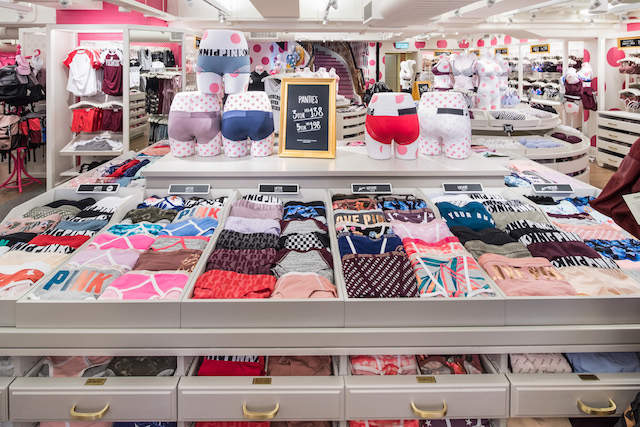
    Lingerie brand Victoria’s Secret needs to reinvent itself, says retail analyst Neil Saunders, commenting in the wake of a US$42.8 million loss by its parent L Brands. “The brand is simply not connecting and resonating with consumers in the way that it once did. Its overt sexuality, its focus on airbrushed glamour, and its dark-and-moody stores are completely out of step with the mood of most modern consumers,” said Saunders, MD of GlobalData Retail.

    “However, this is not a new phenomenon, Victoria’s Secret has been out of kilter for a long period of time – and has seemingly done very little to bring itself back into line.”

    Sales at Victoria’s Secret have fallen in seven out of the last eight quarters, mainly due to its weak diffusion brand Pink, launched in 2002 and aimed at college-aged women.

    “In Pink, fashion errors in loungewear have driven a recent deceleration in performance,” the company admitted in its earnings statement.

    L Brands’ third-quarter results showed an increase in same-store sales of 4 per cent across the group, to $2.77 billion, but Victoria’s Secret store sales fell by 2 per cent.

    The top line was boosted by L Brands’ Bath & Body Works brand. But one-off costs from the closure of Henri Bendel, impairments at Victoria’s Secret and ongoing losses in the La Senza business drove the net loss.

    Saunders described the Victoria’s Secret performance as disappointing, “not only with the sales numbers but by the inertia within the business”.

    He said much of the brand’s failure to change came down to embedded attitudes within management.

    “The recent insensitive comments about transsexuals from chief marketing officer, Ed Razek, in a Vogue interview characterise the problems. Not only are such remarks bad for the brand’s image, but it also earned a sharp public rebuke from the CEO of more incisive rival ThirdLove which has been stealing share from Victoria’s Secret for some time.

    “In theory, the departure of Jan Singer as CEO should help herald in changes someone coming in will have fresh ideas about reviving the fortunes of Victoria’s Secret.”

    L Brands has appointed John Mehas from lifestyle brand Tory Burch as the new CEO of Victoria’s Secret. He will take up the role early next year.

    Pink CEO Denise Landman retired after the release of the L Brands half-year results and she was replaced on October 1 by former Bath & Body Works president for merchandising and product development, Amy Hauk.

    “Our new leaders are coming in with a fresh perspective and looking at everything … our marketing, brand positioning, internal talent, real estate portfolio and cost structure,” said CEO Leslie Wexner.

    Saunders said Bath & Body Works was a stark contrast to the core brand.

    “The company’s wholesome brand image and its focus on small indulgences are paying real dividends – especially in a consumer economy where shoppers have more money to treat themselves. Its strong range development which means assortments are constantly changing encourages regular visits to online and stores. It also means that the company is good at jumping on trends like aromatherapy-based scents and the ongoing popularity of candles. Second, good marketing and promotions help to drive volumes through the business,” said Saunders.

    “Both of these things stem from the fact that the BBW team is much more attuned to the market and consumer trends than is the case at Victoria’s Secret. Indeed, the cultures at the two divisions could not be more different, and we believe that Victoria’s Secret should take a leaf out of its sister brand’s playbook as it looks to reinvent itself.”

  • Hugo Boss growth relies on Asia sales

    Hugo Boss growth relies on Asia sales

    German fashion retailer Hugo Boss sees Asia as a cornerstone of its growth strategy, saying while it already enjoys above-average growth in the region, there is potential for more. In a briefing to investors in London, the company’s managing board said it expects Asia will account for 20 per cent of its global sales by 2022, up one third from the current 15 per cent.

    “The board is convinced the group still has considerable growth potential particularly in Asia. Sales in the region are expected to increase on average at a double-digit percentage rate per year by 2022, with China playing a key role,” the company said in a statement.

    “In addition to the optimisation and expansion of the local retail network, the online business, also in cooperation with various multi-brand platforms, should contribute to above-average sales growth in particular.”

    Globally, Hugo Boss will focus on personalisation and speed to boost brand desirability between now and 2022. The company plans to increase currency-adjusted sales by between 5 per cent and 7 per cent annually for the next four years and grow its operating margin to 15 per cent. Operating profit will grow “significantly faster than sales,” the company said.

    “We have set ourselves high targets for the coming years”, said CEO Mark Langer.

    “We want to grow faster than the market, and expect our operating profit to develop significantly better than our sales. The successful realignment of our brands Boss and Hugo has laid the foundation for this. We will further increase the personalisation of our offerings in the future and speed up central processes in the course of further developing our strategy. Our overall aim is clear: We want to be the most desirable premium fashion and lifestyle brand globally.”

    Personalisation will be developed by adopting a more individualised customer approach, a personalised product range, “a unique shopping experience” and by building on its extensive experience in made-to-measure clothing.
    On the speed front, Hugo Boss plans to make its business processes “considerably more agile”.

    “This will enable the company to react to customer needs and to new market trends even more quickly and flexibly in the future. The existing skills of Hugo Boss in product design and development, our modern logistics and IT infrastructure and the use of digital showrooms will be the key levers,” the company said.

    It also plans to quadruple its own online sales by 2022.

  • Gentle Monster opens second store in Singapore

    Gentle Monster opens second store in Singapore

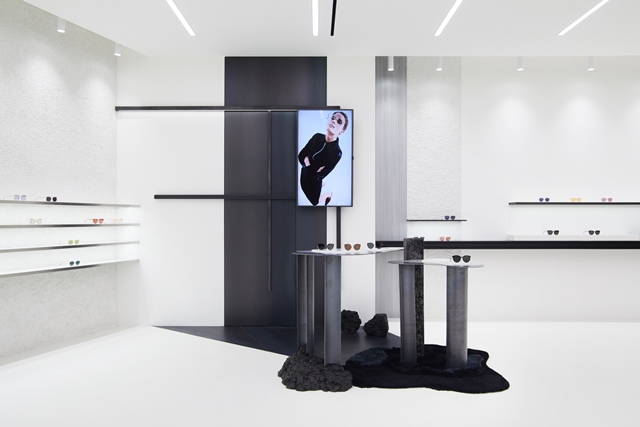
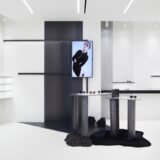
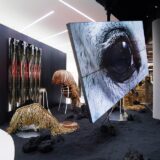
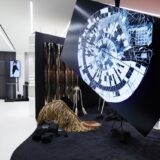
    South Korean eyewear brand Gentle Monster has opened a second store in Singapore at Marina Bay Sands. The launch, coming more than a year since the opening of Gentle Monster’s first store in Southeast Asia at Ion Orchard, is part of the brand’s “13” project. According to the brand, the project is “based on a story of an extreme ecological change the Earth would have to endure in the future due to a tilt of its axis, caused by the Moon being pushed farther away from planet Earth.”

    The concept serves as a metaphor to describe modern-day people who seem “obsessed and overwhelmed by the invalid information they receive daily.”

    To celebrate the opening of the new location, Gentle Monster has teamed up with fashion blogger Yoyo Cao to come up with a special edition of the brand’s popular Cobalt sunglasses model. The limited edition eyewear features a trendy tear drop-shaped frame along with details such as a twisted bridge and an inner template engraved with the word “Yoyokulala”.

    The Gentle Monster x Yoyokulala eyewear will retail at S$368.

    Find out the interior of the store below (5 images) :

  • Marie France Van Damme opens first store in the Middle East

    Marie France Van Damme opens first store in the Middle East

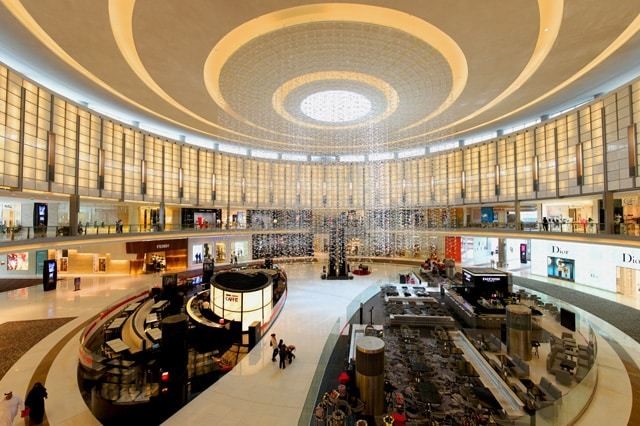
    Marie France Van Damme, the Hong Kong-based designer known for her globally influenced line of luxury resort, swim, and ready-to-wear, continues to expand her presence worldwide with the opening of the brand’s first store in the Middle East in November 2018 in Dubai, its thirteenth boutique worldwide. With boutiques in some of the world’s most iconic luxury travel and shopping capitals, Marie France Van Damme’s new store will be located in downtown Dubai in the exclusive Dubai Mall, the world’s largest luxury shopping destination.

    Situated within Fashion Avenue of The Dubai Mall (Financial Center Rd, Dubai, United Arab Emirates) a section that’s home to more than 200 luxury shops including Cartier, Chanel, and Valentino, the new 1000 square-foot boutique will offer Marie France Van Damme’s extensive luxury resort, Beach Bridal, and ready to wear lines and range of accessories, including evening dresses, resort wear, and caftans.

    As Marie France Van Damme only introduces limited productions of her collections each season, each store in itself is unique, with exclusive items at each location you won’t find anywhere else. With a focus on exclusive pieces inspired by the Dubai lifestyle, the new boutique will offer the best of both worlds: luxe day resort wear and chic evening wear.

    Made for Dubai and the elegant, modern Middle Eastern lifestyle, Marie France Van Damme’s striking collections are a return to the glamorous roots of resort wear with a muted palette of silver and gold, hand embroidery and opulent fabrics, from French lace to metallic-toned Italian weaves and featherweight Chinese silks. Signature pieces such as the Boubou caftan provide instant glamour. New this season is an exclusive “Black Gold Rose” jacquard collection of delicate evening dresses crafted in the softest crinkle silk chiffon; and short jackets, and skirts designed to be layered with long metallic blouses and worn from city to resort and from day to night, a perfect mix-and-match wardrobe.

    Collections are not distinguished by season, but relevance. Whether it’s evening wear or day dress; a silk caftan, city pajama or swimwear, Marie France Van Damme’s philosophy remains the same: “What you wear should always give you glamour. Glamour without the fuss and bother,” says Marie France Van Damme.

    “We are excited to open our first boutique in the Middle East in The Dubai Mall,” says Marie France Van Damme. “I could not have imagined a better location to provide our clients with an exceptional atmosphere in one of the most beautiful shopping destinations in the world. We have many clients in Dubai including those who travel to here to shop. Like me, our customer travels around the world, and she needs to find things that will look beautiful day as well as night. Our collection was made for Dubai and the elegant, modern Middle Eastern lifestyle, from day to evening, poolside to dinner.”

    The new boutique will incorporate Marie France Van Damme’s signature aesthetic, which blends subtle Asian influences and elegant simplicity with marble floors, teak wood, bronze panels, and embossed crocodile leathers with textiles and finishes that can be found in the designer’s home as well as her flagships in Hong Kong and London.

    Marie France Van Damme will join The Dubai Mall’s 3.77 million square feet of leasable space and 1,300 retail outlets, including Galeries Lafayette, Cartier, Chanel, Valentino, Balenciaga, Gucci, Lanvin, Saint Laurent, and many more. The Dubai Mall, a luxury shopping destination that welcomes 80 million visitors each year, also has dining, entertainment, and leisure attractions including the Dubai Aquarium & Underwater Zoo, the Olympic-sized Dubai Ice Rink, and adjoining five-star hotels, including the Armani Hotel Dubai. In addition to Fashion Avenue, there is also The Souk, the open-air walkway The Village, and more.

    Marie France Van Damme has rapidly expanded since its inception in 2011 to include an impressive range of ready-to-wear, resort wear, swimwear, sunglasses, perfume, and candles. The designer just announced her twelfth boutique opening this October at the Wynn Las Vegas. She recently opened her eleventh boutique in Miami at Bal Harbour Shops and a store in Marrakech at La Mamounia in January 2018, a Los Angeles boutique in September 2017 at the Peninsula Beverly Hills, a boutique in Bangkok’s luxury shopping and entertainment complex Gaysorn Village in 2017, and her seventh store in December 2016 in Hong Kong’s prestigious Elements shopping mall, which is Marie France Van Damme’s second Hong Kong store. The company opened its very first store in Hong Kong’s acclaimed International Finance Centre (IFC) mall in September 2013. Five years later, Marie France Van Damme has twelve stores worldwide, proving that small curated stores are still very relevant. The company currently has 100 retail locations in some of the world’s most desirable shopping destinations.
  • Ralph Lauren results concerning even after its anniversary celebration

    Ralph Lauren results concerning even after its anniversary celebration

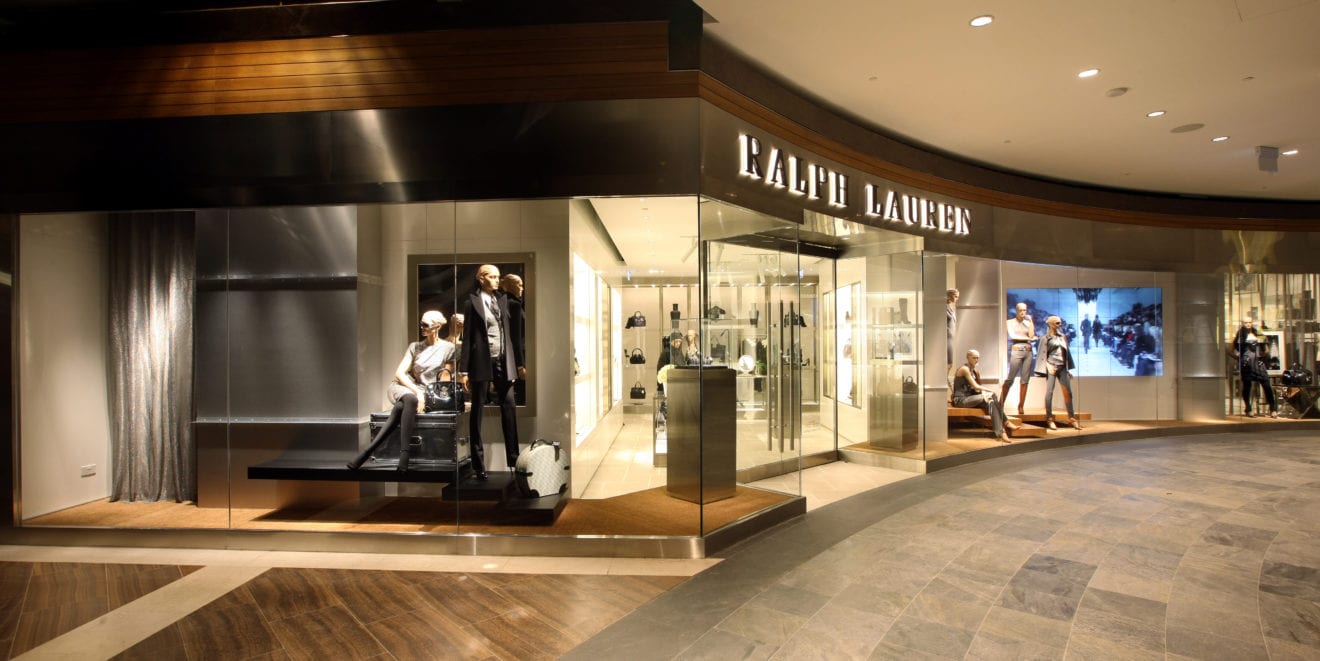
    As Ralph Lauren pulls out all the stops to celebrate its 50th anniversary, its second-quarter results do not reflect the upbeat note of the festivities. Indeed, if anything the Ralph Lauren results are rather anemic and are characteristic of a brand that is still not entirely confident about its place in the fashion world or its future direction.

    While growth of 1.6 per cent in overall revenue and a 1.4 per cent uplift in North America are positive, the decline of 0.8 per cent in Europe is disappointing as is the flat comparable-sales result. This mixed bag shows that the brand is only firing gently on some cylinders rather than powering ahead.

    While in growth, Ralph Lauren’s North American division is still underperforming. The relatively flat revenue result, which is underpinned by an anemic 1 per cent increase in comparable sales, comes against the backdrop of a robust consumer economy where spend on luxury and higher-end goods is increasing. It has also been delivered at a time of elevated marketing spend. That Ralph Lauren could not engineer a better performance underlines the fact that the brand has a lot more work to do to connect and resonate with consumers.

    One of the unresolved issues at Ralph Lauren is in having a clear brand proposition that is carefully targeted at customers. While numbers show that general brand perception of Ralph Lauren has improved over the past year, the number of people agreeing that it, or its sub-brands, are ‘made for people like them’ has remained flat. This is worrying and underlines that there is still a lot of repositioning and redefining required before Ralph Lauren can deliver better numbers.

    None of this should suggest the company has been inactive or passive; it has not. With the Polo brand, for example, a lot of new items have been introduced and products have been enhanced with embellishments such as embroidery and added functionality. These have helped to drive some better numbers and suggest that the company is innovating, but the improvements are hampered by a lack of progress on overall brand perception, especially among younger shoppers. It will clearly take time for the various changes to drive overall perception.

    One area of progress is on the digital side of the business, where comparable sales in North America rose by 9 per cent. While this is below the overall rate of growth for online luxury, it is a sign of progress and is a reflection of the various investments Ralph Lauren has made in its digital channels – including the marketing efforts on social media. Ralph Lauren now needs to apply this thinking to driving traffic in stores, where North American sales fell by 1 per cent on a comparable basis.

    Outside of North America, performance in Europe was poor. While total revenue fell by 0.8 per cent, comparable sales slipped by 4 per cent. Part of this is down to inventory issues at outlet stores and part is the result of lower consumer confidence in key markets like the UK. Even so, it is disappointing given the various investments, including in digital, that Ralph Lauren has made in the region.

    Overall, Ralph Lauren is gently moving in the right direction. However, the brand vision remains rather murky. It needs to be simplified and retooled so that it is clear and compelling. A young brand like Maine’s Kiel James Patrick is the perfect example of a well-curated and authentic lifestyle label that Ralph Lauren needs to emulate. Ralph Lauren has yet to prove it is up to this task.