Tag: Brands

  • Hugo Boss the latest lux brand to launch resale offer

    Hugo Boss the latest lux brand to launch resale offer

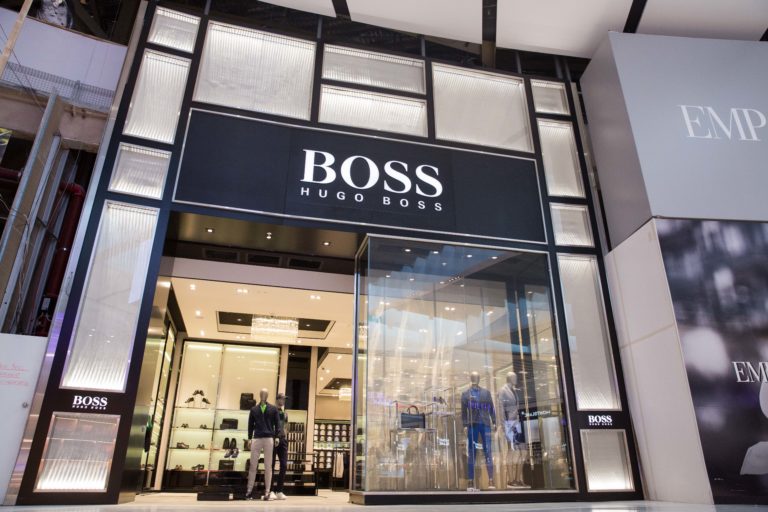
    Luxury fashion brand Hugo Boss has committed to a premium resale platform, which is set to launch in the third quarter of this year, encouraging customers to buy pre-owned items.

    According to the company, resale is a fast-growing market that helps reduce the fashion industry’s impact on the environment. Hugo Boss expects the initiative to extend its products’ life cycle and help limit its resource consumption.

    The online platform allows customers to return their used items to Hugo Boss in return for a credit that can be spent online on new or pre-owned items, or in-store. After a quality check, the pre-owned products will be sold on Hugo Boss Pre-Loved and ready for their second life in a new wardrobe.

    In addition, Hugo Boss will also launch a care and repair service to help customers cover the repair of their clothes and ensure the items can last longer.

    These are parts of Hugo Boss’s broader strategy unveiled on Earth Day to enhance its circular business model. The German fashion house also reports its circular products must meet three requirements: being made from renewable or recycled materials, being fully recyclable, and designed for longevity.

    “The high quality of our products allows them to have several lives, and our entry into the growing resale market is a natural step for us as a company,” said Heiko Schafer, COO of Hugo Boss.

  • Unilever sells 34 tea brands

    Unilever sells 34 tea brands

    Unilever has sold its global tea business – including T2 – to private equity company CVC Capital Partners, for €4.5 billion ($A7 billion)

    The business, called Ekaterra, owns 34 brands including Lipton, PG tips, Pukka, T2 and Tazo and turned over €2 billion ($A3.1 billion) last year. The company has 11 production factories on four continents and tea estates in three countries.

    “The evolution of our portfolio into higher-growth spaces is an important part of our growth strategy for Unilever,” said CEO Alan Jope of the reason for the divestment. “Our decision to sell Ekaterra demonstrates further progress in delivering against our plans.

    “We are proud of the place that our tea business has in our company’s history. We look forward to seeing Ekaterra, with its strong brands and global footprint, prosper under CVC’s ownership.”

    The sale is scheduled to be settled during the second half of next year and is subject to receipt of regulatory approvals. The deal excludes Unilever’s tea business in India, Nepal, and Indonesia, as well as its joint venture with Pepsi Lipton covering ready-to-drink teas, and any associated distribution business.

    Pev Hooper, a managing partner at CVC Capital Partners described Ekaterra as “a great business, built on strong foundations of leading brands and a purpose-driven approach to its products, people and communities”.

    “Ekaterra is well-positioned in an attractive market to accelerate its future growth, and to lead the category’s sustainable development. We look forward to working with the team to realise Ekaterra’s full potential,” said Hooper.

    Inside FMCG understands rival private-equity firms Advent and Carlyle unsuccessfully bid for the business.

  • Yum! Brands buys Australian tech startup Dragontail

    Yum! Brands buys Australian tech startup Dragontail

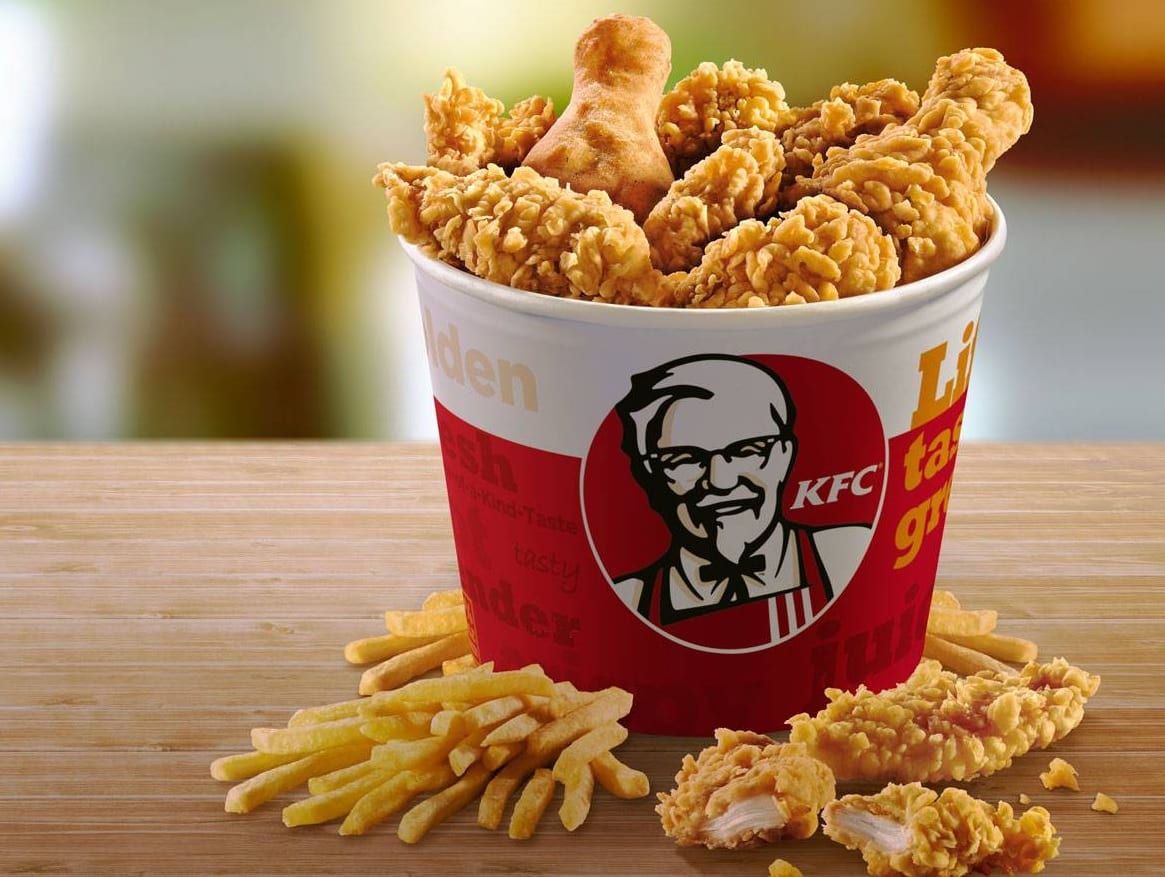
    Fast food corporation Yum! Brands, the US parent of KFC, Pizza Hut, and Taco Bell, has purchased Australian tech startup Dragontail for US$93.5 million.

    Yum! Brands’ acquisition of Dragontail will take the startup’s emerging technologies in-house in addition to its kitchen order management and delivery software.

    According to CFO Chris Turner, the move would allow the US company to scale Dragontail’s artificial intelligence (AI) technology globally across its operations.

    “With Dragontail, we expect to tap into the power of AI to accelerate and further enhance our delivery technology capabilities, especially at Pizza Hut, and optimize the end-to-end food preparation process,” said Turner.

    Dragontail’s AI-based solution automates the kitchen workflow and incorporates it with the process of dispatching drivers, it also allows customers to track their orders. In addition, this technology can also operate with external food-delivery vendors.

    “Yum! Brands and Dragontail have been working in a fruitful collaboration for years,” said Ido Levanon, MD of Dragontail.

    “Dragontail’s board fully supports this transaction, which it considers to be an attractive opportunity for its shareholders. It will also provide Yum! Brands with innovative technology.”

  • How Brands Can Expand to Asian Markets 

    How Brands Can Expand to Asian Markets 

    Expanding into other countries requires a lot of forethought and planning. Expanding into different continents, however, can cause a massive failure without really understanding the culture and consumer. Asian markets are notoriously difficult for Western brands to succeed in, and that’s not just because of the language barrier. Many Asian countries are at a different period in their development than Western nations, and their consumption habits reflect this.

    Going in without respect to their culture, or an understanding of what they value, and need is a big mistake. Even bigger of a mistake is to assume that Asia is one, homogenous market. Every country, and more than that, every region, has its own cultural identity that needs a unique approach to succeed in.

    Without this dedication to connecting to each area, local businesses will destroy your efforts. They have the presence, and they know their audience. It isn’t a mistake that some of the largest and most prominent brands in the world began and operate from these countries.

    Their market is big, and their influence is greater. If you want to expand into the Asian markets, you need to be smart, and you need to use this guide:

    Improve Your House, First

    Expansion needs to be done at the right time. For that right time to be taken advantage of, however, your house needs to be in order, first:

    Improve Your Skillset

    As the owner of your business, the best thing you can do for its future is to complete an online MBA. There are a variety of specializations you can choose when you work on an online MBA, and ideally, you will want to choose one that you are not already excellent at. Rounding out your skillset as a leader and business owner is often hard, especially without someone taking a good, hard look at your current self and figuring out where you can improve.

    With that in mind, the online MBA that you choose must have a few key characteristics:

    • 100% online
    • Flexible; you should be able to take on as little as one course at a time
    • No mandatory log-in times
    • Career coach
    • Accreditation

    With these as the base of qualifications, you can then go on and find an online MBA that offers the specialization that you are most interested in. This could be in marketing, managing, or even data analysis. In regard to expanding into eastern markets, it is best to focus on more technical elements, like data analysis, as this will make the biggest difference both at home and overseas.

    Build a Cloud-Based, Integrated System for Your Business

    Your online MBA will help you better manage the human element of your business, and to take creative challenges to the next level. What it cannot help you with is manual labor. Admin tasks take a long time when done manually, and your business will not be able to keep up if you do make headway in your efforts towards eastern expansion. You, and your team, need a system that works with you.

    Everyone on your team will be put to better use solving and working on creative challenges. To allow them to focus on that, you need a cloud-based, integrated system. What this means in effect is that storge-wise it can expand as you need to, without any need to upgrade your system. It also means that your western and eastern teams can handle and use the same data, and have it updated for each other instantaneously.

    Finally, it means you can introduce automation. Automation is important for any business, as it makes easy work of boring and simple admin tasks that, done by a person, could take days.

    Optimize Your Efficiency

    The last step in improving your house is to optimize your efficiency. You will have learned a lot of possible strategies and possibilities during your online MBA, but never be afraid to outsource help, too. Some people specialize in auditing a company’s efficiency so that you can get a list of areas to improve on, as well as a recommended action. Doing this before you expand is best because these audits – and their improvements – only become more difficult the larger your business becomes.

    Learning About Your New Markets

    One thing that your online MBA will teach you is the importance of study. That is why before you actively make overtures to expand into new markets, you need to research them.

    Research

    You will ideally know exactly what to research and how to research and create detailed reports in your online MBA. If not, then simply brush up on these skills and follow suggestions found from white papers and even from hired consultants.

    You want to understand each country. Getting your foot in the door correctly means choosing the right market to focus on. As stated before, every country is vastly different and even more than that, regions within that country vary drastically. It would be best if you targeted where your customer base is, and ideally where there is a hole in the market for your business.

    Having a good idea about where to start can save a lot of money and headache, but don’t assume that your research alone is enough. If you want to expand into new markets, then you will need people to help you.

    Hiring New Talent

    The right people will help you make the right decisions both in terms of where you intend to launch, and how you can do it correctly. You have two main options. If you can afford to open a head office in that country, then you will ideally want to populate it with talented locals who best understand your new customer base, as well as that culture. Have a few members from your head office to ensure that your brand and values are translated over well, but for the most part, you need to trust your new employees to represent your brand well.

    The second option is to be represented by an agency. Marketing and PR agencies exist that can take you on as a client. They will work on marketing your brand to that new audience successfully. There will even be those you can hire to help you identify unique opportunities to expand further into that market.

    Slow and Steady

    It takes time to do this properly, so don’t put too much pressure on yourself. Instead, use what you have learned in your online MBA and manage. Manage the right people and make smart delegation decisions so that your business doesn’t just open in the right Asian market, but that it has a chance to succeed.

    Trends to Know About Asian Markets

    Building up your team and your business can help you prepare to expand, but you should never start without that key research. Even if your solution is to outsource and hire agencies to help improve the success of your transition, it is foolish not to do your own research. Understanding your customer base is the key to success in every instance and understanding Asian markets can help you provide additional value and cater to their needs as a priority. An online MBA can help you prepare, absolutely, but you must use your new skills to create a unique and comprehensive strategy to help appeal to the Asian markets, rather than expand your existing strategy, as this rarely works.

    1.   Online Shopping and Engagement

    One trend that is universal throughout the world, and why 2020 is a very smart time to expand into Asian markets with a digital branch of your business is the increase in online shopping. Though brick-and-mortar shops are slowly starting to recuperate, night-time shopping, mall shopping, and other key points of contact are still minimal.

    All eyes are online, and not only are they online, but they are spending an average of 21% more than before. Overall, online shopping is an average of 15% higher than it was before the pandemic.

    2.   Marketing to Focus On

    Marketing tactics, in particular, are very different in comparison to the west, and you need to be smart before launching your own brand into that market. Google might be banned from places like China but make no mistake – it was failing in that market long before it was formally pushed out.

    You cannot just expand marketing efforts from the west into the east. To see success, you need to use different strategies, as well as different marketing tactics. Rather than learn as you go, which is very difficult when extending your business’ branch so far out east, it is better to rely on those familiar with the markets in question.

    Hire marketers and experts who have made their career working within Asian markets or rely on external firms and agencies to build a successful expansion plan and marketing strategy so that you can succeed in the area.

    3.   What Consumers are Looking For

    The new decade is sure to bring about some significant consumer trends, particularly in Asian markets. Whereas western nations are waking up to the importance of sustainability, it is countries in Asia that are working fast to mitigate the huge environmental problems their countries face. China, in particular, has made headlines in its effort to cut emissions and clean up their air. It has actively begun to start collecting the funds needed (an estimated RMB 40.3 trillion) through an environmental tax. Coal plants are being shut down, and new sustainable development zones have been approved in Shenzhen, Guilin, and Taiyuan which implement the 2030 SDGs. They are headlining new technologies designed to clean air and new energy solutions, and the fight to clean up their own backyards has infected their citizens as well.

    In the next decade, trendwatchers expect the consumer appetite for new and innovative to take a turn towards the environment, with sustainable stewards, good police, and business as social being the key trends for businesses to watch out for.

    This echoes other consumer trends around the world, where sustainable lifestyles are becoming the latest status symbol, concerns over privacy and data and making headway, and the importance of community has never been so crucial than it is today.

    This occurs alongside a slowing of growth, both in GDP and in personal wage increase. The income growth, in particular, alongside high household debt, is also sure to decrease consumption in these areas. By providing not just a great product, but also catering to that new sense of status, you can appeal to Asian consumers.

    Expanding into Asian Markets

    If you are set on expanding into Asian markets, you have two options. If you operate a large company, then you must set up a dedicated office, with employees who are familiar with and have worked in that country for their entire career. You can have a few of your home office employees work in that eastern office to ensure that the overall brand identity and your values are upheld, but everything else should be decided on by those who understand that market. It is how you will best connect with these consumers, and the fact is this suggestion applies when expanding into any new country.

    Operating and marketing from the US to the UK or Spain, for example, will all look drastically different. There are various cultural attitudes, as well as trends that you can take advantage of to best appeal to those living in the area. Having a team of people who live and breathe these markets will help your business make a big splash abroad.

    Smaller companies can also do this, but rather than hiring an entirely new office, you’ll need to find agencies and outsource to them. This way, you still get the right direction for your expansion, but without the high cost of renting an office and hiring an entirely new team.

    Leverage all that you have learned in your online MBA to manage and transition your business into Asian markets successfully. Understanding how to properly manage your teams, as well as keeping your budgeting and finances in order, will be your secret weapon. It won’t happen overnight, but with the right people and the right vision, you can expand your business into the Asian markets.

     

  • Amazon listed as most valuable brand

    Amazon listed as most valuable brand

    E-commerce giant Amazon has clinched the top spot in the world’s most valuable brand ranking, surpassing Google and Apple, according to a recently released ranking of global companies.

    The Seattle-based retailer has been valued at US$315.5 billion, up 52 per cent on last year with tech giant Apple coming in second, valued at $309.5 billion and Google in third place at $309 billion, Brand Z’s Top 100 Most Valuable Global Brand 2019 ranking (compiled by WPP research agency Kantar) revealed.

    Google and Apple had spent a combined 12 years at the top of Brand Z’s list, with Google taking the top spot last year.

    “Amazon’s smart acquisitions that have led to new revenue streams, excellent customer service provision and its ability to stay ahead of its competitors by offering a diverse ecosystem of products and services, have allowed Amazon to continuously accelerate its brand value growth,” Brand Z’s report indicated.

    Chinese e-commerce company Alibaba has overtaken Tencent for the first time to become the most valuable Chinese brand, moving up two places to number seven, growing 16 per cent to $131.2 billion.

    Tencent dropped three places to number eight, declining by 27 per cent to $130.9 billion year-on-year.
    Social media platform Facebook has retained its sixth spot while Instagram, at number 44, was named as this year’s fastest riser, climbing 47 places with a massive 95 per cent growth in brand value with $28.2 billion.

    Athleisure retailer Lululemon was named the second fastest riser, showing a 77 per cent growth year-on-year to $6.92 billion.

    “We’re seeing a move from individual product and service brands to a new era of highly-disruptive ecosystems,” said David Roth, CEO of The Store WPP EMEA and Asia and chairman of Brand Z.

    “Brands need to understand the value this type of model can create and should embrace its approach to be successful in the future,” Roth said.

  • Turning data into information in the age of IoT

    Turning data into information in the age of IoT

    If you think about what your home was like even just a few years ago, life was very different.

    Think about what grocery shopping was like. You’d open your fridge door to check out what’s missing, scribble down on a notebook a shopping list of what you need, turn off the aircon and switch on the alarm before you left the house and leave.

    Now, your smart fridge automatically knows when you’re running low on milk and will order the specific brand and size that you prefer and have it delivered to your front door. Left home and forgot to switch the aircon or alarm on or off? Simply view the app on your smartphone and tap your appliances on or off.

    Known as the Internet of Things (IoT), people are consuming information from more connected devices and as a result, marketing practices are rapidly changing. Retailers need to learn how to speak to customers through more channels than before.

    As IRI’s product solution director Adam Fisher explains, while more devices are creating more communication, marketers are getting blocked where they weren’t before. What happens when your fridge starts ordering groceries for you? Where a marketer could previously capture customers at the shelf in a grocery store, they now need to work out how to get your attention when the fridge automatically orders milk to your doorstep.

    “From a marketer’s standpoint, there are so many devices vying for people’s attention —How do you get the right person’s attention at the right time?” Fisher says.

    According to Fisher, one of the biggest challenges for retailers is knowing how to turn all the data into actionable information.

    “It’s knowing how do I bring [the information] in, how do I make sense of it, but on top of that, how do I know when I need to do something when it’s signalling something?” he points out.

    Marketing automation can give brands more insights and data into how people are responding to these different channels and how they should be approached, suggests Fisher. It’s one of the biggest trends in retail today

    and can help businesses engage with their customers by programmatically finding the optimal marketing and promotional activities for defined customer segments.

    A major benefit of IoT is the fact that based on all this new information from devices, brands and retailers are able to bring products to market faster, allowing them to keep up with the ever-changing retail landscape.

    However, it is vital that businesses have the right infrastructure in place in order to deliver real business growth.

    Fisher says: “It is important that they have the technology and right partner in place. In order to do this, brands and retailers will have to combine mobile and cloud technology infrastructure and go entirely digital to build a new business model by connecting people, things, processes, and data to keep up with technological innovation. That is the essence of what we do at IRI, is connecting the dots to help make faster and stronger business decisions.”

  • Calvin Klein opening First Multi Brand Fashion Store

    Calvin Klein opening First Multi Brand Fashion Store

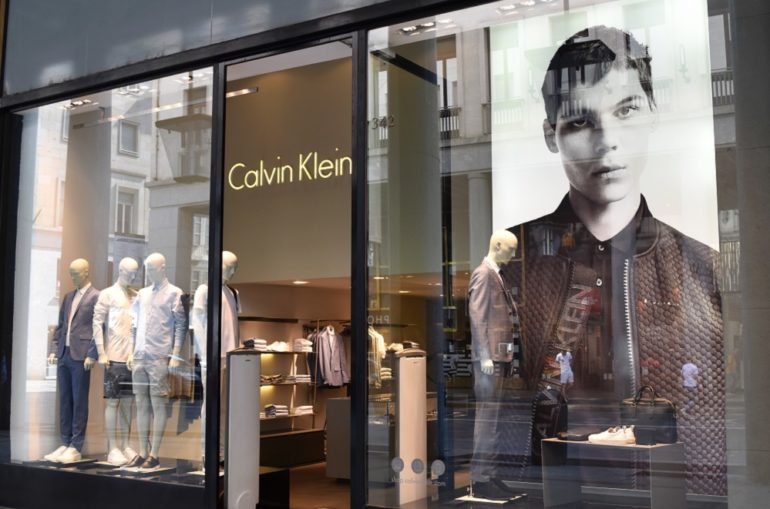
    The first store bringing together the entire Calvin Klein offering in Australia opened over the Easter long weekend at Queensland’s Sunshine Plaza. Spanning over 310sqm and offering a full range of men’s and women’s underwear, jeans, performance, accessories, as well as kid’s underwear, the store is the Calvin Klein’s 32nd in Australia, and reflects the brand’s minimal, modern aesthetic.

    Sunshine Plaza recently finalised a $440 million redevelopment, boasting over 345 retail stores to become the first ‘super regional’ shopping centre North of Brisbane.

    Calvin Klein’s presence in Australian and New Zealand had previously been run by Gazal Corporation, but the brand’s US-based owner, PVH Corporation, recently outlined plans to purchase Gazal.

    The deal, which also impacts the Tommy Hilfiger brand and is expected to be finalised in the second quarter of 2019, will give PVH a more direct hand in the brand’s Australasian operations.

    “I’m pleased that we have agreed to acquire Gazal. PVH currently – and for many years – has had a successful business relationship with our Australian partners and would be pleased to bring them into the larger PVH family,” Emanuel Chirico, PVH Corporation’s chairman and CEO said.

    “Gazal has enhanced the market position of our brands in Australia and New Zealand and we believe the region continues to offer significant growth over the next five years and aligns with our strategic priority to expand our direct control of businesses operated under the Calvin Klein and Tommy Hilfiger brands worldwide.”

  • Kiwis less likely to be brand “fans” than Aussies

    Kiwis less likely to be brand “fans” than Aussies

    Customers in New Zealand are less likely to be “fans” of brands, and are more likely to be “disappointed” by their shopping experience than customers in Australia.

    This is the finding of a recent comparison of New Zealand and Australian customer insights by TruRating, a customer feedback provider that launched in New Zealand this week.

    The company found that 64 per cent of Australian customers were “fans” of a brand after shopping with them. This means they gave the brand a rating of 8 or 9, which is correlated with loyalty and higher spending.

    But based on data from its nine-month soft launch in New Zealand with several local retailers, including Kathmandu and Bendon, only 54 per cent of Kiwis were “fans”.

    When it came to bad experiences, 18 per cent of Australian customers said they were “disappointed” and gave a business a rating of 0-3. This could impact average transaction value, TruRating said.

    In comparison, 24 per cent of customers in New Zealand gave a brand such a poor rating.

    The feedback company also noted a key difference in what drives customers to spend in New Zealand compared to Australia. While “overall in-store experience” was the most important factor in both countries, “product range” was the second-most important factor in New Zealand, while “service” was second-most important in Australia.

    “In Australia, customers are happiest on weekday mornings, and in New Zealand, Wednesday is the happiest day for shoppers,” TruRating said.

    “In general, New Zealand customers are least happy with their experience on Sundays, which is unfortunate as they are likely to spend more on this day.”

  • International luxury brands down in Brisbane

    International luxury brands down in Brisbane

    Luxury brands are descending on Brisbane, with fashion house Saint Laurent opening its first store in Queensland at QueensPlaza on March 28, ahead of arrivals from Fendi and Dior slated for later this year.

    The new store, Saint Laurent’s sixth Australian store, has an architectural design that features three types of marble and refined detailing accented with anodised gold, mirrored stainless steel and leather joinery.

    “The arrival of Saint Laurent, another first to Brisbane, further cements QueensPlaza’s position as the city’s leading luxury retail and lifestyle destination,” said Pamela Wakeford, centre manager.

    Saint Laurent joins a slew of luxury retailers already located at the centre, including Chanel, Burberry, Tiffany and Co, Zimmermann, Scanlan Theodore and Camilla.

    Italian fashion house Fendi is poised to unveil its new boutique mid-year and Stanton café and bar will also open in the coming months. The new café will have a dining and bar experience including an outdoor terrace overlooking the Queen Street Mall.

    Queensland has also recently welcomed fashion jewellery brand APM Monaco, which opened a new store in Brisbane’s high street, joining a suite of luxury fashion retailers along MacArthur Central.

    The new store features the retailer’s traditional handcrafted jewellery pieces along with some most recent collections like open chokers with sky silver and zarconia meteorites, and asymmetric underlobe earrings and jackets.

    “Precision Group is proud to welcome APM Monaco to MacArthur Central where it will sit alongside some of the best international and national retailers fronting Edward Street Brisbane, where Brisbane City Council have invested $11.8 million into a beautification project of the precinct,” said Colleen Middlemass, centre and state asset manager.

    Middlemass said the new store will complement the area’s “luxe offering with a fashion focus on new trends from across the globe”.

  • RFG back to square one in asset sale process

    RFG back to square one in asset sale process

    Retail Food Group on Tuesday said sale talks with a potential buyer of its Donut King, Pizza Capers and Crust businesses have ended in disappointment, following months of negotiations.

    The deal fell through after the two parties failed to reach a formal binding agreement on terms that the board considered to be in the best interests of the company as a whole, RFG said in a statement.

    “Our Donut King and QSR brands [Pizza Capers and Crust] continue to provide solid earnings contributing to the company’s underlying profit,” Peter George, executive chairman of RFG, said.

    “The potential sale of any of these assets must be at a price not only acceptable to our board but in the best interests of our shareholders.”

    The franchisor, which operates Gloria Jean’s Coffees, Brumby’s Bakeries, Donut King, Michel’s Patisserie, Di Bella Coffee, The Coffee Guy, Café2U, Pizza Capers and Crust, had been pursuing an asset sale to help pay down its net debt of roughly $258.9 million, after restructuring costs and write-downs wiped out its declining profit in the first half of FY19.

    An RFG spokesperson said the failure to sell its Donut King and QSR brands will not impact the company’s recent agreement with NAB and Westpac to reset its financial covenants and waive a review of the business.

    The company continues to work closely with its lenders and maintains their support, the spokesperson said.

    The RFG board is investigating a range of other options to pay down its debt, including equity, other debt funding options and potential asset sales, and will update the market of any definitive option being reached.

    In response to a report that the Australian Securities and Investments Commission is “keeping an eye” on the franchisor, particularly around big announcements, the RFG board said it has not been made aware of any current investigations.

    A spokesperson for ASIC told that “ASIC supervises the market, so we monitor all share trading”.

  • Vietnam’s fashion enters the world market

    Vietnam’s fashion enters the world market

    The aim of both My and Tri was to open shops that sell high-end made-in-Vietnam fashion products in the US.

    “What I am concerned about is whether we can approach a new market after the event. I attended fashion week not just to polish the brand name, which can help boost sales in Vietnam,” My said.

    He has been working with leading music stars to popularize his design brand. In 2017, Rhihana chose a design of Tri in his Em Hoa Collection introduced at Tokyo Fashion Week for a shoot to advertise a shoe brand. Meanwhile, Katy Perry ordered Tri three outfits for her world tour Witness.

    Phuong My, a graduate of the Academy of Art University in California, has appeared in prestigious catwalks and fashion journals. She has stated that her designs target the one percent of ultra-wealthy people.

    My’s products are available in 30 shops in 20 countries, mostly in the Middle East and Asia. Lydia Hearst appeared on Genlux’s cover with My’s design in 2014. Elizabeth DiPrinzio chose My as her designer and Coco Rocha chose My’s products for her working days in Vietnam in March 2017.

    Another Vietnamese designer, Tom Trandt, has gained big success despite his young age.

    Graduating from Parsons The New School for Design and spending five years in New York, he is one of very few young designers who want to ‘tell their own stories’.

    In 2016, Moi-Dien, a clothing brand created by Tom Trandt, debuted and immediately caught attention. Each product sells at VND600,000-2 million.

    Trandt is the only Vietnamese representative out of 16 designers  chosen for the International Fashion Showcase 2019 (IFS) in London.

    Hai Minh, who lived and worked in France, has returned to Vietnam to build the Leinne brand, specializing in bags and hat accessories, with a family-run workshop which has been operating for 20 years. Minh is making hectic preparations to participate in Paris Fashion Week later this year.

    Meanwhile, foreign designers can see bright future for Vietnam’s fashion. Luis Antonio Torres, one of the top luxury designers in Vietnam, said in an interview to the local press that the country could become Southeast Asia’s biggest fashion hub.

  • Police smash massive China counterfeiting gang

    Police smash massive China counterfeiting gang

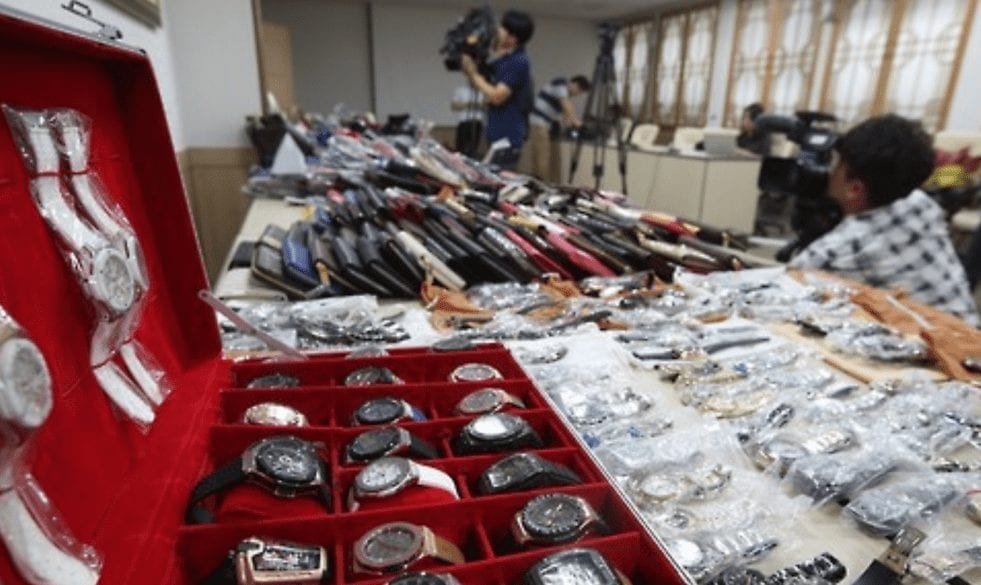
    Police have shut down a huge China counterfeiting ring estimated to have raked in some US$15 million.

    Chinese police have arrested 32 people believed to be part of the operation, which focused on counterfeiting luxury-branded goods.

    The Shanghai raid led to the seizure of more than 4000 items of luxury apparel and accessories bearing Louis Vuitton, Kenzo and Loewe labels, among other top brands. Two assembly lines producing the counterfeit items were shut down.

    The raid was in response to a tip-off to the Shanghai Qingpu district public security bureau that fake Louis Vuitton bags were selling on Chinese social media platform, WeChat.

    Estimates held that the ring had sold more than 100,000 fake luxury items at a value of around RMB100 million (US$14.9 million). Each item would have cost around RMB200 ($30) to produce.

    The rise of online markets all over the world has been blamed for a general increase in fake products sold globally. The counterfeit industry is now worth an estimated $590 billion a year, and accounts for around 3.3 per cent of total international trade.

    According to customs officials, the most frequently seized fakes are items of footwear, clothing, leather goods and IT equipment. China is by far the world’s largest source of pirated goods.

  • Finaccess takeover of Restaurant Brands

    Finaccess takeover of Restaurant Brands

    Investment firm Finaccess’ takeover bid for quick-service group Restaurant Brands has been declared unconditional, with the firm accumulating 61.73 per cent of shares in the business.

    While the firm’s offer specifies it is seeking 75 per cent of shares in the business, it was able to declare the offer unconditional should it reach over 50 per cent.

    Shares in the business spiked almost 2 per cent after the news, increasing 17 cents to $8.92 per share, though the offer is paying $9.45 per share.

    Group chief executive Russel Creedy was among those who decided to sell shares, offering up his 571,601 share stake in the business – an offer worth approximately $5.4 million.

    While the offer is now considered unconditional, the end date has been automatically extended to 26 March, and the Restaurant Brands board continues to recommend shareholders accept the partial takeover for their shares in the absence of a greater offer.

    The QSR group declared it had increased full-year sales to $794 million last week, due to strong growth in the KFC business in Australia and New Zealand.

    KFC New Zealand saw sales increase to $336.5 million, a 5.3 per cent increase over the previous period, while Australian operations saw 27.8 per cent sales growth to $178.3 million.

  • Men make-up driving K-beauty boom

    Men make-up driving K-beauty boom

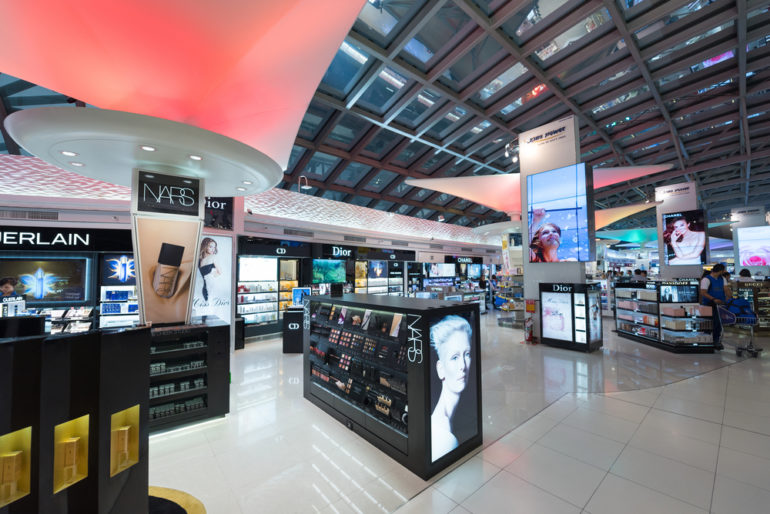
    Men wearing makeup – once a practice unique to TV stars and celebrities – is becoming a part of popular culture in South Korea. As an increasing number of South Korean men are purchasing clothes, cosmetics, and other beauty products to take care of their looks, cosmetics goods for men are expanding both in terms of variety and sales. Olive Young, a major South Korean cosmetics store, said sales of cosmetics for men increased by 30 per cent last year compared to the year before.

    Cosmetics for men are going beyond BB creams and cushions to include coloured lip balms, eyebrow products, concealers and eyebrow-hair scissors.

    A coloured lip balm for men, for instance, has seen sales skyrocket 16-fold over the last two years, according to Olive Young. Sales of makeup cushions and BB creams have increased by 30 per cent as the number of men wearing make-up burgeons.

    Drawing eyebrows, once a practice unique to women, is now spreading among men, as seen by the fact that sales of eyebrow products for men have increased by 25 per cent over the last two years.

    An increasing number of eyebrow-hair scissors, nipple bands, and body hair removers are being developed for men as well.

    “Makeup is now becoming a tool to express one’s confidence, leading to increased demand for various cosmetic products for men,” said Olive Young.

  • H&M launches collection with artist Nathalie Lete

    H&M launches collection with artist Nathalie Lete

    H&M has unveiled a collaboration with Paris-based artist Nathalie Lete on a children’s clothing and accessories capsule collection. The collection, which will be available online and in selected stores worldwide from March 7, features several of Lete’s fantasy-land-inspired artworks as prints.

    The H&M collaboration is a childrenswear collection for babies and children with a wide range of t-shirts, jackets, jeans, dresses, jumpsuits, shorts and swimsuits. The colourful animal and floral prints created by artist Nathalie Lete start with paintings in acrylics by hand, which are then artfully arranged together to create an imaginative story. For this collaboration, Lete brought a tropical jungle to life with chameleons and tigers, along with her iconic representation of flowers with cats, birds and rabbits.

    “In my work, I create a fantasy land for myself,” said Lete. “A land that I want to share with other people to make them dream. It’s all about flowers, animals, birds, naivety and colors. I want to create a cocoon that brings happiness and harmony all around. The relationships between the different elements tells stories, stories that create a beautiful atmosphere. I ‘m happy to share my world through this collaboration, all around the world, together with H&M.”

    “Natalie Lete and her work is something we have admired for a long time, and we are thrilled to be collaborating with her for this kids’ collection,” said H&M kids’ division designer Jennifer Helmer.

    “The collection is playful and inviting and the pieces truly makes you feel like you’re in a botanical dream. We cannot wait to share this collection with our youngest fans.”