Tag: burberry

  • Burberry, Gucci at Macau

    Burberry, Gucci at Macau

    Burberry, Prada and Gucci head a list of international fashion brands progressively opening at The Promenade shopping centre in the Galaxy Macau.

    The Promenade is part of the stage 2 development of the integrated resort, which opened its doors on May 27. But a number of retail spaces were not complete.

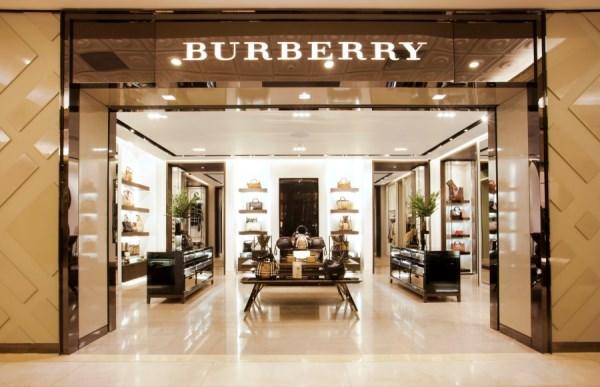
    But on Friday, high-flying British luxury apparel brand Burberry opened its new store there – its third in Macau. And Gucci will follow later this month.

    Prada will open a store at The Promenade in October.

    UK fashion brand Daks and Japanese denim labels Evisu and Moussy will also open stores soon, according to the Galaxy Entertainment Group.

    Louis Vuitton opened a store last month.

    “We are excited to be welcoming top luxury brands to Galaxy Macau for the first time, connecting our increasingly discerning guests with the most iconic retail brands from around the globe,” said Kevin Clayton, chief marketing officer of Galaxy Macau.

  • Burberry Beauty Box enters China

    Burberry Beauty Box enters China

    British luxury apparel brand Burberry has opened two more Beauty Box stores in greater China.

    It follows the opening of Beauty Box’s first Asian store in Korea last December in Seoul’s Coex Mall.

    Burberry Beauty Box concepts are now trading in Hong Kong and Shanghai.

    In Hong Kong, the store has opened in Times Square at Causeway Bay. The store closely follows the Burberry Beauty Box flagship in London’s Covent Garden.

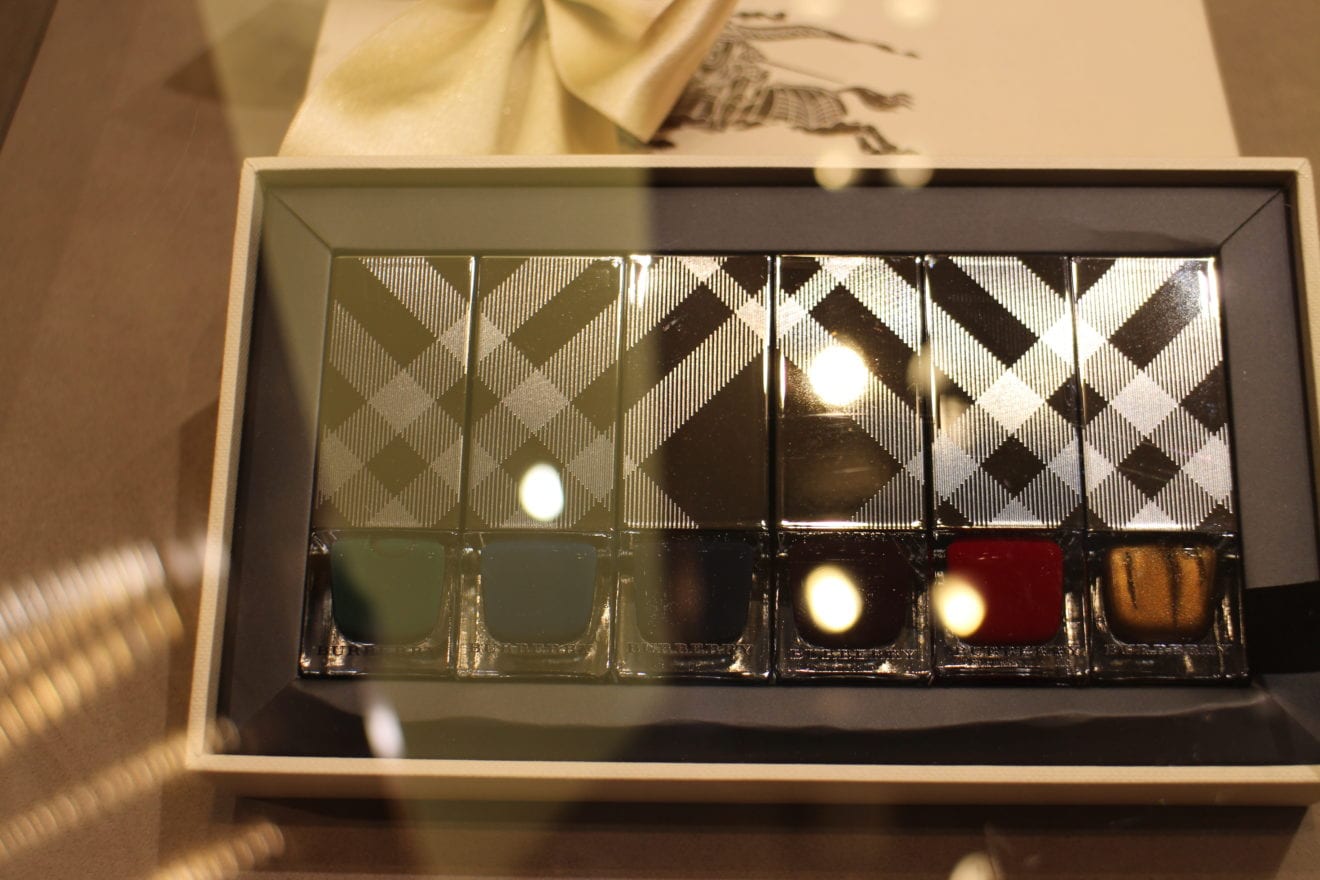
    The new Beauty Box concept focuses on make-up, including Burberry Eyes, Lips, Face and Nails lines, fragrances for men and women, including My Burberry, and assorted luxury accessories.

    It includes a digital Lip & Nail Bar, a 95 degree screen broadcasting Burberry catwalk shows, and the My Burberry Digital Experience that lets customers digitally interact with the brand.

    Customers can order in-store monogrammed labels for 90ml bottles of My Burberry Eau de Parfum and My Burberry Eau de Toilette to create an exclusive, customised gift.

  • British brands invading Philippines

    British brands invading Philippines

    Asif Ahmad, the UK ambassador to the Philippines, is one of the busiest diplomats in the country, as he leads, almost on a weekly basis, the opening of new outlets put up by dozens of British companies which are taking advantage of the rapidly growing consumer market and improved purchasing power of Filipinos.

    Ahmad, the 59-year-old diplomat who has been assigned in the Philippines since July 2013, says while several British companies have established their presence in the country for several decades now, more are expected to land in the Philippines soon.

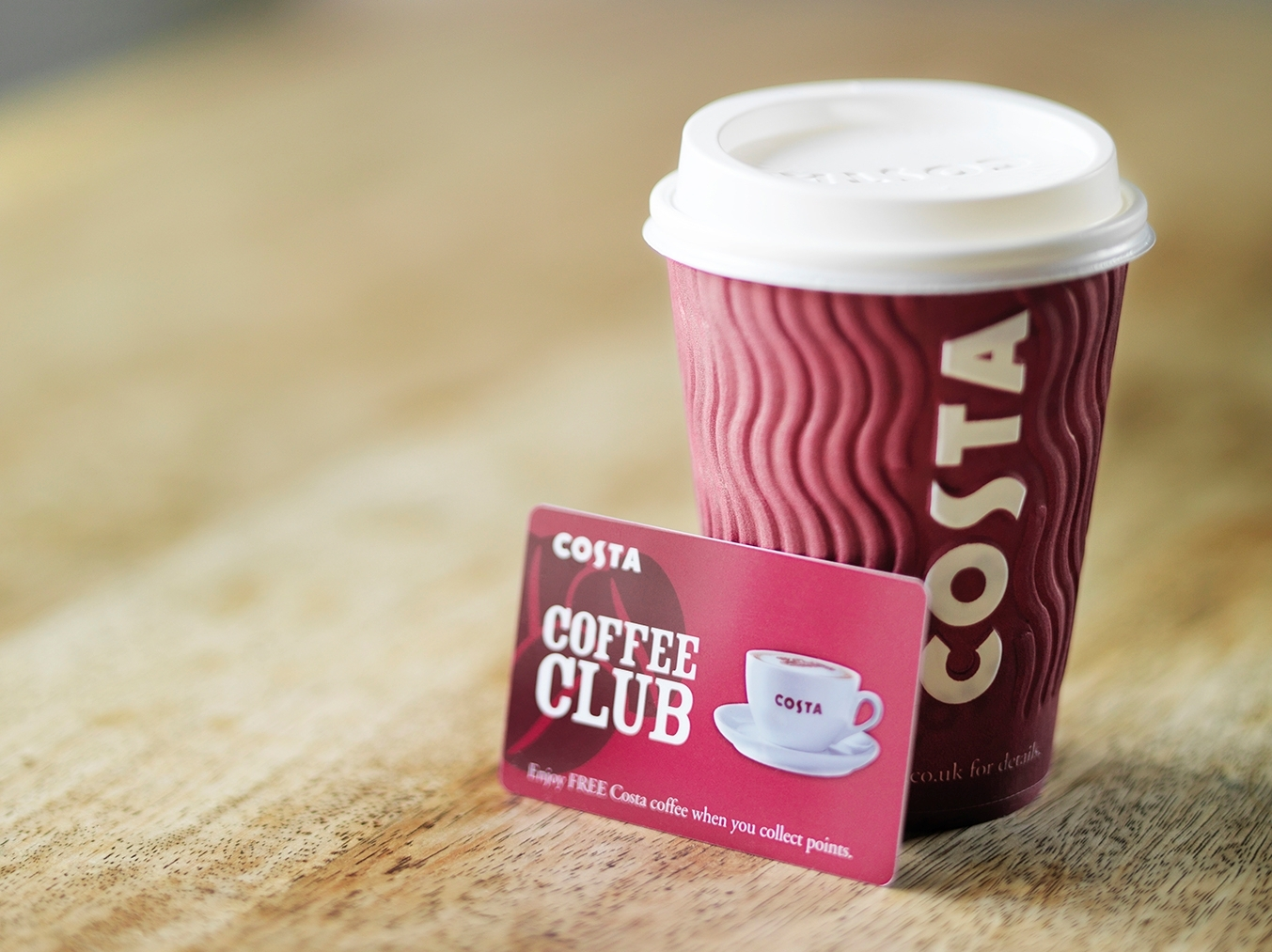
    “We have done it in fashion.  We have done it in cars. We have done it in films and music.  The next story is eating and drinking,” says Ahmad, during the opening of the second outlet of Costa Coffee in the Philippines at Robinsons Place in Ermita, Manila.

    Costa Coffee, the leading coffee chain in the United Kingdom, is the latest British brand setting its sights on the Philippine market, which Ahmad says offers a lot of opportunities for foreign companies.

    The ambassador says the expansion of British firms in the country is a part of a deliberate effort of the London government to triple its exports to the world to 1 trillion pounds by 2020.

    Unilever, an Anglo-Dutch company, is one of the biggest distributors of consumer products in the Philippines while Royal Dutch Shell Plc. is one of the three largest petroleum players in the country.

    The last couple of years saw dozens of UK firms opening outlets or expanding their presence in the Philippines.  In November 2013, London opened its airspace to Philippine Airlines via Heathrow Airport, with the help of Ahmad.  This has triggered a faster movement of people, including investors and tourists, between the two countries.

    British financial giants HSBC, Standard & Chartered, Barclays and Pru Life UK have strong presence in the Philippines while UK companies that are expanding in the country include Pearson Plc., Ashmore Group, British American Tobacco, British Petroleum, ECR Minerals Plc., CRH Plc., Arup, Nectar Group Ltd., MacKay Green Energy Inc., Forum Energy, Pitkin Petroleum Plc., Eaton Corp. Plc. and Weir Engineering Services Ltd.

    Top British brands opening or adding outlets in the Philippines include Rolls Royce, Range Rover, Jaguar, Mini Cooper, Morgan Motors, Tesco, The Body Shop, Fitness First, Toni & Guy, Remington UK, Marks & Spencer, Debenhams, Lee Cooper, F&F, John Lewis, Burton, Reiss, Speedo, Hamleys, Burberry, Topshop, Topman, Dorothy Perkins, Mitre Sports, Berghaus, Kangaroos, Superdry, Warehouse, Clarks Shoes, Paul Smith, Mothercare, Hackett London, Lush, TM Lewin, River Island, Cath Kidston, Pepe Jeans London, Savile Row, Lyle & Scott,  Whyte & Mackay, Twinings, Diageo, Union Jack Tavern, Wolf & Fox, Chuck’s Grub, Waitrose and Yummy Organics.

    Ahmad says more brands will expand in the Philippines soon. “We have a strong presence of British brands that is gonna grow.  My government, the UK, has said that we must triple exports to 1 trillion [pounds]. My mission here is to grow three times more than before.  That is a very strong target to have,” he says.

    The UK is already the largest investor among European countries in the Philippines.  “The easy target that we have met is being the number one investor in the Philippines from the European Union. We have achieved that already,” he says.

    “In terms of trade, we have a long way to go.  If we added it both ways, it [bilateral trade] adds up to $2 billion.  We have to make it $6 billion,” says Ahmad.

    He says the UK embassy is working with the British Chamber of Commerce to help more companies navigate the Philippine market.  British investors are looking at infrastructure, public-private partnership projects, water, healthcare, education, information technology and defense sectors, he says.

    The British Chamber of Commerce is arranging more trade missions to bring more British brands in the Philippines this year to look at opportunities, given the country’s improving economy.

    “What we are seeing is that the government has more money.  The infrastructure projects are now speeding up, after a difficult start.  We are seeing people consuming more, spending money more, not just in houses and cars, but also in their lifestyle,” Ahmad says.

    Ahmad says Filipinos can afford to buy British brands.  “It [local market] has been ready for quite some time.  That’s why we have been very successful here.  If you go back, they [British companies] have been here for a long time and they are expanding still.  New ones are coming onboard.  What Costa Coffee does is something different.  It is in food and beverage segment, which has much more to offer,” he says.

    Costa Coffee opened its first outlet at Eastwood Citywalk 1 in Libis, Quezon City in June and plans to open three more branches this year at Tera Towers in Fort Bonifacio, E. Rodriguez Jr. Ave. in Quezon City and Robinsons Antipolo in Rizal.

    “We plan to open 70 Costa Coffee branches in the Philippines over the next five years,” says Costa Coffee Philippines general manager Corinne Milagan, who heads a new unit of Robinsons Retail Holdings Inc. to guide the expansion of the Costa brand in the country.

    Among those who attended the opening of the Costa Coffee branch at Robinsons Place Manila are Ahmad, Milagan, Robinsons Retail Holdings president and chief operating officer Robina Gokongwei-Pe, Costa Coffee International managing director Chris Rogers, Robinsons Land Corp. president and chief operating officer Frederick Go and Costa Coffee franchise manager for Southeast Asia and India Matt Kenley.

    RRHI formed a new company called Robinsons Gourmet Food and Beverage Inc. to operate the Costa Coffee chain in the country. Robinsons Gourmet teamed up with Whitbread Plc. of the United Kingdom to bring the British coffee brand to the Philippines.

    “The Philippines has fantastic opportunity for the Costa brand.  It brings something different to the market. A different coffee, a different environment and a great people.  And it brings a little taste of London to the Philippines,” says Rogers.

    “We have been looking forward to the next 20 to 30 years. The Philippines is an exciting place to be, because of the potential growth.  The economy is growing strongly. The consumer population is growing. There are good dynamics,” says Rogers, who joined Whitbread eight years ago.

    Rogers has been leading the international expansion of the Costa Coffee brand since July 2012.

    Robinsons Retail plans to open 70 Costa Coffee stores in the Philippines over the next five years, with an average cost of P10 million per outlet.

    Rogers says Costa Coffee has found its niche in the competitive coffee market.  “Our difference is our coffee.  We have the Mocha Italian blend.  We are very particular with the beans we choose–high-quality beans with a particular taste. The environment is also very different,” he says.

    Milagan says the Philippine coffee market is now prepared for a British brand.  She says coffee lovers, including British expatriates, were lining up hours prior to the opening of the Costa Coffee branch at Robinsons Place Manila on July 31.

    “The [coffee] market is not yet saturated. The Philippine market has matured in terms of  food and drinking preference. We are graduating now from instant coffee and we are now shifting to coffee made in a hand crafted way,” says Milagan.

    Milagan says “the Filipino taste has become discriminating, as they travel abroad.”

    Costa Coffee was founded by Italian immigrants Sergio and Bruno Costa in 1971 in Lambeth, London. The Costa brothers were known for creating their unique blend of coffee, a combination of Arabica and Robusta beans. They called it Mocha Italia, a blend that is a closely guarded secret to this day.

    The brand was acquired by Whitbread Plc. in 1995.  The UK firm continues to serve the original Mocha Italia recipe, which is slowly roasted in the Old Paradise Street Roastery in London.

    Milagan says Costa coffees are all handcrafted and espresso-based.

    Costa Coffee now has 3,000 stores in more than 30 countries. Costa employs Master Genarro Peliccia as the official coffee master who ensures that the taste remains consistent to the original blend.

    Gokongwei-Pe says Costa Coffee is the second British brand brought to the Philippines by Robinsons Retail, the first being the fashion brand Topshop.  She says her company will bring more foreign brands, depending on the performance of Costa Coffee.

    “We have to make sure this works first,” she says, adding that the outlook for the Costa brand in the Philippines is promising.

    “I believe in good luck.  I believe in good vibrations,” she says.
     

  • UK retailers to launch online d-store in China

    UK retailers to launch online d-store in China

    A group of former executives of high profile British retail brands are planning to launch a department store online in China, via JD.com.

    The creators of the virtual department store to be called The Jack Russell Emporium are ex Marks & Spencer, Burberry and Jonathan Saunders. The new store will go live in September.

    It will stock goods from brands such as Hackett, Reiss and Jigsaw, targeting the rising ranks of China’s middle class who aren’t yet quite cashed up enough to splurge on Louis Vuitton.

    “That emerging market has disposable income for the first time; they are cultured and may have travelled to the UK once or twice so they don’t want domestic product, but they cannot afford luxury brands like Burberry and Louis Vuitton,” co-founder Jamie Powell, told Drapers.

    The Jack Russell Emporium will launch with 10 brands initially and expand to 25 by Christmas, before adding a further 75 brands next year.

  • Hong Kong retailers feel the pain as China economic slump hits travelling, shopping

    Hong Kong retailers feel the pain as China economic slump hits travelling, shopping

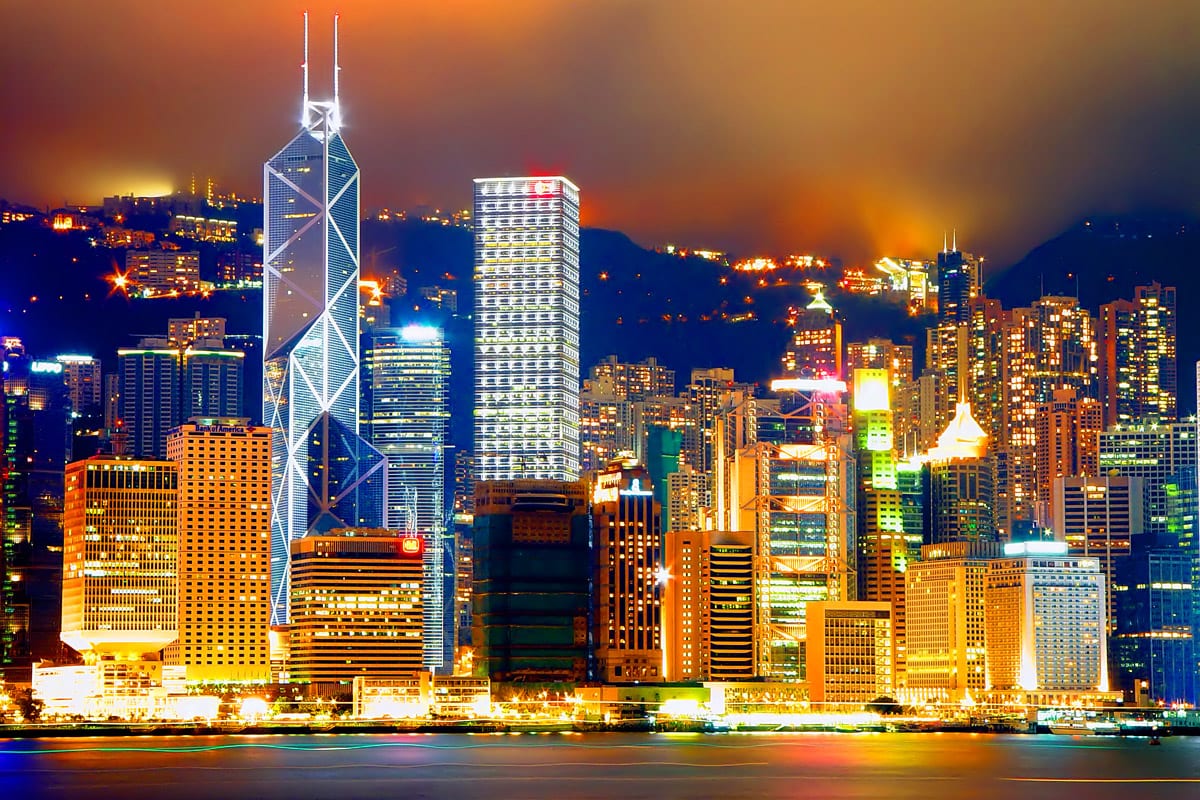
    For Hong Kong, it’s been one thing after another.

    A series of anti-China and pro-democracy protests last year prompted stores to close and mainland tour groups to cancel bookings. Meanwhile, a slowing Chinese economy and President Xi Jinping’s anti-corruption and austerity campaigns have also made the Chinese more wary of buying pricey cognac and Gucci bags in the city.

    While still the biggest outbound destination for Chinese tour groups, Hong Kong is in danger of losing its lead. Mainland Chinese travellers to Hong Kong last year grew by the slowest pace since 2009, Bloomberg Intelligence data show.

    Suncorp notes that the declining AUD has brought in more short term arrivals to Australia, and Australian Bureau of Statistics data shows that it is the Chinese who are coming in increasing numbers with more than 1 million arriving in the 12 months through May, a 17 per cent increase year on year.

    The Aussie has declined almost 35 per cent against the US dollar in the past four years, increasing the purchasing power of tourists and encouraging Australians to holiday at home.

    “According to Tourism Australia, they spent $5.7 billion in 2014, and this is forecast to more than double to $13 billion,” says Suncorp. “China has now surpassed the US as the biggest spender on tourism last year. But Tourism Australia considers we need to do more to take advantage of this boom in tourism and that our attractions are outdated. While we had a massive investment in mining, there was an underinvestment in the not so appealing tourism industry. It is likely that further investment and polishing up our industry will take time, but it is an important step to achieving economic growth in the long-term for Australia, as key commodity prices unwind.”

    Back in Hong Kong, with fewer mainland Chinese staying overnight, average daily rates at Hong Kong’s hotels fell for a ninth straight month through June. The Pearl of the Orient also faces rising competition from regional rivals such as Thailand and South Korea, and mainland alternatives including Shenzhen and Shanghai.

    In addition, China slashed tariffs on products such as face creams and imported sneakers from June 1, reducing Hong Kong’s draw as a cheaper shopping destination.

    The effect on Hong Kong’s retailers has been immediate and painful. Retail sales fell in four of the five months through May, with jewellery, watches and other high-end gifts the worst hit.

    Burberry Group, whose stores in Hong Kong’s Causeway Bay and Tsim Sha Tsui shopping districts sell $HK18,500 ($US2400) handbags and $HK24,000 dresses, has said it may try and lower its rent bill to offset a worsening slump in Hong Kong, while Emperor Watch & Jewellery, which sells Cartier and Montblanc watches, said it may shut one or two of its Hong Kong stores when their leases end this year.

    And the news out of China doesn’t inspire much confidence. French distiller Remy Cointreau reported first-quarter sales that missed analyst estimates as Chinese wholesalers continued to hold back on cognac orders. Prada also reported first-quarter profit that trailed analyst estimates on slumping sales in China, while foreign carmakers including Audi have stepped up discounts to woo buyers.

    So there’s no relief in sight for Hong Kong. The tourism board forecasts overall visitor arrival growth to slow to 6.4 per cent in 2015 from 12 per cent last year, with mainland Chinese tourist arrivals expected to drop by half to 8 per cent. Hong Kong’s economy expanded 2.1 per cent in the first quarter from a year earlier, weaker than a revised 2.4 per cent expansion in October through December.

    “We’re just too exposed to China,” said Silvia Liu, a Hong-Kong based economist at UBS. “Structurally, until the tourism sector consolidates and Hong Kong finds new growth engines, I don’t see the way out yet.”

  • Burberry Hong Kong sales still falling

    Burberry Hong Kong sales still falling

    Burberry Hong Kong was the only apparent dampener on a solid quarter for the British luxury fashion retailer.

    Global retail revenue reached £407 million in the three months to June 30, representing an eight per cent increase, or 10 per cent at reported foreign exchange rates.

    But Hong Kong, where sales fell at a double-digit percentage rate, dragged the broader Asia-Pacific market down by the “low single-digit percentage”.

    “Mainland China comparable sales grew by a low single-digit percentage and Japan saw exceptional growth, albeit off a small base,” said Burberry in its sales statement issued Wednesday.

    Christopher Bailey, CEO and chief creative officer said Burberry was pleased with its underlying six per cent same store sales growth.

    “While mindful that the external environment remains challenging, we will continue to focus on growth opportunities across channels, regions and products, with exciting plans for the year ahead.”

    Bailey said the sales growth – outside Hong Kong – reflected the company’s ongoing emphasis on serving customers more effectively on and offline, and continued innovation in design and marketing – “particularly around the iconic, British-made products that performed so well in the period”.

    By region, there was double-digit percentage comparable sales growth in EMEIA, with strength from the travelling luxury customer in France, Italy and Spain in particular. The Americas delivered high single-digit percentage comparable growth, with footfall recovering through the quarter after a soft start.

    By product, heritage trench coats and cashmere scarves drove growth, as well as ponchos, an emerging key category for the brand.

    During the first quarter, Burberry opened five mainline stores and closed three. Openings included a new store in Brookfield Place, New York and relocations in the Mall of the Emirates, Dubai and Westfield White City, London. It also expanded its Regent Street flagship, adding an area dedicated to gifting.

  • Asia slowdown hits Burberry sales

    A decline in the number of shoppers from mainland China travelling to Hong Kong to buy luxury goods has continued to be a drag on Burberry, the British retailer best known for its trenchcoats and cashmere scarves.

    Burberry said on Wednesday that comparable sales in Hong Kong were hit by a “double digit decline” in the three months to June 30, its first quarter, as fewer Chinese mainlanders headed to the city because of political tensions or hostility from locals.

    The British group, like many other retailers, suffered during last year’s lengthy pro-democracy protests in Hong Kong but has seen no pick-up in trading as mainland Chinese take advantage of changing exchange rates to travel to other destinations such as Japan and South Korea for shopping trips.

    Burberry said sales at its stores in mainland China still rose by a “low single-digit percentage” during the first quarter, but the problems in Hong Kong pushed down sales in the Asia-Pacific region overall by a “low single-digit”. In Japan, the retailer reported “exceptional growth” during the quarter, although from a low base.

    Carol Fairweather, Burberry’s chief financial officer, said the group was trying to target local Hong Kong residents through marketing events in an attempt to stabilise sales in the city. But she insisted all stores in Hong Kong remain profitable.

    Chinese shoppers — who account for 30 to 40 per cent of Burberry’s revenues globally — are still spending during trips to other parts of the world, Ms Fairweather said, despite concerns over weakening consumer sentiment in the world’s second-biggest economy following a period of dramatic stock market upheaval.

    “We still saw growth from the Chinese consumer in China and globally,” Ms Fairweather said.

    The problems in Hong Kong weighed down overall sales growth at Burberry during the quarter. Excluding the effects of currency movements, underlying retail revenue rose 8 per cent to £407m. This was in line with analysts’ forecasts but was lower than the 14 per cent growth recorded during Burberry’s last financial year. Comparable sales for the group as a whole rose 6 per cent, again lower than for the year to March 31 but slightly higher than analysts’ forecasts.

    Burberry said foreign exchange movements were in its favour during the first quarter, pushing it to upgrade its latest forecast for full-year profit at its core retail and wholesale business by £10m. This would, however, be offset by a “more adverse geographic mix” because of the challenges in Hong Kong, resulting in no overall change to group profit forecasts.

    Christopher Bailey, Burberry’s chief executive and chief creative officer, said the first-quarter performance was pleasing in light of “challenging” conditions.

    “We are pleased with our performance in this first quarter,” he said. “While mindful that the external environment remains challenging, we will continue to focus on growth opportunities across channels, regions and products, with exciting plans for the year ahead.”

    Burberry’s trading update came ahead of its annual meeting on Thursday.

    The luxury retailer is no stranger to revolts over Mr Bailey’s pay. At the 2014 annual meeting, almost 53 per cent of votes cast were against the directors’ remuneration report in protest at Mr Bailey’s £20m package.

    There have also been rumblings of a potential rebellion at this year’s meeting. Mr Bailey, who took up the dual role of chief executive and chief creative officer on May 1, 2014, banked almost £8m in pay and benefits for the year to March 31, 2015.

  • Chinese language shopper sentiment rebounds in Might

    Chinese language shopper sentiment rebounds in Might

    Chinese language shopper sentiment rebounded in Might with favorable inventory market performances boosted shopper sentiment.

    The Bankcard Consumption Confidence Index edged up zero.32 factors from a month in the past to 83.99, China UnionPay stated in a report at present.

    Expenditure at eating places and eateries have been up four.9 % from a month in the past whereas spending measurement at malls and purchasing facilities rose 13.75 %.

    Shoppers’ sentiment was in a secure situation with each the inventory market and property sector rebounding in current months and is predicted to select up additional with Buying Managers Index and different macroeconomic knowledge suggesting enchancment.

    The warming up of the property market in current months additionally pushed up house home equipment gross sales, which rose four.09 % in Might from a month in the past.

    Spending at main home vacationer locations and scenic spots surged 43.four % whereas spending worth at fuel stations additionally rose 9.6 % as commuting and touring picked up prior to now month.

    Current worth cuts by international trend homes resembling Burberry and Gucci of their home retailers pushed up luxurious luggage and leather-based gross sales by 32.9 %.

  • Burberry bemoans Larger China problem

    Burberry bemoans Larger China problem

    Higher China has put a dampener on the in any other case stellar success story of revamped luxurious model Burberry.

    The corporate had earlier posted an 11 per cent rise in income to £2.5 billion and a seven per cent improve in pre-tax revenue to £456 million within the yr to March.

    However on Friday is warned that a beneficial fluctuation in foreign money would increase its backside line by £50 million would truly solely in reality ship £10 million, because of an increase in worth of the pound towards the Hong Kong and US dollars.

    Buyers have been spooked, maybe extra by the size of a monetary miscalculation which was by some means out by £40 million in simply 11 days as by any concern over the worth or efficiency of the model as an entire. Shares shed six per cent of their worth within the day’s buying and selling.

    Final yr’s pro-democracy protests in Hong Kong, together with the much-publicised shift within the demographic of mainland Chinese language vacationers hit Burberry arduous, given the territory accounts for 10 per cent of its international gross sales.

    So a gross sales drop in Hong Kong measured within the mid single digits can simply impression the underside line. So, too, wallet-tightening in China’s mainland. So whereas Burberry had anticipated some cushioning from beneficial trade price tendencies, additional evaluation since has apparently revealed much less constructive developments.

    The weakening of the euro has elevated what luxurious manufacturers confer with as ‘gray market gross sales’, the place inventory is purchased from wholesalers or shops in Europe on the market at a revenue in China and Southeast Asian markets. This prompted the model to extend Europe costs, and scale back them in Asia, affecting income at each ends, however defending the integrity of its provide chain.

    One vendor noticed that decreasing the 2016 steerage had harm Burberry, hinting the share worth influence was an unfair judgment.

    “Beneath, the numbers learn nicely and are forward of forecasts and the corporate is doing lots to make the enterprise sustainable,” one London supplier advised UK information media.

  • Burberry Hong Kong blights sales

    Burberry Hong Kong blights sales

    Burberry says its first half sales rose nine per cent – with double digit growth in the US making up for declining sales in Hong Kong.

    “Asia Pacific delivered low single-digit percentage comparable sales growth,” the company said in a statement.

    Within this, China and Korea grew by a mid single-digit percentage, while Burberry Hong Kong, a high margin market, decelerated further during the period, resulting in a mid single-digit percentage decline in comparable sales in the half.

    Hong Kong’s performance was so bad, it dragged the overall Asia market growth (excluding Japan) to a mere four per cent, by far it lowest performing region.

    “Digital again outperformed in all regions.”

    Burberry’s revenue for the six months to March 31 totalled £1.4 billion. Sales growth was in the double digits for North America and the combined Europe, Middle East, India and Africa region.

    Sales by the company’s own retail channels rose by 13 per cent – significantly outperforming total revenue growth.

    CEO and creative director Christopher Bailey described the half year performance as “robust” despite the Burberry Hong Kong disappointment.

    During the second half, Burberry opened seven mainline stores and closed nine. Openings included a flagship in Rodeo Drive, Los Angeles, a store in the Miami Design District, as well as a second dedicated Beauty store globally, in Seoul, Korea.

    Due to the phasing out of the Japan license arrangement, the company’s licensing sales were down by 40 per cent, but sales from directly-operated stores in the nation rose by more than 30 per cent.

    During the six months, Burberry opened a flagship in Osaka, its fifth free-standing store in Japan, relocated the store in Omotesando, Tokyo, and opened three concessions, taking the network 13.

    Concluded Bailey: “We anticipate external challenges will continue in the current year, but remain confident in our long-term strategy to build the Burberry brand and business globally.”

    At the end of March, Burberry had 214 retail stores globally, 213 concessions, 57 outlets and 67 franchised stores.

  • Burberry Korea partners with Shinsegae

    Burberry Korea partners with Shinsegae

    Burberry has entered into a new digital collaboration with Korea’s Shinsegae Group to launch the official Burberry ssg.com store in South Korea.

    The custom-built, dedicated space mirrors the brand’s own online flagship store, Burberry.com and is consistent with Burberry’s global luxury positioning. It offers Korean consumers a tailored assortment of Burberry products, allowing the consumer to have a seamless experience of the brand both in physical stores and online.

    The store will offer the Burberry Prorsum, Burberry London, Burberry Brit and Heritage collections, along with accessories, in the womenswear, menswear, childrenswear and accessories categories.

    The Burberry Korea store will be accessible in South Korea across all mobile, tablet and desktop devices. The official Burberry SSG.com store can be found here.

    South Korea’s Shinsegae Group operates both online and offline retail businesses and is considered the leading luxury department store in the nation. It  was founded in 1930.

  • Burberry Japan opens Osaka flagship

    Burberry Japan opens Osaka flagship

    Burberry has opened its first freestanding store in Shinsaibashi, Osaka.

    Set over two floors, the new flagship store houses the largest Burberry product assortment in Osaka, including the brand’s collection of Made in England trench coats.

    In-store digital screens showcase Burberry content and broadcast live events directly from the brand’s global headquarters in London, enabled by the Burberry retail theatre concept.

    The store showcases the Burberry Prorsum, Burberry London, Burberry Brit, Heritage, Accessories and Burberry Osaka Exclusive Collections and stocks womenswear, menswear, accessories, eyewear and watches.

    Burberry Japan Osaka 315

    To celebrate the opening, an exclusive range of men’s and women’s accessories was designed just for the Burberry Osaka store. This collection includes limited edition versions of key Burberry bag styles – The Mini Bee bag and The Petal bag for women.

    Burberry has a long-term commitment to Japan where it currently has four mainline stores and 13 concessions in locations including Omotesando, Kobe, Ginza Marronnier Dori and Roppongi.

    Burberry says it is beginning “a new chapter in Japan” in 2015. From June, the brand’s licensed products will be replaced with the Burberry global product offering including its British made heritage trench coats manufactured at its facilities in Yorkshire in the North of England and its scarves made in Scotland.

  • British luxury brands target China

    British luxury brands target China

    Walpole, the alliance of Britain’s finest luxury brands, is leading a delegation of preeminent industry figures to the Great Festival of Creativity in Shanghai this week.

    As the curator of the ‘luxury and fashion’ content of the three-day programme which started today, (March 2), Walpole is showcasing the central role that luxury and fashion brands play to the UK creative industries and the importance of relationships between British and Chinese businesses.

    Key members of this delegation include Jo Malone MBE, Michael Ward of Harrods, Savile Row tailor Patrick Grant, Dunhill’s Fabrizio Cardinali, Vertu’s Massimilano Polgani and footwear designer, Rupert Sanderson.

    The leaders will be speaking at the festival, representing the luxury and fashion industries and representing Walpole’s 170 members. They are discussing some of the most prominent issues shaping the future of the luxury industry. Topics include, the bespoke revolution, the luxury menswear market in China, how to build a luxury brand and the future of luxury & fashion retail.

    “Walpole exists to promote, protect and develop the British luxury industry, both at home and abroad. China is a vital growth market for British luxury brands and the Great Festival of Creativity brings together business leaders and creative minds to promote business, share insights and develop relationships between the UK and China,” said Charlotte Keesing, director of Walpole.

    “Chinese consumers are intrigued by British luxury brands and our association with heritage, craftsmanship and sophistication and we are honoured to be playing a central role in the Festival.”

    The Festival, at Shanghai’s Long Museum, will be opened by The Duke of Cambridge, with Walpole curating the programme for the third day of the Festival on March 4. The event will be attended by world-leading businesses and creative leaders from both the UK and China.

    Highlights of March 4 include:

    • ‘A Nose for Luxury’ with Jo Malone MBE, with the founder of Jo Malone and now Jo Loves giving an insight into her creative process, entrepreneurial insights, and how innovative new products and entertaining experiences are brought to life at her Fragrance Brasserie Bar. This session will be hosted by Vogue China’s editor-in-chief Angelica Cheung.
    • ‘The Bespoke Revolution’ – a panel discussion where leaders from the worlds of fashion and luxury including Fabrizio Cardinali from Dunhill, Roja Dove, Roger Smith, Grace Chen and Dylan Thomas from GQ join the stage to discuss and share their understanding of what it means to be truly bespoke by examining the latest developments in tailoring, fashion, accessories, and fragrance.
    • ‘Luxury Menswear in China’ – Fabrizio Cardinali from Dunhill, Richard Cohen from Trinity Group, Madam Xia from Eve Fashion, Patrick Grant from E. Tautz and Grant Pearce from GQ in Asia reflect on both the business and fashion elements of the world of menswear in China.What are the drivers of growth in the market, the role of creativity in branding and marketing, and what are the keys to future success.
    • ‘View From the Front Row’ – Fresh from New York, London, Milan & Paris Fashion Weeks, Liz Schimel from Conde Nast China, Angelica Cheung from Vogue China and Francesca Muston from WGSN give an editor’s view of what’s in store and online for A/ W 2015.
    • ‘How to Build a Luxury Brand’ – The luxury world has gained significant traction in the past decade. Savile Row tailor Rupert Sanderson, Douglas Fang from Pringle and Massimiliano Pogliani from Vertu share insights and experiences from both heritage businesses and emerging brands, unearthing together the common themes linking their stories of success.
    • ‘The Future of Luxury and Fashion Retail’ – How will new high tech stores change the future of retailing? Victor Fung from Li & Fung, Michael Ward from Harrods, Andrew Keith from Lane Crawford, David Zhao from Shangpin and Dan Cotton from WGSN will predict what will define the next 15 years of luxury and fashion retail.

     Walpole is an alliance of diverse luxury businesses, including Alexander McQueen, Burberry, Rolls-Royce, Selfridges and The Savoy, united in a commitment to quality. Walpole’s mission is to give British excellence a collective voice in an increasingly competitive global market and to help luxury businesses meet the special challenges and opportunities arising from it. Walpole exists to promote, develop and protect British luxury at home and abroad.

    The Great Festival of Creativity Shanghai will be held at the Long Museum.

    The Great Britain campaign is the UK’s Government’s ambitious international marketing campaign aimed at showcasing the very best of what Britain has to offer and encourage the world to visit, study and do business with the UK.

  • Burberry teams with Line

    Burberry teams with Line

    Burberry and Line have launched a global partnership beginning with a platform first – the live stream of Burberry’s upcoming Prorsum womenswear show, direct from London.

    Burberry and Line say they will initially be partnering to offer Line users in Japan “unique creative content and real time technology” to take users closer to the luxury British brand.

    It’s the second major retail initiative this week for Japanese-founded Line, following the launch of an online supermarket service in Thailand as the first step in a Southeast Asia-wide grocery store roll-out.

    But the Burberry relationship will not extend to online shopping, rather it is a brand building exercise which in time will expand beyond Japan.

    Burberry chief creative and CEO Christopher Bailey said Burberry has long admired Line for its innovation and creativity.

    “This exciting collaboration will help us share our rich heritage and culture of design by building a very personal relationship with audiences in Japan.”

    Users of Burberry’s Line official account will be able to watch the Burberry Prorsum Autumn/Winter 2015 Womenswear runway show live from London Fashion Week on February 23. Using the mobile live cast functionality Line Live Cast, viewers in Japan will be able to experience the show in real time.

    An exclusive collection of Burberry ‘Cony and Brown’ ‘digital stickers’ will be launched with both characters dressed in iconic Burberry trench coats and cashmere scarves designed for the platform. The stickers will be available exclusively to Line users in Japan from mid-February.

    Line CEO Akira Morikawa said his company was pleased to be recognised as “a powerful and stable platform” by Burberry.

    “This is a huge step for Line as it continues to grow its brand and expand globally. We look forward to working with Burberry to provide users with uniquely enjoyable and revolutionary experiences achieved by connecting an increasingly smartphone-oriented fan base with one-of-a-kind luxury fashion available both in-store and online.”

    Burberry is beginning a new chapter in Japan in 2015. From June, the brand’s licensed products will be replaced with the Burberry global product offering including its British made heritage trench coats and scarves.

    Burberry has 16 stores in Japan, including flagships in Kobe, Ginza Marronnier Dori and Roppongi in Tokyo. Last November it opened a new store in Omotesando, Tokyo.

    Line has expanded its user base globally and now has more than 181 million active monthly users.

    Burberry’s Line official account: LINE ID : @burberry_jp. It is in Japanese only at this stage.

  • Burberry warns fall in HK sales could impact its full-year margin

    Burberry warns fall in HK sales could impact its full-year margin

    British luxury brand Burberry warned on Wednesday that a fall in sales in the key market of Hong Kong in the last quarter of 2014 could impact its full-year margin. Pro-democracy protests began choking parts of the Asia financial center in late September, disrupting business in one of the world’s top markets for luxury companies, which accounts for about USD9.7 billion of global luxury sales, or 4 percent of the total, according to estimates by Bernstein Research.