Tag: burberry

  • Burberry COO steps down

    Burberry COO steps down

    Burberry COO John Smith has announced his resignation from the luxury retailer.

    The UK company said in a statement that Smith will leave the business next year after seven years to “pursue new interests”.

    John-Smith-CEO-Burbery

    “With the company’s future strategies now in place, I am ready to embark on a new challenge,” Smith said.

    “Having been the CEO of a fast growing international business in the past, I am exploring a number of exciting new leadership opportunities in that arena.”

    Burberry chairman Sir John Peace said Smith, who was first a non-executive director and later COO, would be particularly remembered for his success driving digital growth and optimising the potential of Burberry’s beauty and travel businesses.

    “John has been an important contributor to the company’s success and we wish him well in the future.”

  • Giorgio Armani Asia suffers in China

    Giorgio Armani Asia suffers in China

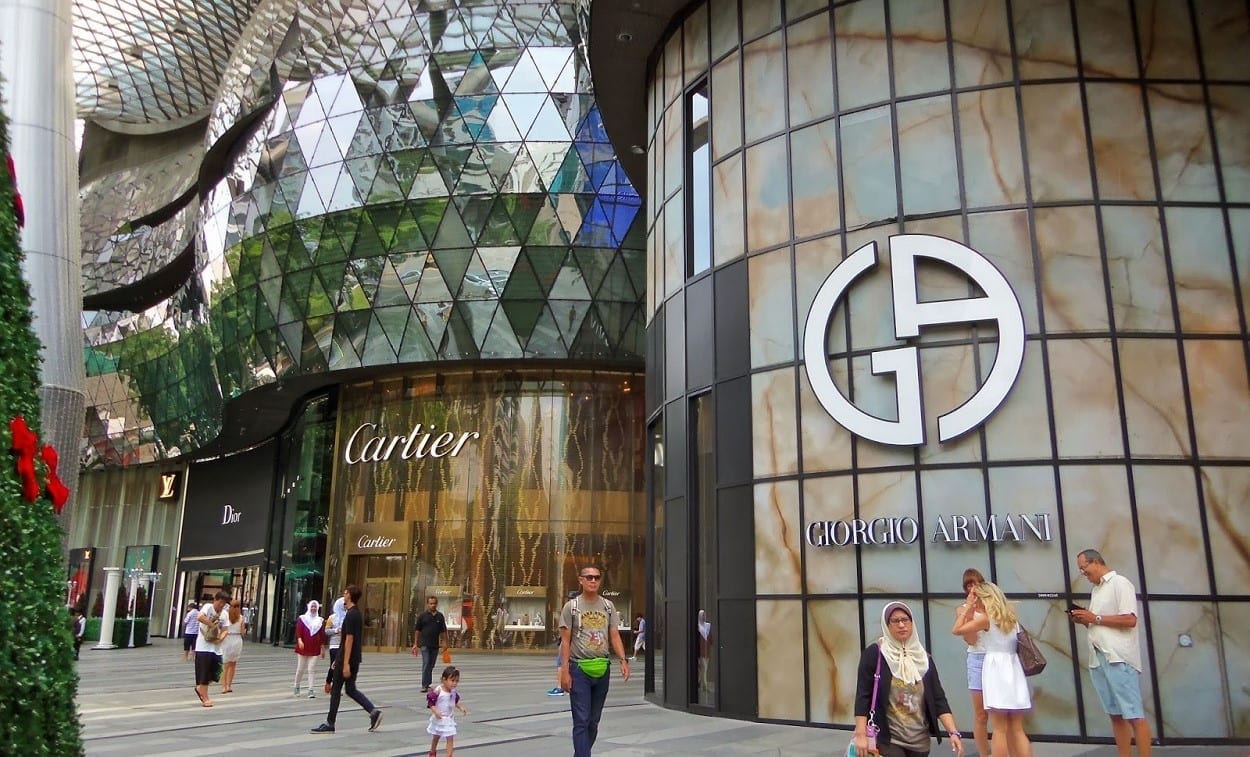
    Italian fashion house Giorgio Armani Asia is the latest luxury retailer to cite greater China as the cause of a downturn in sales.

    Burberry and Hugo Boss have also been hit by China’s economic slowdown, leading to Hugo Boss cutting its prices in Asia.

    Armani says revenues grew 4.5 per cent last year, a 16 per cent drop from the year before. Revenues totalled €2.65 billion (US$ 2.95 billion). Prada had sales of €3.55 billion.

    The Milan-based group, whose products include accessories, cosmetics and furniture, and the more affordable Armani Exchange range, says earnings before interest, tax, depreciation and amortisation edged up 1 per cent to €513 million last year, from €507 million in 2014.

    Despite the slowdown, the firm says its cash reserves of €640 million allowed it to step up investments in its brands to “further strengthen its competitive market position”.

    “These results are the outcome of an attentive diversification policy for the group’s lines, paired with the co-ordination of distribution channels and enhancement of the role that our trade partners play,” says president Giorgio Armani, who founded the company in 1975. The 81-year-old designer is still actively involved in the business.

  • Burberry prices ‘too expensive’ in China

    Burberry prices ‘too expensive’ in China

    Burberry prices are too high in China and Hong Kong and the brand must make cuts if it wants to arrest falling sales in the region says a retail analyst.

    Last week the UK-headquartered luxury fashion label reported its second consecutive drop in earnings, this time by some 10 per cent. Sales in Hong Kong have fallen more than 20 per cent for three consecutive quarters.

    Jack Chuang, a partner with Hong Kong-headquartered OC&C Strategy Consultants, says while the company is planning to cut overheads by £100 million over the next two years, the solution is a lot simpler.

    “Saving cost might help with Burberry’s short-term financial performance, but we don’t think it will help solve the fundamental problems it has in Asian market.

    “Among all the luxury brands, Burberry is almost the one with most significant price gap between Asian and European markets. Prices in Mainland China are almost 40 per cent higher than in UK, while in Hong Kong, it is 20 per cent higher.”

    Chuang says while a lot of luxury brands have started to think about price equalisation – citing Chanel, Cartier and Dior as examples from last year and, more recently, Valentino – Burberry raised its prices in China again in May by 5 to 10 per cent.

    “If it continues this type of strategy, more and more domestic demand will shift to the overseas market through travelling or cross-border eCommerce and no matter how they save cost (whether limited to Hong Kong or globally), they are going to have problems in Asia.”

  • Asia drops Burberry profit

    Asia drops Burberry profit

    Hong Kong has been blamed for a further decline in Burberry profit and a consequential cutback of staff and products.

    The British luxury goods brand has reported an 8 per cent fall in adjusted pre-tax profit to £421 million in the year to March 31 on flat revenue of £2.5 billion.

    In an earnings call, CFO Carol Drinkwater said trading in Hong Kong and Macau, which account for about 8 per cent of sales, remained tough, but the group’s stores there are still profitable, and all luxury brands were affected.

    “Conditions remain extremely challenging,” she said.

    As Andy Hall, explains, retail like-for-like sales were down by 1 per cent globally.

    But that was entirely due to falling demand in Hong Kong and Macau, where Burberry and its peers have had to contend with a collapse in demand for luxury goods. Excluding the two territories’ figures, same store sales rose a more respectable 3 per cent.

    “While the Burberry brand retains appeal globally, wider economic conditions and trading in traditionally lucrative Asian markets has dampened footfall, and hurt luxury players like Burberry the most,” said Hall.

    CEO Christopher Bailey is now looking to create a more efficient retail operation – with a £100 million cost reduction plan to be implemented over the next two years to restore profit growth and appease increasingly nervous shareholders while it weathers the Hong Kong storm.

    The company plans to cut between 15 and 20 per cent of its products across all its range, focus more on handbags and eliminate about 100 jobs.

    “I am mindful we are embarking on this plan at a time when our industry is facing significant challenges,” said Bailey, who has seen the company’s market value fall by about 37 per cent over the last 12 months.

    Handbags have higher margins and the company is not selling as well as rivals Louis Vuitton and Prada in that category.

    Furthermore, Burberry is aware it needs to increase its sales per square foot, currently estimated at around 1600 euros a year, a third that of Louis Vuitton and also well behind Moncler and Prada.

    Bailey has conceded Burberry is not as good as its rivals in “retailing basics”. It now plans to make its stores more productive by further tailoring ranges for local customers, improving customer service, increasing staff training and reviewing merchandise to highlight a reduced, simpler range of product.

    Hall says a renewed focus on in-store service and productivity would bring Burberry in line with the focus of luxury peers and would create a leaner, fitter operation with which to take the blows being dealt by a declining global demand.

    “Burberry’s decision to streamline its product ranges, at the same time as introducing some new products such as its Scarf Bar and new male fragrances, demonstrates its commitment to innovation, and attempts not to be left behind by other luxury fashion players.”

    Hall says Burberry has a lot of attributes in its favour and the collapse in demand in Hong Kong is unlikely to be its undoing.

    “However, with the retailer now re-focusing its efforts on retail (which accounts for 73 per cent of group revenue), it is crucial it continues to make pro-active improvements to the business. Examples of this – such as its reshaping of the fashion-show calendar, and imminent relaunch of its Burberry.com website, will help the brand to retain strong recognition, and ensure it holds its appeal even as the wider trading backdrop remains challenging,” said Hall.

  • Tourism slump hits Burberry Hong Kong sales

    Tourism slump hits Burberry Hong Kong sales

    British luxury brand Burberry Hong Kong has seen its sales slide by more than 20 per cent for the third quarter in a row.

    The result reflects the continuing fall-off in tourist numbers to Hong Kong from China, including a 26 per cent drop in February.

    Burberry’s second-half sales results, just released, show a “challenging” environment for luxury, says CEO Christopher Bailey. Global comparable sales declined by 2 per cent, dragged down by Hong Kong and Macau. Global comparable sales excluding these regions actually edged up 1 per cent for the half.

    Burberry’s bright spots were Mainland China, Japan and Korea, which all saw positive growth. Japan, which has become a luxury shopping hotspot for Chinese tourists, had double-digit growth in total retail revenue.

    Sales also slowed down in Europe, as luxury shoppers from China avoided the region following the Paris terror attacks in November. Demand for Burberry goods fell in France, Germany, Italy and Spain amid a general sense of unease about security and fears of further terrorist attacks in Europe.

    However, it is not all doom and gloom for Burberry, says Verdict Retail analyst Andrew Hall, citing growth in online sales and the launch of the Mr Burberry fragrance. The success of Burberry’s fragrances has seen the brand’s beauty division achieve underlying growth of 10 per cent in the second half.

    “Furthermore, Burberry continues to be at the forefront of luxury fashion retail, making headlines with high-profile collaborations – for example, Steve McQueen – and sending waves across the industry as it shakes up the traditional fashion show timetable,” says Hall.

    “Burberry can certainly be proud of the hard-won successes, but long-term strategic leadership is needed to overcome the blows dealt by performance in some Asian markets. Until this is achieved, the good work will continue to be overshadowed by falling demand in Hong Kong and Macau.”

  • Burberry posts disappointing second-half sales

    Burberry posts disappointing second-half sales

    Burberry posted disappointing fiscal second-half sales and warned on profit for the current fiscal year, sending its shares lower and highlighting the pressure on chief executive Christopher Bailey to turn around the British luxury retailer’s performance.

    Burberry reported a 2 per cent decline in comparable sales, a closely watched figure that excludes store closings and new store openings, that missed analyst estimates. Results were hurt by a 5 per cent decline in its fourth quarter ended March 31 amid a poor performance in Hong Kong, the US, Europe and Britain.

    Shares fell as much as 7 per cent before retracing some of the loss to close nearly 70 pence lower at 1275 pence in London.

    “Sales look to have been under pressure in all areas,” said Liberum retail analyst Tom Gadsby.

    Burberry isn’t alone in struggling against headwinds in global luxury. LVMH Moet Hennessy Louis Vuitton earlier this week reported first-quarter sales rose 4 per cent, below what analysts were expecting, as the company grappled with sluggishness in France following the Paris terror attacks.

    Mr Bailey took Burberry’s helm in May 2014, shortly before currency gyrations and political unrest hammered sales in greater China, a typically high-margin region for the company.

    Mainland China is now bouncing back, but sales have stayed weak in Hong Kong — where Burberry has 14 full-scale stores and a number of concessions — in the wake of tighter visa policies for residents in nearby Shenzhen, previously frequent visitors to Hong Kong.

    Mr Bailey has moved to renegotiate rents and reduce store space in Hong Kong, along with tweaking marketing and product assortments to better appeal to local shoppers. Sales in Hong Kong nevertheless fell more than 20 per cent in the fourth quarter.

    Beyond Asia, Thursday’s results showed broad-based weakness, indicating that Mr Bailey is struggling on a number of fronts.

    The US, the world’s largest luxury market, has been particularly difficult for Burberry. The company’s long-term push to burnish its brand there hasn’t yet gained enough traction.

    “We are focused on elevating our brand in the US longer-term,” said chief financial officer Carol Fairweather, describing choppy demand from US shoppers as “perplexing”.

    As with LVMH, the terror attacks in Europe took their toll on Burberry. Comparable sales in Europe weakened in the fourth quarter as tourism declined in recent months. “Clearly, events in Paris and Brussels do have an impact on sentiment,” Ms. Fairweather said.

  • Asia gives Jimmy Choo an unlikely boost

    Asia gives Jimmy Choo an unlikely boost

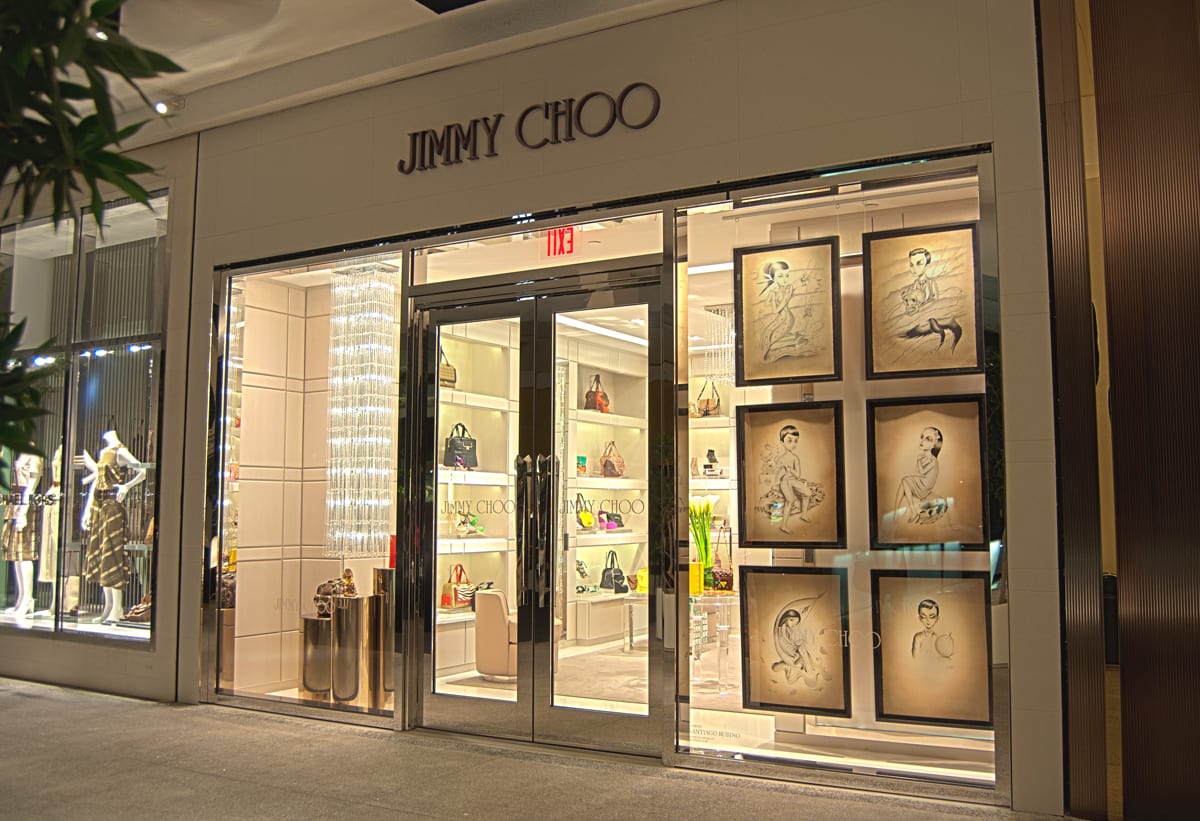
    While a majority of luxury fashion retailers are blaming Asia for declining sales and failing to meet profit projections, Jimmy Choo has confounded the market by praising the continent.

    Jimmy Choo has reported sustained growth in far eastern markets to deliver 6.1 per cent revenue growth for 2015, to £317.9 million.

    “Whereas other players such as Burberry have faltered with declining Chinese demand, Jimmy Choo has been able to deliver impressive revenue growth across Asia,” notes Andrew Hall, an analyst atVerdict Retail.

    “The brand’s relative immaturity in these markets has helped to shield it from the decreasing demand and a stuttering economic slowdown in the region. Investment in new store openings and plans for new flagship stores across Asia sets Jimmy Choo apart from its rivals and will continue to reap rewards for the brand.”

    Jimmy Choo’s Asian sales rose a staggering 21.2 per cent, more than enough to offset a 2 per cent decline in sales in Europe, Middle East and Africa.

    The company reported a pre-tax profit of £22.1million, a significant turnaround on the 2014 loss of £8.2 million. It opened 13 new stores.

    In an earnings statement, Jimmy Choo said its Asian business in Asia and Japan is growing well.

    “We see significant opportunities to maintain this outperformance in the years ahead. Despite challenging market conditions, we expect continuous operating efficiencies and the dynamism and flexibility of our teams to enable us to drive margin expansion and continue the reduction in leverage and financing costs.”

    Said chairman Peter Harf: “Jimmy Choo continues to outpace the sector despite the challenging competitive environment. The company successfully reversed the first half decline in wholesale revenues and remains on track with growth forecasts in Asia and Japan where brand awareness continues to grow strongly.”

    However, Hall warns that Jimmy Choo is far from immune to the geopolitical situation: the decline of Russian luxury consumers in Europe, attacks in Paris deterring European consumers, and the weakening of the euro have contributed to disappointing performance in EMEA.

    “While the brand has achieved an operating margin of 9.4 per cent, compared to 8 per cent last year, the shoe specialist must be wary of creeping costs as it not only pursues store expansion but invests in omnichannel capabilities and continues to develop a strong social media presence,” said Hall.

    “Creative Director Sandra Choi has led a strong year of product design, building upon Jimmy Choo’s British identity to produce seasonal ranges which continue to resonate with consumers across the globe. While attempts to embrace the male market remains a difficult nut to crack, the development of stores aimed at both genders and the strength of new fragrances has seen the brand make headway into capturing a male demographic.”

    Hall said Verdict expects Jimmy Choo to continue to outperform the luxury sector in Asia giving it another year of solid total revenue growth.

    “However the Chinese market remains volatile and Jimmy Choo should be wary of putting all of its eggs in one far-eastern basket as its grip on European markets loosens.”

  • Cambodia duty-free store opened by DFS

    Cambodia duty-free store opened by DFS

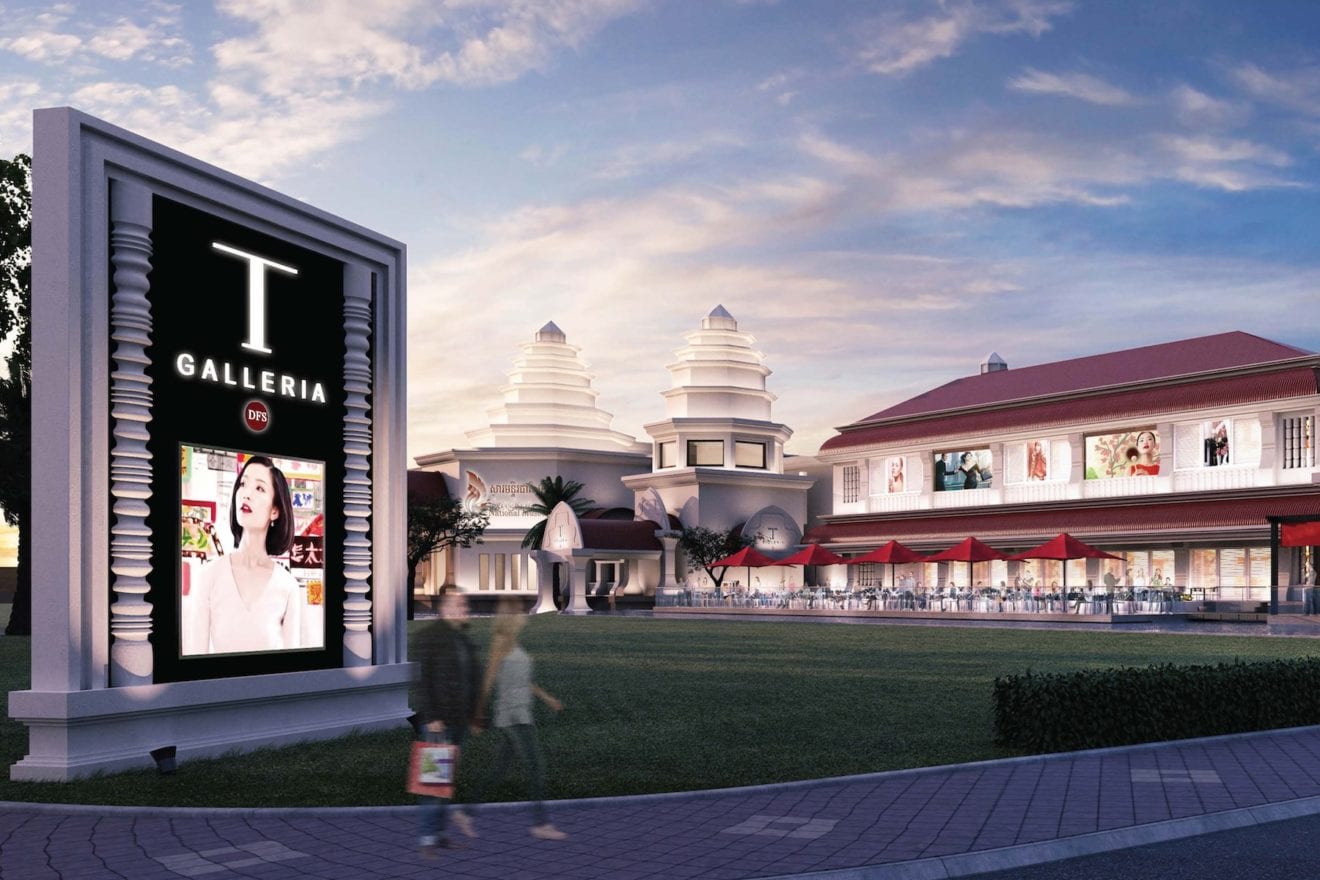
    Luxury travel retailer DFS Group has opened its first T Galleria by DFS store for Cambodia in the resort town of Siem Reap.

    Near the ancient temple of Angkor Wat, T Galleria by DFS, Angkor is the largest Cambodia duty-free luxury department store, offering an integrated retail, hospitality and leisure experience.

    The store is opening in phases until June, bringing 170 brands to the 86,000 sqft (7990 sqm) space, including fashion and accessories, watches and jewellery, wines and spirits, and beauty and fragrances as well as locally handcrafted artisan products.

    Next to Angkor National Museum and overlooking a park, the new outlet features traditional Khmer motifs and carvings by Cambodian artisans. Stone columns feature panels carved in styles reflecting the nearby temples and palaces of Angkor Wat, intricately patterned wall screens and floor tiles evoke local architecture, and a 20m art installation suspended above the store’s vaulted atrium, was inspired by the hues of Buddhist monks’ robes. More than 200 local sales associates will welcome customers.

    Several firsts for Cambodia duty-free come with the opening of the store, such as watches and jewellery brands Bulgari, Carl F Bucherer and Tiffany & Co and international fashion brands Burberry, Bottega Veneta, Fendi, Gucci, Ralph Lauren, Saint Laurent and Zegna. There are also 12 exclusive beauty and fragrance brands such as Bobbi Brown, Cle de Peau Beaute, Mac and Sulwhasoo.

    Among Cambodian artisans featured are Angkor Artwork, whose master craftsmen Eric and Thierry Stocker produce lacquer and straw marquetry using traditional techniques. There is also Golden Silk, one of the last fully integrated silk producers in the world to use the rare yellow silkworm indigenous to Cambodia, and Samatoa, an eco-friendly accessories brand that has revived the technique of lotus-fibre weaving.

    T Galleria by DFS, Angkor has also teamed up with Artisans d’Angkor, a socially conscious business aimed at revitalising Cambodia’s traditional craftsmanship while pioneering a sustainable working environment. Its exclusive collection of handwoven silks and fine crafts were designed by and will benefit local artisans.

    An onsite restaurant, Crystal Jade, will open in June, the first outlet in Cambodia for the Singapore brand. It will serve traditional Chinese cuisine and dim sum dishes in a casual setting overlooking gardens and reflecting pools.

  • Speculation builds of Burberry takeover

    Speculation builds of Burberry takeover

    Speculation of a Burberry takeover bid have seen the London-headquartered luxury fashion company’s share price rise 6 per cent in recent days.

    An unidentified party has built a 5 per cent stake in the business. Under London Stock Exchange rules any shareholder holding more than 3 per cent equity must disclose their identity, but an exemption allows investment managers to represent a client with up to 5 per cent. When that threshold was breached briefly in February by HSBC, acting on behalf of the mystery Burberry bidder, the excess was quickly resold.

    UK media is reporting that Burberry is “keeping a close watch on the stake”, but has yet to receive any takeover approach.

    According to a report in The Financial Times, Burberry has asked HSBC to reveal its client’s identity.

    While Burberry maintains strong brand strength, it has suffered from a decline in sales in China and Hong Kong, its key markets, due to the Chinese government’s clampdown on gift-giving and graft, and changing travel patterns of wealthy Mainland Chinese.  As a result, its market capitalisation has slipped to about £6 billion.

    The Financial Times nominated LVMH Group and private equity investors as possible buyers of the 5 per cent cornerstone stake.

  • Global duty free retailing to hit US$98 billion

    Global duty free retailing to hit US$98 billion

    Global duty-free retailing is expected to reach nearly US$98 billion in revenue by 2019, according to a new study by global technology research and advisory company Technavio.

    With the expansion of low-cost airlines, many middle-class travellers are taking inexpensive holidays, a trend that has helped the Asia Pacific and Middle East emerge as the fastest-growing regions for duty-free retail marketing, says Technavio analyst Vijay Sarathi.

    He says China, India, Indonesia, South Korea and Sri Lanka were among some of the most-desired inexpensive destinations in 2014.

    “During the same period, it is estimated that international tourist inflow in APAC increased to almost 263 million travellers, and it has largely helped the market grow until 2019.”

    Just released in London, Technavio’s report, Global Duty-Free Retailing Market 2015-2019, provides an in-depth analysis of market growth in terms of revenue and emerging market trends.

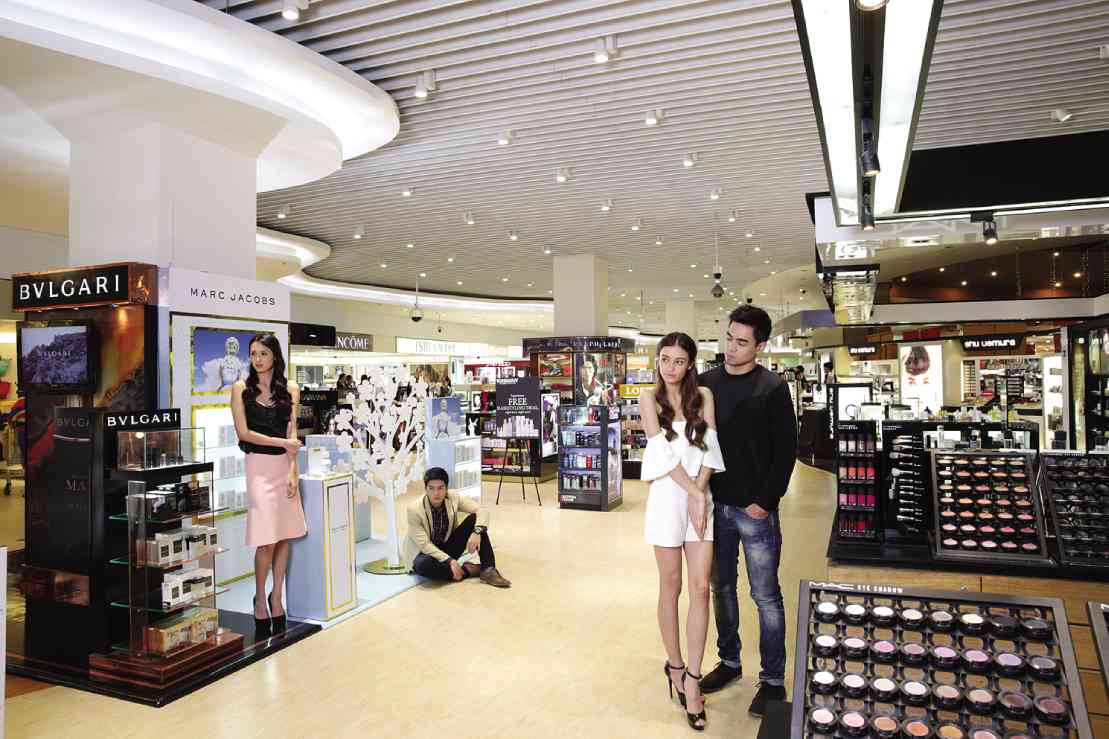
    By products, the global duty-free retailing market for 2014 comprised fashion accessories and hard luxury (32.1 per cent), perfume and cosmetics (29.21 per cent), wines and spirits (16.02 per cent), tobacco (12.43 cent), and confectionery and fine food (10.25 per cent), says the report.
    It says the fashion, accessories and hard luxury segment was valued at close to $20.81 billion, with the most in-demand products including precious jewellery, briefcases, handbags and shoes. The more popular brands include Armani, Burberry, Fossil, Gucci and Michael Kors.
    Technavio researchers say Chinese travellers emerged as the largest consumers of luxury brands last year, contributing nearly 25 per cent of global revenue.
    The perfumes and cosmetics segment is one of the fastest-growing categories in the global duty-free retailing market. APAC and the Middle East are the key regions for this category, with some of the top-selling brands including Chanel, Christian Dior, Estee Lauder and Guerlain.

    With close to 21.5 per cent of revenue share in the category, L’Oreal created a division especially for duty-free stores in 2013, describing the division as “the sixth continent”. In 2014, L’Oréal launched theVichy and Kerastase brands in the duty-free retail segment in Asia, and also launched the Three-Minute Beauty program to engage with potential luxury product buyers at airports.
    The liquor category is expected to grow to $13.47 billion in 2019. In 2014, Diageo opened two Johnnie Walker Houses in duty-free shops in India and Taiwan.

  • Genesis Luxury takes on Coach India

    Genesis Luxury takes on Coach India

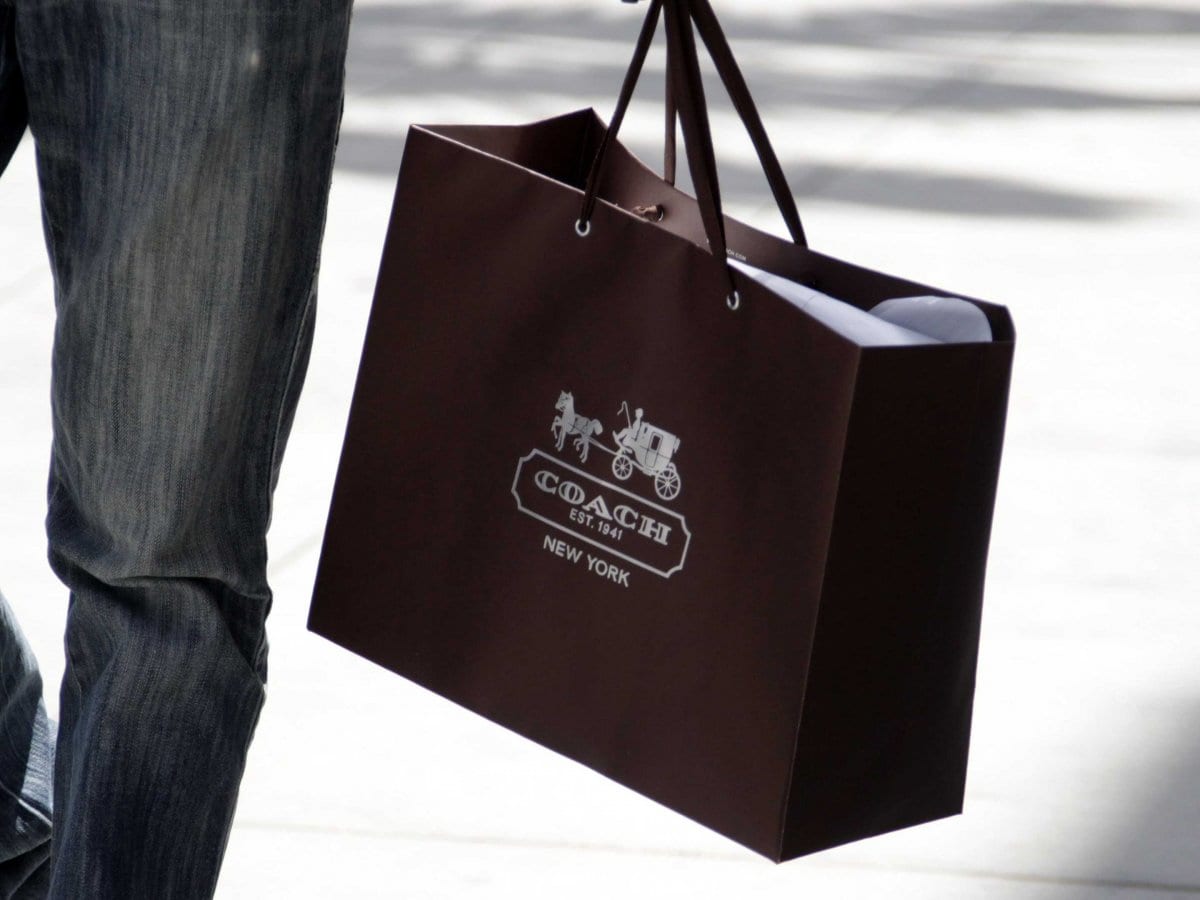
    Indian fashion conglomerate Genesis Luxury Fashion has formed an exclusive partnership to New York design house Coach to introduce it to the Indian market.

    The first Coach India store will open to coincide with the brand’s 74th anniversary this year.

    “We are confident the brand’s commitment to heritage and innovative design will be warmly embraced by the growing number of Indian luxury consumers, who are innately drawn to craftsmanship, ” says Genesis Luxury MD Sanjay Kapoor.

    “Coach has tremendous potential in our market, and with our shared vision and well-defined strategies, we are focussed on accelerating its retail presence and visibility across key cities in India over the next few years. ”

    Coach international group president Ian Bickley says the company is confident its luxury store environment featuring designer Stuart Vevers will be “embraced and coveted” by fashionable Indian buyers.

    Established in New York City in 1941, Coach is known for its leather goods.

    After consolidating the Indian fashion market with such designer labels as Bwitch and Satya Paul, Genesis Colors (established in 2001) moved into marketing and distributing global luxury brands through its subsidiary Genesis Luxury Fashion in 2008. Its portfolio includes Burberry, Bottega Veneta,Canali, Giorgio Armani, Emporio Armani, G-Star Raw, Hugo Boss, Jimmy Choo, Michael Kors, Paul Smith, Tumi and Villeroy & Boch.

  • Is Time Running Out For Luxury in China?

    Is Time Running Out For Luxury in China?

    In 1992 Louis Vuitton made its debut in China with a store in Beijing’s bustling shopping district of Wangfujing, becoming the first luxury brand to set foot in the Middle Kingdom. The timing was perfect. The Chinese economy was just coming into its own, embarking on a spectacular journey of double-digit economic growth. This was the start of the consumerist boom that would shape the fortunes of many Western brands in China.

    Louis Vuitton’s signature monogram soon became ubiquitous in China as the company expanded its footprint across the country, first in all the major cities like Beijing, Shenzhen and Guangzhou, and then in second and third-tier cities. Gradually China became a big contributor to Louis Vuitton’s revenues globally. In a 2009 interview with Reuters, Jean-Marc Lacave, the then North Asia chief executive for LVMH Watches & Jewelry, said that the company aimed to strengthen its presence in China’s third- and forth-tier cities and gain market share.

    Several years have gone by, and now the legendary Louis Vuitton monogram seems to be losing some of its sheen in China.

    In 2015, Louis Vuitton closed three of its stores in China, including its flagship store in Guangzhou. Rumor has it that the Paris-headquartered company will continue to shutter more stores in the country.

    Louis Vuitton is not the only luxury brand that has run into rough weather. For most luxury brands, China is no longer the cash cow it once was. Multiple reports suggest that the luxury retail business in China is shrinking, leaving several big brands in a quandary.

    Two decades ago, when the likes of Louis Vuitton and Prada entered China, they had the much-coveted first-mover advantage in a market that was just starting to come into its own. Data from Euromonitor shows that the retail luxury market in China has grown from a very low base to $135 billion by 2013. But the tide seems to be turning. The size of the retail luxury market in China contracted slightly to $134 billion in 2014. And by all indications, this is just the beginning of a bigger slump.

    The top 10 global luxury brands as per market research company Millward Brown’s latest BrandZ report—a list that includes names like Louis Vuitton, Hermes, Gucci and Chanel—saw 6% of their total brand valuation evaporate in 2015. “Following a strong recovery from the global financial crisis, the pace of sales flattened for several reasons, including the economic slowdown in China, Brazil and Russia. In addition, China’s anti-corruption regulations trimmed luxury gift giving in that country,” the report said.

    In the first quarter of 2015, Italian luxury brand Prada experienced a 19% slump in sales from the Greater China region. The group also reported a 23% plunge in net profit in the first half of 2015. Similarly Burberry has hit upon hard times. According to a Financial Times report, the Greater China area contributes 25% to the classic English luxury brand’s sales numbers. But in 2015, demand in China (and from China) has been hit. “Burberry’s like-for-like sales in Hong Kong fell by more than 20 per cent in the three months to the end of September as fewer Chinese shoppers travelled to the region. Like-for-like sales in China fell by a mid single-digit percentage in the quarter,” said the report. The company blames the overall disappointing performance to an “increasingly challenging environment for luxury, particularly Chinese customers”.

    Confronted with an unstable market performance, several luxury companies have started shrinking their store numbers. In the past two years Burberry, Armani and Prada have reportedly shut down four, five and 16 stores respectively. Hugo Boss shut seven stores in China and Chanel is down to 11 stores in China, half the number it had during the good days.

    End of a Dream Run?

    Some of the reasons for China’s luxury slowdown are obvious, such as the Chinese government’s crackdown on corruption under President Xi Jinping’s regime. Cases of bribery, gifting, lavish purchases and ostentatious show of wealth have come under the scanner hurting luxury good manufacturers. The overall slowdown in the Chinese economy is also leading to belt-tightening measures further slowing luxury sales.

    But there’s another less obvious reason for the slowdown in China’s luxury market, according to Benoit Garbe, Senior Partner at Millward Brown. Till the slowdown hit China, this was a market on steroids and brands were expanding like crazy resulting in oversupply. “It’s been an easy ride for many luxury brands over the past 5-10 years when there was fast growing demand. [For brands] it was all about growing their distribution footprint, opening new stores. Now the market is a real market with more intense competition, more sophisticated demand,” says Garbe. “The best brands would think strategically in terms of differentiation and building relevance, and will be the brands that win.”

    As Chinese luxury buyers become more sophisticated, they don’t want to have the same luxury brand being used by every second person on the street. They are looking for more exclusivity. Adds Timothy Coghlan, Associate Director of Luxury Retail at Savills, “There’s a lot of evidence that the Chinese customer isn’t loyal. They will change between brands depending on which brand is trendy.”

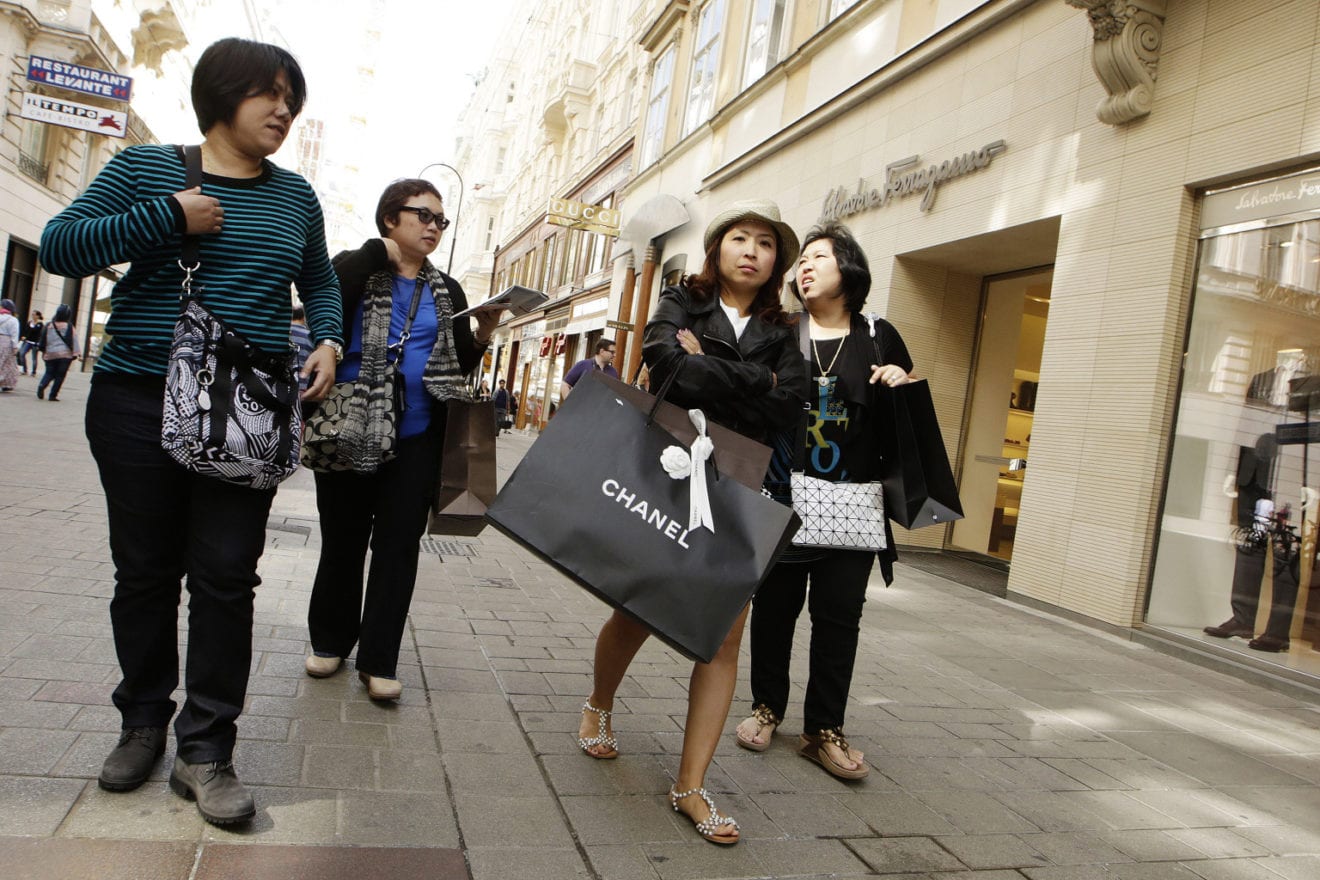
    Another big factor that has been denting the China sales numbers is the trend of consumers shopping for luxury overseas in order to avoid paying high import taxes in China. “High import taxes within China are a big incentive for shopping abroad—the same luxury handbag can often cost a third more in Beijing than in Paris, for example. But, holidays also encourage more extravagant spending habits,” writes Fflur Roberts, Head of Luxury Goods at Euromonitor, in an email response. If you look at the annual reports of several luxury brands, you may find weakened sales performance in China, but improved performance in neighboring countries like Japan and Korea, or even the brands’ countries of origin, such as France. Some of this is due to demand from Chinese travellers. Roberts adds that “wealthy Chinese tourists have been key drivers of global luxury goods sales for more than a decade. According to Euromonitor International, the Chinese made over two million trips to the US in 2014, an increase of almost 12% on 2013 and a massive 286% increase since 2009….”

    However, getting a good bargain doesn’t always require travel. Thanks to China’s e-commerce revolution, haitaos and daigous, or cross-border buying agents, have become popular. In the case of daigous (literally translated as “substitute buyers”), individual professional buyers usually stationed abroad can fulfill customized orders for consumers in China. Usually the daigous are Chinese students studying overseas, tour guides or air hostesses, in short, people who fly in and out the country frequently. Professional daigous will usually first take orders from customers and then procure and send the goods to China. In the case of haitaos, instead of individuals, companies do the buying. According to a report from Bain & Company, luxury purchases through daigous amounts to up to 15% of Chinese consumers’ total spending on luxury.

    Daigous and haitaos exist in a legal grey area as they skirt the government’s tariff regulations. The goods they ship to China somehow skirt Chinese import tax regulations. Daigous are not licensed sellers, which leaves issues of consumer rights in a grey area as well. While the Chinese government is starting to crack down on daigous, it will be a while before it has any serious impact on luxury sales via the proper channels.

    Luxury market infographoic

    Engineering a Bounceback

    Clearly, the problems luxury brands are facing in the Chinese market aren’t going away anytime soon. So what can brands possibly do to ease the pain? A few suggestions:

    Narrow the Price Differential:

    In March 2015, Chanel shocked onlookers by announcing its decision to increase prices in Europe by 20% and reducing them by a similar percentage in China. Prada was quick to follow suit by lowering prices in China. While it is hard to predict the impact this will have, it can be safely assumed that it will undo some of the damage done by high import taxes in China, and hence, help brands narrow the price differential between China and overseas. After all, in some cases, goods are 60% more expensive in China than they are in Europe. This will also help brands counter daigous who have been undercutting them with a vengeance.

    Customized Offerings:

    For the super rich price may not matter all that much. Some Chinese customers probably don’t feel that they are being overcharged: as long as they enjoy good customer service here, they won’t bother going overseas for a better bargain. “Buying a luxury product is more emotional than functional,” says Millward Brown’s Garbe. As Chinese customers become mature, they want exclusivity, privacy and service, and it’s not so much about price anymore. This is where brands need to think in terms of tailoring the experience accordingly. As Garbe puts it: “How do you make sure you know the customer very well, and then you deploy strategy and operations that allow you to, in-store, instantly recognize them? So they walk in the stores, [and] automatically on your iPad you know them, you know what they’ve bought, and you can really tailor your offer.”

    Adds Coghlan from Savills, “One of the things that I think is very important for brands is to set up a CRM program so they can track their customers globally. They can do it to some degree through WeChat or things like that.”

    Abroad at least, some brands are going out of the way to make important customers feel special. In some US stores, brands like Gucci, Prada and Louis Vuitton have created a special space for important customers. One of the Louis Vuitton outlets has “a rooftop area where guests can sun themselves and enjoy Champagne”.

    ‘Affordable’ Luxury:

    High net worth individuals are a very small group of people but the biggest consumers of luxury brands. There’s another demographic that cannot be categorized as super rich but is affluent nevertheless and aspires for luxury. Luxury brands can think of catering to this target group by rethinking their portfolio. The big three luxury groups, LVMH (owner of Louis Vuitton and Moët & Chandon Champagne), Richemont Group (owner of Cartier and Chloe) and Kering Group (owner of Gucci and Yves Saint Laurent) have all created or acquired lower profile brands for those who still want luxury, but a little more affordable and understated. Affordable luxury brands include the likes of Baume & Mercier (Richemont), Pomellato (Kering) and Loewe (LVMH). Another benefit of having a diversified portfolio, apart from profits coming from different streams, is offering the customer greater exclusivity. A Miu Miu, after all, can be far more exclusive than a Prada.

    Aligned Businesses:

    Some brands are going a step further and tapping into new categories altogether. Gucci, for instance, opened a full-service restaurant  in Shanghai. 1921 Gucci Café, as the restaurant is called, is connected to the Gucci store in the mall by an elevator. After browsing in the store, customers can stop by for an Italian lunch or dinner. Globally, Prada and Chanel have tapped into food as a category too. In 2014, Prada bought a stake in iconic Milan cafe Pasticceria Marchesi. The café “serves everything form breakfast and lunch to aperitifs, with custom-made fine china, it aims at creating a very luxurious experience for its customers.” Restaurants and cafes might help improve the customer experience or add to the brand, though not everyone agrees with this view.

    Tapping E-Commerce:

    A couple of years back the widespread notion was that e-commerce is not for luxury, mostly because e-commerce was associated with discounts, something that doesn’t go with the idea of luxury. “For many years there was this belief that digital was not for luxury brands… and there [was] a lot of resistance to it,” says Garbe. Also, shopping online almost certainly meant sacrificing the customer experience. As Garbe puts it, for lots of luxury brands “digital and e-commerce was all about price and discounts, it [was] not experiential as a store experience”. The tide, however, is starting to turn.

    The reality is that given Chinese customers penchant for shopping online, luxury brands can no longer afford to ignore e-commerce. According to a Bain study on luxury behavior, 73% of luxury buyers search online before they purchase. “If you think of Tmall or how consumers actually behave, they really seek for peer inducement or they seek for recommendation or reviews. In a way e-commerce is very important because consumers now shop based on the reading or what is being said on the brand. You need to start those conversations as well to be able to get the positive review from people.” says Garbe.

    The e-commerce or digital space also give brands opportunities to experiment with different scenarios. “I think Tmall or any online platform allows you to try different things, some of which will be added value offers, some of it will be experiential offers, maybe pricing. But again you try multiple ones and you see what works and you adapt and you change. That’s the beauty of online platforms: that you can really learn and experiment,” says Garbe.

    Once a luxury brand sets up an online shop, the physical and online stores will play separate roles in tandem with each other. “One of the opportunities is making your retail (physical store) as a full experiential center, where consumers get to touch, feel, be transported,…. Maybe you don’t need to have as much inventory in the store, you use the store as a brand building platform where people can go and buy online, but it should be the same price (as the physical store), and vice versa people could go screen [the] shop [online], but they still want to touch the product and then they can go and pick it up at a store and make sure this is what they want.”

    Tailor to China:

    For some brands, tailoring their products or experiences to China might work wonders for their sales. Tiffany has a “tailor for China” strategy. “The Tiffany Keys Collection, a jewelry collection tailored for China, [has] been one of their fastest growing items [here]. Again it’s tapping into that Chinese value of the key representing the possibility to unlock which is very relevant to many women who want to wear the keys for what it means and what it stands for in the mind of Chinese consumers.”

    Relating your products to Chinese culture is another way to get Chinese customers interested. Dolce and Gabbana (D&G) did this in their 2016 Spring & Summer collection, which was inspired by Chinese motifs from the 17th century. “They were using all those visual Chinoiserie or Chinese motifs to really bring into the DNA of D&G. In a way it’s a European brand saying: ‘How do we win in China?’” Designers of Burberry were also inspired by Chinese culture, and customized their products especially for the Chinese consumers. During the 2015 Spring Festival, they launched a scarf collection with the Chinese character for ‘prosperity’ embroidered on it. That move, however, backfired as Chinese consumers felt it made the scarf look like a knockoff. So while tailoring for China is great in theory, it needs to be done carefully.

    The bottomline is that the Chinese market is too big for luxury brands to ignore. They just need to find new ways to tap the opportunity here.
  • China, e-commerce bolster Burberry’s sales growth

    China, e-commerce bolster Burberry’s sales growth

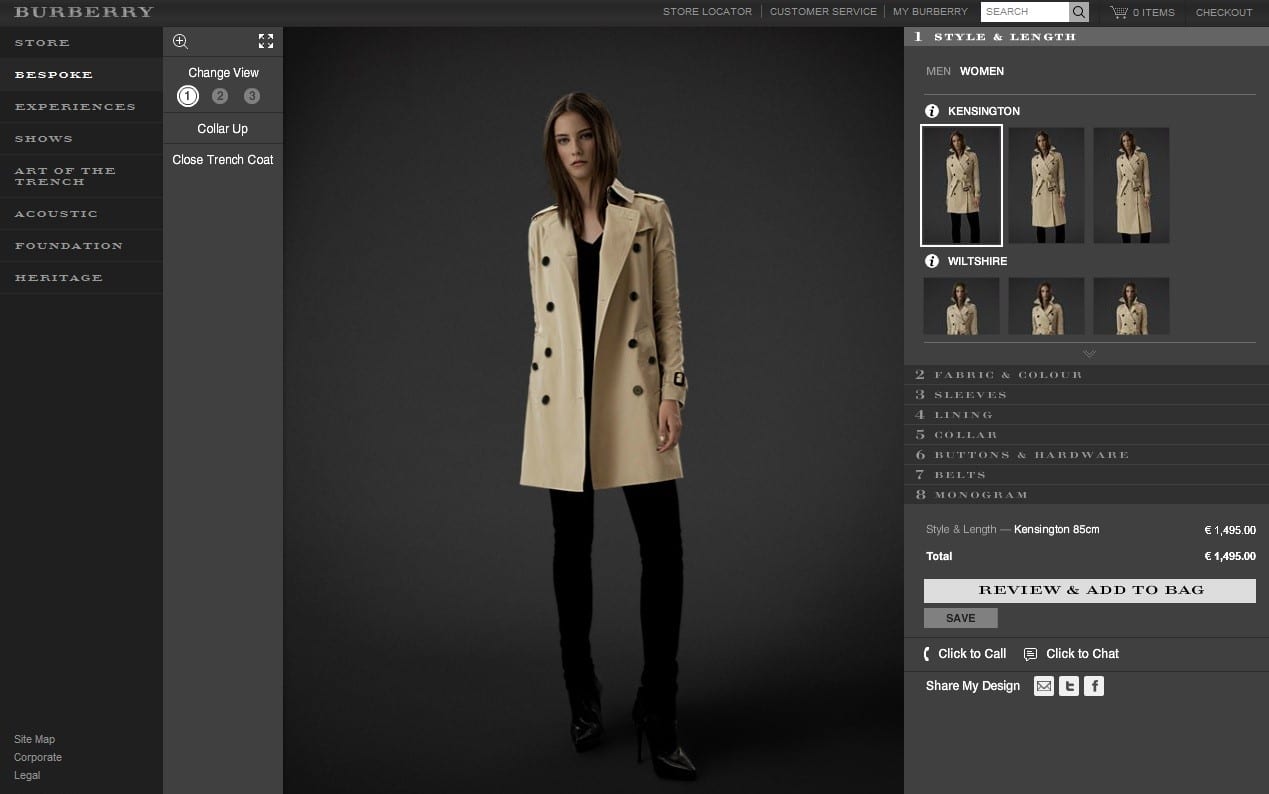
    The mobile and e-commerce news from Burberry is an indication that luxury fashion brands can succeed in the space, despite initially struggling to do so. Luxury brands have historically avoided e-commerce due to the demands of building and managing online operations, preferring to outsource those functions whenever possible.

    However, Burberry’s movements show that these high-end brands can successfully build a strong digital presence. Fellow luxury brands such as Hugo Boss and LVMH’s Fendi and Dior are starting to develop their own e-commerce capabilities as growth in China becomes sluggish, according to a report.

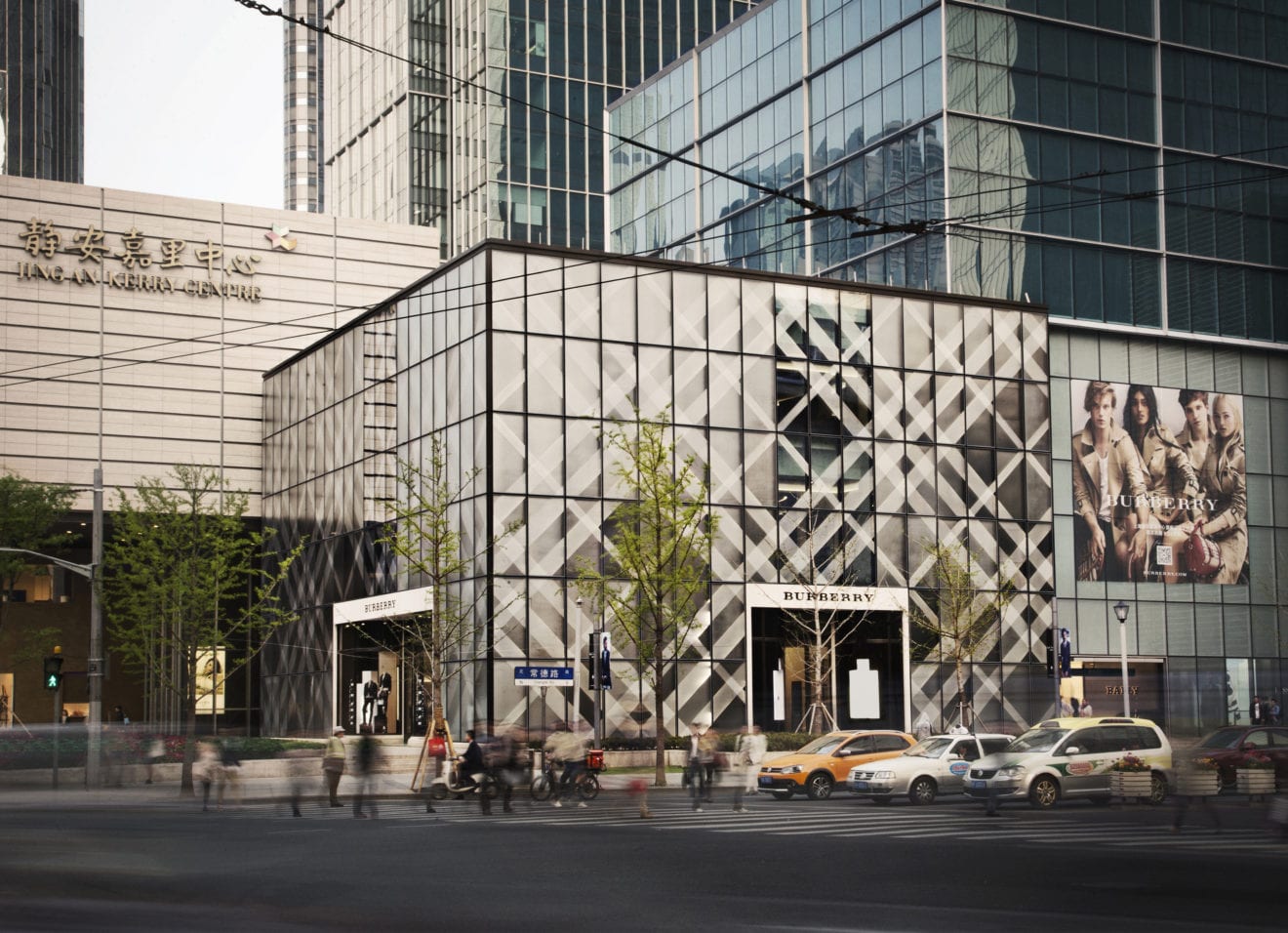
    Meanwhile, China’s economic uncertainties haven’t hit Burberry too hard, but the brand was not immune to the slowdown. While traffic at its bricks-and-mortar stores slowed significantly (20%) in the former protectorates of Hong Kong and Macau due to a decrease in tourism, consumers in Mainland China continued to buy outerwear, scarves and apparel from the luxury brand. China accounts for about one-third of Burberry’s global revenues, according to estimates.

    Burberry will find out if that renewed momentum in Asia can spread to Hong Kong and Macau during the upcoming Lunar New Year celebrations. Burberry will focus on cost controls and mobile to meet analyst expectations.

  • Burberry Christmas sales miss expectations in Macau, Hong Kong

    Burberry Christmas sales miss expectations in Macau, Hong Kong

    British trenchcoat maker Burberry Group Plc reported Christmas revenue that trailed its own forecast, hurt by a slump in demand in Macau and Hong Kong.

    Retail revenue fell to 603 million pounds (USD869 million) in the three months through December, London-based Burberry said yesterday in a statement. Analysts predicted 606 million pounds, based on the median of estimates compiled by Bloomberg. Sales were unchanged on a comparable basis, missing internal expectations, compared with a 4 percent decline in the second quarter, Burberry said.

    Hong Kong sales fell more than 20 percent. The U.K.’s largest luxury-goods maker is scaling back stores, cutting bonuses and consolidating products under one label after forecasting earnings will probably fall for a second straight year. Richemont reported Christmas season sales declined for the first time since 2008 .
    Tourist bookings to Europe have declined following the terror attacks in Paris and an unseasonably warm winter has added to challenges facing luxury companies. Burberry is also more exposed than peers to spending by Chinese clients, which is cooling as that country’s stock market slumps.

    The company anticipated in October a return to growth in last part of 2015, driven in part by new products such as lightweight cashmere trenchcoats and ponchos, and new styles of scarves. Bloomberg

  • Burberry sees return to sales growth in China

    Burberry sees return to sales growth in China

    Luxury fashion group Burberry on Thursday announced a return to retail sales growth in China despite an economic slowdown, boosting overall results in its third quarter.

    The British handbag and clothing company reported overall retail sales of £603 million ($866 million, 794 million euros) in the October through December period, “as (sales in) mainland China returned to growth”, Burberry said in an earnings statement.

    China is in sharp focus for markets amid an overall slowdown for the world’s second largest economy.

    In the three months to the end of 2015, Burberry saw total underlying retail sales growth of 1.0 percent, an improvement on the 4.0-percent decline in its second quarter.

    Burberry’s financial year runs from April to the end of March

    On the downside, sales in Hong Kong fell by more than 20 percent owing to long-standing protests against China.

    All of Burberry’s Hong Kong stores remain profitable however thanks to cost controls, the company said in the statement.

    “The outlook for our sector remains uncertain,” said chief executive Christopher Bailey.

    “However, we are anticipating and responding to these changes through an intense focus on new growth opportunities.”

    Chief financial officer Carol Fairweather told a conference call with reporters that Burberry’s performance in France had been impacted by fewer tourists visiting from China and the Middle East following the Paris terrorist attacks in November.