Tag: burberry

  • Burberry cuts product lines to focus on newest fashions

    Burberry cuts product lines to focus on newest fashions

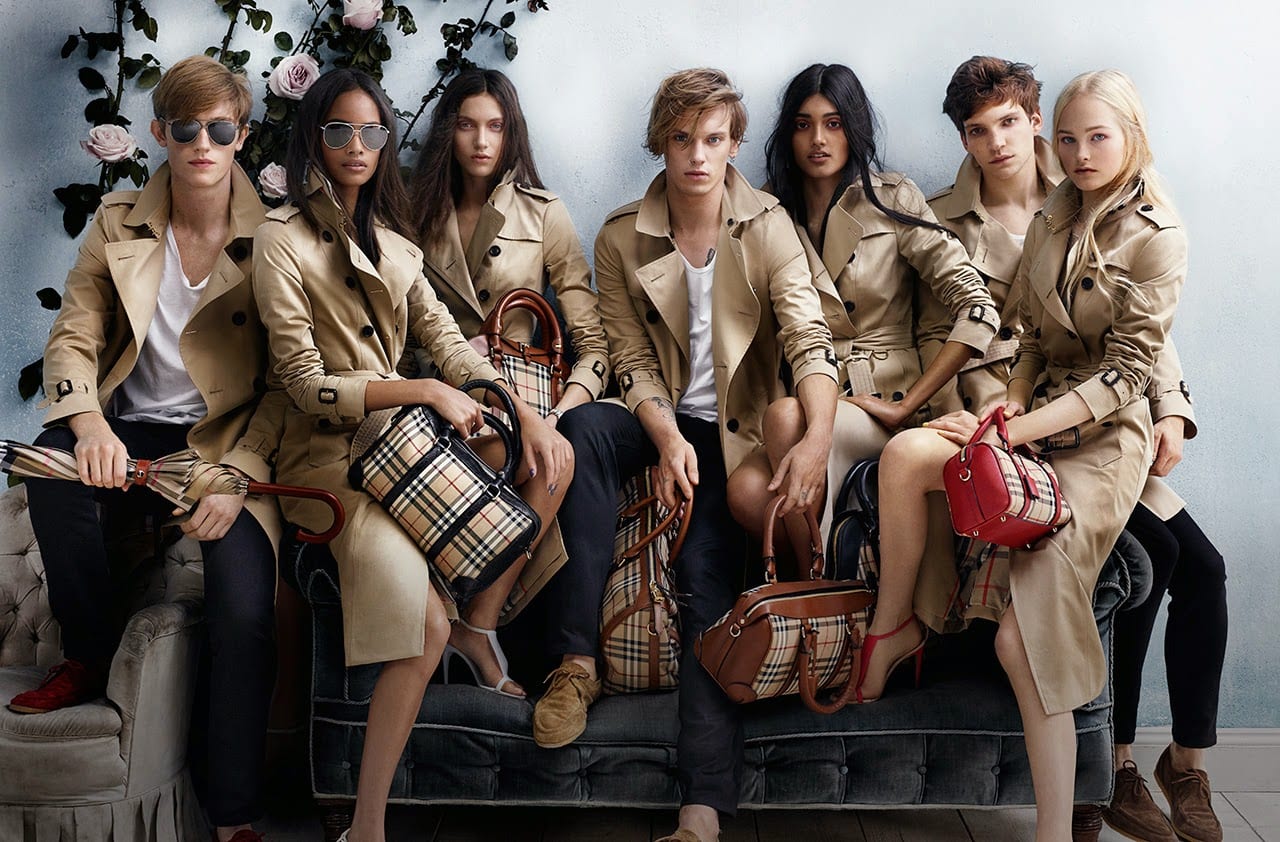
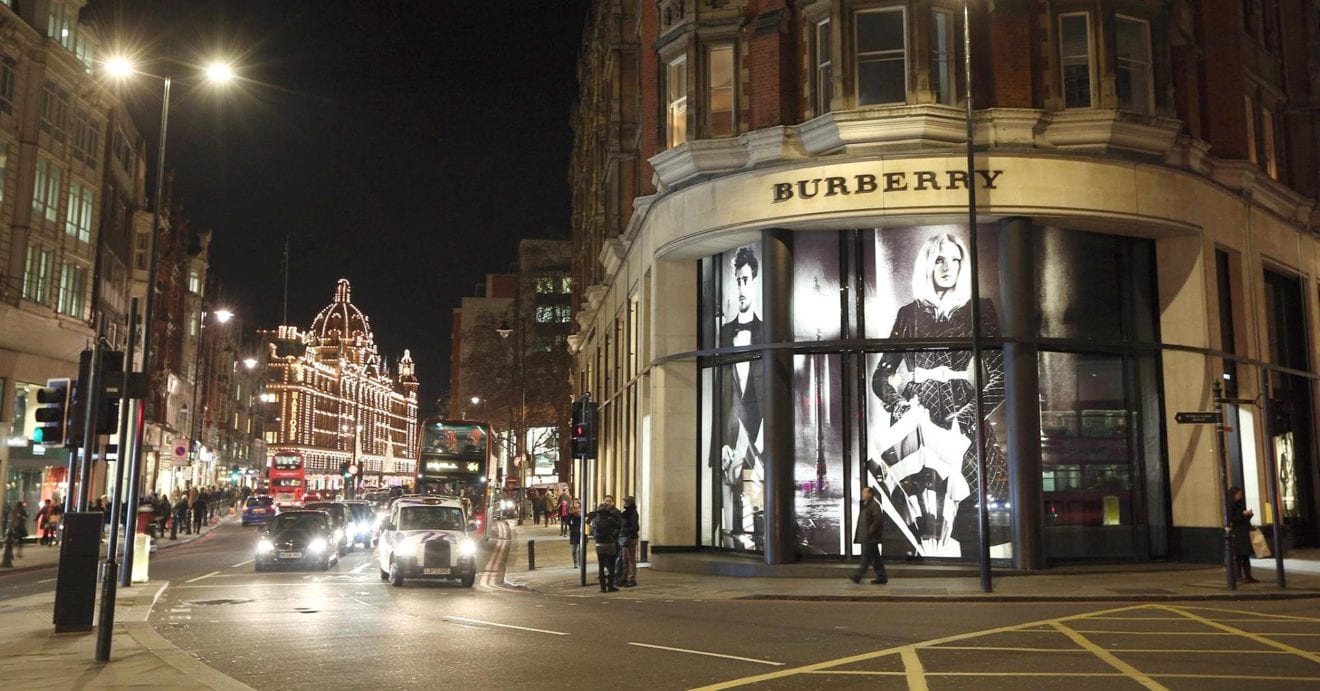
    Burberry is cutting between 15 and 20 percent of its product lines in a quest to focus on its newest ranges as it battles to attract shoppers in a volatile luxury goods market. The U.K. luxury-goods maker reported a 24 percent drop in first-half profit that met analysts’ estimates, but failed to match rivals that reported better-than-expected results.

    While luxury brands have been struggling with slowing growth in Asia, a drop in tourist spending in Europe following a series of deadly attacks and competition from fast-fashion chains, Burberry has been hit particularly hard. Its adjusted pretax profit fell 4 percent to 146 million pounds ($182 million) in the six months through September, in stark contrast with contrast with those of LVMH, Kering SA and Hermes International SCA, which all beat estimates in their latest reporting periods.

    The company had already announced a 4 percent drop in half-year sales to 1.16 billion pounds last month as weak demand in some overseas markets offset a surge in sales in its British home as tourists took advantage of a lower pound.

    The brand, which recently removed longstanding  creative director Christopher Bailey from his additional role of chief executive offer, bringing in Marco Gobbetti, the former CEO of Céline to hand the business/operational side of the brand. Additionally, Burberry announced in February that it plans move away from the traditional model of presenting seasonal ranges months ahead of their appearance in store, in favor of two collections a year that would be available in shops immediately.

    Finance chief Carol Fairweather said on Wednesday the company was cutting back on product lines ahead of the key Christmas trading period and would give greater prominence to its newest products, such as the bridle bag that was a top seller from its September runway show. “We are delighted with everything we have in place for (the) festive (season),” she said in a statement.

    Shares in Burberry, along with other luxury groups such as LVMH, fell on Wednesday after Donald Trump’s victory in the U.S. presidential election added to uncertainty over prospects for the global economy, analysts said. Burberry makes about 20 percent of its sales in the United States.
  • Apple, Nike and Playboy among most popular US brands on Alibaba’s Singles Day

    Apple, Nike and Playboy among most popular US brands on Alibaba’s Singles Day

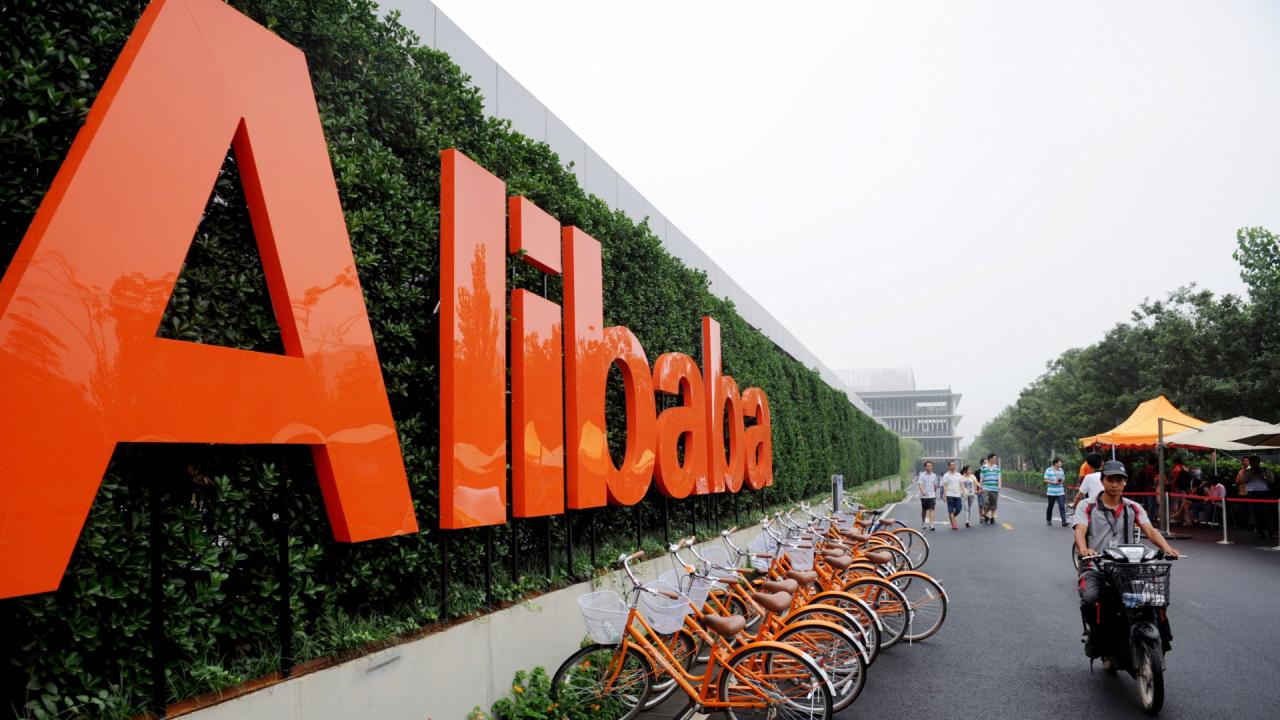
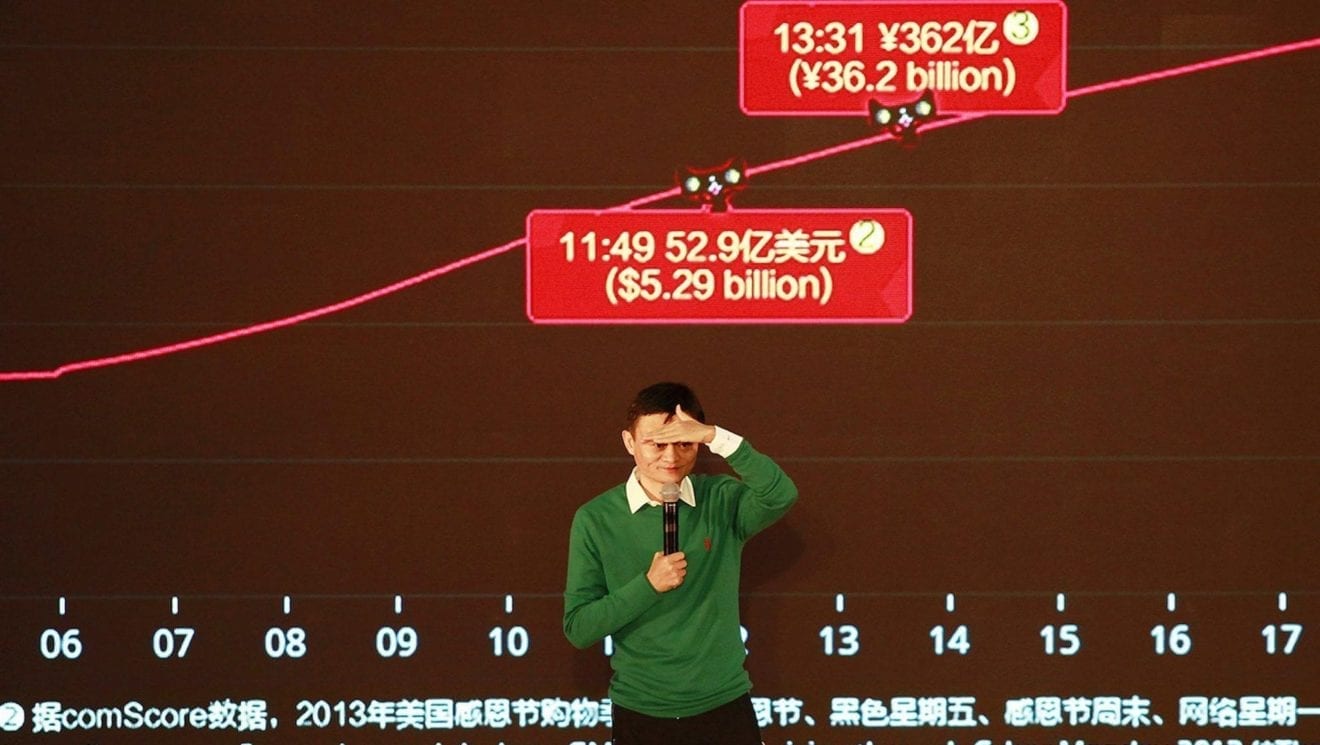
    Alibaba Group Holding Ltd. says sales from its massive Singles Day shopping event totaled $17.8 billion, up more than 24% from the record $14.3 billion sold last year.

    (This year’s total is RMB 120.7 billion, up 32% year-over-year due to fluctuations in the Chinese currency.)

    The most popular U.S. brands as of about 10:30 p.m. CST were, in order: Apple Inc. Nike Inc. New Balance, Playboy, and Skechers USA Inc.

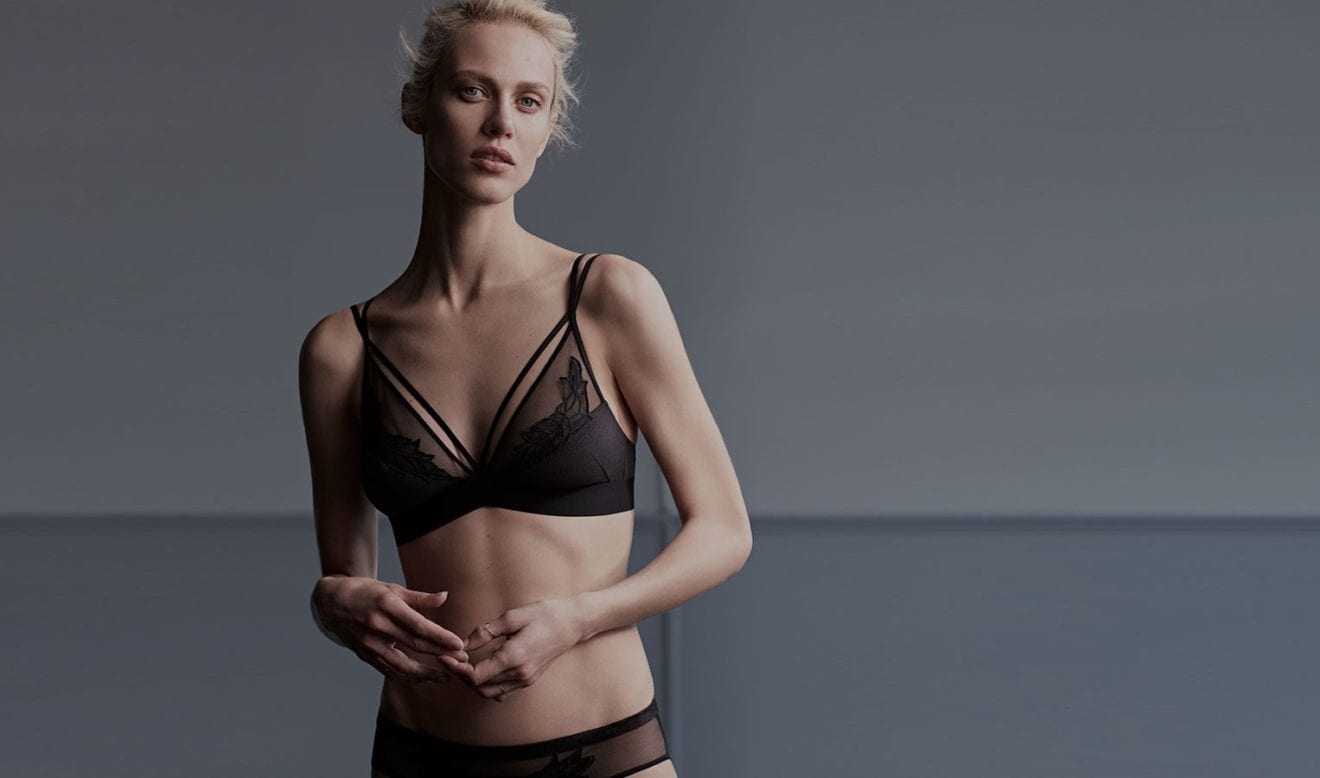
    “Alibaba is using this year’s Singles Day to showcase the number of international brands participating, everyone from Apple, Victoria’s Secret, Burberry, Gap, [and] Nike, acting as the gateway to China for these brands and fulfilling Chinese consumers’ insatiable demand for Western products,” said Danielle Bailey, head of Asia-Pacific research for L2 Inc.

    Victoria’s Secret is in the L Brands Inc.  portfolio.

    Singles Day started strong, with sales of $1 billion recorded in the first five minutes.

    Alibaba Offers Virtual-Reality Shopping on Singles’ Day

    Alibaba is hoping to boost sales from China’s biggest annual online-shopping event–Singles’ Day–with what it claims is the world’s first virtual-reality shopping experience.

    Many U.S. brands have tried and, so far, failed to find success in the Chinese market. Recently, Netflix Inc. said it would abandon efforts to launch a full-service offering in China.

    Wal-Mart Stores Inc.  announced in June that it would partner with Alibaba rival JD.Com Inc. to grow its China business. The partners announced new initiatives in October.

    Apple and Nike are popular in China irrespective of the day, with Nike reporting 21% revenue growth in China in fiscal first-quarter 2017. The U.S. and China are Nike’s two biggest basketball markets, Trevor Edwards, Nike brand president, said on the Sept. 27 earnings call, according to a FactSet transcript.

    The Playboy brand is also popular in China, with items like jewelry and fragrances selling well.

    Starbucks Corp. seized the opportunity to get into the Singles Day festivities, offering a Cocoa Java Mocha beverage exclusively for the day at locations across China. The company also sold gift sets, exclusively-designed gift cards, and limited-edition My Starbucks Rewards Cards 11/11.

    Forty-seven million users purchased international brands, led by U.S. brands, according to L2 data, and 82% of sales were made on a mobile device.

    “With Alibaba distributing different deals across different devices, they have encouraged devoted savings seekers to keep separate shopping carts on their desktops and mobile phones,” said Tim Barrett, retail analyst at Euromonitor International. “Alibaba is grooming a generation of mobile-first shoppers, a move which will pay off greatly when the entire world is addicted to their mobile devices.”

    For Alibaba Chief Executive Daniel Zhang, this integration of sales across different platforms is critical.

    “If you look at this as an online game, people see you will have less margin in the future,” Zhang said, according to the Alibaba live blog of the Singles Day event. “But when we look at the entire landscape, only 10% of China’s total retail is online. What we believe is that at the end of this, online and offline… should be fully integrated.”

    This year, Alibaba introduced virtual reality into the 11.11 experience, as well as games, with 2.6 billion games played, according to L2.

    “Alibaba is blurring the lines between entertainment and e-commerce and extending technologies thought to be simply gimmicks in the West,” said Bailey.

    Even with the eye-popping sales numbers, popular brands and new technologies, Alibaba shares are down 1.4% in Friday trading.

    “In keeping with the de-emphasis of GMV [gross merchandise value] as a reported metric, we expect sales volume to become but one of many focuses of the event, with others being new mobile functionality, innovations and improvements in logistics, new partnerships,” said Deutsche Bank in a note published Tuesday, which calls Singles Day “a PR exercise.” Analysts there expected 35% year-over-year growth.

    Deutsche Bank rates Alibaba shares buy with a $138 price target.

    Alibaba shares are up 14.4% for the year so far while the S&P 500 is up 5.7% for the same period.

  • Oysho lingerie arrives in Indonesia

    Oysho lingerie arrives in Indonesia

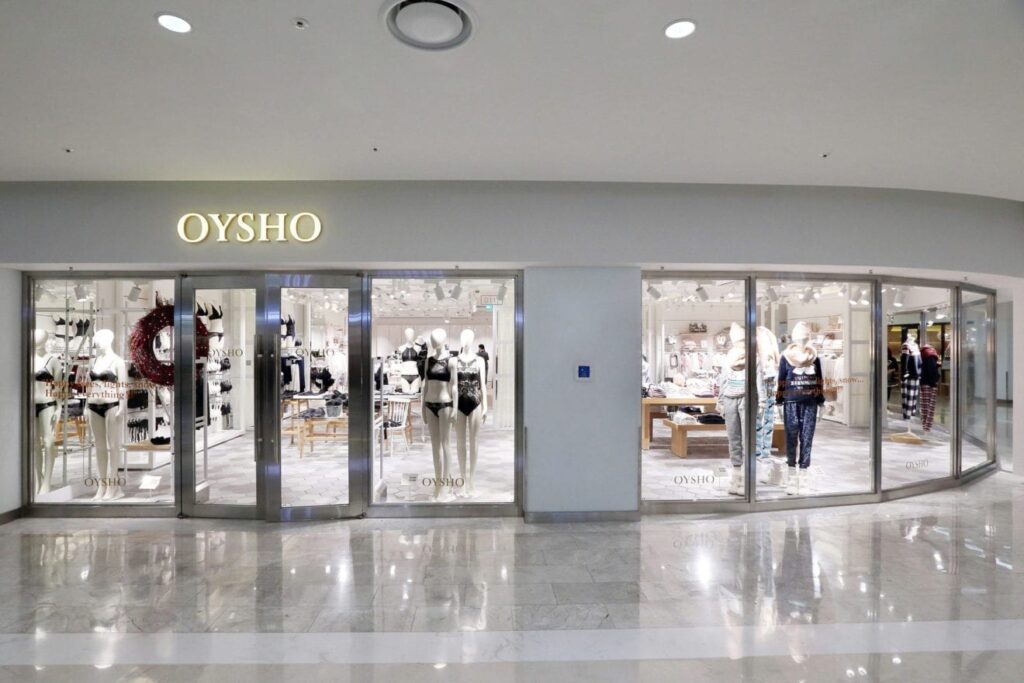
    Spanish lingerie brand Oysho, owned by Inditex, continues its international expansion with the opening of its first store in Indonesia.

    In Jakarta’s centre, the 300 sqm shop is in Plaza Indonesia, a shopping centre that is also home to other Inditex brands such as Zara, as well as luxury labels including Burberry, Chanel, Hermes and Louis Vuitton.

    oysho-store

    Since launching in 2001, Oysho has expanded its presence to 44 countries with more than 600 stores. The brand specialises in lingerie, sleepwear, loungewear and footwear. It generated 229 million euros (about US$252 million) in the first quarter of this year, representing an 8 per cent increase year-on-year.

  • Mid-priced brands cash in on falling Hong Kong rents at expense of luxury retailers

    Mid-priced brands cash in on falling Hong Kong rents at expense of luxury retailers

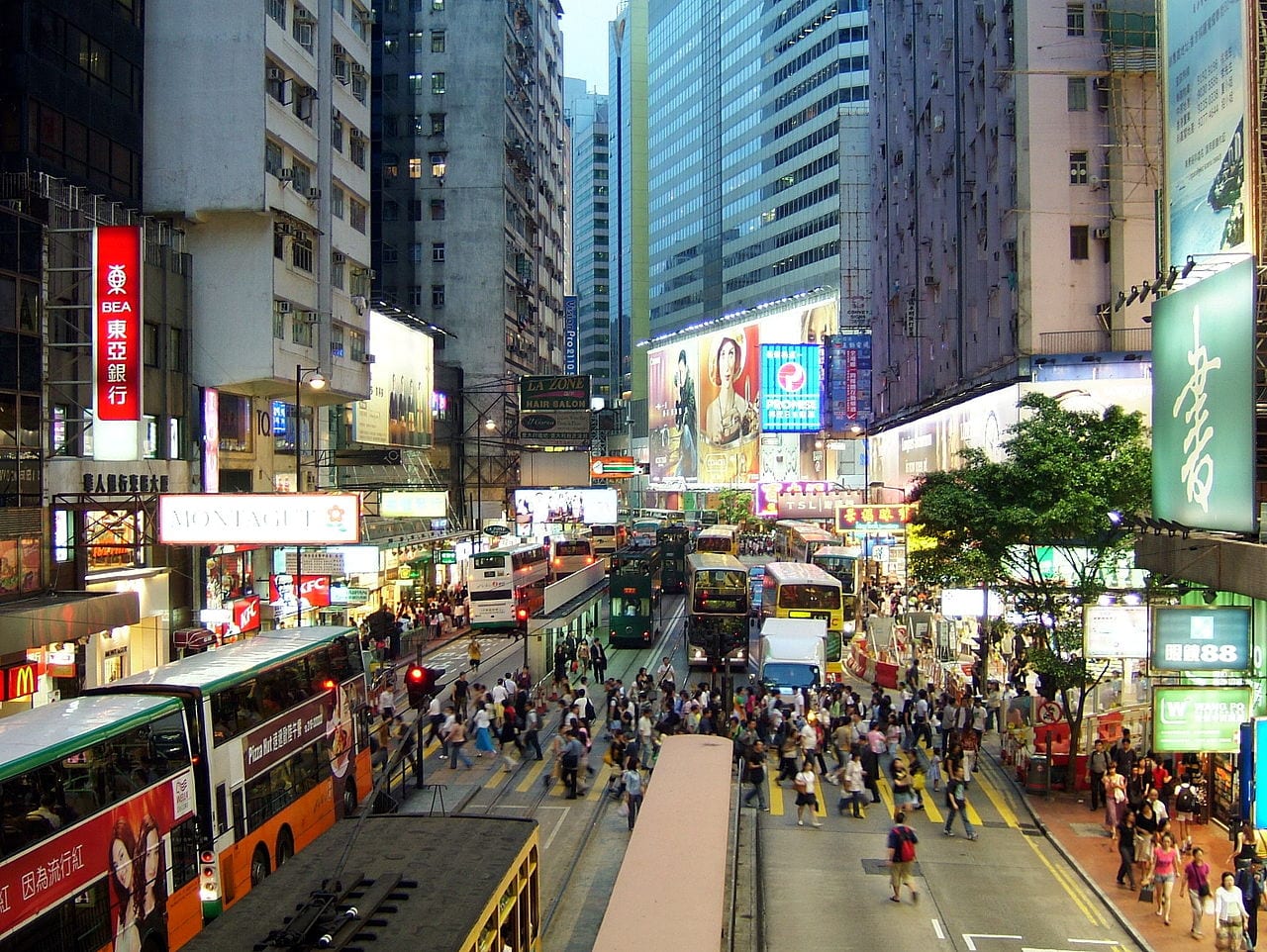
    Hong Kong may no longer be the darling of European luxury brands after the combined effect of a slower local economy and fewer mainland shoppers as a result of Beijing’s anti-corruption crack down, but the city is still magnet for less expensive luxury brands and mid-priced retailers.

    Retail sales have seen an 18 month-long nosedive, with August figures (the latest available) down 10.5 per cent year on year to HK$33.9 billion.

    The decline, largely due to a drop in the number of mainland Chinese tourists, has forced landlords to reduce retail rents to avoid vacancies.

    “This has created a lot of opportunities for retail players to emerge and innovate,” Joanne Lee, associate director of research and advisory of Colliers International said.

    Some less expensive luxury brands and mid-priced retailers still have confidence in the Hong Kong retail market, taking the opportunity to move in on prime locations as high end luxury brands close up shop, according to property consultants.

    French brand Sandro is an example. It finds Hong Kong is still a highly lucrative market compared with the rest of the world – even in bad economic times.

    In August the Paris-based fashion chain opened its largest Asia flagship store in the heart of Causeway Bay, considered one of the world’s most prime shopping districts. It also plans to double the size of its store in Tsim Sha Tsui’s Harbour City, one of the most prestigious malls for mainland visitors.

    Branding its products as “accessible luxuries”, Sandro’s chief executive Jean-Philippe Hecquet said the segment became “very powerful” when people started to look inside their wallets.

    The luxury retail industry veteran, who previously worked for world’s biggest luxury group LVMH for over a decade, said that upper-middle class consumers still want to enjoy their life even with less money. “They still want to buy luxury products for sure.”

    Sandro, along with sister brand Maje and Claudie Pierlot, recorded a 51 per cent year on year growth in Asia Pacific in the first six months of the year.

    Encouraged by the strong performance, Sandro opened three new stores in prime shopping districts in Hong Kong, and plans to add two or three more by the end of next year. It currently operates eight outlets in Hong Kong.

    The Harbour City store, which opened a year ago, quickly become the most lucrative store among its 410 retail outlets worldwide in terms of sales per square metre.

    In contrast, total tenant sales at Harbour City fell 14.7 per cent to HK$13.3 billion in the first half, according to financial filings by its parent company Wharf Holding.

    “The economy is about cycles. Everything happen for a reason. You just need to hang in there,” Hecquet said.

    Unlike traditional luxury brands such as Gucci, Louis Vuitton and Burberry, which had previously aggressively expanded in the city to cater for the huge influx of mainland shoppers, Sandro has only recently ramped up its pace in terms of adding stores. Its first store in Hong Kong was not opened until 2012.

    Hecquet admits Sandro may have missed the “golden age” when rich mainland shoppers queued up outside Chanel, Gucci and Louis Vuitton outlets, snapping up expensive leather bags emblazoned with big logos.

    “For [traditional luxury brands], the traffic is going down, but for us, we still see very decent traffic,” he said.

    But he noted that the emerging young upper-middle class in Asia would be the future powerhouse for luxury goods, and the right time to expand is now. The current retail downturn in Hong Kong has also freed up more prime retail locations and rents were going down. “We have been waiting for a long time to be able to open a flagship,” he said.

    Hecquet said the average age of its customers in Hong Kong was from 25 to 30 years old, and mainland visitors contributed to a significant portion of sales.

    Property consultants said the impact of mainland tourists will continue to diminish as retailers focus their efforts on locals and millennial shoppers.

    “[Retailers will be] very much focusing on the local spending power, instead of relying on tourists,” said Daniel Shih, director of research and advisory at Colliers International.

  • New retailers to open at Marina Bay Sands

    New retailers to open at Marina Bay Sands

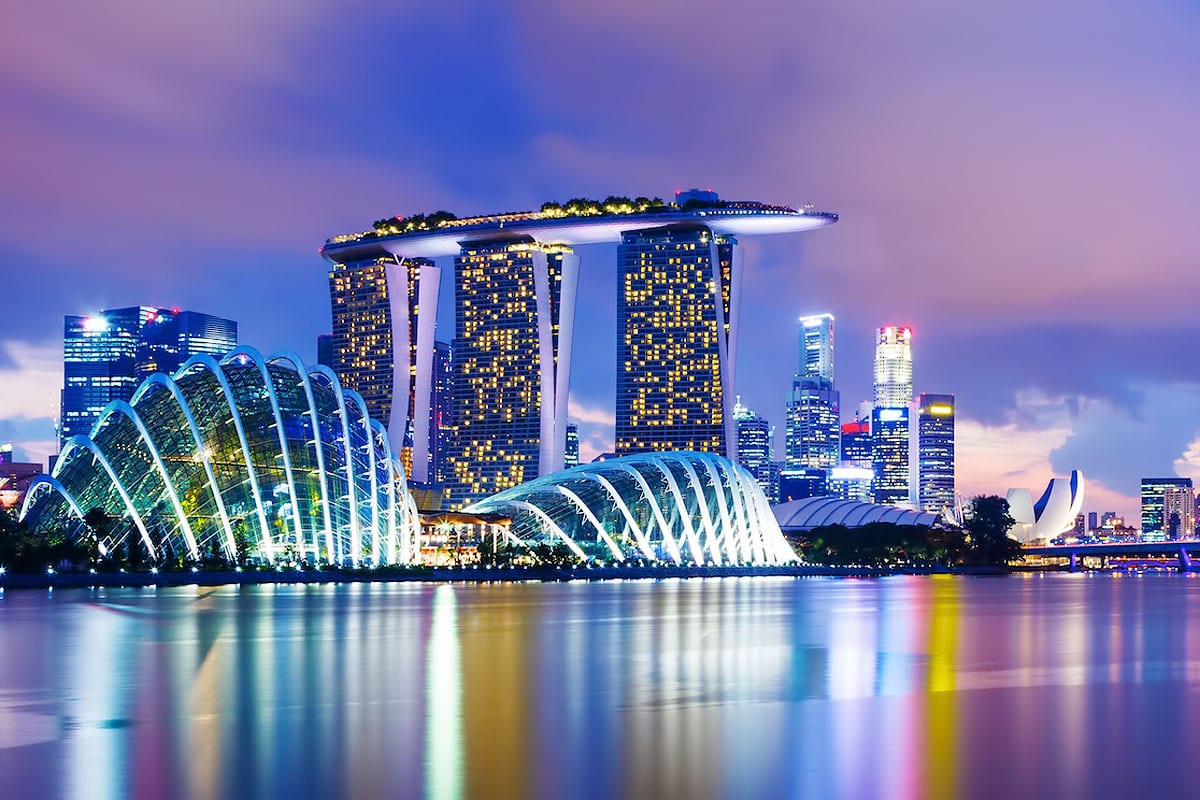
    More luxury brands and new-to-market retail concepts are debuting at The Shoppes at Marina Bay Sands – along with an expanded collection of premium children’s brands at the North Promenade.

    Gucci Kids, Kenzo Kids, Paul Smith Kids and Stella McCartney Kids will open in the first half of next year – the first standalone stores in Singapore for all four brands. They join Baby Dior, Dolce Gabbana Junior and Fendi Kids, all of which are the first and only outlets for the brands in Southeast Asia.

    Hugo Boss Nico Rosberg Event_A

    Marina Bay Sands VP of retail John Postle says the brand expansion helps The Shoppes continue to sharpen its edge as a leading shopping destination.

    Lewis Hamilton at The Shoppes

    Lewis Hamilton at The Shoppes


    Culinary options at the mall are also being extended. Just opened is Seafood Paradise, the homegrown brand’s flagship restaurant in Singapore.

    Baked Pork Belly Ribs with Honey Pepper Sauce

    The Paradise Group will also be opening its Canton Paradise this year to showcase classic Hong Kong cuisine such as roasts, noodles and wok-fried dishes.

    Signature Creamy Butter Crab topped with Coconut Crumbs

    Steamed Star Garoupa in Teochew Style

    Also launching soon is the first standalone Venchi Chocolate and Gelato kiosk in Singapore, featuring South American chocolate. Japanese chain Ippudo Ramen is also in the pipeline, as well as the new-concept Starbucks Reserve, which introduces rare coffees and special brewing methods.

    New-to-market brands

    As well as luxury lingerie store Agent Provocateur, other new-to-market brands set to join the mall this year include Homme Plisse by Issey Miyake, a men’s range of sporty separates. The collection will be featured in the same boutique space featuring Pleats Please Issey Miyake and Bao Bao Issey Miyake.
    Front Row Boulevard_C_A personal shopping journey with Anita Kapoor at The Shoppes

    French fashion house Chloe will return to Singapore in the first quarter of next year with its first standalone boutique as part of a significant expansion across the mall’s luxury boutiques. Key enhancements will include Tiffany & Co doubling its store size and the Chanel duplex also expanding to nearly 11,000 sqft (1021 sqm). It will have a new design concept by architect Peter Marino.
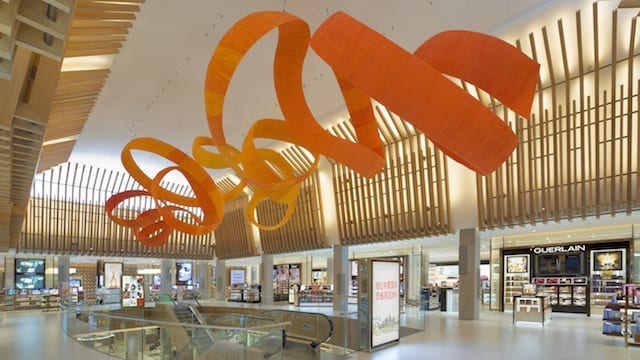
    Front Row Boulevard_located between Chanel and Gucci

    Shoes, bags and accessories designer Jimmy Choo will also double its shop size. Other outlets also enlarging their stores include Breguet, Omega, Paul & Shark and Rimowa.

    Meanwhile, The Shoppes at Marina Bay Sands is midway through its fashion promotion Front Row at The Shoppes. The event features the world’s fashion capitals each week through the eyes of trendsetters, highlighting craftsmen and offering personal styling sessions.

    Front Row 2016 - FENTY PUMA show_C

    Front Row 2016_Repetto Event with Yoyo Cao_B (2)

    Front Row 2016 – Repetto Event with Yoyo Cao


    Front Row at The Shoppes_Runway D

    A highlight was a regional party hosted by Burberry and attended by more than 200 guests. The evening introduced the brand’s new “Personalised for You” in-store experience for Southeast Asia, showcasing its most iconic designs and revealing the craftsmanship behind each piece.

    Front Row 2016 - Burberry Regional Party_D

    Front Row 2016 - Burberry Regional Party_C

    Front Row 2016 - Burberry Regional Party

    British singer/songwriter Georgie also marked her debut in Asia with a performance at the in-store party.

    Front Row 2016 - Burberry Regional Party_British singer Georgie_B

  • DFS launches exclusive Burberry collection

    DFS launches exclusive Burberry collection

    Luxury travel retailer DFS Group has launched an exclusive Burberry collection which will be available only in DFS and T Galleria by DFS stores.

    The 22-piece BurberryxDFS collection was inspired by key elements from Burberry’s groundbreaking first straight-to-consumer runway show, referencing the brand’s unique British heritage. It comprises womenswear, menswear and accessories as well as a style of Burberry’s newest bag, The Bridle.

    The Bridle in wine and black with gold studs“When designing our new September collection, we were inspired by Virginia Woolf’s classic tale ‘Orlando’ and the spirit of Nancy Lancaster’s interior and garden designs, and we wanted the collection for DFS to reflect those elements,” said Christopher Bailey, Burberry chief creative.

    The Banner in mahogany red and black with gold studs

    The Burberry collection was revealed on the runway during London Fashion Week, where both womenswear and menswear collections were presented together for the first time for Burberry’s inaugural straight-to-consumer show.

    The Blouson jacket with studs in black

    “Seasonless, immediate, and personal, the new format has been designed with a global audience in mind. This move, announced in February, significantly shortens the traditional gap between the runway show and retail availability of Burberry’s collection.,” said a spokesman.

    The Halton wallet in mahogany red and camel with gold studs

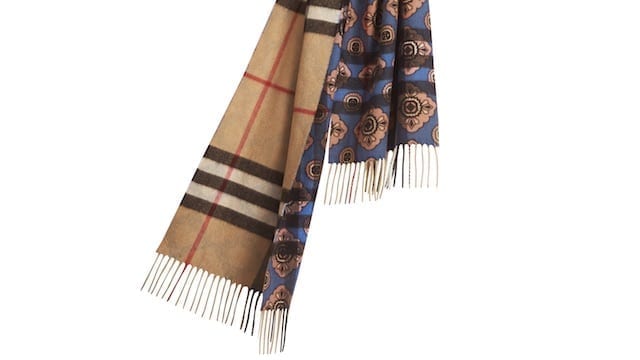
    Giant Check scarf with studs in camelIn addition to The Bridle, highlights from the BurberryxDFS collection include exclusive styles of the Sandringham and Kensington trench coats.

    The Sandringham studded collar trench in honeyThe BurberryxDFS collection will be available in 23 DFS and T Galleria by DFS stores across 13 countries beginning September 21. Prices range from HK$1300 – HK$20,000 (US$168 – $2600).

    dfs-burberry


  • Pre-owned category booms, notes Asia Luxury Index

    Pre-owned category booms, notes Asia Luxury Index

    Pre-owned luxury items are becoming more popular, according to the 2016 Asia Luxury Index, compiled by Singapore-based online luxury retailer Reebonz.

    Drawing on industry reports and its sales data, the index reveals 30 per cent sales growth in the pre-owned category over the last year, with bags and shoes the most popular items.

    While 62 per cent of online transactions on Reebonz involve bags, the index says timepieces and shoes are primed to be the next growth-drivers for luxury in Asia in both the new and pre-owned categories. Spending on timepieces increased by 39 per cent, whereas shoe shopping ballooned by 87 per cent.

    Meanwhile, Chanel emerges as the top performer in Asia, with Burberry, Givenchy and Prada trailing close behind in the new luxury products category.

    “The group of luxury consumers is evolving and expanding – luxury is no longer just for the select few,” says Reebonz co-founder/CEO Samuel Lin. “With growing affluence and accessibility, more consumers can readily buy luxury goods.”

    A key finding from the index is that while there is still a growing demand for luxury goods, consumers are splurging more on higher-value new products. Expenditure growth has increased by 50 per cent while there have been only 37 per cent more transactions.

    “People are overlooking popularity for quality and exclusivity these days,” says Reebonz regional GM Benjamin Han.

    Blue-chip brands also command the pre-owned luxury category, with Chanel, Hermes and Prada posting strong performances across all product categories.

    Online luxury shopping continues to grow in Asia, with Hong Kong and Indonesia charting the biggest growth when it comes to high-end goods. Singapore is still firmly in first place for online shopping.

  • Taubman Centers Unit Opens Starfield Hanam in South Korea

    Taubman Centers Unit Opens Starfield Hanam in South Korea

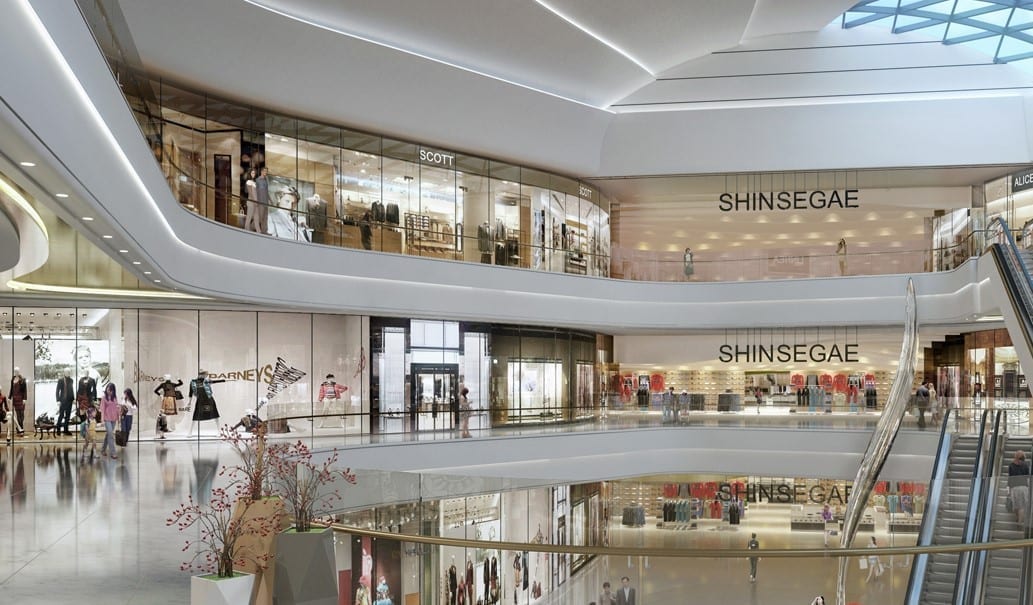
    Taubman Centers, Inc. is making its impact felt around the world. Its wing in Asia – Taubman Asia – together with its partner Shinsegae Group, celebrated the opening of Starfield Hanam shopping center at Hanam, Gyeonggi Province in South Korea. This retail project, developed by Taubman Asia and Shinsegae Group, marks Taubman Asia’s first ground-up development in South Korea.

    The shopping center is the country’s largest western-style mall and is nearly 100% leased. There are almost 300 stores and restaurants in this 1.7 million square foot center. It is anchored by Korea’s reputed department store brand, Shinsegae.

    There has been a rapid shift in customers’ shopping preferences and patterns, with online purchases growing significantly. Hence, the mall landlords have been making concerted efforts in developing retail hubs with swanky entertainment zones, and this shopping center is no exception.

    From international luxury brands, like Balenciaga, Burberry, Bvlgari and Fendi, to fast fashion choices – such as Cos, H&M, Massimo Dutti – Starfield Hanam has a vast range of stores to offer. Also, with 110,000 square feet of dining options and entertainment options like the 11-screen Megabox cinema, a Sports Monster sportsplex and an 112,000 square foot Aquafield indoor/outdoor water park, this retail property is expected to attract high footfall.

    Taubman Asia is a subsidiary of the U.S. Mall operator Taubman Centers and is into retail real estate projects in Asia. It is, in fact, Taubman Centers’ platform for expansion into China and South Korea. Taubman Asia, founded in 2005, is headquartered in Hong Kong.

    On the other hand – Bloomfield Hills – MI-based Taubman Centers, is engaged in the ownership, management and/or leasing of several regional, super-regional and outlet shopping centers in the U.S. and Asia. Taubman currently has a Zacks Rank #3.

    A better-ranked stock in the REIT industry is InfraREIT, Inc., sporting a Zacks Rank #1.

    Also, investors can consider better-ranked stocks like EPR Properties and Weingarten Realty Investors that carry a Zacks Rank #2.

    Confidential from Zacks

    Beyond this Analyst Blog, would you like to see Zacks’ best recommendations that are not available to the public? Our Executive VP, Steve Reitmeister, knows when key trades are about to be triggered and which of our experts has the hottest hand.

  • Jimmy Choo sales outperform Burberry and Mulberry

    Jimmy Choo sales outperform Burberry and Mulberry

    British footwear brand Jimmy Choo has outperformed luxury peers such as Burberry and Mulberry to post a strong set of growth figures for the first half of 2016.

    While competitors struggle with declining luxury demand in Asian markets, Jimmy Choo has bucked the trend and reported an impressive 22.1 per cent growth in Asia (ex-Japan) with China leading the way with double digit like-for-like growth; proving its measured approach to store expansion and brand building is successful without over exposing the brand.

    Europe, Middle East and Asia revenue grew by 12.2 per cent – commendable given it is one of Jimmy Choo’s most mature markets – with the UK performing well as domestic demand remained robust, supported by a renovated store portfolio.

    The recent uptick in luxury goods demand in the UK, as international travellers take advantage of the weaker pound, will further benefit Jimmy Choo’s UK performance in the second half.  The Americas, however, is proving a tougher nut to crack though, as sales declined 3.4 per cent; affected no doubt by the continuing volatility in the US department store market which has led wholesale orders to decline.

    Creative director Sandra Choi has led a strong half year of product design, building upon Jimmy Choo’s British identity to produce ranges which continue to resonate with consumers across the globe. The brand’s recent decision to focus on expanding men’s footwear is proving fruitful, as it’s now its fastest growing category, representing 8 per cent of total revenue. That will continue to grow as the brand opens dual gender stores and invests in the product and marketing of men’s collections.

    Globally, Jimmy Choo sales grew 9.2 per cent at reported currency and 3.8 per cent at constant currency. Improved gross margins and cost controls drove adjusted EBITDA growth of 13.7 per cent. Reported operating profit rose 42.6 per cent to £25.3 million.

    Jimmy Choo is in prime position to continue its growth momentum with its multi-pronged focus on eCommerce (bolstered by growing social media engagement and a robust distribution network) and conversion of retail outlets to new concept stores – all supported by a stellar product offer that is effective in both design and range.

    *Nivindya Sharma

  • New post at Luxasia Group for SingPost’s ex-boss

    New post at Luxasia Group for SingPost’s ex-boss

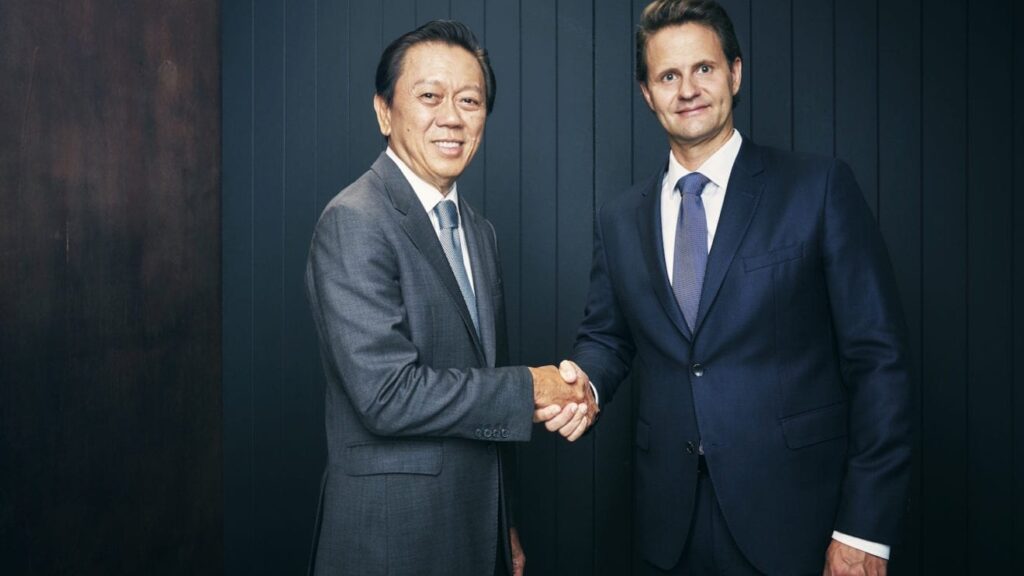
    Beauty retailer The Luxasia Group has appointed former SingPost CEO Dr Wolfgang Baier as group CEO, while founder/owner Patrick Chong has become chairman.

    “Luxasia is now at an important crossroads,” says Chong. “We intend to grow with our international partners and strengthen our core competencies to become the leading Asia consumer-centric omnichannel go-to-market partner of the beauty industry.”

    Patrick-Chong-Wolfgang-Baier

    He says Baier has proven leadership capabilities, vast knowledge and skills in areas such as CRM and omnichannel retail. “His track record in the logistics sector will also help strengthen Luxasia’s partnerships.”

    “Transformation is relevant in every sector and particularly for retail, where the digital and physical space is converging,” says Baier. “This makes developing an omni-channel ecosystem critical. We want to revolutionise how we serve consumers and brand partners in the beauty industry across Asia.”

    Chong says the search for a CEO took more than a year, as it was important Luxasia found the right leader.

    “Not only does Wolfgang understand our operations and share the same aspirations, in some ways he is even more ambitious for Luxasia with regard to developing new areas.”

    Established in 1986, The Luxasia Group has developed retail and distribution networks across Asia for some of the world’s biggest beauty companies. Based in Singapore, the privately held company has 11 offices and more than 2000 full-time employees in Singapore, China, Hong Kong, India, Indonesia, Malaysia, Myanmar, Taiwan, Thailand, the Philippines and Vietnam.

    It manages a portfolio of more than 120 international fragrance, cosmetics, skincare and
    professional salon brands including Beiersdorf, Burberry, Clarins, Estee Lauder, Ferragamo, Hermes, P&G and Shiseido.

  • Burberry China buys out minor shareholder

    Burberry China buys out minor shareholder

    Fashion brand Burberry China has spent £54 million (US$71.2 million) to take full control of its retail business, buying the 15 per cent interest held by Sparkle Roll Holdings.

    Headquartered in London, the 160-year-old label launched its foray in China in 2010. The mainland now accounts for about half the retail spend of Burberry’s Chinese customers. Last year it was relatively stable, but significantly lower footfall again was a challenge in Hong Kong, which accounts for 9 per cent of global retail/wholesale revenue.

    Burberry says it has been looking to cut costs to ensure its Hong Kong stores stay profitable, with its first-quarter trading showing improvement over the fourth quarter but comparable sales continuing their double-digit percentage decline, reports DigitalLook.

    Like-for-like sales on the mainland were broadly unchanged in the first quarter.

  • Sainsbury’s China doubling product range

    Sainsbury’s China doubling product range

    With the success of its trial with Tmall Global, Sainsbury’s China is doubling its product range.

    Citing “increasing demand”, the British supermarket retailer is about to release 100 more items, such as tea bags, coffee and pasta.

    “Chinese online shoppers are increasingly demanding high-quality international products,” says Sainsbury’s CFO John Rogers.

    “Many customers also want to replicate tastes and occasions they have enjoyed or heard about through international travel. Products to make a British breakfast and English afternoon tea have therefore proved hits.”

    Sainsbury’s started with Tmall last September, joining such British retailers as Asos, Burberry and fellow grocer Waitrose, which sell products on Alibaba’s Royal Mail online outlet.

    Rogers says the trial with Tmall has taught the company much about China’s digital market, including the importance of sales.

  • ‘Dire’ Hong Kong market cripples Burberry sales

    ‘Dire’ Hong Kong market cripples Burberry sales

    A “dire” Hong Kong market has damaged Burberry sales for the latest quarter.

    Retail revenue remained unchanged at £423 million, but like-for-like sales fell 3 per cent.

    “Whilst sales declined across all three regions (Asia Pacific, EMEIA and the Americas), a dire performance in Hong Kong and Macau stood out as a particularly stubborn thorn in the side of the luxury player,” observed Andrew Hall, an analyst with Verdict Retail.”

    Burberry has appointed a new CEO, Marco Gobbetti, who inherits sales weakness across all regions from Christopher Bailey, who remains on as president and chief creative officer.   Gobbetti’s appointment is seen as a direct response to growing frustration with Bailey’s inability to turn Burberry’s poor performance around.

    “One of Gobbetti’s priorities must be examining operations in these far eastern markets and considering new avenues for growth especially given there has been a renewed crackdown on gift giving in China, accompanied by the growing popularity of ‘Daigous’ – overseas shoppers who buy luxury goods and ship them to China for clients,” said Hall.

    Britain’s exit from the EU is likely to benefit Burberry in the short term, as international tourists to the UK rush to capitalise on the weakened pound. However, long term,  Burberry’s UK operations may well suffer from a reduced flow of wealthy tourists as travel to the UK becomes more regulated, making it imperative Burberry finds a way of turning this evolving geopolitical drama to its advantage.

    “While Gobbetti faces a number of challenges as he attempts to revive flagging retail sales, his experience at Celine will stand him in good stead,” said Hall.

    “Burberry’s strength in digital and the continuing appeal of its brand are good foundations to work with and the clear segmentation of leadership between Bailey and Gobetti will benefit Burberry’s strategic direction.”

  • DFS Group Cambodia gala opening

    DFS Group Cambodia gala opening

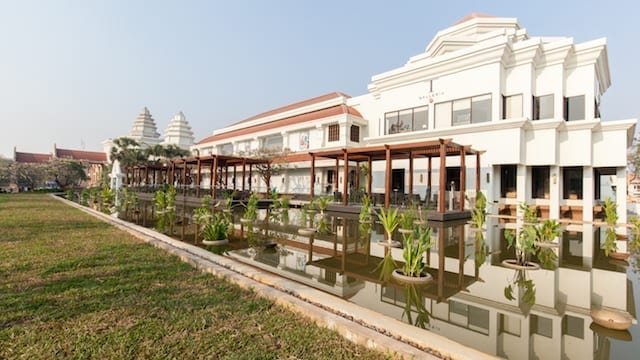
    Luxury travel retailer DFS Group Cambodia has marked the opening of its first store, T Galleria by DFS, Angkor, with a gala event for more than 300 guests.

    DFS T-Galleria Angkor Cambodia

    In the resort town and provincial capital of Siem Reap, near the ancient temple of Angkor Wat, T Galleria by DFS, Angkor is the largest duty-free luxury department store in Cambodia. It offers travelers an integrated retail, hospitality and leisure experience with 170 brands across 86,000 sqft (7989 sqm).

    The opening celebration began with a ribbon-cutting ceremony, after which traditional Cambodian Apsara hostesses led guests through the two-storey store for traditional cultural performances and demonstrations by Cambodian craftsmen.

    DFS T-Galleria Angkor Cambodia 3

    From DFS Group were chairman/CEO Philippe Schaus and co-founder Robert Miller, while special guests included Cambodia’s Senior Minister of Economy and Finance Aun Pornmoniroth and Minister of Tourism Thong Khon.

    DFS Cambodia

    The store features a curated collection of Cambodian artisanal products designed and produced by more than 30 Cambodian artist workshops. At the event, Angkor Artwork, a Siem Reap design studio, demonstrated the art of lacquer work, while Golden Silk, one of the last fully integrated silk producers in the world, wove silk spun from Cambodian silk worms.

    DFS T-Galleria Angkor Cambodia 2

    Traditional Khmer motifs and carvings feature throughout the store, including a nearly 20m art installation suspended above the vaulted atrium.

    DFS T-Galleria Angkor Cambodia 1

    T Galleria by DFS Angkor also ranges more than 130 international brands including watches and jewellery from Bulgari, Cartier and Tiffany & Co and fashion from Bottega Veneta, Burberry, Fendi, Gucci and Saint Laurent. There are also more than 30 beauty and fragrance brands such as Cle de Peau Beaute, Dior, Estee Lauder and Giorgio Armani.

    DFS T-Galleria Angkor Cambodia 5

    The gala event also marked the official opening of the onsite restaurant, the first Crystal Jade outlet in Cambodia, serving traditional Chinese cuisine in a setting overlooking the gardens and reflecting pools outside.

    DFS T-Galleria Angkor Cambodia 6

    DFS T-Galleria Angkor Cambodia 8

    The event also provided a platform to officially announce the company’s sponsorship of several non-profit organisations focussed on helping underserved populations in Cambodia. Schaus presented a donation to Kuma Cambodia, which aims to reduce poverty through providing education, healthcare and nutrition to vulnerable youngsters, English and computer courses for teenagers, and workshops and guidance for parents and guardians.

  • Alibaba hosts intellectual property event

    Alibaba hosts intellectual property event

    Chinese online commerce giant Alibaba Group has hosted an inaugural Rights Holders Collaboration Summit involving international brands and the intellectual property (IP) enforcement community to enhance collaboration in the fight against infringements.

    More than 100 Chinese and international brands as well as trade associations attended the event, including Adidas, Apple, Burberry, Hewlett Packard, Louis Vuitton and Mars, the Chinese British Business Council (CBBC) and the Quality Brand Protection Committee (QBPC).

    Alibaba also announced the launch of the IP Joint-Force System, an online platform designed to streamline IP-related communications between the group and brands. The system aims to build a more collaborative working relationships with international brands as Alibaba continues its fight against counterfeits and IP infringement.

    New challenges

    With eCommerce becoming a way of life and the internet sector continues to evolve, brands and online marketplaces alike face new IP enforcement challenges, says Alibaba Group chief platform governance officer Jessie Zheng.

    “As the leading online marketplace, we have a responsibility to all our constituents to govern our platform and find innovative solutions. The Rights Holders Collaboration Summit and IP Joint-Force System are a couple of the many ways Alibaba is working closely with rights holders in our efforts to eradicate counterfeits both online and offline.”

    All brands in the “Good Faith Takedown” program are eligible for the IP Joint-Force System, which came into effect this month. This Alibaba program was launched last year to expedite the notice-takedown process for brands that submit valid counterfeit complaints. Many of the more than 700 brands involved in the program are participating in the first phase of the IP Joint-Force System, including Adidas, Apple, Mars, Philips and Procter & Gamble.

    With more than a billion products listed across its marketplaces at any given time, Alibaba Group’s data analytics and processing technologies enabled it to remove more than 120 million infringing product listings last year, which is eight times the number of counterfeit products removed based on takedown requests from brands.

    Dedicated support

    For the IP Joint-Force System, each participating brand is assigned a dedicated online portal and Alibaba account manager to enhance collaboration, heighten transparency around IP enforcement efforts, and reinforce mutual understanding and trust. The system enables Alibaba to directly and efficiently seek information from rights holders regarding suspected counterfeit product listings.

    It also lets brands identify the authenticity of a product and easily notify Alibaba of any infringements. Alibaba will then initiate the Good Faith Takedown process and immediately remove the listing without subsequent correspondence with the brand.

    “The IP Joint-Force System is a revolutionary industry solution that will redefine how IP enforcement is conducted in the digital age – where brands and eCommerce marketplaces work collectively and strategically to combat counterfeiters,” says Alibaba Group head of global IP enforcement Matthew Bassiur.

    “This is one of several game-changing approaches Alibaba will be advancing to both simplify and greatly enhance our overall enforcement process.”