Tag: burberry

  • Alibaba backs virtual showroom startup Ordre

    Alibaba backs virtual showroom startup Ordre

    Alibaba Group has bought a minority stake in Ordre, a European online luxury wholesale platform.

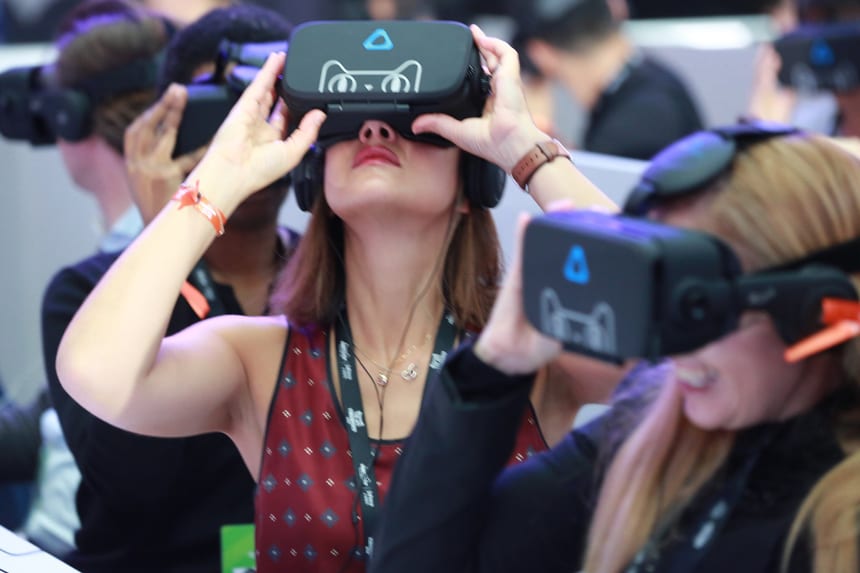
    Ordre, launched in 2015, allows fashion designers to show off their collections via 360-degree photography and virtual reality to interested wholesale buyers. The technologies make it more convenient for buyers, who aren’t always able to travel due to time and distance constraints, to build inventory each season. The reduced travel translates into lower carbon emissions at a time when sustainability is increasingly important to the industry, said Ordre.

    Dianne Von Furstenberg, Vivienne Westwood and Jason Wu are among the world’s leading designers who have established digital showrooms on Ordre. They also work with fashion brands such as Joseph.

    For Alibaba, the investment is a further push into the luxury sector, which is among its top strategic priorities, given the rising spending power and increasingly sophisticated tastes of Chinese consumers. The Hangzhou, China-based company plans to leverage Ordre’s technologies for consumers, however, delivering a more-enhanced shopping experience on platforms such as B2C marketplace Tmall.

    “Matching Ordre’s technology with Alibaba’s unique data insights and capabilities – of which our recently launched Luxury Pavillion is a great illustration—we can provide our consumers with a personalised and differentiated experience, helping brands develop a deeper engagement with them,” said Jessica Liu, president of Tmall Fashion and Luxury.

    The Luxury Pavillion, which lives within Tmall, was launched last August to deliver to China’s high-end consumers the same kind of brand exclusivity and tailored shopping experience online that they would expect at a brick-and-mortar store. About 50 brands, including l, offer products ranging from apparel and cosmetics to watches and luxury cars.

    The pavillion is driven by Alibaba’s New Retail technologies, which blend online and offline commerce to deliver a better buying experience for consumers. Simon Lock, founder and CEO of Ordre, said the company’s digital assets, including 360-degree images, 360 video and VR fashion shows and designer interviews, are in line with this strategy and could serve Tmall shoppers and brands.

    “Our 360-view allows consumers to understand every aspect and every view of a garment,” he said. “When you’re purchasing online, as much detail as can be provided is going to make your purchasing decision much more confident,” which can help drive down the product return rates.

    The companies are currently discussing a number of potential initiatives that would expand on these technologies. One of which would create new direct-to-consumer channels for Ordre’s partner brands by leveraging content to communicate their brand story and provide more information about products. For example, Ordre’s VR technology was able to recreate Stella McCartney’s Coachella-inspired 2018 fall show and the theatrical experience of Thom Browne’s latest showcase in Paris, so that buyers could watch fashion shows from the front row.

    Other potential collaborations include “fit avatars,” which allow buyers to see collections on models in 360-view and technology that allows buyers to remotely feel fabrics on a touch pad.

    Lock said he was also interested in Alibaba’s “See Now, Buy Now” technology, as well as the company’s artificial intelligence and cloud-computing capabilities.

    “We can work together to create the ultimate global fashion cloud,” he said.
  • Burberry makes a move to boost its handbag business

    Burberry makes a move to boost its handbag business

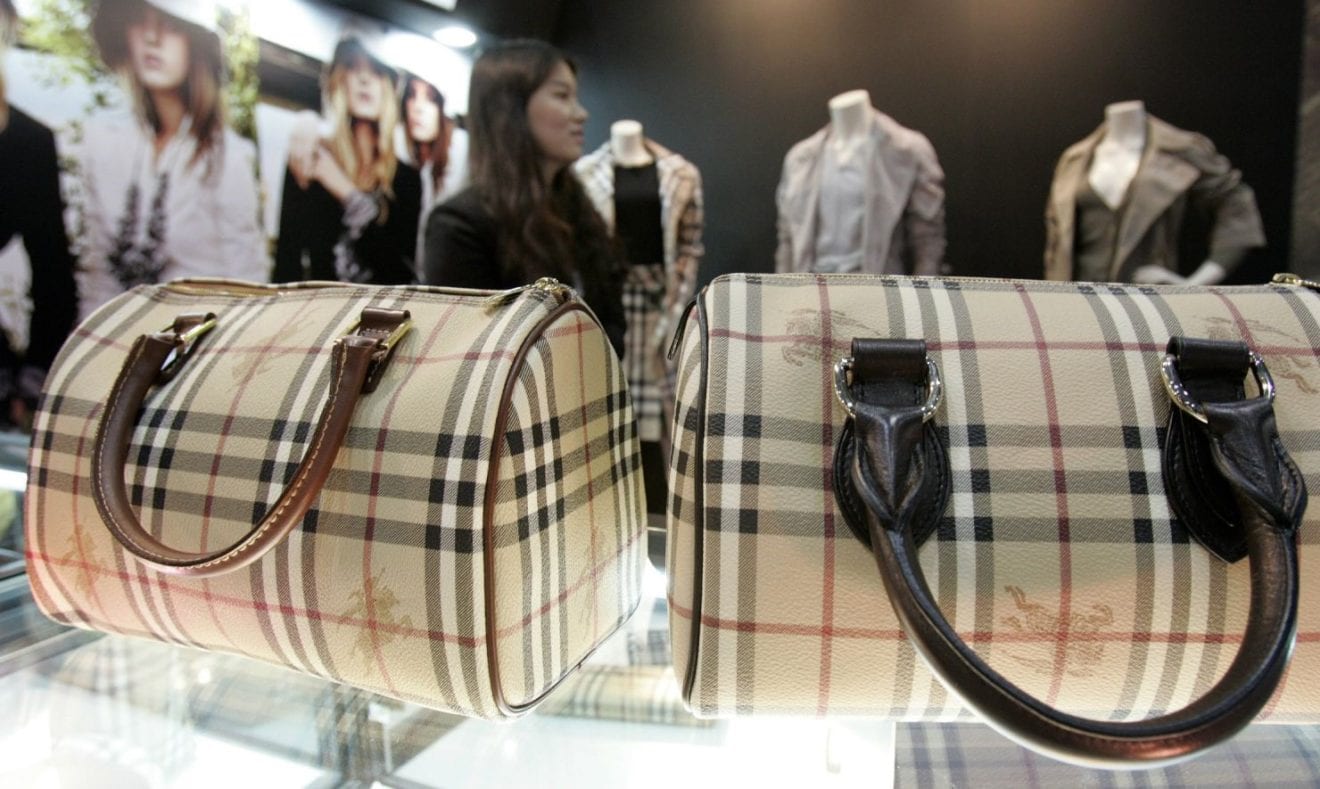
    Burberry, which is seen as punching below its weight in handbags and leather accessories compared to its peers, said it will be taking a team of around 100 leather goods specialists in-house as part of the deal agreed with CF&P, one of its longstanding suppliers.

    It did not say how much it would pay for the deal.

    Luxury goods firms tend to make the largest chunk of revenues from high-margin leather accessories, and many seek where possible to cut out the middle-man, giving them more control over costs and turnaround times.

    CF&P, which is based in Scandicci just outside Florence, focuses on developing propotypes and works with other brands. A small part of its business will remain independent following the deal with Burberry.

    The acquisition comes as Burberry Chief Executive Marco Gobbetti pushes to transform the brand known for its camel, red and black check designs into more of a top-end luxury player, in part by shaking up the product range.

    “The challenge for Burberry in launching its new medium-term strategy to climb back up the luxury pyramid has been the fact that it is inherently weak in a core product area: leather goods,” analysts at Jefferies said in a note, adding that the Italian deal was a welcome move.

    Burberry, which reports preliminary results on Wednesday, has also brought in a new designer, former Givenchy star Riccardo Tisci, and overhauled several layers of management.

    The brand does not break out how much of its manufacturing process is internal, though it is known to produce some of its trademark items, like its trench coats, in Britain.

    Rivals are also making similar moves to tighten control over suppliers. Italy’s Gucci, owned by the Kering luxury conglomerate, earlier this year inaugurated a vast leather goods facility in Tuscany, with some 800 employees.

    The Gucci ArtLab will be focused on prototyping as well as research into new materials and techniques.

    Some other brands like LVMH’s Louis Vuitton or Hermès have long had full control of their leather goods manufacturing, but are also looking to cut lead times as they look to meet thriving demand.

  • Luxury brand Burberry boosts profit as turnaround grows momentum

    Luxury brand Burberry boosts profit as turnaround grows momentum

    Christopher Bailey’s last collection for British luxury brand Burberry helped lift the company’s profits by 5 per cent, exceeding analysts’ expectations and signalling a turnaround program is already bearing fruits.

    Bailey has stepped down as chief creative officer – and earlier as CEO – and his swansong for the brand, a rainbow-tinted collection released in February, received rapturous reviews from the fashion press.

    Incoming CEO Marco Gobbetti paid tribute to Bailey, praising his final collection and saying the designer had left the company with an “incredible legacy”.

    The new head of design, Riccardo Tisci, will reveal his inaugural offer in autumn.

    Stronger domestic sales underpinned a 2 per cent rise in Burberry’s global revenue to £2.66 billion (US$3.6 billion).

    Gobbetti said the results showed his strategy to revitalise Burberry was paying off.

    “In November, we set out our multi-year plan to re-energise our product, our communication and the experiences customers have of our brand to deliver sustainable long-term value.  We have made good initial progress, our plans are on track and we are seeing positive early signs from our retail and wholesale customers.”

    In the new 2019 financial year, Gobbetti is on track to achieve a cumulative £100 million in cost savings.

    “In a year of transition, we are pleased with our performance as we began to execute our strategy.

    While the task of transforming Burberry is still before us, the first steps we implemented to re-energise our brand are showing promising early signs.  With Riccardo Tisci now on board and a strong leadership team in place, we are excited about the year ahead and remain fully focused on our strategy to deliver long-term sustainable value.”

  • Burberry agrees to buy Italian leather business

    Burberry agrees to buy Italian leather business

    Burberry says it has entered into an agreement to acquire a luxury leather-goods business from longstanding Italian partner CF&P.

    CF&P employees, including the craftsmen who have worked with the British luxury fashion house for more than a decade, will transfer to the company once the transaction is complete, expected late this year.

    “This acquisition is a major milestone for us and a statement of our ambition in this strategically important category,” says CEO Marco Gobbetti. “It will create a centre of excellence for Burberry’s leather goods, covering all activities from prototyping, product innovation, engineering and the co-ordination of production.”

  • Burberry lost marketing head Sarah Manley

    Burberry lost marketing head Sarah Manley

    Britain’s Burberry is set to lose its long-serving Chief Marketing Officer, Sarah Manley, who joined the luxury brand back in 2001, just one month after Christopher Bailey’s entrance into the top spot.

    Coinciding with Bailey’s last runway show for Burberry last week, Manley is reportedly packing her Burberry bags too, with a departure date slated for July’s end, as reported by FashionNetwork.com.

    While neither Burberry nor Manley have made a comment on the departure news, it is believed that the executive desires to take a break after seventeen years with Burberry. Manley’s departure has evidently been prompted by Bailey’s leaving too.

    No hints have been given as to who might replace Manley either.

    Manley joined Burberry in 2001 as global director of public relations, before being promoted to vice president, and then senior vice president of marketing. In 2008, Manly was named Burberry’s Chief Marketing Officer, where she oversaw a now 200-strong communications team in London.

    Major brand achievements linked to Manley include building the Burberry brand globally via elaborate events such as the holographic show, exhibition and store opening combinations in Beijing and Shanghai.

    She also put on the ‘London in Los Angeles’ party in Los Angeles’s Griffith Observatory, attracting 700 celebrity guests such as the Beckhams, Elton John, Rosie Huntington-Whiteley, Cara Delevingne and Anna Wintour.

    Manley was also involved in building Burberry’s burgeoning digital presence, growing its social media following and providing content that surpassed that of its competitors in terms of creativity and authenticity. Last week, social media analytics firm NetBase released its 2018 Luxury Brands Report, indeed naming Burberry as third in its overall ranking of the top ten luxury brands on social media, behind Louis Vuitton and Land Rover.

  • Burberry has new chief creative officer, soon

    Burberry has new chief creative officer, soon

    Fashion company Burberry has appointed Riccardo Tisci chief creative officer, effective from March 12.

    With expertise across womenswear, menswear, leather goods and accessories, Tisci joins Burberry from Givenchy, where he was creative director from 2005 to last year.

    A graduate of Central Saint Martins in London,Tisci will direct all Burberry collections and present his first for the brand in September. He will be based at the brand’s headquarters in London.

    “Riccardo’s skill in blending streetwear with high fashion is highly relevant to today’s luxury consumer,” says Burberry CEO Marco Gobbetti.

    Tisci says he has enormous respect for Burberry’s British heritage and global appeal. Born in Lombardy, Italy, in 1974, he worked with Gobbetti when he was president/CEO of Givenchy from 2004 to 2008.

    Since 2013, Tisci has been collaborating with Nike and previously held design roles at Antonio Berardi, Puma and Ruffo Research.

    GlobalData retail analyst Charlotte Pearce says the market reacted positively to Tisci’s appointment.

    “He will be able to breathe new life into the company and bring a fresh perspective to the luxury British brand. With six months to go before Tisci presents his first show for Burberry in September, he will have time to firmly establish himself in the business and lay out his creative vision for the renowned brand.”

    Peace says it is imperative that Tisci and Burberry CEO Marco Gobbetti work closely together over the coming months – as they would have at Givenchy – to reinvigorate the Burberry brand.

  • Christopher Bailey takes final bow for Burberry at LFW

    Christopher Bailey takes final bow for Burberry at LFW

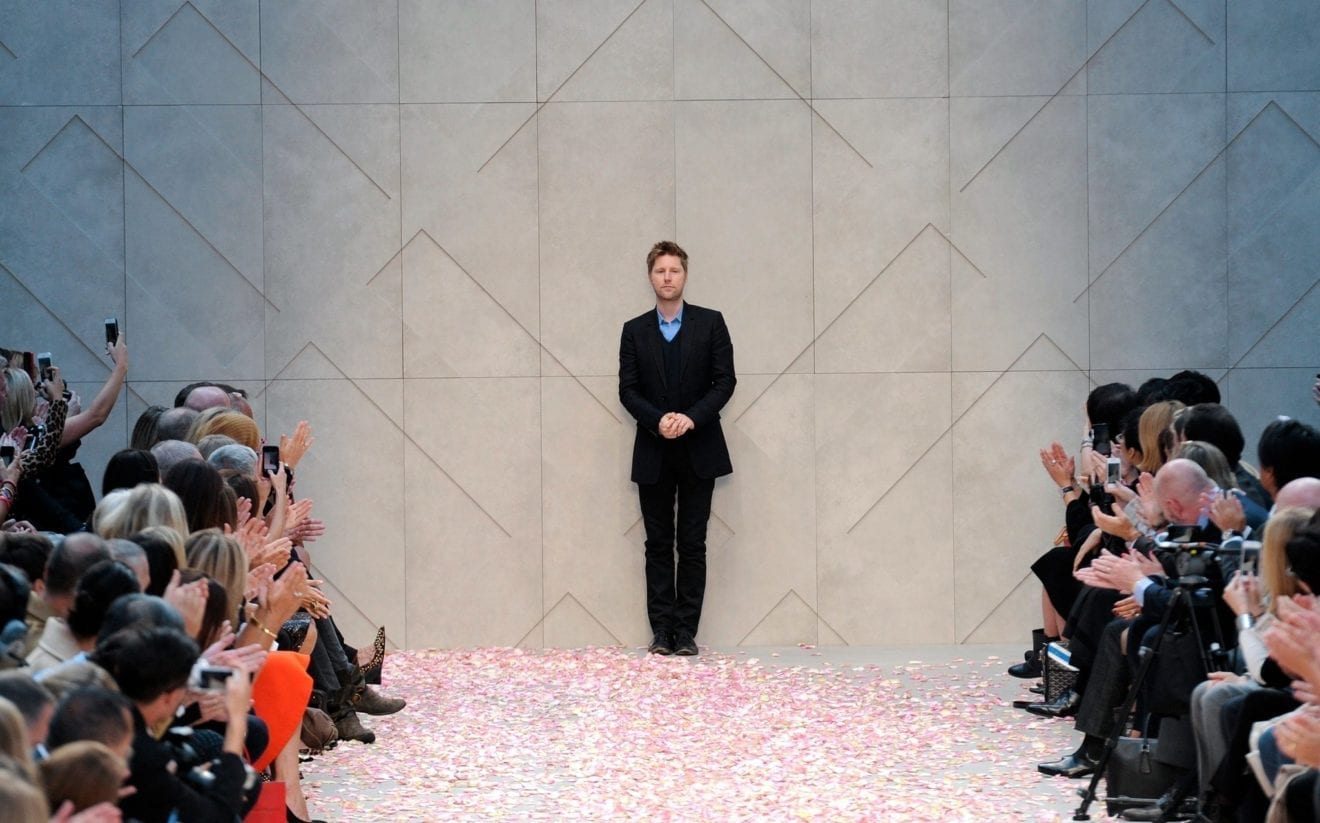
    Christopher Bailey has marked the end of his tenure at Burberry with a final, rainbow-themed collection unveiled at London Fashion Week over the weekend.

    Bailey first joined Burberry in 2001 and has since been a driving force behind the brand’s revitalisation and success both as a high street retailer and wholesaler.

    He is credited for transforming the once-struggling British label into a luxury powerhouse and the biggest drawcard in London Fashion Week.

    He was promoted to the dual role of chief executive and chief creative officer in May 2014, a position he held for just over three years.

    In July last year, he gave up his chief executive officer duties for Marco Gobbetti and transitioned into his current dual role of president and chief creative officer.

    Bailey’s final collection for Burberry, which was unveiled on the second day of London Fashion Week on Saturday, featured a mix of styles from the past, present and future.

    The rainbow was a central motif, with rainbow stripes woven into Burberry’s famous heritage check, a nod to the brand’s support for three LGBT charities and Bailey’s career as an openly-gay chief executive of a FTSE 100 company.

  • Celebrating Lunar New Year with offers from DFS

    Celebrating Lunar New Year with offers from DFS

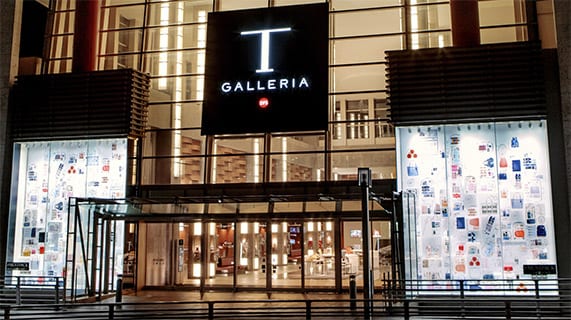
    To celebrate Lunar New Year and the arrival of the Year of the Dog, luxury travel retailer DFS Group will offer special promotions and interactive activities at certain T Galleria and DFS stores worldwide next month.

    There will also be exclusive offers from the group’s Give Joy Together gift guide.

    In-store activities will include a Pokemon Go-inspired game featuring the DFS Lunar New Year dog character Lolo. This will be available at T Galleria by DFS, Hong Kong, Canton Road; T Galleria Beauty by DFS, Hong Kong, Causeway Bay; and T Galleria by DFS, Angkor. It will also be at outlets in Hawaii and Sydney.

    Other activities include a Fortune Tree and Wishing Tree with lucky prize envelopes, and a personalised charm giveaway set for customers taking advantage of Give Joy Together promotions.

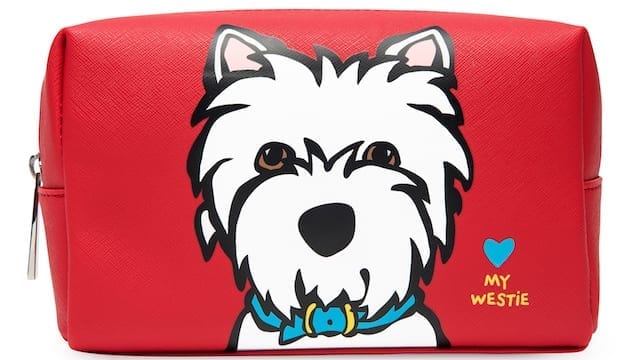
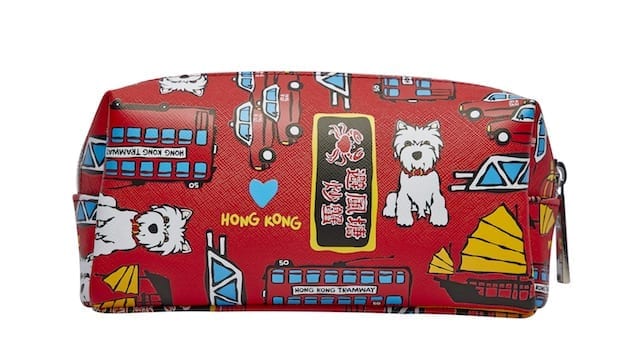
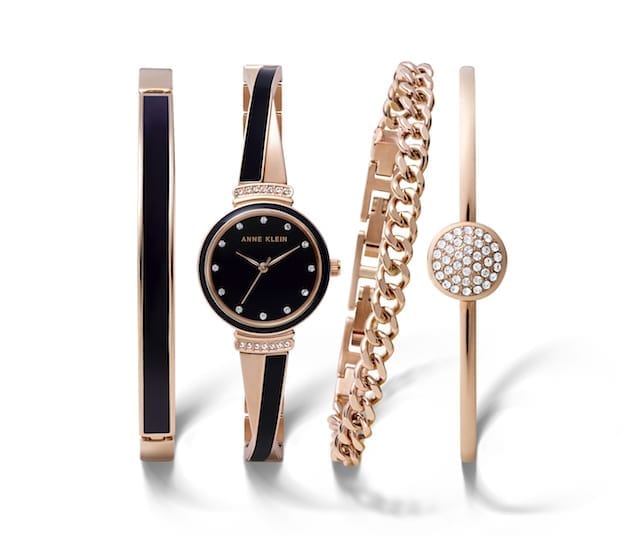
    Exclusive products for the month include: Anne Klein Blush women’s ceramic watch with Swarovski crystals; Bulgari Serpenti Twist Your Time, with either mother-of-pearl or red dial; Emporio Armani Connected touchscreen smartwatch; Estee Lauder limited-edition Pure Color Envy Sculpting Eye Shadow & Lipstick; Hamilton’s Ventura Elvis 80 automatic men’s watch with a complimentary exclusive Elvis Presley tote bag; Marc Jacobs exclusive tote bag; Marc Tetro Hong Kong Pug cosmetic bag and Westie tote bag; Swarovski Haves bracelet, pendant and earrings; and Tiffany & Co Keys Fleur de Lis Key and Keys Petals pendants.

  • 2nd STREET USA to Launch Its First US Store

    2nd STREET USA to Launch Its First US Store

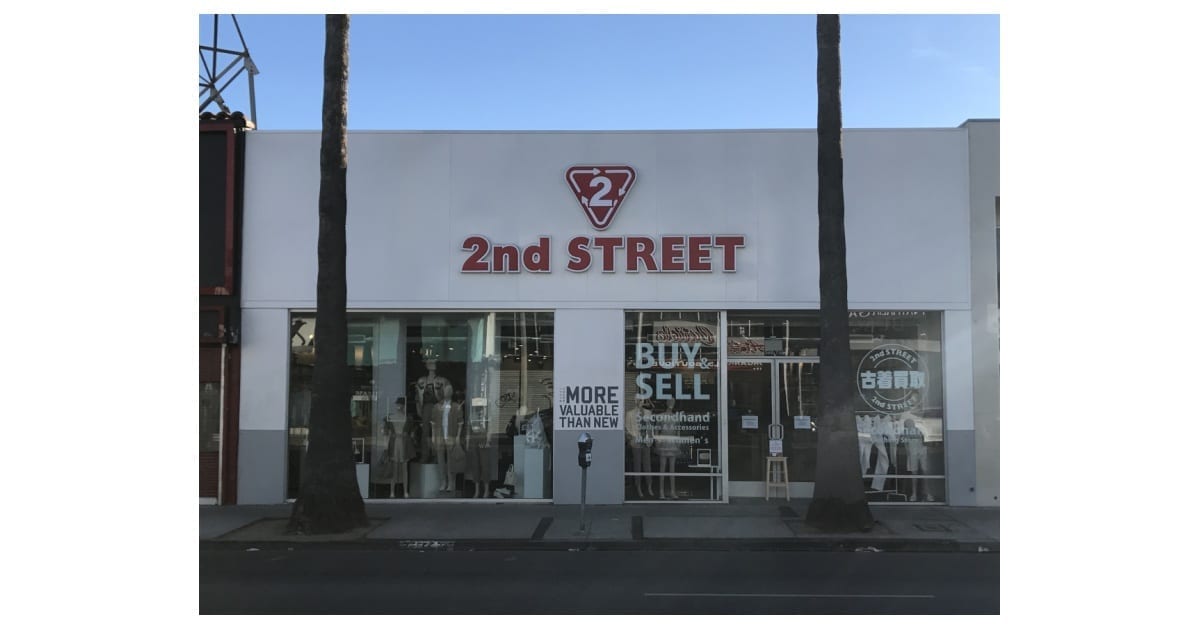
    Japanese used-clothing market 2nd Street USA has set up shop in the US.

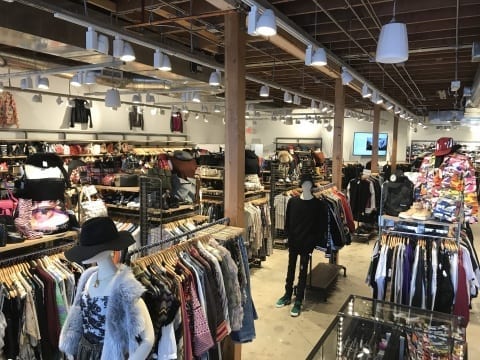
    A subsidiary of Tokyo-based GEO Holdings, 2nd Street USA has opened on Melrose Avenue in Los Angeles. Selling and buying goods, it offers men’s and women’s clothing as well as accessories.

    Among the assortment are designer labels like Burberry, MCM and Supreme, along with “big-in-Japan” brands A Bathing Ape, Comme des Garçons and Porter. There is also Kurofine, a clothing line produced by Kyoto Montsuki which recycles used clothing items with a special dyeing process.

    It is 2nd Street’s first venture outside of Japan, where it has 578 stores. The company plans two more stores for California by March next year, and aims to expand to 10 stores in the US by 2020.

    CEO Masahiro Kikuchi says all goods are carefully chosen for quality, and the store offers attentive service.

  • Positive trend for Burberry sales in Asia

    Positive trend for Burberry sales in Asia

    Burberry sales in Asia rose “by the mid single digits” in the three months to year end, as the company reported a modest 2 per cent same-store improvement gobally.

    Asia Pacific was the strongest performing market for the UK-headquartered luxury retailer, with Mainland China leading the way. Hong Kong sales were “broadly unchanged” year-on-year despite an improvement in domestic trend.

    “Korea saw a better performance from both domestics and tourists, although sales still declined slightly,” the company said.

    “We are making good progress embedding our strategic vision into the organisation and remain on track to meet our full year profit target,” said CEO Marco Gobbetti, in a short statement.

    “We are building on strong foundations and are fully focussed on the successful delivery of our multi-year plan to position Burberry firmly in luxury and deliver long-term sustainable value.”

    Sales in Europe, Middle East, India and Africa decline by a low single digit figure, impacted by unusually strong figures from the UK the previous year.

    While the US was broadly flat, sales overall in the Americas rose marginally.

    Online sales posted solid growth, led by Asia Pacific, with Burberry saying mobile transactions accounted for 40 per cent of turnover online.

    By product, fashion outperformed as customers continued to respond positively to new products across categories.

  • Burberry third quarter sales slip 2 percent as it starts up-market move

    Burberry third quarter sales slip 2 percent as it starts up-market move

    UK luxury brand Burberry today reported a 2% drop in retail revenue for the Christmas quarter after sales in Europe slipped against a year ago when a fall in the pound had helped its home market.

    Chief executive Marco Gobbetti set out a plan in November to take the label further up-market.

    But the company said there would be little, if any, growth in revenue and operating profit until its 2021 financial year as the programme was implemented.

    Burberry said its retail revenue was £719m in the three months to December 31, its fiscal third quarter, down from £735m the same time in 2016.

    The firm, known for its camel, red and black check, said retail revenue was up 1% on an underlying basis, while comparable store sales rose 2% – below analysts’ expectations.

    Comparable store sales grew by a mid-single figure percentage in Asia Pacific and mainland China, and by a low single digit in the Americas.

    However, they fell by a low single figure in its Europe division, hurt by a larger fall in the UK which performed very strongly in the same period in 2016.

    Burberry did, however, maintain its operating profit guidance for the full 2017-18 year and said it was on track to make cumulative cost savings of £60m in the year.

    “We are making good progress embedding our strategic vision into the organisation,” said Gobbetti.

    Burberry announced in November that Christopher Bailey, the designer who turned the firm into a global label, would leave this year.

    Today’s statement did not give any update on the search for Bailey’s successor.

  • Is Amazon threatening luxury?

    Is Amazon threatening luxury?

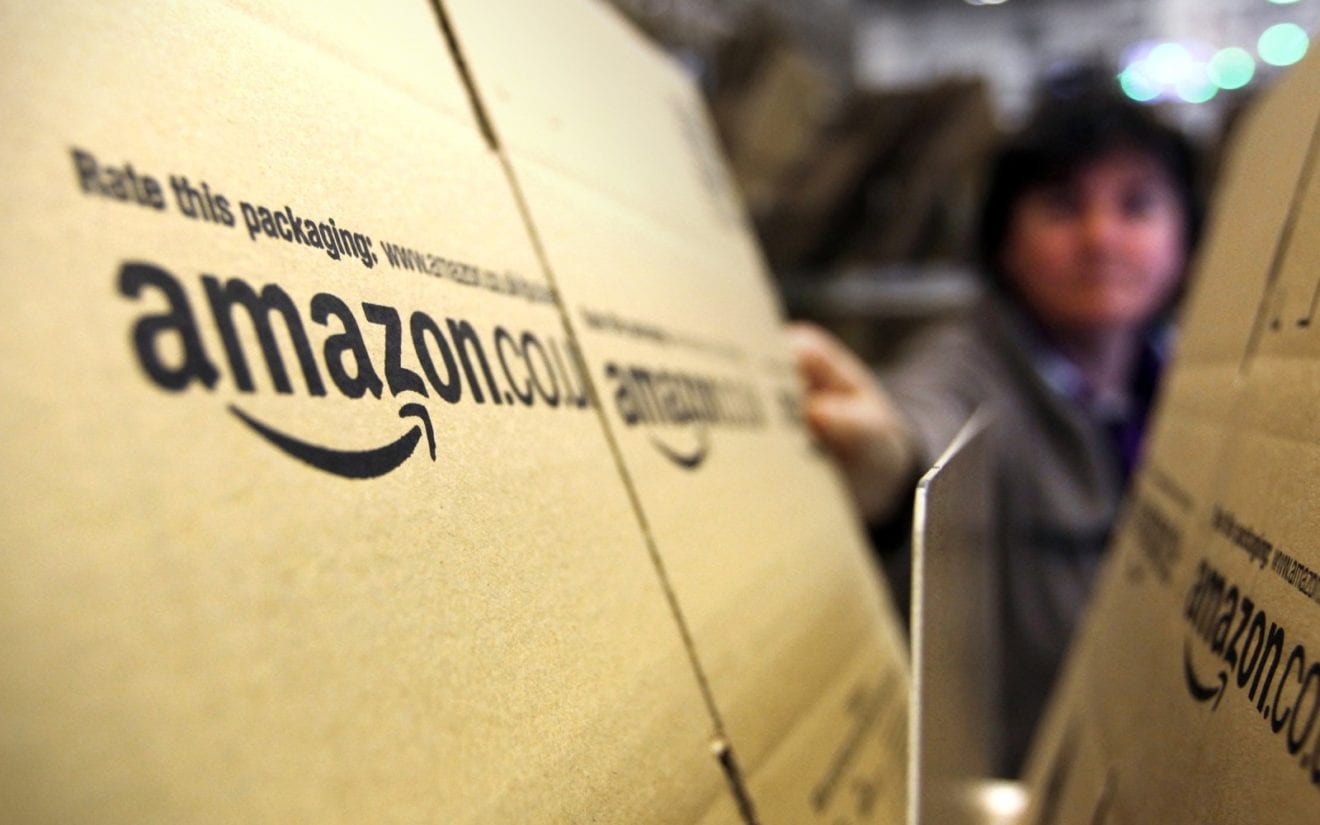
    Amazon has been struggling to recruit luxury brands to sell their good on its platform, but there is one way that it could make its marketplace more of a destination for shoppers looking for certain tiers of luxury products.

    Amazon could launch vertically integrated, mass-customized brands of its own that use technology to smooth the customer shopping process, similar to Indochino.

    While Amazon is not likely to get catalog coverage from many of the ultra-luxury brands, it does have the ability to make a number of mid-level luxury brands less relevant to large segments of Amazon customers, replacing those brands through the merchandising of its own private-label luxury brands at prices that encourage even the slightly price-sensitive luxury products customer to consider a cheaper alternative, available directly from Amazon.

    There will always be customers who want nothing other than the $10,000 handbag with that special brand name, or the $3,000 suit from Armani or Gucci. Yet for millions of Amazon Prime customers, the prospects of “affordable luxury” becomes available through something like an Indochino model.

    Brands like Brooks Brothers, Hugo Boss, Zac Posen, Tom Ford and Burberry that may today be aspirational for millions of Amazon customers could be replaced with Amazon’s own mid-level luxury brands, made at comparable quality with perfect custom fitting and a much lower price. Such a model has the potential to wipe out much of the apparel advantage Stitchfix has created for itself over past few years.

    Indochino is a direct-to-consumer manufacturer of custom suits for shirts for men. While production is based out of China, it offers U.S. customers the opportunity to get sized either through a measurement process online using videos, or in a limited number of storefronts based in major metropolitan locations throughout the United States. For under $400, Indochino is able to manufacture a custom-fitted garment and shrip it to the U.S. or Canadian customer within 3 weeks.

    Comparable pricing for a U.S.-tailored suit including luxury brands would range from $1,500-$3,000. While a luxury U.S. brand in the U.S. is likely to require 2-3 weeks for custom tailoring of an off-the-rack suit, the custom-made Indochino suit sells for a fraction and promises a better fit because it was made using the customer’s body measurements.

    Let’s say Amazon bought Indochino, or built its own comparable model, and expanded it into women’s clothing too.

    Then Amazon uses some variant of technology from its new acquisition Body Labs to develop a system for measuring customers’ dimensions. With such technology onsite at a range of retail studios across the country, Amazon now would have the dimensions of millions of Prime customers, and would be able to offer them its own custom-fit luxury-quality brands.

    Using pin-point merchandising, Amazon could target these brands to specific customers that have searched for comparable luxury brands on Amazon already. Amazon’s scale and ability to accept low margins would quickly turn the mid-luxury brand customer towards Amazon, and away from so many of the luxury brands that have declined to distribute their products on Amazon.

    With any decent scale, Amazon would have competitive manufacturing costs, the ability to up-sell and cross-sell all sorts of other items (apparel and non-apparel), all the while being comfortable with much lower margins than a typical luxury brand. With an already generous returns policy, Amazon could offer customers the opportunity to buy lower-priced custom-made items, returning whatever items the customer did not like. I do not know of any other apparel brand that could compete effectively with such a model.

    The prospect that Amazon could win part of the customer’s wallet that today goes to luxury brand purchases externally should be on the radar of mid-tier luxury brands, and a ray of hope that more consumers will be able to afford a luxury look at lower prices.

  • Burberry celebrates its flagship store in Seoul with the artist Danny Sangra

    Burberry celebrates its flagship store in Seoul with the artist Danny Sangra

    Burberry held a special event with British illustrator and artist Danny Sangra from 28 to 29 November 2017 to celebrate the new Doodle collection in Cheongdam flagship store, Seoul.

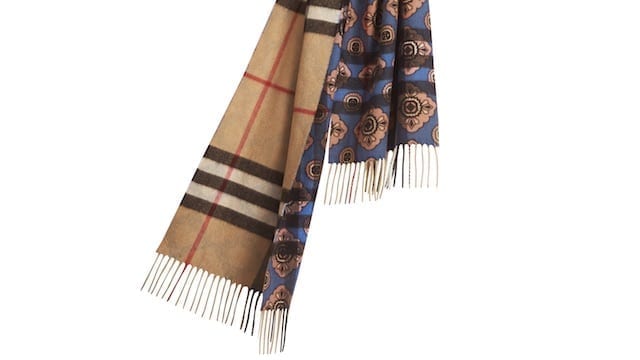
    ‘Doodle’ means ‘playful graffiti’. The Doodle Collection is a playful scribble with a felt marker pen from reversible canvas tote bags, sneakers, silk and cotton blend scarf, wallets, pouches, belts and other small accessories.

    In January, 2018, Burberry will show men’s and women’s wear such as dress, trench coat and sweat shirt by adding gorgeous neon color.

    Burberry official said, “We have grafted a variety of British design elements such as red, white, blue, dark storms, rainbows, stripes and polka dots into the British flag as well as graffiti patterns.”

    Doodle collection products are currently available at Burberry flagship stores and Online (Burberry.com).

    At this special event, Danny Sangra presented his exclusive collection of sketches.

    Danny Sangra, who visited Korea for the Burberry Doodle Exclusive collection, explained how he created a unique illustration for the Burberry flagship store.

    In addition, Danny Sangra’s work station, which is set up separately at the store, allows him to customize the bag directly to the dog’s back.

    Danny Sangra also showed the process of customizing the Doodle bags.

    During the event, both the window and the internal display of the store were transformed into a ‘Doodle Concept’, and a photo booth was also installed to create the artwork design of Danny Sangra into a photo.

    The event will be showcased in five cities in Tokyo, Seoul, Beijing and London starting from New York on 16 December 2017.

    Danny Sangra is also an English director and writer, graduating from Central Saint Martins, and an artist, illustrator, and photographer. He already had collaboration with Burberry’s archival project “Now Then” last summer.

  • Burberry Japan to close all beauty stores before 2018

    Burberry Japan to close all beauty stores before 2018

    Burberry Japan will shutter its entire beauty retail network by 2018, comprised of Burberry Beauty and Burberry Beauty Box stores.

    Following the closing of the Yokohama store in October 2017, Burberry Beauty before December 31 will have finalised mass store closures across Japan, after the British firm’s Japanese distributor Shiseido ended the contract partnership in April 2017.

    The Japanese cosmetic giant Shiseido, who recently announced a strategic shift in operations to focus more on its own prestigious brands, formed its allegiance with Burberry back in 2015, and has since held the contract granting it distribution rights Burberry’s beauty line and fragrance in Japan.

    Under the new store approach in Japan, Burberry Beauty has already closed its Lumine Yokohama store on November 13, and the Ikebukuro Seibu store is scheduled to close on 25 December 2017.

    Moreover, the Ginza Mitsukoshi store and the Umeda Hankyu store will close on 31 December 2017.

    Japanese customers are still able to buy the brand’s makeup items from the Burberry website even after the stores close. As for Burberry fragrances, the company will look for new distributors and gradually redeploy its retail presence in Japan.

    The news follows Burberry Beauty’s new partnership with American company Coty, which has obtained the licencing rights for beauty products developed by the heritage brand.

    Kicking of in October 2017, Marco Gobbetti, CEO of Burberry, said: “Following months of hard work to ensure a smooth transition, this strategic partnership, which brings together tremendous beauty experience and expertise, has begun.”

    Coty will have overall responsibility for strategic direction on the portfolio’s development, leveraging its global capabilities in beauty strategy, innovation, supply-chain and go-to-market, working in partnership with Burberry.

    Coty CEO Camillo Pane said the firm’s “world-class ability in developing and bringing to market beauty brands will help drive a new phase of development and growth for Burberry Beauty.”

    In Japan, as well as in other Asian markets, Burberry beauty products will be sold in leading luxury beauty retailers globally as well as in remaining Burberry stores and digital channels.

  • More luxe image for Burberry marketing

    More luxe image for Burberry marketing

    Trumpeting solid growth in China sales in the first half year, Burberry has revealed plans to head more upmarket and cull its store network.

    Burberry marketing, retailing and communication will be refocused to meet the changing demands of today’s luxury customers, explained CEO Marco Gobbetti.

    The British-headquartered company, which achieves about 90 per cent of its own-retail sales in Asia-Pacific, reported China sales growth in the mid-teen percentages, with a “broadly consistent performance across both quarters”.

    “Hong Kong continued to improve, returning to growth in the second quarter,” the company announced, further evidence that the city’s retail sales decline is finally over.

    But the region’s overall growth was a more muted “mid-single digit”, largely due to a continuing decline in South Korea, thanks to falling Chinese tourist numbers.

    “I am pleased with our performance in the half with strong double-digit underlying profit growth,” said Gobbetti. “Consumers responded positively to fashion and newness, particularly in rainwear and leather goods. Digital revenue grew in all regions, led by mobile, while growth was strongest in our own stores in Asia Pacific.”

    Global sales for the six months to September rose 4 per cent to £1.263 billion with adjusted operating profit up 14.6 per cent to £185 million.

    New direction

    But the solid performance was overshadowed by Gobbetti’s announcement on the brand’s future. He prefaced it by saying the luxury market has changed and today’s luxury consumer demands innovation, curation and excitement from brands and creativity at every turn.

    “To win with this consumer, we must sharpen our brand positioning.  This will require us to change our approach to product, communication and customer experience.

    “We will reshape our offer, increasing and invigorating the fashion content.  We will create compelling luxury leather goods and accessories to attract new customers.  We will build on the strength of our apparel and re-energise it.  We will build our offer to provide a complete look for our customers, while continuing to simplify our ranges.”

    He said Burberry will put product “at the centre of our communication”.

    “We will leverage our extensive digital reach to convey new energy.  We will be bold in the way we engage luxury consumers, reinventing our editorial content and experiences.”

    One of the first steps will be rationalising the brand’s non-luxury wholesale and retail doors, with an initial emphasis on the US and EMEIA.

    The company has earmarked about £200 million to “transform our in-store experience” by refurbishing stores and enhancing its luxury service.

    “We will continue to lead innovation in digital, delivering personalised experiences and true omnichannel services. Our actions will be underpinned by continued focus on productivity, simplification and financial discipline.  We will engage and motivate our teams, reinforcing our culture and values.  We will continue to be an industry leader in responsibility,” said Gobbetti.

    Late last month, Burberry announced the departure of its president and chief creative officer Christopher Bailey after 17 years with the brand. His phased exit will commence in March, before he designs the Spring/Summer 2018 collection before leaving the company in December next year.