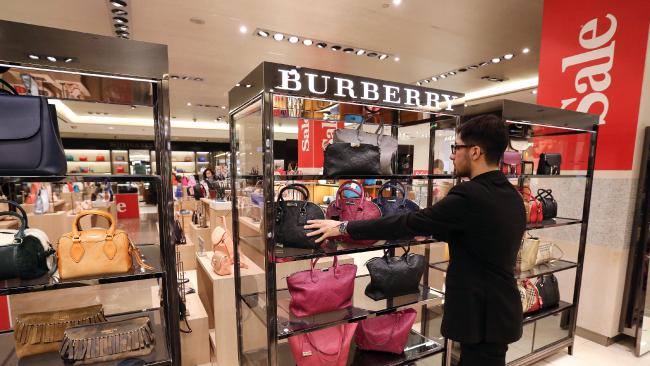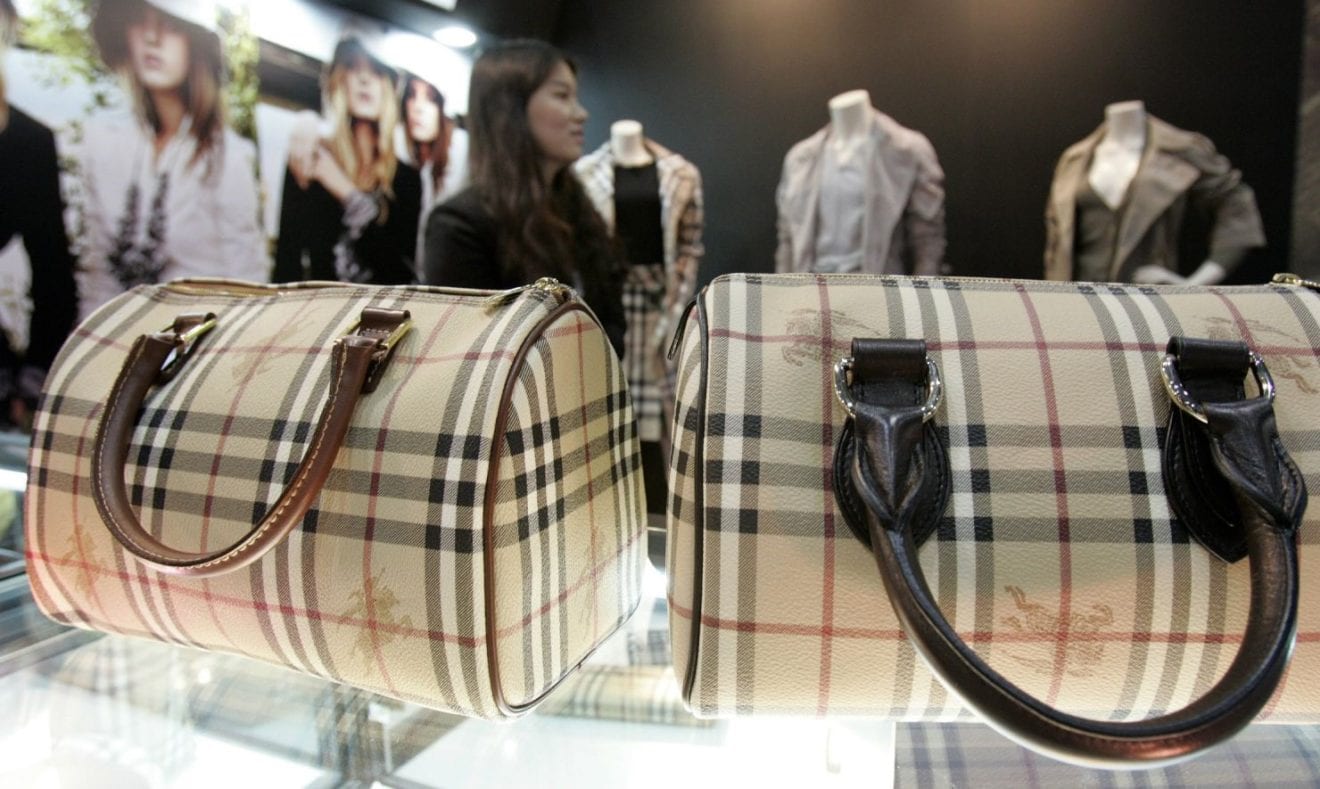
Tag: burberry

  • Hong Kong retail start recovering

    Hong Kong retail start recovering

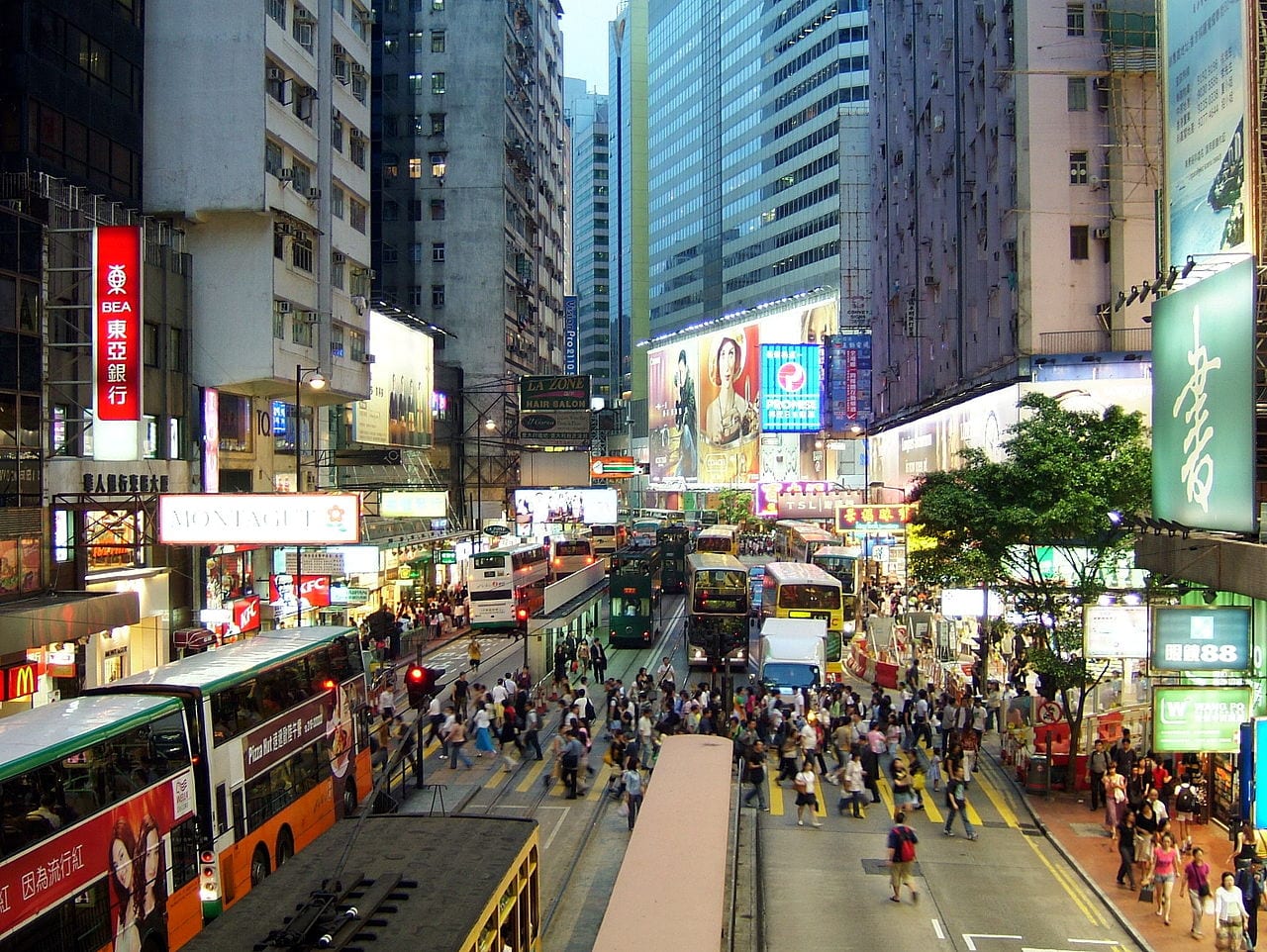
    A “steady if cautious” Hong Kong retail recovery is clearly underway, according to a report from Savills released today.

    “The retail sector is slowly coming to life after four years of painful adjustment which has seen the emergence of a ‘tenant’s market’, a rare occurrence in Hong Kong’s landlord-dominated retail scene,” observed Simon Smith, head of research and consultancy with Savills.

    Over recent months, he said, retailers have been taking the opportunity to upgrade for little or no extra cost and examples include Pandora which moved within IFC Mall and Hourglass, which runs Patek Philippe, relocating within Tsim Sha Tsui from the Imperial Hotel to a better site in the Holiday Inn.

    In further evidence of upgrade demand, Harry Winston has taken the space previously occupied by Ferragamo in the Mandarin Hotel and will open in early 2018. Alternatively, retailers are cutting overheads as they find that renewal negotiations are yielding significant savings as landlords discover a new pragmatism.As reported, Topshop has renewed the lease on its Queen’s Road Central store at a discount of about 50 per cent.

    While landlords of high street shops remain on the back foot, larger shopping centres, such as  Harbour City, IFC Mall and New Town Plaza, are proving relatively immune to the downtown, says Smith.

    In IFC Mall, Italian menswear brand Boggi opened recently while Brunello Cucinelli has launched a new flagship in the same mall.

    “As street-shop rents have fallen heavily while centre rents have only seen a minor adjustment, the gap between the two has narrowed considerably and tenants are now finding that a prime street front pitch can be a viable alternative to taking space in a nearby mall. This is the narrowest the gap has been since 2009 and represents a return to the norm after seven years of major gains in street shop rents.”

    Strength in regions

    Savills also notes that regional and district malls such as Popcorn in Tseung Kwan O and Tuen Mun Town Plaza are doing relatively well.

    “Hong Kong’s tight geography, excellent transport infrastructure and dense retail environment has helped this type of mall defend against the threat from online. The appeal of air conditioned spaces in the summer months and the lure of enhanced F&B offerings have also helped boost the appeal of local malls. We have also seen landlords putting more effort into marketing campaigns with better events, more pop-up stores and creative TV and online advertising,” said Smith.

    “Most malls now have a very well-established cyber-presence via websites and apps. Click-and-collect is making some limited headway locally, with brands such as Zara, Burberry, L’Occitane, Watson’s Wine, Chow Sang Sang and Starbucks all offering the service.

    “In a mixed market some trade categories are performing well and pharmacies in particular are expanding aggressively at the moment. Not every landlord wants them but they are often prepared to pay above-market rents. F&B is also out-performing, driven in part by a richly valued stock market and rising wages.”

    Nick Bradstreet, head of retail with Savills, said luxury fashion is turning around in Hong Kong even though brands have been closing stores in Macau and Mainland China over the past year or so. Luxury sales in China have actually surged over the past six to nine months.

    “Cosmetics retailers are reporting fairly stable business, but after a period of rapid expansion, many brands are still culling store numbers. Electrical goods retailers are consolidating in what is a very competitive marketplace,” he said.

    Savills prime street shop rental indices remained flat over the third quarter while rents in prime malls continued to drift off marginally. The latest September retail sales figures from government recorded a seventh consecutive month of rises attributable in part to a strong inbound tourist numbers. Jewellery, watches, clocks and valuable gift sales outperformed, rising by 14.7 per cent year-on-year, with strong growth also noted for medicines, cosmetics and Chinese drugs.
  • Sunglass Hut Opens New Store In Hangzhou

    Sunglass Hut Opens New Store In Hangzhou

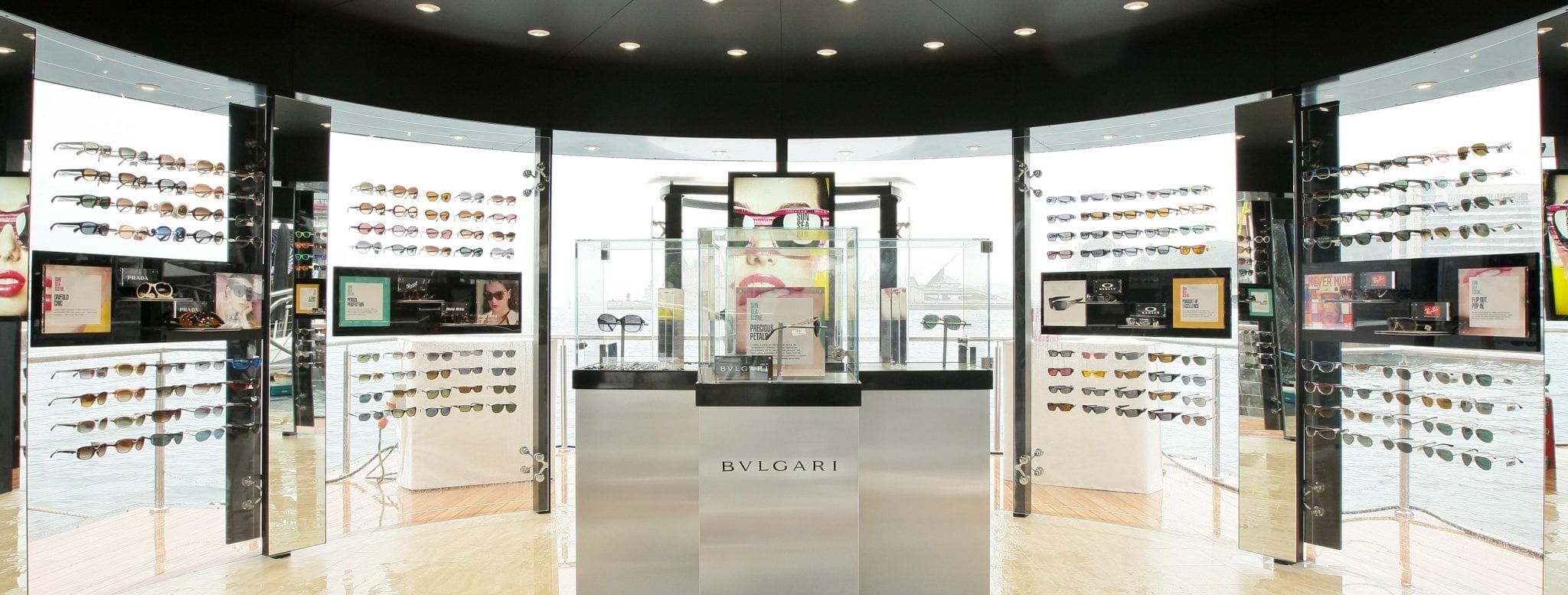
    International sunglasses retailer Sunglass Hut opened a new store in Hangzhou’s Intime Wulin store, which is the brand’s third store in the city following the ones in Hangzhou Kerry Centre and Hangzhou Bailian Outlets.

    Sunglass Hut has reached cooperation with many first-tier brands, including Ray-Ban, Prada, Dolce & Gabbana, Burberry, Tiffany & Co., and Coach.

    It started as a small independent store in Miami in 1971 and it developed 100 chain stores in Miami by 1986, reaching annual sales of USD24 million. By 1991, Sunglass Hut’s annual sales exceeded USD100 million and by 1996, the company seized 30% share of the American sunglasses market.

    By the end of 2016, Sunglass Hut already opened 3,269 retail stores in 28 countries and regions around the world, including 3,104 retail stores in North America, Asia Pacific, Europe, South Africa, and Latin America; and 165 authorized retail stores in Middle East and India.

    For the Greater China region, Sunglass Hut had nearly 40 retail stores, including 13 in Hong Kong, seven in Shanghai, and three in Beijing.

  • Burberry sales boosted by China

    Burberry sales boosted by China

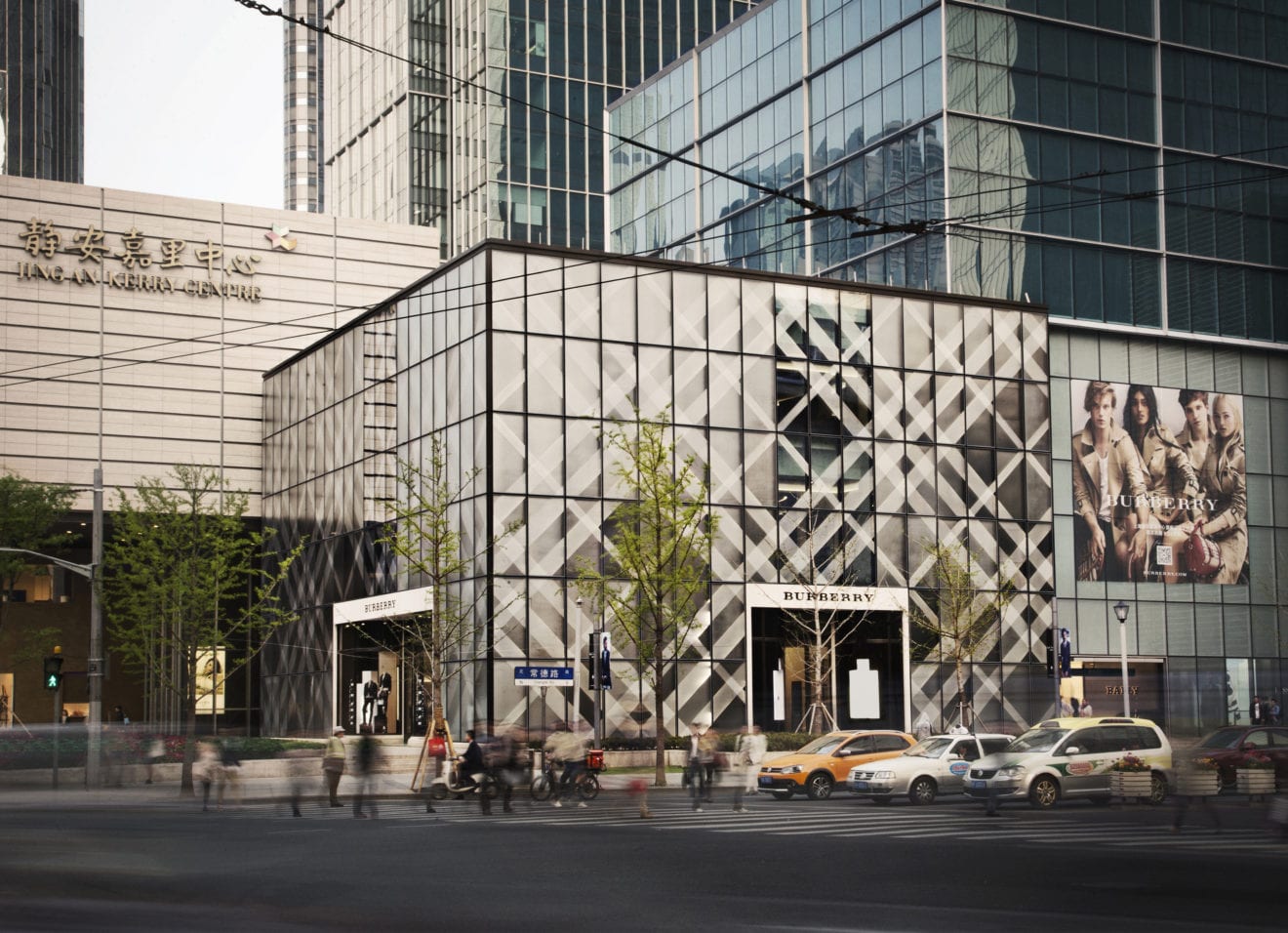
    Britain’s Burberry reported an increase in sales in the three months ending June, on the back of double-digit percentage sales growth China and positive demand APAC-wide.

    Total retail sales generated £478m in the three-month period, the London-based brand said, helped by strong performances in the UK and mainland China.

    The luxury fashion retailer said for the first quarter of the 2017-18 year, comparable sales increased 4%. In China, sales growth was in the “mid-teens”.

    Underlying sales rose by about 15% in mainland China as the chief operating and financial officer, Julie Brown, said “Chinese consumer confidence continued to build.”

    Brown said there had also been a rise in Chinese shoppers heading to Hong Kong, after a long period of decline.

    Being the first set of results to be reported under chief executive, Marco Gobetti, the new Burberry head praised the brand’s former-CEO, Christopher Bailey, for his efforts, after he was returned to perform the sole role of creative director for the brand.

    “We are pleased with our performance in the first quarter, while mindful of the work still to do,” said chief executive Marco Gobbetti.

    “This is a time of great change for Burberry and the wider luxury industry. I look forward to building on the foundations Christopher and the team have put in place and creating new energy to drive growth.”

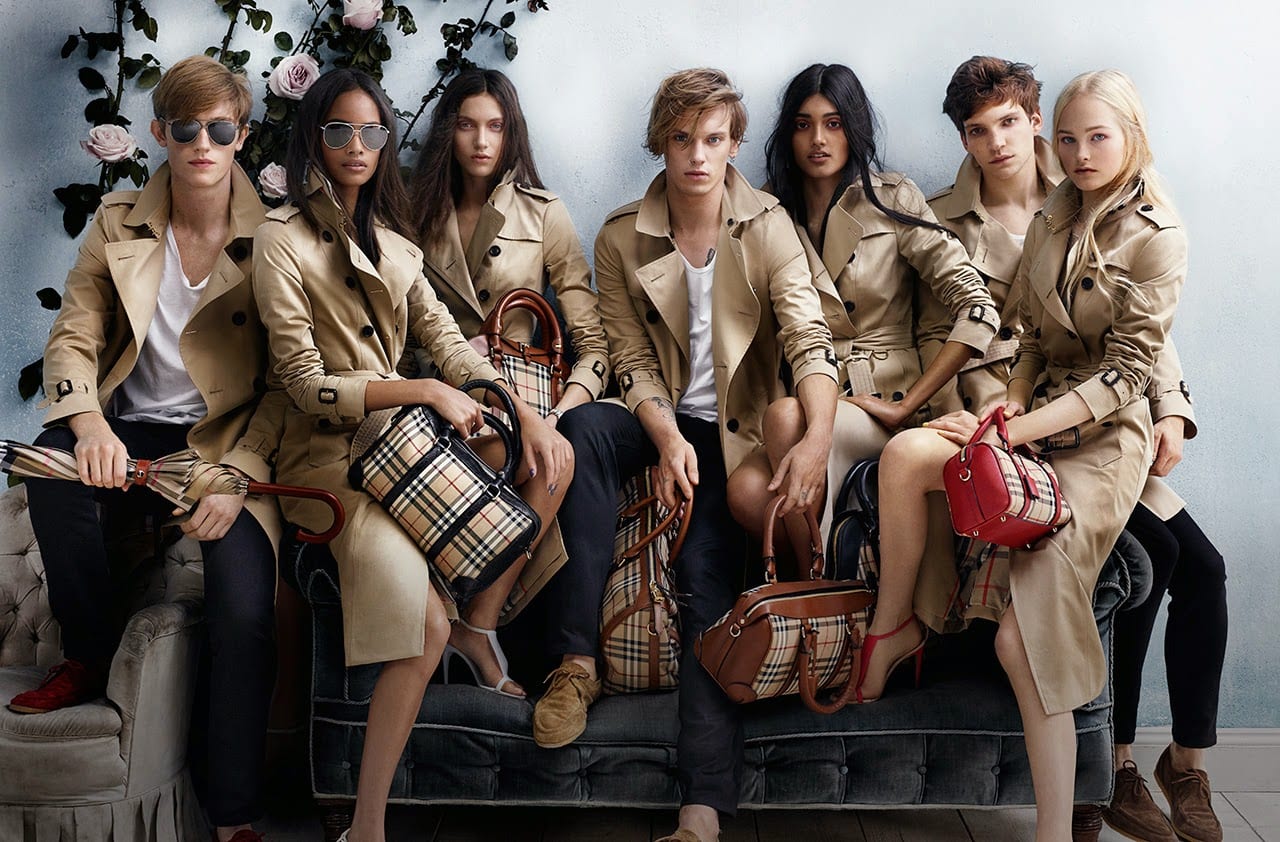
    Luxury leather goods and a new lightweight version of the classic trenchcoat, designed for tropical climates, led the growth. Burberry’s backpacks were the best seller, overtaking the Banner bag, it said.

    The company said it wants to save at least £100m by 2019 and said it is on track to deliver £50m in savings in 2018.

    This recent rise in sales comes after Burberry reported a fall in annual profits for the 2016-17 year.

  • China helps power Burberry quarterly sales up 5 per cent

    China helps power Burberry quarterly sales up 5 per cent

    Burberry quarterly sales have jumped by a solid 5 per cent, largely buoyed by a doubling of turnover in China.

    Greater China is a key market for Burberry, accounting for almost a quarter of total sales.

    A social media campaign – including activity by Beijing blogger ‘Mr Bags’ – helped boost brand awareness and sales through the WeChat channel.

    Globally, retail revenue rose 3 per cent to £478 million (US$613 million) and like-for-like store sales rose 4 per cent during the three months to June 30.

    The figures impressed analysts, outperforming expectations and providing a welcome background to incoming CEO Marco Gobbetti’s first investor presentation today.

    However, Bloomberg columnist Andrea Felsted urged caution, writing that Gobbetti “still has the task of reigniting interest in the tired brand”.

  • Longchamp and Burberry have set up store on WeChat, China’s top messenger app

    Longchamp and Burberry have set up store on WeChat, China’s top messenger app

    Longchamp and Burberry have arrange shops on WeChat, China’s prime messenger app. In addition to chatting with buddies and idly thumbing via their social feeds, now you can purchase luxurious baggage off China’s largest social app, WeChat.

    The nation’s hottest messenger app — which boasted almost 900 million day by day customers final year — is so ubiquitous that luxurious manufacturers like Longchamp and Burberry are leaping onboard.

    Massive manufacturers like Louis Vuitton, Givenchy and Dior are additionally testing demand via flash gross sales.


    Early adopter, Longchamp, has already launched two in-app shops. One permits individuals to create customised merchandise from the French maker, and the opposite permits individuals to put up their experiences with Longchamp’s bodily shops.

    The corporate discovered that WeChat pulled in a whole lot of gross sales, after earlier experiments with social media advertising and marketing in China. WeChat appeared simpler than different e-commerce platforms, Cassegrain added. “A technique or one other, WeChat will considerably contribute to our gross sales.”

    WeChat is taking on every little thing

    This validation for WeChat is a giant deal. The app began out as a messenger earlier than including a Fb-style timeline characteristic, permitting individuals to blast their lives to buddies.

    Right now, you’d discover WeChat’s in-app pockets generally used for transferring cash to buddies, in addition to paying retailers of all sizes, from roadside stalls to massive retail shops. This cost is commonly performed by scanning a easy QR code.

    However will that spending translate to massive ticket objects from luxurious manufacturers? That continues to be to be seen, say trade watchers.

    Pablo Mauron, managing director in China for Digital Luxurious Group, a high-end digital advertising and marketing agency, stated: “For the posh trade, it’s vital to not idiot ourselves.”

    “I’m nonetheless uncertain that somebody that doesn’t have a relationship with a model will purchase a $20,000 watch on WeChat.”

    Nonetheless, manufacturers organising WeChat shops creates a singular closed loop not seen in lots of different examples outdoors of China. This loop takes customers from the preliminary contact with the model, to the acquisition, and straight via to a personalised customer support channel.

  • Burberry sales ‘lacklustre’ despite China boost

    Burberry sales ‘lacklustre’ despite China boost

    Strengthening sales in Mainland China and an “exceptional” UK performance helped UK luxury fashion retailer Burberry weather a weakening US market in its second half year.

    Same-store Burberry sales rose 3 per cent – a lesser rate than during the third quarter. The company said a recovering Mainland China market had driven growth in Asia-Pacific.

    Incoming CFO Julie Brown says UK Burberry sales soared 90 per cent during the second half year as US tourists took advantage of the weaker pound in the UK.

    But sales in its wholesale division fell by 13 per cent and licensing sales fell 38 per cent, although the latter was largely due to the company taking back control of its Japan business.

    While based in Great Britain, the bulk of Burberry’s turnover is abroad and Hong Kong and China comprise its largest market.

    Releasing its second half year sales figures, the company revised down its estimate of the sales boost from the weaker UK currency from an earlier projected £130 million to £115 million. And it warned shareholders to expect a £10 million hit in 2018.

    Charlotte Pearce, associate retail analyst with GlobalData, described the second half results as “lacklustre” following impressive third quarter figures.

    “Burberry’s international performance in the second half has proved disappointing, with declining sales in Korea and the US and a challenging market in the Middle East bringing down the brand’s overall performance.

    “However, its plan to invest in store refits will help to increase footfall, especially in areas such as Hong Kong, where trading has historically been much more positive.”

    She said Burberry’s strong digital performance, particularly via mobile, continues to drive growth for the luxury brand as it maintains its reputation as a digital innovator in the luxury market.

    “Burberry live-streamed its February catwalk show on Instagram, giving the brand a sense of accessibility and allowing the brand to engage with shoppers on a platform where many consumers are regularly active. Burberry’s investment in experiential retail, including its app which will be rolled out in English speaking countries from the first quarter, will resonate well with modern shoppers and enable it to promote new products.”

  • Burberry changes strategy to boost up sales

    Burberry changes strategy to boost up sales

    In a significant strategic u-turn the Burberry beauty business is to be out-sourced again.

    The UK fashion brand has announced a partnership with Coty to help boost the growth of Burberry beauty products from October.

    “We are delighted to partner with Coty, a world leader in luxury fragrance and makeup,” said creative chief Christopher Bailey in a statement. “Working with a global partner of their scale and expertise will help drive the next phase of Burberry Beauty’s development and position this business for future growth.

    “Further, the combination of the upfront payments and ongoing royalties is financially attractive and is expected to provide an accretive impact to our earnings from 2018/19.”

    The Burberry beauty portfolio includes fragrance lines Mr Burberry and My Burberry and make-up products. It turned over about £203 million last fiscal year.

    The appointment of Coty suggests the failure of a four-year old decision to take the beauty business in-house, after previous partner Interparfums was ended. But management disagrees.

    “We are in a very different position now to the position we were in four years ago,” said Julie Brown, Burberry’s chief operating and financial officer, explaining the strategic shift.

    “There was quite a high level of distribution of beauty products four years ago and what we wanted to do was bring it back in-house, control it a lot more carefully, and ensure we repositioned it, alongside the rest of the Burberry range.”

    Executive director John Smith said taking the portfolio in-house had helped strengthen the brand but “at the same time, we are on our own, in an industry where there is lots of competition. By partnering with Coty with their sheer scale… we do feel that we will have a lot more force in the marketplace in terms of distribution and relationships with wholesalers, department stores and so on.”

    Burberry expects be paid £130 million ($163 million) for the long-term exclusive global licence and related transfer of the beauty business, and £50 million for assets.

    Under the deal,Burberry will lead the creative parts of the business and Coty will use its industry expertise and global distribution network to optimise sales.

  • Jimmy Choo Asia sales soar

    Jimmy Choo Asia sales soar

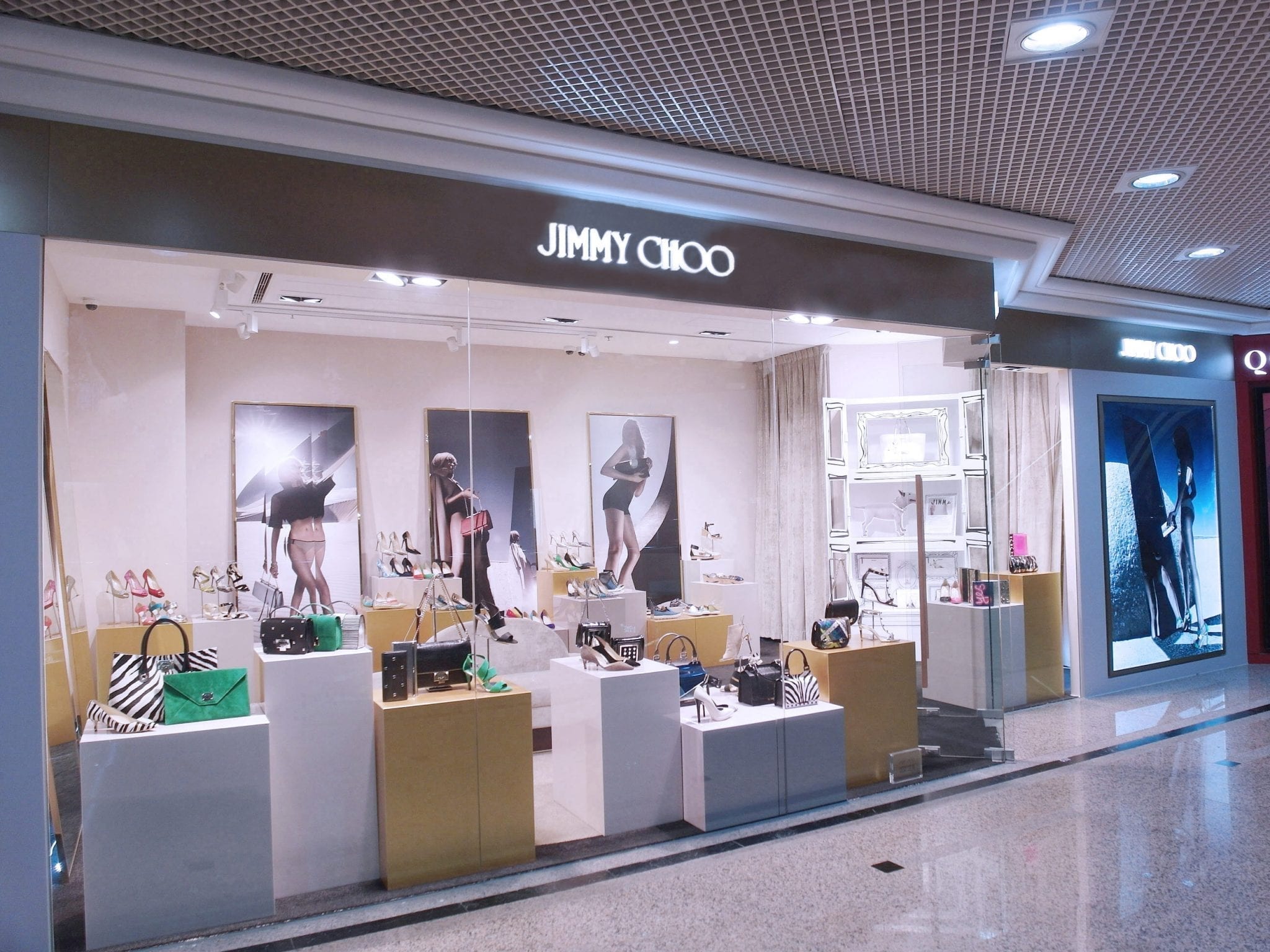
    Jimmy Choo Asia sales soared 19.2 per cent last year, according to its annual results.

    The solid performance reflects considerable investment in the Asian market – and was enough to mitigate a worrying 3.9 per cent in wholesale sales in the US.

    “While other luxury players such as Gucci and Louis Vuitton have struggled due to the demand for luxury goods falling in (Asia), Jimmy Choo’s strong British heritage has struck a chord with consumers,” observes Fiona Paton, a retail analyst with GlobalData Retail.

    Jimmy Choo CEO Pierre Denis says the brand “remains underpenetrated” in Asia and the company will continue to pursue new distribution opportunities there.

    For the year to December, Jimmy Choo’s global revenue grew at 1.6 per cent in constant currency and by 14.5 per cent in reported currency – up from £317.9 million in 2015 to £364 million last year.

    “On the surface these are an impressive set of results for Jimmy Choo with retail revenues climbing to £243.9 million and operating profits soaring 42.6 per cent,” says Paton.

    “However, the retailer’s reported high revenues were largely a result of currency changes during the year, which caused both sales values gains and changes to shopping patterns, as tourists favoured buying luxury items in the UK.”

    A foray into menswear boosted sales and broadened brand appeal during the year.

    “The move into men’s accessories and footwear comes as men show more interest in style and fashion, while its range of luxury trainers has helped leverage the lucrative athleisure trend,” says Paton.

    “The retailer reported both developments have been successful, especially men’s footwear and accessories which is now its fastest-growing category representing 9 per cent of all sales.”

    But she said Jimmy Choo’s greatest concern moving forward had to the the American market.

    “The fall in footfall to department stores’ luxury concessions caused total wholesale revenue to decline 3.9 per cent. Globally, the retailer opened 10 new format stores, but in the US the retailer relocated its New York flagship from Madison Avenue to SoHo and closed one of its new format stores. Jimmy Choo will need to develop more innovative marketing to ensure the brand still has the appeal it once did in a tougher US market.”

    With global like-for-like sales down 0.8 per cent, Jimmy Choo will be banking on Asian sales to continue to drive growth. Paton says the brand also needs to do more to boost its brand appeal.

    “Competitors like Burberry have invested in personalised marketing campaigns and teamed up with high-profile stars such as Sienna Miller to create feature-film style content. Jimmy Choo should look to create more creative campaigns and hire a well-known brand ambassador to gain more relevance and excitement.”

    Last year, the brand opened 16 new company-owned stores, taking its network to 150 worldwide, accounting for 45 per cent of revenues. Online sales account for  a further 6 per cent.

  • Closing shop on China’s e-commerce platforms

    Closing shop on China’s e-commerce platforms

    The closures of a number of retail and luxury brand giants on China’s e-commerce platforms indicate that retail competition is no less fierce online than offline.

    It is old news that the Chinese market is highly competitive and unlike any other market in the world. What may sell on the high street in London is not guaranteed to sell in China. The rainbow-lensed promises of e-commerce seem to be an easy way to access China’s 770.4 million working population, 0.2 per cent or over 1.5 million of which have an average income of US$500,000.

    Political concerns and falling sales: Lotte

    In 2015, Lotte Group Retail opened a Tmall store, hoping to widen its reach in China, where over 60 per cent of its overseas stores are located. The large South Korean multinational conglomerate has had a presence in China for over 20 years, with 115 supermarkets and five shopping malls.

    But on January 12 this year, Lotte closed its Tmall store – along with three brick-and-mortar stores in Beijing – after rising political tension between China and South Korea. In December, Lotte’s China headquarters admitted that the company was facing investigations for tax, fire control and safety issues. However, the closure of its Tmall store seems to have stemmed also from the fact that China is Lotte’s only international market where growth is stymying. Sales fell during the last three months of 2016, year-on-year.

    While Lotte remains in the market through its physical shopping malls and supermarkets, and on the JD.com website, the company has not announced whether it will be reopening its Tmall store at any future date.

    Heavy local competition: Asos

    Asos, the UK’s largest online fashion retailer, entered China in 2013 with high expectations. The company announced it was investing RMB 100 million (US$14.5 million) towards the market, importing British styles and developing a sales force. Its business model relied exclusively on e-commerce, with its own website, as well as a Tmall store.

    However, Asos failed to attract enough customers and was running a loss of GBP 4 million (US$5 million) by April of 2016, when it announced that it was shutting down its China operations.

    Asos faced a number of problems in the Chinese market, from operations to marketing. When it first started, the company encountered issues with shipping though China Post, with customers paying import taxes on clothes. Eventually, Asos obtained a local warehouse, but then it encountered complex clothing trade regulations in China, particularly in regards to correct labelling. As a result, Asos had to spend additional funds on restitching to comply with local code, contributing to higher than expected start-up costs.

    Effective marketing was also a major issue for Asos, with the company failing to distinguish itself from local, more affordable brands. While it may be a major player in the US and Europe, Asos was relatively unknown to Chinese millennials, its target consumer base.

    Tmall concerns for luxury brands: Coach

    Coach was one of the first US luxury handbag brands to launch a Tmall store, creating a pop-up store from December 2011 to January 2012, and then an official one in 2015. However, citing a shifting operational strategy, Coach announced that it was leaving the platform just one year later in September 2016.

    China is a critical market for luxury goods, as sales in the US and Europe steadily decline. Many brands see e-commerce as a way to directly access customers and receive greater exposure, which is why many have moved onto online platforms en masse. Despite this, online platforms have always been a concern for luxury brands, who fear appearing too mass market. Moreover, Alibaba has been criticised by brands for not doing enough to remove fake goods, despite a counterfeit removal program. In 2016, Gucci and Michael Kors quit the anti-counterfeit coalition as protest against the program’s inefficacy.

    Coach still remains in the Chinese market through its WeChat account, an avenue that is growing in popularity amongst luxury brands. Cartier, Longchamp, and Montblanc all have WeChat shops with WePay functions. Some companies believe that WeChat offers a more personalised shopping experience, as well as greater control over its brand.

    For many luxury brands, online platforms are more for marketing and building brand image, rather than sales. However, official Tmall flagship stores do not receive priority listing on searches. In fact, according to a 2016 study by L2, only 12 per cent of first page Tmall search results were through the official Coach shop. The only luxury brands that controlled more than 80 per cent of first page search results were Ports 1961, Burberry, Tommy Hilfiger, Calvin Klein, and Tumi.

    Key Takeaways

    E-commerce is a high-growth sector, with online retail sales totaling US$581.61 billion in 2015, and it is estimated to grow 20 per cent annually by 2020. China is now the biggest online retail market in the world, and Chinese consumers make up almost half of all online sales globally.

    Companies looking to take advantage of China’s market size and sell to Chinese consumers often mistakenly believe that e-commerce offers a shortcut to success. While a misconception, this idea is understandable. There are fewer licensing requirements to operate through e-commerce, and customs clearance is faster.

    However, as has been demonstrated through high-profile store closures in 2016, e-commerce requires extensive pre-entry knowledge of current regulations, a realistic logistics plan, and a local marketing strategy. Those who enter the market blindly do so at the risk of expensive learning curves and wasted efforts.

    • This article was first published on dezshira.com.  Since its establishment in 1992, Dezan Shira & Associates has been guiding foreign clients through Asia’s complex regulatory environment and assisting them with all aspects of legal, accounting, tax, internal control, HR, payroll, and audit matters. For inquiries, email info@dezshira.com.
  • Gemfields introduces Faberge to India

    Gemfields introduces Faberge to India

    Faberge, owned by UK emeralds and rubies mining company Gemfields, is the latest in a growing list of global luxury brands to enter India.

    It is following on the heels of such brands as Burberry and Rolex as India’s economic expansion spawns more billionaires than in Japan, the traditional bastion of ultra-rich in Asia, reports ET Retail.

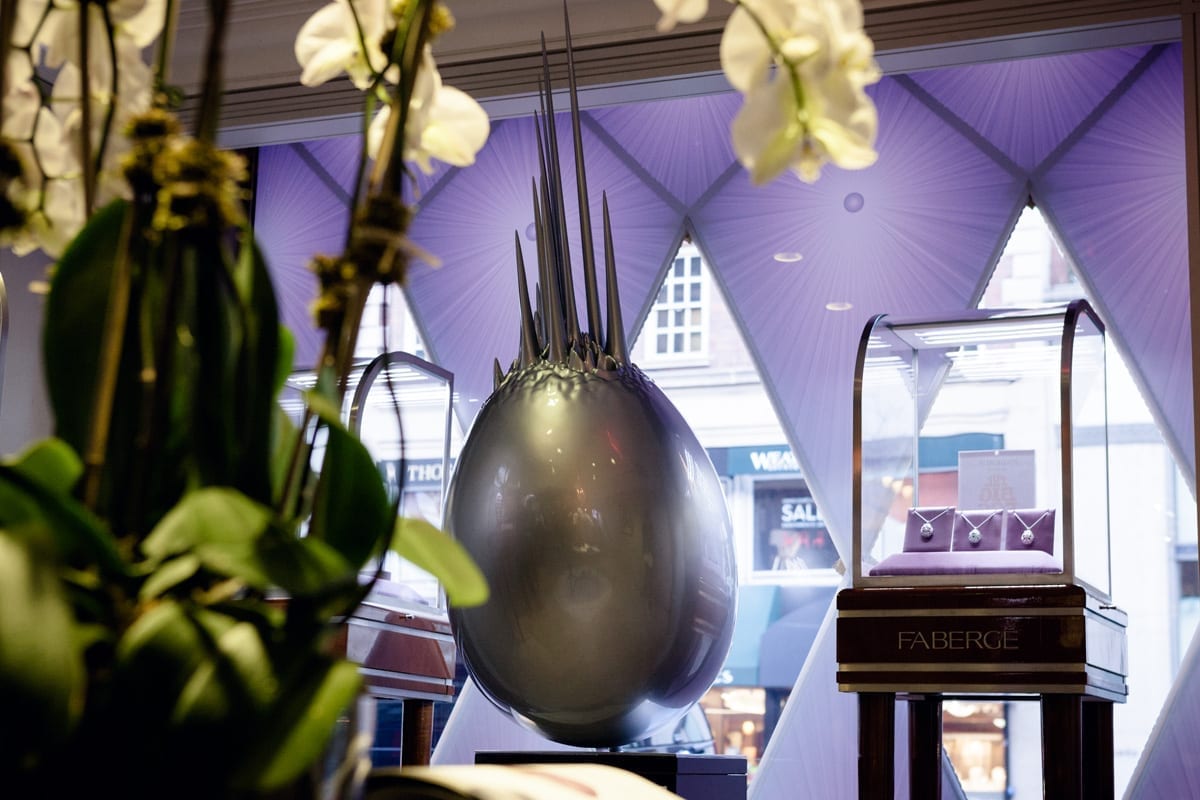
    Faberge, an ultra-luxury jeweller known for its Easter eggs and tracing its roots back to Russia in the days it had royalty, will set up in Delhi and Mumbai, selling its products through select showings for the uber-rich.
    “India and other Asian markets have tremendous potential,” says Faberge CEO Sean Gilbertson. “Asia has largely been an unexplored area for us.”

    Faberge, which retails through 39 multi-brand outlets including Harrods and Mayfair, plans to hold more trunk shows in Hong Kong, Malaysia and Singapore.

    Products being sold in India include coloured gemstones, emeralds, rubies and sapphires, and timepieces including the award-winning Lady Compliquee peacock watch. Prices range from US$5000 to $3 million.
    Founded in 1842, the company was founded by Peter Carl Faberge, who was official goldsmith to the Russian Imperial Court.

    In the quarter to the end of December, Faberge’s sales jumped by 48 per cent over the same period in 2015, says Gemfields, while the average selling price per piece increased by 12 per cent.

    Faberge has not been affected by the overall slowdown in the luxury market, says Gilbertson, as it deals with a smaller clientele with an average selling price “extraordinarily high compared with most other brands”.

  • Burberry China sales recover

    Burberry China sales recover

    Burberry says sales in its core China market have improved in the latest quarter, ending a long run of declines.

    And while Hong Kong stores posted yet another like-for-like drop due to weaker footfall, the decline is now in the low single digits.

    Globally, Burberry achieved a 4 per cent increase in wholesale and retail sales for the three months to December 31, totalling US$1.19 billion. This was largely underpinned by an “exceptional” 40 per cent increase in same-store sales in its UK home market.  UK media report the boom was down to Chinese tourists taking advantage of the cheaper pound in high street flagship stores in London, where staff estimate some 70 per cent of customers are from China.

    Globally, retail revenue rose 22 per cent to £735 million.

    The luxury fashion brand singled out Burberry China and Hong Kong sales, reporting Asia-Pacific had returned to growth during the quarter, hitting low single-digit percentages, driven by acceleration in Mainland China and improvement in Hong Kong.

    American trade experienced a low single-digit percentage sales decline, similar to sales trends in the first half, although the company reported an increase in American customer spending globally.

    “With a record number of views of our festive film and strong demand for new products in our collections, this third quarter improvement reflects early progress from our plans to drive Burberry’s performance for the long term,” said Burberry CEO Christopher Bailey.

    Verdict Retail analyst Charlotte Pearce said that although the company’s results have been chequered in recent times, its strong performance is a sign the changes the company is making are working.

    “Burberry’s double digit growth in EMEIA is most notable in Q3, with the retailer reporting continued strong trading in the UK, thanks to the weak pound which has encouraged tourism spending.

    Meanwhile, the innovation and newness of its products aided strong performances in bags, accessories and apparel, with items such as rucksacks and buckle totes standing out,” she said.

    “The brand continues to focus on its presence in the digital space through growing its online business, where mobile has been the driver due to improved payment methods, as well as developing an app, which is currently in its testing phase, in order to build Burberry’s connection with customers.”

    Pearce said the Asian results bode well for Burberry’s recovery.

    “Historically, sales in Asia Pacific have been a source of strength for the renowned British brand, accounting for 38 per cent of retail and wholesale revenue in 2015/16, so the brand should look to identify new markets within the region which indicate fast growing affluence and urbanisation.”

  • Burberry reports positive Q3, retail sales up 4 percent

    Burberry reports positive Q3, retail sales up 4 percent

    For the three months to December 31, 2016, Burberry retail sales of 735 million pounds (907 million dollars) improved 4 percent underlying and 22 percent at reported FX. Comparable sales for the period increased 3 percent. The company expects FY17 adjusted PBT to be in line with current market expectations.

    Commenting on the third quarter trading, Christopher Bailey, Chief Creative and Chief Executive Officer, said in a statement, “With a record number of views of our festive film and strong demand for new products in our collections, this third quarter improvement reflects early progress from our plans to drive Burberry’s performance for the long term.”

    The company reported low single-digit percentage growth in Asia Pacific with acceleration in Mainland China, which posted a high single-digit percentage comparable sales growth, despite the impact of the elevation of the store portfolio in Beijing. Hong Kong, the company said, improved to a low single-digit percentage comparable sales decline, with positive conversion offsetting the majority of the footfall decline.

    EMEIA region witnessing a double-digit comparable sales growth, continued exceptional performance in the UK with comparable sales growth of around 40 percent. While Continental Europe remained weak, France saw some improvement compared to Q2. Americas posted a low single-digit percentage decline in the Americas with domestic and travelling luxury customer demand remaining uneven in the United States.

    Burberry said, fashion again outperformed replenishment and led growth across all categories and accessories outperformed, led by strength in bags.

  • Burberry Korea price cut is needed

    Burberry Korea price cut is needed

    Burberry Korea is under fire for cutting prices “too little, too late”.

    It’s not the first time Burberry has been criticised for its Asian pricing strategy. Last May,

    Jack Chuang, a partner with Hong Kong-headquartered OC&C Strategy Consultants, said that of all the luxury brands, Burberry is the one with the most significant price gap between Asian and European markets.

    “Prices in Mainland China are almost 40 per cent higher than in UK, while in Hong Kong, it is 20 per cent higher.”

    The South Korean office of Burberry recently marked down the price of some of its products to reflect the fallen value of the British pound, but only by a small margin compared with the currency’s depreciation, fashion industry officials said Wednesday.

    Burberry Korea dropped the local price by an average 9 per cent as the pound fell after Britain’s decision to leave the European Union in June last year. Industry officials say the markdown, however, falls far short of the 17 per cent fall of the British currency against the US dollar. The pound’s exchange rate against the South Korean won dropped 17 per cent from 1765.90 won in February last year to 1468.13 won as of January 9.

    The price adjustment in Korea also falls behind Burberry’s decision for Hong Kong, where the fashion brand’s product prices were taken down 10-15 per cent in September. Some of the products were down by 20 per cent. The markdown rate was more than the 9.75 per cent fall of the pound against the Hong Kong dollar at the time.

    Burberry Korea declined to talk on the matter despite repeated calls by news agency Yonhap.

    Consumer groups have long complained that foreign brands often take advantage of their popularity in South Korea to push demands they do not make in other countries or exclude South Korea from their market action.

    Swedish furniture maker Ikea caused ire last year when it kept selling dressers in South Korea that were recalled in the US and Canada after reported accidents involving children that resulted in deaths. The company had argued that the dressers meet local safety regulations. Volkswagen, who already settled on compensation to its consumers in the US from faked emissions tests, has yet to carry out full recalls or offer compensation steps in South Korea.

    US credit card company Visa in May came under fire for deciding to raise the processing fee by 10 per cent for overseas transactions, effective in South Korea but not in Japan or China.

    Such discriminatory actions are more stark at duty-free shops, industry officials say, who fiercely compete to host highly sought brands.

    “In case of popular brands, they often insist on excessive requirements, such as the cost of interior decorations when deciding to open their store,” an official at a Seoul duty-free shop said. “The retailers have to be compliant because of the brand power and because they have to attract customers, and they end up having to accommodate the demands.”

  • Kate Spade & Co trying to find buyer

    Kate Spade & Co trying to find buyer

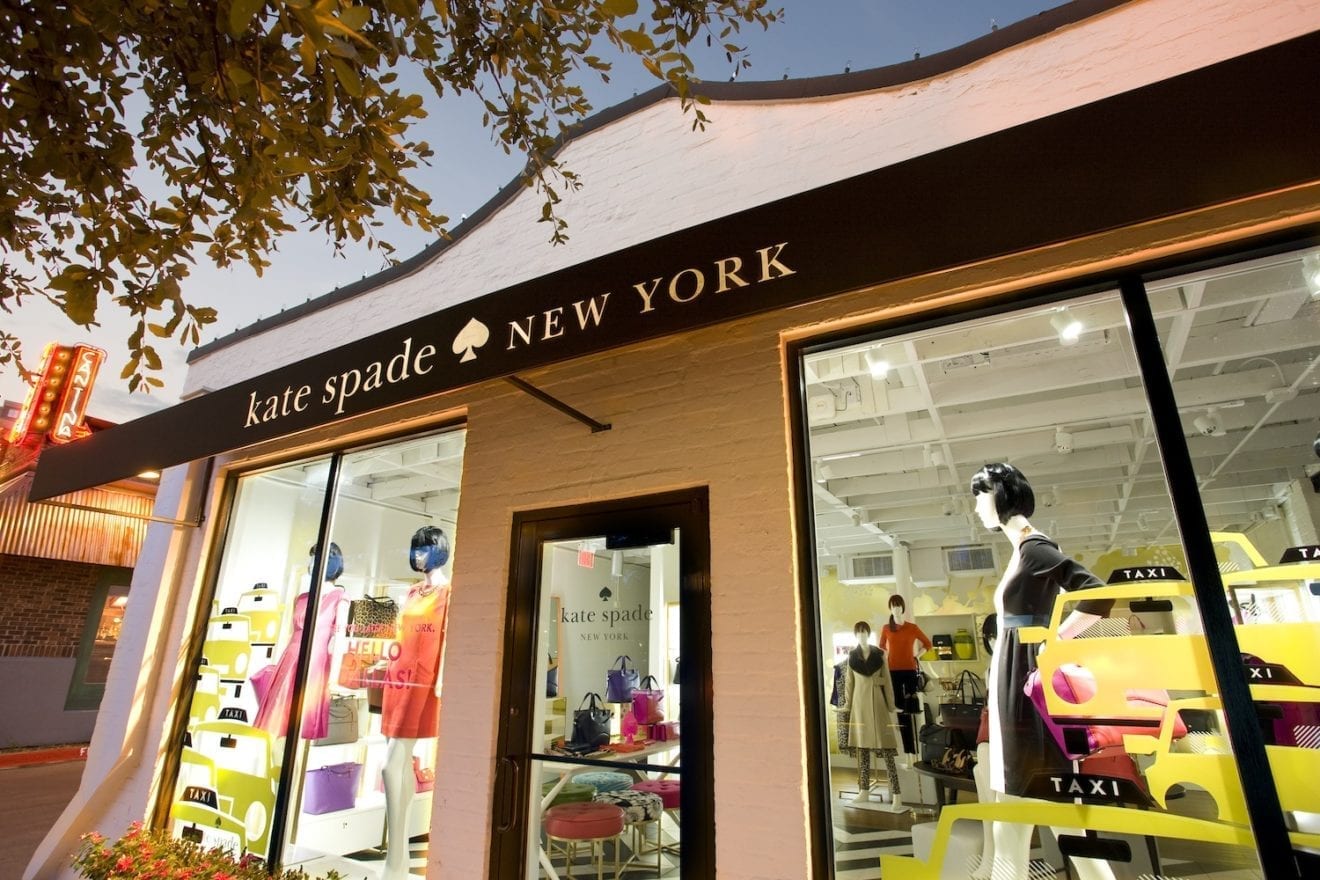
    Handbag and accessories maker and retailer Kate Spade & Co, under pressure from activist investor Barry Rosenstein, is working with a bank to sound out possible buyers.

    Quoting insiders, the Wall Street Journal says potential buyers contacted include retailers, with the process at an early stage.

    Rosenstein’s Jana Partners already has a minor stake in the company.

    Kate Spade has a market value of about $1.86 billion, but sales have dropped as the demand for handbags has weakened over the past year in the US, with people shopping less often at department stores and tourists spending less because of a strong dollar.

    Known for its quirky and colourful satchels and totes, Kate Spade was expecting dampened earnings over the holiday shopping quarter because of pricing competition.

  • Hard half-year for Luk Fook Holdings

    Hard half-year for Luk Fook Holdings

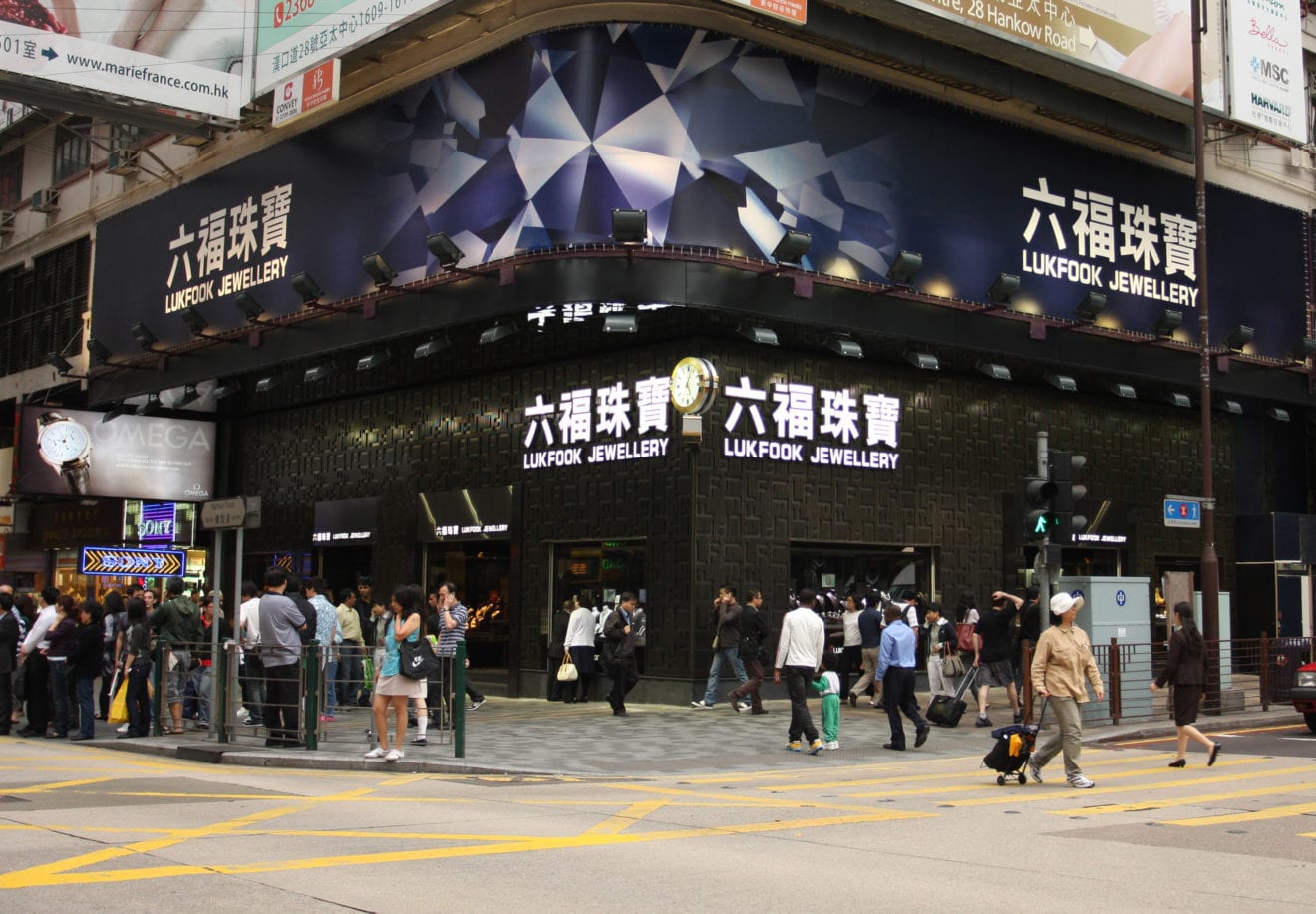
    Revenue plunged by 21.5 per cent for jeweller Luk Fook Holdings (International) to reach HK$5.5 billion (US$709 million) for the six months to September 30.

    Its interim results also show a drop of 31.5 per cent in overall same-store sales for the period.

    However, its overall gross margin improved by 5.3 points to 28 per cent as a result of a relatively high gold price and higher gemset jewellery sales mix. Because of this, the gross profit decreased by only 3 per cent to HK$1.5 billion.

    Mainland China accounted for 54.6 per cent of total profits, an increase of 12.8 points.
    With a lacklustre market, retail revenue in Hong Kong plunged by 33.4 per cent to $2.642 billion, while the wholesale business shot up by 51.1 per cent to $361.6 million because of an increase in scrap gold sales as well as wholesale rough diamonds.

    Luk Fook says a relatively high gold price saw gold sales fall more than expected.

    During the six months, the group added 27 Lukfook shops worldwide, including 24 in China (nine of them licensed shops), a self-run shop in both Macau’s casino district and New York,and  a licensed shop in Seoul. This brought its total to 1455 Lukfook shops (up from 1412 at the same time last year), spanning Australia, Canada, China, Hong Kong, Korea, Macau, Singapore and the US, as well as nine 3D-Gold shops (up from four) on the mainland.

    The group says it has been striving to diversify its product mix, and since 2010 has been trying to expand its mid- to high-end watch business. At the end of September is was the authorised dealer of 34 watch brands including Audemars Piguet, Bulova, Burberry, Bulgari, Emporio Armani, Eterna, Frederique Constant, Longines, Omega, Oris, Rado, Tag Heuer, and Victorinox Swiss Army.

    For the six months, the watch business contributed revenue of HK$104.49 million down from HK$119.39 million for the same period last year, representing 1.9 per cent of the group’s total revenue, a 12.5 per cent decrease.

    Looking ahead, the group aims to continue to develop its eCommerce business and to further strengthen cooperation with eCommerce platforms in China. At the end of September, the group had 15 online sales platforms in China, including JD.com, Suning.com, Tmall.com and VIP.com.