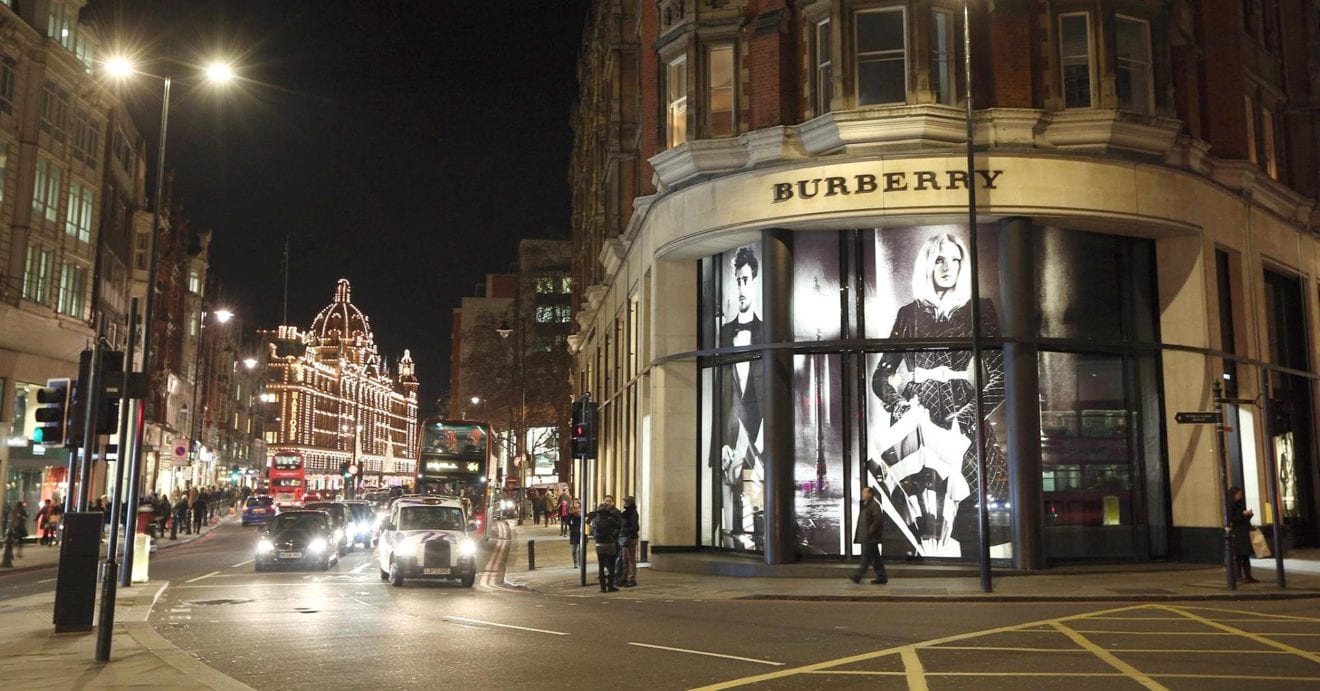
Tag: burberry

  • Why luxury sector woes could be a blessing in disguise

    Why luxury sector woes could be a blessing in disguise

    Hong Kong’s retail sector can bounce back from the current sluggish phase, as it did in the past in the wake of the 2003 SARS crisis and the 2008 global financial meltdown, an industry chief says.

    “Hong Kong retailers are smart; it might take time but the sector will definitely recover,” says Thomson Cheng, the new chairman of the Hong Kong Retail Management Association.

    “Tomorrow will be a better day,” he told the Hong Kong Economic Journal.

    To counter headwinds like a stronger local currency and fewer mainland visitors, Cheng urges retailers to upgrade their services and provide more unique products.

    Hong Kong should not focus too much on Chinese tourists, but should try to attract people from across the world, he said.

    As an executive director of Lane Crawford Joyce Group, Cheng has been involved in luxury retailing for years.

    The industry veteran expects the luxury segment to continue to be the worst performer in 2016.

    “I don’t see much of a rebound next year.”

    But one good thing about the shrinkage of luxury sales is that it will unlock retail space to other shops. During the heyday, high-end stores had crowded out the smaller brands and retailers of other products.

    Many major luxury brands have already announced downsizing plans in Hong Kong amid the current downturn in sales. Some firms are looking to cut their store number by as much as a fifth.

    Shopping malls should consider diversifying and bringing in more retailers that offer goods and services related to everyday living, Cheng said.

    The retail ecosystem will be healthier if there is wider variety and more brand diversity, rather than the present situation in which there are too many jewelry shops, cosmetics retailers and drug stores chasing mainland tourists, he said.


  • Burberry Hong Kong deep discounts for Christmas

    Burberry Hong Kong deep discounts for Christmas

    Luxury fashion retailer Burberry Hong Kong has launched an unprecedented deep discounting campaign to move stock in the peak Christmas retail period.

    The British brand has reduced the prices on some lines by 50 per cent, the biggest reductions since the Individual Visit Scheme for Mainland Chinese tourists was launched in 2003.

    Typically, the highest discounts in the pre-Christmas sale is 30 per cent on limited lines.

    It is rare for high end brands like Burberry to offer such large discounts – but rivals Gucci and Prada have already discounted lines by similar amounts in Hong Kong, where such retailers lack an outlet channel for surplus or end of line stock.

    Industry observers say the level of discounting in such a peak retail period reflects the serious challenge faced by luxury retailers since the clampdown on gift giving in the Mainland took effect and the exchange rate fluctuations made it affordable for big spending Chinese travellers to travel to Japan and Europe to shop instead of Hong Kong and Macau.

    “A 50 per cent discount is unusual for big luxury brands like Burberry” Hayman Chiu, associate director at Cinda International, told the South China Morning Post.

    “The whole luxury industry is doing the same thing right now.”

    Burberry’s discounts apply only to a limited proportion of its stock, specifically about 10 styles of handbags and some clothing.

  • Burberry offering ‘biggest discounts ever’ in Hong Kong as brands try to pull back shoppers

    Burberry offering ‘biggest discounts ever’ in Hong Kong as brands try to pull back shoppers

    British luxury brand Burberry has joined Prada and Gucci in offering discounts of as much as 50 per cent in its Christmas sales, the steepest reductions since the Individual Visit Scheme for mainland tourists was launched in 2003, underlining the depth of the retail slump in Hong Kong.

    The sales started two days ago, a staff member at Burberry’s Causeway Bay store told the Post. She said only around 10 types of handbag and some clothing items are carrying the discounts.

    “I haven’t seen such a deep discount since I started working here” she said , adding the biggest was 30 per cent in the past.

    Burberry launched its annual Christmas sales in late November with initial discounts of as much as 40 per cent on selected items, rising to 50 per cent this week. Its iconic small Orchard leather bag, which was priced at HK$16,000, is now selling for HK$8,000.

    “A 50 per cent discount is unusual for big luxury brands like Burberry” said Hayman Chiu, associate director at Cinda International, adding that it was the biggest price cut for Burberry that he could remember since the visitor scheme launched.

    “The whole luxury industry is doing the same thing right now,” he said, referring to the similar discounts by Prada and Gucci .

    Three American brands, Marc by Marc Jacobs, Michael Kors and Coach, are currently offering discounts of as much as 50 per cent. European brands such as agnès b, Longchamp and Balenciaga have reductions of 40 per cent.

    The discounts for most of those brands are deeper than last year, according to sales staff at the Sogo department store.

    Brands are also resorting to discounts after falls in the Japanese yen and euro this year prompted mainland shoppers to avoid Hong Kong.

    The strong Hong Kong dollar, which is pegged to the US dollar, has made luxury goods more expensive than in Japan and Europe, said Mariana Kou, retail analyst at brokerage CLSA.

    However, a deeper discount isn’t a always a draw.

    Louisa Cheung, a local shopper in the Burberry store in Causeway Bay yesterday, ended up buying nothing. “Deeper discounts only work for customers who are loyal to the brand,”she said.

  • The World’s Biggest Fashion Retailer is Betting Big on China

    The World’s Biggest Fashion Retailer is Betting Big on China

    Spain’s Inditex, owner of the Zara chain and the world’s biggest fashion retailer, is optimistic about long-term growth in China despite the slowing economy, as demand for its affordable fashion stays robust.

    Inditex, whose Zara brand has lured shoppers this season with a minimalist straight-cut look, teaming muted colors with ankle boots and trousers, makes about 7 percent of its sales in China, analysts estimate.

    Western luxury brands like Burberry and Hugo Boss are suffering from cooling Chinese demand, but mid-market names like Adidas and Zara are faring better.

    “We have no doubt that in China the fashion appetite is large, our brands are better and better known and we are still feeling very optimistic (over a five-year view),” Chief Executive Pablo Isla told analysts on Thursday.

    The group made a sprightly start to the Christmas season as its on-trend offerings allowed it to adapt better than rivals.

    Sales from Nov. 1 to Dec. 3 rose 15% in local currencies, suggesting a slight slowdown in same-store sales from the previous three months. But analysts said it was still a strong performance given rivals like Top Shop have had a slow start to Christmas trading due to mild weather.

    “We can say that Inditex is trading just as strongly in the fourth quarter to date as it did in the third,” Societe Generale analyst Anne Critchlow said.

    In the nine months to end October, net profit rose by a fifth to 2.02 billion euros ($2.2 billion) on sales up 16% to 14.7 billion.

    Isla said newer brands like Zara Home, Bershka and Stradivarius had performed particularly well.

    Gross margin, a closely-watched measure of profitability, slipped slightly to 58.8%, as the strong dollar pushed up prices of garments sourced in Asia, though this affects Inditex less than its peers.

    Inditex sources more goods in or near Europe, helping it adapt more quickly to fashion tastes and speedily deliver new ranges.

    Inditex shares, up 37% this year, were down 1.5% by 1037 GMT, versus a 0.7% fall in the European retail sector.

    Many market watchers have flagged the rich valuation of the stock, trading at around 34 times 2016 projected earnings, according to Reuters data, versus 24 times for rival Hennes & Mauritz hmrzf .

  • High-end retailers in China no longer have the luxury of time

    High-end retailers in China no longer have the luxury of time

    In the heart of Guangzhou’s Yuexiu district, the shopping centre La Perle is a symbol of luxury living in the southern mainland city.

    The high-end shopping mall, which opened in January 2004, has long been the first stop for many international brands seeking to conquer China market.

    But times are changing. A few weeks ago, La Perle lost one of its biggest tenants. Louis Vuitton. The French luxury retailer closed its store on the ground floor saying it would not renew its expired lease.

    This followed the shutting down of the two other LV stores – in the northeastern city of Harbin and the western city of Urumqi.

    The brand said the closures were part of a marketing strategy adjustment by headquarters.

    It’s a strategy that appears to have been taken on by many other international luxury brands.

    Following ten years’ aggressive expansion in China, they have been shrinking their physical presence in the nation to adapt to a cooling market plagued by a slowing economy, an ongoing anti-corruption campaign and Chinese buyers’ increasing overseas purchases.

    The Fortune Character Institute, a Shanghai-based market research unit, forecasts mainland luxury sales to grow 3 per cent to US$25.8 billion this year, much slower than the 11 per cent in the recovering global market.

    A study by the institute found that although Chinese shoppers consumed 46 per cent of luxury goods around the world, their purchases in their home market accounted for only 10 per cent of global sales, falling from 11 per cent in 2012 and 13 per cent in 2013.

    The sluggish growth is reflected in the expansion plans of luxury brands. They are opening fewer new stores and closing more.

    During the past two years, Burberry closed four stores on the mainland, Coach shut two, Hermes one, Armani five, and Prada went from 49 to 33.

    Regina Yang, of real estate consultancy Knight Frank Shanghai, said store consolidation would continue, especially in smaller cities.

    “Now the luxury brands do not need two or three outlets in one city. Those having three outlets will be cut to one,” said Yang.

    The situation is no better in Hong Kong, which relies heavily on mainland shoppers’ spending.

    In August, TAG Heuer, the expensive watch brand under LVMH, closed its Causeway Bay store while Coach closed its flagship store in Central due to high rent pressure and a falling number of mainland tourists.

    Store openings are no longer a major way for international luxury brands to expand in the China market

    Zhou Ting, Fortune Character Institute

    “Store openings are no longer a major way for international luxury brands to expand in the China market. Over the next two years we expect these brands to close even more stores than before,” said Zhou Ting, director of the Fortune Character Institute.

    “But if you think luxury brands are taking a totally defensive strategy in China, you would be wrong. The closures are only a small part of a thorough strategy adjustment they are undertaking in China.”

    While closing smaller and underperforming outlets, the top brands are investing more resources to upgrade and expand other stores and are even venturing into different industries to attract local shoppers. Considering Chinese buyers’ preference to shop online, they are also building e-commerce channels and closing price gaps between China and foreign markets to retain their consumption locally.

    “In the past, foreign luxury retailers had treated the China market like a money printer. They were busy opening stores to cover more cities. But their customer services and shopping experience were far from good compared to their stores in Europe. Now they have to pay a big cost for it,” said Zhou.

    The first batch of luxury brands entered into China in the 1990s. Most of them set up stores in five-star hotels and high-end department stores in big cities, targeting foreign businessmen, overseas Chinese and government officials.

    In 2004, as the Chinese government loosened restrictions on foreign retailers, luxury brands that had previously relied on local distributors started to engage in direct sales and expand into shopping malls.

    In the past, foreign luxury retailers had treated the China market like a money printer

    Zhou Ting, Fortune Character Institute

    The golden era came around 2009 and 2010 as a rising number of affluent Chinese consumers started to spend on high-end leather goods and jewellery, making the country the fastest-growing luxury market in the world.

    Encouraged by the fast growth and huge potential in the China market, luxury retailers rushed to open stores. Global consultancy Bain & Co estimated that the 15 top luxury brands it surveyed had opened more than 80 new shops during the first eight months of 2010.

    Meanwhile, the big brands’ aggressive expansion was also partly promoted by the increase in shopping mall construction.

    “Developers in second and third tier cities lured big brands as anchor tenants by offering them very flexible leasing terms,” said Kenith Kong, director and head of retail service at real estate agency DTZ/Cushman Wakefield China.

    A watershed for China’s luxury market came in 2013. Late that year, Beijing embarked on a long-term anti-corruption campaign and banned government officials from giving or receiving gifts. Such expenditure had previously been a major driver of domestic luxury consumption.

    More recently, the rapid growth of overseas purchases has also been worrying top-end retailers.

    Chinese consumers, who are travelling overseas more often, now spend more than 70 per cent of their luxury budgets in Europe, North America, Japan and other countries where the prices are lower, options are greater, and services better.

    The demand has even created a booming “daigou” or personal shopper industry, in which the daigou makes a living by purchasing products from overseas and selling them to buyers at home at a profit.

    All such developments are forcing luxury retailers to reappraise their business models.

    “We have noticed an upward trend on the portion of large stores opened by luxury brands in recent years,” said Frank Chen, research head of global real estate agency CBRE.

    The company observed that three quarters of renovations by luxury stores that took place between January 2013 and July 2015 in eight major cities were expansions.

    It also said the proportion of luxury stores with floor areas of more than 800 square metres climbed to 22 per cent in 2014 from 18 per cent a year earlier.

    “Larger sizes means luxury retailers can display more products and add more functions in their physical stores. Increasingly, they are displaying categories which were previously given little emphasis, such as shoes, household items, cosmetics and children’s apparel,” said Chen.

    In February, Louis Vuitton unveiled its newly upgraded store in the China World Mall in Beijing. The 3,000-square-metre shop not only offers various tailor-made services, it hosts a bookstore, an arts exhibition room and a Chinese tea zone.

    On July 31, the French luxury brand opened a new store on the bank of the West Lake scenic area in Hangzhou City, Zhejiang province, to tap the growing tourism market.

    Also taking an innovative approach in reaching out to local customers is Italian label Gucci. The brand opened a restaurant, 1921 Gucci, in Shanghai’s iAPM shopping mall.

    French fashion house Versace opened a cafe in one of Shanghai’s most expensive malls, Grand Gateway 66, which also hosts Burberry’s first beauty salon.

    Meanwhile, Hermes, Armani, and Dolce & Gabbana are expected to introduce their restaurants and cafes to China, providing a new engine for revenue growth.

    Such strategies create new forms of profitability based on experience-oriented consumption

    Frank Chen, CBRE

    “Such strategies create new forms of profitability based on experience-oriented consumption, as well as an additional sales opportunities for physical goods by attracting more shoppers to spend more time in their places,” Chen said.

    While reducing their physical presences, luxury retailers are embracing e-commerce despite their concerns that online channels cannot emulate the physical shopping experience.

    However, Chinese consumers’ increasing reliance on online shopping, especially on their mobile phones, has convinced brands to launch shopping sites or form partnerships with e-commerce firms.

    In October, Cartier launched its China shopping site. One month earlier, high-end brand Coach reopened its online store on T-mall.com three years after closing it.

    Other brands such as Burberry and Tag Heuer are working with local e-commerce giants like T-mall of Alibaba and JD.com to provide online selling services in addition to their own official shopping sites.

    “Many luxury brands have begun to close the retailing price gaps between China and other markets. One of their purposes is also to establish a comprehensive global pricing system and prepare for their future online expansion,” Zhou Ting said.
  • Hong Kong Retail Rents Remain Sky-High Despite Slowdown

    Hong Kong Retail Rents Remain Sky-High Despite Slowdown

    Even as slumping sales force luxury brands renegotiate retail rent prices and close stores in Hong Kong, a new report finds that it’s still the second-priciest place in the world to open up shop.

    According to Cushman & Wakefield’s newly published “Main Streets Across the World” report, Hong Kong’s Causeway Bay area retained its second-place rank after New York’s 5th Avenue as the most expensive retail location globally this year. Causeway Bay retail rent cost an average of US$2,399 per square foot a year, an amount far above the next-highest cost on Paris’ Avenue des Champs Élysées, which came in at US$1,372 per square foot. However, a continued retail sales slump driven by fewer mainland tourists could drop its ranking next year as top luxury brands rethink their Hong Kong strategies.

    The listing comes in spite of several Hong Kong store closings by luxury retailers over the past year that include Coach’s Queens Road Central flagship and TAG Heuer’s Causeway Bay store. Many companies such as Burberry—which is reducing the size of its largest store in Hong Kong—have said they are attempting to renegotiate their rent prices. These include Kering, Prada, and Chow Tai Fook, and more store closings may follow depending on negotiations.

    The report notes that “downward pressure on rents is becoming increasingly evident on the back of weaker retail sales and the slowing in tourist arrivals.” As a result, rents in Causeway Bay fell by 12 percent year-on-year for the period ending in June 2015, while Central, Tsim Sha Tsui, and Mongkok fell by between 11.9 and 13.9 percent.

    Shanghai was the only other location in Greater China to make the list of 65 locations, with West Nanjing Road moving up to 11th place from 12th place last year. Tokyo’s Ginza district and Seoul’s Myeongdong area—both top destinations for Chinese tourists—also ranked high on the list at 7th and 8th, respectively.

    Mainland China is on course to become the world’s largest retail market by 2018, although brick-and-mortar growth is slowing as e-commerce becomes more popular. The report notes that retailers in both Shanghai and Beijing are testing out ways to become “lifestyle destinations” through strategies such as the introduction of food and beverage options. They’re also embracing O2O marketing with special mobile shopping apps and free in-store WiFi. Retail growth is expected to be especially strong for retailers geared toward the middle class as the luxury market remains in slowdown mode, according to the report.

    Because of Tokyo’s success from the influx of Chinese tourists, the report predicts that rents are likely to go up for luxury retailers in the coming year as brands like Burberry, Moncler, and Brunello Cucinelli have pursued store expansion in key shopping districts. In addition to the posh Ginza district, retail rent went up by 20 percent in the Omotesando area over the past year.

    There is a silver lining to the Hong Kong slump, according to the report. It states that Hong Kong’s retail scene is now becoming a “more tenant-friendly environment,” and lower rent levels “will create opportunities for luxury brands and high street retailers to enter the market such as Monica Vinader, Sotheby’s Wine, Claudie Pierlot, Rebecca Minkoff, Perrin Paris, and Filson.”

  • Louis Vuitton looks for shops to close in China

    Louis Vuitton looks for shops to close in China

    Louis Vuitton is about to get smaller in China, and other luxury goods makers might follow as the heady days of expansion in that market are over.

    The French maker of monogrammed luggage is reviewing eight stores in second-tier cities, or about a fifth of the total in China, according to a source familiar with the situation.

    While some might be moved or refurbished rather than closed outright, the Chinese store count will drop, said the source, who asked not to be identified as the plans are private and no final decision has been made.

    Vuitton is closing stores “to avoid being overexposed” as market dynamics change and more Chinese shop abroad, said Mario Ortelli, an analyst at Sanford C. Bernstein in London. “This is something that is quite normal when you have a fast expansion of a store network.”

    Vuitton is evaluating its exposure to China as consumers shift more of their spending to Japan and Europe, where the weak yen and euro make it even cheaper to shop. A government campaign against extravagance has also weighed on demand in China and neighboring markets. Watchmaker TAG Heuer shuttered a store in Hong Kong in August and Burberry Group PLC said earlier this month it would reduce the size of its largest store in the territory.

    Vuitton has 41 stores in China out of 453 worldwide, according to Exane BNP Paribas. A spokesman for parent company LVMH said Vuitton would continue to invest in its retail network in China, adding that the company would open two stores and refurbish two there next year. He declined to comment on closures.

    Closures by other luxury goods makers might follow, Exane analyst Luca Solca said.

    Kering SA-owned Gucci and Burberry, both of which have also struggled in China, have more stores there than Vuitton, Exane said.

    Chinese consumers account for about a third of global luxury sales. Gucci has 57 stores in China, while Burberry has 55.

    “As more sales move abroad on the back of large price gaps, mainland China stores risk poor space productivity, hence the adjustment,” Solca said.

    A Burberry spokesman said: “There is no change in our plans as we continue to evolve our Chinese store network.”

    A spokesman for Kering declined to comment on store plans in China.

    LVMH chief financial officer Jean-Jacques Guiony last month said that Vuitton might shut a couple of boutiques in China where it has two in second-tier cities. Its Chinese store count should remain “reasonably flat for the years to come,” he said.

    Globally, the market for personal luxury goods is set to grow as little as 1 percent this year, the weakest rate since 2009, Bain & Co estimates.

    LVMH, whose full name is LVMH Moet Hennessy Louis Vuitton SE, reported third-quarter fashion and leather goods sales that rose 3 percent on an organic basis, trailing estimates.

  • Burberry Hong Kong downsizes flagship

    Burberry Hong Kong downsizes flagship

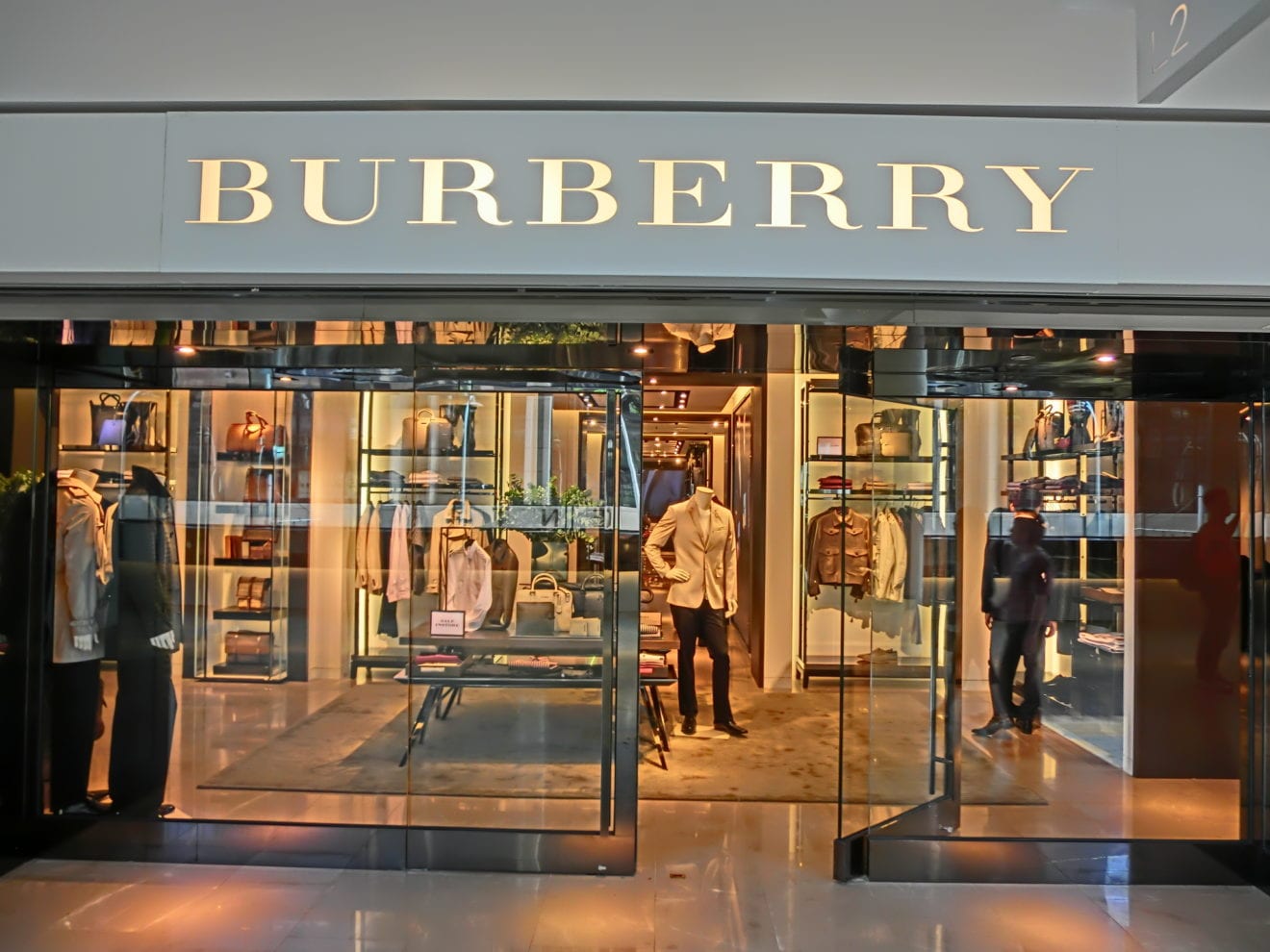
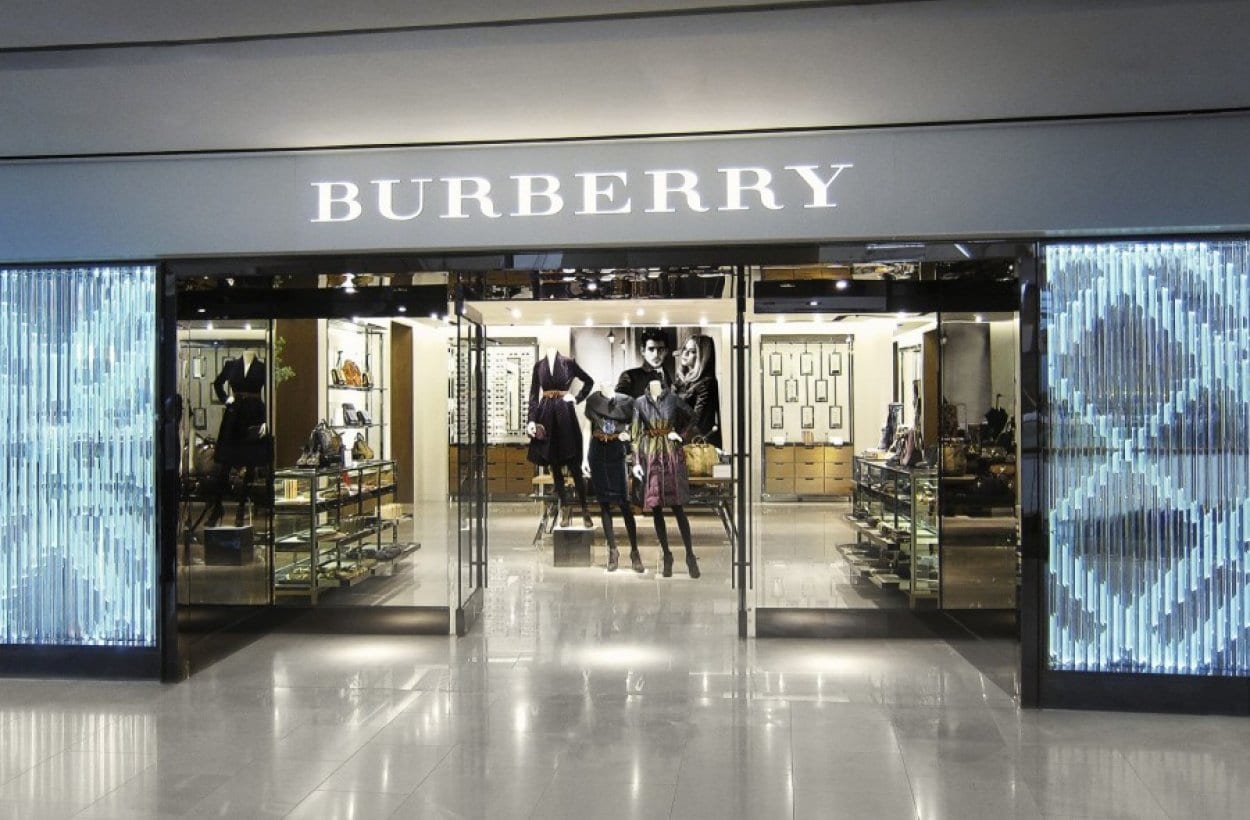
    Burberry Hong Kong is giving up a whole floor of its Pacific Place flagship as part of a range of initiatives to respond to the declining luxury market in the territory.

    Burberry CFO Carol Fairweather said in a conference call the company had reached an agreement with landlord Swire to give up the second floor part of the flagship, saying it “will enable us to drive increased sales per square foot and profitability in that store”.

    The luxury brand has 17 stores in Hong Kong, all impacted by the declining number of big spending Mainland China tourists shopping in the territory this year. Fairweather said rents had been renegotiated in a number of those stores but stressed all of them were profitable.

    “We are committed to being in Hong Kong,” Fairweather said, adding that sales have improved in recent months.

    The news coincides with the company’s release of its profit for the first half year, which beat analysts forecasts.

    Adjusted combined retail/wholesale profit was up five per cent on a same stores basis, with a planned decrease in licensing profit from Japan resulting in adjusted profit before tax of £153 million, up three per cent underlying from last year.

    “In the context of flat revenues, this result is better than expected,” commented Anusha Couttigane, senior consultant at Conlumino.

    She says Burberry is fully aware of its heavy reliance on interest from the Chinese consumer. The economic slowdown and the impact on Chinese demand is now cited as Burberry’s biggest risk.

    “In the light of these challenges, it is clear that, while Burberry continues to invest in elements that are essential for growth, it also has to make significant savings and it will take a combination of drastic measures to do so. On the one hand, this means aligning its brands under one label and its manufacturing staff under one roof. On the other, it means stripping back the privileges of a generous travel and expenses account.”

    Those cost savings are expected to deliver some £20 million to the business’ bottom line over the next 12 months.

  • What should British retailers consider before expanding into China?

    What should British retailers consider before expanding into China?

    A Chinese delegation headed by president Xi Jinping is nearing the end of its four-day state visit to the UK, in a bid to improve business ties between the two countries. Despite the headlines of a slowdown in China, the country’s retail market remains one of the world’s largest – and as recent ventures into the country by Sainsbury’s and Mountain Warehouse suggest, it is too significant to ignore.

    Tapping into the Chinese market remains merely on the wish list for many retailers, but there are a number of important factors they should consider in order to realise their dreams of making it in China.

    Know your customer

    A recent report from Goldman Sachs declared that there is no such thing as the “average Chinese consumer”, and identified four key tiers.

    First, the crème de la crème. There are around 1.4 million movers and shakers with an annual income per capita of around $500,000 (£323,535).

    Second, the urban, ‘narrow’ class, with a population of 146 million people with an annual income of around $11,000 (£7,118).

    Next, the urban mass, which consists of 236 million people with an annual income per capita of just over $5,500 (£3,559), followed by the 387 million rural workers who earn just over $2,000 (£1,294).

    Retailers should also be aware of the differences and sensitivities between age groups. Those in their fifties and forties are likely to have experienced poverty and austerity. Those in their thirties and the millennials may not have experienced hardship and could be ‘second-generation rich’.

    Social media

    There is no Google, Facebook, YouTube, Twitter or WhatsApp in China. Instead, it has Baidu, Renren, Youku, Weibo and WeChat.

    Tommy Hilfiger and Burberry are just some of the retailers that have used Chinese social media channels to secure hundreds of thousands of followers and fans – and ultimately boost sales.

    Physical vs online

    To take advantage of China’s online grocery market, which IGD estimates will be worth more than $180bn by 2020, Sainsbury’s recently launched on Alibaba’s Tmall site.

    Grocery chains with physical stores such as Walmart and Carrefour have observed a change in tastes and trends, along with an increase in online competition.

    Following a spate of high-profile food scandals, Chinese consumers are placing greater emphasis on food provenance. These are all key considerations for retailers looking to expand to China.

    Retail technology

    Slowly, but surely, an increasing number of retailers in China have started to introduce free in-store wifi.

    With the consent of the shopper, wifi can provide retailers with valuable insight to identify popular offers, trends and deliver advertising or even exclusive “wifi only” promotions and discounts.

    Chinese shoppers love showrooming. Research from McKinsey found that only 16% of consumers who did their research on a mobile actually bought the product at the store. Yes, that is a threat. But forward-looking retailers need to see this as an opportunity to provide Chinese shoppers with an immersive retail experience.

    New retail technologies such as beacons can provide an engaging shopping experience – and are delivering results. Chinese jewellery retail outfit Chow Tai Fook used beacon-supported location and proximity marketing with WeChat to generate sales of more than $15m (£9.7m). Other technologies that could bring the retail experience to life include augmented reality, self-service apps, in-store navigation and automated kiosks.

    Information silk road

    Turn back the clock two millennia and the ancient world of commerce depended on a thriving Silk Road. Then – just like now – traders built strategic alliances to gain a competitive edge.

    Fast-forward to today and it is an Information Silk Road. Chinese consumers – like their Western counterparts – are discerning and have little patience for downtime. New retail technologies can be dazzling and futuristic – but, ultimately, they are only as good as the networks they run on.

  • China wounds Burberry bottom line

    British luxury brand Burberry says Chinese luxury spending patterns have impacted on its sales in the six months to September 30.

    While the brand’s global retail sales rose two per cent to £1.105 billion in the half year, CEO Christopher Bailey described the market as “increasingly challenging” for luxury customers, especially in China.

    “The external environment became more challenging during the half, affecting luxury consumer demand in some of our key markets. In response, we have intensified our focus on driving sales and productivity, while taking swift action on discretionary costs.

    “While mindful of this external volatility, our plans for the festive season position us well to return to a more positive sales trend in the all-important second half. Looking further ahead, we maintain our focus on – and confidence in – the long-term growth opportunities for our business across channels, regions and product categories.”
    Retail revenue was £774 million, up one per cent on a same stores basis.

    But it was a different story in Asia.

    “Asia Pacific delivered a mid single-digit percentage comparable sales decline in the half, impacted by a further year-on-year deceleration in Hong Kong in the second quarter compared to the first, as footfall continued to drop,” the company said in a statement. “Mainland China comparable sales decreased slightly in the half, in the context of weakening consumer sentiment in the market in the second quarter. Excluding Hong Kong and Macau, comparable sales were broadly unchanged year-on-year in the first half.”

    Japan, however, was a standout.

    “Japan saw comparable sales growth well in excess of 50 per cent, albeit off a small base (with total sales now accounting for around two per cent of global retail/wholesale revenue).

    “Good progress was made during the half in expanding our retail presence, with the addition of our sixth free-standing store, in Shinjuku, Tokyo and the opening of a further six department store concessions, bringing the total to 19. We also assumed operation of 10 childrenswear concessions.”

    The company also expanded its beauty distribution, through Sephora globally and with Shiseido in Japan.

  • New Burberry collection premieres on Snapchat

    New Burberry collection premieres on Snapchat

    Burberry first launched its Womenswear Spring/Summer 2016 collection on Snapchat.

    As finishing touches were being made in Burberry’s headquarters in London, looks from the collection were shared live on the mobile platform.

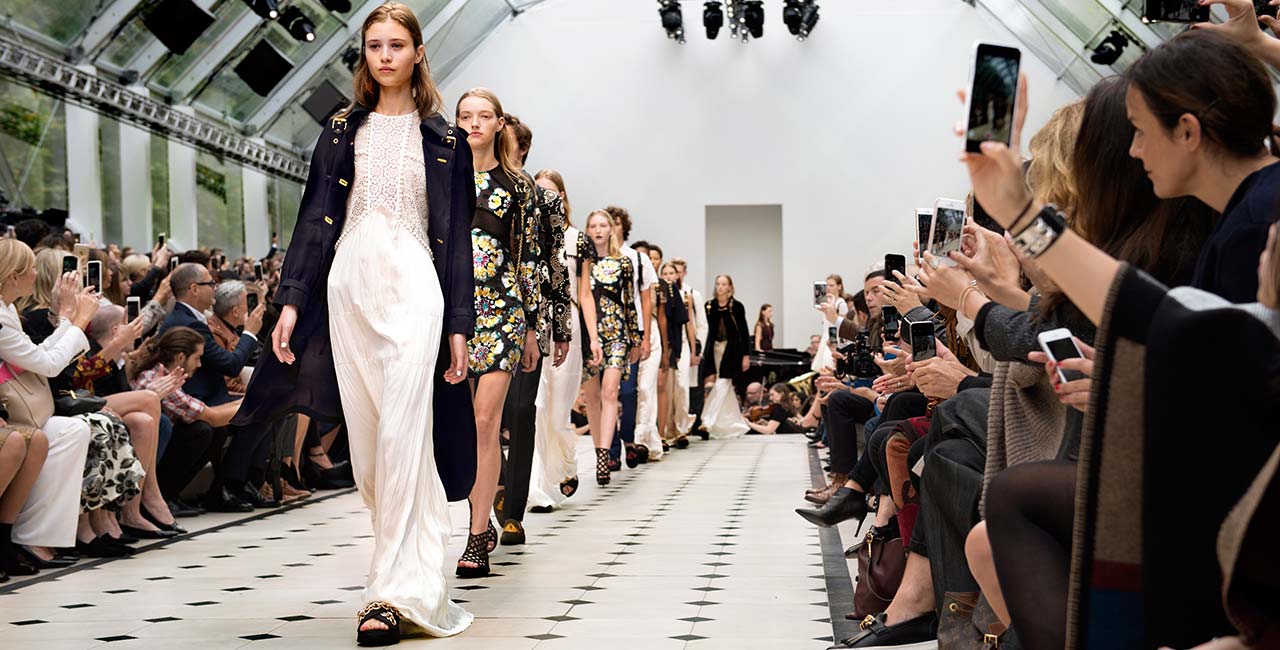
    The colletion include classic coats and functional pieces mixed with elements of regalia including metallic cording, crested buttons and hand-embroidered military motifs. English lace and floor length satin dresses were paired with leather biker jackets, and regimental tailoring with tie-dye tulle. There’s also the Burberry Rucksack in gabardine-constructed nylon and the Belt Bag in black English suede.

    Burberry followers were offered a glimpse into the brand’s design studios, and a special appearance by Anna Wintour receiving her invitation to the show.

    The live show took place the following day in its custom-built show venue in London’s Kensington with British singer Alison Moyet performing with a 32-piece orchestra conducted by Joe Duddell. But it also featured a Snapchat-curated montage of crowd-sourced Burberry show related video and imagery, giving followers a complete view of the event – from the red carpet to the backstage

    British singer Alison Moyet performed the live soundtrack to the show, accompanied by a 32-piece orchestra conducted by Joe Duddell from an orchestra pit in the centre of the runway. The performance was filmed for Burberry’s channel on Apple Music. The full show soundtrack, “Alison Moyet Live for Burberry”, will be available to purchase through the iTunes Store and for streaming through Apple Music.

    Meanwhile, the company announced it will be also offering a selection of its make-up collection, through Kakao Giftshop and LINE in Japan.

  • Burberry shares down 12% following China slowdown

    Burberry shares tumbled 12 per cent, the largest drop in three years, as theluxury group warned that its sales had been hit by a slowdown in China.

    In an example of how the global luxury market is struggling, Burberry said that retail sales were affected by “an increasingly challenging environment for luxury, particularly Chinese customers”.

    Total retail sales grew just 2 per cent to £774 million in the six months to the end of September, while like-for-like sales slowed to 1 per cent. Crucially, in the Asia Pacific area, sales experienced a “mid-single digit percentage decline” while “Hong Kong

  • Burberry second-quarter sales hit by China slowdown

    Burberry second-quarter sales hit by China slowdown

    Burberry has reported a slowdown in sales as it felt the impact of a challenging global luxury market, particularly in China and Hong Kong.

    • Retail sales growth slows to 2% in first half
    • Luxury retailer points to “weakening consumer sentiment” in China
    • Share price slips 12% to lowest point since April 2013
    • Analyst brands full-year profit forecast “ominous”

    Retail sales on an underlying basis rose 2% to £774m in the six months to the end of September after 8% growth in the first quarter, the fashion retailer and brand said. Group sales were flat at £1.1bn.

    “In the second quarter, demand from luxury consumers, particularly Chinese customers was affected by a more challenging external environment,” Burberry said.

    Across the Asia-Pacific region Burberry recorded a “mid-single-digit” drop in sales because of “deceleration” in Hong Kong, while in China sales fell “slightly” due to “weakening consumer sentiment” in the second quarter.

    Burberry’s chief executive and chief creative officer Christopher Bailey said: “The external environment became more challenging during the half, affecting luxury consumer demand in some of our key markets.

    “In response, we have intensified our focus on driving sales and productivity, while taking swift action on discretionary costs.”

    Looking ahead, Burberry, which owns 218 stores worldwide, said full-year pre-tax profits will be “broadly in line with the average of those analysts who have recently updated forecasts”.

    It added: “Our assumptions include a return to mid-single-digit percentage growth in comparable sales in the second half, ongoing cost efficiencies, a reduction in performance-related pay and a benefit of about £10m to reported profit if exchange rates remain at current levels.”

    However, independent analyst Nick Bubb branded the profit forecast provoked alarm bells. “The worry beforehand was that group performance would be hit by the slowdown in China and the comment that ‘for FY 2016, we expect that adjusted PBT will be broadly in line with the average of those analysts who have recently downgraded forecasts’ is ominous,” he said.

  • Burberry launches on Kakao

    Burberry launches on Kakao

    Burberry is the first British luxury brand to launch on Korea’s largest social platform, Kakao.

    Burberry and Kakao have formed a global partnership, which was inaugurated with the showcase of Burberry’s Womenswear Spring/Summer 2016 show last month.

    Burberry will be active across Kakao Talk, Kakao TV and Kakao Giftshop, offering Korean audiences direct access to its runway shows, campaigns and events bringing Kakao’s 190 million followers even closer to the British luxury brand.

    To celebrate the launch, Burberry will offer a selection of products to buy direct from the runway, through Kakao Giftshop.

    Burberry has also recently formalised partnerships with Apple Music, Snapchat and Line.

    Burberry CEO and chief creative officer Christopher Bailey described Kakao as “an incredibly creative and innovative company”.

    “So it is very exciting to be collaborating with them. The creative and commercial aspects of the partnership have been carefully designed to allow us showcase our culture and design heritage whilst also giving users the chance to shop at the same time.”

  • Burberry Seoul flagship opens

    Burberry Seoul flagship opens

    British luxury fashion brand Burberry has opened its first Korean flagship store in Cheongdam-dong, Seoul where the flagship stores of foreign brands are gathered in one place.

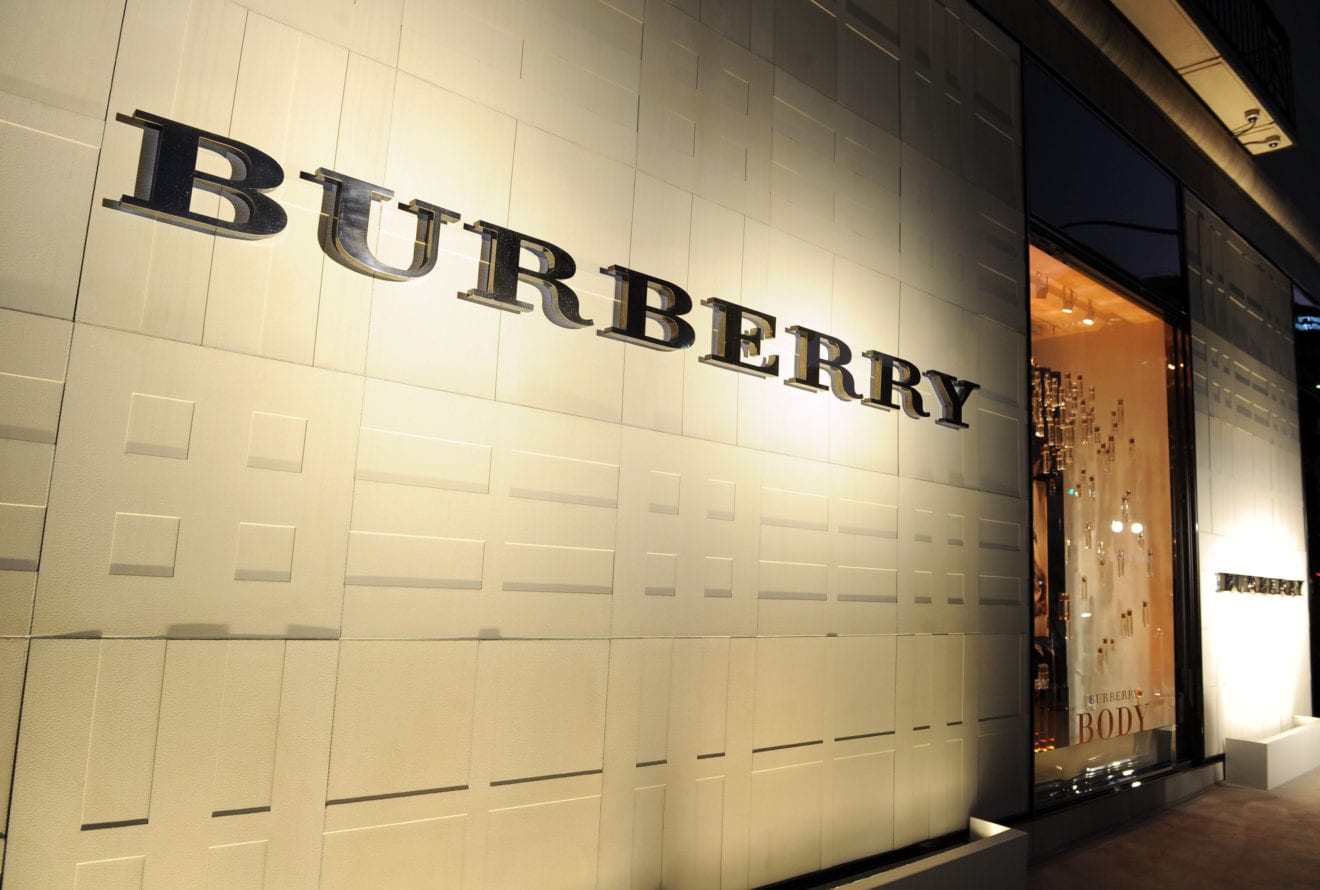
    The 13 story Burberry Seoul flagship store comprises 13 storeys, two underground and 11 above. The exterior of the store is inspired by gabardine, the plaid textile used to make the brand’s iconic trench coats.

    The construction of the Seoul flagship store was overseen by Christopher Bailey, the CEO and chief creative officer of Burberry.

    Burberry Seoul inside

    With Burberry opening its first flagship store in Korea, interest is building over foreign brands and their flagship stores located in the Cheongdam area. In the early 2000s, flagship stores were simply thought of as ‘large scale stores’. However, flagship stores have since become more important, as they are currently thought of as symbols that represent the influence and image of a brand.

    In addition, the elevated status of Korea in the Asian market is another reason foreign brands are devoting themselves to building flagship stores in the Cheongdam area.

    Dior opened the largest flagship store in Cheongdam in June, and other brands including Chanel and Cartier will also open new stores or move to the Cheongdam area.

    “Not only the Korean market, but also the Korean consumers who buy products from a brand are considered important [to these brands],” explained an industry spokesman in Seoul.

    “Flagship stores will play a large role in the Korean market, letting the heritage of a brand be known.”