Tag: Business

  • Korea’s Woori Bank partners with Chinese banks on remittance

    Korea’s Woori Bank partners with Chinese banks on remittance

    Woori Bank launched a money-transfer service linked with Chinese banks to allow its customers to readily and easily send money to people holding Chinese bank accounts. On Monday, the bank said the service will be carried out in real time. The partnered entities include the Industrial and Commercial Bank of China, the Bank of China, the Bank of Communications and also Chinese financial services company UnionPay.

    The service will charge 10,000 won ($8.9) in fees for a transaction less than 2 million won. For remittance over 2 million won, the charge will increase to a flat rate of 20,000 won.

    The service was jointly developed by Woori Bank, Woori Card and UnionPay. Once a user sends money, the service will notify the user of the transfer result via text message.

    The sender must send Korean won and the receiver will receive Chinese Yuan.

  • CIMB partners SimplySiti on halal beauty biz

    CIMB partners SimplySiti on halal beauty biz

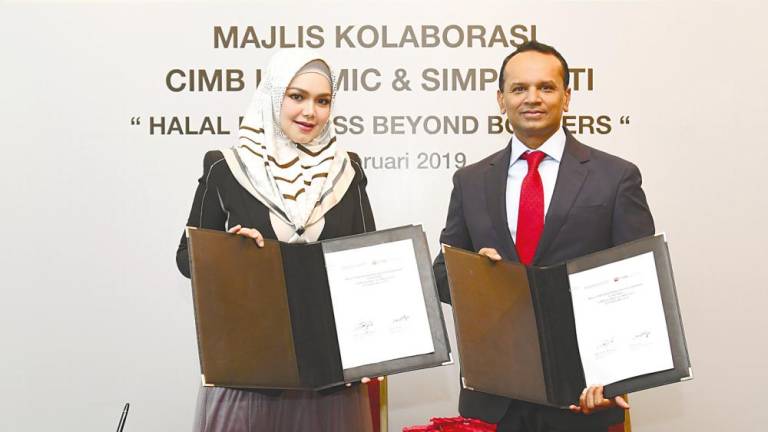
    CIMB Islamic Bank Bhd and local beauty brand SimplySiti have announced a collaboration that will see CIMB Islamic enabling SimplySiti to expand its halal beauty care business beyond Malaysian borders. The homegrown brand will also leverage the end-to-end support of the CIMB-Asean Halal Corridor and CIMB’s strong regional network, to meet the demand for quality halal beauty, cosmetics and skincare products across the region.

    CIMB Group Islamic banking CEO Rafe Haneef said for any homegrown business and SME, opportunities for growth are aplenty but the challenge is always on how to scale up.

    “This is where CIMB Islamic’s expertise, the CIMB-Asean Halal Corridor and CIMB’s regional network provide a strong value proposition to our customers. Through this collaboration, we are excited to facilitate SimplySiti’s move into its next growth phase by reaping the vast halal business opportunities within Asean,” he said.

    The CIMB-Asean Halal Corridor is an enhanced trade network linking halal businesses with trade infrastructure and ecosystems across Asean to take advantage of increasing demand for halal products in the region and beyond.

  • Asia-Pacific the key market for global smartphone sales

    Asia-Pacific the key market for global smartphone sales

    Global smartphone sales grew 5 per cent to hit US$522 billion last year, with Asia-Pacific accounting for nearly half of those. According to a recent Consumer Life Study by GfK, smartphones, feature phones and wearables accounted for a 44 per cent share of the global $1.2 trillion technical consumer goods (TCG) market. But it warned smartphone sales are expected to grow by just 1 per cent this year.

    Apac the key driver

    More than 732 million smartphone devices were sold last year. Despite a slight decline in demand, overall consumer spend increased by 5 per cent.

    China accounted for 60 per cent of the Apac region’s market value and 54 per cent market volume, making it the largest contributing country to the global smartphone market.

    “The Chinese market consumes the majority of the global smartphone production, as well as being the home of local brands that are becoming increasingly global,” observed Alexander Dehmel, GfK regional senior market insights manager.

    “Some 40 per cent of the Chinese brands’ smartphone production in 2018 was purchased outside of China, up from 31 per cent in 2016.”

    In second position, India bucked the global demand downtrend, reporting growth in both sales volume and value in 2018, by 19 and 21 per cent respectively. More than 161 million smartphones worth more than $28.5 billion were sold last year.

    “In Asia’s emerging markets such as India, a country where feature-phone sales still exceeds half of the total handset market, smartphone market rapid growth is fuelled by the high adoption rate of first-time smartphone users, in addition to the fast replacement cycle and upgrading of existing smartphone users,” said Dehmel.

    Premium models and Chinese brands fuel growth

    Globally, 12 per cent (up from 9 per cent in 2017) of smartphones sold were priced at more than $800 last year. The $150-400 segment continues to be an important competitive battleground accounting for 46 per cent of smartphones sold globally (up 2 per cent from 44 per cent in 2017).

    Within Asia, developed markets drove the take up of high-end smartphones. Last year, every other device (53 per cent) sold in these countries cost more than $800. On the other hand, the most affordable phones priced below $150 accounted for half the total market.

    “Chinese brands have been significantly increasing their presence worldwide, and specifically in emerging Asian markets, their popularity have been largely driven by their affordability and faster model refresh cycles with improved specs,” commented Dehmel.

    “Take the region’s third largest smartphone market of Indonesia for instance; Chinese brands accounted for more than two in every five (42 per cent) smartphones sold in the country in 2018.”

    Looking ahead

    The study shows that consumer trends are changing when it comes to possessions. Not only do consumers “prefer to own fewer but higher quality items” that they will pay premium prices for, but they also “value experiences more than possessions”. If larger memory or screen size and multiple high-megapixel cameras can enhance their overall usage experience, such innovations will likely help ignite consumers’ imagination and stimulate greater demand.

    With rapidly evolving technology, the later part of last year saw new launches in the market which offered consumers features such as larger screen sizes, higher resolutions for both the front and back cameras, along with increased number of camera lens, and more-advanced AI functionalities.

    One of the key observations for last year was the continued popularity of larger screen sized smartphones – a trend consistently reflected across every single Apac market. China and Korea were the top two markets where almost nine in 10 smartphones sold had 5.5 inch or larger screen sizes.

    “From the trends that emerged in the second half of last year, we anticipate the growth of larger display smartphones with high screen-to-body ratios (i.e. slim bezels) to continue developing this year, as well as rising demand for models with stronger camera offerings in both resolutions (megapixels) and the number of lenses, powered by more advanced AI capable chipsets,” concluded Dehmel.

  • Maybank achieves record earnings of RM8.11 billion for 2018

    Maybank achieves record earnings of RM8.11 billion for 2018

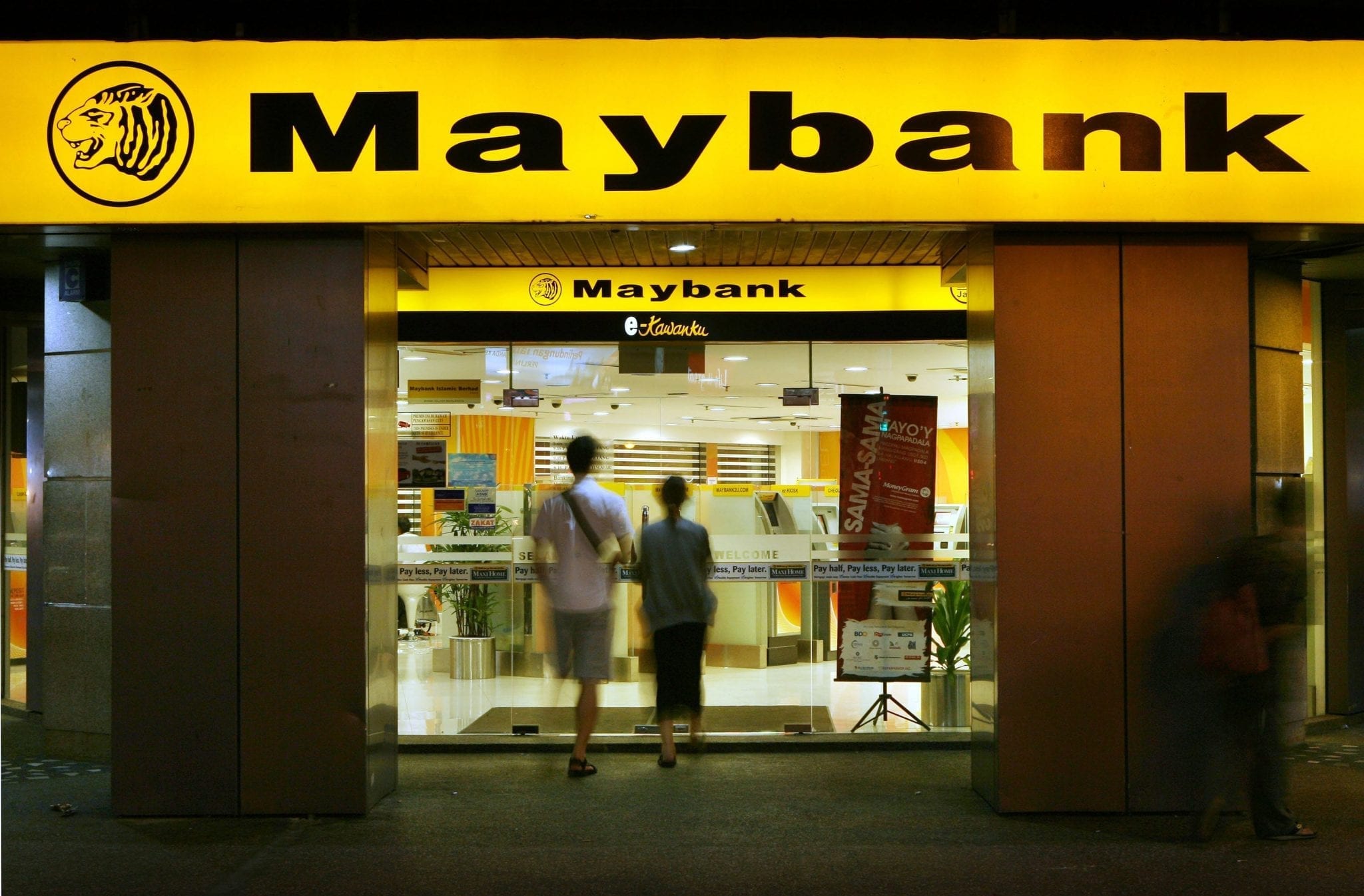
     Malayan Banking Bhd’s (Maybank) registered highest ever net profit of RM8.11 billion for the financial year ended December 31, 2018 (FY18) from RM7.52 billion a year ago, mainly underpinned by higher loans growth, lower overhead costs as well as lower provisioning. Its FY18 revenue also rose 3.8% to RM47.32 billion against RM45.58 billion previously.

    Net profit for the fourth quarter, meanwhile, grew 9.1% to RM2.33 billion from RM2.13 billion in the same quarter a year ago, with revenue expanding 3.8% to RM12.23 billion from RM11.79 billion.

    The bank has proposed to declare a final dividend of 32 sen per share for the quarter under review.

    Together with the 25 sen interim dividend declared earlier, the full-year dividend payout of 57 sen per share amounts to RM6.3 billion or 77.3% of net profit.

    The total dividend payout also translates into a higher dividend yield of 6% versus 5.6% in 2017.

    In 2018, Maybank’s achieved a record net operating income which rose 1.7% to RM23.63 billion, on the back of a 3.1% increase in fund based income as a result of higher contributions from all business sectors and key home markets.

    Group gross loans expanded at a faster pace of 4.8% in FY18, compared with 1.7% previously. The Malaysian operations saw loans expanding 4.8%, Singapore 4.5%, Indonesia 7.0% and 10.9% for other international markets.

    Maybank also highlighted that its net impairment losses for the year coming in 20.5% lower than the previous year, lifting operating profit by 9.3% to RM10.8 billion in 2018.

    For Q4 alone, it also saw net impairment losses coming in 58.1% lower than Q3.

    The bank continued to maintain a healthy liquidity position with its liquidity coverage ratio of 132.4% and loan-to-deposit ratio of 92.7%. Total capital ratio was 18.51% while its fully loaded common equity tier 1 ratio stood at 14.51%, both well above the regulatory requirements of 8.0% and 4.5% respectively.

    On its prospects, Maybank said it will maintain its balance sheet expansion in line with forecast economic growth of its three home markets, in tandem with the group’s risk posture, and continue building on its diversified franchise and footprint to expand income streams through cross business collaborations and focusing on diligent pricing of its assets and liabilities.

    Barring any unforeseen circumstances, the group expects its financial performance for 2019 to be satisfactory in line with the expected growth prospects of its key home markets.

    The group has set the headline key performance indicator (KPI) for return on equity (ROE) of approximately 11%.

    At 2.35pm, Maybank’s share price was trading unchanged at RM9.54 on 3,344,100 shares done.

  • Hyundai Korea’s employees to be more casual at office

    Hyundai Korea’s employees to be more casual at office

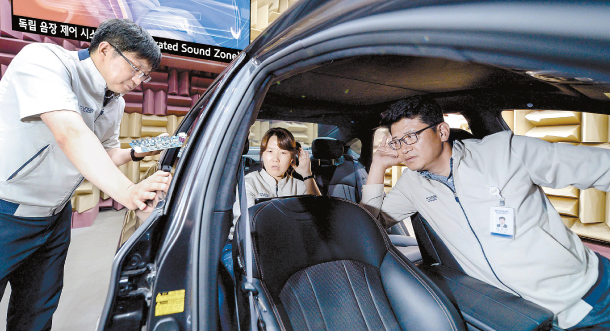
    Jeans and T-shirts will be allowed at Hyundai Motor offices from March 4 as the auto group’s heir apparent Chung Eui-sun looks for new ways to give the automaker a younger, trendier feel. On Monday morning, Hyundai Motor employees at its headquarters in southern Seoul were told that they are free to dress however they want from next month. Unlike a no-tie day, Hyundai’s new dress code didn’t include any special rules or guidelines.

    The free dress code applies to all Hyundai office workers, according to the company spokesperson, but not for workers at production facilities due to safety issues.

    While some time will be needed for Hyundai employees, who are much more familiar with formal suits, to get used to their new fashion freedom, industry sources say the move is likely to spread to Hyundai affiliates soon.

    Hyundai has long been considered one of most conservative Korean companies, as with most other companies in the traditional manufacturing sector like shipbuilding and steel. However, the automaker has been trying to rebrand itself as a mobility technology company given the growing importance of digital technology in the auto industry.

    Hyundai Motor Group Executive Vice Chairman Chung Eui-sun stressed in his New Year’s message that he will ramp up investment in the sharing economy, artificial intelligence and smart mobility to keep up with the radical paradigm shift.

    LG also started to shift its dress culture earlier last year. LG Electronics and LG Corp. adopted free dress codes from September.

  • Men make-up driving K-beauty boom

    Men make-up driving K-beauty boom

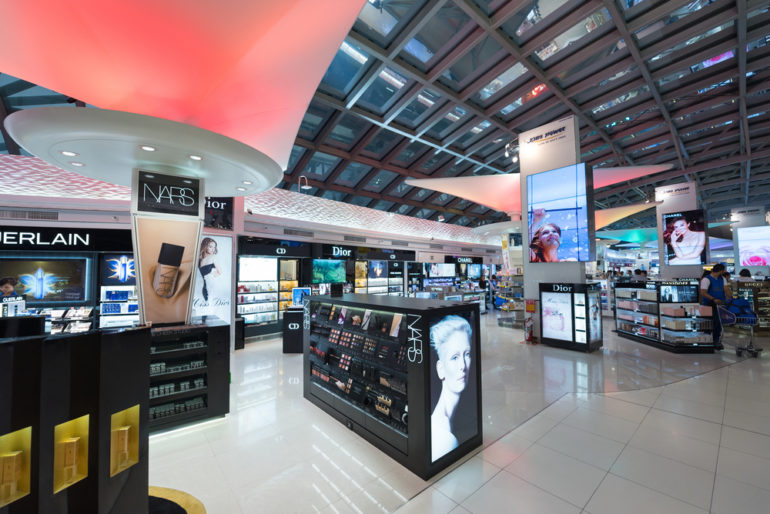
    Men wearing makeup – once a practice unique to TV stars and celebrities – is becoming a part of popular culture in South Korea. As an increasing number of South Korean men are purchasing clothes, cosmetics, and other beauty products to take care of their looks, cosmetics goods for men are expanding both in terms of variety and sales. Olive Young, a major South Korean cosmetics store, said sales of cosmetics for men increased by 30 per cent last year compared to the year before.

    Cosmetics for men are going beyond BB creams and cushions to include coloured lip balms, eyebrow products, concealers and eyebrow-hair scissors.

    A coloured lip balm for men, for instance, has seen sales skyrocket 16-fold over the last two years, according to Olive Young. Sales of makeup cushions and BB creams have increased by 30 per cent as the number of men wearing make-up burgeons.

    Drawing eyebrows, once a practice unique to women, is now spreading among men, as seen by the fact that sales of eyebrow products for men have increased by 25 per cent over the last two years.

    An increasing number of eyebrow-hair scissors, nipple bands, and body hair removers are being developed for men as well.

    “Makeup is now becoming a tool to express one’s confidence, leading to increased demand for various cosmetic products for men,” said Olive Young.

  • Newest Esprit stores reveals new concept

    Newest Esprit stores reveals new concept

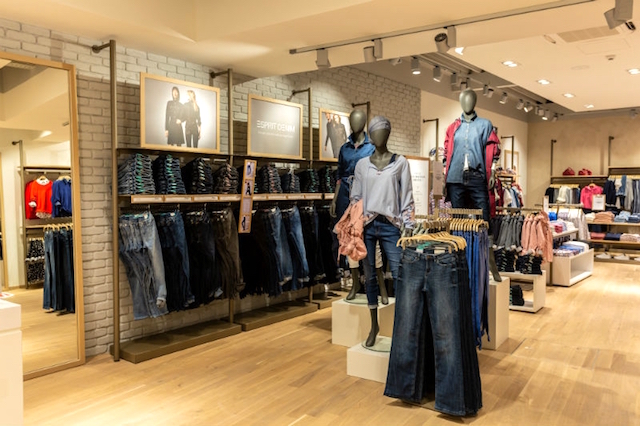
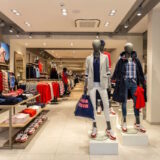
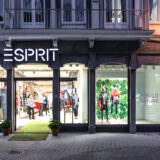
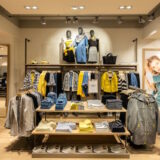
    Two new Esprit stores opened in Europe this month give an insight into the new direction of the embattled brand as it rebuilds. In the historic centre of Liege in Belgium a new 400sqm boutique stocks only womenswear. According to an understated news release issued in Germany, the “modern and bright store design creates a pleasant and warm atmosphere”.

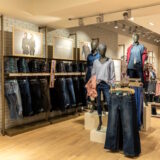
    A standout feature is a denim wall standing in front of a brick wall painted in light grey. The floor comprises terrazzo tiles and oak parquet.

    The new store also reflects a growing focus on Esprit’s e-commerce offer, with a click & collect area for customers to pick up items they have ordered online.

    The second of the Esprit stores to open in Europe this month is an outlet store at Wolfsburg in Germany.

    The 400sqm store is described by Esprit as “an important location” in its outlet portfolio. It offers both women’s and men’s apparel.

    Michael Ernst, centre manager of Designer Outlets Wolfsburg, says customers have been asking for an Esprit store at the centre for several years.

    “We are delighted to be able to fulfil this wish now. The new store offers an attractive range of fashion at excellent value.”

    Designer Outlets Wolfsburg is the first inner-city outlet centre in Germany, home to more than 70 designer and lifestyle brands.

    After ongoing losses, Esprit last year launched a massive overhaul of its business with a new management team at the helm, promising changes to product, its retail network and its e-commerce offer.

    The company is due to release its interim results this week.

  • India’s V-Bazaar opens 1st outlet in Lalitpur

    India’s V-Bazaar opens 1st outlet in Lalitpur

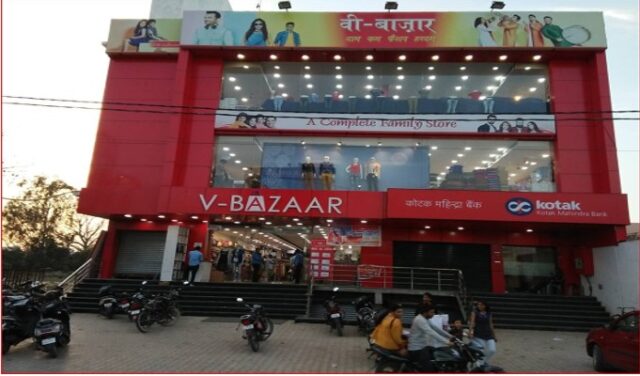
    V-Bazaar has announced the launch of its 1st store in Lalitpur and 30th in Uttar Pradesh. V- Bazaar is a complete family fashion store which brings trendy and fashionable merchandise to every category of people, at reasonable prices by eliminating the middleman between manufacturers and customers. The store is spread over 8,856 sq.ft. area.

    Announcing the launch, Hemant Agarwal, CMD of V-Bazaar said, “It is a very happy and proud moment for us to open our 1st store in Lalitpur. Looking at the overwhelming response of our other store, we thought of providing the convenient shopping experience to the customers of the city. It has been our attempt to provide our customers the superior merchandise, service and the overall international shopping experience. This 1st new store in Lalitpur is a significant achievement for us. Our new store is fashionable and individualistic, showcasing a collection of the finest quality merchandise at unbelievably pocket-friendly prices.”

    The new showroom has been spread over large area with spacious interiors. The new store offers a vibrant trendy line for the youth which includes shirts, pants, sherwanis, kurta pyjama, jackets for men and fancy wedding sarees, wedding designer suits, cotton suits, pants, half sleeve and full sleeve t-shirts for women. There is large variety of dresses for your young ones too.

    The range offers funky, stylish, and incredibly comfortable garments that are a must in every teenagers and young adult’s wardrobe. Created while keeping current international trends in mind, the collection is trendy, fashionable and is available at unbelievably low prices. Customers can make their shopping fun with special opening offers at V-Bazaar as on every purchase they get assured gifts.

    V-Bazaar primarily operates in Tier II and III cities. It is chain of value retail fashion stores offering apparels for men, women, kids, home furnishing, footwear and accessories catering to the entire family.

  • Seoul to get its first Emart Traders branch next month

    Seoul to get its first Emart Traders branch next month

    Emart, a Shinsegae Group company, will open a new branch of Traders, its big-box warehouse chain, in Seoul next month. It will be the first branch in the capital. The outlet will be located in Wolgye-dong, Nowon District, northern Seoul, with the opening scheduled for March 14. The Wolgye Traders is being built in the parking lot of Emart’s Wolgye store. The warehouse store will be 9,917 square meters (106,746 square feet) in size, with 45,302 square meters of floor area.

    Emart said the annual sales goal for the first Seoul branch of Traders is 140 billion won ($12.6 million). The company is planning to raise the new branch’s competitiveness by offering instant and fresh food at prices that could be 45 to 50 percent lower than the average price at department stores.

    There are currently 15 Traders branches nationwide, and Emart is planning to expand the number to 18 by the end of this year.

  • Wayne’s Coffee debuts in China

    Wayne’s Coffee debuts in China

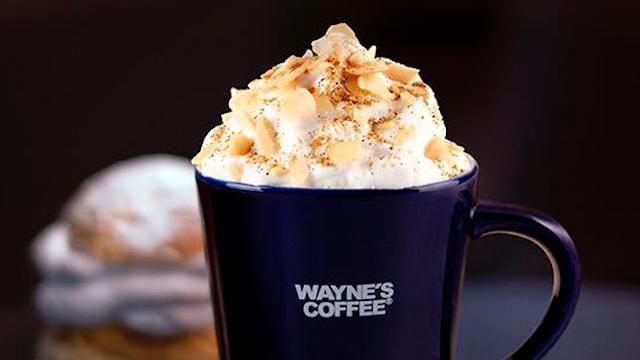
    Swedish cafe chain Wayne’s Coffee has opened its first outlet in China. The new store on Shanghai’s Nanjing Xi Lu serves coffee, sandwiches and Swedish pastries to consumers. The move represents a courageous first step in a market dominated by international and local competitors. China is Wayne’s second market in Asia after the brand launched in Vietnam in June last year. It currently operates seven locations in Ho Chi Minh City.

    While the brand has been criticised for lacking a distinctive look and presumed by some observers to be a local Starbucks clone, the brand has in fact been running in Sweden since 1994, where it was the first venue in the country to serve cafe latte. It was also the first to serve the latte in Saudi Arabia when it opened there in 2010.

    Wayne’s more aggressive expansion phase was recognised when the brand won “Franchise chain of the year 2017” in Stockholm. It currently operates more than 140 locations internationally.

  • Hanoi businesses do brisk business with Trump-Kim summit specials

    Hanoi businesses do brisk business with Trump-Kim summit specials

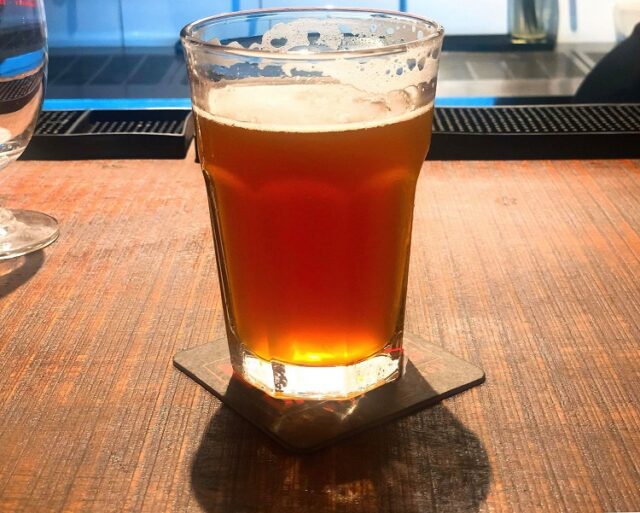
    Several enterprising businesses have cashed in on the Trump-Kim summit with signature products – craft beer, cocktails, haircuts and T-shirts. A standing bar on Tran Vu Street has already gained a lot of attention with a craft beer named Kim Jong Ale, a kimchi flavored beverage concocted in Saigon.

    Huong Anh, who manages the bar, has waxed lyrical about the beer for the occasion. “Kim Jong Ale is a customers’ favorite here. The inspiration behind this beer is the pure streams of Mount Paektu, which is located between North Korea and China,” she told reporters.

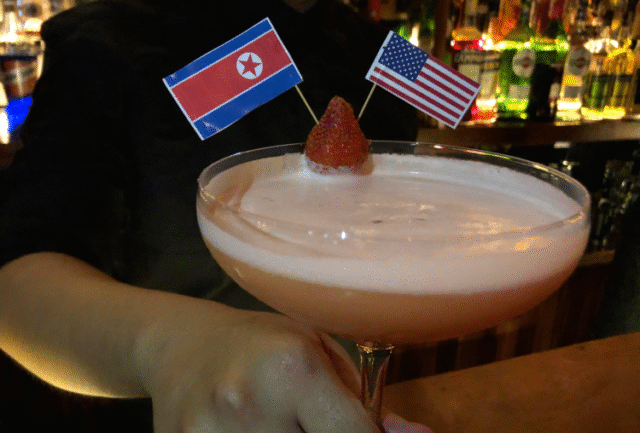
    Yet another bar on Hang Than Street brought out a cocktail called “Make the world great again”, mixing soju, bourbon and Fireball Cinnamon Whisky, pineapple juice, vanilla and grenadine.A wine bar in the capital city has also helped itself to some publicity and increased business with a cocktail called “Peace Negroniations,” a variation of the classic Negroni, made with pink-grapefruit soju, vermouth and bitters. We replaced gin with soju for this special cocktail,” bartender Chau said.

    It took two days to complete this recipe, said Ngo Dinh Tien, a bartender.

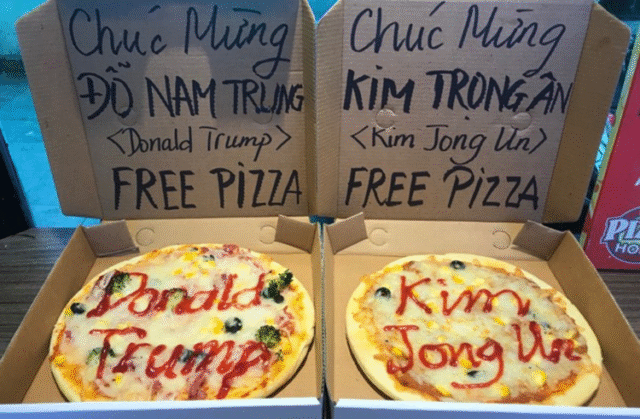
    A pizzeria has been offering free pizzas to people with names similar to that of Kim Jong-un and Donald Trump, and to those sporting the distinctive haircuts of both leaders, from February 20-28.

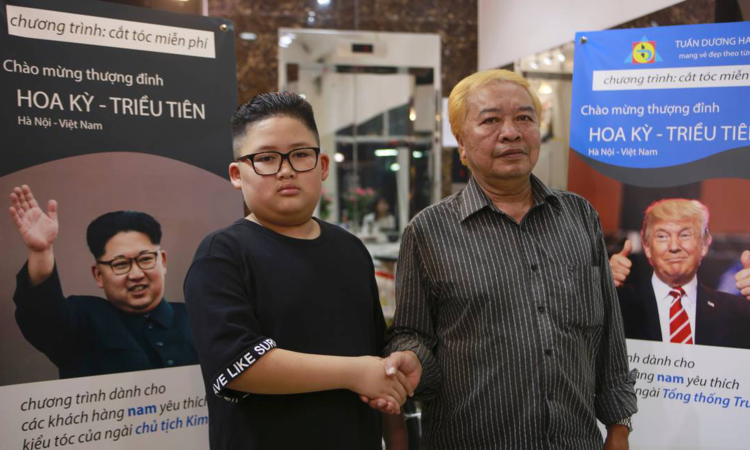
    To get such haircuts, the place to go to is the one on De La Thanh Street that has been offering these for free. The salon is even organizing a contest for people getting such haircuts, with the grand prize being free haircuts for three years.

    A South Korean restaurant in the My Dinh area has hung a banner on their door, featuring Kim Jong-un and Donald Trump and welcoming the summit. The owner said the poster has attracted a lot of attention with many customers taking selfies with it.

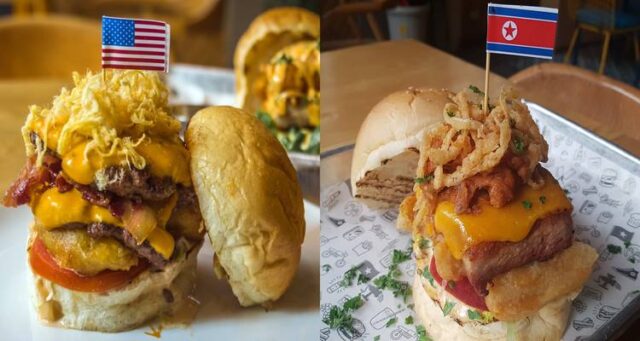
    An Old Quarter restaurant has hogged some attention for itself with hamburgers named after the two leaders – “Durty Donald” and “Kim Jong Yum,” served with U.S. and North Korean flags.


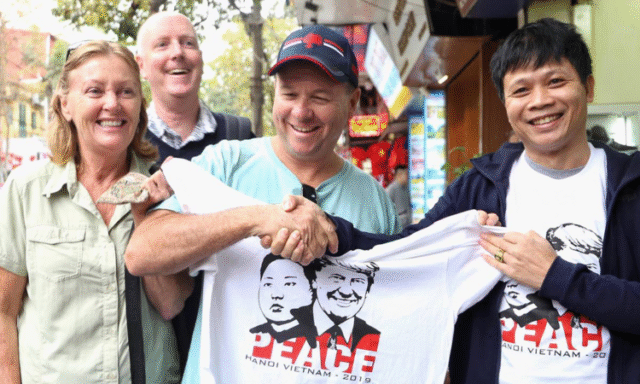
    Perhaps the hottest summit item has been souvenir T-shirts. Truong Thanh Duc’s small shop on Hang Bong Street has been operating at full capacity, making 500 shirts a day with a design that says peace and carries pictures of both leaders. Each T-shirt costs less than $5


    .

  • Foreign investment crucial to Vietnamese banks in 2019: Moody’s

    Foreign investment crucial to Vietnamese banks in 2019: Moody’s

    Most Vietnamese banks fall short of international capital adequacy norms and have to focus on attracting foreign capital this year, Moody’s has said. The credit rating agency said in a release Monday that “the underdevelopment of the domestic capital markets” means the banks would have to look to foreign investors to meet the capital requirement of 8 percent of risk-weighted assets to cover operational risks.

    Raising capital has been a struggle for Vietnamese banks in recent years. Major state-owned banks such as BIDV and Vietinbank have for long been making plans to increase charter capital but in vain.

    BIDV, the second largest listed bank, has had charter capital of nearly VND34.19 trillion ($1.46 billion) unchanged since 2015.

    Last November it planned to sell a 17.65 stake to South Korea’s KEB Hana Bank to increase it to over VND40.22 trillion ($1.73 billion), but the deal has not been consummated.

    Vietinbank, the fourth largest listed bank, has seen its capital remain unchanged since 2014 at VND37.23 trillion ($1.59 billion).

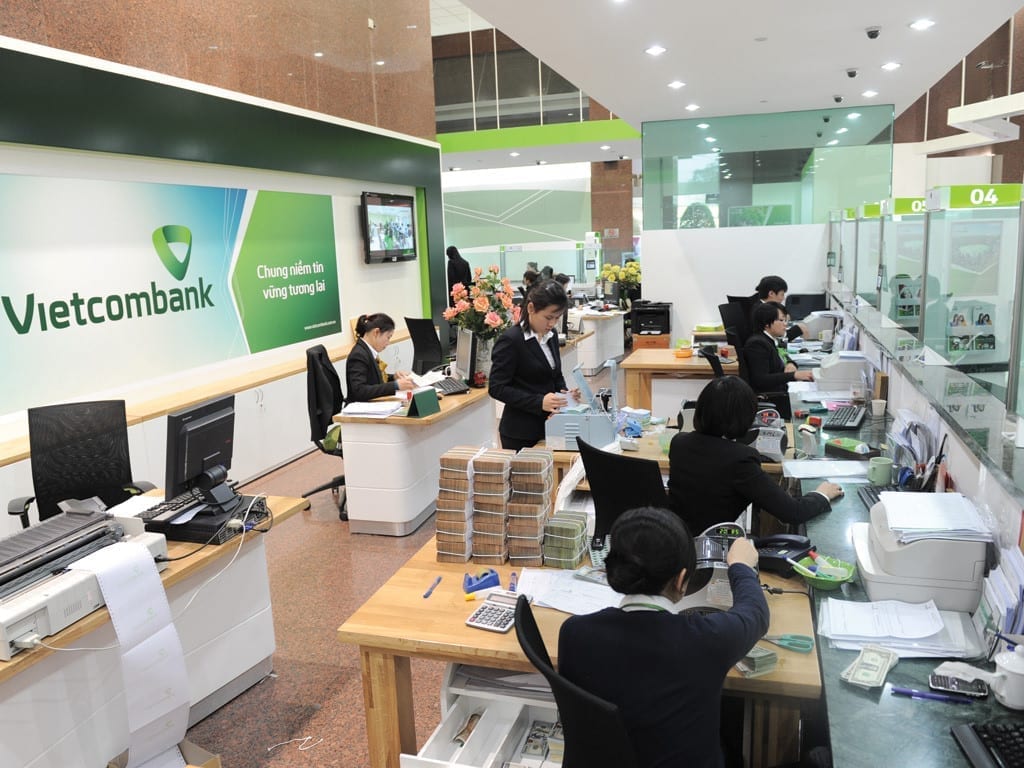
    Only Vietcombank, the largest listed bank in the country, last month raised VND6.2 trillion ($265.86 million) from selling a 3 percent stake to foreign investors, as part of its plan to ultimately sell 10 percent.

    BIDV and Vietinbank had offered to pay its largest shareholder, the State Bank of Vietnam (SBV), the previous year’s dividends in stocks and not cash to increase their capital, but the central bank refused saying it needed the cash.

    Moody’s added that the banks’ capitalization will strengthen this year because of stronger profitability and stable credit growth.

    It said that Vietnamese banks last year achieved a higher aggregate return on assets for a second year running, registering a rise of 1.1 percent from 0.9 percent in 2017.

    Aggregate net income for the banks rose 35 percent to VND70 trillion ($3 billion) in 2018 from the previous year, it said.

    “For 2019, Vietnamese banks that Moody’s rates will achieve a further improvement in profitability, again because of wider net interest spreads and lower credit costs,” said Rebaca Tan, a Moody’s analyst.

    “Credit growth will stay stable over the same period because of tighter control by the State Bank of Vietnam, and asset quality will improve further, as the banks continue cleaning up their balance sheets.”

  • Longines Masters of Hong Kong 2019 – a recap

    Longines Masters of Hong Kong 2019 – a recap

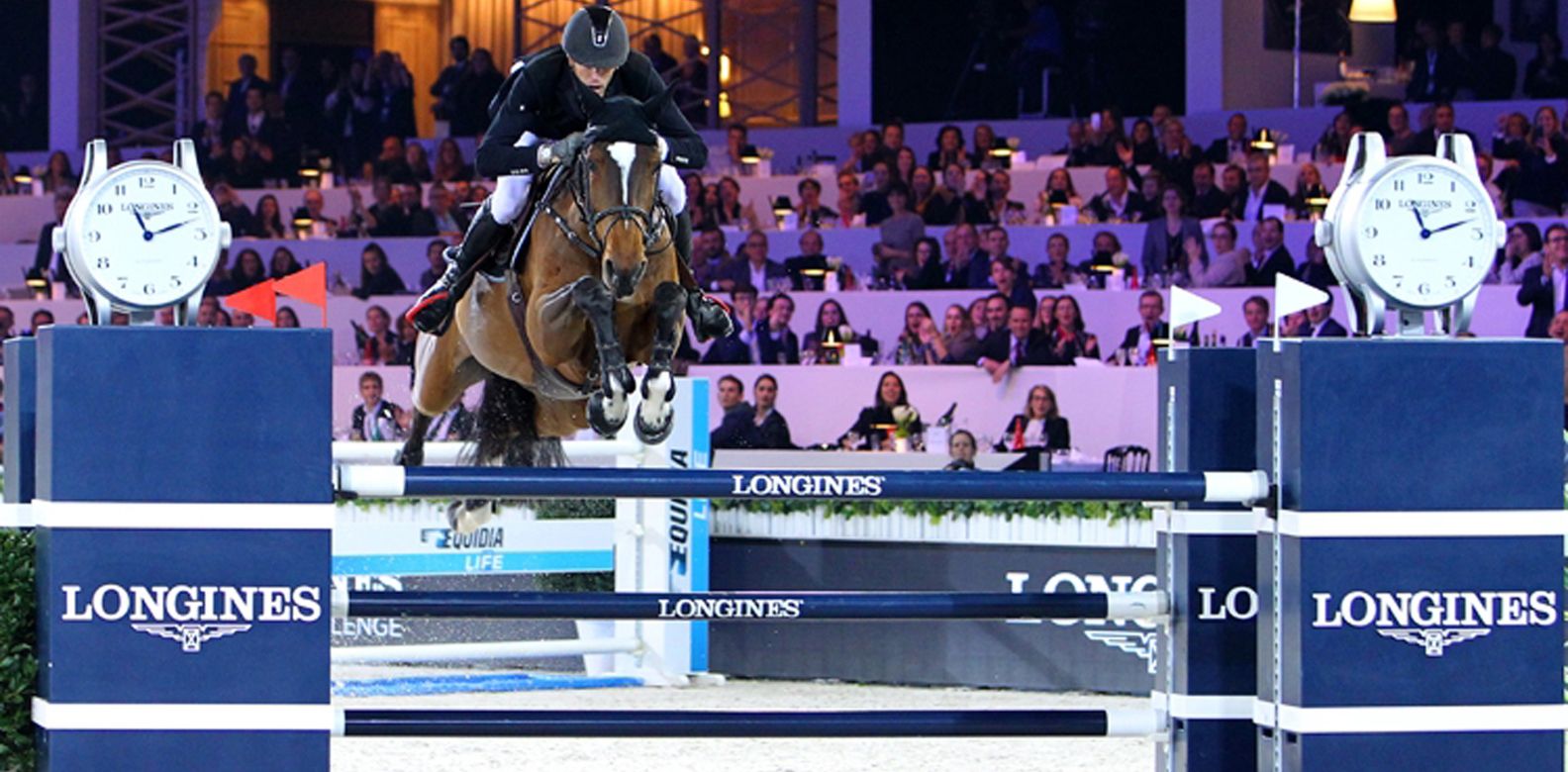
    Three days of action brought with them a life’s worth of memories as the curtain came down on the Asian stage of the Longines Masters Paris – Hong Kong – New York intercontinental series. More than 35,000 people gathered across the three days of this year’s Longines Masters of Hong Kong.

    Fittingly, the final day was graced by Hong Kong Chief Executive Carrie Lam Cheng Yuet-ngor, who met the riders and presented the Longines Grand Prix of Hong Kong trophy. Longines Ambassador of Elegance, horse lover and entertainment super star Aaron Kwok was also on hand for the final press conference and to share his thoughts on the sport he loves so dearly – and like one of his live shows, the thrills came from start to glorious finish. The action began with The HKJC Asian Junior Grand Prix, excitement rose with the staging of the DBS Trophy, and then came the event everyone had been waiting for all week – the Longines Grand Prix of Hong Kong. And the premier event brought out the very best from Denis Lynch on Chablis as the Irish rider and his stable newcomer flew around the course. It proved a fitting way to end a fabulous week – and now it’s on to American stage in New York, which among other things will feature the rematch of the Riders Masters Cup, from 25 to 28 April 2019.

    Denis Lynch claims the Longines Grand Prix of Hong Kong!
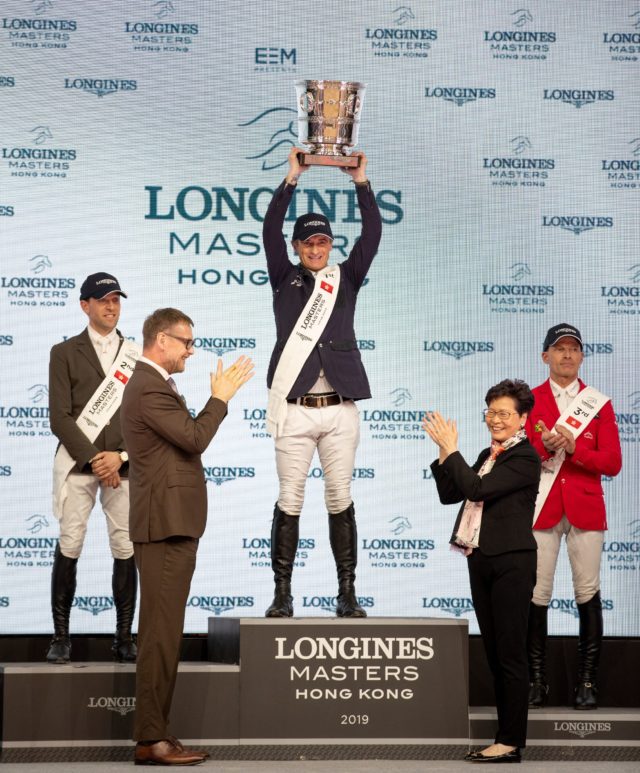
    The glory on this final day came with the Longines Grand Prix of Hong Kong and a stunning effort from Denis Lynch on Chablis as they finished in front of Simon Delestre on Uccello de Will. But there was so much more also on offer all day.

    It began – at 9.30am – with The HKJC Asian Junior Grand Prix, an initiative from partners EEM, The Hong Kong Jockey Club and the Hong Kong Equestrian Federation that showcased the rising stars of Asian showjumping. It was Hong Kong’s Vincent Zi-Xiang Capol on It’s A Gamble who lit up the main arena on the day, capturing the title after a two-round competition with jump heights raised from 1.00m to 1.10m.

    Next – at 12pm – came the DBS Trophy, a one-round competition that set riders a simple task. On paper at least. To win you had to be the fastest from eight riders to complete a clear round – and on this day the fastest was Roger Yves Bost on Castleforbes Talitha.

    Then it was time for the ultimate event at the world’s ultimate show jumping series. The Longines Grand Prix tests the world’s best against jumps at Olympic height heights of 1.60m, and it provides a true test of technique, of skill and of bravery from both rider and horse.

    In the end it came down to a ride for the ages from Denis Lynch on Chablis, as they cleared all the fences over two rounds. Second place went to Simon Delestre on Uccello de Will – the only other pair to clear all the fences. Along with the US$400,000 in price money the Paris, Hong Kong and New York Longines Grand Prix offers something very special – a Super Grand Slam Bonus of €2,250,000 rewarding a victory in each round of the Series in the same season and a €1,000,000 additional bonus for three successive victories at The Longines Grand Prix straddling two Longines Masters seasons. Irishman Lynch will now head to New York for the next leg in April with that huge bonus in his sights.

    While the show jumping action kept fans glued to their seats all day long, there was plenty more to entertain in the main arena. Presented by MGM, equine artists Frédéric Pignon and Magali Delgado and their Iberian horses continued to leave the audience spellbound with dazzling shows combining music, dance and multi-media. Then there was the appearance of the “golden girl” of the HKJC Equestrian Team as Jacqueline Siu celebrated her history making gold medal performance at last year’s Asian Games with a dressage performance the relived the glory.

    Reflections on three days of fun and fanfare

    Over three days – and nights – the Prestige Village came alive, allowing visitors to indulge and be entertained thanks to fabulous collaborations with the Longines Masters of Hong Kong’s partners and exhibitors.

    Among the many and varied highlights were the first staging of the Asian Hobby Horse Competition and the wild after party hosted by DJ Henri PFR, while visitors were able to immerse themselves in luxury offering from a wide array of brands, while being tempted by gastronomic delights. While visitors were treated to the latest from the likes of Title Partner Longines, Kingsland, Fieldstone, Horse Pilot, Equicty, Hermès Sellier, Asia Marine, Baccarat, Lightfoot Travel, Robert Mark Safaris, KEF, La Mod and Maserati. There were also themed gifts and novelties inside the Longines Masters Boutique, one lucky guest walked away with a trip (flight and accommodation) to New York to visit the Macey & Sons Gallery and the Longines Masters of New York in April 2019, courtesy of Macey & Sons Gallery.

    Save the Children

    Dedicated to promoting equestrian sports on an international scale as well as making a difference by contributing to socially constructive causes, Longines Masters series organizers EEM this year chose to support deprived children around the globe, especially in Hong Kong and China. The Hong Kong leg of the intercontinental show jumping event joined hands with the Sole Beneficiary Charity Partner, Save the Children Hong Kong, with parts of the net proceeds generated from the charity auction lunch, various VIP Hospitality Experiences in a specific period of time and kids’ activities in Prestige Village donated to sustain these marginalized children’s ongoing education, health, protection and emergency relief programs.
  • Shinsegae to launch SSG.com as separate unit

    Shinsegae to launch SSG.com as separate unit

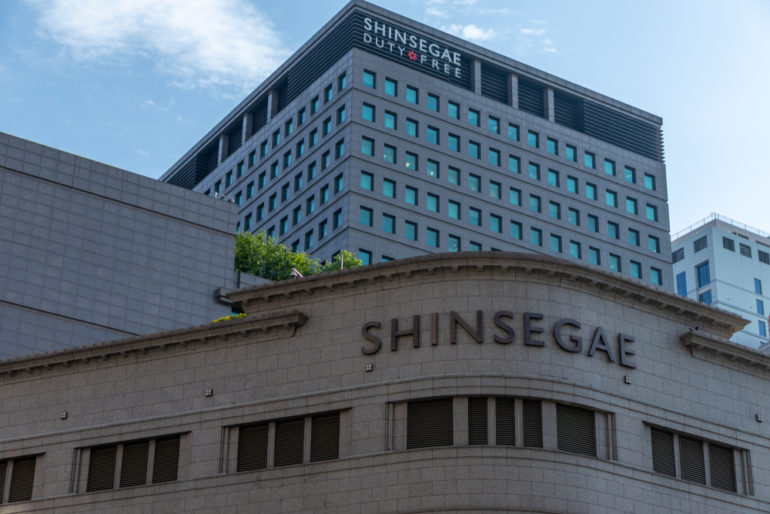
    Shinsegae Group will launch a brand new entity that specializes in e-commerce next month in an effort to become Korea’s answer to Amazon. Titled SSG.com, Choi Woo-jung, vice president of Shinsegae’s e-commerce division, will be the CEO. “[Through the new entity], we hope to maintain the existing SSG.com brand and maximize brand power by raising [people’s] awareness of our professionality in the online market,” the company said in a statement.

    The latest move reflects Shinsegae’s ambition to become the country’s top e-commerce company by gathering its scattered online businesses.

    Shinsegae Group in December spun off Emart Mall and Shinsegae Mall from Emart and Shinsegae. The board of directors in January voted to merge the two new entities.

    It has already been running SSG.com as an e-commerce website that offers access to its various online malls, but it is currently only a customer-facing interface, not a company in its own right.

    SSG.com’s sales goal for this year is 3.1 trillion won ($2.8 billion), which is 29.1 percent higher than the sales recorded by the online platform last year.

    The company hopes to reach its ambition through aggressive marketing, especially on raising the efficiency of delivery services.

    It will make a heavy investment on raising the delivery speed by establishing an additional distribution center in Gimpo, Gyeonggi. It will be the third distribution center, and is scheduled to open in the second half of this year.

    “With the official launch of SSG.com, we are getting ready to become the country’s top e-commerce enterprise,” said Choi in a statement.

    “Instead of just selling goods online, we are also planning to function as a ‘Linker’ by connecting consumers online and offline like [offering them the platform to] share their lifestyles on the internet.”

  • Asiana and pilots reach safe operations agreement

    Asiana and pilots reach safe operations agreement

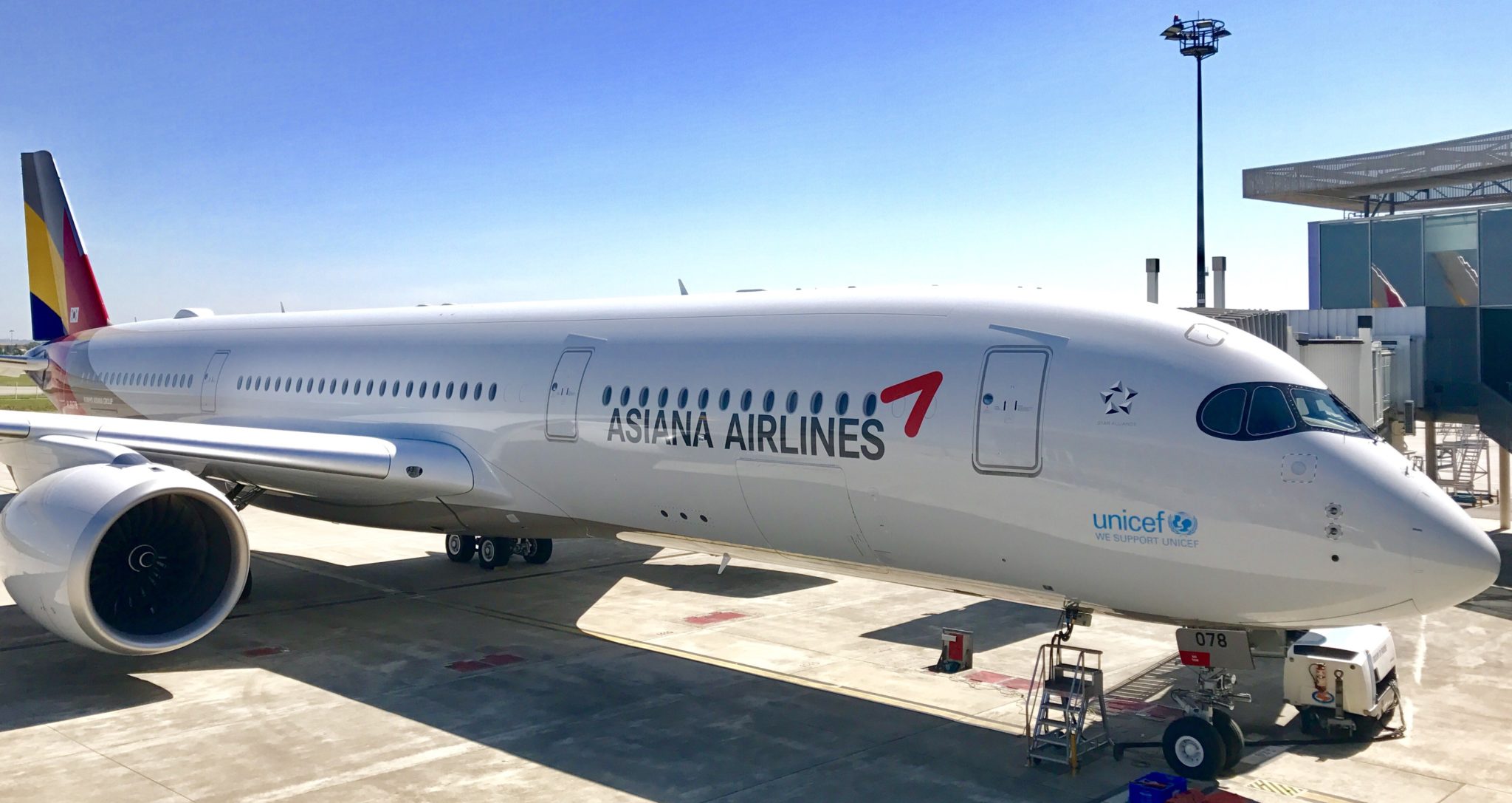
    Asiana Airlines and its pilot labor union jointly announced their vision for safe airline operations, the airline said Friday. During a ceremony held for the announcement Thursday, they vowed to strengthen communications for safe flight operations and cooperate in enhancing airline sustainability. The ceremony was held at the company headquarters in Gangseo District, western Seoul.

    Asiana Airlines CEO Han Chang-soo and Asiana Pilot Union head Kim Young-gone attended.

    The union requested the company establish a new team that will make sure there are no obstacles to safe flight and improve pilot rights and interests. The company agreed to fully support safe and secure flight operations.

    The two parties completed wage negotiations in September and have since worked toward cooperation.