Tag: Business

  • Vietnamese stocks slide as lack of information hits large-caps

    Vietnamese stocks slide as lack of information hits large-caps

    Vietnamese shares slid yesterday as large-cap companies faced strong selling amidst a lack of supportive information while investors awaited discussions on the amended securities law. The benchmark VN-Index on the Hồ Chí Minh Stock Exchange fell 0.91 per cent to end at 988.48 points.

    The southern market index climbed 0.84 per cent on Monday.

    More than 165 million shares were traded on the southern bourse, worth VNĐ4.24 trillion (US$182 million).

    Market breadth was negative with 207 declining stocks, while 111 stocks advanced and 45 ended flat.

    Fifteen of the 20 sector indices ended Tuesday on a negative note, dragged by real estate, energy and petroleum, rubber and plastics and consumer staples.

    Those sector indices lost between 1.1 per cent and 3.1 per cent, data on vietstock.vn showed.

    The energy and petroleum sector was the worst-performing one on the stock market.

    Petro stocks such as PetroVietnam Gas (GAS) and PetroVietnam Drilling and Well Services (PVD) reversed after oil prices encountered volatility on Tuesday.

    GAS shed 1.9 per cent while PVD slipped 3 per cent.

    Real estate firms also dragged the market down, with the industry index falling 2 per cent.

    Among the worst-performing property developers were Vincom Retail (VRE), Vingroup (VIC) and Hòa Bình Construction Group (HBC).

    According to MB Securities Co (MBS), the VN-Index slid as leading stocks moved in different directions and pressured market sentiment.

    Foreign selling also caused negative movement for the stock market, which ended at a net VNĐ277.4 billion, MBS said in its daily report.

    In addition, gloomy earnings forecasts for 2019 for listed companies weighed on investors’ confidence ahead of the National Assembly Standing Committee meeting on April 10-18, in which the draft on amended Law of Securities will be discussed, MBS noted.

    “The stock market is clearly in its instability stage as large-cap stocks are still heavyweights. It is likely the VN-Index will fall whenever large-cap stocks are hit by strong selling,” Thành Công Securities Co (TCSC) said in a note.

    In addition, listed firms are experiencing a lack of supportive information, making investors unwilling to buy their stocks and reducing market liquidity, TCSC said.

    Therefore, the VN-Index may struggle at the current level of 990 points in the next trading days with focus shifted to companies with positive first quarter earnings, the company said.

    On the Ha Noi Stock Exchange, the HNX-Index slid 1.12 per cent to end at 107.71 points.

    The northern market index climbed nearly 1 per cent in the first trading day of the week.

    Nearly 48 million shares were traded on the northern bourse, worth VNĐ669 billion.

  • WhatsApp Business officially rolling out for iPhone

    WhatsApp Business officially rolling out for iPhone

    We reported two weeks ago that WhatsApp Business might be finally coming to iOS devices, as many users from several countries found the app listed in the App Store. Initially launched on Android, WhatsApp Business is now officially rolling out for iPhone, the company announced in a blog post

    Of course, the app is available for free via App Store, but you’ll have to create an account before you can take advantage of all the business-centric features it has to offer. Keep in mind that WhatsApp Business will first be available in Brazil, Germany, Indonesia, India, Mexico, the UK, and the United States, but WhatsApp said the app will be made available worldwide in the coming weeks.

    With WhatsApp Business, you’ll be able to share useful information about your business, including its description, email and store addresses, as well as website. Also, thanks to the integrated messaging tools, you’ll be able to respond to customers very easy via quick replies, greeting messages, and away messages.

    Last but not least, WhatsApp Business is a cross-platform service, which means you’ll be able to chat from your desktop to manage conversations and send files to customers, not just from your iPhone or Android smartphone.

  • UBS Exploring Office Move in Singapore

    UBS Exploring Office Move in Singapore

    UBS is considering to move its office out of the central business district, according to local media reports. UBS is likely to consolidate its Singapore office footprint by relocating from One Raffles Quay and Suntec City to 9 Penang Road, according to a report in Business Times.  Market sources said that the commercial terms of a potential lease for 9 Penang Road have been more or less finalized, but the deal is still pending for approval by the top brass in Switzerland.

    The site, which is coming up on the former Park Mall site opposite Dhoby Ghaut MRT Station, would provide a different type of space for the bank. The motivation appears to be a desire by the bank to operate in a larger, campus-style, facility, rather than cost savings.

    Surprising Move

    Many office leasing observers were somewhat surprised that UBS, Asia’s largest wealth management bank, is considering moving out of the financial district into Penang Road, which is not a typical headquarters location for a major bank.

    However, 9 Penang Road may have its own appeal, given it is a stone’s throw from the prime Orchard Road shopping belt and the location offers good connectivity. Dhoby Ghaut station is an interchange for the North-South, North East and Circle lines.

  • HTHKH to buy full control of mobile business

    HTHKH to buy full control of mobile business

    Hutchison Telecommunications Hong Kong Holdings (HTHKH) has arranged to buy out Japan’s NTT Docomo‘s share of its mobile businesses for $60 million.

    Under the agreement, HTHKH will acquire Docomo’s 24.1% interest in Hutchison Telephone Company Limited (HTCL) and its 24.1% stake in Hutchison 3G Hong Kong Holdings (H3GHK), making both companies wholly-owned subsidiaries.

    In an announcement, HTHKH said acquiring full control of its mobile business will increase the value of HTHKH shares, enhance operational efficiency and save costs by eliminating resources expended on shareholder communications.

    The transaction is expected to close on May 31. HTHKH plans to use the proceeds from the disposal of its fixed line business in 2017 to pay for the purchase.

    HTHKH and Docomo have agreed to discuss potential ways of extending their mutually beneficial relationship despite no longer being tied through a shareholder relationship.

    The companies have agreed to enter a consultation and cooperation agreement upon the closing of the transaction to explore the feasibility of collaboration in the field of mobile telecommunications products and services.

  • New Head of Swiss Business Hub in Singapore

    New Head of Swiss Business Hub in Singapore

    The Swiss Embassy in Singapore appointed a new Head of the Swiss Business Hub for the ASEAN region.

    Renee Koh joined the Swiss Embassy already in November 2018 as the new Head of the Swiss Business Hub for the ASEAN region, according to a news release on Thursday.

    The Swiss Business Hub ASEAN is part of the Embassy of Switzerland in Singapore with antenna offices in the Embassies of Switzerland in Malaysia (Kuala Lumpur), Vietnam (Hanoi) and at the Consulate General of Switzerland in Ho Chi Minh City.

    The Swiss Business Hub facilitates commercial relations between Switzerland and ASEAN. Its activities are supported by Switzerland Global Enterprise (S-GE), which has been officially commissioned by the Swiss government to promote exports and investments.

  • ZTE swings back to black in Q1

    ZTE swings back to black in Q1

    ZTE expects to have swung back to profit in the first quarter, after reporting an annual loss in 2018 as a result of the temporary ban on its import of components from US vendors.

    The Chinese vendor estimates a net profit for the first quarter of 800 million yuan ($118.9 million) to 1.2 billion yuan, which compares to a profit of 1.69 billion yuan in the first quarter of 2018.

    The first quarter results are nevertheless an improvement on the 6.98 billion yuan ($1.04 billion) loss the company recorded for the full year 2018.

    ZTE blamed its performance on the impact of the ban on the import of components from US companies imposed by the US government due to ZTE allegedly violating US sanctions on Iran by conspiring to sell equipment with US components in the market, as well as the $1 billion settlement agreement ZTE reached to have this ban overturned.

    Revenue for the year  meanwhile fell 21.4% to 85.51 billion yuan despite signs of recovery in ZTE’s major businesses of wireless networks, wireline networks and mobile devices.

    ZET has meanwhile announced it has been intensifying its investment in 5G research and development.

    The company has so far submitted more than 7,000 5G standard proposals and 3,000 5G patent applications to international organizations, and has declared over 1,200 standards of 5G standard-essential patents to the European Telecommunications Standards Institute (ETSI).

  • Strong potential’ for sharing economy in China

    Strong potential’ for sharing economy in China

    New research suggests strong potential for the sharing economy in China, with just 30 per cent of consumers there saying they only want to use brand-new products.

    Mintel says the figures highlight the significant market for selling second-hand products and targeting consumers who will rent out rather than buy.

    Mintel says 91 per cent of Chinese consumers said they have rented or bought second-hand bicycles/electric bicycles in the past year. This was followed by cars (61 per cent), books/audio-visual products (25 per cent), digital products such as mobile phones and cameras (25 per cent), furniture (18 per cent) and home appliances such as fridges (12 per cent). While the clothes and accessories sharing category has been making headlines, just 9 per cent of urban Chinese consumers have rented or bought them second-hand.

    “The current consumer landscape in China shows great potential for the sharing economy to develop further,” said Mintel China associate research analyst Scarlett Zhao. “Largely driven by substantial promotions and subsidies, high penetration in rental and second-hand businesses is more focused on the transportation industry; including cars and bicycles. But while the sharing economy in China is dominated by transportation, we see this trend slowly extending to knowledge sharing through books or audio-visual products.

    “At the moment, consumers are not as open to other product categories in the sharing economy space such as clothes and accessories, probably because consumers have not yet cultivated the habit to rent or buy second-hand products. China’s sharing economy still stands in an emerging to growth stage, where market rules and regulations need to be further improved. As a result, this has caused many to remain on the sidelines just like when e-commerce was first introduced.”

    Mintel research reveals that the majority of consumers in China acknowledge the benefits of the sharing economy, with as many as 86 per cent of them appreciating the convenience that sharing products and services bring. Meanwhile, 59 per cent of Chinese consumers cite affordability as a reason to participate in the sharing economy, making it the greatest motivation for them to choose renting or buying second-hand products.

    Environmental factors are also proving important to consumers. Fifty-one per cent of urban Chinese consumers say that they will rent or buy second-hand products as it is good for the environment.

    “Under the healthy wave, consumers today not only look inward to their body health, but are also paying more attention to the whole ecosystem they are interacting with,” added Zhao. “When communicating with and marketing to consumers, companies in the sharing economy space can make consumers feel good about themselves by emphasising how this concept can help reduce the carbon footprint – benefiting the public and the environment.”

  • Daesang to sell Ministop stake to partner Aeon

    Daesang to sell Ministop stake to partner Aeon

    South Korean food manufacturer Daesang is reportedly exiting the convenience store business, selling its stake in the Ministop chain.

    A cut-throat industry in the territory, competition between players has become so intense that legislation is now in effect to forbid the opening of new convenience stores within 50 metres of existing outlets.

    Daesang’s withdrawal will likely result in the sale of its 20 per cent shareholding in the Ministop Korea brand to its Japanese partner Aeon, which attempted unsuccessfully to sell its own shares in the business last year.

    Insiders familiar with the transaction have revealed that talks between the partners are well-progressed and that the shares are likely to be transferred for KRW80–90 billion (US$70.8–$79.6 million).

    Daesang established Ministop with Aeon in 1997, but courted Aeon to purchase a majority stakeholding plus management rights to the business in 2003. The current transaction would remove Daesang from the business entirely, leaving Aeon with a 96.06 per cent stake of the country’s weakest contestant in the nationwide convenience-store playing field.

    Ministop achieved KRW2.6 billion ($2.3 million) in profits in 2017, compared with KRW13.3 billion ($11.76 million) in 2015.

  • HSBC launches PayMe for Business in Hong Kong

    HSBC launches PayMe for Business in Hong Kong

    HSBC has officially launched PayMe for Business, enabling customers to make purchases at 45 participating brands at launch.

    The new PayMe for Business app is now available for download at Hong Kong Apple App Store and Google Play. By using the latest version of the PayMe app, customers can make a payment by activating the scanner with a simple swipe to the left, and then scan the dynamic PayCode provided by the merchant.

    The PayMe for Business app requires no set-up cost. It also has no limits on payment collections amount and enables merchants to instantly transfer money to their HSBC Business Banking account and have access to their money in real time. It also offers features to help them gain insights into their business performance, as well as easily export transaction histories into compatible business accounting software.

    Currently, HSBC is waiving merchant transaction fees until 30 June 2019 as a promotion and early bird offer.

    “Recent beta testing has given us invaluable merchant and consumer insights, allowing us to refine the user experience before today’s launch.  We’re thrilled to have launched the app knowing that it was co-designed with our customers, and we look forward to continue building out new features to support all their business needs and help them grow,” said Greg Chapman, head of PayMe, HSBC.

    PayMe will also introduce PayMe Perks soon which features special offers such as discounts and limited edition F&B items exclusive to PayMe customers at participating merchants.  It’s expected that more details will be revealed in the coming weeks.

  • Li & Fung Announces 2018 Annual Results

    Li & Fung Announces 2018 Annual Results

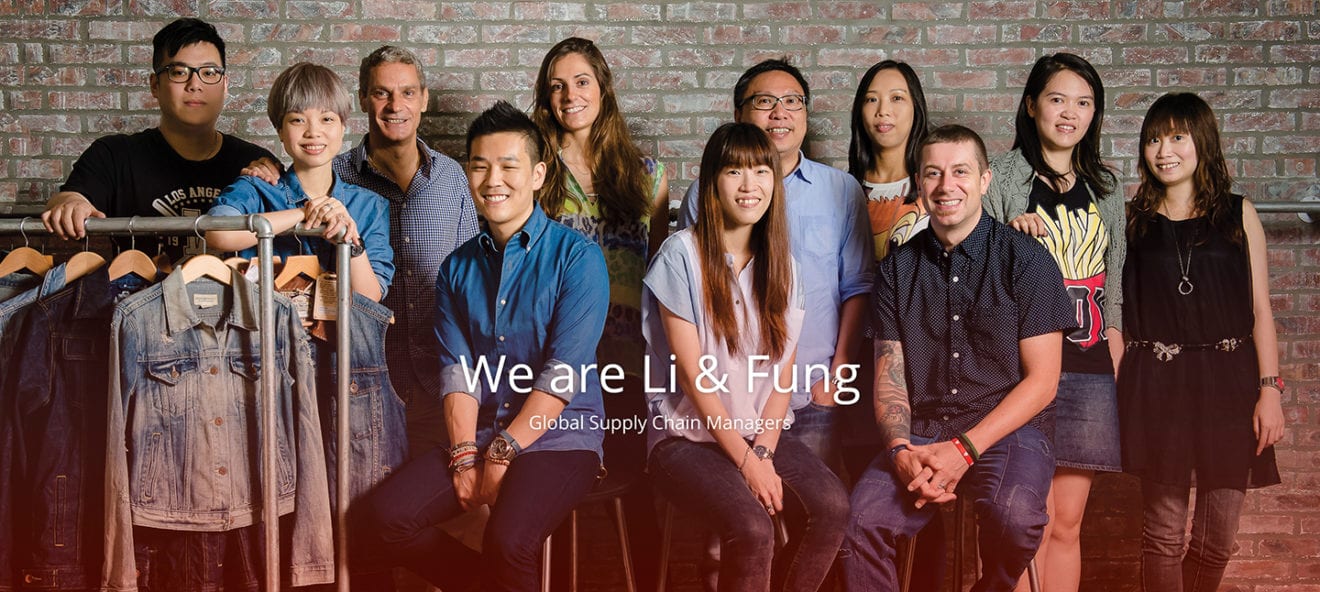
    Li & Fung Limited, the world’s leading supply chain solutions partner for brands and retailers, today announced its annual results for the year ended 31 December 2018.

    For the year under review, the Company was affected by the rapidly changing retail landscape, with record store closures and customer bankruptcies. Owing to the Company’s investments in a speed-enabled supply chain, its customers have been able to reduce their inventory levels, although this produced short-term negative impacts on the Company’s turnover. The ongoing US-China trade war had a minimal impact on Li & Fung’s business due to the company’s diversified sourcing network outside of China.

    On a like-for-like basis and excluding the impact of the strategic divestment of the three Product Verticals in April 2018, which triggered a one-off disposal loss of US$114 million, core operating profit (“COP”) of Continuing Operations decreased by 20% to US$285 million. This was largely due to decreases in turnover and total margin in the Supply Chain Solutions business, as well as continued investment in digitalization in line with the Company’s long-term strategic plan. Turnover decreased by 6.2% to US$12.7 billion, mainly due to customers’ ongoing destocking, customer turnover and bankruptcies. Total margin percentage improved by 0.4% to 10.6%, primarily a result of the increased contribution from the higher-margin Logistics business. Adjusted Profit Attributable to Shareholders decreased 15.9% to US$117 million, excluding gain on remeasurement of contingent consideration payable. Profit attributable to shareholders for Continuing Operations decreased by 26.2% to US$126 million. The Board of Directors has proposed a final dividend of 4 HK cents (2017: 2 HK cents). This brings the full-year total dividend to 7 HK cents per share.

    Spencer Fung, Group CEO of Li & Fung, said: “2018 was a demanding year and we’ve made a fundamental reorganization of our business in line with our Three-Year Plan to build the Supply Chain of the Future. We initiated a structural change with a new management team to focus on our core customers and operational excellence. This includes a new Group President, a new Chief Operating Officer and an entirely new Chief Digital Officer position. We have the right strategy, and now the right structure and people in place. With all three elements in place we have built the right foundation for the future. I am confident that we are on the right track.

    Mr Fung continued, “Group President, Joseph Phi, has a strong track record having organically grown LF Logistics over the past decade. In his new role, Joseph will focus on account management and business development. As a team, we are focused on driving greater productivity in our global production platform by truly leveraging the scale of Li & Fung for our customers, capitalizing on our clear leadership in 3D design, and accelerating the build-out of our end-to-end digital platform. These initiatives are already helping to strengthen relationships with core customers and to convert new customers.”

    The Logistics business continued to grow organically with double-digit increases. With strong demand for in-country logistics services, turnover and COP increased 10.2% and 14.6% to US$1.13 billion and US$86 million respectively. The growth of the Logistics business continued to be driven by strong growth momentum in China; e-logistics growth; accelerating growth in ASEAN across all services; and rapid expansion in the newer geographies of Japan, Korea and India. To further accelerate the pace of its growth, preparation is underway for the potential spin off and separate listing of LF Logistics to take place in 2019 depending on market conditions and other factors.

    In addition, 2018 was a turnaround year for the Onshore Wholesale business in the Americas, Europe and Asia with its turnover increasing by 7.4% to US$1.7 billion with recovery at major US customers and growth in the Asia onshore wholesale business. Furthermore, operating costs as a percentage of turnover improved by 80 basis points.

    Joseph Phi, Group President of Li & Fung, said: “The strong organic growth of LF Logistics is due to active engagement with our people and close collaboration with our customers. At Li & Fung, we are well positioned to integrate logistics with our traditional sourcing and supply chain solutions offering. This provides a faster and more digital supply chain, enabling us to cultivate closer and longer-lasting customer partnerships. We are pursuing market share gain and pipeline conversion as the twin drivers for our growth.”

    Group Chairman, William Fung added, “With ongoing trade uncertainties, we continue to help existing and new customers optimize their production across over 50 countries of export. This provides the best defense against fluctuations in trade policy and mitigates any negative impact from tariff increases. I am confident that our new leadership team and organizational structure will help us drive productivity, strengthen customer relationships and, in turn, grow market share.

  • TradeGecko launches Founder Plan giving commerce startups the technology superpowers to build amazing businesses

    TradeGecko launches Founder Plan giving commerce startups the technology superpowers to build amazing businesses

    TradeGecko, a leading technology company that provides cloud-based inventory and order management solutions for small and medium-sized businesses (SMBs), today launched its Founder Plan, expanding access to its powerful technology platform to early-stage commerce businesses. 

    The plan enables founders to integrate TradeGecko’s leading inventory and order management solution from the get-go, so that they can build their commerce businesses to scale quickly. This limits cumbersome and complex manual processes that may inhibit future growth, empowering entrepreneurs with the ability to level the playing field with bigger competitors. 

    Recent research by TradeGecko has shown that operational challenges are among the biggest headaches for commerce entrepreneurs. 31 percent of businesses under US$1 million still rely on spreadsheets for their inventory management, with another 24% using pen and paper and 19% not using anything at all. On average, 90 hours a month are spent on backend functions such as order and inventory management as well as product sourcing.

    From as little as US$39 per month, subscribers of the Founder Plan can access a fully automated system that consolidates operations management functions into one central location. This ensures that inventory levels, sales channels and accounting systems are always up-to-date and accurate. It also gives commerce businesses the power to add new sales channels, integrates with other business-critical functions and provides analytics to support decision-making.

    “At TradeGecko, no founder gets left behind. Our mission is to give founders the technology superpowers to compete in the global market. The Founder Plan is an accessible launchpad that enables entrepreneurs to scale, while ensuring they have the time and information they need to do what they do best – build amazing businesses,” said Cameron Priest, Co-Founder and CEO of TradeGecko. 

    The Founder Plan allows users to manage their total inventory starting with one eCommerce channel, integrated with accounting, manage sales orders and purchase orders, shipping and email support. It also gives access to TradeGecko Payments, TradeGecko Mobile App and TradeGecko Intelligence sales and inventory reports.

  • One in Three Entrepreneurs in APAC Rely on M&A

    One in Three Entrepreneurs in APAC Rely on M&A

    In Asia Pacific, one in three entrepreneur leverages on merger or acquisition as means to grow or expand their businesses, according to a recent report by BNP Paribas. A high proportion of entrepreneurs (33%) in the region rely on merger or acquisition to grow their businesses compared to their counterparts in Europe, GCC and USA, according to the 2019 BNP Paribas Global Entrepreneur Report.

    38 percent of Hong Kong business owners have undergone either a merger or acquisition in the past.

    Disruption and Development

    Over 50 percent of Indonesian entrepreneurs focus on contributing to growth of the local economy as their business goals in five years, while the entrepreneurial ambition in Taiwan is gravitated towards contributing to innovation and development in their chosen sectors. For Taiwan entrepreneurs, 38 percent are disruptors – their business goal is to permanently change the status quo with a new product or concept within five years.

    In India, it is for the next generation of their families to have meaningful careers.

    Use Of Credit Solutions

    Globally, 44 percent of elite entrepreneurs have used credit solutions to develop their business.  In Asia, 55 percent of entrepreneurs have sought to borrow to invest in their own businesses. This rises to six in every ten entrepreneurs in China, India and Indonesia.

    61 percent of Chinese entrepreneurs use credit or lending products to finance their business.  54 percent of Indonesian entrepreneurs have used structured products for credit or lending.

    Respondents

    The report is based on the responses of 2,763 Asian elite entrepreneurs handling a total net worth of USD16 billion, spanning 23 countries across Europe, Asia, the United States and the Middle East. It also unveils the different stages of maturity of their entrepreneurial journey, the impact on their private wealth and their need for family governance.

    Sampling of the Asia respondents include 830 elite entrepreneurs covering China, Hong Kong, India, Indonesia, Singapore and Taiwan. The average primary company revenue was $7.2 million.

  • Regulating Facebook could hinder small businesses

    Regulating Facebook could hinder small businesses

    Digital platforms provide a host of challenges for governments. Questions about how to best protect privacy, democracy, and speech online become more pressing every year.

    But policies that affect online platforms also affect international trade. Many Australian small businesses rely on digital platforms to stay on par with their international competitors.

    As Australia starts tackling the challenges wrought by digital platforms, policymakers should be careful not to undo the good things that stem from an evermore connected world. That includes the critical role of these platforms in helping retailers sell their products to overseas customers.

    Platforms facilitate exports

    As my new research with colleague Danielle Parks shows, digital platforms appear to significantly reduce the economic distance and trade costs between buyers and sellers.

    Take Facebook, for example. Facebook is both a social networking platform and digital market platform, where Facebook’s Marketplace helps business owners connect with potential customers.

    The social networking interface allows buyers and sellers to message each other and exchange information about what the seller has, and what the buyer wants. Meanwhile, Marketplace features like identity verification and buyer ratings help to facilitate connections more quickly, and with more trust, than might otherwise be possible.

    There isn’t a lot of large-scale data on cross-border e-commerce, so researchers must get creative to study digital platforms and trade. The findings are extraordinary.

    One study found that 97% of US-based eBay sellers export product to overseas buyers. Another found the “economic effect of distance” to be 65% smaller on eBay. In other words, the digital platform reduces the challenges of selling to people in other countries.

    Research conducted by PayPal showed that 79% of US small businesses on its platform sell to foreign markets. And PayPal merchants that exported, outperformed businesses in general. Interestingly, that finding held for coastal and non-coastal businesses, and for rural and urban businesses alike.

    In our new study, we surveyed Australian businesses on Facebook. We found that those with a Facebook presence were 63% more likely to export their products internationally than other businesses. The propensity to export was higher across all business sectors and nearly all company sizes.

    This emerging pattern shows how world markets are opening up to smaller businesses that might not otherwise be able to compete with their larger, multinational rivals. These findings can partly be attributed to export-prone firms being more likely than others to use digital platforms. But there is no question that the platforms can also enable trade.

    Most governments recognise the need to dismantle barriers to foreign market access, and any new policies regarding digital platforms should not make it harder for small and medium sized businesses to engage in trade.

    How regulation could hurt small businesses

    The Australian Competition and Consumer Commission (ACCC) is currently conducting an inquiry into digital platforms at the request of the treasurer.

    The ACCC’s preliminary report recognises how digital platforms have revolutionised the ways consumers and businesses communicate with one another. The report also highlights concerns over data privacy and the influence of bad actors producing and spreading misinformation.

    The final report, expected in June, will make policy recommendations that aim to address these concerns. But these policies could also inadvertently threaten the revenue streams of businesses that advertise on these platforms or that use them to facilitate online sales.

    Restrictions on the cross border flow of consumer information could interfere with everyday business practices. For example, a key advantage of e-commerce, especially for small businesses, is using search engine techniques to reach larger audiences, and target potential customers. So, search engine restrictions could limit the way businesses target customers with advertising, therefore limiting a business owner’s ability to reach customers abroad.

    Other regulations could restrict business owners from storing the personal information of customers – such as credit card information, consumer preferences and purchase history. That would then limit businesses in how they interact with customers at home and abroad.

    What’s happening at the moment

    Australia is not alone in considering these tough issues. The landscape of digital data flows, data privacy, and e-commerce is a work in progress for governments across the globe.

    The EU recently enacted data privacy regulation called the General Data Protection Regulation (GDPR), which is designed to:

    […] fundamentally reshape the way in which data is handled across every sector, from health care to banking and beyond.

    Meanwhile, the United States Congress will likely consider new internet privacy legislation this year.

    Provisions on digital data flows have been included in major recent international trade agreements. Both the United States-Mexico-Canada Agreement (USMCA) and the Trans Pacific Partnership (TPP) bar data localisation requirements. That means foreign companies would only be allowed to work in a country if they built out or leased separate data infrastructures in that country – a costly endeavour, especially for smaller businesses.

    On the other hand, USMCA and TPP do not allow participating countries to require that platforms disclose their source code or algorithms. These provisions do not necessarily preclude countries from adopting privacy protections, but they do make it easier for platforms like Facebook to operate without fear that they will be asked to handover important intellectual property.

    As the government considers the Australian Competition and Consumer Commission report, one thing should be clear: any policy changes should not overlook the role of these platforms in helping Australian small businesses sell goods to customers in the global marketplace.


  • Thailand franchise market ready for further growth

    Thailand franchise market ready for further growth

    Thailand franchise consultancy Gnosis Co expects a healthy market for franchises in the country.

    Gnosis MD Sethaphong Phadungpisuth said more than 50 chains from both local and international brands are exploring the market this year following measures to ease regulations on the part of the Business Development Department.

    “The Thailand franchise market will become more active this year. We expect the overall number of new franchise brands both from abroad and the domestic market that will open their franchise in Thailand this year to increase by 10 per cent to about 630 brands”, he said.

    According to Gnosis, some brands have chosen Thailand as a springboard to other Asean countries, in particular Myanmar and Laos.

    Among those diverse brands set to start operations in Thailand this year include Taco Bell, The Edge Learning Centre, and Singaporean hygiene and disinfection products firm Sureclean. Additionally the number of Taiwanese milk tea chains continues to increase in the territory.

    Franchise business in Thailand is estimated to be valued at THB250-300 billion (US$7.84 billion).

  • Victoria’s Secret parent to close stores as sales stagnate

    Victoria’s Secret parent to close stores as sales stagnate

    L Brands, the parent of Victoria’s Secret, saw its share price fall 8 per cent after releasing disappointing results and halving its dividend payout. The US-headquartered company is struggling to arrest declining revenue in its flagship lingerie network, where same-store sales fell 8 per cent in January, contributing to a 1 per cent drop in overall sales. Online sales, however, rose by 8 per cent.

    Overnight, subsequent to releasing its results, the company said it would close 53 stores in North America. Earlier this year it said it would reintroduce swimwear to its range after an absence of several years to increase foot traffic in stores.

    Net sales for the year to February 2 were US$13.237 billion compared to $12.632 billion for the 53 weeks ended February 3 last year. Adjusted to take account of the extra week, sales rose 3 per cent in the latest year.

    But after excluding significant one-off items, the company’s adjusted net income this year was $786.7 million compared to $919.5 million for the 53-week period last year.

    As a result of that decline, L Brands cut its quarterly dividend from 61 cents per share paid last year to just 30 cents.

    Analyst Randal Konik of Jefferies said L Brands’ banners “are not wanted anymore”.

    “Keep in mind that comps remain negative despite very high promos, which means true brand demand is even worse than reported as some consumers buy things when they are given away for free or marked down by more than 50-75 per cent,” he said.