Tag: Business

  • Vietnam franchise opportunities Booming

    Vietnam franchise opportunities Booming

    Fourteen international brands are seeking for Vietnam franchise partners.

    The brands will gather at VF Franchise Consulting headquarters in Ho Chi Minh City on July 9 to meet with prospective area or master franchisees for the market. The franchises are in the food-and-beverage sector, education, services, and come from the US, Taiwan, Thailand, Singapore, India and Japan.

    Of the 14 brands, 11 are in the retail space:

    * ACE International, a home-improvement franchise with more than 5200 stores in more than 60 countries.

    * Little Caesars Pizza, a takeaway pizza chain from the US.

    * Coldstone Creamery, a premium ice-cream chain from the US.

    * Mango Tree, a Thai casual-dining business from Thailand.

    * Mango Chili, a fast-casual Thai dining chain.

    * Cha Ji Tang, a Taiwanese fragrant hot-and-cold herbal/flower tea cafe.

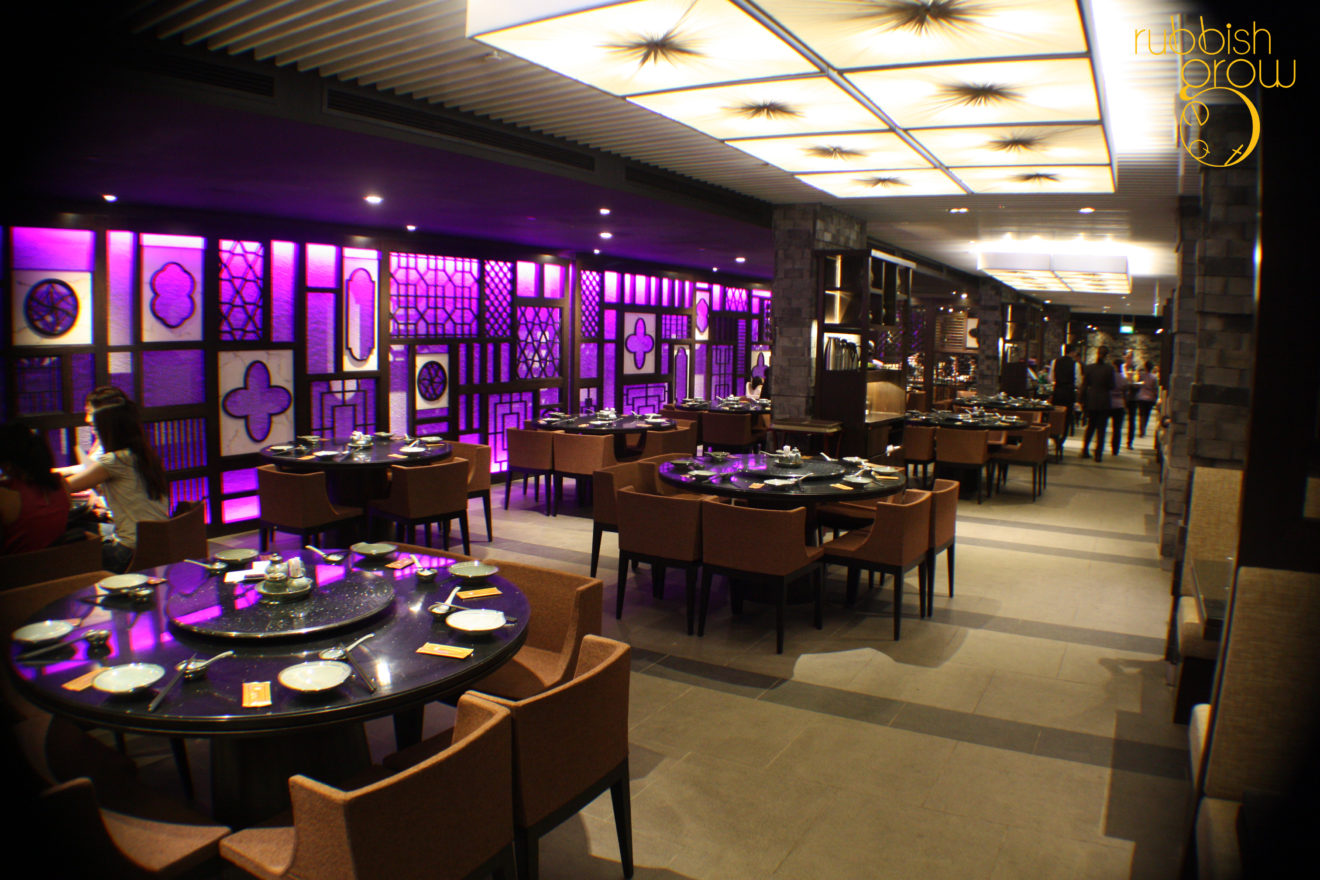
    * Yang Xiang Ting, a Taiwanese dim sum conveyor-belt restaurant concept.

    * Fidele, an American-inspired seafood, and pizza chain.

    * Bing Girl, a Taiwanese sweet dessert cafe.

    * Machida Shoten, a Japanese ramen chain.

    * Mennya Kokoro, a popular Japanese dry-ramen chain.

    According to Vietnam’s Ministry of Industry and Trade, there are already more than 200 foreign brands registered in Vietnam, and the number of international brands seeking to enter Vietnam continues to grow by 15–20 percent annually.

    “With nearly 95 million citizens, Vietnam has one of the fastest growth rates when it comes to franchising and licensing,” says Sean T Ngo, founder, and CEO of VF Franchise Consulting.

    “Franchises that do well are in the food-and-beverage, education, retail, and services sectors. Goldman Sachs predicts Vietnam will be the 20th largest economy in the world by the year 2050.”

    The leading Thai company, Mango Tree, will be seeking its first franchisee for its Vietnam branch.

    “Mango Tree is one of the world’s most innovative and best-known Thai culinary lifestyle brands, serving contemporary Thai cuisine from authentic classics to modern updates to old favorites, complemented by creative mixology, expertly curated music, and buzzing locations,” said Trevor MacKenzie, Mango Tree’s MD. The company has already expanded into Hong Kong and Macau.

    Taiwanese bubble-milk tea chain Cha Ji Tang already has stores in Taiwan and Vietnam, and is in discussions over outlets in the Philippines, Korea, and Japan.

    “We are very excited about introducing our successful F&B franchises (Cha Ji Tang, Bingirl, Yan Xiang Ting, and Fidele) to Vietnam,” said Andy Hsu, owner of Reng Feng Brands, the parent company of Cha Ji Tang.

    “Taiwanese food and drinks are very popular in many countries, and we believe many Vietnamese will appreciate and enjoy authentic cuisine from Taiwan.”

    The minimum investment levels for the 14 franchise brands range from US$300,000 to $3 million.

  • Aston Martin’s Biggest Investor Considers Acquiring Another Stake

    Aston Martin’s Biggest Investor Considers Acquiring Another Stake

    The biggest investor in Aston Martin is considering buying another 3% stake, offering to increase its holding after shares in the luxury carmaker crashed almost 50% since its listing nine months ago.

    Strategic European Investment Group, part of the Italian private equity group Investindustrial, owns 31% of Aston Martin. It only wants to buy a maximum 3% stake but has to make an offer to all shareholders due to its already large holding.

    It has secured agreements from existing shareholders such as a group of Kuwait-based investors to back the move.

    It is offering to pay 10 pounds ($12.68) per share, the price at which the shares closed on Friday. It must make a decision by July 29.

    Aston Martin has struggled since it listed in October last year. Its shares fell on the opening day and are now down 47 percent. The company’s recent results have been hit by a need to invest more in its manufacturing plants and expand its vehicle offering, leading to higher costs.

  • Smart Ways to Start a Small Restaurant Business

    Smart Ways to Start a Small Restaurant Business

    Going into the restaurant business can be touch-and-go, since the restaurant industry can be quite volatile, especially for new ventures. That’s why it is essential to go into the restaurant business with clarity and purpose. Mistakes can cost money, so you want to ensure that you are fully prepared, financially capable, and in the know about the ins and outs of being a restaurant owner before you begin.

    Restaurants are daily staples for many consumers. People go out to eat a lot, and it makes sense that high quality, popular restaurant would be an entrepreneur’s dream. Only without prior knowledge and expertise, things can go awry quickly. Below are some excellent tips on making sure that your restaurant journey will go smoothly and as planned.

    Have a Business Plan

    Before you start your own restaurant, it is essential that you and your partners devise a business plan. You can usually get free help on your business plan from your local Small Business Administration or from your local Chamber of Commerce.

    Business plans need to be meticulously written with all of the components for business success in mind. Your plan should not be any whimsical document.

    Components of a good business plan includes a breakdown of the foods you’ll serve, your day-to-day operations, your potential customer base in the area, market analysis as well as competitor analysis, your start-up and marketing costs, your current operating capital, expense reports, your quarterly revenue projections needed to keep the restaurant running, and so forth.

    Without a solid business plan, you can expect failure. Again, contact your local Small Business Administration or Chamber of Commerce to assist you in devising a proper plan. Proper planning also means reaching out to companies who you will most likely have to pay to conduct market analysis, for instance, so be sure to factor these expenses into your overall budget.

    Concept and Competition

    As mentioned previously, people like to go out to eat. That’s why there are restaurants on every corner and nearly everywhere we look. Before you start a restaurant business, be sure to consider the competition in your area and the concepts they are using and the value they deliver. What are you going to do differently.

    Usually, this requires that you come up with a clear vision, a value statement, and a mission. Your vision is what you want your restaurant to become. Your value statement tells you and your customers what type of value you will bring to them and your community. Your mission is your daily goals to meet this value and your overall vision. It’s very important you put time into determining these components for yourself and your restaurant.

    Once you figure out what your mission, vision, and value will be, you will and a theme for your restaurant. Brand and theme should accent vision, mission, and value. They will go hand-in-hand and should be transparent to the customer, who should be able to see your intent based on day-to-day operations and the quality of your service. Coming up with brand and theme can require serious thought. Again, seek out professional advice and the advice of partners when in doubt.

    Menu Selection

    Along with your concept and your brand, the foods you select for your menu should mirror your intentions and your theme. For instance, if you decide to start a fast-food restaurant, the food you choose should be able to be prepared fast and convenient. If your goal is to provide fine dining and elegance, the food preparation can take longer, but the taste and experience should be part of the value you offer.

    As you’re coming up with your business plan, vision, and theme, start to think of the best foods you could serve, your own capabilities as a restaurateur and chef, and what is within your comfort zone and financial means. You wouldn’t want to start a five-star restaurant if you aren’t competent at cooking gourmet food and only have a shoestring budget. Think within your means and your capabilities.

    Also consider your restaurant’s location, your potential customers, and how your menu will impact your business plan. Some types of food do better in certain locations, while others do not. You wouldn’t want to open up a restaurant that won’t do well financially in a particular area, even if that is your passion. Analyze your competitors in the area, and find what works.

    Investing In Your Restaurant

    Once you feel like you’re ready to proceed with opening your own restaurant, you’ll want to ensure that you have the funds to do so. Many entrepreneurs believe in OPM or “other people’s money,” and they’ll reach out to investors to secure start-up capital. This is always a personal decision, as some people do quite well as borrowing money, while others would rather save up their own money before venturing into entrepreneurship.

    Either way, you’ll need to look at your business plan to ensure that you have the right amount of start-up capital before you begin. Many businesses don’t turn a profit until their third year, so it’s always wise to have at least enough capital to maintain operations for three years. This should include the cost of the lease, equipment and employee costs, food costs, and maintenance costs. Again, you’ll need to make sure your business plan is solid so that you don’t feel financially short before the business is given time to turn a profit.

    Finding Suppliers

    For food, you’ll need to find local suppliers who can deliver directly to your restaurant. For most of your equipment needs, you can order directly to find the best prices. Equipment can include anything for your kitchen, from ovens to tables and chairs to dinnerware. When selecting dinnerware, Macy Hooper from VEGA Direct https://www.vegadirect.ca/) suggests choosing a stylish set that is also durable. Durability is important for budgeting purposes, as you’ll have to purchase new dinnerware less often when you choose long-lasting dinnerware at the beginning. This is important when choosing other suppliers as well, as you’ll want to make sure any equipment you purchase will last and cut down on future replacement costs. Always make sure you research suppliers for the best possible deals and equipment.

    Find Your Location

    There is a lot of synergy to the process, as components of your business plan may hinge on your concept and theme, and vice versa. The location you choose is no different. You may not know how to plan for your restaurant until you’re sure of its future location, so scouting a good location may be necessary at the beginning of the process. Honestly, you may want to start a restaurant only because you found a location that sparked your interest in opening an eatery.

    Once you do find a great location for your restaurant, be sure to discuss your lease and other information with the owner. Of course, this information will need to go into your business plan. Also, you’ll need to check with your local government agencies to make sure you obtain the right licenses and permits for your restaurant.

    Be sure to pick a location that is in a great area, visible from the road, and preferably convenient to business locations so that you’ll always have a steady lunch crowd. Make sure that there is plenty of parking, that the building meets your standards, and that it provides the right atmosphere for your concept and theme.

    Hiring Employees

    Hiring employees is no easy task, so make sure you account for this information in your business plan. You’ll most likely need a head chef, a cashier, a floor manager, wait staff, and a dishwasher. Some restaurants can get by with only a few people doing multiple jobs, while others will require numerous employees. However, take into consideration that some states require certain licenses for food employees, so be prepared to invest in your new hires by offering training through programs like 360’s food handler training course.

    Advertising and Opening

    You’ll want to advertise your restaurant in the local yellow pages, on nearby billboards, through flyers and mailers, and digitally on the web. Your advertising budget should be accounted for in your business plan. You may also want to consult an advertising firm.

    Most restaurants will have a soft opening to make sure things are running smoothly. Soft openings give restaurants time to work out the kinks and increase efficiency. Once you feel like everything is going well and you’re ready to open full-time, you’ll want to announce your grand opening. The Chamber of Commerce and other business organizations can assist with grand openings and publicity. It’s also suggested you offer coupons and other discounts for your grand opening to get more people in the door.


  • Grocery e-commerce startup Kurly raises Millions

    Grocery e-commerce startup Kurly raises Millions

    Korean grocery delivery service Kurly has closed an upsized Series D round that hit US$113 million.

    The round was announced last April at $88 million, but has since attracted an additional $25 million funding from China’s Hillhouse Capital.

    Kurly delivers all orders placed by 11 pm before 7 am the following morning, prioritising convenience over cost savings and focusing closely on self-branded produce and groceries. This distinguishes its service from competing retail giant Coupang’s moves in the sector, which uses a marketplace platform to connect retailers and consumers.

    “The latest round of investment is a major endorsement of the progress we’ve made differentiating ourselves in the market through our cold-chain fulfillment infrastructure and unique offering of premium, curated products,” said company founder Sophie Kim. “Our focus is on further strengthening our relationships with our suppliers, developing our fulfillment infrastructure and continually improving our customer experience.”

    Kurly’s revenue tripled year-on-year to hit $131 million last year, although the firm did not release its profit-and-loss figures.

    Hillhouse Capital has offices in Hong Kong, Beijing, Singapore and New York. It focuses on investments in Asia.

  • Philippines, Vietnam lead FMCG sales growth in Asia

    Philippines, Vietnam lead FMCG sales growth in Asia

    The Philippines and Vietnam led Southeast Asian FMCG sales growth last year, according to a report by market research company Nielsen.

    In What’s Next for Southeast Asia, Nielsen reported that Vietnam’s FMCG sales growth reached 5.2 per cent, second in Southeast Asia behind the Philippines’ 8.7 per cent.

    Global FMCG sales growth was only 3.4 per cent, but Asian markets benefited from buoyant economic factors and strong consumer confidence.

    In Vietnam, consumers are making more frequent shopping trips for everyday needs, with Nielsen’s data showing the average shopper visited a convenience store 4.5 times per month last year – that’s three times the frequency of 2010.

    “We’ve been seeing solid growth in the convenience and mini-market channels across Southeast Asia for some time now, but over the past year or so that growth has really hit fever pitch,” said Vaughan Ryan, Nielsen’s MD Southeast Asia.

    “Consumers throughout the region are living increasingly fast-paced lives, and this lifestyle shift is driving increasing demand for on-the-go offerings.”

    Vietnam’s local retailers are taking advantage of the trend. Vingroup has launched the first virtual store chain in the country, which allows users to shop by scanning QR codes on large banners in public areas as well as printed catalogues.

    Subsidiary VinCommerce, which owns the VinMart+ convenience store chain, recently acquired a rival c-store chain Shop&Go,which it plans to convert to its own banner. Vietnam retail is forecast to record double-digit growth from this year to 2024.

  • HSBC Plans To Scale Up SME Business in Singapore

    HSBC Plans To Scale Up SME Business in Singapore

    HSBC, which has been present in Singapore since 1877, said it intends to increase its share in its target small-medium-enterprise (SME) market from the current 10 percent to 15 percent by 2021. HSBC classifies SME clients as those with a turnover of $5-$100 million.

    At a high level, we see Singapore as a de facto financial capital for Southeast Asia (ASEAN), as well as an attractive destination for our customers around the world,» said Alex Turner, managing director and head of commercial banking in HSBC.

    To support the growth in SME lending, the bank increased its headcount in business banking by 30 last year. As the SME lending space is highly competitive, HSBC country head of business banking Ng Li Lian said that the bank will tap on its advantages, such as having a dedicated relationship manager for each SME client.

    It also launched the Pioneer program in August last year to target fast-growing SMEs with minimum topline growth of 15 percent, especially those who wish to internationalize. Besides access to skills and capabilities, this 12-month program lets SME leaders have conversations with different teams within HSBC, such as speaking with its alternative finance team on how to raise capital other than through debt.

    For ASEAN to benefit from a wide-scale migration of supply chains into the region, the countries need to first improve on technology, capacity, and regional integration said HSBC Singapore CEO Tony Cripps.

    There has been a widespread sentiment that the supply chains of businesses are starting to shift to Southeast Asia (SEA) en masse, on the back of the trade war and the region’s vitality, but there has been little evidence of that happening, wrote Cripps in a report.

    ASEAN needs to build more visibility and credibility amongst international firms, particularly in their ability to handle and deliver production orders, he added.

  • Kiwis invest Money into Ethical Fashion Brand

    Kiwis invest Money into Ethical Fashion Brand

    With 14 days left to hit their minimum target, New Zealand-based ethical fashion brand Little Yellow Bird announced it has raised over $151,563 in its equity crowdfunding campaign.

    The Wellington-based company is offering Kiwis the chance to invest in the company for as little as $500 to scale its impact, grow the product range and make ethical fashion mainstream. The company also plans to expand internationally.

    Little Yellow Bird hopes to raise a minimum of $750,000 with its equity crowdfunding campaign on PledgeMe as it aims to become New Zealand’s first community-owned ethical fashion brand.

    “We are expanding, and we want to scale our voice and impact,” said Samantha Jones, Little Yellow Bird founder.

    Jones said the best way to do this was by having a community of values-aligned investors.

    Little Yellow Bird uses 100 per cent organic, rain-fed cotton and non-toxic dyes and follows a zero waste policy in its factories, saving millions of litres of water each year.

    With the fashion industry named as one of the biggest contributors to climate change across the world, producing about 10 per cent of greenhouse gas emissions, Yellowbird said it is “absolutely committed to ethical manufacturing.”

    “We track every single item of clothing from source to sale, and we ensure we have transparency across the entire supply chain for our products.”

  • Jaguar Land Rover Sales Decline Last Month

    Jaguar Land Rover Sales Decline Last Month

    UK-based auto giant Jaguar Land Rover (JLR) has posted a decline of 13.3 percent in sales for April 2019. The Tata Motors-owned automaker sold 39,185 units last month, a sharp decline in year-on-year volumes when compared to April 2018. The carmaker attributed to the weak demand for its vehicles largely due to the subdued market conditions in China. JLR, did, however, stated that sales of the new Jaguar I-Pace electric SUV and the new generation Range Rover Evoque continued to be encouraging during this period. Markets like the US and the UK also showed impressive growth last month.

    Felix Brautigam, Jaguar Land Rover Chief Commercial Officer, said, “Although this was a tough month for us due to continuing pressures in China, we are delighted to see good growth in the UK and the US. Once again we strongly outperformed the UK market and the US marked its best-ever April sales. This reflects the strength of our brands and continued demand for our unique and evolving product line-up. This month was a historic milestone for Jaguar, with the all-electric Jaguar I-PACE winning an extraordinary hat trick of awards – the 2019 World Car of the Year, World Car Design of the Year and World Green Car – which no car has ever done before.”

    He further added, “This is in addition to scooping the European Car of the Year and the China Green Car of the Year 2019 trophies, to name just a few of the accolades for the I-Pace. We continue to be encouraged by the market response to this incredible vehicle.”

    Retail sales increased in the UK by 12.1 percent, while in North America were raised by 9.6 percent. However, sales in China saw a dramatic drop of 45.7 percent. Sales in overseas markets also slowed down by 22.3 percent with retails in Europe down by 5.5 percent.  Jaguar retail sales in April 2019 stood at  11,462 units, a drop of 13.7 percent year-on-year, while Land Rover sold 27,723 units last month, a drop of 13.1 percent over the same period last year.

    Between January and April 2019, Jaguar Land Rover’s total retail sales stood at 198,101 units, down by 9.1 percent compared to the same period last year.

  • Little Dip in Hong Kong Retail Sales Last Month

    Little Dip in Hong Kong Retail Sales Last Month

    Hong Kong retail sales in March slipped by a negligible 0.2 percent, a slower decline than the 1.6 percent of January and February combined.

    But figures from the Census and Statistics Department show first-quarter retail sales were still down 1.2 percent year on year.

    After netting out the effect of price changes over the same period, the provisional estimate of the volume of retail sales in March decreased by 0.8 percent compared with a year earlier, and for the first quarter by 1.6 per cent.

    March’s decline was driven largely by the watches, jewelry and valuable gifts sector, which fell by 2.6 percent, and apparel, down by 2.3 percent. Sales of electronic goods fell by 15.6 per cent, of optical shops by 5.7 per cent and of books and stationery by 2.5 percent.

    Conversely, sales by supermarkets increased 3.3 percent, of medicines and cosmetics by 2.5 percent, in department stores by 5 percent, and of food, liquor and tobacco by 3.6 per cent.

    Footwear and accessories sales rose by 7.1 percent, furniture by 4.3 percent and Chinese drugs and herbs by 1 percent.

    A government spokesman said the decline in Hong Kong retail sales in March “reflected the cautious consumption sentiment amid various external uncertainties”.

    He said that looking forward, retail sales business will likely continue to be affected by various external uncertainties in the near term, but the largely stable labor market and the sustained growth in inbound tourism should provide some support.

  • Honestbee Shutting Down in Several Countries

    Honestbee Shutting Down in Several Countries

    Singapore grocery-picking startup puts a positive spin on its predicament as it seeks investors.

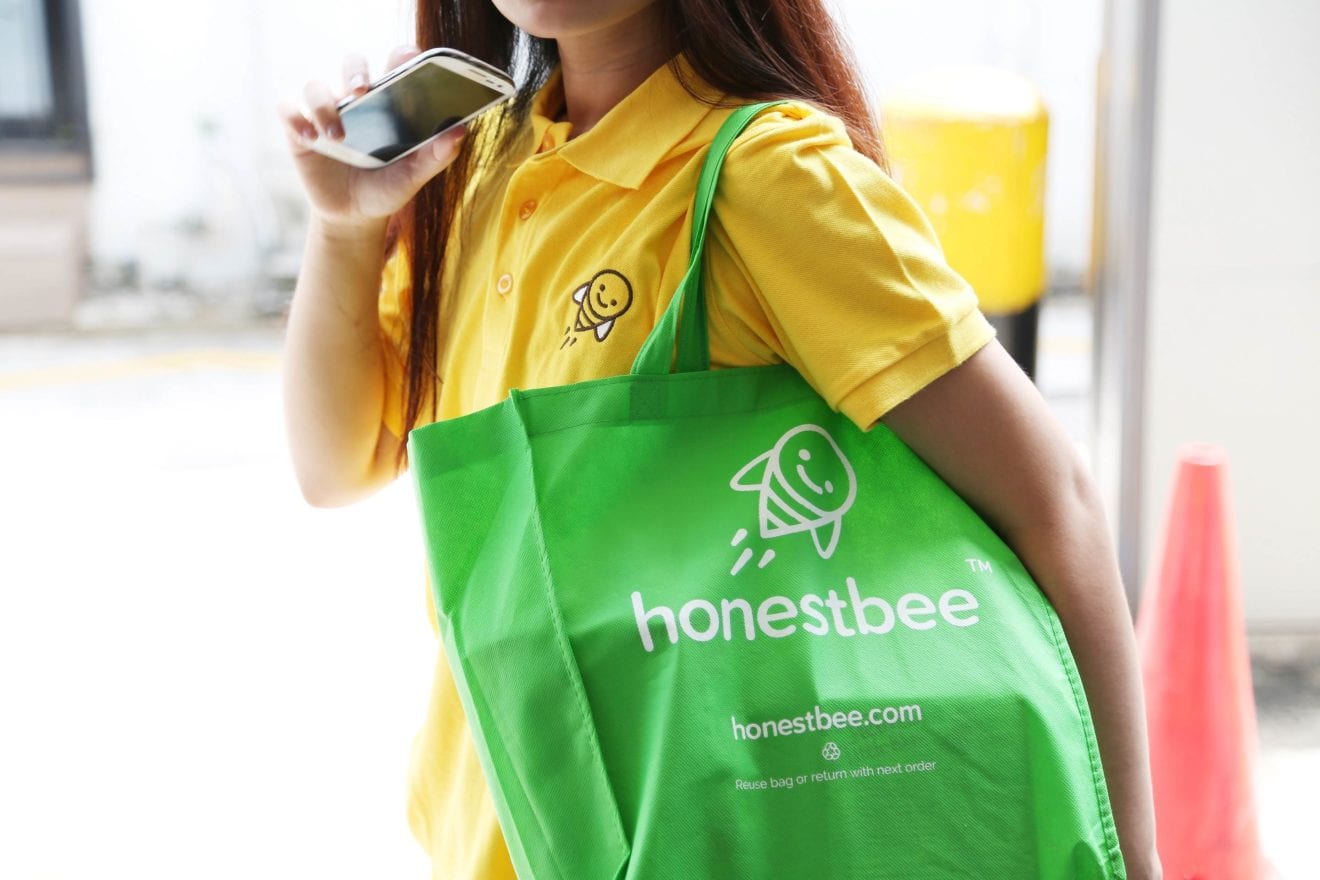
    Honestbee has shut down or suspended operations in five countries as it seeks funding to continue to trade in its core markets, including home base Singapore.

    As previously reported by Inside Retail Asia, Honestbee has suspended operations in Hong Kong and Thailand. Yesterday, the company clarified that it had “halted services” in Indonesia and Hong Kong and its food vertical in Thailand. Services in Japan and the Philippines have been suspended.

    The grocery-delivery startup founded in 2015 has run out of cash but is putting a positive spin on its predicament.

    “Over the past four years, we have demonstrated commitment to our staff, partners and customers, and continue to innovate and improve our business to stay relevant in today’s rapidly-changing business environment,” the company said in a statement.

    “The launch of Habitat by Honestbee in Singapore last October marks the next phase in our evolution as a food company.”

    Honestbee said 10 per cent of its staff had been laid off. It did not refer to the number of resignations over recent months, which have included senior management, such as the head of the Philippines operation. One media outlet reported that between 50 and 70 staff had voluntarily resigned.

    The company said the curtailment of operations in five markets was necessary “to help us focus and align our regional business, and more importantly, to enable us to better meet our customers’ needs”.

    “The status of Honestbee’s business in the remaining markets stands unchanged.”

    Honestbee said media reports regarding a delay in employees being paid were untrue.

    “We will ensure that all employees across all markets, including Singapore, are paid in a timely manner. In addition, we are also committed to fulfilling our financial obligations to all Bees (store pickers), partners and vendors.”

    Meanwhile, the hunt for new investors continues. According to DealStreetAsia, Grab has been approached, but declined to be involved, as it is a shareholder in Honestbee’s rival HappyFresh.

  • Trump Again Goes After India

    Trump Again Goes After India

    President Donald Trump has criticised India’s “big tariffs” on American paper products and the iconic Harley-Davidson bikes, saying the US has been losing billions of dollars to countries like India, China and Japan. Addressing a Republican political rally in Wisconsin state’s Green Bay city on Sunday, Trump alleged that every country has been ripping off America for years.

    The President has repeatedly claimed that India is a “tariff king” and imposes “tremendously high” tariffs on American products. “For so many decades we’ve been losing tens of billions of dollars to China and Japan, and India, and name any country and we lost, but we’re not losing anymore,” he said to his cheering supporters. He said that the US was being charged high tariffs on foreign paper products.

    “We charge other countries zero tariffs on foreign paper products, but when Wisconsin paper companies export it abroad… China charged us big tariffs, India charged us big tariffs, Vietnam charge us massive tariffs,” Trump said. He claimed that people of the US demanded a government that puts America first. “And we’re doing that with China, we’re doing that with India, we’re doing that with Japan, we’re doing it with a great new trade deal, that hopefully will get approved in the house,” the President said.

    Early this year at a White House event to announce his support for reciprocal tax, Trump had said that he was satisfied with the Indian decision to reduce the import tariff on high-end Harley-Davidson motorcycles from 100 per cent to 50 per cent. The President said that he called up Prime Minister Narendra Modi on the issue of tariffs on Harley-Davidson motorcycles. “Look at Harley-Davidson. I met with them three years ago, they would tell me tough to do business in certain kind. I asked ‘How you’re doing in India?’ and they said, ‘Oh, we don’t do any business’. They weren’t even complaining because so many years.

    “So India charged a 100 per cent tariff on Harley-Davidson, but when they send their motorcycles and they may come to us, we charge them nothing,” Trump said. “So I called up Prime Minister Modi, I said unfair, he cut it 50 per cent… But that’s not good enough because look, it’s 50 per cent to nothing. And what we’re doing is changing all of that stuff, changing all of that rapidly,” he added.

    India is pressing for exemption from the high duty imposed by the US on certain steel and aluminium products, resumption of export benefits to certain domestic products under the Generalised System of Preferences (GSP) programme, greater market access for its products from agriculture, automobile, automobile components and engineering sectors.

    On the other hand, the US is demanding greater market access through a cut in import duties for its agriculture goods, dairy products, medical devices, IT and communication items. India has stated that it would be difficult for them to cut duties on IT products.

    India’s exports to the US in 2017-18 stood at USD 47.9 billion, while imports were USD 26.7 billion. The trade balance is in favour of India.

  • Airasia keen to buy digital platforms to boost digital business

    Airasia keen to buy digital platforms to boost digital business

    Airasia Group Bhd is keen to acquire digital platforms abroad to boost its digital business segment.

    AirAsia Group chief executive officer Tan Sri Tony Fernandes said: “For sure…some will be M&A (merger and acquisition), some will be joint-ventures.”

    Asked which country the group was eyeing, he said: “Wait and see.”

    Fernandes was speaking to reporters after launching a brand new rooftop at AirAsia RedQ here, tonight. Also present was AirAsia executive chairman Datuk Kamarudin Meranun.

    Going forward, Fernandes said digital business would become a large part of the group’s revenue.

    “But I don’t want to make any prediction but many years ago I said ancillary income will be a big part of our business, and it became 25 percent. I believe digital will be much bigger,” he added.

    Commenting on the new rooftop, Fernandes said the idea was to drive integration between the staff from different departments toward an exciting digital future.

    “Digital is more about department working closely together. We are on a very exciting journey turning Airasia into more than just an airline,” he added.

  • Mercedes-AMG Cars Will Be Electrified From 2021

    Mercedes-AMG Cars Will Be Electrified From 2021

    Electric performance car is not an alien concept anymore. In fact, prominent carmakers like Automobili Pininfarina and Rimac are into the business of making only electric supercars. Electric Mobility is also believed to be the future of automobiles and this stands true even when we talk about performance cars. Mercedes is also thinking in this direction and has said that all its AMG cars will be electrified 2021 onwards.

    According to news reports, Tobias Moers, Head – Mercedes-AMG said that Mercedes-AMG models will be using an electrified V8 drivetrain in the future. The 4.0-litre V8 engine which powers a range of Mercedes-AMG cars will be coupled with a 48-volt electric motor which has been developed indigenously by the team. Initially, Mercedes was planning to use the new powertrain in the 63 engine only in the GLE and GLS SUVs. However, it will play a major role in the future as from 2021 all AMG cars will be launched with an electrified powertrain. Mercedes also believes that the share of electrified powertrains will be higher in the performance segments in 2025.

    We already know that AMG is also working on a high-performance hybrid system for its upcoming hypercar. The Mercedes-AMG One hypercar will use an electric motor driving its front wheels just like the AMG GT four-door concept. Moers also said that the setup will be offered in the 65 series AMG models and will replace the 6.0-litre V12 engine. However, the 2.0-litre, four-cylinder, turbocharged AMG engine won’t be converted into a hybrid system.

  • Stripe readies local merchants selling to Europe fornew payment regulation

    Stripe readies local merchants selling to Europe fornew payment regulation

    Today payments infrastructure company Stripe announced a series of updates to its product stack for businesses operating in Europe, and acquired a Dublin-based tech company called Touchtech Payments.

    Strong Customer Authentication (SCA) is coming

    On September 14, 2019, SCA will come into force in Europe, radically changing the way people buy and sell online. More than 300 million European consumers will need to confirm their identity for the majority of their online purchases, using two of the following: something they know (e.g., a password), possess (e.g., a phone), or are (e.g., their fingerprint).

    Hundreds of thousands of online merchants in Europe —from retailers, to ridesharing companies, to crowdfunding services— will have to upgrade their payments set-up to prepare for the upcoming regulation. If they don’t, their transactions will be declined outright. When similar regulation was enforced in India in 2014, some businesses reported an overnight conversion drop of over 25%, due to the extra step in the payments experience. And while European regulators created a number of SCA exemptions for low-risk transactions (e.g., low value transactions, white-listing by end customers…), most merchants will simply not be able to leverage them on their own.

    “SCA is a ticking time bomb for the European payments industry. Merchants must deal with a complex set of changes to the payment flow that can have a disruptive impact on the customer experience. Yet, awareness among merchants is low”, said Ron van Wezel, Senior analyst at Aite Group. “Payment service providers are at a turning point. SCA is simply too complex for any merchant to manage on its own, including for large online businesses. Payments providers who can abstract away SCA complexity will have a significant advantage over their competitors.”

    New Stripe products to make SCA as seamless as possible for online businesses

    Today, Stripe is announcing new products and updates to help merchants implement the best SCA-ready authentication methods to their checkout page and dynamically trigger SCA when required:

    • The Payment Intents API: a new dynamic payments API that lets businesses design their own SCA-ready payment forms, and accept the best authentication methods (e.g. 3D Secure 2, Apple Pay, Google Pay) through a single integration.
    • Checkout: a pre-built payments page optimized for SCA, that merchants can integrate with just a few lines of code.
    • Billing: a suite of tools for subscription businesses, that identify which charges require SCA and send customizable emails to subscribers when additional authentication is needed.
    • Dynamic support for SCA exemptions on low-risk transactions (e.g., whitelisting, recurring transactions, low amount): behind the scenes, Stripe dynamically scans every transaction to trigger SCA only when required, protecting both users’ safety and merchants’ revenue.

    Stripe’s products are built with an uncertain future in mind. When new authentication requirements arise in Europe and elsewhere, Stripe will update its logic to protect merchants’ revenue against all odds, with few to no changes needed to their integration. To help merchants navigate the complexity of SCA, in addition to the new and updated integration products, Stripe is launching SCA guidesSCA-ready payments flow designs, SCA-ready API documentation, and SCA webinars, all of which can be found on the new SCA web page.

    An acquisition – Touchtech Payments – to accelerate SCA readiness for financial institutions

    Stripe also announced it has acquired Dublin-based Touchtech Payments—a software company that provides advanced SCA-ready authentication technology for some of Europe’s leading fintechs and challenger banks, like N26, Transferwise, and many others. By providing advanced authentication technology for credit card issuers, Touchtech Payments helps them offer better payments experiences for their customers, without having to choose between security and user experience.

    “On the modern internet, payments should be everything you’d expect: easy, secure, and fully compliant with the latest regulations. Unfortunately, these three attributes are often at odds with one another, making it nearly impossible for an individual business to keep pace with regulatory changes and build a great payments product experience for their customers,” said Will Gaybrick, Stripe’s Chief Product Officer. “Touchtech adds yet another layer to the economic infrastructure Stripe is building for the internet, which is designed to help businesses comply not only with SCA but also with the entire next generation of regional payment regulations.”

    As part of Stripe, Touchtech will continue to grow its products, working from Dublin.

  • Cebu Pacific income dives in 2018

    Cebu Pacific income dives in 2018

    Cebu Air reported its net income plunged 50.6% to P3.9 billion in 2018, from P7.9 billion in the previous year, due to the “challenging macro environment.”

    In a statement over the weekend, the operator of Cebu Pacific noted the high fuel prices, volatile Philippine peso, rising interest rates, increased competition, six-month closure of Boracay, and operational limitations of key airports as factors that affected its bottomline last year.

    Airlines around the world took a hit from rising jet fuel prices last year, which only started going down in the fourth quarter, based on data from the International Air Transport Association (IATA). The average price of jet fuel during the nine-month period was at $85.37 per barrel, 36% up from $62.89 per barrel in the same period in 2017.

    Adding to Cebu Air’s problem is the weakening of the Philippine peso, which recorded an average of P52.66 per dollar in 2018, a steep decline from the P50.40-per-dollar it recorded in 2017.

    But despite the slump in its net income, Cebu Air said its revenue grew by 9% to P74.1 billion in 2018, driven mostly by its cargo business which posted a 19% growth. Passenger revenue was also up 9% to P54.3 billion in 2018.

    “Despite the pressures posed in 2018, we remained resilient. We were able to expand our network by upgauging our flights touching congested airports,” Cebu Pacific Chief Operations Officer Michael Ivan S. Shau was quoted as saying.

    In aviation, “upgauging” is a strategy used by airlines to increase capacity by replacing smaller planes with larger ones.

    Cebu Pacific said it ferried 20.3 million passengers last year, 2.7% higher than the previous year.

    The budget carrier said it is hopeful it will bounce back in 2019 with the acquisition of fuel-efficient planes and opening of new routes.

    “We will continue to pursue our fleet upgauging strategy and invest in the latest aircraft technologies, as well as develop secondary hubs like Cebu and Clark. We will also continue to grow our cargo business with the incoming ATR freighters as well as continue our digital transformation for us to be more agile and adaptable to changing customer expectations,” Mr. Shau said in the statement.