Retail News CRM

Tag: Business

  • UOB Invests in Thai Fintech

    UOB Invests in Thai Fintech

    The funds will be invested into the Stellar Network, the blockchain technology underlying Lightnet’s platform, as well as to build a «next-generation financial mobility network.»

    Bangkok-based fintech Lightnet has raised $31.2 million in a Series A funding round led by UOB Venture Management, the private equity unit of UOB, the firm announced in a statement on Friday.

    Other backers include Seven Bank, Uni-President Asset Holdings, HashKey Capital, Hopeshine Ventures, Signum Capital, Du Capital and Hanwha Investment and Securities.

    According to its website, the company aims to disrupt the global remittance market by using smart contracts and distributed ledgers to replace the SWIFT system and underground banking. It is currently focusing on the millions of unbanked migrant workers in Southeast Asia, which rely on costly, slow, and fragmented services for cross-border remittances.

    Lightnet was co-founded by Chatchaval Jiaravanon – a family member of the Charoen Pokphand Group in Thailand – and tech entrepreneur and former investment banker Tridbodi Arunanondchai.

    «We project that within three years, Lightnet will facilitate over $50 billion worth of annual transactions through our industry-leading partner network,» Arunanondchai said.

  • Number of new businesses, registered capital highest ever

    Number of new businesses, registered capital highest ever

    138,100 businesses were established in Vietnam this year, the highest ever, with the government’s initiative to increase the quantity and quality of enterprises bearing fruit.

    In terms of volume, the figure was up 5.2 percent year-on-year, while their registered capital also climbed a new high at over VND1,730 trillion ($75.1 billion), up 17.1 percent year-on-year, according to the General Statistics Office.

    This meant the average registered capital was VND12.5 billion ($542,000) per business.

    An additional 39,400 businesses resumed operations this year, up 15.9 percent from last year. But the year also saw 43,700 businesses filing for dissolution, up 41.7 percent year-on-year.

    The surge in the business numbers and registered capital is happening as the government seeks to improve its administrative policies to support enterprises as part of a plan to have the private sector spearhead economic growth.

    Prime Minister Nguyen Xuan Phuc said at a meeting with business leaders on December 23 that the large number of businesses dissolving each year, including big ones, was a matter of concern.

    Government agencies have been making proposals in this regard. In July, the Ministry of Finance proposed to the National Assembly that it considers scrapping corporate income tax on micro and small enterprises.

    There are about 760,000 businesses operating in the country. Vietnam targets taking this up to 1 million next year.

    Vietnam’s GDP growth of 7.02 percent in 2019 exceeded the parliament’s target of 6.6-6.8 percent as well as forecasts by several international organizations like the WB and the ADB. It had slowed from a record 7.08 percent in 2018, but remained the second highest growth figure in the last decade.

  • South Korea’s E-Land Group completes US shoe business exit

    South Korea’s E-Land Group completes US shoe business exit

    South Korean conglomerate E-Land Group is pulling its OTZ Shoes brand from the US market, six years after buying it.

    E-land Group, through its subsidiary E-Land USA Holdings, bought the California-based OTZ Shoes at US$8.5 million in 2013. But now, the conglomerate has decided to withdraw the brand from the country and develop it in South Korea instead, completing its exit from the US footwear market.

    OTZ will be marketed as a private brand in South Korea by its fashion unit E-Land World and will be sold at its multi-shoe brand store Folder. The brand is aimed at catering to young customers aged 15 to 25.

    Aside from growing the brand at home, E-Land Group says it plans to boost its sales overseas to achieve its target of 50 billion won (US$43 million) sales annually.

    E-Land Group sold its subsidiary E-Land Footwear, which owns brands K-Swiss, Palladium, Supra, PLDM and KR3W, to Chinese sportswear company Xtep International Holdings for US$260 million three months ago.

    E-Land Group is Korea’s largest integrated fashion and retail company, owning around 250 brands and operating more than 10,000 stores worldwide.

  • Women Take the Lead in Impact Investing

    Women Take the Lead in Impact Investing

    Banks and wealth managers tend to appoint women to spearhead their sustainability programs. we wanted to find out whether this was pure coincidence or sign of a trend.

    Ecological and sustainable investing has become very popular in wealth management and among investors. Almost every bank has invested in a high-powered division that devotes its resources on finding assets that are making the world a better place.

    It is striking that women hold a great many top positions in ESG and impact investing at banks and asset managers – in an industry, where women still aren’t equally represented in top management.

    Sallie Krawcheck, the American co-founder of Ellevest wealth manager, who used to work for Citigroup and Bank of America, doesn’t mince her words: women are better investors than men.

    Sounds pretty placative of course, even if some studies seem to back up her theory. And yet, her conclusion may not be too far from the truth, at least in respect to impact investing.

  • Business conditions deteriorate again in Australia

    Business conditions deteriorate again in Australia

    A closely watched measure of Australian business confidence declined in August as conditions remained sub-par, suggesting momentum in the corporate sector is weakening.

    National Australia Bank’s index of business conditions fell 2.0 points to +1.0 in August, extending a slide from July.

    The survey’s volatile measure of business confidence also declined, easing 3.0 points to +1.0.

    Both measures were “well below” long-run averages, NAB said, adding it would review its outlook for Australian interest rates on Wednesday.

    NAB Group chief economist Alan Oster said that while industries such as mining experienced favourable conditions, as well as elevated employment and capex, conditions in the retail industry remained weak.

    “Transport & utilities and retail are both well below average and the weakest across all industries,” Oster said.

    “Business confidence and our other forward-looking indicators suggest there is unlikely to be an imminent turnaround in business conditions.

    “While conditions are still positive, they have now been below average for some time and point to a significant loss of momentum in private demand.”

    Australia’s $1.95 trillion economy has dodged a recession since the early 1990s but has now hit a soft patch, with sluggish consumer spending and benign wage growth leading to a broader slowdown.

    In the quarter ended June 30, annual economic growth slowed to 1.4 percent, the weakest in a decade, from 1.8 per cent in the previous three months.

    The RBA pre-emptively responded by chopping interest rates in both June and July, taking them to a record low of 1.0 per cent. It has shown willingness to do more if needed.

    The cuts have helped boost home prices and mortgage lending though there are few signs of growth outside of the housing.

    Worryingly, forward-looking indicators in the NAB survey remained subdued in August. Forward orders, the most reliable indicator of domestic demand, fell to -4.0 from -3.0 in July.

    Measures of inflation were also sluggish with labor and retail costs increasing only modestly.

    Despite the slowing inactivity and a pull-back in expansion plans, the employment index rose 2.0 points to +2.0.

  • FWO on underpayment: Self-disclosure no longer enough

    FWO on underpayment: Self-disclosure no longer enough

    Big business wage thieves looking for a soft response from the workplace watchdog are going to be disappointed, with fair work ombudsman Sandra Parker declaring an intention to be hands-on with big firms who confess underpayments.

    Speaking at a Council of Small Businesses Australia summit in Melbourne on Thursday, Parker said some large companies have been “sloppy” in their payroll practices, failing to keep their houses in order.

    “We’re getting a lot more companies coming to us self-disclosing large underpayments, many of them going back many years,” Parker said.

    “They had been previously saying to us that they’re trying to fix it and we should, therefore, leave them alone to get on with it.”

    “That’s not what we’re going to do.”

    Big businesses confessing underpayments to the Fair Work Ombudsman (FWO) will be required to, at a minimum, enter into court-enforceable undertakings.

    This will involve multi-year external audit plans, training programs, contrition payments, and a condition to publicly apologize to the community.

    “If they aren’t willing to cooperate with us on that basis, then we will obviously carefully consider litigation,” Parker said.

    The list of big businesses caught in alleged wage theft scandals in recent years is lengthy, including franchise networks such as 7-Eleven, Domino’s, Caltex and Retail Food Group.

    More recently, jewelry retailer Michael Hill and men’s clothing retailer M.J. Bale admitted to underpaying workers, while the case of celebrity chef George Calombaris’ company MADE Establishment stealing wages has been well-publicized.

    Calombaris agreed to pay a $200,000 contrition payment under his enforceable undertaking with the FWO for the more than $7.8 million his company underpaid workers in wages and superannuation.

    The extent of the payment, notwithstanding MADE’s backpay bill, angered some, including the lawyer who represented workers at the company, who said the payment was not enough.

    Parker said there’s been a “huge shift” in public attitudes towards wage theft recently, with the federal government now preparing to introduce tough new laws to criminalize underpayment.

    “[It has] made everyone stop and think about what that means. We’ve never had a criminal system in workplace relations,” she said.

    Parker, whose office was spun out of Michaelia Cash’s Department of Jobs and Small Business and into Attorney-General and Industrial Relations Minister Christian Porter’s portfolio earlier this year, said she’s been in discussion with the government over its proposed crackdown.

    “We’ve said to the [Industrial Relations] Minister and the department that the majority of businesses do the right thing,” Parker said.

    Parkers comments come as the federal government prepares to move ahead with a broad-based review of Australia’s workplace laws, including examining its in-principled support for migrant worker task force recommendations.

    That task force, overseen by former ACCC boss Allan Fels, found the exploitation of migrant workers is “widespread and entrenched” in Australia, as calls grow in the community for decisive action.

    “The community is saying enough is enough,” Parker said on Thursday.

    The government is being lobbied to consider simplifying the workplace compliance framework for corporations, including by ditching the Fair Work Commission’s Better Off Overall Test (BOOT), which regulates the approval of enterprise bargaining agreements.

    Treasurer Josh Frydenberg said earlier this week the government will prioritize evidence-based reforms to Australia’s workplace laws.

    “We are interested in further workplace relations reform that is evidence-based, pragmatic, protects workers entitlements and produces clear gains to the economy and working Australians,” he said.

    The FWO will also be handing out more compliance notices to businesses underpaying workers, amid efforts to streamline its enforcement efforts.

    Parker said a 12-month review of her office’s regulatory model has resulted in a refined focus that should be simpler for businesses.

    It comes as the ombudsman juggles its role as a source of education and advice about workplace laws with increasingly strong community expectations about addressing worker exploitation.

    “We’ve gone back to the act, and we’ve gone back to looking at exactly what it is the parliament and the community requires of the Fair Work Ombudsman,” Parker said.

    “We’re going to be using statutory compliance notices a lot more than we were before,” she said.

    Parker said compliance notices aren’t punitive and don’t constitute an admission of guilt, with the focus instead on rectifying any underpayments and educating business owners.

    “If people come to us, if they’re willing to work with us, they’re willing to use our tools, we’re not going to prosecute them or take them to court for mistakes,” Parker said.

    The FWO issued 220 compliance notices in the 2017-18 year, recovering more than $950,000 in unpaid wages. Three litigations were commenced against employers who did not comply with notices.

    Those numbers are expected to increase over the coming year as the FWO continues its compliance efforts, particularly in the fast-food, retail and cafe sectors.

    “If a business doesn’t comply we will give them a warning and an opportunity to give a reasonable excuse,” Parker said.

    “We will also take them to court if they don’t comply, and we will seek a penalty, both for the failure to comply with the notice and the original contravention.”

    A balancing act

    Tasked with prosecuting cases of deliberate wage underpayment while helping businesses trying to do the right thing, Parker faces an increasingly precarious balancing act in the coming years as the government ratchets up penalties for wage theft and small business advocates question the complexity of workplace laws.

    Asked Thursday about the perception of the FWO among small businesses, Parker said her office was focused on creating quicker solutions.

    “We want to implement a quicker [sic] solution when we come across underpayment then we have in the past,” Parker said, saying compliance notices would enable the ombudsman to deliver better outcomes for firms.

    “We will issue [compliance notices] more quickly, and there will be more of them.”

    The ombudsman has a series of online resources to help businesses remain compliant with their legal obligations, including a comprehensive (and free) pay calculator tool.

  • Costs hidden from potential franchisees business

    Costs hidden from potential franchisees business

    Would-be food franchisees are not being given the full picture before they buy into a business, with several franchisors withholding important details including the contact information of former franchisees.

    The ACCC has also found food franchisors were consistently failing to disclose key unavoidable ongoing costs, such as wages, rent or inventory, and were not detailing which essential goods must be bought from a specific supplier.

    The competition watchdog said it was deeply concerned with the findings in its disclosure practices report released on Tuesday, flagging potential court action against some franchisors it believes are in breach of consumer law.

    “Operators of a franchise business can face restrictions imposed by the franchisor, and this is often not realised early enough,” the ACCC said in its report.

    “Disclosure is intended to make this clearer … this information assists a prospective franchisee with their due diligence so they can thoroughly consider if franchising is suited to them, and if a particular franchise is a suitable investment.”

    The food franchising sector has been hammered by bad press in Australia in recent years following allegations of unfair business practices, including by well-known companies such as Retail Food Group, Domino’s Pizza, and Craveable Brands.

    Tuesday’s report follows compliance checks on 12 different franchisors from the food services sector, focused on disclosure of information considered important to someone thinking about buying a franchise

    Among the findings were that eight out of the 12 franchisors made it difficult to contact former franchisees.

    “Our message to someone thinking about buying a franchise is to walk away if you can’t easily contact former franchisees,” ACCC deputy chair Mick Keogh said.

    “You won’t get a realistic picture of the business without talking to them,” Keogh said.

    Seven of the 12 franchisors did not adequately disclose what essential goods were subject to supply restrictions, while most did not share rebate benefits directly with franchisees, and could set maximum retail prices.

    The report showed too many people do not get independent advice before buying a franchise.

    The ACCC said it would now engage directly with the 12 traders in relation to compliance.

    The watchdog receives about 400 reports about franchising each year, with inadequate disclosure by franchisors consistently one of the top two Franchising Code issues reported.

    From July to December 2018, the most common franchising reports were about the food services sector, which includes cafes and restaurants, and takeaway food industries.

  • Five things to watch for as AirAsia reveals earnings

    Five things to watch for as AirAsia reveals earnings

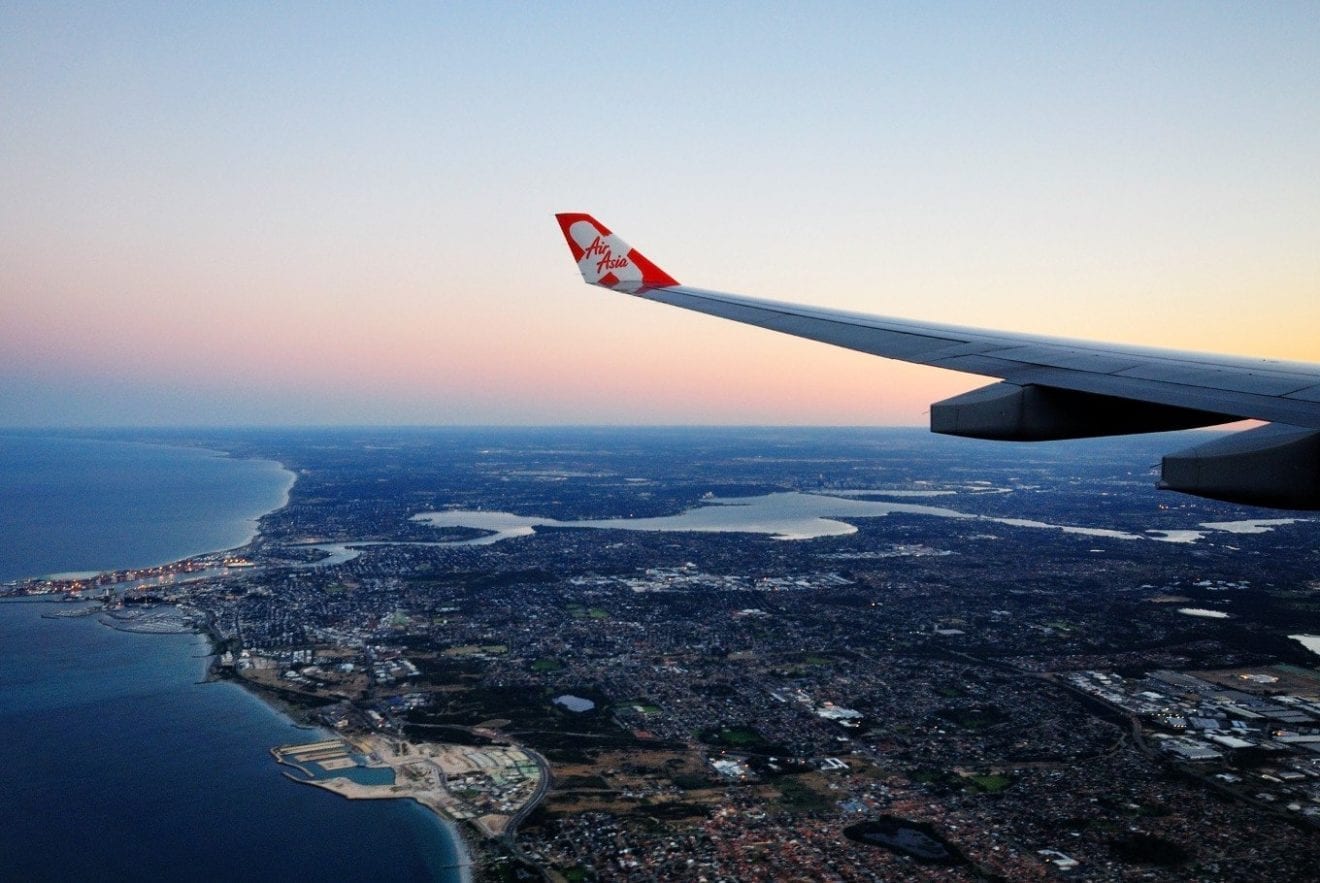
    Budget airline pioneer Tony Fernandes has built AirAsia Group into a benchmark for aviation in Southeast Asia in the 17 years since he founded the company.

    No longer satisfied with just flying passengers from A to B, Fernandes wants to use the data collected from the 100 million passengers he transports each year to transform the group into the “Amazon of travel.”

    Buffeted in recent months by the global trade war, high fuel costs, increased competition and other hurdles such as a failure to crack the lucrative Vietnamese market, the company’s shares are down nearly two-thirds from the all-time high of 4.6 ringgit ($0.53) in February last year.

    As AirAsia Group reveals its financial results for the second quarter on Wednesday in Kuala Lumpur, here are five things investors will be watching.

    One of the aviation industry’s most important metrics that measures the average fare per passenger per kilometre, Maybank Investment Bank’s Mohshin Aziz, is expecting lower yields to dampen profits.

    Mohshin is forecasting a second-quarter net profit of 111 million ringgit ($13 million), that’s 65% lower than for the same period last year, but up 9% on the first quarter.

    “Load factor declined by 0.4 percentage points year-on-year to 85.1% in second-quarter 2019 on the back of 16.8% year-on-year capacity growth,” Mohshin said. ” This is a very respectable load but it likely came at the expense of lower yields, in our view.”

    Mohshin said in terms of yields, AirAsia’s published fares look relatively weak in the second quarter of 2019 when compared to the same period last year.

    In the first quarter of 2019, yield declined by 4.1% year-on-year. “We expect more of this in the reported second quarter of 2019.”

    Fuel Prices

    Rising fuel prices have hit other regional carriers such as Virgin Australia hard, with the airline reporting a loss of AU$315.4 ($212.5 million) on Wednesday for the 12 months to June 30.

    But MIDF Amanah Investment Bank’s Adam Mohamed Rahim believes AirAsia’s prudent hedging policy could help the bottom line this quarter.

    “Our positive outlook on the group stays intact on its more prudent hedging policy, stable operations with added capacity and continuous improvement to derive higher values per kilometre flown,” said Adam.

    Adam will also be watching out for any estimate from AirAsia on whether a new departure tax to levied from September 1 of 8 Ringgit per passenger for destinations within the Association of Southeast Asian Nations, and 20 Ringgit for non-ASEAN destinations will cause a dip will impact on passenger growth.

    Geographic Segment

    AirAsia carried 42.2 million passengers in Malaysia last year, making it one of the group’s most profitable markets, but operations in Indonesia, Thailand and elsewhere have struggled, with net income slipping 92% in the three months to the end of March from the same period a year ago.

    Second quarter earnings could tell a different story though, said Ahmad Maghfur Usman of Nomura Securities, who believes AirAsia’s short-haul operations, especially to Indonesia and Japan, will show significant improvement.

    Ahmad added that improving supply and demand dynamics were in the carrier’s favor, with lower fuel costs going forward also expected to help boost profitability.

    ‘Amazon of Travel’

    After announcing a leadership reshuffle earlier this month, Fernandes’ ambitious plans to morph AirAsia into something other than a budget carrier is starting to take shape.

    “We are now the 13th largest airline flying about 100 million passengers annually and collecting piles of data in the process,” Fernandes said in June. “It is not a huge leap to say we are becoming a digital power.”

    Any further light that Wednesday’s results can shed on exactly how Fernandes plans to expand online, and fend off established rivals such as Expedia and Booking.com, will also be keenly anticipated.

    Philippines AirAsia

    When Philippine business mogul Michael Romero revealed in June that he had upped his stake in Philippines AirAsia to 45%, as well as announcing a $350 million capital infusion, it seemed like the long-awaited initial public offering of the AirAsia Group affiliate would finally get off the ground.

    That was until last weekend when Fernandes told reporters in Bangkok that he was still in wait-and-see mode regarding the Philippine unit’s bid to go public.

    “It’s there, but with no particular rush to be honest,” Fernandes said. “We want to maximise the valuation, so you know after a very tough start our earnings are very strong, the fuel price is going down, tourism is going up.”

  • PayPal-Backed Digital Lenders Raise $110 Million

    PayPal-Backed Digital Lenders Raise $110 Million

    PayPal-backed digital lender Tala has raised another $110 million to enter the Indian market, increasing the firm’s total estimated value to more than $750 million.

    The five-year old California-headquartered startup specializes in digital lending, building credit profiles based on customer texts, call logs, merchant transaction, app usage and other behavioral data through an Android app. Loans can then be approved within minutes and the firm has lent over $1 billion to more than 4 million customers, up from $300 million and 1.3 million customers last year.

    The firm has raised over $215 million, according to a media report, and the latest round’s funds will be used to enter the India market. Prior to the launch, the firm conducted a 12-month pilot program to research the market and also set up a tech hub in Banglore.

    In addition to India, a portion of the funds will be used to expand to existing markets including East Africa, Mexico, and the Philippines and also build new solutions. Moving forward, Tala is also eyeing other markets in South Asia and Latin America.

  • Lagardere travel business post strong growth driven by China

    Lagardere travel business post strong growth driven by China

    French-headquartered Lagardere says its travel retail business achieved a 15.8-per-cent increase in consolidated sales in the first half-year.

    Like-for-like sales were up 6.5 percent, the difference attributable to a €134 million positive impact resulting from the acquisition of HBF and of Smullers in the Netherlands, and to a €26 million positive foreign exchange impact.

    Earnings before interest and tax for the travel retail division rose 12 percent to €46 million.

    In the Asia-Pacific region, sales grew 6.5 percent, largely driven by organic growth in China.

    Consolidated group revenue, incorporating the company’ publishing, sports and entertainment business activities, grew by 6.7 per cent on a like-for-like basis, to €3.612 billion.

    Group recurring earnings before tax and interest came in at €153 million for first-half, up from €139 million a year earlier, owing mainly to business growth at Lagardere Travel Retail and a busy sporting calendar for Lagardere Sports and Entertainment.

  • DBS Inks Sustainability-Linked Loan in Indonesia

    DBS Inks Sustainability-Linked Loan in Indonesia

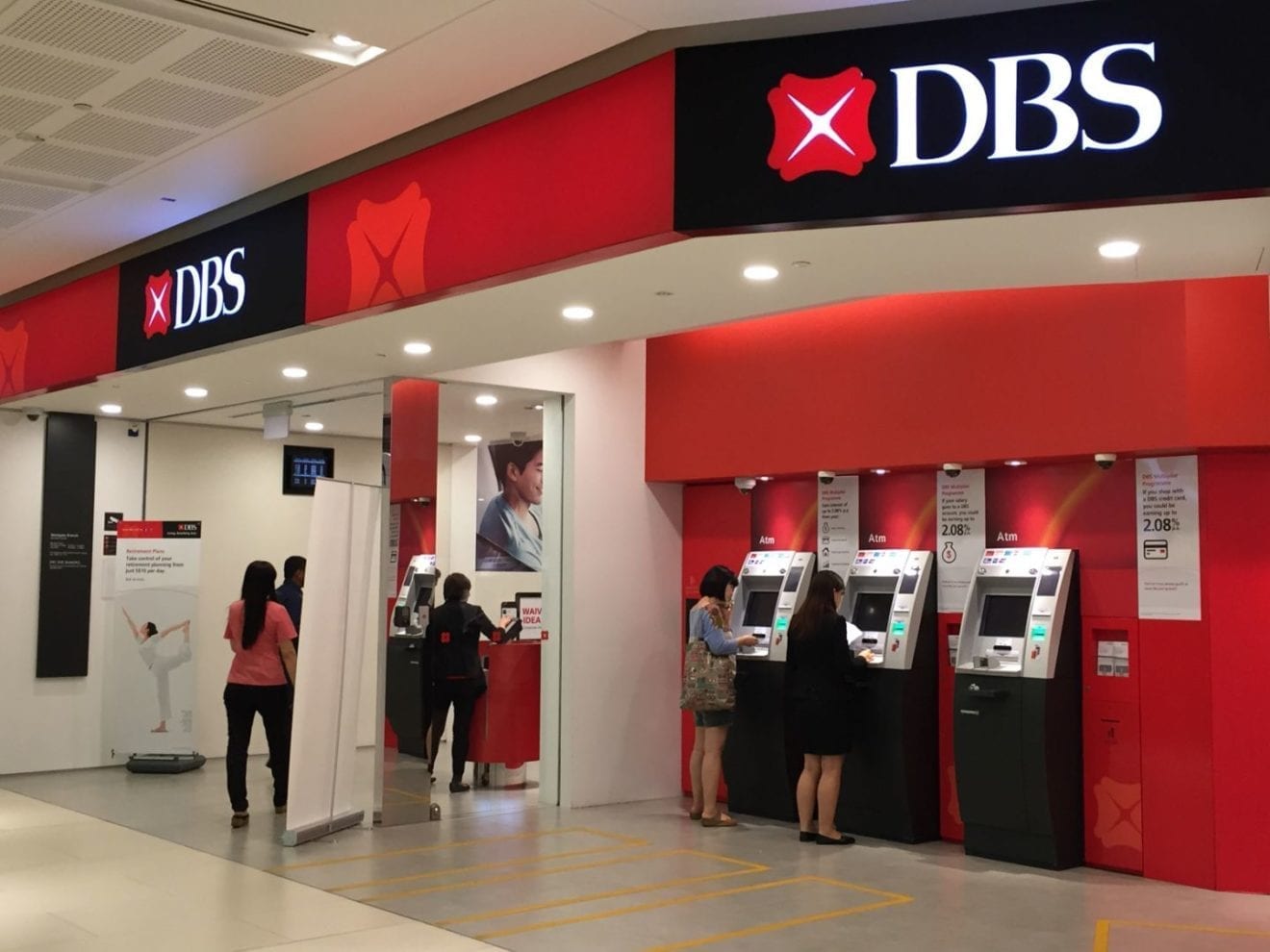
    The export financing sustainability-linked loan is the first of its kind in Indonesia. DBS Bank Indonesia has signed a sustainability-linked export financing loan with wooden door manufacturer PT Sumatera Timberindo Industry (STI), the bank said in a press release on Wednesday.

    DBS said the loan is evaluated based on a target of obtaining timber and raw materials from sources certified by the Forest Stewardship Council (FSC). Its interest rate will be reduced for each shipment of raw material that has an FSC certification that the raw material is responsibly sourced.

    STI is a FSC-certified company focused on responsible sourcing, manufacturing and exporting of sustainable-certified products. According to director Hidayat Ang, STI’s synergies with DBS in advancing sustainability support the company’s long-term growth and empower the local community to do good for the environment.

  • India, Indonesia Set $50 Billion Trade Target By 2025

    India, Indonesia Set $50 Billion Trade Target By 2025

    India and Indonesia on Saturday set an ambitious USD 50 billion target for bilateral trade over the next six years as Prime Minister Narendra Modi and President Joko Widodo discussed ways to deepen cooperation in a number of key areas including economy, defense and maritime security.

    The two leaders, who are in Osaka, Japan for the G20 Summit, met in the morning and discussed ways to boost bilateral ties and enhance cooperation in trade and investment. According to the Ministry of External Affairs spokesperson Raveesh Kumar, India and Indonesia set a USD 50 billion target for bilateral trade by 2025.

    Trade between the two countries in 2016 was USD 12.9 billion. It rose 28.7 percent to USD 18.13 billion in 2017 with Indonesia’s exports to India reaching USD 14.08 billion and its imports from India standing at USD 4.05 billion, according to Indonesia’s Central Statistics Agency.

    During his meeting between Prime Minister Modi and Indonesian President Widodo, the two leaders discussed ways to deepen bilateral cooperation in trade and investment, defense and maritime fronts. This was Modi’s first official engagement on the second day of the June 28-29 Summit.

    “Beginning Day 2 of the G20 Summit by meeting a valued friend. PM Narendra Modi holds talks with President Joko Widodo on ways to deepen India-Indonesia cooperation,” the prime minister’s office tweeted.

    In a tweet, Kumar said, “Taking forward the comprehensive strategic partnership. PM Narendra Modi had a productive meeting with Indonesian President Joko Widodo on margins of G20 Summit. Discussed expanding cooperation in trade & investment, defense, maritime, space & exchanged views on Indo-Pacific vision”.

    On Friday, Modi held bilateral and plurilateral meetings with many leaders, including US President Donald Trump, Russian president Vladimir Putin and China’s Xi Jinping.

  • Vietnam franchise opportunities Booming

    Vietnam franchise opportunities Booming

    Fourteen international brands are seeking for Vietnam franchise partners.

    The brands will gather at VF Franchise Consulting headquarters in Ho Chi Minh City on July 9 to meet with prospective area or master franchisees for the market. The franchises are in the food-and-beverage sector, education, services, and come from the US, Taiwan, Thailand, Singapore, India and Japan.

    Of the 14 brands, 11 are in the retail space:

    * ACE International, a home-improvement franchise with more than 5200 stores in more than 60 countries.

    * Little Caesars Pizza, a takeaway pizza chain from the US.

    * Coldstone Creamery, a premium ice-cream chain from the US.

    * Mango Tree, a Thai casual-dining business from Thailand.

    * Mango Chili, a fast-casual Thai dining chain.

    * Cha Ji Tang, a Taiwanese fragrant hot-and-cold herbal/flower tea cafe.

    * Yang Xiang Ting, a Taiwanese dim sum conveyor-belt restaurant concept.

    * Fidele, an American-inspired seafood, and pizza chain.

    * Bing Girl, a Taiwanese sweet dessert cafe.

    * Machida Shoten, a Japanese ramen chain.

    * Mennya Kokoro, a popular Japanese dry-ramen chain.

    According to Vietnam’s Ministry of Industry and Trade, there are already more than 200 foreign brands registered in Vietnam, and the number of international brands seeking to enter Vietnam continues to grow by 15–20 percent annually.

    “With nearly 95 million citizens, Vietnam has one of the fastest growth rates when it comes to franchising and licensing,” says Sean T Ngo, founder, and CEO of VF Franchise Consulting.

    “Franchises that do well are in the food-and-beverage, education, retail, and services sectors. Goldman Sachs predicts Vietnam will be the 20th largest economy in the world by the year 2050.”

    The leading Thai company, Mango Tree, will be seeking its first franchisee for its Vietnam branch.

    “Mango Tree is one of the world’s most innovative and best-known Thai culinary lifestyle brands, serving contemporary Thai cuisine from authentic classics to modern updates to old favorites, complemented by creative mixology, expertly curated music, and buzzing locations,” said Trevor MacKenzie, Mango Tree’s MD. The company has already expanded into Hong Kong and Macau.

    Taiwanese bubble-milk tea chain Cha Ji Tang already has stores in Taiwan and Vietnam, and is in discussions over outlets in the Philippines, Korea, and Japan.

    “We are very excited about introducing our successful F&B franchises (Cha Ji Tang, Bingirl, Yan Xiang Ting, and Fidele) to Vietnam,” said Andy Hsu, owner of Reng Feng Brands, the parent company of Cha Ji Tang.

    “Taiwanese food and drinks are very popular in many countries, and we believe many Vietnamese will appreciate and enjoy authentic cuisine from Taiwan.”

    The minimum investment levels for the 14 franchise brands range from US$300,000 to $3 million.

  • Aston Martin’s Biggest Investor Considers Acquiring Another Stake

    Aston Martin’s Biggest Investor Considers Acquiring Another Stake

    The biggest investor in Aston Martin is considering buying another 3% stake, offering to increase its holding after shares in the luxury carmaker crashed almost 50% since its listing nine months ago.

    Strategic European Investment Group, part of the Italian private equity group Investindustrial, owns 31% of Aston Martin. It only wants to buy a maximum 3% stake but has to make an offer to all shareholders due to its already large holding.

    It has secured agreements from existing shareholders such as a group of Kuwait-based investors to back the move.

    It is offering to pay 10 pounds ($12.68) per share, the price at which the shares closed on Friday. It must make a decision by July 29.

    Aston Martin has struggled since it listed in October last year. Its shares fell on the opening day and are now down 47 percent. The company’s recent results have been hit by a need to invest more in its manufacturing plants and expand its vehicle offering, leading to higher costs.

  • Smart Ways to Start a Small Restaurant Business

    Smart Ways to Start a Small Restaurant Business

    Going into the restaurant business can be touch-and-go, since the restaurant industry can be quite volatile, especially for new ventures. That’s why it is essential to go into the restaurant business with clarity and purpose. Mistakes can cost money, so you want to ensure that you are fully prepared, financially capable, and in the know about the ins and outs of being a restaurant owner before you begin.

    Restaurants are daily staples for many consumers. People go out to eat a lot, and it makes sense that high quality, popular restaurant would be an entrepreneur’s dream. Only without prior knowledge and expertise, things can go awry quickly. Below are some excellent tips on making sure that your restaurant journey will go smoothly and as planned.

    Have a Business Plan

    Before you start your own restaurant, it is essential that you and your partners devise a business plan. You can usually get free help on your business plan from your local Small Business Administration or from your local Chamber of Commerce.

    Business plans need to be meticulously written with all of the components for business success in mind. Your plan should not be any whimsical document.

    Components of a good business plan includes a breakdown of the foods you’ll serve, your day-to-day operations, your potential customer base in the area, market analysis as well as competitor analysis, your start-up and marketing costs, your current operating capital, expense reports, your quarterly revenue projections needed to keep the restaurant running, and so forth.

    Without a solid business plan, you can expect failure. Again, contact your local Small Business Administration or Chamber of Commerce to assist you in devising a proper plan. Proper planning also means reaching out to companies who you will most likely have to pay to conduct market analysis, for instance, so be sure to factor these expenses into your overall budget.

    Concept and Competition

    As mentioned previously, people like to go out to eat. That’s why there are restaurants on every corner and nearly everywhere we look. Before you start a restaurant business, be sure to consider the competition in your area and the concepts they are using and the value they deliver. What are you going to do differently.

    Usually, this requires that you come up with a clear vision, a value statement, and a mission. Your vision is what you want your restaurant to become. Your value statement tells you and your customers what type of value you will bring to them and your community. Your mission is your daily goals to meet this value and your overall vision. It’s very important you put time into determining these components for yourself and your restaurant.

    Once you figure out what your mission, vision, and value will be, you will and a theme for your restaurant. Brand and theme should accent vision, mission, and value. They will go hand-in-hand and should be transparent to the customer, who should be able to see your intent based on day-to-day operations and the quality of your service. Coming up with brand and theme can require serious thought. Again, seek out professional advice and the advice of partners when in doubt.

    Menu Selection

    Along with your concept and your brand, the foods you select for your menu should mirror your intentions and your theme. For instance, if you decide to start a fast-food restaurant, the food you choose should be able to be prepared fast and convenient. If your goal is to provide fine dining and elegance, the food preparation can take longer, but the taste and experience should be part of the value you offer.

    As you’re coming up with your business plan, vision, and theme, start to think of the best foods you could serve, your own capabilities as a restaurateur and chef, and what is within your comfort zone and financial means. You wouldn’t want to start a five-star restaurant if you aren’t competent at cooking gourmet food and only have a shoestring budget. Think within your means and your capabilities.

    Also consider your restaurant’s location, your potential customers, and how your menu will impact your business plan. Some types of food do better in certain locations, while others do not. You wouldn’t want to open up a restaurant that won’t do well financially in a particular area, even if that is your passion. Analyze your competitors in the area, and find what works.

    Investing In Your Restaurant

    Once you feel like you’re ready to proceed with opening your own restaurant, you’ll want to ensure that you have the funds to do so. Many entrepreneurs believe in OPM or “other people’s money,” and they’ll reach out to investors to secure start-up capital. This is always a personal decision, as some people do quite well as borrowing money, while others would rather save up their own money before venturing into entrepreneurship.

    Either way, you’ll need to look at your business plan to ensure that you have the right amount of start-up capital before you begin. Many businesses don’t turn a profit until their third year, so it’s always wise to have at least enough capital to maintain operations for three years. This should include the cost of the lease, equipment and employee costs, food costs, and maintenance costs. Again, you’ll need to make sure your business plan is solid so that you don’t feel financially short before the business is given time to turn a profit.

    Finding Suppliers

    For food, you’ll need to find local suppliers who can deliver directly to your restaurant. For most of your equipment needs, you can order directly to find the best prices. Equipment can include anything for your kitchen, from ovens to tables and chairs to dinnerware. When selecting dinnerware, Macy Hooper from VEGA Direct https://www.vegadirect.ca/) suggests choosing a stylish set that is also durable. Durability is important for budgeting purposes, as you’ll have to purchase new dinnerware less often when you choose long-lasting dinnerware at the beginning. This is important when choosing other suppliers as well, as you’ll want to make sure any equipment you purchase will last and cut down on future replacement costs. Always make sure you research suppliers for the best possible deals and equipment.

    Find Your Location

    There is a lot of synergy to the process, as components of your business plan may hinge on your concept and theme, and vice versa. The location you choose is no different. You may not know how to plan for your restaurant until you’re sure of its future location, so scouting a good location may be necessary at the beginning of the process. Honestly, you may want to start a restaurant only because you found a location that sparked your interest in opening an eatery.

    Once you do find a great location for your restaurant, be sure to discuss your lease and other information with the owner. Of course, this information will need to go into your business plan. Also, you’ll need to check with your local government agencies to make sure you obtain the right licenses and permits for your restaurant.

    Be sure to pick a location that is in a great area, visible from the road, and preferably convenient to business locations so that you’ll always have a steady lunch crowd. Make sure that there is plenty of parking, that the building meets your standards, and that it provides the right atmosphere for your concept and theme.

    Hiring Employees

    Hiring employees is no easy task, so make sure you account for this information in your business plan. You’ll most likely need a head chef, a cashier, a floor manager, wait staff, and a dishwasher. Some restaurants can get by with only a few people doing multiple jobs, while others will require numerous employees. However, take into consideration that some states require certain licenses for food employees, so be prepared to invest in your new hires by offering training through programs like 360’s food handler training course.

    Advertising and Opening

    You’ll want to advertise your restaurant in the local yellow pages, on nearby billboards, through flyers and mailers, and digitally on the web. Your advertising budget should be accounted for in your business plan. You may also want to consult an advertising firm.

    Most restaurants will have a soft opening to make sure things are running smoothly. Soft openings give restaurants time to work out the kinks and increase efficiency. Once you feel like everything is going well and you’re ready to open full-time, you’ll want to announce your grand opening. The Chamber of Commerce and other business organizations can assist with grand openings and publicity. It’s also suggested you offer coupons and other discounts for your grand opening to get more people in the door.