Tag: Business

  • Where will Apple retail chief go after resigning?

    Where will Apple retail chief go after resigning?

    Within hours of the announcement that Apple retail chief Angela Ahrendts was to leave the role in April, speculation was rife as to where she is headed. Ahrendts, who led the fine-tuning of Apple’s retail business for five years after turning around British fashion house Burberry, has a stellar career in the luxury business. Several fashion industry sources have speculated she may be headed to take the helm of Ralph Lauren.

    In a statement announcing the Apple retail chief’s departure, the company said she is leaving the company “for new personal and professional pursuits”. CEO Tim Cook described her departure as “bittersweet”.

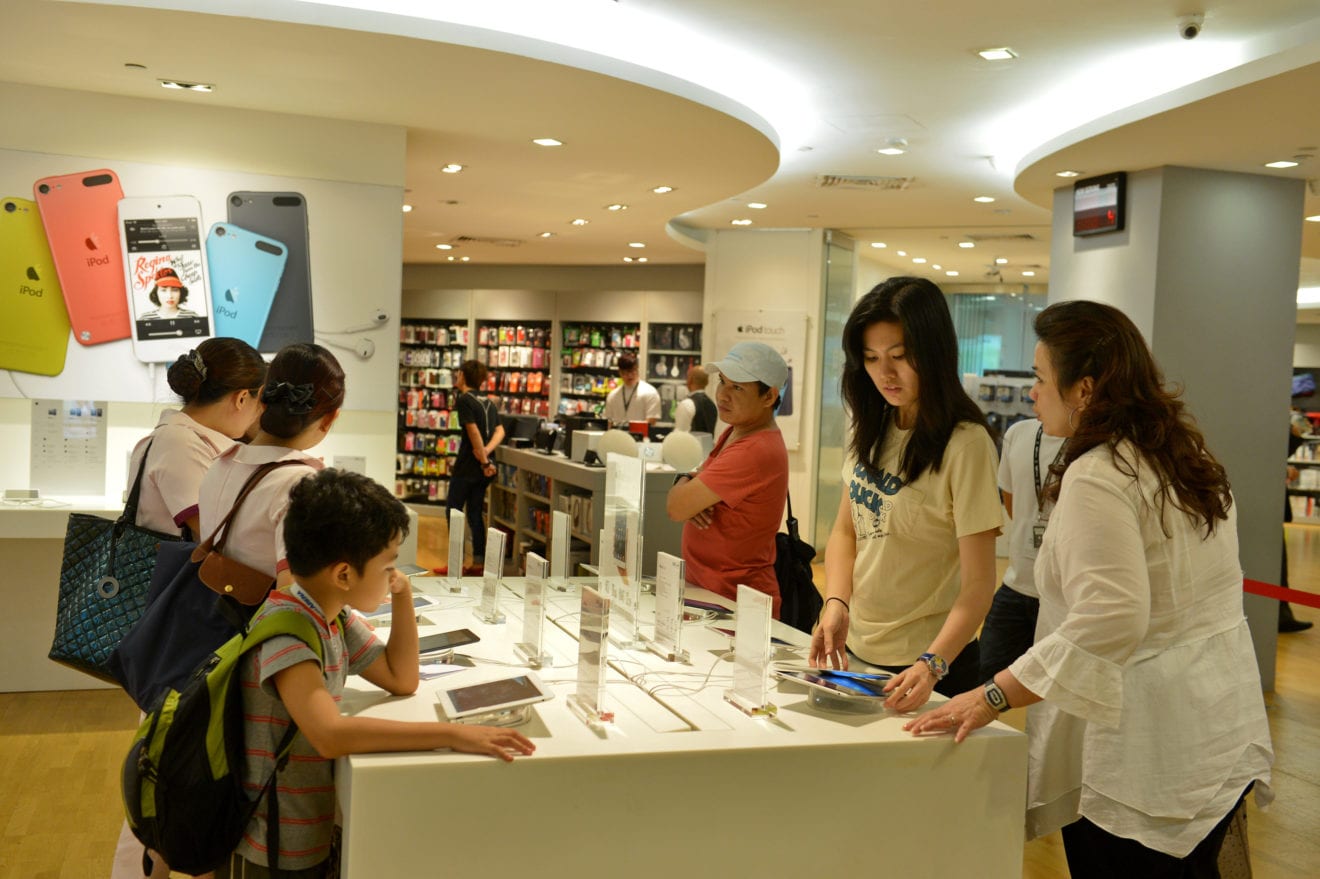
    During her time with Apple, Ahrendts – who was once tipped to take over Cook’s role in the future – has subtly redefined the Apple stores from high-end tech shops into community hubs. She took the renowned Apple Store concept created by predecessor Ron Johnson, dropped the “store” from its title and expanded the network to 506 physical stores and another 35 online.

    “Her vision includes stores as gathering spaces and hubs for creativity,” observed Daphne Howard of Retail Dive.

    “While Johnson is credited with initiating the brick-and-mortar strategy that has been the backbone of Apple’s hardware sales, including minimalist spaces conducive to product demos and customer education, Ahrendts has taken that [a step further].”

    Apple’s retail business will now be overseen by Deirdre O’Brien, the company’s senior VP of people, who will add retail to an already long list of responsibilities including talent development, Apple University, recruiting, employee relations, business partnerships, benefits, compensation and inclusion, and diversity.

    Some might see that as a sign Apple is reducing its focus on its retail business, although O’Brien might be considered something of an Apple acolyte, having been with the company for 30 years.

  • The cartoon cafe opens in South Korea

    The cartoon cafe opens in South Korea

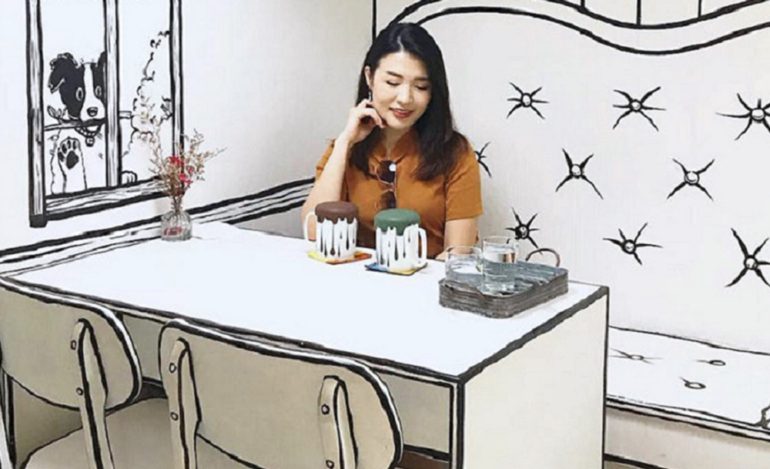
    The interior of Cafe Yeonnam-dong 239-20 in Seoul, South Korea makes customers feel as though they’ have stepped into a cartoon world. Most cafe owners know it takes more than just great coffee to create a successful business. From an Instagram-worthy Wes Anderson-esque cafe in the Philippines to a coffee shop shaped like a Rolleiflex camera in South Korea, a space’s design is key to drawing in customers.

    One cafe to have recently received hype for its novelty interior is Cafe Yeonnam-dong 239-20 in Seoul. The eatery created an incredible space that makes customers feel as though they’ve stepped into a cartoon world.

    The artistic, monochrome design was inspired by Korea’s hit TV show, W by Lee Jong-suk and Han Hyo-joo, in which the characters clash between “two worlds”—the real world and a fantasy world inside a webtoon.

    The design of Cafe Yeonnam-dong 239-20 creates a 2D optical illusion, which makes customers feel as though they’ve crossed dimensions into a comic book illustration.

    When visitors step through the door, they’re greeted with black and white comic strip furniture, walls, and floors. Even the mugs, dishes, and cutlery look like flat line drawings.

    It helps that the owners have created a welcoming environment.

    If you want to experience this cafe for yourself, you can find it in the popular Yeonman-dong district in Seoul. If you can’t make it to South Korea, you can still feed your wanderlust by checking out the cafe’s Instagram.

  • F&B outlets get bigger bite in shopping malls Malaysia

    F&B outlets get bigger bite in shopping malls Malaysia

    Shopping malls are now allocating a higher percentage of their tenant mix (more space) to food & beverage (F&B) retailers, partly because competition from online platforms has impacted other types of retailers such as fashion, according to a market research and consulting firm. “Traditionally, F&B made up less than 20% of a mall’s tenant mix, but can go up to 40% nowadays,” Stratos Consulting Group Sdn Bhd managing director Tina Leong said.

    She said with the tenant mix now consisting of more F&B, this means that malls will need to design or renovate in such a way as to cater to the specific technical requirements that F&B retailers have, for example provisions for water, grease traps, storage, waste disposal and daily delivery.

    “F&B as a segment itself has become the anchor for some malls,” said Leong.

    She said malls that have a high F&B tenant mix include the refurbished 3 Damansara (formerly Tropicana City Mall), which now has more F&B compared to before. Similarly, Paradigm Mall in Petaling Jaya has refurbished its lower ground floor, which now consists of more F&B than previously.

    Sunway Velocity Mall general manager centre management Danny Lee said F&B makes up 27% of the mall’s tenant mix currently, and that it is targeting to have F&B reach 30%.

    “Naturally, F&B is doing better compared to others,” Lee said.

    Meanwhile, Leong noted that having more or certain types of F&B can also be part of experiential retailing.

    “For example, people nowadays, especially millennials, appreciate and are willing to spend on meals or drinks with friends and family, within nicer ambience restaurants or cafes, due to the memorable experiences this create.”

    She said to continue to draw shoppers (rather than them shopping online), more shopping malls are looking at creating engaging “experiences” for their customers. Experiential shopping simply means making the physical act of spending money more than simply handing over cash in exchange for goods and services.

    “More grocery stores are incorporating food and wine bars where people can enjoy a meal or a drink as well as a social experience before or instead of shopping,” said Leong, adding that some retailers have also integrated augmented reality into their stores, for example Starbucks Reserve Roastery in Shanghai and US-based fashion brand Reformation.

    Examples of experiential shopping are malls that have attractively themed or landscaped spots on every floor, where one can stop to take photographs with their friends or family, such as Aeon Mall Kuching. Some community malls in Bangkok, Thailand, have incorporated spaces for pet parks, children’s sand pits and jogging tracks.

    “Another recently opened mall, Kiara 163 in Mont Kiara, has incorporated the ‘experiential’ element into their mall design, with a central garden and water features for people to relax. Apart from design features, other ways of creating memorable shopper experiences are through interesting or unique events, activities, decorations, pop-up stores, technological innovations and customer service,” explained Leong.

    She said some of the major major malls have been doing this all along, such as Suria KLCC and Pavilion Kuala Lumpur that usually have attractive and unique festive decorations.

    “What is different is that nowadays, the customer experience aspect is becoming a focal point. It has become more important as malls and retailers try to attract and retain shoppers in the midst of competing options such as online shopping,” said Leong.

  • Shiseido opens a new factory in Fukuoka

    Shiseido opens a new factory in Fukuoka

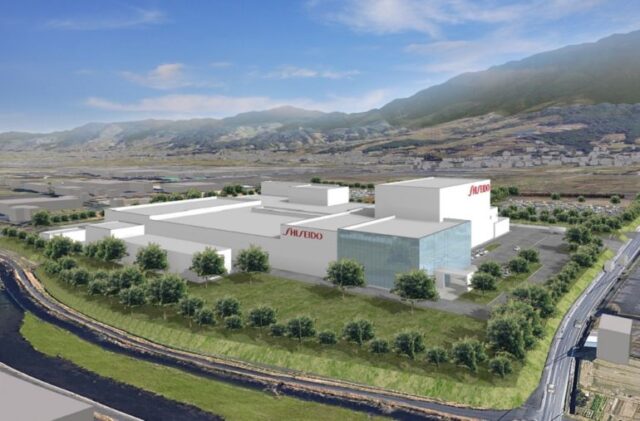
    Shiseido Company, Limited has decided to build a new production site, Shiseido Kyushu Fukuoka Factory in Kurume City, Fukuoka Prefecture, Japan. The new factory, which is slated to start its operation in fiscal 2021, will mainly manufacture skincare products for Japan and overseas markets. The investment is expected to be approximately 40-50 billion yen.

    Shiseido has been making concerted efforts as a whole toward the realization of even greater growth to accomplish the medium-to-long-term strategy VISION 2020 and to “Be a Global Winner with Our Heritage”.

    As part of its production strategy, Shiseido is pursuing the establishment of a supply chain strategy from a global perspective in line with its Group-wide marketing strategy, and progressing in the creation of a flexible operational structure at each of its factories around the globe by taking into account various elements such as costs, lead time, inventories and procurement of raw materials.

    Amid such, the company has concluded that it is vital to establish a stable and sustainable production system from a medium-to-long-term perspective in order to respond to growing demand for cosmetics inside and outside Japan and secure further business growth in the future.

    To this end, Shiseido has decided to build another new factory following Nasu Factory and New Osaka Factory (tentative name) which are currently under construction. Investments in the production base including factories currently under construction, establishment of the new Kyushu Fukuoka Factory and reinforcement of existing factories are expected to exceed 170 billion yen.

    The new factory will focus on the production of skincare products which are growing in demand, and provide safe high-quality products in compliance with ISO 22716 international standards.

    As a next-generation factory, it will utilize cutting-edge facilities and advanced technologies such as IoT in the creation of innovation. Furthermore, through the inheritance of long-standing production technologies and expertise which are Shiseido’s strength, we will realize the new factory as people-friendly with high productivity.

    It will operate in an environmentally friendly manner while being able to support our business continuity plan (BCP), aiming to exist in harmony with the surrounding environment including mountains and rivers.

  • Habeco Vietnam reports another year of falling profits

    Habeco Vietnam reports another year of falling profits

    Habeco’s profits fell by 23 percent last year to VND667 billion ($28.71 million), the fourth straight year of decline. Hanoi Beer Alcohol and Beverage Corp, as it is formally known, one of Vietnam’s biggest brewers, also reported a 5 percent fall in revenues to VND9.4 trillion ($404.67 million). There was a sharp increase in operating expenses, especially cost of sales.

    After falling for four years profits are now less than half of the 2014 figure of VND1.44 trillion ($62.12 million).

    Habeco’s decline is contrary to the general growth trend as Vietnam remains one of Asia’s biggest beer consumers. According to Euromonitor statistics, while global beer consumption volume remains unchanged last year, the figure for Vietnam soared.

    According to data from the Vietnamese Beer, Alcohol and Beverages Association, on average a Vietnamese person drank nearly 45 liters of beer in 2017, an almost 50 percent jump in two years.

    Many securities firms believe that though Habeco still leads the beer market in the north, it faces challenges like changing consumer tastes and competitive pressure from foreign brands. It has only been able to maintain market share in the low-priced segment, ceding ground in the premium segment to brands such as Heineken, Saigon Beer (now a subsidiary of ThaiBev) and other foreign brands.

    Ban Viet Securities Company’s latest data shows Habeco’s share in the beer market has fallen continuously in the last six years, from nearly 20 percent in 2010 to 18 percent by the end of 2017.

    The reason for this is that the low-cost segment, its strength, is shrinking, said the securities company. The cheap beer segment now makes up of only 8 percent of the market compared to 14 percent seven years ago.

    Vietnam is famous for its beer drinking culture, and it is widely believed that business deals go more smoothly over a few drinks.

    The country is the biggest beer market in Southeast Asia, consuming nearly four billion liters in 2017. It spends on average $3.4 billion on alcohol each year, or $300 per capita, while spending on health averages $113 per person, according to the Ministry of Health.

  • Sales of imported vehicles in Korea fell 10 percent in January

    Sales of imported vehicles in Korea fell 10 percent in January

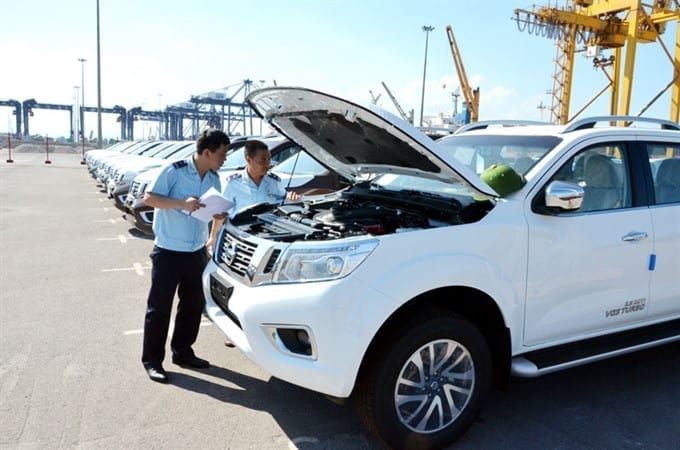
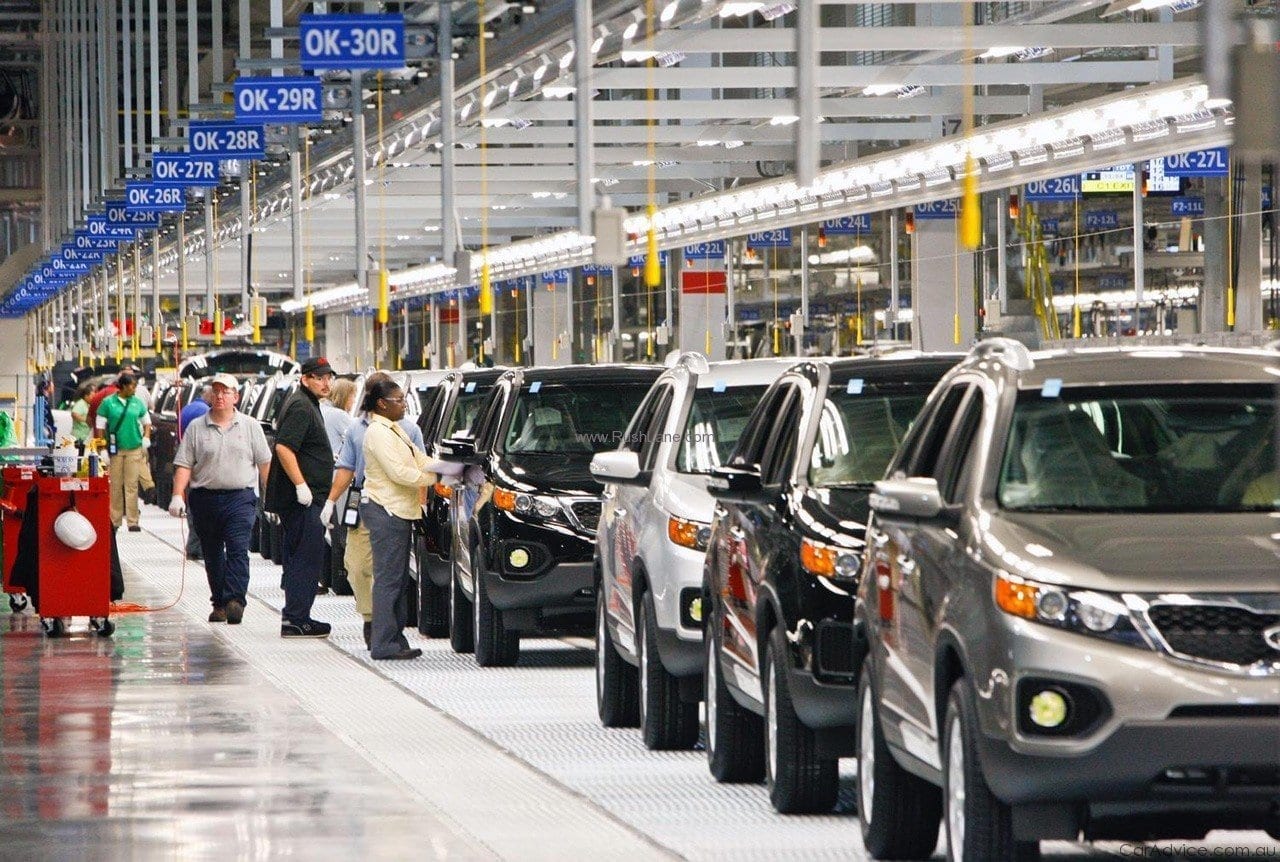
    Sales of imported vehicles in Korea declined by more than 10 percent in January from a year earlier due to typically low seasonal demand and supply shortage of some brands, industry data showed on Friday. The number of foreign cars sold last month reached 18,198 units, down 13.7 percent from a year earlier, according to the data compiled by the Korea Automobile Importers & Distributors Association (Kaida).

    The tally also marks an 11 percent drop from a month earlier, the data showed. In 2018, sales of foreign cars continued to rise, helped by firm demand for foreign brands and the resumption of sales of Audi Volkswagen.

    The number of newly registered foreign vehicles reached 260,705, up 11.8 percent from 2017.

    Foreign passenger cars made up 16.7 percent of all vehicles that were registered in the country last year, shattering the previous record high of 15.5 percent in 2015.

  • China retail earnings up 8.5% during new year holiday – ministry

    China retail earnings up 8.5% during new year holiday – ministry

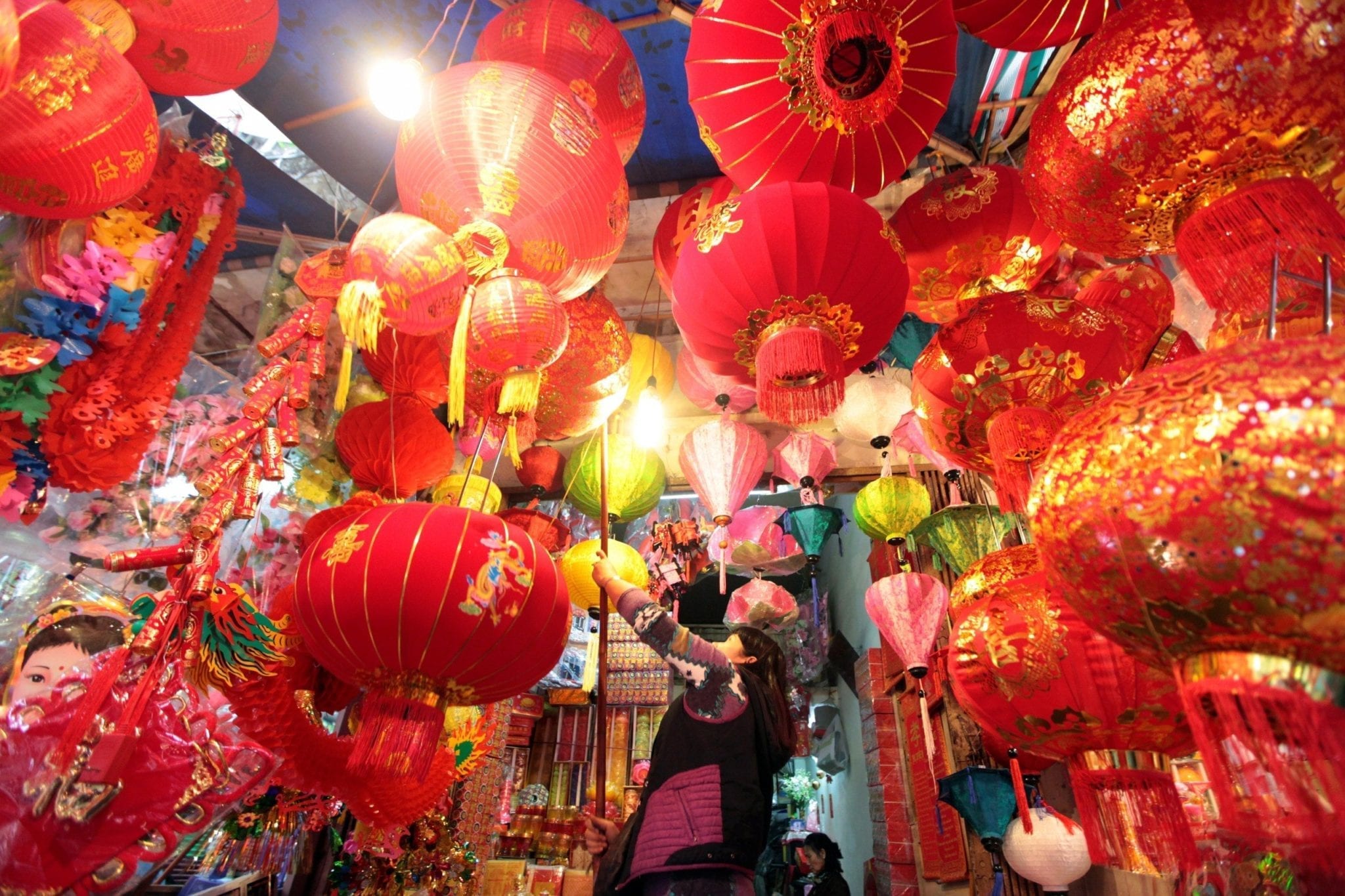
    China’s retailer and catering enterprises earned over 1 trillion yuan ($148.3 billion) during the Lunar New Year holiday, defying an economic slump to rise 8.5% from last year, the country’s commerce ministry said late on Sunday. The increase was down to the rapid growth in sales of new-year gifts, traditional foods, electronic products and local speciality products over a six-day holiday period ending on Saturday, the Ministry of Commerce said in a notice on its website.

    Domestic tourism during the new year break generated total revenues of 513.9 billion yuan, up 8.2% on the year, with the number of trips rising 7.6% to 415 million, the official Xinhua news agency said on Sunday, citing official data. ($1 = 6.7426 yuan)

  • More about Japanese label HYKE

    More about Japanese label HYKE

    HYKE enjoys a massive following in its native Japan, slowly developed since its inception in 2013. Over the past six years the label, led by married designers Yukiko Ode and Hideaki Yoshihara, has cultivated a horde of Japanese devotees attracted to HYKE’s neutral color palettes, tweaked militaria and effortless elegance. This following has garnered stockists that include some of the nation’s largest department stores, like Isetan, UNITED ARROWS and the Japanese branch of Barneys New York.

    Despite the independent brand’s commercial and critical success in Japan, HYKE remained an obscurity to even the most fashion-savvy shoppers outside of Asia. That was until the brand’s collections with The North Face received such international acclaim that the partners created a dedicated Instagram page and website exclusively for the ongoing collaboration.

    Behind the covetable technical collaborations, however, the underappreciated Japanese label has quietly advanced its singular vision with a laser focus.

    In 1997, Ode and Yoshihara launched a vintage clothing store, dubbed “bowls.” “We would go buy only the best clothes overseas and then put our favorite items on display in the shop,” the designers told the Woolmark Company in August 2016. “When we found clothes we liked, we didn’t want to sell them to anyone else. We decided that we would instead make clothing that contained the essence of what we liked, and that’s how our first brand, green, started.”

    Veterans of two different Japanese fashion schools, Ode and Yoshihara spent time as a stylist and patternmaker, respectively, before opening the store and launching green a year later.

    Guided by the philosophy of beauty through functionality, green offered simple yet thoughtfully-crafted, vintage-inspired womenswear in an era that was not known for understated clothing. Though minimalist fashion is de rigueur now, early 2000s style was rife with loud party dresses, flashy logos and gold accents.

    Thus, green’s fur-trimmed parkas, relaxed denim and muted trench coats seem even more prescient when reexamined 20 years later. A growing demand encouraged Ode and Yoshihara to introduce a brief men’s offering alongside the more expansive womenswear line, eventually taking green to the runway for the label’s final season, Spring/Summer 2009.

    Following green’s tenth anniversary, Ode and Yoshihara shuttered the label in October 2009; by then green had ballooned from a small side project to one of Japan’s pre-eminent womenswear brands. The couple retreated from fashion altogether, taking several years off to reformat their approach to design and raise their two children. In doing so, the duo shifted bowls from a vintage boutique to a management company before debuting their new flagship label, HYKE, in 2013.

    HYKE thrived almost immediately, thanks to its appreciably clean, minimalistic designs and the accumulated green fanbase. Ode and Yoshihara aim “to evolve fashion history by our heartstrings,” recreating militaristic garments with custom fabrics. Though some clothes sport playful fringe or deep pleats, the basis of each collection remains the same: the couple sources key vintage pieces for inspiration — be it a classic M65 jacket or fishtail parka — deconstructs the garments to study patterns, threads and craftsmanship, before piecing them back together via contemporary pattern-making. Using simple, versatile colors and unparalleled craft, HYKE’s consistently wearable offerings prove reliably popular. This consistent demand encouraged both Mackintosh and adidas Originals to join forces with HYKE in 2014.

    The one-off Mackintosh collaboration yielded a workmanlike approach to reimagining the British heritage brand’s signature outerwear, with HYKE serving up four muted, militaristic iterations of three classic coats for both men and women. Meanwhile, the adidas Originals partnership continued until Fall/Winter 2016, with each season gradually expanding HYKE’s design ethos. A quick comparison of the first drop — minimalist Trefoil hoodies, army green pullovers and velcro-strapped adilette runners — to the final release — monochrome Seeulaters, faux croc skin adidas clutch bags, sporty capes and occasional snakeskin patterns — makes the evolution all the more dramatic. The success of these lines, as well as the continuing growth of the main line, helped Ode and Yoshihara win the 35th Mainichi Fashion Grand Prix in 2017.

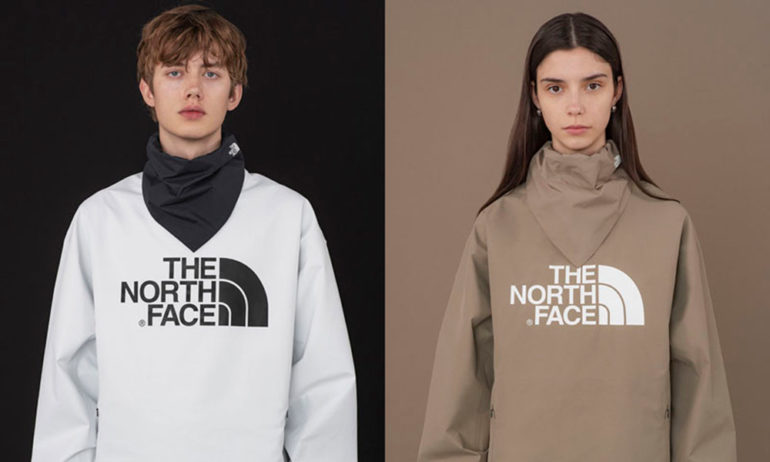
    Both the Mackintosh and adidas collaborations received global releases, but the reception was muted in comparison to HYKE’s headline-stealing collaboration with The North Face. The collection debuted during HYKE’s Spring/Summer 2018 runway, immediately establishing an ideal marriage of HYKE’s minimalist taste with The North Face’s utilitarian gear, informed by the Japanese label’s desire to combine “the functionality of outdoor sports wear with the sensitivity of HYKE.”

    HYKE’s preferred army green, black and white color palette returned for the collection, along with playful snakeskin patterns and signature garments, like the cropped Bolero Jacket and solid-color pullovers. With each collaborative release since that first joint effort, the duo have introduced small expansions to keep the line fresh — oversized pullovers, sock-like sneakers and even menswear — while retaining much of the same elements from past drops. However, The North Face Japan’s complicated licensing prevents the collection from seeing worldwide release, despite the overwhelmingly positive international reception and the recent addition of menswear to the line.

    To make a complex issue very simple: America’s The North Face is a different company from Japan’s The North Face. In 1978, outdoors company Goldwin began distributing The North Face in its native Japan, eventually purchasing the exclusive Japanese (and partial Asian) TNF license from the American branch. This exclusive license still remains in Goldwin’s possession; thus, American The North Face products can’t sold in Japan and Goldwin’s The North Face goods can’t be sold outside of the island nation. Since HYKE x The North Face is produced by Goldwin, that means that distribution will likely never expand beyond Asia, unless the Japanese The North Face strikes a deal with its American counterpart, as Goldwin recently did with THE NORTH FACE PURPLE LABEL.

    Regardless of legal qualms, HYKE maintains a massive following in its native Japan, with a developing influence throughout Asia as Korean and Chinese retailers take note of the brand’s adaptable designs. And more The North Face collections will only aid HYKE in increasing its global presence. Although the license quagmire will keep those collaborations from being sold overseas, HYKE could potentially bring its in-house creations abroad. If savvy Western retailers snap up the Japanese brand’s minimalist wares, it may open the floodgates for future expansion — possibly even bending the rules for The North Face.

    After six years back in fashion, Ode and Yoshihara remain unflinching in their dedication to realize the identity they established with the launch of HYKE. With no desire to cut corners (or prices) on its detail-oriented Japanese expertise, the designers are in no hurry to broaden its global footprint, or even create a proper menswear offering. Next up for the brand? Perhaps HYKE will finally open a Japanese flagship store, a hard-won focal point in service of clientele who appreciate the label’s unwavering commitment to independence.

    HYKE x The North Face Spring/Summer 2019 drops February 6 exclusively at The North Face Futakotamagawa and Isetan Shinjuku before hitting other Japanese TNF outposts on February 16.

  • Unit price of exported automobiles in Korea up on SUV sales

    Unit price of exported automobiles in Korea up on SUV sales

    The average unit price for exported automobiles last year reached a record high of $15,400, pushed up by the strong performance of sport-utility vehicles (SUVs), according to industry statistics Thursday. Monthly data from the Korea Automobile Manufacturers Association (KAMA) put total exports by five local carmakers last year at 2,447,903, down 3.2 percent from the previous year. The monetary sum from the shipments came to $37.68 billion, 1.6 percent less than the year before.

    Despite decreases in both, the unit price of each exported vehicle remained strong thanks to exports of relatively more expensive SUVs, the data indicated, increasing 1.6 percent from 2017.

    Local manufacturers shipped 1,386,539 SUVs last year, up 6.7 percent compared with the year before, setting a new record.

    “The export volume for vehicles shrank from dulled demand in the global market, but it’s fortunate that the export-unit price rose from increased shipments of high value-added cars,” a KAMA official said.

    By manufacturer, Renault Samsung Motors had the highest unit price, at $17,100.

    It was followed by SsangYong Motor, at $17,000. The unit price was $16,200 for Hyundai Motor, $14,900 for Kia Motors and $13,400 for GM Korea.

    Records showed that the unit price rose up to the mid-2010s, rising from $12,000 in 2010 to $14,800 in 2014.

    It pivoted down to $14,200 in 2015 and stayed in a lull in 2016 at the same level before going back up to $15,000 in 2017.

    In terms of export volume, the numbers have been going down since peaking at 3,166,000 in 2012.

  • Axiata’s share price falls 4.87% on RM2.16b tax bill

    Axiata’s share price falls 4.87% on RM2.16b tax bill

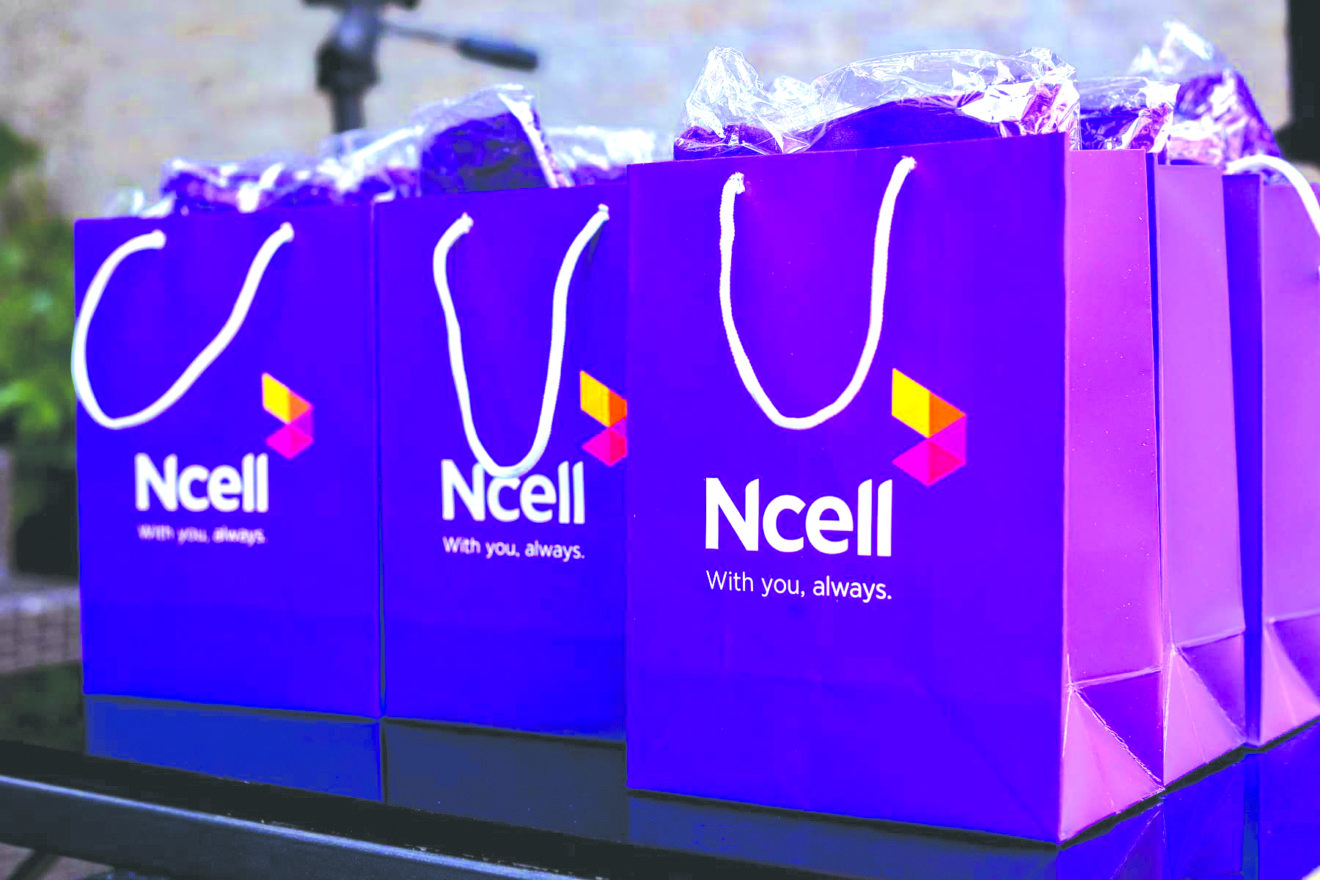
     Axiata Group Bhd’s share price fell 4.87% at mid-day after the group and its majority owned subsidiary Ncell Pte Ltd were ordered by the Nepal Supreme Court to pay capital gains tax of 61 billion Nepalese rupees (RM2.16 billion) for the Ncell buyout deal. At 12.30pm, Axiata was the eighth loser on Bursa Malaysia, trading at RM3.71 with 7.03 million shares changing hands.

    The Himalayan Times yesterday reported that Axiata had been hit with the tax bill, which excludes late fees and fines, for its US$1.36 billion purchase of Reynolds Holdings Ltd, which has 80% stake in Ncell, in 2015.

    The publication cited the Nepalese Large Taxpayers Office chief as saying it would only initiate the process of collecting the tax amount once it gets a copy of the tax verdict.

  • South Korea’s Hyundai bet big on hydrogen technology

    South Korea’s Hyundai bet big on hydrogen technology

    South Korea’s largest carmaker Hyundai Motor is hoping to revive its flagging fortunes by building more hydrogen-powered cars, as part of the country’s bid to become a leader in hydrogen technology by 2040. Last October in the United States, the company launched Nexo, an SUV that goes 609km on a single charge, has no battery, and puts out nothing but water vapour from its exhaust. And in December, it announced it would spend US$6.7 billion from now till 2030 on hydrogen technology.

    But its commitment to hydrogen fuel cell-powered cars is confounding some experts even though they agree the carmaker, the fifth-largest in the world by sales but struggling in the Chinese and American markets, needs to keep innovating.

    Namuh Rhee, former managing director of Merrill Lynch and now a professor at Yonsei University in Seoul, said the focus on hydrogen cars was “questionable” because of the huge costs involved, while “virtually all other global car makers” had made big plans to produce battery-powered electric vehicles (EVs). The country also has a shortage of refilling stations for hydrogen vehicles in comparison to the growing number of charging stations for EVs.

    Figures in the car industry, such as Tesla CEO Elon Musk, had previously called hydrogen cars “mind-bogglingly stupid”, pointing out that developers were looking too far ahead at untested technology, even though the battery-powered solution to cleaner vehicles already existed.

    Hyundai’s plan, though, is aligned with President Moon Jae-in’s strategy to boost the local hydrogen economy. In a speech on January 17, he noted that a major part of the plan would involve ramping up the production of hydrogen fuel cell electric vehicles, which currently trail battery-powered electric vehicles in popularity.

    Moon promised laws would be modified to allow hydrogen production to thrive, while there would be subsidies to encourage demand for hydrogen-powered vehicles.

    He said the country had produced 1,824 hydrogen cars as of end-2018, with more than half being exported. This year, the number would rise to 4,000, with a goal of 1.8 million cars by 2030.

    The advantages of domestic hydrogen production and distribution, he said, was that it would ease South Korea’s heavy dependence on energy imports – which currently provide 95 per cent of the country’s energy needs.

    “If the country is able to be relatively energy self-sufficient through the hydrogen economy, it will be possible to steer our economic growth more [in a more stable way] and safeguard our energy security more steadfastly,” he said.

    Hyundai, a pillar of the South Korean economy and partially owned by the family that founded it, still needs to prove that hydrogen is the technology of the future, and that it is capable of reinventing itself.

    Last month, the carmaker’s executive vice-chairman Chung Euisun – who is the apparent heir to his father, the company chairman Chung Mong-koo – joined a coalition of CEOs lobbying for hydrogen to be a bigger part of the global energy mix.

    Chung Eui-sun, 48, is now a co-chair of the Hydrogen Council, which counts Chinese oil and gas enterprise Sinopec, American multinational 3M and German automotive firm Daimler among its members.

    At the same time, Hyundai, which commands only 4 per cent of the Chinese and American car markets – down from almost 10 per cent in both a decade earlier – is also building electric vehicles. The company had previously announced it would release 44 models of electric vehicles (EV) by 2025, and last month, the Indonesian government announced the carmaker would set up its first Southeast Asian factory there to build electric cars for both export and domestic use.

    Rhee pointed out Hyundai had been slow to make the transition to EVs and autonomous driving, while other analysts said the company was at least three years behind competitors like Volkswagen, which is set to make electric versions of all its vehicles by 2030, and General Motors, which will have 20 EV models out by 2020.

    To show its commitment to innovation though, the company recently got two vice-chairmen in charge of research and development, both aged 64, to step down in December. It then appointed Albert Biermann, who formerly headed BMW’s M division and created several iconic cars, to head R&D efforts. Other engineers from BMW have also crossed over to join Biermann.

    Seoul-based capital markets analyst Steve Chung, of investment group CLSA, said Hyundai had undergone “massive management reshuffling” with younger people taking control of major functions in the company.

    “Maybe it’s a bit late, but I say better late than never. That’s why the share price has been rebounding,” said Steve Chung, who is not related to the family that founded Hyundai. In 2018, Hyundai Motor’s stock nosedived from its high of over 260,000 Korean won in 2013, to below 95,000 won (US$85) last November. It is now at 129,500 won.

    Ghim Hyunjoon, a company representative, said Hyundai was making great strides in its “cooperation with various start-ups, academics [and the like] to lead the future mobility market”. The carmaker also owns a minority stake in the country’s second-largest car company, Kia Motors.

    Last month, Hyundai took home two top awards from the Detroit Auto Show for best car and best SUV. It also unveiled in Las Vegas the world’s first holographic navigation system, which projects images on to the windscreen to guide drivers through turns and alert them to dangers. The system was born out of a collaboration with Swiss-headquartered augmented reality company WayRay, suggesting the infamously closed-door carmaker is starting to embrace start-ups as it looks to the future.

    Despite its recent wins, the outlook for Hyundai is still challenging, as the younger Chung acknowledged in a New Year’s speech to staff last month. He is expected to soon formally succeed his father, who is 80 years old.

    Analysts suggest the global car market is shrinking. Ageing baby boomers in the US are making fewer new vehicle purchases, while ride-hailing is expected to reduce car ownership overall, according to an industry report from consulting firm Bain & Company.
  • Luxury goes local as Chinese shoppers gravitate towards home-grown brands

    Luxury goes local as Chinese shoppers gravitate towards home-grown brands

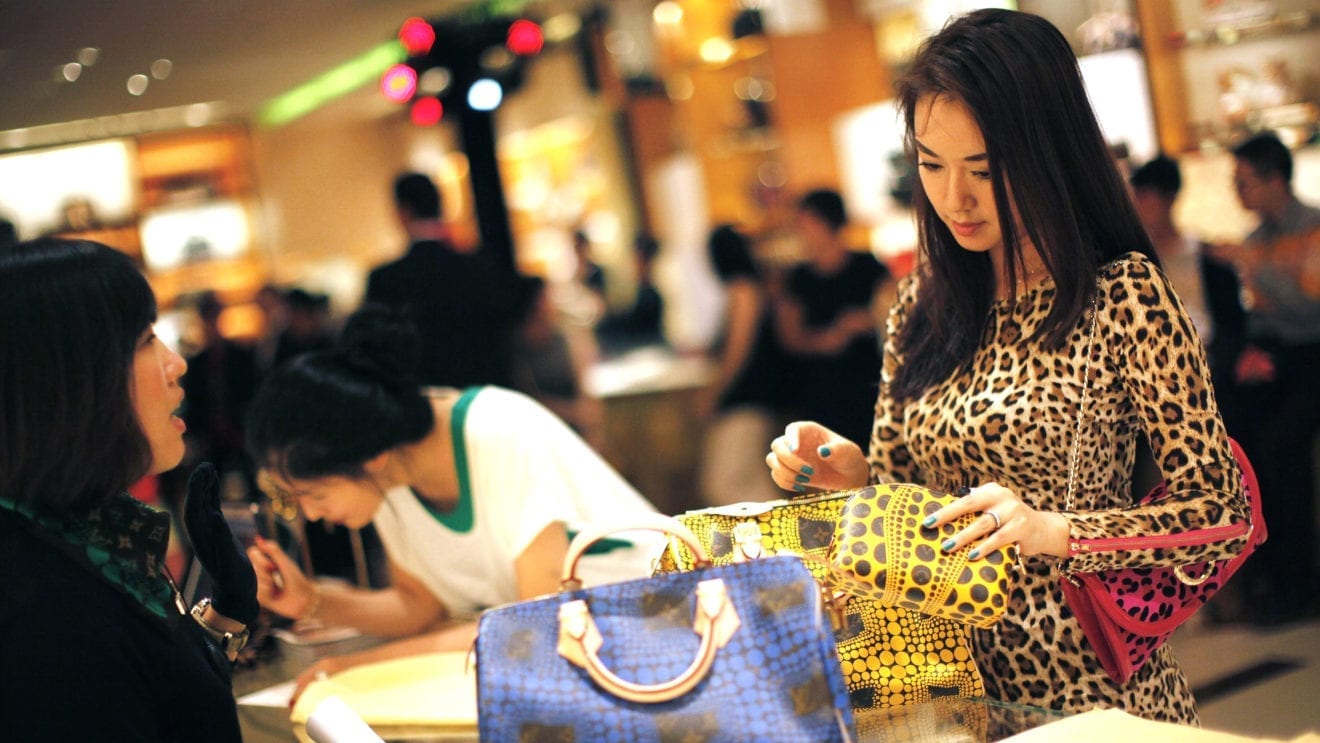
    Affluent Chinese consumers have for years shown a preference for global, well-known brands and labels. But with growing sophistication in tastes and a penchant for unique styles, the well-heeled are now increasingly gravitating towards high-end Chinese designers.

    “While global forces will continue to impact China’s luxury market, domestically there’s this whole new wave [of Chinese designers] that is coming through and is transforming the market,” said Simon Tye, executive director of Hong Kong-based market research company Consumer Search Group (CSG).

    In a report released last month along with US and China-based public relations company Ruder Finn Group, CSG found that 74 per cent of affluent Chinese consumers are aware of at least one Chinese designer, and 45 per cent intend to buy more Chinese designs over the next 12 months.

    According to report, titled “The 2019 China Luxury Forecast”, a shift in purchasing attitude from buying to “show-off to outsiders” to a “reflection of personal taste” is evident in 76 per cent of Chinese consumers. These respondents said they buy luxury items that reflect personal taste, up by about 30 per cent since 2012, according to the report.
    According to Mintel China, another market research company, niche luxury brands are particularly popular among women between the ages of 20 and 24, who are single and have a postgraduate or higher degree.

    Karen Zhang, 24, a banking professional from Beijing, said: “I still like my Gucci and Dior bags, but nowadays I like to explore luxury brands that have interesting stories and doesn’t shout extravagance. I also like to buy products by Chinese brands that have a unique twist.”

    The growing interest in Chinese designers is illustrated by a fivefold increase in the number of such brands featured by Hong Kong-headquartered luxury goods store chain Lane Crawford in recent years, according to strategy consultancy OC&C. Comme Moi, a brand founded by Chinese model Lu Yan, is among the fastest growing brands in Lane Crawford stores in China.

    JNBY, regarded as the most commercially successful Chinese designer brand, has more than 1,500 stores worldwide. Angel Chen, known for her colourful approach to fashion and fusion of eastern and western aesthetics, is stocked internationally by 30 retailers, including Lane Crawford, Luisa Via Roma, H. Lorenzo and Dong Liang. She is part of the “new wave” making an impact locally and globally, according to CSG.

    Unlike traditional brands, which spend on large-scale marketing and advertising campaigns, these new brands rely more on their unique designs and the power of celebrities and “key opinion leaders” for publicity.

    “For instance, Chictopia, founded by a local designer, Christine Lau, offers innovative and high-quality products with a clear story theme for each season,” said Veronica Wang, associate partner at OC&C. “The brand is followed by a group of top local celebrities, such as Fan Bingbing and Angelababy, which helps to establish awareness among the young generation.”

    The brand launched an official website in 2016, which provides an online sales channel and allows for the sharing of the brand’s latest collections through WeChat.

    Wilson Li, 28, a Chinese designer, said: “This is a very interesting time [for Chinese designers] right now. Around 20 years ago, Chinese clothing companies produced items that were extremely cheap, and they didn’t care much about quality. But this isn’t the case any more.”

    Li said the US-China trade war was pushing the market to improve its offering: “The only way for Chinese designers and companies to break out is to improve their standards.”

    Li, founder and head designer at Wilson PK, is known for his innovative fabrics and creative knitwear. He said a growing number of Chinese companies had been investing more in research and development as well as quality control over the past 10 years, with the aim of shaking off the image being of “cheap”.

    His brand, which has been around for five years, can count celebrities such as American singer Lady Gaga and British musician Lianne la Havas as its fans.

    “For custom fashion pieces, which are priced between US$960-US$3,830, we usually reach our target consumers through our online look book and stylists,” said Li. “Mass market customers can shop the ready-to-wear collection on our website, with prices starting from US$50.”

    Li, a fashion design graduate of Central Saint Martins Art and Design College, added: “Nowadays, Chinese consumers don’t just want luxury, they want the stories that come with it.”

    Industry experts say it is important for niche luxury brands to maintain a sense of exclusivity and rarity through storytelling. Scarlett Zhao, associate research analyst at Mintel China, said: “Niche brand lovers tend to be better informed and are willing to pay more for a brand’s unique meaning.”

    According to these experts, the biggest competitive edge Chinese designers have is their understanding of local preferences. And according to Wilson PK’s LI, while it is too early for local designers to be considered as rivals to established global fashion houses, there are more opportunities for Chinese brands in the current market.

    “Let’s be honest, calling it a competition would be too difficult. But as a Chinese designer, I definitely want to liberate my own culture,” he said.

  • Time for China’s smartphone brands to bloom

    Time for China’s smartphone brands to bloom

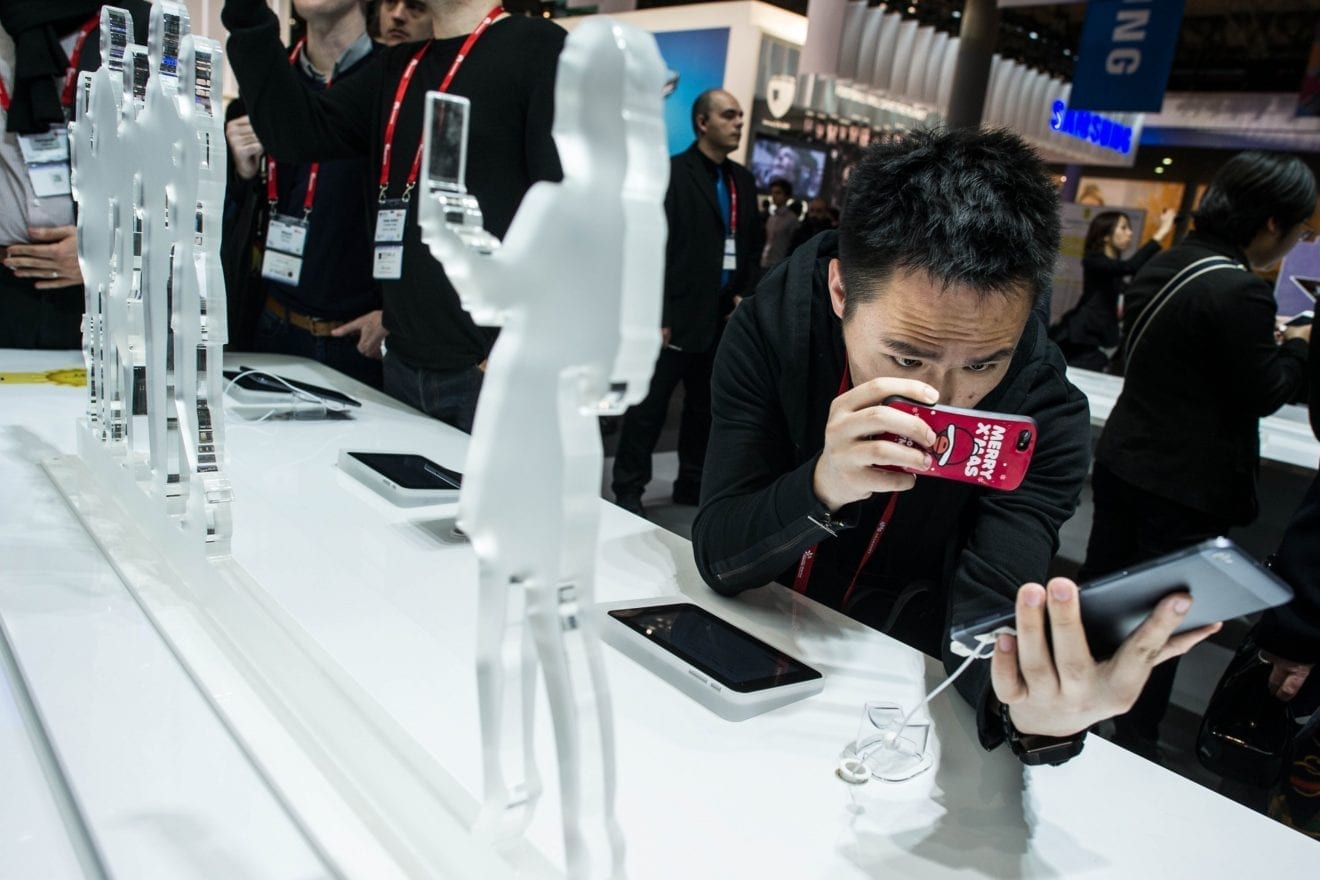
    Like many urban Chinese consumers, Shenzhen civil servant Gao Jian has had a long-held belief that the quality of domestic smartphone brands paled in comparison with foreign brands, especially Apple. But in December, Gao joined the growing number of mainland consumers who have made the switch from Apple’s iPhone to a premium Android smartphone from a major Chinese brand. He bought a Mate 20 Pro, the flagship model from the country’s largest smartphone supplier Huawei Technologies.

    “Its design and cameras are better than what I expected,” Gao said. “Also, iPhones have become increasingly unaffordable.”

    His experience reflects the broader success of the Chinese mobile phone industry in smashing people’s perception that domestic suppliers are only good for inexpensive, low-quality products.

    That stereotype has beset many Chinese brands in the home appliances, consumer electronics, personal computer, car and mobile phone markets, where products from more established brands in the US, Japan or Europe were preferred by mainland consumers for many years.

    But brands like Haier Group Corp, Lenovo Group and, more recently, Huawei, have expanded their operations, increased research and development, and made advanced products to change that impression around the world.

    China is now home to some of the most successful smartphone brands, which rival the likes of Samsung Electronics, Apple and LG Electronics.

    Shenzhen-based Huawei, the top global supplier of telecommunications network equipment, was ranked the world’s second biggest smartphone vendor – behind Samsung and ahead of Apple – for the second consecutive quarter in the three months ended September 30, according to research firm IDC. Xiaomi Corp and Oppo took the No 4 and 5 spots in the same quarter.

    The emergence of Chinese smartphone brands on the global stage has mirrored the rising competitiveness of the country’s telecoms network equipment suppliers, which have won market share with value-for-money offerings as well as on heavy investments in research and development.

    The gains have also sparked increasing pushback by the US, which is persuading its allies to boycott Chinese telecoms gear suppliers such as Huawei on grounds of national security.

    With the world’s biggest internet population and smartphone market, China had as many as 300 domestic mobile phone companies about three years ago. Cutthroat competition reduced that number to about 200 last year, as Chinese consumers bought fewer smartphones and the economy grew at a slower pace.

  • Axiata slides 5% in early morning trade on tax bill

    Axiata slides 5% in early morning trade on tax bill

    Axiata Group Bhd saw some selling pressure in early morning trade on news that it had been hit with a capital gains tax bill of RM2.16bil by the Nepalese Supreme Court. The stock lost as much as 20 sen or 5.1% in early morning trading on Friday to a low of RM3.70. At 9.30am, the counter was down 14 sen or 3.59% to RM3.76 a share on the back of 1.57 million shares traded.

    Analysts said the news report by the Himalayan Times yesterday came as a negative surprise, which may impact the group’s FY19E earnings forecasts.

    Kenanga research made no changes to its FY18-19E earnings forecast pending its upcoming 4Q18 results but lowered its target price to RM4.50 from RM4.60 previously.

    “All in, we are keeping our Outperform call for now in view of its relatively decent valuation (Forward EV/EBITDA of 7.2x vs. peers of 12-13x) coupled with a stronger Celcom and earnings recovery at XL.

    “Bargain-hunting opportunity could potentially arise on any share price weakness due to the recent hiccup. We advocate investors to start accumulating the share at c.RM3.70 level,” it said.

    PublicInvest research said its core earnings forecasts remain unchanged but headline profit could see a sharp decline if Axiata paid the capital gains tax in FY19F.

    “Although our core earnings forecasts and Neutral call remain unchanged, we believe share price would react negatively to this news due to uncertainties and the potential downside to headline profit,” it said.

    It maintained its target price at RM3.85.

    In its response to news reports, Axiata said in a statement that it is yet to receive the judgment and order of the Supreme Court and is yet to receive any details of the order.

    “Ncell, Reynolds, and Axiata UK were given the full clearance by the Large Tax Payers Office of Nepal [LTPO] of its obligations to withhold any CGT payment on behalf of the Seller in relation to the Transaction via the letter from LTPO dated 4 June 2017, following the full and final payment made by Ncell, albeit under protest on the basis that CGT is not applicable on offshore transactions and even if applicable, any shortfall on payment is the responsibility of the Seller,” it said.

    The group said it would provide further updates upon receiving the order of the Supreme Court.


  • Astro seen benefiting if Android box is banned

    Astro seen benefiting if Android box is banned

    Astro Malaysia Holdings Bhd is the clear winner if the government moves to ban the sale of Android set-top-boxes (STBs) in the country as this could possibly halt or slow down its declining subscriber base and lift its average revenue per user (ARPU), according to HLIB Research. It was reported that the government has set up a task force to consider banning the sale of Android STBs, mirroring Singapore’s move last month.

    The rapid sale of Android STBs in Malaysia has hampered the development of Pay-TV in the last two to three years, HLIB Research analyst Khairul Azizi Kairudin said in a note.

    He said this is evident by Astro’s declining premium subscribers who opted to shift to Android STBs and other digital platforms (both legal and illegal).

    “In Malaysia, Astro appears to be the most impacted player with the rapid sales of Android STBs as evident by its declining premium subscribers in the past three years. However, we note that Astro has managed to slow down the subscriber loss with NJOI,” he added.

    Nevertheless, he noted that despite the ban on Android STBs, Astro would still face competition from legal streaming platforms such as Netflix.

    While Singapore took three years to review the ban of Android STBs, which includes amending its Copyright Act, Khairul expects a shorter timeframe for Malaysia as media companies have mooted the idea in the past two years due to the disruptive impact.

    “We believe the government has started the discussions on the ban by setting up a task force to review the current law,” he said.

    Additionally, he said HLIB Research views Telekom Malaysia’s (TM) recent announcement that their latest Unifi package would not be bundled with Unifi TV subscription due to changing consumer trends as a positive for Astro as this could assist the latter to expand their subscriber base.

    Astro controlled 77% market share of Pay-TV market in Malaysia and the rest is controlled by TM through Unifi TV.

    Khairul said should the ban on Android STBs material, it would be a positive catalyst for the lacklustre media sector (especially for Astro) which is being hampered by the digital disruption.

    “For now, we maintain our ‘underweight’ rating on the media sector. Following the recent surge in Astro share price, we downgrade Astro from ‘buy’ to ‘hold’ with an unchanged target price of RM1.70.

    “Nevertheless, Astro’s earning prospect remain intact on the back of its stable advertising expenditure outlook and coupled with generous dividend payment of 5% yield,” he added.