Tag: Business

  • Korean export decline picks up speed in January

    Korean export decline picks up speed in January

    Exports have continued to fall for a second month, but at a steeper rate, confirming concerns raised by Finance Minister Hong Nam-ki earlier this week. Although Korea succeeded in posting a trade surplus for the 84th consecutive month, a new record, exports in January fell 5.8 percent, sharper than the 1.2 percent drop recorded in December.

    This is the first time since September and October 2016, when exports fell for two consecutive months.

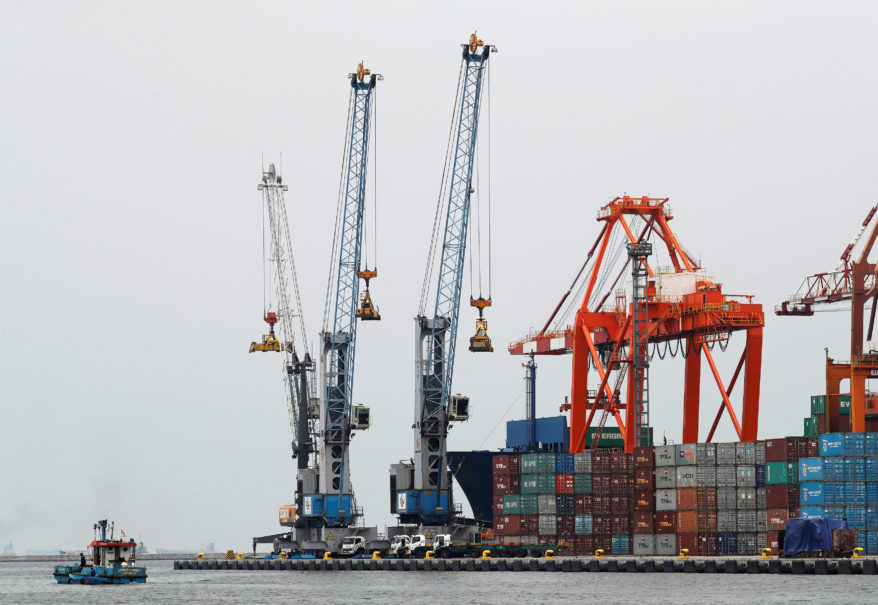
    According to the Ministry of Trade, Industry and Energy on Friday, Korea’s exports in January amounted to $46.4 billion.

    Imports also retreated, losing 1.7 percent to $45 billion. As a result, Korea’s trade surplus in January was $1.3 billion, which is one-third of the $3.4 billion surplus reported a year ago.

    The ministry, however, said the decline of Korea’s exports wasn’t exclusive to Korea as other countries have also been falling as well.

    In December, China’s exports retreated 4.5 percent while Japan was down 3.2 percent, Taiwan lost 3 percent and Singapore fell 4.1 percent.

    The ministry said the decline was largely the result of external factors including the trade dispute between the United States and China, uncertainties resulting from Brexit, falling prices of semiconductors and crude and the slowing growth of the Chinese economy.

    Semiconductors, which were the largest contributor to last year’s thriving exports, played the biggest role in pulling down the number in January and December. Exports fell 23 percent compared to a year ago to $7.42 billion. Semiconductors account for roughly 20 percent of all Korean exports. Semiconductor exports have been shrinking after reaching a high of $12.4 billion in September 2018. The figure fell below $10 billion in December for the first time since April last year.

    The ministry blamed the falling price of semiconductors as global IT companies have been delaying additional purchases since the second half of last year. The price of an 8 gigabyte DRAM chip nosedived 36.5 percent from $9.60 a year ago to $6.10. The price of a 128 gigabyte NAND memory has fallen 22.4 percent from $6.7 to $5.2.

    Falling crude prices was another factor that drove down exports. Petroleum product exports fell 4.8 percent to $3.47 billion, while petrochemical goods slipped 5.3 percent to $3.98 billion. International oil prices have been falling since October last year. Last month, the price of a barrel of oil was down 10.7 percent on year.

    But these weren’t the only export items that struggled.

    Mobile telecommunication goods exports, including smartphones, have fallen 29.9 percent while computers exports are down 28.2 percent. Exports of ships fell 17.8 percent and displays were down 7.5 percent.

    Mobile telecommunication exports to the United States fell 9.7 percent, while the figure for member countries of the Association of Southeast Asian Nations (Asean) saw a steeper drop of 21.9 percent.

    On the contrary, automotive exports, which struggled throughout 2018, appeared to recover, growing almost at the same rate as a year ago.

    Automobile exports in January were up 13.4 percent to $3.67 billion, largely thanks to growing demand in the United States, Europe and the Commonwealth of Independent States (CIS). Exports to the United States in the first 20 days of January were up 43.4 percent to $820 million, Europe grew 20.7 percent to $350 million and the CIS surged 104.1 percent to $150 million.

    Thanks to positive growth in automotive exports, automobile parts exports grew as well, increasing 12.8 percent.

    Steel was another export good that saw an increase thanks to rising prices. When compared to a year ago, it grew 3.3 percent to $2.8 billion.

    By country, China, which is Korea’s No. 1 export market, tumbled 19.1 percent. China, as of last year, accounts for 26.8 percent of Korea’s exports.

    While the majority of the goods exported to China all fell last month, semiconductors, petroleum and petrochemical goods were hit especially hard. Semiconductor exports plummeted 40 percent in the first 20 days of last month to $1.61 billion, while petroleum exports fell 36.4 percent. Petrochemical exports lost 13.7 percent. The three products account for 44 percent of exports to China.

    Exports to the United States rose 20.4 percent to $6.21 billion, largely thanks to import of Korean automobiles, particularly SUVs, which saw an uptick of 43.4 percent.

    EU exports also grew in the double digits at 11.9 percent to $5 billion.

    The ministry said the situation will likely turn around in the second half when semiconductors and crude prices go up. The ministry said that when excluding semiconductors, petroleum and petrochemical goods, Korea’s exports in January only dipped 0.7 percent to $31.5 billion.

    The ministry also noted that new growth engine products like rechargeable batteries are doing well.

    It said that rechargeable battery exports have been rising over the last three years and are now expected to surpass exports of electronic consumer goods, which amount to $7.22 billion.

    Last year, secondary battery exports amounted to $7.23 billion, up 21.5 percent.

    Last month, it grew 14.5 percent year on year to $660 million.

    Biohealth exports have been growing in double-digits for four consecutive years. Last year, they reached a record of $8.15 billion, up 13 percent. Last month, however, biohealth exports fell 1.6 percent to $560 million. The ministry said that it still expects exports of biohealth goods to rise over the course of the year.

    OLED panels and electric vehicles are also seeing an increase in exports. OLED panels last month grew 12.8 percent to $800 million, while electric cars saw a surge of 184.7 percent to $280 million.

    The finance minister said the government will be coming up with measures to help small- and medium-sized exporters that may struggle from the recent turnaround, while Trade, Industry and Energy Minister Sung Yun-mo on Friday emphasized that the government will do its best to revitalize all exports.

    “Our plan will not be concentrated on short-term measures, but committed to all 365 days so that we can achieve $600 billion of exports by the end of this year,” Sung said.

    Korea, last year, reached a new milestone with exports exceeding $600 billion. However, with the global economy expected to shrink, there have been concerns that, this year, Korea’s exports may fall back below that threshold.

    “In a Jan. 21 export strategy meeting, we initiated a pan-government and a private-government joint support system, and since Jan. 30, we started a program of consulting on export difficulties in 15 cities starting with Changwon in South Gyeongsang,” the minister added.

  • From bikes to phones, ‘Made in Vietnam’ grows with foreign help

    From bikes to phones, ‘Made in Vietnam’ grows with foreign help

    Vietnamese companies are branching out into new areas, in line with the government’s goal of establishing the country as a manufacturing powerhouse by 2020. Real estate conglomerate Vingroup has started manufacturing electric motorbikes and smartphones and is set to enter the car industry in June. VinFast, a Vingroup unit, began selling its first electric motorbike in November. Designed in the mold of Italy’s Vespa, the Klara is a stylish, well-manufactured bike that can cover up to 80 km on one charge.

    Klara, like many other domestically made products, however, remains heavily dependent on foreign parts and technologies. While the collaboration with companies such as BMW, Robert Bosch and Siemens enabled Vingroup to bring the Klara to the market in just over a year after announcing plans to expand into motor vehicles, it reflects the long path the country has to travel before becoming a full-fledged industrial power.

    A group of 20 European businesses are helping Vingroup produce the bike, and around 200 German engineers are currently working at Vingroup’s plant in the northern city of Haiphong. Klara offers a glimpse into the type of outside assistance that will go into building the country’s first national car, which the company plans to launch in June.

    Some of the company’s cars will be based on a small vehicle produced by Germany’s Opel and use chassis provided by Western makers, according to local media. An Italian design studio that has worked for Ferrari and other European marques is in charge of designing VinFast cars.

    Most of the parts have to be imported, as the country lacks a developed car manufacturing supply chain.

    Vingroup’s foray into the smartphone market is also supported heavily by foreign manufacturers.

    The conglomerate has teamed up with Spanish maker BQ to launch its Vsmart model, and its smartphone plant has started operation, also in Haiphong.

    Vingroup has enlisted the help of Qualcomm and Google for its smartphone business.

    Vietnam’s first domestically made smartphone, the Bphone, was launched in 2015 by software developer Bkav and was also largely made up of components supplied by foreign makers. Its liquid crystal display, for instance, came from Sharp and its chips from Qualcomm.

    In October, Bkav put the third-generation model of the Bphone on the market.

    Truong Hai Automobile, also known as Thaco, a contract manufacturer for Mazda Motor and Kia Motors, started selling Vietnamese-made agricultural machinery in 2018. The company, which has entered a technological tie-up with South Korea’s LS Mtron, reportedly makes equipment mostly with imported parts.

    The government is seeking to develop a cycle of domestic manufacturing, hoping that sales of locally made products will help its industries climb up the technology ladder and create employment.

    It is understood that a variety of tax and other incentives are being extended to Vingroup and other companies that are cooperating with state efforts to promote domestic production.

    Some analysts, however, have questioned the sustainability of this approach.

    “What Vietnam needs to do is to accelerate technology transfers to small and midsized companies for long-term development, instead of providing special incentives to specific large companies,” said a Hanoi-based Japanese consultant.

    In addition, the “Made-in-Vietnam” label has yet to win over consumers, according to Cao Thi Khanh Nguyet at the Asia Pacific Institute of Research, and manufacturers need a well-designed brand strategy to establish a solid presence in the market.

    Samsung Electronics, which operates two massive manufacturing plants in the country, controls 40% of its smartphone market. Many consumers also opt for Japanese, Thai and South Korean products when it comes to food and daily goods.

    Manufacturers in emerging markets often look to foreign powerhouses for support in accelerating their growth and evolution.

    Generally, industries begin the shift toward domestic production after they have acquired sufficient expertise and built up a dependable network of domestic suppliers.

    Some analysts say that Vietnam’s push to establish full-fledged domestic production by 2020 is too ambitious. But the blueprint has been in place for years.

    The 2020 target was first proposed at the ruling Communist Party’s National Congress in 1996. Two decades later, in 2016, the party reiterated its pledge to make the country a modern industrialized nation, despite widespread expectations that the plan would be abandoned.

    Vingroup chose Sept. 2, 2017 to announce its entry into automotives. It was no coincidence, falling on National Day, when the Vietnamese commemorate Ho Chi Minh’s 1945 declaration of independence.

  • AirAsia X Wants To Launch Flights From The US West Coast To Japan

    AirAsia X Wants To Launch Flights From The US West Coast To Japan

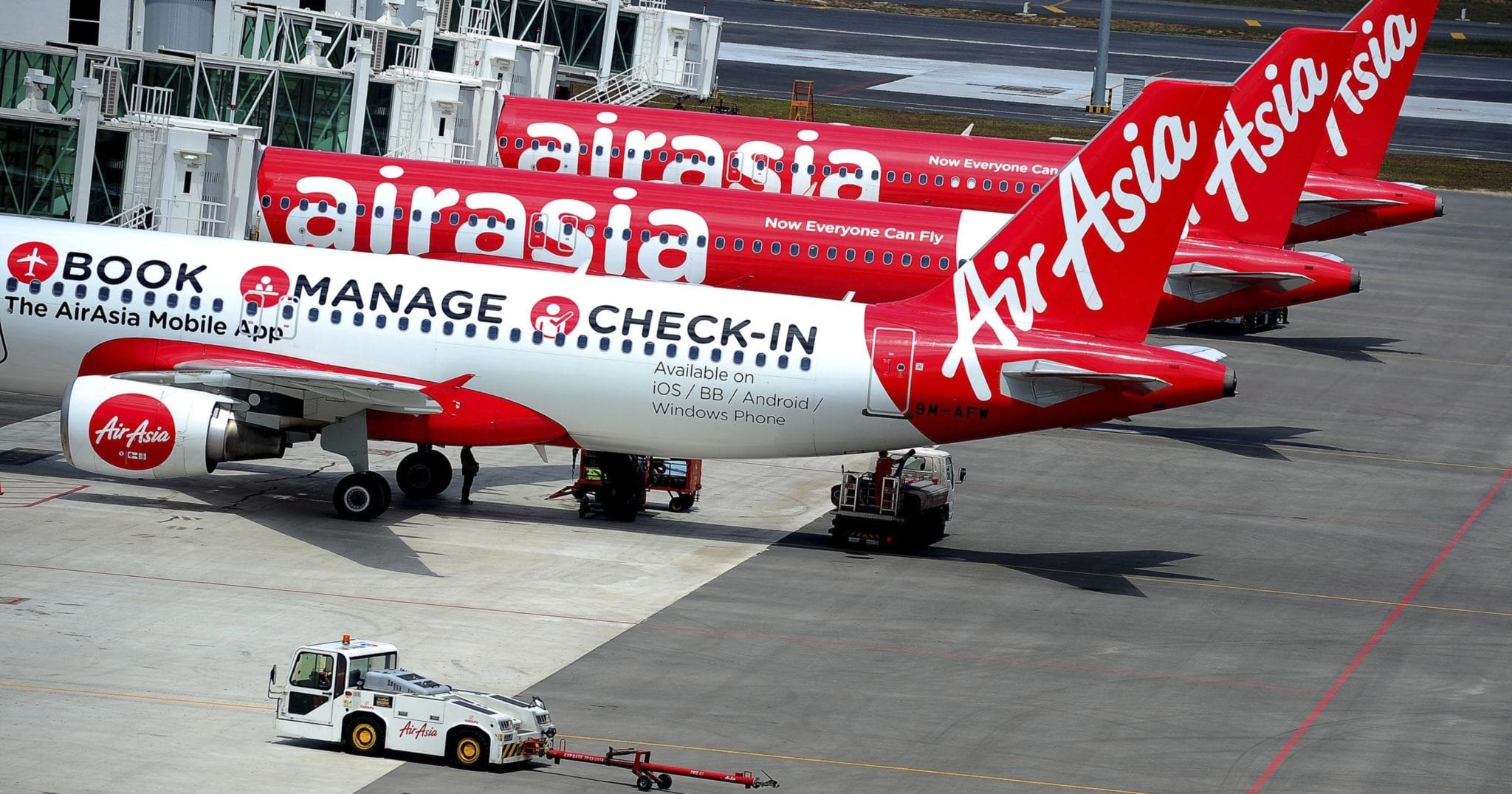
    Air Asia is the world’s largest and best low-cost carrier (They have won awards for the last 10 years). Air Asia X, their low-cost long haul carrier has built a route network spanning from the middle east to southern Australia. But many people in the US have never had a chance to fly on Air Asia, as the name would imply, have only ever been centered around South East Asia.

    Could Air Asia X routes from Japan to the US West Coast work?

    In a massive new rumor, Air Asia might be starting direct routes between Japan and the US West Coast onboard their fleet of brand new Airbus A330-900 aircraft. As none of the 66 new aircraft on order have been delivered yet, Air Asia X has been reluctant to place address the theory. They are however one of the first airlines to order the aircraft, and as deliveries have begun, we expect news sometime this year.

    Previously, the current fleet of older A330-300s has only been able to reach as far as Hawaii from Osaka, Japan (their range is 6,350 nmi (11,750 km)), limited by their ability to cross the Pacific ocean.

    But these new A330neo aircraft, with a range of 7,200nmi (13,334km), allow Air Asia X to reach destinations like Los Angeles and San Fransisco. This opens up a huge potential market for the company, and on the flip side, a cheap (and good) way for American’s to access Japan, and through transfer, South East Asia.

    What is the service like on Air Asia X?

    Whilst there has been no information yet on the fit out of the new Airbus A330-900 aircraft, we can hazard a guess based on their current A330-300 jets.

    There are three classes on board, a ‘premium’ business light class, a quiet zone and a normal economy class. There are also exit row seats scatted throughout.

    The business class features “flat beds” (They do not go entirely 90 degrees flat, but are more around 70-80 degrees), as well as included entertainment (via tablet), baggage allowance and food and beverages. They have around 60 inches of pitch and are 20 inches wide.

    There is every possibility that AirAsia will upgrade the seat truly lie flat in their newer aircraft.

    The quiet zone on board is a section of economy row seats at the front of the economy section that only allows adults and forbids loud noise. The economy section is laid out in a 3 by 2 by 3 configuration.

    Naturally, as it is a low-cost carrier, passengers will need to budget for seat selection, baggage, food and bring their own entertainment. The economy seats have 32 inches of pitch and are 16 1/2 inches wide.

    The real win, however, is the cost. Typically you would be looking at around $1000 USD return in economy to fly from Los Angeles to Osaka. Air Asia typically offers premium business for the cost of an economy ticket (which is well worth the upgrade) and economy for dirt cheap prices (through economies of scale). It is very likely that Air Asia will instantly undercut the market on these routes and be the cheapest to fly.

  • MAHB turned down our offer for mediation, says AirAsia

    MAHB turned down our offer for mediation, says AirAsia

    Air Asia has claimed that Malaysia Airports Holdings Berhad (MAHB) has turned down their offer of mediation, in a letter sent by the airport operator’s lawyers. The airline said that in an attempt to resolve the parties’ ongoing dispute over passenger service charges at  Kuala Lumpur International Airport 2 (klia2), they had proposed mediation to MAHB.

    “We regret that MAHB has refused AirAsia’s olive branch to resolve outstanding issues between us through mediation, particularly in light of MAHB’s recent statement that it is ‘optimistic that these matters can and will be resolved’,” said AirAsia Malaysia CEO Riad Asmat in a statement on Wednesday (Feb 6).

    “We will seek guidance from Malaysian Aviation Commission (Mavcom) on the next steps to address this situation. However, we reserve our rights to take all necessary actions to protect the interests of our guests and shareholders,” added Riad.

    Under the Malaysian Aviation Commission (Mavcom) Act 2015, MAHB and airline operators have an obligation to mediate any dispute, and legal action may only be used as a last resort when other efforts have failed.

    Last month, the budget airline sought more than RM400mil in counterclaims against MAHB in response to a suit filed by the airport operator last month over airport taxes.

    The counterclaims were for losses and damages experienced by AirAsia and its long-haul sister airline, Air Asia X Bhd, due to alleged operational disruptions at klia2, the airline had said.

    AirAsia claims that it agreed to move to klia2 after the government scrapped the initially approved plans for its own low-cost terminal in Labu, Negri Sembilan in 2008 following MAHB’s claim that it could build a similar terminal closer to KLIA with the same facilities and charges at the former Low-Cost Carrier Terminal (LCCT).

    The airport tax in klia2 was increased to RM73 from RM50 for non-Asean international passengers.

    Domestic passengers were not spared from the increase and now have to pay RM11, up from the previous RM6.


  • DHL Expands Green Fleet With New Electric Delivery Vans

    DHL Expands Green Fleet With New Electric Delivery Vans

    DHL Express is rolling out a new fleet of 63 electric delivery vans in the United States as part of the German company’s goal to reduce logistics-related emissions to zero by 2050. Thirty battery-powered NGEN-1000 vehicles from Workhorse Group will be deployed in San Francisco with the remainder in other unspecified markets around the country later this year.

    The new vehicles have a range of 100 miles and 1,008 cubic feet of cargo capacity.

    DHL said its delivery fleet in the United States already includes electric, hybrid-electric, compressed natural gas and clean diesel-powered vehicles. The company has set a target of operating 70% of first- and last-mile delivery services with what it considers “clean transport” modes by 2025.

    “This year alone, nearly 30% of our new vehicles will be alternative fuel,” said Greg Hewitt, CEO of DHL Express U.S. in Plantation, Fla. “We’re excited about the technologies that continue to emerge in this area and how they are benefiting the logistics industry.”

    Workhorse Group launched commercial production of the NGEN-1000 and three smaller-capacity electric cargo vans in October 2018.

  • DFS Changi celebrates lunar new year with offers

    DFS Changi celebrates lunar new year with offers

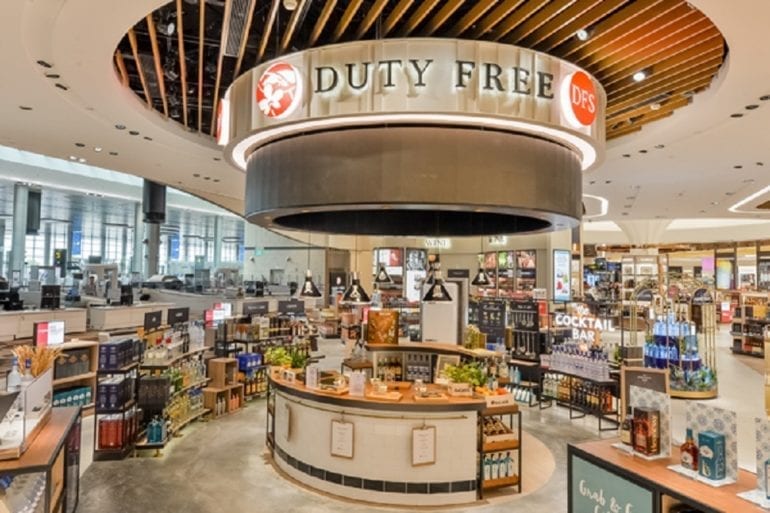
    DFS Group, the world’s leading luxury travel retailer, is celebrating Lunar New Year 2019, ‘The Year of the Pig’ with a series of exciting promotions, exclusive offers, personalization services and interactive activities at DFS, Singapore Changi Airport.

    Until 19 February, DFS has partnered with Moët Hennessy to celebrate the new year festivities with an exclusive Hennessy pop-up store at Changi Airport, the only one of its kind in the global travel retail sphere. Offering interactive consumer experiences and tastings, the pop-up features Hennessy’s first ever engraving station in travel retail for travelers who wish to add a personalized touch to their bottles. Hennessy partnered with contemporary artist, Guang-Yu Zhang to create an exclusive art piece, incorporating the zodiac symbol of the boar and Hennessy’s double distillation process. The artwork is featured on limited-edition festive packaging for Hennessy XO, Hennessy VSOP and James Hennessy.

    “Lunar New Year is one of the world’s most celebrated festivals and is a time for family, friends, giving, happiness and good fortune. As we welcome the Year of the Pig, we thank our loyal customers and look forward to welcoming new traveling customers to a luxurious shopping experience that only DFS can offer. Our Lunar New Year campaign enhances the pleasure of giving by offering an array of DFS exclusive products – for customers to show appreciation to loved ones or treat themselves to something extra special at this special time,” said Ariel Gentzbourger, DFS Group Executive Vice President Merchandising.

    Exclusive and limited-edition products available at DFS Changi include the Macallan Concept No.1, an Asia First Launch, the limited-edition Benedictine Dom Chinese New Year tin and the limited-edition Royal Salute 21 Year Old. All products are also readily available on www.iShopChangi.com, where travelling customers can browse and purchase products from 18 hours to 30 days before their flight. Purchased products can be collected at the departure terminals or arrival halls. Travelers can enjoy 10 per cent discount when they check out with the ‘CHEERS10” promocode now through until 31 March 2019.

    In preparation for festive feasts and celebrations, travelers arriving in Singapore during the festive period can enjoy an unlimited purchase of wines and champagnes. By absorbing all duties and taxes, DFS allows customers to purchase as many bottles as they wish from an extensive collection at an affordable price. Products range in cost and variety and start from as little as S$25, with travelers enjoying savings of up to 70% versus domestic prices.

    From now through 4 February, travelers at Changi Airport can try their hand at winning a 999 Pure Gold Bar (10 g) by playing the exclusive ‘Fortune Catcher’ claw machine. Located in each DFS departure store, travelers are able to use vouchers to play the claw machine – that offers an array of prizes with a minimum purchase of S$168 in store.

  • Featured store : SSG Food Market by Emart in Seoul, Korea

    Featured store : SSG Food Market by Emart in Seoul, Korea

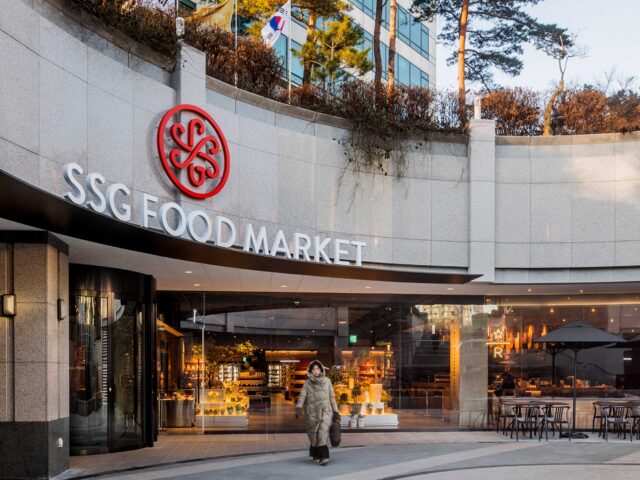
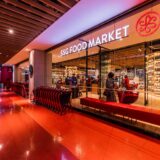
    Nestled in the upmarket suburb of Dogok, Seoul, sits the newly opened reinvention of Emart’s “Star Super”: “the SSG Food Market”, designed by Landini Associates. Emart is the leading business of the Shinsegae group, the largest retailer in South Korea, operating multiple brands including department stores, discount to premium supermarkets, and the mighty Emart hypermarkets.

    The brief was to create a world class premium supermarket and food hall fusion, and Landini Associates were entrusted to redesign every detail of the new store experience. This included: the built environment, naming and identity, furniture and fixtures, signage and communications, ticketing, menus, POS, advertising style guides, packaging and uniforms. In fact every customer touchpoint.

    The result is a modern market, a convenient and accessible food lover’s heaven, where locals can do a daily or weekly shop, or dine in with friends at one of the many in-store restaurants and cafes. Attracting a newer younger audience, whilst rewarding its existing, the SSG Food Market is a community epicentre to meet, eat and shop in, throughout the day.

    The offer

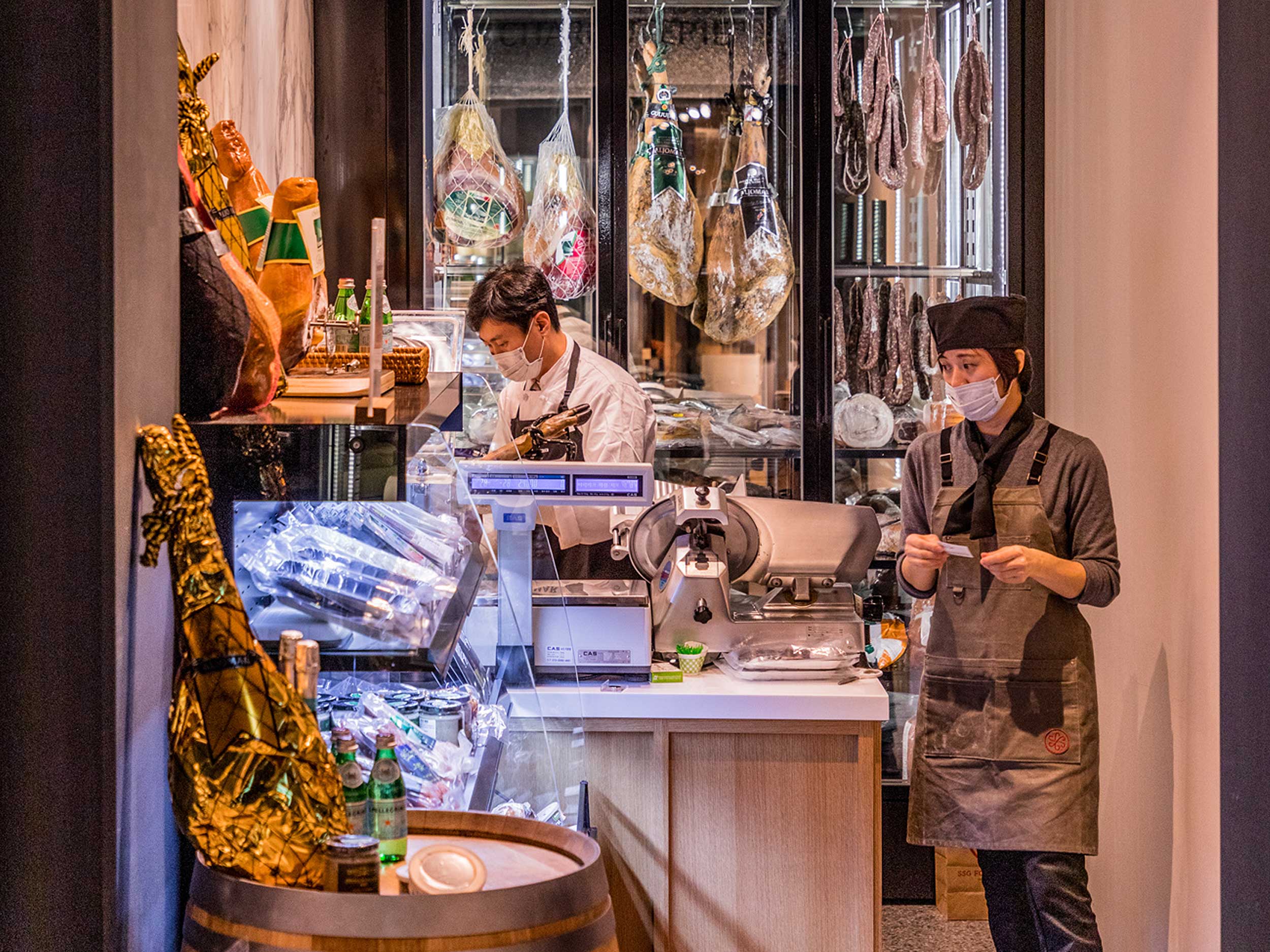
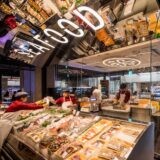
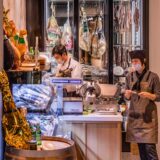
    The reinvention enriched and upscaled the existing food and beverage offer to include an extensive fresh department, vegie butcher serving house-made salads and juices, take home meals, Korean deli, bakery (run by hip San Francisco brand Tartine), fishmonger, butcher, Korean traditional street food, café, 200 seater restaurant, sushi restaurant, specialist cheesemaker, western charcuterie, wine and beer department, coffee roastery, dry goods, florist and homewares.

    The result is a curated selection of quality products, and a onestop-shop supermarket and refined specialist items. In addition the market is a wonderful meeting place to dine with friends and family, further enriching the retail and community experience.

    The design

    The offer is made up of both SSG run departments, franchises (such as Starbucks, a premium brand in Korea), and third-party retailers. Ensuring that these were all presented as a tangible whole required the design team to be sensitive to multiple design briefs, whilst ensuring that the customer had a seamless experience.

    Additionally, the site has a low ceiling which created some challenges for the reticulation of services, and multiple entrances, including a pre-trading public access to a subway station through the heart of the store; a gift to residents from Shinsegae.

    Landini’s solution creates a space of intrigue, transparency and exploration by celebrating the food, the people who make it, and its preparation.
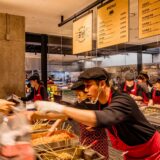
    Specialist departments are visible across the restaurant’s open kitchen and include: Korean Traditional Street Food, Korean/ Chinese Noodles and a grill. All the production is exposed, and chefs work in glazed pavilions serviced by counters showcasing this theatre whilst you order. There are also take home meals in the Korean deli prepared daily in its kitchen, or fresh fish and meat cooked to order at the Grill, to take home, or eat in.
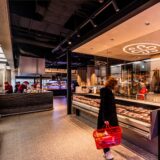
    As always, and especially because the market is in a basement, the lighting plays a key role in Landini’s design. Chiaroscuro, the contrast between light and shade, creates areas of interest and calm, gently guiding customers on a journey of discovery throughout the store. Perimeter departments use pavement lights to create space, and give sense of the world above.

    In the main market hall the interior is paired back, functional yet classic. This “bare bones beauty” of exposed steel beams and concrete bulkheads contrasts with fine marbles, glass and blackened steel, and is balanced by timber fixtures and details. This subtle, considered and classic material palette allows the food to be the hero, and merchandising plays a major role. Long-life departments such as wine and dry-goods have a warmer, more earthy and textural palette, utilising brick and added timber. In the carpark, red floors and walls add vibrancy to the market experience before customers even get out of their car.
    The basement site is located below two high-end residential apartment buildings. Visitors can enter from the sunken courtyard on street level, or via the red carpark inside. SSG has created a residents pre opening pedestrian route through the store, a shortcut to the train station to save locals from the blistering cold in winter. Landini designed a set of messaging icons for this route, also.

    The graphics

    Landini Associates established a tone of voice for the brand to reflect their new food experience. This influenced all store communications including: naming and identity, signage and communications, ticketing, menus, advertising style guides, packaging and uniforms.
    The entire site required an ownable, easy to understand signage and graphic messaging system to reflect the brand’s new established tone of voice. The Landini design team evolved the existing SSG logo mark, developing an adaptation on communications applications to collateral and signage.
    The design is simple, contemporary yet classic; impacting not overwhelming. The palette is one of debossed concrete, timber, black and whites, and complimentary hits of the brand’s colour, red.


  • Superdry forays into sports fashion category, to open 50 retail stores in 3 years.

    Superdry forays into sports fashion category, to open 50 retail stores in 3 years.

    Recognizing the immense scope in the lucrative fitness market that has hit the country, Superdry announces its venture into Sports category under the name SuperdrySport. The brand is all set to open its first exclusive Sport store in the country that will celebrate technical sports gear, athleisure, great design and outstanding craftsmanship at DLF promenade, Delhi.

    From technical gear to workout essentials, SuperdrySport has everything from active wear, athleisure and sportswear. With pieces engineered to enhance performance and aid- goal focused activity, to more fashion lead items made with sports fabrics but designed more to turn heads, there are items carefully mastered to suit whatever your ability. Geometry and pop grid structures are complimented with layered mesh weaves. The highly technical performance range is created with a distinct ‘win’ attitude featuring compression fits and engineered ventilation designs.

    The 1076sqft, brand-owned Delhi outlet located at this premium location retains the Superdry DNA of clean lines set against raw finishes yet takes a leap forward into the fresh brand of SuperdrySport by merging the future technology, lighting and finishes to enhance the experience of the customers. SuperdrySport stores will have the ability to evolve with seasonal change, product sales and popularity or gender demand allowing maximum traction from every square meter. It is sure to catch the eye of a millennial customer.

    Millennials are increasingly buying clothing that’s characterized by durability and utility, this shift has led to a surge of interest in brands offering innovative designs, new functionality and practical fashion.

    With many celebrities donning the athleisure look, the trend has reached Tier 2 & Tier 3 cities as well. Having understood this potential Superdry plans to open stores in these cities as well soon.

    The report published by Global Industry Analysts Inc., the global market for Sports and Fitness Clothing is projected to reach US $231.7 billion by 2024. The research also indicates that technological developments designed to improve comfort and performance has also led to the growth in sales of sports apparel. The report points out that the Asia-Pacific region is expected to be fastest growing region, with a CAGR of 6.9 percent over the forecast period. Sales came from emerging markets, such as India and Thailand, as well as the US, the world’s largest sportswear market.

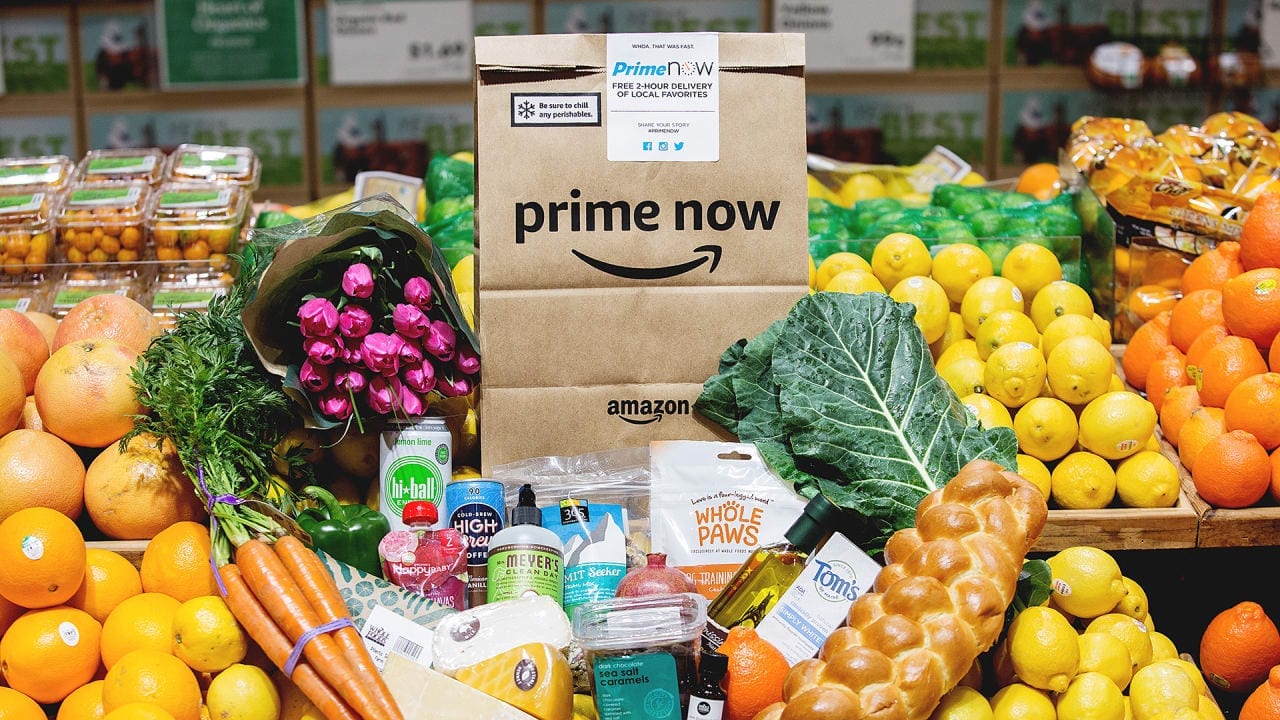
  • Indian consumers ask Amazon to resume Pantry service

    Indian consumers ask Amazon to resume Pantry service

    The Indian users of online grocery delivery service Amazon Pantry have taken to Twitter to urge the e-retail major to resume services ever since it was discontinued on February 1. “Currently, pantry items are not available on Amazon. Kindly stay tuned for more updates. Thank you for understanding,” Amazon responded to its Indian users in a tweet. The service became unavailable in India on February 1, the day revised norms for Foreign Direct Investment (FDI) in e-commerce came into force in the country.

    Following the new norms, Amazon has also removed from its website sellers such as Cloudtail India and Appario Retail Pvt Ltd in which it owns a stake.

    “I am missing Amazon Pantry service which catered to my monthly needs. It was super convenient,” tweeted a user.

    “What happened to Amazon Pantry? Please fix it,” read another user’s tweet.

    Under the Ministry of Commerce and Industry’s new guidelines issued on December 26, e-commerce platforms providing a marketplace are barred from exercising control or ownership over the inventory.

    They are also barred from allowing any company to sell its products exclusively on their e-commerce platforms alone.

    The Indian arm of the Seattle-based e-commerce giant did not respond to questions by IANS on the expected impact to its business in the light of the revised norms.

    While the company had earlier in a statement to IANS said that “it has always operated in compliance with the laws of the land”, it did not respond to queries on the changes it may have to make to its business model to suit the new norms.

  • Australia’s December sales slump below expectations

    Australia’s December sales slump below expectations

    Monthly retail figures from the Australian Bureau of Statistics have shown a somewhat dismal December trading period performance, having fallen 0.4 per cent to $27 billion, compared to the 0.5 per cent increase seen in November. While online retail turnover made up 5.6 per cent of the total figure, this figure fell from 6.6 per cent enjoyed in November, indicating the increasing importance of the pre-Christmas sales events such as Black Friday and Cyber Monday.

    The results show that, over the course of the holiday period Australians spent $48.7 billion on retail sales, below the $51 billion projected by the Australian Retailers Association (ARA) and Roy Morgan, though above the corresponding turnover of $47.5 billion from 2017.

    National Retail Association chief executive Dominique Lamb pointed out that these figures should serve as a warning, to both sides of the political landscape, that sectors of the retail industry are struggling.

    “Retail is the second biggest sector in the Australian economy, so when it goes through a challenging period there is a knock-on effect throughout the economy,” Lamb said.

    “While the retail community certainly doesn’t look to government for all the answers, it is during slow periods such as these that measures are required that assist small business.”

    Household goods fell 2.8 per cent, and clothing and footwear saw a 2.4 per cent decline in spending over the month, while department store turnover decreased 1.1 per cent. However, cafes, restaurants and takeaway food services rose by 1.1 per cent over the month.

    ARA executive director Russell Zimmerman pointed out that, while the monthly figures were depressed, annually the industry achieved a 3 per cent growth in sales, compared to the 2.76 per cent seen the previous year.

    “Although these figures are disappointing, it is important to note that there are a variety of factors that have contributed to these soft figures, including the decrease in consumer sentiment caused by rising household costs and low wage growth, which continues to plague the industry and overall economy,” Zimmerman said.

    These sentiments were echoed earlier in the month by NAB chief economist Alan Oster, who noted that these factors had led to consumers becoming reluctant to spend on non-essentials, having observed a 1.4 per cent decrease in online spending over the December period.

  • Puma Shuffle makes its debut in India

    Puma Shuffle makes its debut in India

    Global sportswear brand Puma has launched Puma Shuffle, a street style weekend pop up space in Indiranagar, Bangalore on February 02, 2019. With an aim to become the hub for growing sub-cultures in the city, Puma has introduced a brand new concept that emerges over weekends to provide a dedicated space for creative expression.

    PUMA Shuffle is created on the notion of an alter ego where the identity of the place oscillates between a friendly neighbourhood bar, Watson’s and a high-energy creative space that celebrates live music and sub-cultural communities of the city over the weekend. The fluid pop up space by Puma comes to life on Friday and Saturday evenings with gigs by an eclectic selection of DJ’s, musicians, artists, designers and sneakerheads.

    Speaking about the new concept, Abhishek Ganguly, MD, Puma India, says, “Bangalore has always been a hub for culture, but it’s time to re imagine the city’s cultural landscape with the rise of a new generation of youngsters who are using sneaker, street art, skateboard, hip hop battles, and basketball as a form of self expression. Puma Shuffle, is an innovative concept aimed at being the hotbed for such communities and sub cultures, giving them a dedicated space, impetus and empowerment they need. This new concept of shuffling between two spaces will also be a great visual, gastronomical and creative experience for our consumers all under one roof.”

    Resonating the dual identity of the space, the aesthetics are all about fusing the two entities and creating a concept that allows a smooth transformation from one identity to the other. The interiors exude an old world, heritage charm with soaring arched windows and a barrel roof with an unfinished surface that gives the space raw yet regal feel. The quirky wall art and live animation breaks the earthy palette to give the space a distinct personality. The mezzanine floor displays live graffiti – a cat silhouette and Puma Shuffle artwork are brought to life by animated projections. Vibrant layered art with mixed styles of graffiti adorns the wall beside the staircase.

    Created by artist Badaal, the edgy illustration also pays homage to two of Puma’s big sneaker names – Puma Suede and RS-X Toys. There are also 5 arched frames that house images of international Puma assets on the top floor. In keeping with Puma’s first sustainable store, located below, the idea was to retain elements from the existing space and reuse materials to construct the new venue.

    Puma Shuffle provides both a great visual and gastronomical treat for the audience. Much like the vibe of the place, the menu curated for Puma Shuffle is new age, vibrant and refreshing. On offer is a medley of cuisines from different corners of the world, including a few local favourites, that makes one keep coming back for more. In keeping with the theme of the space, the bar is hooked up with a mechanical pulley system used to elevate the wrought iron lighting at the facade. Here, an array of fun cocktails are created by expert mixologists.

  • E-commerce share to rise to 12pc from 2pc in 10 years: Walmart India CEO

    E-commerce share to rise to 12pc from 2pc in 10 years: Walmart India CEO

    Share of e-commerce is set to rise, despite the growth in brick and mortar or physical retail from 2 percent to 12 percent over the next 10 years, aided by pick up in Omnichannel format, said Krish Iyer, President & CEO, Walmart India and Chairman of India Food Forum, at India Food Forum 2019 on Tuesday. Gap between physical and digital needs to be bridged as the consumer is going digital in terms of experience as also his touchpoints, he said delivering the inaugural address at the two-day India Food Forum 2019.

    Sharing his insight at Walmart, Iyer said that by enriching customer experience, the consumer started buying Rs 180 over Omnichannel instead of buying Rs 100 from the store itself and later the ratio in the store was Rs 70 while digital was Rs 110. Calling for technology adoption as key to retail growth, Iyer enumerated four key challenges led by food security, safety & nutrition, food wastage and sustainability.

    “Feeding a rising world population of 10 billion from 7 billion amid rising death of infant children due to malnutrition, changing climatic conditions are key challenges. In India, phenomenal efforts are made on the regulatory front for safety and nutrition that will follow with awareness, compliance and enforcement of law. Significant investment amounting to Rs 92,000 crore in food processing in catchment areas is needed to overcome the wastage of 30 percent of all food and 40 percent of fruits and vegetables,” he said.

    Earlier, speaking at the forum, Ajay Macaden, Executive Director, Nielsen said, “Consumers have evolved now for omni-channel even for specific categories like milk and bakery. Increased internet and smartphone penetration has led to multiple shopping channels and change in consumer behaviour.”

    In markets around the world categories such as travel, entertainment (books, music, events) and durable goods (fashion, IT/mobile, electronics) are the front runners for consumers to enter the online retail sphere. Consumers are, however, also looking for e-commerce options for an increasing range of categories, as their more immediate needs for convenience and ease expands, Macaden said.

    Consumers in APAC (Asia Pacific) have even evolved to fresh grocery and packaged goods with China, India, Japan and Korea leading the market. In fact, packaged grocery food and fresh groceries are showing the highest percentage growth of all categories in 2018 in this region, he said.

    Other key speakers at the forum included Damodar Mall, CEO, Reliance Retail (Supermarketwala), Sadashiv Nayak, CEO Food business, Future Group, Mohit Kampani, CEO, Aditya Birla Retail, C. Gopalkrishnan, Founder, N. Supermarkets, Ramesh Menon, Former CEO, Hypercity, Mohit Anand, MD, Kellogg, India and South to name a few.

  • Indonesia’s E-commerce Market Larger Than Estimated; Consumer Habits Changing

    Indonesia’s E-commerce Market Larger Than Estimated; Consumer Habits Changing

    E-commerce accounted for 8 percent of total retail sales in Indonesia last year, on course to reach 18 percent by 2023, fueled by changing behavior among tech-savvy customers who are willing to spend more for convenience, according to a recent study by American multinational investment bank Morgan Stanley.

    The study estimates the size of Indonesia’s e-commerce market at $13 billion in 2018, having grown by 50 percent annually over the past two years. It suggests that the e-commerce market in Southeast Asia’s biggest economy may follow a similar growth trajectory to that of China and expand by at least 32 percent annually over the next five years to $52 billion in 2023.

    “This is notably above our previous estimate of $7.3 billion, or 4.4 percent of sales, partially due to better data availability but also due to the rapid growth in the user base… Indonesia is now only five years behind China in terms of penetration,” Morgan Stanley wrote.

    A separate study by global tech giant Google and Singapore’s Temasek, published last December, put the size of Indonesia’s e-commerce market at $12.2 billion in 2018 and $53 billion in 2025.

    The Morgan Stanley study, based on interviews with 1,582 respondents in eight Indonesian cities, suggests that the growth trend is still in an early stage, with many indicating that they only started shopping online in the past year.

    “Interestingly, 65 percent of the respondents in our survey had only started shopping online within the past year, and the majority believed e-commerce would become their main method of shopping over time,” the investment bank wrote in the report published on Tuesday.

    “There are 195 million smartphone users in Indonesia and only about 30 million online shoppers. The growth potential of the user base is still clearly huge,” it wrote.

    Apart from smartphone penetration, low data costs and the growing number of people with bank accounts serve as crucial enablers for continuing e-commerce growth, Morgan Stanley said. Data costs about 50 US cents per gigabyte in Indonesia, compared with $2.1 per gigabyte in China. About 49 percent of the adult population in Indonesia now has a bank account, compared with 20 percent in 2011.

    Apparel 

    Clothing and footwear fuel the sales growth, with 93 percent of respondents indicating that they bought items in this category online in the past 12 months. Half of them buy apparel at least once a month, Morgan Stanley said. In comparison, only 16 percent and 25 percent, reported that they purchased consumer electronics and mobile devices, respectively, which is the most common category in early state e-commerce.

    The study also noted changing customer behavior, which would likely affect their interaction with traditional brick-and-mortar stores. Three in every four customers said they would check for promotions or prices online before buying anything offline, Morgan Stanley reported.

    Seven in every 10 said they would continue shopping online, even if it meant they would have to pay for delivery. Morgan Stanley said this reflects consumers’ “willingness to pay for convenience.”

    “Fast shipping was the primary reason for preferring one website over another,” the bank said.

    Retailers 

    The trend presents challenges to traditional retailers to remain profitable and provides a powerful platform for small brands to challenge established manufacturers.

    “Our analysis reaffirms our medium-term concern for apparel-focused retailers like [Matahari Department Store]. The average transaction size for apparel online, per our survey, is similar to Matahari’s basket size,” Morgan Stanley said.

    “For beauty and personal care companies like Unilever, the combination of e-commerce and digital media is making it easier or cheaper for smaller companies to build brands and offer nationwide distribution,” it wrote.

    Everybody’s Game

    Investment in Indonesian internet companies has steadily risen over the past two years, which saw them attract at least $7.4 billion in capital in 730 deals.

    With all this potential growth, Morgan Stanley has yet to see clear winners in the country’s e-commerce market.

    Four players control most of the formal e-commerce sales: Lazada, Shopee, Tokopedia and Bukalapak, with the top three each controlling between 20 percent and 30 percent of the market. Bukalapak was in the low teens, according to the Morgan Stanley’s estimation.

    Lazada, a pioneer of e-commerce in Southeast Asia, is still the most preferred platform, according to the bank’s survey

    “Lazada had high usage rates across categories and genders. The cash-on-delivery option was one of the key drivers of the preference,” it said.

    Shopee was second overall in terms of usage and preference, being more popular in smaller cities and among people buying baby products, toys, and beauty and personal care products.

    “Tokopedia’s preference and usage were lower beyond Jakarta in our survey. Its usage rate was only 38 percent in second-tier cities like Surabaya, Medan and Bandung, compared to 62 percent in Jakarta,” Morgan Stanley said.

    A surprising find in the survey is that Tokopedia and Bukalapak both enjoy more than 80 percent customer recognition, but less than 50 percent had made purchases on their platforms within the past 12 months.

    “For Southeast Asia, we remain convinced that its e-commerce platform is being undervalued. Our survey not only confirms the popularity of Shopee but also that its users are willing to pay for delivery, which solidifies its path to profitability,” Morgan Stanley said.

  • IKEA’s first India store sold more despite lower than anticipated footfall

    IKEA’s first India store sold more despite lower than anticipated footfall

    Swedish home furnishing multinational IKEA’s first India store here witnessed less than expected footfall during last six months but the spending by the buyers was more than what it anticipated, said a top company official on Thursday. IKEA’S Hyderabad store, which opened in August last year, said it was originally looking for 7 million footfall a year but it is now 5 million a year.

    “The ambition was to have more footfall. We imagined higher visitation but the same time we see many positive categories. People are buying more items and they are spending more money. We are selling more pieces. This is good for IKEA because we are volume driven company. They are spending and buying more than we anticipated,” said John Achilles, Hyderabad Store Manager, IKEA India.

    He told reporters that products with a volume of 80,000 square metres were sold but declined to share the numbers in terms of value.

    Terming the people’s response as amazing, Achilles said it was a great learning experience. “We learnt so much about market, so much about customers and about their buying habit.”

    According to Achilles, customers in India were price sensitive. “Low priced items are those selling in much higher volumes. People want great value for money for products both accessories and furniture.”

    Kallas spoon set, priced at Rs 15, the lowest at the store, has been the number one selling item during last six months. “We sold half a million of those in six months. There is no other store in the world that sold this kind of volumes,” he said.

    He said IKEA’s range of products were lowest in many categories in the market. While 95 per cent of the products sold in India were the same available at IKEA stores around the world, about five per cent were specifically meant for India. These products included spoons, “tawa” and other accessories.

    Achilles was talking to reporters on the sidelines of the launch of made in India textile collection, Anglatarar, by by IKEA.

    IKEA opened first store five years after the world’s largest single brand retailer received government approval in 2013 to invest Rs 10,500 crore to open 25 stores in India by 2025. The company last year revised the number of stores to 40 across all formats.

    Achilles said they would open the next store at Mumbai during 2019 while Bengaluru store would come up in next 24 months and this would be followed by New Delhi.

    On sourcing from India by IKEA, he said this had gone up to 19 per cent while it was less than 10 per cent before the launch of first store.

    The sourcing has to go up to 30 per cent in five years as prescribed by the government of India, the official said, adding that they were looking to go beyond 30 with ambition to reach 50 per cent.

    Mia Olsson, Country Communication and Interior Manager, IKEA India, said: “This collection mark the celebration of design aesthetics from both countries.” She termed it as a tribute to India.

    IKEA’s Hyderabad Stores Food Woes Resolved

    After a gap of nearly five months, vegetarian biryani returned to the menu of Swedish home furnishing retailer IKEA here on Thursday.

    In September last year, IKEA’s had stopped selling vegetarian biryani at its store here found a foreign object in a dish.

    “Today is the first day we have started reselling vegetarian biryani,” said John Achillea, Hyderabad Store Manager, IKEA India.

    He said that they were making this dish in house and it is available for Rs 99 like in the past.

    IKEA’s first India, which is completing six months in February, was earlier sourcing prepared veg biryani from Haldiram of Nagpur.

    The Greater Hyderabad Municipal Corporation (GHMC) had fined the IKEA store Rs 11,500 after a customer lodged a complaint that he found a caterpillar in veg biryani served to him at the IKEA restarurant.

    The furnishing giant subsequently removed the veg biryani from its menu and stated that it takes food safety and quality very seriously.

    IKEA opened its first India store here on August 9. It has a 1,000-seater restaurant.

  • Petrovietnam reports 26 percent hike in revenues last year

    Petrovietnam reports 26 percent hike in revenues last year

    Vietnam National Oil and Gas Group has announced its 2018 results, which show it exceeded its revenue and state budget contribution targets. The state-run giant (Petrovietnam or PVN) reported revenues of VND626.8 trillion ($26.92 billion), 18 percent higher than the target and a year-on-year rise of 26 percent. As of December 10 it had achieved its domestic crude oil production target of 11.31 million tons. Total oil and gas output reached 23.98 million tons (gas converted into oil equivalent).

    The group contributed VND121.3 trillion ($5.22 billion) to the state coffers, exceeding the target by 64.3 percent and 24.3 percent more than the previous year.

    “These achievements came at a time when global oil price movements were difficult to predict, production in mature fields were in rapid decline while new fields brought on stream were small and marginal and there was pressure to minimize costs per barrel,” CEO Nguyen Vu Truong Son said in the company’s 2018 business performance report.

    These are large enterprises with the state equity estimated at VND89 trillion ($3.83 billion), according to auditors’ conclusion.Last year the group wrapped up equitization of three of its subsidiaries: PetroVietnam Power Corporation (PV Power), Vietnam Oil Corporation (PVOIL) and Binh Son Refinery and Petrochemical Joint Stock Company (BSR).

    The proceeds from their IPOs reached VND16.5 trillion ($710 million). Petrovietnam managed to raise VND18.6 trillion ($801 million) from the three firms’ equitization and state divestments.

    With a capacity to process 200,000 barrels of crude a day, it, along with Dung Quat, can meet more than 80 percent of the country’s petroleum demand, reducing dependence on imports.In late last year, the $9 billion Nghi Son Refinery and Petrochemical Complex, one of the key national oil and gas projects, began commercial operation.

    Situated in the Nghi Son Economic Zone, 200 km south of Hanoi in the central province of Thanh Hoa, Nghi Son is invested by Idemitsu Kosan Co, Kuwait Petroleum, Petrovietnam and Mitsui Chemicals Inc.