Tag: Business

  • US retail sales expected to grow at slower rate in 2019

    US retail sales expected to grow at slower rate in 2019

    US retail sales are expected to climb between 3.8 per cent and 4.4 per cent to more than US$3.6 trillion ($4.97 trillion) in 2019, according to data from the National Retail Federation (NRF). The predicted rise in retail sales, which is excluding automobile dealers, gasoline stations and restaurants, however, would be less than the 4.6 per cent growth in 2018, citing threats from an ongoing trade war, the volatile stock market and the effects of the government shutdown.

    NRF said in August of last year it expected 2018 retail sales to be up at least 4.5 per cent.

    The retail industry group says the 2018 figure is its preliminary estimate for retail sales last year, pending the release of December data from the Commerce Department that was stalled from being announced during the government shutdown.

    Matthew Shay, NRF president and CEO, said the biggest priority is to ensure that the economy continues to grow and to avoid self-inflicted wounds.

    “It’s time for artificial problems like trade wars and shutdowns to end, and to focus on prosperity not politics,” Shay said.

    Shay said despite fears in the industry that a trade war in China or an economic slowdown might impact consumer spending, they believe the underlying state of the economy is sound.

    “More people are working, they’re making more money, their taxes are lower and their confidence remains high,” he said.

    Preliminary estimates, according to the NRF, show that retail sales during 2018 grew 4.6 per cent over 2017 to US$3.68 trillion ($5.08 trillion), exceeding NRF’s forecast of at least 4.5 per cent growth.

    The figures include online and other non-store sales, which were up 10.4 per cent to US$682.8 billion ($942.6 billion). That met NRF’s forecast of 10-12 per cent online growth, and online is expected to grow in the same 10-12 per cent range again this year. The numbers exclude automobile dealers, gasoline stations and restaurants.

    Growth of between 3.8 per cent and 4.4 percent would result in total 2019 retail sales of between US$3.82 trillion and $US3.84 trillion ($5.27 trillion to $5.3 trillion). Based on growth of 10-12 per cent, online sales would total between US$751.1 billion and US$764.8 billion ($1.03 trillion and $1.05 trillion), which are included in the total.

    The 2018 results are based on Commerce Department data up through November but include NRF estimates for December because the agency was closed during the recent government shutdown and has not yet released December figures.

    The NRF said the results are subject to revision once December numbers become available, and government numbers are revised again each spring regardless of the shutdown.

    “We are not seeing any deterioration in the financial health of the consumer,” said Jack Kleinhenz, NRF chief economist.

    “Consumers are in better shape than any time in the last few years,” Kleinhenz said. “Most important for the year ahead will be the ongoing strength in the job market, which will support the consumer income and spending that are both key drivers of the economy.”

    Kleinhenz said the bottom line is the economy is in a good place despite the ups and downs of the stock market and other uncertainties.

    “Growth remains solid,” he said.

    NRF said it expects the overall economy to gain an average of 170,000 jobs per month, down from 220,000 in 2018, and that unemployment – currently at 4 per cent – will drop to 3.5 per cent by the end of the year. Gross domestic product is likely to grow about 2.5 per cent over 2018.

    Kleinhenz said inflation and interest rates are expected to remain low this year and that retail sales have been helped by recent reductions in gasoline prices.
  • India Food Forum 2019: Alliance avenues with foreign partners to expand food market in India

    India Food Forum 2019: Alliance avenues with foreign partners to expand food market in India

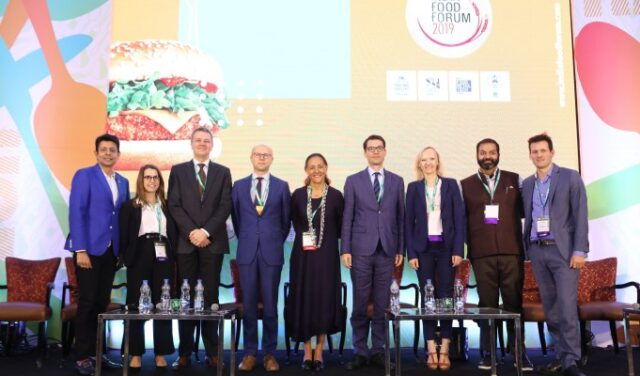
    India Food Forum 2019 identified avenues for partnerships in food, beverages and food service industry with Ambassadors, Trade Commissioners and Consul Generals of several countries and highlighted how Embassies and Trade Commissions can play a more pro-active role to facilitate such alliances. Emerging as major market of the world, India offers huge opportunities for manufacturers, producers and providers of products and services from across the globe to sell here or partner with Indian companies to serve this market.

    Acceptance of multinational culture, a growing taste for foods from across the globe, increasing inflow of foreign nationals, willingness to experiment new cuisines and more over avenues to market new products further add to the opportunity.

    The session was moderated by Amit Lohani, Convener, FIFI.

  • Hiring persons with disabilities in India’s retail sector up by 53 percent

    Hiring persons with disabilities in India’s retail sector up by 53 percent

    Only 36 per cent of disabled persons in India are employed, of which 90 per cent are in the unorganized sector, said a new report by Trust for Retailers & Retail Associates of India (TRRAIN) here on Wednesday. The report – ‘Disability Employment: Indian Retail Changing Equations’ – said that as per Census 2011, the number of persons with disabilities was 2.21 per cent, or 26.8 million of the total population.

    However, the actual number in India could be between 5-10 percent, belying the Census figures, said TRRAIN.

    Around 50 per cent of the disabled population in the country was in the employable age of 20-59 years but jobs remain a problem for them as nearly 46 per cent are illiterate.

    Though 36 per cent are employed, almost 90 per cent have jobs only in the unorganized sector. And mainstreaming them could add around 5-7 to the country’s GDP, the report said.

    It noted that hiring persons with disabilities in the retail sector had gone up by 53 per cent between 2011 and 2018, but there was more scope to employ and mainstream them as there existed a positive correlation between customers and stores manned by the disabled.

    The report said that with 80 per cent jobs in retail ‘customer-facing’, employing the disabled PwDs serves the dual purpose of providing employment and sensitising the society at large about the challenges encountered by the disabled.

    The report was released at the 3rd Retail Inclusion Summit held here by TRRAIN founder B.S. Nagesh in the presence of big names from the retail industry.

    TRRAIN also runs an initiative ‘Pankh’ that trains and prepares disabled persons for employment opportunities in the retail sector.

  • Oil prices edge lower, tightening supply outlook supports

    Oil prices edge lower, tightening supply outlook supports

    Crude oil prices edged lower on Monday after sharp gains during the previous session but were supported by expectations of shrinking supply and signs that China-US trade tensions could ease. International Brent crude oil futures on Monday were down 20 cents, or 0.32% at 0339 GMT to $62.54 a barrel, after closing up 3.14% in the previous session to their highest close since Nov 21.

    US West Texas Intermediate (WTI) futures were at $55.13 per barrel, down 13 cents, or 0.24%, from their last settlement. WTI settled 2.73% higher in the last session at its highest close since Nov 19.

    Output declines from the Organization of the Petroleum Exporting Countries (OPEC) as they make good on their pact to curb a supply overhang were compounded by falling US oil rig counts and sanctions on Venezuelan oil sales.

    “While Venezuela’s output reportedly rose last month, fresh US sanctions on the country could see 0.5 to 1% of global supply curtailed,” said Vivek Dhar, commodities analyst for Commonwealth Bank of Australia in a note on Monday.

    The sanctions will sharply limit oil transactions between Venezuela and other countries and are similar to those imposed on Iran last year, experts said after examining details posted by the Treasury Department.

    OPEC oil supply fell in January by the largest amount in two years despite sluggish production declines from Russia, according to a Reuters survey.

    However, Russian oil output in January missed the target for the output cuts, Energy Ministry data showed on Saturday. Production last month declined to 11.38 million barrels per day (bpd), but that was only down by 35,000 bpd from its October 2018 level that is the baseline for the pact.

    Russian Energy Minister Alexander Novak has said the country’s overall cuts from the October baseline would total 50,000 bpd in January. Russia has pledged to reduce oil output by 230,000 bpd from October.

    US energy firms last week cut the number of oil rigs operating to their lowest in eight months as some drillers followed through on plans to spend less on new wells this year.

    “The collapse in oil prices late last year has resulted in more cautious spending by US oil explorers,” said Dhar.

    Meanwhile, hopes for thawing China-US relations have also helped ease concerns over slowing economic growth.

    “While the US and China have yet to reach a deal, markets were buoyed by reports that they have made significant progress,” ANZ Bank said in a research note.

    US President Donald Trump last week said he would meet with Chinese President Xi Jinping, perhaps twice, in the coming weeks to try to seal a comprehensive trade deal with Beijing, but acknowledged it was not yet clear whether a deal could be reached.

  • The Beer Café’s 40th outlet at Delhi with new concept

    The Beer Café’s 40th outlet at Delhi with new concept

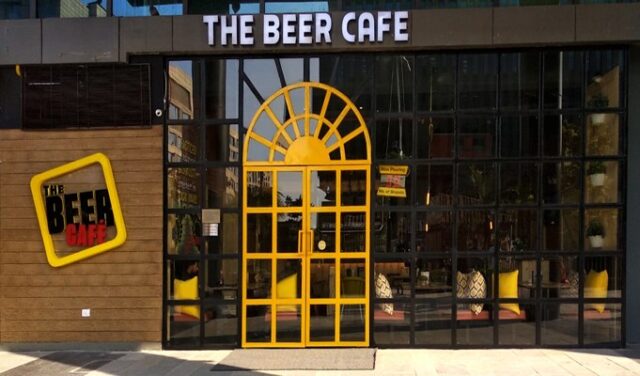
    The Beer Café, India’s largest alco-beverage chain, has opened its 40th outlet at Delhi’s Aerocity. Enhancing the beering experience for its patrons, this brand-new outlet is the only place in the city to offer a whopping 16 varieties of the fresh and delicious ale on tap. With a food menu that perfectly complements the golden brew and an energetic and lively ambience that is a hallmark of the brand, The Beer Café is definitely the new must-visit spot for beer lovers in Delhi/NCR.

    Aerocity is fast emerging as one of the most posh and upmarket locales in the Delhi-NCR region. Not only has it become the hub for some of the most vibrant F&B brands in the city, it is also a hotspot for a variety of lifestyle and cultural events. Further, its easy connectivity to the airport and other bustling locations in the city such as Gurgaon, Vasant Kunj and Dwarka made Aerocity the perfect choice for the newest The Beer Café in the capital.

    The brand has been a pioneer of casual, inviting, neighborhood hangout spaces in India. The innovations in providing superior consumer experiences have played a key role in establishing its domain leadership in India.

    With this 40th outlet that serves more beers on tap than any other bar or hangout space in the city, The Beer Café has elevated the benchmark for social drinking experiences in the city yet again.

  • New shopping ambassadors at Hong Kong International Airport

    New shopping ambassadors at Hong Kong International Airport

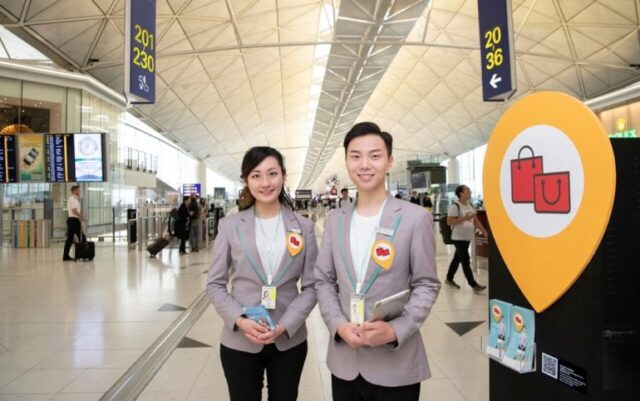
    Shopping for travelers will be even easier at Hong Kong International Airport (HKIA) with the introduction of Airport Shopping Ambassadors. The Airport Shopping Ambassadors are stationed at key locations within the airport’s retail areas. They are well acknowledged on shopping and dining offerings at HKIA, providing a friendly and personalized service to travelers. The ambassadors can provide helpful advice or last-minute shopping recommendations, as well as hot-picks, latest promotions and dining options from a wide range of global and local cuisine.

    Travelers can also receive personalised shopping and dining itineraries online, simply by filling in the Airport Shopping Ambassadors enquiry page on HKIA’s website https://www.hongkongairport.com. After completing the online request section, together with flight schedule and other information, travelers will be able to receive the ambassadors’ recommendations within 48 hours.

    HKIA is an international and regional aviation hub connecting about 220 destinations around the world, including 50 Mainland cities. HKIA achieved record-breaking passenger throughput of 74.7 million in 2018.

  • Indonesia Prepares New Strategy to Meet 2019 Tourist Arrival Target

    Indonesia Prepares New Strategy to Meet 2019 Tourist Arrival Target

    When President Joko “Jokowi” Widodo set out to double Indonesia’s foreign tourist arrivals within the five years of his presidency, many were skeptical. Now, the target seems to be within reach. Combined government efforts that included the massive development of airports and tourist destinations, aggressive digital promotions and a visa-free policy have, along with the weakening rupiah, attracted 16,2 million foreign tourists to Indonesia last year, which is 71 percent more than four years ago.

    Still, some setbacks were unavoidable. A series of volcanic eruptions, earthquakes and tsunamis over the past 12 months, as well as the tragic crash of Lion Air flight JT-610 into the Java Sea near Jakarta, resulted in the government missing its target to woo 17 million foreign tourists last year.

    Industry players worry that the bad image created by these disasters would take long to erase and thus undermine the country’s ability to attract 20 million foreign tourists this year.

    “Indonesia is situated on the Ring of Fire; we could not predict or prevent any disaster. What we need now, is to work extra hard to ensure that the world knows that when disaster strikes here, all tourists and local residents are well cared for,” said Elly Hutabarat, chairwoman of the Indonesian Travel Agent’s Association (Astindo).

    She cited Mexico as an example of a country that had just been hit by an earthquake, but still managed to quickly revive its tourism industry.

    “We see Mexico, which had just experienced an earthquake, is responsive and is able to give up-to-date information to the world. Such efforts are able to quickly revive their tourism industry,” Elly said.

    Border Tourism, Low-Cost Terminals

    The government has not given up, as the tourism industry could potentially generate $20 billion in foreign exchange revenue this year, which is crucial to plugging the country’s persistent current-account deficit.

    Guntur Sakti, head of communications at the Ministry of Tourism, said the government has implemented a strategy to meet this year’s tourist arrival target by developing border tourism, hub tourism and the renovation of airport terminals to cater to low-cost carriers.

    The government’s border tourism plan is aimed at making it easier, faster and cheaper for tourists to visit Indonesia from neighboring countries.

    Malaysia, Singapore and the Philippines also have a similar cultural heritage and history as Indonesia.

    “The potential from border tourism is massive, especially from neighboring countries,” Guntur said.

    Through the hub tourism strategy, the government expects to attract a larger number of foreign tourists that travel to the capitals of neighboring countries, specifically Bangkok, Kuala Lumpur and Singapore.

    The government estimates that more than 11 million foreign travelers – excluding Indonesians – transit at Singapore’s Changi Airport annually before continuing their travels to other countries for business or leisure. Guntur said this represents a massive potential for Indonesia.

    He added that tourists frequently transit in Singapore or other cities in the region because of limited direct flights to Indonesia from Europe, the United States and even parts of East Asia.

    For instance, about half of all Chinese tourists heading to Indonesia must transit in Singapore or Malaysia before reaching the archipelago, while 80 percent of tourists from Thailand and Malaysia are able to reach the country via direct flights.

    The government also plans to renovate several terminals at Soekarno-Hatta International Airport outside Jakarta to exclusively accommodate low-cost carriers.

    Terminal 1 at the airport will soon only cater to passengers of low-cost airlines traveling to domestic destinations, while Terminal 2 will cater to passengers of low-cost airlines on both domestic and international flights.

    Many countries have built terminals or even whole airports to specifically accommodate low-cost airlines. This lowers the airport’s operating budget, which in turn helps to reduce airport taxes and airline ticket prices, which ultimately attract more foreign tourists.

    Guntur said at least 70 percent of foreign tourists use low-cost carriers to travel to Indonesia.

    “To realize our strategy and attract more tourists, we are working with state-owned airport operator Angkasa Pura to renovate Terminal 1 and 2 at Soekarno-Hatta Airport. We’ve noticed many countries operate several terminals that cater to full-service carriers and low-cost carriers separately,” he added.

    The number of passengers traveling to Indonesia on low-cost carriers grows by about 55 percent annually, while the number of passengers arriving on full-service airlines only increases by about 7 percent per year, according to tourism ministry data.

    Ten New Balis

    The government also actively promoted its “10 New Balis” program last year to develop and promote several destinations beyond Bali, Indonesia’s most popular destination.

    The 10 New Balis include Mandalika in Nusa Tenggara, Thousand Islands in Jakarta, Tanjung Lesung in Banten, Tanjung Kelayang in Bangka Belitung, Borobudur Temple in Central Java, the Bromo Tengger Semeru National Park in East Java, Labuan Bajo in East Nusa Tenggara, Wakatobi in Southeast Sulawesi and Morotai in North Maluku.

    The project, spearheaded by the tourism ministry, has also established programs to develop each of the destinations by building 5,000 homestays, improving infrastructure, increasing financing for tourism to around Rp 2.5 trillion ($177 million), implementing sustainable tourism in 16 destinations, developing 10 special economic zones and developing nomadic tourism.

  • Fila to open 100 exclusive retail stores in India over the next 5 years

    Fila to open 100 exclusive retail stores in India over the next 5 years

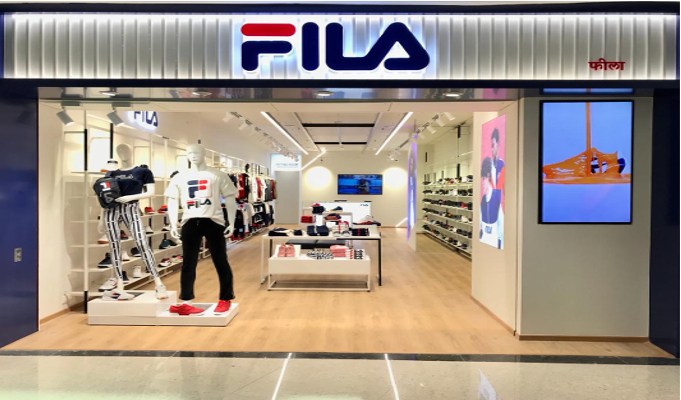
    Fila India, owned by Cravatex Brands Limited, the Indian arm of the $150 million Batra Group, is adopting an aggressive expansion strategy in India. 2018 saw the comeback of sports brands, both globally and in India, due to the shift in consumer preference towards sports inspired athleisure clothing. A key player in the Indian market, Italian sports and fashion brand Fila has planned to capitalize on this trend and strengthen its presence in the country with an aggressive expansion strategy. The brand is projecting sales to grow more than 50 percent by the end of this financial year.

    As part of the new Heritage Store format, Fila has been opening one store a month and expects to keep this momentum going in 2019. The next 3 months will see stores coming up in Mumbai, Bhubaneswar, Baroda and Chennai among other cities. The focus will be skewed largely towards Fila Heritage format stores, driving fashion lifestyle imagery in the premium sportswear segment with a global Heritage collection across footwear, apparel and accessories.

    Aside from main metros and mini metros, Fila has set its sights on the North Indian market with a focus across Delhi, Gurgaon, Noida, and the entire region of Punjab; followed by South India. While company owned stores will be the primary objective, the brand is identifying some key partners to pursue a franchise model.

    Maintaining uniformity across layout and design, the average store size is expected to be between 1000-1200 sq feet carpet area with larger flagship locations in metros.

    Speaking on the strategy, Rakesh Singh Kathayat, Chief Operating Officer, Cravatex Brands said, “The resurgence of sportswear in mainstream fashion is the most relevant conversation in the industry today, particularly among millennials and Gen Z. Fila’s retro aesthetic and nostalgia-tinged DNA has thus, gained relevance and this conversation has supplemented its evolution into a sports fashion label. While we’re steadily making this progression in perception, supplementing consumer demand with supply is the need of the hour. Our offline retail growth in India focuses on strengthening our pan-India presence to create easier access and increased engagement with our growing consumer base.”

    Fila India is a licensee held by Cravatex Brands Limited which is a part of the Batra Group, a Global Retail, Brand Licensing, Distribution and Sourcing company with a presence across the Indian Subcontinent, United Kingdom, Europe, North Africa and the Middle East.

  • New integrated resort in China by Fosun

    New integrated resort in China by Fosun

    Fosun bets on integrated resorts to address the needs of Chinese travelers, who are showing interest in these types of experiences. Fresh from its Hong Kong initial public offering last month, Fosun Tourism Group is making good on its intention to use the proceeds to develop two new integrated resorts in China, announcing properties under the Thomas Cook Group brands Casa Cook and Sunwing.

    The two projects are in Lijiang, Yunnan province, famous for its UNESCO World Heritage old town, and Taicang, Jiangsu province, 30 minutes from Shanghai.

    Fosun Tourism chairman and CEO Jim Qian told Skift he is seeing different segments emerging in China’s domestic travel market. While this is already the norm in mature western markets, it’s just starting in China, and there’s a need to offer local travelers a choice of hotel brands and a variety of experiences, said Qian.

    In so doing, Fosun is turning to what’s in the family, its own Club Med and its Thomas Cook China joint venture. The Lijiang Albion International Resort will also have a Club Med, which has “a different positioning” from the boutique, design-led Casa Cook, he said.

    The whole development in Lijiang is spread over at 350,000 square meters (382,765 square yards). It is located near the Baisha old town, which lies closest to the majestic Yulong Snow Mountain, and is the only land permitted for massive development.

    How it will be sensitive to the tranquil and preserved ancient surroundings remains to be seen. For now, its website says it aims to attract mid- to high-profile guests by offering the total package, including a Club Med snow-themed resort, a guesthouses town, riverside shows, heritage towns, outdoor activities, health and wellness.

    “We will deliver a lot,” said Qian. “I believe in the future when a family goes on a holiday, they don’t just want to stay in the room.

    “Nowadays in China, we have more resort hotels in destinations such as Sanya, but most are actually business hotel brands moving from the city to the beach. I don’t think that kind of hotel is suitable for a family holiday. We will introduce the real beach or holiday resort to a destination.”

    Not much is known of Fosun’s other resort project in Taicang except that it is smaller at 145,000 square meters (158,570 square yards).

    Both are expected to be completed in stages from late 2020.

    Fosun Tourism, whose slogan is Everyday is Foliday (short for Fosun holiday), having tested destination development and management with its fully owned Atlantis Sanya, is keen to bring the experience to bear on the projects.

    “We have the experience in the construction of resort destinations, and we know how to make foreign brands suitable for the Chinese market,” said Qian.

    Fosun Tourism also believes the timing is good. It pointed out the per capita tourism expenditure in China in 2017 was about $575, which was below the global average of $741. “This implies the great potential for the growth of China’s tourism market,” it said.

    Besides, it claimed to be in a stronger position now, announcing ahead of its annual results to be released in March that it expects a net profit of at least 350 million yuan ($52 million) in 2018, compared with a net loss of 295 million yuan ($44 million) in 2017.

  • Jubilant FoodWorks Q3 net profit up 46 pc to Rs 96.5 cr

    Jubilant FoodWorks Q3 net profit up 46 pc to Rs 96.5 cr

    Jubilant FoodWorks Limited (JFL) has reported its financial results for the quarter and nine-months ended December 31, 2018. Operating revenue for Q3 FY19 stood at Rs 9,291 million, representing an increase of 16.8 percent over Q3 FY18, and a sequential growth of 5.4 percent over the preceding quarter. The growth was driven by a strong 14.6 percent same store growth (SSG) in Domino’s Pizza.

    EBITDA for Q3FY19 was Rs 1,706 million, or 18.4 percent of revenue, a growth of 24.6 percent over Q3FY18 and a margin expansion of 120 bps. This is the highest EBITDA margin in seven years.

    Profit after Tax in Q3 FY19 stood at Rs 965 million, or 10.4 percent of revenue, a growth of 46.2 percent over Q3 FY18 and a margin expansion of 210 bps.

    During the quarter, the company added new products to its portfolio. Domino’s launched ‘Multigrain Crust’ with an objective of offering a wider range to the customers. In addition to this, the company also introduced four new side dishes viz. Potato Cheese Shots, Crunchy Strips, Crinkle Fries and Brownie Fantasy.

    The store opening momentum accelerated during the quarter, with 35 new Domino’s stores being opened during the quarter.

    Dunkin’ Donuts delivered break-even in Q3 FY19 on the back of strong growth in the core portfolio of Donuts and Beverages, as also disciplined cost management.

    Commenting on the performance for Q3 FY19, Shyam S. Bhartia, Chairman and Hari S. Bhartia, Co-Chairman, Jubilant FoodWorks Limited said, “I am delighted to share that we have once again delivered healthy earnings growth during the quarter which stood in-line with our expectations. Performance was driven by consistent progress made across each of the growth pillars.”

    Commenting on the performance for Q3 FY19, Pratik Pota, CEO and Whole time Director, Jubilant FoodWorks Limited said, “We have demonstrated strong all-round performance in Q3 FY19, led by robust same-store sales growth (SSSG) of 14.6 percent reported in Domino’s Pizza. This was accompanied by a tight control on operating costs that led to EBITDA margins improving to a seven year high of 18.4 percent. In addition, Dunkin’ Donuts also broke even during the quarter, ahead of the targeted Q4 timeline. We are happy with our performance and confident of the prospects ahead, as evident in the 35 new stores opened in Q3, the highest in eleven quarters.”

  • Vietjet to open Phu Quoc-Hong Kong route in April

    Vietjet to open Phu Quoc-Hong Kong route in April

    Budget airline Vietjet said Saturday it will launch direct flights between Phu Quoc Island and Hong Kong in April. The new route will operate four flights per week starting from April 19, Vietjet said. Each flight will take 2 hours and 45 minutes per leg. Dubbed “the Pearl Island”, Phu Quoc, located in the southern province of Kien Giang, has attracted strong investments in hotels and resorts in recent years.

    Vietjet said it wants to create traveling opportunities for locals and tourists, thereby contributing to trade growth between the two destinations. The largest private airline in Vietnam currently operates 40 domestic routes and 66 international routes.

    Vietnamese airlines have been launching new international flights in recent years, with the domestic market showing signs of saturation.

    The country’s aviation industry has seen increasing demand each year. It welcomed 12.5 million air passengers last year, up 14.4 percent from 2017, according to the General Statistics Office.

    Vietnam’s aviation traffic increased 16 percent on average each year from 2010 to 2017, data from the civil aviation regulator shows.

  • Nykaa launches Drew Barrymore’s cosmetics in India

    Nykaa launches Drew Barrymore’s cosmetics in India

    Nykaa, India’s largest beauty retailer, has exclusively launched international cult beauty brand, FLOWER Beauty, in India. FLOWER Beauty was developed and created by award winning actress and entrepreneur, Drew Barrymore and her philosophy that woman everywhere deserve the best quality makeup at an affordable price. The makeup line will be launched in mid March’19.

    The combination of cruelty-free, luxury-quality formulas, premium packaging, and an affordable price have made FLOWER Beauty one of the fastest growing makeup brands in the US. Having grown up in the makeup artist’s chair, Drew brings her years of experience to FLOWER, with a mission to encourage women to look and feel great in their own skin. The brand’s tag line – Beauty is for Everybody – reflects Drew’s philosophy of inclusivity and positivity.

    Speaking of India’s launch, Drew commented: “I’ve always believed that beauty is for everybody, and that women everywhere should have access to great quality products at an affordable price. That has been our mission at FLOWER Beauty since day one, and now to be able to bring our story and products to women around the world is so incredibly exciting.”

    Addressing the partnership/ launch, Nihir Parikh, Chief Business Officer, Nykaa.com quotes, “At Nykaa we are always trying to include a range that satisfies audiences across different age group and interests. The brand reflects Drew Barrymore’s passion for cruelty-free products with premium formulas. We are very excited to bring this brand exclusively to India.”

    FLOWER Beauty launches in India with a range consisting of award-winning Flower Pots Powder Blush, bestselling Shimmer & Shade Eyeshadow Palettes, Lash Warrior Mascara, and many more. All the products will be exclusively available at Nykaa.com and Nykaa retail stores.

  • Foreign buying on Bursa slows to RM146.8m last week

    Foreign buying on Bursa slows to RM146.8m last week

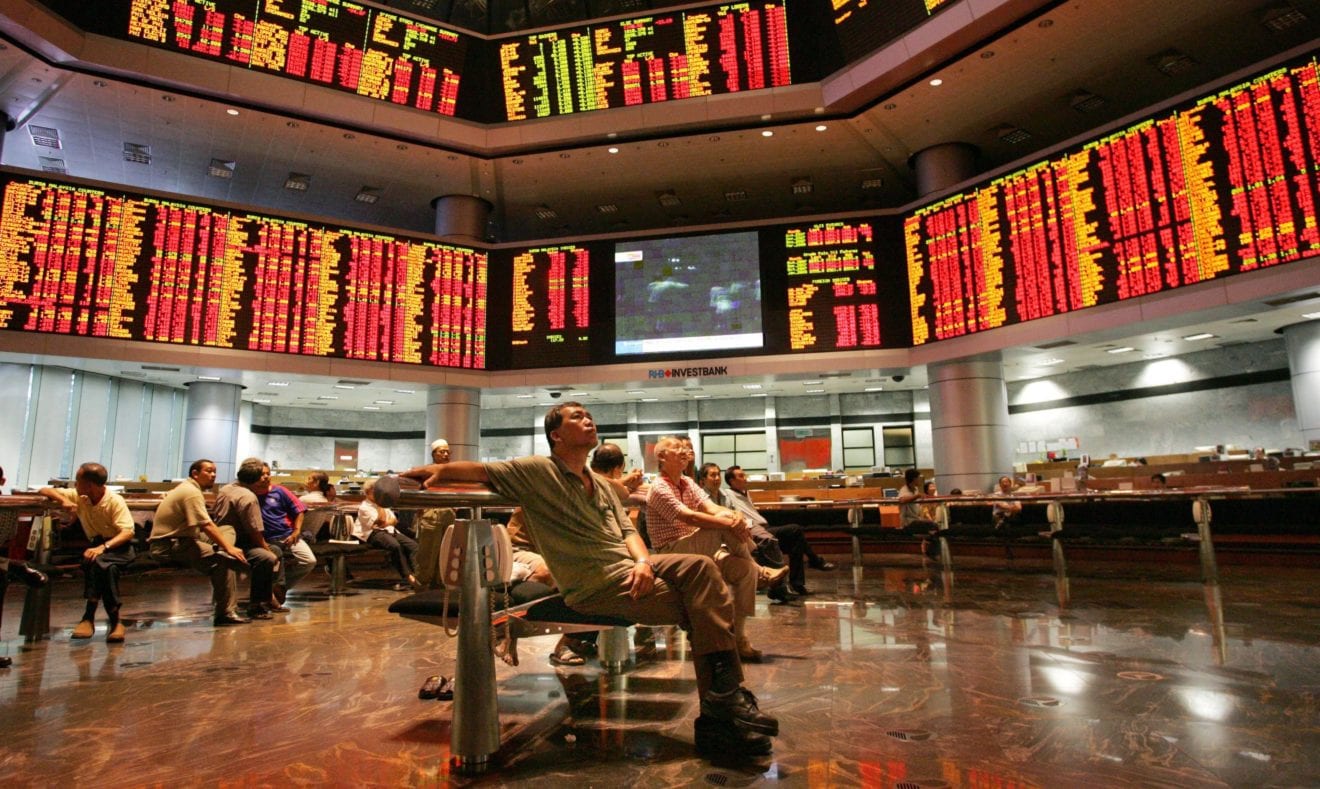
    Foreign funds snapped up RM146.8 million net of local equities last week during the holiday-shortened week. “Foreign funds resumed their entry into stocks listed on Bursa for the fourth consecutive week albeit at a slower pace compared to the preceding week,“ MIDF Research said in its weekly fund flow report.

    It said last Monday saw a moderate net inflow of foreign funds worth RM37.3 million, extending the daily buying streak to nine days. However, this foreign buying spree came to an end on the next day as international funds sold RM12.8 million net, coinciding with the local bourse’s 0.4% slide to settle at 1,690 points.

    Risk appetite was weak on Tuesday following the overnight 2.8% slump in Brent crude oil price combined with the anticipation ahead of the Sino-US trade negotiations.

    Notwithstanding this, offshore investors returned to Bursa on Wednesday at a tune of RM65.1 million net, the highest foreign net inflow during the week.

    The catalyst responsible for the boost of foreign net inflows on that day was 0.4% increase in Brent crude oil price as US President Donald Trump’s administration slaps sanctions on Venezuela’s state-owned oil company while Saudi Arabia had a deeper output cuts in January than initially pledged.

    The momentum of foreign net inflows continued on the last trading day of the week as foreign investors bought RM57.2 million net.

    “We opine that the sentiment was partially supported by the Malaysia’s exports in 2018 which grew by 6.7% to reach almost RM1 trillion. Meanwhile, the FBM KLCI was little changed, declining by less than 1% on Thursday ahead of the long weekend and festive season.”

    The month of January 2019 saw a foreign net inflow of RM1.03 billion or US$249.3 million, the first monthly net inflow since September last year.

    “In comparison with the three other Asean markets we monitor, Malaysia has the second lowest foreign net inflow while Indonesia leads,“ said MIDF.

    Foreign investors were the only group which saw a weekly increase in average daily traded value, jumping by 21.0% to remain above RM1 billion for the second week running.

  • Ride-Hailing Firms Enjoy Growth in Indonesia, but Face Fraud Challenge

    Ride-Hailing Firms Enjoy Growth in Indonesia, but Face Fraud Challenge

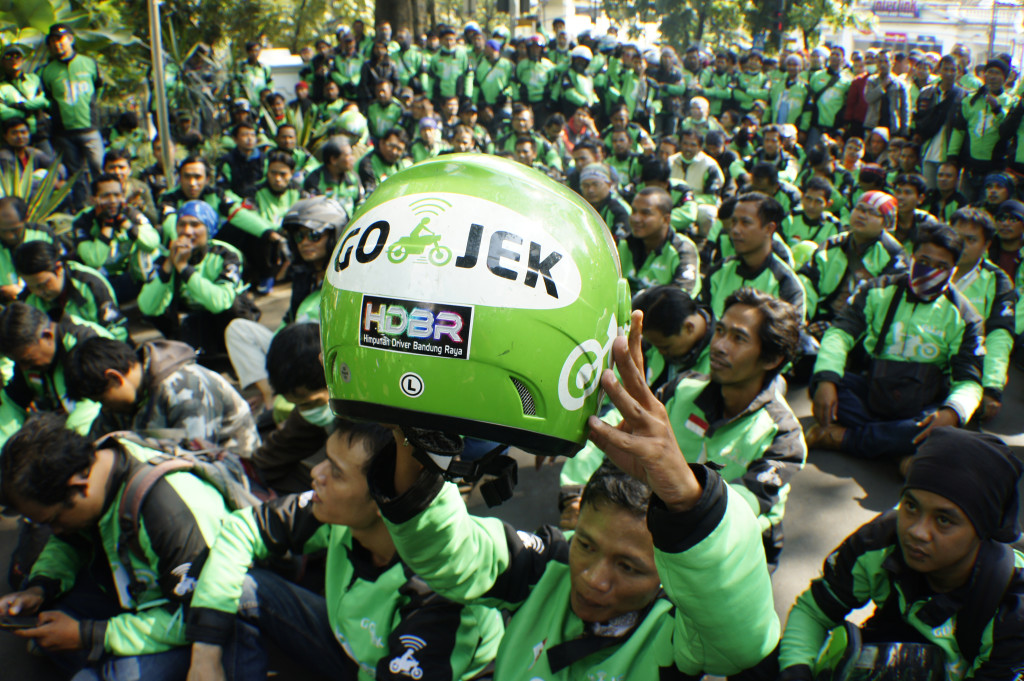
    Grab and Go-Jek, two of Southeast Asia’s biggest technology startups, have successfully grown their food delivery and ride-hailing services, but both must pay special attention to better detection of fraudulent orders, a recent study by Spire Research and Consulting Indonesia showed.

    The local unit of the Tokyo-based research company surveyed driver partners and customers to establish what ride-hailing services they prefer, based on various criteria, including consumer awareness, usage frequency and the use of e-money.

    Grab Leads in Product Usage

    Based on Spire’s consumer awareness survey, 75 percent of respondents said they used Grab’s services over the past six months, while 61 percent indicated that they had done so in the past three months.

    For Go-Jek, it was 62 percent and 58 percent, respectively.

    “Regardless, 50 percent of respondents agree that both Grab and Go-Jek are their favorite brands,” the consultancy said.

    Regarding product usage frequency, customers more often used Grab’s services than those of Go-Jek in the last quarter of 2018.

    The survey also found that 34 percent of GrabCar customers were more likely to use the service three to four times a week on average, while for Go-Car, 25 percent of customers were more likely to use the service once or twice a week on an average.

    Grab Leads in Four-Wheel Segment, Go-Jek Leads in Two-Wheel

    On the other spectrum of the survey, it found that Go-Jek’s Go-Ride was still the customer favorite, with 64 percent saying that they use the service once or twice a day, while for Grab it was 58 percent.

    “When it comes to food delivery, Go-Food is in the lead with 35 percent of respondents saying Go-Food was the brand they most often used, but Grab is catching up quickly with 27 percent saying they used GrabFood the most,” Spire said in a press release on Tuesday.

    E-Money

    As of 2018, both services introduced the use of e-money to facilitate digital payments.

    Grab launched an e-payment service in cooperation with OVO, while Go-Jek established its own, Go-Pay.

    “Based on the survey results, OVO usage exhibits strong O2O [online-to-offline] usage, while Go-Pay’s strength is in Go-Jek’s mobile app ecosystem. For example, OVO is the preferred payment for offline items like phone balance, parking bills and bills for nonfood merchants, while Go-Pay is used to pay food-merchant bills [Go-Food] and electricity bills through the Go-Jek app,” Spire said in the statement.

    Natural Selection

    Indonesia has seen monumental growth in the ride-hailing sector over the past few years, with the mergence of dozens of startup companies. However, natural selection resulted in only two surviving and dominating the market.

    Indonesia is still a magnet for tech companies, including ride-hailing services, thanks to the high consumption rate and mobility of its citizens.

    The two survivors have seen intense competition, with both drastically increasing their product offerings.

    Their services such as food delivery and ride-hailing are similar in nature, but the two companies’ more unique offerings are distinguishing factors.

    Fraud

    Spire said the most interesting finding of its study was the prevalence of fraud.

    “The most interesting finding by Spire is the existence of fraud and how the drivers perceive it,” Jeffrey Bahar, group deputy chief executive of Spire Research and Consulting, said in the statement.

    Spire said fraud in online ride-hailing services is an open secret among drivers and that most who commit it gave similar reasons for doing so, which is to increase their monthly earnings.

    Fraud is seen as a major threat to the industry as it results in economic losses to the companies and highlights vulnerabilities in their systems.

    Spire’s research showed that nearly 30 percent of Go-Jek’s total transportation orders might be fraudulent, compared with 5 percent for Grab.

    “This is based on an estimation of fraudulent orders against total orders. This is a systemic problem for both companies and one that Go-Jek needs to address,” Spire said in the statement.

    According to Spire’s driver survey, “as of 2018, nearly 60 percent of Go-Jek’s drivers say they commit fraud on a daily basis to boost their order numbers, which affect their bonuses and daily income.”

    The drivers who were surveyed said Go-Jek’s system was easier to trick by using applications that modify their location data. On the other hand, less than 10 percent of Grab’s drivers admitted to committing fraud.

    Grab’s drivers said the company’s system was not easy to trick and that the sanctions imposed for such offenses was a deterrent. Drivers also commented that both companies had been improving their systems to better detect fraud.

    “Overall, both companies are growing rapidly in food delivery and ride-hailing but special attention must be paid to the issue of fraud to ensure the healthy development of the technology ecosystem in the country,” Spire said.

  • Amazon introduces self-driving delivery robot, Scout

    Amazon introduces self-driving delivery robot, Scout

    Amazon has introduced self-driving delivery service dubbed Scout – an all-electric self-driving vehicle that will maneuver across sidewalks in order to deliver purchased items to customers. Scout is the size of a ‘small cooler’ and can roll along sidewalks, delivering packages safely to a customer’s doorstep. The device is currently operating in Snohomish County, Washington, the company announced Wednesday.

    “The devices will autonomously follow their delivery route but will initially be accompanied by an Amazon employee,” Amazon said in a statement. “We developed Amazon Scout at our research and development lab in Seattle, ensuring the devices can safely and efficiently navigate around pets, pedestrians and anything else in their path.”

    Customers in Snohomish County can order just as they normally would and their Amazon packages will be delivered either by one of our trusted partner carriers or by Amazon Scout.

    According to the release, Amazon is starting with six Amazon Scout devices, delivering packages Monday through Friday, during daylight hours.