Tag: Business

  • The world’s largest free trade blocs between Japan and EU

    The world’s largest free trade blocs between Japan and EU

    The economic partnership agreement between Japan and the European Union not only forms one of the world’s largest free trade blocs, but also sets digital and copyright rules that will serve as an international template. The EPA will ultimately eliminate EU tariffs on about 99% of imported products from Japan, and Japanese tariffs on roughly 94% of products imported from the EU. It also incorporates wide-ranging regulations on data transfer and intellectual property protection. The aim is to drive the debate on other multinational trade pacts, especially against the backdrop of rising protectionism.

    A centerpiece provision is a ban on governments forcing companies to reveal source code. Chinese cybersecurity legislation that took effect in 2017 empowers the government to request source code from foreign enterprises doing business within its borders. The law also requires “operators of key information infrastructure” to locally store personal information and important data collected and produced by their services in China.

    The Japan-EU trade deal is essentially a rejection of such digital protectionism, instead encouraging the free and secure cross-border flow of data. Companies in participating countries can operate in other members without risking mandatory disclosure of trade secrets.
    The trade deal “will become a precedent for the data field, which is becoming increasingly important, and will lay the groundwork for the creation of subsequent rules,” said Keisuke Hanyuda, partner at Deloitte Tohmatsu Consulting.

    Japan, the EU and other like-minded trading partners seek to craft similar rules for the World Trade Organization, which includes the U.S. and China. But speedy rule-making may be all but impossible at a WTO that has been criticized as dysfunctional. The alternative strategy is to first implement high-quality rules for the Japan-EU trade deal, as well as the 11-member Trans-Pacific Partnership, and bring other countries into the fold.

    Japan and the EU agreed not to levy tariffs on the transfer of data between the two sides. Copyrights on literary works will expire 70 years after the death of the author. Alcoholic-beverage and food brands tied to a region of origin will be mutually protected as well. Authorized producers of Kobe beef and Champagne would be shielded from imitations, for example.

    The EPA covers 27.8% of global gross domestic product by 2017’s number, and 36.9% of worldwide trade. The TPP-11 — formally the Comprehensive and Progressive Agreement for Trans-Pacific Partnership — accounts for 13.3% of global GDP. Japan sees the EPA and the TPP-11 together adding 13 trillion yen ($119 billion) to its real GDP and creating 750,000 jobs.

    “On top of the short-view effect of stimulating consumption, the inflow of services and investment from the EU will increase competitive pressures inside Japan, and we can expect the effect of prices going down,” said Junichi Sugawara, senior research officer at the Mizuho Research Institute.

    Tariff elimination is expected to have a significant economic impact. EU exports to Japan could jump as much as 34%, while European companies will save an annual 1 billion euros ($1.15 billion) on duties, the EU estimates. Hopes are particularly high for expanded food and agricultural exports to Japan.

    The EPA lowers tariffs on Camembert and other soft cheeses — something Japan did not do for the TPP-11 — up to a certain quota. Japan will eliminate soft-cheese duties for in-quota imports altogether in year 16. Other items, such as European wine, will immediately become duty-free, resulting in a wider selection and lower prices for Japanese consumers.

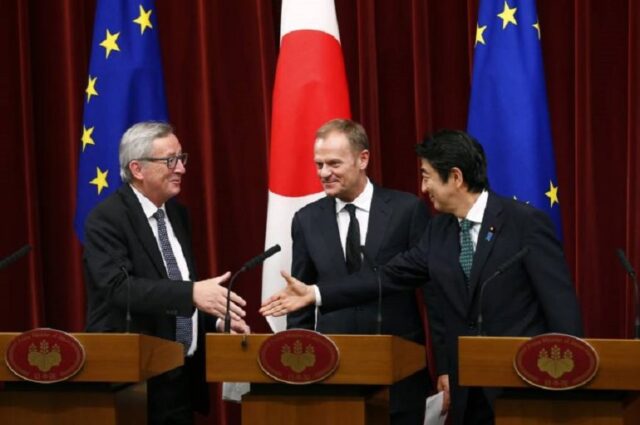
    Many see the EPA and its benefits as a counterweight to the Trump administration’s anti-globalism. “This is an act of enormous strategic importance for the rules-based international order, at a time when some are questioning this order,” European Council President Donald Tusk said last July, when the agreement was signed. “We are sending a clear message that we stand together against protectionism.”

  • Snapdeal bats for new FDI policy in e-commerce from Feb 1

    Snapdeal bats for new FDI policy in e-commerce from Feb 1

    Leading Indian e-tailer Snapdeal on Tuesday supported the implementation of revised Foreign Direct Investment (FDI) policy on e-commerce from February 1. “Snapdeal supports the immediate implementation of the current FDI policy on e-commerce so that marketplaces are not misused to run inventory operations,” Delhi-based Snapdeal told IANS in a statement.

    The Ministry of Commerce and Industry on December 26 issued revised policy guidelines on FDI in e-commerce.

    The policy revision, which will be in force from February 1, dictates that e-commerce platforms providing a marketplace will not exercise control or ownership over the inventory.

    E-tail majors Flipkart and American online retailer Amazon’s Indian arm, however, sought an extension on the implementation of the new norms, amid protesting voices from retail traders’ bodies against granting the extension.

    “Government policy changes will have long-term implications in the evolution of the promising sector and the whole ecosystem,” American retail giant Walmart-owned Flipkart told IANS through a statement earlier.

    The new norms also barred e-tail firms from allowing any company to sell its products exclusively on their e-commerce platforms alone.

    While Amazon India had said in a statement to IANS that “it has always operated in compliance with the laws of the land”, it did not respond to queries on the changes it may have to make to its business model to suit the new norms.

    On the other hand, the Confederation of All India Traders (CAIT) has asserted that delaying the execution of the policy will allow the e-tailers to continue with their “dominance over retail trade”.

    “The modus operandi of these e-commerce companies for seeking extension (on implementation of new FDI norms) is to keep delaying fair execution of the policy,” CAIT wrote in a letter to the Ministry of Commerce and Industry this month.

    “They (e-commerce platforms) may continue with their sinister designs of operating all kinds of malpractice including predatory pricing, deep discounting and exclusivity, in order to ensure their control and dominance over retail trade and wipe out the competition,” the letter said.

    The Ministry, however, has not indicated any possible extension of deadline to implement the new norms.

  • Vietnamese travel agency intends to invest in sixth airline: CEO

    Vietnamese travel agency intends to invest in sixth airline: CEO

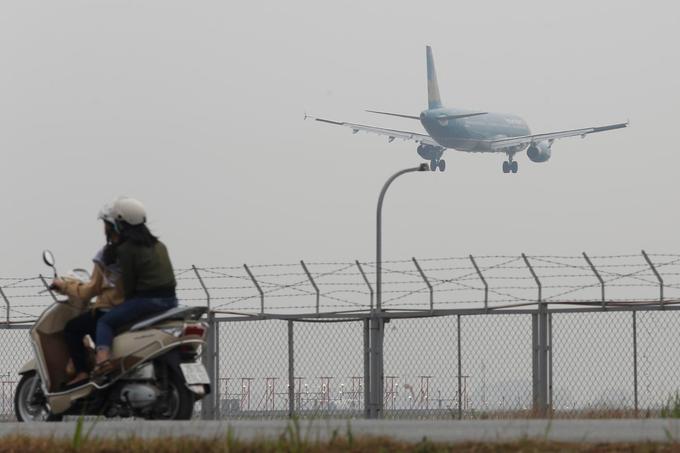
    Vietravel is nurturing a plan to launch its own airline to meet the demand that it predicts will keep rising in the future. The company’s CEO Nguyen Quoc Ky said the domestic aviation market is still “full of potential.” With a population of more than 100 million and the number of foreign visitors rising steadily year after year, hitting the highest ever at 15.5 million last year, it is still modest for Vietnam to have only five airlines, he said recently.

    Vietravel wants to have its airline headquartered in the central town of Hue, he added.

    “The plan of Vietravel will help create more new flight routes to and from Hue, and thus connect the city with more tourists,” said Nguyen Van Phuc, deputy director of Thua Thien – Hue Province, home to the imperial town of Hue.

    This will also get along with a plan to upgrade Phu Bai International Airport in Hue to raise its annual capacity from 1.5 million passengers to 5 million.

    Vietravel has taken the first steps into the airline industry through organizing charter flights with its partners.

    For the past two years, it has operated around 300 charter flights both domestically and internationally each year.

    Vietnam’s newest airline, Bamboo Airway, recently completed its maiden flight.

    The four other carriers currently in Vietnam are Vietnam Airlines, Vietjet Air, Jetstar Pacific, and VASCO.

    Together, the four of them transport more than 50 million passengers last year, up 14 percent against 2017, according to the Civil Aviation Authority of Vietnam.

    The number of passengers through Vietnam airports during the year increased 12.9 percent to 106 million passengers.

    is nurturing a plan to launch its own airline to meet the demand that it predicts will keep rising in the future. The company’s CEO Nguyen Quoc Ky said the domestic aviation market is still “full of potential.” With a population of more than 100 million and the number of foreign visitors rising steadily year after year, hitting the highest ever at 15.5 million last year, it is still modest for Vietnam to have only five airlines, he said recently.

    Vietravel wants to have its airline headquartered in the central town of Hue, he added.

    “The plan of Vietravel will help create more new flight routes to and from Hue, and thus connect the city with more tourists,” said Nguyen Van Phuc, deputy director of Thua Thien – Hue Province, home to the imperial town of Hue.

    This will also get along with a plan to upgrade Phu Bai International Airport in Hue to raise its annual capacity from 1.5 million passengers to 5 million.

    Vietravel has taken the first steps into the airline industry through organizing charter flights with its partners.

    For the past two years, it has operated around 300 charter flights both domestically and internationally each year.

    Vietnam’s newest airline, Bamboo Airway, recently completed its maiden flight.

    The four other carriers currently in Vietnam are Vietnam Airlines, Vietjet Air, Jetstar Pacific, and VASCO.

    Together, the four of them transport more than 50 million passengers last year, up 14 percent against 2017, according to the Civil Aviation Authority of Vietnam.

    The number of passengers through Vietnam airports during the year increased 12.9 percent to 106 million passengers.

  • Tesco to build simpler, more sustainable business; axe 9,000 jobs

    Tesco to build simpler, more sustainable business; axe 9,000 jobs

    Tesco has recently announced that the brand is making some strategic changes to further simplify the business and this might affect jobs of 9,000 employees. “Since we launched our turnaround four years ago, we have built a stronger business focused on serving our customers. Whilst this turnaround continues, it does so in a competitive and challenging market. We’ve briefed our colleagues on some changes we’re making to our stores and offices to further simplify our business, so that we can continue to invest in serving our customers,” Tesco said in a statement.

    Jason Tarry, CEO, UK & ROI said: “In our four years of turnaround we’ve made good progress, but the market is challenging and we need to continually adapt to remain competitive and respond to how customers want to shop. We’re making changes to our UK stores and head office to simplify what we do and how we do it, so we’re better able to meet the needs of our customers. This will impact some of our colleagues and our commitment is to minimise this as much as possible and support our colleagues throughout.”

    Changes include the following:

    Counters simplification

    Over recent years, convenience and online businesses have continued to grow, as the brand has core grocery and fresh departments in large stores. Not only are customers shopping in different ways, but they have less time available to shop too – which means they are using counters less frequently. The brand will be making changes to the counters in large stores to ensure that they have the right offer for customers. It is expected that around 90 stores will close their counters, with the remaining 700 trading with either a full or flexible counter offer for customers.

    Stock control simplification

    As business changes, the brand is also changing the way they manage their stock. After a number of trials, they have found a simpler way to conduct store routines and will be rolling this out to all of the stores. These changes mean a significantly reduced workload, with fewer hours needed to complete the routines.

    Merchandising simplification

    The brand wants to make shopping with them even easier, and they are aware that when they move products around this can prove frustrating for customers. The in-store employees have expressed to the brand that they want to spend more time with  customers, rather than moving products around the store. They have been working to reduce the amount of layout changes they make, so it’s easier for customers, and less work for in-store employees meaning fewer merchandising hours are needed.

    Colleague rooms

    Currently only one third of stores provide a hot food service and, over recent years, there has been reduced demand for this. Over the last three years the brand has been rolling out new self-service colleague kitchen areas in a number of stores, and they are now extending this to all remaining stores with a hot food service. This change will impact the people working in colleague rooms, who are employed by third party caterers, and the brand is working with them to provide as much support as they can.

    Head office

    The brand has completed a detailed review and this week they are talking to employees about changes in some of their head office teams, moving to a simpler and leaner structure, which will allow them to focus on supporting customers.

    In-store bakeries

    Contrary to media reports over the weekend, the brand has no plans to make any significant changes to bakeries this year.

    “Overall, we estimate that up to 9,000 Tesco colleague roles could be impacted, however, our expectation is that up to half of these colleagues could be redeployed to other customer-facing roles. We are working with our third party providers to understand the impact on their staff in our colleague hot food service,” Tesco said in a statement.

  • SUVs, Crossovers dominate high-end segment in Vietnam

    SUVs, Crossovers dominate high-end segment in Vietnam

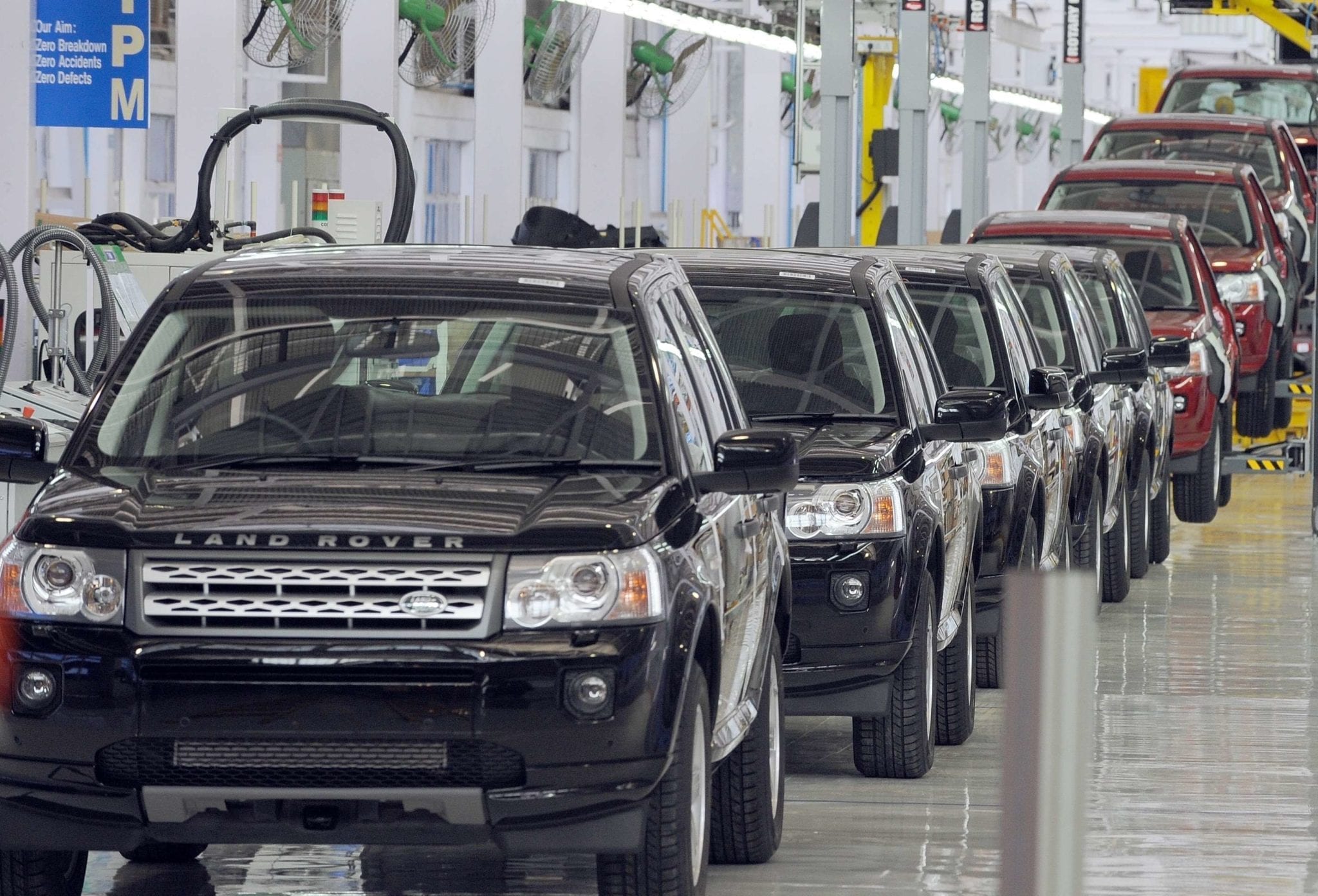
    Among consumers willing to spend at least VND1 billion ($43,135), the preference is for SUVs and Crossovers over sedans. In recent years, high ground clearance vehicles have gradually become the number one choice for the majority of Vietnamese consumers, having grown steadily in number sales and variety over the years. In contrast, the D-class sedan segment has seen low demand and limited variety.

    Sales of SUV and Crossovers (CUV) vehicles around the price of VND1 billion ($43,135) have risen steadily over the years. While 2014 saw only around 13,000 units sold, sales had more than doubled by 2018 at 24,264 units. 2018 only saw a slight increase over 2017, but this was because a decree on import conditions prevented many firms from importing these vehicles for most of the year.

    According to the Vietnam Automobile Manufacturers’ Association (VAMA), consumers have a choice of 10 SUV/CUVs in the VND1 billion price range. Car dealers have noted that almost all brands in Vietnam have at least one product in the SUV/CUV segment.

    Average sales per model was around 3,100 vehicles a year.

    Th SUV/CUV segment is predicted to boom in 2019, as firms get used to the new regulation and find stability in importing new vehicles.

    Meanwhile, from 2014 up to now, the D-size sedan segment has featured the same models, namely, Toyota Camry, Mazda6, Honda Accord, Nissan Teana and the Kia Optima, which was introduced last year.

    In the last 5 years, sales of D-size sedans reached a peak in 2016 at 8,148 units. The introduction of the Kia Optima in 2018 raised the number of models in the segment to 6, but annual sales fell to only 7,612 units.

    In 2018, Toyota Camry dominated the D-segment at over half of the 4,503 units sold, while the remaining models saw little growth. Total sales have nevertheless been fairly stable, hovering around 6,000 or 7,000 over the years.

    Vietnam’s total car sales increased 5.8 percent to 288,683 units in 2018 from a year ago, according to the Vietnam Automobile Manufacturers’ Association (VAMA).

  • Yum China to face challenges this year

    Yum China to face challenges this year

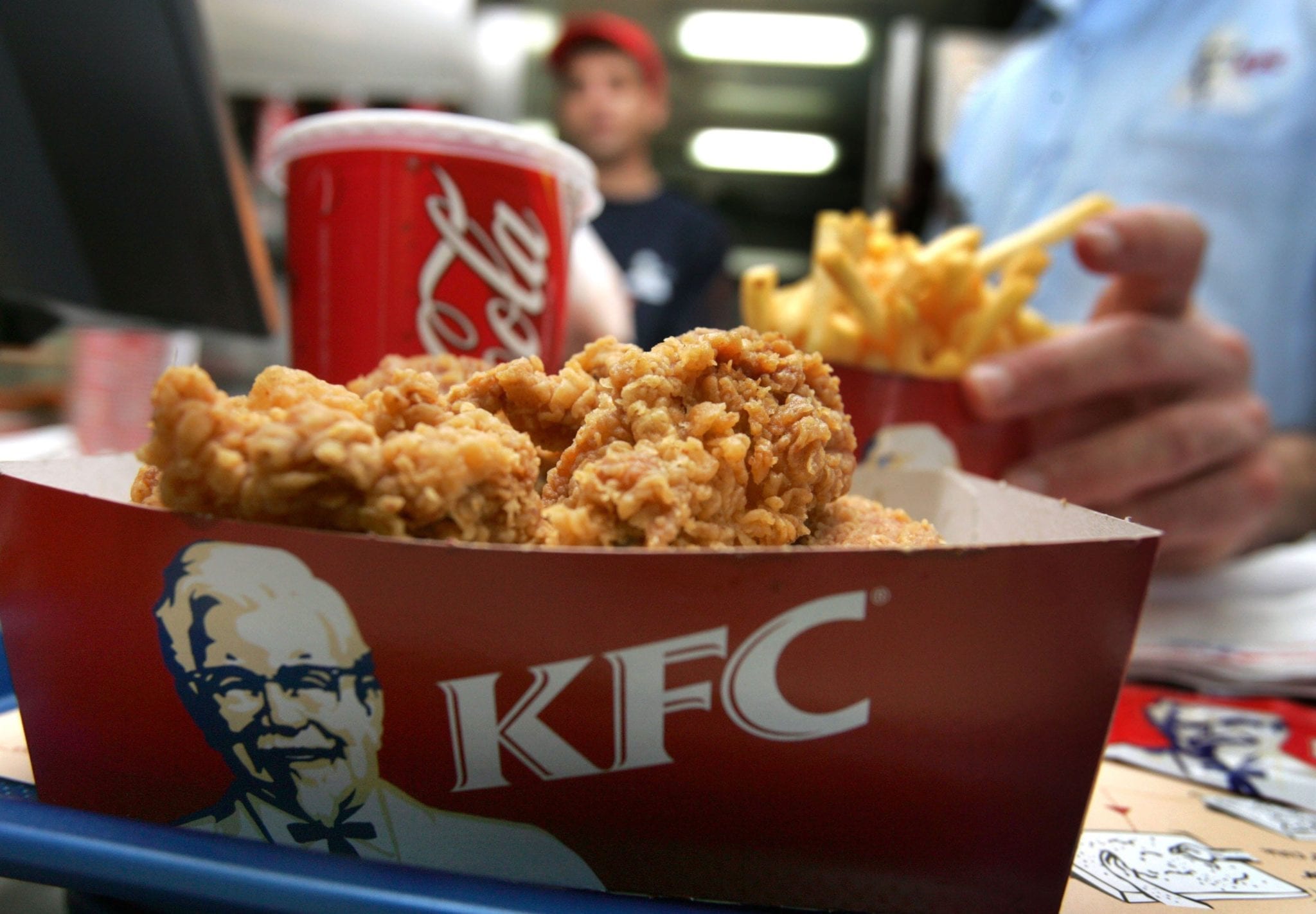
    An aggressive store rollout program is helping Yum China achieve sales growth, but its Pizza Hut business continues to struggle. In year-end results released overnight, Yum China said fourth-quarter system sales rose 6 per cent in constant currency, but same-store sales rose by a more modest 2 per cent. The company, which owns the Chinese operations of KFC and Pizza Hut, opened 819 new stores last year, taking its combined network to 8484 stores across more than 1200 cities. The company plans between 600 and 650 additional stores this calendar year.

    For the full year, total system sales grew 5 per cent over 2017, with a solid 7 per cent growth at KFC partially offset by a 1 per cent decline at Pizza Hut, (excluding foreign exchange impacts). Same-store sales increased 1 per cent overall, up 2 per cent at KFC and down 5 per cent at Pizza Hut.

    Full-year revenue reached US$8.42 billion with net Income up 78 per cent to $708 million, from $398 million.

    Joey Wat, CEO of Yum China, said the results marked the ninth consecutive quarter of system sales growth since the company was spun off from former US parent Yum! Brands.

    “This strong growth was led by accelerated new store openings and a robust performance at KFC, which delivered 3 per cent same-store sales growth and 9 per cent system-sales growth during the quarter. Although Pizza Hut’s sales remained soft, we are pleased to see same-store traffic growth of 1 per cent and positive trends in customer feedback.”

    Wat said the aggressive store rollout program last year further strengthened the company’s market position, laying a solid foundation for growth.

    “While the macro backdrop is relatively soft, with our resilient business model and leadership in digital and delivery, we are confident that we have the right strategy and capabilities to maintain our growth trajectory and capitalise on the long-term potential of the China market,” she said.

    Among the highlights of last year was exceeding 160 million members of the company’s KFC loyalty program and 50 million members of the Pizza Hut program, increases of 50 million and 15 million, respectively.

    Mobile payments accounted for 65 per cent of the company’s sales in the fourth quarter, an increase of 11 percentage points year on year. Digital payments accounted for more than 86 per cent of company sales in the quarter, an increase of 14 percentage points.

    And delivery services – now offered in 1118 cities – accounted for 19 per cent of sales in the fourth quarter of 2018, an increase of three percentage points year on year.

  • Klang Valley malls performed slower last year due to competition

    Klang Valley malls performed slower last year due to competition

    Stronger performances from Gurney Plaza and East Coast Mall compensated for a lower contribution from CapitaLand Malaysia Mall Trust’s Klang Valley shopping malls last year. CapitaLand Malaysia Mall REIT Management (CMRM), which manages CapitaLand Malaysia Mall Trust (CMMT), released its results this week, revealing net property income of RM215 million (US$52.57 million) for the year. Its distributable income was RM161.3 million.

    “Gurney Plaza and East Coast Mall, which collectively accounted for about 68 per cent of CMMT’s net property income, continued their growth momentum last year,” said Low Peck Chen, CEO of CMRM. “This helped to moderate the lower contribution from our Klang Valley malls, which continued to be affected by increasing competition in the vicinity, as well as downtime for asset enhancement works and lower rents at Sungei Wang and The Mines.”

    During the final quarter of last year,  the company completed the asset enhancement works at Gurney Plaza’s Level 4 and improved the tenant mix at East Coast Mall’s ground floor. Tenants, several of them new to Penang and Kuantan, have progressively commenced operations at the newly renovated spaces.

    “We expect the completed asset enhancement initiatives at both malls to contribute positively to our performance going forward,” said Chen.

    In Kuala Lumpur, Sungei Wang’s reconfiguration of its annex is on track and new-to-market and novel experiential concepts will feature in the Jumpa lifestyle zone when it opens in the second half of this year.

    “We continue to refresh our tenant mix to meet the diverse needs of our shoppers, who can now find popular stores like Huawei, Sport Planet and Mr DIY at 3 Damansara, as well as home improvement store SSF and children activity centre Olympic Kids Club at The Mines,” said Chen. “At Sungei Wang, the newly renovated main anchor Giant will soon unveil a fresh concept to draw more shoppers.”

    David Wong, chairman of CMRM, said that against a backdrop of “increasing uncertainties in the global economy and concerns around the rising cost of living,” the company expects consumer and business sentiments to remain cautious this year.

    “Despite the challenging operating environment, we will continue to strengthen CMMT’s performance by proactively managing lease renewals and exploring opportunities in asset enhancement initiatives and acquisitions that will create value for our Unitholders.”

    CMMT is a shopping mall-focused Reit with five shopping malls: Gurney Plaza in Penang, a majority interest in Sungei Wang in Kuala Lumpur, 3 Damansara and Tropicana City Office Tower in Petaling Jaya, The Mines in Seri Kembangan and East Coast Mall in Kuantan, Pahang. The portfolio has a total net lettable area of more than 2.9 million sqft and was valued at RM4.1 billion at the end of last year.

  • Daiso to set up regional distribution centre in Malaysia

    Daiso to set up regional distribution centre in Malaysia

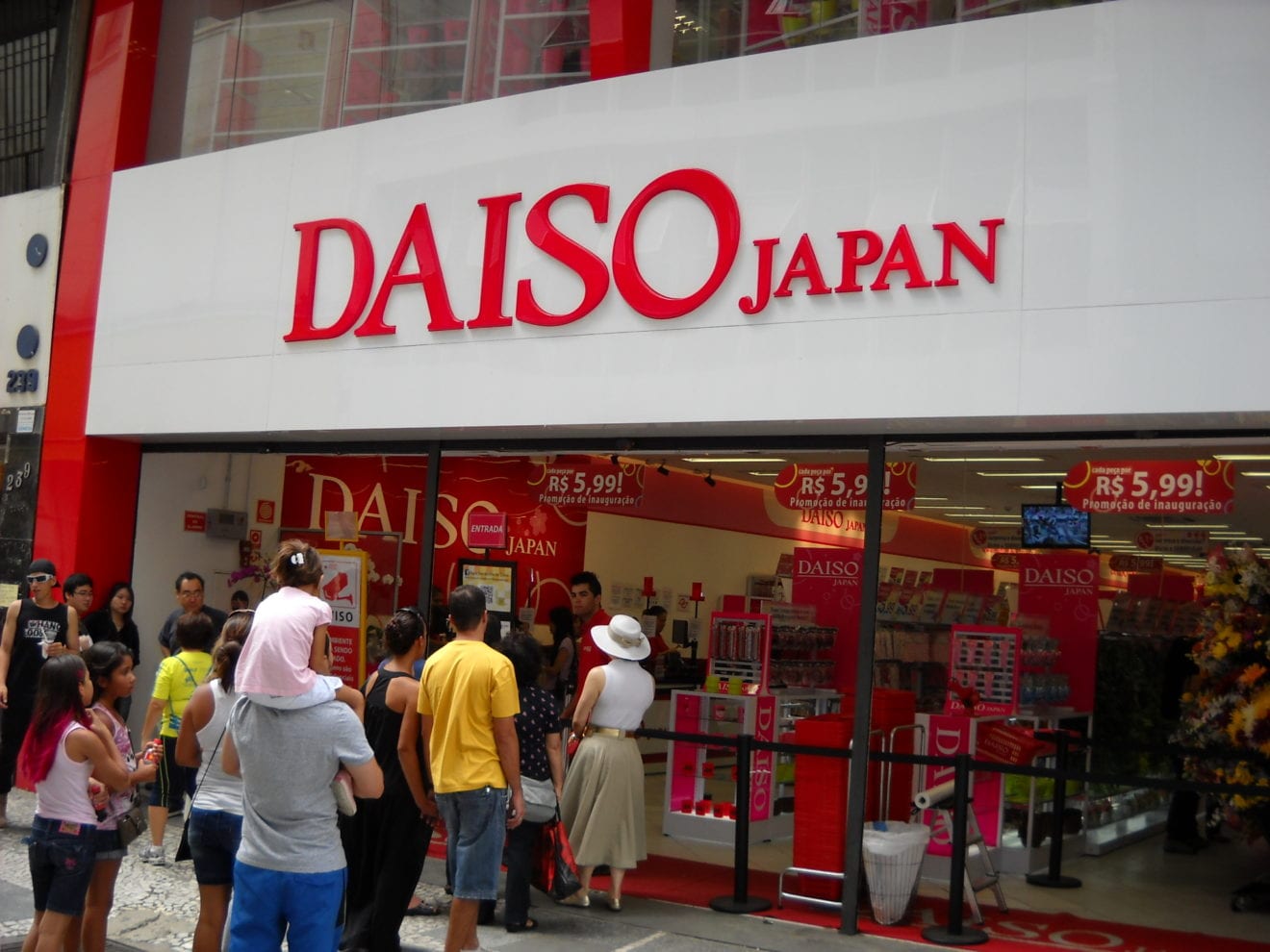
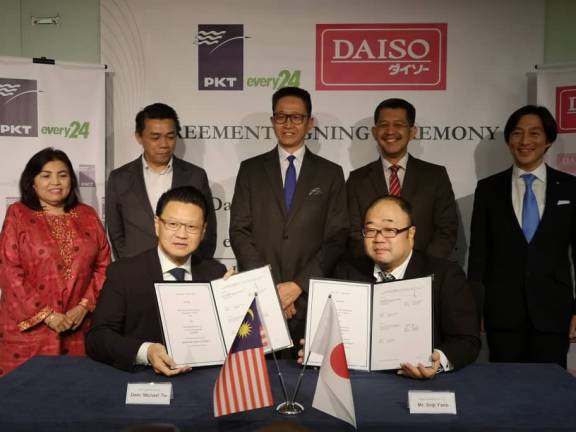
    PKT every24 Logistics Sdn Bhd (PKT) signed a service agreement with Daiso Industries Co Ltd (Daiso) to operate the latter’s regional distribution centre (RDC) located in Port Klang, commencing in the second quarter of this year. PKT is a joint venture company between PKT Logistics Group Sdn Bhd and Daisei every24 Co Ltd. Incorporated in February 2016, it was set up by both parties to explore joint business opportunities in Malaysia.

    PKT said in a statement, in order to serve Daiso in this RDC, it will be constructing a purpose-built warehouse at an estimated investment cost of RM250 million while creating 500 new jobs for the state of Selangor.

    PKT said it shall be providing Daiso haulage, freight forwarding and warehousing services for their transshipment and local cargo, reaching approximately several hundred containers per month.

    Meanwhile, Daiso president Seiji Yano said the group is confident that PKT will be a valuable logistics partner for the group to better serve its outlets and customers across the Middle East and Southeast Asia.

    “We are truly honored by Daiso’s confidence in Malaysia’s logistics capability but most importantly Daiso’s confidence in PKT to deliver quality logistics service to their outlets,” PKT chairman Datuk Wira Jalilah Baba said.

    Daiso is a specialty store retailer of private label products offering a vast lineup of up to 70,000 superior quality products.

    Headquartered in Hiroshima Japan, Daiso has more than 5,270 stores worldwide, served by 17 distribution centers located in Japan, China and Thailand.

  • Lazada to ramp up Southeast Asian grocery offering

    Lazada to ramp up Southeast Asian grocery offering

    Lazada Group has announced plans to ramp up its supermarket business in Southeast Asia as part of its strategy to become the region’s biggest e-commerce ecosystem. The supermarket transformation is being started off in Singapore, as homegrown online grocer RedMart is integrated into the Lazada platform on March 15 following its acquisition in 2016. Following the launch, shoppers will be able to buy groceries and fresh produce along with Lazada’s other product categories on the single platform, boosting the brand’s grocery and supermarket offering to more than 165,000 products.

    Elsewhere in the region, Lazada is looking to launch its grocery and supermarket business in at least one other city from the second half of 2019.

    The new moves are aimed at catering to the growing demand of supermarket shopping as consumers increasingly buy groceries online. The grocery market in Southeast Asia is expected to be worth US$309 billion by 2021, with shoppers filling their baskets online more than twice a month. In Singapore, seven in 10 people who buy their groceries online already do so on RedMart.

    “We want to drive the evolution of grocery shopping in the region by combining our unparalleled assortment of products and superior logistics network to transform the way customers get their daily essentials and fresh produce,” said Jing Yin, co-president of Lazada Group. “Most of us shop for groceries and other household items very frequently. This presents a unique opportunity for Lazada to be part of our daily lives.”

  • Vietnam per capita income matches Malaysia’s 20 years ago

    Vietnam per capita income matches Malaysia’s 20 years ago

    Vietnam’s recent economic achievements notwithstanding, much effort is needed for it to close the gap with other countries, a minister has said. Minister of Planning and Investment Nguyen Chi Dung said at a conference Wednesday that while Vietnam’s GDP per capita had surged by 27.4 times in the last 30 years to almost $2,590 last year, Malaysia had achieved this figure 20 years ago.

    Thailand had done so 15 years ago and Indonesia 10 years ago.

    The main limitations of its economy were low labor productivity, economic efficiency and competitiveness, and the country also faced the risk of being stuck in the middle-income trap.

    According to the 2018 Vietnam Annual Economic Report, average productivity per worker was VND60.73 million ($2,600) in 2017, lower than that of China, Japan, the Philippines, Thailand, and Cambodia.

    Currently the country also faced challenges like the U.S.-China trade war, the minister said.

    For these reasons, institutional reforms were necessary to achieve a more sustainable economy, he noted.

    Macroeconomic stability and high economic growth with innovation in science and technology were imperative.

    The private sector had to remain one of the pillars of the economy in future, Dung said. “If Vietnam doesn’t catch the 4.0 train, the gap between it with other countries will become wider. Vietnam needs to narrow that gap.”

    Vietnam’s GDP has grown at 6.8 percent a year on average for the last 20 years, and the economy has grown 39 fold in the period to $245 billion last year.

    Growth last year was 7.08 percent, the highest in a decade.

  • ICONSIAM in the newest global attraction in Thailand

    ICONSIAM in the newest global attraction in Thailand

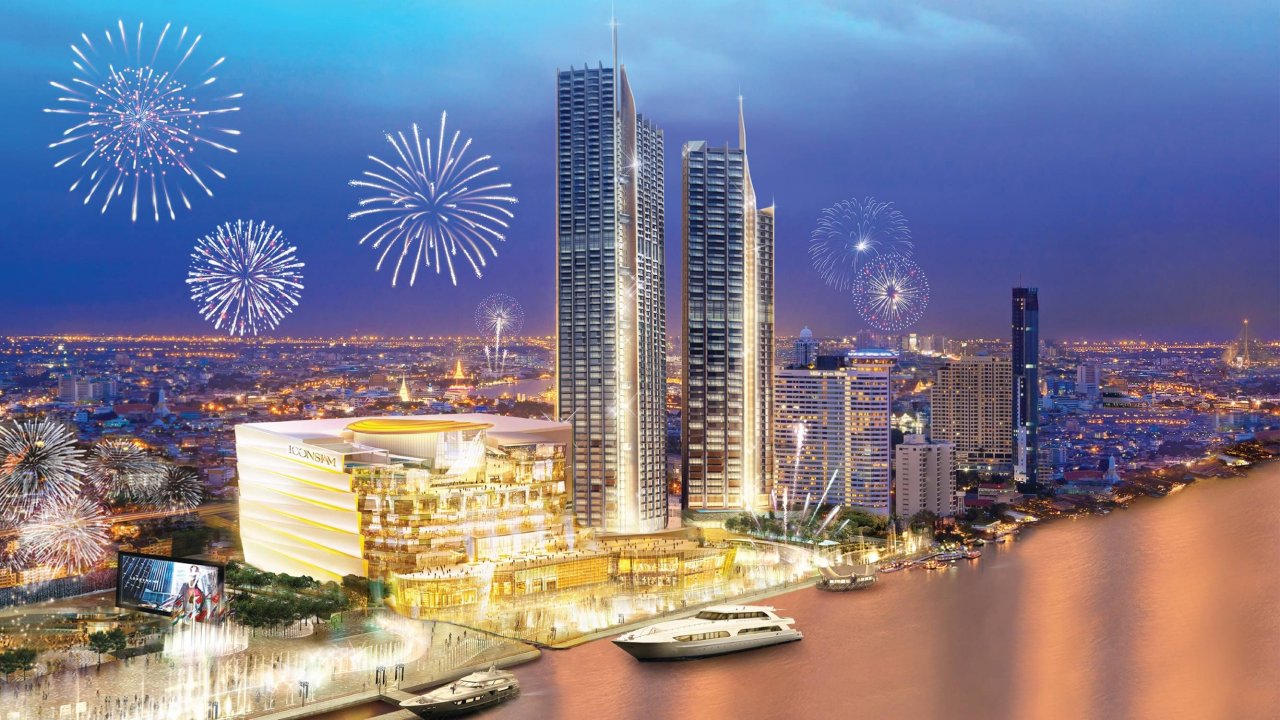
    ICONSIAM, the mega city project of futuristic living and an iconic landmark of Thailand’s eternal prosperity on the Chao Phraya River, held the inauguration ceremony for Thailand’s new global attraction on the Chao Phraya River known as the “ICONIC Multimedia Water Features”, which is one of the Seven Wonders of ICONSIAM. The city project is the result of the collaboration of the Tourism Authority of Thailand, the Pacific Asia Travel Association (PATA), the Association of Thai Travel Agents (ATTA), the Thailand Convention and Exhibition Bureau (TCEB), Bangkok River Partners, the Association of Chao Phraya Commerce, the Thai Shipping Association as well as other related agencies and organisations.

    At over 400 metres, it is the longest water dance in Southeast Asia featuring a combination of light, colour, sound and multimedia and set in front of beautiful vistas across the Chao Phraya River. It seeks to glorify and highlight the grandeur of the river for the world to be impressed while attracting local and international visitors to the Chao Phraya River.

    Held at River Park, ICONSIAM, the opening ceremony was attended by the most distinguished people from agencies, organisations, and associations playing an important role in driving tourism in Thailand forward, together with business partners of ICONSIAM as well as many celebrities who joined to witness the momentous occasion.

    Among the well-known celebrities present were the Gubgib-Bie-Pao Pao family, Esther Supreeleela, ‘Ken’ Phupoom Pongpanupak, AF alumni namely Nim, Tee, Baimon, Focus, Mac, Ploysai, Bass, Jackie, Ice, ‘Jeab’ Sopidnapa Chumpanee Dabbaransi, ‘Mona’ Wipawee Korman, ‘Jan’ Siranuj Rojanasatien, Ploy Mahadumrongkul, ‘Kat’ Wantita Lewchalermwong, ‘Ming’ Suwara Sanitwong Na Ayudhya, ‘Yingair’ M.R. Chanladda Yukol, Lina Leenutapong Amornsiri and Jarudej Boonyasit, and many more.

    Mrs. Chadatip Chutrakul, Director of ICONSIAM Co., Ltd., said, “ICONSIAM marks the bringing to life of the concept of ‘Creating Shared Value’ on a scale as never before been seen anywhere in the world.

    The ‘Chao Phraya Master Vision’ was announced 5 years ago, pioneering a historical and national collaboration among multiple different enterprises, the government and private sectors, historic locations, civil society, 5-star hotels and communities along the riverside.

    Since its launch, there have been many collaborations, with the best example being the Amazing Thailand Countdown 2019 and its fireworks display which was viewed by more 1.5 million people.

    ICONSIAM itself welcomed more than 200,000 visitors in a single day for the event. The event brought fame to Thailand and let the world witness the grandeur and beauty of the Chao Phraya River via the world’s leading media such as CNN, BBC, and Reuters. This is a part of the collaborations envisaged in the ‘Chao Phraya Master Vision’ to help make the Chao Phraya River a significant global destination for tourism.”

    ICONSIAM is a city that is the centre of a vast array of wonders in art and culture. It offers the best in shopping and entertainment made possible through the collaboration of business organisations that are both big and small.

    A lot of individuals have come together from different professions. They share a desire to build a venue where all that makes Thais can be presented in the most exquisite way possible. They come together to build a new icon which will become a mega phenomenon that will epitomise ‘Creating Shared Value’, uniting all stakeholders and spreading prosperity to communities, society and the nation. This is embodied in every element within ICONSIAM, and especially the seven wonders.

  • Starbucks Hong Kong partners with Deliveroo to launch delivery services

    Starbucks Hong Kong partners with Deliveroo to launch delivery services

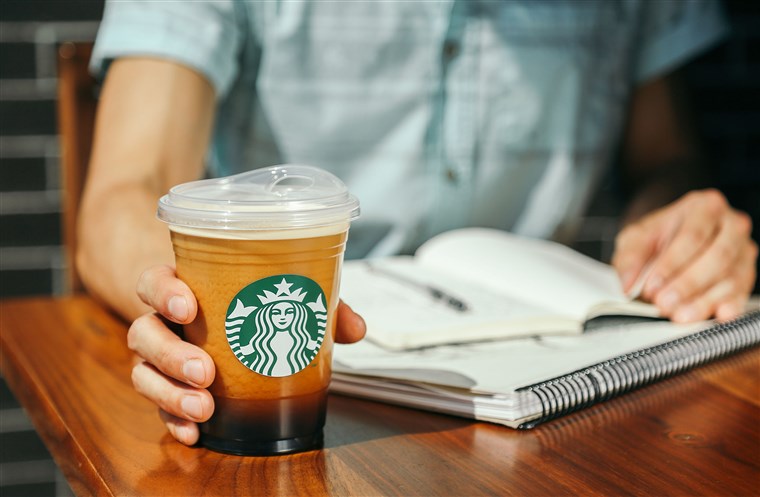
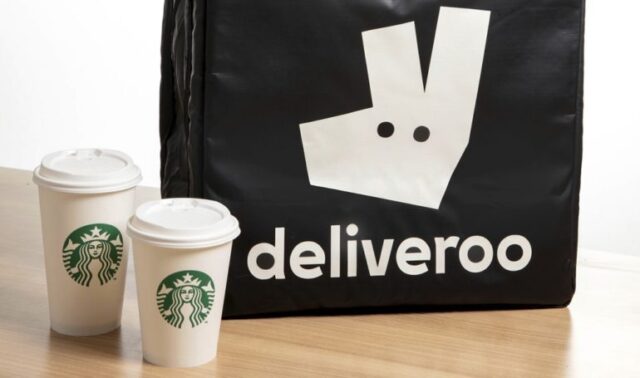
    Starbucks Hong Kong and Deliveroo Hong Kong, the online food delivery company, announced an exciting partnership to launch a pilot delivery service starting on 21st January 2019. The service will first roll out at 18 participating stores across Hong Kong Island, Kowloon, and the New Territories with plans to expand the program to more stores over time.

    To celebrate the launch of Starbucks delivery service, customers can enjoy free delivery from January 28 to February 3 – an exclusive offer for Hong Kong customers to try out this new offering.

    Also, new Deliveroo customers can enjoy HK$25 discount on each of their first four Starbucks orders on Deliveroo with the code “STARBUCKS100”.

    As the first retailer in Hong Kong to launch mobile ordering feature using its mobile payment technology, Starbucks has continued to embrace the relentless pursuit of digital innovations to meet the high expectations and demand for convenience in Hong Kong.

    The introduction of delivery services with Deliveroo will elevate Starbucks Fourth Place experience, the digital and mobile touchpoint that connects Starbucks with its customers. The delivery service is expected to reach over 30 stores in second quarter, offering convenience to more customers in Hong Kong.

    Deliveroo, the largest food delivery platform in Hong Kong, is growing and this year expects to work with 4,000 riders and 6,000 restaurants in Hong Kong. The company is intent on expanding its offer to consumers, in particular with partnerships such as this. Based on its exclusive data insights, Deliveroo knows that customers are increasingly searching for hot beverages and coffee on the platform. Searches surged by 185% in 2018 while orders for coffee and tea increased by a staggering 245%. Therefore, Deliveroo and Starbucks will go together brilliantly.

    As part of Deliveroo’s corporate offering, Deliveroo for Business, for companies across Hong Kong, Deliveroo will offer bulk Starbucks coffee deliveries to meet the rising in breakfast, lunch and teatime coffee orders in Hong Kong’s business districts. Given the rapid growth of Deliveroo for Business to date, Deliveroo believes this will be incredibly popular amongst Hong Kong workers. As part of this, 25 major businesses with more than 100 employees have already expressed interest in the new Starbucks-Deliveroo offer.

    The pilot delivery partnership allows customers to order and customize some of their favorite Starbucks beverage* and food items to their door step, including the option to modify size, number of espresso shots and dairy selections. We target to ensure every order meets the unparalleled experience and quality that customers are accustomed to in Starbucks stores.

    “We are continuously looking for ways to evolve and innovate our features that are relevant to our customers, thus we are happy to partner with Deliveroo who is as passionate as we are in food and beverage, to offer trusted delivery services and bring ease to our customers,” said Andrew Hui, General Manager, Starbucks Hong Kong & Macau. “The pilot delivery program is a seamless addition to our commitment to explore digital solutions, and the perfect complement to our in-store offerings, further extending the holistic Starbucks experience for customers to enjoy wherever they may be.”

    Brian Lo, General Manager of Deliveroo Hong Kong, said: “Deliveroo is constantly looking for new ways to ensure customers have access to amazing food and drink whenever and wherever they want it, and so we are delighted to work with Starbucks. This partnership will again show people that, on Deliveroo, every option and every occasion is catered for. Deliveroo is growing across Hong Kong and across the world, and with exciting new partners and new offers such as this, we are looking forward to expanding our reach even further. This collaboration will be available for our corporate customers on Deliveroo for Business, for workers who want that vital coffee.”

  • Chinese outbound tourists powering mobile payment growth

    Chinese outbound tourists powering mobile payment growth

    Chinese outbound tourists are taking China’s mobile payment industry to foreign markets, according to Nielsen. The research company’s report, 2018 Trends for Mobile Payment in Chinese Outbound Tourism, shows that mobile payment transactions by surveyed Chinese tourists surpassed the percentage paid with cash for the first time. Nearly 70 per cent of Chinese tourists paid with their mobile phones while abroad.

    Several factors encourage Chinese tourists to use mobile payment abroad, with the most important being that they have already become accustomed to this fast and convenient payment method in their home country.

    Merchants around the world have gradually recognised the importance of mobile payment for Chinese tourists and are witnessing benefits from better understanding of Chinese tourists’ habits and preference. Among the merchants surveyed at popular tourist areas in Singapore, Malaysia and Thailand that adopted Alipay, nearly 60 per cent saw growth in foot traffic and revenue.

    Many merchants surveyed said mobile payment is a safe, reliable and effective payment method that resonates with Chinese shoppers. Of the merchants that adopted Alipay, 71 per cent said they would recommend the mobile payment platform to peers.

    “Our store is located in an area frequented by Chinese tourists and they are our main customers. If we didn’t have mobile payment as an option, we would lose a lot of customers”,  said a Malaysian merchant cited in the white paper.

    “The outbound travel craze among Chinese tourists offers an important opportunity to expand mobile payment globally, while mobile payment outside of our home market has a broad space for development,” observed Gao Zilong, COO of self-service QR-code payment firm Inspiry International.

  • China’s SMCP tops 1 billion euros revenue for first time

    China’s SMCP tops 1 billion euros revenue for first time

    Chinese-owned SMCP Group said that total company sales exceeded 1 billion euros in 2018, marking a revenue-first for the French fashion group. “With double-digit sales growth in 2018, SMCP posted a remarkable performance and continued to deliver on its strategic roadmap,” said Daniel Lalonde, SMCP’s Chief Executive Officer. For the year ending December 31, SMCP recorded sales increasing 13%, in line with its previously upgraded full-year 2018 guidance.

    Lalonde said the achievement signalled rapid sales increase was fuelled by online and digital, with the company working hard to fight market headwinds, which have taken out other European retailers in 2018.

    “Our performance throughout the year, and more particularly over the last quarter, demonstrates that SMCP is built on strong foundations and further illustrates the resilience of our business model in the midst of unprecedented market headwinds,” said Lalonde, in a press release.

    “I would also like to place a special emphasis on our significant progress in digital: it has been growing consistently and strongly over the past years and now represents nearly 15% of our total sales,” he added.

    The sales growth included a solid like-for-like sales growth of 3.7% for the twelve-month period “despite challenging market conditions in the fourth quarter,” which saw sales climb less, up 8%.

    Full-year reported sales were up 11.5%, including a negative currency impact of -1.6% reflecting the appreciation of the euro.
    Over the last twelve months, SMCP net openings reached 134 points of sale, including 102 directly operated stores, surpassing its annual target. By region, 59 stores were opened in APAC alone, the zone receiving the most new outlets compared to the Americas and Europe.

    In APAC, the group posted a strong double-digit sales growth of 18.2% at constant currency, driven by mainland China which generated over 20% of sales growth.

    The operator of French fashion brands Sandro, Maje and Claudie Pierlot said Sandro sales grew 6% in 2018, while Claudie Pierlot recorded a 7% increase. Maje was the biggest grower, up 10% for the year.

    For 2018, SMCP confirmed its adjusted EBITDA margin guidance at around 17%.

    Evelyne Chetrite and Judith Milgrom founded Sandro and Maje in Paris, in 1984 and 1998 respectively, and continue to provide creative direction for the brands. Claudie Pierlot was founded in 1984 by Claudie Pierlot and acquired by SMCP in 2009.

    SMCP was acquired China’s Shandong Ruyi in 2016.