Tag: Business

  • LG and Naver agree to work together on guide robot

    LG and Naver agree to work together on guide robot

    LG Electronics and portal operator Naver Wednesday agreed to jointly develop an advanced guidance robot based on the high-tech mobility platform. LG Electronics and Naver’s R&D subsidiary signed a memorandum of understanding (MOU) to collaborate on research and development of robot technology, expanding on their discussions made during the recent Consumer Electronics Show (CES) in Las Vegas.

    Under the agreement, the two Korean companies will explore ways to adopt Naver’s integrated location and mobility solution eXtended Definition & Dimension Map (xDM) in LG’s guide robot called Air Star to upgrade its function.

    The xDM platform is an advanced mobility technology that can be used in both indoor and outdoor settings and accurately analyzes location data in real time.

    “Based on LG Electronics’ know-how in artificial intelligence (AI) and autonomous driving, we will combine Naver’s software platform in our robots to provide differentiated value for our customers,” Roh Jin-seo, the head of the robotics business at LG Electronics, said during the signing ceremony at Naver Labs in Seongnam, south of Seoul.

    Naver debuted its AI and other robotic technologies during this year’s CES, drawing attention from industry officials around the globe.

  • Who visited Korea in 2018?

    Who visited Korea in 2018?

    Chinese visitor arrivals in South Korea rose 14.9 percent year-on-year in 2018 to 4,789,512, according to new Korea Tourism Organization figures. Chinese arrivals in December 2018 rose 25.2 percent year-on-year. The results confirm a sustained recovery in Chinese tourism from March 2018 as Korean-Chinese relationships improved in the wake of the THAAD anti-missile system dispute that had devastated Chinese tourism for the previous year.

    For the first two months of 2018 Chinese arrivals slumped 43.7 percent, heavily influencing the year-end result.

    However, the 2018 performance was still far short of pre-THAAD levels. In 2016, 8,067,722 Chinese visited South Korea, 68 percent more than the 2018 tally and a 46.8 percent share of total arrivals, compared to last year’s 31.2 percent.

    Japanese market buoyant but political concerns rise

    The Japanese tourism market was buoyant in 2018, rising 27.6 percent to 2,948,527, a 19.2 percent share of arrivals. December saw a 33.5 percent rise year-on-year.

    The combination of concerted Japanese visitor growth and a strong yen has been reflected in increased duty free spending. A report by The Korea Herald said that January 2019 sales to Japanese consumers at Lotte Duty Free’s flagship store in Myeong-dong, Seoul (the country’s biggest travel retail door) had surged 31 percent year-on-year, compared to 15 percent for all nationalities.

    The same report said that Shinsegae Duty Free’s Myeong-dong store posted a 53 percent rise in sales to Japanese shoppers during the same period, while overall turnover at the flagship fell 1 percent.

    But prospects for a continued boom in Japanese tourism may be marred by a worsening political dispute, this time between South Korea and Japan. A military row began on 20 December following an encounter between a Japanese plane and a South Korean destroyer.

    The Japanese claimed that the South Korean warship aimed its fire-control radar at the aircraft while the Koreans contend that the ship was rescuing a North Korean ship drifting in international waters.

    Several more ‘fly-buy’ incidents since then have escalated tensions, leading to fears that the row could “snowball into crisis”, as CNN wrote.

    Departures of Korean nationals (along with Chinese and Japanese the key components of the Korean travel retail industry consumer mix) rose 8.3 percent year-on-year in 2018 to 28,695,983 and 3.8 percent in December to 2,495,279. The year ended much weaker than it began – five of the first six months saw double-digit increases, all of the final six months were under 6 percent.

  • KT Telecop warns people to secure homes for Seollal

    KT Telecop warns people to secure homes for Seollal

    KT Telecop, the security arm under mobile carrier KT, has warned people to be careful leaving their homes empty over the Lunar New Year period. On Tuesday, KT Telecop said most incidents occur during the first day of the holiday period, according to three years of big data it has collected during the Lunar New Year and Chuseok holidays.

    Theft is the most commonly reported issue, accounting for 59 percent of incidents, followed by property damage at 24 percent and fire at 17 percent.

    A spokesperson from KT said travelling families should keep a tight watch on their front doors and windows before leaving the house to prevent crime.

    For those intending to leave the house empty for a long time, KT suggests keeping some lights on at all times so it appears occupied.

  • LVMH’s 2018 sales revenue hits record high

    LVMH’s 2018 sales revenue hits record high

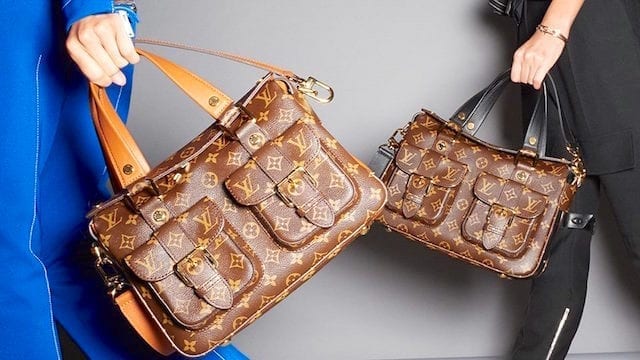
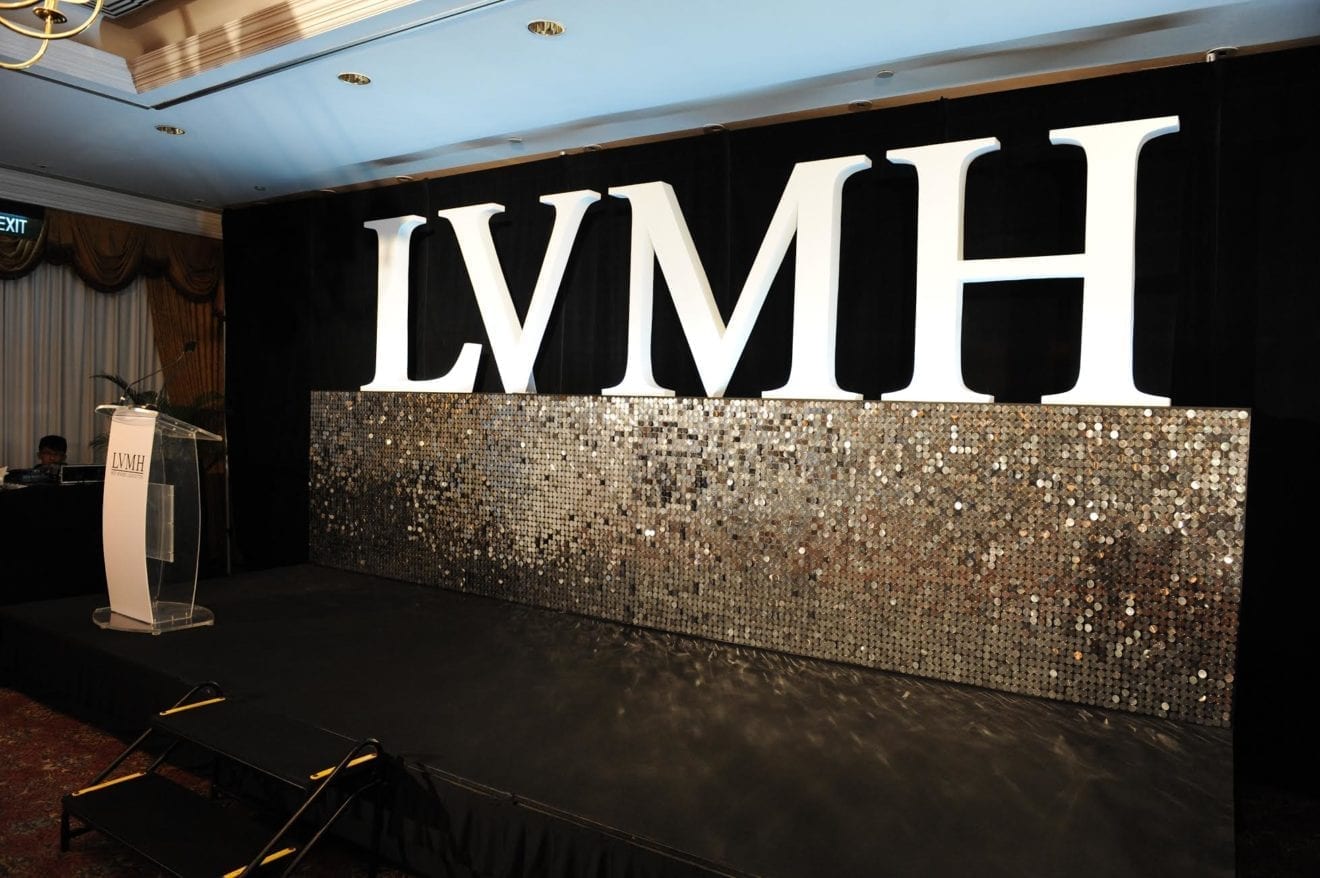
    Following a record-breaking year of sales in 2017, LVMH recently announced that it has surpassed its earnings record in 2018. The French multinational luxury goods conglomerate revealed that it made an incredible €46.8 billion EUR (approximately $53.4 billion USD) last year. Additionally, the impressive feat comes with a record net profit growth of 18 percent.

    LVMH is noting that it was the profitability of Louis Vuitton and Dior that lead to its strong 2018 earnings. The fashion and leather offerings from the two labels has been credited with driving the double-digit increase in both revenue and profit.

    Moving into 2019, it is expected that Virgil Abloh and Kim Jones will be amplifying the popularity of the two houses.

    LVMH also noted a state of reorganization of the Marc Jacobs label, and looked back on the global response to Hedi Slimane‘s inaugural collections for CELINE.

    Aside from a mixed critical reception, LVMH is ambitiously looking towards Slimane’s place at CELINE.

    The results were roughly in line with analysts’ forecasts.

    Bernard Arnault, chairman and chief executive, said LVMH expected its brands and companies, which include Louis Vuitton, Christian Dior and Moët & Chandon champagne, to deliver continued progress in 2019 in spite of “an environment that remains uncertain at the start of the year”.

    Sales growth was steady in all regions in the fourth quarter except the US — similar to the performance earlier in the year, according to Jean-Jacques Guiony, finance director.

    Organic growth in Asia, excluding Japan, was 15 per cent compared with last year. Sales in Europe were up 7 per cent on the same measure, while in the US they climbed 8 per cent.

    “We see no particular sign of a slowdown in the China market,” he said, although purchases by Chinese customers had shifted slightly to the mainland from Hong Kong and other east Asian markets, perhaps because of a weaker renminbi. “The market sees the glass as half empty. We see it as half full.”

    Luxury goods companies and other exporters dependent on sales to China are bracing for the impact of the country’s economic slowdown and for possible fallout from any worsening of the US-China trade conflict.

    In recent days, companies including US chipmaker Nvidia and Caterpillar, which sells earthmoving equipment, have blamed China’s slowing growth for disappointing profit predictions.

    Mr Guiony said luxury goods consumers tended to be affected more by sudden shocks than by gradual changes in economic conditions. “If there was to be real trade war between the US and China — and we’re not there yet — that would have an effect,” he said.

    The company also performed well in Europe, Mr Guiony said. Although LVMH had to close early on several Saturdays because of the gilets jaunes protests in France, many customers had switched to Sunday shopping and there was no obvious impact on LVMH’s numbers in the latest quarter.

    LVMH said it was stockpiling champagne and cognac in the UK in case of severe disruption from a “no-deal” Brexit.

    “We’ve added four months of stock in the UK,” said Philippe Schaus, head of Moët Hennessy, the wines and spirits part of the group.

    Profit from recurring operations in fashion and leather goods, the core of LVMH’s business, rose 21 per cent last year, accounting for €5.94bn of the total. The highest growth in profit from recurring operations came from watches and jewellery, at 37 per cent, and the slowest from wines and spirits, at 5 per cent.

    The company said it planned to lift the total dividend by 20 per cent for the year to €6.

  • Netflix streams its way into Korean hearts

    Netflix streams its way into Korean hearts

    Netflix viewership is growing faster than ever in Korea. According to mobile app tracker WiseApp on Tuesday, 1.27 million Android users in Korea used the Netflix app in December last year. That’s nearly four times, or 274 percent, more than the beginning of the year, when just 340,000 Android users had used the app in January 2018. Nearly half, or 41 percent, of Netflix users were in their 20s.

    WiseApp estimated that there are around 900,000 paying Netflix users across all devices in Korea who spend a monthly 11.7 billion won ($10.5 million) combined on the platform.

    Netflix users are allowed to share their account with family members and friends, so the number of paying customers is always lower than the number of users. Netflix also offers a one-month free trial, giving first-time users unlimited access to the platform for a limited time.

    Onlookers have suggested a variety of possible explanations for Netflix’s growing success in Korea and the rest of the world.

    Park Yong-hu, an IT expert who has previously worked for Kakao and Baedal Minjok operator Woowa Brothers, believes the absence of advertisements allows Netflix original content creators greater freedom to come up with fresh and innovative material.

    “Platforms that host advertisements often run into the problem of whether to prioritize users or advertisers first,” said Park. “For companies like Netflix, however, where the client and user are the same, they have the advantage of being able to clarify their vision.”

    Netflix confirmed that it doesn’t try to limit creators.

    “Netflix never requests creators change their stories,” added a spokesperson from Netflix in Korea. “Creators are guaranteed that they will create the content they want and Netflix just helps to realize their dream.”

    Convenience is another feature winning over users.

    From smart TVs to tablets, there are over 1,500 different types of smart devices that Netflix currently supports. The 14,500 won premium subscription option in Korea allows up to four people to use the platform at the same time, even in 4K ultra-high definition.

    With Netflix’s Smart Downloads, users don’t even have to bother downloading shows themselves. The smart feature automatically deletes an episode a user has finished watching and downloads the next one.

    Netflix’s recommendation system also attempts to offer users enough content that fits their preference so that they keep using the service.

    “Netflix does not gather user data by categorizing them into groups like ‘a male bachelor in his thirties living in Seoul,’ but we instead [suggest shows] by looking at the types of content that they have watched and the reviews they have left,” said a Netflix spokesperson.

    Netflix’s vast potential was most recently demonstrated by the tremendous success of its original film “Bird Box” starring Sandra Bullock. In a move untypical for the company, Netflix took to Twitter to reveal that 45 million users worldwide had streamed the post-apocalyptic hit within its first week of release last month.

    This year, the streaming platform is ambitiously trying to make its debut in the Korean drama scene. It has already confirmed the launch of several original Korean drama series with genres ranging from teen-romance to zombie-thriller, and started strong with the release of “Kingdom” last week, starring famous actors including Bae Doo-na of “Cloud Atlas.”

    Some believe it will be just a matter of time before Netflix becomes a force to be reckoned with in the domestic drama industry.

    “The threat Netflix is posing to Hollywood means that even production and distribution of video content cannot escape the currents of the fourth industrial revolution,” said Park.

  • Onitsuka Tiger store in Singapore is biggest yet

    Onitsuka Tiger store in Singapore is biggest yet

    Onitsuka Tiger Singapore has opened its largest boutique in Ngee Ann City. As part of its efforts to become recognised as a fashion lifestyle brand beyond its sneaker business, the Japanese footwear firm’s new 165sqm store – the label’s fifth in Singapore – exclusively stocks the label’s Nippon Made collection as well as its usual retail offerings, focused on hand-made shoes following traditional Japanese methods.

    The store also sells Japanese-designed athleisure apparel and accessories in a store space fitted out with plush tiger toys.

    Onitsuka Tiger is owned by Asics.

  • Louis Vuitton celebrates the launch of Virgil Abloh’s SS19 collection

    Louis Vuitton celebrates the launch of Virgil Abloh’s SS19 collection

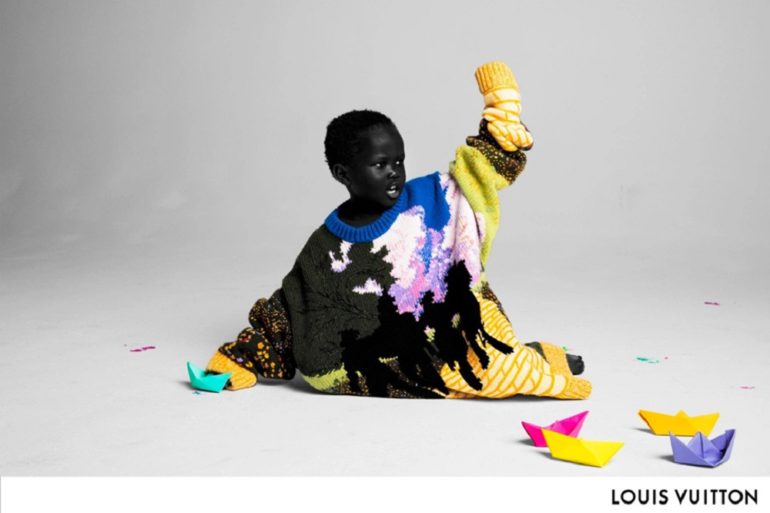
    For those that have been patiently waiting to get their hands on Virgil Abloh‘s debut Louis Vuitton collection, the highly anticipated Spring/Summer 2019 offerings are now available online. The online release comes shortly after Virgil opened up an exclusive pop-up at Chrome Hearts’ New York City flagship.

    The Yellow Brick Road Hand-Knitted Crewneck, Poppies Dorothy Graphic Windbreaker and colorful Calfskin Cut Away Vest serve as notable garments from the collection. Standout carrying options include the iridescent take on the classic Keepall Bandouliere 50, Soft Trunk Messenger Bag, Mini Polochon Messenger Bag and a host of holster-style utility pouches. Rounding things up is Virgil’s take on LV’s iconic Millionaire Sunglasses, early Jordan Brand model-inspired LV Trainer Sneakers, and the LV Creeper Ankle Boot Timberland homage.

    Check out some of the items above and head over to louisvuitton.com now to shop Louis Vuitton’s SS19 collection.

    In case you missed it, Virgil Abloh recently launched a comprehensive archive of his work.

  • Hong Kong retail rents tipped to turn

    Hong Kong retail rents tipped to turn

    Hong Kong retail rents are tipped for a modest rise of up to 5 per cent this year according to a research report from real estate advisor Savills. But the authors, Nick Bradstreet, MD, head of leasing and Simon Smith, senior director, research & consultancy, noted that this year has already got off to a positive start. “Landlords and retailers are wary given current uncertainties surrounding trade, stock market valuations, a weak renminbi and rising interest rates among other factors,” said Bradstreet. “But early indications are that the year has got off to a positive start.”

    Smith added: “The well-observed shift towards higher same day mainland visitor numbers and lower per capita spending continued last year and we believe that this year can expect more of the same.”

    Both prime street-shop and shopping-centre rents remained flat last year and rental growth had all but ground to a halt by the fourth quarter due to a weak sales performance, the report said.

    However, the new cross-border bridge and rail link led to a 40.3 per cent year-on-year rise in same-day mainland visitor arrivals in November to 3 million. The number of mainland tourists actually rose during the first 11 months of last year by 14 per cent.

    Smith said the increasing number of same-day visitors and a weak renminbi meant lower per-capita spending and unchanged retail rents by year end.

    “Retail sales growth decelerated to only 1.4 per cent in November, the slowest growth rate registered since June 2017; yet most retailers reported a better-than expected performance over the Christmas holiday period.”

    Thanks to the strong tourist demand, cosmetics and personal care products retailers are expanding rapidly in popular tourist districts such as Causeway Bay, Tsim Sha Tsui and Mong Kok. Food and beverage stores benefited, too, the report said.

    On the contrary, the fourth quarter saw zero rental growth over the previous quarter in prime street shops in most districts, except Tsim Sha Tsui (down -0.9 per cent quarter on quarter). Whilst shopping malls in Kowloon were largely responsible for the marginal decrease with a negative 0.3 per cent change over the third quarter, mall rents remained unchanged on Hong Kong Island and in the New Territories.

    “As a total of 2.3 million sqft of new supply will come on stream this year – the highest level since 2006 – the market fundamentals are expected to remain relatively stable.

  • Handsome markets brands in Paris Fashion Week

    Handsome markets brands in Paris Fashion Week

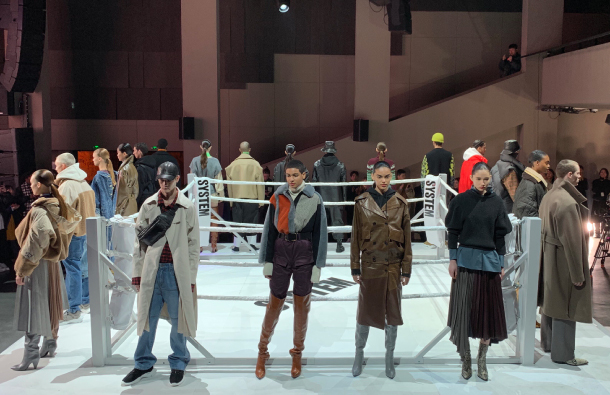
    Handsome, a Korean fashion brand owned by Hyundai Department Store, brought two of its labels to Paris Fashion Week in an effort to expand on the global stage. System for Women and System Homme, the two Handsome brands, showcased their fall and winter collections in a rented showroom for eight days starting from Jan. 17. The Handsome event included a presentation of the collections followed by showroom events, where item were modeled for clients.

    The brands are presenting their new collection one season early to major buyers in the fashion industry.

    In addition to 180 buyers, the event was attended by the Wall Street Journal, Vogue and GQ as well as by fashion influencers.

    It was the first time Handsome has taken its brands to a foreign showroom since being founded in 1987.

    System for Women debuted in 1990 and System Homme in 2008. The company has also introduced other names, including Time, Mine and SJSJ.

    Handsome was acquired by Hyundai Department Store Group in 2012.

    At the Paris event, which featured 200 items for men and women, around 40 department stores from 14 countries participated. Samples were purchased ahead of possible quantity orders.

    It was a buyers’ who’s who. The list included representatives from Bloomingdales, France’s Le Bon Marche, Hong Kong’s Lane Crawford, Japan’s Isetan and Shanghai’s 10 Corso Como. Inquiries also came in from parties in Switzerland and Israel.

    “We predicted the number of businesses that would visit our showroom would be 40 at maximum. But since System Homme was introduced via major media outlets and social media after the presentation on Jan. 18, a great number of fashion businesspeople visited,” said a source from Handsome.

    The company said that visitors appreciated the designs as being unique and set apart from other major Asian brands.

    “In the case of businesses that received the samples, they will decide on quantity purchases in February, and in June, the main products of System [for Women] and System Homme will be sold at department stores and in multibrand shops of each country,” said a source from Handsome.

    Handsome is planning to use the Paris showroom event as a stepping stone for its international expansion efforts.

    In line with the strategy, it will complete its product development earlier and present new design concepts to the market one season ahead.

    It is rare for a ready-made brand to utilize this sort of advanced development.

    “Our brand is still new in the global fashion market, but we will elevate awareness to the point where we could open an exclusive fashion show at a foreign fashion week,” said Kim Hyung-jong, the CEO of Handsome.

  • Shinesegae targets US$90 million with a new brand

    Shinesegae targets US$90 million with a new brand

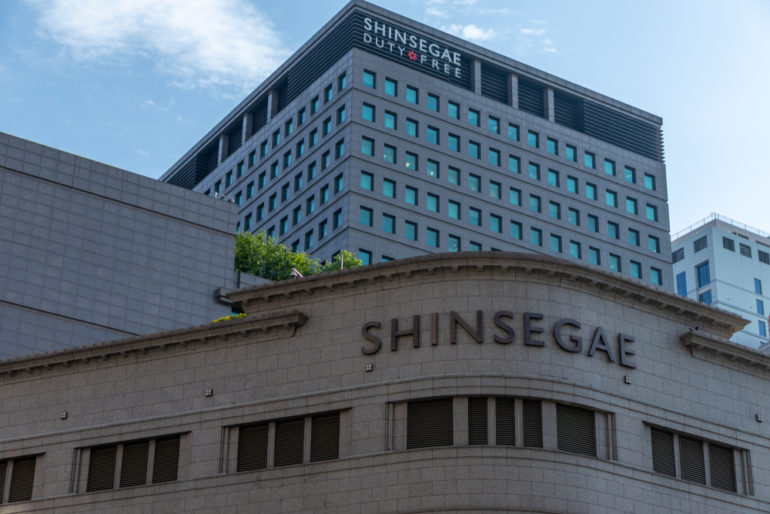
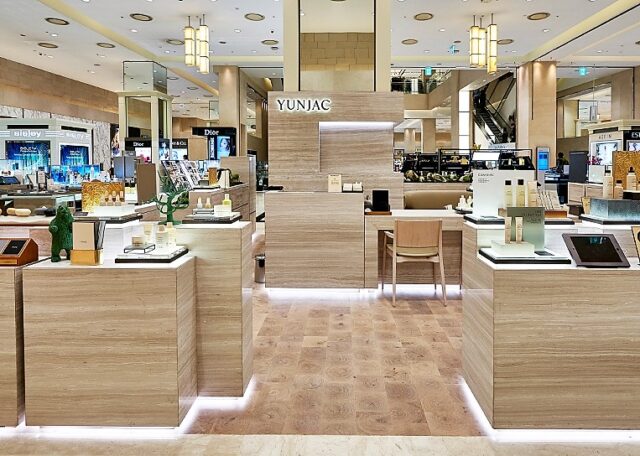
    Major South Korean travel retailer Shinsegae Group is set to launch an in-house developed cosmetics line, Yunjac, into the duty free channel at its Myeong-dong store in the capital city, Seoul. An ambitious sales target has been set for the brand. The opening on 2 February of an independent Yunjac cosmetics area adds to existing domestic market locations in Jung-gu and Gangnam in Seoul, and Centrum City in Busan. The brand was launched in October 2018.

    Fashion, beauty and lifestyle specialist, Shinsegae International, which developed the 42-strong product line, has told The Moodie Davitt Report that it aims to make US$90 million in sales by 2020. Four travel retail exclusive sets are part of the product range.

    The duty free exposure will promote Yunjac to a wider audience, with a particular focus on Chinese travellers. A Shinsegae Duty Free spokesman said: “The Myeong-dong store is a trendy shopping place where you can easily experience the world’s most popular brands. We will try our best to be the centre of world beauty. The line is targeting the global market including China.”

    Yunjac, which means ‘nature’s masterpiece’, is chiefly built around skincare with some makeup and other smaller segments, also part of the portfolio. It is the result of several years research and preparation by Shinsegae International. The product development was a joint effort with global cosmetics maker Intercos and world-renowned botanical research institute Vitalab.

    The manufacturing process involves extracting active ingredients from the best Korean herbs and combining them with state-of-the-art science. The end result is what Shinsegae describes as “the whole plant effect” which is claimed to restores the skin’s natural strength.

    Yunjac’s 42 products are priced at around US$30 for cleansing products, US$100 for skincare and US$50 for mother and infant items, according to Shinsegae Duty Free.

  • The coolest men’s sneakers from Paris Fashion Week

    The coolest men’s sneakers from Paris Fashion Week

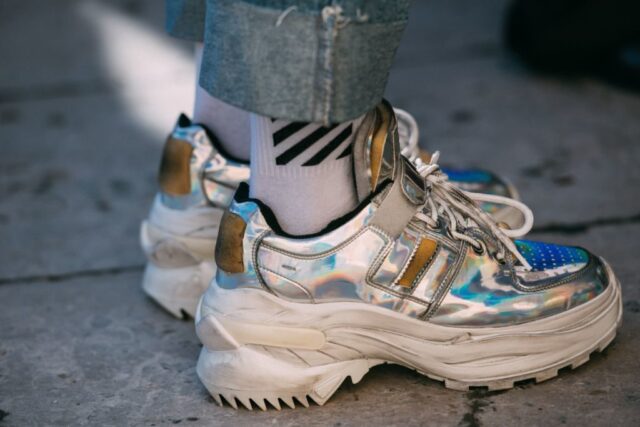
    Paris Fashion Week Men’s was not lacking in head-turning street-style looks this year. Attendees brought their sartorial A-game to take in new fall ’19 collections from the hottest designers. A guest paired trendy Off-White socks with shiny silver Maison Margiela sneakers that featured a chunky platform sole and an iridescent finish. Cuffed denim jeans highlighted the pairing perfectly.

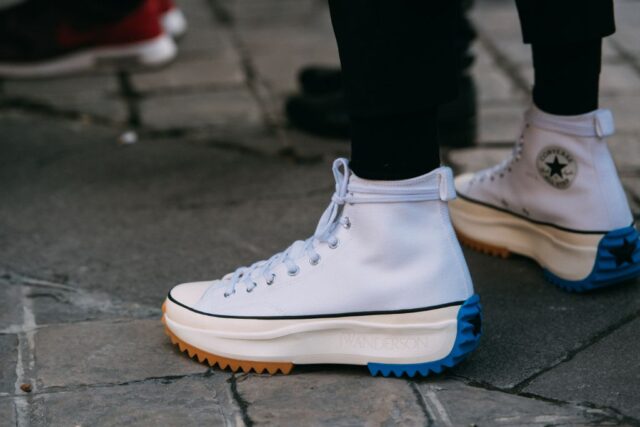
    Elsewhere, a guest showed off J.W. Anderson’s new Converse collab sneakers, which feature a rubber jagged platform sole. The high-tops debuted on the catwalk at Anderson’s spring ’19 show.

    Meanwhile, Adidas x Alexander Wang Turnout Mint White runners caught our attention with its chunky midsole design, a mash-up inspired by several previous Adidas sneakers.

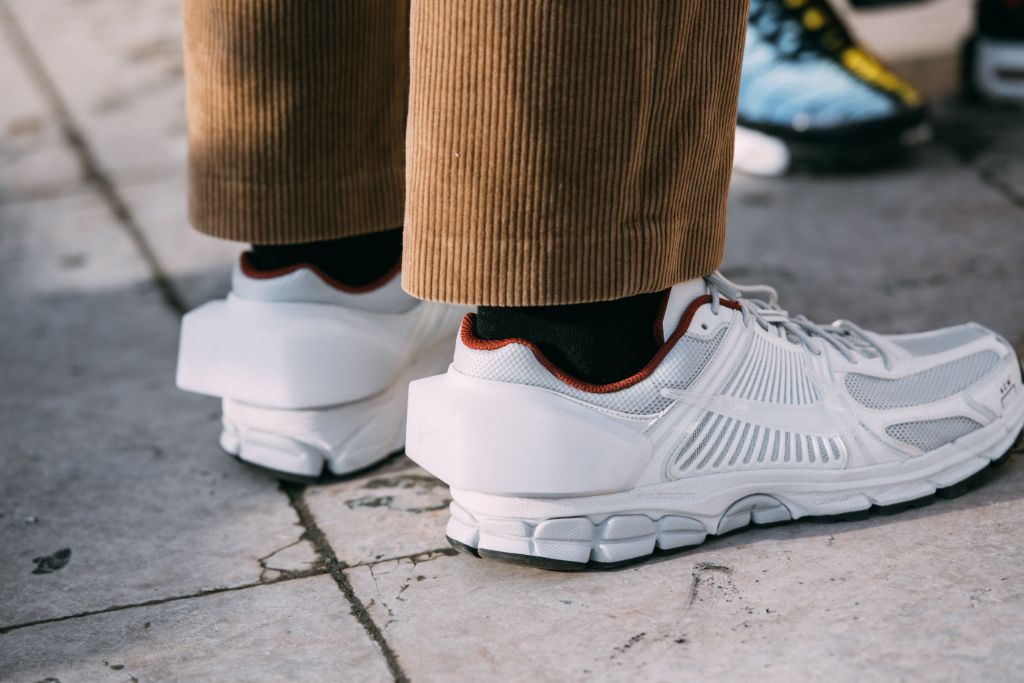
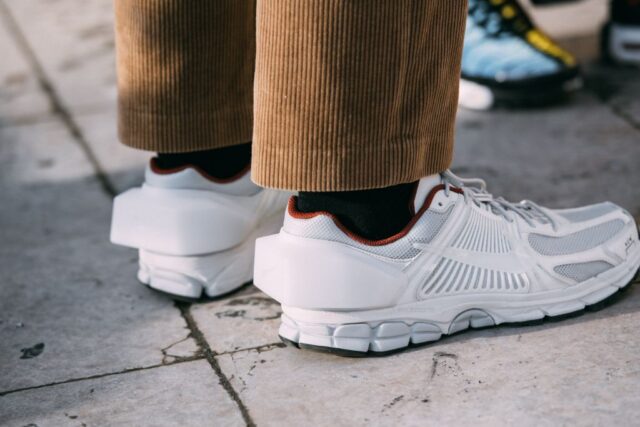
    The Nike x A-Cold-Wall Zoom Vomero +5, designed by Samuel Ross, undeniably stands out with its enlarged heel counter. The style, which dropped in November, blends retro and futuristic elements.

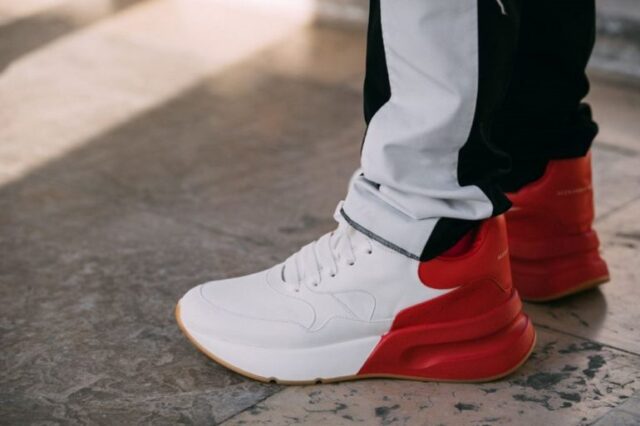
    Lastly, the oversized red and white contrast leather sneakers by Alexander McQueen, which Timothée Chalamet has worn on the red carpet, of course, made an appearance at fashion week.

  • Sandro parent unphased by trade spat

    Sandro parent unphased by trade spat

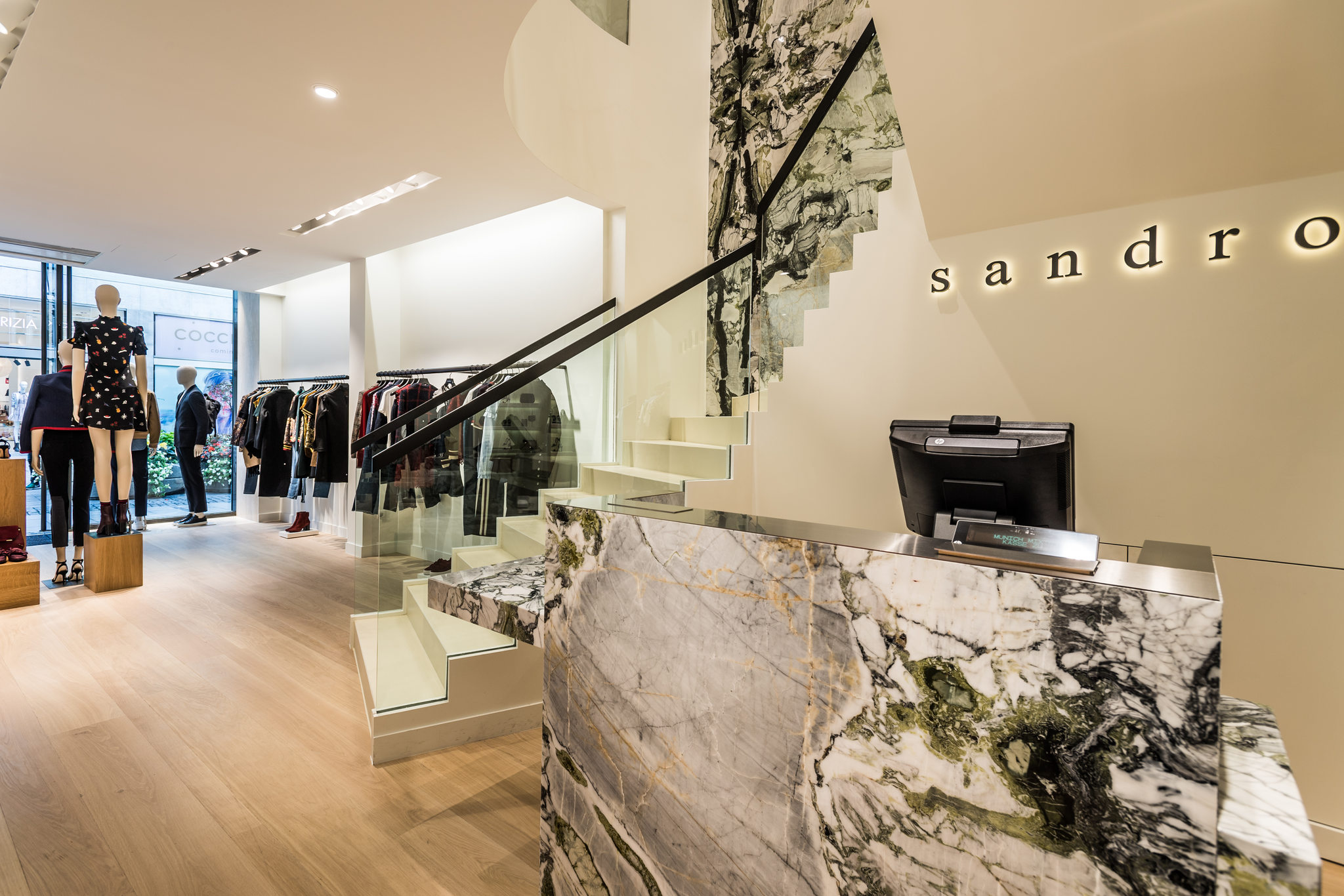
    The parent of affordable-luxury fashion labels Sandro, Claudie Pierlot and Maje appears unphased by the Sino-US trade spat, vowing to continue its expansion in the region. SMCP’s CEO Daniel Lalonde said in an interview that the company plans to continue to open new stores in Mainland China and invest in e-commerce across the region.

    “From our perspective, everything is still intact [in China]. Any slowdown in our business is related to the comparison base … and we still expect to grow that market by more than 20 per cent this year,” Lalonde said. “We’re still confident on the region.”

    France-based SMCP is controlled by Chinese company Shandong Ruyi. This week it reported an 8.1 per cent increase in fourth-quarter sales to €276.1 million.

    SMCP has doubled its annual sales during the past four years, reaching €1 billion last year, largely due to rapid expansion in Mainland China. Asia is now SMCP’s third-largest geographic market behind France and the rest of Europe, with China accounting for the bulk.

    However, he said sales in Hong Kong were “a little softer” as a result of currency fluctuations between the Hong Kong dollar and the renminbi.

  • LVMH is “eyeing stakes” in OFF-WHITE‘s parent company

    LVMH is “eyeing stakes” in OFF-WHITE‘s parent company

    LVMH is “eyeing stakes” in OFF-WHITE‘s parent company, New Guards Group, WWD reports. If the rumors are true, the move would bring LVMH Moët Hennessy Louis Vuitton even closer to fashion’s main man, Virgil Abloh, the founder of OFF-WHITE and artistic director of menswear at Louis Vuitton.

    New Guards Group Holding SpA is a Milan-based holding company that also looks after OFF-WHITE as well as Palm Angels, Heron Preston, and Marcelo Burlon County of Milan.

    This is not the only venture on the cards over at LVMH at the moment, either. The company is reportedly also making moves to create Rihanna her own luxury fashion house.

  • Oil rises as traders expect Venezuelan supply disruptions amid U.S. sanctions

    Oil rises as traders expect Venezuelan supply disruptions amid U.S. sanctions

    Oil prices rose on Wednesday as concerns about supply disruptions following U.S. sanctions on Venezuela’s oil industry outweighed downward pressure from a darkening outlook for the global economy. U.S. West Texas Intermediate (WTI) crude futures were at $53.54 per barrel at 0455 GMT, up 23 cents, or 0.4 percent, above their last settlement.

    International Brent crude oil futures rose 37 cents, or 0.6 percent, to $61.69 per barrel.

    The gains followed a 2 percent price jump in the previous session, when markets first digested the U.S. sanctions on Venezuela’s oil exports.

    Washington on Monday announced export sanctions against state-owned oil firm Petroleos de Venezuela SA (PDVSA), limiting transactions between U.S. companies that do business with Venezuela through purchases of crude oil and sales of refined products.

    “The sanctions so far have been mostly disruptive for refiners on the U.S. Gulf Coast, who are being forced to seek alternative heavy crude supplies, and have stepped up purchases from Canada,” said Vandana Hari of Vanda Insights, an energy consultancy.

    She added, however, that Canadian oil exports would be “constrained by pipeline capacity bottlenecks.

    The sanctions aim to freeze sale proceeds from PDVSA’s exports of roughly 500,000 barrels per day (bpd) of crude oil to the United States.

    Although the move pushed up oil prices, markets appeared relatively relaxed as the sanctions only affect Venezuelan supply to the United States.

    “The (Venezuelan) export volumes will not be eliminated from the market, but rather rerouted to other countries,” said Paola Rodriguez-Masiu, an analyst at consultancy Rystad Energy.

    With the United States dropping out as a customer for Venezuelan oil, she added that “China and India … will be able to pick up these oil volumes at great discounts.”

    Despite this, some analysts said that non-U.S. oil trading firms with operations in the United States may still avoid dealing with Venezuelan oil.

    The Schork Report, a daily oil and gas trading publication, said on Wednesday that many “international oil traders … have significant trading operations in the U.S. … At least in the short-term, these traders will undoubtedly quit buying from Venezuela until such a time that they are assured that they are not running afoul of U.S. sanctions.”

    TRADE TALKS

    Other analysts also pointed to economic weakness as countering supply-side efforts to tighten the market such as the voluntary supply restraint by the Organization of the Petroleum Exporting Countries (OPEC).

    “Pulling in the opposite (oil price) direction are heightened concerns about global growth, particularly that of China,” said Ole Hansen, head of commodity strategy at Denmark’s Saxo Bank.

    Global economic growth and fuel consumption are expected to slow this year amid a trade dispute between the United States and China, the world’s two biggest economies.

    Officials from Washington and Beijing are set to launch a new round of trade talks on Wednesday aimed at resolving their disputes amid which both sides have slapped hefty import tariffs on each other’s goods.

  • Apple sales and profit slip as demand falls

    Apple sales and profit slip as demand falls

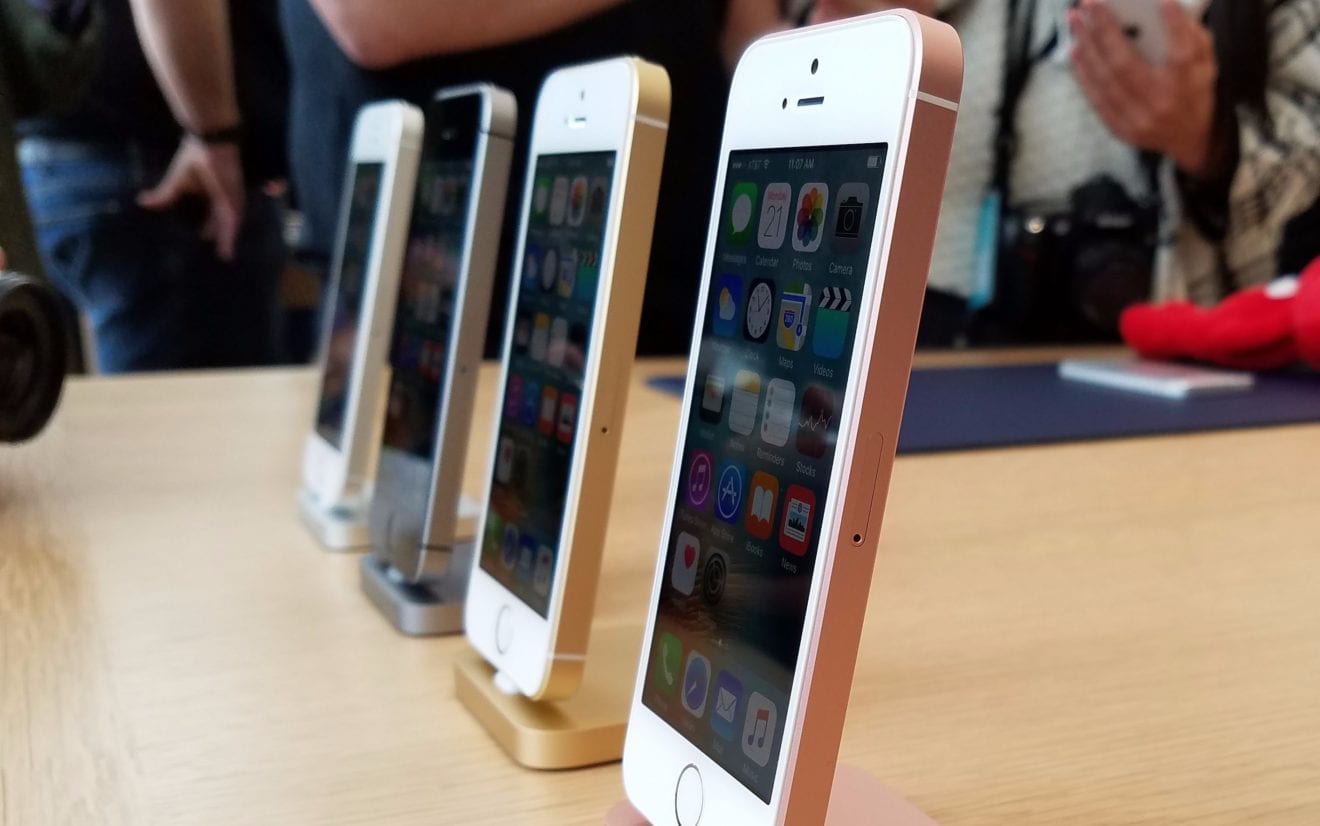
    Tumbling iPhone demand drove an uncharacteristic decline in Apple sales in the first quarter trimming back its profit for the period. Sales of its iPhone range slumped 15 per cent year on year, and although burgeoning revenue from services like digital media subscriptions – up 19 per cent to a new high of US$10.9 billion – and other products compensated, total sales were down 5 per cent to $84.3 billion.

    Sales in China slumped 26.6 per cent during the period.

    Net income fell by $100 million, from $20.065 billion in the December 2017 quarter to $19.965 billion in the latest quarter. While the company championed setting “an all-time earnings per share record” that was a consequence of a share buyback program reducing the share pool rather than an improved bottom line.

    Commenting on the results, GlobalData Retail MD Neil Saunders said while Apple is still a money-making machine, the sales decline “symbolises a company that is starting to run out of steam”.

    “In our view, this is something to be corrected, not least because Apple is a costly company to run and it relies on strong revenue growth to drive up the bottom line. As this quarter’s figures show, failure to achieve that results in profit erosion.”

    Saunders said the slowdown in iPhone sales reflected Apple’s inability to come up with meaningful and valuable innovations that wow consumers.

    “The latest iPhones might be works of art from an engineering perspective, but they are essentially incremental products that lack the excitement and newness of earlier models. With the higher price points of top-end models, consumers expect a lot more for their money. The blunt truth is, Apple’s latest line up of phones doesn’t do that much more than the generations that came before.”

    He said the slowdown in China is a problem Apple shares with many other companies.

    “The country is suffering from more sluggish consumer demand which has put the brakes on retail growth rates across many sectors. However, the issue for Apple is that this has coincided with a rise in competition from local phones and devices which has helped to eat into its own growth. In short, China is no longer the engine of growth for Apple that it once was and this makes Apple uncomfortably more reliant on mature markets to drive revenues. Some of those markets, like Europe, are also not delivering – thanks to very high price points and consumers that are hesitant to spend on big-ticket items.”

    From must have to might buy

    Saunders said Apple’s iPads and some of its Macs are good, quality items, however they are simply not impressing the market and Apple is losing its lustre in terms of producing compelling products.

    “In our view, Apple has moved from a position of ‘must have this and must have it now’ to ‘might buy this at some point in the future’. Price increases may mitigate this but, ultimately, such a shift can only ever result in a softer sales performance.”

    While services are performing well, Saunders said Apple must push much harder.

    “Amazon is successfully creating an ecosystem of services through Prime. Apple needs to do something similar by building on its Apple Music subscription and its App Store offering. Movies and television content are also needed to propel sales.

    “In our view, Apple should seriously consider a big acquisition such as Netflix. Content is a big growth area and is becoming increasingly linked to devices. Apple needs to play more heavily in this space both to generate new opportunities but also to defend its own device business.”

    While Apple remains a solid and financially successful company, he said, a lack of serious and significant innovation means it runs the risk of diluting future earnings.

    “Apple thrives off serving a mass market; at the moment its moves to provide more expensive items to fewer people will ultimately do further harm to the bottom line. The clear blue water that once existed between Apple and its rivals is much diminished. The company has time to reopen the gap, but to do so, it needs to pull something new and unique out of its hat sooner, rather than later.”

    Cook’s positive spin

    Apple CEO Tim Cook delivered a positive spin on the results: “While it was disappointing to miss our revenue guidance, we manage Apple for the long term, and this quarter’s results demonstrate that the underlying strength of our business runs deep and wide. Our active installed base of devices reached an all-time high of 1.4 billion in the first quarter, growing in each of our geographic segments. That’s a great testament to the satisfaction and loyalty of our customers, and it’s driving our services business to new records thanks to our large and fast-growing ecosystem.”

    At the end of the quarter, Apple’s net cash balance was $130 billion.