Tag: Business

  • Miroglio and Workplace keep collaboration in fashion

    Miroglio and Workplace keep collaboration in fashion

    Miroglio Fashion is the women’s clothing arm of Miroglio Group – a 71-year-old Italian conglomerate operating in 22 countries. The group joined Workplace in 2016. Since then, says CEO Hans Hoegstedt, it has “revolutionized our way of working.” “Over the last few years, the role of the CEO has changed. It is crucial for a CEO today to create culture, to remove filters and blockers so there can be a transparent and constructive dialogue between everyone. I was confident that Workplace was a platform that would help us achieve this,” he explains.

    “We chose Workplace because everyone in the company knows how to use Facebook. And they just instinctively ‘got it’. Right from the first day, people began to spontaneously interact with each other in a genuine way with no training required. We launched Workplace at our annual convention two years ago. Over 1,100 stores in our various brands swung into action along with the head office. We set up all the Workplace groups that we use for various parts of the business, like visual merchandising, product, innovation, communication and so on”.

    The result was instant. Within a short space of time, barriers and distances disappeared. People who had found it difficult to make themselves heard by head office suddenly had a direct, filter-free channel. It has given the company a more innovative and efficient way of working.

    “A clear example is the visual merchandising team. Before Workplace, the team would create a model window and send it out to all the stores by email. With Workplace, the VM team now posts the image of the model window into a group. All the shops reply with their versions, comments, and suggestions. The VM team then provides instant feedback for the stores.

    This allows to have hundreds of examples of how to dress the window instead of just one, and people can take ideas and inspiration from the others. There is a better dialogue and smarter collaboration that results in better window displays.

    Hoegstedt continues “There are functions we did not use at the outset that have now become core features for us. Auto Translate was crucial when we extended the platform to our colleagues in Russia. Everyone posts in their own language and Workplace auto translates. Simple and effective. It’s a powerful way to create a vast international network, and we’ll be relying on the translations as we deploy Workplace in Romania, Spain, and France. We also now use Live Video whenever we present a new collection”.

    “For me, as a CEO, it is also a way of ‘taking the pulse’ of the company. Of getting a quick sense of how people are feeling. It’s a kind of mass collective intelligence.”

    From frontline to back office to HQ, Workplace connects entire retail organisations so they can share, collaborate and transform the customer experience with next-generation technology.

  • Fonterra India appoints Ishmeet Singh CEO

    Fonterra India appoints Ishmeet Singh CEO

    Fonterra Future Dairy Pvt Ltd, a new joint venture between global dairy nutrition company Fonterra Co-operative Group and new age FMCG company Future Consumer Limited, announced the appointment of Ishmeet Singh as its CEO, effective from January 7, 2019.

    Singh, a seasoned leader with a proven track record of profitable growth and business expansion, joins the business to deliver its ambition to bring high value and innovative dairy products to Indian consumers.

    Singh was a member, Western Region Committee (WRC) of the American Chamber of Commerce. He is a physics graduate, and has a Master’s in Management Studies from Mumbai’s Sydenham Institute.

    Singh says, “Over the next seven years dairy consumption is set to increase by 82 billion litres – seven times the forecasted growth for China. I feel extremely privileged to be able to lead this new opportunity as we look to bring an enhanced dairy experience to Indian consumers. I firmly believe through Fonterra Future Dairy we have a huge opportunity to challenge and change the market, combining Fonterra’s global dairy innovation, manufacturing and nutrition expertise with Future Group’s leadership in retail and distribution expertise and infrastructure.”

    Leading the growth and expansion of some of the world’s largest, trusted flagship brands in the Indian market, is familiar territory to Singh, having worked over the last 25 years at top multinational and FMCG companies such as Mattel, Vodafone, Hindustan Unilever, and Coca-Cola.

    Most recently, he led the business at Mattel, largest toy manufacturer in the world, as its Country Manager for India and the SAARC region. Previously, he held the role of Business Head at Vodafone India for over 5 years, leading remarkable revenue growth and retail expansion in many circles including Mumbai and Maharashtra.

    Managing Director Future Consumer Limited and Board Member of Fonterra Future Dairy, Ashni Biyani says, “We’re delighted to have someone of Ishmeet’s calibre to lead the business. As a sales and marketing professional at heart, we see him being instrumental in helping us build a brand that Indians love.”

    Fonterra’s Managing Director of Sri Lanka and the Indian Subcontinent, Chairman of Fonterra Future Dairy, Sunil Sethi said, “As our exciting growth phase picks up steam, it is critical that people with the right experience, values and drive are in place to steer the business forward. We are in the process of putting together a first-class team to build a fantastic legacy for the business. Through the ambition we have set, we believe the learning experience and possibilities here at Fonterra Future Dairy are limitless. Ishmeet is a proven and highly accomplished professional with a passion for leading teams to transformative success and growth. With his vision and deep personal commitment to society, we are confident that he will bring immense value in delivering on our ambition.”

  • Amway forays into the herbal oral care segment

    Amway forays into the herbal oral care segment

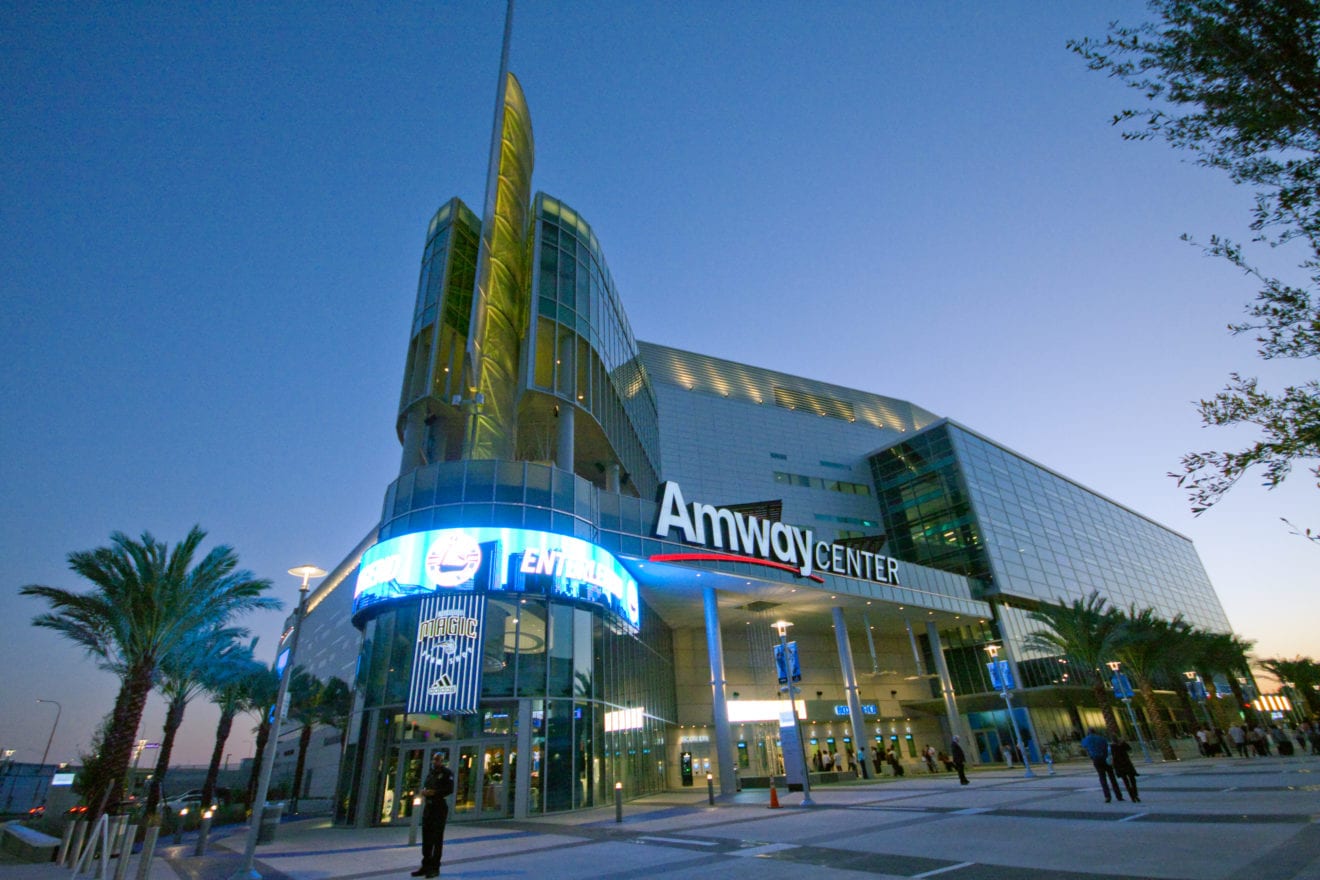
    Amway India, the country’s largest FMCG direct selling company has announced the launch of its latest innovation – ‘Glister Herbals Toothpaste’, to mark its entry into the herbal oral care market. Building on the success of its globally popular Rs 100 crore brand – Glister, the new herbal oral care product is a seamless blend of numerous herbal ingredients with appealing taste and pleasing color to suit everyone’s palate. With this new and advanced product, Amway aims to target the flourishing Rs 1,980 crores oral care segment in India.

    Announcing the launch of Glister Herbals, Sundip Shah, Chief Marketing Officer, Amway India, said, “Glister has been one of our most popular global brands. A bestseller for over five decades, it has won the trust of millions of consumers worldwide and has been an integral part of their oral hygiene routine. Keeping with our commitment of offering highest quality products and addressing the increasing demand for natural and herbal alternatives for long-term healthy living, Glister Herbals is an expansion of our flagship brand and indigenously developed for our Indian consumers.”

    He further added, “The industry for herbal oral care products has grown significantly in recent years, fueled by consumers’ preference for herbal solutions and trust in their long-term benefits. However, our research empirically highlights the need for likeable sensorials – a gap that exists in the available offerings in the market currently. This often leads to consumers shifting to regular and non-herbal products. Glister Herbals’ has the goodness of herbs with great taste and appealing colour. With this powerful mix, we aim to transform the product usage experience and long-term adoption of herbal toothpastes in the market and I am confident in our latest innovation and its potential to transform the category”

    Anisha Sharma, Category Head, Beauty & Personal Care, Amway India, added, “Glister Herbals is best defined as the herbal oral care solution from Amway offering great taste with the goodness of herbs. This multi-action toothpaste is enriched with 11 ingredients such as spearmint, clove, ginger, neem, mulethi, among others, which are known for their benefits and great taste. It also has biodegradable microbeads of essential oils comprising clove and tea tree to ensure maximum efficacy of the constituents. The goodness of herbs promises 12-hour germ protection and fresh breath benefits along with remineralization and teeth whitening.”

    She further added, “We are excited with the business opportunity offered by the market. In order to ensure national wide reach and to engage consumers, we are introducing digital activations across platforms and organizing dental camps in key markets. As ingredient story and taste is key to the success of our new herbal offering, we have begun taste challenges for our direct sellers for which we have received an overwhelming response. We are sure that the Glister Herbals will receive favorable response from the consumers.”

    Glister Herbals follows the thriving success of Amway’s Nutrilite Traditional Herbs in its Nutrition and Attitude Be Bright Herbals in beauty categories last year.

    Amway Glister Herbals is sold exclusively by Amway Direct Sellers across India and can be easily ordered on the company’s website.

  • Malaysian businesses less optimistic on prospects for next six months

    Malaysian businesses less optimistic on prospects for next six months

    Malaysian businesses are displaying less optimistic sentiment on prospects for the next six months as the RAM Business Confidence Index (RAM BCI) fell to its lowest level since its inception two year ago. RAM said in a statement today that the corporate and the SME indices of the RAM BCI declined to 55.1 and 51.0 respectively, although the reading above 50.0 still denotes positive sentiment.

    The RAM BCI is a comprehensive survey jointly conducted by RAM Holdings Bhd and RAM Credit Information Sdn Bhd, on business sentiment in Malaysia. Released quarterly, the index is based on data from a survey of close to 3,500 SMEs and corporates across five main industry segments respectively.

    The cooler sentiment is attributable predominantly to the weak economic prospects in the next six months, with a number of firms citing this as the main challenge, rising to 41.2% and 41% both corporate and SME segments.

    Decelerating domestic growth, uncertain global demand and investment activities and a lack of positive catalysts, including the relatively neutral Budget 2019, all play a part in the generally weaker business sentiment on the next six months.

    On a sectoral basic, the construction sector appeared the least bullish with the SME sector recording a reading at 49.7 while the corporate sector declined for the third time in a row to 53.0.

    Without any new growth catalyst amid the property overhang, plus the shelving of new big-ticket infrastructure projects, it is not surprising that the construction sub-indices have hit record lows, RAM said.

    Another sector that showed pessimism in the Q1-Q2 2019 survey is SME retail as its performance outlook slipped back into negative territory after a brief expansionary momentum that had been aided by the tax-free window from June to August 2018.

    “Faced with uncertain global and domestic economic prospects, consumers are once again more prudent with their spending, leading to weaker sentiment on retail consumption in 2019,” it added.

    On the back of weaker prospects, the firms are also holding back from capacity building with the sub-indices tracking corporate business expansion, capital investment and hiring recording a fall in three consecutive surveys.

    Likewise, the capacity-building sub-indices for SMEs pulled back from the last survey and remain below those of corporates.

    RAM noted that firms’ expressed reticence on capacity building remains the most prominent downside risk, as it could weigh on the momentum of economic growth in 2019 and potential economic output over the longer run. This is particularly true in respect of SMEs, which are more vulnerable and sensitive to immediate economic challenges.

    “That said, more guidance on future economic policies that will shape the overall business environment will be crucial to building business confidence among firms, potentially being the game changer for a more resilient growth trajectory this year,” it added.

  • Carlton London launches its first store in Mumbai

    Carlton London launches its first store in Mumbai

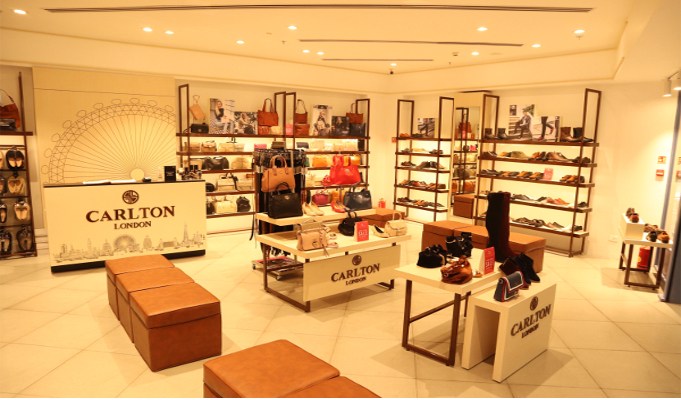
    Carlton London, the leading fashion footwear and accessory brand has launched its first store in Mumbai at Phoenix Marketcity, Kurla. After running nine stores successfully in the Northern region including Delhi NCR and Punjab, the tenth store in Mumbai marks the expansion of the brand in the Western region of the country. Spread across an area of 1,200 sq.ft., the new Carlton London store is extremely spacious and offers a complete range of fashion footwear along with an exclusive collection of accessories.

    The store displays a wide range of footwear from party collection, work-wear and ballerinas to premium collection for men. Being one of the fastest growing fashion and accessory brand, Carlton London aims to target consumers across the country. The brand thrives at its philosophy of providing highest quality designs to the customers, which are at par with the international standards. Their diversified product line offers comfortable fashion which creates a mark of luxury while being affordable. Having established itself as one of the key players in the footwear industry, the brand caters to various age groups and target audience.

    Commenting on the store launch , Director, Carlton London, said, “We are extremely delighted to announce the launch of our first store in Mumbai. Being the fashion capital of India, Mumbai is a key market for us and we aim to expand our retail footprints in various parts of the country. We always work towards providing fresh and innovative designs to our customers and keep our collection in sync with the global runway trends.”

    “Like our other stores, the theme of the new store is inspired by rich British architecture. With a minimalistic approach, the store has soft and subtle lighting with elegant couches and fancy mirrors,” he added.

  • Mothercare Malaysia retailer seeks IPO

    Mothercare Malaysia retailer seeks IPO

    Kim Hin Joo, operator of ELC and Mothercare Malaysia, is preparing for an IPO on Bursa Malaysia’s ACE Market. The move, expected to generate funding for the group’s further expansion and expenditure, will see a public issue of 76 million new shares (20 per cent of its enlarged share capital) and an offer of 57 million existing shares (15 per cent of its enlarged capital). Of those shares, 47 million will be reserved for selected investors. Pricing has yet to be decided.

    The firm’s non-executive chairman Pang Kim Hin will see his personal stake reduced to 62.3 per cent after the IPO from his current 90.3 per cent.

    Kim Hin Joo has 16 Mothercare locations and 11 ELC SIS in several major Malaysian centers, with 599 distribution points nationwide and 10 overseas. It plans to open four to five new Mothercare stores within the next three years in Kuala Lumpur, Johor Bahru, and outside the Klang Valley area.

    “We are in the midst of finalising a development agreement with toy retailer The Entertainer UK which will grant us the exclusive rights to open and operate The Entertainer toy outlets, and sell a broad range of toys,” the company said in a statement.

    “We target to conclude the discussions and sign the development agreement by the first half of 2019.”

    The group is also planning to concurrently revamp and upgrade its e-commerce platform by replacing its back-end IT infrastructure system and to expand its distribution portfolio.

  • Tablez to launch Build-A-Bear in India

    Tablez to launch Build-A-Bear in India

    To meet an ever-increasing demand for an engaging retail environment, Tablez India announces the partnership with Build-A-Bear, a global experiential retailer. U.S.-based, customized stuffed-animal retail-entertainment brand Build-A-Bear aims to reach as many as 9 million households in the top 15 cities in India by 2025. Besides standalone stores, shop-in-shop formats of Build-A-Bear would be launched within Toys“R”Us as part of Tablez, the retail arm of LuLu Group International.

    Adeeb Ahamed, MD, Tablez said, “The Build-A-Bear concept is a one-of-a-kind retail experience, and we are thrilled to bring it to India. We believe that children who come to our stores will be able to enjoy a different shopping experience that includes participation in creating stuffed animals of their own choice.”

    He also added, “At Tablez, we are continuously striving to meet the increasing demand for high-quality specialty toys, and we look forward to opening more Build-A-Bear and Toys”R”Us stores across India, as our company continues to grow.”

    On this occasion, Dorrie Krueger, Build-A-Bear Workshop Chief Strategy Officer, said, “We look forward to embarking on this new partnership with Tablez India and helping establish and grow the Build-A-Bear brand in this important global market. As our international franchise portfolio continues to expand, we are further assured that the hug of a teddy bear is understood in any language.”

    Established in 1997, Build-A-Bear has helped millions find their own meaning in a new furry friend. The brand has nearly 500 stores worldwide, and more than 175 million furry friends have been made globally in its 21-year history. Build-A-Bear helps guests mark special occasions, start friendships, and inspires people to make their own adventures. At Build-A-Bear, one is empowered to feel that anything is possible.

    The ‘Choose Me’ wall at every Build-A-Bear store is where the empowerment journey begins as each guest chooses an unstuffed animal to bring to life. Accessories give customers the reins to customize their creation. The heart ceremony is where one can add special wishes to their friend. During the stuffing process, a heart is placed in the bear along with special wishes, and the guests promises to care for their new furry friend. This signature ceremony brings each stuffed animal to life in a personal way, further ensuring a greater attachment. Guests find meaning in each of the animals designed – they are friends, playmates, heroes, look-a-likes and evidence of special memories. Dogs, cats, bunnies and even unicorns complement the timeless teddy bear to ensure there’s a furry friend for everyone.

    Tablez launched the first Toys“R”Us store in Bangalore in 2017. Before end of 2018, 4 stores will be operational, and another 20 stores are expected to be launched in 2019. In February 2019, Build-A-Bear will be launched as part of Toys“R”Us in Phoenix Marketcity, Bangalore. Further, a Build-A-Bear shop-in-shop format will follow in Vega City Mall, Bangalore; City Centre Mall, Mangalore and Phoenix Marketcity, Pune. The 20 additional standalone stores of Toys”R”Us are expected to be launched in major locations starting January 2019. Build-A-Bear plans to expand to as many as 65 shop-in-shop format stores and 20 standalone stores in India over the next 10 years.

  • Carousell Expands Executive Team to Strengthen Operations and Leadership

    Carousell Expands Executive Team to Strengthen Operations and Leadership

    Carousell, one of the world’s largest and fastest growing classifieds, announced the appointment of industry veteran Su Lin Tan as Vice President of Operations, while Colin Bryar has taken on an advisory role. The new additions reflect the company’s steadfast commitment to solidify its market-leading position in the classifieds industry and to continuously improve user experience of our marketplace in the region.

    “We are always on the lookout for world-class talent who shares our values and passion for solving meaningful problems with technology, and we are tremendously fortunate to have found that in Su Lin and Colin,” said Siu Rui Quek, Carousell Co-founder and CEO. “Their collective experience and proven track record in transforming organisations amidst complex digital environments will be invaluable as we power through our next chapter of growth. It is an absolute privilege and I look forward to learning from them as we continue to innovate classifieds in an AI-first world.”

    Su Lin, previously Deputy Chief Marketing Officer and Senior Vice President of Sales Strategy and Operations at Singapore Press Holdings (SPH), brings over two decades of leadership experience in digital strategy, marketing and the classified space to Carousell. Having overseen sizable advertising sales and digital organisations and working across complex organisational eco-systems, she was most recently associated with the launch of Singapore’s first and only digital publisher alliance, the Singapore Media Exchange, Su Lin serves as the Vice President of Operations to lead the teams in scaling up operations in Singapore and across the region. In her new role at Carousell, she reports to Co-founder and CEO, Siu Rui Quek.

    “I am deeply honoured and humbled at the chance to work alongside Carousell’s visionary founding team. I knew they were destined to achieve great things from the first time we met back when they had first started the company,” said Su Lin. “Despite their incredible success in a short span of six years, the leadership team’s deep commitment and mission-driven values to make an impactful change in the world have never wavered. Their humility and willingness to learn and grow, not only themselves but also their people, moved me. I am excited for the opportunity to help make the founders’ dream come true so that we might show the world what Singapore born and bred
    companies are capable of.”

    In his new advisory role to Carousell’s executive leadership team, Colin will focus on identifying opportunities for faster growth and providing a world-class customer experience for users across the region. Colin has successfully led digital platform businesses in all stages of evolution for over 25 years in various senior leadership roles at Amazon, IMDb and Alibaba-owned RedMart. He also served two years as Technical Advisor to Jeff Bezos. This unique blend of experience makes Colin a great fit for the next phase of Carousell’s growth.

    Colin shares his excitement for tackling new challenges at Carousell, “In my many years of working with major tech companies, the potential I saw in Carousell and the impact it can bring to many more millions of users around the world is something really special. I have profound admiration and respect for the founders and their vision for the company. It’s an exciting time to be part of a team that is aggressively expanding its capabilities to bring simpler and more trusted solutions to help people discover new possibilities when buying, selling and connecting with one another.”

  • CapitaLand forms JV to acquire prime CBD in Shanghai for RMB2.75 billion

    CapitaLand forms JV to acquire prime CBD in Shanghai for RMB2.75 billion

    CapitaLand has formed a 50:50 joint venture with an unrelated third party to acquire approximately 70% of Pufa Tower in Shanghai, China, for RMB2,752 million (about S$546.3 million). The operational office property has been identified as a seed asset for a value-add fund which CapitaLand is setting up to invest in commercial real estate in key gateway cities in Asia. The acquisition also marks the Group’s first office property in Shanghai’s core Lujiazui central business district (CBD) in Pudong New Area.

    Pufa Tower is 34-storey tall with three basement levels of car park. Post transaction, CapitaLand and its joint venture partner will own levels 8 to 19 and levels 21 to 32 with a total gross floor area (GFA) of 41,773 square metres (sq m), as well as 61 car park lots with property title. Pufa Tower’s ground floor lobby and refuge floor on level 20 are co-owned with Shanghai Pudong Development Bank, which owns the rest of the building.

    Lujiazui CBD, where Pufa Tower is located, is Shanghai’s most coveted office location for financial and professional services companies. With an unabating demand for office space and limited new supply, Lujiazui CBD commands the highest office rents in the city. In view of a sharp decline in Pudong’s office supply from 2019, office rents in Lujiazui CBD are expected to continue trending upwards over the next few years.

    Mr Lucas Loh, President (China & Investment Management), CapitaLand Group, said: “We are pleased to enter Shanghai’s core Lujiazui CBD soon after securing our third Raffles City development in the city. Shanghai is the top investment destination in China, with strong end-user demand for commercial properties. The acquisition of Pufa Tower, an operational asset, will immediately contribute to the Group’s recurring income. It will also strategically diversify CapitaLand’s commercial portfolio into a key CBD to capture new growth, while entrenching the Group’s leadership as the foreign developer with the largest portfolio under management in Shanghai.”

    Mr Loh added: “Continual high demand for quality commercial properties in China’s top tier cities, coupled with low supply, have made the renewal of ageing commercial assets a compelling investment strategy in these markets. Pufa Tower is a prime asset to be seeded into the commercial value-add fund we are raising. We see significant potential in enhancing its asset value by upgrading specifications, tenant mix and improving operational efficiencies. By tapping on third party equity, we are driving capital efficiency to provide CapitaLand with the financial impetus to further accelerate our growth.”
    2

    Mr Puah Tze Shyang, Chief Investment Officer, CapitaLand China, said: “Pufa Tower has not had a major renovation since its completion in 2002. While the building is properly maintained, the interior finishes offer room for improvement. After acquisition, we will focus on extracting greater value from the property through a comprehensive asset enhancement initiative. Leveraging CapitaLand’s asset enhancement capabilities and track record, we are confident of rejuvenating Pufa Tower in ways that will increase and maximise the efficiency of this well-located property.”

    With more than 1,300 multinational companies headquartered in Shanghai, the city continues to power ahead as China’s financial and business centre. In 2017, Shanghai became the first Chinese city to top GDP of RMB3.0 trillion1, of which contribution from Pudong accounted for about 30%2. The continual expansion of Shanghai’s financial sector is expected to drive the demand for prime office space in Pudong2.

    Including this latest acquisition, CapitaLand now owns/manages 21 commercial properties in Shanghai that span close to 1.9 million sq m in GFA. Shanghai is part of the five core city clusters under CapitaLand’s China strategy, which comprises Beijing/Tianjin, Shanghai/Hangzhou/Suzhou/Ningbo, Guangzhou/Shenzhen, Chengdu/Chongqing/Xi’an, and Wuhan.

    In 2018, CapitaLand actively reconstituted its portfolio to enhance its readiness to seize new growth opportunities. During the year, CapitaLand divested close to S$2 billion worth of assets in China, including a group of companies that held 20 non-core retail assets. CapitaLand subsequently redeployed the capital into a mixed-use site Chongqing, one mixed-use site and two residential sites in Guangzhou, as well as a stake in Shanghai’s tallest twin towers – the Group’s third Raffles City development in the city – through Raffles City China Investment Partners III.

  • BreadTalk, Song Fa JV launch first Beijing restaurant

    BreadTalk, Song Fa JV launch first Beijing restaurant

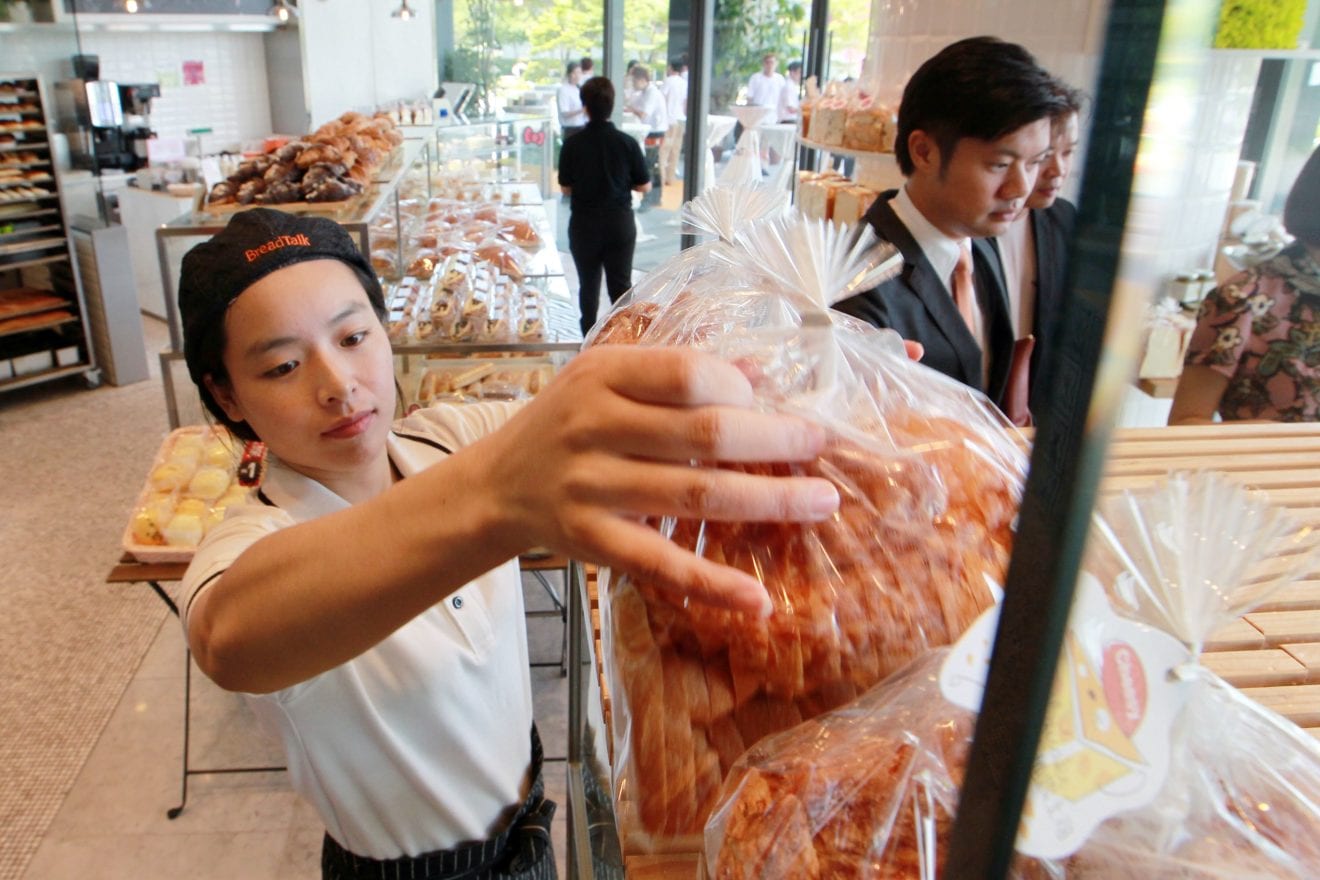
    BreadTalk and Song Fa have launched their first restaurant in northern China at Beijing’s APM Mall. Saturday’s opening follows the successful launch of the first Song Fa restaurant in Shanghai Jing An Kerry Center in January last year, where it averaged RMB1 million (US$145,570) in monthly sales. It is the fourth restaurant opened following the signing of the joint-venture agreement between BreadTalk and Song Fa Holdings in July 2017.

    The restaurant is located on level 5 of the mall, featuring a spacious interior accommodating close to 100 diners with Nanyang nostalgia decor and contemporary seating.

    “Since the opening of our first Song Fa outlet in Shanghai last year, we were encouraged and overwhelmed by the positive response from consumers in China,” said BreadTalk Group CEO Henry Chu. “This vote of confidence enabled us to open another three restaurants successfully in Shanghai last year.

    With the opening of our first restaurant in Beijing, we will continue to harness and leverage BreadTalk Group’s brand operations and management experience to bring the Song Fa brand to northern China and provide local consumers with high quality Teochew Bak Kut Teh cuisine.”

    “The Bak Kut Teh culture is one of the most iconic food cultures of Singapore,” added Song Fa’s second-generation helmsman and MD Yeo Hart Pong. “It is Song Fa’s mission to spread this culture and continue to serve generations of Bak Kut Teh fans. Besides our Singapore homeground and Indonesia, China is our most-valued market outside Southeast Asia. We feel very honoured to be able to collaborate with BreadTalk Group and introduce the Teochew Bak Kut Teh culture to epicures in China.”

  • South Korean convenience store openings slow down

    South Korean convenience store openings slow down

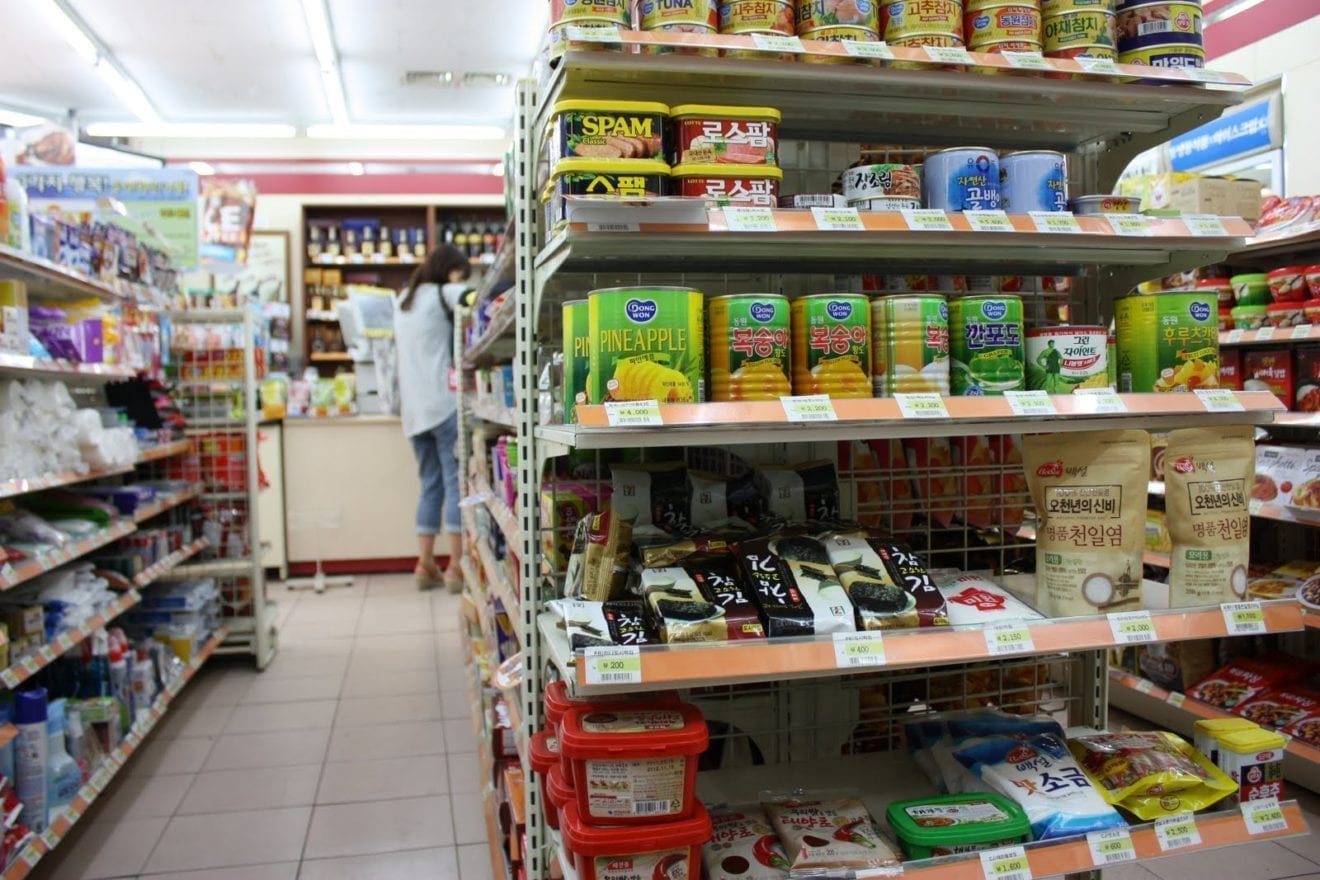
    South Korean convenience store openings in South Korea fell last year, according to industry data. Thought to be the effect of increasing labour costs and market saturation, the slowdown has manifested amongst several industry operators – including BGF Retail’s CU, which opened 980 fewer stores than the previous year’s total of 1646; and GS25, which opened 1023 fewer stores last year after launching 1701 outlets in 2017.

    A government advisory to chain stores to maintain more of a distance between competing branches signals a likely continuation of the downward trend, as well as new laws mandating higher levels of paid leave to staff and a higher minimum wage. The same pressures have seen 19 per cent of convenience stores closing at night rather than operate 24 hours, compared with 10 per cent in 2017.

    A statement issued by CU said that the firm is prioritising profitability of existing stores over opening new locations.

  • Singapore company seeks to increase stake in Vietnam’s largest dairy firm

    Singapore company seeks to increase stake in Vietnam’s largest dairy firm

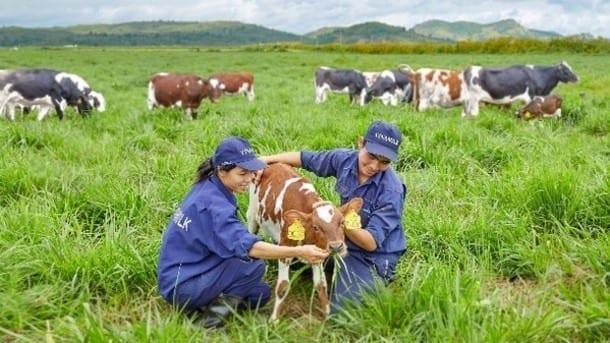
    A Singaporean shareholder in Vinamilk is seeking to increase its stake in Vietnam’s largest dairy firm. Jardine Cycle & Carriage Ltd has registered to buy 17.41 million shares between January 9 and February 7 through its wholly-owned local subsidiary, Platinum Victory, which will enable it to increase its ownership in Vinamilk from over 10 percent to 11.62 percent.

    At a proposed price of VND125,000 ($5.38) per share, the transaction will be worth VND2.17 trillion ($94.42 million).

    Last year Jardine, Vinamilk’s third largest shareholder, had registered on six different occasions to buy 14-17 million shares to increase its stake to above 11 percent, but was unsuccessful due to unfavorable market conditions.

    It first bought a 3.3 percent stake in Vinamilk in November 2017. Within a month it raised its ownership to over 10 percent.

    In April last year a representative of Jardine’s parent company, Jardine Matheson, became a Vinamilk board member.

    Hong Kong-based Jardine Matheson is one of Asia’s biggest conglomerates with interests in luxury hotels, motor vehicles, property, food retail, transport financial services, and agribusiness and revenues of almost $16 billion in 2017.

    F&N Dairy Investments, a subsidiary of Singapore-based Fraser & Neave Ltd, which is backed by Thai tycoon Charoen Sirivadhanabhakdi, owns a 17.31 percent stake in Vinamilk.

    Vietnam’s dairy industry reported revenues of more than VND100 trillion ($4.4 billion) in 2017, with Vinamilk commanding more than a 50 percent market share.

    According to a report by the EU-Vietnam Business Network, the market is expected to double in size by 2020 as the country’s population, personal incomes and dairy consumption increase.

  • Ramen Cubism makes debut in Hong Kong

    Ramen Cubism makes debut in Hong Kong

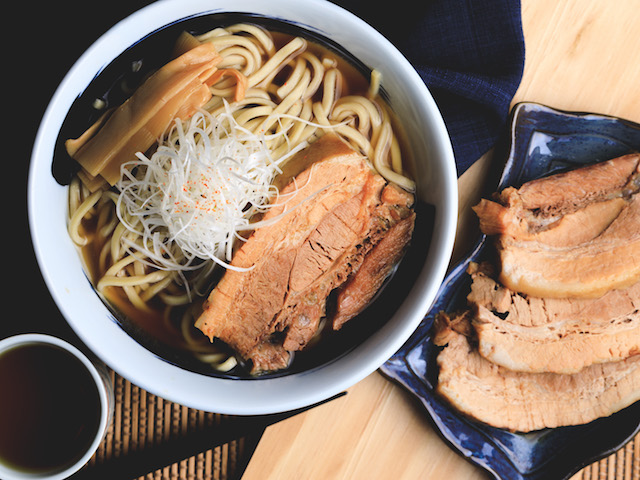
    Japanese celebrity chefs Hayashi Takao and Matsumura Takahiro are launching a new international noodle soup restaurant brand called “Ramen Cubism”. The brand’s flagship opens in a chic basement venue in Hong Kong’s Wellington Street tomorrow. It is the collaborators’ first overseas venture, launched in partnership with Hong Kong’s Bird Kingdom Group, of Lai Chi Kok’s D2 Place. It marks the first collaboration between Chef Hayashi and Bird Kingdom Group, slated for international expansion with branches across the region – including their hometown of Osaka, Macau (within the next quarter) and Mainland China.

    Ramen Cubism introduces Chef Hayashi’s signature ramen creations to Hong Kong, following the success of his Osaka restaurant that regularly attracts long queues of as many as 100 diners.

    Pictures gallery below (5 images) :

    Equally renowned as a ramen master and recipe developer, Chef Matsumura has previously established eight noodle brands in Osaka, including the newly-opened “The Most Hopeful Ramen Bar in the World”.

    In celebration of its launch, Ramen Cubism features Chef Hayashi’s new exclusive Hong Kong recipes, limited to 200 servings a day during opening time.

    “Ramen Cubism promises to be a magnet for lovers of this beloved specialty,” said Bird Kingdom Group CEO Eric Ting. “We look forward to building a new generation of followers in Hong Kong and worldwide for this traditional high quality and flavourful comfort food”.

  • Domestic, foreign e-commerce players should be treated alike: CUTS India

    Domestic, foreign e-commerce players should be treated alike: CUTS India

    The Government needs to create a level-playing field for both domestic and foreign e-commerce platforms through a comprehensive e-commerce policy, said Pradeep S. Mehta, Secretary General, CUTS International on Sunday. He noted that the current norms for the segment are applicable to foreign online retailers and this might create a discriminatory environment towards the domestic players.

    “The Government may not be wrong in its clarificatory policy on Foreign Direct Investment (FDI) in e-commerce, as it was a case of backdoor entry in multi-brand retail trade. But vital issues remain to be resolved to promote healthy economic democracy”, said Pradeep S Mehta, Secretary General, CUTS International.

    “However, the issue of creating a level-playing field between domestic and foreign players in retail sector is yet to be resolved, for which a comprehensive National E-Commerce Policy is need of the hour”, he said.

    The Department of Industrial Policy and Promotion (DIPP) recently had said that 100 percent FDI is permitted in the market place model of e-commerce and not in the inventory-based model or the multi-brand retail segment.

    The Commerce Ministry in December revised the FDI policy for e-commerce players whereby it barred online retail firms such as Amazon and Flipkart from selling products of companies in which they have stakes. It also prohibited e-tailers from mandating any company to sell its products exclusively on its platform only.

    Mehta said: “The new guidelines are stricter for e-commerce companies with FDI providing marketplace, but there are no such restrictions for companies without FDI.”

    He also observed that there is no need for a separate regulator for the e-commerce segment.

    “India does not need a separate regulator for e-commerce, which would be yet another parking place for retired babus who are generalists and turn into controllers.

    Most of the malpractices adopted by e-commerce platforms, for instance, discrimination among its vendors, deep discounts etc, can be dealt by the Competition Commission of India. If need be, the Competition Act, 2002 can be tweaked for which the process is going on,” he said.

    The Consumer Protection Bill, 2018, which is likely to be passed soon by the Rajya Sabha, also has specific provisions on e-commerce, he added.

  • Indonesian Consumers Face Harassment by Fintech Debt Collectors

    Indonesian Consumers Face Harassment by Fintech Debt Collectors

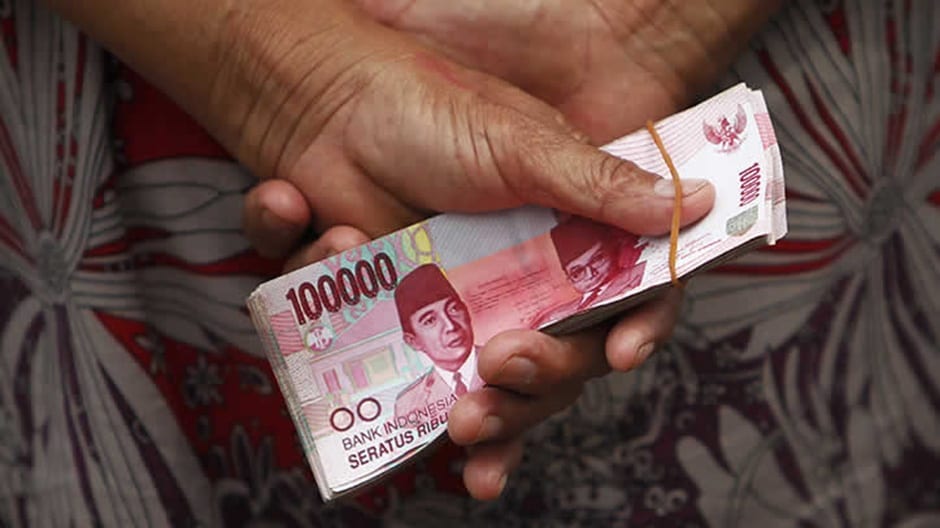
    As a result, she faces constant harassment by debt collectors who call her, wait outside her home, and even go as far as contacting her parents, family members, friends and acquaintances. “I was not expecting these fintech firms to subject their customers to such dreadful practices. They accessed my contact list and messages [on my mobile phone]. They even called my current bosses,” Cintia said.

    “My friends even told me that these fintech firms were defaming and harassing them, sending my friends’ personal photos to their bosses and some of the people in their contact lists, calling my friends imposters,” she added.

    The trouble started a few months ago after she borrowed Rp 1 million each from Uang Kita, Kantong Darurat and Perdana (previously known as Rupiah Plus).

    Risks Associated With Collateral-Free Loans

    Each fintech firm has a different set of requirements borrowers must meet, but most of them do not ask for any collateral, which comes with one major drawback: high interest rates.Despite customers only needing an identity card and a cellphone number to borrow emergency cash, these loans carry interest rates of 1 percent per day for a maximum tenor of 14 days. This exceeds by far the already steep interest rates of 29.9 percent per year that credit card companies charge their customers.

    Customers must also be prepared for some unpleasant treatment from these fintech firms if they fall behind on their repayments.

    “At first, I started borrowing money just for fun but I ended up with these debts and I’m making one debt to pay another debt. I want to pay it off in installments, but they refuse to accept it. They want me to settle the loans in full,” Cintia said.

    Misna Wati, who works for an undisclosed company in Jakarta, has owed money to 25 fintech firms since May last year. She said she regularly receives harassing phone calls and WhatsApp messages from debt collectors and representatives of the firms.

    “We are worried all the time. We did not expect them to be able to access our contacts, call logs, even messages,” said Misna, who declined to state her age and occupation.

    Misna and Cintia are now both seeking assistance from the Jakarta Legal Aid Institute (LBH).

    Need for Strong Data Protection

    With numerous reports about breaches of data privacy by the financial industry, the House of Representatives must accelerate the process involved in passing the data protection bill.The bill, which was supposed to be enacted last year, has now been included in the 2019 priority list of the National Legislation Program, which means that the House might deliberate it sometime this year.

    While Ministerial Regulation No. 20 of 2016 is intended to protects users’ personal data on the electronic system, it is deemed insufficient in preventing large-scale data breaches.

    The regulation only stipulates administrative penalties for violations or the settling of disputes between offenders and system providers or data owners, but does not allow for the recovery of damages related to customer data breaches.

    The bill, if it is passed into law, would apply both in Indonesia and abroad, but only to Indonesian citizens and Indonesia-based business entities.

    The regulation is very important as Indonesia has more than 143 million internet users, which is more than half of the country’s population, according to data compiled by the Internet Service Providers Association (APJII) in 2017.

    Fintech’s Popularity

    Fintech services have gained popularity in Indonesia over the past few years due to their seamless technology systems, innovation, customer-focused approach and simplicity. Fintech companies also offer payment systems, financial assistance and fundraising options.According to a joint study by global technology giant Google and Singaporean wealth fund Temasek, Indonesia’s internet economy – the financial value of all digital services – could exceed $100 billion by 2025, compared with $27 billion last year.

    But despite numerous benefits, the microcredit industry is still poorly regulated in Indonesia and the government is currently dealing with a rising number of illegal or unlicensed fintech firms operating in the country.

    The government banned 738 illegal financial technology websites and applications last year in a bid to protect consumers.

    As Indonesia is now one of the centers of the digital financial industry in the region, it attracts numerous companies from neighboring countries that establish a presence in the country, but which often choose not to obtain licenses from industry regulator, the Financial Services Authority (OJK).

    Most of the unlicensed fintech apps and websites are from China, Malaysia and Thailand. These fintech firms do not have registered offices, either in Indonesia or in their home countries.

    “The OJK has instructed us to ban unlicensed fintech websites and apps,” Ferdinandus Setu, acting head of public relations and communication at the Ministry of Communication and Information Technology, said in a statement last week.

    He said the ban so far applies to 211 websites and 527 smartphone apps, which seemed to have been increasing since August last year.

    There were 171 illegal fintech apps available for download on Google Play in November last year, compared with 144 in August. The ministry also recorded 77 illegal fintech websites in September.

    The ministry said no illegal fintech websites and apps were recorded between January and July last year.

    Ferdinandus said besides the OJK’s instruction, the communication ministry’s actions were also carried out after collecting public reports through a web crawler known as AIS, which filters out content deemed illegal under Indonesian law, such as pornography, the spreading of false news and the promotion of terrorism and radicalism.

    The ministry encouraged members of the public to report websites offering financial services that may be deemed illegal, or fintech companies that are not registered with the OJK.

    Reports can be submitted to aduankonten.id, or @aduankonten on Twitter. A task force comprising more than 13 ministries and agencies will investigate the reports.