Tag: car

  • Skoda Slavia To Get Smaller Touchscreen In Equipment List Reshuffle

    Skoda Slavia To Get Smaller Touchscreen In Equipment List Reshuffle

    Skoda is set to give the Slavia an update in the coming weeks. As per some dealers we spoke to, Skoda is set to replace the 10-inch touchscreen infotainment system on the higher variants of the Slavia. The 10-inch head unit is set to be replaced by a smaller 8.0-inch unit said to be sourced from Panasonic. While we have not heard back from Skoda officially, the update could be due to the ongoing semi-conductor shortages affecting the automotive industry.

    Additionally, some reports suggest that the top variants are also expected to miss out on wireless charging as well and it remains to be seen if the new unit will support wireless smartphone connectivity. Aside from the equipment update, the Slavia is also set to receive its first price hike next month with the quantum expected to be up to Rs 50,000. The Slavia was launched at introductory prices in India with the hike signifying an end to the introductory pricing period.

    The Slavia has had a strong start in India for Skoda with over 14,000 bookings having been clocked since its launch in late February. The company also reported seeing stronger than anticipated demand for the 1.5 TSI model which has accounted for about 30 percent of overall bookings.

    Skoda’s compact sedan was launched in India in late February 2022 with prices currently ranging from Rs 10.69 lakh to Rs 16.19 lakh (ex-showroom). There are two engine options on offer – a 114 bhp 1.0 TSI unit that is the mainstay of the range and the more powerful 148 bhp 1.5 TSI mill available only in the fully loaded model. Both units come with manual and automatic (DSG for the 1.5 TSI) gearbox options.

    The Slavia goes up against the Honda City, Hyundai Verna and Maruti Ci

  • Tesla Cut From S&P 500 ESG Index, And Elon Musk Tweets His Fury

    Tesla Cut From S&P 500 ESG Index, And Elon Musk Tweets His Fury

    An S&P Dow Jones Indices executive told Reuters on Wednesday it has removed electric carmaker Tesla Inc from the widely followed S&P 500 ESG Index because of issues including claims of racial discrimination and crashes linked to its autopilot vehicles, and Tesla CEO Elon Musk responded with harsh tweets including that “ESG is a scam”.

    In it changes, effective May 2, the sustainability index also added soon-to-be-Musk-controlled Twitter Inc and oil refiner Phillips 66 while dropping Delta Air Lines and Chevron Corp, according to an announcement.

    The back-and-forth over the index changes reflects a wider debate about the metrics used to judge corporate performance on environmental, social and governance (ESG) issues, a growing area of investing.

    Tesla has become the most valuable auto industry company by pioneering EVs and expanding into battery storage for electric grids and solar-power systems.

    Factors contributing to its departure from the index included Tesla’s lack of published details related to its low carbon strategy or business conduct codes, said Margaret Dorn, S&P Dow Jones Indices’ head of ESG indices for North America, in an interview.

    Even though Tesla’s products help cut planet-warming emissions, Dorn said, its other issues and lack of disclosures relative to industry peers should raise concerns for investors looking to judge the company across environmental, social and governance (ESG) criteria.

    “You can’t just take a company’s mission statement at face value, you have to look at their practices across all those key dimensions,” she said.

    Tesla representatives did not immediately respond to questions. The company has previously called ESG methodologies “fundamentally flawed.”

    Musk tweeted that “Exxon is rated top ten best in world for the environment, social & governance (ESG) by S&P 500, while Tesla didn’t make the list! ESG is a scam. It has been weaponized by phony social justice warriors.”

    Asked about the tweet, a representative for the index provider said Musk may have been referring to a list on a company blog post of the largest 10 constituents by market cap of the S&P 500 ESG Index after the removal of Tesla and others. The list is “not a ranking of best companies by ESG score,” the representative said.

    GROWING CONCERNS

    Investors concerned about issues like diversity and climate change have poured billions of dollars into funds using ESG criteria to pick stocks, prompting debate about how effectively the funds promote change or whether they push companies too much on issues that should be settled by government policy.

    S&P Dow Jones Indices is majority-owned by S&P Global Inc. Musk and others have complained the firm and its rivals conflate too many issues by bundling ESG concerns into one total score.

    For instance a fund based on the S&P 500 ESG Index, the SPDR S&P 500 ESG ETF, received the low rating “D” by climate activist research group As You Sow, which noted despite its title and sustainability mandate, fossil fuel stocks make up 6.5% of fund assets.

    In the company blog post reviewing changes from April 22, S&P’s Dorn said the index aims to keep industries weighted the same as they are in the regular S&P 500 index “while enhancing the overall sustainability profile of the index.” In practice that means it can keep oil companies while leaving out big players like Facebook parent Meta Platforms and Wells Fargo & Co.

    Dorn said Tesla’s ESG score had declined slightly from the “22” it received last year. At the same time the average score among other automakers improved, pushing Tesla out of the ESG index because of a rule against including lowest-quartile performers.

    Dorn and others did not immediately describe other details such as the reasons Twitter or Phillips 66 were added or other companies dropped.

    Among other big ESG ratings agencies, MSCI Inc gives Tesla an “average” ESG rating, while the Sustainalytics unit of Morningstar Inc gives Tesla a “medium risk” rating, according to the firms’ websites.

    On Wednesday a U.S. safety regulator opened a special crash investigation into a Tesla crash this month in California, among more than 30 crashes under investigation involving advanced driver assistance systems.

    In February, a California state agency sued Tesla over allegations by Black workers that the company tolerated racial discrimination at an assembly plant, adding to claims made in several other lawsuits.

  • Tesla To Host Second Artificial Intelligence Day In August

    Tesla To Host Second Artificial Intelligence Day In August

    Tesla Inc top boss Elon Musk said on Tuesday the electric-car maker will host its second artificial intelligence day on Aug. 19, with the company likely to expand on plans to fine-tune its self-driving technology.

    “The purpose of AI Day is to convince great AI/software/chip talent to join Tesla,” the billionaire said in a tweet.

    The use of AI in self-driven cars has stirred up debate around safety issues, but Musk has often contended that such vehicles are far safer than those driven by humans.

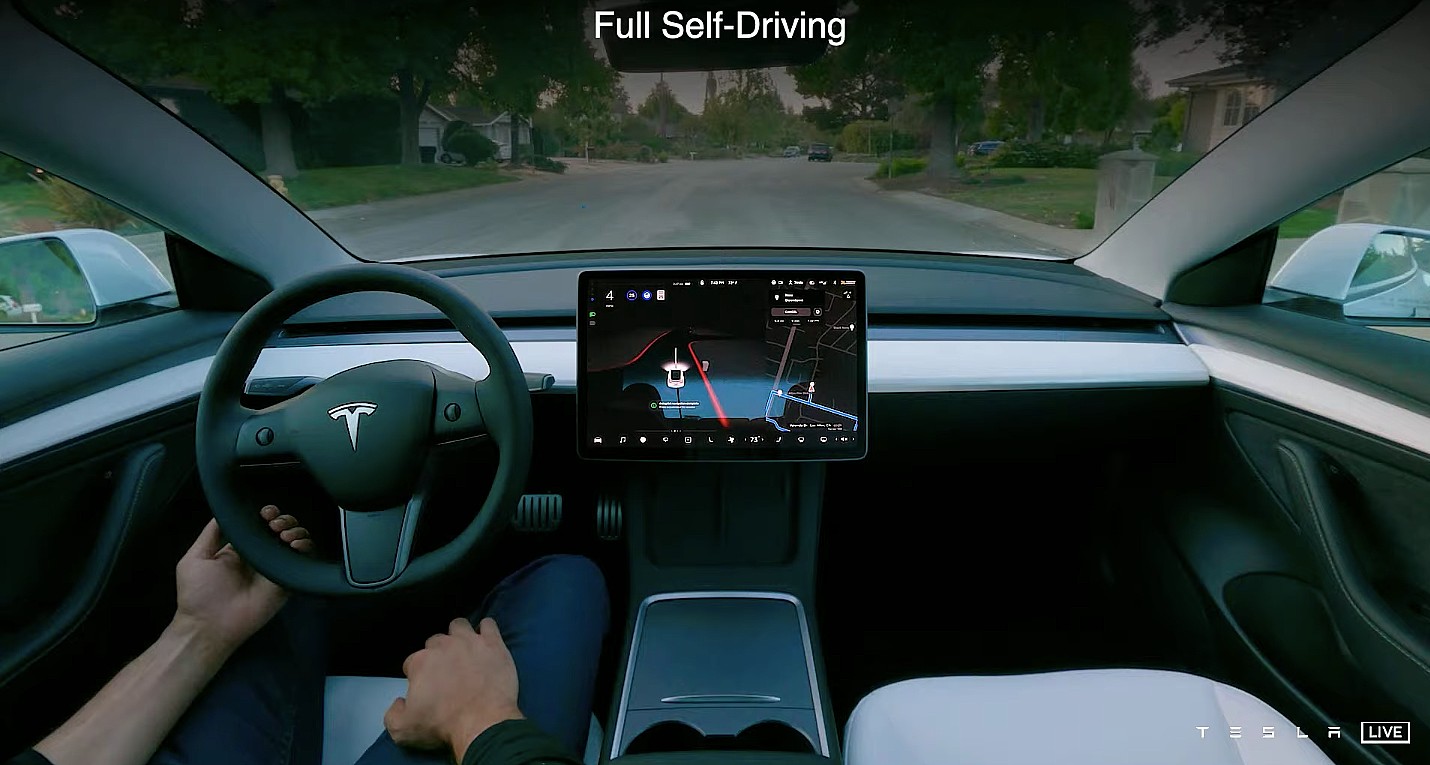
    Tesla is developing software for its cars to drive without human intervention or oversight, but its full self-driving (FSD) system currently requires human monitoring and is not intended to work without a driver behind the wheel.

    The company held its first AI day in August last year and a Battery Day in September 2020, where it talked about the future of battery technology.

    “Tesla AI Day #2 on Aug 19. So many cool updates!,” Musk said in a tweet.

    Investors and analysts closely watch tech-focused events where companies dive deeper into their projects and usually provide concrete updates on targets and timelines of rollouts.

  • Ford Appeals For 100 Per Cent All-Electric Vehicle Sales In Europe By 2035

    Ford Appeals For 100 Per Cent All-Electric Vehicle Sales In Europe By 2035

    Ford Europe together with 27 companies has joined an appeal to the European Union (EU) to ensure all new cars and vans in Europe are zero-emission from 2035 and to establish mandatory targets for charging infrastructure. The appeal insists that removing fossil fuel-burning vehicles from the road is imperative for Europe to reach its goal of net-zero emissions by 2050, and to help avoid the worst impacts of climate change on people and the planet. This includes enacting legislation that establishes standards and a clear timeline for the industry and suppliers to follow, to ensure the transition to electric vehicles.

    The EU decision-makers are currently deciding on new clean car rules, following a proposal by the EU Commission supported by the companies making the appeal that only zero-emission new cars and vans can be sold EU-wide from 2035. The European Parliament and EU governments will decide their positions in June, with the final law expected to be adopted in autumn.

    For Ford Europe, the road towards zero-emission vehicles is being paved by a new generation of seven, all-electric, fully connected passenger vehicles, and vans, coming to Europe by 2024. Leading the charge are the Mustang Mach-E, which last year achieved maximum safety and green ratings from Euro NCAP and Green NCAP, and the E-Transit, which received the Gold Award from Euro NCAP for its advanced driver assistance systems.

    All the electricity sourced at the company’s manufacturing sites in Europe is already 100 per cent renewable. The planned production of electric vehicles in Cologne, Germany, is now expected to be 1.2 million vehicles over six years, with a total product investment of $2 billion, helping to bring more electric vehicles to customers in Europe. Ford’s BlueOval charging network has over 3 lakh charge points in Europe, while for Ford employees, 1,000 charging stations will be added to the company’s European sites by 2023.

  • Finance ministry seeks tax delay for auto industry

    Finance ministry seeks tax delay for auto industry

    The Ministry of Finance wants special consumption tax payable by auto companies to be deferred by up to four months to help them recover from the impact of Covid-19.

    The tax for June-September, worth a total of VND20 trillion ($871 million), can be paid on November 20.

    If the government approves the ministry proposal, auto manufacturers will get extra time to pay the tax for a third straight year.

    The ministry said last year auto manufacturers saw sales plunge due to social distancing restrictions and also struggled with a shortage of semiconductors.

    Though the tax delay goes against Vietnam’s international commitments, the ministry said it is needed to help businesses overcome difficulties.

    Many countries have done the same to help their manufacturers recover, and Vietnam is unlikely to be sued for it, the ministry added.

    Auto sales in Vietnam last year dropped 3 percent from 2020 to 383,444 units, according to data from data from the Vietnam Automobile Manufacturers Association (VAMA), TC Motor and VinFast.

  • Tesla Halts Production At Shanghai Plant Due To Supply Issues – Report

    Tesla Halts Production At Shanghai Plant Due To Supply Issues – Report

    Tesla Inc halted production at its Shanghai plant on Monday due to issues with securing parts for its electric vehicles, two people familiar with the matter said, the latest in a series of difficulties for the factory.

    Shanghai is in its sixth week of an intensifying COVID-19 lockdown that has tested the ability of manufacturers to operate amid hard restrictions on the movement of people and materials.

    Tesla had planned as late as last week to increase output to pre-lockdown levels by next week.

    It was not immediately clear when the current supply issues can be resolved and when Tesla would be able to resume production, said the people, who asked not to be identified because the production plans are private.

    Tesla did not immediately respond to a query for comment.

    China Passenger Car Association is scheduled to release April sales for Tesla, China’s second-largest EV maker behind BYD, on Tuesday.

    Another auto association said last week it estimated overall auto sales in China dropped 48% in April as zero-COVID lockdowns shut factories, limited traffic to showrooms and put the brakes on spending.

    Aptiv, Tesla’s main supplier of wire harnesses, stopped shipping from a Shanghai plant that supplies Tesla and General Motors Co after COVID-19 infections were found among its workers, two people familiar with the matter told Reuters on Monday.

    Tesla’s Shanghai plant, also known as the Gigafactory 3, produces the Model 3 sedan and Model Y crossover for the China market and for export.

    Tesla partially resumed production at the Shanghai plant on April 19 following a 22-day closure caused by the city’s COVID-19 lockdown.

    Tesla had been aiming to increase output at its Shanghai plant to 2,600 cars a day from May 16, Reuters reported previously.

    Shanghai authorities have tightened a city-wide lockdown imposed more than a month ago on the commercial hub with a population of 25 million, a move that could extend curbs on movement through the month.

  • Toyota recalls hundreds of Raize SUVs over bad weld

    Toyota recalls hundreds of Raize SUVs over bad weld

    Toyota is recalling 191 Raize SUVs in Vietnam to fix poor welding in front shock absorbers, which could even cause the undercarriage to fall apart.

    The units were made in Indonesia between March 29 and October 8 last year and all of them have been sold, according to the Vietnam Register.

    The recall was issued after problems were found in front fender apron connections, which caused rattling sounds when the car drove over bumps and potholes.

    In the worst case, the welded part can detach and potentially cause a major accident, though no mishaps have been reported so far.

    The automaker has also recalled nearly 15,000 Raize SUVs in Indonesia, and Lexus, its luxury division, recalled 4,200 NX SUVs in the U.S. for the same defects.

    Toyota topped auto sales in the first quarter with 18,615 units, according to data from the Vietnam Automobile Manufacturers Association. It sold 1,671 Raize SUVs in Q1, marginally more than its closest competitor Kia Sonet (1,651 units).

  • Ferrari And Qualcomm Team Up For Tech Projects For Road, Racing Cars

    Ferrari And Qualcomm Team Up For Tech Projects For Road, Racing Cars

    Ferrari said on Tuesday it would partner with Qualcomm Technologies to use the San-Diego based group’s premium product, the Snapdragon chipsets, to accelerate the sports carmaker digital transformation. The deal will involve both its road cars and its Formula One racing team and the first common projects, including the so-called digital cockpit, have been already identified, the Italian group said in a statement.

    Ferrari’s new CEO Benedetto Vigna – a technology industry veteran – said in November Ferrari would seek technology partnerships as it moves ahead with transition toward cleaner mobility and in order to pivot technologies that require high investments.

    The Snapdragon logo will make its debut on Ferrari’s F1-75 racing model, which will debut on Feb 17

    “Innovation requires market leaders working together. Thanks to this agreement … we expand our knowledge in digital technologies and web 3.0, areas with great potential for automotive and motorsport,” Vigna said in the statement.

    The Snapdragon logo will make its debut on the F1-75 racing model, the Ferrari single-seater which will be unveiled at the company’s headquarters in Maranello on Feb. 17.

  • Thailand Approves Incentives To Promote EV Shift

    Thailand Approves Incentives To Promote EV Shift

    Thailand’s cabinet on Tuesday approved a package of incentives including tax cuts and subsidies to promote a shift to electric vehicles (EVs) in Southeast Asia’s major auto production base, a government spokesperson said. The package for 2022-2025 is in line with a zero emission vehicle policy plus a goal to ensure 30% of Thailand’s total auto production are EVs by 2030, Thanakorn Wangboonkongchana told a news conference.

    In the first two years, the measures will focus on encouraging widespread domestic use of EVs by providing tax breaks and subsidies for imported models and those made locally, he said. In the last years of the package, the support will mainly be on promoting domestically produced EVs, while cancelling some benefits for imported models, Thanakorn said.

    “This is to encourage operators to accelerate the production of electric vehicles in the country to meet increasing demand,” he said. Thailand last year produced 1.7 million regular vehicles, for firms that include Toyota, Honda and Mitsubishi.

    Thanakorn did not give further details on the incentives, which he said would need to be worked out with the energy ministry. According to earlier media reports, the package will help reduce the price of each EV by between 70,000 baht ($2,165) and 150,000 baht ($4,638).

  • BMW To Create Up To 6,000 New Jobs Next Year

    BMW To Create Up To 6,000 New Jobs Next Year

    Germany’s BMW plans to create up to 6,000 new jobs next year to prepare for growing demand for its electric vehicles, the carmaker’s chief executive told daily Muenchner Merkur.

    BMW is on a very good path through the transformation and has its plants prepared for e-mobility, Oliver Zipse was quoted as saying in an interview published on Wednesday. “That is why we will increase our workforce by up to five percent next year.”

  • China Expects To Meet Charging Demand Of 20 Million-Plus EVs By End Of 2025

    China Expects To Meet Charging Demand Of 20 Million-Plus EVs By End Of 2025

    China expects to meet charging demand for more than 20 million electric vehicles by the end of 2025, the National Development and Reform Commission said in a document on Friday.

  • Japanese brands top auto imports in Vietnam

    Japanese brands top auto imports in Vietnam

    Japanese brands, including Toyota and Mitsubishi, were the biggest sellers among imported cars in Q1. Toyota sold 11,661 completely built units, while Mitsubishi imported 7,797.

    They were followed by Honda, Mazda and Suzuki. Last year, Toyota, Mitsubishi and Suzuki sold the most imported cars, with Toyota alone selling more than half of all imported cars.

    Fifteen out of 17 models Toyota sells are imported from Indonesia, Thailand and Japan. The sedan Vios and SUV Innova are assembled locally, while the SUV Fortuner is both assembled and imported.

    Mitsubishi also imports most of its models, with the popular MPV Xpander, imported from Indonesia, accounting for 53 percent of its total imports sold last year.

    The remaining models, like the pickup truck Triton and sedan Attrage, are imported from Thailand.

    Suzuki and Isuzu also import from Thailand and Indonesia.

    Nearly 7,000 Mazda cars, distributed by Truong Hai Auto Corporation, were imported from Thailand last year. This accounted for 26 percent of total Mazda sales in Vietnam.

    Honda has its two main models City and CR-V assembled locally and imports the rest.

    Ford has recently started assembling its pickup truck Ranger model in Vietnam while the other models SUV Everest and SUV Explorer are imported from Thailand and the U.S. respectively.

    Some luxury brands like Volkswagen, Audi and BWM only import completely built units.

    Kia, Hyundai and VinFast only assemble.

  • 6 Industries That Use Clevis Pins

    6 Industries That Use Clevis Pins

    Industrial fasteners cover a wide range of small yet essential tools that connect and secure two or more items. Although screws and bolts are the first things that come to mind, there’s one that’s widely used across several industries. They’re used in land, air, and sea equipment and are vital in ensuring the safety of both people and cargo.

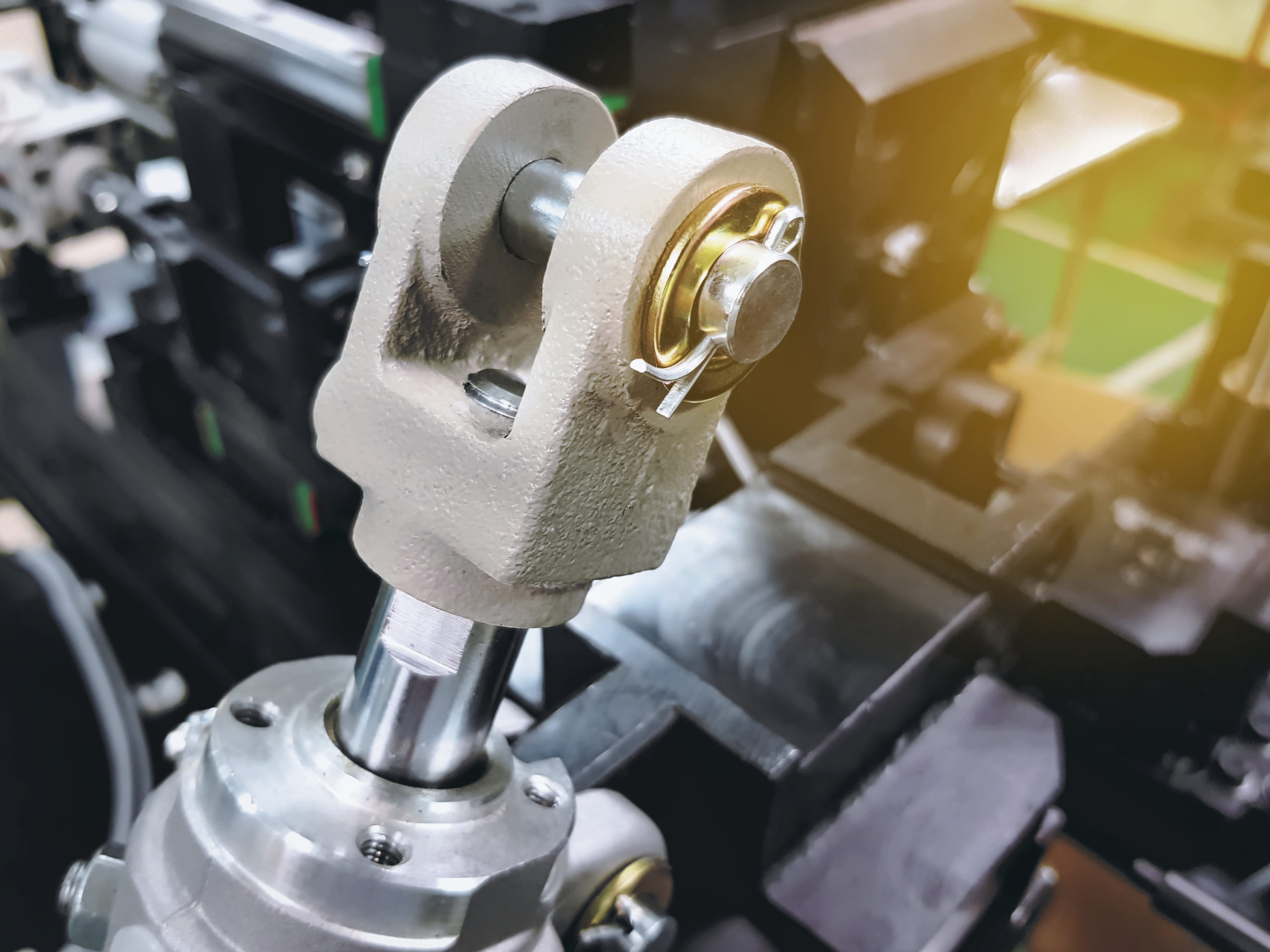
    These small yet essential fasteners are called the clevis pin. Some may also refer to them as hitch pins. They join materials together and allow movement at the same time.

    Clevis pins are typically made from stainless steel that withstand sheer pressure and corrosion. They either have a flat or domed head and a shank with a hole near the end. They are inserted into pre-drilled holes and then secured with a cotter pin.

    Types Of Clevis Pins

    Clevis pins have different types and have a wide range of uses. Non-threaded clevis pins have a smooth shank, while threaded ones have grooves running across their length.

    Standard clevis pins are the most common and come in small and large sizes. Compared to standard clevis pins that only have one hole, a universal clevis pin has multiple holes to adopt different lengths.

    There are also cotterless clevis pins with a self-locking feature rather than a cotter pin to secure it in place. Grooved clevis pins work with e-clips, while a bent pin’s edge serves as a handle.

    Industrial Applications Of Clevis Pins

    If you’re curious as to how these fastening pins work, read on to discover how these seemingly small tools do a great job of handling heavy loads across several industries:

    1. Agriculture

    Clevis pins are used in farm and garden equipment. They connect trucks and tractors to wagons and carts so they can haul different types of loads and transport them on public roads. Aside from farm implements, clevis pins are also handy when rigging horses or mules for plowing.

    Frequently, clevis pins work together with towing chains to ensure that the wagon and its load do not dislodge on bumpy roads or sway tremendously due to strong winds. They keep farm produce and equipment in place to ensure safe travel on roads and highways.

    1. Automotive

    Clevis pins are also crucial in making and transporting different types of vehicles. Clevis pins move car parts along the assembly line. They are also essential components of a car’s braking system, shock absorber, and rod end for gas struts.

    They also form part of towing equipment. Clevis pins serve as connecting and locking mechanisms for cars, trucks, trailers, and others. They help transport new and even damaged vehicles from one site to another.

    1. Aviation

    The aircraft industry uses standard clevis pins to ensure flying safety. They keep various components secure despite constant vibration. Clevis pins connect cables to the carburetor of the fuel injection system of an airplane’s engine. They also work as link tie rod terminals and secondary controls.

    1. Construction

    Clevis pins also find themselves as useful components of heavy construction equipment. They are attached to girders, cranes, and other hydraulic machines to withstand heavy loads and sheer pressure. And this type of fastener is preferred by the construction industry because it can withstand rust and corrosion. What’s more, stainless clevis pins are also durable despite strong machine vibrations.

    1. Fabrication

    For the metal fabrication industry, clevis pins join metal plates or columns together. They allow efficient movement across the machine floor, especially when they work together with electric chain hoists and chain pulley blocks.

    1. Marine

    Marine vessel manufacturers prefer stainless steel clevis pins because they do not corrode despite constant exposure to sun and saltwater. These mechanical pins serve as vital fixtures of a sailboat’s rigging mechanism. Clevis pins can help you steer efficiently and ensure that your engine can perform well. They also support loads of a spar and ensure that tiller arms work perfectly.

    Reliable Clevis Pins

    In sum, clevis pins serve various industries because of their ability to securely connect materials together. It can handle heavy loads and allow movement despite sheer pressure. These simple yet effective fasteners serve as useful components for different types of land, sea, and air transport.

    Clevis pins are used in farming and garden equipment that allow the transport of farm products and supplies. They also ensure vehicles are safe through efficient braking systems. They’re also included in a towing system and secure loads while traversing public roads.

    When it comes to manufacturing, they improve assembly line processes. Clevis pins are also crucial components of various construction equipment, aircraft, and sailboats. Indeed, they are small yet reliable fasteners that keep equipment, people, and cargo safe.


  • Ferrari 296 Convertible To Debut On April 19

    Ferrari 296 Convertible To Debut On April 19

    Ferrari has teased the debut of the 296 convertible on its social media channels for April 19. The teaser image reveals little about the new convertible aside from previewing part of the rear profile of the upcoming model along with the lines on the rear fender. A closer look reveals the silhouette to be of the rear buttress of the upcoming Ferrari which shares similarities with the 296 GTB coupe.

    As per reports, the new 296 convertibles will feature a folding hard-top roof. Compared to the coupe expect the rear decklid to be revised to accommodate the remainder of the cosmetics likely to remain unchanged over the 296 GTB coupe. The interior too is expected to remain identical to the Coupe’s as seen on other Ferraris. The carmaker is also yet to confirm the name for the 296 convertible with the carmaker having used the Spider, GTS, and Aperta suffixes to describe its current and past range of convertibles.

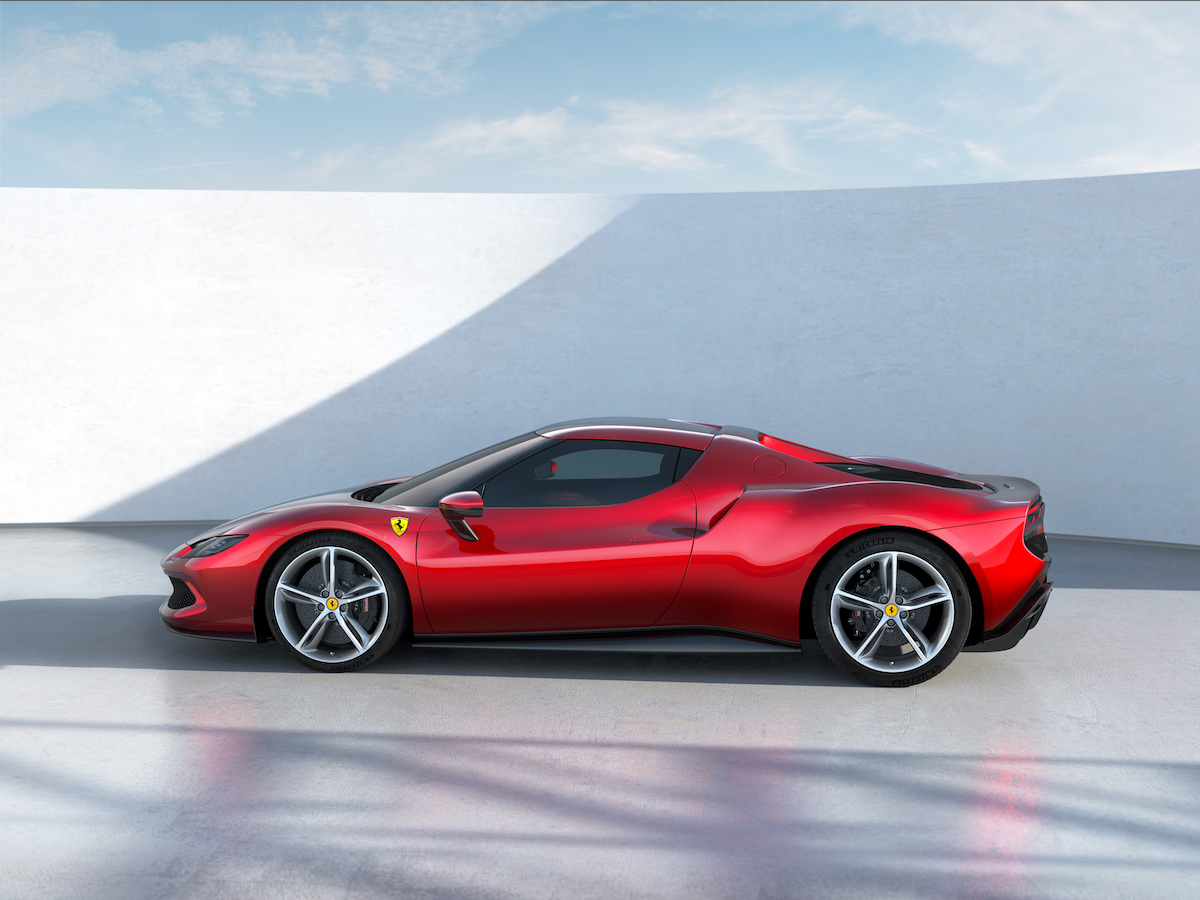
    The convertible is expected to share most of its styling with the 296 GTB Coupe (pictured) with changes expected to be focused on the rear deck.

    With the lack of a fixed roof, expect Ferrari to make tweaks to the chassis of the 296 convertible to improve body rigidity with the 3.0-litre twin-turbo V6 also likely to get a revised tune to account for the additional weight of the folding roof and any structural strengthening measures. Like the GTB, the drop-top 296 will remain a hybrid with an electric motor paired with the petrol engine developing a combined 818 bhp and 740 Nm.

    Ferrari is also readying its new generation GT3 race car based on the 296 though this model is only set to debut next year.

  • Samsung adds new models to its Digital Car Key support list, but not all work with UWB

    Samsung adds new models to its Digital Car Key support list, but not all work with UWB

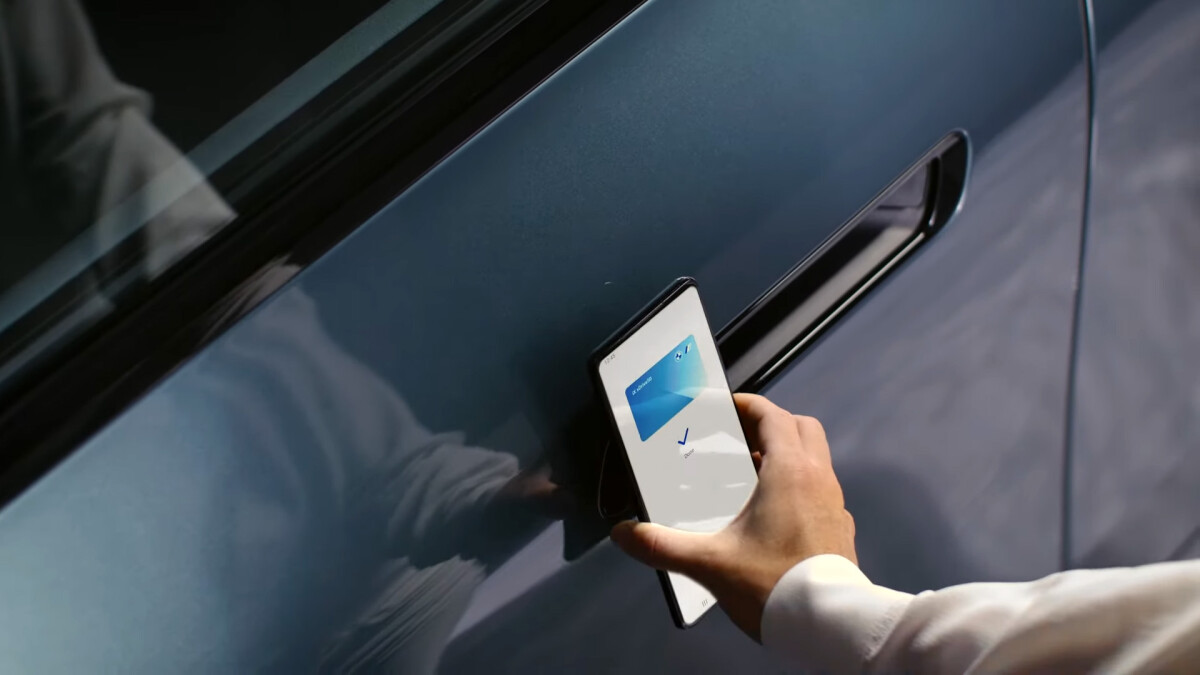
    A few weeks after Apple, the Samsung Digital Car Key initiative announced support for a number of new BMW, Kia, and Genesis models, reports TizenHelp. These include the Genesis GV60, Genesis G90, BMW 1-8 Series, BMW Z4, BMW X5-X7, BMW iX3, BMW iX, BMW i4, and the Kia Niro.

    While the luxury Genesis models will support both NFC and UWB connectivity, the rest only offer NFC support meaning that you will have to hold your Galaxy closer to the car in order to unlock it.
    The feature is available on its home turf for now, but hopefully, Samsung will roll it out for the new car models globally soon, or you can use the digital car key support built into Android 12.
    For now, Samsung’s Digital Car Key option is available only on the Galaxy S22 and S21 series, the oldie Note 20 Ultra, and on Samsung’s foldable phones like the Z Fold 3 and the Z Flip 3. Besides Samsung, Google’s Pixel 6 series are also supporting digital car keys and Google even baked BMW support in Android 12 on a system level.