Tag: car

  • Auto sales recommence growth

    Auto sales recommence growth

    Vietnam’s auto sales in March returned to growth with a 17 percent increase year-on-year to 36,962 units after two consecutive months of decline, according to Vietnam Automobile Manufacturers Association (VAMA).

    The figure was highest this year and brought sales in the first quarter to 90,506 units, up 27 percent year-on-year, said VAMA, which does not incorporate data of VinFast and TC Motor (assembler of Hyundai cars).

    Most top-selling brands posted a double-digit increase in sales compared to March last year.

    Truong Hai Auto Corporation (Thaco) led with 13,295 units sold, up nearly 33 percent year-on-year.

    Toyota sold 7,977 units, up 22 percent.

    Mitsubishi and Honda followed with 3,675 units and 3,604 units respectively.

    Visuco (Suzuki) saw sales declining by 0.8 percent, while Ford’s sales plunged 45 percent.

    With data from all brands included, the hatchback VinFast Fadil was the top-selling model in Vietnam last month at 2,567 units. It was followed by the SUV Toyota Corolla Cross and the sedan Toyota Vios.


  • Mercedes dealer to operate luxury car rental service

    Haxaco, a major Mercedes-Benz dealer, will focus on developing luxury car rental service this year besides its core business of car retail.

    In a recent annual meeting, its chairman Do Tien Dung said the firm has almost gained monopoly status in luxury car rental across Ho Chi Minh City and Hanoi, as competitors had been driven out of business due to the pandemic.

    Haxaco posted VND205 billion ($9 million) in profits in 2021, and it targets raising that by 3.4 percent this year.

    Besides being the dealer of Mercedes in Vietnam, it has also distributed MG, a UK car brand, since 2020.

    Dung said the MG reselling segment saw some achievements but has yet to meet the expectations of the company and its shareholders.

    Haxaco eyes becoming an exclusive distributor of a new car brand in Vietnam, but its chairman also noted that such ambitions need time and planning.

    It also plans to issue shares worth VND595 billion this year to raise funds for opening new Mercedes-Benz showrooms.

    Such investment is vital to maintain competitiveness against larger contenders, Dung added.

  • Vietnam’s VinFast seeks US government loans for expansion

    Vietnam’s VinFast seeks US government loans for expansion

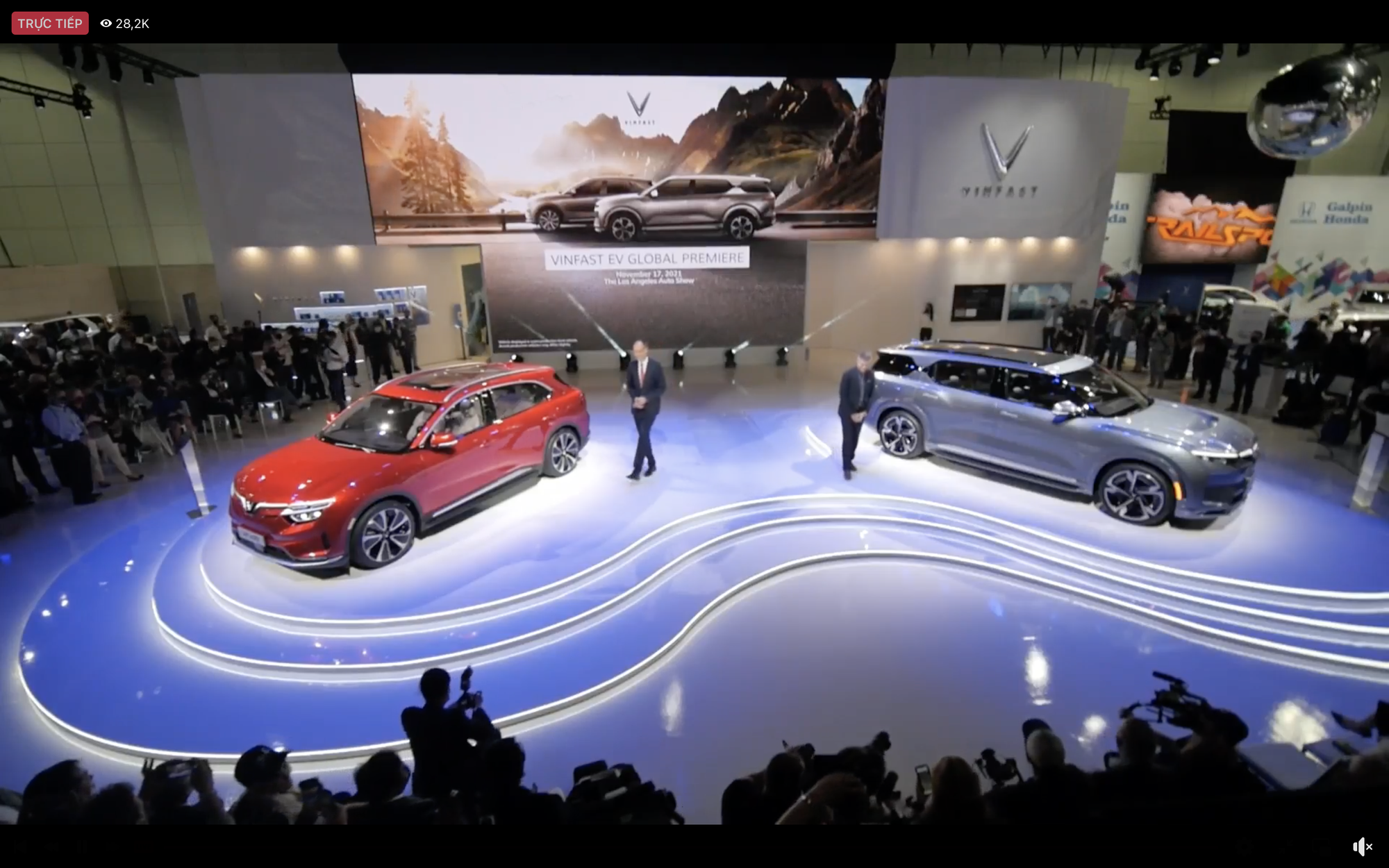
    The chairman of Vietnam’s Vingroup conglomerate said on Saturday that the company’s auto unit, VinFast, would seek financing from the U.S. government to support its expansion with a planned plant in North Carolina.

    “It is also one of our financing options, but we need to prove to them that we are qualified,” Vingroup Chairman Pham Nhat Vuong told a group including reporters.

    VinFast said this week that its Singapore-based holding company had filed for an initial public offering (IPO) with U.S. securities regulators, as the company readies a $4-billion investment to build a factory in the United States.

    VinFast, which began operations in 2019, is betting big on the U.S. market, where it hopes to compete with legacy automakers and startups with two all-electric SUVs and a battery leasing model that will reduce the purchase price.

    Vuong said VinFast was committed to an IPO that would help establish the electric vehicle maker as a global brand, but added: “if the conditions are not right we can wait.”

    “We ourselves are determined to push and committed to this IPO, but the highest target for the IPO is not financing but to set up VinFast in the global market,” he told the group.

    Lending from the U.S. government’s Advanced Technology Vehicles Manufacturing (AVTM) loan program was another option VinFast was exploring, Vuong said, in response to a question.

    The $25-billion fund was established by Congress in 2007 when Detroit-based automakers were tipping into crisis. It is administered by the Department of Energy still has a lending capacity of almost $18 billion, according to its website.

    VinFast has promised to create 7,500 jobs at its planned plant in North Carolina, where it will build the battery-powered VF8 and VF9 SUVs. The company has said it plans to begin construction of the plant as soon as permits are granted with a goal of starting production by 2024.

    It plans to begin exporting the two electric vehicles to the United States later this year from its existing plant in Vietnam.

  • GM and Honda To Produce ‘Attainable EVs’ In Bid To Surpass Tesla Sales

    GM and Honda To Produce ‘Attainable EVs’ In Bid To Surpass Tesla Sales

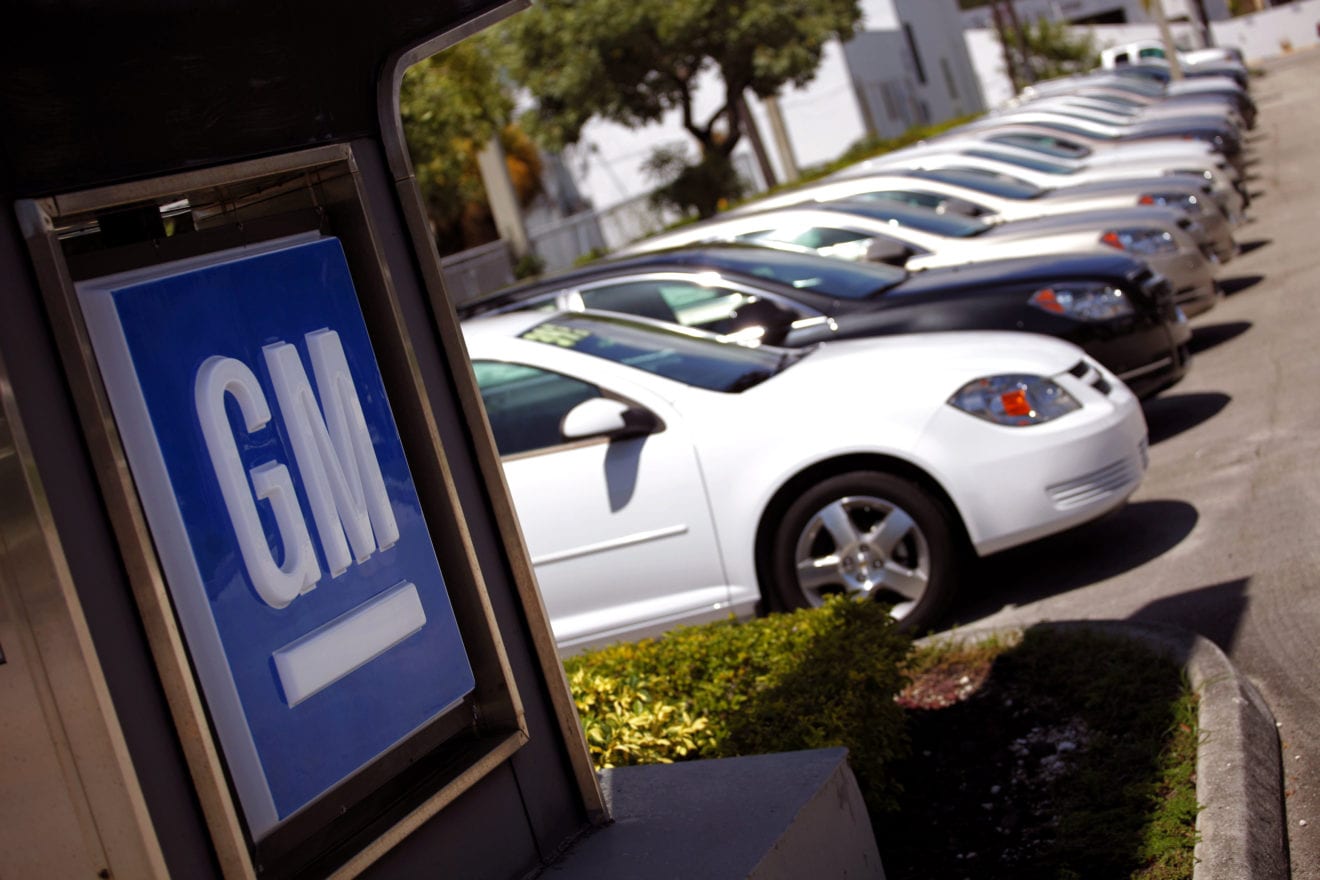
    General Motors and Honda Motor Co said on Tuesday they will develop a series of lower-priced electric vehicles based on a new joint platform, producing potentially millions of cars from 2027 in a bid to beat Tesla in sales.

    The announcement expands on plans for GM to begin building two electric SUVs for Honda starting in 2024 – the Honda Prologue and an Acura model.

    The automakers said the new deal is for “affordable” EVs, including compact crossover vehicles, built using GM’s Ultium battery technology. The compact crossover is the biggest selling auto sector in the world with annual volumes of more than 13 million vehicles, the companies said.

    The companies declined to say how much they are investing as part of the new collaboration.

    GM Chief Executive Mary Barra said Tuesday at an Axios event the pricing will come in below the $30,000 price tag planned for the electric Chevrolet Equinox SUV. She said the new lower-priced vehicles would be “attainable EVs.”

    She said the new vehicle is part of GM’s plan to surpass Tesla in EV sales.

    “We have a very important goal… that by mid-decade, by 2025, we’ll sell more EVs in the U.S. than anyone else and to do that, you need to have a portfolio of vehicles,” Barra said, noting GM plans a wide range of small to large EVs. “We definitely can scale and can do it quickly.”

    The companies said they will also discuss future battery technology collaboration for electric vehicles in a push to drive down costs.

    The deal is part of GM’s push to achieve carbon neutrality in its global products and operations by 2040 and eliminate tailpipe emissions from light-duty vehicles in the United States by 2035.

    Honda has said it aims to reach carbon neutrality on a global basis by 2050.

    The Japanese carmaker owns a stake in GM’s Cruise self-driving car subsidiary and the carmakers are co-developing the Cruise Origin autonomous EV. The companies also have a joint venture to develop and produce hydrogen fuel-cell systems at a plant in Brownstown, Michigan.

    “Honda and GM will build on our successful technology collaboration to help achieve a dramatic expansion in the sales of electric vehicles,” Honda CEO Toshihiro Mibe said.

  • Chip Undersupply To Last Until 2024, Says Volkswagen CFO Boersen-Zeitung

    Chip Undersupply To Last Until 2024, Says Volkswagen CFO Boersen-Zeitung

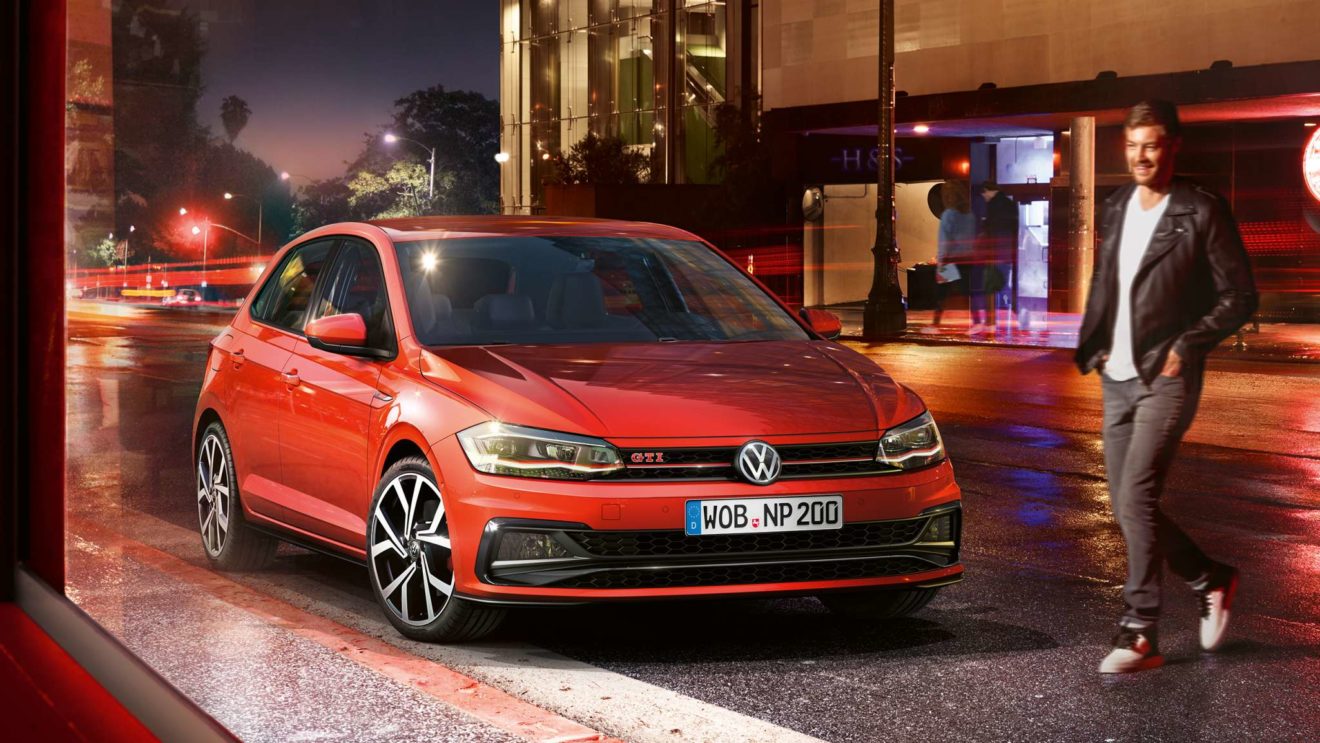
    Semiconductor chip supply is unlikely to be enough to completely satisfy demand again until 2024, Volkswagen Chief Financial Officer (CFO) Arno Antlitz said in an interview with German daily Boersen-Zeitung on Saturday.

    He said that although bottlenecks would likely begin to ease towards the end of this year, with production returning to 2019 levels next year, this would not be enough to meet heightened demand for the chips.

    “The structural undersupply will likely only resolve itself in 2024,” Antlitz said.

    A lack of wire harnesses from Ukraine was also still causing some shifts to be canceled, Antlitz said, even as the company was establishing new supplier relationships to source the component from other countries.

    Asked about how funds from a possible IPO of Porsche AG, planned for the end of the year, could be used to bolster Volkswagen’s finances, Antlitz said the money could help fund the carmaker’s software unit and its battery production plans.

    “Only those who can map out their battery supply chain have the advantage at scaling in electromobility. Securing the supply chain comes with that. A Porsche IPO could give us a lot more flexibility in financing this,” Antlitz said.

  • Geely Unit Lotus Tech Aims To Raise Up To $500 Million In Funds

    Geely Unit Lotus Tech Aims To Raise Up To $500 Million In Funds

    Lotus Technology, a new unit of China’s Geely set up to develop the technology to power Lotus sports cars, is planning to raise $400 million to $500 million before the end of this year, its chief financial officer told Reuters.

    Lotus Technology, part of Group Lotus which is in turn owned jointly by the Chinese automaker and Malaysia’s Etika Automotive, intends to kick off the funding round before Christmas, Alexious Lee said in an interview.

    That will give Lotus Technology a post-money valuation – the value of a company after a round of financing from external investors – of $5 billion to $6 billion, Lee added. Lee said the firm will launch its first product – an electric sports utility vehicle – in the first quarter of next year and aims to have three models within the next five years.

    “We have gotten a lot of traction, especially from international investors, because wow, this is Lotus,” said Lee, adding that the company was looking to sell a 10% to 15% stake.

    The company will spend more than half the new funds on research, and 30%-40% on marketing with the remainder going to working capital. Lee said Lotus Technology remained on track for a potential initial public offering as soon as 2023, likely in New York or Hong Kong. Lotus Cars, the maker of the Lotus Esprit, famously driven by James Bond in 1977’s “The Spy Who Loved Me”, positions its vehicles in a segment similar to rival Porsche. It is set to open a new factory in Wuhan, China next year.

    “We are an asset light business because we don’t own our own manufacturing. It’s owned by our parents,” said Lee.

    Premium and luxury car sales are growing in China as coronavirus pandemic travel restrictions leave consumers in the world’s biggest car market with more money to spend. Lotus Tech’s investors include Nio Capital, an investment firm founded by the CEO of Chinese electric vehicle maker Nio Inc, which valued the unit at 15 billion yuan in September.

  • Swiss Set To Drop Criminal Probe Of VW Emissions Scandal

    Swiss Set To Drop Criminal Probe Of VW Emissions Scandal

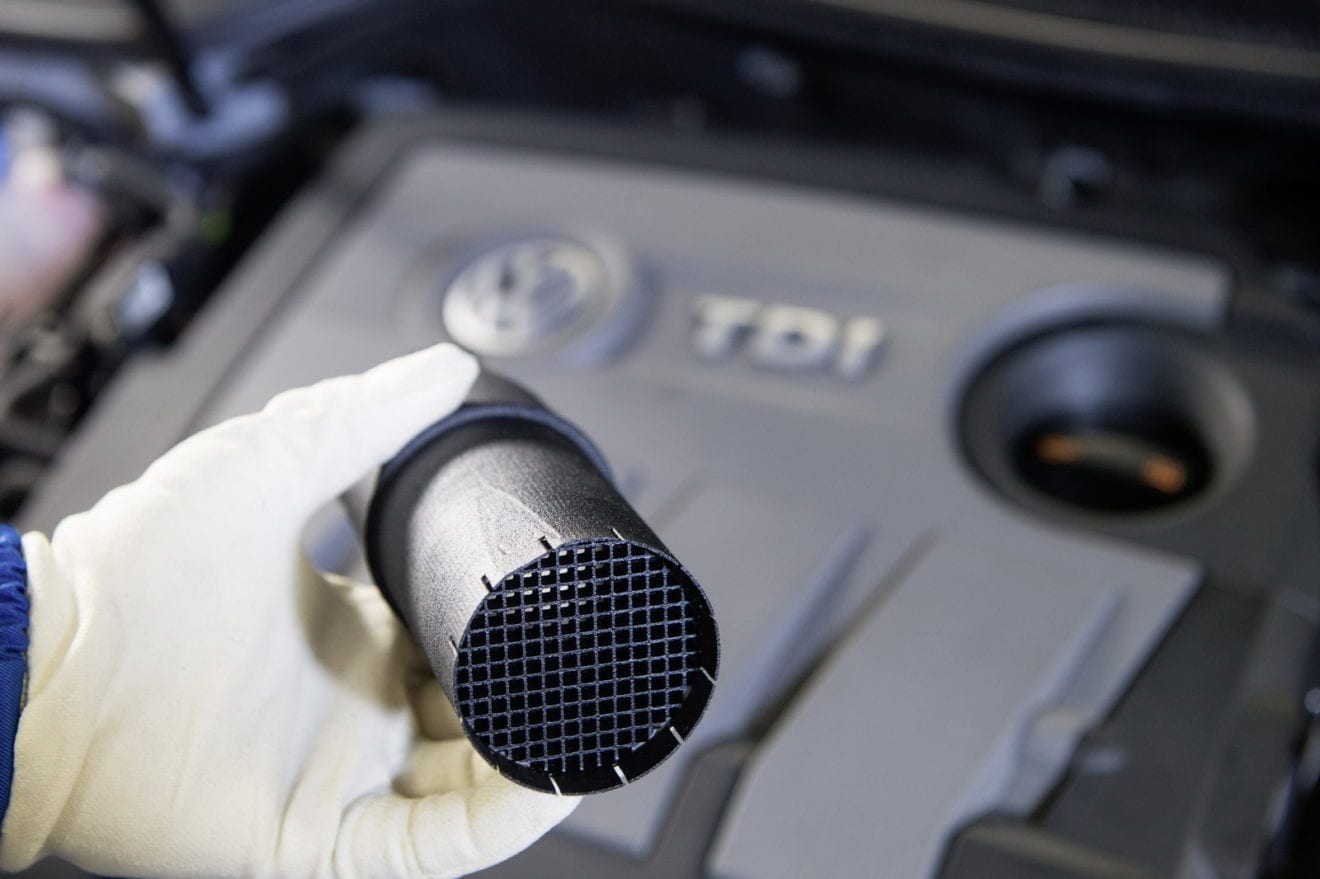
    Swiss federal prosecutors are set to drop a nearly five-year criminal investigation into Volkswagen’s diesel emissions scandal after concluding they did not have a strong enough case to file charges, they said on Tuesday.

    The Office of the Attorney General said it had informed the German carmaker and its Swiss dealership arm this month “that it considers the investigation to be complete and intends to drop the case,” it said in a statement, confirming a report by broadcaster SRF.

    The defendants and private plaintiffs can still review the case file and submit more evidence before the case is closed officially, it said.

    VW admitted in September 2015 it had installed secret software in hundreds of thousands of U.S. diesel cars to cheat exhaust emissions tests and make the cars appear cleaner than they were, and that as many as 11 million vehicles could have similar software installed worldwide.

    SRF said Swiss plaintiffs could still claim damages through civil law, noting VW has already paid out billions abroad.

    Swiss prosecutors opened criminal proceedings after a court ruled they must conduct their own investigation into hundreds of complaints lodged in Switzerland.

    The case centred on the potential damage to around 175,000 customers who bought or leased VW group vehicles with diesel motors that at least some VW officials must have known had been manipulated.

    SRF said Swiss plaintiffs could still claim damages through civil law, noting VW has already paid out billions abroad. “But without official culprits, such proceedings in Switzerland are very costly and difficult for individuals,” it added.

    Contacted by Reuters on Tuesday, VW had no immediate comment.

  • China EV Maker Nio Says It Has No Plans To Raise Prices In Short Term

    China EV Maker Nio Says It Has No Plans To Raise Prices In Short Term

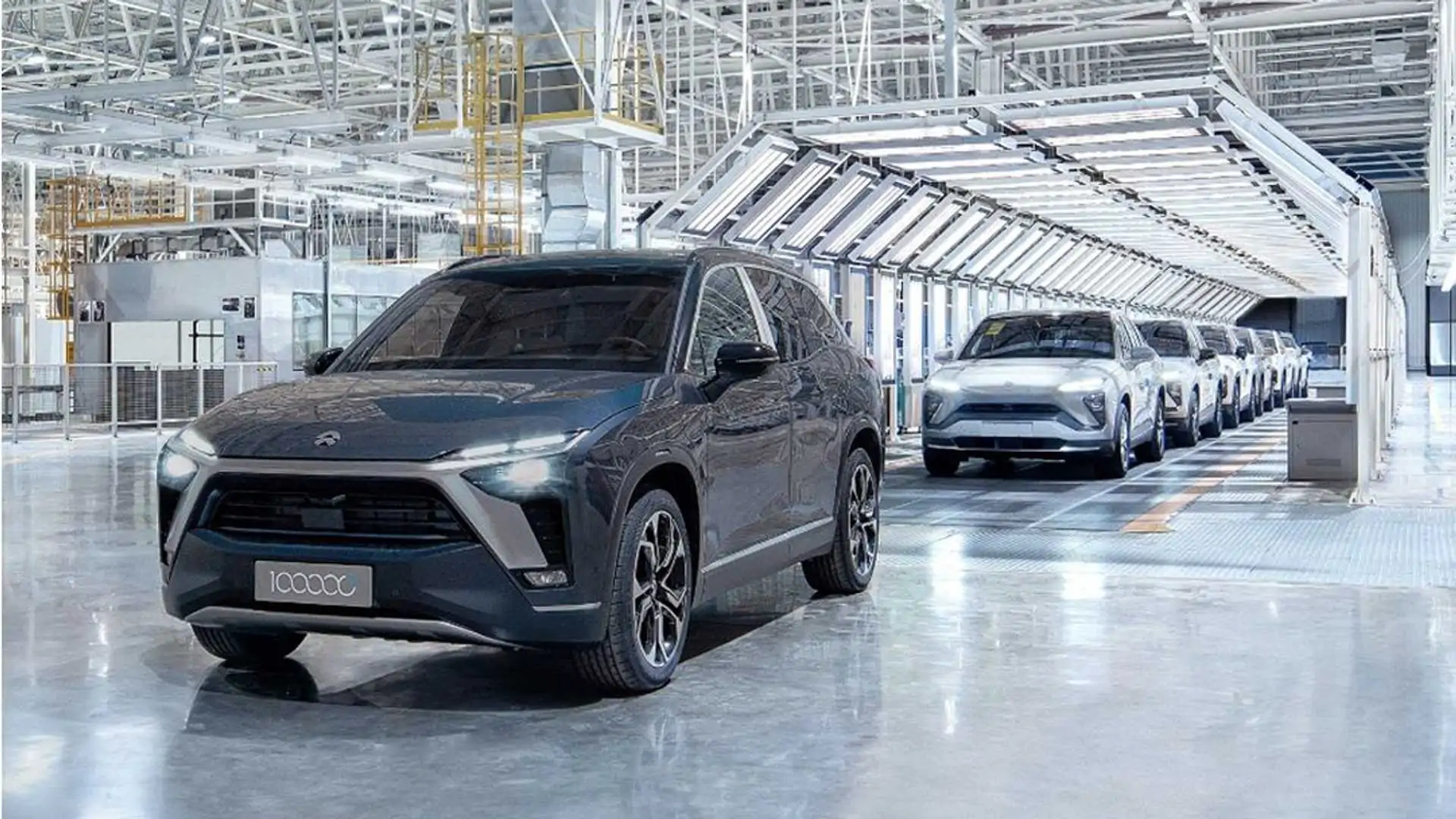
    Chinese electric vehicle (EV) manufacturer Nio said on Monday that it had no intentions to raise prices in the short term, but that it would be flexible on its decision making given evolving circumstances.

    Nio said in a statement that raw material prices and chip supply and demand were causing large changes to supply chain costs.

  • Ford Says European Production Hit By Chip Shortage, Ukraine Conflict

    Ford Says European Production Hit By Chip Shortage, Ukraine Conflict

    Ford Motor said on Monday vehicle production and orders in Europe have been hit by the global semiconductor shortage as well as the conflict in Ukraine.

    The U.S. automaker said it will idle its German plants in Saarlouis and Cologne, mostly due to the global chip shortage. That also led it to stop taking new orders for the S-Max and Galaxy vehicles built in Valencia, Spain. Ford said it has orders for both products that take it beyond September and that existing orders will be fulfilled.

    Russia’s invasion of Ukraine also has caused parts shortages at a Volkswagen plant in Poland that builds Ford’s Tourneo Connect vehicle, leading to a temporary halt of production, Ford said.

    “We continue to monitor the situation on a daily basis in conjunction with our partners at VW and will have more to say on this at a later date,” Ford said in a statement.

    The Ukraine conflict has also led to supply issues that have forced Ford to offer consumers the Focus car with a smaller, 8-inch dashboard screen, instead of the 13.2-inch SYNC4 screen that was part of the updated vehicle’s introduction, the company said, without providing details.

  • Chinese Automakers See Thailand EV Boost From Government Incentives

    Chinese Automakers See Thailand EV Boost From Government Incentives

    Chinese automaker Great Wall Motor has signed an agreement with Thailand’s government to slash retail prices of its electric vehicles, an executive said on Tuesday, a move aimed at boosting domestic EV sales and production.

    The agreement, which involves a government subsidy and reduction in value-added tax, could save customers up to 160,000 baht ($4,779) per unit, Michael Chong, General Manager of Great Wall Motor Thailand told Reuters.

    That would apply to vehicles typically priced 1 million baht, representing a saving of about 13-15%.

    “This is very beneficial for our customer because this price is more affordable,” he said at the annual Bangkok International Motor Show.

    A similar agreement has also been signed with the rival automaker, SAIC-CP Motor, the Thai unit of SAIC Motor Corp, the finance ministry said on Monday.

    Those come as Thailand tries to incentivize EV use and preserve its status as a major regional automaker. The government is targeting the production of 725,000 EV units a year, or 30% of the output by 2030.

    Chong said other factors like rising energy prices were also driving EV demand.

    “Oil prices keep increasing, so people who buy ICE (internal combustible engine) will feel it’s more expensive,” Chong said, adding that EVs would help make air cleaner, something Thailand’s capital has struggled with.

    Great Wall Motor in 2020 took over the General Motors plant in Thailand, Asia’s fourth-largest auto assembly and export hub.

    Auto manufacturing accounts for about 10% of Thai gross domestic product and manufacturing jobs.

    This year the firm plans to sell 20,000 units in Thailand between its two brands, the BEV Ora Good Cat and Haval SUVs, Chong added. It plans to locally produce EVs in 2024.

    But the transition will take time, however, with less than 4,000 fully-electric vehicles registered in Thailand last year, and manufacturing investments still being made in conventional engines.

    These include U.S. automaker Ford, which invested $900 million to upgrade its Thai factories to build its Ranger pickup truck and Everest SUV.

    “ICE is going to be around for a while,” said Andrea Cavallaro, Ford Operations Director, International Market Group, adding EV technology and infrastructure has yet to be adopted across Southeast Asia.

  • BMW Teases All-Electric iX1 SUV Ahead Of Debut

    BMW Teases All-Electric iX1 SUV Ahead Of Debut

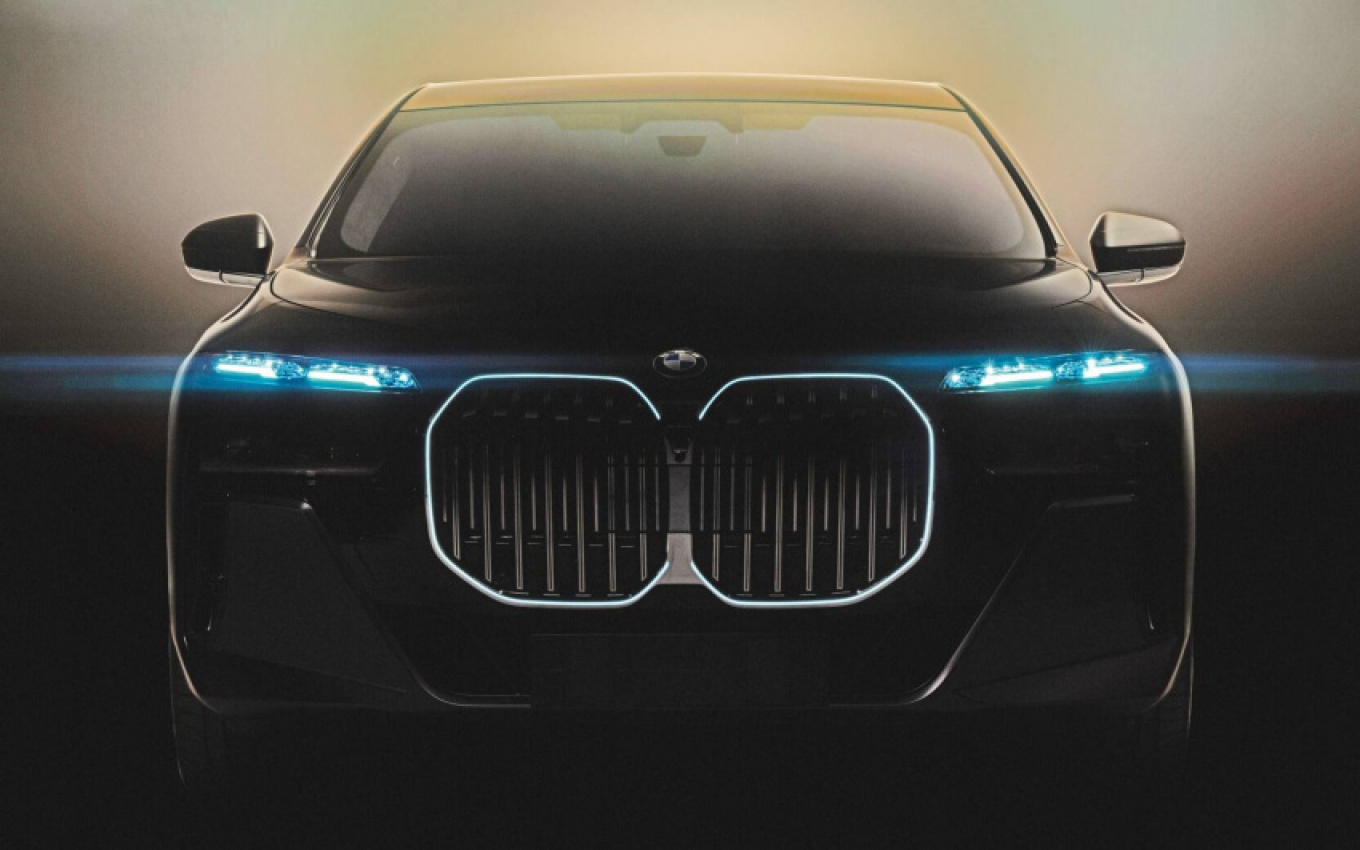
    BMW has confirmed that it will be debuting an all-electric version of the upcoming new X1 before the end of the year. BMW revealed that the new iX1 will debut shortly after the new X1 which is due for a full model change this year. BMW previewed its upcoming compact EV in a teaser image revealing some styling details of the SUV front fascia. Speaking at BMW’s recently held annual conference Oliver Zipse, Chairman of the Board of Management of BMW AG said, “Starting at the end of the year, the new iX1 will be our fully electric offer to customers in the high-volume premium compact segment. The X1 also highlights the potential of modern, flexible BMW architectures with its diversity of different drivetrains – just as you have experienced with iX and i4.”

    Unlike the born-electric iX which gets its own unique design, the iX1 gets a more familial design closer to the likes of the current iX3. The teaser previews an SUV with upright proportions, a prominent kidney grille, inverted L shaped DRLs for the headlamps and large vents on the bumper. Like with the iX3 expect the signature kidney grille to be closed off owing to the lack of a conventional combustion engine under the bonnet. Other EV-specific details are expected to include unique wheel designs and the blue highlights seen on the teaser.

    The iX1 otherwise isn’t expected to stray far from the standard X1 sitting with much of the body paneling and interior to be common between the two.

    For the cabin, the iX1 could follow a similar design as the new 2 Series Active Tourer based on test mules caught on international roads.
    BMW hasn’t confirmed exact powertrain details though it has said that the EV will feature its latest eDrive technology with a range of up to 438km on a single charge. Aside from the all-electric variant, the new X1 will also get conventional petrol and diesel powertrain options including plug-in hybrid technology.

    BMW has also confirmed that the iX1 and X1 will pack in the latest tech including BMW’s latest iDrive with OS8 (Operating System 8).

  • Buying A Land Rover Can Net You A Space Flight

    Buying A Land Rover Can Net You A Space Flight

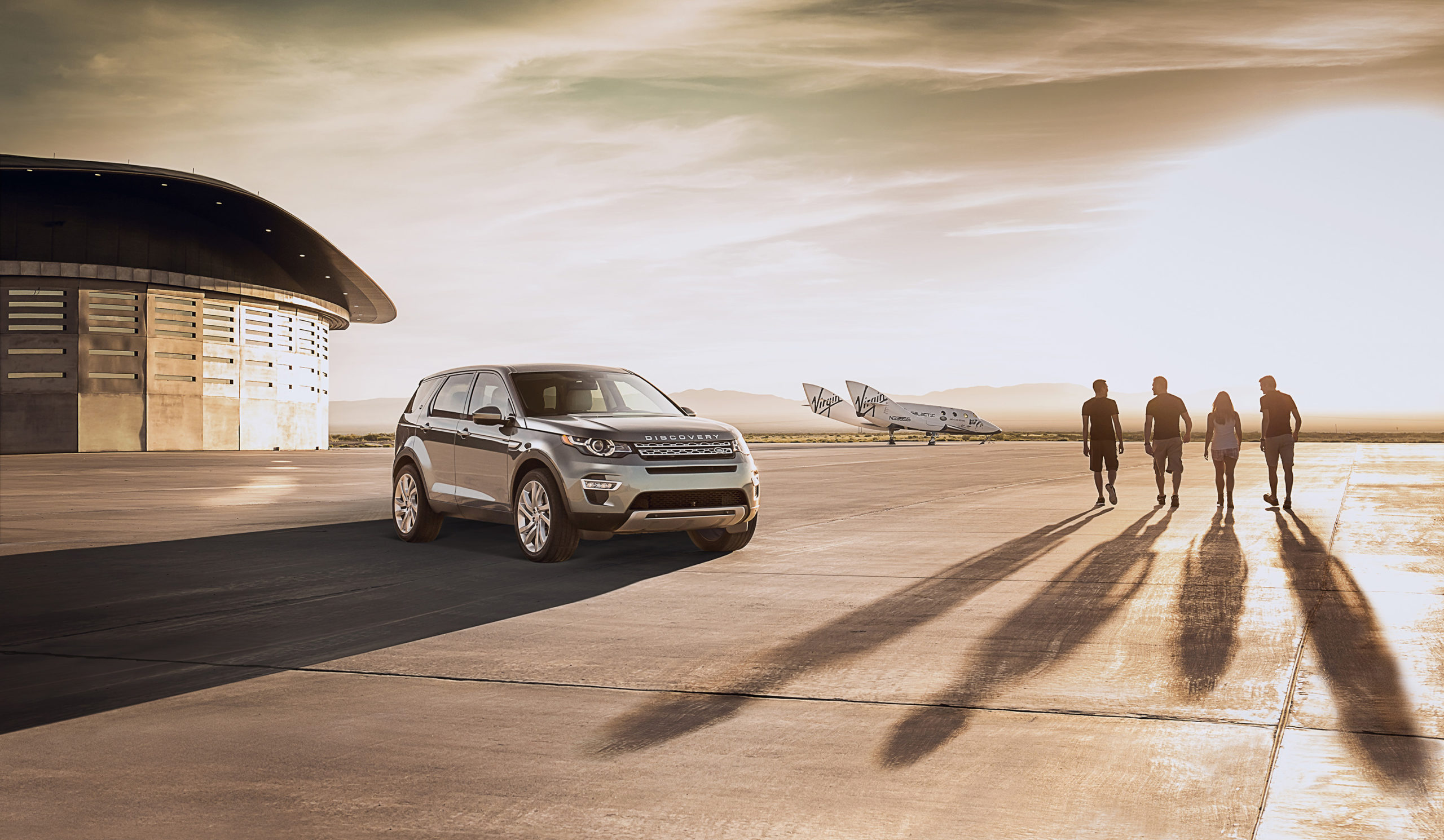
    Land Rover is offering one lucky buyer a once-in-a-lifetime chance for a free space flight with Virgin Galactic. Land Rover has had close ties with Virgin Galactic dating back to 2014. The car manufacturer has provided its vehicles to the latter for use as transport and even as the towing vehicle for Virgin Galactic’s spaceship. The two brands extended their partnership in early 2021 with Virgin Galactic logging its first successful fully-manned flight into space a few months later.

    The carmaker in partnership with Virgin Galactic has launched an ‘Adventure of a Lifetime’ sweepstake in the United States. While lower prizes from the sweepstakes include a drive at Land Rover’s experience center, branded merchandise, and more it’s the grand prize that is true ‘out of this world’. One lucky Land Rover owner will get an all-expenses-paid trip to space aboard the Virgin Galactic spacecraft through the date of the space flight has not been revealed.

    However, there is a catch. The ‘Adventure of a Lifetime’ sweepstakes is only applicable to legal residents of the United States over the age of 18. People wanting to enter must either own a Land Rover and register on the sweepstakes webpage (single entry) or place an order (you earn 50 entries) or buy a Land Rover (you earn 100 entries) by June 20, 2022.

    Virgin’s space flight lasts for a duration of 90 mins with the space ship briefly touching the edge of space to offer flyers a zero-G experience before re-entering the atmosphere to land. Virgin Galactic has actually commenced offering tickets for manned space flights aboard its spacecraft with the total cost of the reservation being an eye-watering $450,000 ( ₹ 3.44 crore approx).

  • Ford Doubles Down On Electric Vehicle Push In Europe

    Ford Doubles Down On Electric Vehicle Push In Europe

    U.S. carmaker Ford on Monday unveiled plans for seven new electric models in Europe, a battery-assembly site in Germany and a nickel cell manufacturing joint venture in Turkey as part of a major electric vehicle (EV) push on the continent. “Our march toward an all-electric future is an absolute necessity for Ford to meet the mobility needs of customers across a transforming Europe,” said Stuart Rowley, chair of Ford of Europe. Ford said it would introduce three new electric passenger vehicles and four new electric commercial vehicles in Europe by 2024, adding it plans to sell more than 600,000 EVs in the region by 2026.

    This, Ford said, would help it reach its global goal of selling more than 2 million EVs a year and achieving an adjusted operating profit margin of 10% by 2026.

    The strategy update for Europe comes shortly after Ford announced a $50 billion investment push to kick-start electrification that also includes running its EV unit separately from the group’s legacy combustion engine business.

    As part of its push, Ford deepened its existing partnership with Volkswagen under which the U.S. carmaker will produce a second electric vehicle for the European market based on its German rival’s platform.

    Ford will as a result double its planned volume of vehicles to be produced based on Volkswagen’s modular electric-drive platform, known as MEB, to 1.2 million units over a six-year timeframe.

    This will include investments of $2 billion at Ford’s Cologne site in Germany as well as a new battery assembly facility scheduled to start operations in 2024.

    Ford also said it has signed a non-binding memorandum of understanding with SK On Co, a unit of South Korea’s SK Innovation, and Turkey’s Koc Holding for a joint venture to manufacture high nickel NMC cells for assembly into battery array modules.

    Under the strategy update, Ford Otosan, Ford’s joint venture with Koc Holding, will buy the U.S. carmaker’s plant in Craiova, Romania for 575 million euros ($630 million) to further boost electric and commercial vehicle capacity.

  • Tesla Raises Prices For Second Time In Days On Rising Costs

    Tesla Raises Prices For Second Time In Days On Rising Costs

    Tesla raised its prices in China and the United States for the second time in less than a week, after CEO Elon Musk said the U.S. electric carmaker was facing significant inflationary pressure in raw materials and logistics. The increases come as costs of raw materials are surging, exacerbated by supply chain disruptions following Russia’s invasion of Ukraine.

    Prices of metals used in cars have soared, including aluminum that is used in the bodywork, palladium used in catalytic converters, and nickel and lithium that power electric vehicle (EV) batteries. The costs have raised concerns about EV economics, as legacy automakers and startups prepare to launch new cars on the back of a long semiconductor supply crunch that is still knocking production at companies including Toyota and Volkswagen.

    Tesla, which has a diversified supply chain, has bought “millions of euros worth of aluminum” from Russian aluminium giant Rusal, CNBC reported on Monday, citing internal documents.

    Rusal’s billionaire founder Oleg Deripaska has been sanctioned by Britain.

    Tesla bought Rusal aluminum for casting parts at its new vehicle assembly plant outside of Berlin for the Tesla Model Y, among other things, CNBC said.

    Tesla received a conditional go-ahead for its 5 billion euro ($5.5 billion) German gigafactory earlier this month after months of delay.

    Tesla and Rusal did not immediately respond to emails seeking comment.

    “Tesla & SpaceX are seeing significant recent inflation pressure in raw materials & logistics,” Musk tweeted on Monday, referring to his rocket company. “And we are not alone,” he said.

    Tesla raised prices on Tuesday for all its models in the United States by 5%-10%, its website showed. In China, it raised prices of some China-made Model 3 and Model Y products by about 5%.

    Last week, the company increased prices of its U.S. Model Y SUVs and Model 3 Long Range sedans and some China-made Model 3 and Model Y vehicles.

  • Tesla’s Long-Delayed German Gigafactory Gets Conditional Green Light

    Tesla’s Long-Delayed German Gigafactory Gets Conditional Green Light

    Tesla Inc received a conditional go-ahead for its German gigafactory near Berlin on Friday, the state of Brandenburg said, ending months of delay for the 5 billion euro ($5.5 billion) landmark plant. The gigafactory, which is crucial to Tesla Chief Executive Elon Musk’s ambitions to vanquish European market leader Volkswagen, was initially supposed to open last summer. Germany’s largest automaker has the upper hand in Europe, with a 25% share of electric vehicle (EV) sales to Tesla’s 13%.

    First Counsellor of the Oder-Spree district Sascha Gehm, Brandenburg Economy Minister Joerg Steinbach, Brandenburg State Premier Dietmar Woidke, Brandenburg Environment Minister Axel Vogel, and Gruenheide Mayor Arne Christiani attend a news conference following a court hearing on the Tesla car plant, in Potsdam, Germany

    Brandenburg state premier Dietmar Woidke told a news briefing that the development marked “a big step into the future”, adding that the Tesla plant would be a major industrial and technological driver for Germany and the region.

    Around 2,600 of the plant’s expected 12,000 workers have been hired so far, unions said last month, and Tesla is in talks with numerous parts suppliers in the region to source as much as possible locally, lowering waiting times and costs.

    Underlining the intense competition facing Tesla, Volkswagen said on Friday it would spend about 2 billion euros on a new factory near its Wolfsburg headquarters to make the Trinity, the first of a new generation of electric vehicles for the German carmaker, with construction due to start next year.

    Friday’s 536-page conditional building permit for Tesla does not mean the U.S.-based EV pioneer can start production right away. It must first prove that it fulfils numerous conditions, including in water use and air pollution control.

    Only then will Tesla get its long-awaited operating permit and actually start rolling out the 500,000 battery-powered vehicles it wants to produce each year at the new plant, located in the small community of Gruenheide.

    Another hurdle to secure the site’s water supply emerged late on Friday, when a Frankfurt Oder administrative court sided with environmental groups who had challenged a licence given to a local water utility to supply the Tesla site.

    But the court said the procedural errors made in the licencing decision could be remedied by the water utility, leaving open the door for the water supply arrangement to be salvaged.

    Kickstarting production in Germany would mean Tesla can deliver its Model Y cars to European customers faster and more cheaply, after meeting orders in Europe from its Shanghai factory in recent months as it awaited approval for the site.

    Tesla plans to show that it meets the imposed conditions within the next two weeks, Brandenburg’s environment minister Axel Vogel said, while objections can be filed over the next month.

    Tesla’s next challenge will be to scale up production as quickly as possible, which Musk said at a fair on-site in October would take longer than building the factory.

    Local environmental groups have long feared that the plant will negatively impact local habitat. Numerous public consultations, focusing primarily on that aspect, delayed the process, with Musk expressing irritation on multiple occasions over German bureaucracy.

    The factory, which Tesla has begun constructing under pre-approval permits, will also include a battery plant capable of generating more than 50 gigawatt hours (GWh) per year – outstripping European competitors.

    Batteries for cars produced on-site will initially come from China, Musk said, but he intends to reach volume production at the German battery plant by the end of next year.