Tag: car

  • Audi India To Launch At Least Three More Cars This Year

    Audi India To Launch At Least Three More Cars This Year

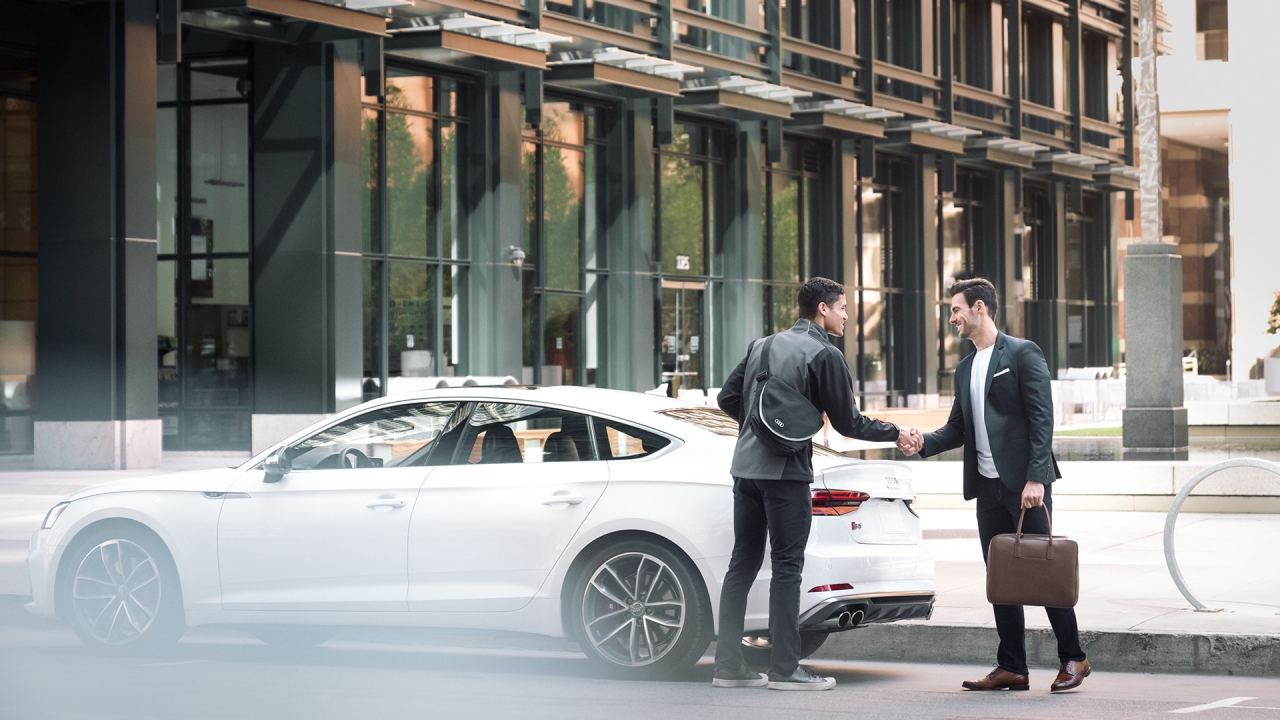
    German luxury carmaker Audi is likely to launch at least three more cars in India this year. The company launched the new Audi RS 5 Sportback in India, its fifth model after the A4 facelift, S5 Sportback, the all-electric e-tron and e-tron Sportback. During a post-launch interaction, Balbir Singh Dhillon, Head of Audi India hinted that the Ingolstadt-based carmaker has a strong product strategy in place for India, and as many as three more launches can be expected before the end of 2021.

    When asked about upcoming product launches Dhillon said, “Last month we did three cars launches, and (RS 5 Sportback) this month, and very soon we’ll again be facing each other with another launch, then another launch, and then another. So, successively you’re going to see many more cars coming.” In July Audi launched two variants of the all-electric e-tron – e-tron 50 and e-tron 55, along with its coupe version, the e-tron Sportback 55. And this month, the company has launched the Audi RS 5 Sportback.

    While Balbir did not mention which models are coming to our shores, we can expect at least one of them to be an electric car. In July, post the launch of the e-tron range, Dhillon told carandbike that the company will bring at least one more electric car to India this year. While details regarding the upcoming EV model were not shared, globally the e-tron GT and the RS e-tron GT four-door coupe sedans are the only electric models on sale, apart from the e-tron SUVs. So, chances of one of them, or both coming to India are very much plausible.

  • Car dealers’ profits soar

    Car dealers’ profits soar

    Auto dealers reported three- and even four-digit growth in net profits year-on-year in the first half of the year amid a surge in demand.

    Saigon General Service Corporation (Savico) reported profits of more than VND140 billion, a 487-percent rise, on consolidated revenues of over VND7 trillion ($304.3 million).

    Hang Xanh Motors Service Joint Stock Company (Haxaco), a major dealer for Mercedes-Benz, merely said profits grew in triple digits to VND61.5 billion.

    Truong Long Auto & Technology Joint Stock Company reported growth of 650 percent.

    Ford dealer City Auto Corporation said profits were up 3,300 percent at VND17 billion.

    TMT Motors Corporation reported profits of VND21 billion, up 1,650 percent.

    The strong profit growth somewhat reflected a recovery in the market, with Hang Xanh saying sales in the second quarter rose by 20 percent year-on-year.

    According to the Vietnam Automobile Manufacturers’ Association, its members sold over 135,600 vehicles in the first half, up 32 percent. The numbers do not include the sales of Audi, Jaguar Land Rover, Subaru, Volkswagen, Volvo and some others, who did not reveal their numbers.

    According to the General Department of Vietnam Customs, the country imported over 81,100 complete built-up vehicles in the six-month period, a 100.5 percent increase.

    But dealers expect a gloomy market in the second half, mainly due to the impact of Covid-19.

    Saigon General Service Corporation said the pandemic would have a strong impact on sales in the third quarter.

  • Mercedes-Benz Inks Pact With DSEU For Mechatronics Programme

    Mercedes-Benz Inks Pact With DSEU For Mechatronics Programme

    Mercedes-Benz India will offer a one-year Advanced Diploma in Automotive Mechatronics and also extend apprenticeship and placement support to students of the Delhi Skill and Entrepreneurship University (DSEU), the varsity said in a statement. The Delhi government-run university has signed a Memorandum of Understanding with Mercedes-Benz India to offer the highly specialised course under the Auto Mechatronics Research Centre (AMRC) at the DSEU Okhla campus, according to the official statement.

    The course will nurture future automobile engineers and provide experiential learning, it added.

    At the MoU exchange ceremony, Shekhar Bhide, Vice President, Customer Services & Corporate Affairs, Mercedez-Benz India said, “The course curriculum will include training in electrical and electronics technology embedded systems, advanced automobile systems engineering which will assist a holistic development of students.”

    He emphasised that the trainers will also be benefitted from the course from capacity-building exercises.

    “Both students and trainers will attend guest lectures, go on field visits, and be encouraged to enrol for apprenticeship,” he added.

    It is understandable that in today”s day and age, students are most concerned about placement when they complete a course, and hence, Mercedes-Benz India with DSEU will extend placement support to all students, he said.

    The admissions to the course are expected to be announced next month, the statement said.

    DSEU Vice Chancellor Neharika Vohra said the faculty as well as its students will greatly benefit from the course and get insights of the field from an entirely new perspective.

    “Many students have a childhood dream to design and develop their own cars. However, this dream never comes true for many. Through this partnership, the university desires to provide a platform for students to achieve their dreams while also assisting them in becoming future entrepreneurs and leaders,” she said.

    The training will include a factory visit to Mercedes Benz Pune plant.

    The Advanced Diploma in Automotive Mechatronics (ADAM) course, an initiative by Mercedes-Benz India, will fulfil the requirement for superlative service in the automotive sector and train aspiring engineers on latest automotive technology using latest, world- class tools and equipment, the statement said.

  • China’s Electric Vehicle Makers Report Strong July Sales

    China’s Electric Vehicle Makers Report Strong July Sales

    Electric vehicle sales at China’s Li Auto and Xpeng Inc more than tripled in July from a year ago, while they doubled at Nio Inc, helped by robust demand for new energy automobiles in the world’s biggest auto market.

    The rise in July deliveries comes at a time when electric car makers have been expanding manufacturing capacity in China, encouraged by the country’s policy of promoting greener vehicles.

    U.S.-listed shares of Xpeng surged as much as 8.9% to a near two-week high of $44.12, Li Auto rose as much as 6.1% to a one-month high of $35.44, while Nio gained as much as 4.7% at $46.78.

    Nio, Li Auto and Xpeng compete with U.S. electric car maker Tesla, which dominates the EV market in China.

    Nio, the maker of the ES8 and ES6 electric sport-utility vehicles, said it delivered a total of 7,931 vehicles in July, up 124.5% from a year earlier. Deliveries had more than quadrupled in July 2020.

    Xpeng, which makes the P7 sedan and G3 sport-utility vehicles, said its July deliveries jumped 228% to 8,040 vehicles.

    Li Auto, the producer of Li ONE SUVs, said it delivered 8,589 Li ONEs last month, an increase of about 251%.

    The strong sales numbers for the EV makers come as a global recovery in auto sales is being threatened by chip shortage that has forced automakers around the world to adjust assembly lines, cut productions and shutter factories.

  • Tesla AutoPilot Stops Car After Driver Passes Out At The Wheel

    Tesla AutoPilot Stops Car After Driver Passes Out At The Wheel

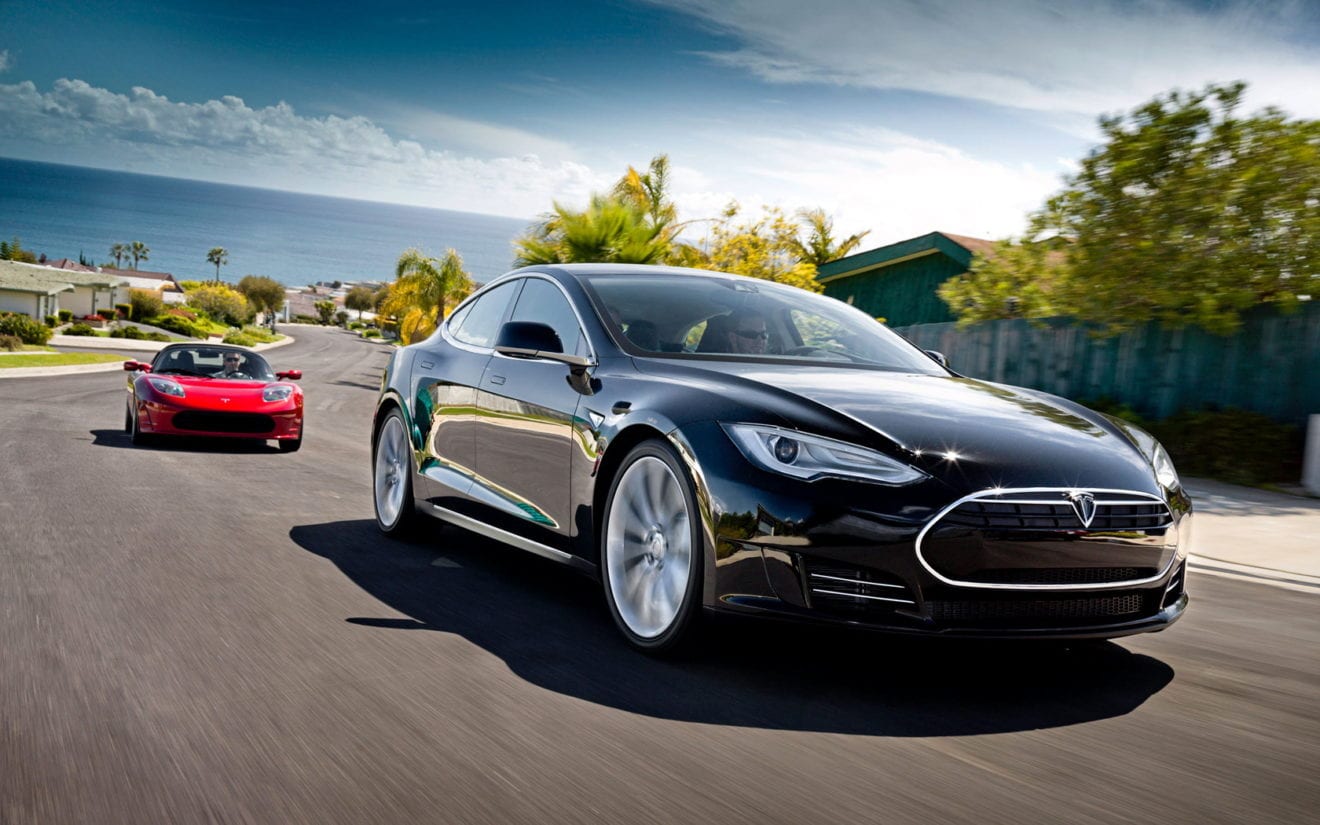
    Tesla has been talking about its AutoPilot level 2 autonomous driving technology for years. It is also transitioning to Tesla Vision which will just use cameras and its computer vision algorithms. Now, its driver-assist system has done it again – this time around stopped the car after a drunk driver in Norway passed out on the wheel. The incident happened on July 30. Many motorists passed the Tesla Model S which was on the road when the driver was unconscious on the wheel. The car was followed and filmed while he had his head down for over a minute before AutoPilot kicked in and stopped the car itself. Many motorists stopped by the car who tried to wake up the driver but he was still unconscious.

    Then the police came to the scene and found that the 24-year-old driver was unconscious because he was drunk. The police also revealed that the driver denied driving.

    “At 0540; a Tesla stops in the tunnel. It turns out to be a man 24 years old who has fallen asleep behind the wheel. He is also drunk but stubbornly denies driving. Although there is a video of him from the car … Necessary samples have been taken,” the police said in a statement. Many times before drunk drivers have used AutoPilot as an excuse to avoid drunken driving charges by claiming the system was driving the car not them. Tesla needs the driver’s hands to be on the steering wheel to make sure they are conscious of the wheel.

    It has also cameras inside the car to make sure that the driver is paying attention to the road. It also sends out alerts to the driver and if the vehicle detects torque isn’t being applied to the wheel – but when alerts are repeatedly ignored it slows down the car makes it stop at the side of the road.

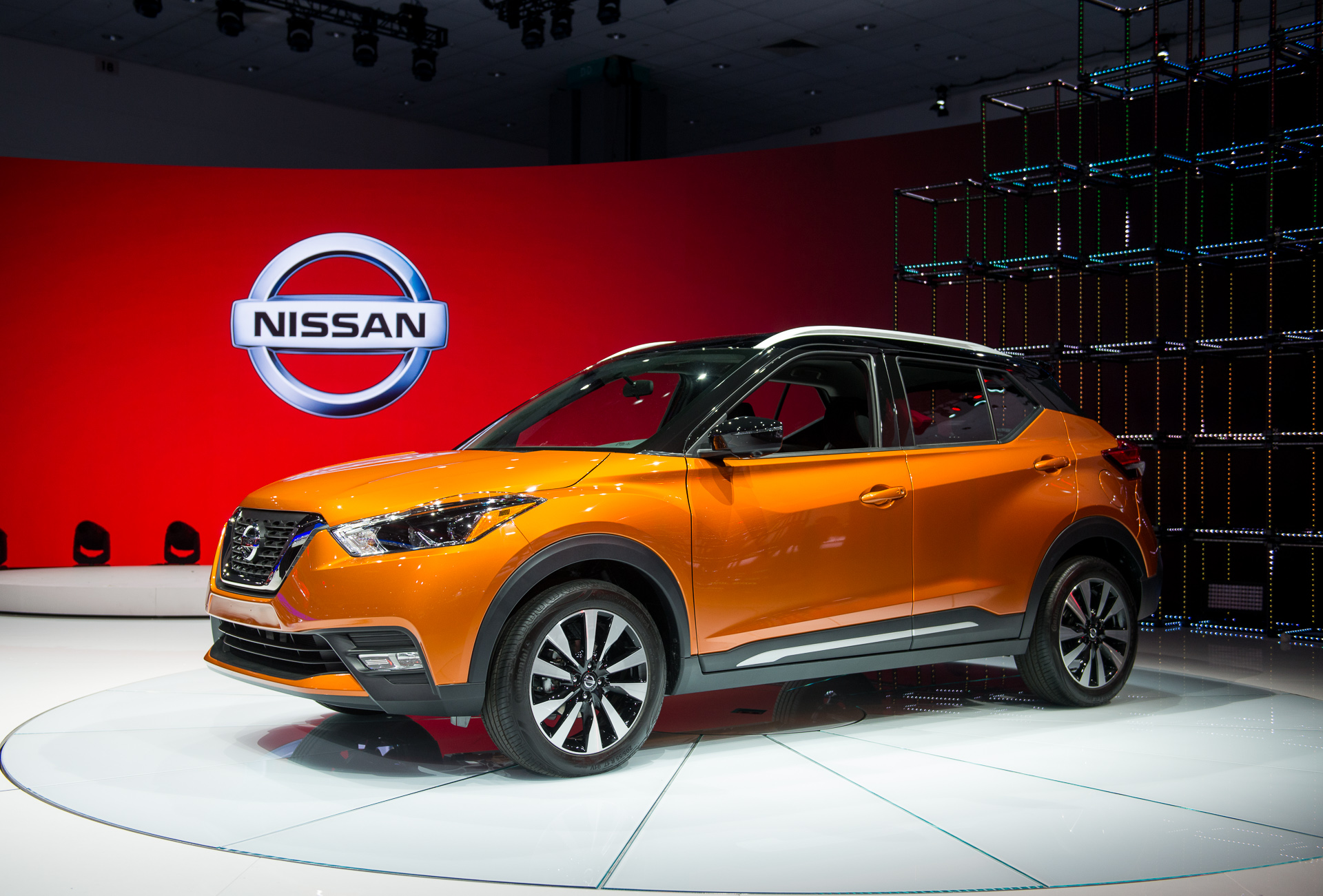
  • Nissan Raises Earnings Outlook, Optimistic Chip Crunch Will Ease

    Nissan Raises Earnings Outlook, Optimistic Chip Crunch Will Ease

    Japanese automaker Nissan Motor Co on Wednesday raised its earnings outlook for the year, helped by a weaker yen and favorable demand in the United States and China, after reporting a surprise first-quarter operating profit. The company also warned that a global shortage of semiconductor chips will significantly hurt sales volume in the July-September quarter, but added that demand for its newly launched, pricier models will mitigate the impact on profits.

    Nissan hopes to make up for production and sales losses during the latter half of the fiscal year ending March 2022 and expects semiconductor shortages to ease during that period, Chief Operating Officer Ashwani Gupta told reporters.

    “Nobody has got a crystal ball. Nobody. But there are some assumptions,” he said, referring to an expected easing of the crisis, partly because a fire-hit Renesas Electronics chip plant in Japan is functioning again.

    Nissan, Japan’s No. 3 carmakers, maintained its global sales target of 4.4 million vehicles that it had set for the year in May.

    Nissan sold 1.048 million vehicles in April-June, up 63% from a year earlier, when global demand was hit by the COVID-19 pandemic. It sold 378,000 vehicles in North America (U.S., Canada and Mexico), up 70% from a year earlier, while sales in China totaled 352,000 vehicles, a 71% increase.

    Sales in the United States totaled 298,000 vehicles, up 68% from a year earlier.

    Chief Executive Makoto Uchida said Nissan will have to live with business uncertainties, including higher raw materials costs, for the remainder of the year.

    The auto industry has been grappling with a months-long shortage of semiconductor chips, which has forced them to cut production and delay car deliveries.

    Some companies such as Stellantis, owner of brands including Peugeot and Jeep, have said they expect the shortage to easily drag into next year.

    Some, though, like Taiwan chipmaker TSMC and Volkswagen said they are seeing some signs that the crunch is easing.

    Despite that, Nissan had a good start to the year, Gupta said, attributing the surprise first-quarter profit partly to the company efficiently managing supply chains and strategically using its chip stockpile, minimizing the impact of the shortage.

    Nissan reported an operating profit of 75.68 billion yen ($688.6 million) for the first quarter ended June 30. Analysts had expected a loss of 42.72 billion yen, according to Refinitive SmartEstimates.

    For the year ending March 2022, Nissan now expects an operating profit of 150 billion yen. In May, the company had forecast that it would break even in the period.

  • Tesla Hikes Electric Car Prices In U.S.

    Tesla Hikes Electric Car Prices In U.S.

    Tesla Inc showed signs of divergent strategies in the world’s two biggest automotive markets, raising prices to boost profit margins in the United States while keeping prices steady in China and hoping to grow sales there. Tesla raised prices for the most affordable versions of Model 3 and Model Y about a dozen times this year in the United States, according to data tracked by Reuters. At the same time, Tesla recently introduced an affordable Model Y version in China, where it refrained from price hikes. Tesla posted record vehicle deliveries in the second quarter, and the price increases in North America boosted quarterly profits to a record.

    But in China, the world’s biggest electric vehicle (EV) market, Tesla faces competition from local rivals and problems that include product recalls, high-profile protests by consumers and pressure from regulators. Bernstein analyst Toni Sacconaghi said introduction of the lower-priced Model Y in China “may make sustained margin improvement difficult” for Tesla and raises questions about “the health of Chinese demand.” A study by Bernstein analysts found Tesla owners in China were less enthusiastic and had lower repurchase intentions than owners in the United States and Europe.

    Tesla raised prices for Model Y Long Range at least six times in the United States this year, bumping by $5,500 to $53,990. In China, the world’s most valuable carmaker raised prices of the Model Y SUV and Model 3 sedan only once this year. The Model Y version has a price tag of 276,000 yuan ($42,394). The company also has launched promotional campaigns in China such as loan offers.

    “I think Tesla is looking to be as competitive as it can be in China. Lower prices will be a part of that aggressive market positioning,” Roth Capital Partners analyst Craig Irwin said. “There is a very large difference in battery prices in the U.S. and China, as well as local vehicle manufacturing costs.”

    Tesla started production at its Shanghai factory in late 2019. It has boosted sourcing of cheaper local components, including batteries from China’s CATL and LG’s Chinese factory. “It wasn’t so long ago that the group was trimming prices in the U.S. to gain scale and maximize profitability, and it feels like we’re now seeing that in China too,” Hargreaves Lansdown analyst Nicholas Hyett said. The low cost of producing local EVs in China would have a lasting effect for Tesla, said Gene Munster at Loup Ventures.

    “Teslas are on average 3x the cost of a typical EV made in China so they have to be priced less than the U.S. to compete,” Munster said. “Prices of Teslas in China will be below (the) rest of the world for the next decade.” Tesla also cut costs and boosted margins in the U.S. market by getting rid of some parts like a radar sensor and lumbar support. Tesla shares closed up 0.3% on Wednesday after falling the previous session.

    In China, Tesla’s share slipped to 11% in the battery electric vehicle market, which excludes plug-in hybrid cars, in the second quarter from 18% a year earlier, according to GLJ research. But data from Morgan Stanley showed Tesla still held a U.S. battery-electric market share of nearly 70% as of February, although that was down from 81% a year earlier.

    China accounts for 44% of the global EV market, a much bigger share than the 17% held by the United States.

    In China, Tesla faces competition from electric vehicle makers like Nio Inc and Xpeng Inc. In the United States, Tesla’s brand is stronger and its main rivals are legacy automakers like Ford and General Motors, which generate only a fraction of their sales from EVs.

    Tesla CEO Elon Musk has reiterated that the company’s mission is to make electric cars affordable and has blamed vehicle price increases on a shortage of chips and raw materials.

    Tesla is coping with the chip shortage by using alternative chips and rewriting software, Musk said.

    He provided a cautious outlook for chip shortage. “It does seem like it’s getting better,” he said on the second-quarter earnings call, but added: “it’s hard to predict.”

  • Toyota Extends Battery Warranty On Camry, Vellfire To 8 Years In India

    Toyota Extends Battery Warranty On Camry, Vellfire To 8 Years In India

    In line with its commitment to encourage the adoption of electrified vehicles, Toyota Kirloskar Motor today announced the extension of battery warranty for its Self-charging Hybrid Electric Vehicles (SHEVs) in India. Currently, the company offers only two cars with hybrid technology and that’s the Camry and the Vellfire. The warranty is extended from the existing three years or 100,000 kilometres to eight years or 160,000 kilometres (whichever comes first). Both cars sold with effect from August 1, 2021, will come with this warranty.

    Toyota was the first carmaker to bring hybrid electric vehicles to the Indian market with products such as the Prius and Camry. The Camry has been a very successful car for the company in India, so much so that the new model which was launched a couple of years ago, was brought to India in a hybrid-only avatar.

    V. Wiseline Sigamani, Associate General Manager (AGM), Sales and Strategic Marketing, Toyota Kirloskar Motor said, “Hybrids can run 40% of the distance and 60% of the time as an electric vehicle with a petrol engine shut off, as proven in a study by iCAT, a Government testing agency. This gives hybrids tremendous fuel efficiency improvements of 35 to 50% and much lower carbon emissions. In India, over the years (cumulative), sale of Toyota Camry Hybrid vehicles alone has resulted in CO2 emission reduction of over 18 million kilograms and fossil fuel savings of over 7.6 million litres.”

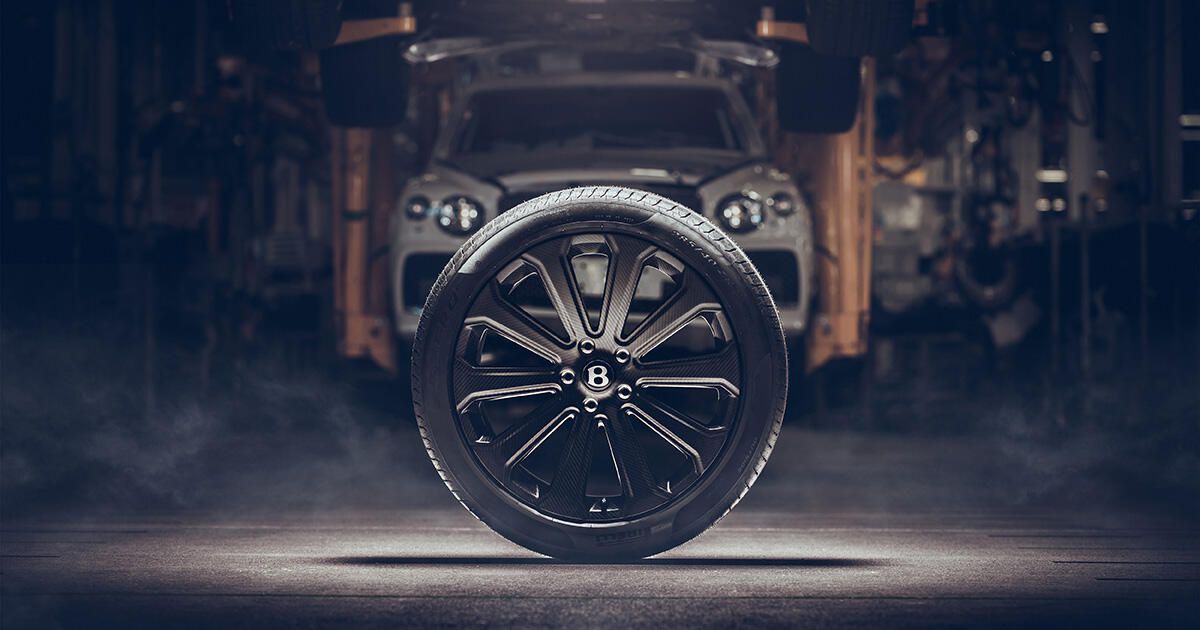
  • Bentley Develops 22-Inch Carbon Fibre Wheel For The Bentayga

    Bentley Develops 22-Inch Carbon Fibre Wheel For The Bentayga

    After years of development with leading composite suppliers, Bentley has announced a new carbon fiber wheel developed specifically for the Bentayga. The 22-inch carbon wheel, engineered with renowned specialists Bucci Composites, is to be the largest carbon wheel in production in the world and offers a vast range of benefits beyond the initial 6 kg improvement in unsprung mass per wheel.

    The new carbon wheel has been subjected to the exceptionally rigorous TUV (Technischer Uberwachungsverei – Technical Inspection Association) standards and is the first carbon wheel ever produced to pass all tests. The newly developed rim has undergone the most rigorous testing for non-metallic wheels according to the new TUV standards including biaxial stress testing, radial and lateral impact testing for simulating potholes and cobblestones, tire overpressure, and excessive torque tests exceeding the permitted limits.

    One of the most severe tests of the TUV requirements – the impact test – has shown how the carbon rim is extremely safe in addition to the performance benefits. After a severe impact that would crack or shatter an aluminum wheel, causing the tire to collapse explosively, the carbon fiber rim allows a slow tire deflation thanks to the intelligent layering of fiber weaves, allowing the vehicle to come to a controlled, safe stop. For the final sign-off stage, the wheel was put through its paces on one of the most famous tracks in the world – the Nurburgring Nordschleife and it passed that test with flying colors.

    The new wheel will be available to order from later this year

  • Hyundai Pitches For Import Duty Cut On Electric Vehicles

    Hyundai Pitches For Import Duty Cut On Electric Vehicles

    Any duty rate cut by the government on imported electric vehicles would be very beneficial as it would help automakers generate much-needed volumes and reach some viable scale, South Korean auto major Hyundai said on Tuesday. The automaker, which inaugurated its new corporate headquarters here, supported the demand of the American electric car major Tesla which has sought to lower of duties on imported EVs. Hyundai noted that support from the government in terms of taxation and the creation of country-wide charging infrastructure were the two most critical factors to grow the EV segment in India.

    “We have heard that Tesla is seeking some duty cuts on imports of CBUs. So, that would be very helpful for the OEMs to reach some economy of scale in this very price competitive segment,” Hyundai Motor India MD and CEO S S Kim told reporters here. Till the time companies are able to localize EV components and other infrastructure, EV imports could help generate some market in the country, he added.

    “It will take OEMs time to localize EVs by 100 pc. We are developing Made in India affordable mass-market EV but at the same time if the government allows some reduction in the duty on imported CBUs that would be very helpful for all of us to create some market demand and reach some scale,” Kim noted.

    At present, cars imported as completely built units (CBUs) attract customs duty ranging from 60 percent to 100 percent, depending on engine size and cost, insurance and freight (CIF) value less or above USD 40,000. Last week Tesla Chief Executive Officer Elon Musk had said that the company may set up a manufacturing unit in India if it first succeeds with imported vehicles in the country. He, however, said at present import duties in India are ”the highest in the world” and is hoping for ”at least a temporary tariff relief for electric vehicles”.

    Interacting on Twitter with followers who asked him to launch Tesla cars in India, Musk said, “We want to do so, but import duties are the highest in the world by far of any large country!” Musk further said, “Clean energy vehicles are treated the same as diesel or petrol, which does not seem entirely consistent with the climate goals of India.” He, however, said, “We are hopeful that there will be at least a temporary tariff relief for electric vehicles. That would be much appreciated.”

    Asked by a follower if Tesla could start with local assembly in India, Musk said, “If Tesla is able to succeed with imported vehicles, then a factory in India is quite likely.” Kim noted that the domestic market is ready for electric two- and three-wheelers but it may take some time before four-wheelers gain a foothold. “We need some more support from the government in terms of tax and some incentives. From our experience in various global markets, such as South Korea, China and some European countries, we know that in India there still remains the anxiety related to charging infrastructure and the pricing of EVs,” he stated.

    Range anxiety is a very serious matter from a customer viewpoint, he said. Kim noted that in order to make EVs affordable, the government can offer subsidies under the FAME scheme to private customers as well. He added that with government support the industry can reach some level of scale in two years.

    “If we have some meaningful support, even for the private customer, that would be very helpful. Also the tax reduction will be great for the customer. If the demand is there and the market is starting to grow, I think that in two years we can reach a meaningful point in terms of scale and from that point we can manage,” Kim noted. “Until we reach that point we need support from the government and that would be very critical for the segment,” he added. He said that the company can look at two options for rolling out EVs in India.

    “Either we can find some local partner here or we can bring some global partner here. When we entered India 25 years ago we brought 50 tier 1 vendors with us. Now they operate on a global basis from here. We want to set up this kind of ecosystem here. So we are studying various options,” Kim said.

    On developing charging infrastructure in the country, he noted that the company could take some measures but it would be very limited in scale. “Not only reduction in duties but more investment on charging infrastructure from the government would be critical for the future of EV market in the country. The customer is most concerned about the range and charging options. In this regard we need some very strong support from the government,” he added. On introducing the EV model Ioniq in the country, Kim said, “Ioniq is a great looking and performance vehicle. We are studying the feasibility of the model. If the market and the customer want that vehicle we can try to bring it.”

    The company currently sells only Kona Electric SUV in the country. It is said to be working to locally develop its second EV model which would be on the affordable side. On new corporate headquarters, Kim said the company has invested over Rs 1,000 crore on the project till date. “This new building stands as a symbol of the company”s journey of togetherness with the people of India,” he noted.

    When asked if the company would also consider Haryana to set up its next factory in the country, Kim said: “In the coming two years we have no issues in meeting the demand (from Chennai plant) so after that, if we need some more capacity we will work out some strategy at that time. Any place could be a good candidate but it would be based on things like procurement, supplier chain and availability of labor force etc.”

    The new corporate office, with a built-up area of over 28,000 square meters, was inaugurated by Haryana Chief Minister Manohar Lal. Interestingly, Maruti Suzuki India Managing director Kenichi Ayukawa, who is also the SIAM President currently, also attended the inauguration ceremony. Speaking at the occasion, the chief minister said the state government is providing all kinds of support to corporates willing to invest in the state.

    Hyundai Motor India Director (Sales, Marketing and Service) Tarun Garg noted that there has been a shift towards personal mobility due to the ongoing pandemic. “We are witnessing good traction right now…it seems that July this year probably the industry would be somewhere around July 2018 which is a positive sign. At the same time there are concerns like fuel prices, a third wave of COVID, there are issues regarding supply chain. There are still various challenges. So we are taking it month by month and let”s see how it goes,”he noted when asked about the demand scenario in the domestic market.

    Since its entry into Indian market in 1998, Hyundai has invested over Rs USD 4 billion in the country. From selling one model in 1998, it now sells 12 models in the country with a market share of 17 percent in the passenger vehicle segment.

    0Comments
  • Electric cars fail to get charged up without policy support

    Electric cars fail to get charged up without policy support

    A lack of policies promoting battery production and building a charging station network is preventing the electric car market in Vietnam from hitting the road running.

    At the end of March, automaker VinFast began accepting pre-orders for its first electric cars. More than 4,000 orders were placed on the very first day.

    The company has requested several incentives for electric vehicle development, including scrapping special consumption tax and registration fees on electric cars for five years.

    Some brands have imported electric and hybrid vehicles into Vietnam earlier.

    In August last year, Toyota started selling its first hybrid cars in Vietnam with low fuel consumption, giving 100 km for 4.6 liters of fuel.

    Mitsubishi also distributed its i-MiEV cars in Vietnam in 2017 and installed charging stations in some localities. However, after 10 years of making efforts to distribute them to many different markets, the company has stopped manufacturing the vehicles now.

    Last year, around 1,000 electric and hybrid vehicles were sold in Vietnam, with the latter accounting for 99 percent. The figure for gas powered vehicles was over 296,000 units.

    The Ministry of Industry and Trade said in a recent report to the government that there has not been real support policy for electric cars.

    Apart from VinFast which is manufacturing the vehicles, foreign brands like Honda, Toyota and Mitsubishi have mostly been importing electric vehicles without any concrete plan to make them in Vietnam.

    Experts say that the lack of a systemic policy to support the industry concerning the manufacturing of battery, the development charging infrastructure, prices and emission.

    “Batteries need to have high durability and have quick charge function, while the charging station network should be widespread. These factors are what missing in Vietnam’s electric car industry,” said an expert in the auto industry who asked not be identified.

    VinFast is set to tackle these challenges with plans to set up over 2,000 charging stations nationwide by the end of this year.

    The industry ministry report said that prices for electric vehicles are not enticing enough compared to fuel vehicles.

    A 15 percent special consumption tax on electric cars, compared to 30-50 percent on fuel cars, is not enough to bring electric car prices down to an attractive level to customers, it said.

    Another challenge is electric vehicles will still be using coal-fired and oil-fired electricity which has high emission, as renewable energy is not stable and has high price tag, the it added.

    Dau Anh Tuan, head of the Vietnam Chamber of Commerce and Industry’s legal department, proposed that cars be applied a special consumption tax based on how much carbon dioxide they release into the environment, which will help encourage people to switch to electric vehicles.

    Policies should focus on supporting Vietnamese companies to make electric vehicles, not foreign ones, he added.

  • Tesla Launches Subscription Service For Advanced Driver Assistance Software

    Tesla Launches Subscription Service For Advanced Driver Assistance Software

    Tesla Inc said on Saturday it has introduced an option for some customers to subscribe to its advanced driver assistance software, dubbed “Full Self-Driving capability”, for $199 per month, instead of paying $10,000 upfront. Tesla has previously said its subscription service would generate recurring revenue and expand the customer base for pricy features including lane changing on highways and parking assistance.

    But the U.S. electric carmaker reiterated on Saturday that the current features “do not make the vehicle autonomous,” adding they “require a fully attentive driver, who has their hands on the wheel.””FSD capability subscriptions are currently available to eligible vehicles in the United States. Check your Tesla app for updates on availability in other regions,” Tesla said on its website.

    Tesla’s CFO Zachary Kirkhorn said in April that its planned subscription service would generate recurring revenue for the company, although “there could be a period of time in which cash reduces in the near term.”

    “If … you look at the number of customers who did not purchase FSD upfront or on a lease and maybe want to experiment with FSD, this is a great option for them,” he said during an earnings call in April.

    Tesla said the subscription service is available in vehicles equipped with Full Self-Driving computer 3.0 or above. It told customers that upgrading to the new hardware will cost $1,500.

    Tesla Chief Executive Elon Musk forecast in 2019 that robotaxis with no human drivers would be available in some U.S. markets in 2020. In March, Tesla told a California regulator that it may not achieve full self-driving technology by the end of this year.

    Tesla has been testing its new semi-autonomous driving software for city streets and last week released “FSD Beta v9” to a limited number of customers.

  • Tesla Propels 95 Per Cent Increase In EV Sales In The US

    Tesla Propels 95 Per Cent Increase In EV Sales In The US

    Tesla is the world’s largest EV maker and it is also the largest EV player in the US, considering the states are its home turf. So it shouldn’t come as a surprise that Tesla has propelled 95 percent of the increase in EV sales in the US as per a report by Experian.

    While this is true, its market share is coming down as traditional automakers start to deploy their EV solutions which are increasingly becoming competitive with Tesla. In 2020, Tesla accounted for 79 percent of all the electric vehicles registered in the states. But in 2020, the US was hit hard by the pandemic and it only managed an 11 percent increase in EV adoption in the US. That’s changed dramatically in 2021 and we have barely crossed the halfway mark for the year.

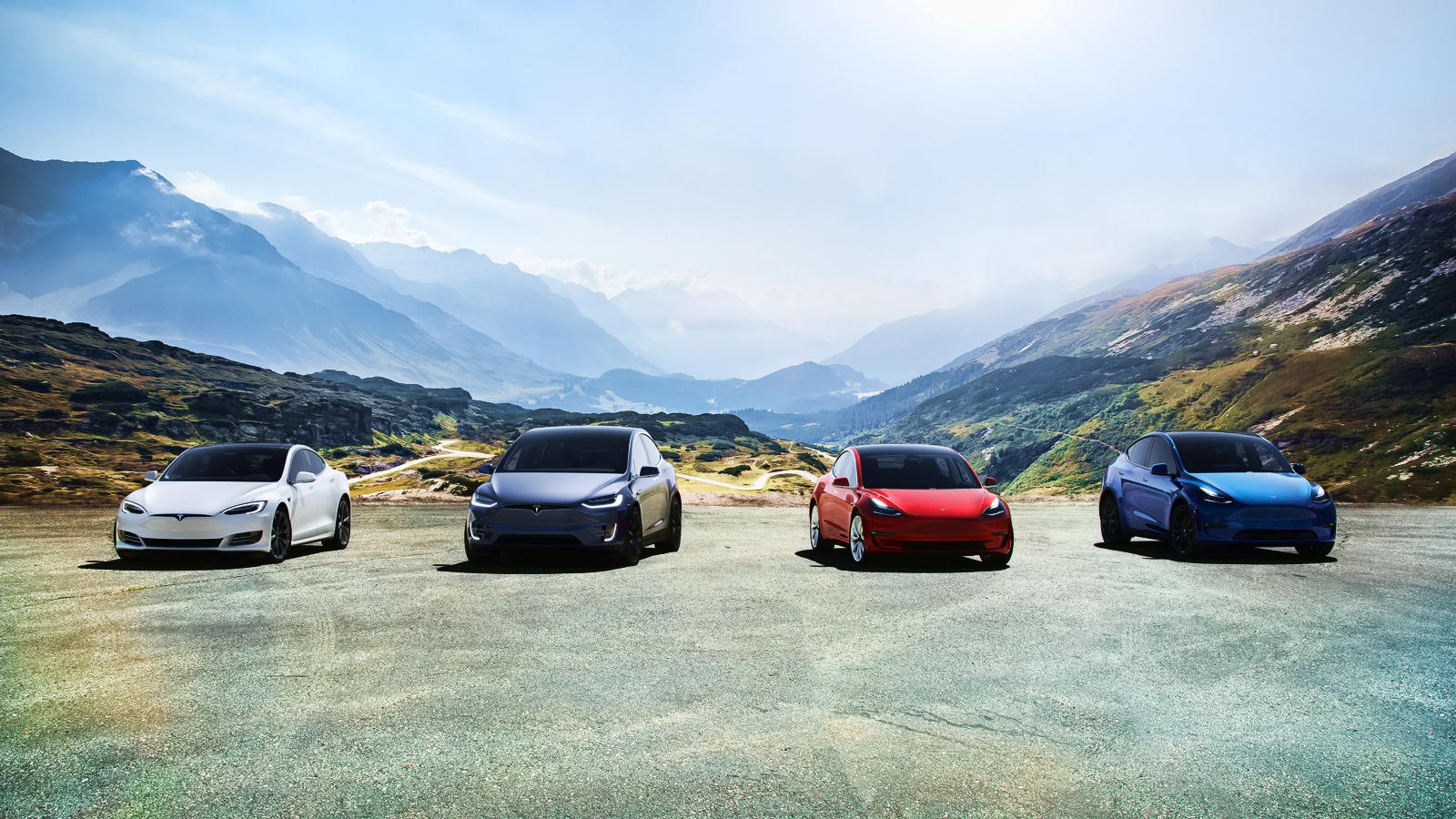
    Tesla’s market share has dropped to 71 percent thanks to the introduction of new EVs like the Ford Mustang Mach-E, the Audi E-Tron and the Porsche Taycan. Some older EVs like the Hyundai Kona, Nissan Leaf, and Chevrolet Bolt EV are also seeing increased traction which is why Tesla’s market share has dipped, but overall, the sale of its Model Y and Model 3 is booming.

    Likely, with new avatars of the Model S and Model X just launched they will also see more traction. The top-selling EVs list is restricted to data from between January to April 2021.

    1. Tesla Model Y: 53,102
    2. Tesla Model 3: 35,468
    3. Chevrolet Bolt EV: 13,611
    4. Ford Mustang Mach-E: 6,104
    5. Nissan Leaf: 5,023
    6. Audi e-Tron: 4,321
    7. Porsche Taycan: 3,002
    8. Hyundai Kona: 2,192
    9. Tesla Model X: 1,730
    10. Tesla Model S: 1,633

  • Dodge To Launch Its First All-Electric Muscle Car In 2024

    Dodge To Launch Its First All-Electric Muscle Car In 2024

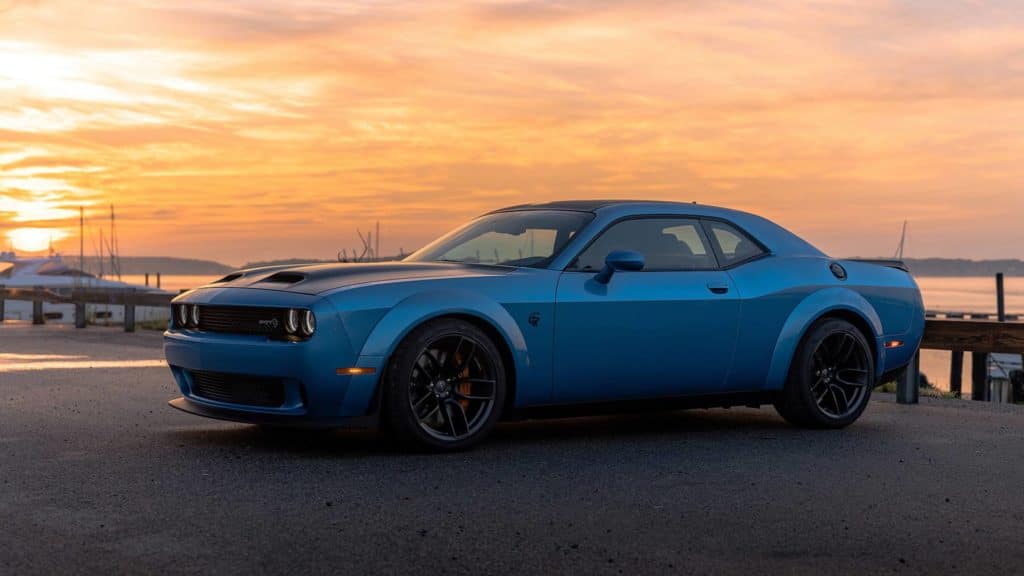
    Dodge, the American carmaker has announced that it will launch the world’s first full battery electric muscle car in 2024. Part of its parent company Stellantis’ larger plan to achieve electrification across its group brands, the new electric vehicle will mark the entry of the iconic muscle carmaker, which is known for its high-horsepower V8 engines, into the EV space. The announcement came as part of the Stellantis EV Day 2021, and the company has also teased the concept version of the all-electric Dodge which we expect will be revealed soon.

    Now, based on the elements revealed in the teaser released by Dodge, we can assume that the company is likely to go for a retro design for the EV, featuring a muscular exterior. However, what’s even more interesting is the Fratzog logo which has been highlighted in the teaser video. The triangular logo was used by Dodge in the 1960s and ’70s, on the car’s grille, and Dodge says that using it is “a nod to the future, which will bring about another great automotive era – the era of the electrified muscle car.”

    Right now, it’s unclear whether the new EV will be the electric version of the two-door Dodge Challenger or the four-door Charger or a new vehicle altogether. However, we expect the new electric muscle car to be built on Stellantis’ ‘STLA Large’ platform, and it could also come with electric all-wheel-drive capability. Technical details and other specifications are expected to be announced later, however, the company claims that the new EV will be capable of doing a 0-100 kmph sprint in about 2 seconds. As for the electric range, the new Dodge EV is expected to offer a range of about 800 km on a single charge.

    Stellantis plans to invest more than 30 billion euro through 2025 in electrification and software development, including equity investments made in joint ventures to fund their activities. Its electric portfolio will also include a range of plug-in hybrid SUVs from Jeep which will arrive by 2022, and an all-electric truck from Ram by 2024.

  • General Motors To Invest $71 Million For New Design And Tech Campus In California

    General Motors To Invest $71 Million For New Design And Tech Campus In California

    General Motors said on Tuesday it would invest $71 million to establish a new campus in Pasadena, California to expand its capacity in advanced technologies such as flying cars and lunar rover vehicles.

    The campus will be used for GM’s advanced design center operations which focus on developing concepts and future mobility projects that fall outside the scope of existing production vehicle programs.

    General Motors said the campus will include an innovation lab and immersive technology capabilities, including augmented and virtual reality.

    The campus will be used for GM’s advanced design center operations which focus on developing concept and future mobility projects.

    The new site is closer to technology centers on the West Coast and creates a recruiting opportunity with its proximity to leading universities and design schools, the automaker said.

    GM presented in January a futuristic flying Cadillac – a self-driving vehicle that takes off and lands vertically and carries the passenger above the streets and through the air.

    The automaker’s other recent innovative developments include its commercial van business, BrightDrop, and the lunar rover concept developed with Lockheed Martin.