Tag: car

  • Lucid Air Reveals It Has Over 10,000 Reservations For Its First Car

    Lucid Air Reveals It Has Over 10,000 Reservations For Its First Car

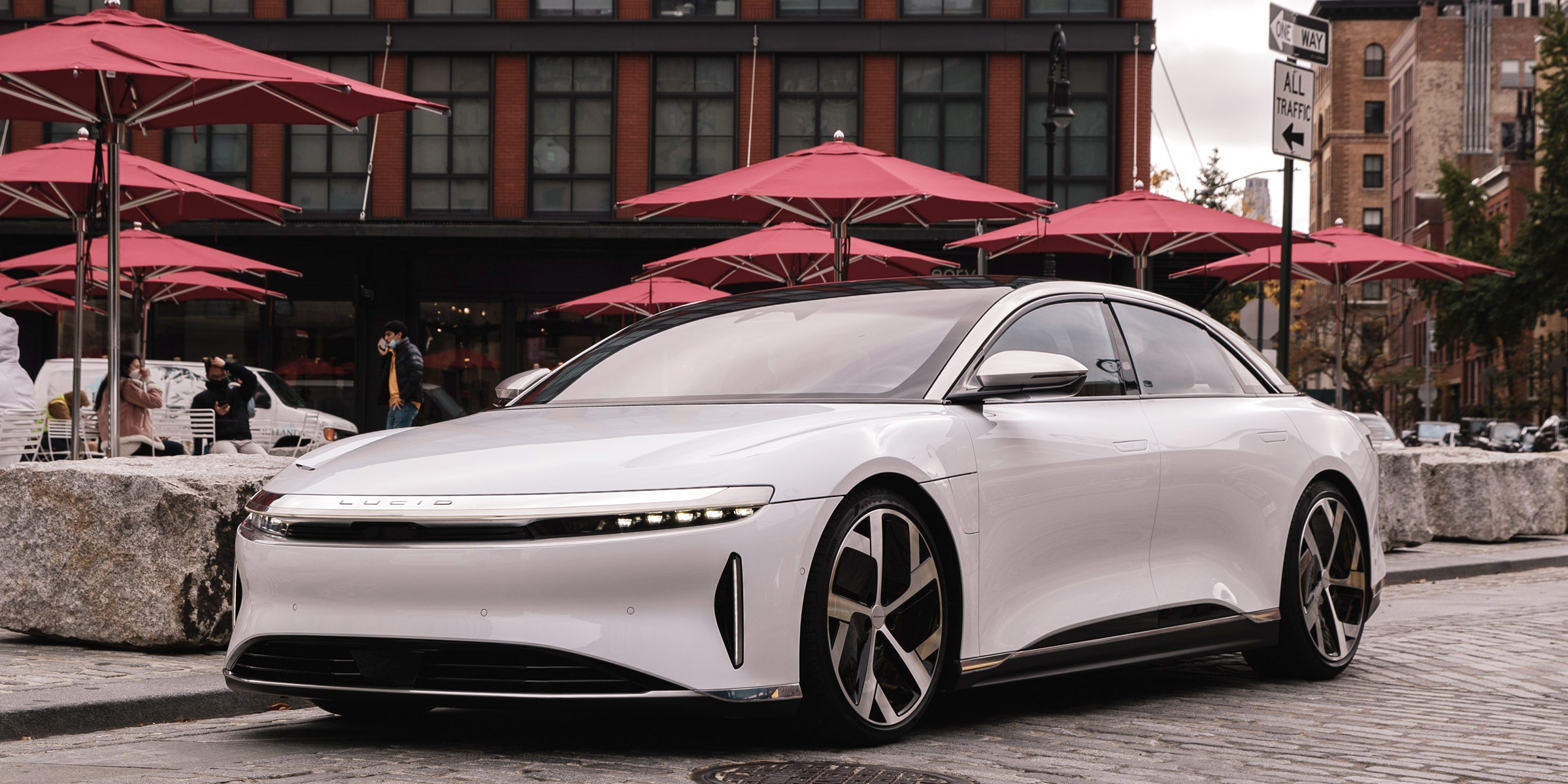
    Lucid Motors has revealed that now it has 10,000 reservations for the Lucid Air, the electric car which many believe is going to be the first credible rival to the Tesla Model S. These numbers may not blow your mind but considering the vehicle is from a rather small company and the vehicle is quite expensive at upwards of $70,000 going all the way to $169,900 for the Dream Edition. Lucid Motors has faced some delays with production by now Peter Rawlinson, Lucid’s CEO and the former head of the Tesla Model S project has revealed that these issues are ending. Rawlinson has revealed that it is now producing quality validation prototypes in its factory in Arizona and is on track to start deliveries.

    ” We achieved a landmark last Friday when we started building our quality validation production run of cars. We completed our pre-production run very successfully. The quality validation builds are the cars that we eventually will sell directly to customers once we got the quality right. This is a big step in our mission to industrialize,” he said.

    Rawlinson is indicating that the first deliveries of the vehicle will happen in the second half of the year stating that the top-of-the-line Dream Edition will launch first. The dream edition will have over 809 kilometers of range and over 1000 bhp making it the chief rival to the Tesla Model S Plaid.

  • Car imports from China up 6.5-fold

    Car imports from China up 6.5-fold

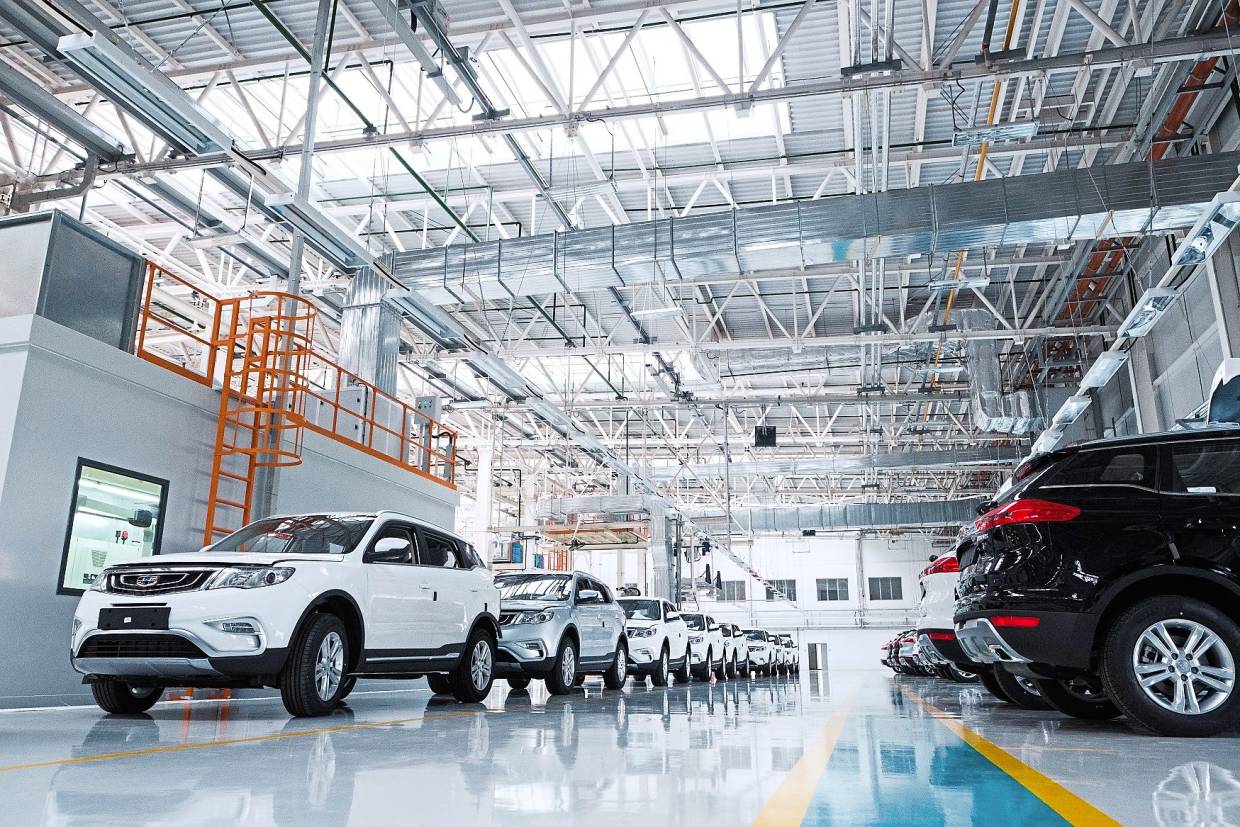
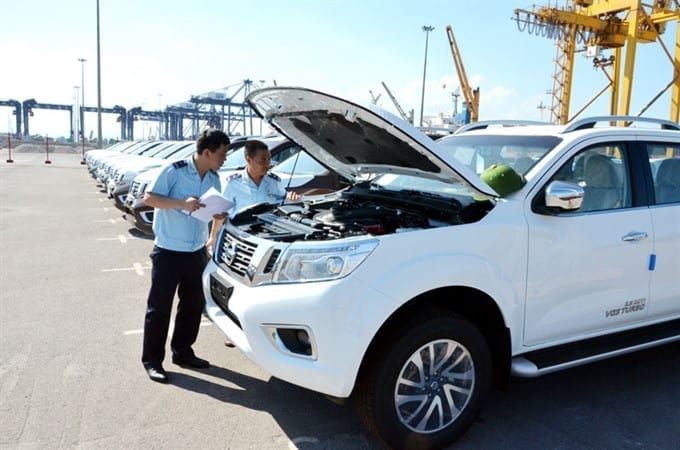
    Vietnam imported 9,400 vehicles from China in the first five months of the year, 6.5 times higher than in the same period last year, according to the customs department.

    Of them, nearly 5,600 were special purpose vehicles and 2,840 were trucks, with passenger cars accounting for the rest.

    China remained the third-largest source of vehicles for Vietnam behind Thailand and Indonesia.

    Thailand dominated with 33,140 vehicles, double the figure from the same period last year, and Indonesia accounted for 18,340 units, up 16.2 percent, with the two accounting for 80 percent of imports.

    Under the ASEAN Trade in Goods Agreement that took effect in 2018, import tariffs on vehicles within the bloc are zero.

    Vietnam’s imports jumped by 78 percent to over 65,700 units.

    Auto sales rose 53 percent to 126,894 units, according to the Vietnam Automobile Manufacturers Association.

  • Porsche Setting Up Battery JV With Customcells For An EV Future

    Porsche Setting Up Battery JV With Customcells For An EV Future

    Porsche has made waves around the world with its Taycan and Taycan Cross Turismo EVs which have been dubbed as the most driver-centric EVs in the world, more so than even Tesla’s groundbreaking vehicles. To further an electrified future, like all things Volkswagen group, it is forming a joint venture with Customcells that will create high-performance batteries that will significantly reduce charge times.

    Like Porsche, Customcells is also a German company hailing from the Southern German region specializing in lithium-ion batteries aiming to create packs that have higher energy density than what Porsche is already using in cars like the Taycan.

    More importantly, it is part of a broadened push towards enhancing the battery supply chain in Europe which is currently dominated by Asia. The Volkswagen group has been making huge investments in this space as the EU has stricter emissions norms which means European manufacturers have to go green faster than automakers around the world.

    One of the keys to achieving better battery efficacy is enhancing the energy density which in turn results in less raw material being used. It will also cut battery production costs and help make electric cars more affordable.

    As a part of the JV, Porsche doesn’t disclose its investment but does say it is a number upwards of 10 million Euros and it holds an 80 percent stake in the venture. The production facility in the equation will have an aim to deliver 100 kWh of capacity which could service about 1000 cars per year. This is a tie-in from what Porsche chief executive officer Oliver Blume said in April which was indicative of the legendary German sports cars marquee ramping up its e-mobility plans for a German factory in Tuebingen for battery production. It so happens this JV with Customcells is based in Tuebingen.

    Porsche parent, Volkswagen has even broader plans of building 6 battery cell plants across Europe and expand its infrastructure for the charging of electric vehicles.

  • Carmakers In Chennai Allowed To Operate At Full Capacity

    Carmakers In Chennai Allowed To Operate At Full Capacity

    Global carmakers such as Renault-Nissan, Hyundai Motor and Ford Motor Co may operate with their full workforces in India’s automaking hub from Sunday, despite worker protests over safety in the pandemic. Tamil Nadu state, one of the country’s worst-hit, allowed industrial units with export commitments to operate at 100% capacity, boosting its flourishing automobile industry.

    New cases in the state have fallen from more than 30,000 a day in May to about 8,000 but still account for one-seventh of all cases in India, which is second only to the United States in total infections.

    Renault-Nissan Fights Court Battle With Indian Workers On Operations During COVID-19 Surge

    “Any company which exports or supplies to export-oriented industries will be allowed to operate at full capacity as cases have come down,” a senior state government official said.

    An Indian court tasked industrial safety officials this month with visiting carmakers in the southern state to draw up uniform safety guidelines.

    The Madras High Court was responding to a case filed last month by workers at the Indian unit of the French-Japanese alliance of Renault SA Nissan Motor.

    They asked for operations to be halted, saying social distancing norms were being flouted and the risk to their lives outweighed the health benefits provided by the company.

    Labour unions for global carmakers have written letters of protest, arguing that hundreds of workers in the automaking hub of Chennai have fallen ill with COVID-19 and dozens have died. Ford and Hyundai also halted work at their plants last month after workers protested and some went on strike

  • Elon Musk Considers Tesla Making An HVAC To Advertise Car Air Purification Systems

    Elon Musk Considers Tesla Making An HVAC To Advertise Car Air Purification Systems

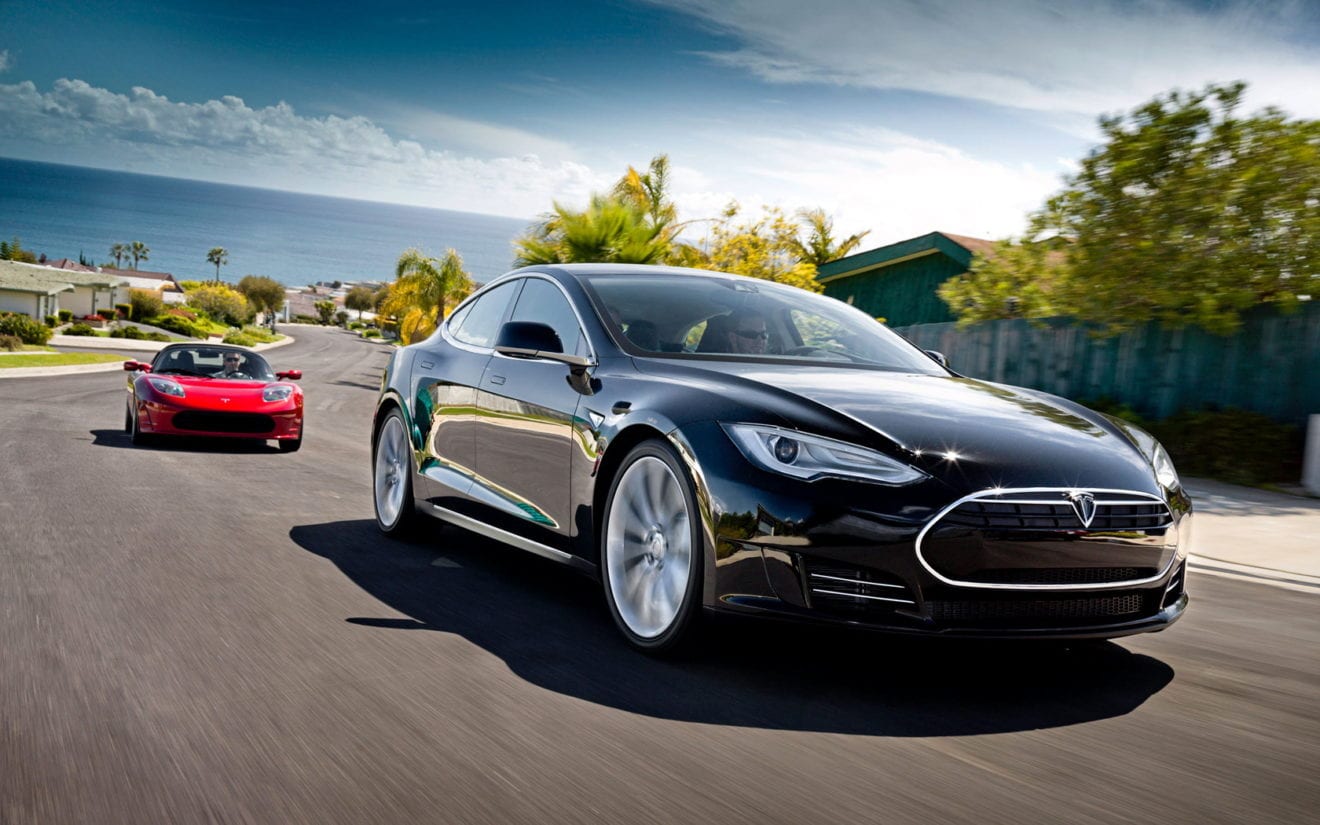
    Elon Musk often does weird things and the latest one is him considering making a Tesla-branded HVAC system leveraging the work Tesla has done to develop one for its cars. He also believes the system is so good that it could act as an advertisement for the system that Tesla has implemented in its cars which breaks his no-ad rule.

    Tesla was one of the first car manufacturers to improve the air quality inside the car. It was one of the first to implement a HEPA filter into the HVAC system of its higher-end electric cars. Tesla claims the system can theoretically remove 99.97 percent of the dust, pollen, mold, bacteria, and airborne particles which are of the size of 0.3 microns. All these things, the Tesla HVAC systems handle very well.

    While talking up the HVAC system on the new Model S and also talking about an update that’s inbound for the HVAC system which makes it more silent Musk also talked about how it could be scaled up for home use.

    “Oh man, home HVAC that is super energy efficient, quiet & purifies the air would be great. We developed it for the car, but it can be scaled up for home use,” said the billionaire.

    This is not the first time Musk has talked up the HVAC. He once claimed it was 10 times better than one on any other non-Tesla car. “Most people have no idea just how good the Tesla air purification system is. Literally, 10X better than any other car. Maybe we should advertise informationally just so people know stuff like this exists,” he said a while ago.

  • MV Agusta May Resurrect Cagiva Elefant Name

    MV Agusta May Resurrect Cagiva Elefant Name

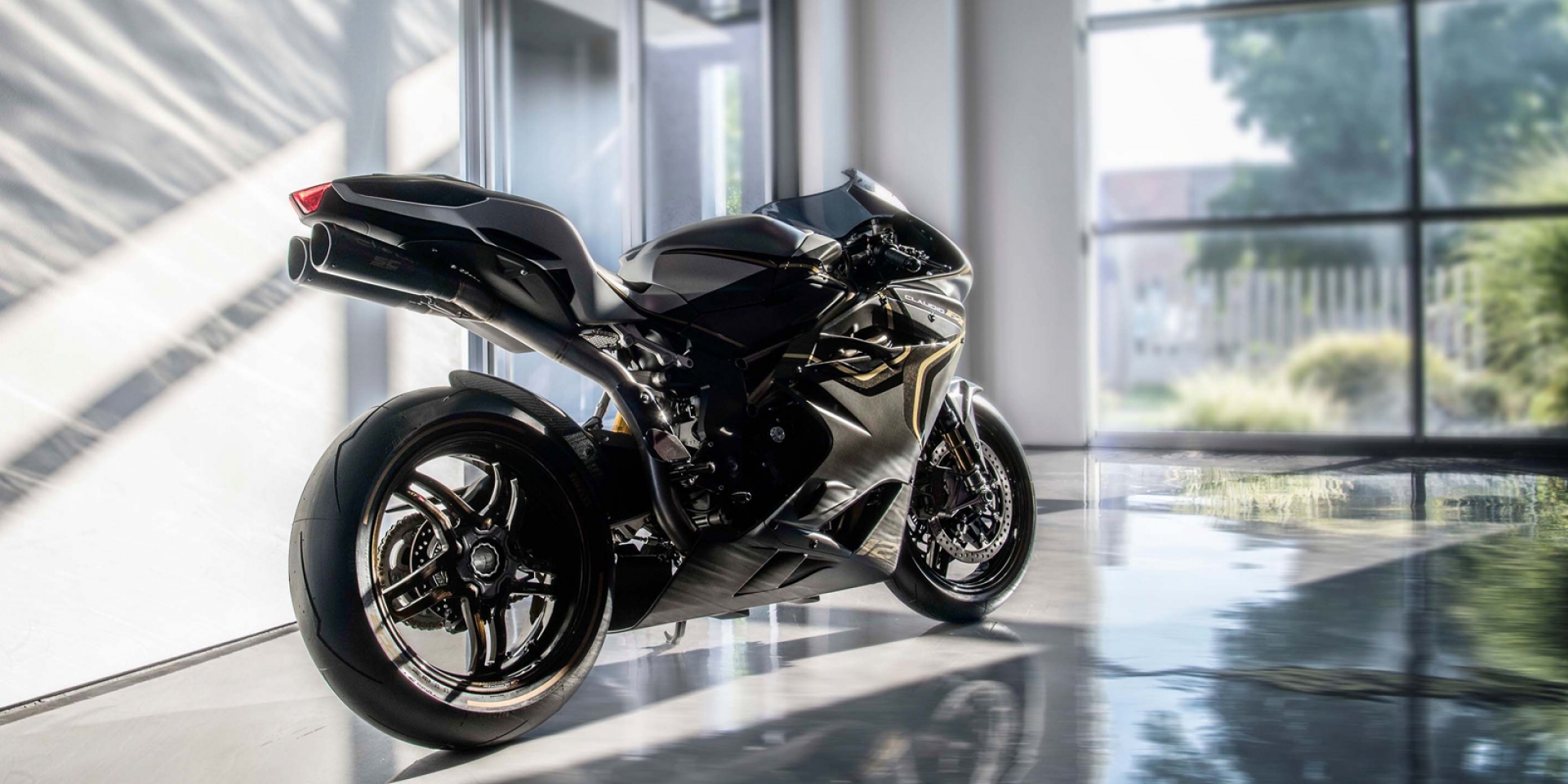
    MV Agusta may revive the Cagiva name, with the iconic Cagiva Elefant adventure bike making a comeback. In an interview to an Italian publication, MV Agusta CEO Timur Sardarov spoke about the motorcycle brand’s future plans, including new products, as well as two new engines that the brand is working on, a 550 cc and a 950 cc, which will include new models. More importantly, Sardarov also talked about a new adventure bike, with the name Elefant, taken from the iconic Dakar-winning Cagiva Elefant adventure bike.

    MV Agusta owns the Cagiva name, but so far it’s not clear whether the Elefant name will be introduced under the MV Agusta brand or as a separate Cagiva Elefant model. In fact, a few years ago, it was widely reported that MV Agusta will revive the Cagiva motorcycle name, but that it will be launched as an electric mobility brand. The latest comments from MV Agusta’s top boss seems to suggest that Cagiva could also be a sub-brand, under the MV Agusta umbrella.

    “Cagiva is a brand that belongs to MV Agusta. Our marketing department is evaluating the possibilities of products with the Cagiva brand and we are also considering whether to define Elefant as a ‘sub-brand’ of MV Agusta or as Cagiva Elefant. The decision has not yet been made,” Saradrov is quoted as having said in the interview.

    Cagiva is an Italian motorcycle manufacturer founded in 1950 by Giovanni Castiglioni in Varese. The brand has a rich history and at one point even owned Ducati and MV Agusta, as well as Moto Morini. In the late 1990s, MV Agusta became the main brand comprising Cagiva and Husqvarna. The brand has been inactive for more than a decade, and with fresh impetus and growth to the MV Agusta brand, Cagiva may just as well make a comeback in the next few years.

    The Sardarov family originally came on board as investors in MV Agusta, but assumed full control in 2019, signaling the end of the Castiglioni family’s historic ownership of the MV Agusta and Cagiva brands. Under the Russian businessman’s leadership, the MV Agusta brand has slowly stabilised, and made appreciable moves to address concerns regarding reliability and ownership experience. Currently, MV Agusta is busy updating its Euro 5 range, and once that is completed, new models will be developed, in the 550 cc and 950 cc platforms.

  • Auto sales down in Vietnam

    Auto sales down in Vietnam

    Auto sales rose 53 percent year-on-year in the first five months to 126,894 units.

    Passenger vehicles accounted for 70 percent and commercial and special-purpose vehicles for the rest, according to the Vietnam Automobile Manufacturers Association (VAMA).

    Truong Hai Auto Corporation, which manufactures its own vehicles and assembles foreign brands such as Kia and Mazda, led with nearly 44,000 units, a 67 percent rise.

    It was followed by Toyota with over 24,100 units, up 16 percent.

    Mitsubishi, Honda and Ford made up the top five.

    Last year sales had fallen by 8 percent to 296,634 units as the Covid-19 pandemic badly affected the economy, hitting people’s incomes and discretionary spending.

  • Alibaba To Develop Self-Driving Trucks With Logistics Unit Cainiao

    Alibaba To Develop Self-Driving Trucks With Logistics Unit Cainiao

    Chinese e-commerce leader Alibaba Group Holding Ltd plans to develop self-driving trucks with logistics subsidiary Cainiao, Chief Technology Officer Cheng Li said on Thursday.

    Cheng also said Cainiao aims to introduce 1,000 autonomous delivery robots in China over the next year.

    The announcement comes as dozens of startups, automakers, and large technology firms, such as internet search leader Baidu Inc, accelerate work on self-driving vehicle systems, which are widely expected to bring a sea change to the transportation industry.

    Other self-driving truck makers include U.S. firm TuSimple Holdings Inc, which listed shares in April.

  • Mercedes-Benz India Has No Plans To Launch The EQS Or Any Other EV This Year

    Mercedes-Benz India Has No Plans To Launch The EQS Or Any Other EV This Year

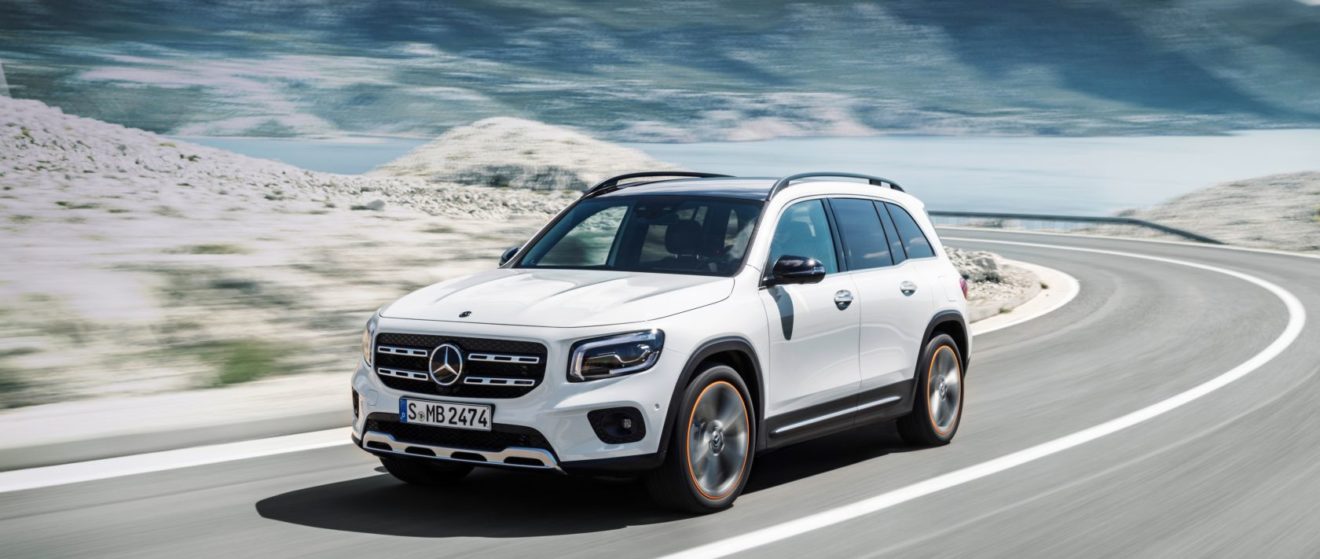
    Despite the challenges caused by the second wave of the COVID-19 pandemic, Mercedes-Benz India has been among the select few carmakers that have stayed on course with regard to product launches. The Stuttgart-based luxury carmaker has confirmed that it will launch 15 new models in India this year, however, that will not include any electric vehicles. When asked about the launch timeline for the EQS, during the post-launch interaction for the Maybach GLS 600, Santosh Iyer, VP – Sales & Marketing, Mercedes-Benz India confirmed that the company has no plans to launch the EQS or any other EV at least for next one year.

    Talking about the company’s product plan with regards to the EQS and other electric vehicles, Iyer said, “The EV portfolio for Mercedes-Benz is strong. You already saw the EQA, the EQB, there are many products that are getting launched. So, we’ll pick up the right products and definitely, surely introduce them in India. But, for now, the EQC remains our key driver when it comes to the volumes here. Again, we are struggling with the availability of EQC so no point in again launching more EVs and putting some confusion in the market at this stage. Also, EQS is available for sale only in the last part of the year, even worldwide. So, nothing in the next one year at least as far as the EQS or anything else goes.”

    Iyer pointed out that a lot of these electric vehicles introduced globally are high on demand worldwide, and they will make it other markets gradually. Assuring that India is a priority market for the brand, he said that there is no point in launching a product and not being able to cater to the demand. Right now, it’s even struggling with the demand for the EQC. So, before bringing a high-value product like the EQS electric sedan, the carmaker wants to get some volume and certain clarity.

    Having said that, Mercedes-Benz India has already listed its flagship electric vehicle – the EQS on its official website. When asked what that means for the Indian market, Iyer said, “For us electric is not an option. It is something that the automotive industry will transform, and we take pride that in India we were the first to start, and we’ll now continue to bring in new products. As regards that EQS, I think that a statement in terms of our brand, in terms of our commitment to electric.” He further added, “I think the EQS transforms, it makes a paradigm shift into the technology scape, into the luxury space apart from being a very good EV in terms of driving, in terms of battery charging, and some of the other dynamics. So, it was natural for us when there is a global unveil of such a product, which is now our flagship when it comes to the EV story to be there on our website.”

    The Mercedes-Benz EQS is the company’s flagship electric vehicle, and it was just in April 2021 that the sedan version of the EV made its debut. Mercedes also plans to introduce an SUV version of the EQS, which is likely to make its global debut in late 2022. The EQS sedan comes with a 107.8 kWh Lithium-Ion battery, promising a 770 km WLTP cycle certified drive range on a full charge. However, the carmaker has not provided detailed variant-wise range options. The car comes with a standard onboard charger of 11 kW with an optional 22 kW charger. The EQS can be charged from 10 to 80 percent in 35 minutes using a 110 kW DC fast charging, while a 240-volt household wall charger will take 11 hours for the same range.

  • Apple In Talks With CATL And BYD For Batteries

    Apple In Talks With CATL And BYD For Batteries

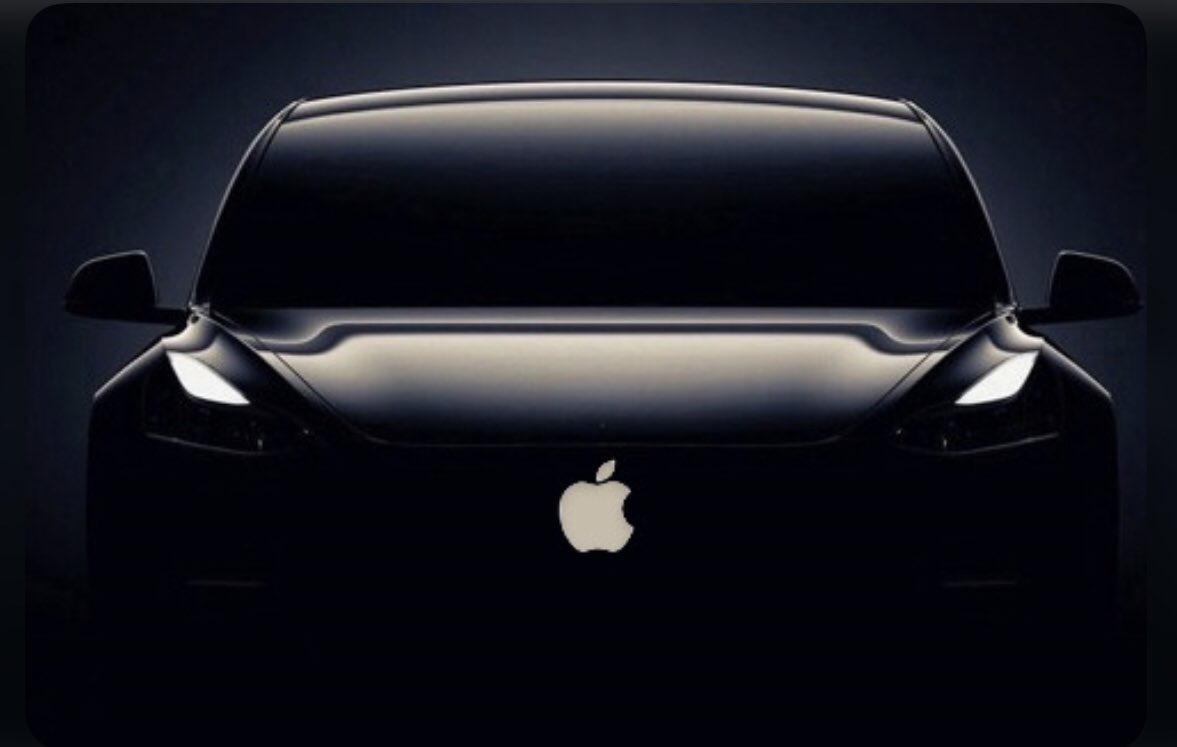
    The Apple Car project or as it is called internally at Cupertino – Project Titan has been in the works for now 7 years. But in the last year, work on it has progressed and Apple has been actively courting potential suppliers, but this process has been a struggle. Now a fresh report comes via Reuters, which claims that the Cupertino-based giant is courting Chinese battery maker CATL which has become the world’s largest supplier of EV batteries. In addition to this, Apple is also engaging BYD which is the fourth largest manufacturer of batteries. The Cupertino-based company is said to be in the early stage of discussions with the Chinese majors.

    Reportedly, Apple has moved so far ahead that it has started making battery factories but it needs suppliers to run them -this is similar to how Tesla has Panasonic running a big chunk of the Nevada Gigafactory. Apple is working on lithium-ion phosphate batteries that are cheaper to produce because they use iron instead of nickel and cobalt. It has also been working on self-driving technology and has targeted 2024 as the production year for the Apple Car.

    Apple has been developing its own battery technology but it is not known if these discussions involve CATL or BYD using Apple’s battery designs. Likely, this will be the case as that’s how Apple has historically operated and this is becoming a common practice in the EV space with Tesla also adopting such tactics with its custom battery chemistry.

    President Joe Biden has proposed a $174 billion budget for attracting EV manufacturers in the US. Apple wants to cash in on this. Many battery makers are also ramping up production in the US thanks to the incentives being offered by the newly minted Biden government, reversing the anti-environment trend of the Trump government.

    China’s rise as the world’s biggest EV market has also given a boost to its local suppliers which have elevated players like CATL and BYD. Apple previously was also in talks with LG Chem, so there is a possibility that it will use a combination of Chinese manufacturers and South Korean manufactures. In China, the government has given subsidies to companies like CATL which makes it an ideal partner especially if a facility is to be set up in China.

    Apple has been in talks with Foxconn and even traditional companies like Magna for manufacturing the car. It could also use BYD as a manufacturing partner for the Apple Car. Apple will likely need a mix of different players to make the Apple Car project come to life.

  • Bosch Opens German Chip Plant

    Bosch Opens German Chip Plant

    Robert Bosch opened a 1 billion euro ($1.2 billion) chip plant in Germany on Monday, a record investment by the leading automotive supplier as it stakes a claim to equipping the latest electric and self-driving cars. The plant, located in a semiconductor hub near Dresden, opens as the automotive industry battles a global chip shortage, and will increase Bosch’s ability to serve carmakers directly, relying less on third-party manufacturers.

    “Every chip that we make here in Dresden is one chip less that is lacking. That helps,” management board member Harald Kroeger told Reuters in an interview.

    Addressing an online opening ceremony, Chancellor Angela Merkel said semiconductor shortages were hampering Germany’s economic recovery, and that it was important to strengthen resilience against external supply disruptions.

    “We aren’t in pole position – we have to catch up,” Merkel said. “We must be ambitious. Our competitors around the world aren’t sleeping.”

    The Bosch plant will make specialist power-management chips and Application Specific Integrated Circuits (ASICs) that are designed to carry out a single task, such as triggering a car’s automatic braking system.

    It will not however address shortages of products like microcontrollers which have forced automakers to halt production and are expected by industry leaders and analysts to extend into next year.

    “The fab (chip fabrication plant) may help to insulate Bosch and its key customers somewhat,” said Asif Anwar at Strategy Analytics. “But it is unlikely to serve as a gap filler to the current shortages being experienced in the automotive market.”

    The Bosch plant, which received 200 million euros ($243 million) in state aid under a European Union investment scheme, will start making chips for power tools in July, with output of automotive chips to follow from September.

    “The state-of-the-art technology in Bosch’s new semiconductor factory in Dresden shows what outstanding results can be achieved when industry and government join forces,” said European Commission Vice-President Margrethe Vestager.

    Kroeger said Bosch supported a broader strategic push by Brussels to revive Europe’s semiconductor industry. A recently unveiled plan targets doubling the region’s share of global chip production to 20% by 2030.

  • Mercedes-Benz Introduces ‘Direct To Customer’ Retail Sales Model In India

    Mercedes-Benz Introduces ‘Direct To Customer’ Retail Sales Model In India

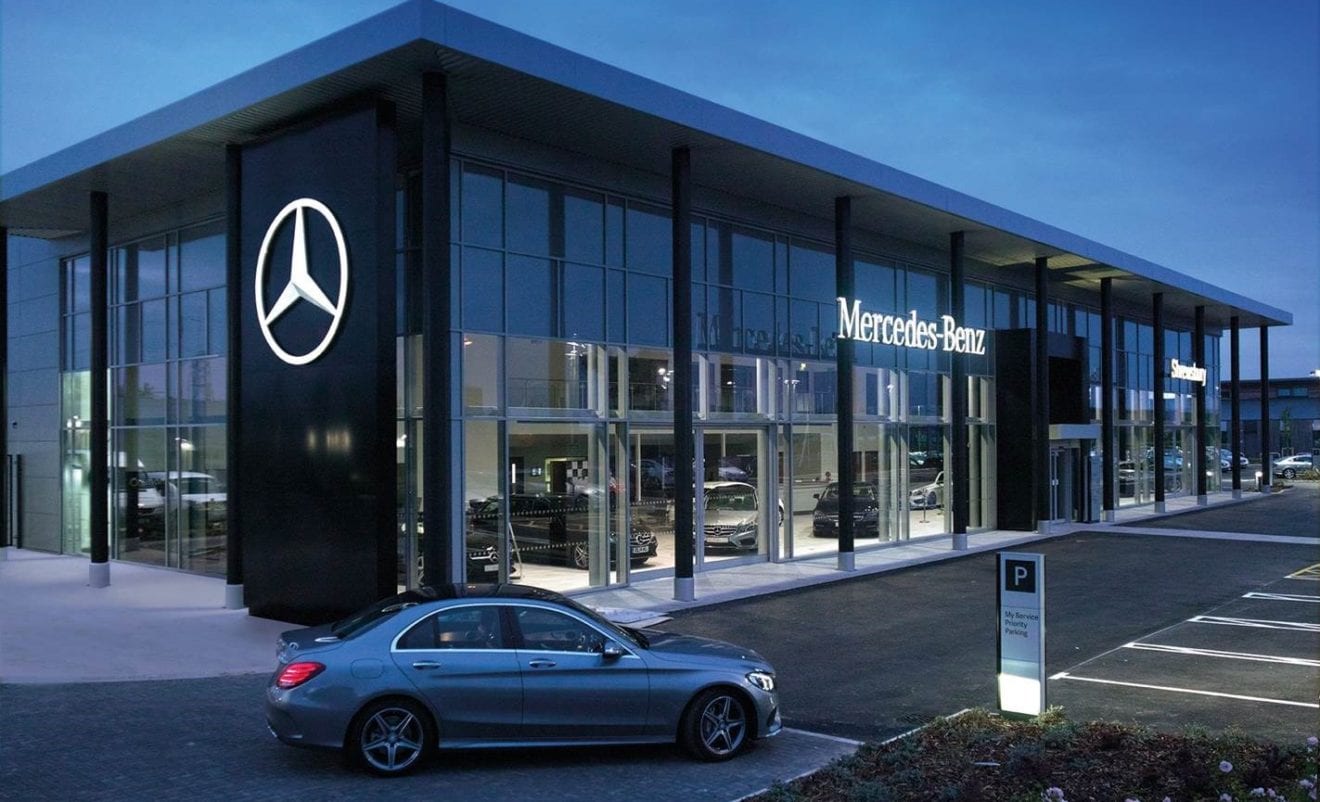
    Mercedes-Benz India today introduced its new retail sales model called ‘Retail of the Future’ (ROTF). With this new model, the company plans to promote a ‘direct to customer’ retail approach to creating a more customer-centric brand. To the effect, under this business model, Mercedes-Benz India will own the entire stock of cars, sell them via appointed Franchise Partners, invoice the new cars to the customers directly, process the order, and fulfill them. This would also mean that the company will offer one transparent price across India. The new retail model will be applicable only for new car sales, whereas other verticals like – customer service, pre-owned cars, and allied businesses will remain unchanged.

    Talking about the introduction of the new retail sales model, Martin Schwenk, MD & CEO, Mercedes-Benz India said, “This long-term strategic move will strengthen our customer focus by introducing a fundamental transition in the retail business in the market. It also will deliver a win-win solution for both customers and Franchise Partners, underscoring our clear vision for a future that is sustainable, empowering and digital. The advent of new sales channels has brought sweeping changes in customers’ aspirations and requirements and being a customer-obsessed brand, we have adapted our current business models to meet our customers’ aspirations and needs.”

    Commenting on Mercedes-Benz India’s new retail model, Vinkesh Gulati, President, FADA India said, “The agency model introduced by Mercedes India will be an out-of-the-box thinking by the company. Even though the model has tested waters internationally, India is a unique market where customer physic is very different as they change Dealers and even brands on any additional discount. Even though on the face of it, this model looks beneficial for the dealer community dealing in Premium Brands with low Volume but we will need to see if this model can work with mass-market brands so that every dealer can benefit from it.”

    Now, for customers, this might not be a big change. They will still have to visit the showroom or go online to purchase the vehicle, and, they will continue to the facilitated by the franchise representatives. What will change, however, is they’ll get uniform and transparent pricing, larger stock availability for choosing, and better customers service as that will become the major focus areas for dealerships. However, things will be widely different for franchise partners, the dealers, who will be operating on reduced risks and liabilities right now. A direct-to-customer retail model would mean they won’t have to worry about inventory cost, warehousing of the stockpile, which is added cost to dealers right now.

    However, this also means that dealers won’t be able to offer selective discounts or deals to attract buyers to compete with other dealers and gain more margin. Instead, now, in order to compete with other franchise partners, dealers will have to offer improved customer service, which will be measured based on what the company calls the CSI rating. In short, dealers will get commissions instead of sales margin.

    As for Mercedes-Benz India, it will be responsible for centrally managing the selling price of all new cars. The company will also be owning and managing the entire stock of new cars and will have to take care of order processing and fulfillment. This means the company will stop wholesale despatches to dealers. The company says that this new retail model will allow Mercedes-Benz to have better control over volume scalability and achieve price stability within segments. The company will also get improved forecasting with regards to the market trends and customer insight, along with better inventory management.

    Mercedes-Benz India will implement its new Retail of the Future sales model starting from the fourth quarter (Q4) of the 2021 calendar year.

  • Tesla Recalls Nearly 6,000 U.S. Cars Over Potentially Loose Bolts

    Tesla Recalls Nearly 6,000 U.S. Cars Over Potentially Loose Bolts

    Tesla Inc is recalling nearly 6,000 U.S. vehicles because brake caliper bolts could be loose, with the potential to cause a loss of tire pressure, documents made public on Wednesday show.

    The recall covers certain 2019-2021 Model 3 vehicles and 2020-2021 Model Y vehicles. Tesla’s filing with the National Highway Traffic Safety Administration (NHTSA) said it had no reports of crashes or injuries related to the issue and that the company will inspect and tighten, or replace, the caliper bolts as necessary.

    Tesla said that loose caliper bolts could allow the brake caliper to separate and contact the wheel rim, which could cause a loss of tire pressure in “very rare circumstances.” The company said that in the “unlikely event” there is vehicle damage from a loose or missing fastener, it will arrange for a tow to the nearest service center for repair.

    The filing with NHTSA said Tesla was made aware in December of a field incident involving a 2021 Model Y vehicle with a missing fastener on the driver-side rear brake caliper.

    The company has since taken measures to prevent the loosening of the bolts in the assembly process

  • Ford Boosts EV Spending, Aims To Have 40% Of Volume All-Electric By 2030

    Ford Boosts EV Spending, Aims To Have 40% Of Volume All-Electric By 2030

    Ford Motor Co on Wednesday outlined plans to boost spending on its electrification efforts by more than a third and said it aims to have 40% of its global volume be all-electric by 2030 in a move to have investors value it more like a technology company.

    Under a plan dubbed “Ford+,” the No. 2 U.S. automaker said it now expects to spend more than $30 billion on electrification, including battery development, by 2030, up from its prior target of $22 billion. It has launched the all-electric Mustang Mach-E crossover and plans to introduce electric versions of the Transit van and F-150 pickup.

    In premarket trading, Ford shares were up about 2%.

    “This is our biggest opportunity for growth and value creation since Henry Ford started to scale the Model T,” Ford Chief Executive Jim Farley said in a statement.

    Ford plans to develop two dedicated EV platforms, one for full-size trucks and SUVs, the other for cars and smaller SUVs.

    Ford and other global automakers are racing to shift their gasoline-powered lineups to all-electric power under pressure from regions like Europe and China to cut vehicle emissions. U.S. President Joe Biden has called for $174 billion to boost U.S. EV production, sales and infrastructure.

    Ford rival General Motors Co has said it aspires to halt U.S. sales of gasoline-powered passenger vehicles by 2035. The Detroit automaker said last year it was investing $27 billion in electric and autonomous vehicles over the next five years.

    Some analysts see Ford as trailing its rivals in the electrification race, but Ford officials disagree with that view, pointing to the Mach-E rollout and its other plans.

    Ahead of an investor meeting, Ford said it expects to deliver an 8% operating margin in 2023.

    The Dearborn, Michigan-based company also said it is forming a new unit, called Ford Pro, to focus exclusively on commercial and government customers, a segment Farley sees as a huge growth opportunity for the company.

    The company is targeting increasing revenue for the commercial market for hardware and related services addressable by Ford to $45 billion by 2025, up from $27 billion in 2019.

    Ford said it will also aim to develop EV batteries, from lithium-ion versions to lithium-ion phosphate for commercial vehicles and eventually low-cost solid-state batteries in partnership with startup Solid Power, in which the automaker has invested.

    Last week, the automaker announced a memorandum of understanding to form a battery joint venture with South Korea’s SK Innovation, to make battery cells at two U.S. plants.

    Ford also said it expects to have 1 million vehicles capable of receiving over-the-air software updates on the road by the end of the year, and scaling that to 33 million by 2028.

    It sees the overall market for connected functions like driver-assist technologies, new features and upgraded software content, and EV charging hitting a projected $20 billion by 2030.

    Sources previously told Reuters Ford plans to develop two dedicated EV platforms, one for full-size trucks and SUVs, the other for cars and smaller SUVs.

    The sources said Ford is planning to launch at least nine all-electric cars and car-based SUVs and at least three electric trucks, vans and larger SUVs, including second-generation editions of the Ford F-150 Lightning and Mach-E at mid-decade.
  • Vietnam sees 480 pct surge in cars imported from China

    Vietnam sees 480 pct surge in cars imported from China

    Vietnam imported 6,633 completely built-up (CBU) cars from China in the first four months, a 480 percent surge over the same period last year.

    Industry insiders explain the increasing popularity of cars imported from China to good designs and modern features.

    Despite the major increase, however, China remained the third-largest CBU car supplier for Vietnam in the first four months behind Thailand and Indonesia.

    Thailand dominated auto imports with 25,732 vehicles, a 74 percent year-on-year increase, according to the General Department of Vietnam Customs. It was followed by Indonesia with 13,873 units, up 4.7 percent.

    The two countries together accounted for 79 percent of April’s CBU imports.

    Thailand and Indonesia have led the list of Vietnam’s car suppliers ever since the ASEAN Trade in Goods Agreement (ATIGA) took effect in 2018, owing to the zero import tariffs.

    Vietnam’s total car imports in the first four months marked a 56.5 percent year-on-year growth at 50,161 vehicles.

    The nation’s auto sales in the first four months surged 58 percent year-on-year to 101,309 units, signaling a recovery from last year’s pandemic blows.