Tag: car

  • New-Generation Hyundai i20 Sketches Revealed

    New-Generation Hyundai i20 Sketches Revealed

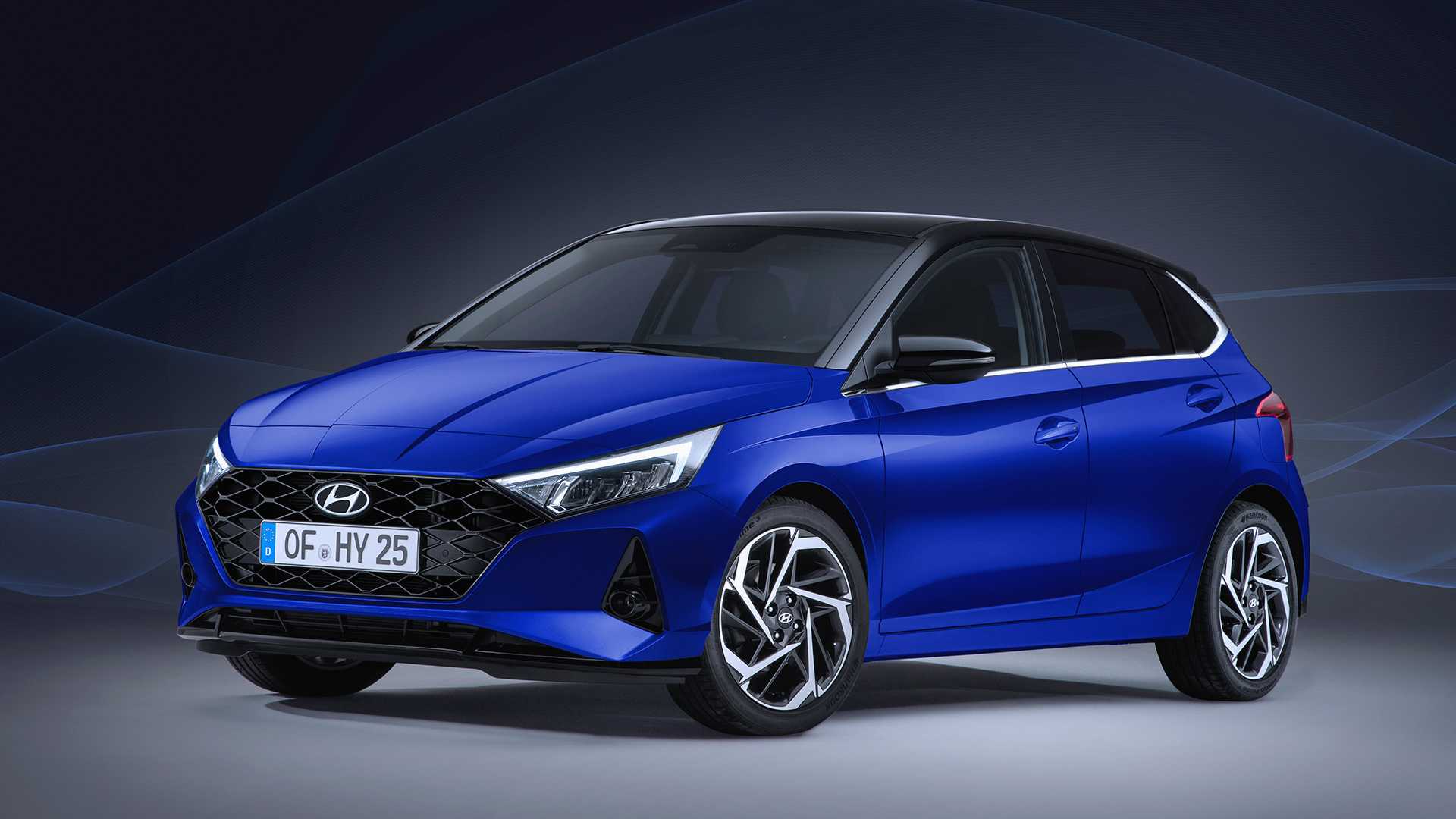
    Hyundai Motor India Limited (HMIL) has revealed the design renderings of the new-generation Hyundai i20, which will be launched in India next month. This will be the third-generation model of the i20, with the current generation model having debuted in 2014. The new i20 is designed around the company’s theme of sensuous sportiness. Needless to say, the new-gen i20 gets a complete overhaul including a new design. The look of the car is bolder now and the stance is sportier too, with a sloping hood upfront. The cascading grille and the headlight cluster are completely new and add to the bold look. The rear too sees a complete change of design, with new boot lid and sharp looking taillights which form a ‘Z’.

    Hyundai says that the new i20 has been designed keeping four elements in mind which are proportion, architecture, design, technology. The cabin of the new i20 has been completely re-done. It is likely to be an all-black affair and get features like a digital instrument cluster, 10.25-inch touchscreen infotainment unit, flat-bottom steering with mounted controls, dual airbags, rear AC vents, charging sockets, Hyundai’s BlueLink connected car technology, and other more

    The new i20 is expected to get three engine options which include the 1.2-liter petrol, the 1.5-liter diesel and the 1.0-liter turbocharged petrol engines, similar to the ones found on other Hyundai cars. Transmission options will include both manual and automatic gearboxes. The car has already started making its way to Hyundai dealerships across the country and as we said earlier, we expect the new-generation i20 to be launched in November 2020. It will continue to go up against rivals such as the Maruti Suzuki Baleno, Tata Altroz, and the Volkswagen Polo.

  • Tesla’s Release Of New ‘Self-Driving’ Software Closely Watched By U.S. Regulator

    Tesla’s Release Of New ‘Self-Driving’ Software Closely Watched By U.S. Regulator

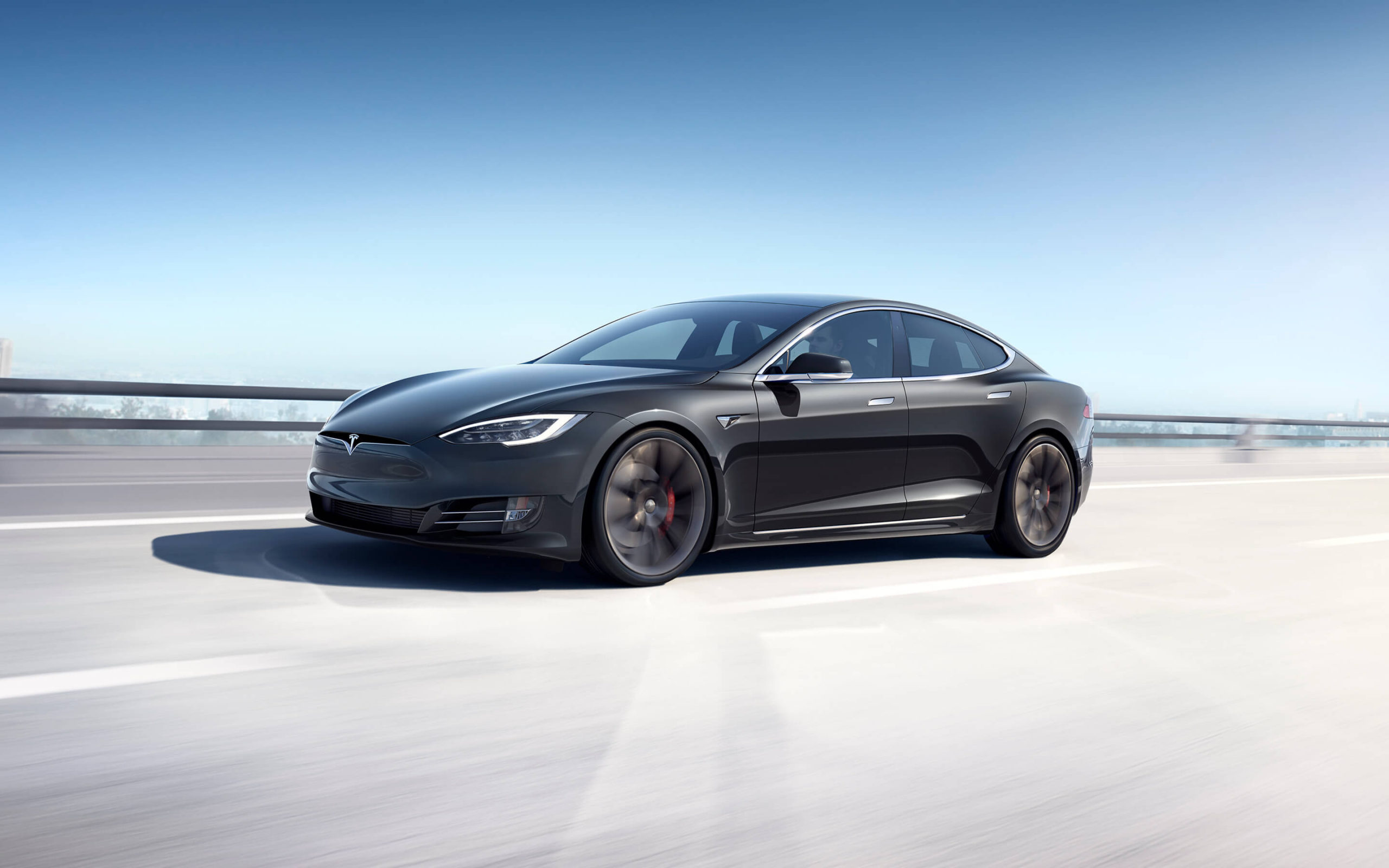
    The U.S. auto safety regulator said on Thursday it was closely watching Tesla Inc’s release of a software version intended to allow its cars to drive themselves, saying it stood ready to protect the public against safety risks. Tesla on Tuesday night released a beta, or test version, of what it calls a “Full Self Driving” software upgrade to an undisclosed number of “expert, careful” drivers. The release prompted online posts by excited recipients who shared video snippets of their car driving apparently autonomously on city streets at night.

    During a Tesla earnings call on Wednesday, Chief Executive Elon Musk said the latest upgrade was planned to be widely released by the end of this year, with the system becoming more robust as it collected more data.

    “NHTSA has been briefed on Tesla’s new feature, which represents an expansion of its existing driver assistance system. The agency will monitor the new technology closely and will not hesitate to take action to protect (the) public against unreasonable risks to safety,” the National Highway Traffic Safety Administration said in a statement.

    NHTSA in July said its special crash investigation team had “looked into 19 crashes involving Tesla vehicles where it was believed some form of advanced driver assistance system was engaged at the time of the incident.”

    Musk for years has promised self-driving for the company’s vehicles but missed several self-imposed deadlines.

    Researchers, regulators and insurance groups say true self-driving is still years away and more complex than companies anticipated several years ago. They have criticized Tesla’s promotion of its existing semi-automated Autopilot system as dangerously misleading.

    A consortium of self-driving technology companies, Partners for Automated Vehicle Education (PAVE), which includes Ford Motor Co, General Motors Co and Google’s self-driving unit Waymo, criticized Tesla’s approach.

    “Public road testing is a serious responsibility and using untrained consumers to validate beta-level software on public roads is dangerous and inconsistent with existing guidance and industry norms,” PAVE said in a Thursday statement.

    Autopilot and similar advanced driver assistance systems can provide steering, braking and acceleration support under limited circumstances, generally on highways.

    Tesla’s website describes the new software release as “Autosteer on City Streets,” saying the system requires active driver supervision and does not make the car autonomous.

    Tesla owners can purchase “Full Self Driving” for $8,000 in hopes of eventually receiving the upgrade. Musk said early Thursday the price would rise by $2,000 on Monday, but later in the day tweeted U.S. price hikes would be pushed to Thursday next week. Similar price increases will apply in other countries as the test version was released there, he added.

    On Twitter, Tesla owners receiving the test version posted videos of their experience, claiming the car “literally sees everything,” setting indicators on its own and navigating turns even without clear lane markings. https://bit.ly/3kpgvUu

    They also posted a picture of the software update release notes, which said the system “may do the wrong thing at the worst time,” urging drivers to keep their hands on the wheel and pay extra attention.

    Reuters could not reach Tesla for comment on NHTSA’s statement and to confirm the authenticity of the release note.

  • Tesla May Build A Battery Plant In Indonesia

    Tesla May Build A Battery Plant In Indonesia

    Tesla is reportedly planning to build a facility for making batteries in Indonesia a report by CNBC revealed. “Minister of Industry (Menperin) Agus Gumiwang confirmed about Tesla’s plan, he said that Tesla would later be directed to build a factory in Batang. Currently, the discussion process between Tesla and the government is still ongoing,” says the report.

    “I said you put the investment here today, we will give the reserves. So, if we always change from commodity base to downstream. So, we see production downstream. That will turn Indonesia into a great country into the global supply chain,” said Indonesia’s coordinating minister of maritime affairs and investment, Luhut Binsar Pandjaitan.
    Reportedly, this facility would come up in Batang. All this comes after Tesla CEO Elon Musk pleased with mining companies to increase their Nickel production. Tesla was already in talks with the Indonesian government for building a new venture for nickel as the South East Asian country has rich reserves of the mineral.

    Indonesia has banned exporting Nickel which could be one of the reasons why Tesla is now keeping to invest in the country. Tesla has already outlined its vision for scaling the production of its batteries to 200 GWh by 2023 and 3 TWh by 2030 and the only way it will achieve this ambitious target is by having a facility in Indonesia.

  • Daimler Chief Eyes China Growth As Trade Tensions Rise

    Daimler Chief Eyes China Growth As Trade Tensions Rise

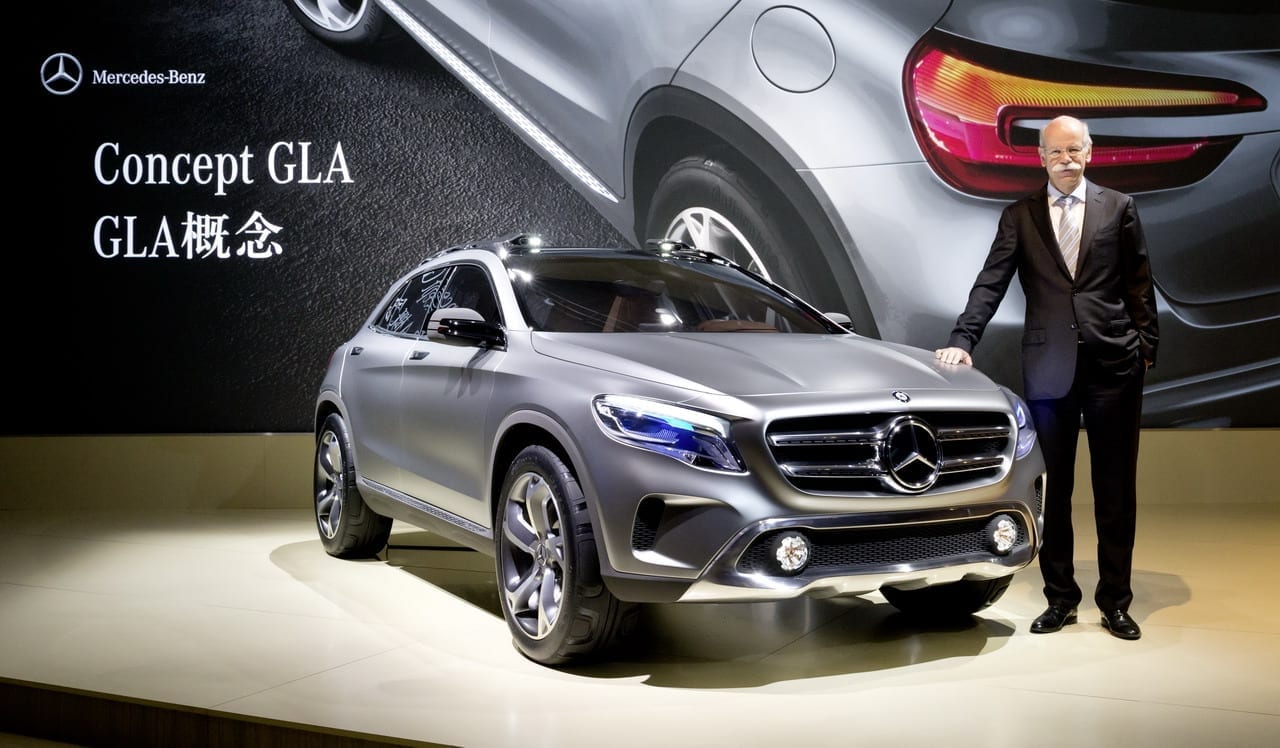
    Daimler’s Chief Executive said China will remain Mercedes-Benz’s biggest growth market in the next decade and the German carmaker will adjust production locations to capture shifts in demand as global trade tensions continue to rise.

    The remarks by Ola Kaellenius come against a backdrop of increasingly strained relations between the United States, China and Europe after almost a decade of growth that has helped Mercedes to emerge as the world’s biggest-selling luxury car brand.

    “The situation has become much rougher, with a tendency toward rougher talks, right up to and including trade conflicts,” Kaellenius told the Frankfurt-based ICFW Journalists association late on Monday. “We need to look at our production footprint and where it makes sense, shift our production,” he said during the video call meeting.

    “Last year we sold around 700,000 passenger cars in China. The next biggest market is the U.S. with between 320,000 and 330,000 cars.”

    Thanks in large part to a strong rebound in demand from China, Daimler and German rival BMW both pre-released forecast-beating third-quarter results.

    “In the next 10 years we also expect the biggest growth in China,” Kallenius added, explaining that the luxury carmaker will follow the market.

    But with international trade tensions on the rise, the outlook for global sales remains uncertain.

    Britain’s Brexit negotiations could end without tariff-free trade with the European Union and serves as an example of how things can go wrong, the Swedish executive explained.

    If Britain and the European Union fail to clinch a deal, World Trade Organization (WTO) rules would apply, resulting in tariffs.

    “In the event of a so-called hard Brexit, we would not open factories, because this would not be worth it, given our sales numbers,” Kaellenius said, referring to sales in Britain. “We would have to learn to live with WTO rules.”

    Increasingly fragmented global markets make it harder to build cars at a profit because it reduces economies of scale in production, he said.

    Mercedes-Benz, for example, only builds its top-of-the-line S-Class model in Germany. With global sales of only 100,000 vehicles, it hardly makes business sense to build new production lines in the United States and China to build these cars locally, he said.

    However, tensions between the United States and the rest of the world are likely to remain, regardless of whether the Republicans or Democrats win the U.S. election next month.

    “What the two (presidential) candidates are saying is that they have an interest in improving the trade balance, and we need to be ready for that,” Kaellenius said.

  • Tesla Is Pushing New Software Update To Increase The Range The Model Y

    Tesla Is Pushing New Software Update To Increase The Range The Model Y

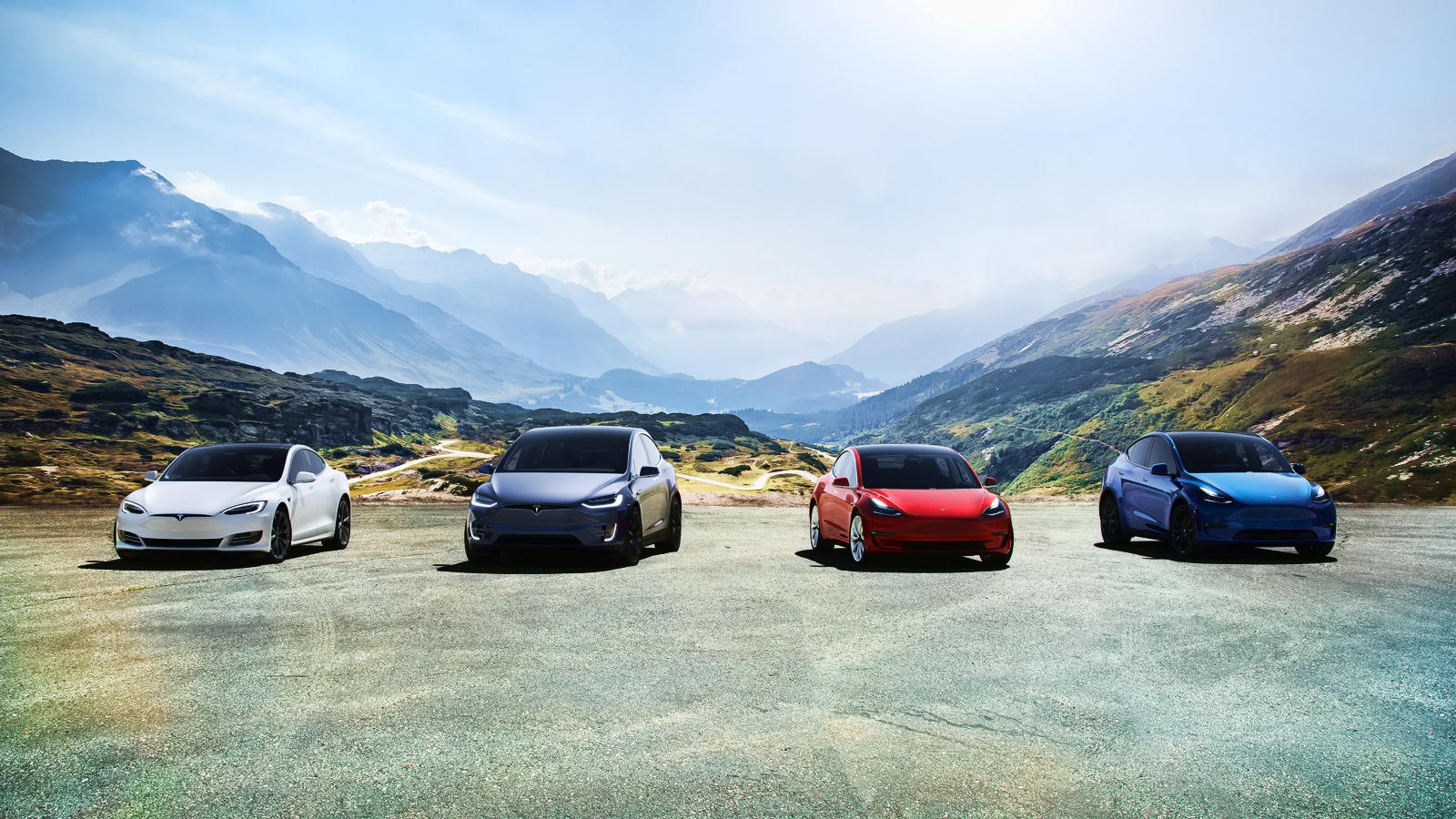
    Tesla has been relentlessly improving its cars and now a new software update that is coming to the relatively new Model Y will enhance the range of the vehicle. The software update numbered 2020.40.7 is behind these new efficiency improvements.

    “Your car’s range has increased with new software that improves the efficiency of the motors and the climate control systems,” Tesla said in the update release notes.

    It also notes that there is no impact on the efficiency of the HVAC system or the performance of the vehicle with these range enhancements. Fundamentally, there are no trade-offs.

    “Note: These changes do not impact acceleration or overall climate control performance,” Tesla added.

    As reported by Electrek, a Tesla Model Y owner noted the new software update accounted for a meager enhancement in range to something between 320 and 325 miles. Tesla officially has also enhanced the range of the Model Y from 316 miles to 325 miles.

    This is not the first time the company has done this as it recently increased the range of the Model 3 by 15 miles.

  • Tesla To Export China-made Model 3 vehicles to Europe

    Tesla To Export China-made Model 3 vehicles to Europe

    Tesla said on Monday it would start exporting China-made Model 3 cars to more than 10 European countries this month, joining a growing number of automakers using China as an export hub for electric vehicles.

    The U.S. carmaker, which started delivering vehicles made in its Shanghai factory in December, will export China-made cars this month to countries including Germany, France, Italy and Switzerland, it said in a statement.

    Elsewhere, German rival BMW is preparing to export its electric iX3 model, made at a joint venture plant in Shenyang, China, to Europe, while Daimler is shifting production of its Smart branded city cars to Hangzhou Bay.

    Tesla has been expanding in China even as tensions between Washington and Beijing have been escalating. The Shanghai factory, Tesla’s first car plant outside of the United States, aims to build 150,000 vehicles this year.

    “Support from Chinese government towards the industry, innovative local companies and customers embracing new technologies make China the best market for smart electric vehicles,” Tesla said, adding it would expand car production, charging and sales networks in China.

    The electric vehicle maker, which sold more than 11,000 Model 3 cars last month in China, the world’s biggest auto market, is also building new car manufacturing capacity in Shanghai to make its Model Y sport-utility vehicles.

    Reuters reported in September that Tesla was planning to export Model 3 vehicles made in China to Asian and European markets, citing people familiar with the matter.

    The export of the Model 3 to Europe comes as Tesla is in the process of building a German factory on the outskirts of Berlin and after the German government announced a subsidy of up to 9,000 euros for buyers of electric cars, including the Model 3.

  • Auto sales rise to year high

    Auto sales rise to year high

    Auto sales climbed to 27,252 units in September, the highest monthly number this year, as Vietnam contained its second Covid-19 outbreak.

    It represented a 32 percent rise from August, when hundreds of new Covid-19 cases were diagnosed, according to a report by the Vietnam Automobile Manufacturers Association (VAMA).

    Passenger vehicles accounted for 75.7 percent of the sales, commercial vehicles for 23.5 percent, and special-purpose vehicles for the rest.

    However, sales in the first nine months fell 22 percent year-on-year to 179,155 units as social distancing was imposed in the second quarter due to the disease outbreak and incomes fell.

    Local brand Truong Hai Auto (Thaco) retained the top spot with a 34.6 percent share of the market through its sales fell 11 percent to 59,709 units.

    It was followed by Toyota with 41,109 units and Mitsubishi with 17,228 units, both representing double-digit declines too.

    Honda and Ford rounded off the top five.

    On June 28 the government cut first-time registration fees by half for locally made vehicles to foster sales amid the pandemic.

    The reduction will last through this year before returning to old levels on January 1, 2021.

    Auto sales had risen 11.7 percent to 322,322 units last year.

  • Rolls-Royce shuts Vietnam dealership

    Rolls-Royce shuts Vietnam dealership

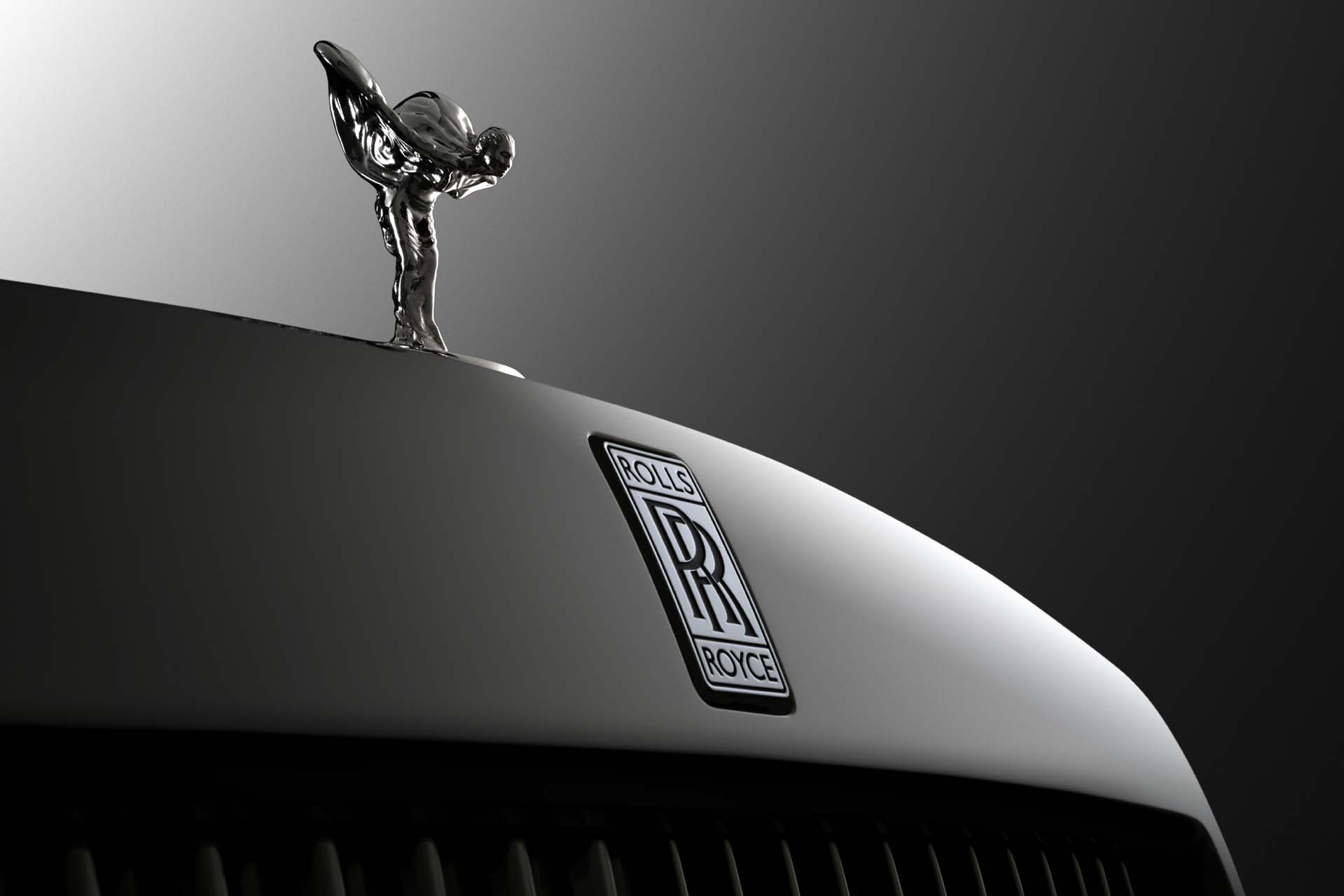
    U.K. luxury car company Rolls-Royce has closed down its dealership in Vietnam and is looking for a new partner to replace it.

    The company said on Tuesday that the dealership, Regal Motor Cars in Hanoi, had not proven as effective as expected.

    However, servicing would remain unaffected for existing customers, with Regal continuing to provide it until the company appoints a new dealer.

    The dealership opened in 2014 with a showroom on Ly Thuong Kiet Street in downtown Hoan Kiem District, and a service center on Nguyen Van Linh Street, Long Bien District.

    But the focus was on servicing existing vehicles rather than selling large numbers immediately.

    There are several hundred Rolls-Royce cars currently in Vietnam, including its latest model, the Cullinan, which costs more than VND32 billion ($1.38 million) for the standard version.

    It is not known if the company is close to finding a new distributor.

    Rolls-Royce is a subsidiary of BMW, the German giant, though the two brands operate independently.

  • Nissan Says China Sales Rose 5.1 Per Cent In September

    Nissan Says China Sales Rose 5.1 Per Cent In September

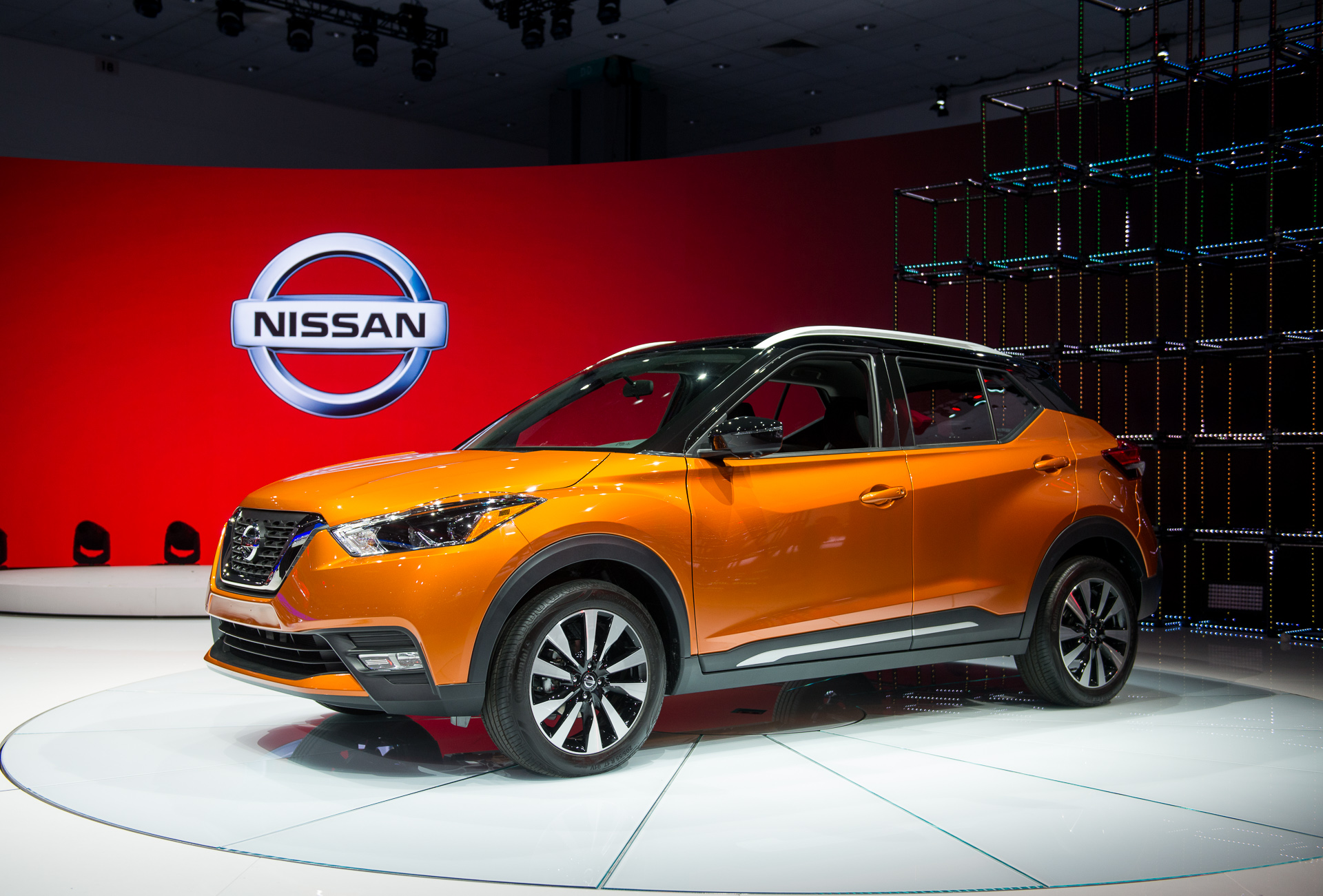
    Japanese automaker Nissan Motor said on Sunday its sales in China rose 5.1% in September from a year earlier, to 141,595 vehicles.

    China’s auto market, the world’s biggest, is a key focus for the embattled carmaker as it struggles to fix problems stemming from ousted leader Carlos Ghosn’s aggressive expansion drive.

  • Korean firm invests in Vietnam car-wash chain

    Korean firm invests in Vietnam car-wash chain

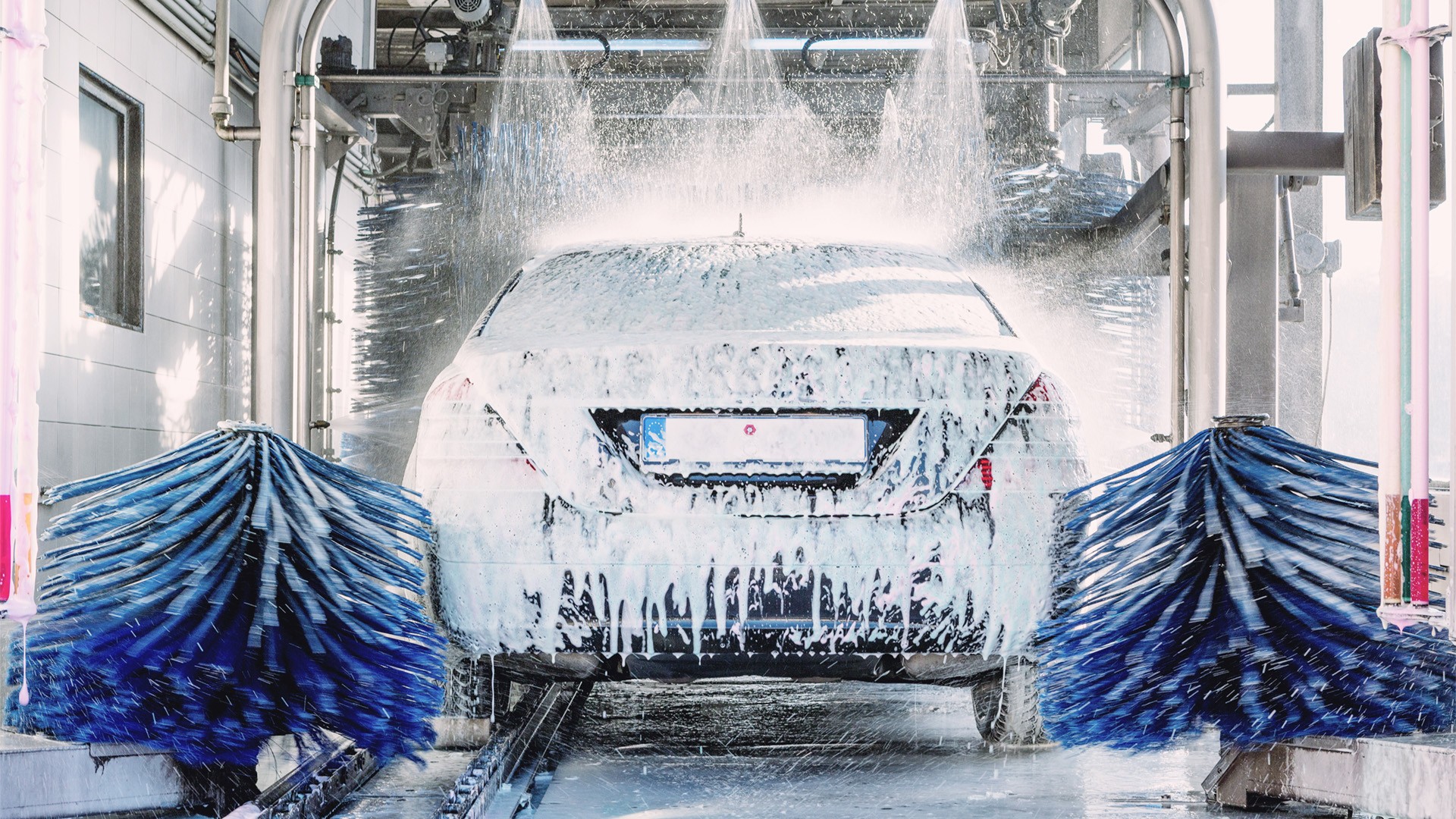
    South Korean oil refiner GS Caltex Corp has bought an 11.56 percent stake in car-wash startup Vietwash for $1.7 million. Nguyen Thanh Duong, founder of Vietwash, said the money would be used to double the number of outlets to over 100 in the next few years.

    It now offers car and motorbike wash services at 51 locations in Ho Chi Minh City and central Da Nang City.

    Hur Joon-hong, GS Caltex executive vice president, said his company would help Vietwash develop an automatic car maintenance system and expand.

    Vietwash, which began operations in 2014, claims to be the first car-wash chain in Vietnam and serves 1.3 million customers a year.

    In 2016 it received an investment of $1 million from private-equity firm Vietnam Investments Group. GS Caltex has been selling vehicle lubricants in Vietnam since 2017.

  • Tesla To Buy German Battery Assembly Maker

    Tesla To Buy German Battery Assembly Maker

    Tesla, the California-based electric vehicle manufacturer will soon be acquiring a German battery assembly manufacturing company. As per a report filed by Reuters, the EV maker has agreed to buy ATW Automation company, which is a subsidiary of the Canadian ATS Automation Tooling Systems Inc. It majorly focuses on assembling battery modules and packs for the auto industry. As per a German media report in September, the company was on the brink of liquidation due to a massive slump in orders.

    Last month, the company announced that certain assets and employees at one of its Germany-based units would be sold and transferred to a third party. However, the company did not disclose the name of the company. Based in western Germany, ATW has completed over 20 battery production lines for international automakers.

    As far as Tesla is concerned, the company plans to ramp up battery production in the coming year. And, the EV maker recently confirmed during an event that it would sharply reduce the cost of battery packs within the next three years. The company is also building its third Gigafactory near Berlin, which will also include a battery plant. It also aims to initiate construction at its new vehicle factory in Texas later this year.

    Tesla’s future product line-up includes the light-duty Cybertruck and the Semi truck. Both vehicles will require higher battery capacities. The company on Friday announced that it had delivered over 1.39 lakh vehicles globally in the third quarter and aims to sell half a million vehicles by the end of 2020.

  • Red Bull Spent Two Times More In 2019 Than What It Will Be Allowed In 2021

    Red Bull Spent Two Times More In 2019 Than What It Will Be Allowed In 2021

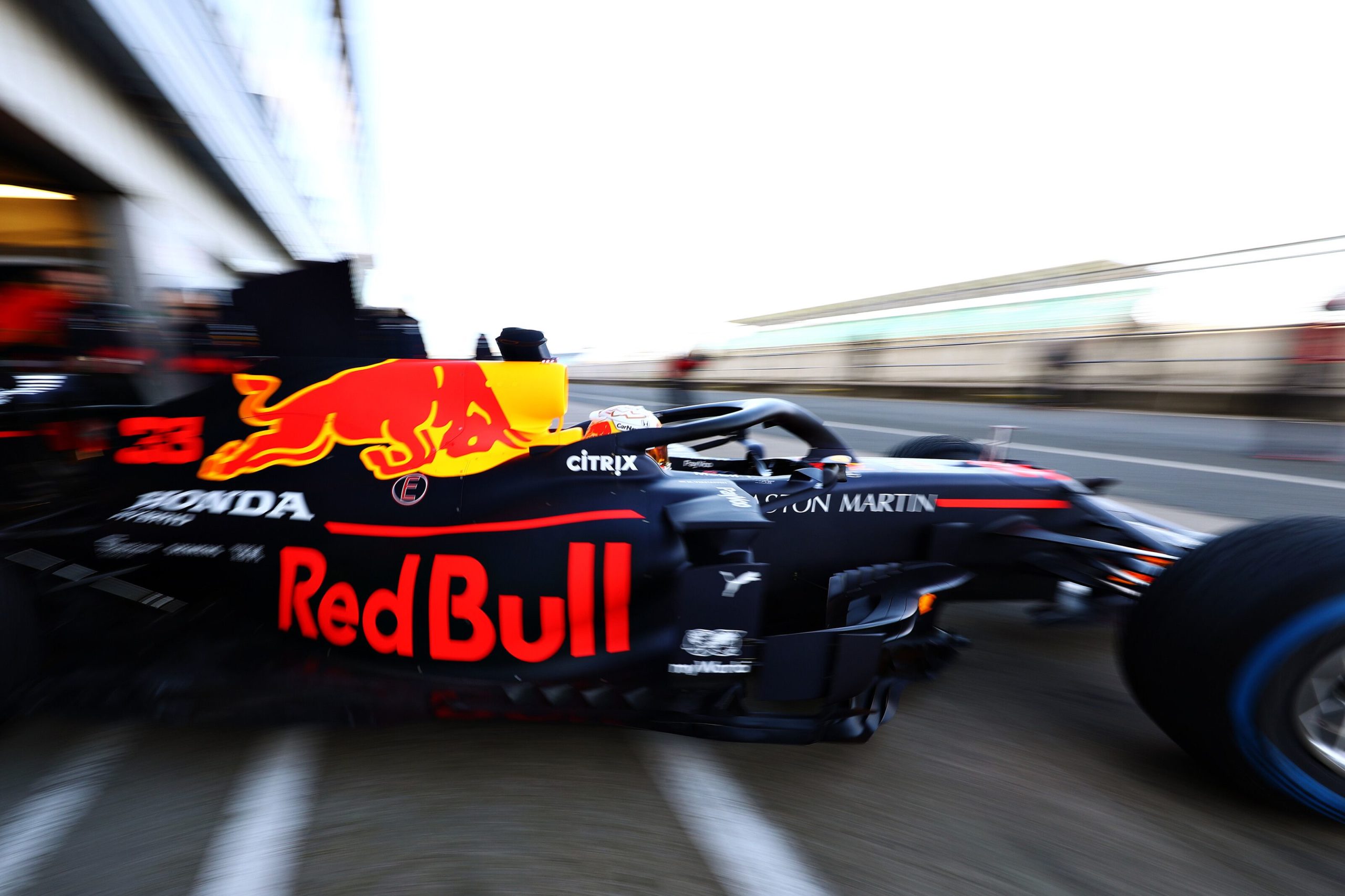
    Red Bull spent $305.04 million dollars in its 2019 campaign to win the F1 world championship which is reflective of the challenges that the big teams are up against in light of the upcoming budget cap that’s incoming. Next season teams will be only allowed to spend $145 million, though this number doesn’t include things like driver salaries. This number was also achieved after a minor reduction of $2.95 million from 2018 which was preceded with years of increasing expenditure. The big three teams – Mercedes, Ferrari, and Red Bull are all in for major restructuring as the budget cap will not allow them to spend as much on their F1 programs. Ferrari has also revealed that it is willing to explore participating in the Indy Car franchise to transfer some of its staff from F1.

    “The directors consider race performance, Championship performance, and a controlled cost base to be principal key performance indicators to assess progress towards strategic goals,” said Red Bull team boss Christian Horner.

    “Costs remain under control and the team is mindful of adaptions necessary for new financial regulations coming into force for 2021,” he added.

    Red Bull’s racing unit remains profitable but just slightly as it made a profit of $0.79 million which is peanuts in the scheme of things. This number also fell when compared to what Red Bull made in 2018. It made $1.18 million in that year when it also finished P3 in the constructor’s world championship behind Mercedes and Ferrari.

    Even these numbers are complicated as Red Bull’s association with its parent company Red Bull Technologies is complex as it employs and hires a lot of the designing and manufacturing staff. The complications are compounded by the fact that Red Bull Technologies is the parent behind the sister AlphaTauri team and also works with Aston Martin on the Valkyrie project.

    The 2010, 2011, 2012, and 2013 world championships were won by Red Bull with Sebastian Vettel becoming world champion four years in a row, till 2014 ushered in the new hybrid era of F1 engines and Mercedes started to dominate.

  • BMW 4-Series Convertible Unveiled

    BMW 4-Series Convertible Unveiled

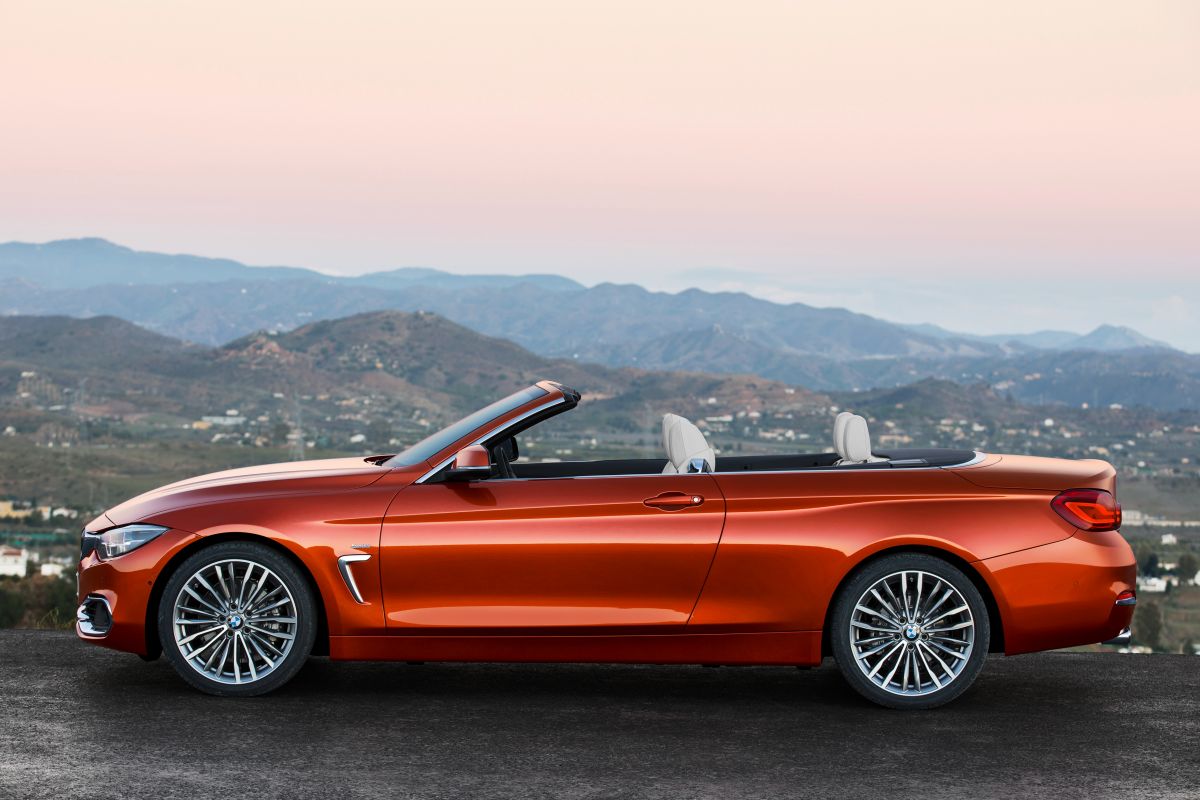
    The BMW 4-Series broke cover in June this year and was followed by the M4 earlier this month. Now, we get to see the 2021 convertible version of the BMW M4 which looks even sexier, and somehow the grille looks relatively better on the convertible as compared to the coupe of performance coupe from which it’s been carried over. This time around, the 2021 BMW M4 Convertible gets a soft-top which is 40 percent lighter compared to the hard-top in its predecessor. Now that has also liberated 34 liters more space in its boot at 255 liters and marginally more headroom as well.

    The roof can open or close within 18 seconds and at speeds of up to 50 kmph. The M440i also gets a remote key function for the roof as standard while it’s optional on the 430i. The top is finished in black as standard and you also have the option of a moonlight black top that has a metallic shimmer, which looks more stylish. Other than its marginally reduced height thanks to the soft top, the convertible measures equal to the coupe in other dimensions. Then, BMW has given it some updates to up its torsional rigidity like stiffer side skirts, an Aluminium shear panel at the front, and reinforced transmission tunnel, and a rigid rear floor plate. The engineers also put attention into extra noise reduction with a focus on the intake system, engine cover, and underbody.

    The engines are carried over from the 4 coupe range as well. The 430i gets a 2.0-liter, four-cylinder, turbocharged engine that belts out 252 bhp 400 Nm of peak torque. The rear-wheel-drive convertible clocks triple-digit speeds in 5.9 seconds while the top speed is limited at 209 kmph which can be further increased to 249 kmph. The range-topping M440i has a 3.0-liter, inline six-cylinder, turbocharged engine which is coupled with a 48-volt mild-hybrid system and it develops 377 bhp and 500 Nm. The rear-wheel-drive model clocks triple-digit speeds in 5.0 seconds while even here the top-speed is limited to 209 mph as standard while can be upgraded to 249 kmph. Both engines are mated to an eight-speed automatic transmission while the M440i also gets a M Sport rear differential as standard.

  • Tesla To Support The Electricity Grid Soon In The Future

    Tesla To Support The Electricity Grid Soon In The Future

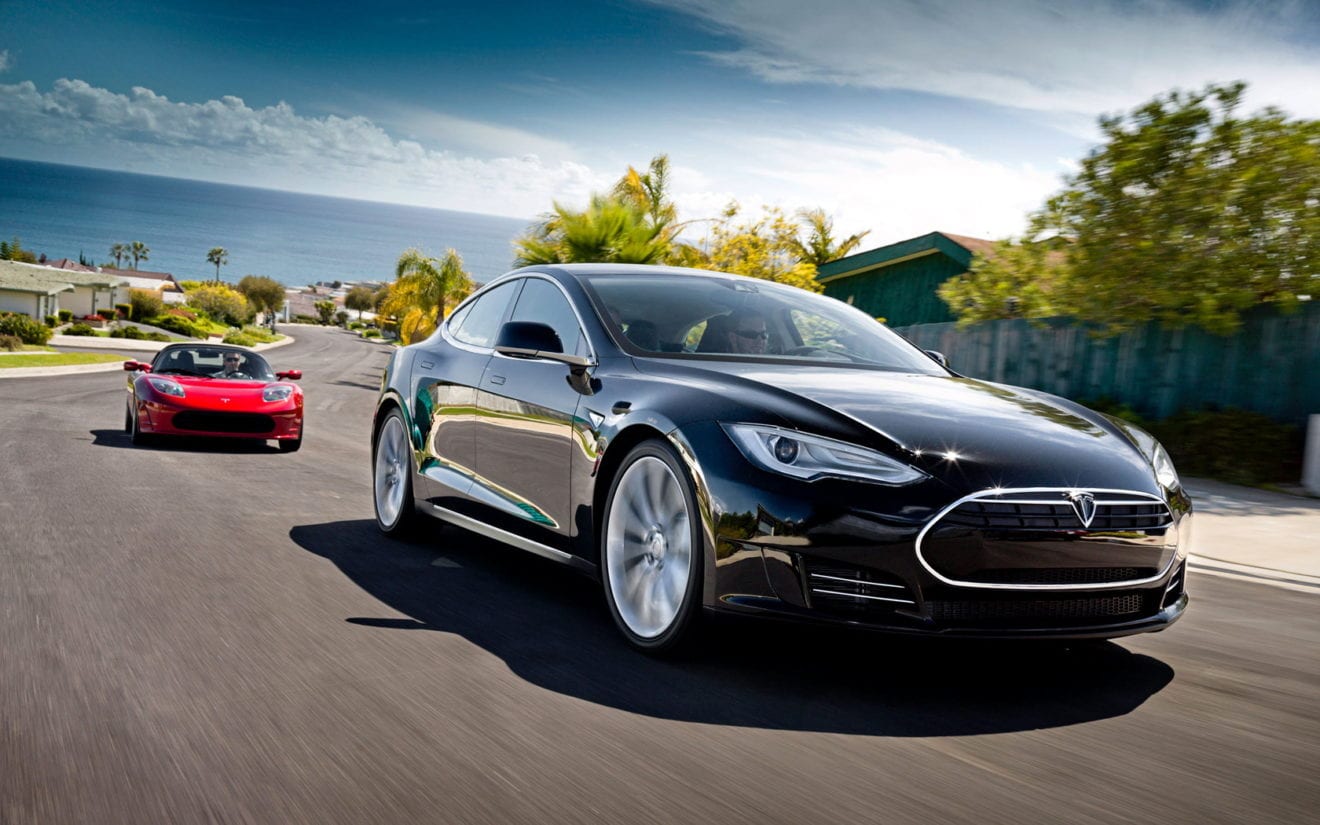
    Tesla has announced that in the future its electric cars will be able to feedback the stored energy back to the electricity grid. Tesla’s Model S Long Range Plus model can drive up to 644 kilometers using its 100 kWh battery which is often not fully utilized by its owners unless they plan on going on a long trip. While Tesla’s CEO Elon Musk hasn’t specified when it is coming, he did say at its battery day event that the feature was in the works. The billionaire however clarified that this feature wouldn’t be game-changing as the very concept of electric mobility.

    “Vehicle-to-grid sounds good, but I think actually has a much lower utility than people think,” Musk said.

    Musk instead was of the belief that users should start augmenting the electricity that comes in the household with Tesla’s PowerWall which is a battery-based electricity solution that Tesla sells in the US augmented with solar panels. “I think it’s actually going to be better for people’s freedom of action to have a Powerwall and a car,” said Musk.

    Using the PowerWall, users can even go off-the-grid and be fully self-sufficient on their power needs. That being said, having a Tesla with a 100 kWh battery at home can be very handy in the case of a blackout.  “The amount of energy storage you have driving on four wheels is much more than any electric utility will ever build and put on the grid,” says Gerbrand Ceder, a professor of materials science and engineering at the University of California, Berkeley.

    “So it now starts to make sense that you use this as a resource to stabilize the grid,” he added.

    This news comes as Tesla also announced its new tabless batteries which are more efficient and powerful. Tesla also announced that it was developing a new vehicle at the $25,000 price point which may even have the potential to come to India.

  • Driver Arrested For Sleeping While Tesla Was On Autopilot At 140 kmph

    Driver Arrested For Sleeping While Tesla Was On Autopilot At 140 kmph

    A Tesla driver in Alberta, Canada was arrested for sleeping while the car was cruising at 140 kmph on the Autopilot. “Alberta RCMP received a complaint of a car speeding on Highway 2 near Ponoka. The car appeared to be self-driving, traveling over 140 km/h with both front seats completely reclined & occupants appeared to be asleep,” posted the official RCMP twitter account.

    “The driver received a Dangerous Driving charge & summons for court,” tweeted the RCMP. In a more detailed report on its own website, it was revealed that the driver was a 20-year old whose license was suspended for fatigue. “Although manufacturers of new vehicles have built-in safeguards to prevent drivers from taking advantage of the new safety systems in vehicles, those systems are just that – supplemental safety systems,” Superintendent Gary Graham of Alberta RCMP Traffic Services stated in the RCMP report. It also noted that Tesla’s didn’t come equipped with self-driving systems and onus is still on the driver to drive the car.

    Tesla itself doesn’t allow its users to implement the Autopilot feature for full autonomous use. It also adds a number of safeguards such as reminders and requires the driver’s hand on the steering wheel frequently for staying enabled. That being said, many users have proven the ability to manipulate the system and the same has been pointed out by many on Twitter who noted that this was probably a prank.

    This comes at the backdrop of Tesla’s founder claiming that a big update for its autonomous capabilities is in the works thanks to the neural network it is running on the DOJO supercomputer. The latest Tesla’s run its FSD chips for its autopilot capability while the older ones are based on Nvidia’s semiconductors. Next week, Tesla is also slated to announce some big updates related to its battery tech at its battery day event.