Tag: car

  • Rolls-Royce supplies power solutions for SpaceDC’s first Indonesian green focused data center facility

    Rolls-Royce supplies power solutions for SpaceDC’s first Indonesian green focused data center facility

    Space officially launched its new ID01 25.45MW data centre campus with Rolls-Royce technology on 4 November 2020. It is the first green-focused data center in Indonesia. With innovative design and infrastructure, SpaceDC enables a power usage effectiveness (PUE) of 1.3, which is changing the industry’s approach to carbon footprint and ensures uptime for the users. Three MTU gas and diesel systems from Rolls-Royce with the latest exhaust after-treatment technology provide efficient and clean base load and emergency power as well as cooling.

    “There is a growing demand for local data centres in Southeast Asia, even more since the Covid-19 crisis”, says Darren Hawkins, CEO of SpaceDC. “With the trend of decarbonization, new concepts of power supply for data centres are at the forefront.” SpaceDC is a data centre provider who aims to lower the environmental impact of data centres. “This company philosophy fits very well with Rolls-Royce’s goal of continuously enhancing the eco-friendliness of our drive and energy systems and bringing them closer to CO2 neutrality,” explains Andreas Görtz, Vice President Power Generation at Rolls-Royce Power Systems.

    For the JAK2 facility in Jakarta, Rolls-Royce supplied three containerized gas and diesel systems.

    The diesel systems, which secure the power supply of the data centre, comprise two MTU 20V4000 DS3300 gensets in a 40 ft container with SCR systems to reduce emissions.

    “Reliable backup power is the lifeblood for any data centre – and it is absolutely fundamental in creating a world class facility,” said Darren Hawkins. “In designing our JAK2 data centre, we selected Rolls-Royce, with its MTU products, as our partner because they provide the best in market technology and power efficiency for this data centre, which is aligned with our vision of meeting international standards as part of the overall value proposition to our customers in the region and beyond.”

    A 20-cylinder MTU Series 4000L64 FNER gas genset in a 40ft container is installed as CHP (Combined Heat and Power) application with a total efficiency of above 90%. The system will provide baseload electricity and cooling via an absorption chiller utilising the exhaust gas heat to provide cooling. The MTU gas systems offer best in class power density and have been designed specifically to withstand hot and humid conditions. This is especially crucial for the facility in Jakarta where the climate is tropical almost year-round. The MTU power solutions offer an extended Time Between Overhaul (TBO) of 84,000 hours, requiring less maintenance and overhaul intervals for maximum productivity and reliability.

    “Deploying generators in a tropical environment like Indonesia comes with a unique set of challenges, especially for a data centre environment where uptime is absolutely critical. We’re proud that our Series 4000 generator sets will help SpaceDC meet the special demands of the location and ensure the highest levels of reliability for their customers,” said Andreas Görtz.

    “Working with Space, we’ve seen great synergy in developing complete power generation solutions that are market-leading in terms of efficiency and reliability. And we are proud that they chose us as a partner to support them with our sustainability service and backup power”, said Waluyanto Sukajat, Acting Managing Director, PT. MTU Indonesia.
  • 18th U.S. Takata Death Reported, First In A BMW

    18th U.S. Takata Death Reported, First In A BMW

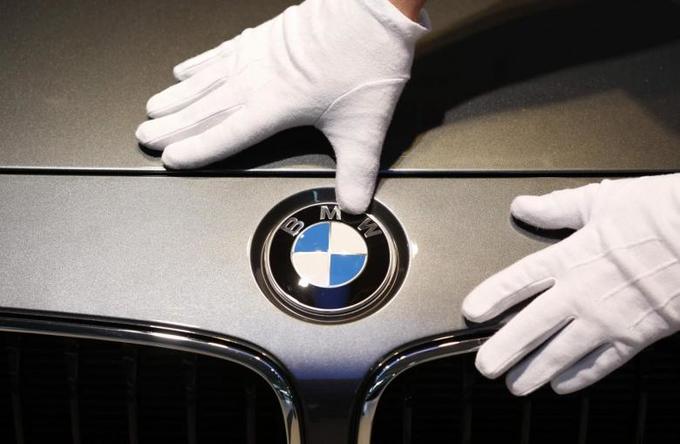
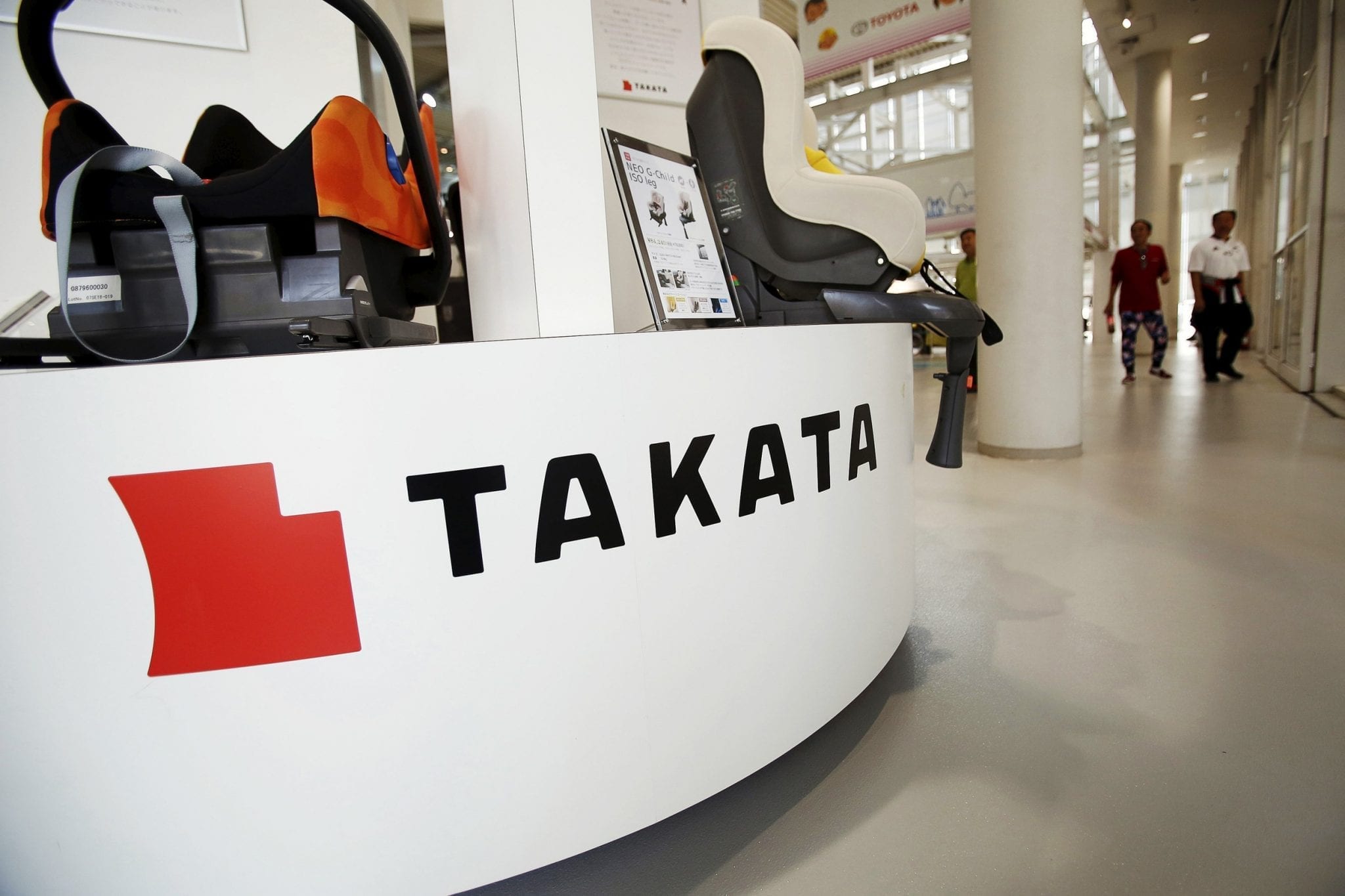
    A U.S. auto safety regulator said on Thursday it identified the 18th U.S. death tied to a Takata airbag inflator rupture after the review of a recent BMW crash. The National Highway Traffic Safety Administration (NHTSA) said it had concluded a Takata airbag inflator rupture during a September crash in Arizona had led to fatal injuries of the driver. This was the first reported Takata death in a BMW vehicle after 15 U.S. deaths in those of Honda Motor Co and two in Ford Motor Co vehicles since 2009.

    BMW said its “engineers will work closely with federal investigators to inspect the vehicle and to understand the details of the incident.”

    The German automaker added it had “been working diligently to identify and contact owners of these older vehicles equipped with recalled Takata airbags.”

    The defect, which leads in rare instances to airbag inflators rupturing and sending metal fragments flying, prompted the largest automotive recall in U.S. history of about 63 million inflators. Worldwide, about 100 million inflators by 19 major automakers were recalled.

    More than 290 U.S. injuries are also tied to faulty Takata inflators and at least 27 deaths worldwide. The issues especially affects older vehicles with long-term exposure to hot, humid conditions. A number of the deaths have occurred in Arizona. Millions of unrepaired airbags remain in cars on U.S. roads.

    NHTSA said in a statement Thursday the “incident underscores the importance of replacing every recalled Takata airbag. When notified of a safety defect, we urge vehicle owners to immediately contact their automaker’s local dealer to schedule a free repair.”

  • Nissan Explores Possible Sale Of 34% Stake In Mitsubishi Motors

    Nissan Explores Possible Sale Of 34% Stake In Mitsubishi Motors

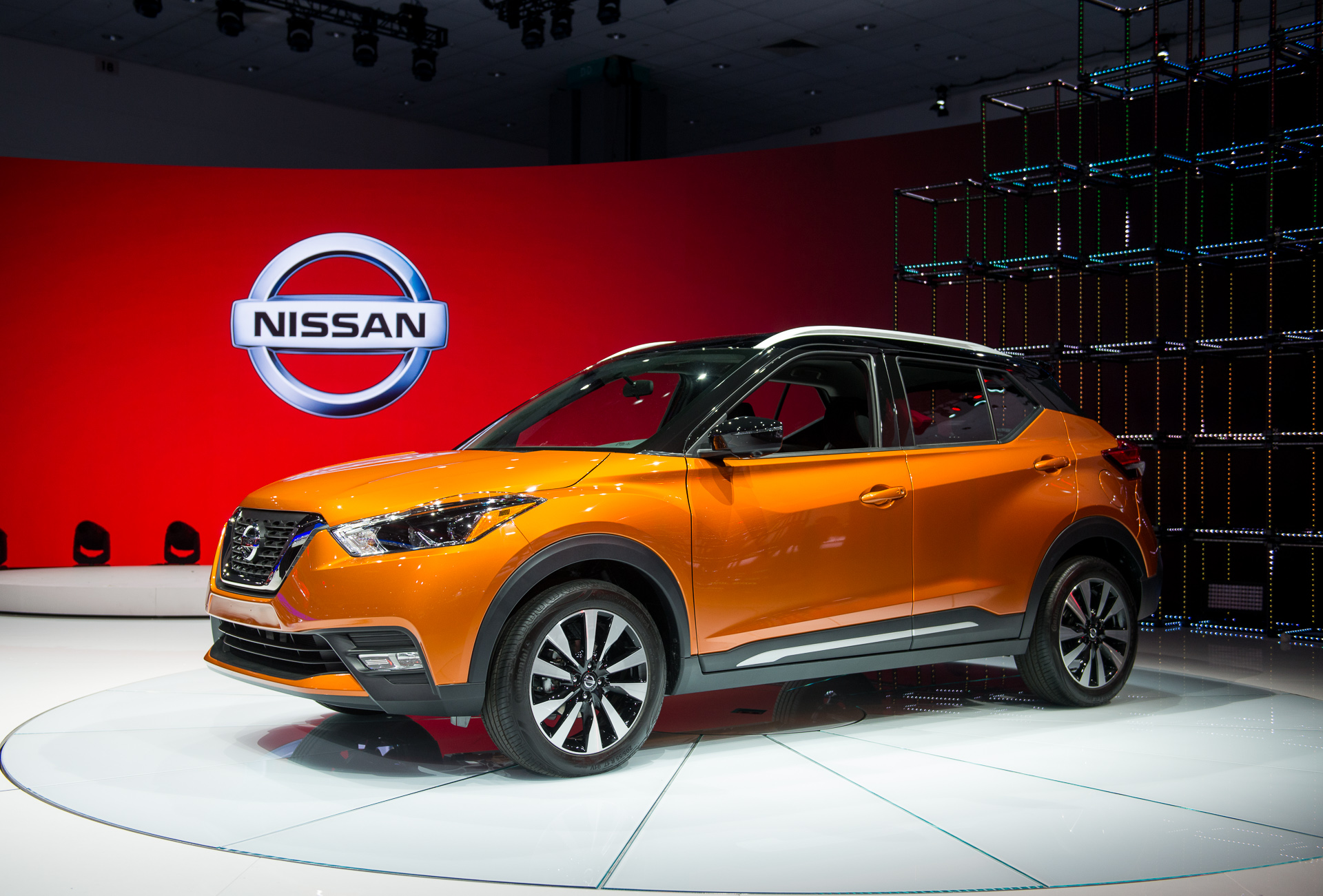
    Nissan Motor Co may sell its 34% stake in Mitsubishi Motors Corp in what would be a fundamental change in a three-way alliance that also includes France’s Renault SA, Bloomberg News reported, citing unidentified sources.

    Nissan is considering looking for potential buyers, which could include other shareholders such as trading firm Mitsubishi Corp, as it is worried it may struggle to recover from a downturn caused by the coronavirus pandemic, Bloomberg said.

    “There are no plans to change the capital structure with Mitsubishi,” Nissan told Reuters in an emailed statement.

    Nissan, which has 34% stake in Mitsubishi Motors, is worried it may struggle to recover from a downturn caused by the coronavirus pandemic

    Nissan, which is 43% owned by Renault, last week cut its operating loss forecast for the year to March by 28% to 340 billion yen (2.5 billion pounds), helped by a rebound in demand, especially in China.

    Mitsubishi Motors, Japan’s No.6 automaker, expects to post an operating loss of 140 billion yen for the business year.

    Both companies are cutting production levels and costs in a bid to return to profitability.

  • Google Maps Street View might soon allow users to upload their own photos of places and streets

    Google Maps Street View might soon allow users to upload their own photos of places and streets

    Google Maps is now one of the most popular navigation and exploration tools, and a new feature coming to its Google Street View might soon allow people to upload photos to make sure hardly reachable areas of streets or cities can be visible in Google Street View. The feature to upload images will be present in the standalone app Google Street View, which will allow you to use your smartphone to contribute to Google Maps.

    In the beginning, in order to be able to place you on a street in Google Maps, Google had cars that went about with big 360-degree cameras that took photos of the streets. This later helps anyone who needs more precise navigation or to get a feel of the streets in Google Maps and Google Street View to virtually place themselves in the middle of the street and look around.

    Now, to further this capability and make previous unavailable-for-visualization places accessible, Google’s Street View will have a feature that can use your smartphone to take photos of the place as you drive. Reddit user -J-G- spotted the feature in Google Street View Driving mode. Additionally, Google might need to use some image processing and software to merge the photos together for a 360-angle view.

    As expected, the app will blur faces and vehicle plates, protecting the privacy of everyone while at the same time providing more images and visualization to Google Street View in places unreachable for Google alone.

  • Hyundai Looks Ahead To New SUVs In 2021 And Urban Air Taxis By 2028

    Hyundai Looks Ahead To New SUVs In 2021 And Urban Air Taxis By 2028

    South Korean automaker Hyundai Motor Co is supercharging its product portfolio next year with the introduction of several new SUVs, while looking even farther out to the launch of its first urban air taxis toward the end of the decade, the company’s top U.S. executive said on Monday.

    “We are all-in on autonomous vehicles,” as well as electric vehicles, said Jose Munoz, president and CEO and Hyundai Motor North America, at an Automotive Press Association teleconference.

    His remarks come at a time when investment in robo-taxis has slowed, even as the global pandemic has spurred interest in personally-owned vehicles, especially trucks and SUVs. Hyundai hopes to tap that interest next year with the all-new Santa Cruz, a compact utility vehicle with a pickup bed, and the Ioniq 5 crossover, the first in a series of new all-electric models.

    Early next year, the redesigned Tucson compact crossover goes into production at Hyundai’s Montgomery, Alabama plant, which also will begin building the Santa Cruz in late spring as part of a $410 million expansion. Munoz said Hyundai will work with the new Biden administration to develop infrastructure to support battery-electric and hydrogen-electric vehicles.

    He seemed most excited by Hyundai’s work with Motional – its $4 billion (£3 billion) self-driving technology joint venture with Aptiv PLC and its partnership with Uber Technologies on urban air taxis, which Munoz predicted would be in operation at such major U.S. airports as LAX in Los Angeles and JFK in New York “by 2028, maybe earlier.”

    Hyundai already is developing “flying devices” powered by electric motors and batteries that can transport five to six passengers from highly congested urban and suburban centers to those airports, Munoz said. “We see a lot of opportunities ahead of us in autonomous vehicles,” including air taxis, he said.

  • Tesla Is Looking To Move to AMD Navi Chips For The Media Control Units On Its Cars

    Tesla Is Looking To Move to AMD Navi Chips For The Media Control Units On Its Cars

    While Tesla has moved away from Nvidia’s silicon for its self-driving autonomous car capabilities, it still uses Nvidia’s Tegra mobile chips for the media control unit or MCU on its vehicles. It seems like Tesla wants to fully break up as it is considering AMD’s new Navi chips which form the basis for its new GPUs and the GPUs AMD has supplied both Microsoft and Sony for the Xbox Series X and PlayStation 5.

    Tesla has already switched to Intel-based x86 processors for its MCU on many vehicles and AMD’s Navi system on chips will have the same x86 architecture which will make the transition less painful. Patrick Schur has shared a document on Twitter which indicates that Tesla is particularly looking to move to AMD’s Navi 23 chip.

    Announced in October, AMD’s latest chips are said to match Nvidia’s GPUs in performance and outflank Intel’s CPUs in the same department while being significantly cheaper than products from the two companies.

    “Groundbreaking AMD RDNA 2 gaming architecture delivers up to 2X higher performance and up to 54 percent higher performance-per-watt compared to AMD RDNA-based graphics cards,” AMD says in a press statement describing its new Navi chips which are based on the RDNA 2 architecture.

    Tesla has also been hiring game developers which could mean that the world’s most valuable automaker could be very serious about gaming inside the vehicle. It is a strange choice but GPU compute these days is regardless more important than GPU compute for even AI tasks.

    This chip is said to be more powerful than Nvidia’s chips.

    Tesla has been at the forefront of this trend – it developed its own self-driving chip which it claims is better than Nvidia’s Xavier platform. For this, it even hired legendary chip designer Jim Keller, who has had stints at Intel, AMD and Apple. Jim Keller left Tesla in 2019 to join Intel but his stint at the iconic Santa Clara-based company also came to an end in June of this year.

  • Virgin Hyperloop Tests First Hyperloop With Humans Aboard

    Virgin Hyperloop Tests First Hyperloop With Humans Aboard

    Virgin Hyperloop has become the first company dabbling in Hyperloop which is an ultra-fast mode of grounded transportation, with humans aboard. This test took place this Sunday at the company’s DevLoop test track in the desert outside Las Vegas, Nevada. The Hyperloop featured two passengers.

    The first two passengers were Virgin Hyperloop’s chief technology officer and co-founder Josh Giegel, and its head of passenger experience Sara Luchian.

    The Hyperloop pods dubbed the Pegasus was transferred into an airlock as the air inside the enclosed vacuum tube was removed. The pod then accreted at 160 kmph down the length of the track.

    Virgin Hyperloop was founded in 2014 after the original concept for the Hyperloop was shared by Tesla and SpaceX founder and CEO Elon Musk. Musk’s original concept claimed that Hyperloop would be able to achieve a top speed of 1,223 kmph in nearly airless tubes.

    The DevLoop track is just 500 metres in length and 3.3 meters in diameter which is also one of the reasons why the top speed wasn’t as extreme. The company now claims that it has completed over 400 tests.

    “No one has done anything close to what we’re talking about right now,” said Jay Walder, CEO of Virgin Hyperloop, told The Verge. “This is a full scale, working hyperloop that is not just going to run in a vacuum environment but is going to have a person in it. No one has come close to doing it,” he added.

    Giegel has revealed the acceleration of the Hyperloop will be similar to a plane taking off. The pod is propelled by magnetic levitation, a type of technology already used in MagLev trains in China which can achieve speeds of up to 480 kmph.

    The pod which is called Pegasus was designed with the help of danish architect Bjake Ingels. This is actually a scaled-down version of the pod that Virgin Hyperloop plans on commercializing. It weighs 2.5 tons and measures 15-18 feet long.

  • Suzuki Expects Annual Profit To Shrink By A Quarter As India Sales Slump

    Suzuki Expects Annual Profit To Shrink By A Quarter As India Sales Slump

    Suzuki Motor Corp on Thursday forecast operating profit to fall by a quarter to 160 billion yen ($1.5 billion) in the year to March as sales, including in its key Indian market, shrink amid the coronavirus pandemic. That prediction was more than an average estimate for a 124.3 billion yen compiled from 14 analysts polled by Refinitiv.

    Suzuki’s Indian car sales in the first half of the year fell 36% to 432,000 vehicles, and dipped in other markets, including Japan, Indonesia and Europe as people stay away from dealerships.

    “We don’t know what will happen with the coronavirus in India or what measures the government will implement, so that makes the market difficult to predict,” Suzuki’s president, Toshihiro Suzuki said in a conference call.

    India accounts for just over half of Suzuki’s global car sales. Through its majority stake in Maruti Suzuki India Ltd, the company accounts for roughly one in every two cars sold in the country.

    Last business year, Maruti Suzuki paid Suzuki 38.2 billion rupees in royalties, or about 5% of its revenue, according to its annual report

    For the full business year, the Japanese automaker expects to sell 2.38 million cars worldwide, 16.6% fewer than the previous twelve months.

    The forecast came as Suzuki posted a 73.6 billion yen operating profit in the three months ended Sept. 30 compared with a profit of 55.9 billion yen a year earlier, according to Reuters’ calculations.

    Japan’s fourth-largest automaker had declined to give a full-year forecast when it reported it first-quarter results.

  • US claims Vietnamese tires subsidized by weak currency

    US claims Vietnamese tires subsidized by weak currency

    The U.S. has slapped preliminary countervailing duties of 6.23-10.08 percent on Vietnamese tires, alleging they are subsidized by an undervalued currency. The duties, which apply to imported passenger vehicle and light truck tires, were announced by the Commerce Department on Thursday, after United Steelworkers, a trade union with members across North America, filed a petition in May claiming domestic production was hurt by Vietnamese products.

    There will be a final determination on the case in March next year.

    This is the first time that the U.S. has imposed countervailing duties based on currency value.

    The U.S., under President Donald Trump, has in recent years been accusing Vietnam of manipulating its currency to gain an unfair trade advantage and a large trade surplus.

    Vietnamese authorities have repeatedly said their exchange rate policies are not aimed at helping exports to the U.S.

    Deputy Foreign Ministry Spokesman Duong Hoai Nam said at a press briefing Thursday that Vietnam has been following this investigation since it was launched.

    “Vietnam will continue to coordinate with U.S. authorities to clarify and better understand the situation and protect the legitimate interests of Vietnamese businesses in accordance with World Trade Organization regulations.”

    Central bank governor Le Minh Hung said last month that the country “has not intended and will not intend to use monetary policies in general and exchange rates, in particular, to create unfair competitive advantages in international trade.”

    The U.S. is also conducting anti-dumping duty investigations related to light vehicle tires imported from Vietnam, South Korea, Taiwan, and Thailand, and will announce the preliminary results next month.

    Vietnam’s passenger tire exports to the U.S rose by 14 percent last year to $469.6 million, according to the U.S. Census Bureau.

    “The Trump Administration remains vigilant against foreign actors that take advantage of American workers and businesses, and we will continue addressing this issue to ensure American industry competes on a level playing field,” Secretary of Commerce Wilbur Ross said in a statement.

    Experts have expressed concern that more countervailing and anti-dumping duties will be imposed on Vietnamese goods based on allegations of currency manipulation should Trump win the ongoing presidential election.

    The Trump administration has initiated 297 anti-dumping and countervailing investigations, a 271 percent increase from the comparable period during the previous one.

  • BMW Warns Of Pandemic Risks As Third-Quarter Profit Rebounds

    BMW Warns Of Pandemic Risks As Third-Quarter Profit Rebounds

    BMW’s third-quarter profit rose almost 10% thanks to Chinese demand for luxury cars, but the German automaker warned a new wave of coronavirus infections sweeping Europe and the United States posed a “considerable” risk to its business. Sales of luxury models such as the 8 series and X7 helped the carmaker reach a new sales record in the quarter, but the cautious outlook sent BMW shares lower on Wednesday.

    “After a more stable phase in the economic environment in the third quarter, the pandemic is now clearly regaining momentum,” BMW said.

    “If the pandemic takes an even more serious course and the global economy experiences a perceptible downturn, the risk exposure could be considerable, particularly on the demand side.”

    The growing importance of China led BMW to abandon its strategy of seeking “balanced sales across all continents”. BMW shares were down 1% at 1112 GMT, underperforming Germany’s blue-chip DAX index. Like rival Mercedes, BMW’s pretax profit recovered in the third quarter, rising 9.6% to 2.46 billion euros ($2.87 billion), lifted by an 8.6% increase in deliveries.

    The automotive EBIT (earnings before interest and tax) margin rebounded to 6.7%, from minus 10.4% in the second quarter and 6.6% a year earlier.

    “BMW beat mostly on earnings quality with auto margin recovering to year-ago level,” Jefferies analyst Philippe Houchois said, pointing to prudent cost management, lower R&D spending and a rebound in demand from China.

    But after the pandemic-related hit in the spring, BMW still expects overall deliveries of high-end vehicles and group pretax profit this year to be significantly lower than last year.

    Deliveries of BMW and Mini-branded vehicles rose 8.6% in the third quarter, mainly thanks to a 31% spike in China, which helped offset a 15.7% drop in demand in the United States, where the pandemic has hit sales hard.

    The growing importance of China led BMW to abandon its strategy of seeking “balanced sales across all continents”.

    “We don’t like to refer to it as a dependency (on China). What is happening is a natural adjustment,” Chief Executive Oliver Zipse told reporters on a conference call.

    “If we speak about dependencies, we are dependent on our customers,” he said, noting China has a higher population than both Europe and the United States.

    China accounted for 34% of all BMW Group’s new car deliveries in the third quarter, followed by Germany on 13% and the United States on 12%. Zipse also said BMW would come to terms with whoever wins the U.S. presidential election. “Naturally it is in everybody’s interest that there is an unambiguous result,” he added.

    Expecting global demand for premium cars to drop by more than 10% this year, the Munich-based company is adjusting its production footprint. Manufacturing of the BMW X1 and Mini Countryman will be phased out at Dutch contract manufacturer VDL Nedcar, with production moved to BMW plants, Zipse said. The company is also preparing to introduce a new vehicle architecture in 2025, developed to build mainly electric and digitally connected vehicles, he added.

    BMW reiterated it expected to achieve an automotive EBIT margin of 0%-3% this year.

  • The Layout Of Tesla’s Nevada Gigafactory

    The Layout Of Tesla’s Nevada Gigafactory

    Tesla’s famous Nevada Gigafactory has been under construction for three years but it has only been completed 30 percent. It is one of the key strategic assets for Tesla to secure battery cell supply. In fact, some of the space in the Gigafactory was reserved for Panasonic as the leading electric car maker had partnered with the Japanese company. Panasonic is said to deploy a new battery cell production capacity at the facility which Tesla will use to build battery packs for its vehicles and Powerwall products.

    Originally, the plant was to produce 105GWh battery cells per year and 150GWh of battery packs per year. This would’ve made this Gigafactory the largest building in the world. But this hasn’t happened as both Tesla and Panasonic have just used up 30 percent of the space and focussed its energies on optimizing the current production facility. Panasonic’s Celina Mikolajczak, its Vice President for battery technology in North America has revealed what the future expansions are in-store for the Gigafactory. Mikolajczak was actually formerly at Tesla where she was an expert in batteries and technical leaders in the development and validation of lithium-ion batteries.

    Mikolajczak has released a slide that shows the plan for the future sections of the Gigafactory. Panasonic currently occupies the majority of the factory, but future expansions are meant to give Tesla more manufacturing space, more battery manufacturing space for Panasonic and additional space for raw materials.Now this factory has 13 battery cell assembly lines 24 hours per day 7 days a week producing 35GWh of battery cells per year. With the extra space, the factory could top beyond the 105GWh battery cell capacity.

  • Mercedes-Benz India Sees Positive Annual Growth Despite Challenging Situations

    Mercedes-Benz India Sees Positive Annual Growth Despite Challenging Situations

    Auto sales have been on the upswing for the last four months. While we still cannot expect any exponential growth this year, thanks to the coronavirus crisis that dampened sales for three months, automakers are expecting sales to be restored and at least inch to breakeven level for the overall year. Even luxury carmakers like Mercedes-Benz India has observed sales getting back on the growth trajectory gradually and the festive season is expected to give automakers the much-needed shot in the arm.

    Speaking to Siddharth Vinayak Patankar, Editior-In-Chief, on the latest Freewheeling with SVP webisode, Martin Schwenk, Managing Director (MD) and Chief Executive Officer (CEO)- Mercedes-Benz India said, “Overall, I think we’re back as a leader brand. Again, we’re back in a completely normal year but we have sales that are comparable to what previous years have done. Overall, we are in the stable mode now and have a good starting base for next year.”

    Now the German carmaker has also started with the local assembly of its performance AMG range in India and that’s indeed a bold move especially at a time when many plans have been put off owing to the Coronavirus crisis. In fact, the German brand is confident that AMG models do have a burgeoning market by segment standards in India making them more affordable by way of localization will help to tap a potential market. “2019 was 50 percent higher in AMG and obviously this year there is some setback as well, but AMG still is doing better than the normal segment. So performance seems to be a little bit stronger in terms of growth, but honestly, the numbers are absolutely much smaller compared to our regular models,” Schwenk added. Mercedes-AMG has launched the locally built GLC 43 Coupe in India at ₹ 76.70 lakh, ex-showroom, India.

  • Mercedes-Benz To Increase Its Share In Aston Martin

    Mercedes-Benz To Increase Its Share In Aston Martin

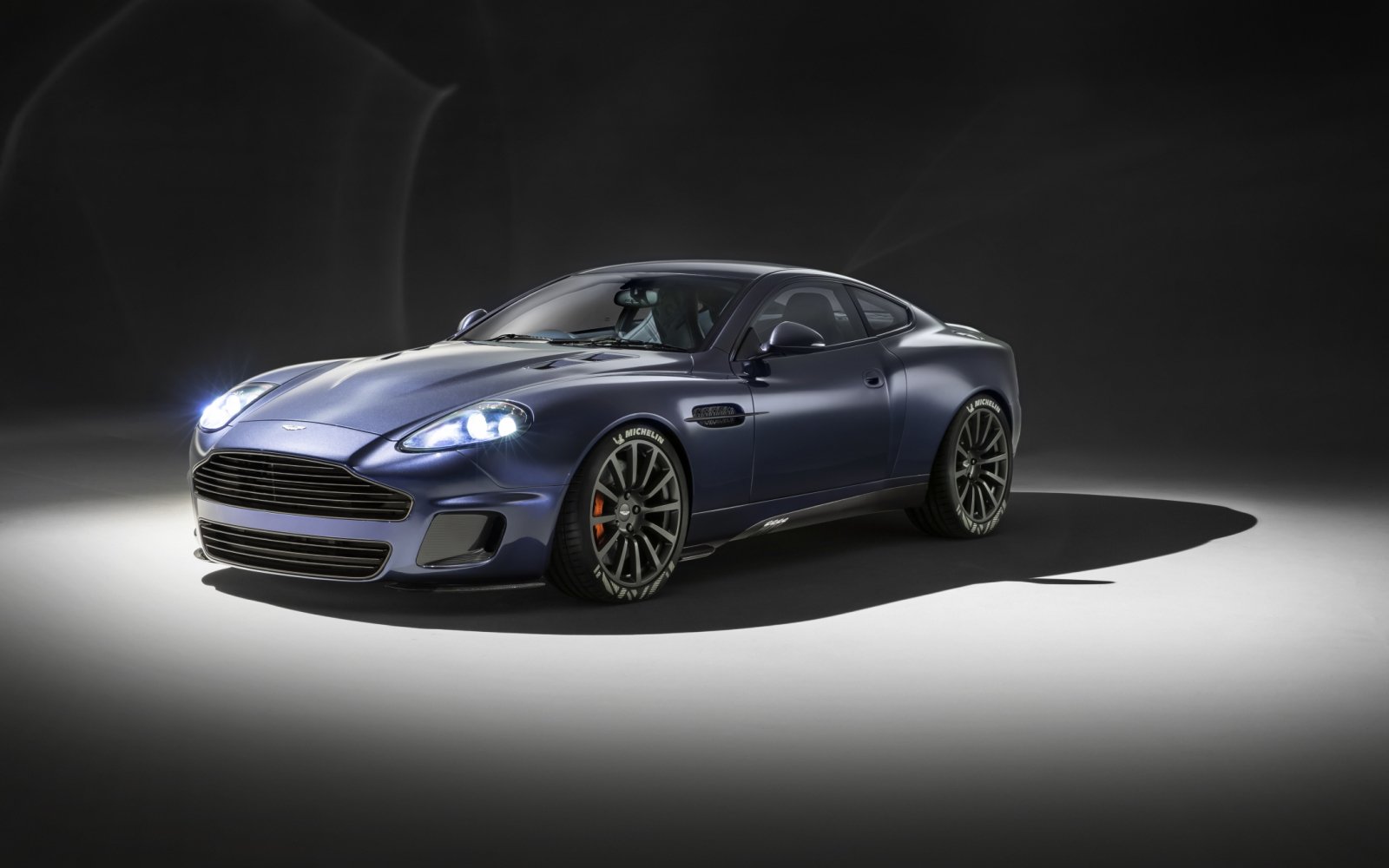
    Aston Martin is a celebrated British car manufacturer and the company is not in great shape financially. But in order to make the going easier, Aston Martin has announced that Mercedes-Benz will increase its stake in the company to 20 percent. In return, Mercedes-Benz will grant Aston Martin access to its latest technologies. These also include Mercedes’ technology for plug-in hybrid and fully electric vehicles. What this essentially means is that Aston Martin will reduce the cost and risk of developing its own technology for electrified vehicles and will focus on investment in other areas and expand its model portfolio.

    Lawrence Stroll, Executive Chairman of Aston Martin Lagonda, said “Today, we take another major step forward as our long-term partnership with Mercedes-Benz AG moves to another level with them becoming one of the Company’s largest shareholders. Through this newly expanded agreement, we secure access to world-class technologies to support our long-term product expansion plans, including electric and hybrid powertrains and this partnership underpins our confidence in the future.”

    Mercedes-Benz will provide technology (including powertrain architecture for a conventional, plug-in hybrid, and electric vehicles) for all product launches through 2027. Aston Martin has plans to reach 10,000 unit sales per annum by 2024/25 although there is still a long way to go, with the British company delivering just 2,752 cars so far in 2020, which is a drop of 39 percent over 2019. But a part of that can be attributed to the global corona pandemic as well. Aston Martin’s operating losses for 2020 so far stands at £229m. The company aims to have a net income of £500m with interest, taxes, depreciation, and amortization added back by the mid part of the decade.

    In its recently released financial statement, Aston Martin says that the company has a plan to update its entire front-engined sports car line-up, introduce a new SUV model which will sit along-side the DBX, and launch a new range of mid-engine cars.

  • Suzuki mulls assembling passenger cars in Vietnam

    Suzuki mulls assembling passenger cars in Vietnam

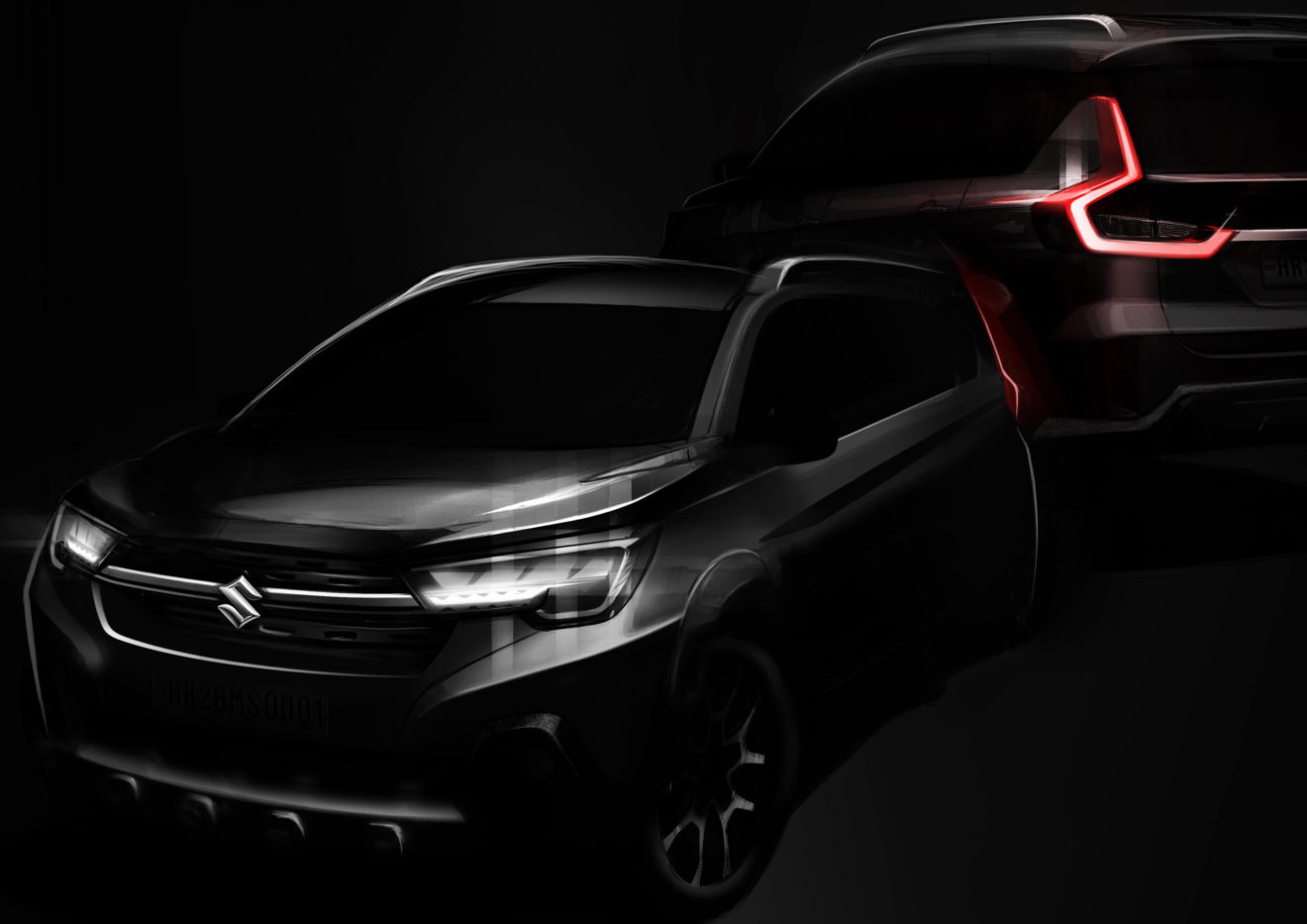
    Japanese automaker Suzuki is possible to assemble passenger cars in Vietnam in the coming time, a leader of the company says.

    Toshiyuki Takahara, general director of Suzuki Vietnam, told local media that the country is a key market for the company and it is considering assembling certain models there.

    When selecting a country for establishing a car assembly plant, Suzuki needs to take into consideration the possible sales volume, he said, but did not mention a specific target, saying it was a trade secret.

    With its current market share, it is more reason for it to import completely built unit (CBU) cars for local distribution, he added.

    Suzuki now assembles light trucks and vans in Vietnam. But all passenger cars, including four- and seven-seater, are imported from Indonesia and Thailand.

    Takahara said assembling passenger cars in the country requires huge capital investments in the production line. If the assembling depends on imported components, it would be ineffective because of increasing costs, resulting in higher car prices.

    Suzuki’s market share in Vietnam has been increasing over the past three years. It sold more than 6,800 vehicles in 2018, accounting for 2.5 percent of the market share. Last year, these numbers increased to 11,780 and 3.9 percent, correspondingly.

    The market share of Suzuki brand cars increased to 5.1 percent in the first 9 months of this year.

  • Daimler Posts Forecast-Beating Results For Q3 2020 As Demand Rebounds

    Daimler Posts Forecast-Beating Results For Q3 2020 As Demand Rebounds

    Daimler shares surged 4.5 percent on Friday after the luxury carmaker posted forecast-beating third-quarter results, buoyed by a better-than-expected rebound in sales of luxury cars in September. European car registrations rose slightly in September, the first increase this year, industry data showed on Friday, suggesting a recovery in the auto sector in some European markets where coronavirus infections were lower. Swedish truckmaker AB Volvo also posted third-quarter core earnings well above forecasts thanks to a healthy jump in orders.

    Daimler’s third-quarter earnings before interest and tax reached 3.07 billion euros ($3.59 billion), it said late on Thursday, beating the 2.14 billion euro Refinitiv consensus.

    The Stuttgart-based company is due to publish further financial details on Oct. 23 and said it would publish updated guidance for the full year at that time.

    Analysts had expected premium carmakers to benefit from a rebound in demand and welcomed Daimler’s strong cash flow during the quarter.

    “Free cash flow beat is a solid surprise,” Philippe Houchois, an analyst at Jefferies, said in a note.

    Daimler said it expected the positive momentum to continue in the fourth quarter, assuming there are no further coronavirus lockdowns.

    The COVID-19 pandemic had led to a slump in sales, pushing the company to operate losses in the first and second quarters.

    To counter losses, Daimler’s Mercedes-Benz has stopped building sedans in the United States to focus on more profitable SUVs, combined its fuel cell development with Volvo Trucks, and halted an automated development alliance with BMW..

    Earlier this month, Daimler said it will cut fixed costs, capex, and research and development spending at Mercedes-Benz by more than 20% by 2025 as part of a strategy overhaul to take the brand further upmarket.

    The move will see Mercedes-Benz, currently, the world’s top-selling premium car brand, turn its back on a decades-old strategy of chasing sales volume to focus on the industry’s most profitable segments: limousines and sport-utility vehicles.