Tag: car

  • BMW India Shuts Down Chennai Plant

    BMW India Shuts Down Chennai Plant

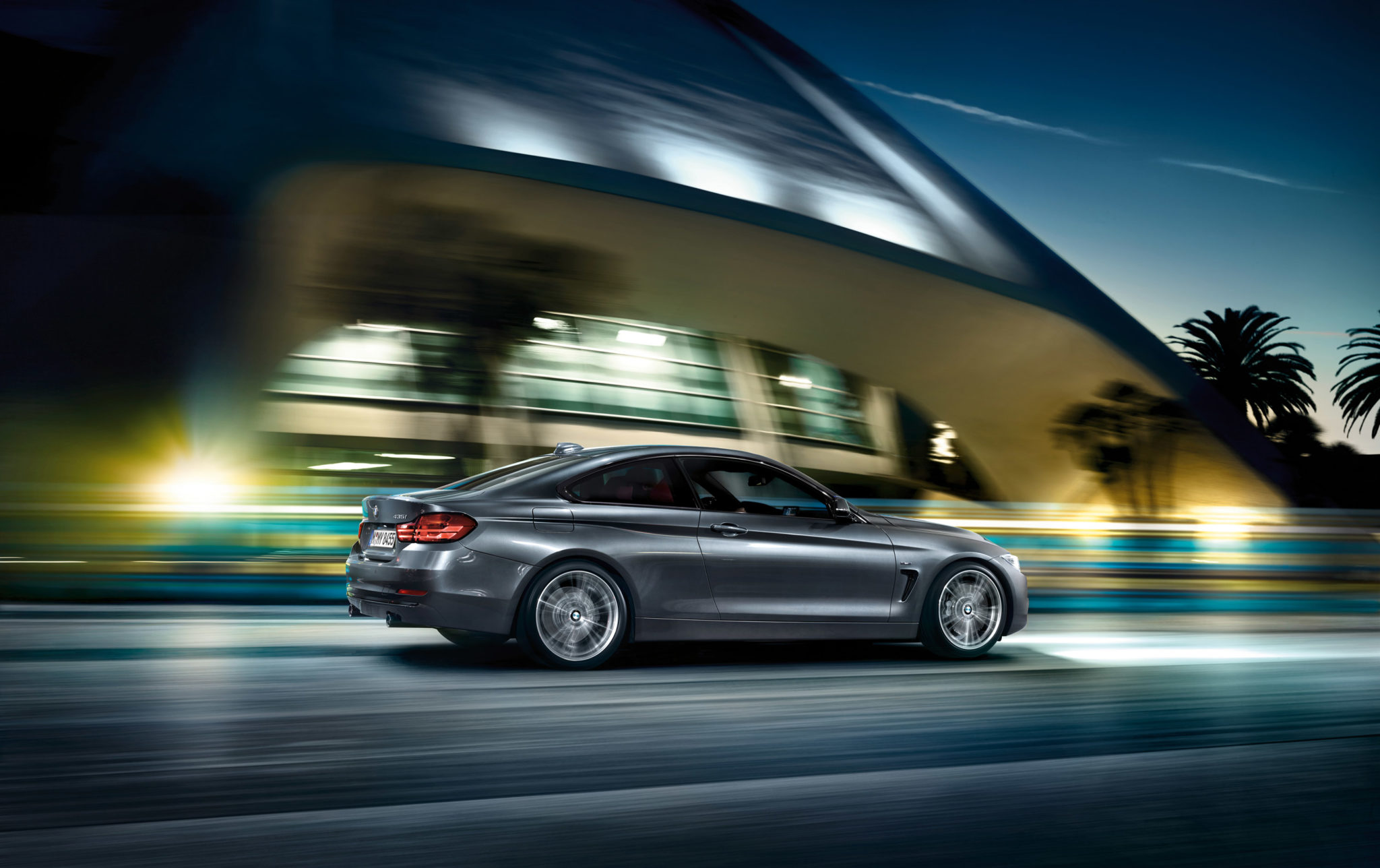
    BMW Group India has announced a number of measures to restrict employee movement during the novel coronavirus pandemic that’s swept the globe. The automaker has announced that it will be closing the Chennai-based manufacturing facility with immediate effect until March 31, 2020, while employees at The National Sales Company and BMW India Financial Services will work from home during this period. Meanwhile, essential services including security, facility management and healthcare will continue to operate. Furthermore, the German auto giant said that it will keep all its showrooms pan India closed during this period, while aftersales and breakdown services will remain functional albeit with limitations.

    A statement from the BMW Group read, “For the well-being of employees in the midst of the COVID-19 pandemic, work from home has been implemented across BMW Group offices in India with immediate effect. Business continuity is to be ensured across all functions while adhering to all government directives and necessary safety measures. Across the BMW, MINI and BMW Motorrad dealerships in India, staff will work from home to offer services to customers. Aftersales and breakdown services staff will operate as per the local government directives and will be functional with limitations. All showrooms are presently closed and will reopen as per local government advisory.”

    Almost all major automakers including Tata Motors, Mahindra, Maruti Suzuki, FCA India and more have announced plant closures amidst the outbreak. In the luxury space as well, Volvo India had already announced that it has asked its employees to work from home, while Audi India has also shut operations with the closure of the Skoda Auto-Volkswagen facilities across India, while Mercedes-Benz too has closed the Chakan facility, near Pune. The auto industry is estimated to bear a loss of ₹ 15,000 crore every day during this phase, which further adds to the sector’s woes since the past year.

  • SoftBank Nears Deal To Invest In Didi’s Self-driving Unit

    SoftBank Nears Deal To Invest In Didi’s Self-driving Unit

    SoftBank Group Corp is close to finalizing a deal to lead a $300 million investment in the autonomous driving unit of Didi Chuxing, news website The Information reported on Monday, citing people with knowledge of the situation.

    Earlier on Monday, SoftBank said it plans to raise as much as $41 billion to buy back shares and reduce debt, in an unprecedented move to restore investor confidence as a financial market rout pummels its shares and its portfolio companies.

  • Coronavirus Drags Car Dealers Into Digital Commerce

    Coronavirus Drags Car Dealers Into Digital Commerce

    Auto retailers have been slow to embrace e-commerce, but the coronavirus pandemic is changing that. Online traffic has risen even as in-person showroom traffic has disappeared. Auto dealers are embracing digital tools to close deals without a handshake and arranging for vehicles to be picked up or delivered without requiring customers to come to their stores.

    U.S. new vehicle sales will be hit hard by the pandemic. Demand dropped 13% in the first 19 days of March, according to research firm J.D. Power. In especially hard-hit markets like Seattle, San Francisco, Los Angeles and Chicago, where the virus has spread quickly, demand slumped as much as 22%.

    Moody’s Analytics said on Friday the new and used vehicle markets could slump by as much as 20% from 2019 levels and stay depressed into 2021.

    New and used vehicle markets could slump by as much as 20% from 2019 levels and stay depressed into 2021.

    Based on a survey of some 40 dealers, analysts at Evercore ISI on Monday estimated the March U.S. seasonally adjusted annual selling rate could be 11 million to 12 million vehicles, on par with levels seen during the 2008/2009 financial crisis.

    However, online traffic for the 1,000 U.S. and Canadian dealers served by Roadster, which provides a digital sales platform for everything from financing paperwork to vehicle delivery, was up about 6%.

    “Many dealerships are going to get caught with their pants down,” said Brian Benstock, a dealer in the New York City borough of Queens. “This will be a watershed moment for the dealership industry.”

    Dealers have been doing business online for years, but it has never been a major focus. Only 15% of all transactions are online, according to a November survey of 540 dealers commissioned by the National Automobile Dealers Association. However, they expect online car sales to double by 2025.

    Benstock, who began moving most of his sales online in 2015, said companies like Tesla Inc and retailer Carvana Co, which does all its business online, have begun to change consumer expectations.

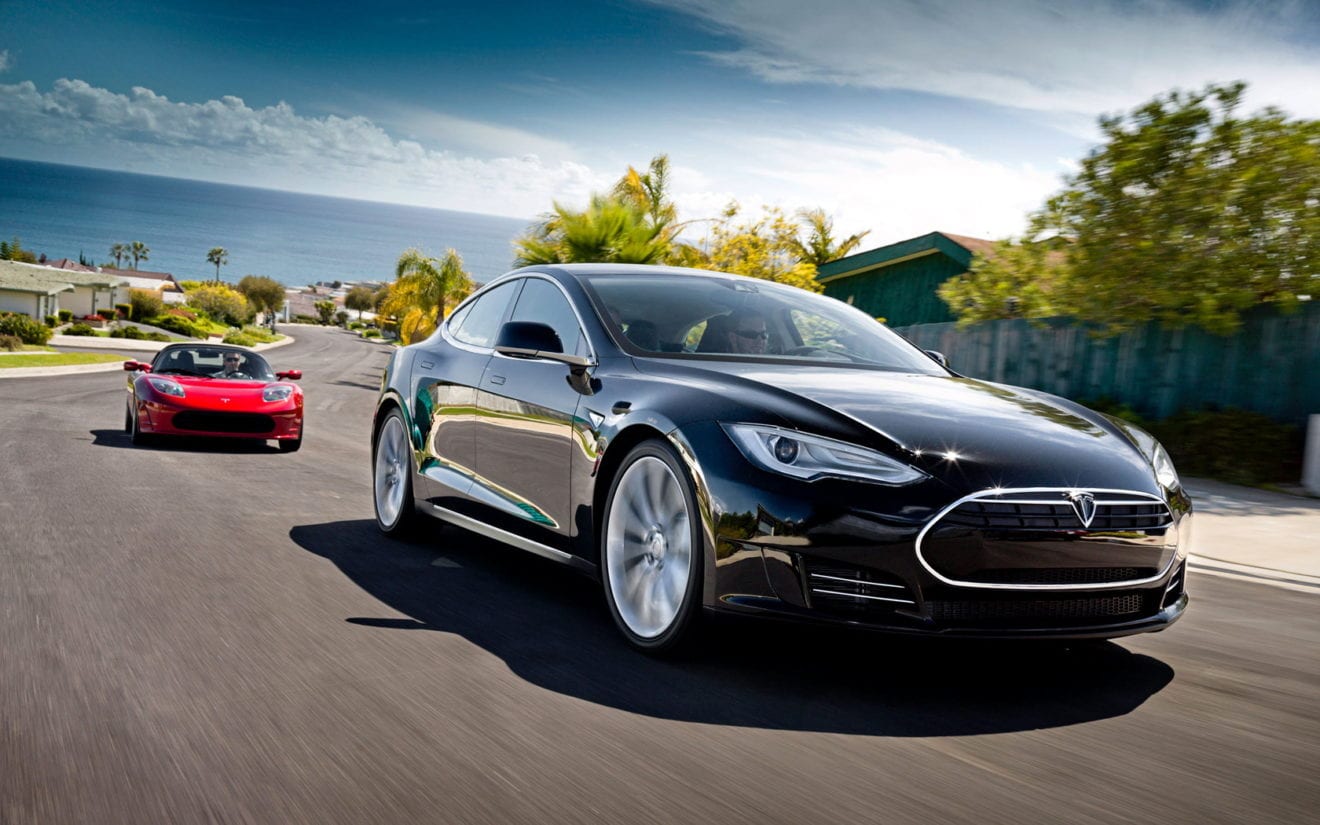
    Tesla has always relied on internet orders for its vehicles. It is implementing “touchless deliveries” in many locations, allowing consumers to unlock cars using the Tesla App, sign any relevant paperwork and return it to a drop-off location.

    Carvana, which sells used vehicles, expanded the number of cars it sold to retail customers by 89% in 2019 from 2018.

    Despite a sharp decline in its shares, Carvana has a market capitalization twice that of AutoNation Inc, the largest bricks and mortar U.S. retail vehicle chain. AutoNation started boosting investment in its online selling capability well before the virus shock.

    David Smith, chief executive of dealership chain Sonic Automotive Inc, said most customers still want to visit a showroom to see the cars they are buying.

    “There’s only a small percentage of the market who want to buy their car entirely online and have it delivered,” he said.

    “It’s what people wanted going into this,” she said, citing a Cox January survey that found consumers cited vehicle pick-up and delivery as their top desire.

    Matthew Zappone, general manager of a Chrysler Jeep Dodge Ram dealer outside of Albany, New York, is encouraging his sales staff to use FaceTime to show customers the vehicle features they want to see without visiting the store.

    “If you haven’t been doing it to this point, you’re under-prepared,” Zappone said.

  • Tesla Suspends Production At U.S. Vehicle Factory Due To Coronavirus

    Tesla Suspends Production At U.S. Vehicle Factory Due To Coronavirus

    Tesla Inc said on Thursday it will suspend production at its San Francisco Bay Area vehicle factory on March 24, ending a standoff with California authorities concerned about the spread of the coronavirus.

    The company said its New York solar roof tile factory also will temporarily suspend production, while operations at its Nevada battery plant will continue.

    “Despite taking all known health precautions, continued operations in certain locations has caused challenges for our employees, their families and our suppliers,” the company said in a statement.

    Tesla’s shares were down 8% in after-hours trading following the announcement.

    The decision to suspend production at the Fremont, California, plant comes as Tesla ramps up production of its Model Y sport utility vehicle at the factory. Demand for the Model Y is expected to be higher than for all of Tesla’s other models combined, Chief Executive Elon Musk has said.

    The decision to suspend production comes as Tesla ramps up production of its Model Y sport utility vehicle at the factory

    Musk on Thursday tweeted that Tesla’s China operations were running “normally across hundreds of suppliers & all of Tesla Shanghai.” The $2 billion Shanghai factory, which started delivering Model 3 sedans in December, is key to Tesla’s growth strategy and the company plans to expand production capacity there.

    Elon Musk’s expected defense of a $2.2 billion deal in court was postponed on Friday from its expected Monday start, due to the coronavirus outbreak.

    A Shanghai-based Tesla representative told Reuters the Chinese factory’s production rate has exceeded pre-coronavirus levels and over 91% of workers have returned to work since March 6.

    Tesla plans to start building Model Y SUVs in Shanghai from 2021 and expand car parts manufacturing capacity, a government document seen by Reuters showed.

    Cui Dongshu, secretary-general at the China Passenger Car Association (CPCA) told Reuters Tesla sold around 3,900 vehicles in February, up from 2,620 vehicles in January.

    Tesla’s decision to suspend production at its San Francisco area plant came after several days of discussions with local officials and after the company met on Thursday with the city of Fremont.

    California’s governor on Thursday issued a statewide “stay at home” order to residents, telling them to leave their homes only when necessary during the coronavirus pandemic.

    The highly contagious respiratory illness has infected more than 10,700 in the United States.

    The automaker also said it believed it had enough liquidity to successfully navigate the extended period of uncertainty, with some $6.3 billion in cash at the end of the third quarter, ahead of a recent $2.3 billion capital raise.

    Tesla’s Fremont facility, which is the company’s sole U.S. auto factory, employs more than 10,000 workers

    The city and officials from the surrounding Alameda County did not immediately respond to a request for comment on Thursday.

    Alameda County is one of six counties covered by an order from regional officials to “shelter in place,” which limits activity, travel and business functions to only the most essential, and advises people to stay home except for the most crucial reasons.

    The county sheriff’s office said on Tuesday afternoon Tesla was not considered an essential business and cannot continue to operate its factory normally.

    Tesla said on Thursday it would continue basic operations at the Fremont factory in compliance with the order to support vehicle and energy services and charging infrastructure.

    Tesla’s sole U.S. auto factory employs more than 10,000 workers, with annualized production of slightly more than 415,000 units by the end of December 2019.

    In an email to employees on Thursday, Tesla said operations at the Fremont plant will transition to “minimum basic operations” beginning on March 24.

    Employees at the California and New York factories will be provided with paid leave during suspended operations, the email said.

    Tesla’s Giga factory in Nevada, which employs around 7,000 people, produces battery packs for its electric vehicles and stationary storage systems.

    Its Buffalo, New York, plant produces the company’s solar roof tiles as well as some Supercharger and energy storage components. It has more than 1,500 workers in Buffalo, the company said last month.

    U.S. automakers Ford Motor Co, General Motors Co and Fiat Chrysler Automobiles NV, on Wednesday said they were shuttering their U.S. plants, as well as factories in Canada and Mexico, to stop the spread of coronavirus.

  • Rolls-Royce To Shut Production At Goodwood For 1 Month Over Coronavirus Pandemic

    Rolls-Royce To Shut Production At Goodwood For 1 Month Over Coronavirus Pandemic

    Britain’s Rolls-Royce Motor Cars has announced that the luxury automaker will suspend production at the Goodwood manufacturing facility in the UK for two weeks starting from March 23, 2020. Furthermore, the automaker will keep the facility closed for an additional two week period for the pre-planned Easter maintenance shutdown. The decision to close the plant arises due to the outbreak of the Coronavirus globally, which has affected the production and supply of components to automakers. Moreover, the virus is posing a major health risk, given its airborne nature. With the UK reporting over 2600 cases and about 71 deaths, the country has had to take strict measures to contain the virus.

    Torsten Muller-Otvos, Chief Executive Officer, Rolls-Royce Motor Cars, said, “This action has not been taken lightly, but the health and well-being of our exceptional workforce is first and foremost in our minds.  We are a tight-knit community at the Home of Rolls-Royce and I have no doubt that our resilience will shine through during this extraordinary time. As a deeply customer-focused company, we are aware that this decision to pause our production will possibly cause some discomfort or inconvenience to a few of our esteemed patrons, for which we apologize while seeking their understanding at this difficult time.”

    Rolls-Royce’s Goodwood plant employs about 2000 personnel with each of the cars hand-built

    Meanwhile, Rolls-Royce has said that day-to-day operations of the company will be assured by non-production employees who will remain at work at the company’s head office on the Goodwood Estate or who will work from home on a rotational basis. The company has engaged social distancing measures, it said in a statement.

    More recently, UK Prime Minister Boris Johnson asked automakers including Rolls-Royce, Ford and Honda to build medical equipment to tackle the COVID-19 pandemic. The UK government also said it will take support from the defense industry to build healthcare equipment to meet the increasing number of cases. Apart from Rolls-Royce, Nissan, BMW and Toyota among others have also announced plant closures in the UK, leaving Jaguar Land Rover and Honda with operational facilities. The closure will affect about 17,000 employees and production across the auto sector.

  • Ferrari To Close Plants In Italy For Two Weeks In Coronavirus Response

    Ferrari To Close Plants In Italy For Two Weeks In Coronavirus Response

    Luxury carmaker Ferrari said on Saturday it closed its two plants until March 27 in a response to the coronavirus outbreak in Italy and an emerging shortage of parts.

    Ferrari adds to a string of Italian manufacturers that have closed plants or slowed production rates in response to the virus emergency, threatening to disrupt Europe’s struggling automotive industry.

    Ferrari said in a statement it had so far ensured production continuity, as it already implemented all the health measures decided by the Italian government at the two sites, located in hometown Maranello and in Modena, in the northern Emilia Romagna region.

    France, Spain on lockdown over coronavirus

    France and Spain will close most shops, restaurants, and entertainment facilities and are encouraging people to stay home as the countries combat the coronavirus epidemic in Europe. The sweeping changes come as U.S. President Trump on Saturday extended

    However, it added the company was “now experiencing the first serious supply chain issues, which no longer allow for continued production”.

    Premium brakes maker Brembo, whose clients include Ferrari, said on Friday it would temporarily close its four Italian plants next week.

    All non-manufacturing activity will continue regularly, through smart working, Ferrari said.

    A source close to the matter said the company will adopt further measures during the closures period, including sanitization of the sites’ areas and added that no contagion cases were recorded among Ferrari’s workers to date.

    Italy agreed a series of measures on Saturday to improve health controls in factories, offices and other workplaces that have been allowed to stay open during the country’s coronavirus lockdown.

    Ferrari’s workers will continue to receive their full salary and will not be requested to use their day-off allowance during the closure period, the source said.

    Chief Executive Louis Camilleri said Ferrari took the decision to close its plants out of respect for its workers, “for their peace of mind and those of their families”.

    Earlier this week carmaker Fiat Chrysler and industrial vehicle maker CNH Industrial said they were temporarily halting operations and slowing production rates at some of their Italian plants to comply with the government’s anti-coronavirus requirements.

    Tyremaker Pirelli said it was cutting production at its Settimo Torinese plant, near Turin, after a worker tested positive for the coronavirus.

    Ferrari said its Formula One team Scuderia Ferrari had also suspended its operational activities.

  • Volkswagen Plans To Tap Electric Car Batteries To Compete With Power Firms

    Volkswagen Plans To Tap Electric Car Batteries To Compete With Power Firms

    Volkswagen’s expansion in electric cars will open up new business opportunities in storing and managing energy, encroaching on business currently dominated by utilities and energy firms, chief strategist Michael Jost said on Thursday.

    Electric car batteries could be used to stabilize the energy grid by charging the battery in times of excess supply and selling electricity back to the grid at times when supplies of electricity from wind and solar power are low, Jost said.

    An automotive analyst says the car industry will potentially suffer as the world economy is negatively impacted by the coronavirus pandemic

    “By 2025 we will have 350-gigawatt hours worth of energy storage at our disposal through our electric car fleet. Between 2025 and 2030 this will grow to 1 terawatt-hours worth of storage,” Jost told journalists in Berlin.

    “That’s more energy than is currently generated by all the hydroelectric power stations in the world. We can guarantee that energy will be used and stored and this will be a new area of business.”

    The German carmaker is not alone in looking into this field. German utility E.ON has been working with Japanese carmaker Nissan to develop so-called vehicle-to-grid (V2G) services.

    Volkswagen is launching the ID:3 electric car this year. A basic version will cost less than 24,000 euros ($27,000) in Germany, once green car tax breaks and incentives are deducted, putting electric cars on par with combustion-engined variants.

  • Rolls-Royce Dawn Silver Bullet Roadster Teased

    Rolls-Royce Dawn Silver Bullet Roadster Teased

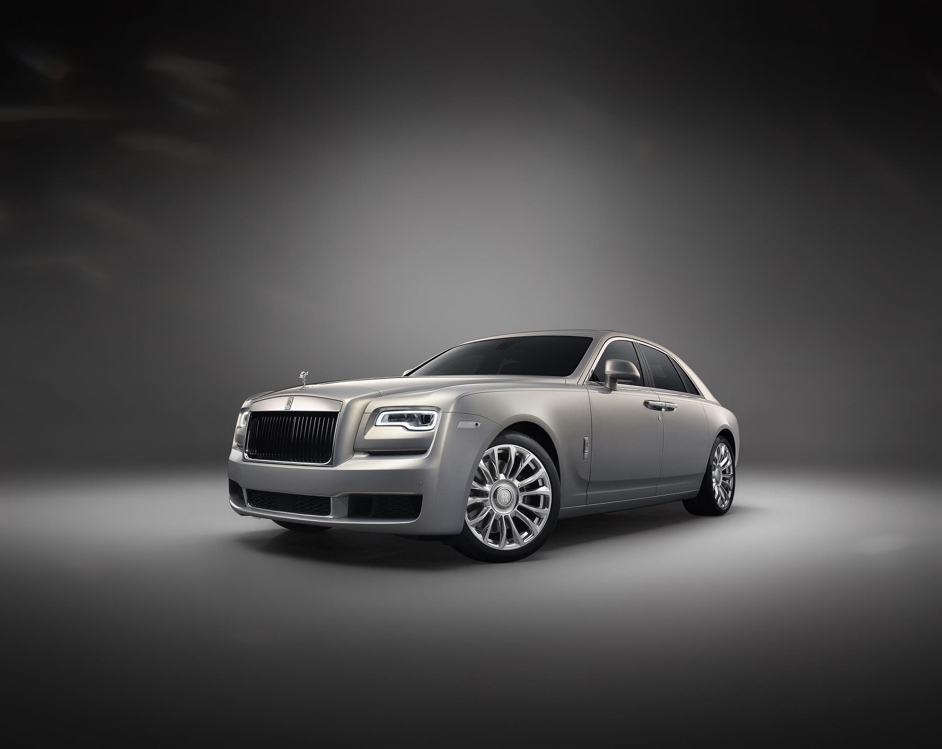
    Rolls-Royce is all set to introduce its first collection car of the new decade. It’s the Dawn Silver Bullet Collection and according to the company it is an ode ‘to decadence, to frivolity, to heady heydays and irreverent past times’. It’s basically the open-top roadster iteration of Dawn, and Rolls-Royce teased the car and we’ll know more about it very soon.

    A quilted transmission tunnel, with design cues taken from the leather jacket, runs through the center of the cabin in a tailored fashion.

    Drawing inspiration from the roadsters of the 1920’s -the Dawn Silver Bullet Collection looks seductive and cool too. It comes with a newly commissioned ultra-metallic silver paint finish which looks fantastic on the car. The aero cowling gives the Dawn Silver Bullet a high-shouldered silhouette. The rakish silver center spine brings the bodywork into the cabin, giving it the intimate, connected feel of a true two-seater.

    A behind-the-scenes look at Sunseeker, Britain’s biggest superyacht builder.

    It comes with a newly commissioned ultra-metallic silver paint finish which looks fantastic on the car.

    The Dawn Silver Bullet Collection features dark exterior detailing; dark headlights and a new dark front bumper finisher. The wheels are part-polished and offer a translucent shadow finish with a single silver pinstripe.

    Inside, the Dawn Silver Bullet Collection comes with an open-pore carbon fiber fascia. A quilted transmission tunnel, with design cues taken from the leather jacket, runs through the center of the cabin in a tailored fashion.

    Only 50 examples of this car will be made and we are sure there are plenty out there who want to scoop up this two-seater roadster from Rolls-Royce

  • Tesla Rolls Out Its One Millionth Car

    Tesla Rolls Out Its One Millionth Car

    American electric car maker, Tesla Inc. has rolled out its one-millionth car from its main vehicle manufacturing facility, Tesla Factory, in Fremont, California. The company’s CEO, Elon Musk has posted a photo of the one-millionth car, a red color Tesla Model Y, congratulating his factory team for achieving the new production milestone. The company, which was founded in 2003, started producing cars in 2008 with the Tesla Roadster (discontinued) in 2008, taking 12 years to reach the one million mark.

    Currently, the company offers four models, Model S, Model 3, Model X, and the Model Y. Tesla recently also revealed its fifth pure electric vehicle, the Tesla Cybertruck, which made its debut in November 2019 and is slated to go into production in 2021. Tesla currently operates several production and assembly plants in addition to the Fremont facility, which includes – Giga Nevada near Reno, Giga New York in Buffalo, New York, and the most recently opened Giga Shanghai in Shanghai, China, Tesla’s first plant outside America

    China’s industry ministry urged Tesla to keep its China-made vehicles consistent after some Chinese customers complained the automaker put less advanced chips in their cars.

    The company has already started selling China-made Model 3s and plans to produce the new Model Y at its China plant. Furthermore, the company has started work to build a new Gigafactory near Berlin Germany. Based on the company’s current targets growth rate, Tesla’s next million cars could very well be rolled much sooner. Early this year in January, the company announced that it hopes to ship over 500,000 cars worldwide in 2020.

    Tesla unveiled the Model Y in March 2019, and the prices start at $39,000 (approximately ₹ 27 lakh). The Model Y will be available in a standard range version, and a long-range, Dual-Motor All-Wheel Drive, and Performance variants. The company says that the Model Y electric crossover is spacious enough to carry seven adults (gets optional 3rd row) and their gear. The high-efficiency powertrain and ultra-responsive motors will provide 0-98 kmph in as little as 3.5 seconds and a top speed of up to 241 kmph. The Model Y with the Standard Battery will have a range of 370 km while the long-range variant will be able to travel up to 483 km on a single charge.

  • Volkswagen Tiguan Diesel To Be Discontinued From April 2020

    Volkswagen Tiguan Diesel To Be Discontinued From April 2020

    With the BS6 norms kicking in, Volkswagen India has done some major restructuring to its current lineup. While the automaker has launched the updated Polo and Vento with the 1.0-litre petrol motor, the diesel versions have been discontinued. Similarly, the German auto giant is all set to boot the Tiguan diesel from its Indian line-up by the end of this month. The five-seater Volkswagen Tiguan diesel won’t be upgraded to meet the BS6 emission norms that kick-in from April 2020.

    The Volkswagen Tiguan was launched in India in May 2017 as a five-seater premium SUV. The model is powered by a 2.0-litre TDI diesel engine and does not get a petrol engine, even as an option. With the VW Group going petrol-only in India, the engine won’t be upgraded to meet the BS6 emission norms. Although, it is likely that the company will bring a petrol version of the Tiguan, if it has strong demand for it.

    Volkswagen has shifted its focus to the SUV segment starting 2020 and it launched the Tiguan AllSpace, which is the long wheelbase, seven-seater version of the SUV at a price tag of Rs 33.12 lakh (ex-showroom). The AllSpace is a more practical alternative for the Indian market and is more suited to lock horns with rivals in the segment including the Toyota Fortuner, Honda CR-V, Mahindra Alturas G4 and the likes. The Tiguan Allspace’s introductory price makes it just ₹ xx lakh expensive than the top-end Tiguan 5-seater and that’s one reason why the company can expect the demand for this 7-seater to surge.

    The Volkswagen Tiguan AllSpace is a petrol-only offering and comes with the 2-litre turbocharged TSI motor that develops 187 bhp. The model is offered only with the 7-speed DSG automatic transmission and is fully loaded on the feature front with All-Wheel Drive as standard. Nevertheless, the void of a five-seater SUV from Volkswagen will be soon filled by the T-Roc compact SUV that is slated to be launched on March 18, 2020. Like the Tiguan AllSpace, the T-Roc is being brought to India as a Completely Built Unit (CBU) and will be priced around the ₹ 20 lakh (ex-showroom) mark. The SUV will be sold in a single-variant with power coming from the 1.5-litre TSI turbo petrol engine that belts out 148 bhp. The new T-Roc will take on the Jeep Compass, MG Hector, Tata Harrier and the likes, and will be sold in a fully-loaded single variant.

  • 2020 Hyundai Verna Facelift Launch Details Out

    2020 Hyundai Verna Facelift Launch Details Out

    The new Hyundai Verna Facelift will be launched with the 1.0-liter, three-cylinder, GDI turbo petrol engine that made its debut in the Venue last year and is also offered in the Grand i10 Nios and Aura. Like the Venue, even in the Verna this engine will be paired with a seven-speed dual-clutch transmission (DCT) while a six-speed manual gearbox will be standard. The new Verna will also share part of its engine line-up with the new Hyundai Creta. So the 1.5-liter, four-cylinder, naturally aspirated petrol engine and the 1.5-liter, four-cylinder diesel engine will also be on offer. While the six-speed manual gearbox will be standard on both engine options, the petrol will also come with a six-speed intelligent variable transmission (IVT) and the diesel will have a 6-speed automatic transmission.

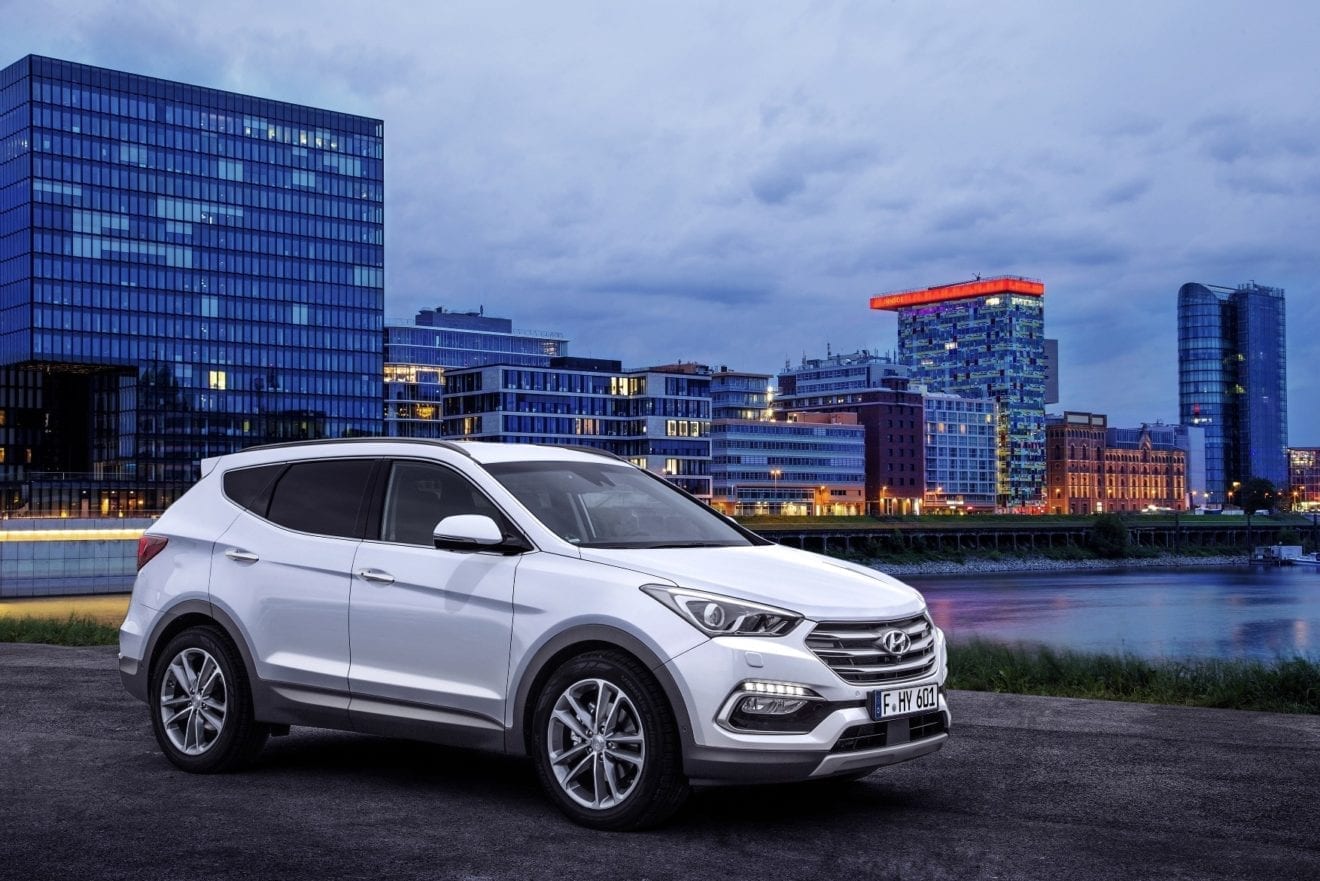
    Hyundai has also dropped a teaser image of the Verna ahead of its launch. Though the silhouette of the car remains unchanged, the face has been heavily updated and is in-line with Hyundai’s latest family face. It gets an all-new cascade grille finished in chrome and is flanked by new LED headlamps. At the rear too it gets new LED taillights and the bumpers have been revised as well.

  • BMW’s Dingolfing Plant Tests Fully Connected Logistics

    BMW’s Dingolfing Plant Tests Fully Connected Logistics

    As part of a three-year research project supported by the Bavarian Ministry of Economic Affairs, Regional Development and Energy, the BMW Group and three partner companies from Bavaria are exploring the possibilities for making BMW Group Plant Dingolfing a smart factory for logistics. The ‘Autonomous and Connected Logistics’ research project was officially launched in September 2019 and is now entering the practical phase. A number of innovative Industry 4.0 production technologies are being combined in an overall concept and tested under real conditions at BMW Group Plant Dingolfing. The BMW Group is contributing around 4.8 million euros to the project costs.

    Testing of 5G wireless technology, which, over the course of the project, will be set up at BMW Group Plant Dingolfing as a trial network, will play a key role in linking different logistics solutions. The new mobile telecommunications standard allows large data volumes to be transferred within a very short time. 5G enables real-time connectivity between machinery and equipment.

    Within the BMW Group production network, the BMW Brilliance Automotive joint venture has already rolled out the 5G wireless communications network across all its three plants. The long-term goal is to set up a 5G network at all BMW Group plant locations worldwide. Further sub-projects will explore the use of logistics robots, mobile devices and digital displays in the logistics process and test connectivity between different systems.

    Peter Kiermaier, head of Logistics Planning at BMW Group Plant Dingolfing: “We also want to use new technologies to increase transparency in conventional processes and enable smooth coupling of manual and autonomous technologies.”

  • Tesla Wins Approval To Sell Longer-Range China-made Model 3 Vehicles

    Tesla Wins Approval To Sell Longer-Range China-made Model 3 Vehicles

    Tesla Inc has secured Chinese government approval to sell longer-range China-made model 3 vehicles in China, the Ministry of Industry and Information Technology said on Friday.

    The vehicles will have a driving range of more than 600 kilometers before they need to be recharged, the ministry said in a statement, while the current China-made Model 3 has a standard driving range of more than 400 kilometers.

    Tesla started delivering cars in December from its $2 billion factories in Shanghai.

  • Toyota Recalls 3.2 Million Vehicles Worldwide Over Fuel Pump Problem

    Toyota Recalls 3.2 Million Vehicles Worldwide Over Fuel Pump Problem

    Toyota said the recall now covers 1.8 million U.S. Toyota and Lexus vehicles in total in the United States, including older vehicles from as far back as the 2013 model year — and more than 1 million vehicles than it announced in January.

    Toyota Motor said Wednesday it is now recalling 3.2 million vehicles worldwide to address a fuel pump issue that could result in engine stalling. The Japanese automaker first said in January it would recall 696,000 U.S. vehicles with a fuel pump that may stop operating and lead to stalling of the engine. Dealers will replace the fuel pumps with new ones.

    Toyota said the recall now covers 1.8 million U.S. Toyota and Lexus vehicles in total in the United States, including older vehicles from as far back as the 2013 model year — and more than 1 million vehicles than it announced in JanuaryToyota began a probe into the fuel pump issue in June.

    The automaker told the U.S. National Highway Traffic Safety Administration in January it was aware of 66 field reports and 2,571 warranty claims that relate to fuel pump failures in the vehicles initially recalled. Owners have complained of rough engine running, engine not starting and loss of power while driving at low speeds. Toyota said the reports occurred more commonly in areas of the southern U.S. with warmer climates.

  • New-Gen Hyundai Creta To Come With Blue Link Connected Car Tech

    New-Gen Hyundai Creta To Come With Blue Link Connected Car Tech

    The soon-to-be-launched Hyundai Creta will now come with the company’s Blue Link connected car technology. Slated to be launched on March 17, the second-gen Creta will be the third Hyundai car to get the Blue Link system, after the Venue and Elantra facelift. And while the other two only got up to 34 connectivity features, the Creta will come with over 50 connectivity features. Furthermore, in addition to the natural language-based voice recognition program, and Smartwatch integrated Blue Link application, the system now also comes with the ‘Hello Blue Link’ – a wake-up word for activating in-car controls with a voice command.

    Tarun Garg, Director – Sales, Marketing & Service, Hyundai Motor India, said, “With the All-New Creta, Hyundai aims to offer customers the Ultimate Technology Experience. All New Creta will feature Blue Link Connectivity, bringing in ‘Hello Blue Link’ – a wake-up word to activate voice recognition service at ease for in-car control and assistance alongside New Smart Watch Integrated Blue Link application. With Smart and Intuitive solutions offered on the All-New Creta, Hyundai aims to give customers a Quality Time on the go, enhancing the driving experience and providing a Happy Life to its customers.”

    With the new Blue Link system, Hyundai offers connectivity features across a wide range of spectrum like – safety, security, remote access, vehicle relationship management, location-based services (live-tracking), and alert services (theft alert). These, of course, are in addition to the new voice recognition system that understands Indian accent, and Hey Blue Link command. By just saying ‘Hello Blue Link’ you can now control several functions like – Sunroof Open/Close, Seat Ventilation Control, Climate Control -Temperature, Fan Speed control, Wind Direction and Air-intake type control (Fresh/ Circulation)

    The New-Gen Hyundai Creta’s smartwatch connectivity offers remote access to several in-car controls

    Similarly, the smartwatch connectivity feature also offers you remote access to several in-car controls like – engine start/stop, remote door lock/unlock, and remote horn+lights. You can also turn on the in-car air purifier along and check your in-car air quality information with the smartwatch. It also shows vehicle status via the Blue Link app, along with vehicle alerts like stolen vehicle alert, Geo-Fence Alert, Speed Alert, Time Fence Alert, Valet alert, Idle Alert.