Tag: car

  • Beijing Auto Show Delayed Due To Coronavirus

    Beijing Auto Show Delayed Due To Coronavirus

    Organizers of Beijing auto show, which is scheduled to be held in late-April, said on Monday the event will be delayed event due to the coronavirus outbreak.

    Across mainland China, officials said the total number of coronavirus cases rose by 2,048 to 70,548, with 1,770 deaths.

  • Auto sales plummets in January

    Auto sales plummets in January

    January automobile sales fell by 52 percent over the previous month and 53 percent year-on-year, according to the Vietnam Automobile Manufacturers Association (VAMA).

    A total of 15,787 vehicles were sold last month, including 12,807 passenger cars, 2,757 commercial vehicles and 223 special multi-purpose vehicles.

    The sales figures were compiled by VAMA, an association of all auto manufacturers in Vietnam except Hyundai TC. The 5,944 units sold by Huyndai TC last month would take the total to 21,731.

    VAMA attributed the decline in sales to the Lunar New Year (Tet) holiday, when the country took a week off (January 23-29). The holiday is usually a quiet period for the car market, it noted, adding that people tend to buy cars at the end of the year, about a month before the Tet holiday, and sales in the days leading up to the break would usually fall.

    Of the vehicles sold, domestically assembled cars still accounted for nearly two-thirds of sales, reaching 9,599 units, down 51 percent over the previous month. Imported completely-built-up (CBU) cars made up the remaining 6,188 units, down 54 percent over December last year.

    Domestic carmaker Truong Hai Auto (Thaco) retained the top spot in January, accounting for over 33 percent of sales by all VAMA members. Trucks and sedans made up most of its sales.

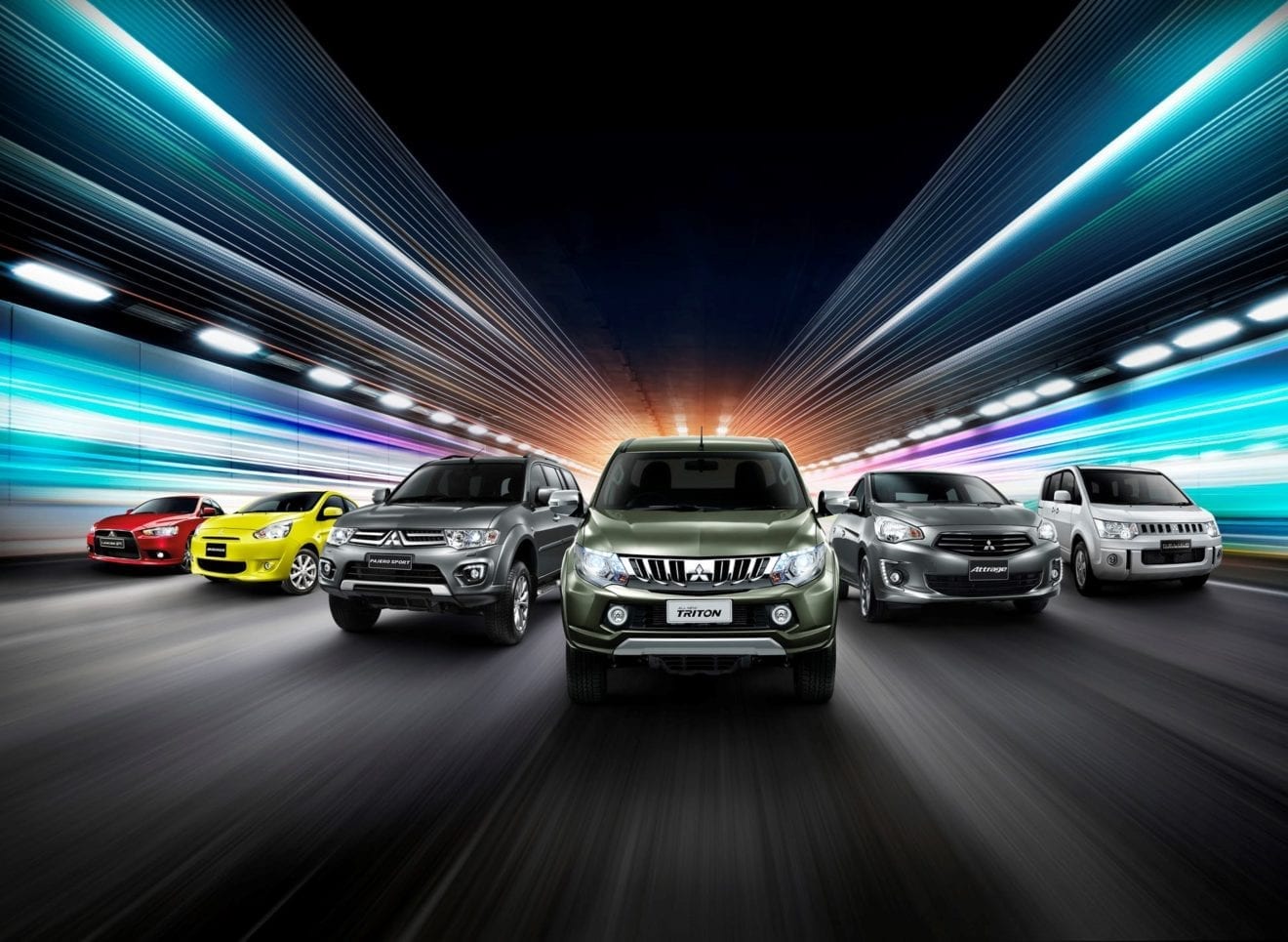
    Toyota Motor Corp. retained its second spot at 25.8 percent, followed by Honda and Mitsubishi, with 12.6 percent and 11 percent, respectively.

    Vietnam saw car sales of 322,322 in 2019, up 11.7 percent year-on-year, according to VAMA.

  • FTC to investigate Google’s purchase of Waze years after the deal closed

    FTC to investigate Google’s purchase of Waze years after the deal closed

    Just a few days ago we told you that the Federal Trade Commission (FTC) had requested information from Google parent Alphabet, Apple, Facebook, Amazon, and Microsoft. The regulatory agency is investigating acquisitions made by the five between Jan. 1, 2010 and Dec. 31, 2019. These are transactions that were small enough to escape scrutiny by antitrust agencies.
    In June 2013, Google acquired the Israeli company behind the crowdsourced navigation app Waze for $1.1 billion. While Google already offered its Google Maps app with turn-by-turn directions, Waze was different. Users exchanged traffic information about accidents, police speed traps, construction and inclement weather conditions that could cause a delay to fellow drivers motoring in the same vicinity. Some considered Waze to be a navigation app and a social media site where drivers could communicate with each other. Most of this still holds true today, although Google has been adding Wave’s best features to Maps. More on that below.
    At the time of Google’s announcement that it was buying Waze, the latter had very minimal U.S. revenue which is why the merger did not have to be reported under the Hart-Scott-Rodino (HSR) Act. The HSR Act requires that the DOJ and the FTC receive a pre-merger notification. The deal is not allowed to close for a period of 30 days while the regulatory agencies investigate. If the agencies don’t take any action after 30 days, the merger can then close.
    It appears that the U.K. gave a more thorough examination to Google’s acquisition of Waze than U.S. regulators did. While investigating the transaction, the U.K. asked Google to keep Waze separate from the rest of its operations. In December 2013, the final report from the Office of Fair Trading said that with the purchase, Google was eliminating the closest competition to Maps. Waze CEO Noam Bardin agreed; just two months before Google announced the deal to buy Waze, the executive said, “We’re the only reasonable competition to [Google] in this market of creating maps that are really geared for mobile, for real-time, for consumers — for the new world that we’re moving into.”
    At the time, many figured that Google would move over some of Waze’s features to Google Maps and shut down Waze since they seemed to compete with each other. Others figured that Google was simply buying Waze to keep it out of the hands of another company. When the deal was announced in 2013, RBC Capital Market analyst Mark Mahaney said that the “move eliminates Waze as a potential acquisition target for competitors who could use the app’s collection of data and 50 million users to bolster their own location-based products.”
    There was some truth to the idea that Google was buying Waze to keep it out of the hands of a competitor. Before Google came in with its bid, Waze was reportedly close to a deal to have its app pre-installed on phones made by an unnamed company. In addition, Waze could have worked out a deal with Facebook that would allow users to meet up at certain locations using Waze’s turn-by-turn directions. The U.K. regulator decided to approve the deal noting that with Apple Maps, there already was a strong competitor to Google Maps in the marketplace.
    Not everyone believes that the merger should have been allowed to go through. Sally Hubbard, director of the enforcement strategy at the Open Markets Institute says, “It was literally Google acquiring its number one competitor in maps. It was a bad deal that should have been blocked.” Google has kept Maps and Waze separate but it has used data collected from Waze to improve the delivery of its ads. As RBC’s Mahaney told clients last September, “New ad formats in Google Maps have clear similarities to existing formats in Waze (coincidence?). Google has now collected enough data through Waze to effectively roll out broader solutions for advertisers in Google Maps and provide them attractive returns on investment without severely impacting the user experience.”
    Google has moved over many of Waze’s best features to Google Maps. Users of the latter can now report accidents, detours and police speed traps with the press of a button. And with a feature taken straight from Waze, Google Maps will now warn you when you are exceeding the speed limit.
    Former Justice Department antitrust official and Yale University economist Fiona Scott Morton believes that the FTC might be interested in the Waze purchase years after the deal closed because the location data Waze collects makes Google’s search advertising more precise. The FTC does have the ability to examine acquisitions made years ago although it isn’t clear what kind of punishment it could impose on Google.
  • Tesla Seeks Approval To Build Longer Range Model 3 Cars In China

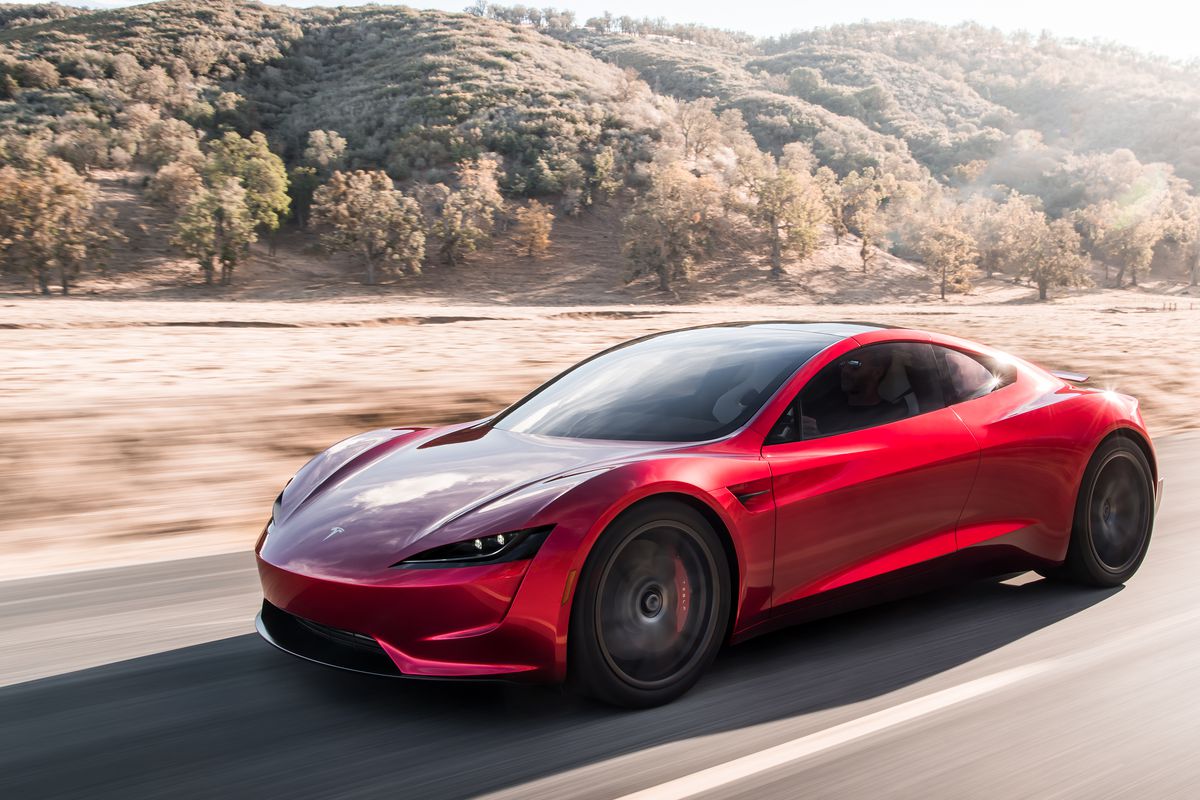
    Tesla Seeks Approval To Build Longer Range Model 3 Cars In China

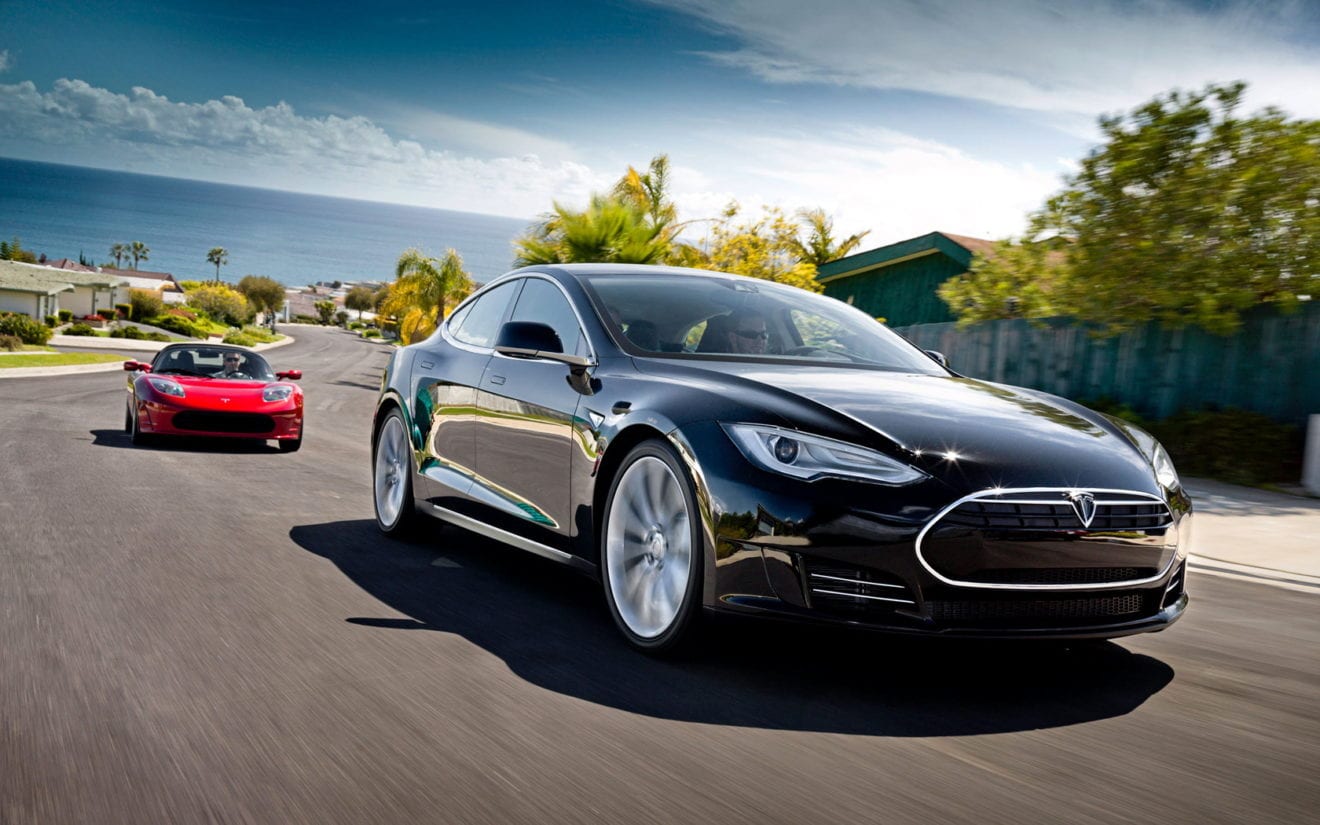
    Tesla Inc is seeking approval from Chinese regulators to offer a new China-made Model 3 variant, a government document shows.

    The variant would have a longer driving range, a source familiar with the matter said.

    Tesla shares overvalued: strategist

    National Securities’ Art Hogan says don’t buy Tesla at current levels because the stock has “gotten ahead of itself.

    Like the current China-made Model 3, which has a standard driving range of more than 400 kilometers, it would be a rear-wheel-drive vehicle, the source said, who was not authorized to talk about the matter and declined to be identified.

    Tesla, which started delivering cars in December from its $2 billion Shanghai factory, also sells longer-range imported Model 3s with an all-wheel-drive in China.

    The electric vehicle maker restarted production in Shanghai on Monday after the government ended an extended holiday that had been put in place due to the new coronavirus outbreak.

  • Mitsubishi Motors Delays Factory Restart In China Due To Coronavirus

    Mitsubishi Motors Delays Factory Restart In China Due To Coronavirus

    Mitsubishi Motors is postponing the restart of its factory with Guangzhou Automobile Group in Hunan province until 27 due to the coronavirus outbreak, the Japanese automaker said on Friday.

    Spectacular sculptures at Harbin’s Ice and Snow Festival

    Drone footage of giant frozen castles and ice sculptures at one of the world’s largest ice and snow festivals in Harbin, in China’s northeast Heilongjiang province, which draws millions of visitors each year.

    It had previously planned to resume operations as early as Feb. 17.

    Mitsubishi has also delayed the restart of its engine plant with Shenyang Aerospace in Liaoning province and another with Dongan Automotive Engine Manufacturing in Heilongjiang province following Lunar New Year holidays.

  • Maserati Announces Plans To Develop Its Electric Range

    Maserati Announces Plans To Develop Its Electric Range

    Maserati announced that it will develop, engineer and build its cars in Italy, and will adopt hybrid and battery electric propulsion systems. Following on from the announcement of testing of the new full-electric powerplants to be installed on future Maserati models, the development and production plans for the Trident Brand’s electrified range are now presented. Maserati’s electrification program starts this year, and the first hybrid car to be built will be the new Maserati Ghibli.

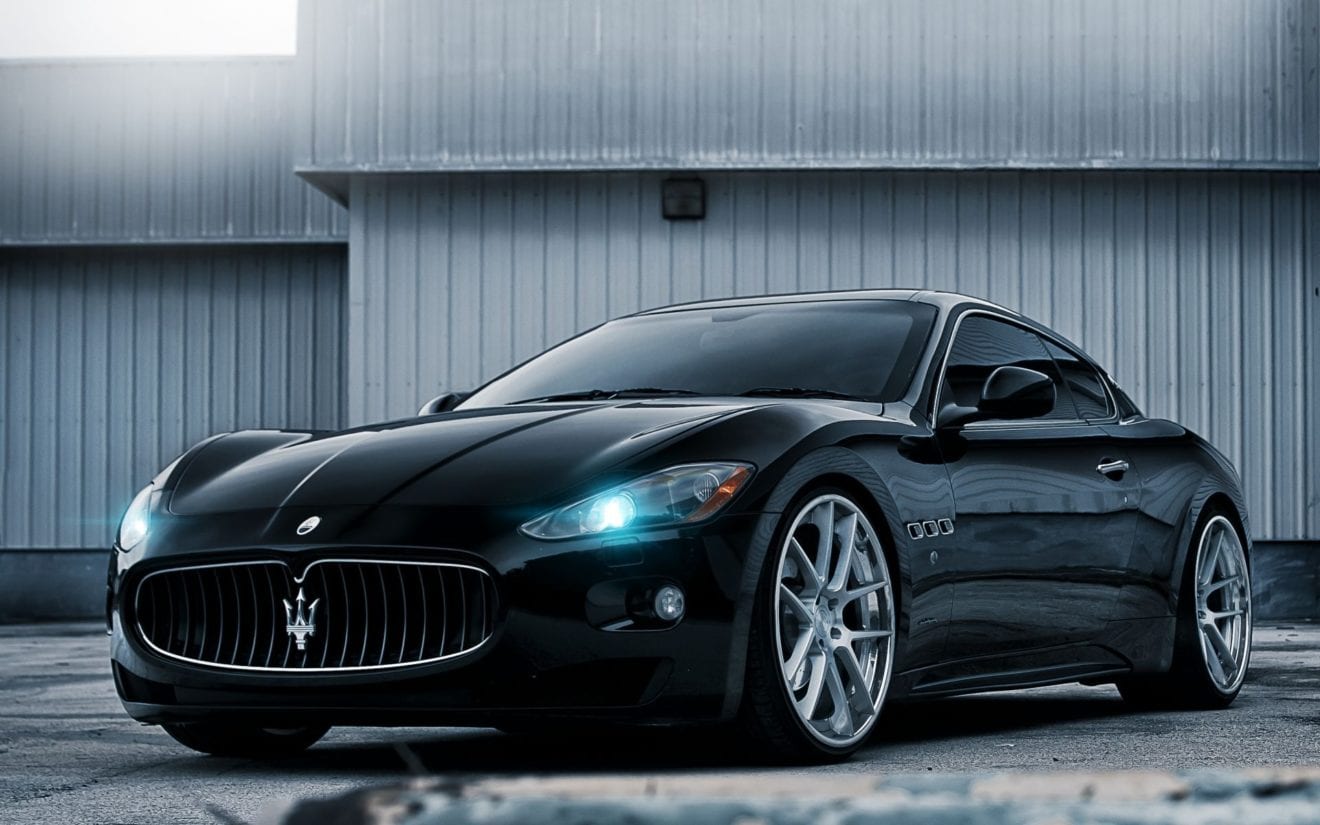
    Production of the new Maserati GranTurismo and GranCabrio, will commence in 2021. Maserati has decided to build the GranTurismo and GranCabrio at the Mirafiori production hub, with an investment of 800 million Euros.

    However, Maserati’s heart is still in Modena, where it has its Headquarters, where the cars in its range are developed and tested, and where the new super sports car is to be built. For Maserati, Modena is the place where extraordinary cars have been produced for over 80 years, all outstanding in their luxury, elegance, style, performance, and quality, and which are sold in over 70 markets.

    Also upcoming is a new Maserati utility vehicle, to be built at Cassino and intended to play a leading role for the Brand, thanks to its innovative technologies. About 800 million Euros will be invested in the construction of the new production line, scheduled to begin at the end of the first quarter of 2020. The first pre-production cars are expected to come off the line by 2021.

  • Skoda’s First Electric SUV To Be Called Enyaq

    Skoda’s First Electric SUV To Be Called Enyaq

    Skoda Auto today revealed that its first electric SUV will be presented soon. It, in fact, let out what it will be called. Skoda will call it the Enyaq and yes even we want to know where that name comes from. According to the company, the name Enyaq is based in the Irish language and expresses the vehicle’s dynamism and efficiency. The Enyaq then opens a new chapter in the 125-year history of the Skoda brand. It will be Skoda’s first electric car which will be built on the MEB platform, and will also launch a new family of model names. Of course, Skoda already has an electric car to its name, the Citigo iV and so it’s not new to the EV space, however, the all-electric SUV will definitely ind it a wider appeal

    Skoda SUVs have traditionally had names ending in the letter Q, and the new Enyaq follows this tradition just like the Kamiq, Kodiaq and the Karoq. But the new model’s first letter shows that this tradition is merging with the eMobility era, referenced by the letter E at the beginning of the name. The name, Enyaq, is derived from the Irish name Enya, which means ‘source of life’,

    We’ll know more about the electric SUV very soon, but it’s clear why the company wants to start its journey in the electric mobility space with an SUV. Well, the clear trendsetters now are the SUVs globally and so this decision does not come as a surprise. As to which markets the Enyaq will be introduced? Well, there’s no clarity on that yet and we’ll know more very soon.

  • Porsche Taycan Electric Sports Car Will Come To India By Late 2020

    Porsche Taycan Electric Sports Car Will Come To India By Late 2020

    The all-new Porsche Taycan electric sports car will be introduced in India by late 2020. Pavan Shetty, Director Porsche India confirmed the 4-door electric car’s arrival while addressing the Indian media today the Skoda Auto Volkswagen India’s first-ever media night. The Taycan is the first fully electric sedan from the Stuttgart-based luxury/sports car maker and it was first revealed at the 2019 Frankfurt Motor Show.

    Based on the Porsche Mission E Concept that was showcased in 2015, the electric sports car is touted as a huge technological step for the company and forms a new direction for Porsche in the EV space. The new Porsche Taycan will sport two permanently excited synchronous electric motors that can churn out a maximum of 600 bhp and will a range of over 500 km thanks to its high voltage lithium-ion batteries. The electric car will get 800-volt chargers with fast charging capability, which can offer a 400 km range in 15 minutes of charge time. It can go from 0-100 kmph in under 3.5 seconds.

    The Porsche Taycan comes with quad-LED headlamps, sculpted bonnet and muscular front bumper. The rear too looks very elegant with the very slim wraparound LED tail-lamp and muscular haunches. With a Cd value from 0.22, the aerodynamically optimized basic shape makes a significant contribution to low energy consumption resulting in a long-range.

  • Nissan Weighs Restarting China Production In Dongfeng Venture After February 10

    Nissan Weighs Restarting China Production In Dongfeng Venture After February 10

    Nissan Motor said on Tuesday it is considering restarting production in China in its venture with Dongfeng Motor Group sometime after Feb. 10, citing government guidance and its assessment of the coronavirus epidemic.

    The Japanese carmaker also said production in Hubei province, the epicenter of the epidemic, will start sometime after Feb. 14.

    The production plan is subject to change after reviewing the coronavirus situation in the days ahead, a company spokeswoman said. The virus outbreak has killed over 420 people, spread around the world and raised fears about global economic growth.

  • Toyota Reveal New Safety System To Avoid Accelerator-Brake Mix-Up

    Toyota Reveal New Safety System To Avoid Accelerator-Brake Mix-Up

    Toyota Motor Corp unveiled an emergency safety system on Monday that uses big data to ignore the accelerator if it determines the driver steps on the pedal unintentionally. Japan’s biggest carmaker will roll out what it calls an “accelerator suppression function” in new cars from this summer, beginning in Japan. The system is a response to an increasingly common cause of traffic accidents in aging Japan where the driver, often elderly, mistakes the accelerator for the brake.

    Some 15% of fatal accidents on Japanese roads in 2018 were caused by drivers who were 75 years or older, showed a report from the government, which actively encourages elderly drivers to give up their licenses. Toyota’s announcement comes as automakers globally invest heavily in so-called active safety features as they work to develop fully autonomous cars. It also comes in the same year Toyota will act as an exclusive mobility sponsor for the Tokyo Olympics, where it will showcase its fully self-driving e-Palette transportation pods carrying athletes around the Olympic village at low speeds. Among competitors, Honda Motor Co Ltd plans to launch a car this year capable of full autonomy in highway traffic jam situations.

    Nissan Motor Co Ltd released the second generation of its ProPilot driver-assist system last spring, offering hands-free operation for single-lane highway driving. Toyota rolled out its first-generation Safety Sense package in 2015, which included automated emergency braking and a lane departure alert.

    The second generation became available in 2018, adding assisted single-lane highway driving and making the car capable of recognizing pedestrians at nighttime and bicycles. Its new feature was developed using data collected from the internet-connected cars it has on the road.

    Unlike the car maker’s existing safety options, the new system does not require the presence of an obstacle to function.

  • Maruti Suzuki Announces Price Hike On Select Models

    Maruti Suzuki Announces Price Hike On Select Models

    Maruti Suzuki cars have become costlier from today owing to an increase in prices of select models. The company has increased ex-showroom prices by up to 4.7 percent and new prices come into effect from today. The company had earlier announced that it will increase prices in December 2019 which was supposed to come into effect from January 1, 2020. However, the company had postponed the price hike to a later date. The increase is a part of cyclical price revision due to an increase in input costs which has now become a norm in the industry.

    Earlier in December, the company had said in a BSE filing, “The cost of the company’s vehicles has been impacted adversely due to an increase in various input costs. Hence, it has become imperative for the company to pass on some impact of the above additional cost to customers through a price increase across various models in January 2020. This price increase shall vary for different models”

    The company has not disclosed the models that have undergone price revision, but we expect the majority of its models have witnessed a price hike.

    Maruti Suzuki cars have become costlier from today owing to an increase in prices of select models. The company has increased ex-showroom prices by up to 4.7 percent and new prices come into effect from today. The company had earlier announced that it will increase prices in December 2019 which was supposed to come into effect from January 1, 2020. However, the company had postponed the price hike to a later date. The increase is a part of cyclical price revision due to an increase in input costs which has now become a norm in the industry.

    Earlier in December, the company had said in a BSE filing, “The cost of the company’s vehicles has been impacted adversely due to an increase in various input costs. Hence, it has become imperative for the company to pass on some impact of the above additional cost to customers through a price increase across various models in January 2020. This price increase shall vary for different models”

    The company has not disclosed the models that have undergone price revision, but we expect the majority of its models have witnessed a price hike.

  • U.S. Senator Slams Tesla’s ‘Misleading’ Name For Autopilot Driver Assistance System

    U.S. Senator Slams Tesla’s ‘Misleading’ Name For Autopilot Driver Assistance System

    A U.S. senator on Friday urged Tesla Inc (TSLA.O) to rebrand its driver-assistance system Autopilot, saying it has “an inherently misleading name” and is subject to potentially dangerous misuse.

    But Tesla said in a letter that it had taken steps to ensure driver engagement with the system and enhance its safety features.

    The electric automaker introduced new warnings for red lights and stop signs last year “to minimize the potential risk of red light- or stop sign-running as a result of temporary driver inattention,” Tesla said in the letter.

    Senator Edward Markey said he believed the potential dangers of Autopilot can be overcome. But he called for “rebranding and remarketing the system to reduce misuse, as well as building back up driver monitoring tools that will make sure no one falls asleep at the wheel.”

    Markey’s comments came in a press release, with a copy of a Dec. 20 from Tesla addressing some of the Democratic senator’s concerns attached.

    Autopilot has been engaged in at least three Tesla vehicles involved in fatal U.S. crashes since 2016.

    Crashes involving Autopilot have raised questions about the driver-assistance system’s ability to detect hazards, especially stationary objects.

    There are mounting safety concerns globally about systems that can perform driving tasks for extended stretches of time with little or no human intervention, but which cannot completely replace human drivers.

    Markey cited videos of Tesla drivers who appeared to fall asleep behind the wheel while using Autopilot and others in which drivers said they could defeat safeguards by sticking a banana or water bottle in the steering wheel to make it appear they were in control of the vehicle.

    Tesla, in its letter, said its revisions to steering wheel monitoring meant that in most situations “a limp hand on the wheel from a sleepy driver will not work, nor will the coarse hand pressure of a person with impaired motor controls, such as a drunk driver.”

    It added that devices “marketed to trick Autopilot, may be able to trick the system for a short time, but generally not for an entire trip before Autopilot disengages.”

    Tesla also wrote that while videos like those cited by Markey showed “a few bad actors who are grossly abusing Autopilot” they represented only “a very small percentage of our customer base.”

    Earlier this month, the U.S. National Highway Traffic Safety Administration (NHTSA) said it was launching an investigation into a 14th crash involving Tesla in which it suspects Autopilot or other advanced driver assistance system was in use.

    NHTSA is probing a Dec. 29 fatal crash of a Model S Tesla in Gardena, California. In that incident, the vehicle exited the 91 Freeway, ran a red light and struck a 2006 Honda Civic, killing its two occupants.

    The National Transportation Safety Board will hold a Feb. 25 hearing to determine the probable cause of a 2018 fatal Tesla Autopilot crash in Mountain View, California.

  • Suzuki Motor Will Respond To Dutch Emissions Probe By Mid-February

    Suzuki Motor Will Respond To Dutch Emissions Probe By Mid-February

    Japan’s Suzuki Moto is co-operating with the Dutch authorities over their findings its diesel vehicles had broken the country’s emissions rules, and it is required to respond to the investigation by mid-February, it said on Friday.

    The Dutch road authority ruled on Thursday that Suzuki’s Vitara and Fiat Chrysler’s Jeep Grand Cherokee diesel models broke emissions rules and must be fixed or face a ban on sales across Europe.

    In a statement, Suzuki said diesel versions of its Vitara and S-Cross vehicles used engines and emissions software supplied by Fiat Chrysler.

    The Dutch authorities said the vehicles in question, which are no longer in production, showed emissions levels higher than allowed following a software update in 2017, Suzuki said.

    Earlier this week, the German authorities said they were investigating Mitsubishi Motors Corp for suspected use of illegal, emissions defeat devices installed in its diesel engines.

    Regulators across the world have been clamping down on emissions devices used in diesel models since Volkswagen admitted in 2015 that it used illegal software to cheat U.S. emissions tests.

  • Peugeot To Repatriate Staff From China’s Wuhan Area After Coronavirus Outbreak

    Peugeot To Repatriate Staff From China’s Wuhan Area After Coronavirus Outbreak

    French automotive group PSA, maker of the Peugeot and Citroen brands, said in a statement it will repatriate expat staff and their families from the Wuhan area in China, which is at the center of an outbreak of coronavirus.

    It said that 38 people would be evacuated and that the initiative will be executed in full collaboration with the Chinese authorities and the French general consulate.

    PSA said the evacuees will remain in quarantine in Changsha before traveling back to their home countries.

  • Skoda Vision IN Concept Teased In New Video

    Skoda Vision IN Concept Teased In New Video

    Skoda India has rolled out a new video teasing its upcoming Vision IN concept SUV. Slated to make its global debut at the upcoming Auto Expo 2020, the new Vison IN concept is built on the new MQB-A0 IN platform and will preview the company upcoming SUV that is set to be based on the localized version of the MQB architecture. The video teaser gives us a glimpse of the new butterfly grille featuring the signature vertical slats outlined in crystal, which is illuminated along with the Skoda logo on the hood. The video also gives us a clean look at the new split LED headlamps which come with the lettering “Vision IN” etched on them.

    Based on the exterior sketches which were revealed earlier, the concept SUV will also come with a clamshell-style bonnet with sculpted lines, alone with a muscular front bumper with beefy claddings and large air intakes. The video and the older sketches both confirm that the SUV will come with a set of roof rails, side and wheel arch claddings and larger alloy wheels. While we do not get to see the rear section of the concept here, the sketch reveals a pair of wraparound LED taillights with the 3D effect, and aluminum diffuser extended to the rear bumper. The SUV also gets a horizontal light strips connecting the reflectors on the tailgate and the bold Skoda lettering that is placed in the center.

    The teaser video also highlights some of the features of the cabin, which will also make heavy use of crystalline elements. For instance, the gear selector button in the center console, under the virtual cockpit, and a decorative crystal piece positioned on the dashboard. The seat covers come with contrast stitching, and the multifunction leather-wrapped steering wheel features the knurl wheels in line with Skoda’s new operating concept. We also get a glimpse of an illuminated SOS button, which indicates, the car could get connected car technology.

    Developed specifically for the Indian market, the new MQB-A0 IN is part of Skoda’s India 2.0 project, and the platform will underpin subcompact models from Skoda and Volkswagen, including the localized version of the Kamiq and the T-Cross. We will get more details about the concept and the company’s upcoming models on February 5, at the Auto Expo 2020.