Tag: car

  • BMW Group India Delivers 9641 Vehicles In 2019

    BMW Group India Delivers 9641 Vehicles In 2019

    The locally-made X3, X5 and X1 contributed significantly to the sales of BMW vehicles in 2019

    On the Mini front, the locally the locally-produced Countryman commanded a share of over 70 percent in Mini India sales.

    The momentum for BMW Motorrad India was primarily driven by the BMW G 310 R and the BMW G 310 GS motorcycles which commanded a share of over 85 percent in yearly sales. The BMW R 1250 GS / GSA, the BMW F 750 / 850 GS and the BMW S 1000 RR were also a favorite among motorcycle enthusiasts.

    Rudratej Singh, President and Chief Executive Officer, BMW Group India said, “2019 was not an easy year for the Indian automotive industry as various macroeconomic and structural conditions shook its foundations. Though the industry is still facing difficult times, we are well prepared for 2020. We will always be competitive by remaining focused on our customers.”

  • Half of Vietnamese buyers favor used cars assembled locally

    Half of Vietnamese buyers favor used cars assembled locally

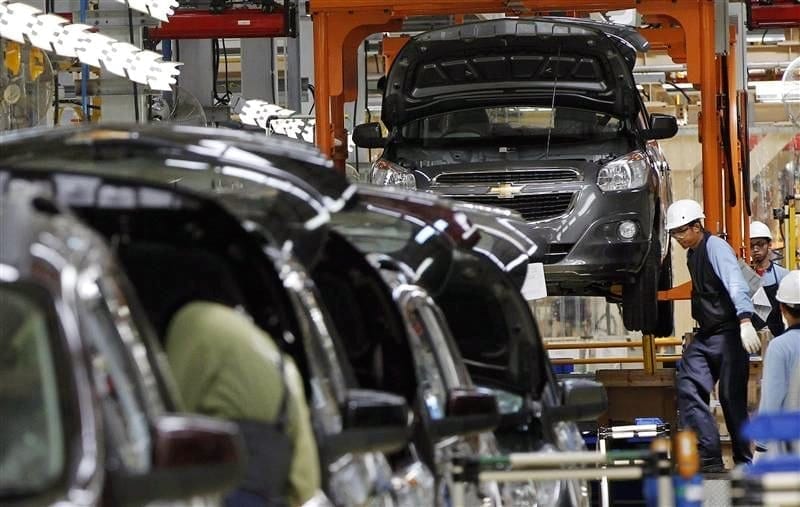
    55 percent of buyers prefer used cars assembled in Vietnam to those imported from South Korea and Japan, a 2019 survey found.

    This figure is several times higher than the 16 percent who favor South Korea and the 11 percent stuck on Japan, according to Cho Tot Xe, a popular car listing website in Vietnam.

    Ho Chi Minh City residents prefer newer, more expensive vehicles compared to those in Hanoi, the website’s data shows.

    HCMC buyers favor used models released in the previous three years at a cost of VND300-700 million ($12,900-30,200). The top three models are Hyundai Grand i10 2016, Mazda CX 5 2017 and Honda City 2016.

    But buyers in Hanoi are more interested in vehicles priced less at VND300-400 million ($12,900-17,200), which date back to 2015, such as the Toyota Vios 2015, Hyundai Grand i10 2015 and Kia Morning 2015.

    The demand for used cars is on the up, listings on Cho Tot Xe rising 22 percent from 2018 to 200,000 last year, with the most popular brands Toyota, Kia and Hyundai.

    Sedans were the most popular used car types in 2019, with Honda City 2016, Toyota Vios 2017 and Mazda 3 2018 the top three.

    Toyota Innova maintained the best used price in 2019 at VND678-740 million ($29,220-31,890), followed by Chevrolet Spark and Ford Ranger.

    Vietnam has been striving to develop its car industry for decades, but experts say the small market size has constrained local producers. The localization rate of passenger cars in Vietnam is at 7-10 percent, compared to 55-60 percent across ASEAN.

    The country imported 133,696 vehicles in the first 11 months last year, up 95.6 percent year-on-year, mostly from Thailand and Indonesia, according to Vietnam Customs.

    289,128 cars were sold throughout Vietnam in the same period, up 14 percent year-on-year, according to Vietnam Automobile Manufacturers Association (VAMA).

  • Ferrari Joins European Auto Lobby ACEA Four Years After Spin-Off

    Ferrari Joins European Auto Lobby ACEA Four Years After Spin-Off

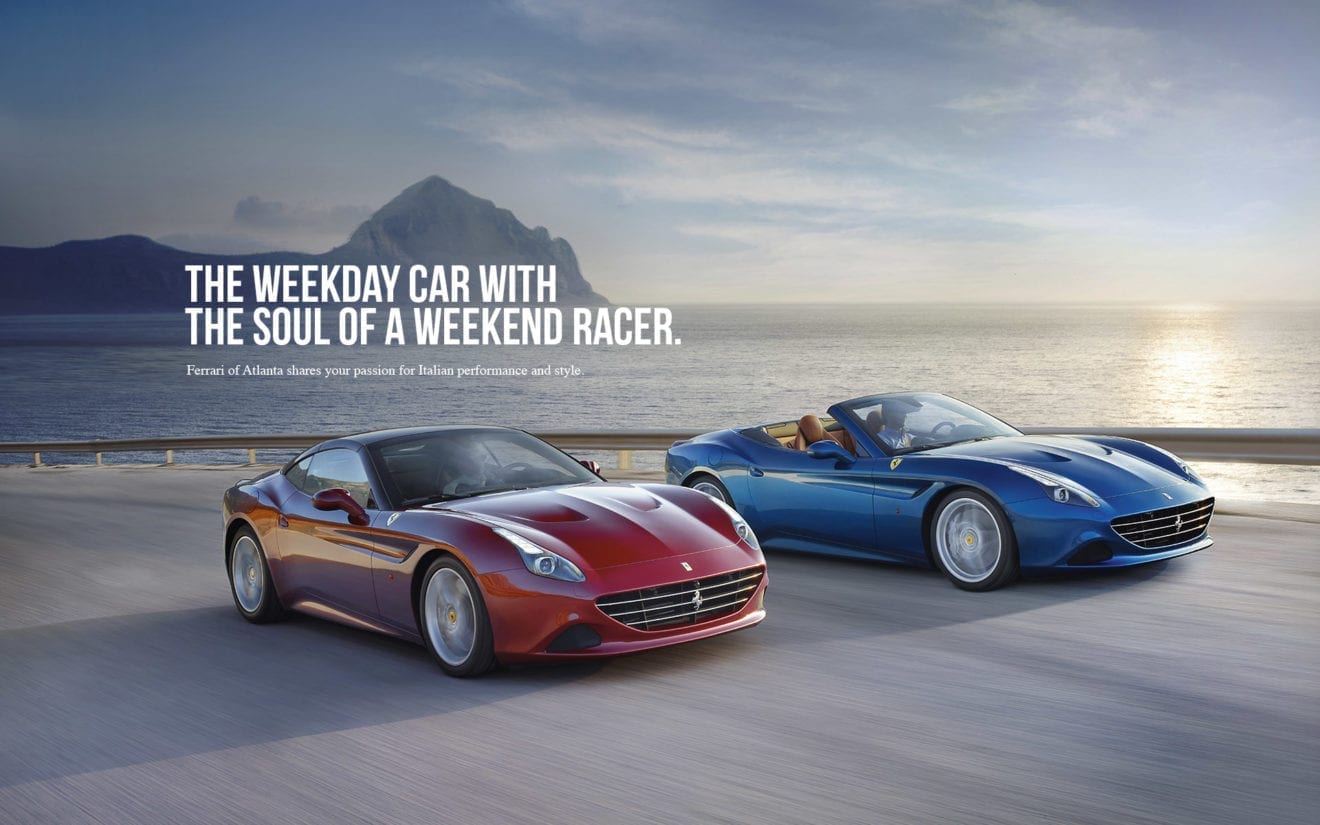
    Italian luxury carmaker Ferrari has become the latest manufacturer to join the European carmakers’ association (ACEA), the auto lobby said on Tuesday.

    ACEA represents manufacturers of passenger cars, vans, trucks and buses with production sites in the European Union and provides benchmark data on vehicle registrations.

    Ferrari’s membership took effect on Jan. 1, following approval at the end of last year by the association’s board of directors, which is made up of the chief executives of its member companies, ACEA said.

    Ferrari did not comment.

    Mike Manley, the CEO of Ferrari’s former parent company Fiat Chrysler, took over as ACEA’s new president this month.

    Ferrari – which was spun-off from Fiat Chrysler (FCA) in 2016 – became ACEA’s sixteenth member, adding to manufacturers such as luxury carmakers BMW and Jaguar Land Rover, but also mass market producers such as PSA-Peugeot or Ford, as well as truck and commercial vehicle makers such as DAF Trucks.

    Ferrari is controlled by Exor, the holding company of Italy’s Agnelli family, which also controls FCA and industrial vehicle maker CNH Industrial, another ACEA member.

    Last month FCA and PSA agreed a binding $50 billion tie-up to create the world’s fourth-largest carmaker

  • Vietnamese automaker ships buses to Philippines

    Vietnamese automaker ships buses to Philippines

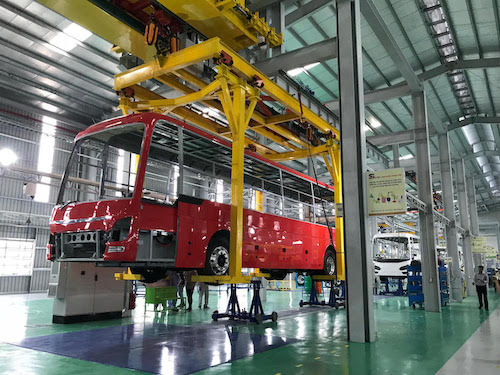
    Vietnam’s leading automaker and assembler Thaco shipped the first 15 buses to the Philippines on Saturday.

    Tran Ba Duong, chairman of Truong Hai Auto (Thaco), said the exported buses were redesigned after seven months of testing in the Philippines. They had a localization rate of 45 percent and complied with Euro 5 emission standards.

    All the buses were assembled in the Chu Lai open economic zone in Quang Nam Province, central Vietnam.

    Duong said a major challenge in exporting vehicles made or assembled in Vietnam was the complicated assessment process in foreign countries. For example, the process takes six months in Thailand, four to five months in the Philippines and a year in the U.S.

    Thaco expected to ship 200 buses to the Philippines in 2020.

    The firm exported 186 automobiles of various types to ASEAN countries and plans to export over 1,020 units next year. Thaco also exported auto parts and accessories worth $14.5 million to South Korea and Japan in 2019, and this is expected to rise to $21 million in 2020.

    Thaco has been researching, manufacturing and assembling buses and continuously promoting investment in the field since 2004. To date, the company has supplied over 17,000 buses to the domestic market, holding a 65 percent market share.

  • After Tesla’s Record Year In Norway, Rivals Gear Up For 2020

    After Tesla’s Record Year In Norway, Rivals Gear Up For 2020

    New electric car sales in Norway rose by a third last year amid soaring demand for Tesla Inc’s vehicles, but the pioneering U.S. company will face a more competitive market in 2020 as rivals prepare to launch new electric models.

    Fully electric cars made up 42.4% of sales in the Nordic country last year, a global record, rising from a 31.2% market share in 2018 and just 5.5% in 2013, the Norwegian Road Federation said on Friday.

    Norway, which is Europe’s biggest oil and gas producer, is seeking to become the first country to end the sale of fossil-fueled cars by 2025. The country has exempted battery-powered vehicles from the taxes imposed on petrol and diesel engines and after just a few years the streets of Oslo have become quieter and have less air pollution.

    Most of Norway’s top-10 cars in 2019 were electric, including Volkswagen’s Golf, Nissan’s Leaf, Audi’s e-tron, BMW’s i3, Jaguar’s I-PACE and several of Hyundai’s models.

    New car sales in the country last year were 142,381, of which 60,316 were fully electric. This year, as many as six in 10 of all new cars sold in the country could be fully electric, said Volkswagen (VW) distributor Harald A. Moeller AS, which is preparing to launch several models in 2020.

    Other importers predicted the market share in 2020 would be in a range of 50-60% of all sales.

    “The electrification of the car market is accelerating … we forecast electric vehicles to hold a 100% market share in 2025,” Volkswagen said of the outlook for Norway.

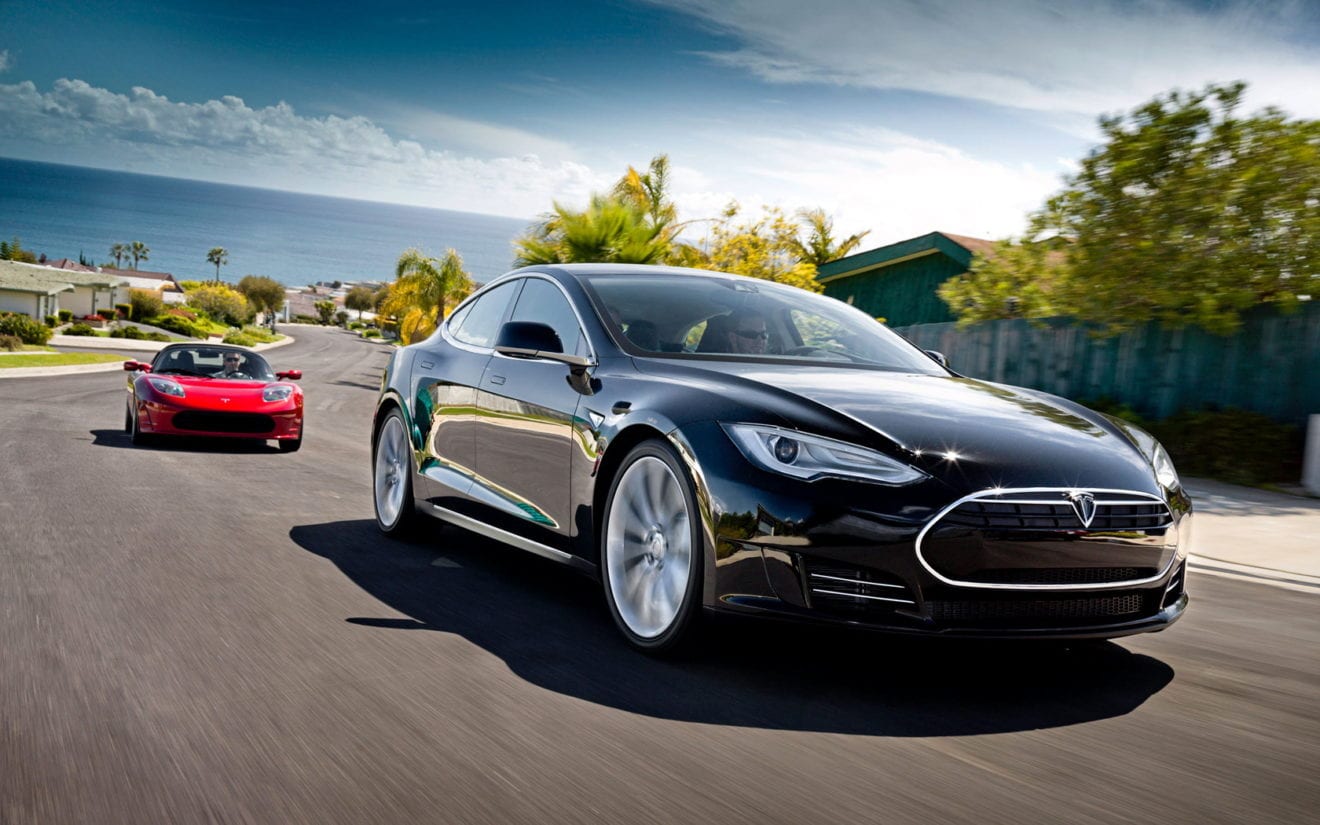
    The country’s best-selling car in 2019 was Tesla’s mid-sized Model 3 sedan, which retails from 384,900 Norwegian crowns ($43,721.74), racking up an 11% market share in the California-based firm’s first attempt at cracking the mass market.

    Rising global awareness of climate change has encouraged a shift in regulation, technology and consumer preferences, disrupting the auto industry and boosting Tesla’s share price to make it one of the world’s most highly valued car brands.

    This year, the company will start producing a medium-sized sport utility vehicle, the Model Y, but faces competition from a plethora of rivals, including by Daimler AG’s Mercedes-Benz, VW’s Audi and Ford Motor Co.

    “There will be between 20 and 30 new electric models on the market in 2020, many of them launching early in the year,” the Norwegian Electric Vehicle Association said in a statement.

    Ford late last year unveiled the Mustang Mach-E SUV, which it hopes will help turn around its flagging fortunes.

    “It will compete with Tesla’s models 3 and Y. I also think Audi e-tron is a big competitor. The customers have waited for this car for over two years,” said Kjetil Hagestande, chief executive of Ford importer RoehneSelmer.

    “This amazing car with four-wheel drive and long range fits the Norway market perfectly,” Hagestande told Reuters on the sidelines of the Mach-E launch in November.

    Also aiming for a slice of Norway’s market is China’s Geely group, whose Polestar and Volvo brands will begin producing fully electric cars this year.

    In October, Polestar opened its first European showroom in Oslo’s most upmarket shopping district, rubbing shoulders with fashion designers rather than with rival auto makers.

    “I’m here to consider a new car because my wife already has her second electric car, a Hyundai,” said Espen Cook, a retired IT worker, on a recent visit to the Polestar venue.

    “Two months ago I sold my hybrid Lexus so I would like to go full electric,” the 70-year-old told Reuters.
  • Tesla Reports Solid Q4 Auto Deliveries, Boosting Shares

    Tesla Reports Solid Q4 Auto Deliveries, Boosting Shares

    Tesla reported Friday a jump in fourth-quarter auto deliveries, lifting shares as it ramps up output in the United States and China.

    The electric automaker led by Elon Musk delivered 112,000 vehicles in the quarter ending December 31, up about 23 percent from the year-ago period.

    The figures boosted full-year deliveries to 367,500, 50 percent above the 2018 level and in line with company forecasts.

    The solid figures come four days after Tesla delivered its first batch of China-made cars from its new multibillion-dollar Shanghai “Gigafactory”.

    Tesla touted its speedy completion of the China plant, saying Friday it has already produced just under 1,000 “customer salable cars” in China “despite breaking ground at Gigafactory Shanghai less than 12 months ago.”

    After a series of controversies surrounding Musk in 2018, including a quickly-aborted effort to take the company private, Tesla hit key targets in 2019 in the critical ramp-up of the Model 3 vehicle.

    Tesla shares have risen to all-time highs, and fewer investors are betting on a decline.

    Canaccord Genuity analyst Jed Dorsheimer on Thursday lifted his price target for the company in a note that predicted that sales in China “will be an important driver for the company in 2020.”

    Shares of Tesla rose 3.8 percent to $446.51 in mid-morning trading.

  • Daimler Recalls 744,000 Mercedes-Benz Vehicles In The US For Faulty Sunroofs

    Daimler Recalls 744,000 Mercedes-Benz Vehicles In The US For Faulty Sunroofs

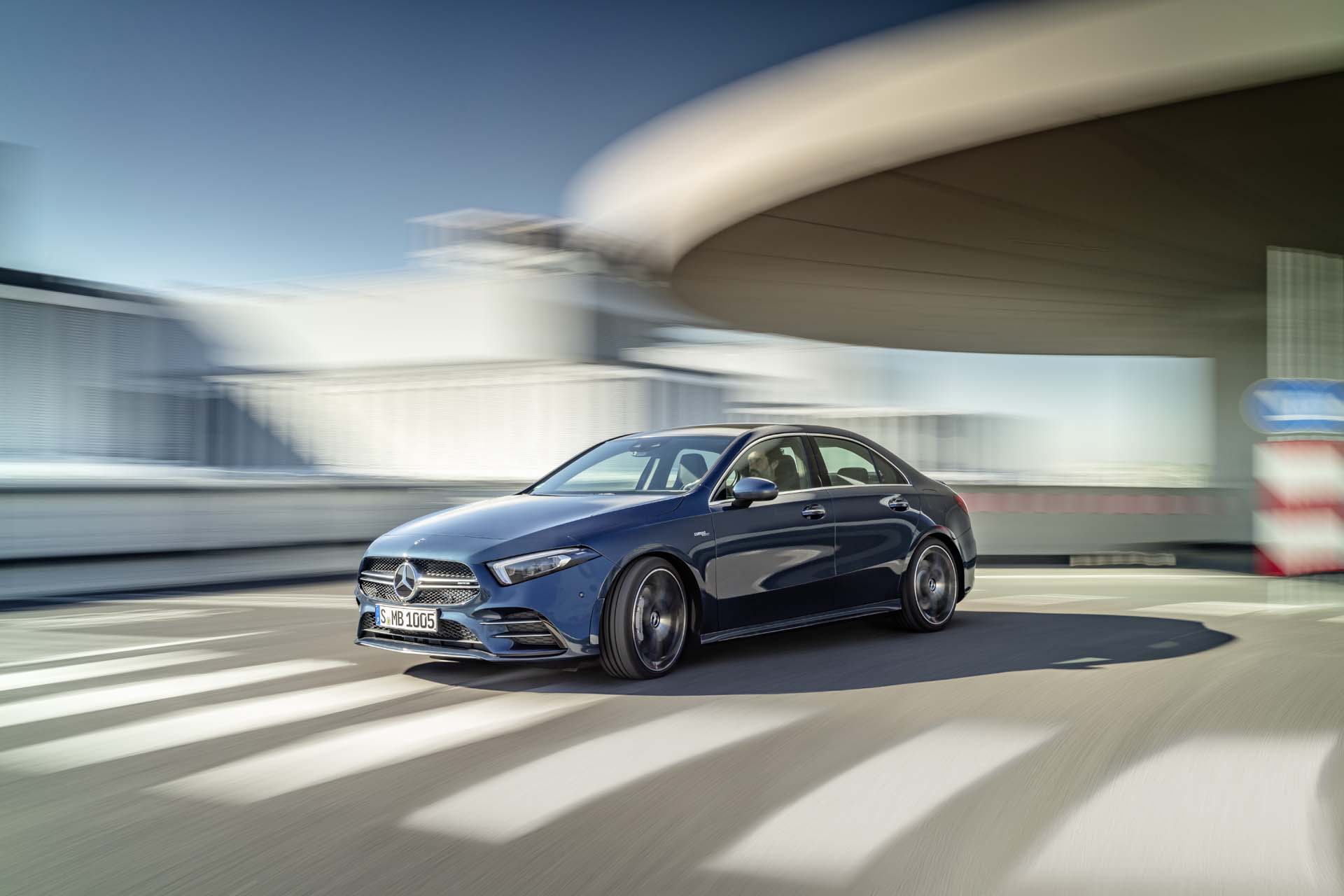
    German automaker Daimler AG said on Saturday it will recall 744,000 Mercedes-Benz vehicles in the United States from the 2001 through 2011 model years because the sunroof glass panel could detach and pose a hazard. The large recall covers more two dozen vehicles from C-Class, CLK-Class, CLS-Class and E-Class model lines. The automaker said the bonding between the glass panel and the sliding room frame might not meet specifications and could lead to sunroofs detaching.

    Owners who paid for repairs for the issue will be able to seek reimbursements from Daimler. A Mercedes-Benz USA spokesman said on Saturday he did not have a worldwide vehicle total for the recall.

    Dealers will inspect the glass panel bonding and replace the sliding roof if necessary, the company said.

    Last month, Mercedes-Benz USA agreed to a $20 million civil penalty over its handling of U.S. vehicle recalls after a year-long U.S. government investigation into 1.4 million recalled vehicles.

    Under the terms of the settlement, the automaker will pay $13 million and faces another $7 million fine if it does not comply with the agreement. The U.S. National Highway Traffic Safety Administration said the company failed to notify owners in a timely fashion in some recalls, did not submit all reports and did not launch at least two recalls in a timely fashion.

  • Volkswagen Starts Settlement Talks With German Consumer Groups Over Diesel Scandal

    Volkswagen Starts Settlement Talks With German Consumer Groups Over Diesel Scandal

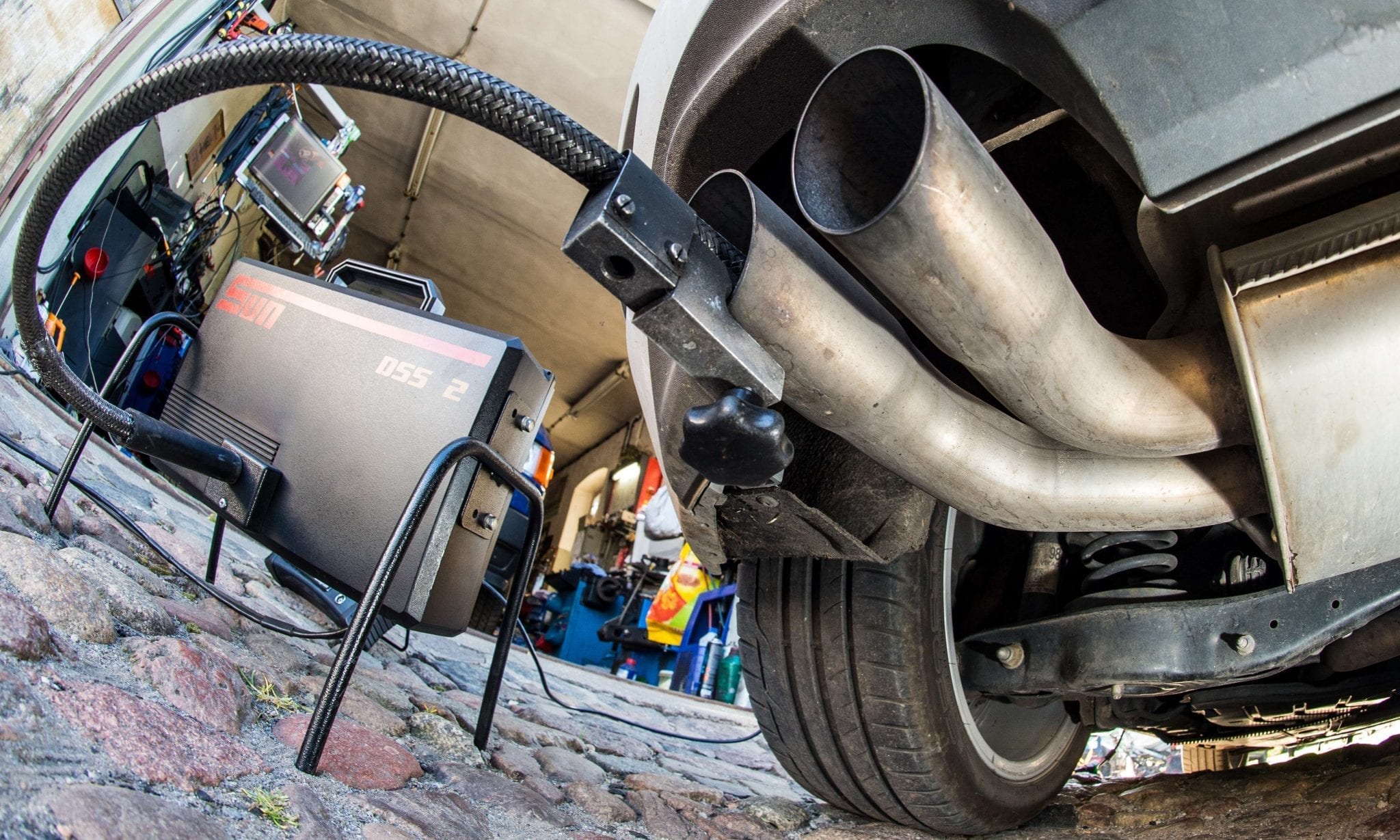
    Volkswagen on Thursday said it was in talks to discuss a settlement with German vehicle owners who are suing the carmaker over excessive pollution caused by VW’s diesel cars. In 2015 the carmaker admitted to using manipulated engine management software to mask excessive pollution levels in its diesel cars, sparking a raft of prosecutions and lawsuits that have led to at least 30 billion euros in legal costs and fines.

    “Volkswagen and the Federation of German Consumer Organisations have agreed to enter into discussions regarding a possible settlement,” the carmaker said.

    “The discussions are at a very early stage, and there is no guarantee that they will result in a settlement. Both parties have agreed that the discussions should remain confidential.”

    German consumers have had less success than vehicle owners in the United States in securing compensation from VW because German cars did not lose their road worthiness certification in the wake of the diesel scandal.

    In Germany VW’s diesel vehicles retained their road worthiness certification if customers agreed to an update of vehicle engine management software, leading VW to take a different approach to compensate consumers.

  • 2020 Lamborghini Huracan Evo Rear-Wheel Drive Breaks Cover

    2020 Lamborghini Huracan Evo Rear-Wheel Drive Breaks Cover

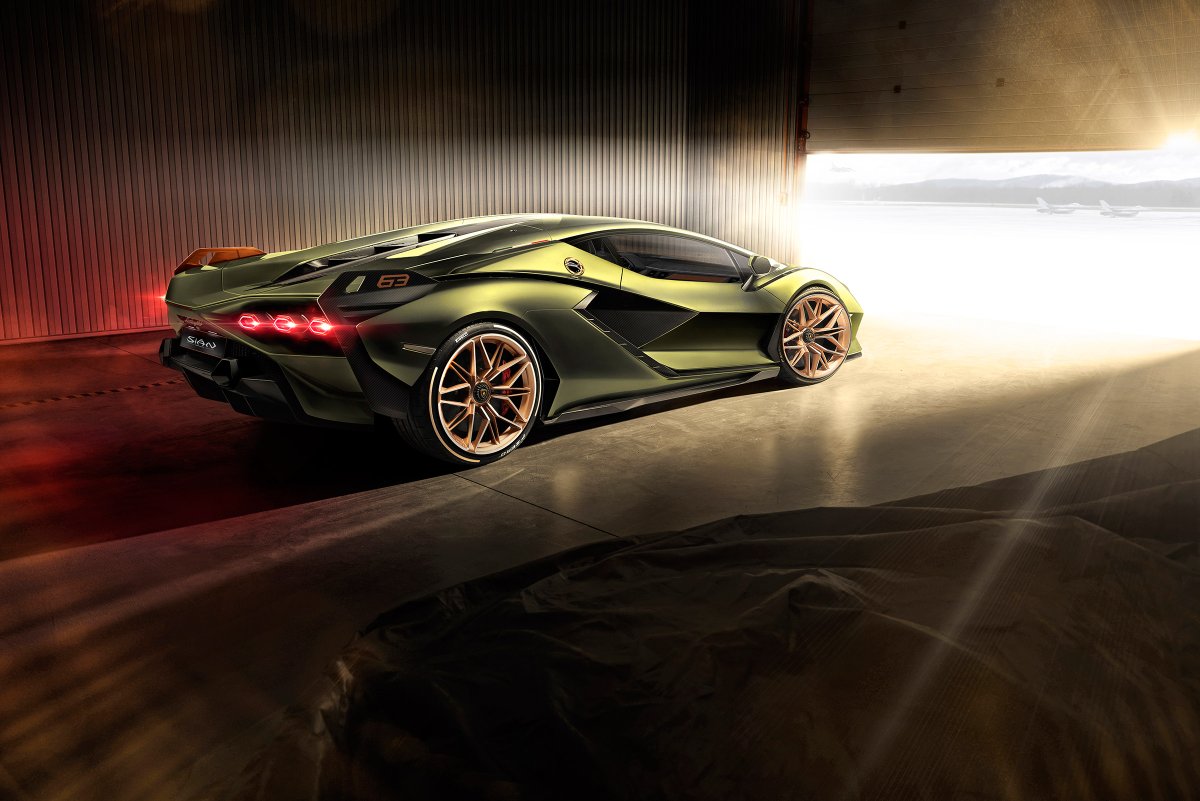
    It’s hard to think about how can the Huracan be more engaging for the driver without losing control. Lamborghini seemed to have a similar thought very recently and has introduced an unfiltered, unadulterated version of the supercar with the new Huracan Evo rear-wheel drive. The new Lamborghini Huracan Evo RWD is the newest addition to the Huracan family and keeps that Italian bull only on its hind legs. Admittedly, the Huracan Evo RWD makes less power than the AWD version with the 5.2-litre naturally aspirated V10 belting out 594 bhp, about 29 horses less than the standard Huracan Evo. However, what it promises is a lot of sideways action.

    Essentially, the 2020 Lamborghini Huracan Evo RWD is the no-frills edition of the two-door coupe, which in Italian supercar speak means “more fun.” So, the car misses out on the front axle, the rear steering and gets a power cut. There are some nifty additions though that aim to make the driving experience more seamless and exhilarating. This includes the new P-TCS or Performance Traction Control System that is unique to the 2020 Huracan Evo RWD and lets you slide and skate during acceleration, according to the manufacturer. Lamborghini also says that P-TCS never cuts torque abruptly. Instead, it will feed extra torque before the car gets into a slide and then will back off more gently, in the Sport mode. The system will also allow the car to exit corners more quickly in the Corsa mode, lending more control to the driver.

    Compared to the older Huracan LP580-2, the new Huracan Evo RWD gets about 30 per cent oversteer, as per Lamborghini’s proprietary fun calculator. The car weighs 1389 kg, which is lighter than the AWD version and has a top speed of 3.3 seconds. Visually, the 2020 Lamborghini Huracan Evo RWD is difficult to distinguish from the standard versions but take a hard look and you’ll find a new front splitter and fins in the front intakes while a new diffuser is visible at the rear. The car also wears its own shade of yellow – Giallo Belenus but can be ordered in a plethora of colour and leather options to match your taste.

  • Musk Defies Skeptics, Meets Tesla Delivery Goal

    Musk Defies Skeptics, Meets Tesla Delivery Goal

    Tesla Inc beat Wall Street estimates for annual vehicle deliveries and met the low-end of its own target, sending shares to a record high in a vindication for Chief Executive Elon Musk after a few turbulent years. Boosted by demand for its mass-produced Model 3 sedans as overseas sales pick up, Tesla on Friday said it delivered 112,000 vehicles in the fourth quarter, including 92,550 Model 3s and 19,450 Model S/X SUVs, which was above expectations of 104,960 vehicles, according to IBES data from Refinitiv. The Silicon Valley carmaker delivered approximately 367,500 vehicles during all of 2019, just meeting the low end of its target to deliver 360,000 to 400,000 vehicles in 2019.

    Tesla shares were up as much as 5.5% at $454, touching a record high.

    The stock has had a strong run in recent months after posting a rare profit in the latest quarter and news of China ramp up. With a market valuation of more than $80 billion, Tesla is far outstripping those of traditional carmakers General Motors Co (GM.N) and Ford Motor Co (F.N).

    The delivery results defy skeptics of Musk, whose mercurial behavior over the last two years came under close scrutiny from federal regulators and shareholders of Tesla.

    Musk, who has more than 30 million Twitter followers, has a history of firing off tweets that resulted in an investigation by the U.S. Securities and Exchange Commission and a defamation trial against him.

    The Tesla CEO settled the SEC complaint for $20 million in 2018 and a Los Angeles jury cleared Musk in the defamation case in December.

    “Elon has Tesla executing right on track,” said Roth Capital Partners analyst Craig Irwin.

    Tesla also provided an update on its Shanghai factory, which has started churning out Model 3 cars. It said the plant demonstrated a production run-rate capability of more than 3,000 units per week.

    The run-rate shows that the factory appears to be ramping faster than expected, Baird Equity Research analyst Ben Kallo said. “Shanghai deliveries should be the next catalyst to drive volume growth.”

    The $2-billion factory, Tesla’s first car manufacturing site outside the United States, is the centerpiece of its ambitions to boost sales in the world’s biggest auto market and avoid higher import tariffs imposed on U.S.-made cars.

    A company representative on Thursday said that Tesla will deliver its first China-made Model 3 sedans to the public on Jan. 7.

    The Model 3 is Tesla’s most affordable car, with lower-range versions available starting at $35,000.

    Analysts in the past have questioned how rapidly Tesla’s vehicle sales will grow as government subsidies for electric vehicle purchases dwindle in the United States, China and other markets. Some analysts consider those subsidies the biggest driver for Tesla purchases.

    Traditional automakers largely relying on fuel-powered vehicles on Friday reported a decline in fourth-quarter U.S. sales and saw their shares tumble as a widening conflict with Iran pushed oil prices more than $2 a barrel on Friday.

    Fiat Chrysler Automobiles NV on Friday said it saw a 2% fall in U.S. auto sales, while GM reported its fourth-quarter U.S. deliveries were down more than 6%.

    “The recently escalating geopolitical uncertainties driving oil prices higher are likely to create a tailwind for TSLA shares,” Canaccord Genuity analyst Jed Dorsheimer said.

  • Vietnam sees car imports double

    Vietnam sees car imports double

    Dwindling sales of locally assembled cars and rising sales of imports are causing local manufacturers to demand more tax incentives to compete.

    In the first 11 months of the year sales of locally made vehicles fell by 13 percent year-on-year to 169,739 units, while that of imported cars doubled to 119,389, according to the Vietnam Automobile Manufacturers Association (VAMA).

    The surge in sales of imports follows a slump in 2018 due to a decree that stipulated tougher conditions for car importers, requiring them to provide certain certificates to ensure quality and countries of origin.

    The number of imported units fell by 20 percent last year, but rose 96 percent year-on-year this year to 133,700 units.

    They cost almost $3 billion, and the Ministry of Industry and Trade has estimated this figure could hit a record $3.4 billion for the full year, almost double last year’s.

    Though locally assembled vehicles still dominate sales, the surge in imports of complete-built units concern manufacturers. Pham Van Tai, CEO of Truong Hai Auto (THACO), had suggested last month that the country should scrap imports tax on car parts that cannot be made locally.

    Vietnam has been struggling to grow its auto industry for decades. Last year 288,700 units were sold, compared to Thailand’s million-odd units and Indonesia’s 1.1 million, according to auto database Marklines.

    The country’s local parts rate for passenger cars is 7-10 percent compared to 80 percent in Thailand and 70 percent in Indonesia.

  • Barcelona Bans Older, Most Polluting Cars

    Barcelona Bans Older, Most Polluting Cars

    Barcelona imposed a ban Thursday on older, more polluting vehicles during most of the day in a bid to reduce air pollution in Spain’s second largest city.

    Gasoline-powered cars registered in Spain before 2000, and diesel-powered cars registered before 2006 are now banned from most city streets on weekdays between 7:00 am and 8:00 pm and face a fine of at least 100 euros ($112) if they violate the rule.

    All banned vehicles will be allowed to enter the city 10 times a year.

    Owners of vehicles registered outside of Spain can request permission from city hall to drive in the Mediterranean coastal city which is home to 1.6 million people.

    Beginning in 2021 older, more polluting vans, trucks and buses will also be banned.

    The new rules are expected to affect around 50,000 vehicles a day and lead to a 15-percent cut in nitrogen dioxide emissions, a poisonous gas in car exhaust.

    Since last year, Madrid has restricted driving in the old city centre to people who live there. Residents from outside the area can only drive there if they use an electric or other low-emissions vehicle.

    While that rule is more restrictive than the policy put in place in Barcelona, the area of Madrid that is affected is much smaller.

    Barcelona’s far-left mayor Ada Colau has raised the possibility of introducing a congestion charge like those in place in other European cities such as London, Stockholm and Milan.

    Barcelona has since 2002 exceeded the level of airborne carbon dioxide set by the European Union, according to a 2017 report by the city public health department.

    The city’s poor air quality caused a yearly average of 424 premature deaths between 2010 and 2017, the report said.

    Last year Brussels asked the European Union’s Court of Justice to take action against Spain for its “systemic violations” of rules limiting nitrogen dioxide emissions.

  • Bosch to Cut Thousands of Jobs in India as Auto Sales Slump

    Bosch to Cut Thousands of Jobs in India as Auto Sales Slump

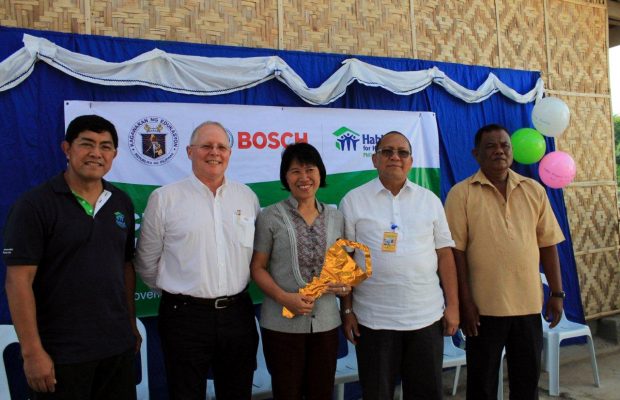
    Bosch, the Indian unit of the world’s largest auto-parts supplier, plans to join its parent, Robert Bosch GmbH in cutting jobs as the South Asian nation witnesses one of its worst auto sales slowdowns in decades.

    The German company will cut “a couple of thousand” jobs in India in the next four years, India Managing Director Soumitra Bhattacharya said. About 10% of 3,700 white-collar jobs and a slightly higher percentage of 6,300 blue-collar jobs will be cut, he added in an interview in Bangalore on Dec. 30.

    “There is a transformation happening across the industry,” Bhattacharya said. “We looked at that as an opportunity to transform the company even before the downturn started.”

    Carmakers across the world will shed 80,000 jobs in the coming years amid shrinking demand. That will hit sales at autopart makers. In India, Bosch expects auto sales to only recover in the next two-three years after plummeting in 2019 because of regulatory changes, threat of electrification, a liquidity crunch, and an economic slowdown.

    Still, the German component maker sees the demand for internal combustion engine vehicles leading growth in the auto industry in India. Both ICE and electric powertrains will coexist for a long time, Bhattacharya said. He forecast that 80% of the vehicles will run on ICE the rest on electric by 2030 in the nation.

    Bosch India’s profit fell 66% in the quarter ended Sept. 30, from a year earlier. Its share price dropped 22% last year.

    India’s auto sector is going through a cyclical and structural changes because of electrification, technological shift and the advent of shared mobility, Bhattacharya said.

  • Tesla Says Will Start Delivering China-Made Model 3s To Public On January 7

    Tesla Says Will Start Delivering China-Made Model 3s To Public On January 7

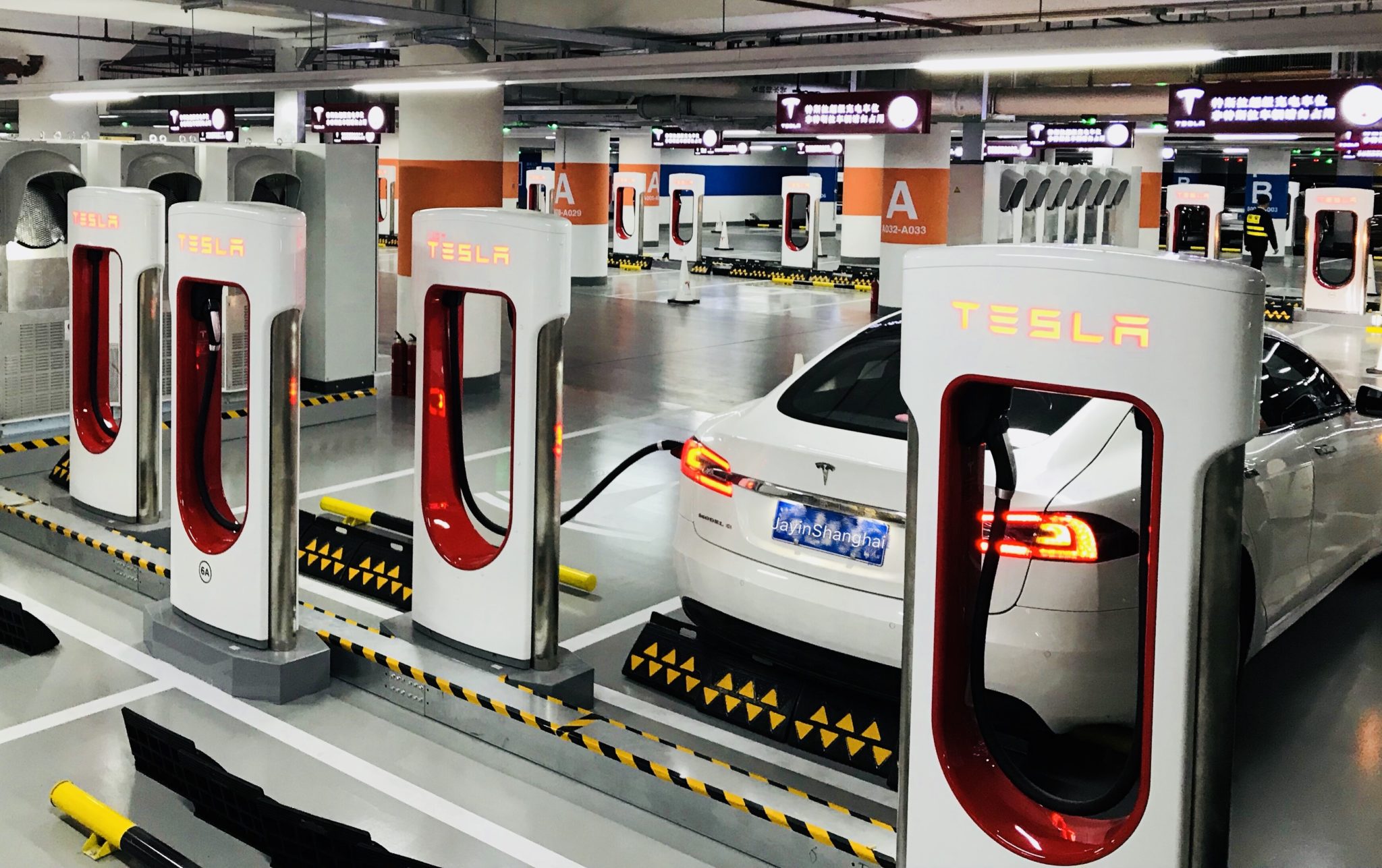
    Tesla will deliver its first Chinese made Model 3 sedans to the public on Jan. 7 at an event at its Shanghai plant, a representative for the firm told Reuters on Thursday. The Shanghai plant is part of the Silicon Valley automaker’s plans to bolster its presence in the world’s biggest auto market and minimise the impact of the U.S.-China trade war. Fifteen Tesla employees who had purchased a car were the first to receive their Model 3s on Monday after the first China-made vehicles rolled off the plant’s production line in October.

    The deliveries come a year after construction of Tesla’s only plant outside the United States began. Production started in October with a target of 250,000 vehicles a year once the Model Y is added to the line up. The Model 3 is priced at 355,800 yuan ($50,000) before subsidies. Tesla said previously that it wanted to start deliveries before the Chinese new year beginning on Jan. 25.

    Tesla’s China General Manager Wang Hao said the company plans to ramp up Model 3 deliveries in January.

    Tesla executives also told reporters the plant had achieved a production target of 1,000 units a week, or around 280 cars a day, and that sales for the China-made sedan had so far been “very good”.

  • VW Starts Settlement Talks With German Consumer Groups Over Diesel Scandal

    VW Starts Settlement Talks With German Consumer Groups Over Diesel Scandal

    Volkswagen on Thursday said it was in talks to discuss a settlement with German vehicle owners who are suing the carmaker over excessive pollution caused by VW’s diesel cars. In 2015 the carmaker admitted to using manipulated engine management software to mask excessive pollution levels in its diesel cars, sparking a raft of prosecutions and lawsuits that have led to at least 30 billion euros in legal costs and fines.

    “Volkswagen and the Federation of German Consumer Organisations vzbv have agreed to enter into discussions regarding a possible settlement,” the carmaker said.

    “The discussions are at a very early stage, and there is no guarantee that they will result in a settlement. Both parties have agreed that the discussions should remain confidential.”

    German consumers have had less success than vehicle owners in the United States in securing compensation from VW because German cars did not lose their road worthiness certification in the wake of the diesel scandal.

    In Germany VW’s diesel vehicles retained their road worthiness certification if customers agreed to an update of vehicle engine management software, leading VW to take a different approach to compensating consumers.