Tag: car

  • Hyundai Announces A Price Hike Across All Models From January 2020

    Hyundai Announces A Price Hike Across All Models From January 2020

    South Korean auto giant, Hyundai Motor has announced that the company will be increasing prices across all its cars from January 2020. With the announcement, the manufacturer joins the list of other carmakers including Maruti Suzuki, Kia and Hero MotoCorp that have announced price hikes for the new year. Hyundai has not revealed details of the price hike at the moment but did say that the decision has been made due to the rise in the input and material costs. The extent of the price increase will vary depending on the model and the fuel type, it said further in a statement.

    Both Maruti Suzuki and Kia will increase prices across product line-up but are yet to announce the sum of the hike in question. Meanwhile, Hero has said that its two-wheeler range will see an increase in prices by up to ₹ 2000, depending on the model.

    While these manufacturers are the first to announce hikes, more companies are expected to follow suit. That being said, certain companies may refrain from announcing price increases on its models for now and roll out the BS6 ready versions that are set to get a price increase at a premium over the current asking price. Tata Motors will increase prices from January next year and did say that its passenger vehicles will see a rise by ₹ 10,000-15,000 on the BS6 versions.

  • China Auto Sales Drop For 17th Straight Month In November

    China Auto Sales Drop For 17th Straight Month In November

    Auto sales in China fell for a 17th consecutive month in November, with the number of new energy vehicles (NEVs) sold contracting for the fifth month in a row, data from the country’s biggest auto industry association showed on Tuesday. Total auto sales in the world’s biggest auto market fell 3.6% from the same month a year earlier, the China Association of Automobile Manufacturers (CAAM) said. That follows a drop of 4% in October and 5.2% in September.

    Car sales in the country contracted last year for the first time since the 1990s against a backdrop of slowing economic growth and a crippling Sino-U.S trade war. In November, sales of NEVs fell 43.7%, CAAM said, following a 45.6% drop in October NEV sales had jumped almost 62% last year even as the broader auto market contracted.NEVs include plug-in hybrids, battery-only electric vehicles and those powered by hydrogen fuel cells. China has been a keen supporter of NEVs and has implemented sales quota requirements for automakers.

    But it cut subsidies this year and plans to phase them out after 2020 amid criticism that some firms have become overly reliant on the funds, making NEVs costlier and dampening demand. The prolonged car sales crisis has made global carmakers from Ford to PSA cut China production plans. Geely, China’s best-known car maker globally, posted a 1% year-on-year sales growth in November while China’s biggest carmaker SAIC Motor saw a 9.6% drop due to poor performance from joint ventures with General Motors.NEV sales at both BYD and BAIC’s electric vehicle unit BluePark, in which Daimler has a stake, fell around 63% last month from a year ago.

  • Maruti Suzuki Records Production Growth In November 2019 After Eight Months

    Maruti Suzuki Records Production Growth In November 2019 After Eight Months

    Gaining volumes from a strong festive season sales, Maruti Suzuki has managed to record a growth in production numbers in the month of November, after cutting down volumes for eight months straight in a row. India’s largest carmaker manufactured 141,834 units in November 2019 as compared to 135,946 units it manufactured in the same month last year, posting a year on year (YoY) growth of 4.33 percent. The company had cut its production by 20.70 percent at 119,337 units in October 2019 as compared to 150,497 in the same month last year.

    To cash in the festive season demand, the carmaker had rolled out some attractive discounts and benefits of up to ₹ 1.5 lakh on its highly popular models like the Vitara Brezza and Swift which helped the company to pull off decent sales amidst the slowdown in the auto industry. Both the compact and utility vehicle (UV) segments have recorded double-digit production growth, after the revival in sales.

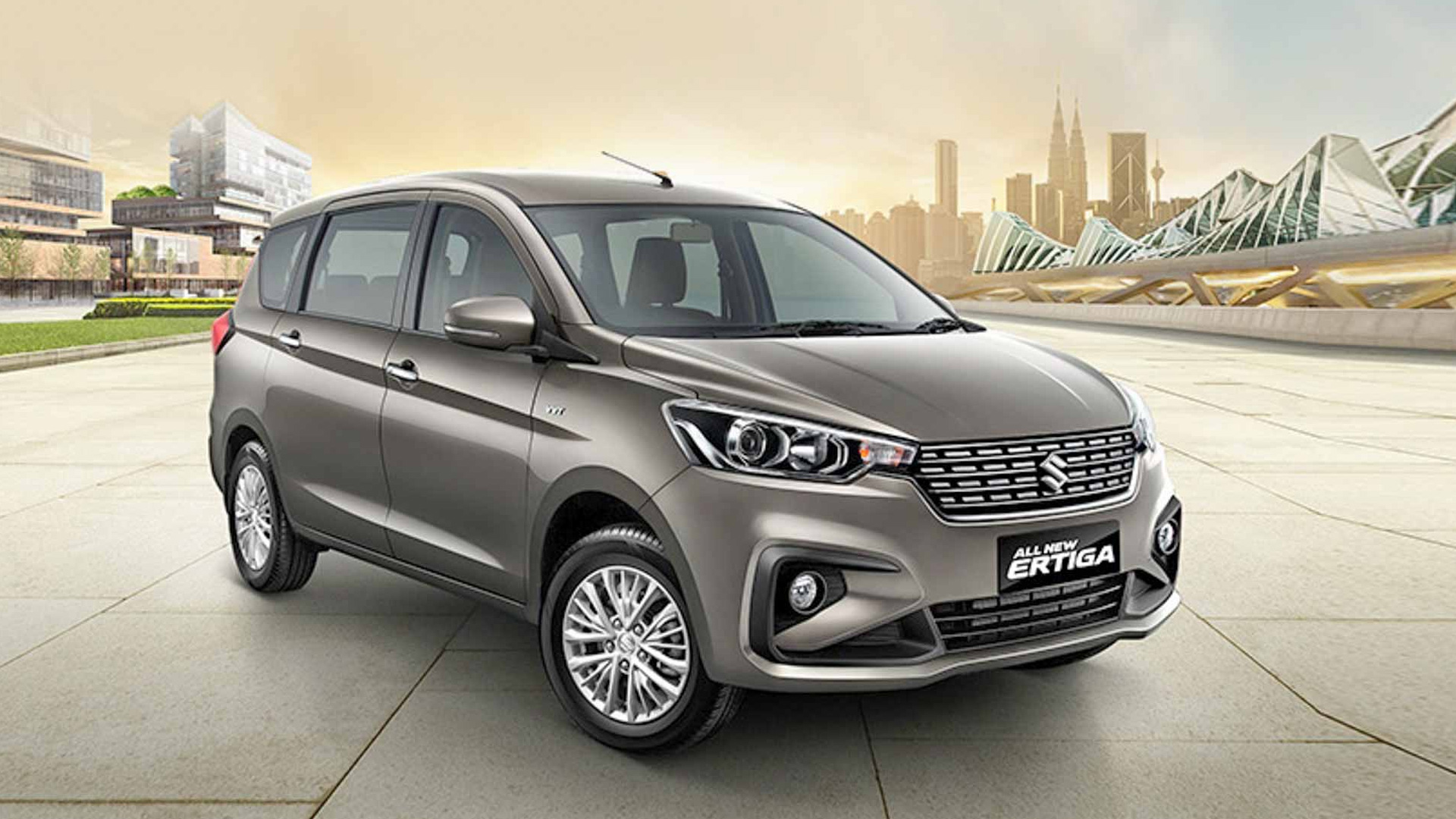
    The compact segment which includes models like the Swift, Dzire, new Wagon R, Baleno, Celerio, Ignis, and the Baleno dubbed Glanza that is supplied to Toyota grew at 18.83 percent at 78,133 units as compared to 65,754 units which were manufactured a year ago. The UV segment which has models like the Vitara Brezza, S-Cross, Ertiga and XL6 was up by 18 percent at 27,187 units as against 23,038 units which rolled off the assembly line in the same month a year ago.

    The mid-size sedan, Ciaz also recorded an uptick of 25 percent in production at 1830 units as compared to 1460 units which were manufactured in the same month a year. That said, the Mini segment and Vans segment witnessed a slump of 20 percent at 24,052 units (30,129 in November 2018) and 42.76 percent at 7882 units (13,768 units in November 2018), respectively. The total production of passenger vehicles grew by 3.67 percent at 139,084 units as compared to 134,149 units in the same month last year. The production of its only commercial vehicle, the Super Carry went up by 53.03 percent at 2750 units as compared to 1797 units in the same month a year ago.

    Maruti Suzuki had witnessed a YoY sales growth of 4.5 percent in October 2019 at 153,435 units as compared to the 146,766 units sold during the same month last year and that has reflected in its November production numbers as the company tends to maintain its inventory level. That said, in November, the domestic sales again dropped by 3.2 percent at 141,400 units last as compared to 146,018 units in the same month last year. This leaves us wondering about how the decline in November sales will reflect on its December production numbers.

  • Billionaire Lawrence Stroll Seeks Big Stake In Aston Martin

    Billionaire Lawrence Stroll Seeks Big Stake In Aston Martin

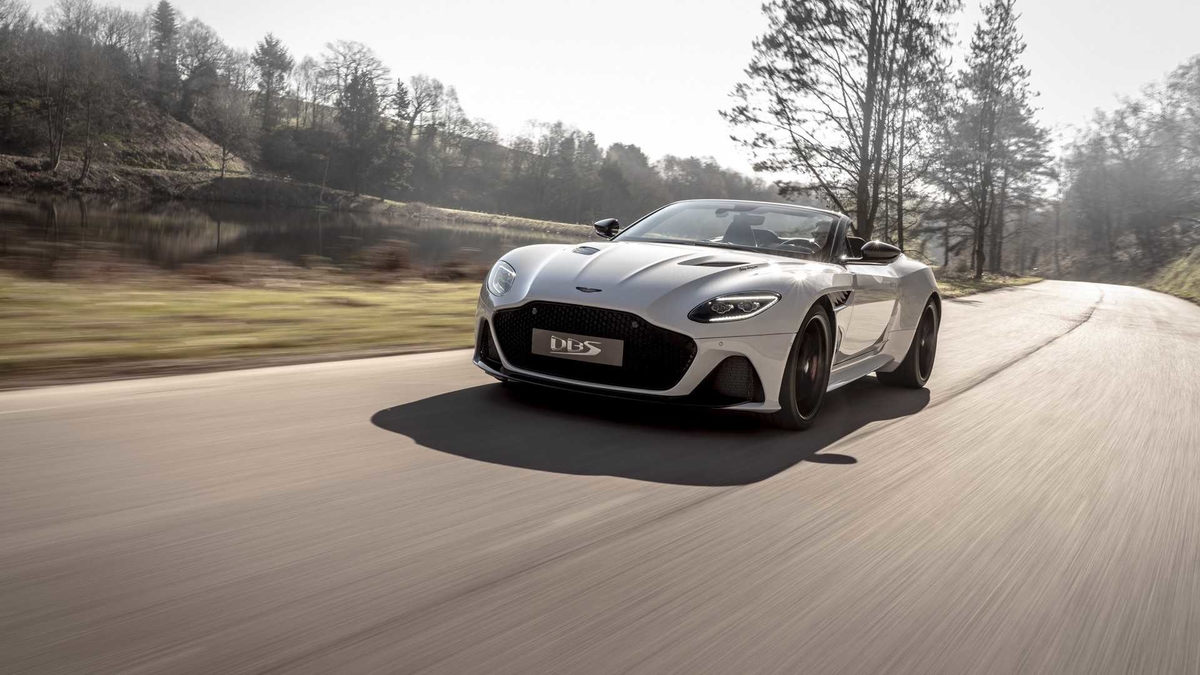
    Canadian billionaire Lawrence Stroll, owner of Formula One team Racing Point, is preparing a bid for a major stake in Aston Martin , Autocar magazine reported, sending the luxury sports car maker’s battered shares up 17 percent on Thursday.

    Aston Martin, the drive of choice for fictional British secret agent James Bond, has seen its shares slump since its flotation in October 2018 as sales have failed to meet expectations.

    Stroll, who is the father of Formula One driver Lance Stroll, is heading up a consortium looking to take a “major shareholding” in the British company, Autocar and the racefans.net website reported on Thursday.

    Racefans.net said Racing Point could be rebranded as Aston Martin if Stroll succeeded in taking a controlling stake.

    Aston Martin declined to comment and Racing Point said Stroll was unavailable for comment.

    The carmaker’s shares were up nearly 17% at 5.88 pounds ($7.54) at 1414 GMT, valuing the business at about 1.3 billion pounds, but still far below their initial public offering (IPO) price of 19 pounds.

    As the car industry consolidates through deals such as the Peugeot-Fiat merger, Aston has said it does not need to belong to a bigger automotive group, pointing to the success of stand-alone rival Ferrari .

    But the sale of a stake could help boost the company’s prospects as it seeks to turn around a poor performance, which pushed it to a 92.3 million pound ($118.4 million) loss in the first nine months of the year.

    In August, Aston’s biggest investor, Strategic European Investment Group, acquired an additional 3% stake in the company.

    A month later, Aston raised $150 million in debt at 12% interest, hiking its borrowing costs, to bolster its balance sheet for the launch of its DBX sports utility vehicle next year, with the option for another $100 million.

    The company’s hopes rest on almost doubling sales with its first SUV, which enters production in 2020, particularly by attracting more female buyers to the brand.

    Aston is also the title sponsor of the Honda-powered Red Bull team, former world champions who won three races this year with Dutch 22-year-old Max Verstappen.

    Aston will be competing in the World Endurance Championship and the Le Mans 24 Hours with its Valkyrie hypercar from 2021.

    Mercedes’ parent Daimler also has a small stake in Aston.

    Stroll, a collector of vintage Ferraris, has been involved in Formula One and motor racing for years and also owns Canada’s Mont Tremblant circuit in Quebec.

    He made his money through investing in fashion brands such as Tommy Hilfiger and Michael Kors, but came to wider prominence in motor racing circles after bankrolling his son’s career.

    Lance Stroll, 21, moved to Racing Point from Williams this season after a consortium led by his father bought the Force India team, which was co-owned by financially troubled Indian magnate Vijay Mallya and had fallen into administration.

    The Silverstone-based team, which uses Mercedes engines, finished seventh overall this season but is planning a factory expansion.
  • Japan’s Markets Watchdog Likely To Recommend $22 Million Fine Against Nissan

    Japan’s Markets Watchdog Likely To Recommend $22 Million Fine Against Nissan

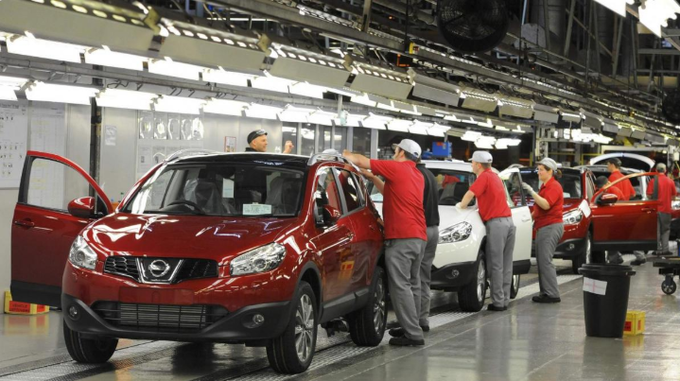
    Japan’s markets watchdog will likely recommend soon that the financial regulator fine Nissan Motor Co Ltd about 2.4 billion yen ($22 million) over false reporting on its financial statement, public broadcaster NHK reported on Sunday.

    Nissan’s former Chairman Carlos Ghosn was arrested in Tokyo in November last year over allegations of financial misconduct, including understating his salary by around 9.1 billion yen ($84.71 million) over a period of nearly a decade and temporarily transferring personal financial losses to the books of Nissan, Japan’s No. 2 automaker.

    Reuters reported in June that Nissan would be fined up to 4 billion yen and it may receive a reduced fine of around 2.4 billion yen if the automaker filed documentation to the Securities and Exchange Surveillance Commission (SESC) before the formal investigation begins, citing a source.

    The fine would cover a four-year period through March 2018, the source previously told Reuters.

  • VW’s German Plants Need To Shape Up

    VW’s German Plants Need To Shape Up

    Volkswagen’s German plants need to boost efficiency to match overseas operations, production chief Andreas Tostmann was quoted as saying, targeting 2 billion euros ($2.2 billion) in savings by 2023. German carmakers, including Volkswagen’s Audi brand, have announced thousands of job cuts in recent weeks to address an expected 5% drop in global auto sales this year, with declines likely to spill into 2020.

    “The pace of improvement is better abroad. In Germany, despite all the successes we’ve achieved, we have to do better,” Tostmann told trade journal Automobilwoche.

    Tostmann wants to implement the savings in the production of VW branded cars through a bundle of measures on top of automation, including a leaner logistics operation.

    “The result is that we need 15% less space, 60% fewer logistics vehicles and are able to move 20% more product,” said Tostmann, according to extracts from his Automobilwoche interview.

    VW’s luxury Audi division last month said that it would cut up to 9,500 jobs, equating to 10.6% of total staff, by 2025 in a move to free up billions of euros to fund the shift towards electric vehicle production.

    Rival Daimler, as well as car suppliers Continental, Robert Bosch and Osram, have also recently announced staff and cost cuts.

  • Hyundai Begins Feasibility Study For Fuel Cell Electric Vehicle in India

    Hyundai Begins Feasibility Study For Fuel Cell Electric Vehicle in India

    Hyundai Motor India today announced that it plans to expand its green mobility portfolio in India which currently only has the Kona EV. Hyundai has had its share of success with the Kona EV in the country and even managed to bag a small order from EESL. But now the company is taking another step in bringing in more green cars to the country. Hyundai today announced that it is evaluating the feasibility of bringing fuel cell electric vehicles for India.

    We told you back in September 2018, that Hyundai was planning to launch a fuel cell vehicle in the country and the Nexo will very much be part of the company’s portfolio soon and this news only cements what we had said back then. While a timeline for the launch for the Nexo has not been charted out yet, we wait to see, when these plans reach fruition. We have brought you the exclusive review of the Nexo though. The Nexo SUV is Hyundai’s important step to develop low emission models globally. The company has had a record sales for Nexo in its home market in November 2019 where it sold 699 units.

    The Nexo gets a fuel cell drivetrain, which is lighter than a regular electric powertrain. Hyundai says that the Nexo makes about 161 bhp of max power and peak torque of 395 Nm. Also, the Nexo SUV can do the 0-100 kmph sprint in 9.2 seconds and has a top speed of 177 kmph. The car has a range of 609 kilometres on a single charge according to Korean test standards. In typical SUV way, the Nexo is designed to handle cold starts even when the outside temperature is -30 degree Celsius.

    Mr S S Kim, MD and CEO, Hyundai Motor India Ltd, said, “Progress for Humanity with Zero Emission Mobility is our responsibility and vision to make a long-term positive transformation for our future generations. We have initiated the feasibility study for Fuel Cell Electric Vehicle in India and promise to bring the ultimate solution in zero emission mobility”

  • Volkswagen Teases Nivus Subcompact Crossover

    Volkswagen Teases Nivus Subcompact Crossover

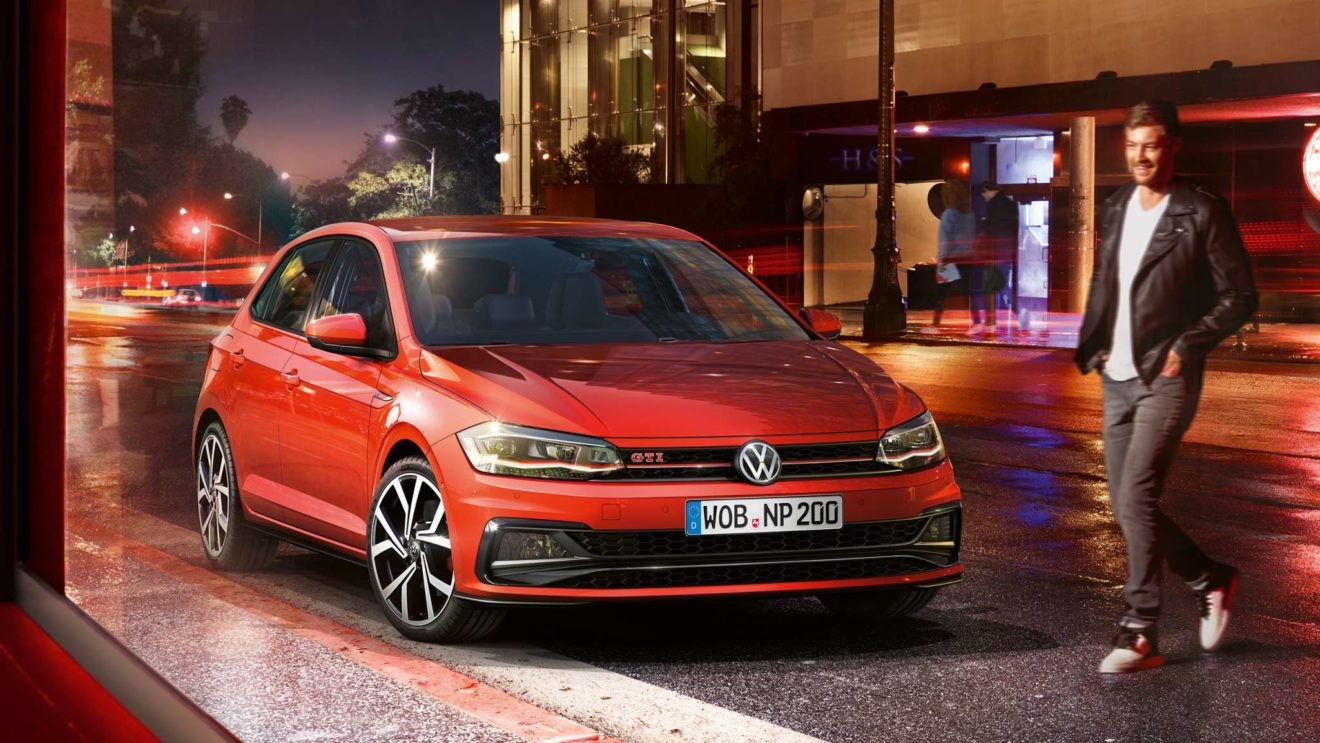
    Volkswagen has teased the Nivus subcompact Crossover and has said that the car will first be introduced in the Brazilian market after which it will be introduced in Europe. The car was earlier called the T-Sport and it looks like a small crossover coupe. Of course, the Nivus is the new name and it will slot below the T-Cross when it is unveiled and launched in markets. The Nivus is significant because it is based on the Polo and yes, it looks very different when compared to the hatchback. Though the teaser does not showcase much, we do get to see that the Nivus Coupe crossover comes with a different front grille and the coupe-like roofline with the roof rails bodes well with its crossover tag.

    So why are we interested in the Nivus? Well, it’s based on the company’s MQB A0 platform which has been specifically made by Volkswagen for emerging markets, but as we told you earlier, it will be the Brazilian market that will get the car first. While Volkswagen’s MQB A0 IN platform will also spawn a whole bunch of cars for our markets, we cannot rule out that the Nivus for the country. We’ve already told you that Volkswagen has given a big push for SUVs in India and we will see cars like the T-Roc, Tiguan AllSpace and even the T-Cross based compact SUV hitting the market by 2020.

    The Nivus then fits the bill to complete the company’s SUV assault in the country. It will definitely give consumers a lot of options to choose from while also riding on the rising SUV trend not just in India but globally as well. With a similar wheelbase as the new-gen Polo (2560 mm) so expect it to have good space on the inside. The Nivus crossover coupe will be launched in Brazil in mid-2020 and we wait to hear from Volkswagen India whether it plans to bring this car to India.

  • Hyundai Motor Unveils Plan To Invest $52 Billion Over Six Years

    Hyundai Motor Unveils Plan To Invest $52 Billion Over Six Years

    Hyundai Motor plans to invest about 61.1 trillion won between 2020 and 2025, about one-third of the expenditure focused on electric and autonomous vehicles, the company said on Wednesday. The South Korean carmaker unveiled a “Strategy 2025” roadmap that envisaged annual average spending of 10 trillion won, higher than previous years, and up from a 2018 figure of 6.1 trillion won.

    Hyundai will devote about 20 trillion won of the total investment, spread across six years, to future technologies, it added.

    It also set an ambitious deadline of 2025 to place itself among the world’s top three makers of battery and fuel cell vehicles, with annual sales of 670,000 electric vehicles, including 560,000 battery-based cars.

    Hyundai shares were up 2% by 0136 GMT after the announcement, which included a plan to buy back 259.6 billion won worth of common shares.

  • New Nissan CEO Rules Out Closer Capital Ties With Renault

    New Nissan CEO Rules Out Closer Capital Ties With Renault

    Nissan Motor Co is committed to its automaking alliance with Renault SA but will not look to deepen its capital ties with the French automaker any time soon, its new CEO said on Monday.

    On his first day in the new position, chief executive Makoto Uchida also pledged to repair profitability at Japan’s No. 2 automaker and said setting realistic targets would be key towards that goal, as it tries to make a clean break from the leadership of former chairman Carlos Ghosn.

    “Closer capital ties with Renault are not a focus in the short term,” he told reporters.

    Uchida became CEO of Nissan on Dec. 1, as the car maker tries to recover from a profit slump and draw a line under a year of turmoil after the Ghosn scandal. The ousted chairman is fighting financial misconduct charges in Japan.

    One of the new CEO’s big tasks is to salvage ties with Renault, which have deteriorated since Ghosn’s ouster as chairman of both companies.

    Renault holds a 43.4% stake in Nissan after it saved the Japanese automaker from financial ruin two decades ago, and has pushed for the two companies to merge.

    In rejecting a notion of a merger with Renault, Uchida, 53, echoes his predecessor Hiroto Saikawa, who stepped down in September.

    He added that the alliance must re-think how it can serve all of its three members, which also includes Mitsubishi Motors.

    “The alliance has to benefit each of its partners in terms of revenue and profit,” he said.

    “We need to re-evaluate what has worked and what hasn’t worked in the alliance in the past few years.”

    The CEO called for Nissan to set “challenging but achievable” targets, adding that this and the launch of more new car models and vehicle technologies would be key to its financial recovery.

    Nissan is bracing for its lowest annual profit in 11 years and has slashed its dividend by 65%. Its struggles come at a time when car companies desperately need scale to keep up with sweeping technological changes like electric vehicles and ride-hailing.

    “Somewhere along the way we created a culture of setting targets which could not be achieved,” Uchida said, adding that this had resulted in a focus on short-term results.

    “Years of this had led Nissan to its current “difficult situation,” he said, using heavy vehicle discounting in the U.S. market as an example of how aggressive sales targets to grow market share had deteriorated the company’s brand.

  • Making cars costs more in Vietnam than other ASEAN countries

    Making cars costs more in Vietnam than other ASEAN countries

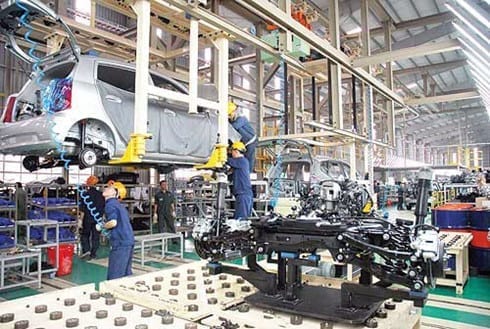
    Cars assembled and produced in Vietnam cost 20 percent more than in Thailand and Indonesia because a large number of parts have to be imported.

    Do Thu Hoang, Vice President of Toyota Vietnam, said at a forum Thursday that suppliers in the country are capable of making simple parts such as seats and wires, but for other parts like fuel caps, costs in Vietnam are 2-3 times higher than in Thailand and Indonesia.

    The country has to import about $2 billion worth of car parts each year, mostly components like the breaking and steering system, from countries like Japan, China and South Korea, according to a report submitted at the forum by the Ministry of Industry and Trade.

    Pham Tuan Anh, deputy head of the ministry’s industry department, said that the large portion of imports puts the localization rate of cars with nine seats or less at 7-10 percent, even though the country had targeted a 60 percent rate by 2010.

    Anh said that the reason for the imports is the country’s small market size, making suppliers unable to produce large volumes to lower prices.

    Hoang proposed that the government provides financial support for suppliers to upgrade their machinery and equipment to produce more advanced parts.

    “Without support, local car producers will continue to rely on imports, and local suppliers will struggle to grow.”

    Pham Van Tai, CEO of Truong Hai Auto (THACO), suggested that the country should scrap imports tax on car parts that local producers are not capable of producing.

    Vietnam began developing its car industry in 1991, 30 years later than other countries in the region.

    The sales of imported cars in the first 10 months surged 2.2 times to 106,100 units, while that of locally-assembled ones fell 12 percent to 153,100, according to the Vietnam Automobile Manufacturers Association (VAMA).

  • Vietnamese carmaking startup VinFast gets $950 million credit line

    Vietnamese carmaking startup VinFast gets $950 million credit line

    VinFast, which aims to become Vietnam’s first domestic car manufacturer, said it has secured a 12-year credit facility for as much as $950 million to help buy machinery and equipment from German suppliers.

    The company, a unit of Vietnam’s largest conglomerate Vingroup JSC, plans to have its first production models built under its own badge hit the streets next August. Vingroup has earmarked about $3.5 billion for the project.

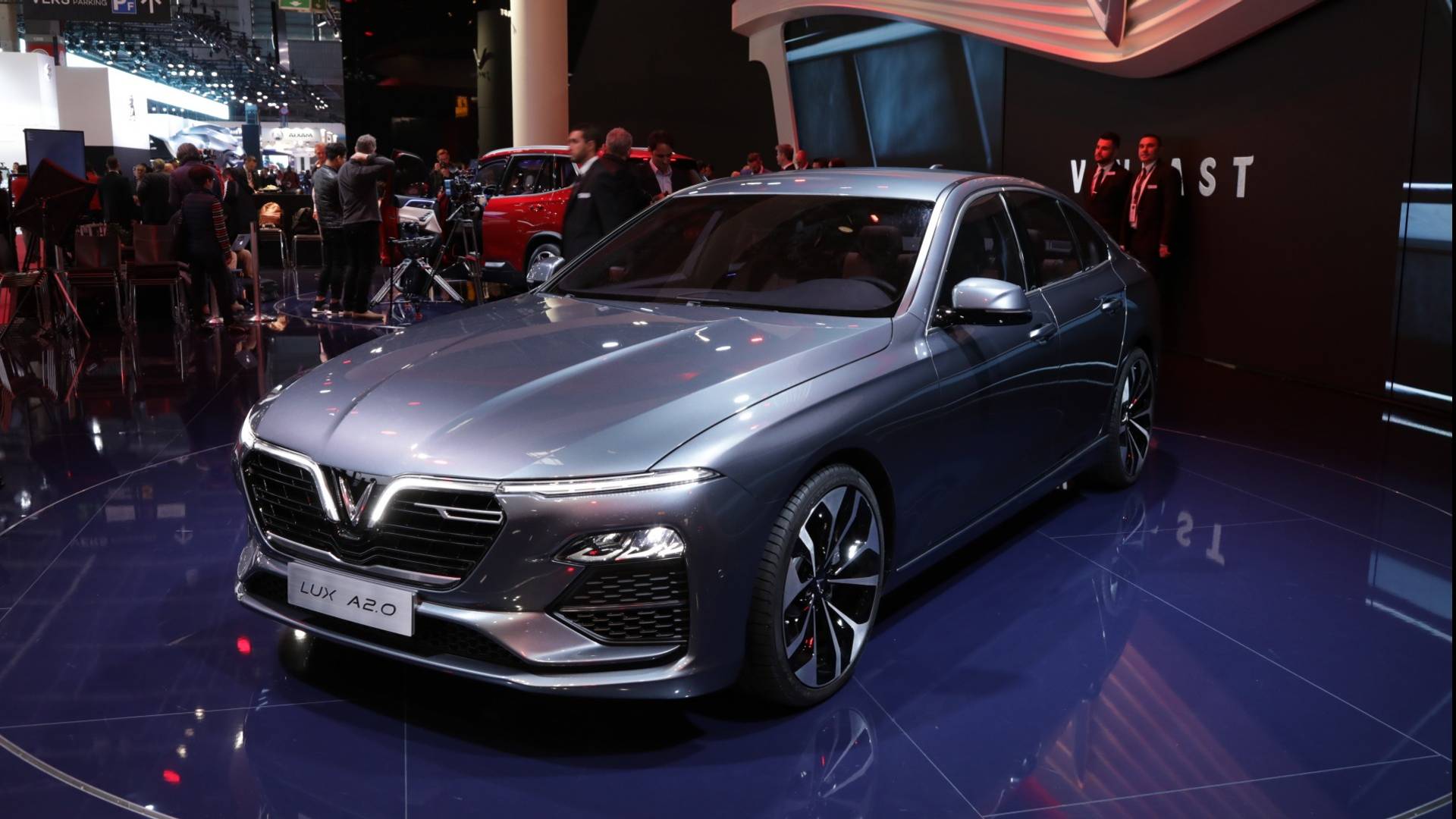
    VinFast, led by former General Motors executive Jim DeLuca, showed off its BMW-based LUX A2.0 sedan and LUX SA2.0 crossover at the Paris auto show last week. Assembly is scheduled to begin next week year.

    Credit Suisse AG and HSBC were the lead arrangers and the financing agreement was guaranteed by German export credit agency Euler Hermes, Vingroup and Vinfast said in a statement.

    The statement also said that in August Vinfast completed syndication of a $400 million term loan facility led by four international banks.

  • Toyota to invest $2 billion in developing EVs in Indonesia

    Toyota to invest $2 billion in developing EVs in Indonesia

    Toyota Motor Corp. plans to invest $2 billion to develop electric vehicles in Indonesia over the next four years, starting with hybrid vehicles, Indonesia’s coordinating minister for maritime affairs said.

    “From 2019 to 2023, we will progressively increase our investment to 28.3 trillion rupiahs ($2 billion),” Toyota president Akio Toyoda was quoted as saying in a statement released by the ministry on Thursday.

    Toyota said this month that it aimed for half its global sales to be from electric vehicles by 2025, five years ahead of schedule, and will tap Chinese battery makers to meet the accelerated global shift to electric cars.

    The deal was agreed at a meeting in Osaka on Thursday between Indonesia’s Coordinating Minister for Maritime Affairs Luhut Pandjaitan and Toyoda.

    “Because the Indonesian government already has an electric vehicle development map, Toyota considers Indonesia a prime EV investment destination,” Toyoda said in the statement.

    He said Toyota would follow the government’s EV plan by investing in stages, starting with the development of hybrid vehicles.

    Monet, the self-driving car joint venture of Toyota and SoftBank Corp., separately told Reuters in June it plans to begin operating in Southeast Asia next year

    Indonesia, the region’s largest economy, has plentiful reserves of nickel laterite ore, a vital ingredient in the lithium-ion batteries used to power EVs, and has been making a push to attract foreign carmakers.

    Officials are betting Indonesia, which is already Southeast Asia’s second-largest car production hub, can become a major regional player in lithium battery production and feed the fast-rising demand for EVs.

    The country announced earlier in 2019 plans to introduce a financial program that will offer tax cuts to EV battery producers and automakers, as well as preferential tariff agreements with other countries that have a high EV demand.

    Indonesian ministers told Reuters in December that Korean carmaker Hyundai Motor Co. plans to start producing EVs in Indonesia as part of an around $880 million auto investment in the country.

    Mitsubishi, meanwhile, announced in mid-2018 it would work with the Indonesian government to research infrastructure that could accommodate EVs.

    Analysts are cautious however on how quickly Indonesia’s EV ambitions can be carried out, as some of its lithium battery projects require complicated nickel smelter technology.

    The ministry’s statement on Thursday gave no details on how Toyota, which already makes batteries for hybrids and hybrid plug-ins, would implement its investment plans.

    Toyota was not immediately reachable for comment, but said in June it would partner with China’s Contemporary Amperex Technology Co. and EV maker BYD Co. for battery procurement.

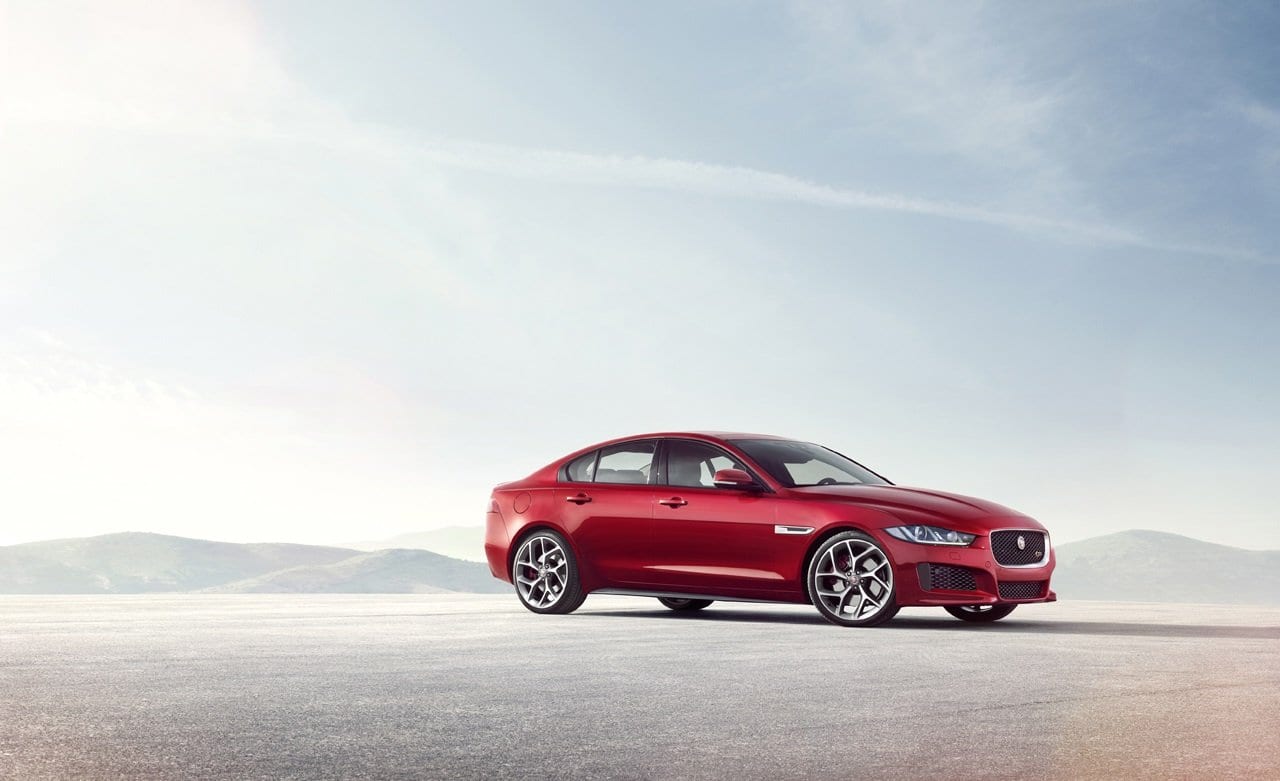
  • Jaguar Land Rover Chief Wants Alliances, Not A Merger

    Jaguar Land Rover Chief Wants Alliances, Not A Merger

    Luxury automaker Jaguar Land Rover’s chief executive told Reuters he is open to more alliances to lower the costs of developing technology but is not looking for a full-blown corporate merger. “We feel the pressure” from demands to slash carbon emissions and develop electric vehicles, Jaguar Land Rover chief Ralf Speth said in an interview on the sidelines of the Los Angeles auto show.

    But to the question of whether the company and its parent, Tata Motors Ltd. are seeking a merger for Jaguar Land Rover, Speth said: “The answer is no. We can really survive on our own.”

    The British luxury sedan and SUV maker is “always open” to discussions of technology alliances and component sharing with other companies, Speth said. Earlier this year, the maker of Jaguar sedans and Land Rover SUVs agreed with German luxury automaker BMW AG to develop electric car parts jointly.

    Jaguar Land Rover currently sells an electric Jaguar I-Pace sport utility vehicle and has said the next generation of its top-of-the-line XJ sedan will be all-electric. The company has not said when it will launch the new XJ.

    “There’s no question in our mind that electric is the drive train of the future,” Eberhardt said. “But from a customer adoption point of view it takes longer than anticipated.”

    Jaguar Land Rover has a product lineup, including hybrid, plug-in hybrid and battery electric vehicles, which could meet tighter European CO2 emissions limits which begin taking effect next year, but compliance will depend on the mix of vehicles customers buy, Speth said.

    “In Europe, the mix (of vehicles) is encouraging, but not at the moment at the level we can say we are compliant right at the beginning,” he said. “But there is time to go. We are cautiously optimistic.”

    A lack of public electric vehicle recharging infrastructure remains a challenge in selling electric vehicles in the U.S. and Europe, Eberhardt and Speth said.

    Jaguar Land Rover was unprofitable through the first half of its fiscal year ended Sept. 30, hit by Brexit-related production shutdowns and weaker demand in China. But Speth said the second half of the year should be better than the first.

    Demand in the Chinese market is volatile, though Jaguar Land Rover sales have seen “double-digit growth” in recent months, Speth said. But that growth has been from a low volume. Speth said he receives data on the Chinese market daily.

    Speth and JLR North America chief Joe Eberhardt were at the Los Angeles Auto Show for the North American launch of the Land Rover Defender, a modern reincarnation of sport utility vehicles identified with African safari adventures and British country estates.