Tag: car

  • Tesla secures more than $1.4 billion in financing from China

    Tesla secures more than $1.4 billion in financing from China

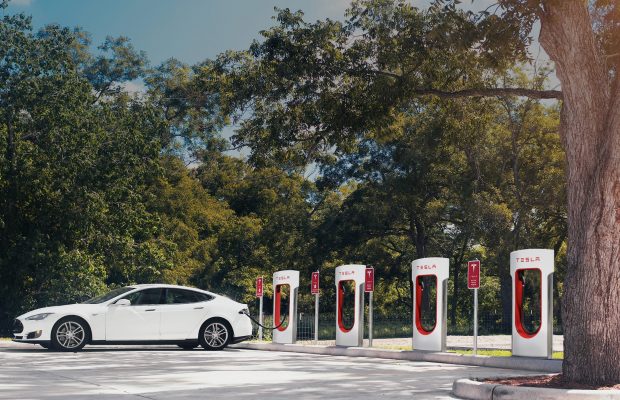
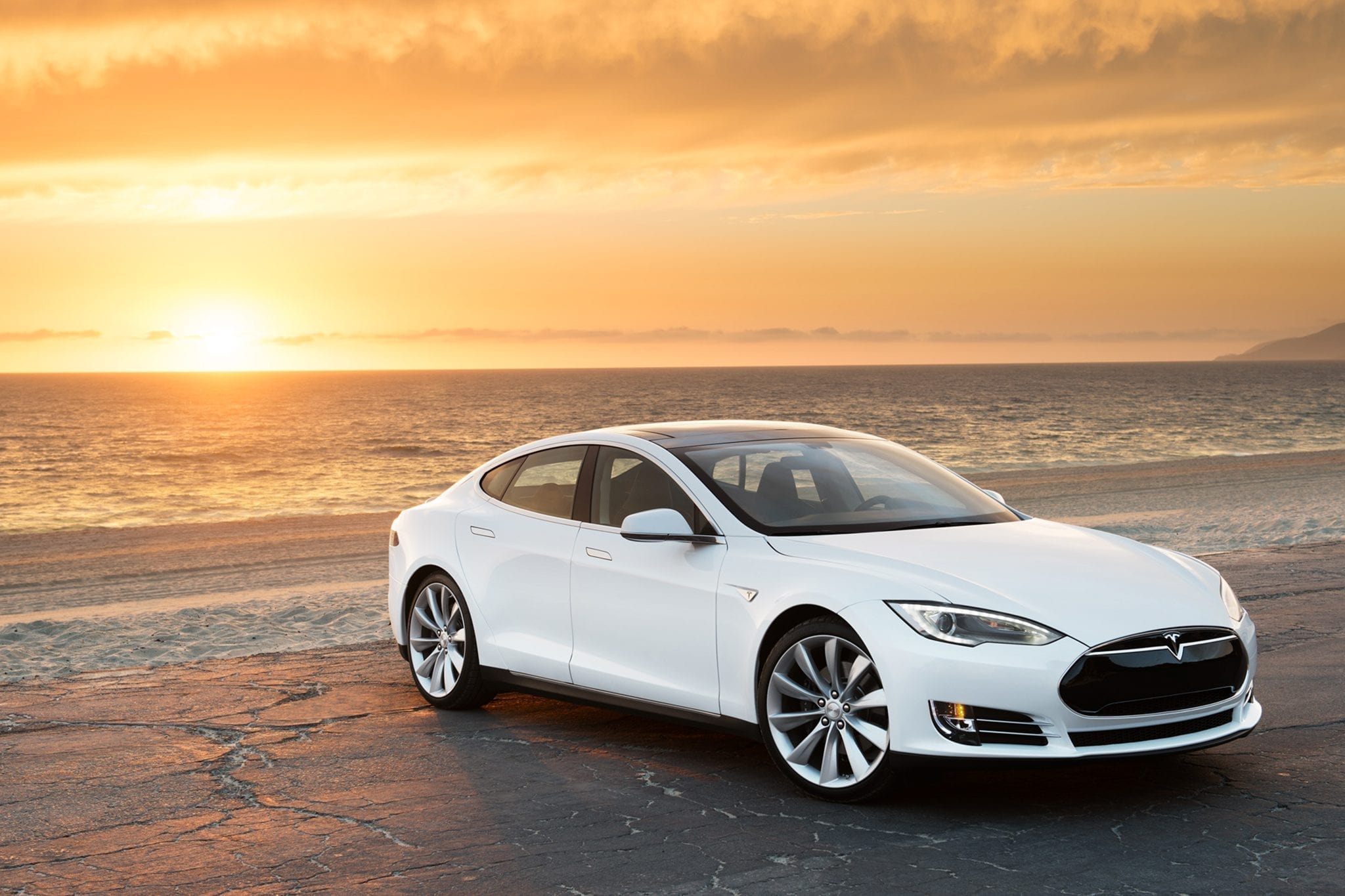
    Tesla clinched more than 10 billion yuan ($1.4 billion) in financing from local banks for its Shanghai factory as it prepares to begin deliveries of China-made Model 3 sedans in the country, people familiar with the matter said.

    An announcement will probably be made as soon as this week, one of the people said, asking not to be identified discussing a private matter.

    CEO Elon Musk is counting on the China plant to help build on recent momentum for the company in the world’s largest market both for electric vehicles and autos in general. Tesla’s new-car registrations in China climbed to a five-month high of 5,597 in November, compared with 393 a year earlier, according to state-backed China Automotive Information Net.

    Tesla’s China-built Model 3s are set to start at about $50,000, slightly cheaper than imported versions. The company may lower the price of locally assembled sedans by 20 percent or more next year as it starts using more local components and reduces costs, people familiar with the matter have said.

    Reuters earlier reported on the financing. Tesla representatives didn’t immediately respond to requests for comment.

  • Renault Cars To Cost More In India From January 2020

    Renault Cars To Cost More In India From January 2020

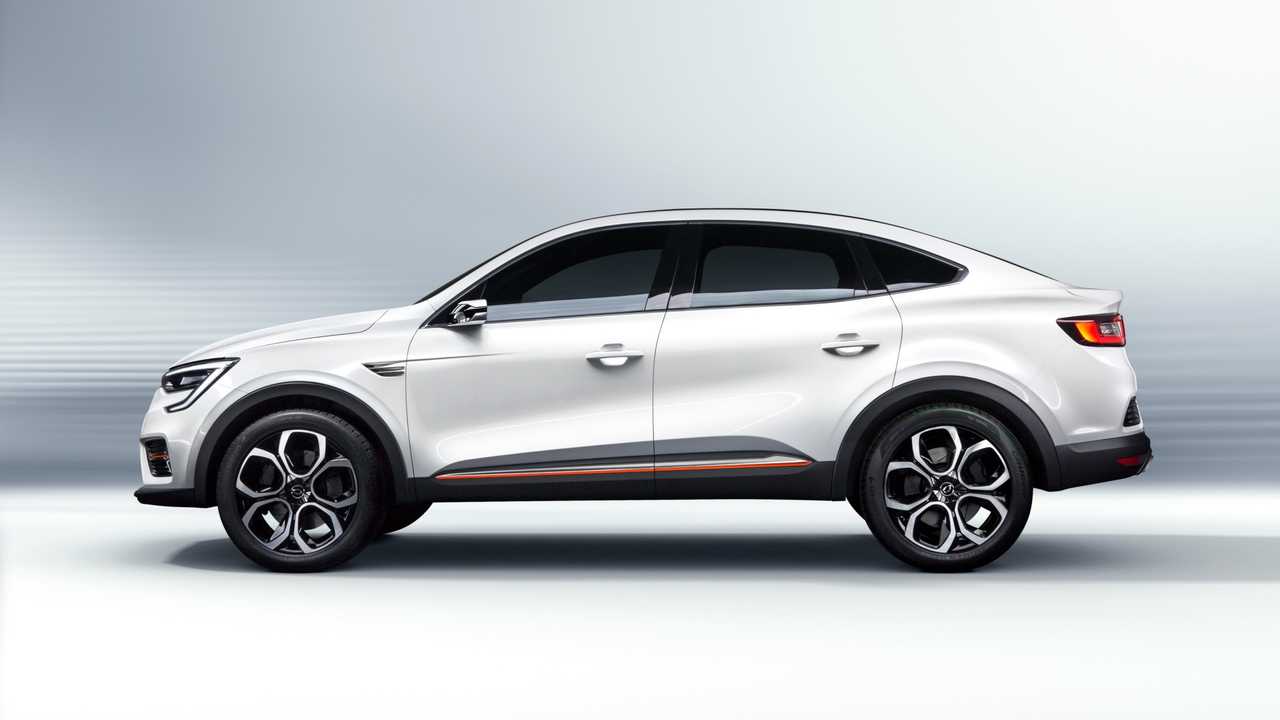
    Renault cars are set to get more expensive in India from next month. The French carmaker has announced a substantial price hike across its range which will be effective from January 2020. The company has cited rising input and material cost as the core reason for the price hike and has said that the price increase will vary for different models. The price increase will also include new models like the Renault Triber and Kwid Facelift.

    The increase in prices at the end of every year is a common practice among automakers in India. It’s part of the cyclical price revision in the industry and before Renault, other carmakers like Maruti Suzuki and Hyundai have already announced to increase prices across their product range. Moreover, BS6 and safety norms will be kicking-in as well in 2020 and all the products are expected to get more expensive around that time as well which may moderately affect the sales as well.

    The price increase will also include new models like the Renault Triber and Kwid Facelift.

    Speaking of sales, Renault had witnessed a sales increase of 77 per cent in November 2019 in the domestic market selling 10,882 units, as against the 6134 vehicles which were sold in November 2018. October 2019 also was a growth month for the carmaker, with Renault recording a growth of 63 per cent selling 11, 516 units during the Diwali month as compared to the 7,066 units sold during the same month last year. Renault India’s Year-To-Date (YTD) from April 2019 to November 2019 stands at 76,905 units at present.

  • China Carmakers Getting Ready To Build More, Much More, In India

    China Carmakers Getting Ready To Build More, Much More, In India

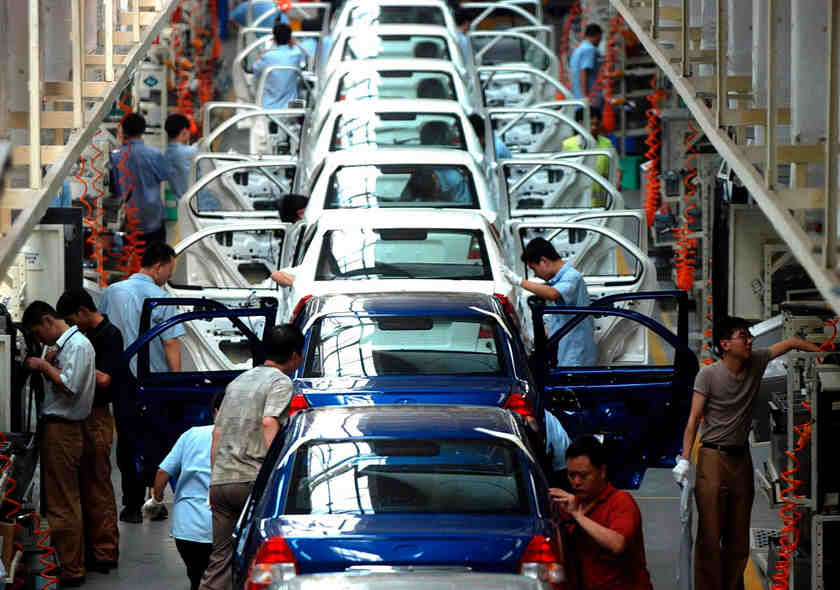
    Chinese automakers Great Wall Motor and Changan Automobile are accelerating plans to build cars in India after the initial success of rival SAIC Motor in one of the world’s biggest markets, three sources said. Great Wall, one of the biggest sellers of sports-utility vehicles (SUV) in China, expects to secure a production site in the first half of 2020, likely a General Motors plant in Maharashtra, a source familiar with Great Wall’s plans said

    Buying a factory is seen as the best way to get up and running fast and Great Wall is finalising which SUVs it plans to make in India, including whether to kick off its launch with an electric SUV, the source told Reuters. Great Wall said it would make an announcement next month about its plans for India but declined further comment.A spokesman for GM in Detroit said it was continuing to make vehicles for export at its Talegaon plant in Maharashtra state.”As we have said previously, we continue to explore options to improve utilisation of the plant

    We do not comment on speculation,” he said.Changan, too, is scouting for a production base and has held initial talks with suppliers, sources aware of its plans said

    Both automakers, which produce electric vehicles (EVs) in China, are also considering whether to set up EV battery assembly plants in India, the sources said. Changan declined to comment.The companies see India as a chance to combat slowing sales at home, which fell in November for a 17th month in a row

    While car sales in India are stuttering, the market is expected to become the world’s third biggest by 2026, behind China and the United States, according to consultancy LMC AutomotiveThe Chinese firms also hope to capitalise on gaps left by global automakers such as Fiat Chrysler , Ford Motor and GM which have scaled back plans in a market still dominated by smaller, low-cost cars made by Maruti Suzuki and Hyundai Motor. “It is an opportune time for China’s automakers to enter India. There is currently a gap in competition and it may take a couple of years for some of the established carmakers to bring new products to the market,” said LMC Automotive’s Ammar Master.

    PERCEPTION GAPGM’s retreat from India, for example, could help Great Wall get going quickly and it has been in talks to buy GM’s plant in Maharashtra, two of the sources said. GM stopped selling cars in India in 2017 and has already sold its other plant in Gujarat to SAIC, where the state-owned Chinese automaker now makes the Hector SUV it launched in June under its MG Motor brand. India is part of Great Wall’s planned global expansion into South America, South Africa, Southeast Asia and Australia, and it also plans to export from their to places such as Europe and the United States, said the source who is aware of its plans.”The plant in India is expected to be the biggest for Great Wall outside of China,” the source said.Great Wall has hired a former executive from Maruti Suzuki, India’s biggest carmaker, for its product and business planning, and appointed a former executive from SAIC’s India division as a consultant to liaise with the government

    “For global automakers, India is one of the many markets they are in but for the Chinese it is the first major market outside of home and so the level of investment and commitment will be proportionately high,” said the source.One of the biggest hurdles in India will be fighting perceptions about the quality and reliability of Chinese products and winning over brand-conscious buyers for whom cars are a prestige statement, say analysts

    Chinese smartphone makers such as Xiaomi Corp faced similar perception issues when they launched in India but they now dominate the market

    However, cars remain a significant outlay for most Indians and the Chinese brands will need to make their mark quickly.”Once the likes of Volkswagen and Ford start launching new models in India, the entrants from China could face tougher competition because a lot of buyers in India are still very brand conscious,” said LMC’s Master

    Launched at the end of June it said it had sold more than 13,000 cars by the end of November and plans to sell 24,000 next year.”SAIC has changed the perception about whether a Chinese brand can be made and sold in India,” said Santosh Pai, partner at law firm Link Legal which advises Chinese companies setting up in India

    “Fence sitters are getting in and have realised they can sell in India if the price and strategy is right.”Lessons for Great Wall and Changan from SAIC’s India launch include marketing the brand aggressively, packing the car with features to differentiate it from rivals and giving extended warranties to dispel doubts over reliability, analysts say

    Another advantage for Chinese carmakers in the coming years will be their EV expertise

    With the sale of EVs slowing in China they can deploy some of their existing capacity to India where the government is encouraging clean fuel cars. SAIC, which will soon launch an electric SUV in India, is also scouting for a second manufacturing site and is expected to make a decision in early 2020, said a source aware of its plans. SAIC did not respond to a request for comment though the head of its Indian division said in November it was working on an expansion plan and expected its total sales in India to hit 70,000 in 2021.

  • Volkswagen Takes One-Two Punch In Australia With Fine, Regulatory Proceedings

    Volkswagen Takes One-Two Punch In Australia With Fine, Regulatory Proceedings

    Volkswagen AG took two raps in Australia on Friday as a federal court upheld a fine on the German car maker as part of a global diesel emissions cheating scandal and a regulator started penalty proceedings against one of its financial units.

    The court upheld a record A$125 million ($86 million) penalty imposed by the Australian Competition and Consumer Commission (ACCC) to settle lawsuits brought on behalf of thousands of Australian customers caught up in the emissions issue from 2015.

    The settlement follows revelations that Volkswagen was using prohibited engine-control software to pass pollution tests. The company has already paid billions of dollars in legal costs around the world.

    ACCC Chair Rod Sims told reporters on Friday that the fine imposed on Volkswagen was just a taste of what companies could expect in the future.

    The agency would use its new expanded powers to punish illegal activity with the largest fines possible and penalties of more than A$100 million would not be unusual, he said.

    Volkswagen did not immediately respond to a Reuters request for comment.

    Separately, the country’s corporate watchdog, the Australian Securities and Investments Commission (ASIC), said it started civil penalty proceedings in a federal court against Volkswagen Financial Services Australia Pty Ltd for allegedly not making appropriate checks before giving out 49,380 loans to consumers.

    ASIC alleges that the unit, which operates nationally to provide borrowers with consumer loans to purchase new and used cars, did not make required inquiries into borrowers’ living expenses or if the loans were unsuitable for them.

    These instances of alleged breaches in lending laws occurred between Dec. 20, 2013 and Dec. 15, 2016, ASIC said. The maximum penalty for one contravention equates to A$1.7 million ($1.2 million) in the period till July 31, 2015, and to A$1.8 million for a contravention in the period after that, the watchdog said.

    ASIC said proceedings commence on a date to be determined by the court.

    A spokeswoman for the unit said it takes its compliance obligations seriously and that it was cooperating with ASIC.

  • Fiat Chrysler And Peugeot Sign $50 Billion Merger Deal

    Fiat Chrysler And Peugeot Sign $50 Billion Merger Deal

    Fiat Chrysler Automobiles and Peugeot S.A. have today signed a binding Combination Agreement providing for a 50/50 merger of their businesses. This merger creates the 4th largest global automotive OEM by volume and 3rd largest by revenue. The proposed combination will be an industry leader with the management, capabilities, resources and scale to successfully capitalize on the opportunities presented by the new era in sustainable mobility.

    The combined company will have annual unit sales of 8.7 million vehicles, with revenues of nearly 170 billion Euros, recurring operating profit of over 11 billion Euros and an operating profit margin of 6.6 percent, all on a simple aggregated basis of 2018 results.

    The combined entity will have a balanced and profitable global presence with a highly complementary and iconic brand portfolio covering all key vehicle segments from luxury, premium, and mainstream passenger cars through to SUVs and trucks & light commercial vehicles. This will be underpinned by FCA’s strength in North America and Latin America and Groupe PSA’s solid position in Europe. The new Group will have a much greater geographic balance with 46 percent of revenues derived from Europe and 43% from North America, based on aggregated 2018 figures of each company. The combination will bring the opportunity for the new company to reshape the strategy in other regions.

    The efficiencies that will be gained from optimizing investments in-vehicle platforms, engine families and new technologies while leveraging increased scale will enable the business to enhance its purchasing performance and create additional value for stakeholders. More than two-thirds of run rate volumes will be concentrated on 2 platforms, with approximately 3 million cars per year on each of the small platform and the compact/mid-size platform.

    Carlos Tavares, Chairman of the Managing Board of Groupe PSA, said: “Our merger is a huge opportunity to take a stronger position in the auto industry as we seek to master the transition to a world of clean, safe and sustainable mobility and to provide our customers with world-class products, technology and services. I have every confidence that with their immense talent and their collaborative mindset, our teams will succeed in delivering maximized performance with vigor and enthusiasm.”

    This technology, product and platform-related savings are expected to account for approximately 40% of the total 3.7 billion Euros in annual run-rate synergies while purchasing – benefiting principally from scale and best price alignment – will represent a further estimated 40% of the synergies. Other areas, including marketing, IT, G&A and logistics, will account for the remaining 20%. These synergy estimates are not based on any plant closures resulting from the transaction. It is projected that the estimated synergies will be net cash flow positive from year 1 and that approximately 80% of the synergies will be achieved by year 4. The total one-time cost of achieving the synergies is estimated at 2.8 billion Euros.

    Mike Manley, Chief Executive Officer of FCA said, “This is a union of two companies with incredible brands and a skilled and dedicated workforce. Both have faced the toughest of times and have emerged as agile, smart, formidable competitors. Our people share a common trait – they see challenges as opportunities to be embraced and the path to making us better at what we do.”

  • BMW Financial Services India Appoints Kathrin Frauscher As The MD & CEO

    BMW Financial Services India Appoints Kathrin Frauscher As The MD & CEO

    BMW India has appointed Kathrin Frauscher as the new Managing Director (MD) and Chief Executive Officer (CEO) of BMW Financial Services India. Before her new appointment, Frauscher was serving as the CEO of BMW Financial Services in Denmark and has been associated with the BMW Group since 2007. She has also worked as the Head of Sales Performance for BMW Financial Services in Northern Europe and has significant experience of working with the BMW Group in retail sales for BMW and Mini Cars.

    On her appointment, Ritu Chandy, Regional Chief Executive Officer of BMW Group Financial Services for Asia Pacific said, “Kathrin Frauscher made a major contribution to the success of BMW Financial Services Denmark in the last few years. We are confident that she will continue the successful development of the business as she takes charge of operations in India. Ms. Frauscher has significant knowledge and has demonstrated long-standing dedication and commitment to her markets which are the best prerequisites for good leadership.”

    Kathrin Frauscher has succeeded Andre Van Rheenen at the BMW Financial Services in India. BMW Financial Services India was started in June 2010 and operates with three business areas- Retail Finance, Commercial Finance and Insurance Solutions.

  • Jeep Working On A Suzuki Jimny Rival For Europe

    Jeep Working On A Suzuki Jimny Rival For Europe

    Fiat Chrysler Automobile (FCA) is reportedly working on an ultra-compact Jeep SUV which will be positioned below the Renegade, in the European market. According to the report filed by Auto Express, which recently spoke to Marco Pigozzi Jeep’s Head of Brand Marketing in Europe, the new subcompact off-road SUV will act as a rival to the popular Suzuki Jimny. The report also claims that the new Jeep SUV could possibly come with an all-electric powertrain acquired from FCA’s planned merger with PSA.

    Speaking to Auto Express, Pigozzi said that the upcoming Jeep SUV will be about 4 meters in length, and in addition to being a capable everyday vehicle, it will also come with the off-road capabilities that the Jeep brand is known for. Furthermore, given the brands push for electrification, even if not fully electric, the upcoming ultra-compact Jeep SUV could possibly take the Plug-in Hybrid route, like the Renegade and the Compass. Commenting on that Pigozzi told Auto Express, “We have the capability to deliver the electrification we need.”

    While a sub-4 meter Jeep could really turntable for the brand in the Indian market, given the popularity for SUVs, but right now it is too soon to even speculate the SUV coming to our shores. Also, with the FCA and PSA merger underway, it is possible that the SUV might borrow the Common Modular Platform architecture used by Peugeot-Citroen. Engine and other technical specifications are currently unknown, but the SUV is expected to arrive sometime in 2022.

  • Audi Introduces 25 Years Anniversary Package For RS Models In Europe

    Audi Introduces 25 Years Anniversary Package For RS Models In Europe

    Audi is celebrating 25 years of its RS models and has announced an exclusive package for its performance models. Audi has released an exclusive equipment package for the Audi TT RS Coupe, RS 4 Avant, RS 5 Coupe, RS 5 Sportback, RS 6 Avant and the RS 7 Sportback models. It was the RS 2 Avant that kicked off things for Audi in the hot performance segment back in 1994 and every RS model gets some elements both on the outside and inside which are inspired by the RS 2 Avant.

    The anniversary package includes a matt aluminum look with gloss black for the exterior of all models, a front blade for models like the RS 4, RS 5, RS 6, and RS 7*, as well as the inlays in the side sills. The horizontal web of the rear diffuser also features a matt aluminum look. Moreover, the four rings, RS logos and wing mirrors along with the rear wing of the TT RS Coupe are finished in gloss black. An exclusive RS anniversary logo showing the number “25” is projected onto the ground when the doors are opened and is also featured on the hub cap. The wheels itself are designed in a two-color look featuring silver and gloss anthracite.

    The interior is also inspired by the iconic RS 2. The cabin is finished in all black an there are cobalt blue accents in Alcantara on the piping of the floor mats and the 12 o’clock marking on the steering wheel rim. The RS sport seats with a honeycomb pattern in the TT RS, RS 4, and RS 5 are draped in Nappa leather with seat center panels in Alcantara, just like the very first RS 2 Avant had back in the day. The seat upholstery of the RS sport seats in the RS 6 and RS 7 is finished in perforated Valcona leather. A special touch on the inside is the ’25 years’ logo on the shoulder area of the seats, floor mats, and the door trim panels. The anniversary package has only given cosmetic updates to the RS models and mechanically they remain unchanged.

  • November auto sales up 3 percent

    November auto sales up 3 percent

    Vietnam’s total vehicle sales increased 3 percent to 29,846 units in November from the previous month, according to the Vietnam Automobile Manufacturers’ Association (VAMA).

    Auto sales are monitored by VAMA, an association of all manufacturers in Vietnam except Hyundai TC. Including the 7,592 units sold by Huyndai, total sales rose to 35,638 vehicles.

    The most popular models sold this month were the Mitsubishi Xpander SUV, Toyota VIOS sedan, and Huyndai Accent sedan, each selling over 1,900 units, combined statistics from VAMA and Hyundai show.

    Domestic carmaker Truong Hai Auto (Thaco) retained the top in November, accounting for 28.6 percent of sales by all VAMA members. Trucks and sedans made up most of its sales.

    Toyota Motor Corp. retained its second spot, with 23.6 percent, followed by Mitsubishi and Honda, with 13.4 percent and 10.9 percent respectively.

    According to VAMA, 22,312 units sold in November were passenger cars (up 4 percent over October), 7,203 units were commercial vehicles (down 0.3 percent) and 331 units were special-purpose vehicles (up 9 percent). Total car sales last month fell 3 percent over the same month of 2018.

    Vietnam saw car sales of 289,128 units between January and November, up 14 percent over the same period last year.

  • Waze makes it easier to navigate through wintry weather

    Waze makes it easier to navigate through wintry weather

    Waze announced that starting this week, driving through wintry landscapes will be a bit easier thanks to a new feature the developer is adding to its navigational app. The new feature lets Waze users report snow conditions in real-time, as well as view reports of winter weather hazards on the map overview before they decide to take a trip or not.

    Developed in collaboration with the Virginia Department of Transportation, the new snow reporting feature allows Waze users from over 185 countries where the app is accessible to learn about the weather and road conditions during winter weather. The new feature goes beyond just snow reporting, as Wazers will be able to indicate roads that haven’t been plowed and are almost impractical.

    What makes the feature even more useful is that the Virginia Department of Transportation plans to monitor all reports coming from the navigational app during this winter, and decide how they can use the data into their operations for the following winter.

    The new feature can be found in the latest version of Waze under Hazards / Weather / Unplowed Road. With the addition of the new feature, Waze users can now report about five weather conditions such as fog, hail, flood, ice, and snow.

  • Tesla’s German Plant To Produce 500,000 Cars A Year

    Tesla’s German Plant To Produce 500,000 Cars A Year

    Tesla plans to build 500,000 electric vehicles a year at its new factory on the outskirts of Berlin, Germany’s Bild newspaper reported on Wednesday.

    Last month, Tesla Chief Executive Elon Musk announced that a site in Gruenheide, Brandenburg, had been chosen to build Tesla Model 3 and Model Y vehicles.

    German newspaper Frankfurter Allgemeine Zeitung reported that Tesla will invest up to 4 billion euros ($4.41 billion) in the plant.

    Tesla’s Gigafactory will create 10,000 jobs, Bild said, citing planning documents to develop the site which is as large as 420 soccer pitches.

    Construction will start in 2020, the newspaper reported. Tesla declined to comment on the Bild article or on its expansion plans.

  • Tesla Could Make Electric Dirt Bikes In The Future

    Tesla Could Make Electric Dirt Bikes In The Future

    Tesla is known to make outrageous electric vehicles and we mean outrageous in a good way. The US-based electric vehicle manufacturer recently showcased the Cybertruck which is a piece of work and has divided opinions about its design, though no doubt, it is a radical, futuristic model that will be available for purchase in a couple of years’ time. But our ears pricked up when we heard about Musk responding to a tweet on the electric ATV. A twitter user asked about the availability of Tesla Electric ATV, which was showcased along with the Tesla Cybertruck. Elon Musk responded by tweeting that the electric ATV will be ready along with the truck, which is about two years from now.

    We’ll aim to have it come out at the same time as a truck. Two-seater electric ATV designed to work with Cybertruck will be fun! Electric dirt bikes would be cool too. We won’t do road bikes, as too dangerous. I was hit by a truck & almost died on one when I was 17.

    But he also mentioned that it would be cool to make electric dirt bikes. Although Tesla will never venture into making road bikes as they are too dangerous. Musk had a close brush with death when he was 17, riding a motorcycle and a truck hit him.

    Dirt bikes are fun and electric dirt bikes! Well, knowing Tesla, its electric dirt bikes could definitely have a significant impact on the global two-wheeler industry. Tesla has always been a car manufacturer but diversification is the name of the game and it wouldn’t be a bad idea for Tesla to venture out into the two-wheeler industry.

    Electric dirt bikes are not a new thing though and one of the most popular electric dirt bikes is the KTM Freeride E-XC which is probably as competent as its petrol-powered rivals and most importantly, it looks like a proper dirt bike too. Other electric dirt bike makers include Alta, Cake and so on. We would love to see a radically designed electric dirt bike from Tesla with Elon Musk doing a few wheelies and jumps on it, soon!

  • Tesla Plans Increasing Imported Model 3 Prices In China From January

    Tesla Plans Increasing Imported Model 3 Prices In China From January

    U.S. electric vehicle maker Tesla Inc plans to increase prices of imported Model 3 vehicles in China in January, sources familiar with the matter said.

    Tesla plans to increase prices of imported Model 3 vehicles with a longer range and those with performance function, which are currently priced at 439,900 yuan ($62,495.56) and 509,900 yuan, respectively.

    The move comes as Tesla, which is building a car plant in Shanghai, aims to deliver China-made Model 3 sedans, which are priced at 355,800 yuan, to customers before Jan. 25 next year.

    It was unclear by how much Tesla plans to increase China prices. The sources declined to be named as they are not authorized to speak to media.

    Tesla declined to comment.

    The electric vehicle maker began production in the Shanghai factory in October on a trial basis and aims to produce at least 1,000 Model 3 cars a week by the end of this year.

    The plant’s mass production schedule is crucial for Tesla’s hopes of raising its annual production rate to 500,000 vehicles by the end of this year.

    The $2 billion factories, Tesla’s first car manufacturing site outside the United States, is the centerpiece of its ambitions to boost sales in the world’s biggest auto market and avoid higher import tariffs imposed on U.S.-made cars.

  • Android Auto now lets you customize your app drawer

    Android Auto now lets you customize your app drawer

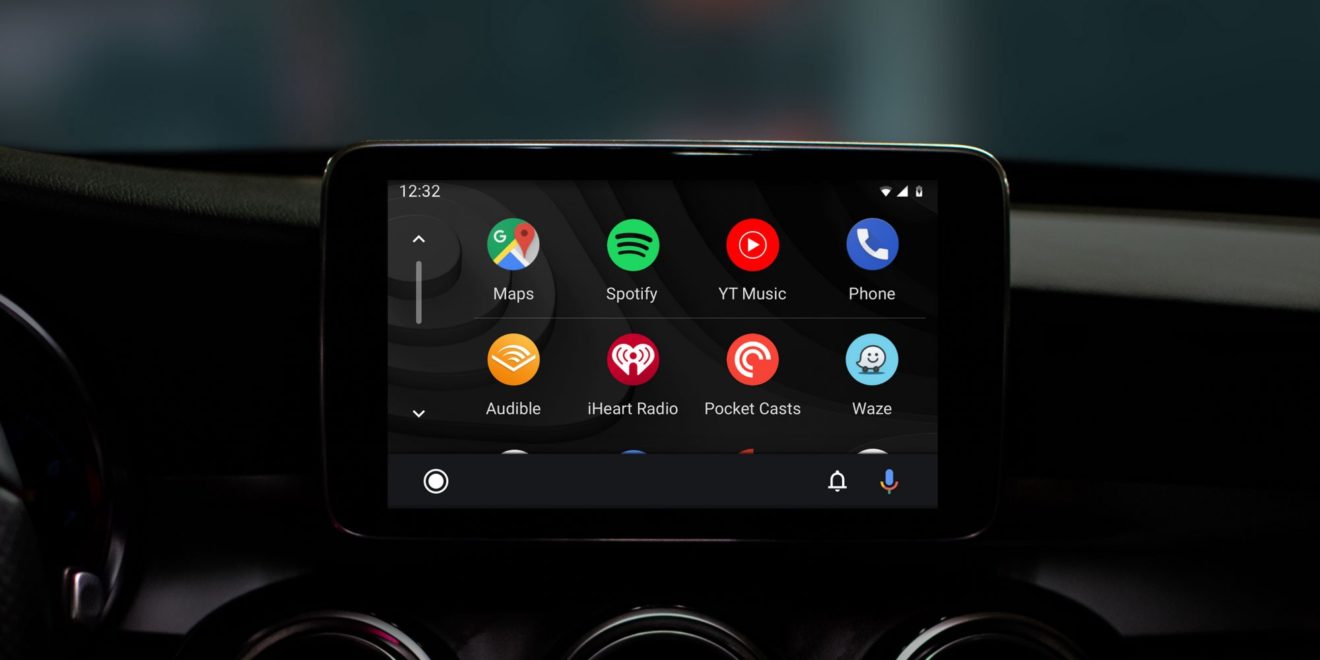
    Android Auto went through a lot of changes lately that made it a much better app, and the improvements are still coming. The only issue with these timely updates is that they’re not available to everyone at the same time. The latest Android Auto update has just starting to roll out and it includes one highly-requested feature – the ability to customize the app drawer.

    Redditor pkoya1 claims Google now lets Android Auto users choose which apps they want to appear in the app drawer. Unfortunately, the new feature is not available for everyone yet, and trying to download the Android Auto app from the Google Play Store won’t help.

    It looks like this is a server-side update that will be pushed out in waves, so it will probably take some time to reach all customers. In the screenshot attached to the article, several apps can be selected to appear in the Android Auto app drawer.

    Some of them like Google Play Music or Maps can’t be removed since they are core system apps. However, depending on what phone you use, you might be able to uninstall Google Play Music if you’d rather use Spotify instead. Keep an eye out on the new feature if you’re using Android Auto.

  • Honda’s Hachigo Seizes The Wheel As Quality Crisis Hits Profits

    Honda’s Hachigo Seizes The Wheel As Quality Crisis Hits Profits

    At a two-day gathering for Honda’s suppliers in March, Chief Executive Takahiro Hachigo sounded the alarm.

    At the Hotel Higashinihon in Utsunomiya, Hachigo told them the Japanese automaker was facing a crisis after a string of costly recalls and other quality blunders and it needed to plot a new course, according to two people who attended the meeting.

    Since then, Hachigo has been quietly working on reforms to centralize decision-making by bringing Honda’s standalone research & development (R&D) division in-house and cutting some senior management roles, according to three Honda insiders.

    Expected to be announced early next year, the reforms are meant to simplify the way Honda designs cars and put its engineering resources to more effective use at a time when it needs to develop cars for an electric age, the sources said.

    “Decades ago, localization… was the buzz word and our tech center independence was a key driver for innovation,” said a former Honda executive who now is the head of one of its suppliers. “Those days are over.”

    The sources said Hachigo was poised to integrate Honda R&D Co Ltd into Honda Motor Co Ltd so its technicians work more closely with key departments such as purchasing, manufacturing, quality assurance, and sales and marketing.

    “Honda believes strengthening the automotive business and reforming it in preparation for the arrival of next-generation mobility technologies are our most critical management tasks. This is a priority,” a Honda spokeswoman said in response to questions about the plans.

    In the 1980s and much of the 1990s, the name Honda struck terror into the hearts of executives at the big three U.S. carmakers in Detroit because they simply couldn’t match its low-cost, efficient, well-built cars.

    But after a slew of recalls since 2014 for problems with components such as airbags, sliding doors, and engines, Honda’s status as a benchmark for quality and efficiency has been seriously damaged – and the quality crisis is hitting profits.

    According to five Honda insiders, quality blunders have helped squeeze the operating margin at its global automotive business to 2%-3% – giving it less room for maneuver just as bigger rivals are building partnerships and overhauling their operations to become stronger.

    That’s in stark contrast to Honda’s motorcycle business which has already brought its R&D division in-house and has a margin of 13.9%.

    In J.D. Power’s study of vehicle dependability in the United States, one of Honda’s two main auto markets along with China, the Japanese brand fell to 18th place this year from 5th in 2015 and 4th in 2002, its highest ranking.

    “These moves we’re making today will decide our eventual fate: whether we’re going to be in business as an independent player 10 to 15 years from now,” a Honda source told Reuters.

    A senior engineer at a technical center north of Tokyo in Utsunomiya, where Honda does much of its development, said the root of the problem was the “crazy complexity” of its vehicle range and all the associated engineering processes.

    “Quality is acting up,” the engineer said. “Honda has created too many regional models, in addition to an array of types, options and derivatives for its global models.”

    “All that’s eating up our profit.”

    In the United States, for example, Honda’s 2020 Accord sedan comes in 13 versions, including three hybrids. GM’s rival Malibu has five, though it doesn’t have hybrid models.

    At the two-day meeting in Utsunomiya, Hachigo and his procurement managers told suppliers to help Honda slash its range of cars and dumb down model types and options.

    They called on suppliers to use more common parts, from engines and transmissions to door handles, rearview mirrors, and even knobs and switches, according to two people who attended the meeting and slides Honda used in presentations.

    Honda’s problems stem largely from an aggressive expansion before Hachigo took over in 2015. In addition to so-called global models such as the Civic, Accord and CR-V sports-utility vehicle (SUV), Honda developed a host of regional models which now account for 40% of its global car sales.

    They include the Crider sedan in China, the Brio and the Mobilio in southeast Asia, the WR-V in Latin America, which is also now sold in India, the Pilot SUV in the United States and the N-series of micro-minis in Japan.

    Its global models, which account for 60% of sales, come with an array of equipment options and vehicle trims that Hachigo, an engineer by training who has worked at Honda since 1982, has called unnecessary product derivatives.

    The explosion in the number of regional models had an unintended consequence: the engineering became more complex and the elevated workload led to lapses in quality and costly recalls, two company sources said.

    Even though the impact of the Takata airbag crisis had largely subsided by 2017, Honda still put aside 520 billion yen (3.7 billion pounds) in the 12 months through March 2017 for product warranties and over 450 billion in each of the past two years.

    In the four years before the Takata debacle, warranty provisions ranged from 171 billion to 274 billion yen, before surging to 727 billion in the year ending March 2016.

    In 2018, for example, Honda recalled about 600,000 cars in China because sludge was collecting in the engines of six models when driven in cold weather while the sliding doors on its U.S. Odyssey minivans started opening while the vehicles were moving.

    Hachigo flagged some of the issues at a news conference in May, saying he wanted to eliminate two-thirds of derivative products on global models by 2025 and wean Honda off its tendency to go overboard by creating colors, model types, and options specific to different regions.

    He said he was aiming to cut engineers’ workloads by about a third to free up time and resources for Honda’s technical divisions to research technologies for the cars of the future.

    What Hachigo and senior Honda officials haven’t discussed publicly are the planned structural reforms to help its quality and efficiency drive – and the main target is its R&D division, three company sources said.

    Besides the quality issues and engineering workload linked to the proliferation of regional models, the advent of new technologies requires Honda’s big-spending technical division to act less independently, two sources said.

    “In many ways, Honda’s tech companies behave much like university labs, and that was fine in years past,” the former Honda executive and supplier said.

    By putting decision-makers in Honda’s Tokyo headquarters, the hope is that the R&D division will deploy capital and human resources more economically.

    Honda’s R&D and engineering units are expected to spend 860 billion yen this financial year, or 5.5% of expected revenue. Toyota, whose revenue is double, is expected to spend 1.1 trillion yen, or 3.7% of its global revenue, on technology.

    Two company sources said Hachigo plans to eliminate the top management roles at Honda R&D and will probably turn some into divisional managers within Honda Motor.

    One source said the aim was: “to centralize the company’s fragmented, localized decision-making power back at the mothership in Tokyo.”

    According to the engineer, Honda has also introduced an internal quality target to cut global recalls by two-thirds in the next few years from a crisis level of 6 million in 2017.

    It was clear at the two-day suppliers’ powwow that Hachigo meant business.

    Without naming names, Honda executives discussed exemplary product development projects – and bad ones – so lessons could be learned. It was fairly obvious within Honda’s small community of suppliers who was being singled out and they weren’t happy, said one supplier at the meeting.

    So much so that some skipped golf on day two.