Tag: car

  • Hyundai India Postpones Investment Plans In New Plant

    Hyundai India Postpones Investment Plans In New Plant

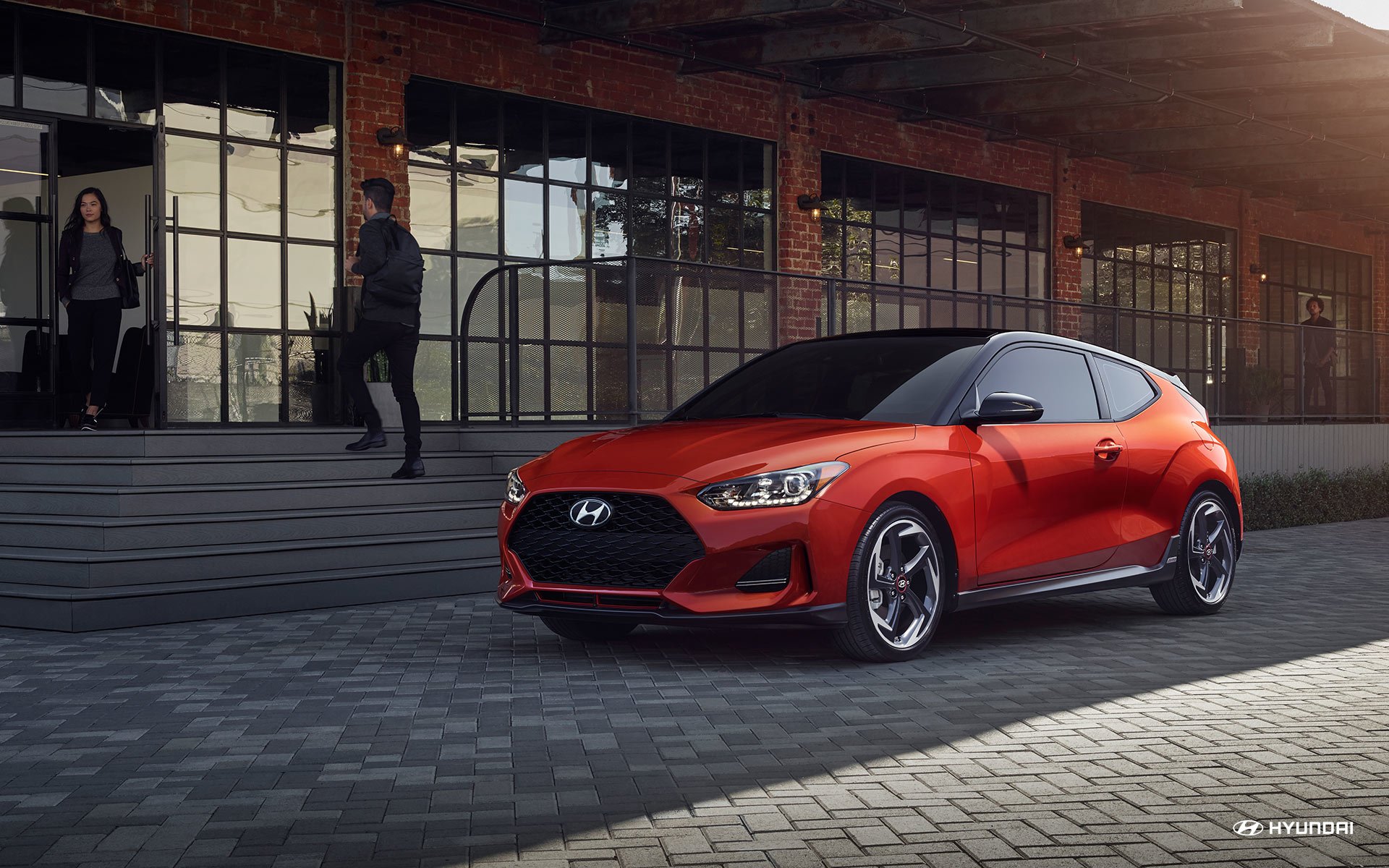
    The slowdown in the Indian auto market has also dented long term plans of automakers in India. Hyundai which was gearing up to set up a new plant in India has now postponed its plans by two or three years. Hyundai Motor India Managing Director (MD) & CEO, S.S. Kim told Times Of India in an interview that the company has sufficient production capacity to meet its domestic and global demand.

    Kim also added that buyer sentiments in India are not very positive at present and it may take around three years to restore the volumes and meet the sales performance targets like 2018. For the time being, the Korean carmaker will continue to focus on new launches that have already started with the launch of the Grand i10 Nios and Aura subcompact sedan.

    Hyundai Motor India has registered 37,953 units in the domestic market in December 2019, as compared to 42,093 units which is a de-growth of 9.8 percent. It’s domestic sales in the calendar year 2019 declined by 7.2 percent at 510,260 units as compared to 550,002 units which were sold in the calendar year 2018.

  • Jaguar Land Rover To Cut 10 Per Cent Of Workforce At UK Halewood Factory

    Jaguar Land Rover To Cut 10 Per Cent Of Workforce At UK Halewood Factory

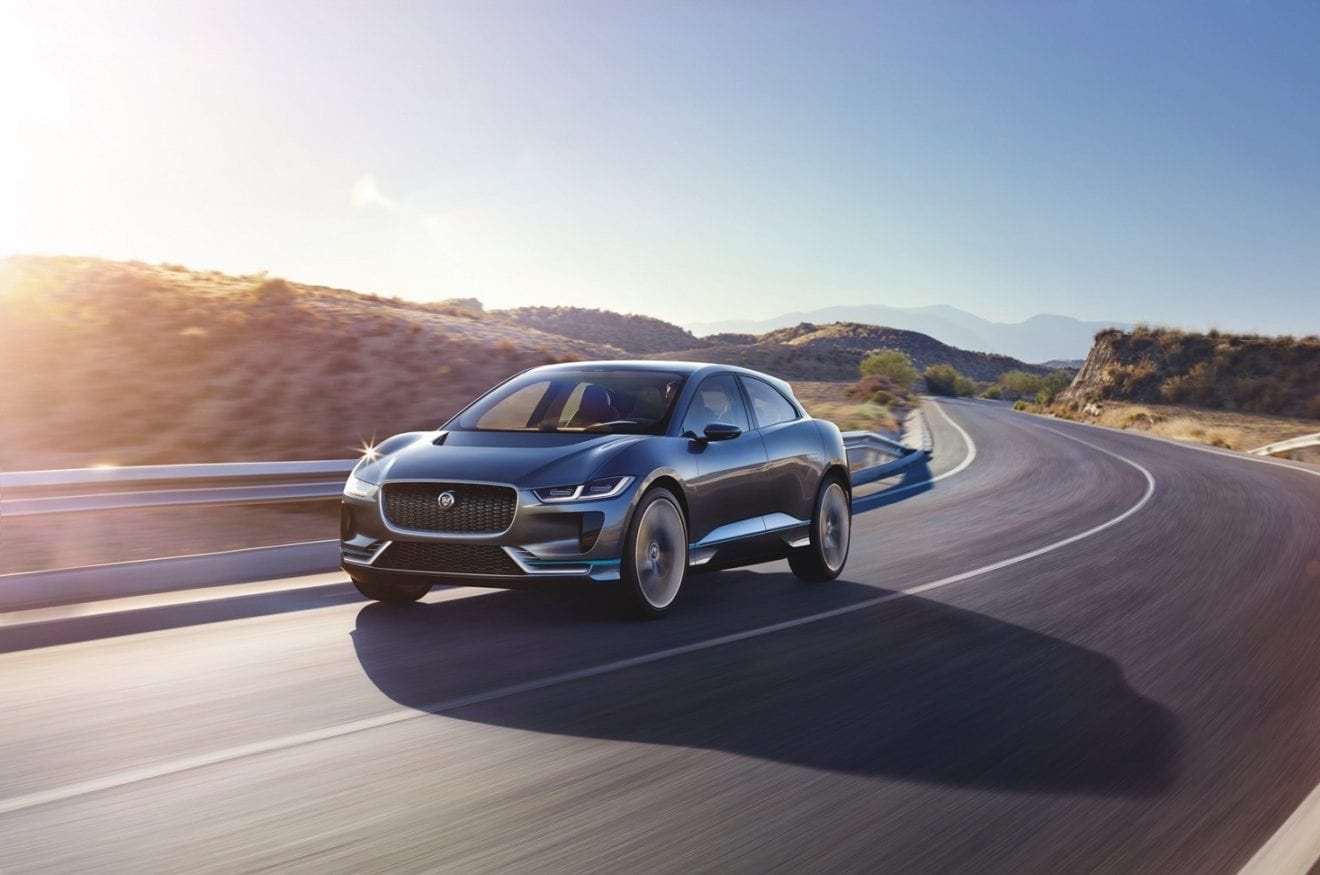
    British carmaker Jaguar Land Rover (JLR) said on Wednesday it will cut around 10% of the workforce at its northern English Halewood factory as it changes shift patterns to boost efficiency at the site. The Unite Union said the cuts were linked to slower than forecast growth of the Range Rover Evoque and Land Rover Discovery Sport vehicles, which are made at the plant. The company said the decision was not related to the loss of volumes.

    JLR posted a 6% decline in 2019 sales, hit by the weakening Chinese autos market and falling demand for diesel vehicles in Europe. But it has bounced back in China in recent months and overall company sales rose by 1.3% in December.

    “Jaguar Land Rover is taking action to optimize performance, enable sustainable growth and safeguard the long-term success of our business,” the company said in a statement.

    “Central to the Halewood manufacturing strategy, we are moving from a three-shift to a “two-plus” shift pattern from April 2020.”

    Around 4,5000 people work at the Halewood factory, one of three of JLR’s car factories in Britain, with roughly 500 jobs affected by Wednesday’s announcement.

    JLR, like much of the car industry, has also faced the challenge of stepping up investment in zero and low-emissions vehicles as regulations tighten while simultaneously dealing with a drop in demand for some conventionally-powered models.

  • Mercedes-Benz India Announces Its Line-Up For 2020 Auto Expo

    Mercedes-Benz India Announces Its Line-Up For 2020 Auto Expo

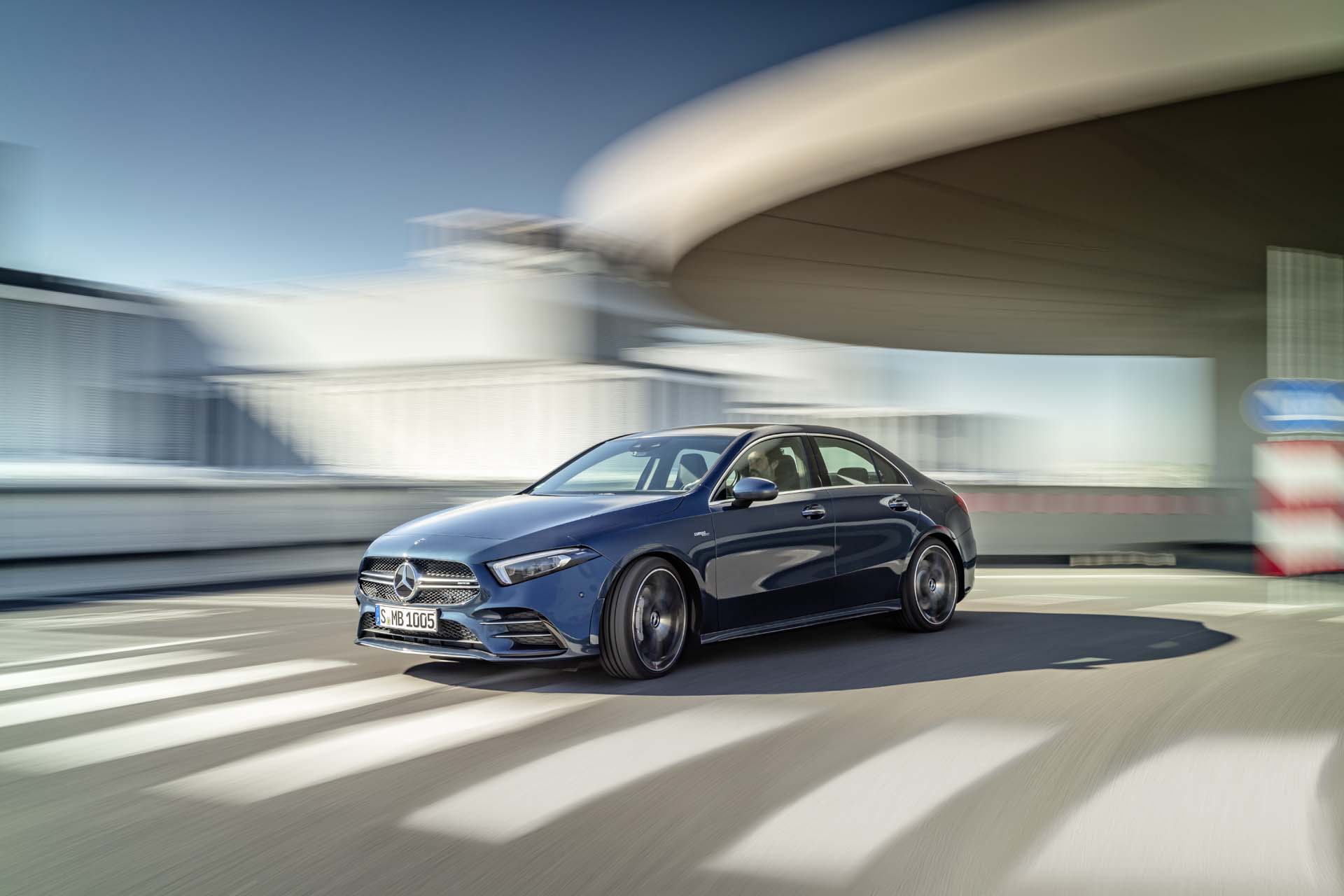
    Mercedes-Benz India has announced its line-up for the 2020 Auto Expo, for which the company has planned a range of products, services, and future technology. Among the product line-up at the pavilion, the Stuttgart-based carmaker will also have some of the upcoming models set to be launched in India this year. That includes the Mercedes-Benz A-Class Sedan, the AMG GT 63 S 4 door coupe, and the new-gen GLA, among other models. The company will also showcase its first electric SUV for India, the Mercedes-Benz EQC 400 4MATIC Edition 1886, which is slated to be launched in April 2020.

    The new A-Class sedan will be one of the key products to be introduced in India in 2020 and will mark the entry of the new-gen A-Class range in India. The Mercedes-AMG GT 63 S 4MATIC 4 door Coupe, on the other hand, is also an important product for India, and we were the first ones to drive it. In fact, the car is the world’s fastest series production four-seater and will rival the Porsche Panamera. The new-gen Mercedes-Benz GLA only makes its global debut in December 2019 and is also set to be launched later this year. The EQC 1886, on the other hand, is the forerunner of Mercedes-Benz’s new product brand ‘EQ’ for electric mobility globally.

    Talking about the company’s Martin Schwenk, Managing Director & CEO, Mercedes-Benz India commented, “As leaders in the luxury car industry, our investments at the Auto Expo firmly reiterate Mercedes-Benz’s confidence in the long-term prospect of the luxury car market and the bullishness of its customers; it also underlines our responsibility to drive the industry and provide a positive stimulus to the market. Inspired by our mantra of “Restless for Tomorrow”, the Mercedes-Benz pavilion will be a perfect embodiment of modern luxury, future technology, and progressiveness, all of which are synonymous with the Three-Pointed Star”.

    The Mercedes-Benz pavilion at the Auto Expo 2020 will also have sedans like the new E-Class, MB Certified C-Class, and something from Mercedes-Maybach on display. In addition to the GLA, the company will also showcase the new-gen GLE and GLS, along with a bunch of AMG models like – AMG G 63, AMG A 35 Sedan and AMG C 43 Coupe. Mercedes-Benz will also showcase its flying car concept, the Volocopter, at the auto show. The carmaker will also showcase a bunch of digital innovations like – an e-commerce marketplace for sale of MB cars, collections, MBUX interactive exhibition, what3words and more.

  • Tesla Moves A Step Closer To Opening First European Factory With German Property deal

    Tesla Moves A Step Closer To Opening First European Factory With German Property deal

    U.S. electric car pioneer Tesla has agreed to buy a property on the outskirts of Berlin, bringing it a step closer to opening its first European factory, local authorities said on Sunday. The U.S. carmaker last November announced plans to build a giant factory in Gruenheide, in the eastern German state of Brandenburg, giving it the coveted “Made in Germany” label just as local rivals prepare to launch competing models.

    Tesla’s board of directors approved a purchase agreement with the state of Brandenburg on Saturday to acquire a 300-hectare property, Brandenburg government spokesman Florian Engels said in a statement. The state parliament’s finance committee had already approved the sale on January 9.

    A Tesla spokeswoman confirmed the deal. The agreement states a preliminary property price of 40.91 million euros ($45.36 million) which can be amended if an external review provides a different value, Engels said.

    The property is in a designated industrial area and is being checked for weapons from World War II as there are most likely unexploded U.S. bombs still in the ground, he added.

    Politicians, unions and industry groups have welcomed Tesla’s move which is expected to create up to 7,000 jobs in Brandenburg.

    But some 250 locals took to the streets to protest on Saturday, fearing the factory could endanger the water supply and wildlife in the surrounding forest.

  • New Generation Hyundai i10 Commences Production For EU

    New Generation Hyundai i10 Commences Production For EU

    The new generation Hyundai Grand i10 Nios was launched last year in India and now its European sibling, the 2020 Hyundai i10 is all set to be made available in the continent. Hyundai has commenced series production of the new i10 for Europe with sales to begin by early February 2020. The popular hatchback is produced at the Hyundai Assan Otomotiv Sanayi (HAOS) plant located in Izmit, Turkey. The plant has been operational since 1997 as the company’s oldest-running overseas facility and has a production capacity of 230,000 nits per annum.

    The new generation Hyundai i10 for Europe is identical to the India-spec model but gets a host of changes. This includes a more smartly styled front grille with circular LED daytime running lights in place of the boomerang-shaped ones on the Indian model. The fog lamp housing is different as well and the overall design looks sharper for a sporty look. Other changes include 15-inch alloys with optional 16-inch units; dual-tone paint scheme with a contrast roof and a new tail lamp design that looks sharp.

    The Euro-spec 2020 Hyundai i10 also gets smaller proportions and is about 135 mm smaller, 160 mm shorter with a 25 mm shorter wheelbase. The cabin is loaded with features including the 8-inch touchscreen infotainment system with Apple CarPlay and Android Auto, wireless charging, and BlueLink technology for connected tech. The European version also gets collision avoidance assist, high beam assist, lane-keeping assist, driver attention warning and speed limit warning as standard.

    The new i10 will be sold in over 45 markets across Europe with the Turkey plant catering to the demand. The Hyundai Assan plant employs around 2500 personnel and will also be producing the third generation i20 that is expected to be revealed at the upcoming Auto Expo 2020 in New Delhi. The new i20 will go on sale in India first, followed by other markets later in the year.

  • Audi To Launch Only New Models In India

    Audi To Launch Only New Models In India

    Audi India kept Indian customers waiting for new models for quite some time. That said, the German carmaker now has a new plan in place and is gearing up to bring only new models or new generation models to our shores, and it has already started with the Audi Q8. The company also shared that Audi will be focusing on petrol, plug-in hybrid and electric models in the Indian market and its future launches will adhere to the plan.

    Balbir Singh Dhillon, Head- Audi India said, “We will only launch all-new models like the Q8 or new generation models in India going forward and we have quite a few products in the pipeline. On the onset of the BS6 norms, our focus will be on petrol models followed by plug-in hybrids and electric vehicles. Around 30-35 percent of our sales come from petrol models and that ratio should go up.”

    The Audi Q8 was launched in India on January 15 and will be sold as a completely built unit (CBU). Audi had also launched the new-generation A6 in India last year in October and is gearing up to launch the new-generation A8 next month. We have already seen spy images of a slew of Audi cars undergoing testing like the next-generation A7 Sportback, next-generation Audi Q7 and RS6 and all new models are headed to our market as well after their global launch. Audi India has also chalked out a long term plan for the Indian market which is internally called ‘Strategy 2025’. The foundation of the Strategy 2025 primarily relies on four pillars- Customer Connectivity, New Products, Network Expansion and Digitalisation.

    Dhillon also mentioned about setting up more dealerships across India to expand its reach in the market and digitalization will play a key role in connecting to its customers. However, the company has not disclosed any target as yet. Moreover, upcoming Audi cars will also feature connected car tech which apart from being trendy, will also keep customers connected to the services on the go. As we have already reported earlier, the German carmaker is also gearing up to foray into the electric space in our market this year with the launch of the e-Tron electric SUV.

  • Maruti Suzuki Sells Over 29,000 Units Of The Ciaz In 2019

    Maruti Suzuki Sells Over 29,000 Units Of The Ciaz In 2019

    Maruti Suzuki India today announced selling over 29,000 units of the Ciaz sedan in India, between January and December 2019. Despite the company seeing repeated de-growth in the car’s monthly sales last year, the Maruti Suzuki Ciaz managed to maintain its no.1 position in the segment, with its total sales accounting for 29,706 units. In comparison, rivals Honda City and Hyundai Verna were right behind at 28,696 units and 28,190 units, respectively, for the same Jan to Dec 2019 period. The Ciaz currently holds 28 percent market share in its segment, however, last April it was 30 percent.

    As for some of the other models in this segment, the Skoda Rapid had a decent year at 9,751 units, while its sister brand Volkswagen Vento’s total sales for the year accounted for 5,696 units. On the other hand, Toyota Yaris, the sole petrol-only car in this space, registered a total sale of 2,943 units between the January and December 2019 period.

    The Maruti Suzuki Ciaz currently holds a market share of 28 percent in its segment

    The Maruti Suzuki Ciaz was first launched in late 2014, and since then the carmaker has sold over 2.76 lakh units of the car. The company says that the top-end variant of the compact sedan Ciaz contributes to more than 50 percent to its total sales, whereas the automatic variants make up 17 percent of the car’s total sales.

    Currently, the Maruti Suzuki Ciaz is sold via the company’s Nexa chain of dealerships and is offered in three engine options – BS6 compliant 1.5-liter K15 petrol, 1.5-litre DDIS 225 diesel engine and the 1.3-liter DDIS 200 with SHVS (Smart Hybrid from Suzuki) technology. While the company is phasing out the 1.3-liter units, however, we are yet to get a confirmation on whether the 1.5-liter diesel engine will continue to be offered or not.

  • Mercedes-Benz India Dealerships To Cross The 100 Mark In 2020

    Mercedes-Benz India Dealerships To Cross The 100 Mark In 2020

    Mercedes-Benz India has started 2020 with a bang announcing the launch of the EQ electric sub-brand in India, but there’s a lot more coming and on January 28, 2020, the company will launch the GLE SUV in the country. There are of course more launches scheduled this year and that’s one reason why even the dealers are looking forward to a great year. Martin Schwenk, MD and CEO, Mercedes-Benz India said, “Last year, the markets were down and it didn’t make sense pushing new cars then, but the fourth quarter of last year has been promising as it showed a growth. Our dealers have had a sneak preview of many of the cars that are coming to the market and it wasn’t difficult to convince them that this year’s sales numbers cannot be the same as last year.”

    Mercedes-Benz stuck to its growth in a very volatile market sentiment in 2019 and still is in the No.1 position in India in the luxury car segment. The company will be growing its dealership network too and it will cross the three digit mark in 2020. The company currently has 95 dealers in the country and crossing the 100 mark will certainly be a milestone. Schwenk said, “We are still working on expanding our dealer network. We are roughly at 95 right now in India and we will be getting into the three digit mark this year. It is not essentially because we’re bringing the EQ brand but rather covering the whole of India, so that we are close to our customers.”

    The company’s AMG arm continued to remain the most dominating performance brand in India and registered a robust 54 per cent in the calendar year 2019 in comparison to the same period last year and of course with more cars coming into the country, Mercedes-Benz sure looks forward to a positive response from the market in 2020.

  • Musk Nears $346 Million Payday As Tesla Market Value Soars

    Musk Nears $346 Million Payday As Tesla Market Value Soars

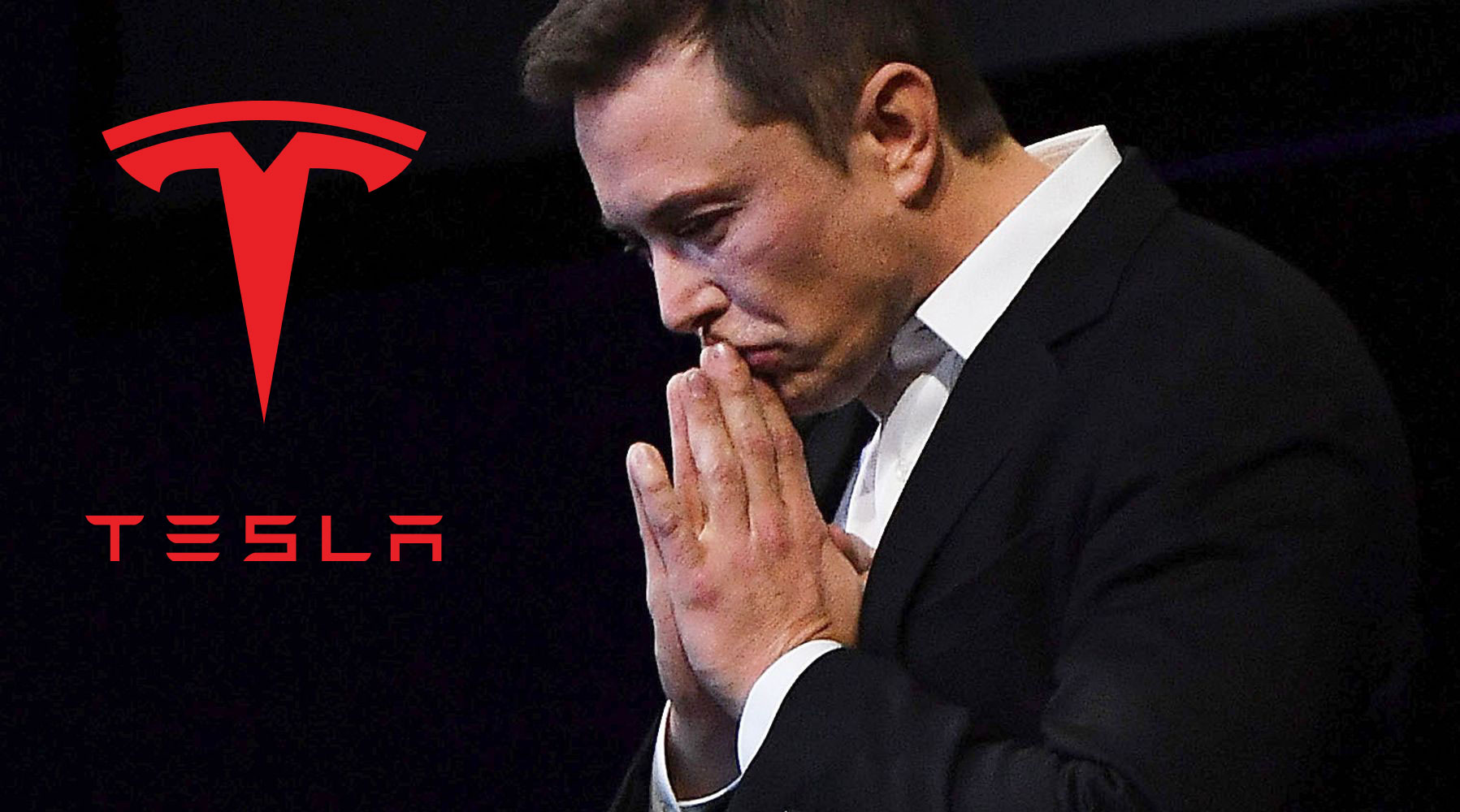
    Tesla Inc Chief Executive Elon Musk is coming close to earning the first $346 million tranche of options in a record-breaking pay package, after the electric vehicle maker’s stock more than doubled in the last three months.

    Shares of Tesla surged 9% to a record high on Monday. They need to rise another 6% to put Tesla’s stock market value at $100 billion and then be sustained at that level for both a one-month and six-month average in order to trigger the vesting of the first of 12 tranches of options granted to Musk to buy Tesla stock.

    Musk has already hit an operational target that is also necessary for the options to vest.

    For Musk’s subsequent tranches to vest under the terms of the 2018 package, the company’s market cap would have to continue to sustainably rise by $50 billion increments over the agreement’s 10-year period, with the billionaire earning the full package if Tesla’s market capitalization reaches $650 billion and the electric car maker achieves several revenue and profit targets.

    A full payoff for Musk, who is also the majority owner and CEO of the SpaceX rocket maker, would surpass anything previously granted to U.S. executives, according Institutional Shareholder Services, a proxy advisor that recommended investors reject the pay package deal at the time.

    Musk receives no salary or cash bonus, only options that vest based on Tesla’s market cap and milestones for growth.

    “This is the very definition of pay for performance,” said Ian Keas, senior director at Longnecker & Associates, an executive compensation consulting firm. “But is he the only individual that could serve in that seat as CEO and deliver that value to shareholders? That’s the billion dollar question.”

    Musk’s potential payout compares to the $638 million received by Snap Inc founder Evan Spiegel in 2017 after the social network company’s initial public offering. In 2018, Walt Disney CEO Robert Iger earned stock grants worth as much as $149.6 million, including awards related to Disney’s purchase of film and television assets from Twenty-First Century Fox.

    Musk has transformed Tesla from a niche car maker with production problems into the global leader in electric vehicles, with U.S. and Chinese factories. So far it has stayed ahead of more established rivals including BMW and Volkswagen.

    Last week, Tesla’s stock market value hit nearly $89 billion, eclipsing the sum of General Motors’ and Ford’s for the first time, fueled by a surprise third-quarter profit, progress at a new factory in China and better-than-expected car deliveries in the fourth quarter.

    Many investors remain skeptical that Tesla can consistently deliver profit, cash flow and growth, however. More Wall Street analysts rate Tesla “sell” than “buy,” and the company’s stock has been one of the most shorted on Wall Street.

    Tesla was valued at about $53 billion when shareholders approved the pay package in January 2018 and faced a cash crunch, production delays and increasing competition from rivals. It was viewed as massively ambitious because it implied the company’s value could grow as much as ten-fold in 10 years.

    Last year, Musk hit two operational milestones, pulling in revenue above $20 billion and adjusted earnings before interest, tax, depreciation and amortization of $1.5 billion over four straight quarters. Tesla’s “adjusted” EBITDA excludes stock-based compensation, which in the first nine months of 2019 reached $617 million.

    Musk currently owns about 34 million Tesla shares, equivalent to 19% of the company. His compensation package would let him buy another 20.3 million shares if all of his options vest.

    When Tesla first unveiled Musk’s package in 2018, it said Musk could in theory reap as much as $55.8 billion if no new shares were issued. Tesla has since awarded stock to employees and last year sold $2.7 billion in shares and convertible bonds.
  • Drivers more geared towards luxury cars

    Drivers more geared towards luxury cars

    Sales of luxury cars in Vietnam surged in 2019 with the rich showing greater preference for premium vehicles in a fast-growing economy. Mercedes-Benz sold the highest number of luxury cars at 6,800 units, up 8 percent from 2018.

    The imported crossover SUV Mercedes-Benz GLC 300, priced at VND2.56 billion ($110,600), was the best-seller, accounting for 40 percent of the number of units sold by the German brand.

    With 20 models, many assembled in Vietnam, Mercedes-Benz created sales gap with the rest of the luxury market.

    Toyota’s luxury brand Lexus recorded a sales surge of 157 percent year-on-year to 1,511 units in 2019.

    Sales of the only Asian luxury brand rose after plummeting in 2018 due to a government decree limiting car imports.

    Swedish brand Volvo recorded sales of 500 units last year, up 250 percent from 2018, with the most in-demand model being the compact crossover SUV Volvo XC60 priced at VND2.85 billion ($123,200).

    Sources said most other German brands like Porsche and BMW recorded increasing sales. Audi was the only brand with decreasing sales due to import challenges, a representative confirmed.

    Insiders say Vietnam’s fast-growing economy and expanding middle class, along with rising car discounts led to the sales surge last year.

    Manufacturers plan to export new models this year to Vietnam, giving customers even more luxury options.

    Auto sales in Vietnam last year rose 11.6 percent from 2018 to 322,322 units, with 58.8 percent of them locally-assembled, according to Vietnam Automobile Manufacturers Association.

  • Auto Industry Cautious As China Starts 2020 With Forecast Of A 2% Sales Decline

    Auto Industry Cautious As China Starts 2020 With Forecast Of A 2% Sales Decline

    Automakers in China need to get used to a new normal of “low speed growth” in the world’s largest car market, the country’s top auto body said on Monday, as it reiterated predictions that sales will likely shrink for the third consecutive year in 2020.

    The China Association of Automobile Manufacturers (CAAM) expects a 2% fall in vehicle sales. That would compare with an 8.2% drop last year, when sales were pressured by new emission standards in a shrinking economy also contending with tit-for-tat import tariffs with the United States.

    CAAM, affirming its forecast announced last month, also said auto sales declined for the 18th consecutive month in December. Annual sales started falling in 2018, by 2.8%, halting a growth march that had started in the 1990s.

    Industry watchers, though, are hoping a sales recovery in lower-tier cities, and an easing of trade tensions between China and the United States, can help ease the decline.

    “We have moved away from the high-speed development stage. We have to accept the reality of low-speed development,” Shi Jianhua, a senior official at CAAM, told a news briefing.

    “We had high-speed growth for a consecutive 28 years, which was really not bad, so I hope everyone can calmly look at the market.”

    Sales of new energy vehicles (NEV) sank 27.4% in December, resulting in an overall 4% decline to 1.24 million units in 2019. China’s NEV sales jumped 62% in 2018 but a subsidy cut hurt sales last year.

    When asked if the industry could sell 2 million NEVs this year, a target originally set by China’s industry ministry in 2017, CAAM’s assistant secretary-general, Xu Haidong, said this was “not possible”.

    Global automakers have been cautious with their predictions after cutting production, shutting factories and firing staff last year.

    Executives at automakers such as Geely and Ford Motor Co partner Chongqing Changan Automobile Co Ltd have said they expect fiercer competition to weed out weaker players.

    On Monday, Ford said its China auto sales slumped more than a quarter in 2019 for a third year of decline. The latest fall, however, was slower than the 37% weathered in 2018, and the automaker said it saw its market share stabilise in the high-to-premium segment.

    It remained cautious about 2020, echoing bearish comments on China’s market from General Motors Co.

    “We expect the market downturn to continue in 2020, and anticipate ongoing headwinds in our China business,” Matt Tsien, president of GM China, said last week as the U.S. automaker reported a 15% drop in 2019 China sales.

    Volkswagen AG, whose sport-utility vehicles helped it report a smaller 1.1% year-on-year fall in sales in the first 11 months of 2019, has said it expects China’s market to grow at a relatively slow pace for the next five years.

    The bright spots have been Japan’s Toyota Motor Corp and Honda Motor Co Ltd as well as U.S. electric vehicle maker Tesla Inc, which started delivering China-made Model 3 sedans from its $2 billion Shanghai plant this month.

  • Petrol Prices Fall For 3rd Day, Diesel Rates Remain Stable

    Petrol Prices Fall For 3rd Day, Diesel Rates Remain Stable

    Petrol prices continued to decrease for the third consecutive day on Tuesday, but the diesel prices remained stable after two days of decline. In Delhi, Kolkata and Mumbai the petrol prices were cut by 11 paise a litre, while in Chennai it was down by 10 paise per litre.

    According to the Indian Oil website, the price of petrol in Delhi, Kolkata, Mumbai and Chennai has come down to Rs 75.70, Rs 78.29, Rs 81.29 and Rs 78.65 per litre respectively. At the same time, the price of diesel in the four metros continue to be Rs 69.06, Rs 71.43, Rs 72.42 and Rs 72.98 per litre respectively.

    On the international futures market the Intercontinental Exchange (ICE), Brent crude was trading at 64.41 dollars per barrel, up 0.28 per cent from the previous session.

    At the same time, American Light Crude West Texas Intermediate’s February deal was trading up 0.29 per cent at 58.32 dollar barrel on the New York Mercantile exchange. The first phase of the trade deal between the US and China is going to be signed on January 15.

    Experts say that due to this agreement many commodity markets will show an enhanced activity, but the price of fuel oil is unlikely to get much support.

  • Tata Motors Group’s Global Wholesales Declined By 3% In December 2019

    Tata Motors Group’s Global Wholesales Declined By 3% In December 2019

    Global wholesales for JaguarLand Rover along stood at 50,001 vehicles, which included the 5,492 vehicles wholesaled by CJLR, the joint venture between JLR and Chery Automobiles. As for the total wholesales from the Jaguar brand alone, for the month, it stood at 12,742 vehicles, while Land Rover’s contribution to the total wholesales for December 2019 was 37,259 vehicles.

    On the other hand, global wholesales of all Tata Motors’ commercial vehicles and Tata Daewoo range in December 2019 were at 34,526 units, lower by 15 percent, as against the 40,619 units wholesaled in December 2018.

    In December 2019, Tata Motors’ domestic sales stood at 44,254 units (PV + CV), a decline of 12 percent in volumes as compared to 50,440 units sold in December 2018. As for year-to-date sales, Tata’s volumes for FY2020 (April-December) stood at 347,796 units, down by 30 percent over 497,972 units sold during the same period the fiscal.

  • Ford’s Vehicle Sales In China Tumble For Third Consecutive Year

    Ford’s Vehicle Sales In China Tumble For Third Consecutive Year

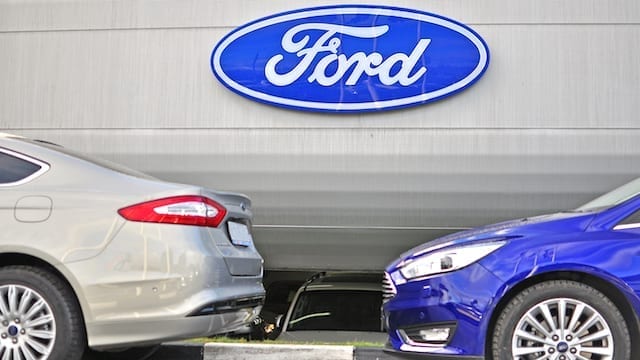
    Ford Motor China vehicle sales fell for a third consecutive year, by 26.1%, as it battles a prolonged overall sales decline in its second-biggest market that has hit demand for its mass-market Ford brand and sports utility vehicles. The U.S. automaker delivered 146,473 vehicles in China in the fourth quarter, down 14.7% year-on-year, Ford said in a statement. In total, it sold 567,854 vehicles over 2019. Ford has been trying to revive sales in China after its business began slumping in late 2017. Sales sank 37% in 2018, after a 6% decline in 2017.

    Anning Chen, president, and chief executive of Ford Greater China, said that while 2019 was a “challenging” year for the automaker, it saw its market share in the high-to-premium segment stabilize and its sales decline in the value segment start to narrow in the second half of the year.

    “The pressure from the external environment and downward trend of the industry volume will continue in 2020, and we will put more efforts into strengthening our product lineup with more customer-centric products and customer experiences to mitigate the external pressure and improve dealers’ profitability.”

    The automaker plans to launch more than 30 new models in China over the next three years of which over a third will be electric vehicles. It has also said it would localize management teams by hiring more Chinese staff and aimed to improve relationships with joint venture partners.

    New models it launched in the fourth quarter include a new Ford Escape version – for which the automaker said orders received so far have been much higher than expected – and the Lincoln Corsair, the first localized Lincoln model in China.

    In China, Ford makes cars through a joint venture with Chongqing Changan Automobile Co Ltd and Jiangling Motors Corp Ltd (JMC). It has also said it would partner Zotye Automobile Co Ltd to sell lower-priced cars.

    Its larger U.S. rival General Motors Co last week said its sales in China fell 15% from a year earlier to 3.09 million vehicles in 2019, its second year of decline.

    China’s auto market is set to contract by 2% in 2020 for the third year of decline, the China Association of Automobile Manufacturers (CAAM) forecast, due to a weaker economy and trade dispute with the United States.

    Over 28 million vehicles were sold in 2018, down 3% from the prior year, while 2019 sales are likely to have declined 8% from the prior year, CAAM said.

  • Car prices fall as supply rises

    Car prices fall as supply rises

    An abundant supply of imports, the introduction of new models and stiffer competition have pulled car prices down, industry insiders say.

    Toyota Innova, among the most popular multi-purpose vehicles (MPVs) in Vietnam, saw its price go down 13 percent year-on-year last month to VND771 million ($33,360).

    Industry insiders said the drop of VND100 million ($4,330) was unprecedented for this model. Innova only reflected a general trend, they added.

    Prices of the Toyota Vios sedan and the hatchback Kia Morning fell 13 percent and 12 percent, respectively. In the high-end segment, the prices of BMW cars fell 18.5 percent.

    Abundant supply is said to be one of the main factors behind the falling prices.

    Car imports in the first 11 months of last year doubled year-on-year to almost 133,700 units, most of them from Thailand and Indonesia. Models with the biggest sales, MPV Mitsubishi Xpander and SUV Toyota Fortuner, were all imported.

    Tightening credit from banks last year had made it more difficult for buyers, leading to an increase in inventory that had to be reduced by lowering prices. The introduction of new models was another factor.

    Vietnam’s newest car manufacturer VinFast also intensified competition in the market with its SUVs, sedans and hatchbacks.

    Auto sales in Vietnam last year rose 11.6 percent from 2018 to 322,322 units, with 58.8 percent of them locally-assembled, according to the Vietnam Automobile Manufacturers Association.