Tag: car

  • BMW Previews Vision M Next Electric Sportscar

    BMW Previews Vision M Next Electric Sportscar

    BMW today previewed the Vision M Next which offers a foretaste of the BMW M brand’s electrified future and yes, this one places the driver right at the centre of all the action. Hosting the exclusive world premiere of the BMW Vision M NEXT is the new NextGen infotainment platform at BMW Welt. The BMW Vision iNEXT and BMW Vision M NEXT Vision Vehicles represent prototype versions of BMW’s future experience concepts ‘Ease’ and ‘Boost’. Ease encompasses all the experiences during a journey when the vehicle assumes the task of driving, so maximum comfort for users while Boost is all about the ultimate active driving experience.

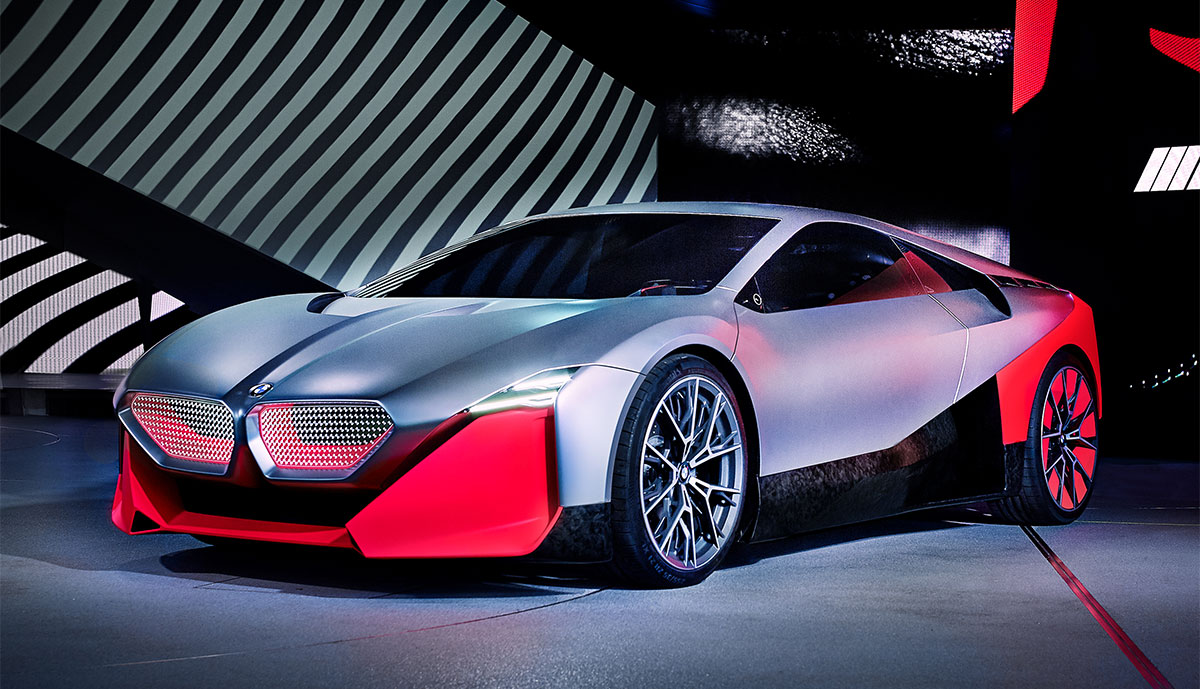
    The BMW Vision M Next draws its inspiration from the iconic BMW Turbo and of course the i8 plug-in hybrid. It’s low-slung, has a wedge-shaped silhouette, gets gullwing doors and a striking colour scheme while maintaining its sports-car proportions. The front and rear ends are finished in the matt-neon shade orange, producing a vivid contrast against the exterior’s otherwise silver metallic paintwork.

    The signature BMW kidney grille is flanked on either side by triangular elements which are painted in orange. The triangular elements accentuate the air intakes at the sides and the integral headlights. The headlights are positioned on the outer edges of the front end, higher up than the kidney grille. Arranged one above the other rather than side by side and that gives it BMW’s classic four-eyed front end. The black side skirts are made from recycled carbon fibre and make the car look even lower on the road.

    Domagoj Dukec, Vice President BMW Design, said, “The BMW Vision M NEXT is a progressive hybrid sports car that makes a very clear and confident statement, in terms of both appearance and interaction. Where the BMW Vision iNEXT illustrated how autonomous driving is set to transform life on board our vehicles, the BMW Vision M NEXT demonstrates how state-of-the-art technology can also make the experience of driving yourself purer and more emotionally engaging. In both models, the focus is firmly on the people inside. Design and technology make the ‘EASE’ and ‘BOOST’ experiences more natural and more intense,”

    The Vision M Next offers the choice between electric all-wheel drive and pure rear-wheel drive, with either all-electric propulsion or the power of a turbocharged four-cylinder petrol engine. The output stands at 591 bhp and it has a top speed of 300 kmph. 0-100 kmph is done in just under 3 seconds. There is also a BOOST+ mode that puts extra power on tap at the push of a button. The maximum range when driving in all-electric mode is 100 km.

    The rear wheels on the BMW Vision M NEXT measure 22 inches in diameter, making them one inch larger than the front wheels (21 inches) and that gives the car a lovely stance. The design of the rear window takes its cue from the BMW M1. The three-piece louvres are made from glass and emphasise the horizontal focus of the rear-end styling. The rear lights feature the same Laser Wire technology used for the headlights. The two-dimensional reinterpretation of the distinctive pair of BMW roundels from the BMW Turbo and BMW M1 – a gift to BMW aficionados – gives them the impression of floating in the rear lights’ transparent lenses.

    There’s also facial recognition technology in the Vision M Next and his allows the car to unlock automatically as the driver approaches. Pressing the touch sensor on the gullwing doors prompts them to swing open. The cabin is minimalist and revolves entirely around the actively engaged driver, both stylistically and technologically. The seat shells form part of a seat sculpture with a flowing design. They are upholstered in a foam material with shape memory properties that moulds itself to, cushions and supports the body to optimum effect.
  • Mercedes-Benz To Start Assembling Cars In Egypt

    Mercedes-Benz To Start Assembling Cars In Egypt

    Mercedes-Benz and the Egyptian government have signed a Memorandum of Understanding to locally assemble the company’s passenger cars in the country. This is the result of successful discussions with the Egyptian government. This planned commitment is set to further improve the market position of Mercedes-Benz Cars in Egypt. The Memorandum of Understanding not only describes a local Mercedes-Benz passenger car assembly, but also contains other potential fields of cooperation. The assembly will be set up by a local business partner. At the same time, Mercedes-Benz Cars emphasises the involvement and know-how of Egyptian suppliers.

    “In building up a local car assembly, we will be able to structure our production network even more flexibly and efficiently and respond even better to the needs of our customers,” says Jorg Burzer, Executive Board member Mercedes-Benz Cars, Production and Supply Chain.

    In view of the long-term market potential, further investments are also conceivable, for example expansion of the dealer network, a logistical hub in the Suez Canal Special Economic Zone and a training centre. Furthermore, the company has offered to make its specialist expertise with respect to modern mobility concepts, e-mobility and electric vehicles, as well as autonomous driving, available.

    With the planned car assembly operation in Egypt, Mercedes-Benz Cars is supporting Egypt as an industrial location. Already now, Mercedes-Benz is securing more than 1,000 direct and indirect jobs in Egypt with its own import and sales organisation, a central spare parts warehouse and numerous authorised retailers and workshops in Cairo, Gizeh, Alexandria and Hurghada. With the new car assembly operation, Mercedes-Benz Cars will create new employment and contribute to better training opportunities with the planned training centre.

  • VinFast Starts Production Of Two Cars Designed By Pininfarina At Its New Plant

    VinFast Starts Production Of Two Cars Designed By Pininfarina At Its New Plant

    The first two cars designed by Pininfarina for the Vietnamese brand VinFast will be manufactured in the new plant which was inaugurated by VinFast Production and Trading LLC at Dinh Vu Industrial Zone, Cat Hai, Hai Phong. It is built on an area exceeding 500,000 square meters out of the 335 hectares of the entire complex, meeting the requirements of Industry 4.0 automation and data exchange system. The designed capacity of the first and second phases are to grow from 250,000 vehicles per year to 500,000 vehicles per year, respectively, with the production speed reaching 38 vehicles per hour.

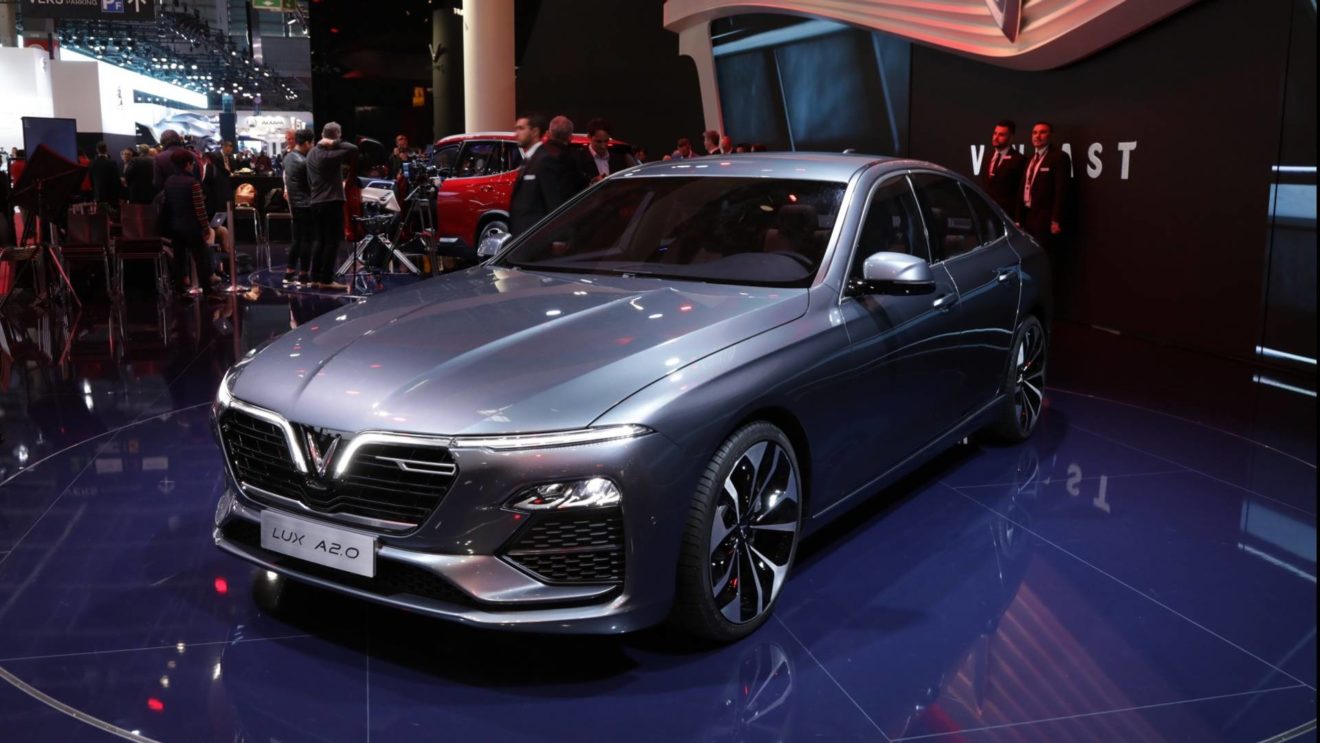
    The Vietnamese brand will produce the new Pininfarina-designed LUX A2.0 sedan and LUX SA2.0 SUV, both of which made their debut at the 2018 Paris Motor Show. After unveiling 20 concept designs submitted by world-famous design houses including Pininfarina, Vinfast asked customers to vote which they thought were in line with world trends and fitting with Vietnamese tastes and demand. Nearly 62,000 participants voted in the contest. The Sedan and SUV designs that collected the most votes were the two that Pininfarina will develop.

    VinFast has in fact already received 10,000 preorders, a year prior to the launching of its final products and that’s quite a record it’s set. After the inauguration of the factory, VinFast will organize the delivery and release of the first cars. Specifically, delivery of VinFast Fadil cars to customers started on June 17, while Pininfarina-designed Lux A2.0 sedan and Lux SA2.0 SUV will be delivered at the end of July 2019.

  • BMW X1 Faceflift Makes World Debut In Munich

    BMW X1 Faceflift Makes World Debut In Munich

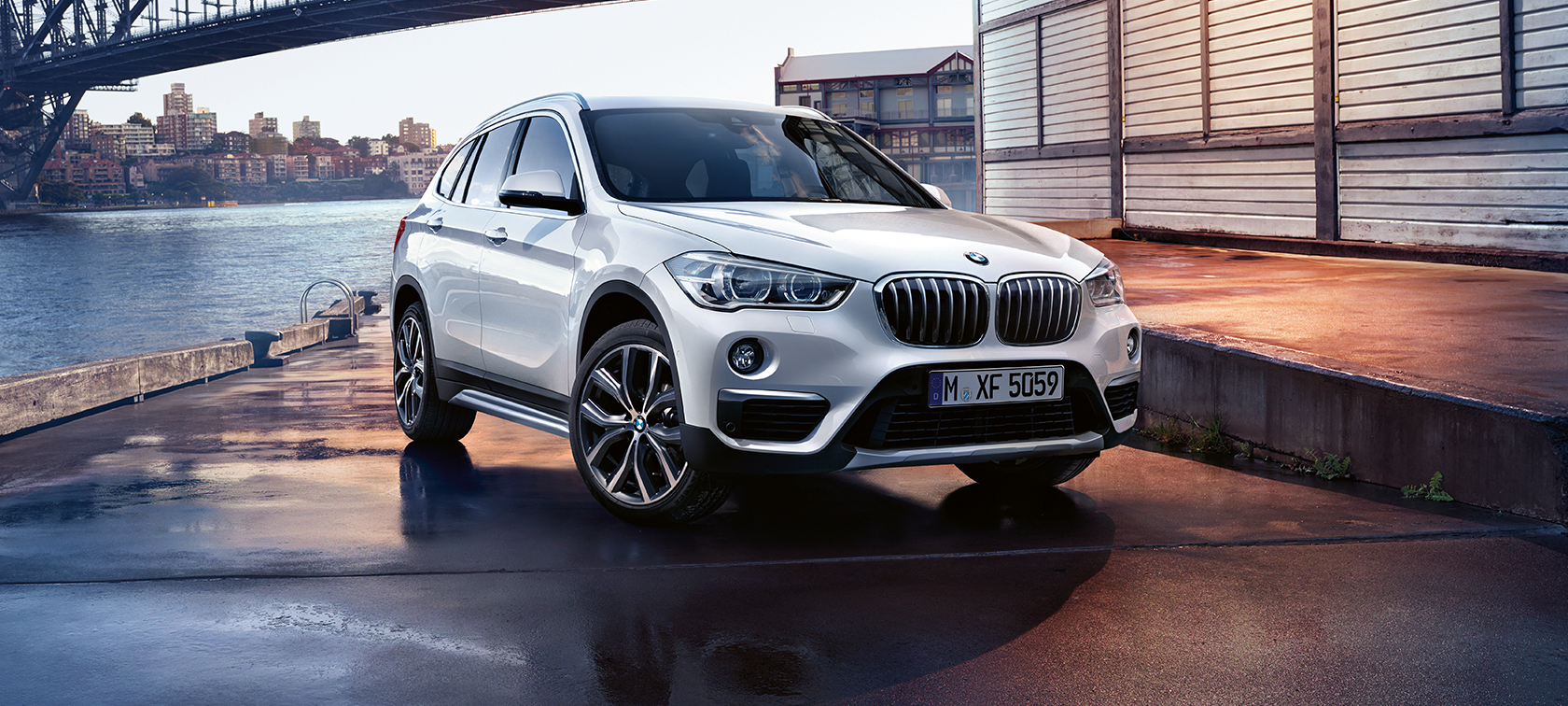
    The youngest SUV in the BMW family has received a comprehensive update and despite being the smallest, it doesn’t look like one. The current generation BMW X1 surprised us with its grown proportions and bold styling and even car enthusiasts confused it with the X3. The new 2020 facelift model builds upon that with clear and prominent revisions made to its face and rear. It looks more dominant sporting larger kidney grilles which merge in the center. The new Adaptive LED headlamps to include sharper light iconography and the bumper along with integrated LED foglamps also houses larger air intakes. The rear end of the X1 also looks stylish. For instance, the new inlay in the body-color rear apron adopts the car’s main body color.

    The driver side wing mirror projects two-tone LED X1 image when the car is unlocked. The new BMW X1 also gets three new body colors- Jucaro Beige metallic, Misano Blue metallic (exclusively for the M Sport model) and the ultra-exclusive BMW Individual Storm Bay metallic along with four new wheel designs. The 2020 BMW X1 Facelift will be offered in three variants- the base X Line, Sport Line and M Sport. The BMW X1 M Sport gets lowered stance, thanks to the M Sport suspension and BMW Individual High-gloss Shadow Line trim gets additional features along with the M Aerodynamics package.

    On the inside, the cabin is finished in high-quality materials and it continues to get contrast stitching on the instrument panel which is finished in black on its upper section and adopts the color of the interior upholstery lower down. The contrast stitching is available for the xLine, Sport Line and M Sport models only. Moreover, the floor mats also gain colored edging and contrast stitching for the edging and customers will get a choice of three upholstery options. There is also a 6.5-inch screen which is standard while customers can also opt for an 8.8-inch or 10.25-inch touch screen which can be operated using the BMW iDrive Controller or voice control and gets built-in navigation. The latest version of BMW’s connected drive is also standard on the new X1. Moreover, the rear seats can be folded down in three sections (40:20:40) and can slide forward by up to 13 cm, however, that is optional. Features such as automatic tailgate operation and Comfort Access are optional as well.

    The new BMW X1 line up will get 16 engine and transmission options globally which will include a range of three-cylinder and four-cylinder engine options. The BMW X1 sDrive16d which is powered by the 1.5-liter three-cylinder engine will be available with either a manual six-speed gearbox or a seven-speed dual-clutch transmission and will develop 114 bhp and 270 Nm of peak torque. The xDrive 25d diesel will get the 2.o-litre, four-cylinder engine which puts out 228 bhp and 450 Nm of peak torque will be mated to an eight-speed auto transmission as standard and will clock triple-digit speed in 6.6 seconds. Finally, the petrol BMW X5 xDrive 25i will use the 2.0-liter, four-cylinder engine which puts out 228 bhp and 350 nm of peak torque and is also mated to an eight-speed auto transmission as standard. It’s 0.1 seconds quicker to 100 kmph than its diesel counterpart and clocks triple-digit speed in 6.5 seconds.

  • Porsche Recalls Cars Worldwide Due To Faulty Transmission Unit

    Porsche Recalls Cars Worldwide Due To Faulty Transmission Unit

    Volkswagen’s sports-car brand Porsche has to recall almost 340,000 Cayenne and Panamera vehicles due to problems with their automatic transmission, the German company said on Tuesday.

    A Porsche spokesman said the cars might roll when parked due to a potentially fragile part in the connection between the gear lever and transmission.

    Almost 100,000 of the affected vehicles, which date back to 2002, are in the United States and almost 25,000 in Germany.

  • Renault India To Double Sales In India By 2021

    Renault India To Double Sales In India By 2021

    Renault India found success with the Duster and even the Kwid in India and now it’s readying to bring in its compact MPV – the Triber – into India. The Triber too, like the Kwid is based on the CMF-A platform and comes with a heavy dose of local content, so prices will be competitive for sure. But Renault India has grand plans for the Triber and it’s made its intention to export the compact MPV to other markets too and with it help the company improve its sales in India too. In fact, the company is looking to double its sales in the country by 2021 and the Triber will play a big role in making this happen. Thierry Bolloré, CEO, Groupe Renault said, “It’s (The Triber) a significant contributor to the progress we want to make in order to double the sales of Renault in India for sure.”

    The Triber is actually a seven-seater tucked under the four-meter mark. At that size, the new Renault Triber is a direct rival to the Datsun GO+ and also the upcoming compact seven-seater from Maruti Suzuki. It gets a completely different design language from its rivals that help make for a roomier cabin. In fact, Renault is comparing the Triber to a number of B-segment hatchbacks, with the French model offering the additional third-row seating that is more practical. Renault also says the new offering will be 20 percent more affordable in terms of ownership than a conventional B-segment hatch.

    But it’s not just the sales in India that will help Renault achieve this target. The company is banking on exports as well, something it has been doing with the Kwid too. Bolloré said, “Export is key because this is a car made in India, for India and having the genes for a great exporter to other markets.”

    Not everything has worked for Renault in India though. Cars like the Lodgy and the Capture have failed to pick up in terms of sales and establish themselves as strong contenders in their respective categories and Renault isn’t shying away from that reality. Bolloré explains, “The mistakes we have done sometimes, well, we have learned from that. We are quite humble you know, and we know it’s necessary, step-by-step, to understand, and to be better and better for sure, Triber is one key contributor.”

    There will be some other contributors, coming fast after the Triber which will help Renault achieve its set target for 2021.

  • BMW X7 And BMW 7 Series Facelift Launch Date Revealed

    BMW X7 And BMW 7 Series Facelift Launch Date Revealed

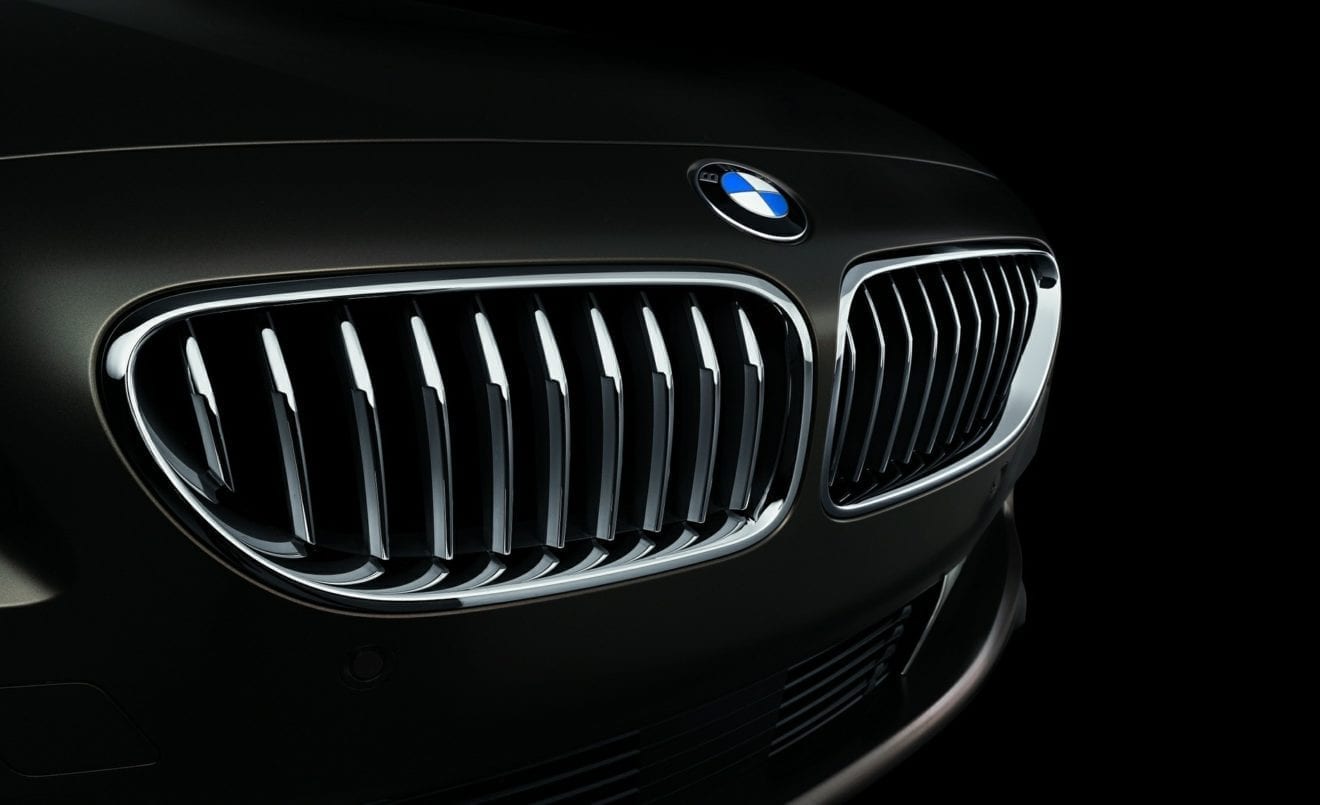
    BMW has announced that it will be launching the new 7 Series facelift and the all-new X7 SUV in India on July 25, 2019. Talking about the new 7 Series facelift, the most apparent of all the design changes is the massive kidney grille which is 40 percent larger than the one on the outgoing model. The headlights still look sleek and go well with the long bonnet which now looks more sculpted and has even gained muscle along with the fenders. The profile looks almost similar to the outgoing model and there have been subtle changes in the design at the rear.

    The new BMW 7 Series will also get a range of engine options including a new 6.0-liter, V12 motor which churns out 592 bhp and 850 Nm of peak torque and will make its way under the hood of the top-end M760 variant. Then there is the 4.4-liter, V8 motor which produces 516 bhp (up 78 bhp) and 750 Nm of peak torque (100 Nm up) and propels the car to 100 kmph in 3.9 seconds. Finally, the most in-demand of the lot will be the 740L which will now be a plug-in hybrid variant. It will get the same 3.0-liter, in-line six-cylinder engine which produces 276 bhp and 450 Nm of peak torque but will be coupled with an electric motor which will add 111 horses more taking the combined power output to 384 bhp.

    The BMW X7 is an all-new model and it will be the new flagship SUV for BMW, positioned above the X5. The BMW X7 is based on the CLAR platform which also underpins its sedan counterpart- the 7 Series and several other BMW models like the 5 Series and new generation X3. BMW is also developing the next-generation X5 on the same platform. Visually, the new X7 takes design quotient a notch higher with that massive kidney grille, slim LED headlamps and muscular bumper with wheel arches.

    Petrol engine options on the 2019 BMW X7 include the 3.0-liter, in-line six-cylinder petrol with 335 bhp and a 4.4-liter, twin-turbo V8 petrol with 456 bhp. There will also be the 3.0-liter six-cylinder diesel with 256 bhp, along with a more powerful 400 bhp version. A plug-in hybrid version is also said to be in the works, while an M badged model is the one we look forward to. All engines use the 8-speed automatic transmission and get all-wheel drive as standard. The system does come with the option to send power only to the rear wheels, while you get BMW’s Dynamic Handling Package and the Off-Road Package. Upon launch, the BMW X7 will be going up against the Mercedes-Benz GLS, Range Rover Sport and the Audi Q7.

  • Kia Seltos Teased Again Ahead Of India Debut

    Kia Seltos Teased Again Ahead Of India Debut

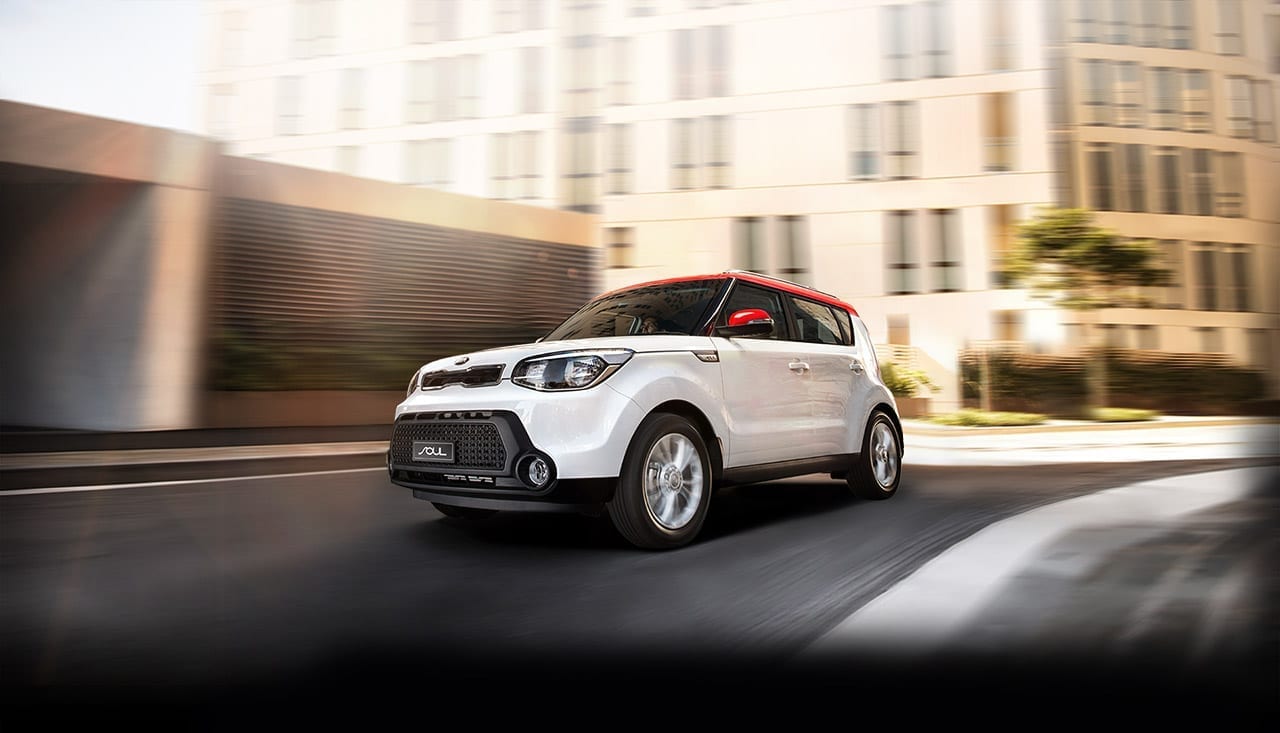
    It was February 2018 when Kia Motors showcased the SP Concept, which was supposed to be the first Kia offering in India. Needless to say, it was an SUV too. Fast forward a year and a half and Kia Motors India is all set to take the wraps off the Kia Seltos, the first model from Kia for India. The company has been releasing teasers of the Kia Seltos SUV for some time now and the latest teaser reveals certain features on the SUV along with insight into the design language as well. The latest teaser video of the Kia Seltos reveals in-cabin features such as steering mounted controls for audio and cruise control. There is climate control along with analogue tachometer and speedometer. Plus the Seltos Compact SUV also gets front parking sensors along with a sunroof, not a panoramic one, but similar to the one on the Hyundai Creta.

    Spy images of the Kia Seltos’ interior reveal piano black finish inserts on the dashboard, black leather seats and rear AC vents. The front and rear seats both get hand rests for added convenience, while there are a couple of cup holders and storage spaces. Kia Motors India has already confirmed a number of features on the upcoming Seltos SUV that will include a 10.25-inch touchscreen infotainment system, 360-degree camera, wireless charging, head-up display (HUD), MID, cruise control and more. The model will also come with ambient lighting, electronic parking brake, hill assist and multiple driving modes.

    As far as exterior design is concerned, the Kia Seltos will feature Kia’s signature ‘Tiger-Nose’ grille along with LED headlamps and stylish fog lamps which are vertical. Also, we expect the top trims of the Seltos to have a dual-tone colour scheme (The roof having a different colour). The design of the 5-spoke diamond-cut alloy wheels is also different from that of the concept model. The teaser video also shows the Seltos taking on some off-road terrain but we don’t know if the SUV will get an off-road kit such as driving modes, AWD or anything on those lines.

    The Kia Seltos will get a 1.5-litre petrol and a 1.5-litre diesel and both engines will get manual and automatic gearbox options. It may be possible that Kia also offer a 1.4-litre turbo-petrol engine which could have a 7-speed dual-clutch automatic gearbox. As far as competition is concerned, the Kia Seltos will be going up against the likes of the Tata Harrier, Nissan Kicks, Renault Captur and its sister model, the Hyundai Creta. The top-spec models of the Kia Seltos could also rival the MG Hector and the Jeep Compass.

  • BMW 8 Series Gran Coupe Revealed

    BMW 8 Series Gran Coupe Revealed

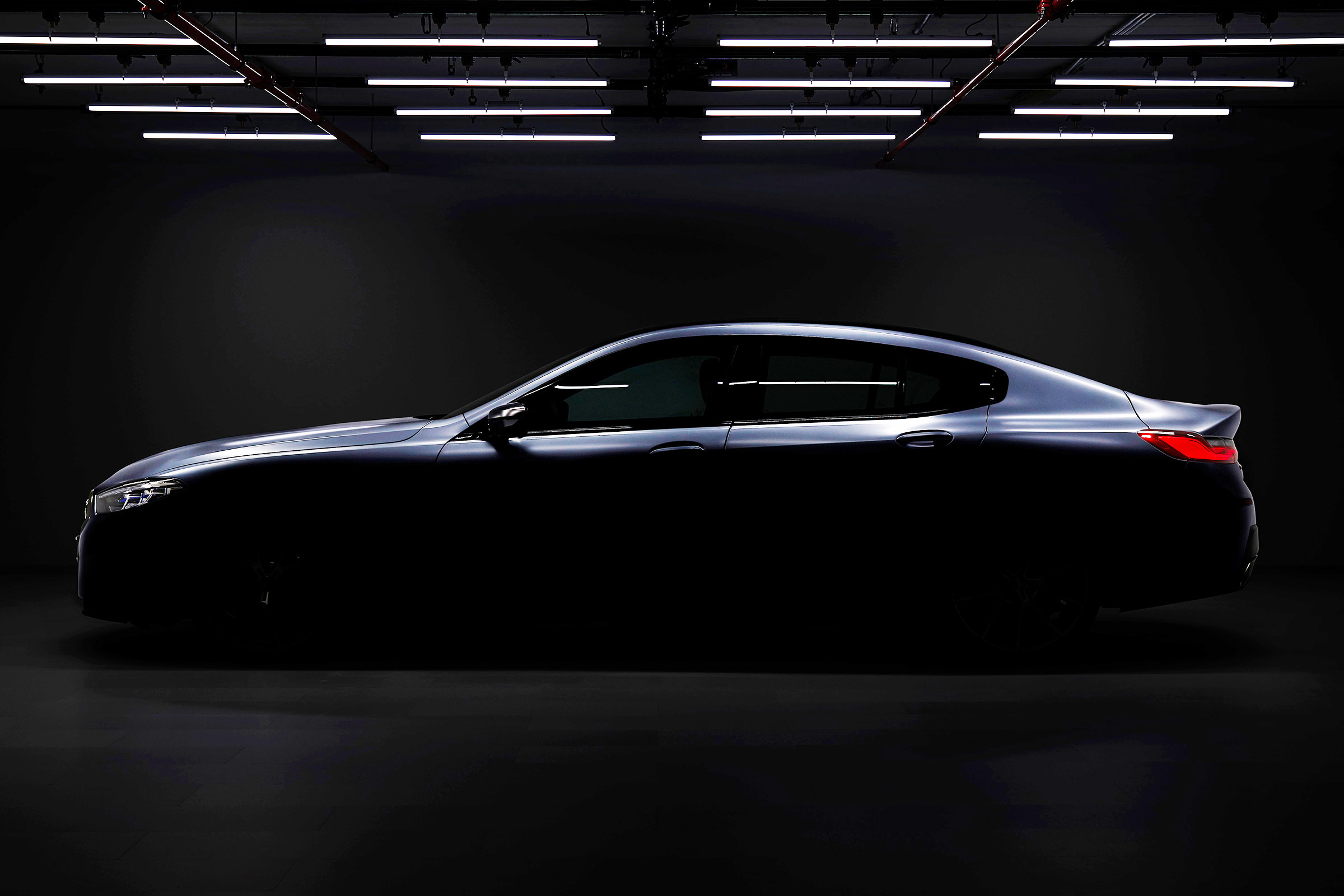
    BMW has revealed the four-door 2020 8 Series Gran Coupe. The 8 Series Gran Coupe will be available in the rear-wheel drive 840i, all-wheel drive 840i xDrive and M850i xDrive models. The new BMW 8 Series Gran Coupe showcases a sweeping four-door body with wide flanks and sharp creased modern lines. In fact, with a rear track of 1671 mm, the 8 Series Gran Coupe stands on the widest rear track of any BMW automobile; a design criteria which required an update of the Plant Dingolfing assembly line in order to accommodate the new, wider platform.

    From the A-pillar, the 8 Series Gran Coupe design differs from that of the Coupe to both increase interior space and deliver a vehicle with strong presence and authority. The windshield features less rake than in the Coupe to allow the roofline to raise to a higher point above the front seats, providing increased headroom for both front and rear passengers. The roof then merges into the rear trunk lid with fin-like transitional lines to create the visual of a long and flowing body. The rear glass is mounted with increased rake to increase the size of the trunk opening and also acts to from a fixed part of the body’s structure to increase torsional rigidity and reduce noise entering the cabin.

    The standard panoramic glass moonroof stretches from the front windshield all the way back to the rear window and the multi-functional antenna is integrated into the rear glass, eliminating the need for the roof-mounted shark fin antenna, thus allowing for a larger glass roof. The 8 Series Gran Coupe gets Icon Adaptive LED Headlights with Laserlight flank the one piece hexagonal BMW kidney grille surround which frames active air intake slats inside. Large openings in either side of the front bumper give the low-slung front end of the BMW 8 Series Gran Coupe an aggressive appearance. Functional Air Breathers let air flow through the front fenders improving both aerodynamics and styling. The Hofmeister kink in the expansive c-pillar ties the flowing side profile lines of the new Gran Coupe to heavily sculptures rear fenders and trunk lid. Slim LED rear lights stand high above trapezoidal twin exhaust pipes.

    An intelligent mix of lightweight materials helps to reduce weight in the BMW 8 Series Gran Coupe. Aluminium construction is used for the doors, hood, roof, front bulkhead, engine subframe and rear bumper support. The trunk lid is made from dent-resistant plastic while the cabin dashboard support is made from magnesium and parts of the center driveline tunnel are made from carbon-fibre reinforced plastic.

    The BMW 8 Series Gran Coupe seats five people and the longer wheelbase and wider rear flanks of the car have allowed for sizable increases in interior space. Front head room increases by 0.2 inches while rear headroom is up by 3.4 inches. Rear legroom increases by a substantial 7.1 inches while rear shoulder room improves by 7.7 inches. The extended centre console in the 8 Series Gran Coupe is unique to the model and continues into the rear space, dividing the individually-styled right and left seats while still allowing for the rear centre seat space to be used when needed. The rear console offers passengers individual right and left climate controls, air vents, storage tray and USB-C ports.

    The standard heated front sport seats feature integrated headrests and are designed with a thinner profile to allow for greater rear knee space. All four main seats offer generous levels of lateral support so that the performance capabilities of the 8 Series Gran Coupe can be enjoyed by all passengers. The rear seats can be folded down in a 40:20:40 configuration allowing for any variation of passengers and cargo on both short and long trips.

    Under the hood the BMW 840i and 840i xDrive Gran Coupe models are powered by the latest iteration of BMW’s TwinPower 3.0 litre inline 6-cylinder Turbo engine which produces 335 horses and 499 Nm of torque allows the rear-wheel drive 840i Gran Coupe to accelerate from 0 to 98 kmph in 4.9 seconds while the added traction of BMW xDrive allows the 840i xDrive Gran Coupe to reach 98 kmph in 4.6 seconds.

    Both vehicles feature an electronically limited top speed of 209 kmph when equipped with all-season tyres and 249 kmph when equipped with performance tyres.  The new 6-cylinder engine features an exhaust manifold integrated into the cylinder head, a twin-scroll turbocharger with quicker response and direct injection technology working at an increased maximum pressure of 350 bar.

    The BMW M850i xDrive Gran Coupe is powered by the latest generation of the BMW TwinPower 4.4-liter eight-cylinder Turbo engine. Power production is rated at 523 horsepower while torque figures stand at 750 Nm between 1,800 – 4,600 rpm which allow this model to accelerate from 0 to 98 kmph in 3.7 seconds.

    Both engines transfer power to the driveline through the latest improved version of the Steptronic Sport automatic transmission featuring a weight-reducing design, a newly developed controller and a wider gear ratio spread. The BMW Live Cockpit Professional in the 2020 BMW 8 Series Gran Coupe combines the latest-generation of the iDrive, featuring a high-resolution digital 12.3-inch instrument cluster display behind the steering wheel and a 10.25-inch centre display diagonally across.

    The system offers many hardware upgrades including new haptic controls on the iDrive controller, an advanced tablet-like touch interface, and stunning visualizations. The multi-modal approach of the iDrive touch controller, large touchscreen center display, cloud-based voice control, and gesture control allow users to interact in the way of their choosing.  Elements of the BMW Live Cockpit Professional are the Navigation Professional system, a hard-drive-based multimedia system with 32 GB of memory and two USB ports, plus Bluetooth interfaces. The driver can be automatically detected and personal settings activated either using the traditional vehicle key or by downloading the driver’s personal settings to the BMW Cloud.

  • Honda e Electric Vehicle Details Revealed

    Honda e Electric Vehicle Details Revealed

    Honda’s new compact electric vehicle, the Honda e, is the first Honda to be built on a dedicated EV platform, designed from the ground up but finally, there are details that have poured out which give more information about the specifications. The Honda e platform has been developed focussing on urban environments. The battery is positioned at a low level under the floor, and centrally within the wheelbase of the car, affording a 50:50 weight distribution and low center of gravity for optimal handling and stability. Power from the high-torque electric motor is delivered through the rear wheels, enabling steering precision even at high acceleration.

    The four-wheel independent suspension is engineered to offer better stability in all conditions, a smooth ride and responsive handling. Elements of the suspension components are forged aluminum to reduce weight and benefit performance and efficiency. The compact size of the Honda e sees it get a short overhang and it’s also best suited for the urban environment.

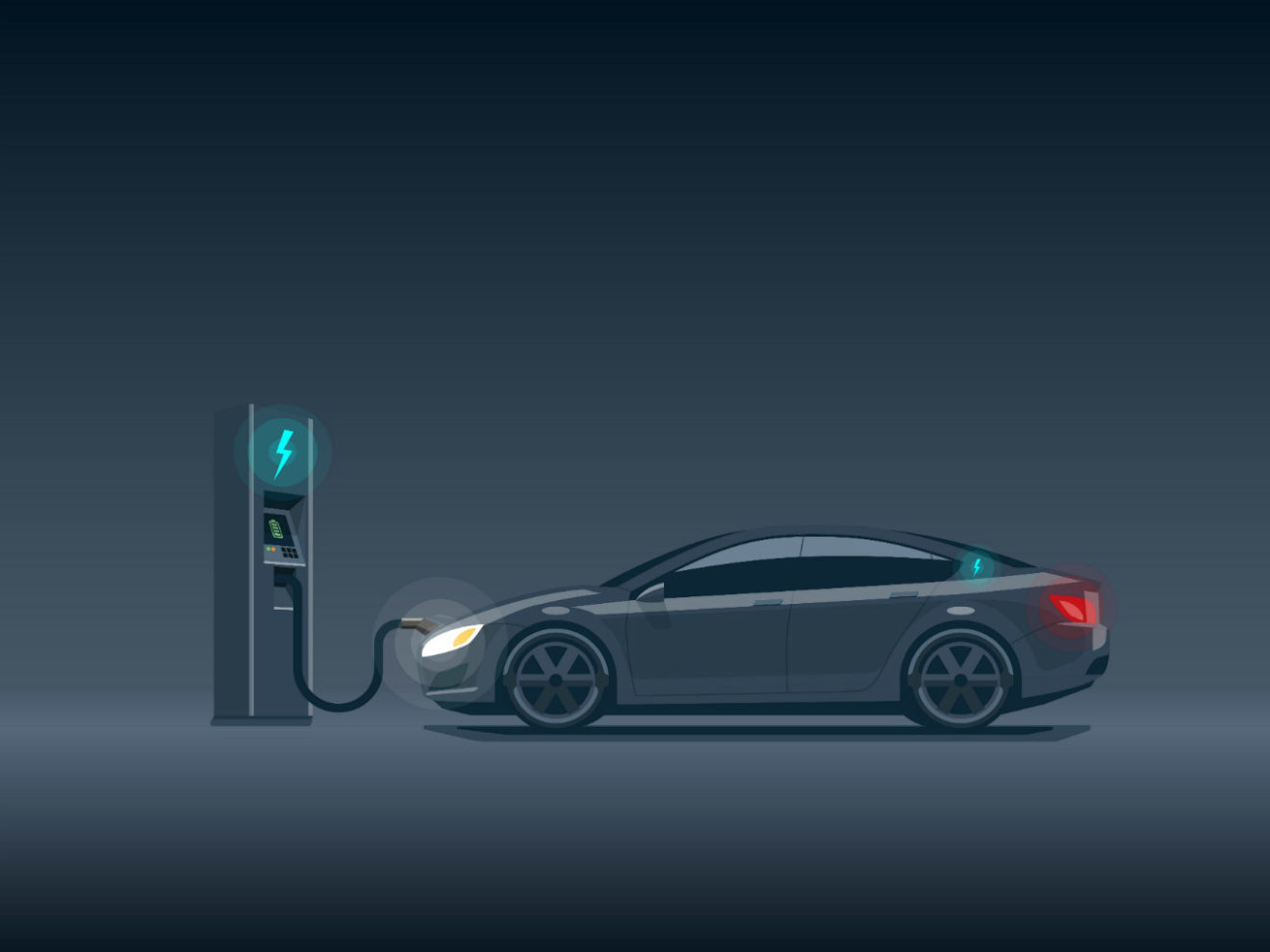
    The Honda e gets a 35.5 kWh Lithium-ion high-capacity battery, can be charged using either Type 2 AC connection or a CCS2 DC rapid charger. It’s range on a full charge stands at 200 km, and the fast charging capability sees it charge up to 80 percent in just 30 minutes. The Honda e charging port is integrated into the bonnet, with LED lighting visible through a glass panel to illuminate the port for the driver and highlight the battery charging status. The positioning of the charging port allows easy access from the front of the car or from either side. Displays on the dual touchscreens inside the car present the current level of battery charge, while a drivetrain graphic charts the current power flow and the regeneration and recharging status.

    The battery pack is water-cooled to maintain an optimum thermal state, therefore, maximizing the efficiency of the battery and charge state, while also ensuring its size and weight are minimized so that it does not compromise cabin room.

    Honda has already received 31,000 expressions of interest, and customers can make a reservation for priority ordering online in UK, Germany, France and Norway

  • Rezvani Tank Teased

    Rezvani Tank Teased

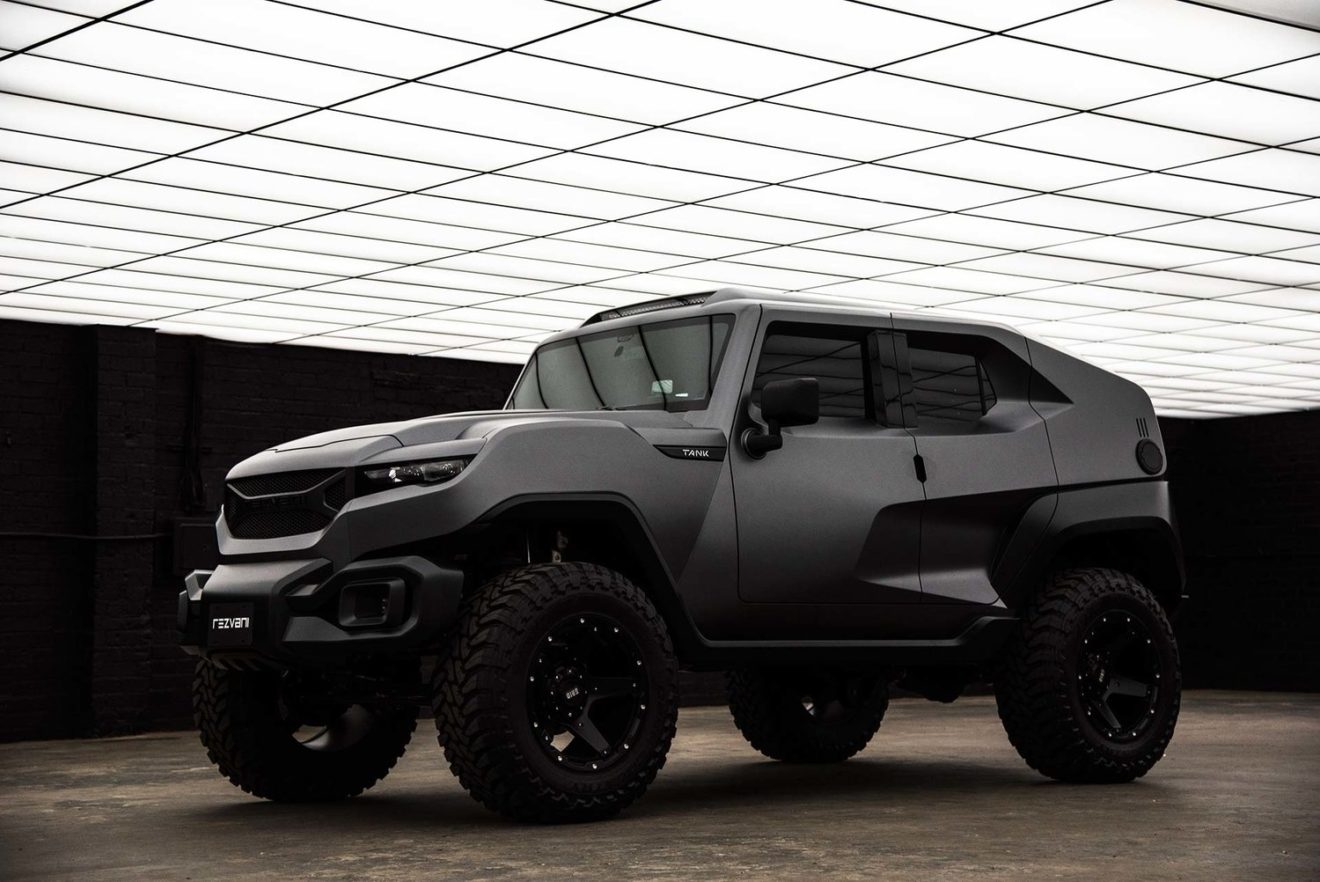
    In just a few weeks Rezvani Motors will debut the all-new 2020 Tank. Designed to be an antidote to the current dull SUV segment, the Tank is a military-inspired, purpose-built, extreme utility vehicle loaded with a ton of features. The 2020 Tank is all new and shares no parts with its predecessor, but it sure has the DNA. Thanks to a body on steel frame design, massive off-road tyres, and sports suspension, the Rezvani Tank will be able to tackle some serious off-roading trails.

    The optional TANK X will offer a 6.2-litre Supercharged V8 sourced from the Dodge Demon and further tuned to produce over 1000 horsepower. In addition to the list of standard features in the previous generation, Tank Military Edition will feature standard military grade EMP (Electromagnetic Pulse) protection covering E1, E2 and E3 electromagnetic pulses to protect critical electronic systems.

    Ferris Rezvani, CEO Rezvani Motors said, “The vision was to offer a fresh design for a purpose-built, rugged, off-road capable vehicle that was muscular, well proportioned, and brand new; as exciting to the eyes as it is to drive. The design was inspired by extreme off-road concepts typcially never seen on the road, but is completely street legal and ready for production to be able to be driven and enjoyed as a daily driver.”

    The 2020 Rezvani Tank gets a 6.2-litre Supercharged V8 sourced from the Dodge Demon and further tuned to produce over 1000 horsepower.

    The new 2020 Rezvani Tank will make its debut in the next few months in international markets with deliveries beginning by the end of 2019

  • Niti Aayog Recommends Sale Of Only Electric Cars From 2030

    Niti Aayog Recommends Sale Of Only Electric Cars From 2030

    In another ambitious move, Niti Aayog has proposed that only electric vehicles should be sold in the country after 2030. Government’s think tank had earlier suggested banning all conventional three-wheelers and two-wheelers which are equipped with engines of up to 150 cc. According to Times Of India report, the committee has forward a cabinet note asking to assign roles to different ministries. Ministry of Road Transport And Highways (MoRTH) has been asked to work on a new framework to phase out the sale of diesel and petrol vehicles by 2030.

    That said, the proposal penned down by Niti Aayog is not only limited to vehicles and also talks about the infrastructure to push their sales. It suggests starting an e-Highway program with an overhead electricity network to facilitate operation for long distance trucks and busses. However, it has suggested piloting the project with selected National Highways which is likely to begin with the upcoming Delhi-Mumbai Expressway. Along with the electrification of national highways, Niti Aayaog has also proposed local manufacturing of 50 GWh batteries by 2030.

    In a bid to meet the target, Niti Aayog has also proposed extending financial incentives like cash subsidy on the basis of overall domestic value addition per kilowatt hour (KWh) which will be around Rs 8000 crore. If domestic manufacturing of batteries can be made possible, the maximum cash subsidy will go up to ₹ 2000 crore for up to 20 GWh per firm which will be for just one KWh for total value capture. The think tank is also planning to procure 10 lakh direct and indirect job opportunities if the proposal is implemented.

  • Porsche Macan Facelift Bookings Open In India

    Porsche Macan Facelift Bookings Open In India

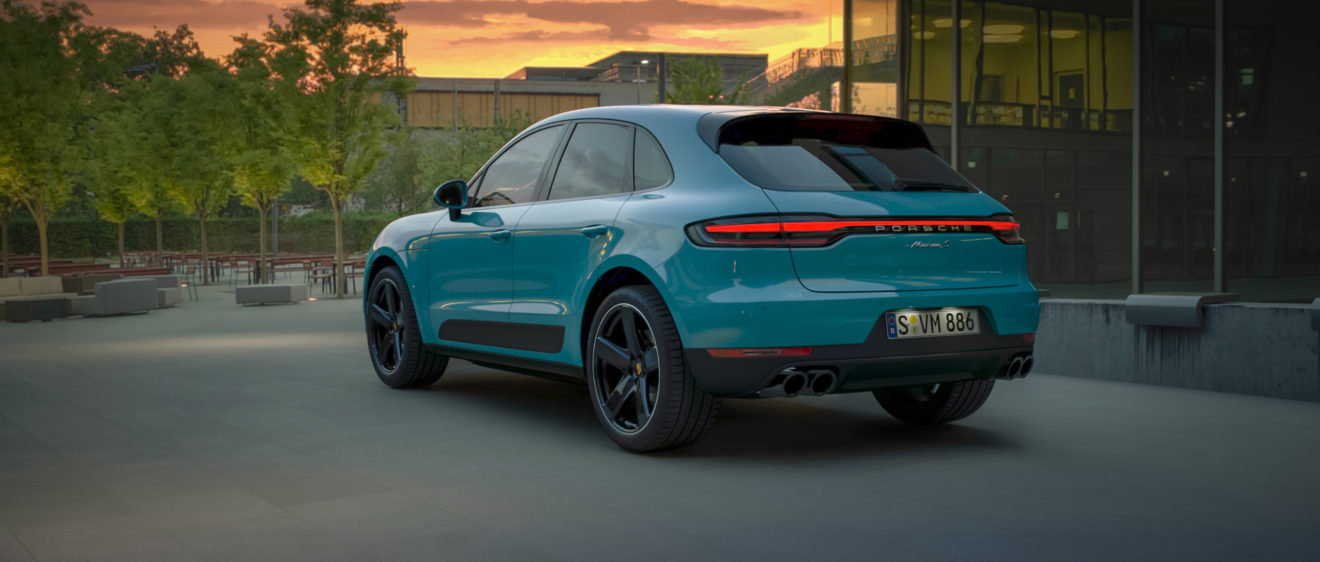
    Porsche India has opened bookings for the Macan facelift in India and it’s all set to be launched in the country in July this year. First launched in 2014, the SUV was long overdue for an update and it’s finally here. The 2018 Porsche Macan facelift comes with updated styling that has been inspired by the new-generation Cayenne, which is also set to go on sale in India later this year. In addition to cosmetic changes, the facelifted Macan also comes with a host new and updated features, which Porsche claims, offers enhanced comfort, connectivity and driving dynamics.

    Visually, the 2018 Macan retains the signature Porsche DNA and is equipped with a host of premium features, both on the outside as well as inside. The front section of the SUV has been redesigned, giving it wider facial features and LED headlights that come as standard, while the rear section is a bit sleeker now and features a three-dimensional LED tail light strip, also a standard fitment. However, if you want something even more high-tech, then the company also offers its ‘Porsche Dynamic Light System Plus’ (PDLS) with adaptive light distribution, as an optional extra. The SUV now also comes in four new exterior colour options – Miami Blue, Mamba Green Metallic, Dolomite Silver Metallic, and Crayon. It also comes with new 20- and 21-inch wheels with an array of customisation option.

    The cabin has also been updated, which now gets new interior packages with more with customisation option. The revised dashboard now features an 11-inch touchscreen display for the new Porsche Communication Management (PCM), the air vents have also been redesigned and also repositioned, and the SUV now also gets the GT sports steering wheel similar to the 911. The mode switch plus Sport Response Button have been integrated into the steering wheel, and are offered as part of the optional Sports Chrono Package. The Macan is equipped with a Connect Plus module, making every vehicle fully networked as standard, while the new Offroad Precision App can record and analyse off-road driving experiences in the model.

    The existing 3.0-litre engines in both petrol and diesel versions of the Macan will make its way on the car, possibly power boost across the entire range. The base model will be uprated to about 300 bhp, the Macan S is expected to offer up to 355 bhp, while the top-end Macan Turbo is likely to offers 434 bhp in the facelifted model.

  • Ford Launches Testing Of New Self-Driving Fleet In Detroit

    Ford Launches Testing Of New Self-Driving Fleet In Detroit

    Ford Motor Co’s majority-owned autonomous vehicle subsidiary, Argo AI, launched its new fleet of self-driving test vehicles – Ford Fusion Hybrid – in Detroit on Wednesday, expanding its presence to five U.S. cities. The new cars are equipped with upgraded sensors, including radars and cameras with higher resolution and range, the company said.

    The No. 2 U.S. automaker is in talks with German carmaker Volkswagen AG to develop self-driving vehicles as its autonomous vehicles unit competes for investment and engineering talent with peers as well as technology companies.

    General Motors’ majority-owned Cruise robotaxi business, Aurora, recently announced a partnership with Fiat Chrysler Automobiles, while Alphabet and Uber are also investing in their self-driving projects.

    Argo already operates vehicles in Pittsburgh, Palo Alto, Miami and Washington D.C.

  • Hyundai And Kia To Invest In Self-Driving Start-Up Aurora

    Hyundai And Kia To Invest In Self-Driving Start-Up Aurora

    Hyundai Motor Co said on Thursday it would invest in self-driving car software startup Aurora along with Kia Motors Corp to speed up development of autonomous vehicle technologies.

    “With the new investment, the companies have agreed to expand research to a wide range of models and to build an optimal platform for Hyundai and Kia’s autonomous vehicles,” Hyundai said

    Aurora said in a blog post that Hyundai and Kia’s investment is part of a series B financing round, which has now raised more than $600 million.

    Aurora, which just announced a partnership with Fiat Chrysler Automobiles, competes with Alphabet’s Waymo and General Motors’ majority-owned Cruise, among others.