Tag: car

  • Hyundai To Bring N Performance Brand To India

    Hyundai To Bring N Performance Brand To India

    In a bid to create excitement around its brand, Hyundai Motor is set to bring the N brand to India. N is the performance division of Hyundai worldwide, and works with Hyundai motorsport too. All N badged cars are the higher performance versions of the production models they use as their base. The plan for India is two-pronged though, given that India remains a price sensitive market – and also the limited demand for hard core performance cars. And so while some N cars will be brought in to create a flutter and build image, they may not be sold through the regular retail channel. Those cars will help build aspiration and instead Hyundai will eye volumes from what it calls the N-Line range of products. It is likely we shall see some N products at the 2020 Delhi Auto Expo, with an official announcement for the brand’s India launch as well.

    Hyundai has already carried out some customer clinics for the N and N-Line cars in India. While it is still early days, the initial feedback for the N-Line range is very positive. Sources within the company have exclusively told carandbike that there is a move to see how the N brand could be used to further penetrate the Indian market. The target would be younger buyers and hence the two-pronged approach to justify the investments needed to bring N to India.

    The N-Line feature stock cars with some minor tweaking to enhance performance, but much visual embellishment – like spoilers, side skirts, aggressive bumpers and of course the requisite stickers, and badges. These are more variants than standalone different models. A full fledged N car would also sport a proprietary N engine that’s specially developed for use only by the N range. N-Line cars feature the same engines as the regular model but with some extra power or torque on offer, as also the most powerful engine that model like has to offer.

    The first N production model was the Hyundai i30 N and now the range also includes the i30 Fastback N and the Veloster N. The latter has especially impressed with its performance credentials. The N-Line range includes the i30 N Line, i30 Fastback N Line, and Tucson N Line. There are unconfirmed plans afoot to also look at an N version of the i20 (likely with the next generation only) as well as adding N-Line variants for cars like the Kona, and Creta. It is these models that would hold interest for the Indian market.

    Maruti Suzuki has attempted to bring a performance range to India with its RS range – albeit halfheartedly. The Baleno RS simply sports the company’s 1.0 boosterjet engine – which is sold as the stock Baleno engine in most other markets. The car also does not have many obvious visual or styling cues to separate it. Volkswagen has also launched the Polo GTrange and subsequently the truly high performance GTI – but both have met with limited success. Hyundai N and N-line cars are offered in specific paint schemes and with more styling elements – which may be the advantage for them when they launch.
  • Car Sales Down By 20.55 Per Cent In May

    Car Sales Down By 20.55 Per Cent In May

    De-stocking is a common phenomenon in the auto market when the demand is not adequate. Also, the industry is on the verge of a big upgrade and automakers have also started to keep a check on inventories at the onset of Bharat Stage 6 (BS6) and BNVSAP (crash test norms) which will require them to introduce updated models which will adhere to all the upcoming regulations. Mahindra has already announced to shut down their production plant for up to 13 days and other carmakers as well are keeping a check on production.

    In May 2019, the passenger vehicle (PV) segment witnessed a decline of 20.55 per cent selling 239,347 units as against 301,238 units which were sold in the same month last year. However, retail sales which is the real reflector of market demand is down by just 1.46 per cent in the same month selling 270,048 units as compared to 274,037 units which were sold last year. The difference between the wholesale and retail figures itself speaks about the stock correction measures taken by the industry. Moreover, the production figures are down by 12.23 per cent as well which also substantiates the fact that carmakers are avoiding accumulation. The industry manufactured 315,168 units in May 2019 as against 359,078 units which were manufactured in the same month last year.

    Other than de-stocking, sales were also down due to general elections and low credit availability. Speaking on the industry outlook, SIAM has requested the government to reduce the GST on cars to 18 per cent which will help the industry to absorb the cost of BS6 transition. “Cars are set to become expensive post BS6. Hence, we have asked the government to bring down the GST rates which will help to keep a check on the prices to a certain extent,” said Vishnu Mathur, Director General, SIAM.

    SIAM is also requesting the government to reduce the corporate tax as government has withdrawn incentives on R&D. Lower corporate tax will also help the industry to use the saved money on development of new technologies. That said, the only thing that can work in favour of the industry at this point is the new launches which are expected to bring in some excitement among car buyers.

  • Jeep Compass Trailhawk Bookings Start In India

    Jeep Compass Trailhawk Bookings Start In India

    FCA India today announced that it has opened bookings for the Jeep Compass Trailhawk. Customers can now book the Trailhawk at a fully refundable ₹ 50,000 at any of the 82 FCA all-brand showrooms across 70 Indian towns and cities. The Trailhawk is the first Made-in-India Jeep to have earned the coveted Trail Rated badge, a global benchmark that is given to Jeep 4×4 SUVs which are developed to have much superior off-roading capabilities compared to regular 4×4 Jeep models

    The Trailhawk gets an anti-glare decal on the hood which ensures the sun does not hamper the driver’s visibility; the front bumpers are redesigned and are now devoid of the aerodynamic overhang. The air dam has been provided at the bottom of the front bumper for enhanced air intake. The Trailhawk also comes with the comfortable frequency damped suspension, albeit has ground clearance much higher than the regular Compass to aid extreme on- and off-road conditions. The Compass Trailhawk monograms on the front and rear are now matte, neutral grey and the 7-slots in the grille also gets matte, neutral grey frames. The Trailhawk is given a tow hook at the rear which makes it capable of pulling out a stuck vehicle

    Announcing bookings open, Kevin Flynn – President and Managing Director, FCA India said, “The Trailhawk is a product which is developed for customers looking for a hugely capable and exclusive SUV in the compact category. It is the first compact SUV to be offered the BS VI turbodiesel engine, nearly a year before the new emission norms come into effect and, it is the only compact SUV which comes with a 9-speed automatic transmission.”

    Under the hood, the Trailhawk gets a 2-litre turbodiesel engine is re-engineered with additional technology to make it fully compliant with the BS 6 norms which come into play on April 1, 2020. As the engine will be available in all Trailhawks nearly one year before the norms become effective, it uses urea technology that will ensure peace of mind for customers. This means that the BS VI engine is capable of running on BS IV diesel until BS VI diesel is widely available in the country.

  • Mahindra To Stop Production Of All Vehicles For Up To 13 Days Due To Low Demand

    Mahindra To Stop Production Of All Vehicles For Up To 13 Days Due To Low Demand

    Indian Auto Industry has been under turmoil since the start of 2019. In April, the Passenger Vehicle segment recorded the lowest sales in the last eight years witnessing a decline of 17.07 per cent. The drop in sales has continued in May as well and all major carmakers have again recorded de-growth. Mahindra also has been recording decline in sales and to the extent that the company had to shut down its production plants for up to 13 days, pertaining to the low demand.

    The Indian UV maker has issued a notification on the Bombay Stock Exchange (BSE) saying, “The Company at its Automotive Sector and Farm Equipment Sector, and Mahindra Vehicle Manufacturers Limited, a wholly owned subsidiary of the Company (‘MVML’), as part of aligning its production with sales requirements, would be observing ”No Production Days” ranging between 5 – 13 days in various plants of the Company and MVML during the first quarter of the Financial Year 2019-2020. The Management does not envisage any adverse impact on the availability of vehicles in the market due to the adequacy of vehicle stocks to serve the market requirements.”

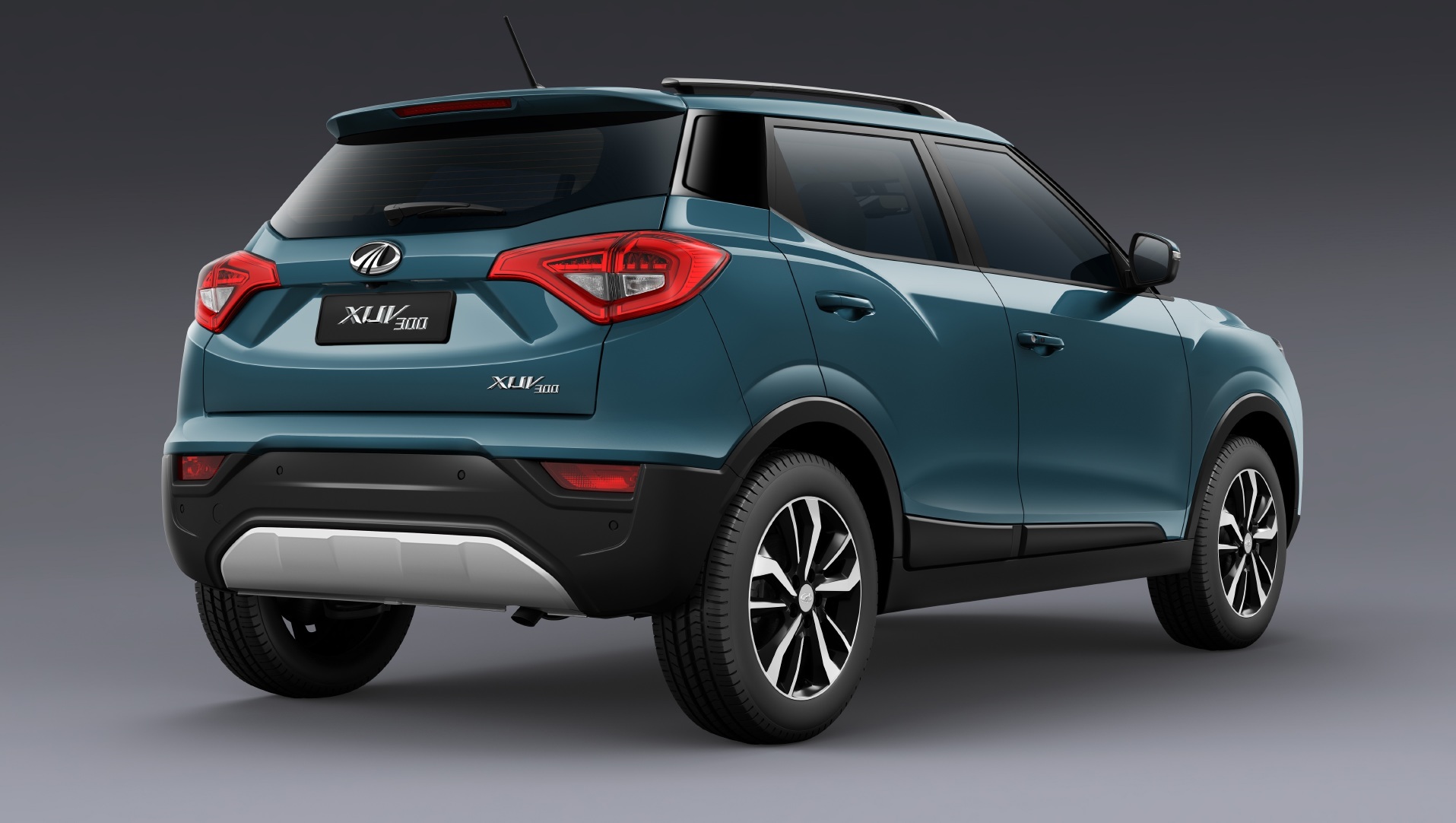
    Mahindra & Mahindra sold a total of 43,721 vehicles in April 2019 compared to 48,097 vehicles during April 2018 which is a decline of 9 per cent. In the Commercial Vehicles segment, the company sold 17,321 vehicles in April 2019, as against 18,963 vehicles in April 2018 which marked a drop in sales by 9 per cent. In the Medium and Heavy Commercial Vehicles segment, M&M sold 474 vehicles for the month. Exports for April 2019 stood at 2,118 vehicles. In May 2019, the carmaker’s total sales stood around 45,421 units as against 46,848 units during the same month last year, which is again a de-growth of 3 per cent. That said, new models like the XUV300 and Marazzo have been well received in the market and Mahindra is soon going to introduce an automatic variant of both models which is likely to give a fillip to the overall sales.

  • Audi Recalls 1644 e-Tron SUVs Globally

    Audi Recalls 1644 e-Tron SUVs Globally

    Audi has recalled the e-Tron electric SUV, it’s first in the history, for a water leakage that could result in fie. The company is taking the recall very seriously and said that the recall is voluntary and affects approximately 540 e-tron vehicles in the US that have been delivered to customers and 1,644 in total. The recall is in response to a potentially faulty seal that may allow moisture to enter the battery compartment which could lead to a short circuit or in extreme cases to a fire. No incidents have been reported globally yet, but Audi is taking precautions to make sure that the problem is fixed. The recall repair is expected to become available in August 2019.

    Customers are being contacted directly to inform them of the recall and the company’s dealer network will get the issue resolved. Audi e-tron vehicles unaffected by the recall remain available for delivery and the company’s reservation system remains open to receive customer reservations.

    The e-Tron is not the only electric car that has faced this issue, in fact even the Jaguar too has had to recall the I-Pace to rectify a fault with the regenerative brake system. While the India launch will happen in the second half of 2019, we wait to see what it’ll be priced at as also how the country takes to the first luxury electric car in the country.

  • Maruti Suzuki Cut Production By 18% In May

    Maruti Suzuki Cut Production By 18% In May

    Maruti Suzuki India had cut cut its production by 9.6 per cent to 147,669 units in April this year from 163,368 in April 2018.The company has now announced a further cut in vehicle production by over 18 percent in May, according to a regulatory filing. It is the company’s fourth consecutive month of taking a production cut

    Barring Super Carry, the company reduced production of all other segments, including that of its big selling compact and mini cars last month. MSI slashed production of passenger vehicles, including Alto, Swift and Dzire, by 18.88 percent to 1,48,095 as compared to 1,82,571 units in May 2018.

    The company cut production of mini segment vehicles by 42.29 percent to 23,874 units last month as against 41,373 units in the year-ago period. MSI also slashed production of compact segment cars by 9.54 percent to 84,705 units in May from 93,641 units in corresponding month of last year. Production of utility vehicles also witnessed a decline of 3.21 percent to 24,748 units, as against 25,571 units in May last year.

    Overall passenger vehicle sales in India dropped over 17 percent in April, the worst monthly fall in nearly eight years, as subdued sentiment and the ongoing liquidity crunch hit car sales.

  • Michelin’s Airless Wheel Which Does Not Puncture To Enter Production By 2024

    Michelin’s Airless Wheel Which Does Not Puncture To Enter Production By 2024

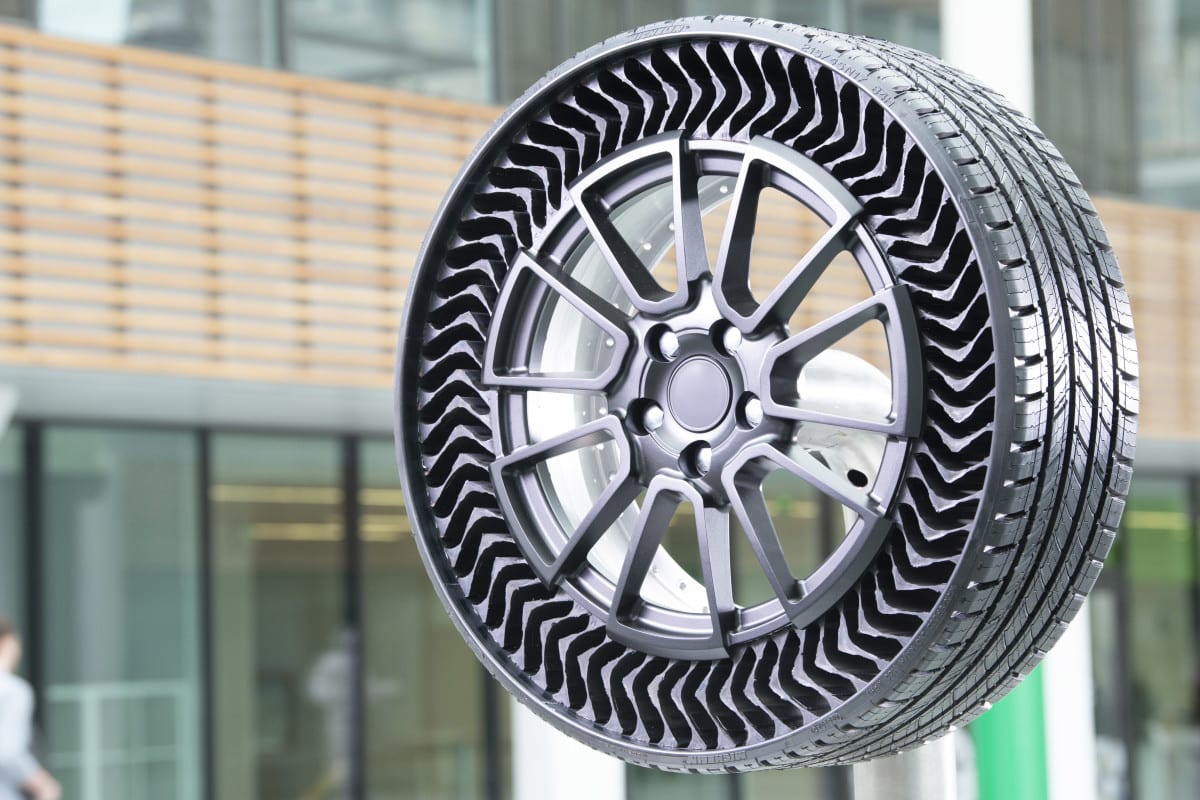
    Michelin and General Motors presented a new generation of airless wheel technology for passenger vehicles. It’s called the Uptis Prototype (or “Unique Punctureproof Tyre System”) – at the Movin’On Summit for sustainable mobility. The joint research agreement will see both the companies validate the Uptis Prototype with the goal of introducing the Uptis on passenger models as early as 2024. Michelin and GM are testing the Uptis Prototype, beginning with vehicles like the Chevrolet Bolt EV. Later this year, the companies will initiate real-world testing of Uptis on a test fleet of Bolt EV vehicles in Michigan.

    Michelin has been working at making airless tyres for the past five years now. The company showcased the Tweel concept in 2014 and an investment of $50 million has gone into the new plant for making it ready for commercial usage. The Uptis is a version of this and is airless. It completely eliminates the risk of flat tyres and blowouts.

    Florent Menegaux, chief executive officer for Michelin Group said, “Uptis demonstrates that Michelin’s vision for a future of sustainable mobility is clearly an achievable dream. Through work with strategic partners like GM, who share our ambitions for transforming mobility, we can seize the future today.”

    The Uptis Prototype is re-engineered for today’s passenger vehicles, and it is also well suited to emerging forms of mobility. The vehicles and fleets of tomorrow – whether autonomous, all electric, shared service or other applications – will demand near-zero maintenance from the tire to maximize their operating capabilities.

    The Uptis features a different architecture and composite materials, which enables the tyre to bear the car’s weight at road-going speeds. Approximately 200 million tyres worldwide are scrapped prematurely every year as a result of punctures, damage from road hazards or improper air pressure that causes uneven wear. These advancements through the Uptis Prototype demonstrate Michelin’s and GM’s shared commitment to delivering safer, more sustainable mobility solutions. Of course these tyres will be pricey but we wait to see how these tyres fair on production cars.

  • France Ready To Cut Renault Stake To Shore Up Nissan Partnership

    France Ready To Cut Renault Stake To Shore Up Nissan Partnership

    France is ready to consider cutting its stake in Renault in the interests of consolidating the automaker’s alliance with Nissan, Finance Minister Bruno Le Maire said Saturday. He was speaking in Japan after Italian-US carmaker Fiat Chrysler pulled the plug on its proposed merger with Renault, saying negotiations had become “unreasonable” due to political resistance in Paris.

    In an interview with AFP on the sidelines of the G20 finance ministers meeting in Japan, Le Maire said Paris might consider reducing the state’s 15-percent stake in Renault if it led to a “more solid” alliance between the Japanese and French firms.

    “We can reduce the state’s stake in Renault’s capital. This is not a problem as long as, at the end of the process, we have a more solid auto sector and a more solid alliance between the two great car manufacturers Nissan and Renault,” he told AFP.

    Last week, FCA stunned the auto world with a proposed “merger of equals” with Renault that would — together with Renault’s Japanese partners Nissan and Mitsubishi Motors — create a car giant spanning the globe.

    The combined group would have been by far the world’s biggest, with total sales of some 15 million vehicles, compared to both Volkswagen and Toyota, which sell around 10.6 million apiece.

    But the deal collapsed suddenly on Thursday, with FCA laying the blame at the door of Paris.

    “It has become clear that the political conditions in France do not currently exist for such a combination to proceed successfully,” FCA said in a statement.

    Le Maire said Renault should concentrate on forging closer ties with its Japanese partner Nissan before seeking other alliances.

    Things need to be done “in the right order…. First the alliance (between Nissan and Renault) should be consolidated and then consolidation (more generally) and not one before the other.”

    “Otherwise, everything risks collapsing like a house of cards,” he warned.

    The minister said it would be up to the bosses of Renault and Nissan to decide how to push the alliance forward as ties between the two firms have been strained after the shock arrest of former boss Carlos Ghosn.

    Renault is pushing for a full merger between the pair but there is deep scepticism of the plan at Nissan.

  • 6 Main Causes of Car Accidents

    6 Main Causes of Car Accidents

    Car accidents are an unfortunate part of our everyday lives, whether you live in a large metropolis or small town. People are almost always the cause of these accidents; and unfortunately, accidents can result in significant injuries and even worse, fatalities. Your life is not the one at stake when driving, so be sure to use good judgment, follow the laws of the road, and be cautious. 

    Of course, just because you are a safe driver, or think that you are, does not mean that all the other drivers are. For this, be sure to protect yourself and anyone else in your vehicle by always having car insurance and filing claims when necessary. The ignorance and errors of other drivers should not fall upon your shoulders. The leading causes of car accidents are listed below and what you should when in these situations. 

    Distracted Driving: 

    More now than ever, are more drivers unfocused on the road. No longer is eating, applying makeup, reading or other crazy things drivers do that can cause an accident, but most accidents happen because of the phone. Currently, nearly every state or city has laws that apply to people driving with their phones and for an excellent reason. Jeffrey Preszler from www.preszlerlaw.com says that as of 2018, the number one leading cause of traffic accidents in Canada was distracted driving due to using a cell phone or other handheld electronic device. When you are driving, let that be it, and put the phone away; it may sound like common sense, but people still find ways to do something other than driving. Distracted driving is now the primary cause of all car accidents. 

    Drunk Driving: 

    Drinking and driving has been around for ages, yet for some reason, people are still doing it. There are other options such as rideshare or a classic taxi. Do not let someone drink and drive; if they have no other choice, let them sober up or have someone take them home. There is never an excuse to drink and get behind the wheel or watch someone do it. 

    Irresponsible Driving: 

    The irresponsibility of some drivers can shock a lot of people. Speeding, tailgating, changing multiple lanes and aggressiveness are just a few of the ways that plenty of preventable accidents can happen. Even if you are running late or the car in front of you is going way to slow, calm down, and realize that it is not just you that is driving. Others can feel the impatience or frustration of another driver on the road. 

    Lawlessness: 

    Running red lights, improper turns, lack of a turn signal, we all have been behind those drivers. They have almost caused you or someone else you know an accident because they either did not pay attention to the signs or they did not care. Look for all the traffic signs and any other visuals that will help you be a more conscientious driver. If you know the rules of the road and follow them, it will be more beneficial to you and other drivers. 

    Weather: 

    Other people are not only out of our control, but the weather is too. If it is raining, snowing or there are storms, try to stay off the road if at all possible. Severe weather causes many accidents and only because of a slick road. If you are in the car during a storm and you have a chance to pull over to wait it out, do that first. Otherwise, drive with extreme caution, paying close attention to your driving and other vehicles. 

    Construction and Roads: 

    The roads need to be maintained, so that means there is always construction going on, especially if you live in the bigger cities. Make sure you slow down since you would not want to hurt one of the workers. Also, as tempting as it is to swerve from the potholes or bumps in the road, you cannot do that with oncoming traffic or someone next to your lane. Slow down and watch for people and the state of the road to avoid an accident. 

    When you head for the car and get behind the wheel of your car, think for a moment that you have the luxury of being able to do it. Now think of all the other people that you will come into contact with on the road since you must share it with others and realize they have families and loved ones too. Getting distracted behind the wheel is not worth what could happen to you or others.


  • New Bentley Flying Spur To Be Unveiled This Month

    New Bentley Flying Spur To Be Unveiled This Month

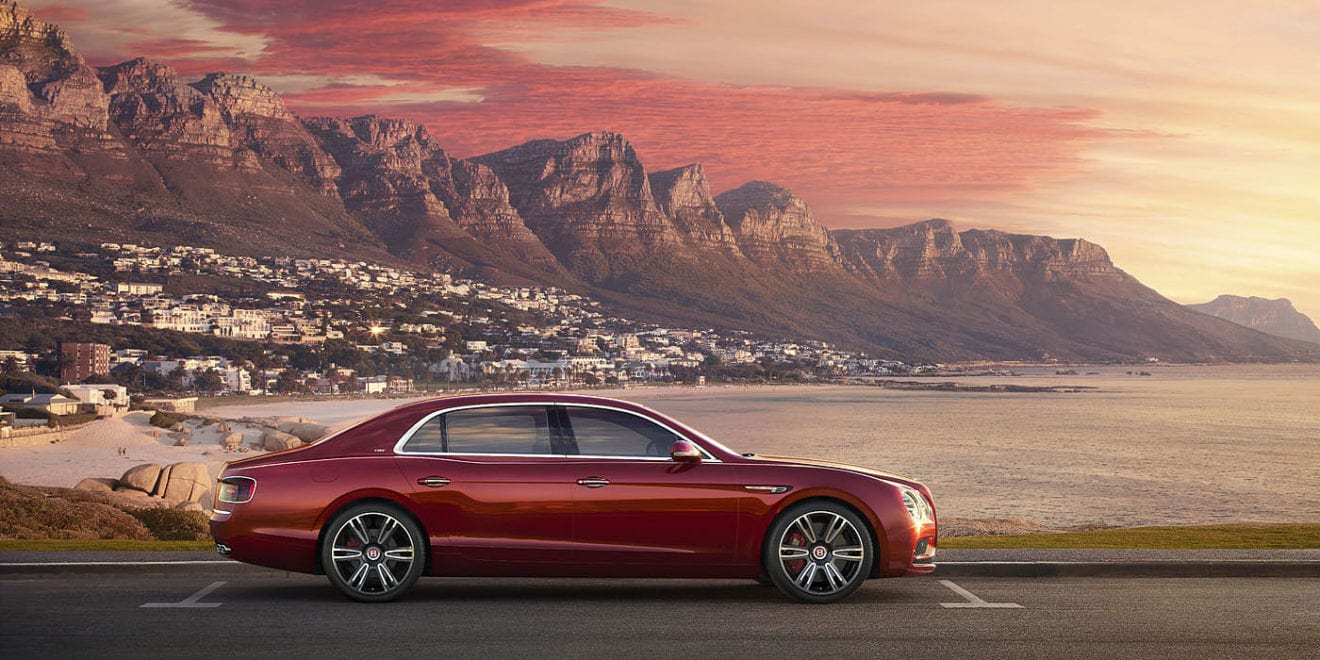
    The third-generation 2020 Bentley Flying Spur Grand Touring Sedan is all set to make its global debut this month, on June 11, 2019. This year also marks the 100-year-anniversary of the British luxury carmaker, which calls the new-gen Bentley Flying Spur a combination of a sports sedan and luxury limousine. Among its key highlight, the new 2020 Flying Spur will be the very first Bentley to get an All-Wheel Steering, enhancing both stability at cruising speeds and agility.

    Bentley says that similar to the recently launched Continental GT, the all-new Flying Spur is also a ground-up development that offers superior technology and craftsmanship to deliver high levels of performance and refinement. In fact, the four-door sport sedan will come with the same 6.0-litre twin-turbo W12 engine that powers the new Continental GT. The motor is tuned to churn out a massive 625 bhp and develops a monstrous 897 Nm of torque. Having said that, Bentley is expected to a couple more engine options later in the future – a smaller 4.0-liter twin-turbo V8 that makes 542 bhp and 770 Nm torque, along with a 2.9-litre V6 plug-in hybrid engine as well.

    In addition to the all-wheel steering, the new Bentley Flying Spur will also get an updated All-Wheel Drive system. Interestingly, the new AWD has been designed to supply power only to the rear wheels in standard road conditions, thus offering the classic sports sedan handling characteristics. However, if the system detects any kind of slip, it’s capable of instantly sending power to the front wheels providing active All-Wheel Drive, fully automatically. This is the first time that Bentley has introduced such an AWD system for the first time.

    Furthermore, for superior ride and comfort, the new Flying Spur now also comes with a new suspension setup that allows you to change the stiffness setting on demand to combat cornering forces and minimise body roll. However, other technical specifications and details will be revealed at the time of the official unveiling.

  • Mercedes-Benz GLB All Set To Make Its World Debut

    Mercedes-Benz GLB All Set To Make Its World Debut

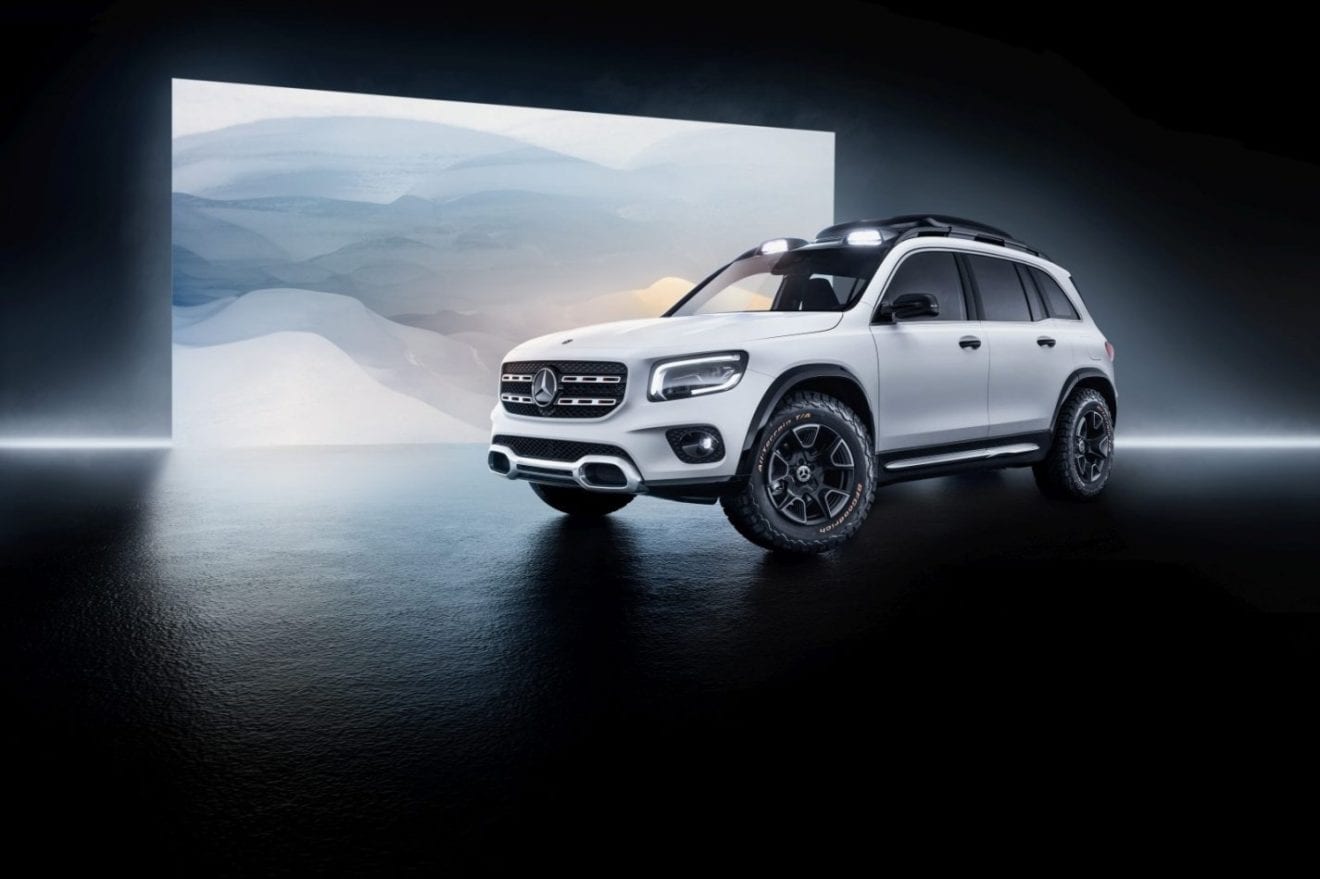
    Mercedes-Benz has dropped a teaser of its upcoming GLB and it’s all set to make it’s world debut on June 10, 2019. The GLB, as the name suggests is based on the B-Class and is built on the MFA2 platform, which underpins the latter. It will be positioned between the GLA and the GLC models. Spy shots of the car give us a peek into what the GLB will look like and the teaser confirms much of these details. The size shows that the GLB is likely to be a 7 seater model and it’s a far cry from being a baby G-Class as it was rumoured to be. The long hood, short overhangs, and the boxy rear end all point out to a GLB being a bigger SUV.

    The upcoming Mercedes-Benz GLB is expected to be a family car like the B-Class so expect a spacious five-seater cabin with a large boot space, possibly above 500 litres. It’s said that Mercedes might even consider offering an optional third row in certain markets. In terms of design and styling for the cabin, we expect the GLB to take inspiration from the new-gen A-Class’ cabin, which was revealed last year.

    Engine options are still not confirmed but, we expect the Mercedes-Benz GLB to get the same engine options as the new A-Class. It could also get the new engines that have been developed in partnership with the Renault-Nissan alliance. The GLB is also expected to get a new electronically controlled four-wheel drive system, but can only confirm that when the SUV make its official debut.

  • A New Maruti Suzuki Dzire Is Sold In India Every 2 Minutes

    A New Maruti Suzuki Dzire Is Sold In India Every 2 Minutes

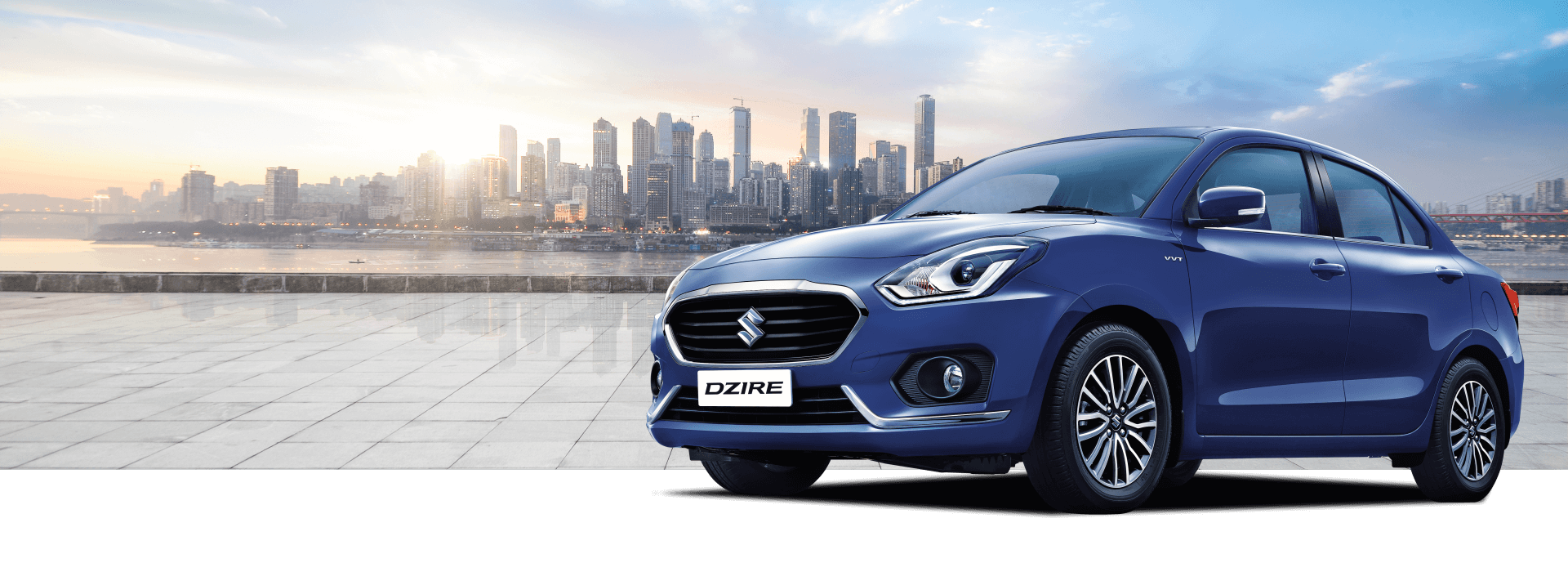
    Maruti Suzuki has been selling the Dzire compact sedan in India for over 10 years now and till now has reached around 19 lakh customers. The Dzire, now, is a subcompact sedan but Maruti Suzuki has had a compact sedan iteration before and the number of customers it has reached to is a combination of sales of both these cars. In 2018-19, Maruti Suzuki sold over 2.5 lakh units of the Dzire subcompact sedan averaging a monthly sales of 21,000 units. There’s no doubt it leads the pack in the segment and boasts of a market share of 55 per cent, while the Amaze is a distant second.

    Shashank Srivastava, Executive Director (Marketing & Sales), Maruti Suzuki India Limited said: “The brand Dzire has been a major contributor to Maruti Suzuki’s journey and we express our gratitude to customers. With the launch of Dzire, we created a new ‘compact sedan’ segment. This segment is continuously evolving and growing. Over the years, Maruti Suzuki Dzire has led this growth and it continues to be relevant and attractive to customers. A testimony to its strong customer connect is that the sales of third generation Dzire went up by nearly 20%.”

    The automatic variant of the Dzire too has received significant success with close to 13 per cent buyers opting for the AMT version. The Maruti Dzire is offered in a 1.2-litre petrol and a 1.3-litre diesel engine along with automated manual transmission or AMT offered on both models. The petrol engine makes 82 bhp and 113 Nm of peak torque while the diesel engine makes 74 bhp and 190 Nm of peak torque. The petrol model has a claimed mileage of 22 kmpl while the diesel Dzire has a claimed mileage of 28 kmpl.

  • Jaguar XE SV Project 8 Touring Breaks Cover

    Jaguar XE SV Project 8 Touring Breaks Cover

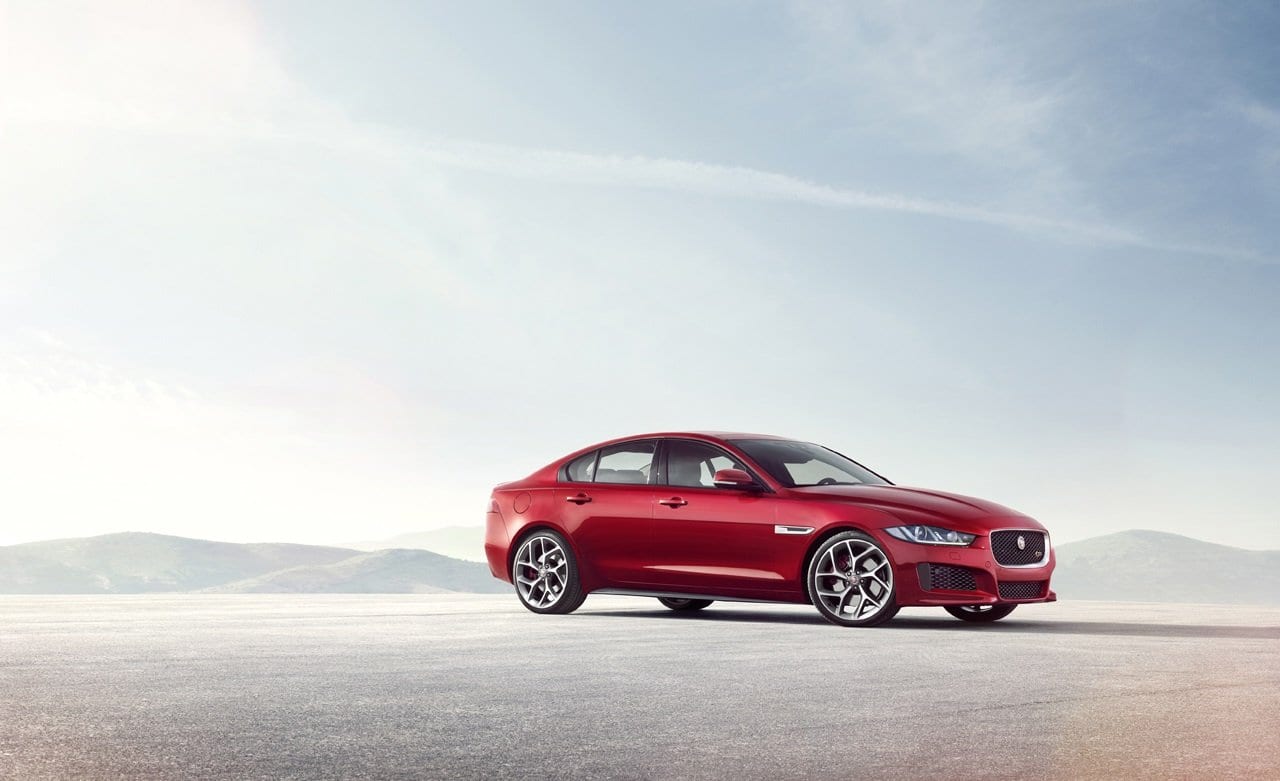
    Trust Jaguar’s Special Vehicle Operations (SVO) division to come with some absolutely menacing offerings and it sure doesn’t disappoint. This time though, the special division has developed a more restrained version of the absolutely bonkers XE SV Project 8 that adds the Touring badge to its name and gets revised to more road-friendly mannerisms. The Jaguar XE SV Project 8 Touring swaps the imposing rear wing for a subtle spoiler that lends a calm look to the 599 bhp car’s track-focussed capabilities. The new Touring version will be sold alongside the Project 8 and much like its track-honed sibling.

    Speaking about the new Jaguar XE SV Project 8 Touring, Jamal Hameedi, Engineering Director, Jaguar Special Vehicle Operations, said, “Project 8 has received outstanding critical acclaim since its launch, demonstrating the Special Vehicle Operations team’s ability to create a compact Jaguar sedan with supercar-rivalling performance. Touring specification extends the appeal of Project 8 to performance car enthusiasts and collectors who prefer a more discreet appearance, without compromising its driver-focused on-road dynamics.”

    So what changes on the Jaguar XE SV Project 8 Touring, the adjustable carbon-fibre rear wing that generates over 122 kg of downforce at 300 kmph and has been swapped for a lip spoiler on the boot-lid. The Touring also has a fixed front splitter to “maintain aerodynamic balance,” even as all other aspects remain the same. The special version based on the XE sedan is offered in four colour options – British Racing Green, Corris Grey Satin, Valencia Orange, and Velocity Blue – while the standard Project 8’s decals and stripes are now offered as optional. The big change though comes in the top speed of the car that has been reduced from 320 kmph on the Project 8 to 300 kmph on the Project 8 Touring.

    Power continues to come from the same 5.0-litre Supercharged V8 Project 8 motor that can accelerate from 0-100 kmph in 3.7 seconds. The Special Vehicle Operations division will hand assemble only 15 examples on the XE SV Project 8 Touring exclusively in the four-seat configuration at the Technical Centre in Warwickshire, UK. The 15 cars of the Touring version are part of the 300 units that were originally announced for the Project 8 and is priced at the same $185,495

  • BMW Motorrad Files Patent For Electric Front Wheel Drive

    BMW Motorrad Files Patent For Electric Front Wheel Drive

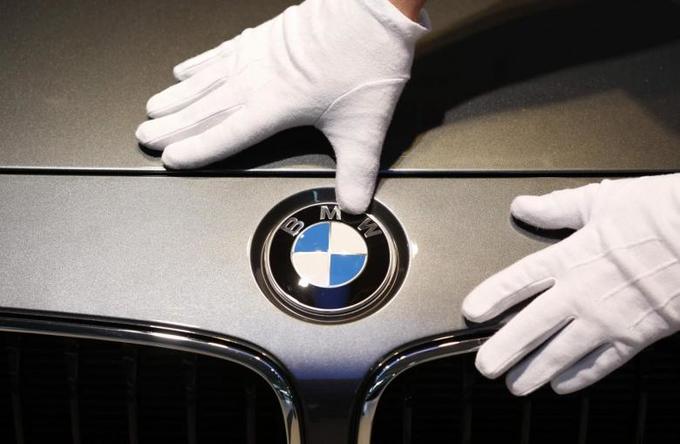
    BMW Motorrad has filed patents for an electrically-driven front wheel that is likely to be featured in future generation adventure bikes. The patent drawings are ostensibly of an electric front wheel drive system, which will be able to supply drive force in combination with the conventional rear-wheel drive on motorcycles. The drawings show what is an all-in-one unit mounted around a front wheel hub, which will offer drive to the front wheel when needed in particularly steep inclines or slippery surfaces. The system isn’t a full-time two-wheel drive, but can be engaged only when the rider wishes to use it.

    The accompanying patent description does not say much about how it works, or what goes behind the front wheel drive concept, but BMW Motorrad states that it can be applied to motorcycles, as well as other vehicles, including three-wheelers and four-wheel vehicles. A patent application doesn’t always mean that such technologies will be introduced, or neither are these a sure-shot guarantee that BMW Motorrad will in fact introduce an electric two-wheel drive system.

    In fact, more than two years ago, there were reports of BMW Motorrad’s all-wheel drive system as well, on what was to be the world’s first series-production all-wheel drive travel enduro motorcycle with hybrid drive. Called the xDrive Hybrid, that system is similar to the one filed in the new patent application, but two years hence, it is yet to see something of a production form.

    If BMW Motorrad is indeed working on such an all-wheel drive system for motorcycles, with an electric front-wheel drive system, two years is a long time to be working on it, and about time we saw something, at least in concept form. Our guess is, something may be shown at the EICMA show in Milan, in November this year. But then again, who knows? Either ways, it will be interesting to see what the next generation motorcycle technology will be showcased at the world’s most popular motorcycle show in November 2019.

  • Official Designs Reveal Aprilia RS 660

    Official Designs Reveal Aprilia RS 660

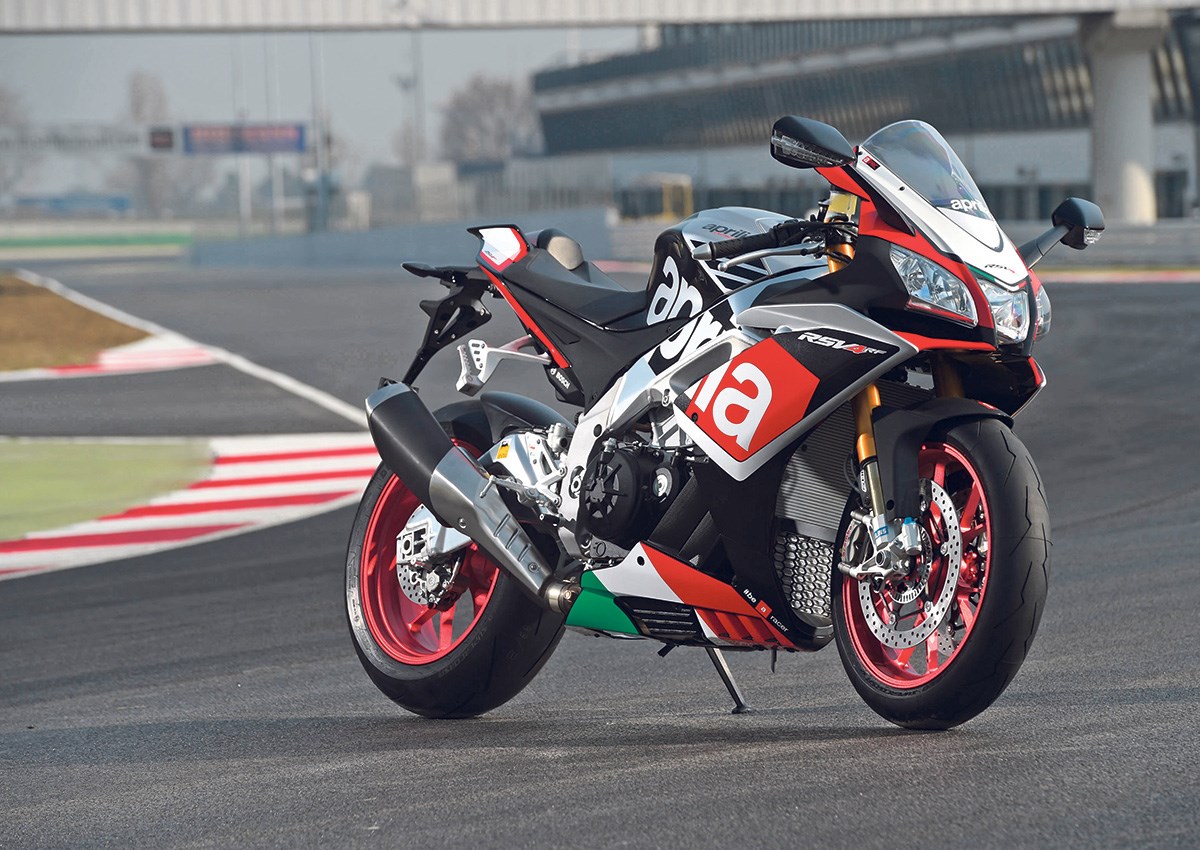
    The Supersport class may not be getting much interest from consumers, across all brands, but now Aprilia seems intent to introduce a new 660 cc motorcycle, the Aprilia RS 660, which was showcased as a concept at the EICMA 2018 show in Milan, Italy, last year. Aprilia has revealed production drawings of the RS 660. From the concept showcased at the EICMA show, the design is nearly identical, but a closer look reveals that the production drawings show reveals that almost every body panel has been completely redesigned.

    The powerplant and other elements though remain the same as the concept, including the 660 cc, parallel-twin engine. The bike’s fairing has undergone some changes in design on the production drawings, with reshaped side panels as well as some changes in the cycle parts. The production design reveals the bike will sport Sachs suspension and Brembo Monoblocs, while the concept featured Ohlins suspension and Brembo Systema calipers. A top-spec production variant could also feature the Ohlins and Systema hardware which could be introduced at a later stage once Aprilia introduced the production model of the RS 660. The wheel design is also different on the production drawings.

    The triple clamp on the steering is a straight lift from the Aprilia RSV4, while the clip-on handlebars have a less aggressive riding position – placed higher and are significantly straighter than the ones shown on the concept. The swingarm seems to be completely new, but the single seat design has remained the same on the production model. We expect the production-spec Aprilia RS 660 to be showcased at this year’s EICMA 2019 show in November.